Save 50% in Uniworld’s 2 – for – 1 SALE!
Save 50% in Uniworld’s 2 – for – 1 SALE!




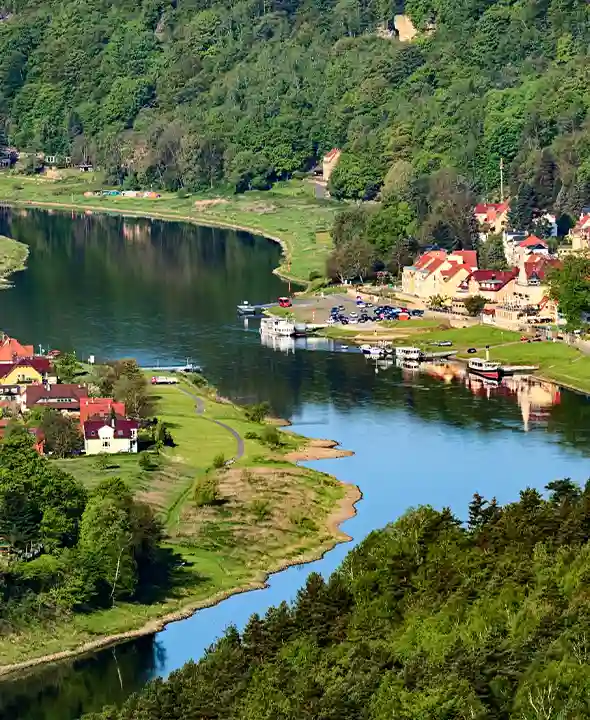
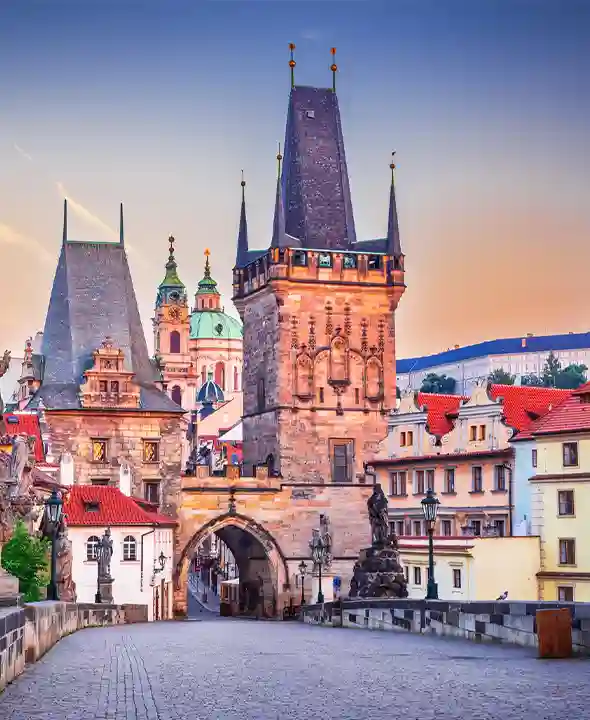

Discover one of Central Europe’s major rivers on a cruise of a lifetime with our Elbe River Cruises. Experience the sheer beauty of the river Elbe, famous for inspiring artists and writers of the Romantic Movement, with our luxury River Cruise deals, the ultimate blend of history, culture, and stunning views.
Enjoy the Elbe with crui.se
 Crui.se Loves
 Viking Beyla & Viking Astrild
 Elbe
Elbe


 MS Elbe Princesse
Elbe
MS Elbe Princesse
Elbe

In partnership with our trusted river cruise company and operator partners, experience the delights of Elbe River Cruises with complete peace of mind and total confidence. Handpicked for their premier service and dedication to the customer experience, our trusted partners guarantee an unforgettable Elbe River cruise experience.










 January February March April May June July August
  September October November December

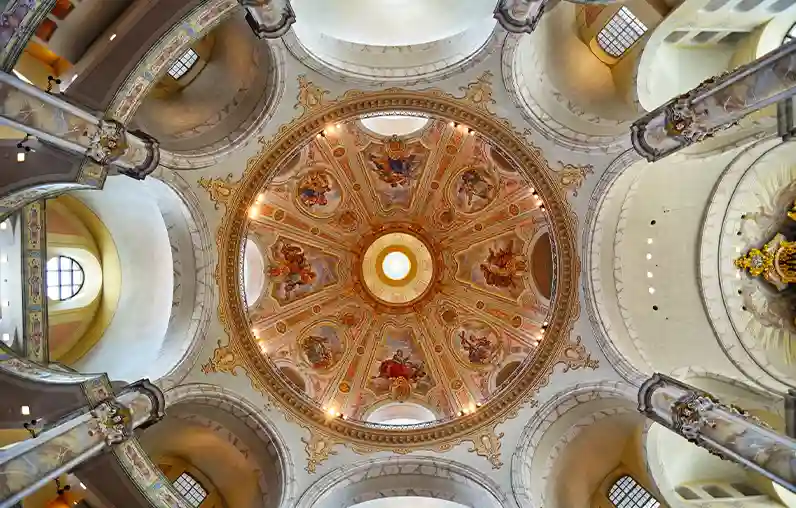
Carefully crafted programmes with expert guides breathe life into port stops with all the unmissable top attractions, a handful of destinations which are a little less well-known, and hidden gems. Just take your pick. Visit iconic attractions alongside handpicked marvels known only to someone with local knowledge. Follow cruise itineraries or head off and explore on your own.

Our gourmet chefs take inspiration from the riverside surroundings so you can experience the true essence of the areas we sail through with carefully chosen menus brimming with local produce. There are vegetarian and vegan options daily, plus unique dishes for passengers with restricted dietary requirements, all prepared to the same exacting standards and a total treat for your tastebuds.
*This is an example itinerary of one of many of our Elbe River cruises. We have a vast selection of river routes, cruise lines, and ships. Speak to our crui.se advisor today to find your perfect Elbe cruise.


Embark on an extraordinary journey along the enchanting Elbe River, where our incredible cruise deals will transport you through stunning landscapes and captivating towns. The Elbe River cruise unveils Europe’s mesmerising beauty and cultural legacy, meandering through Germany, the Czech Republic, and other captivating destinations. Traverse picturesque valleys, vineyards, and charming towns, surrounded by natural wonders and historical treasures, as unforgettable experiences await you at every turn.

Dawn, Crui.se Expert
As a veteran cruiser on several major European waterways, I was struck by how unknown the Elbe is as a cruise choice – people always go for the big hitters first, but this is one seriously underrated waterway! The river’s route is historically so fascinating, bearing in mind the history of the last one hundred years. The Elbe was commercially significant, so that makes it exciting but don’t think that makes it dull. The Elbe is one of the most beautiful rivers I have travelled on – I can see why Bohemia is associated with rhapsody! It’s very picturesque and just a little bit different, and that will appeal to discerning cruisers and those who have never been before.

The below guide table provides an overview of Elbe River Cruise Prices in 2024 and 2025, showcasing the extensive selection of river cruises available.
With prices starting from £1,544 per person, the Elbe River Cruises take you through the heart of Central Europe. Travel from historical cities like Berlin to the cultural hubs of Prague and Dresden. Enjoy a diverse landscape of majestic mountains, picturesque valleys, and vibrant cities, making each cruise a unique blend of nature and culture.
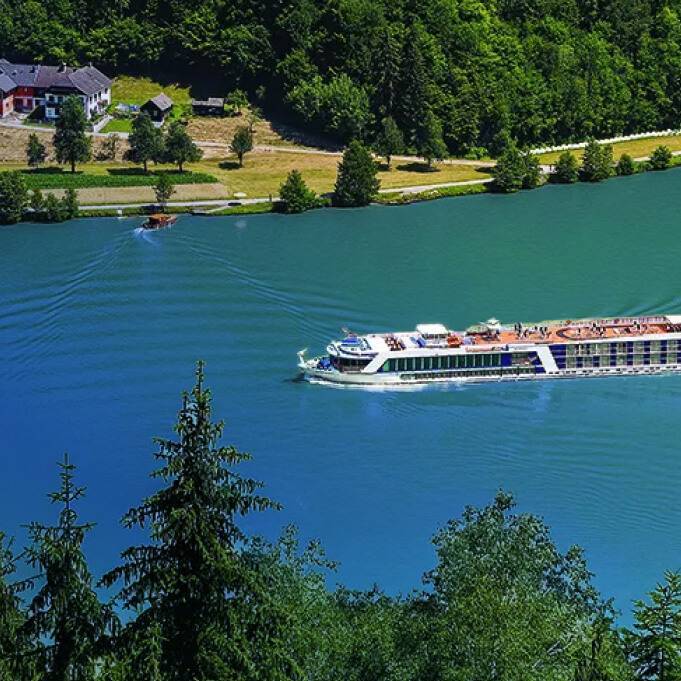
Cruise the most unique river in the world and experience the history and beauty of a waterway that runs through ten different countries
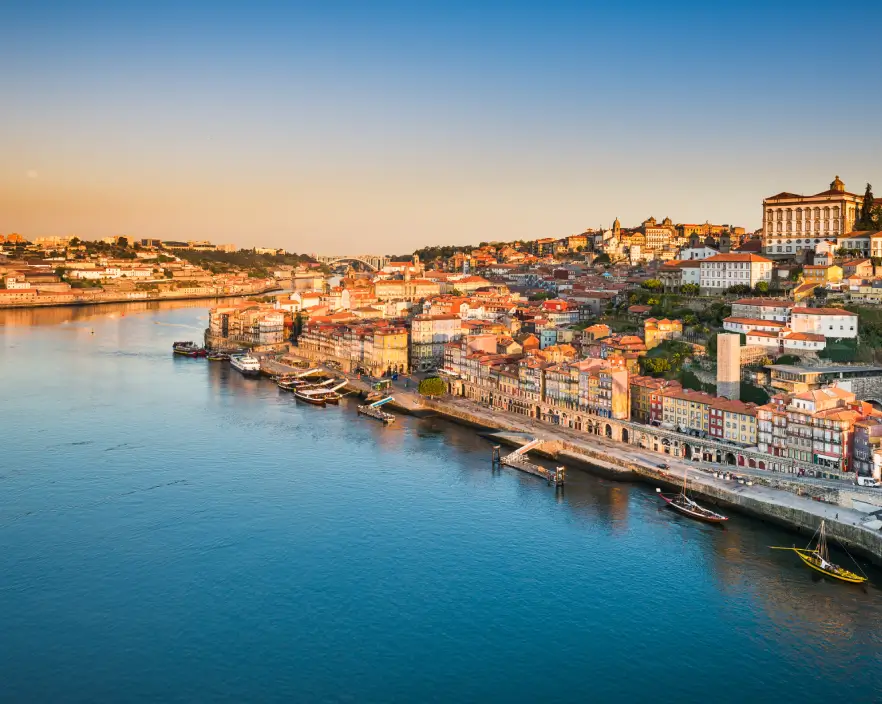
Prepare for an extraordinary escapade as you set sail along the magnificent Douro River, a treasured waterway that meanders through charming landscapes and renowned vineyards in Portugal and Spain.
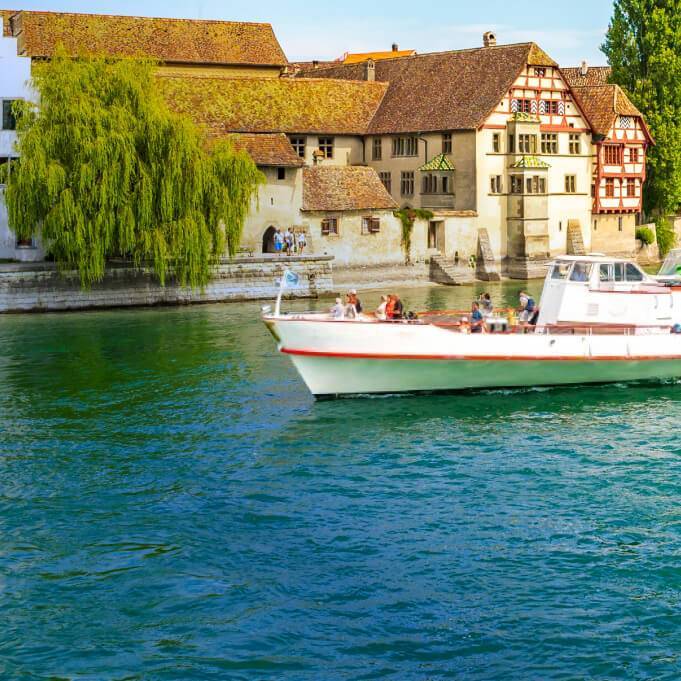
Romance and this beautifully scenic and meandering river are intertwined with a trading history dating back to Roman times.
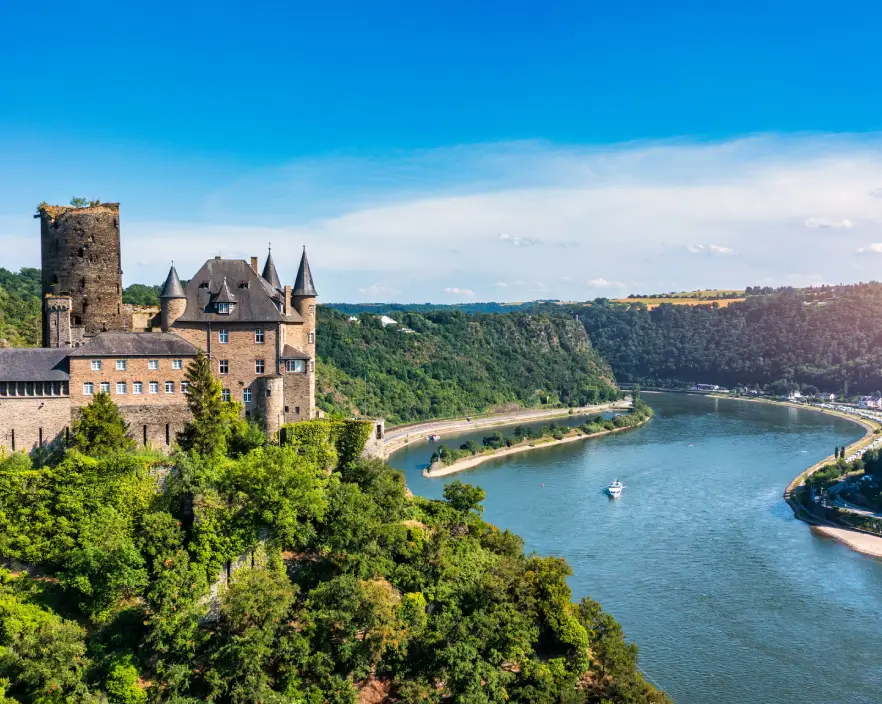
Experience the beauty and inspiration for the world’s most famous literature and music on Germany’s longest river, a key trading route since the Roman Empire.

Flowing through Southeast Asia, experience diverse cultures and ethnicities on this ancient waterway, the second most biologically diverse river in the world.
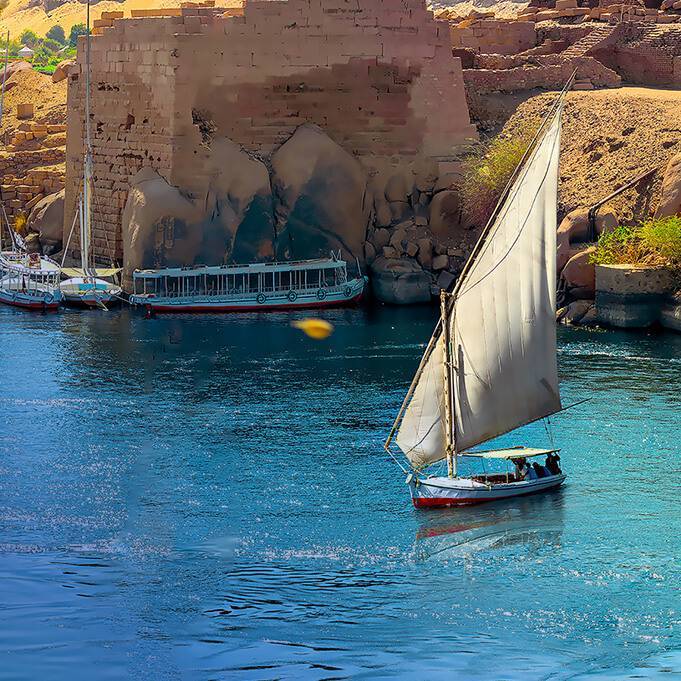
Experience the Land of the Pharaohs on a waterway that provides the essential thread through Egyptian culture, history and civilisation.
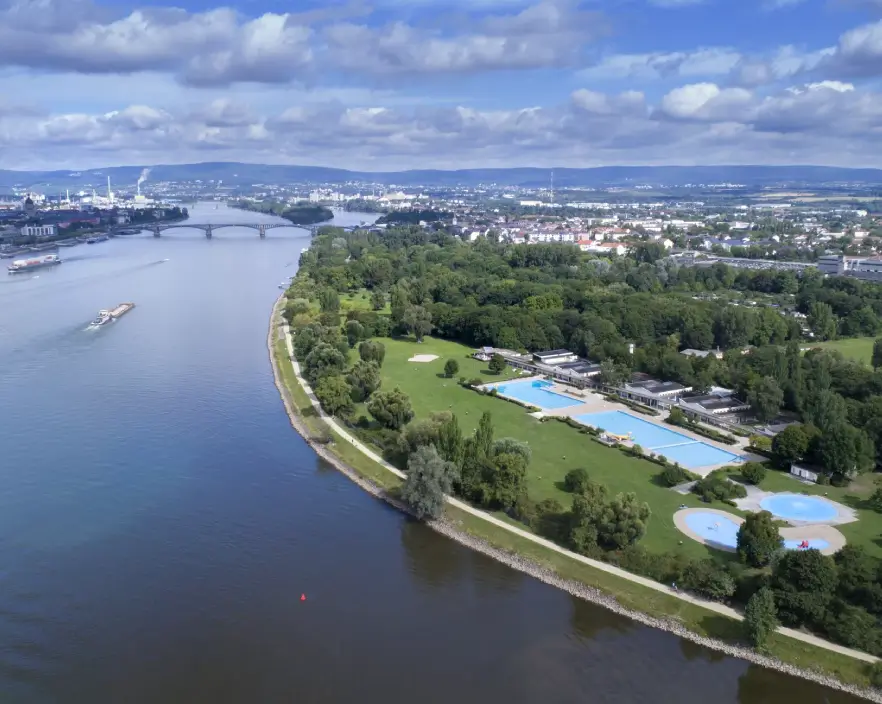
Sail through Bavaria’s peaceful and pastoral landscapes and discover some highlights of Germany’s fascinating historical treasures and heritage.
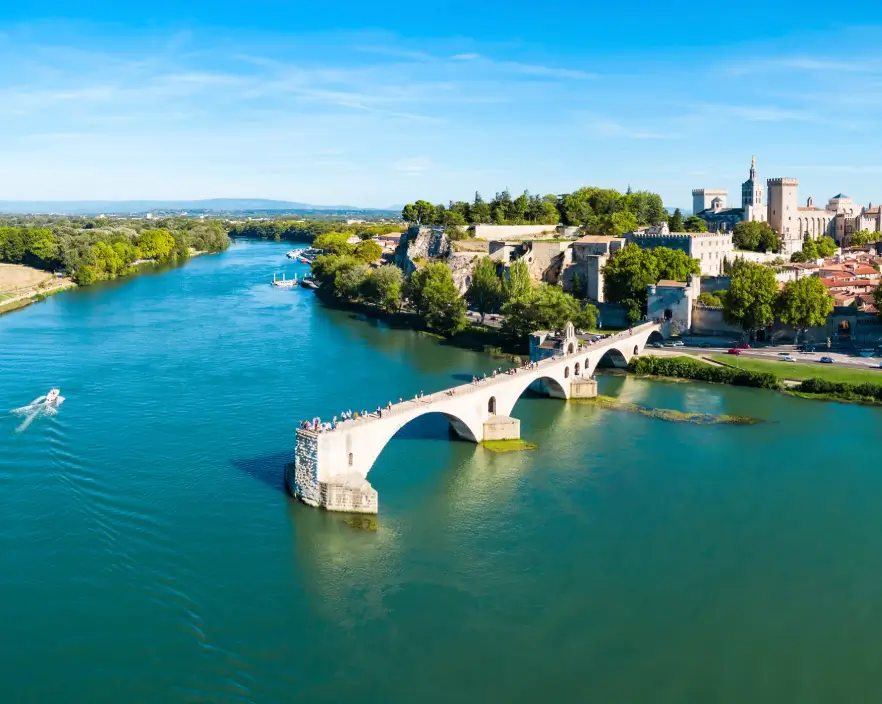
Explore this ancient trading route’s fascinating heritage and beautiful scenery from Greek and Roman times with our Rhône River Cruise deals.
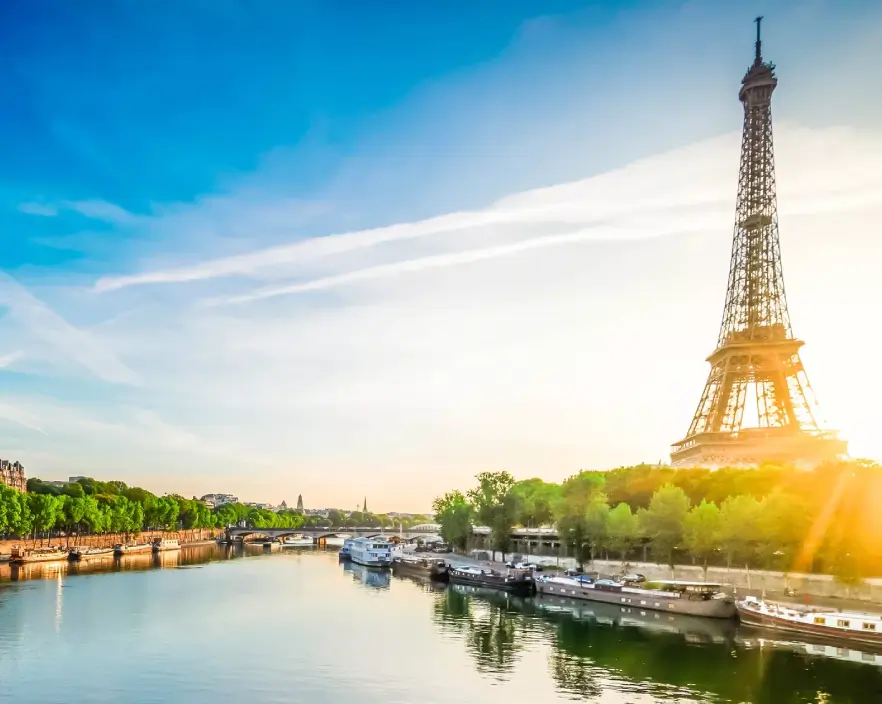
Discover the artistic treasures in the Louvre and Claude Monet’s gardens at Giverny and see why the Seine River has inspired so many famous impressionist painters.
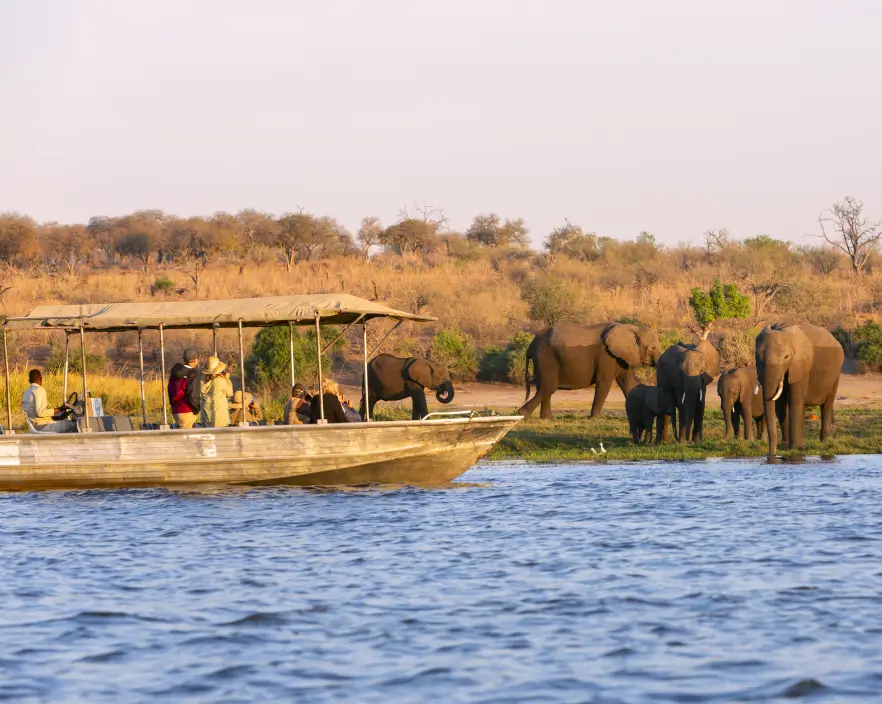
Combine a land safari with a voyage on Africa’s famous Chobe River. There is plenty of opportunity to view the wildlife attracted to the water and the stunning scenery of the Caprivi Strip and Chobe National Park.
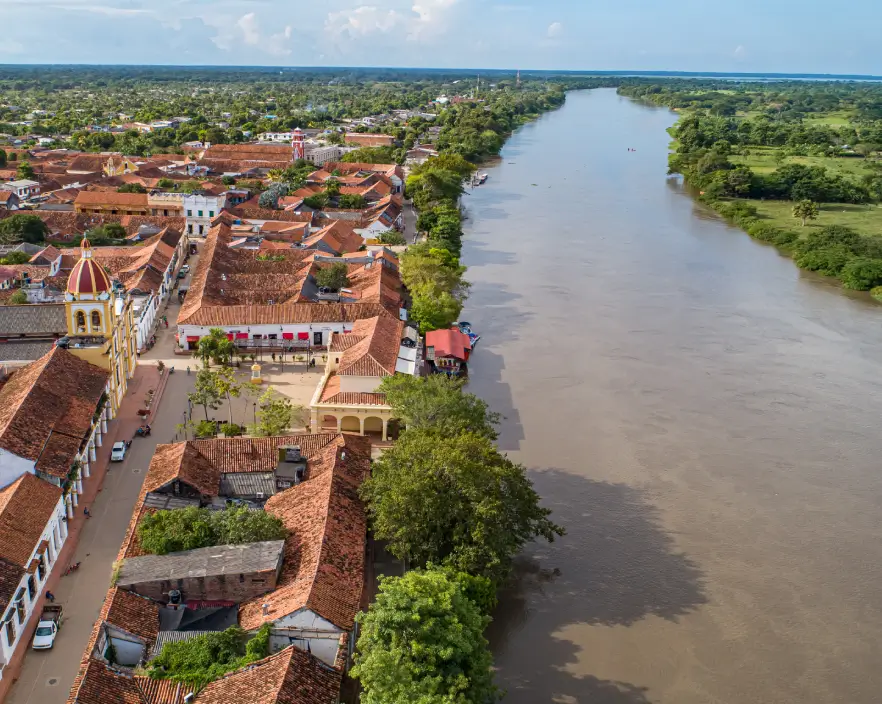
Explore Colombia like it’s never been seen before, from the beautiful Magdalena River, onboard a luxury river cruise boat
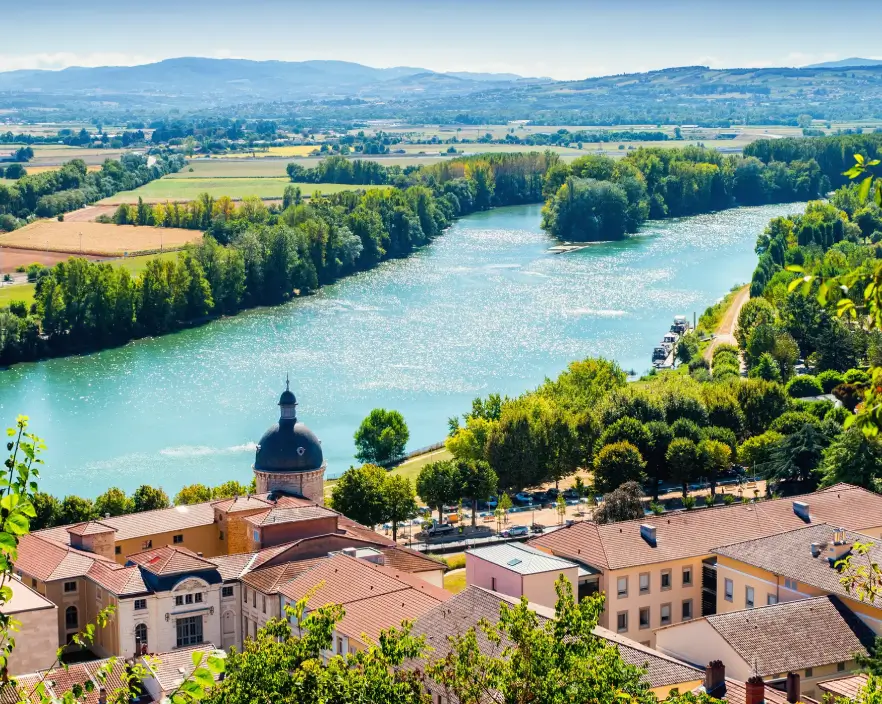
Not one of the most popular rivers, but a true hidden gem. Choose from our small but stylish river Saône itineraries.
You can check our frequently ask questions here anytime

Let us know when you book if you have any special dietary requirements. Our skilled gourmet chefs are experts at creating a range of international and locally-inspired cuisine and offer vegetarian and vegan options daily, plus specially adapted dishes for guests who cannot eat a regular diet. Quality and taste are always top of the menu, whatever the ingredients.

All our cruisers have access to people with physical restrictions or who are disabled. Chat with one of our team and let us know what modifications you require and how we can tailor our accommodation to give you the best cruise experience. We’ll plan the whole trip from start to finish to take account of your particular requirements, including tailoring port excursions, so you don’t miss out.

Our expert staff will advise you when you book an exclusive cruise and keep in touch with guests should protocols change. We follow the World Health Organisation’s current health policies and stay ahead of more local guidance and restrictions depending on where the vessel is visiting. Our onboard staff are all fully vaccinated.

You may need visas depending on where the vessel visits and the length of the cruise journey. You are responsible for arranging your own visas ahead of travel, and our booking team can advise you on how to do this and how far in advance you should apply when you make your reservation.

Yes, you will need a valid passport for an Elbe River cruise. As the river travels through multiple countries, such as Germany and the Czech Republic, it is necessary to have a passport to cross international borders and comply with immigration requirements. Make sure your passport is valid for at least six months beyond the duration of your cruise, and check the specific visa requirements for each country you will be visiting. It’s always a good idea to consult with our Crui.se experts or the cruise line to ensure you have all the necessary travel documents before embarking on your Elbe River adventure.

The River Elbe is a remarkable waterway in Central Europe, stretching over 1,094 kilometres (or 680 miles) in length. It begins its journey in the majestic Krkonoše Mountains in the Czech Republic, flowing through a number of countries, including Germany, and briefly touching Poland.
As it meanders through Germany, the Elbe River gracefully winds its way through a variety of landscapes, showcasing the enchanting beauty of the region. It passes through eastern Germany, enriching the scenic countryside of Saxony, Saxony-Anhalt, and Lower Saxony.
Along its course, the Elbe River encounters several captivating landmarks. One such gem is the renowned Elbe Sandstone Mountains, where stunning rock formations rise majestically, creating a truly awe-inspiring sight. These natural wonders, often referred to as Saxon Switzerland, add an extra touch of beauty and grandeur to the Elbe River’s journey.
As the Elbe River continues its flow, it gracefully passes through diverse cities and towns, leaving its mark on the cultural and historical landscape. Prominent urban centres like Dresden, Magdeburg, and Hamburg owe their prosperity in part to the vital connection provided by the Elbe River.
Eventually, the Elbe River finds its way to the North Sea, forming an estuary near Cuxhaven. This connection with the vast waters of the North Sea opens up avenues for maritime trade and navigation, enriching the region’s economy and fostering international connections.
While not directly related to the Elbe River, it’s worth mentioning the picturesque Havel River, which is another notable waterway in the region. The Havel River intertwines with the Elbe River at certain points, further enhancing the intricate river network that contributes to the region’s natural beauty and water-based activities.
Overall, the River Elbe is not just a waterway but a living testament to the captivating geography, cultural heritage, and natural wonders that grace the heart of Europe.

Absolutely! The Elbe River proudly showcases its association with a number of UNESCO World Heritage sites. One such gem is the historic city centre of Dresden, which lies gracefully along the banks of the Elbe. This remarkable site is recognized for its outstanding cultural value, encompassing stunning architecture and centuries-old treasures. Moreover, the Elbe River Valley, particularly the captivating region known as Saxon Switzerland, forms part of the transboundary Elbe River Biosphere Reserve, which has received the prestigious UNESCO designation.

Yes! The Elbe River graciously flows past several enchanting medieval Hanseatic cities. Among these gems is Magdeburg, situated in the captivating region of Saxony-Anhalt. This city, once a prominent member of the Hanseatic League, exudes a medieval charm and showcases architectural wonders from centuries gone by. Exploring these cities along the Elbe River allows you to immerse yourself in the fascinating heritage and rich trading history of the Hanseatic League.

While the Elbe River itself doesn’t offer a direct route from Berlin to Prague, some Elbe River cruises provide the opportunity to extend your journey or embark on side trips to these iconic cities. This allows you to combine the delights of an Elbe River cruise with the exploration of Berlin and Prague. These two culturally vibrant cities, each with its own unique character and historical significance, can be experienced as part of an unforgettable itinerary that encompasses the beauty of the Elbe River.

Embarking on an Elbe River cruise allows you to traverse the captivating landscapes of northern Germany. The specific destinations covered may vary depending on the cruise itinerary, but you can expect to encounter the picturesque beauty, charming towns, and cultural highlights that adorn the northern German region. As you sail along the Elbe River, you’ll have the opportunity to witness the allure of northern Germany and experience its diverse treasures.
Our mission at crui.se is to help you and your loved one’s book and experience the best cruise holiday imaginable. We’re different in that, our customers come first, not our suppliers or profit margins. Get in touch and let us help you set sail.

ABTA protected

Over 20 cruise brands to choose from

Low deposits from £500

All Inclusive cruises
Best deals & discounts

Community driven

Brand agnostic

We take care of everything

Custom built cruise holidays

The best crui.se deals will sail into your inbox.
Thanks for signing up to receive our crui.se offers. Be sure to keep a close eye on your emails for the best, most-exclusive cruise deals on the market. Then it’ll be anchors away on your perfect cruise holiday in no time.
Back To HomeWhile you eagerly await our competition results, why not get in touch with our cruise consultants to help you book your perfect river cruise holiday.
 023 8268 7278
Your video appointment is booked with our cruise specialist Rachel for {{custom_date}}. We will send you the video link before the call. In the meantime if you have any questions please contact us on 020 4527 9437
Back To Home All hands are now on deck. The Captain has performed 15 short horn blasts in appreciation of your enquiry. The ships entertainment staff are already preparing a tributary song in your name, and the cook is whipping up your favorite dish. Sit back, relax, and enjoy a pina colada while we compile the best crui.se options for you.
Back To Home luggage to take on your luxury river cruise.

Departing on the 14th of August sailing in a Lower Deck Cabin.
Price : £949 per person
 Optimized by Seraphinite Accelerator