







 We won’t be beaten on price...

ABTA protected


From Bavaria's Heritage to
the Balkans' Vibrant Heart
Scroll to sail

From Bavaria's Heritage to the Balkans' Vibrant Heart
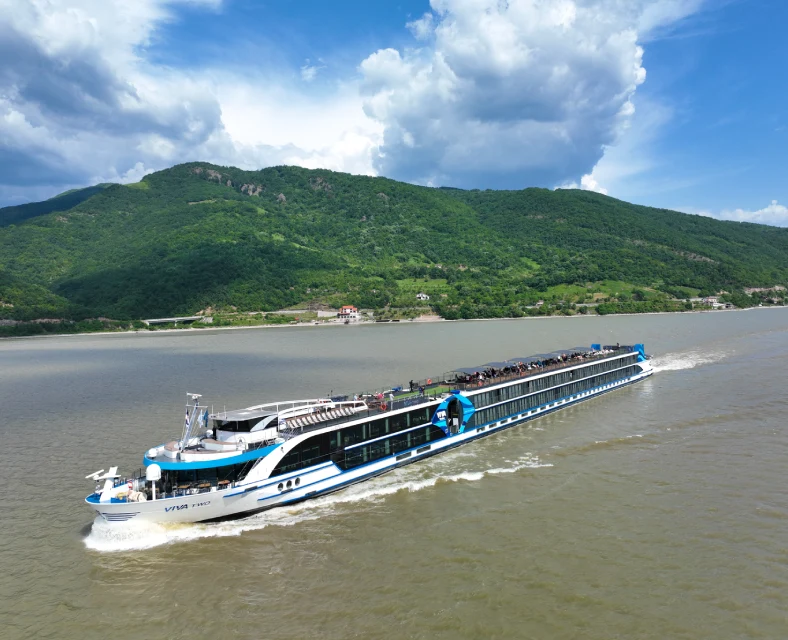
Embark on an unforgettable 11-day journey From Bavaria's Heritage to the Balkans' Vibrant Heart with VIVA Cruises. This captivating river adventure aboard the VIVA TWO unveils the majestic Danube, a ribbon of history and culture connecting diverse European landscapes.
From the Bavarian charm of Passau, glide through the heart of Europe to discover imperial Vienna, the vibrant energy of Budapest, and the historic allure of Bratislava. Venture further into the Balkans, exploring Belgrade, Novi Sad, and hidden gems like Kalocsa and Osijek, each offering unique insights into rich traditions.
This exceptional itinerary promises a tapestry of architectural marvels, breathtaking scenery, and authentic local encounters. Savor gourmet cuisine and unparalleled comfort as you witness the fascinating evolution of cultures along this legendary river. Discover a truly enriching and vibrant European odyssey.
-
 Cruise Line: VIVA Cruises
-
 Ship: VIVA TWO
-
 Duration: 11 Nights
-
 Departure: Apr - Sep
From Bavaria's Heritage to the Balkans' Vibrant Heart Prices
From Bavaria's Heritage to the Balkans' Vibrant Heart Gallery





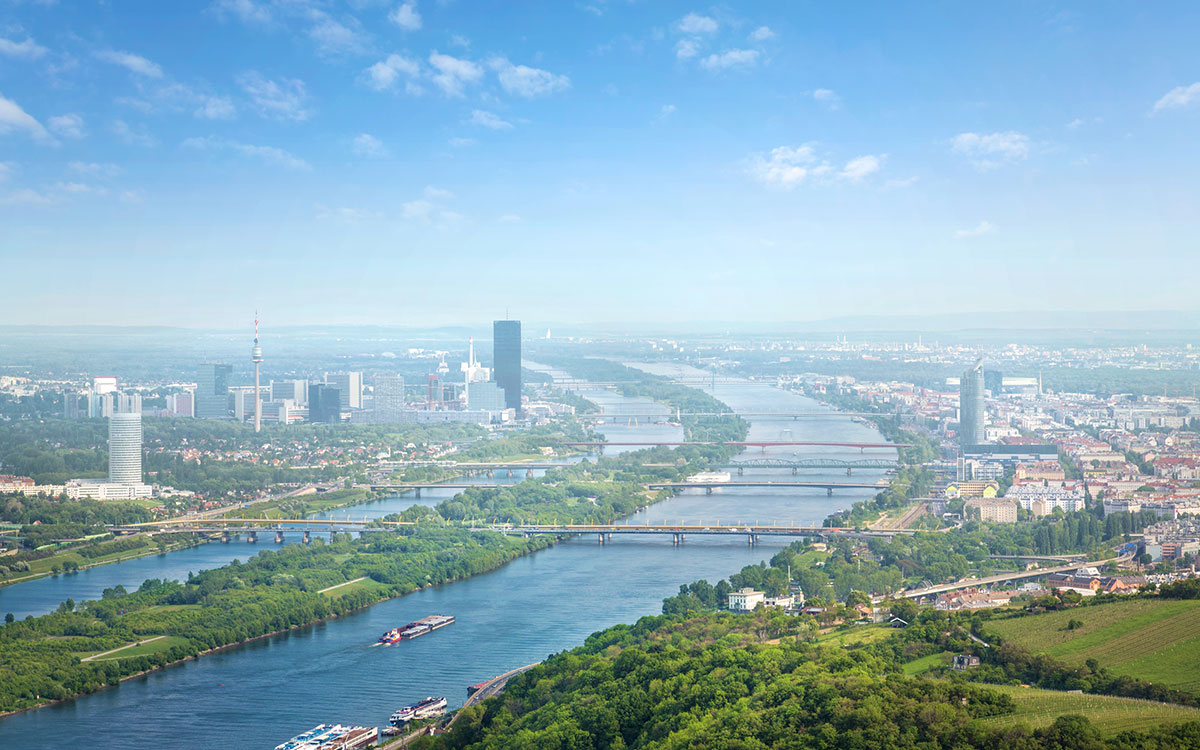

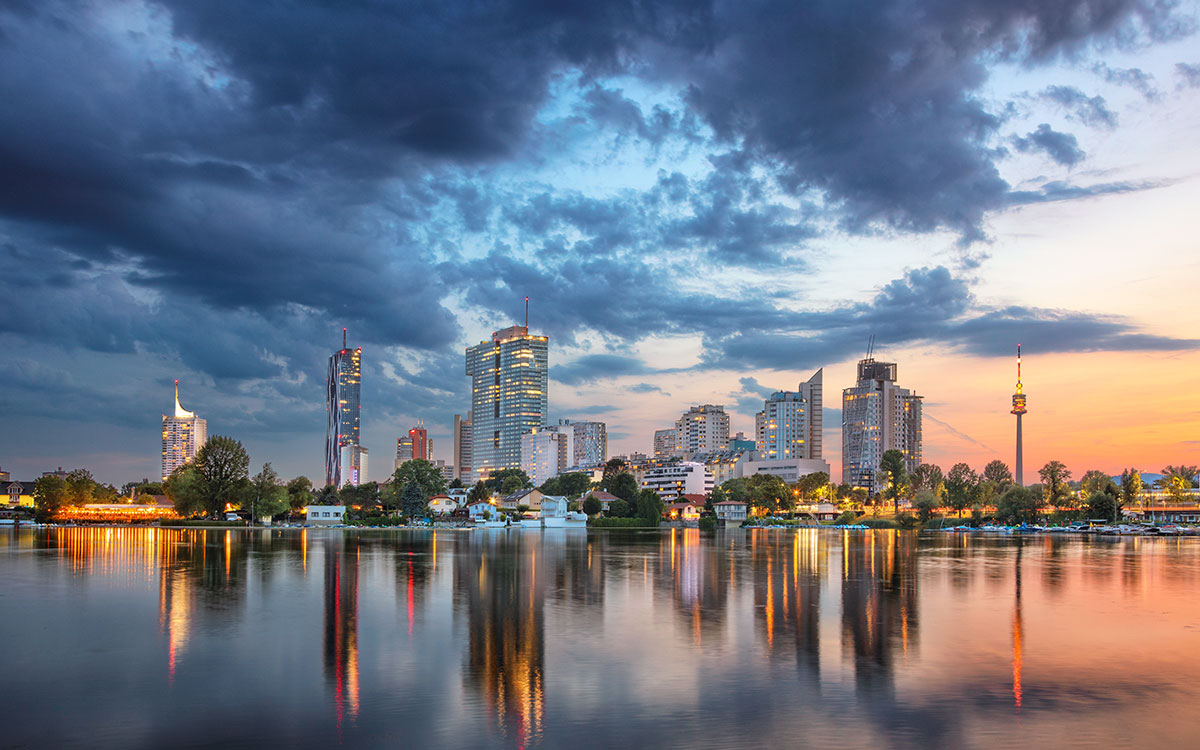
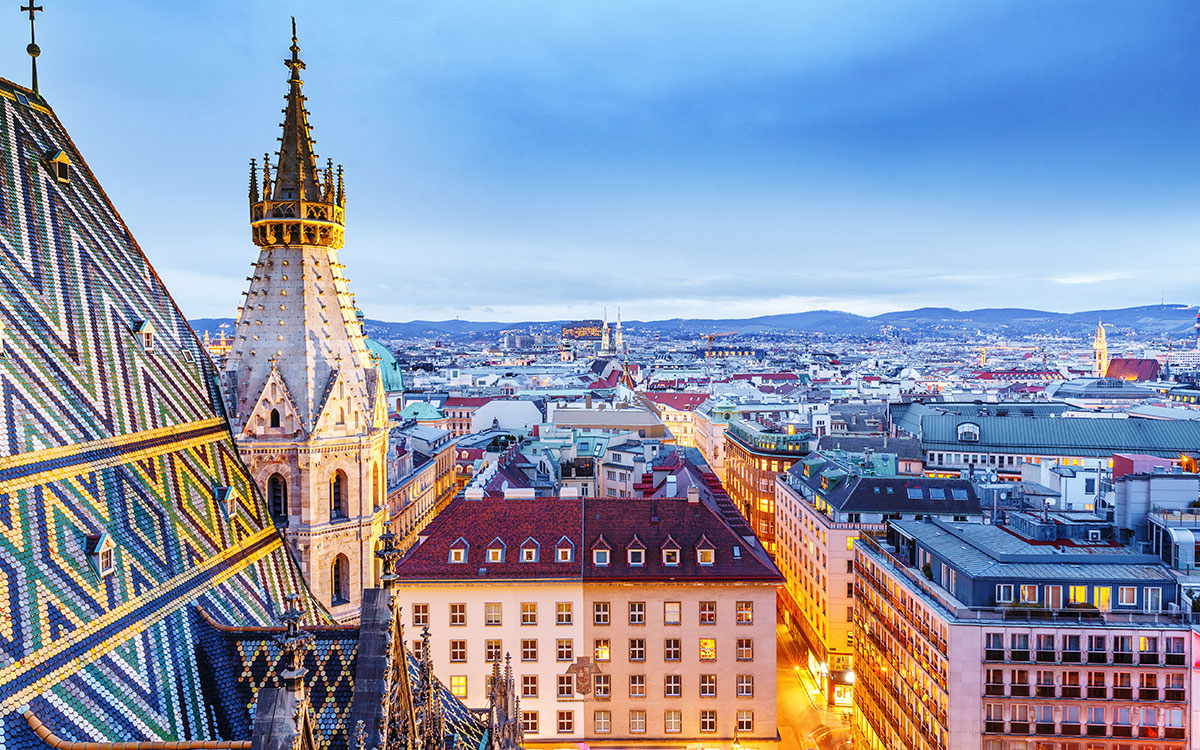
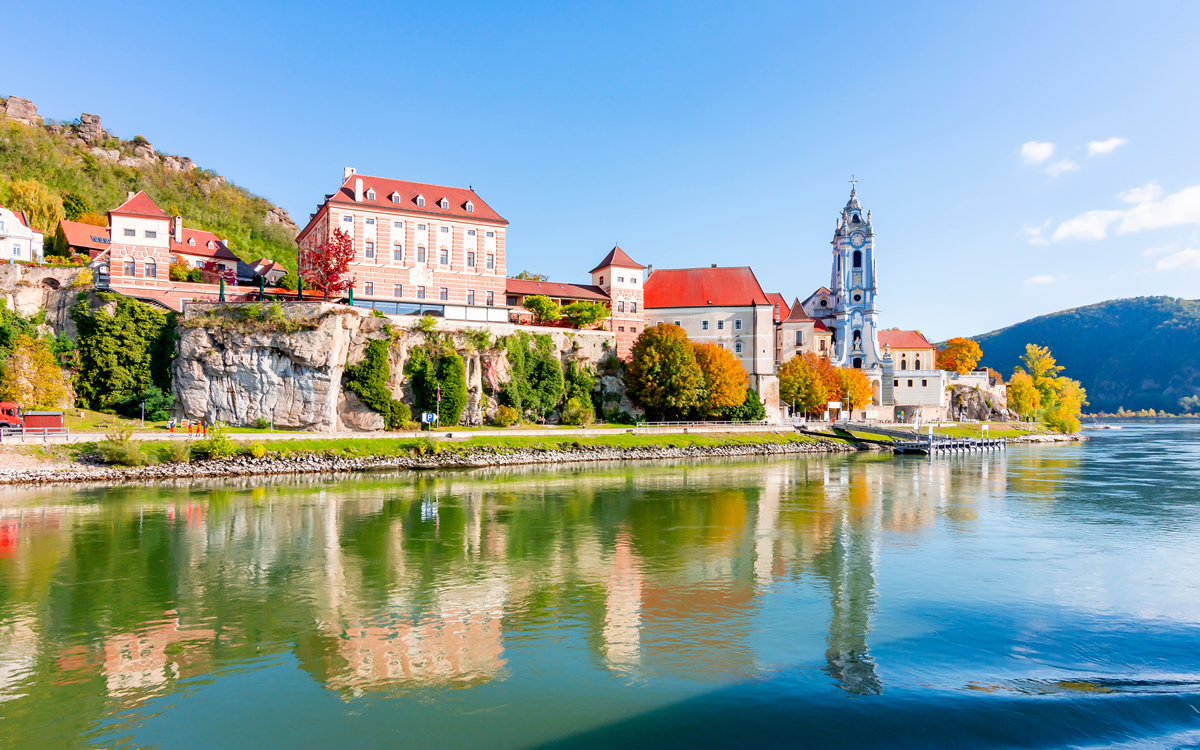

From Bavaria's Heritage to the Balkans' Vibrant Heart Itinerary

Day 1
Passau
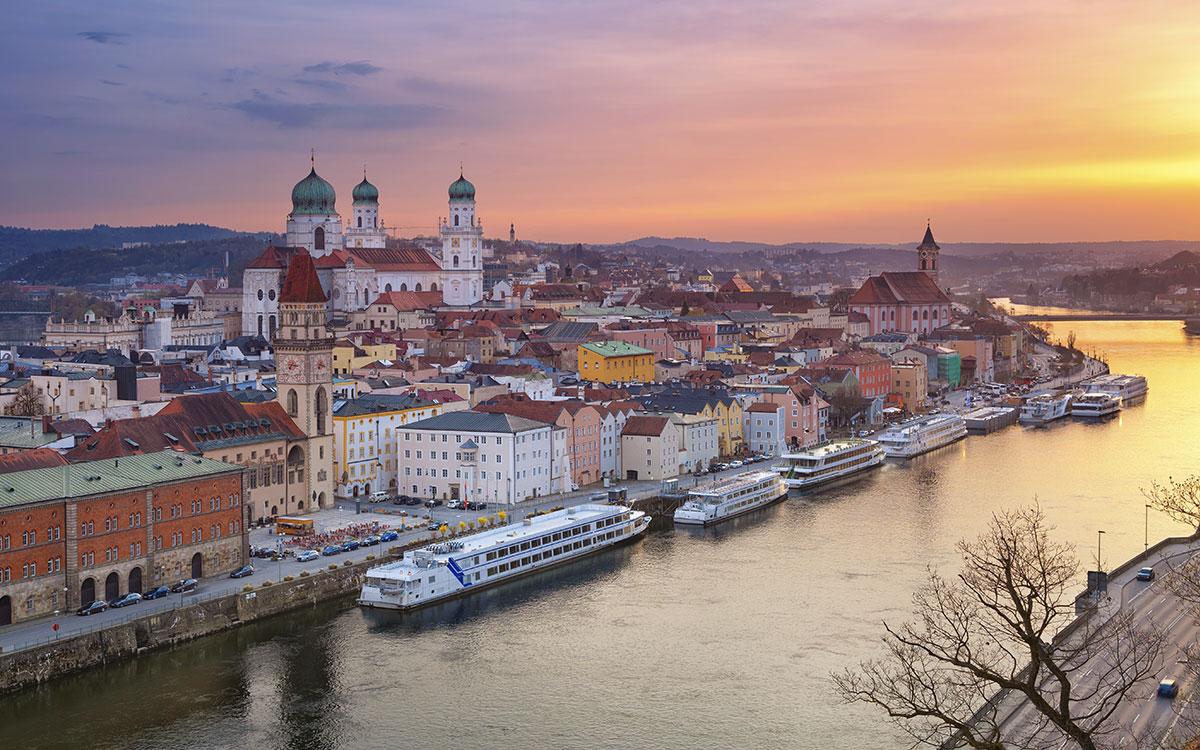
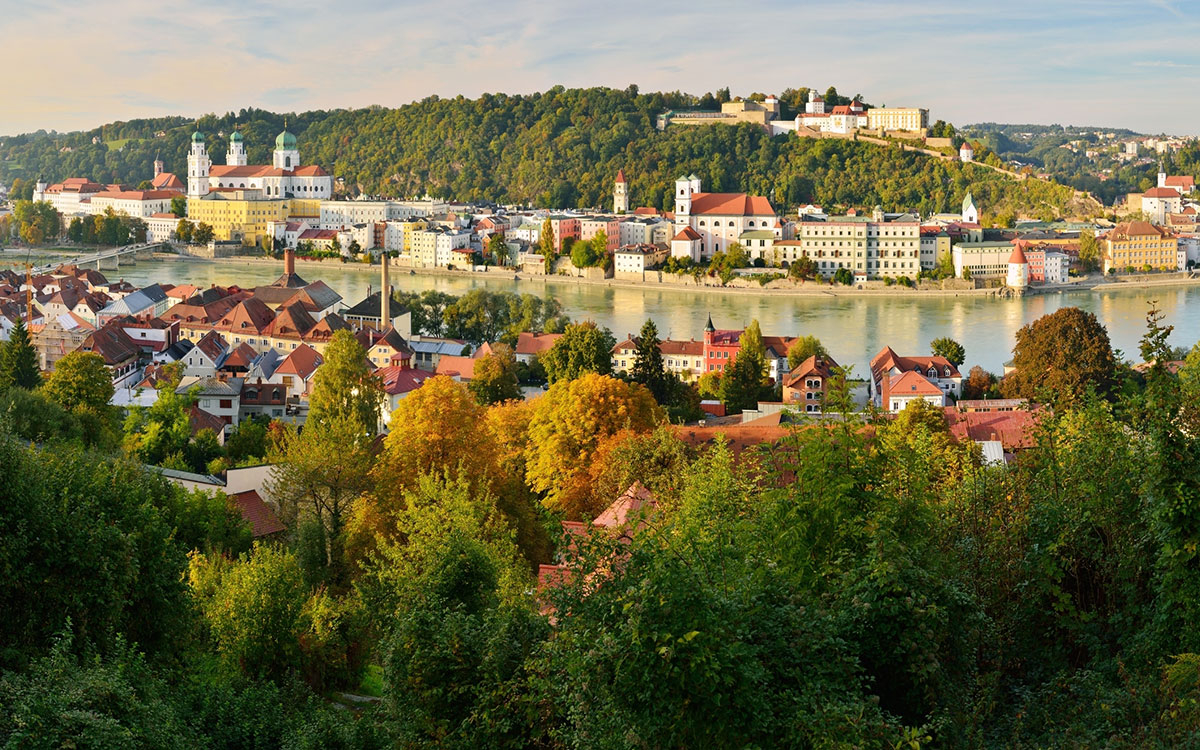
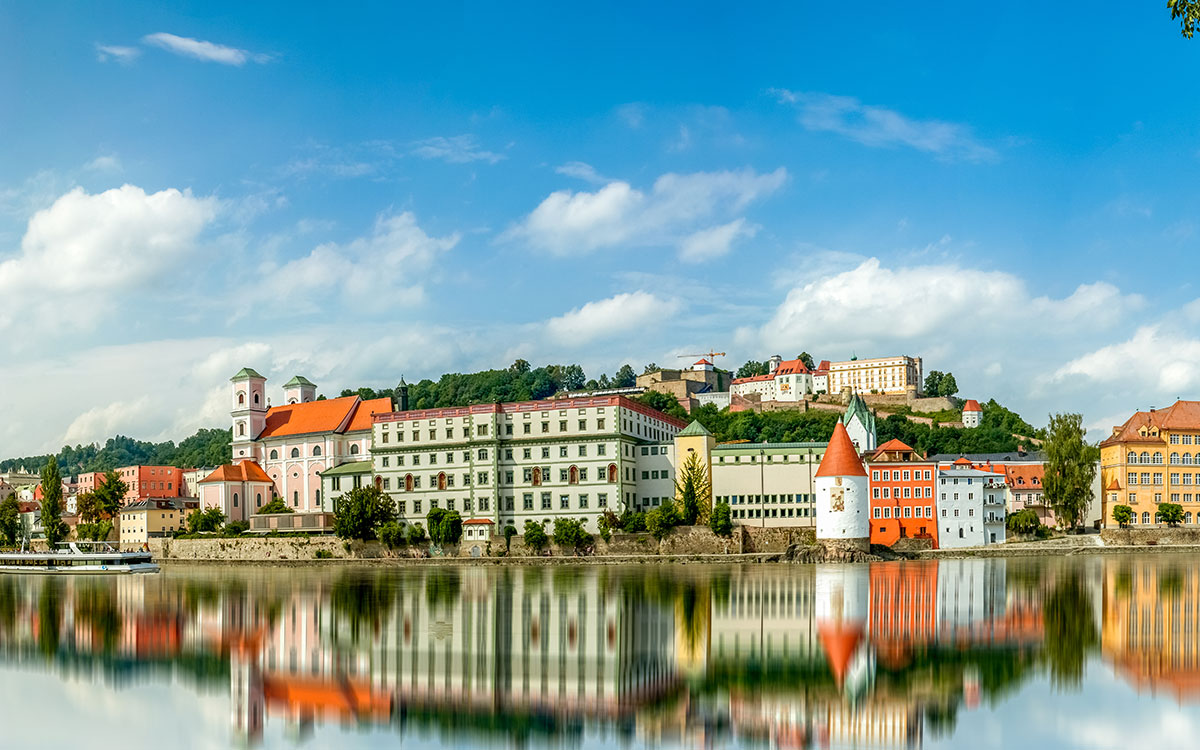
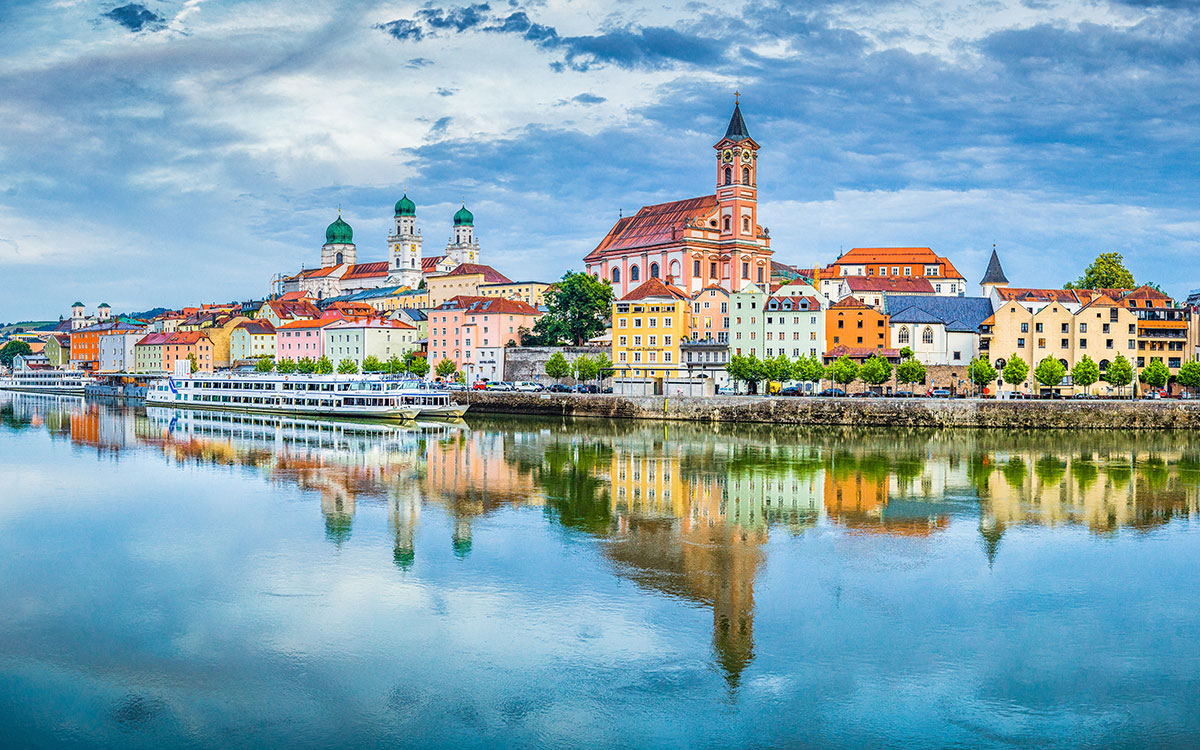
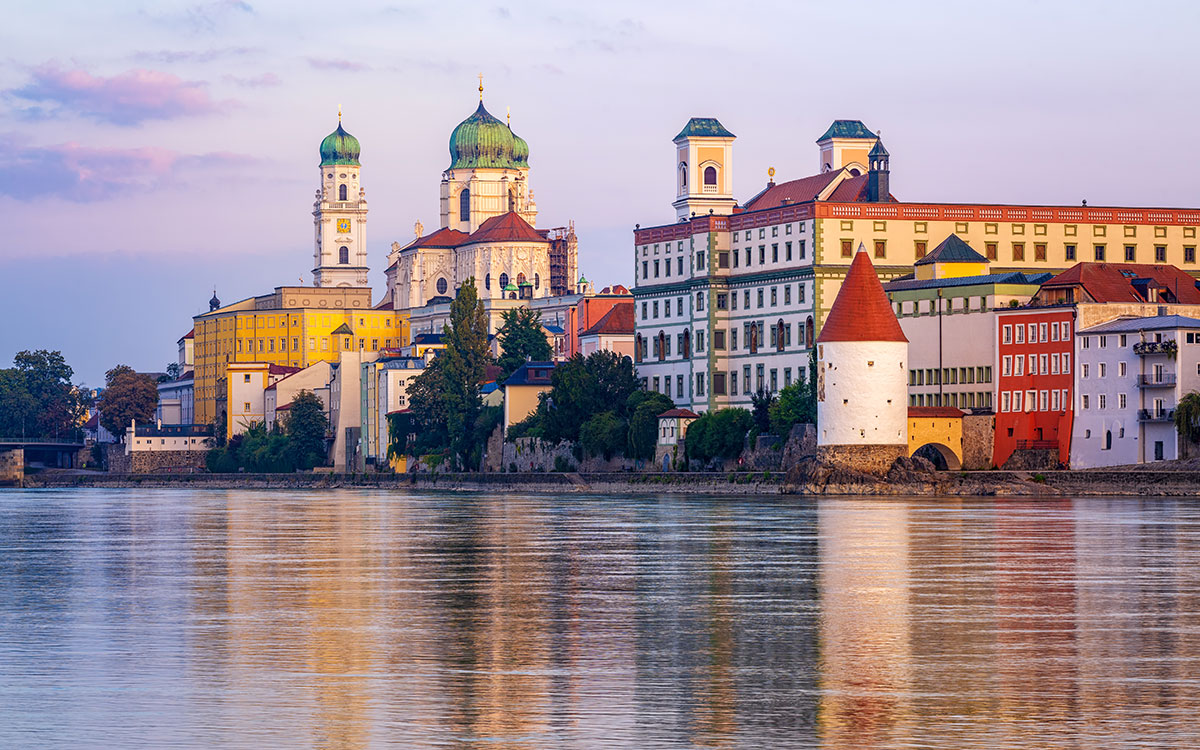
Passau is a German city located in the Southeast of Germany on the Austrian border. It is situated at the confluence of the rivers Danube, Inn and Ilz. The Three Rivers City, as it’s also known, is unique for its three contrasting currents of blue, green and black. Old Town of Passau is home to towering buildings of striking architecture: the majestic fortress Veste Oberhaus, the Pilgrimage Church Mariahilf and St Stephen's Cathedral. Many of Passau’s attractions can be found in this area, including the New Bishop’s Residence, the Gothic Town Hall, as well as many churches and museums. Visitors can stroll along the riverfront promenades and romantic lanes whilst enjoying the picturesque landscape. For modern art, The Museum of Modern Art and Glass Museum Passau are recommended as they offer something a bit different. Theatre and cabaret are a popular evening pastime, with performances at the former Prince Bishopric Theatre or some lively cabaret and Jazz at the Scharfrichterhaus. Visitors will also find many traditional local Bavarian and Austrian cafes and restaurants offering a cosy atmosphere with home cooked food from local produce.
Day 2
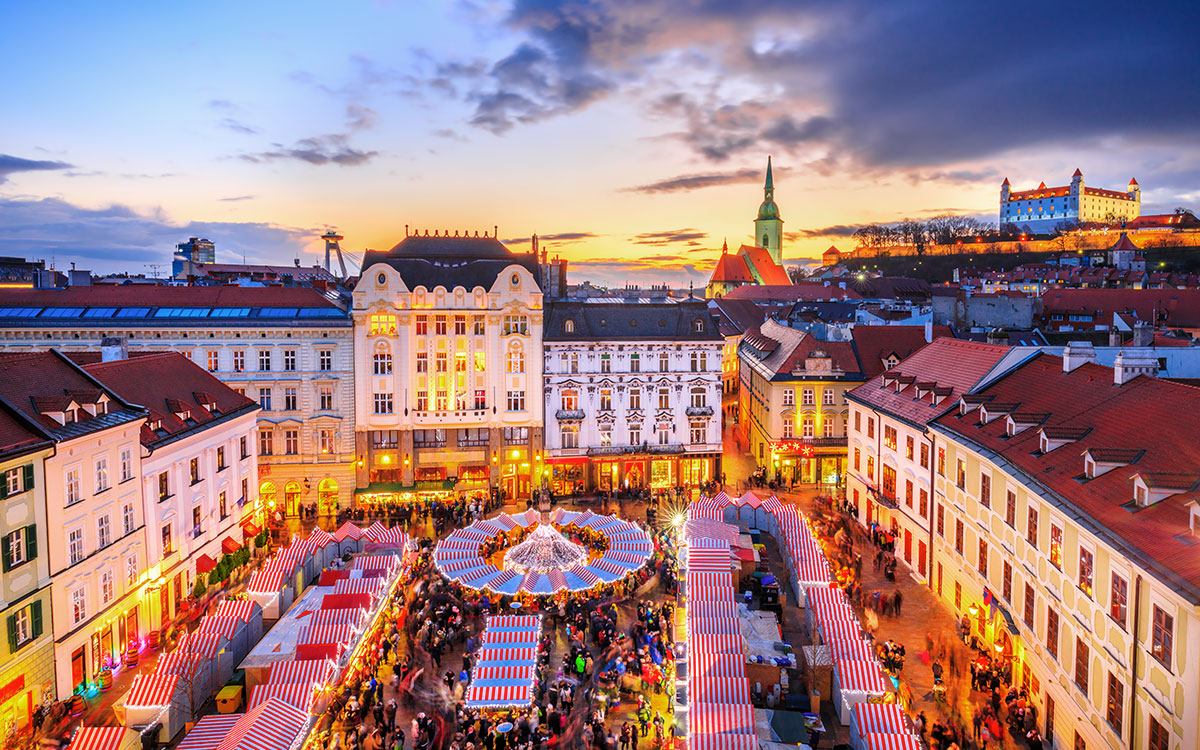
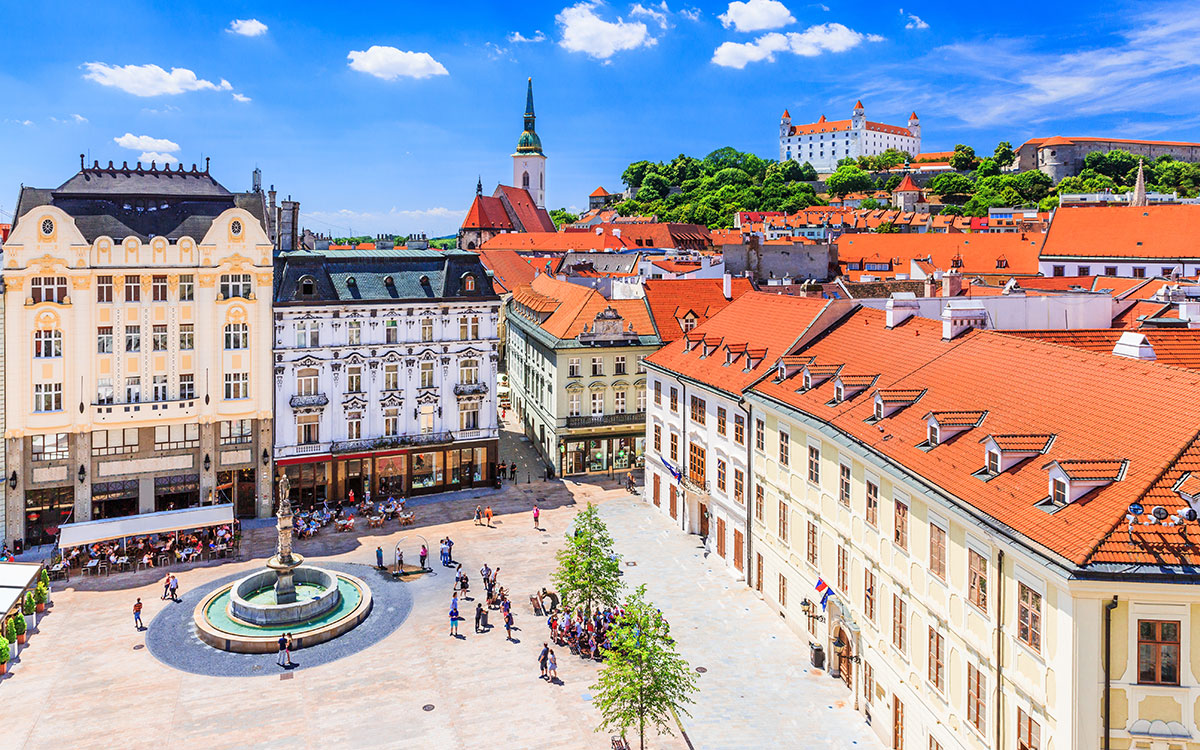
Bratislava
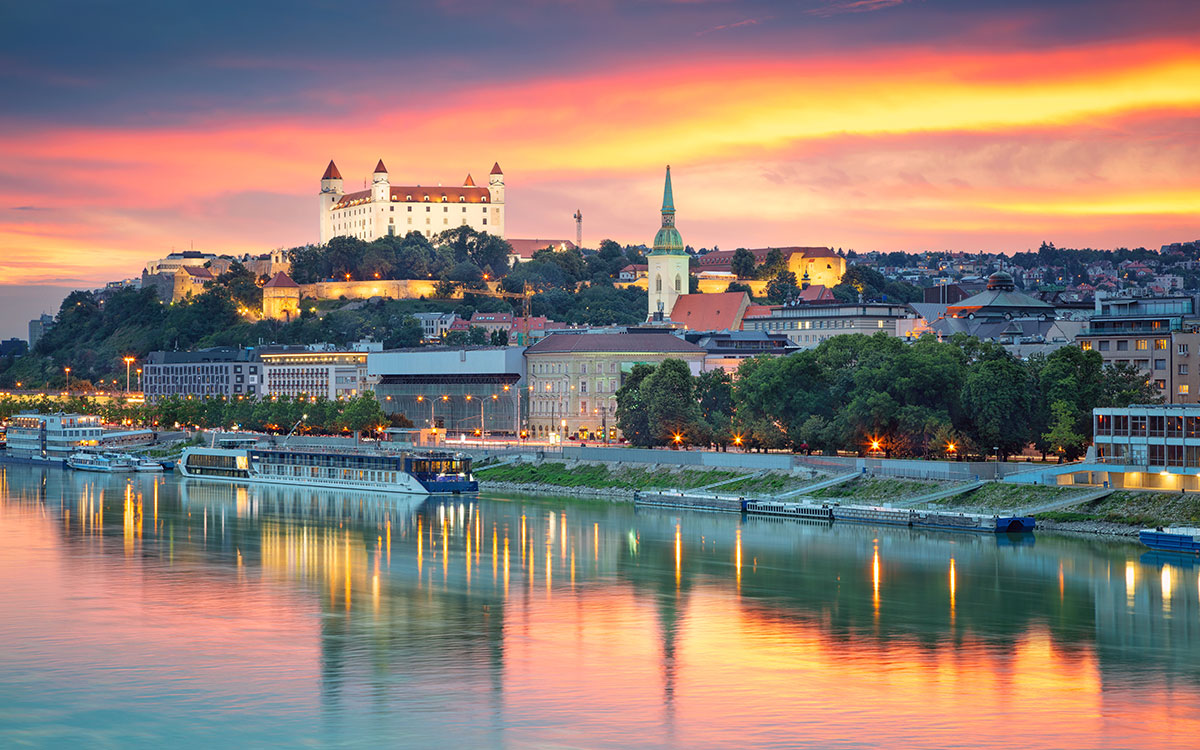
Bratislava is Slovakia's compact capital
and a must for art lovers. Straddling the Danube River and within
easy reach of Austria, Hungary, and the Czech Republic, the city is
ideally located. Its multitude of museums, art galleries, palaces
and ornamental churches (all found in and around its historic Old
Town) make it the centre for arts and culture in the country, and a
worthy destination for culture vultures.
Bratislava rightly takes pride in this
cultural heritage, with a musical history that stretches back to
Mozart, Beethoven and Hummel. Music concerts and ballet
performances take place almost daily in the city, and rival those
in neighbouring Vienna, Prague and Budapest.
The Old Town district is crammed with
historical structures representing the different cultures and
nations of its past, centring on the famous town square called
Hlavné Námestie. The historic Old Town can easily be explored on
foot.
The 11th-century Gothic Cathedral of St
Martin is found within the Old Town, together with numerous Baroque
palaces. The Old Town also contains the town hall, which houses the
oldest museum in the country, as well as a gate preserved from the
medieval city fortifications. One of the most conspicuous
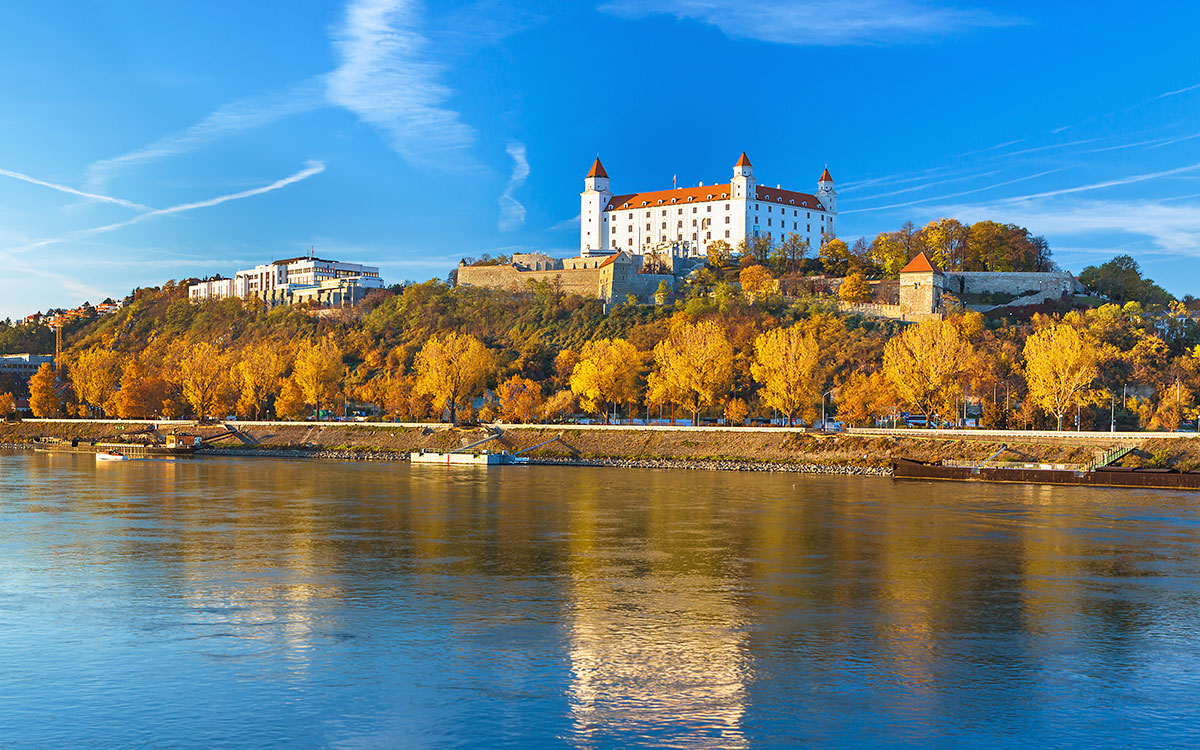
structures in the city is Bratislava Castle, a former frontier post
for the Roman Empire situated on a plateau overlooking the
Danube.
While still lagging behind Budapest and
Prague in terms of popularity, word of Bratislava's picturesque
charm and affordable elegance is spreading and the city is rapidly
being thrust into the limelight as a popular European destination.
An increase in low-cost flights from around Europe is also partly
responsible for its rising recognition.
Day 3
Kalocsa
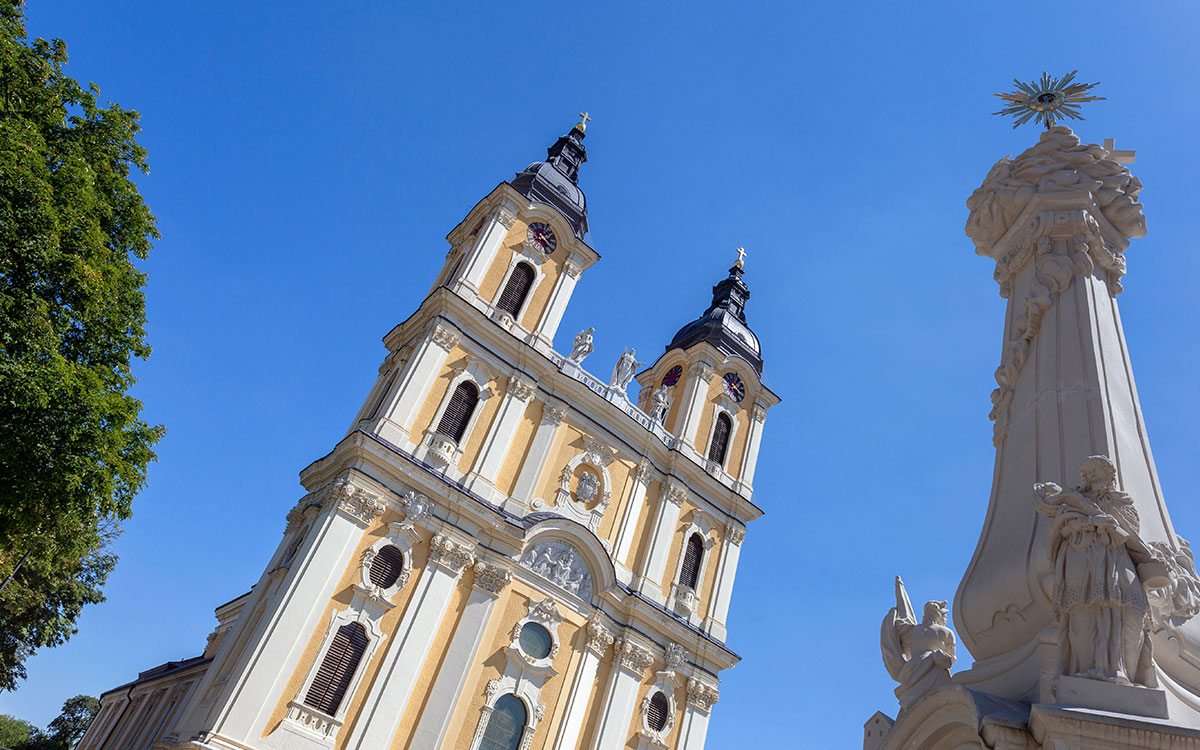
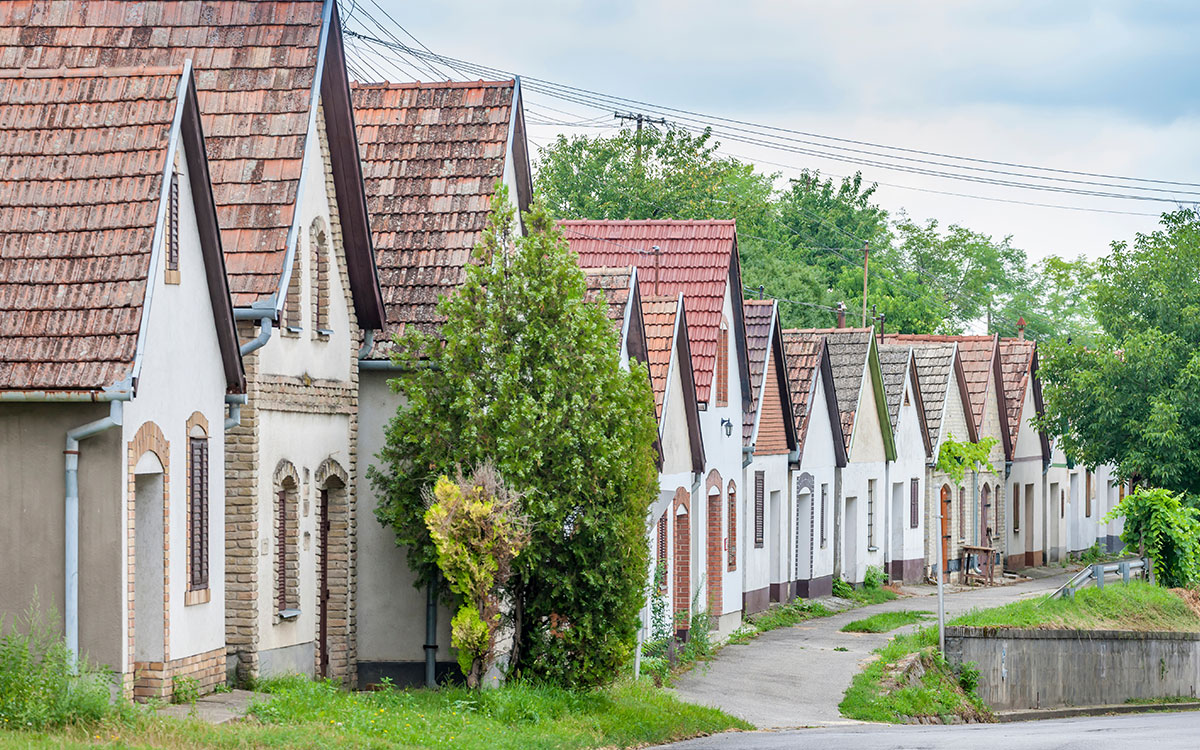
Kalocsa is a city in Hungary that is known for its paprika production. The city has a long history, dating back to the Roman era. Kalocsa is situated on the banks of the Danube River and is a popular tourist destination. The city is home to a number of historical landmarks, including the Kalocsa Cathedral and the Kalocsa Palace. Kalocsa is also known for its traditional folk art, which includes paprika-painted ceramics and embroidery.
Day 3
Mohács
Hungary's location in the centre of Europe makes it one of the best starting points for an Eastern European journey. It's both typically European and distinctly Hungarian, incorporating a mixture of historical and present-day pleasures. The country proudly upholds its traditions, culture and art, while staying attentive to the modern world.
Hungary has seen numerous dynastic changes throughout its history, from Turkish occupation to the era of Communism. Quaint little towns, countryside ruins and storied cities attest to this turbulent past, with a rich mosaic of architectural styles and fortified hilltop castles. Neither Slavic nor Germanic, the Hungarian people are formal, reserved and intensely proud of their heritage and the cosmopolitan capital, Budapest.
Budapest is situated on a lovely stretch of the Danube. The river gives the city an air of romance and beauty, enchanting visitors with its astounding grace. Outside the capital, the rolling hills, rivers, lakes and vineyards hold much to amuse the visitor. Indeed, the Baroque town of Eger attracts many with its fine wines.
There is also a surfeit of historic riverside villages along the Danube Bend, not to mention commanding fortresses, castles and palaces. Other popular tourist spots include the resort-lined Lake Balaton and the thermal spas and volcanically-heated lake at Hévíz.
Day 3
Aljmas
Day 4
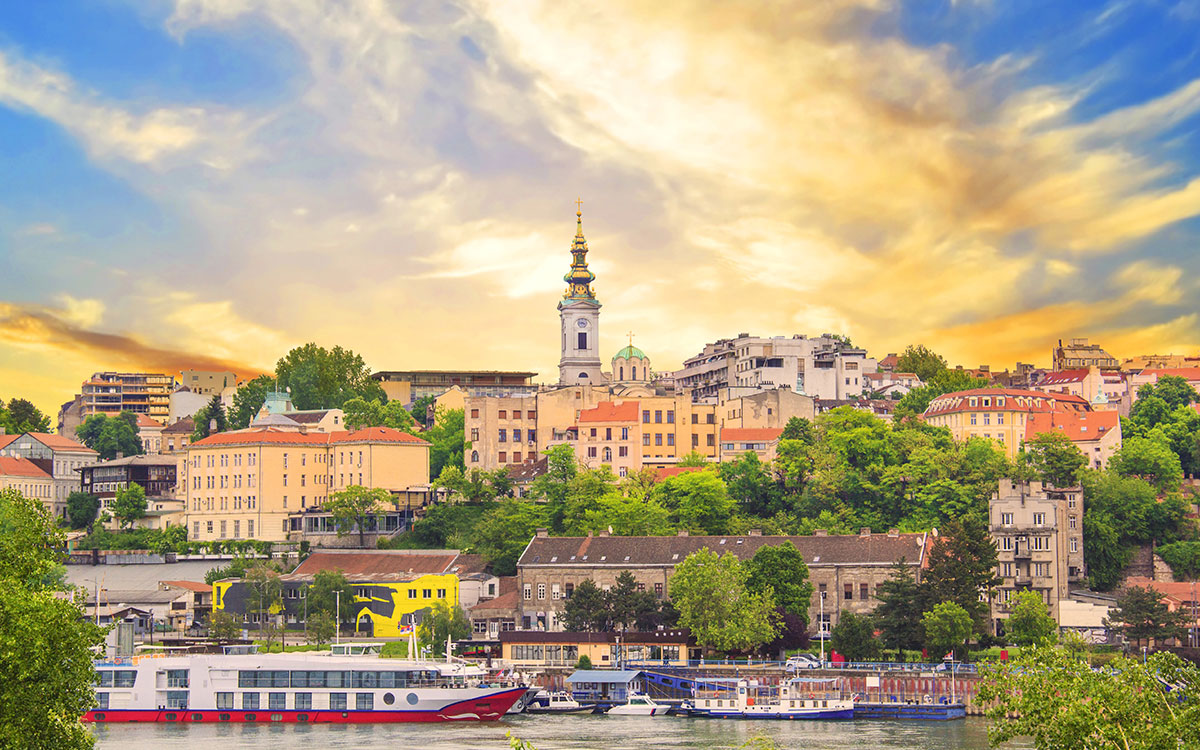
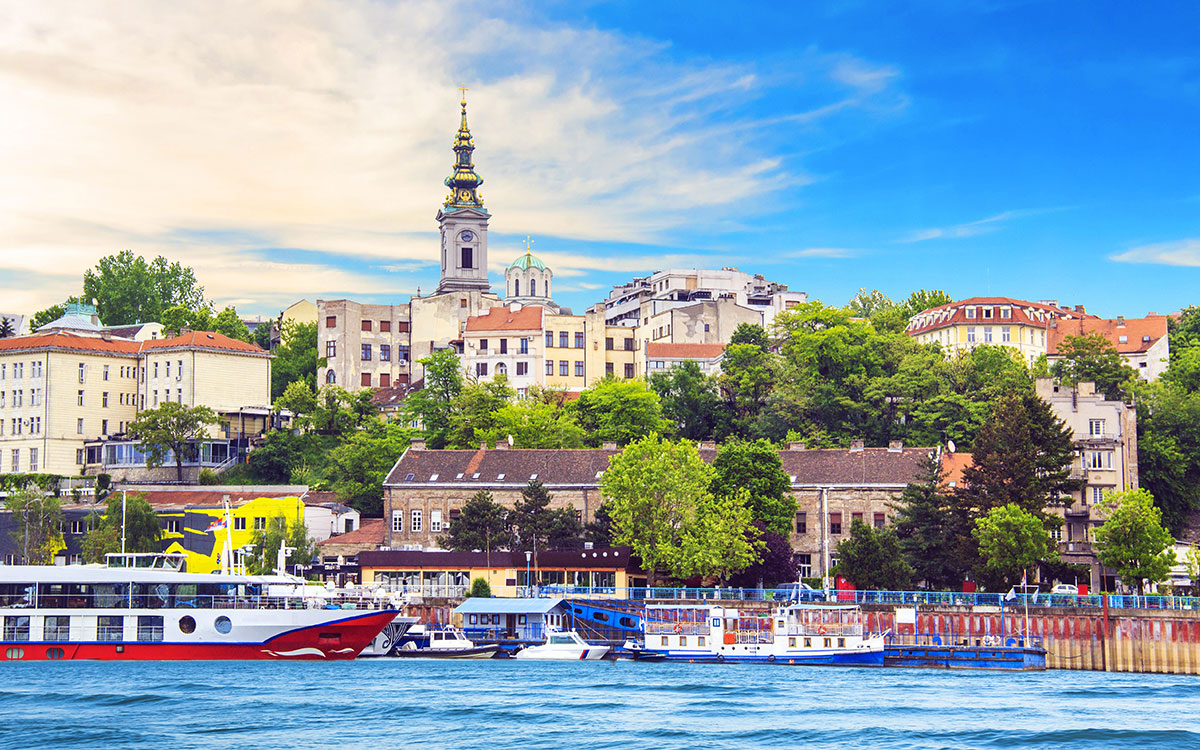
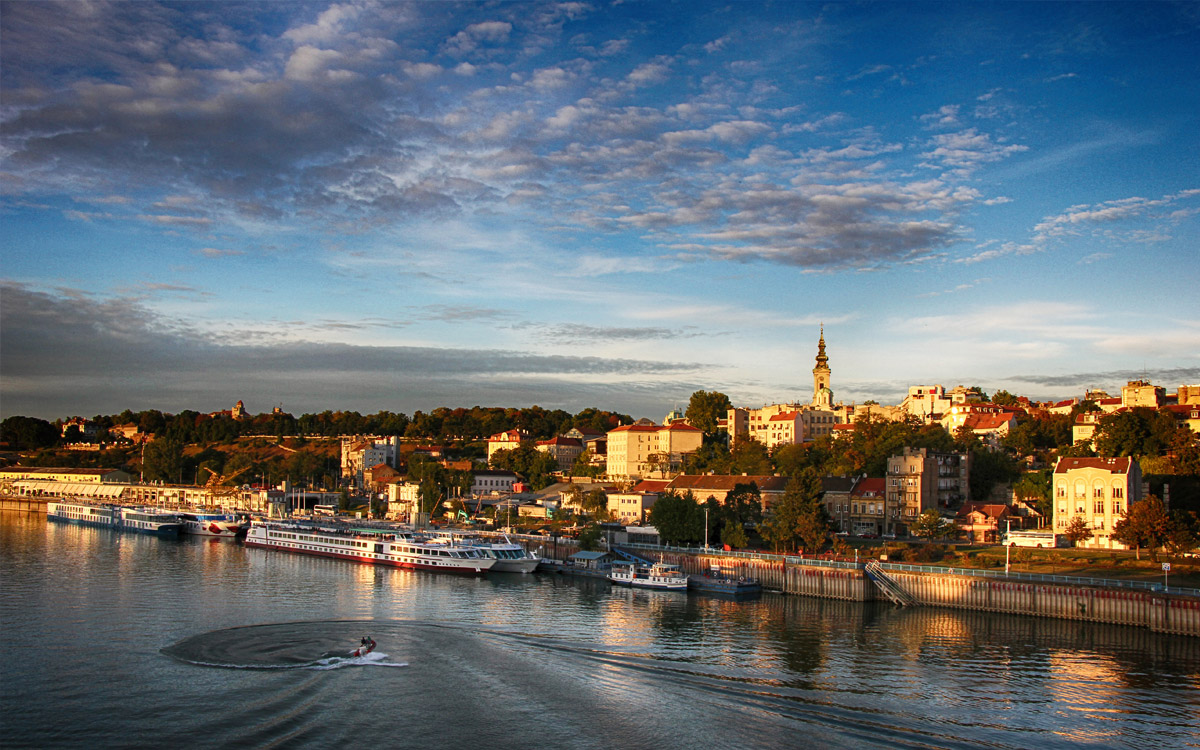
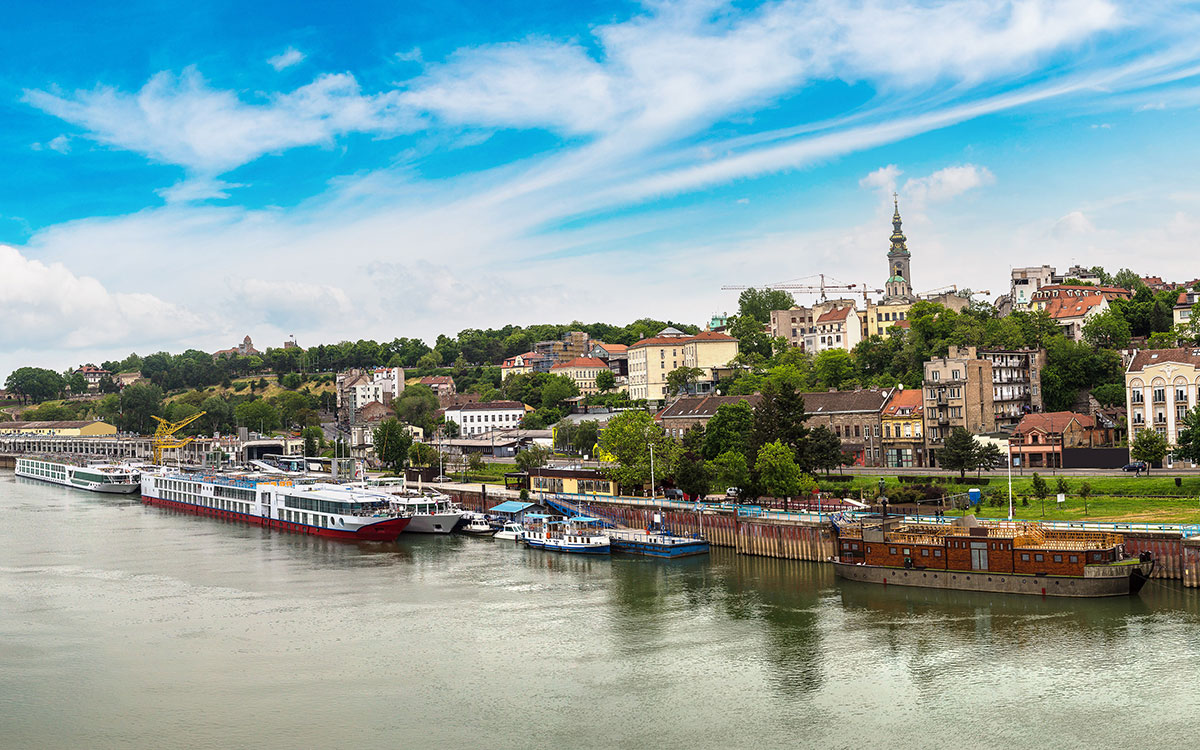
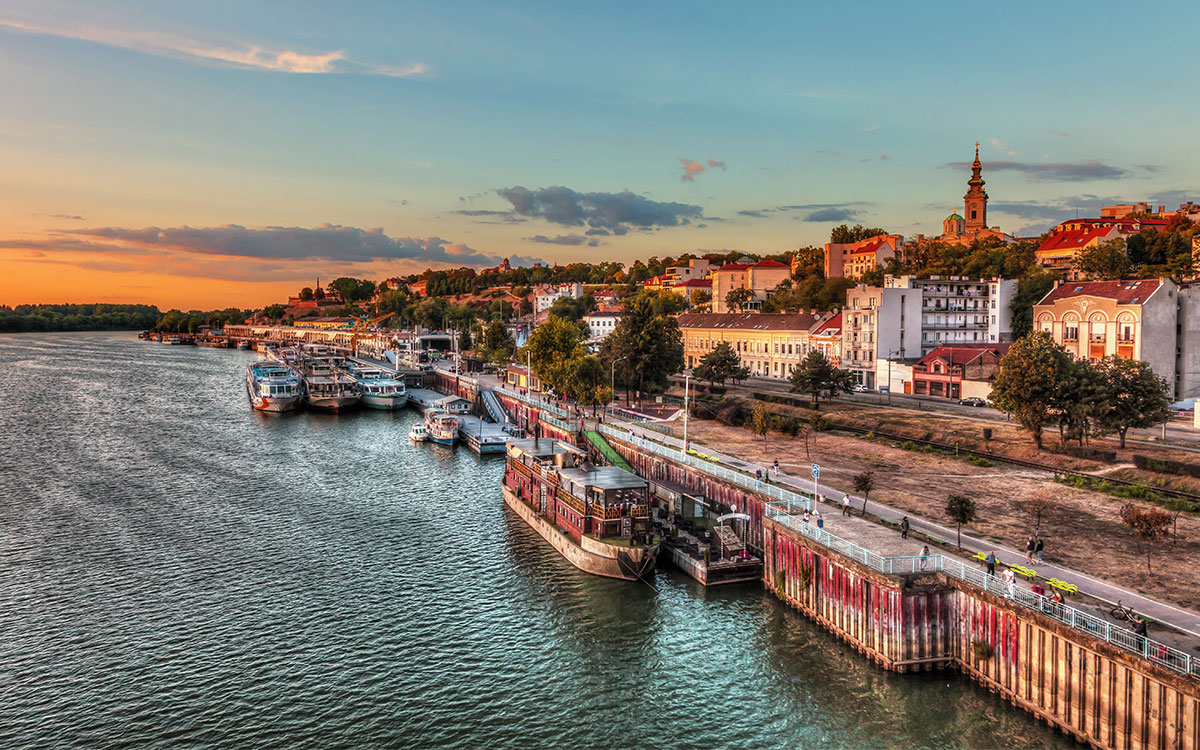
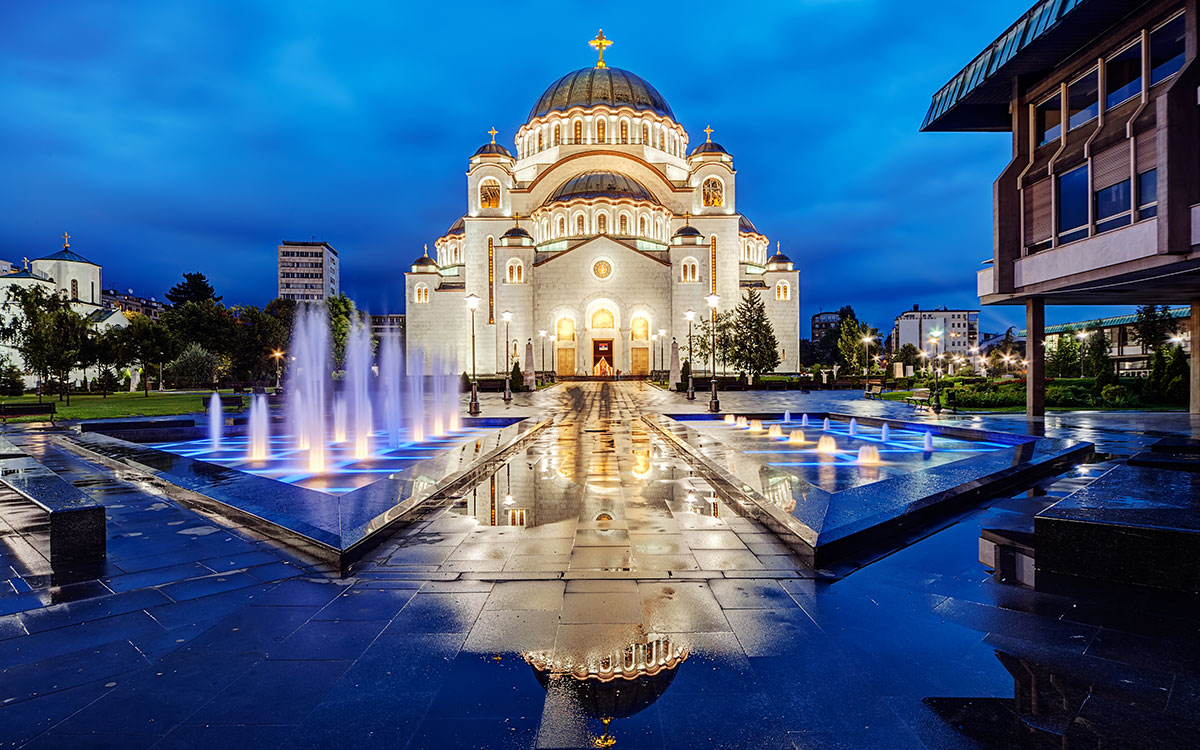
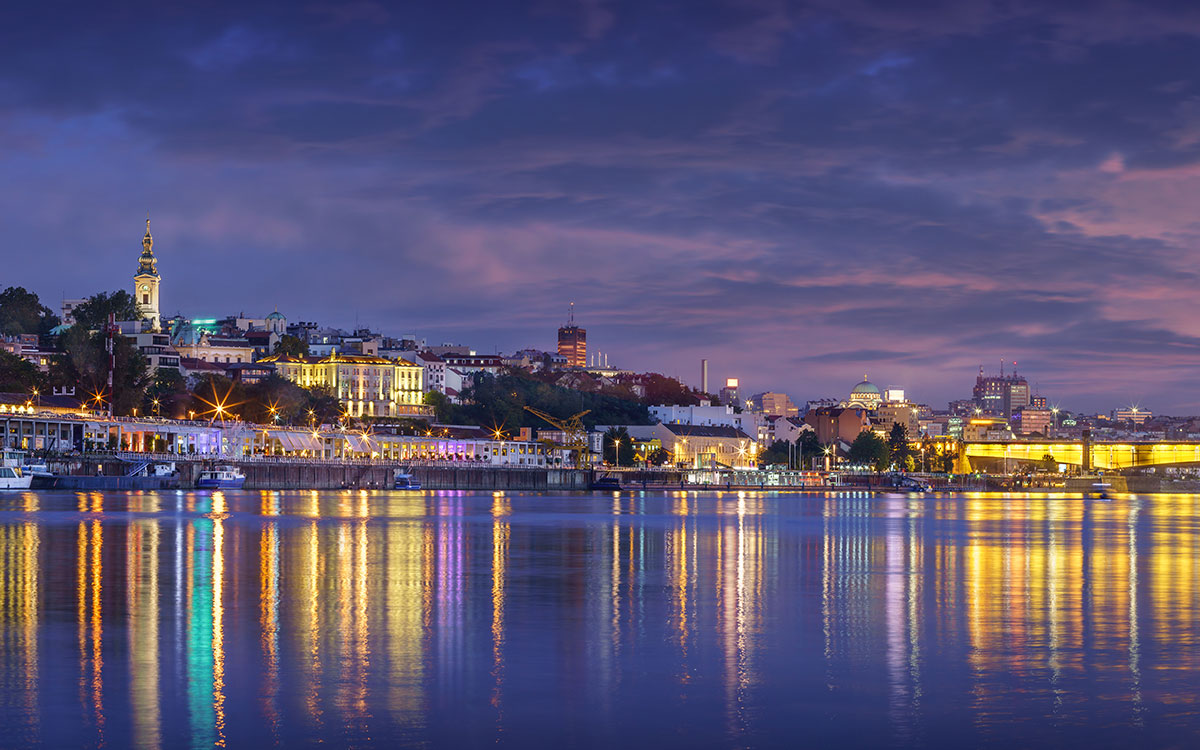
Belgrade
Belgrade has developed into a prominent
European capital, its promising growth and optimism seeking to
overshadow its turbulent past. The history of Belgrade goes back
some 6,000 years, and is filled with tales of conflict and tragedy.
But no matter the cost or devastation, the city has always bounced
back and is in the midst of a cultural and creative revival.
Situated where the Sava and Danube rivers
meet on the Balkan Peninsula, the beauty and charm of the city is
not found in gorgeous buildings or sweeping parks. Instead, it
beats with an identity layered with relics of many generations and
the remaining customs of countless invaders. Decidedly Old World
with a hint of the Orient, varying cultural influences and
architectural styles jostle for attention in Belgrade, combining to
imbue the modern city with its own unique aura.
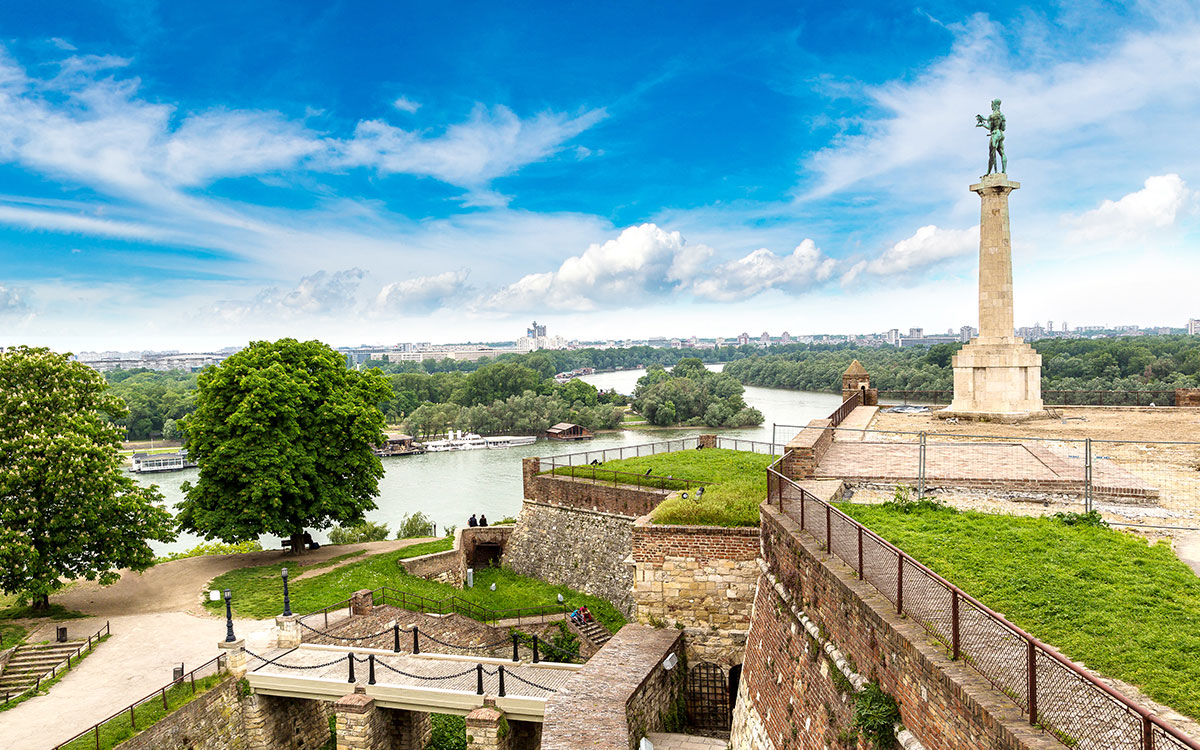
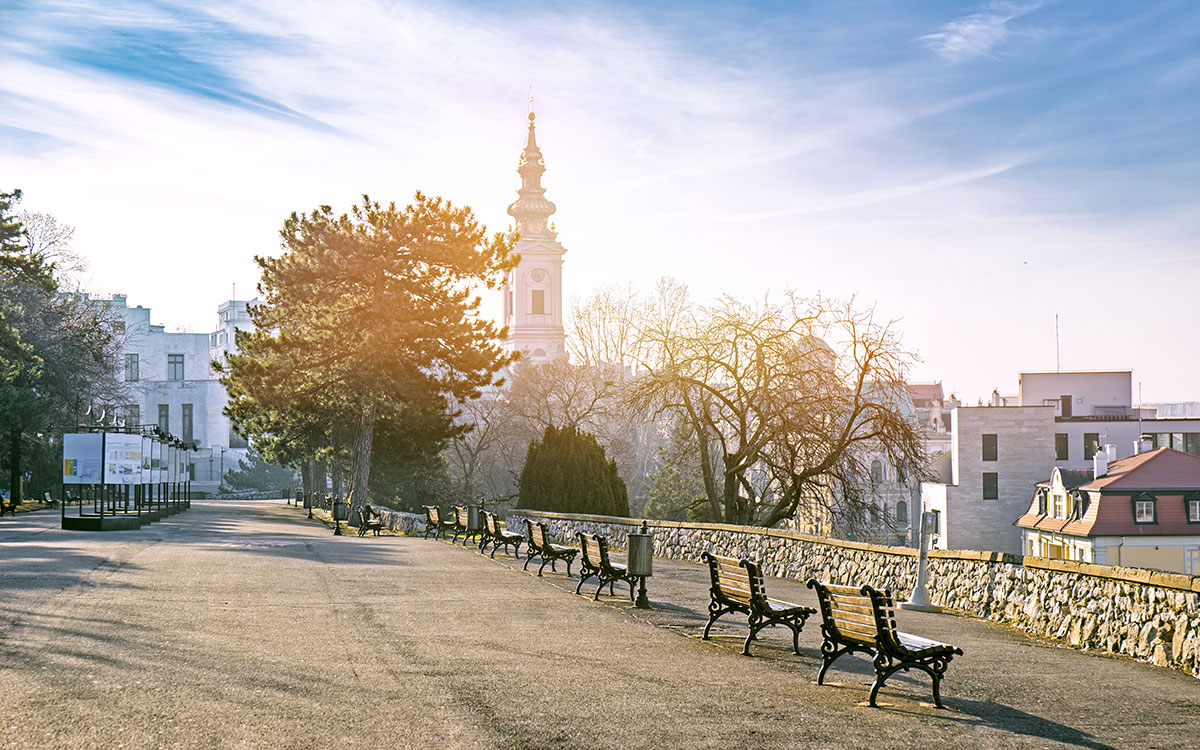
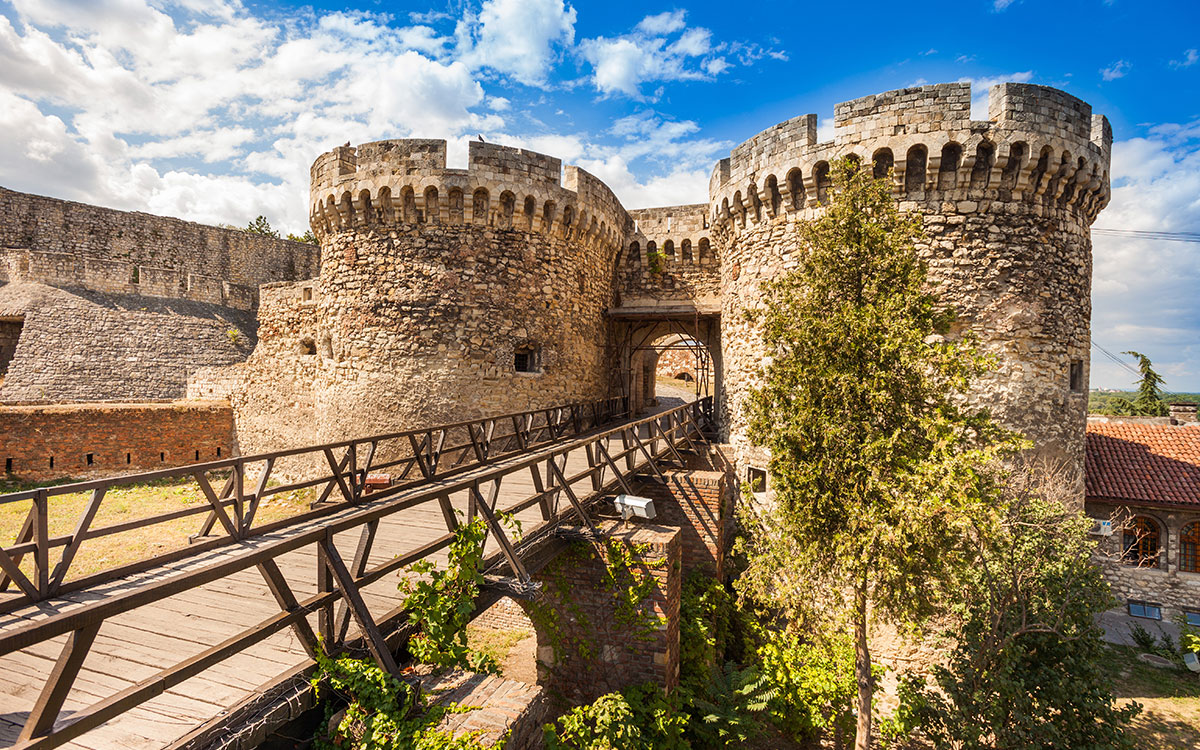
The best place to begin understanding the
city is at the site of its original ancient settlement, the hill
called Kalemegdan, now a fascinating park-like complex of historic
structures overlooking the Old Town (Stari Grad). Here, the
Military Museum traces the history of the city's bloody past, from
its first conflict with the Roman legions in the 1st century BC to
its most recent conflagration, when NATO forces bombed the city for
78 straight days in 1999.
Those less fascinated by history and who
would rather enjoy modern Belgrade will find myriad leisure and
pleasure opportunities in the city. From the techno scene of its
famed nightclubs to the restaurants and street performances of
bohemian Skadarlija Street, visitors to Belgrade will feel welcomed
by the warm and proud residents of this indomitable city.
Day 5
Donji Milanovac
Donji Milanovac is a small town located in the northeastern part of Serbia in the country of RS, also known as Republika Srpska. Situated on the banks of the magnificent Danube River, this charming town offers a unique blend of natural beauty, cultural heritage, and outdoor activities that will capture the hearts of travelers.
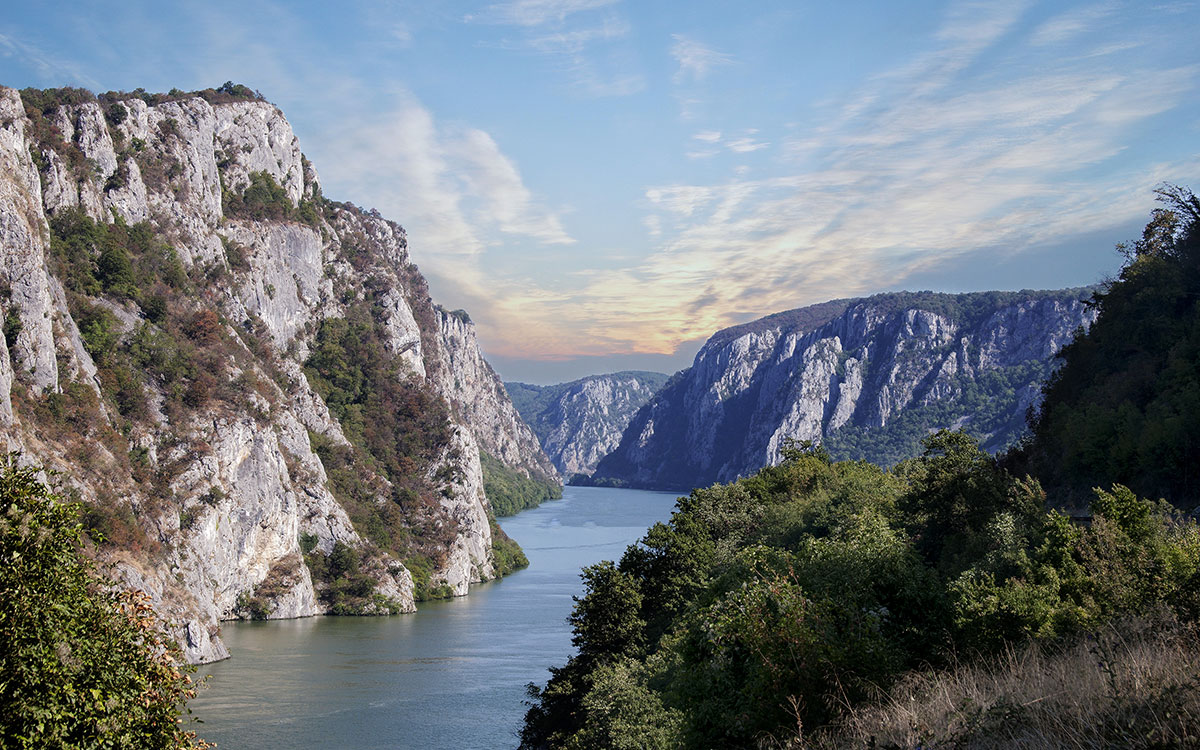
One of the main attractions of Donji Milanovac is its proximity to the Djerdap National Park, known for its breathtaking landscapes and diverse flora and fauna. The national park is home to the Iron Gates, a narrow gorge that stretches for kilometers, creating a stunning river valley surrounded by towering cliffs. The natural beauty of this area provides endless opportunities for outdoor enthusiasts to explore hiking trails, go on boat cruises, or simply relax and enjoy the peacefulness of nature.
For those interested in history and archaeology, Donji Milanovac boasts a rich cultural heritage dating back several millennia. The Lepenski Vir archaeological site, located just outside the town, is one of the most important prehistoric sites in Europe. It features the remains of a Neolithic settlement, with unique stone sculptures and artifacts that offer insights into the lives of early humans. Visitors can explore the open-air museum and learn about the fascinating history of the area.
The town itself has a laid-back and friendly atmosphere, with a population of around 2,000 inhabitants. The main pedestrian street, lined with colorful shops, cafes, and restaurants, is a perfect place to take a leisurely stroll and indulge in local cuisine. Donji Milanovac is known for its delicious seafood dishes, as well as traditional Serbian specialties such as grilled meats and homemade pastries.
Accommodation options in Donji Milanovac cater to all budgets and preferences. From cozy guesthouses and family-run hotels to modern waterfront resorts, visitors can find the perfect place to stay and enjoy their time in this picturesque town. Many accommodations offer stunning views of the Danube River, allowing guests to wake up to the sight of the sun reflecting off the water and the sounds of birds chirping in the distance.
Donji Milanovac is also an ideal base for exploring the wider region. Excursions to nearby attractions such as the Golubac Fortress, the Vratna Monastery, and the Zlatibor mountain range can easily be arranged. Those looking for more adventure can participate in activities like rock climbing, fishing, or even paragliding.
The town enjoys a mild continental climate, with hot summers and cold winters. The best time to visit Donji Milanovac is during the spring and autumn months when the temperature is pleasant, and the landscapes are at their most vibrant.
In conclusion, Donji Milanovac is a hidden gem in the northeastern part of Serbia. Its stunning natural beauty, rich history, and warm hospitality make it an excellent destination for those seeking a unique and authentic travel experience. Whether you are interested in outdoor activities, cultural exploration, or simply a peaceful retreat by the river, Donji Milanovac has something to offer for everyone.
Day 5
Golubac
Day 6
Novi Sad
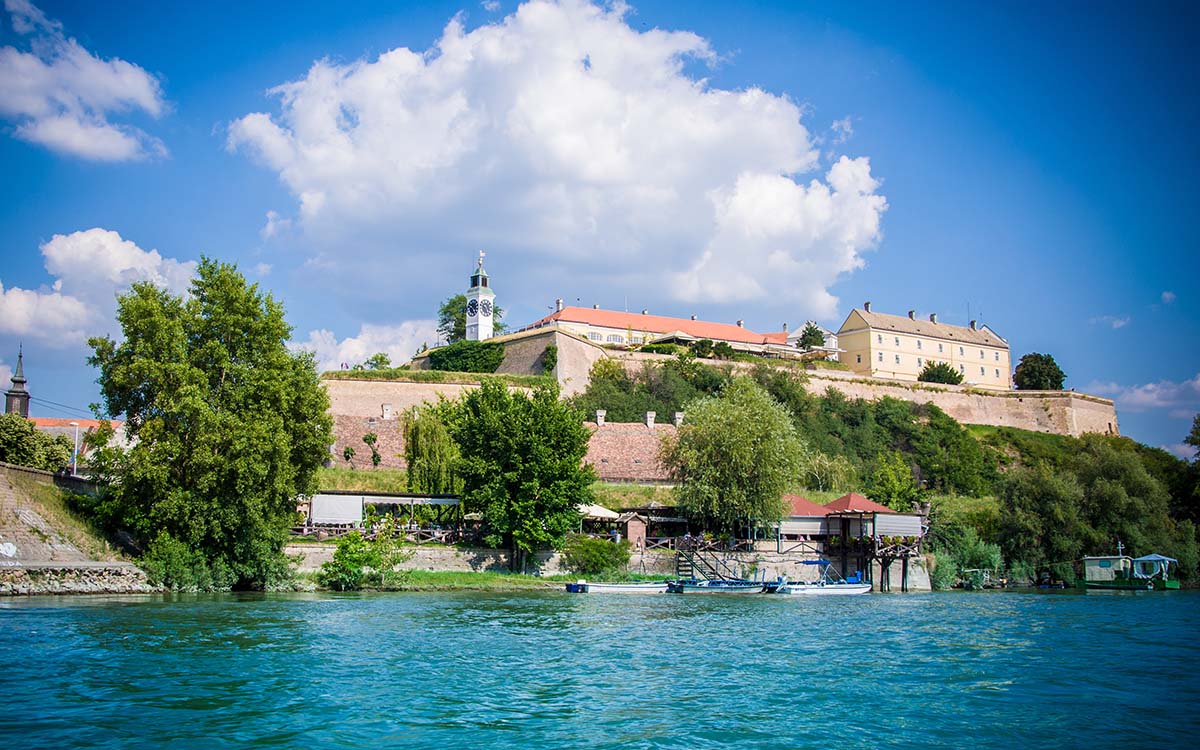
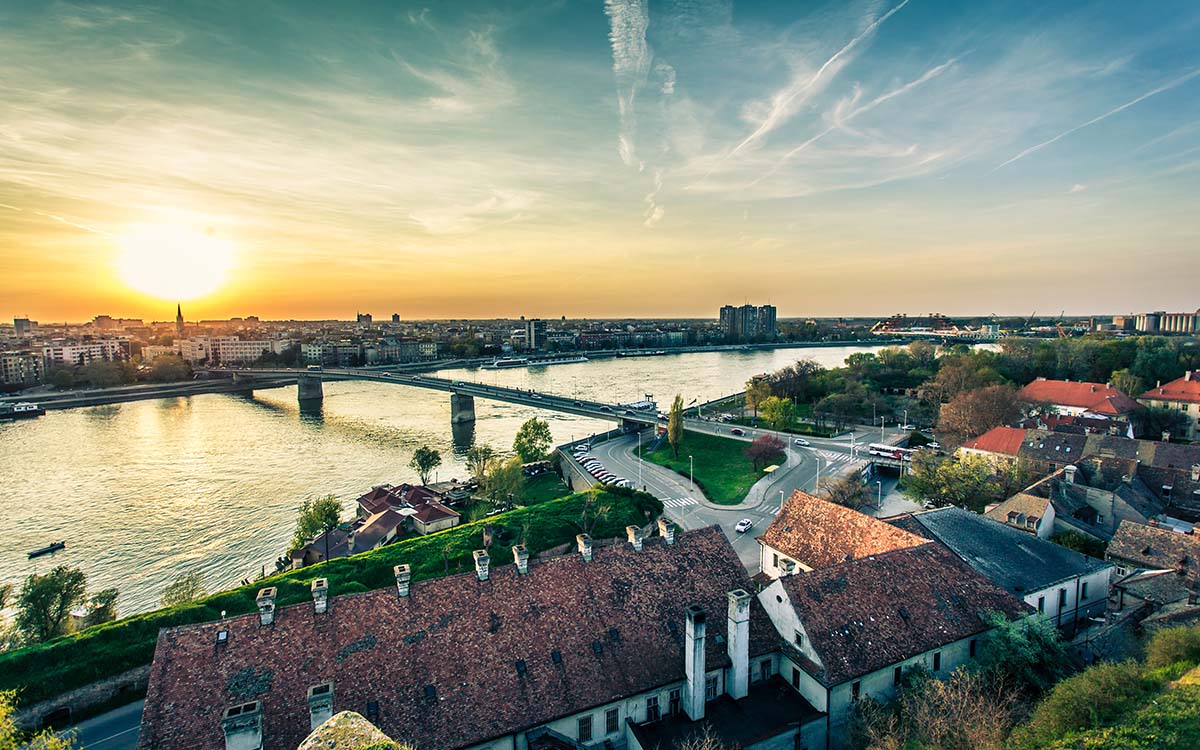
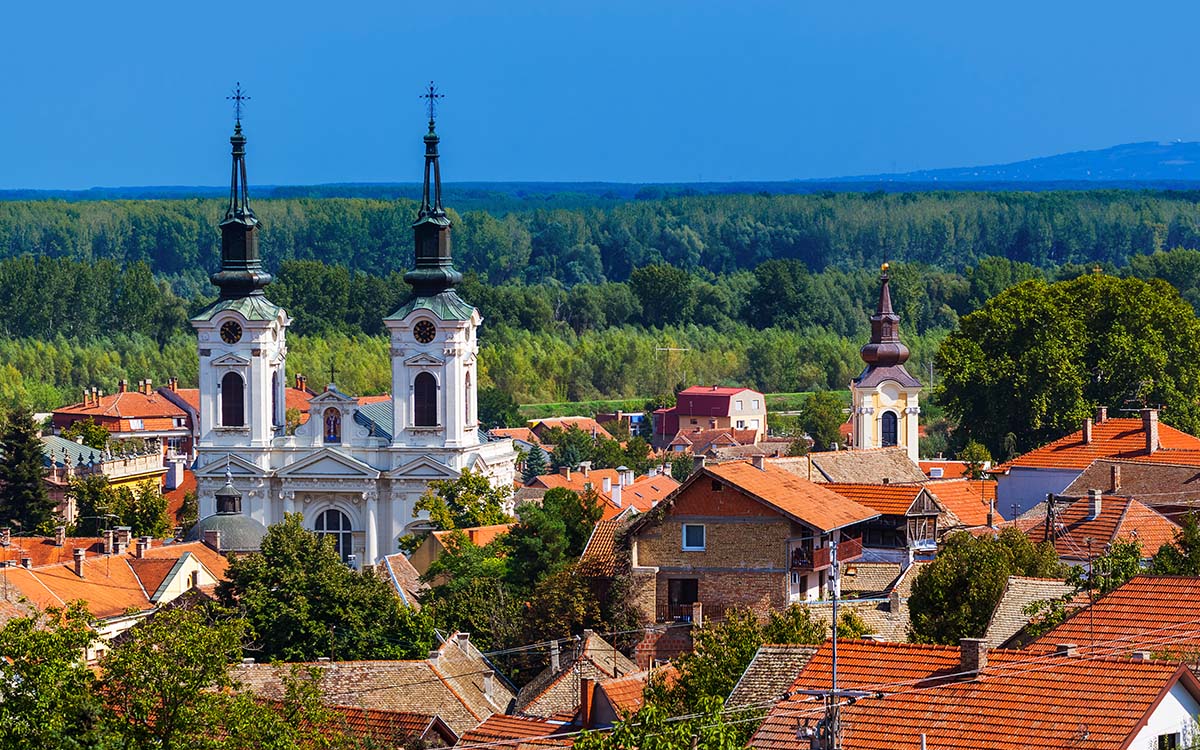
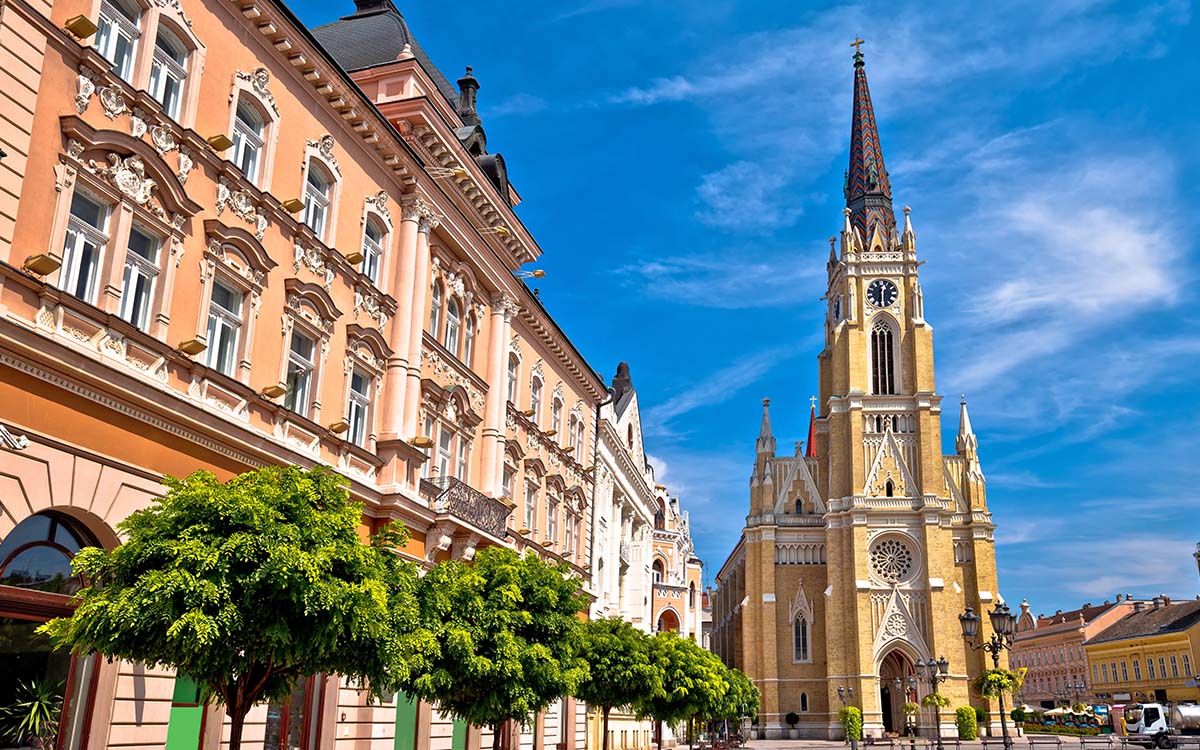
Novi Sad is a city in the southern Serbian province of Vojvodina. It is the administrative center of the Central Serbian region and the second-largest city in Serbia after Belgrade. The city has a population of 250,851, while the urban area of Novi Sad has a population of 403,795. The city is located on the Danube River, in the north-central part of Vojvodina. Novi Sad was founded in 1694 by the Habsburgs, after the expulsion of the Ottomans from Hungary. The city was the capital of the Serbian Empire from 1718 to 1739, when it was conquered by the Ottomans. The city was liberated from Ottoman rule in 1716 by the Habsburgs, and it remained under Habsburg rule until 1918, when it became part of the Kingdom of Serbs, Croats, and Slovenes. After World War II, Novi Sad became part of the Socialist Federal Republic of Yugoslavia. The city has many cultural institutions, including the Serbian National Theater, the Serbian Academy of Sciences and Arts, and the University of Novi Sad. Novi Sad is also the home of the Exit music festival, which is held annually in July.
Day 6
Ilok
Ilok is a charming town located in the eastern part of Croatia, in the heart of the Syrmia region. It is situated on a hill overlooking the mighty Danube River, offering breathtaking views of the surrounding countryside. With its rich history, picturesque landscapes, and delicious wines, Ilok is a hidden gem waiting to be discovered by travelers.
History enthusiasts will be captivated by Ilok's historical significance. The town dates back to Roman times and has a well-preserved medieval fortress that stands proudly on top of the hill. The Ilok Castle, built in the 15th century, is one of the oldest and most impressive examples of Serbian medieval architecture in the region. Visitors can explore its ancient walls, towers, and courtyards, and even discover the underground wine cellars that were used for storing wine during turbulent times.
Aside from its historical landmarks, Ilok is famous for its vineyards and wine production. The town's mild climate and fertile soil make it an ideal region for growing grapes. Iločki Podrumi, a renowned winery in the area, has a long-standing tradition of wine production dating back to the 15th century. Wine lovers can indulge in wine tastings, tour the vineyards, and learn about the wine-making process while enjoying the beautiful landscape.
For those seeking outdoor adventures, Ilok offers plenty of options. The Danube River is perfect for fishing, boating, and taking scenic cruises. There are also numerous cycling and hiking trails that wind through the picturesque countryside, allowing visitors to explore the natural beauty of the region.
Food enthusiasts will be pleased with the local cuisine. Ilok boasts a diverse range of culinary delights influenced by its multicultural history. The town is known for its traditional Hungarian and Serbian dishes, such as goulash, paprika-infused stews, and delicious desserts. Visitors can savor these authentic flavors at local restaurants and taverns, accompanied by locally produced wines to enhance the dining experience.
In addition to its historical and gastronomic attractions, Ilok hosts several festivals and events throughout the year. The International Festival of Wine and Grapes is a highlight for wine enthusiasts, showcasing the best wines from the region. The four-day event includes wine competitions, workshops, live music, and traditional food tastings. The town also celebrates its heritage with the Ilok Cultural Summer, offering a rich program of concerts, theater performances, and exhibitions.
Accommodation options in Ilok range from cozy guesthouses to modern hotels, ensuring a comfortable stay for all types of travelers. The town's hospitality and warm atmosphere make visitors feel at home, with locals always willing to share stories about the town's vibrant history and traditions.
In conclusion, Ilok is an enchanting destination that offers a perfect blend of history, natural beauty, culinary delights, and warm hospitality. Whether you are a history buff, a wine enthusiast, or simply seeking a peaceful getaway, Ilok has something to offer. Explore its medieval fortress, indulge in wine tastings, enjoy outdoor activities, savor delicious cuisine, and immerse yourself in the rich cultural heritage of this charming town. Visit Ilok and create lasting memories in this hidden gem of eastern Croatia.
Day 7
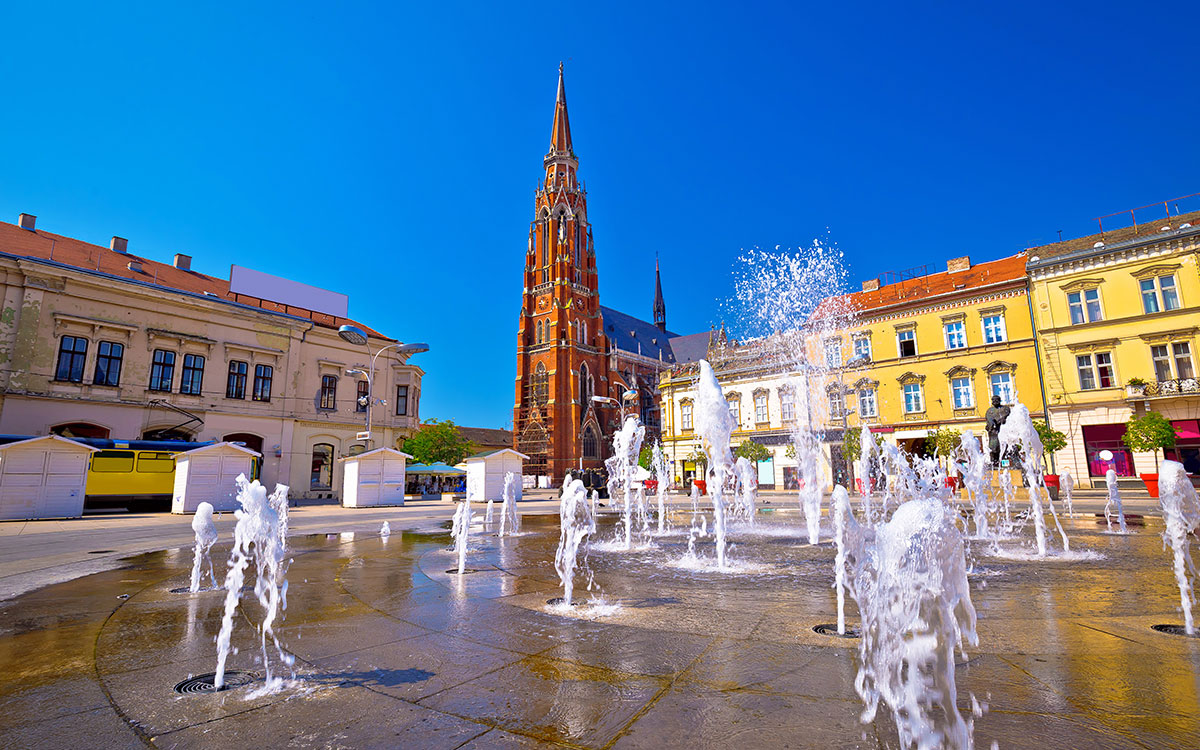
Osijek
Osijek is a vibrant city located in eastern Croatia, in the region of Slavonia. It is the fourth-largest city in Croatia and serves as a cultural, economic, and educational center of the region. With its rich history, fascinating architecture, and natural beauty, Osijek offers a unique and memorable experience for travelers.
One of the highlights of Osijek is its stunning architecture. The city boasts a mix of architectural styles, ranging from Baroque to Art Nouveau. The Tvrđa, the old town of Osijek, is a must-visit for history and architecture enthusiasts. This well-preserved fortress was built in the 18th century and features beautiful buildings, cobblestone streets, and charming squares. The main square, called Trg Ante Starčevića, is a hub of activity, with cafes, shops, and restaurants.
Nature lovers will also find plenty to explore in and around Osijek. The city is surrounded by lush greenery and the Drava River, offering numerous opportunities for outdoor activities such as hiking, biking, and boating. Kopika, a nearby island on the Drava River, is a popular spot for picnics and relaxing by the water. Additionally, Kopački rit, a nature park located a short distance from the city, is home to diverse flora and fauna, including rare bird species.
For those interested in history and culture, Osijek has a number of museums and cultural attractions to offer. The Museum of Slavonia showcases local history, archaeology, and art, providing insights into the region's past. The Croatian National Theatre in Osijek is another cultural gem, hosting performances of opera, ballet, and drama. Visitors can also take a stroll along the promenade of the picturesque Drava River, where various events and festivals are held throughout the year.
Cuisine plays a significant role in the cultural fabric of Osijek. The region is renowned for its hearty and delicious traditional dishes, such as kulen (spicy cured sausage), cobanac (a spicy meat stew), and fiš paprikaš (a fish stew). Many restaurants in Osijek serve these authentic local specialties, allowing visitors to savor the flavors of Slavonia.
As for transportation, Osijek has excellent connectivity. Osijek Airport offers domestic and international flights, making it easily accessible for travelers from around the world. The city's public transportation system includes buses that connect different parts of the city, making it convenient to explore the various attractions.
In terms of accommodation, Osijek offers a range of options to suit different preferences and budgets. From luxurious hotels to cozy guesthouses and apartments, there is something for everyone. Most accommodations are located in or near the city center, ensuring easy access to the main attractions.
Overall, Osijek is a destination that offers a delightful mix of history, culture, nature, and culinary experiences. Whether you are interested in exploring its architectural treasures, engaging in outdoor activities, immersing yourself in cultural events, or indulging in local cuisine, Osijek has something to offer for every traveler. Plan your visit to Osijek and discover the charm of this captivating city in eastern Croatia.
Day 8
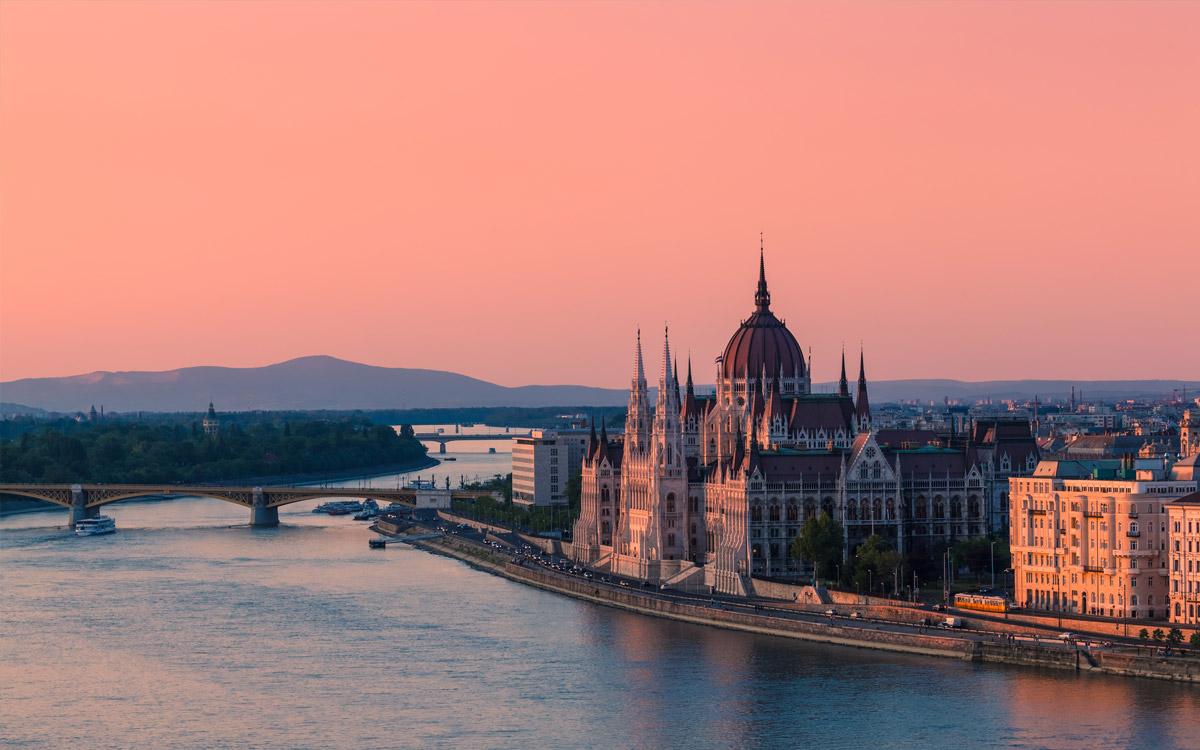
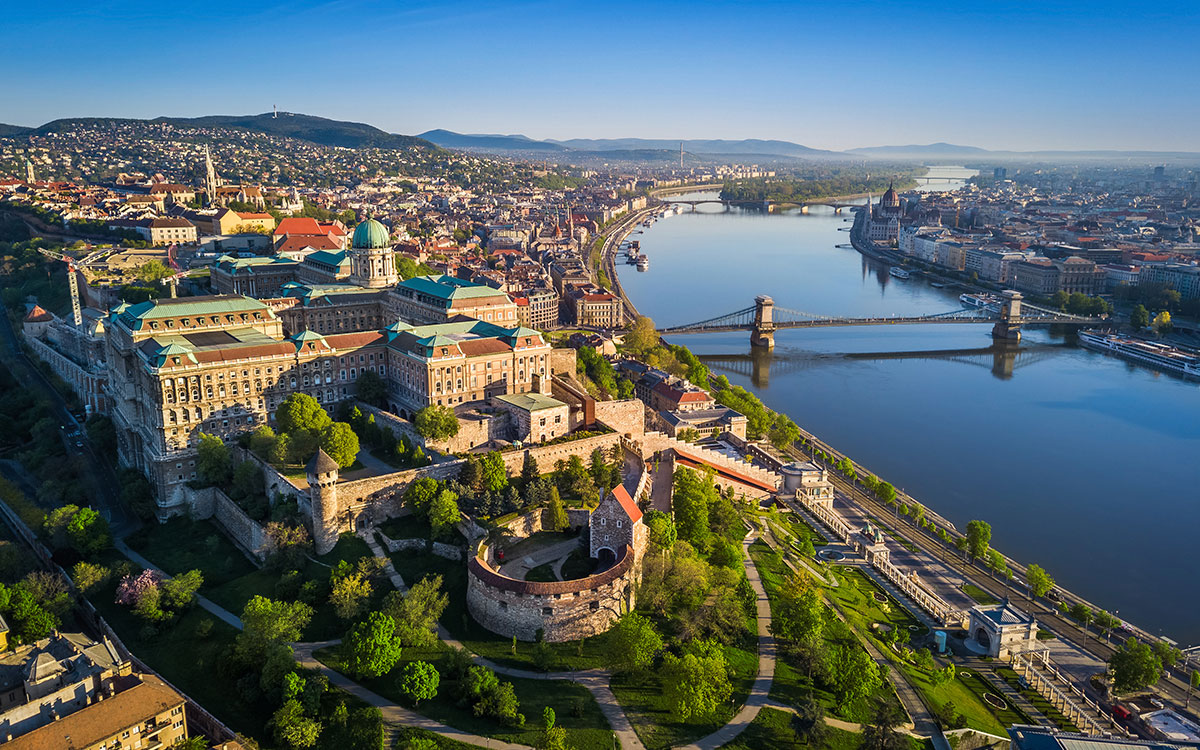
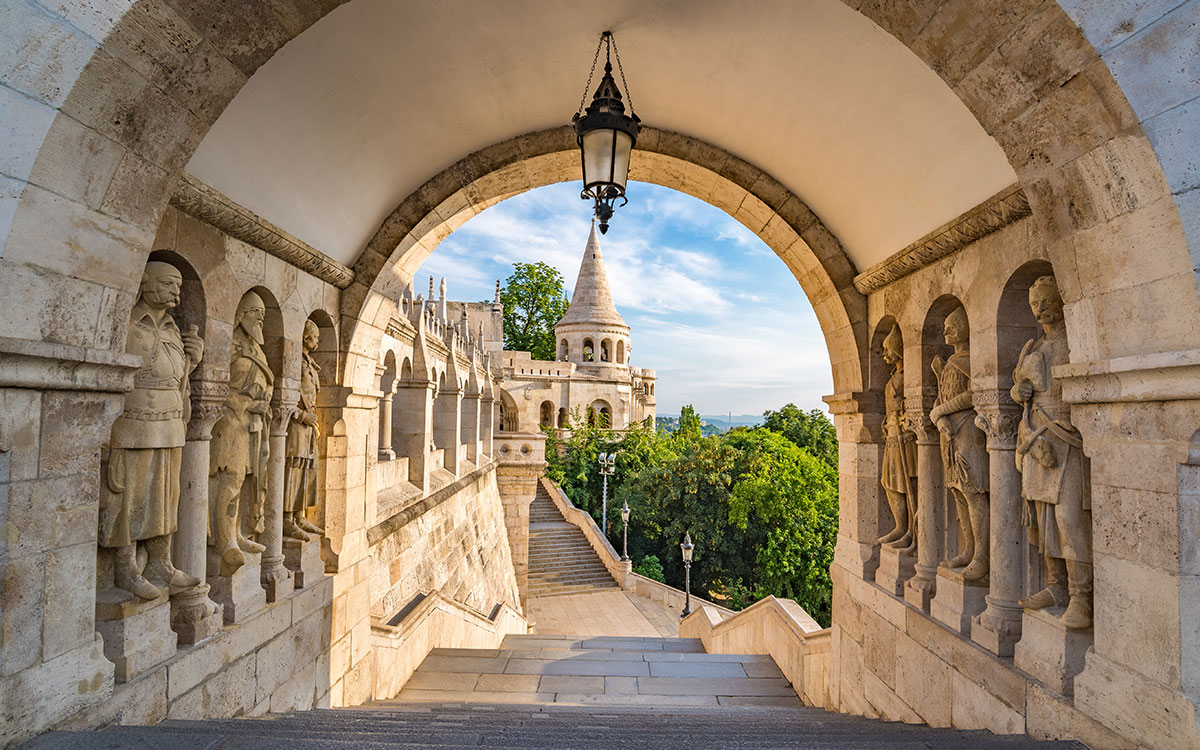
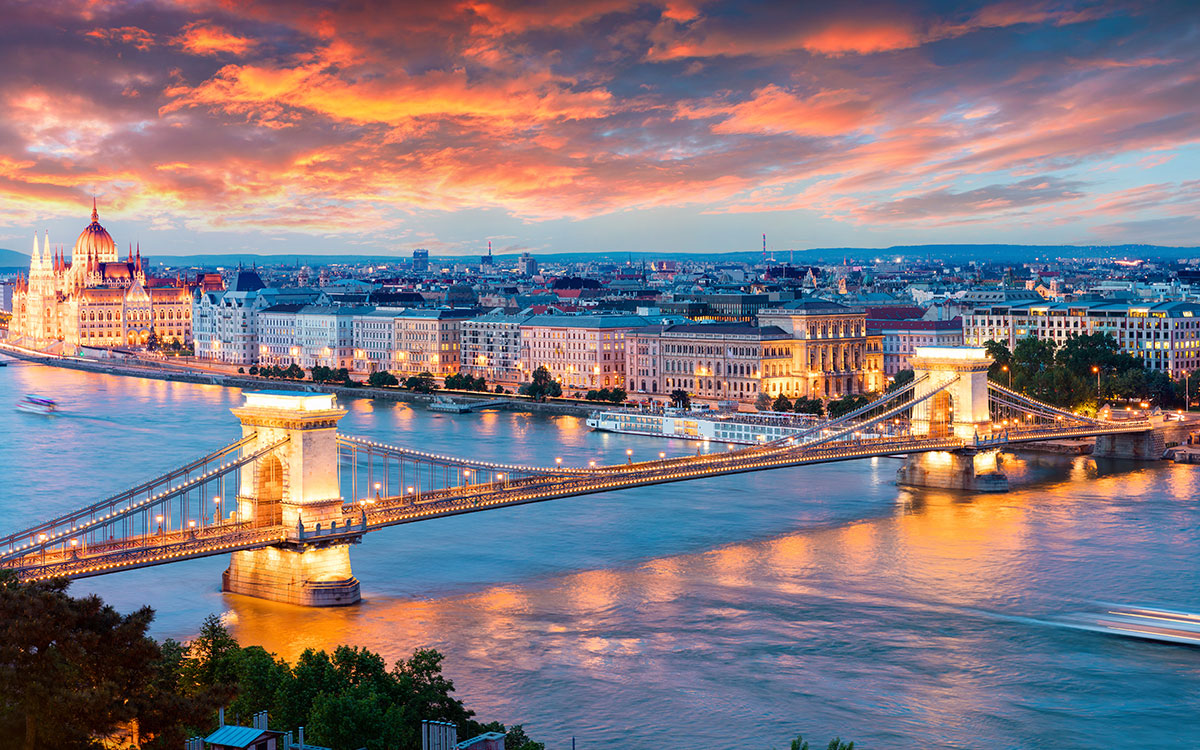
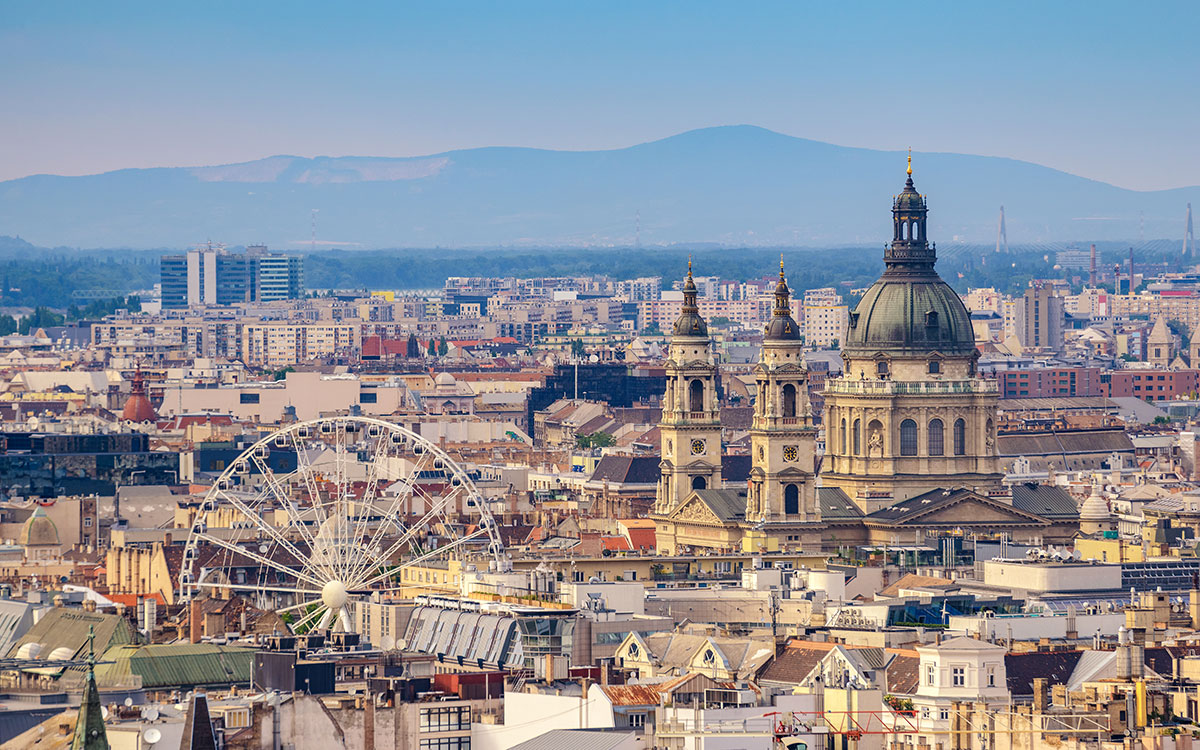
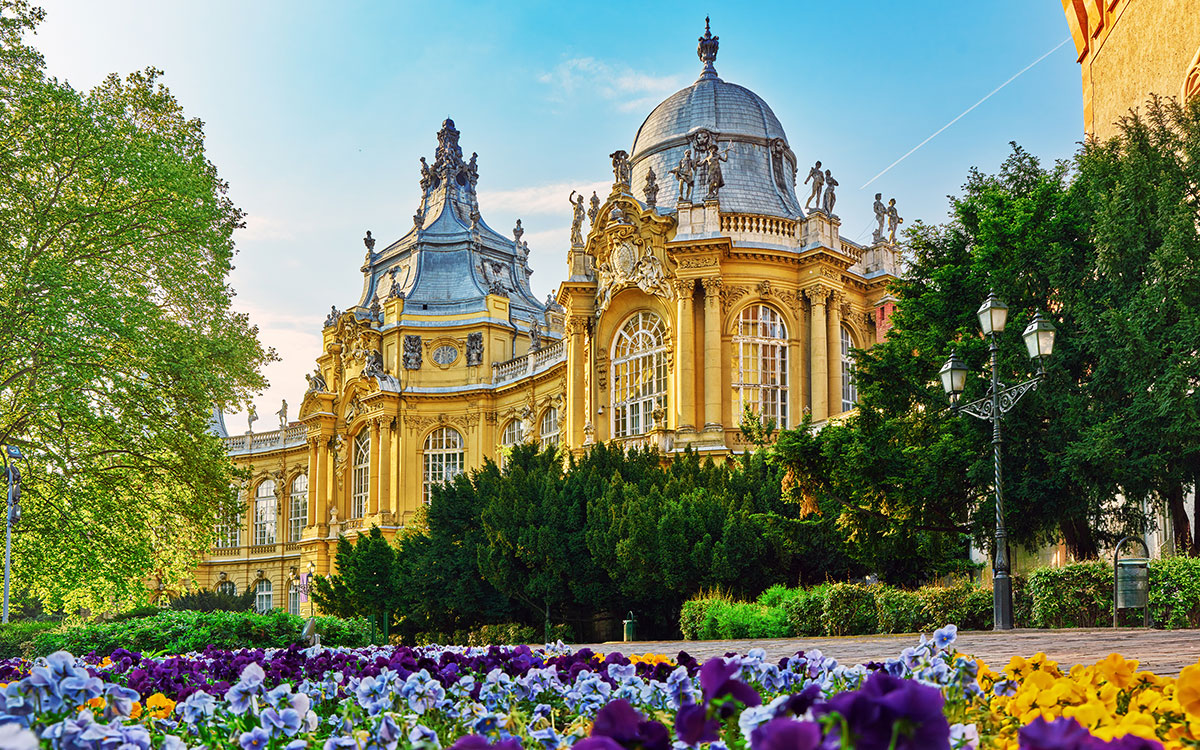
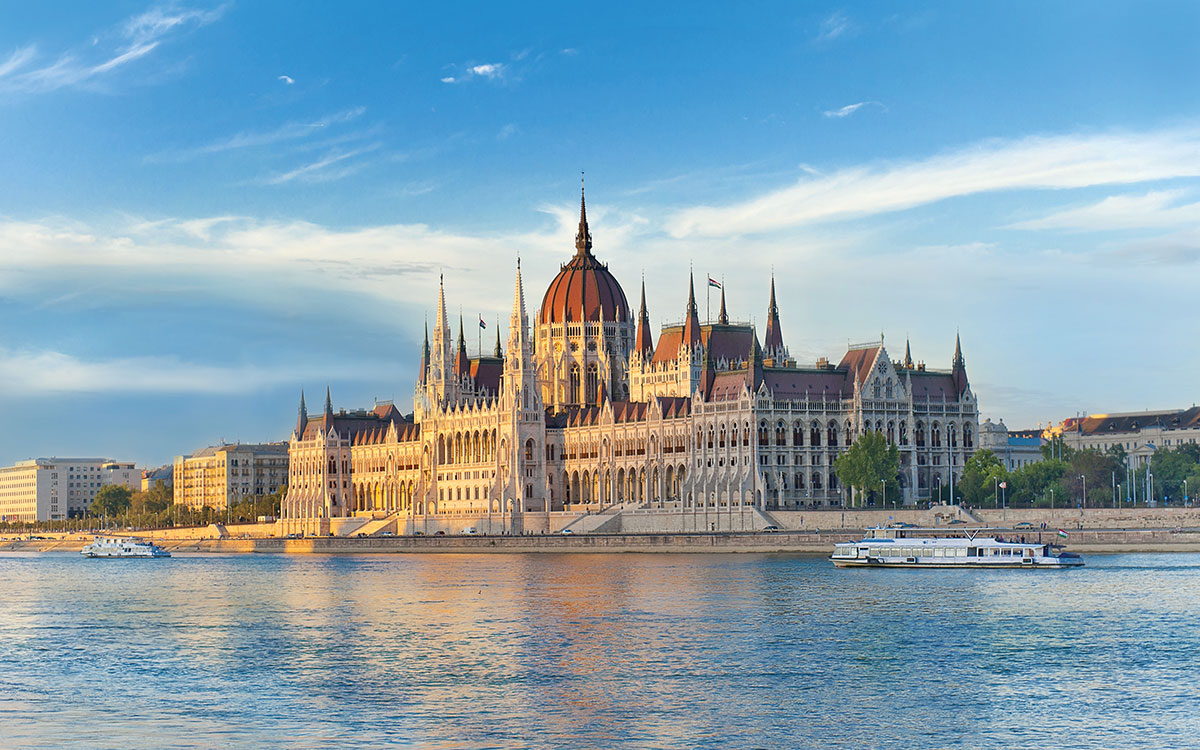
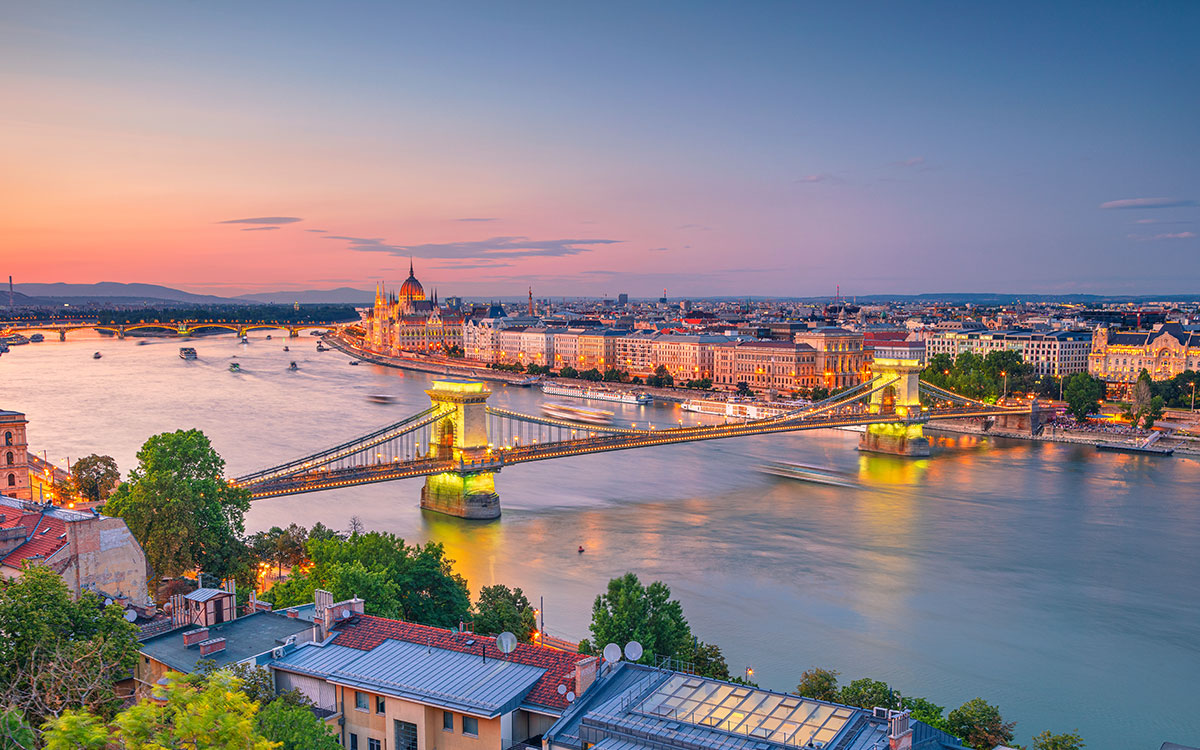
Budapest
Known as the 'Queen of the Danube', magnificent
Budapest exudes a cultural sophistication that entices and
enchants. It graces both sides of the river with grand historic
buildings, regal bridges, and graceful tree-lined boulevards. The
city's elegant beauty and romantic atmosphere has given it Parisian
status among the Eastern European countries.
Budapest offers the visitor the familiarity of
European grandeur with a distinct Hungarian flavour. This is
evident in the neo-Gothic Parliament buildings, sidewalk cafes, and
Magyar cuisine; classical concerts and Hungarian folk music; and
the cobbled streets of medieval neighbourhoods and shady parks.
Highlights for visitors include a river cruise on the Danube and a
thermal bath in one of the Turkish-era bathhouses.
Budapest was originally two cities built on either
side of the Danube, namely Buda and Pest. The two districts are
still distinct in their contrasting makeup. The older and more
charming Buda comprised of atmospheric cobbled streets, little
picturesque coloured houses, and a medieval, neo-Classical mixture
of architecture set among the gentle hills of the west bank. It is
famous for its historic Castle Hill, featuring the Royal Palace;
museums and galleries; St Matthias Church; and the ramparts of
Fisherman's Bastion.
Pest lies on a flat plain and is the commercial core
of the city. It bustles with fashionable shopping areas and has
characteristically wide, leafy boulevards. Andrássy Boulevard is
the Champs-Elysées of Budapest, lined with a typical mosaic of
architectural styles and buildings with the enormous Heroes' Square
at the end.
A history of numerous wars and invasions, with
repeated destruction and rebuilding, has created the Budapest of
today, with an amalgamation of styles, created over time during
periods of loving restoration by a proud and resilient nation of
people; it is a city of charm and character and never drops out of
favour with travellers.
Day 9
Hainburg
Day 10
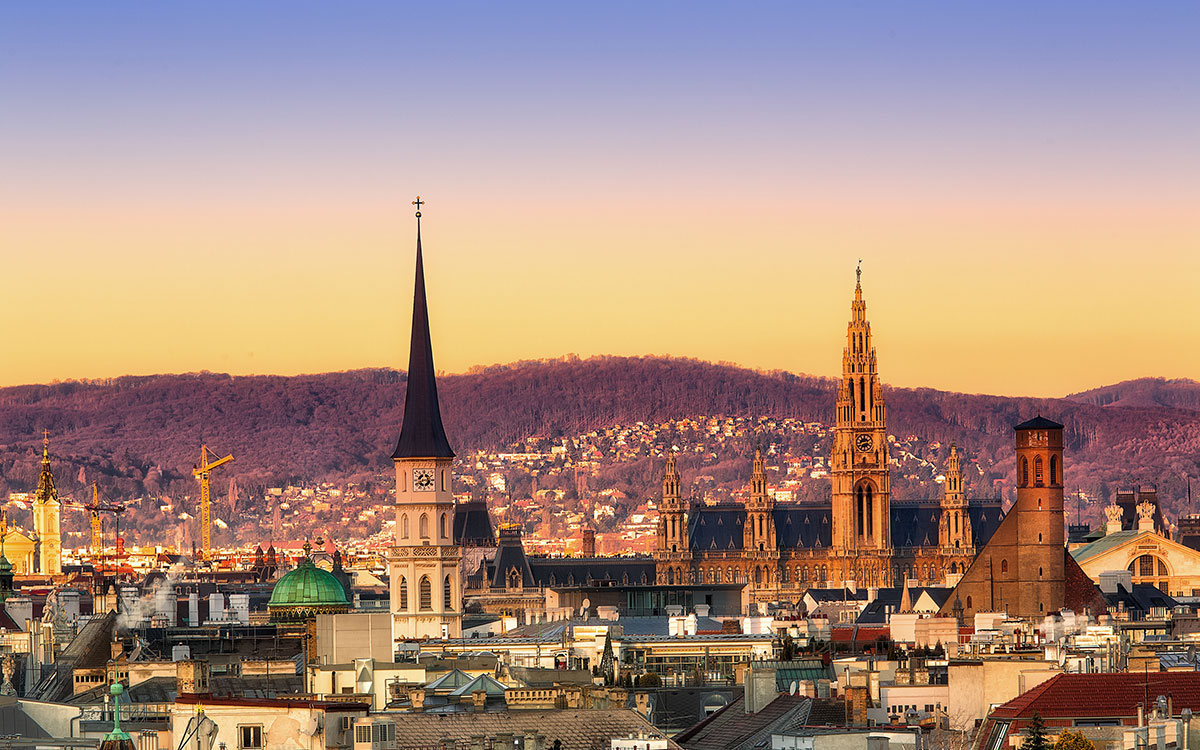
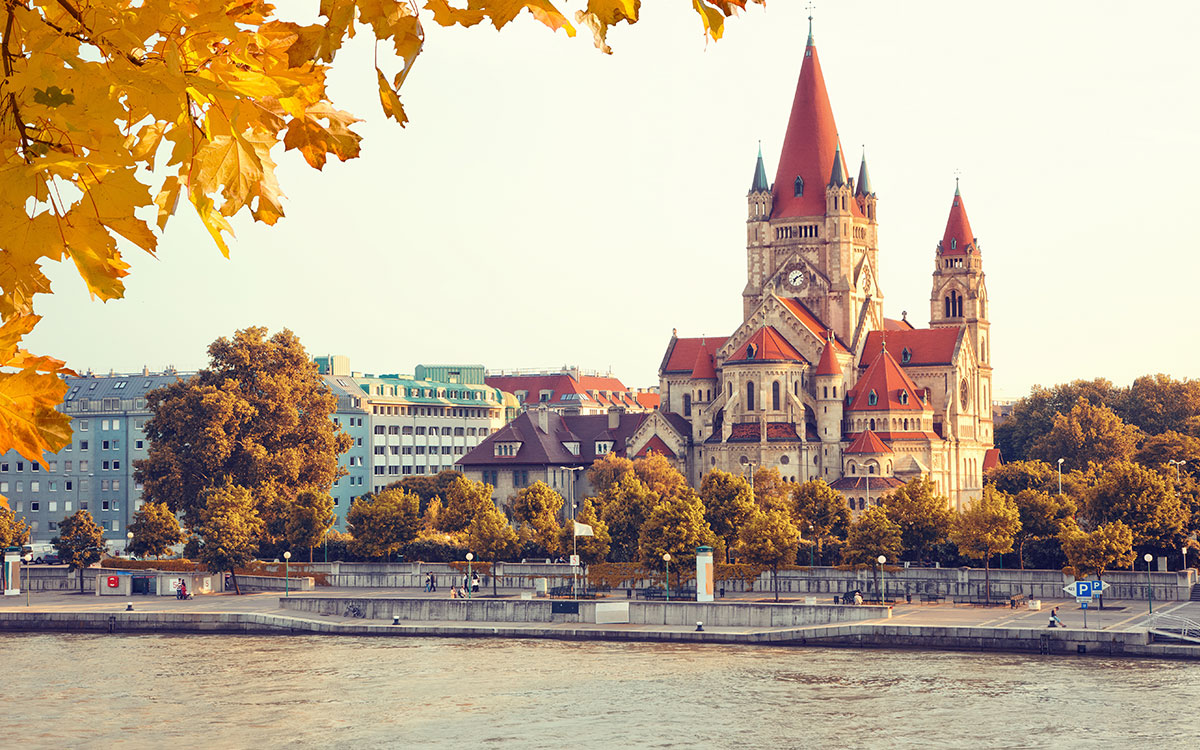
Vienna
It's difficult to explore the sights and
sounds of Vienna without thinking of an elegant Strauss waltz or a
memorable Brahms lullaby. This beautiful Baroque capital of Austria
was for centuries the centre of the Habsburg Empire, retaining its
grand spirit in the form of magnificent palaces and grand mansions
peppering the Innere Stadt.
The city's cultural heritage is mainly
musical, with great composers such as Strauss, Brahms, Beethoven,
Schubert, Haydn and Mozart all having lived and performed here.
Today, the Vienna Philharmonic Orchestra and the State Opera House
help to keep alive the city's traditions by offering more classical
music performances a year than any other city in the world.
While Vienna is a city of music, it's also
synonymous with gourmet fare, cream cakes, superb coffee, the
angelic strains of the Vienna Boys' Choir, and the proud prancing
of the Lipizzaner stallions at the world-famous Spanish Riding
School.
Starting out as a Celtic settlement on the
banks of the Danube, Vienna became one of Rome's most important
central European bases. Its favourable location on the strategic
river contributed to the city becoming the stronghold of a mighty
empire, reaching its peak during the tumultuous reign of the
dazzling Habsburg dynasty.
At the end of the 19th century, the golden
age of the Austrian Empire began to decline as Vienna's coffee
houses filled with radical intellectuals such as Freud, Klimt and
Mahler. The World War II Nazi occupation left scars, but Vienna
survived to remain a captivating capital that blends Italian
romanticism with Germanic orderliness.
Most of the city's tourist attractions are
within the largely pedestrianised inner city area, which was once
enclosed by the city walls. The walls have been replaced with the
Ringstrasse, a wide ring road. Further out in the suburbs is the
thrilling Prater amusement park with its massive Ferris wheel, and
the opulent Schonbrunn summer palace. Visitors also should not miss
a trip to the Vienna Woods, peppered with wine taverns called
heurigen.
Vienna is truly a paradise for classical
music aficionados, with unrivalled history, influence and majesty.
But it's also a city of sophistication and class, a romantic
outpost of old world grandeur shining through the heritage of
imperial power.
Day 11
Melk
Melk is a beautiful city nestled in the Austrian Alps. It is known for its traditional Austrian charm and breathtaking mountain landscapes.
The city of Melk is a picturesque destination with many attractions. It is home to one of Europe’s largest and most impressive monasteries, the Melk Abbey. Built in the 11th century, this stunning Benedictine monastery has a grand baroque interior and offers guided tours throughout the day. Visitors can explore the abbey's numerous chapels, its library, and the magnificent marble hall.
Another popular destination in Melk is the Schlosspark, a magnificent castle garden dating back to the 17th century. Meandering pathways lead to the top of a hill where visitors can overlook the town below and admire the stunning view of the Danube River. An old summer palace, sculptures, and a grotto can also be found in the park.
Apart from sightseeing, there are plenty of activities to enjoy in this alpine getaway. Hiking is a popular pastime for visitors as the city provides many trails with spectacular scenery to explore. Additionally, biking is a fun way to explore the city’s charming streets and beautiful countryside. Melk also offers swimming in its lido on the banks of the Danube, located just outside the old city walls.
For a cultural experience, visitors should head to Melk’s Museum Burgmuseum. Located in a castle right above the Danube, this museum showcases artifacts from the city's past including artifacts from the local population as well as Roman findings from nearby ruins. There’s also an authentic alpine kitchen where visitors can enjoy traditional Austrian cuisine such as ‘Kaiserschmarrn’ (soufflé-like pancakes) and ‘Apfelstrudel’ (apple strudel).
Visiting Melk is an experience like no other with its unique atmosphere and traditional charm. Whether you’re looking for stunning views, cultural attractions, or outdoor activities, this alpine getaway has something for everyone. Be sure to soak up the unbelievable beauty of nature while exploring this spectacular corner of Austria.
Day 12
Passau
Passau is a German city located in the Southeast of Germany on the Austrian border. It is situated at the confluence of the rivers Danube, Inn and Ilz. The Three Rivers City, as it’s also known, is unique for its three contrasting currents of blue, green and black. Old Town of Passau is home to towering buildings of striking architecture: the majestic fortress Veste Oberhaus, the Pilgrimage Church Mariahilf and St Stephen's Cathedral. Many of Passau’s attractions can be found in this area, including the New Bishop’s Residence, the Gothic Town Hall, as well as many churches and museums. Visitors can stroll along the riverfront promenades and romantic lanes whilst enjoying the picturesque landscape. For modern art, The Museum of Modern Art and Glass Museum Passau are recommended as they offer something a bit different. Theatre and cabaret are a popular evening pastime, with performances at the former Prince Bishopric Theatre or some lively cabaret and Jazz at the Scharfrichterhaus. Visitors will also find many traditional local Bavarian and Austrian cafes and restaurants offering a cosy atmosphere with home cooked food from local produce.
From Bavaria's Heritage to the Balkans' Vibrant Heart Ships
Recommended Deals like From Bavaria's Heritage to the Balkans' Vibrant Heart
From Bavaria's Heritage to the Balkans' Vibrant Heart
 VIVA Cruises

Departure:
Apr to
Sep
VISITING:
Passau
Bratislava
Kalocsa
Mohacs
Aljmas
Belgrade
Donji Milanovac
Golubac
Novi Sad
Ilok
Osijek
Budapest
Hainburg
Vienna
Melk
+1 more
FROM
£
2,925 pp
Save 11%
7 Nights
Imperial Grandeur Along the Danube
FROM
£
1,695 pp
Join the Crui.se Club
Points That Pay
Earn 25 points (£25) just for joining — and collect more on bookings, reviews, and referrals.
Exclusive Member Deals
Unlock off-market offers reserved only for Crui.se Club members.
Early Access Perks
Be the first to book with pre-launch notifications and special member-only booking windows.
Cruise With Confidence
Our mission at wordpress-1024654-4169282.cloudwaysapps.com is to help you and your loved one’s book and experience the best cruise holiday imaginable. We’re different in that, our customers come first, not our suppliers or profit margins. Get in touch and let us help you set sail.


Over 20 cruise brands to choose from

Low deposits from £500

All Inclusive cruises

Best deals & discounts

Community driven

Brand agnostic

We take care of everything

Custom built cruise holidays


