


 We won’t be beaten on price...


ABTA protected


Far East & Alaska
Scroll to sail

Far East & Alaska
Embark on an extraordinary 36-day Far East & Alaska adventure with Viking Ocean Cruises aboard the elegant Viking Orion. This epic voyage seamlessly blends two vastly different yet equally captivating regions, offering unparalleled cultural immersion and natural wonders.
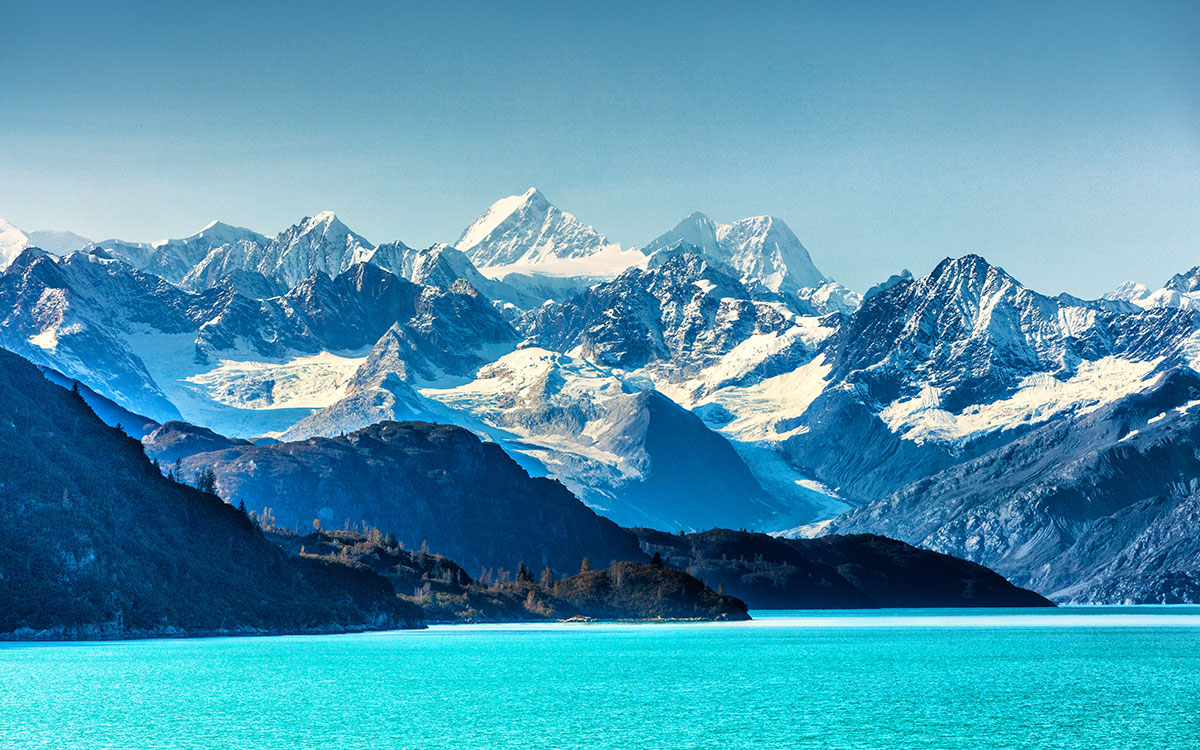
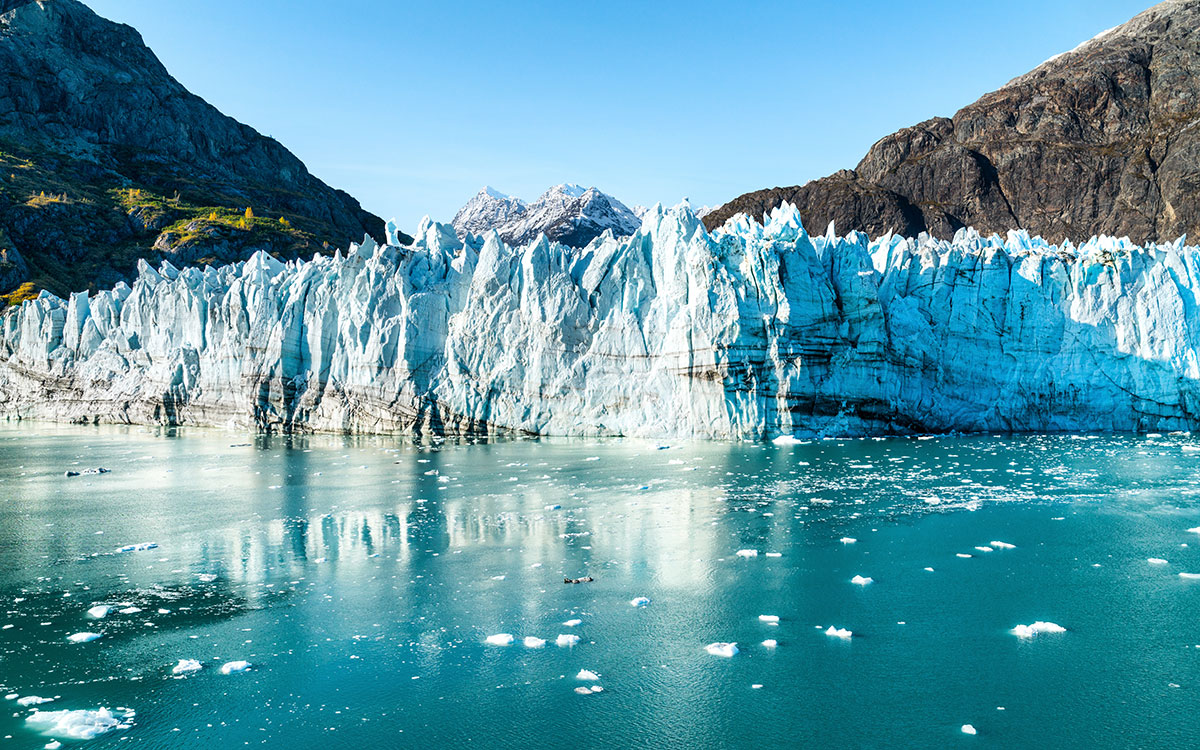
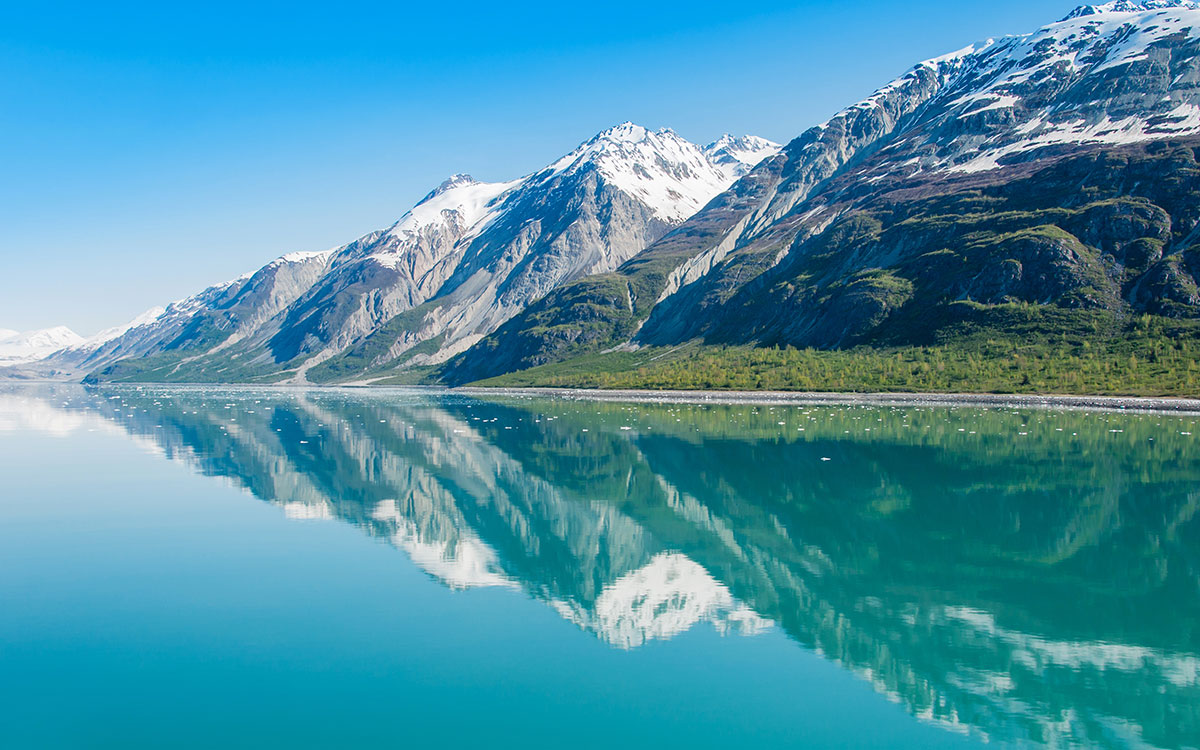
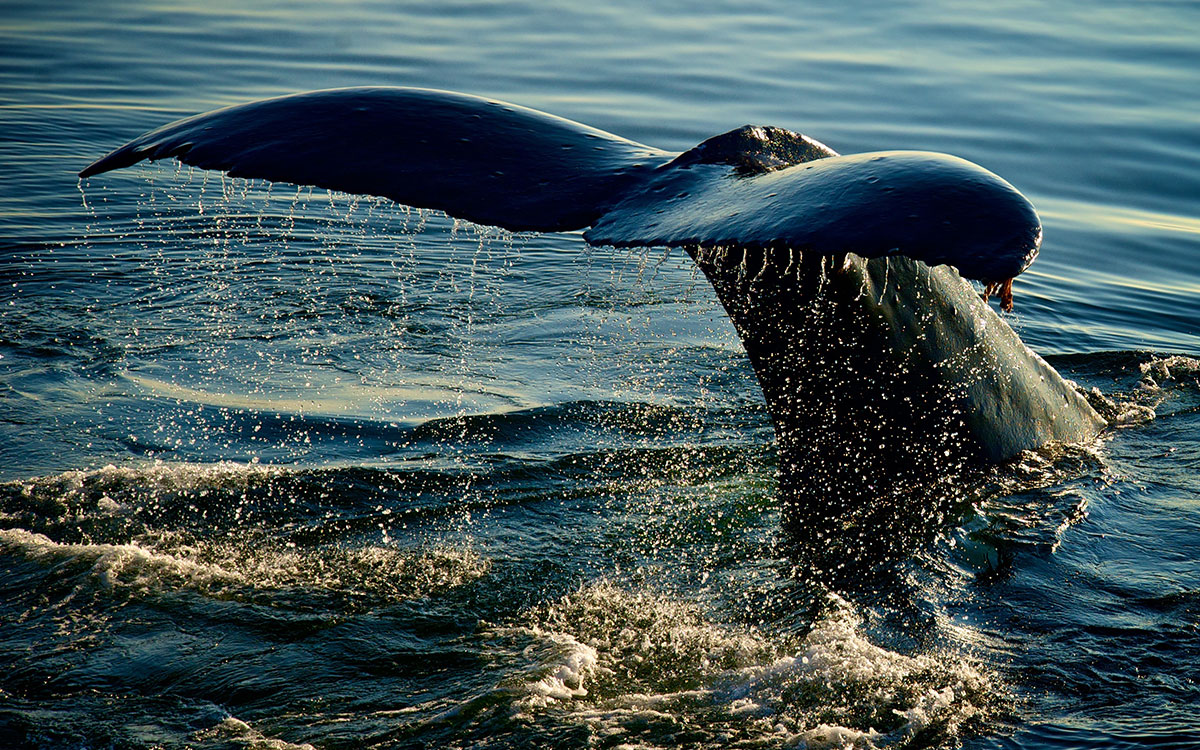
Begin by exploring Alaska's pristine wilderness, witnessing majestic glaciers in Glacier Bay and Hubbard Glacier, discovering charming frontier towns like Ketchikan and Sitka, and spotting diverse wildlife along the Inside Passage and Bering Sea.
Then, immerse yourself in the vibrant cultures of the Far East. Discover Japan's ancient traditions and modern marvels in Tokyo, Osaka, and Hiroshima, before concluding your unforgettable odyssey amidst the bustling energy of Hong Kong and the beauty of Keelung. This truly is a once-in-a-lifetime journey of luxurious exploration.
-
 Cruise Line: Viking Ocean Cruises
-
 Ship: Viking Orion + 1 more
-
 Duration: 36 Nights
-
 Departure: Mar - Sep
Far East & Alaska Prices
Far East & Alaska Gallery






Far East & Alaska Itinerary

Day 1
Vancouver, British Columbia
Vancouver is bustling, vibrant and diverse.
This gem on Canada's west coast boasts the perfect combination of
wild natural beauty and modern conveniences. Its spectacular views
and awesome cityscapes are a huge lure not only for visitors but
also for big productions, and it's even been nicknamed Hollywood
North for its ever-present film crews.
Less than a century ago, Vancouver was
barely more than a town. Today, it's Canada's third largest city
and more than two million people call it home. The shiny futuristic
towers of Yaletown and the downtown core contrast dramatically with
the snow-capped mountain backdrop, making for postcard-pretty
scenes.
Approximately the same size as the downtown
area, the city's green heart is Canada's largest city park, Stanley
Park, covering hundreds of acres filled with lush forest and
crystal clear lakes. Visitors can wander the sea wall along its
exterior, catch a free trolley bus tour, enjoy a horse-drawn
carriage ride or visit the Vancouver Aquarium housed within the
park.
The city's past is preserved in historic
Gastown with its cobblestone streets, famous steam-powered clock
and quaint atmosphere. Neighbouring Chinatown, with its weekly
market, Dr Sun Yat-Sen classical Chinese gardens and intriguing
restaurants add an exotic flair. For some retail therapy or
celebrity spotting, there is always the trendy Robson Street.
During the winter months, snow sports are
the order of the day on nearby Grouse Mountain. It's perfect for
skiing and snowboarding, although the city itself gets more rain
than snow. Vancouver's ethnic diversity and ideal combination of
mountains, sea and city offer visitors an endless supply of things
to see and do, no matter the budget.
Day 2
Sailing The Inside Passage
Day 3
Ketchikan, Alaska
The 'salmon capital of the world' started as a summer fish camp
on the shores of Ketchikan Creek used by the Tlingit natives, and
slowly became a major salmon canning centre. Native Inuit heritage
plays a large role in the touristic appeal of Ketchikan, which
boasts the largest collection of totem poles in the world in the
Ketchikan Totem Bight State Historical Park, Saxman Native Village
and the Totem Heritage Center Museum. Ketchikan has more cultural
sightseeing opportunities than most cities and towns in Alaska,
making it the perfect Alaskan getaway for those keen to experience
indigenous culture as well as the stunning natural landscapes of
Alaska.
Rustic Creek Street, with its picturesque wooden boardwalks and
stilts, was once the town's red light district, and today the
houses have been converted into restaurants, shops and galleries.
Ketchikan is located on Revillagigedo Island, 235 miles (378km)
south of Juneau. If staying in the capital, Ketchikan is a popular
excursion from the city; in fact, the quaint old town feels much
more authentic and traditional than the larger city. The town is a
popular cruise destination and is the starting point for most
Inside Passage tours. Excursions into the surrounding wilderness
include air or boat trips to nearby Misty Fjords, an area of
pristine, spectacular scenery with soaring cliffs, waterfalls,
lakes and glaciers.
Day 4
Sitka, Alaska
Sitka is a city in Alaska, located on the west coast of Baranof Island. This quaint little city offers a variety of things to do, including fishing, kayaking, hiking and wildlife viewing. Sitka is also home to the Alaska Native Heritage Center, which is a great place to learn about the state's Native culture and history.
If you're looking for a unique place to visit in Alaska, Sitka is definitely worth a trip. This city has a lot to offer, from its beautiful scenery to its rich culture and history. We would definitely recommend spending a few days here if you have the chance.
Day 5
Sailing the Glacier Bay
Day 6
Scenic Sailing: Hubbard Glacier (HUB)
Day 7
Valdez, Alaska
Alaska is the largest and most sparsely populated state in the United States. Nearly three-quarters of the state is covered by forest, making it the most forested state in the country. The state is home to Mount McKinley, the tallest mountain in North America, and to more than half of the world's glaciers.
Permafrost covers much of Alaska, and the state has more active volcanoes than any other state. The climate in Alaska is variable, with temperatures ranging from -60 degrees Fahrenheit in the winter to over 100 degrees Fahrenheit in the summer. Despite its large size, Alaska has a relatively small population. The 2010 census put the population of Alaska at 710,231, which is just over one percent of the population of the United States.
Alaska is rich in natural resources, including oil, gas, gold, silver, and copper. The state is also home to fisheries that produce billions of dollars worth of seafood each year. Tourism is also an important industry in Alaska, with visitors coming to see the state's natural beauty and wildlife.
Day 8
Seward, Alaska
Seward is a charming town in Alaska that is often overlooked by travelers. This is a mistake, as Seward offers stunning scenery, great fishing, and a variety of outdoor activities.
Situated on the edge of Resurrection Bay, Seward is surrounded by mountains and sea. The Kenai Fjords National Park is just a short drive away, and there are plenty of trails to explore in the area. Seward is also a great place to go fishing, whether you’re looking for salmon, halibut, or trout.
In town, there are a number of shops and restaurants to explore. The Alaska SeaLife Center is also worth a visit, as it’s one of the only places in the world where you can see a variety of Arctic marine life up close.
Whether you’re looking for adventure or simply want to relax in a beautiful setting, Seward is well worth a visit.
Day 9
Kodiak, Alaska
Today, commercial fishing is king in Kodiak. Despite its small population—about 6,475 people scattered among the several islands in the Kodiak group—the city is among the busiest fishing ports in the United States. The harbor is also an important supply point for small communities on the Aleutian Islands and the Alaska Peninsula.Visitors to the island tend to follow one of two agendas: either immediately fly out to a remote lodge for fishing, kayaking, or bear viewing; or stay in town and access whatever pursuits they can reach from the limited road system. If the former is too pricey an option, consider combining the two: drive the road system to see what can be seen inexpensively, then add a fly-out or charter-boat excursion to a remote lodge or wilderness access point.Floatplane and boat charters are available from Kodiak to many remote attractions, chief among them the Kodiak National Wildlife Refuge , which covers four islands in the Gulf of Alaska: Kodiak, Afognak, Ban, and Uganik.
Day 11
Dutch Harbor, Alaska
Alaska is the largest and most sparsely populated state in the United States. Nearly three-quarters of the state is covered by forest, making it the most forested state in the country. The state is home to Mount McKinley, the tallest mountain in North America, and to more than half of the world's glaciers.
Permafrost covers much of Alaska, and the state has more active volcanoes than any other state. The climate in Alaska is variable, with temperatures ranging from -60 degrees Fahrenheit in the winter to over 100 degrees Fahrenheit in the summer. Despite its large size, Alaska has a relatively small population. The 2010 census put the population of Alaska at 710,231, which is just over one percent of the population of the United States.
Alaska is rich in natural resources, including oil, gas, gold, silver, and copper. The state is also home to fisheries that produce billions of dollars worth of seafood each year. Tourism is also an important industry in Alaska, with visitors coming to see the state's natural beauty and wildlife.
Day 12
Sailing the Bering Sea
Day 15
Sail the North Pacific Ocean
Day 18
Sailing the Okhotsk Sea
Day 20
Sapporo
The most remarkable thing about the northern
Japanese island of Hokkaido and its capital city Sapporo, is the
contrast in temperatures between winter and summer. Sapporo, site
of the 1972 Winter Olympics, is a favourite ski destination with
temperatures plummeting well below freezing in December and January
- the lowest ever recorded was in January 1945, when the mercury
dropped to -11ºF (-24ºC). Summer, however, sees daytime highs of
above 86ºF (30ºC), although evenings and mornings are cooler.
Because of the thick snows that turns the city
into a winter wonderland, Sapporo is favoured more as a winter
sports destination than a spring or summer resort. There are ski
slopes within the city limits and residents often enjoy a quick run
after work.
Sapporo is one of Japan's newest cities, having
been constructed almost from scratch as the capital of Hokkaido in
1871. Japan imported foreign technicians (including 46 Americans)
to aid in the development of the city, formerly a small settlement
of the native Ainu people, which has now grown to accommodate about
two million inhabitants. Despite a large population, Sapporo is not
as crowded or densely packed as other Japanese cities.
A national survey ranked it as one of the
country's most desirable places to live, which is not surprising
because its natural setting allows for easy access to mineral spas,
mountain hikes, campsites, and superb ski runs. Tourists enjoy the
outdoor delights of the region and experiencing the ancient culture
of the local Ainu people.
Day 22
Sailing the Tsugaro Strait
Day 23
Tokyo
The modern capital city of Japan, Tokyo could be
described as too good to be true. People dress in the latest
fashions and experiment with the latest technologies, excellent
restaurants serve up delicious food of all varieties, and the
trendiest nightclubs keep going throughout the night.
The public transport system is punctual and one of
the most efficient in the world; and shops and vending machines
provide necessities and luxuries both day and night. All this is
achieved in a city that is home to more than 13 million people,
amid the confusion of bumper-to-bumper traffic, flickering neon
signs, and a crush of humanity packing subways and sidewalks.
Amidst the hurly-burly, Tokyo remarkably remains
one of the world's safest cities with a low crime rate and local
people who are generally only too willing to spare the time and
effort to assist a stranger.
With such a dense population, Tokyo is an urban
maze of buildings that jostle for space in an unplanned jumble of
grey concrete, which makes parts of it drab. The city fills a huge
area that seems to go on forever, with no specific city centre, but
rather a succession of districts grouped together. In the back
streets, where timber houses line narrow lanes, there are reminders
that this is exotic Japan: kimono-clad women prune bonsai trees and
colourful neighbourhood festivals take place.
The city is an exuberant experience for visitors.
It is home to many museums and is the largest repository of
Japanese art in the world. Then, of course, it would take forever
to exhaust the shopping possibilities in this megalopolis.
The more one explores Tokyo, the more it becomes
obvious that one cannot judge a book by its cover. Inside the
modern buildings the cultural life of Japan is very much alive and
well. Interiors reflect the tranquil minimalist Asian style and
taste of Japan.
Day 26
Shimizu
Shimizu is a city located in the Shizuoka Prefecture, in the central region of Japan’s main island of Honshu. The city has a long and rich history, dating back to the 8th century when it was first mentioned in historical records. Shimizu thrived as a key port city during the Edo period (1603-1868), serving as an important stopping point for trade between Edo (now Tokyo) and Kyoto.
Today, Shimizu is a modern and vibrant city, with a population of over 700,000 people. The city is known for its beautiful natural scenery, with Mt. Fuji visible from many parts of the city on clear days. Shimizu is also home to a number of large companies and industries, including Mitsubishi Heavy Industries and Honda Motor Company.
The city of Shimizu is a great place to experience traditional Japanese culture while also enjoy all the conveniences and amenities of a modern city. There are a number of temples and shrines to visit, as well as traditional gardens and parks. For those interested in shopping and nightlife, Shimizu has plenty to offer, with a wide variety of shops and restaurants, as well as bars and clubs.
Day 28
Osaka
Japan's third largest city, the industrial metropolis of Osaka
lies just 26 miles (42km) south of Kyoto. Osaka is an ancient city,
powerful in the days of the feudal lords and samurai. Now the city
is a commercial hub, focused on making money and having a good
time: it has a reputation in Japan as one of the best places to eat
and drink.
It is worthwhile visiting the city just to see the magnificent
Osaka Castle. Osaka's castle dates back to the 16th century, built
by the powerful lord Hideyoshi Toyotomi. It was rebuilt following
World War II, renovated in 1997, and is today a national
treasure.
The city has a number of other attractions, including museums
dedicated to science, wood-block printing, peace, and even ramen.
There are also a number of beautiful temples, and the famous
Bunraku Puppet Theatre. Other attractions in Osaka include an
impressive aquarium and Universal Studios Japan, a theme park
focusing on the American movie industry.
Osaka offers many of the same hardcore shopping opportunities
that Japan's other major metropolises do, with the most famous
shopping district, Shinsaibashi, offering a mixture of department
stores, fashionable boutiques, and Western stores. Nipponbashi is
the best place to go for electronics.
Osaka has a distinct cuisine, putting its unique stamp on
everything from sushi to
(street food). After dinner, head out for some
fun in one of the karaoke bars. The liveliest nightlife is found in
Dotombori.
Day 29
Hiroshima
Hiroshima is the main city of the Chugoku Region on
Japan's main island Honshu. On 6 August 1945, it became the first
ever target of an atomic bomb. Early in the morning, three United
States B-29 bombers flew in from the northeast; one dropped its
bomb over the centre of the city, killing 140,000 civilians.
Today, millions of visitors make a pilgrimage to
Hiroshima's Peace Memorial Park to pay tribute to the victims, but
also to marvel at the lively modern city that has overcome its
tragedy to become the thriving home of more than a million people.
Not surprisingly, the city has become vehemently engaged in the
promotion of peace, and American visitors are welcomed with open
arms along with foreigners of all other nationalities.
Visitors are drawn mainly to the Peace Memorial Park
and its museum, but the rebuilt city is an attractive place to
visit in its own right, criss-crossed by rivers and wide avenues
and containing several good museums. Nearby are some of Japan's
most scenic excursion destinations, making Hiroshima a good base
for explorations into the countryside.
Day 31
Beppu, Kyushu Island, Oita
The lantern-lit hot springs of Beppu is a town that’s prettier than a picture. The town is found in a particularly volcanically active part of Japan (hence the abundance of hot springs, or in Japanese, onsens). As if the gorgeous palette of colours at the onsen was not enough, Beppu is also world famous for its Sakura, or cherry blossom season. More than 2,000 cherry trees near the base of the ropeway to Mount Tsurumi make for one of Beppu’s most impressive hanami (flower viewing) spots.
Day 32
Kagoshima
Kagoshima is a mesmerising city located on the south western tip of Japan's main island. It is a place of breathtaking beauty and boasts magnificent views over the bay and nearby volcano, Sakurajima. Anyone visiting Kagoshima cannot help but feel awe at the power of nature and its many forms.
Kagoshima itself is a city of great history, being the birthplace of the powerful Satsuma Domain which fought against the Tokugawa Shogunate. Exploring the old samurai neighbourhoods and traditional buildings of the city will be a treat for any visitor in search of a glimpse into a bygone era.
However, Kagoshima is also a modern city offering plenty to do for visitors looking for a more contemporary experience. Dining experiences range from traditional Japanese cuisine to fusion dishes created with local ingredients. Shopping is also abundant in the city, from small boutiques to larger department stores.
Those looking to explore the wonders of nature will also be spoilt for choice. The harbour is often described as one of Japan's most beautiful bays, and taking a boat tour around it is a must for anyone visiting the city. Views from the harbour might include the distinctive outline of Sakurajima, a dormant volcano on the horizon, or the stunning array of islands in Kagoshima Bay. Farther afield, those with an adventurous spirit can take trips to Kagoshima's active volcanoes, such as Mt. Kuju, where ash-covered trails provide an exciting day out.
Kagoshima is also an ideal base for anyone wanting to explore further south towards Kyushu's other cities, such as Kumamoto and Miyazaki. All these cities have their own unique charms and are well worth a visit if you have the time. Be sure to sample some regional delicacies too!
Visiting Kagoshima is a truly unique experience and one that you will never forget. It is a city steeped in history and culture, yet offering modern amenities that are sure to please everyone who visits. With its seemingly endless natural sights and attractions, Kagoshima is sure to keep you captivated throughout your stay. Come explore what it has to offer today!
Day 33
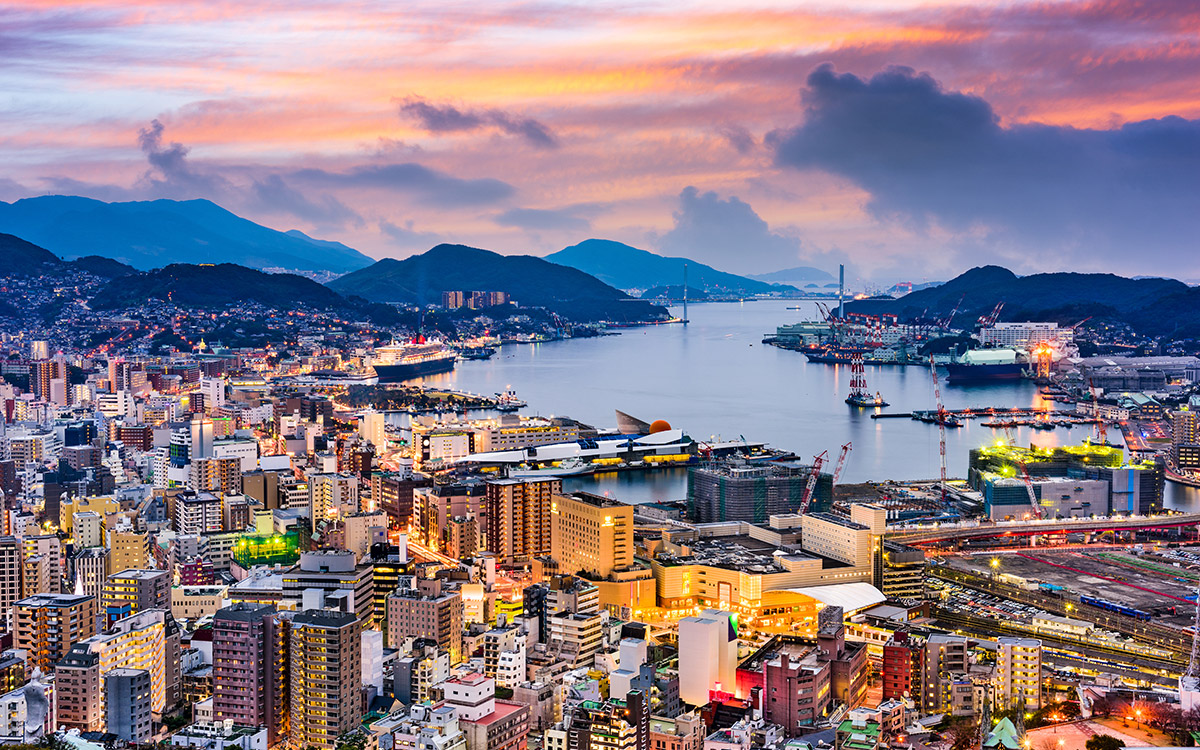
Nagasaki
Nagasaki is a beautiful city located in southwestern Japan. The city is best known for its rich history and for being the site of the second nuclear bombing in history.
Nagasaki has a long and storied history. It was first settled by the Chinese in the 7th century and later became an important port for trade with both China and Korea. In the 16th century, Nagasaki was the only place in Japan where Europeans were allowed to trade, and it became an important base for the Portuguese and Dutch.
During World War II, Nagasaki was one of the largest shipbuilding centers in Japan. It was also the target of the second nuclear bombing in history. The bomb, which was dropped on August 9, 1945, killed an estimated 40,000 people. Nagasaki was rebuilt after the war and is now a thriving city with a population of over 1 million people.
Nagasaki is a must-visit for anyone interested in history or in seeing a city that has risen from the ashes of war. The city has a number of museums and memorials dedicated to its past, and its vibrant present makes it a great place to live or visit.
Day 34
Sail the East China Sea
Day 35
Keelung (Chilung)
Keelung, also known as Keelung City, is a bustling port city situated in northern Taiwan. With a convenient location just 25 kilometers northeast of Taipei, it serves as a gateway to the island's beautiful northeastern coast. Known for its vibrant street food scene, stunning natural scenery, and rich cultural heritage, Keelung is a popular destination for both locals and tourists alike.
One of the main attractions in Keelung is its historic district, which showcases the city's cultural legacy. Here, visitors can explore the lively streets filled with traditional Taiwanese architecture, temples, and small shops. Of particular interest is the renowned Miaokou Night Market, known for its delectable array of local snacks and fresh seafood. From oyster omelets to braised pork rice, this market is a food lover's paradise.
For those seeking a tranquil outdoor experience, Keelung's coastline is a must-visit. One of the most famous landmarks is the Yehliu Geopark, where visitors can marvel at unique rock formations created by thousands of years of erosion. The most iconic rock formation is "Queen's Head," which resembles the profile of Queen Elizabeth. Additionally, the nearby Keelung Islet offers hiking opportunities and panoramic views of the coast.
Another highlight of Keelung is its vibrant festival scene. The annual Ghost Festival, held in August, is one of the city's most significant celebrations. During this time, elaborate ceremonies and processions take place to honor ancestors and appease wandering spirits. The festival is known for its impressive parade featuring traditional music, dance performances, and colorful costumes.
In addition to its cultural and natural attractions, Keelung is also home to several modern landmarks. The Keelung Harbor is one of the largest and busiest ports in Taiwan, making it a hub for international trade. Visitors can take a boat tour of the harbor to get a closer look at the industrial activities and enjoy panoramic views of the city skyline.
Shopaholics will find joy in exploring the Zhongzheng Road Shopping Area, where an array of shops, boutiques, and department stores offer a wide range of goods. From trendy fashion to local handicrafts, there is something for everyone's tastes and budgets. The shopping district is also home to vibrant street performances and events, adding to the lively atmosphere.
For those interested in Taiwan's naval history, a visit to the Maritime Plaza is a must. This open-air museum showcases a collection of naval artifacts and displays, providing insights into Taiwan's maritime traditions and history. The museum also features an observation deck, offering panoramic views of the harbor and Keelung's surrounding mountains.
Getting around Keelung is convenient, thanks to its well-connected transportation system. The city has a comprehensive network of buses and taxis, making it easy to travel to different attractions. Additionally, a railway line provides easy access to Taipei and other parts of Taiwan.
In terms of weather, Keelung has a subtropical climate with mild temperatures throughout the year. However, it is known for its frequent rainfall, so visitors are advised to pack an umbrella or raincoat when exploring the city.
In conclusion, Keelung is a vibrant and diverse city that offers a mix of natural beauty, cultural heritage, and a bustling cityscape. Whether you're interested in exploring its historic streets, indulging in mouthwatering street food, or enjoying breathtaking coastal landscapes, Keelung has something for everyone.
Day 36
Sail the East China Sea
Day 37
Hong Kong
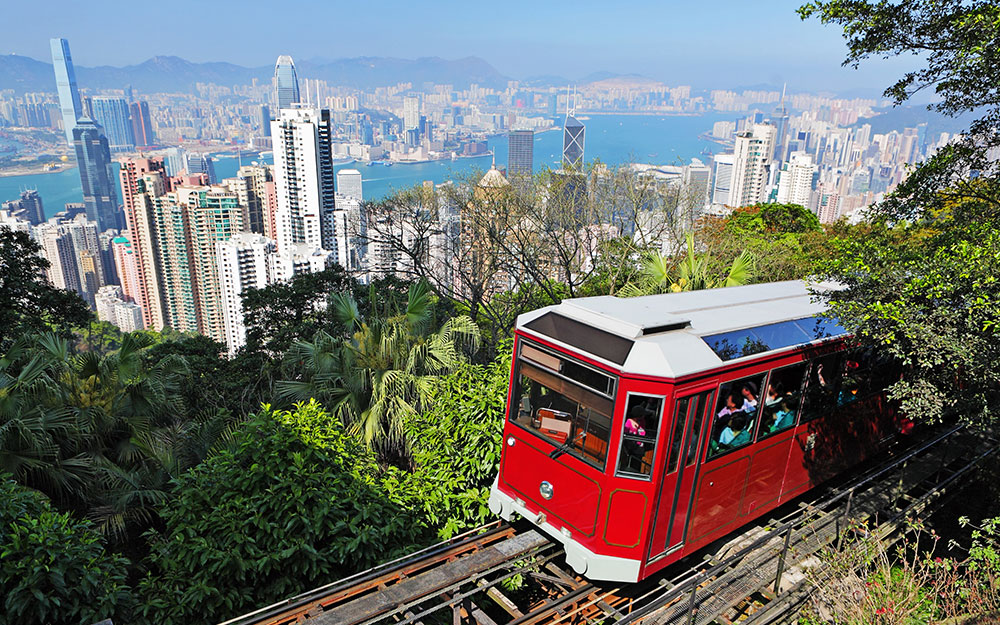
It is hard to believe that what was once a
sleepy, sparsely populated area of farmland and fishing villages
has now become arguably the world's most influential financial
capital and commercial port. Past and present fuse in Hong Kong to
create a capitalist utopia embedded within the world's largest
communist country. There is nowhere on earth quite like Hong Kong,
which is reason enough for anyone to travel here.
The city, or 'Central' as it has become
known, sits on the north shore of Hong Kong Island, the tourist
capital and the original territory colonised by the British.
Central is backed by the green hills of Victoria Peak and looks out
over Victoria Harbour, home to annual firework displays and
promenades forming natural meeting points for tourists and locals
alike.
The city of Hong Kong, despite its
surviving traditional enclaves, feels delightfully futuristic. The
vast majority of the more than 350 skyscrapers in Hong Kong are
concentrated in Central, and this glittering night-time skyline is
one of the most iconic in the world. The speed of modernisation and
construction means that few colonial buildings now remain, with the
oldest surviving being Flagstaff House, dating back to 1846 and now
home to the Museum of Tea Ware.
Hong Kong is a booming business hub, a
fashion centre and a celebrated foodie destination. The diversity
of its population and cultural influences add hugely to its unique
appeal. In addition to all its impressive sightseeing attractions
visitors will be happy to discover just how well everything works.
Most notably, the efficient transport system makes getting around a
pleasure.
Far East & Alaska Ships
Recommended Deals like Far East & Alaska
Far East & Alaska
 Viking Ocean Cruises

Departure:
Sep to
Apr
VISITING:
Hong Kong
Sail the East China Sea
Keelung (Chilung)
Sail the East China Sea
Nagasaki
Kagoshima
Beppu, Kyushu Island, Oita
Hiroshima
Osaka
Shimizu
Tokyo
Sailing the Tsugaro Strait
Sapporo
Sailing the Okhotsk Sea
Sail the North Pacific Ocean
+12 more
FROM
£
15,290 pp
Australia, Asia & Alaska
Viking Ocean Cruises
Departure:
September
VISITING:
Vancouver, British Columbia
Sailing The Inside Passage
Ketchikan, Alaska
Sitka, Alaska
Sailing the Glacier Bay
Scenic Sailing: Hubbard Glacier (HUB)
Valdez, Alaska
Seward, Alaska
Kodiak, Alaska
Dutch Harbor, Alaska
Sailing the Bering Sea
Sail the North Pacific Ocean
Sailing the Okhotsk Sea
Sapporo
Sailing the Tsugaro Strait
+43 more
FROM
£
31,190 pp
North Pacific Passage
Viking Ocean Cruises
Departure:
May to
Apr
VISITING:
Vancouver, British Columbia
Sailing The Inside Passage
Ketchikan, Alaska
Sitka, Alaska
Sailing the Glacier Bay
Scenic Sailing: Hubbard Glacier (HUB)
Valdez, Alaska
Seward, Alaska
Homer, Alaska
Kodiak, Alaska
Sailing the Gulf of Alaska
Sailing the Bering Sea
Sail the North Pacific Ocean
Sailing the Okhotsk Sea
Sapporo
+2 more
FROM
£
6,690 pp
Join the Crui.se Club
Points That Pay
Earn 25 points (£25) just for joining — and collect more on bookings, reviews, and referrals.
Exclusive Member Deals
Unlock off-market offers reserved only for Crui.se Club members.
Early Access Perks
Be the first to book with pre-launch notifications and special member-only booking windows.
Cruise With Confidence
Our mission at wordpress-1024654-4169282.cloudwaysapps.com is to help you and your loved one’s book and experience the best cruise holiday imaginable. We’re different in that, our customers come first, not our suppliers or profit margins. Get in touch and let us help you set sail.


Over 20 cruise brands to choose from

Low deposits from £500

All Inclusive cruises

Best deals & discounts

Community driven

Brand agnostic

We take care of everything

Custom built cruise holidays


