






 We won’t be beaten on price...

ABTA protected


Monte Carlo to Lisbon
Scroll to sail

Monte Carlo to Lisbon
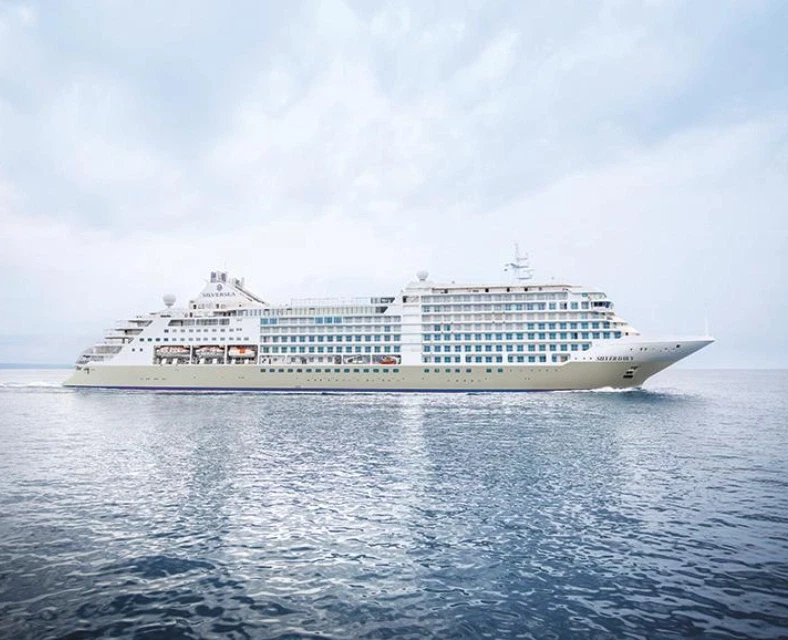
Embark on an extraordinary 12-day Monte Carlo to Lisbon voyage with Silversea. This luxurious journey aboard the elegant Silver Dawn unveils the captivating beauty of the Mediterranean and beyond. Prepare for an unforgettable exploration from the French Riviera to the Iberian Peninsula, seamlessly blending European charm with North African mystique.
Discover the glamorous allure of Monte Carlo, the vibrant energy of Barcelona, and the historic grandeur of Valencia. Explore sun-drenched Spanish coasts in Malaga and Cartagena before crossing to the intriguing markets of Tangier and Casablanca. Each port offers unique cultural immersion and breathtaking sights.
Indulge in Silverseas renowned all-inclusive luxury, exquisite dining, and personalized service as you sail towards the enchanting city of Lisbon. This meticulously crafted itinerary promises a rich tapestry of experiences, making it the perfect escape for discerning travelers seeking unparalleled comfort and diverse cultural discovery.
-
 Cruise Line: Silversea
-
 Ship: Silver Dawn
-
 Duration: 12 Nights
-
 Departure: November
Monte Carlo to Lisbon Prices
Monte Carlo to Lisbon Gallery



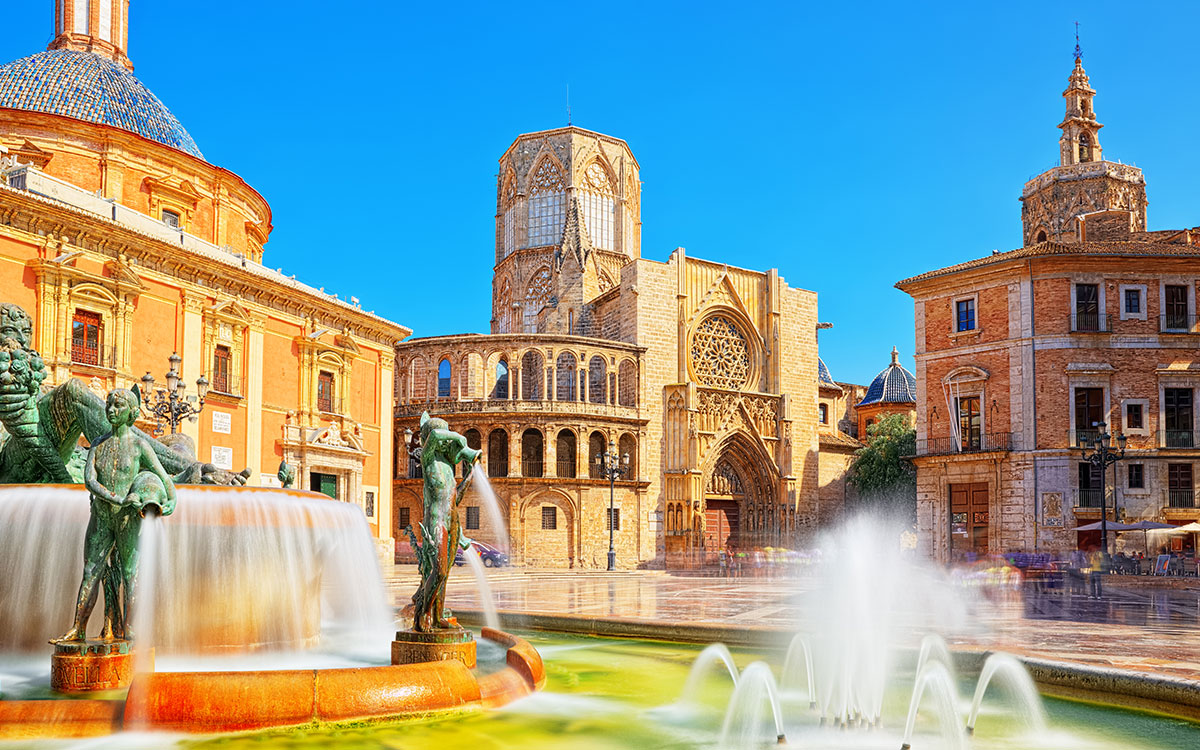
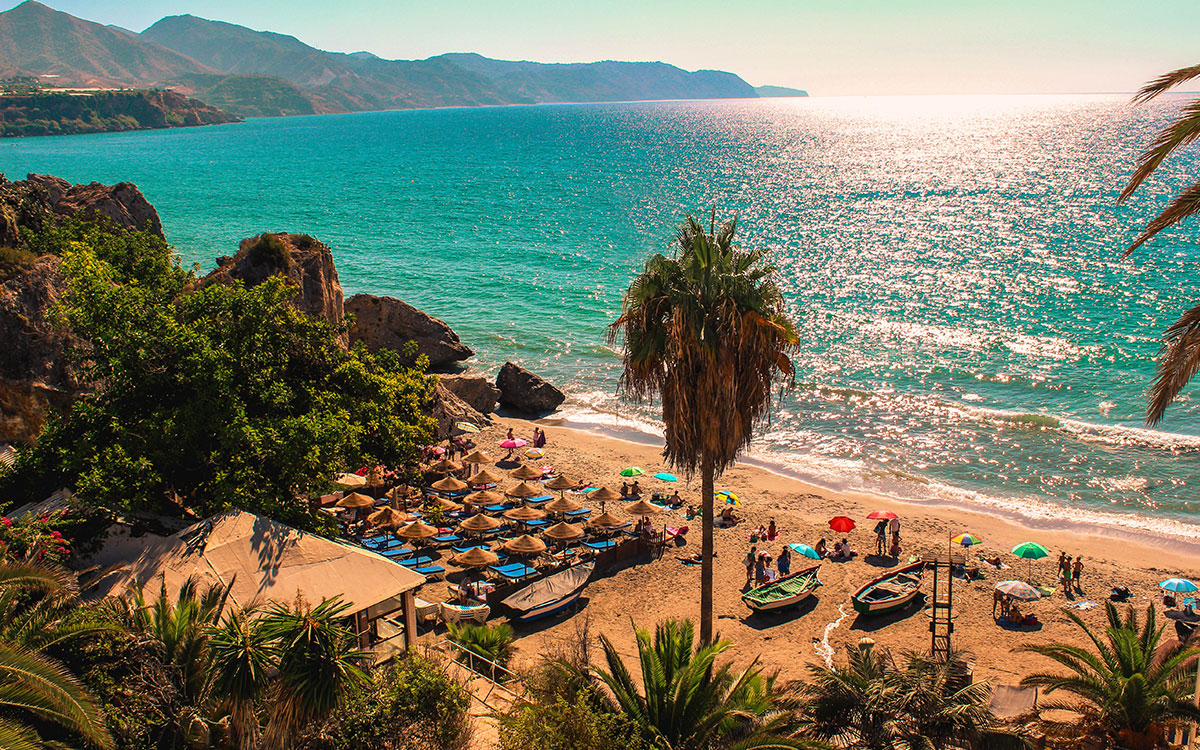
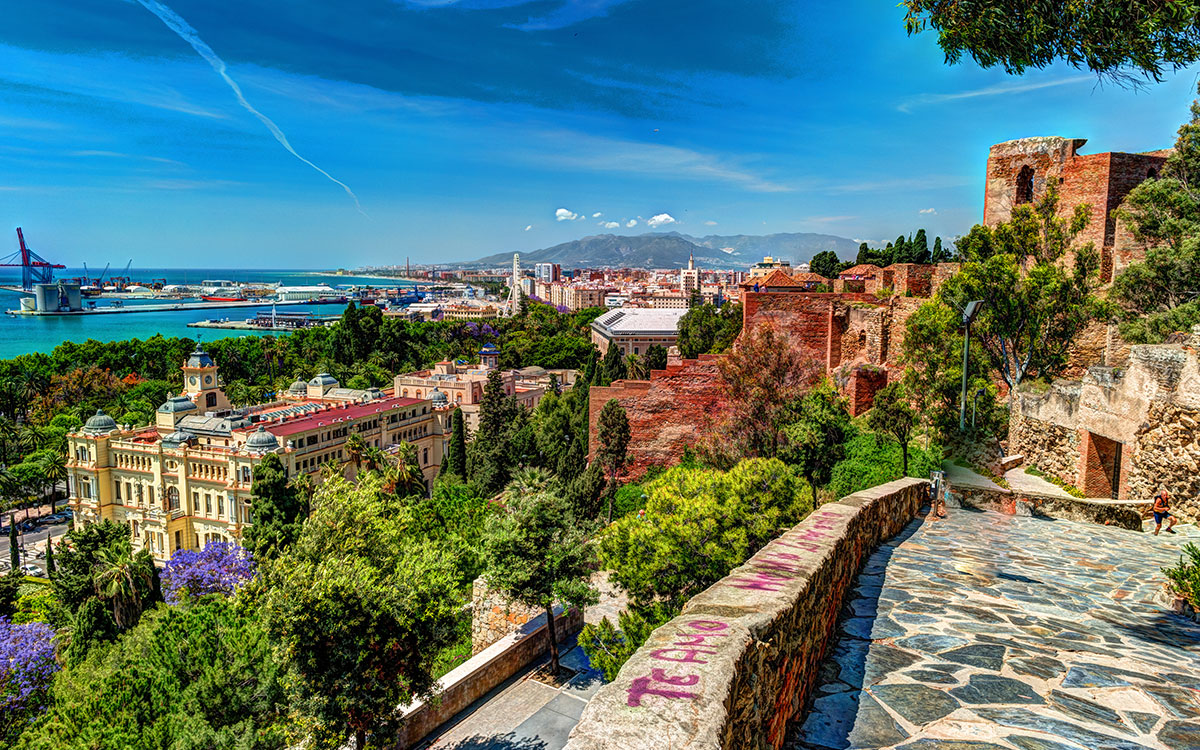
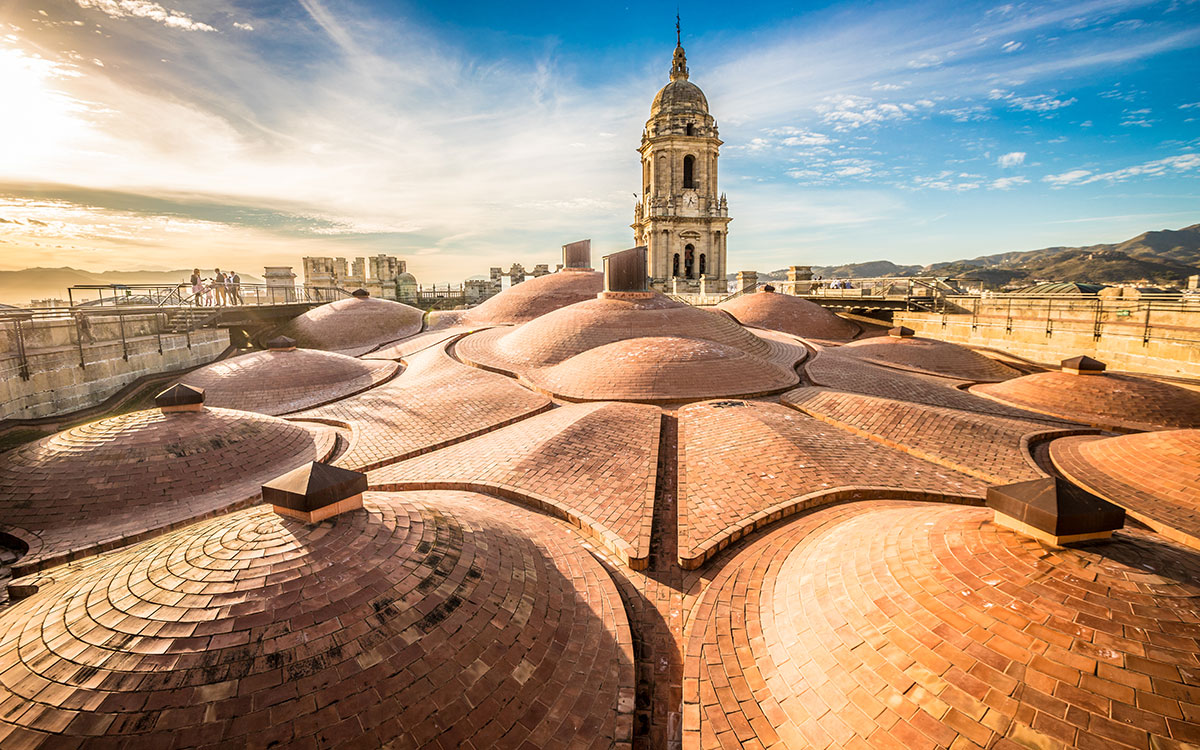



Monte Carlo to Lisbon Itinerary

Day 1
Monte-Carlo
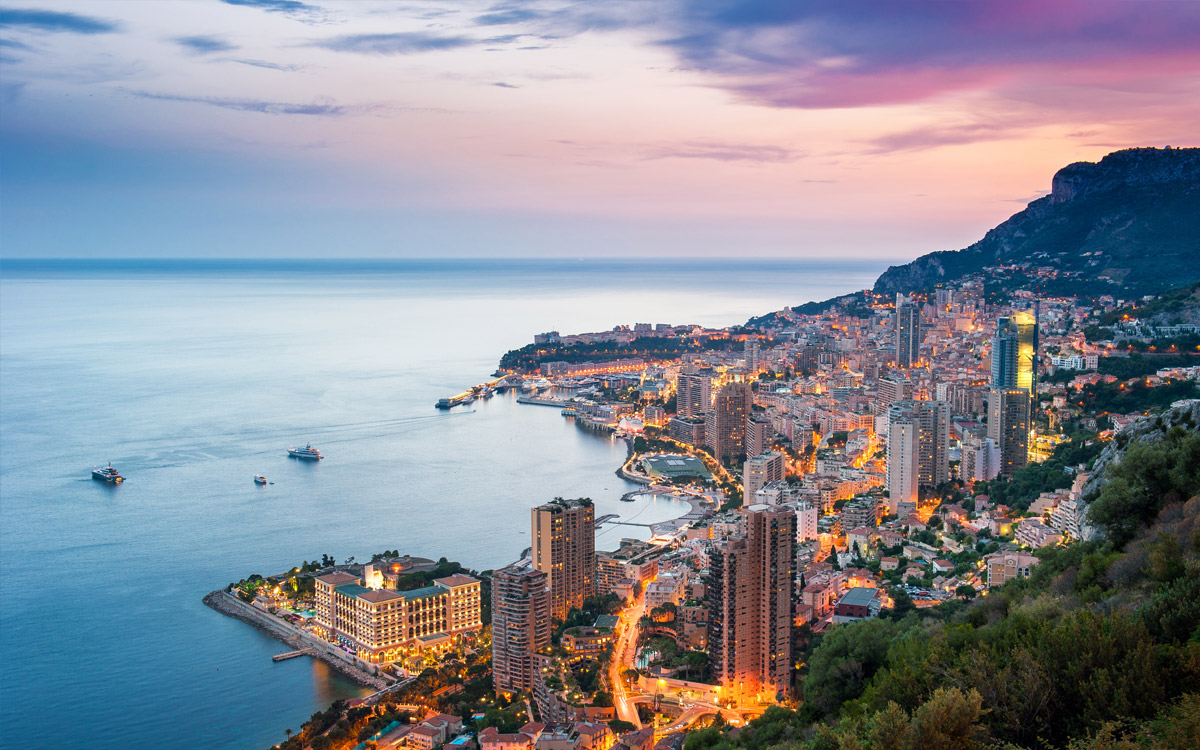
Monte-Carlo, located in the Principality of Monaco, is a glamorous and luxurious destination that attracts thousands of visitors every year. Known for its stunning architecture, high-end shopping, and world-renowned casinos, Monte-Carlo is a must-visit for those who appreciate the finer things in life.
One of the main draws of Monte-Carlo is its iconic casino, Casino de Monte-Carlo. Built in the 19th century, this elegant casino is a sight to behold, with its ornate decor and grand chandeliers. Visitors can try their luck at the various games on offer, from roulette and blackjack to poker and slot machines. Even if gambling isn't your thing, a visit to the casino is still worth it just to soak in the opulence and glamour of the surroundings.
Aside from the casino, Monte-Carlo is also known for its luxury shopping. The Carré d'Or district is home to high-end boutiques from all the top designers, including Chanel, Louis Vuitton, and Prada. Whether you're looking to splurge on a new wardrobe or just window shop, the shops in Monte-Carlo are sure to impress even the most discerning fashionista.
For those who prefer outdoor activities, Monte-Carlo has plenty to offer. The Jardin Exotique de Monaco is a beautiful botanical garden filled with exotic plants and stunning views of the Mediterranean Sea. Visitors can wander through the winding paths and enjoy the peaceful surroundings, making it the perfect place to escape the hustle and bustle of the city.
If you're a fan of motorsports, be sure to visit the Circuit de Monaco. This world-famous racing circuit is the setting for the Monaco Grand Prix, one of the most prestigious races in the Formula 1 calendar. Even if you can't catch a race while you're in Monte-Carlo, you can still visit the circuit and imagine yourself speeding through the winding streets like a true racing driver.
Of course, no visit to Monte-Carlo would be complete without sampling the delicious cuisine on offer. The city is home to a wide range of restaurants, from Michelin-starred fine dining establishments to charming bistros serving up traditional Mediterranean fare. Seafood is a specialty in Monte-Carlo, so be sure to try some fresh fish or shellfish while you're in town.
In conclusion, visiting Monte-Carlo is a truly unforgettable experience. From the glitz and glamour of the casino to the stunning natural beauty of the botanical gardens, there is something for everyone in this luxurious destination. Whether you're a high roller looking to try your luck at the tables or a nature lover seeking a peaceful retreat, Monte-Carlo has it all. So book your trip today and prepare to be dazzled by the splendour of Monte-Carlo.
Day 2
Marseille
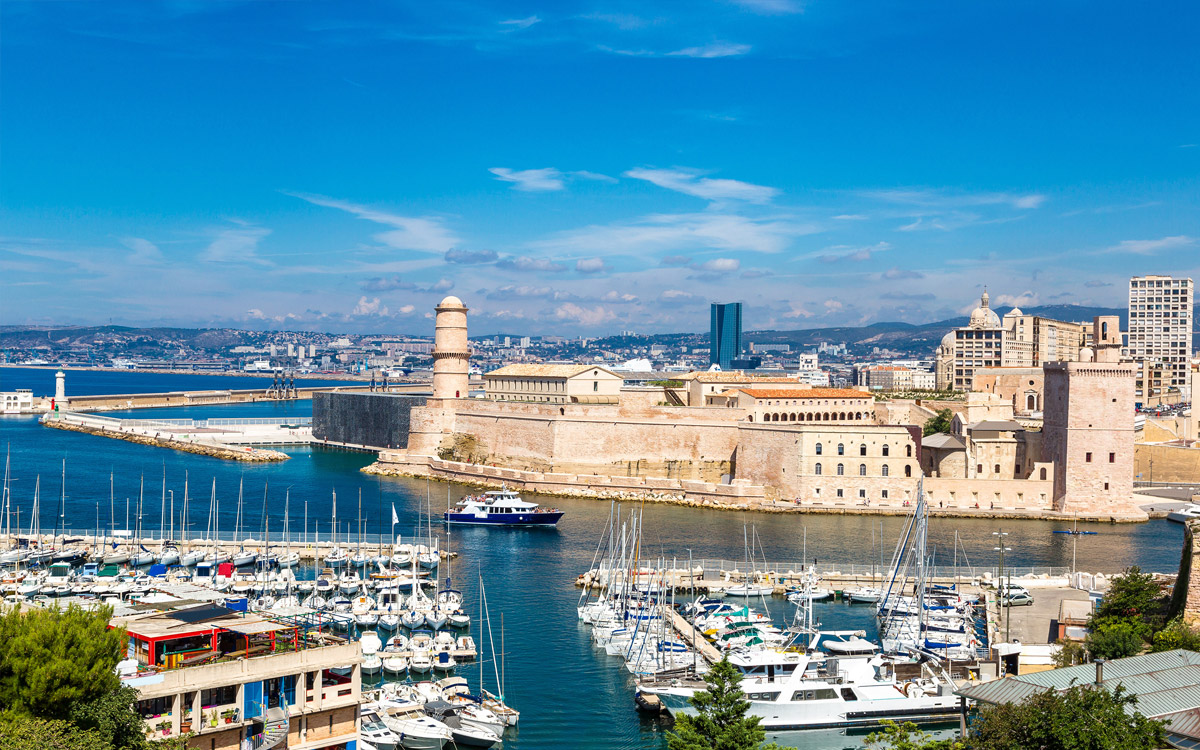
Marseille is France's second largest and
most ancient city. It was founded by the Greeks in 600 BC and was
later conquered by the Romans after becoming a thriving port and
centre for trade. Today it is littered with ancient sites and
artefacts, mostly Roman additions to the original Greek
settlement.
Marseille is down to earth and lacks the
pretentiousness of most other French cities. There are plenty of
attractions to explore, including the colourful harbour and
pedestrianised squares. The city is also divided into
arrondissements in the style of Paris, which makes it relatively
easy to get around on the metro.
The Old Port area is filled with
restaurants, bars, hotels, office blocks and a daily fish market at
the Belgian Quay, giving it a lively and sophisticated air. There
are also a number of decent museums, galleries, theatres and shops
dotted about the city that are worth visiting. Marseille is also
famed for its Opéra: an Art Deco opera house, situated in the heart
of the city, which still hosts performances even though it was all
but destroyed by fire in 1919. La Plaine is a trendy area filled
with cafes, bookstores and fountains, with a bustling market on
Thursdays and Saturdays, while Noailles' bazaar is a multi-ethnic
area filled with Indo-Chinese and Arabic shops.
The outgoing, friendly inhabitants of
Marseille are a cosmopolitan bunch, with diverse backgrounds
including a number of Italian, Spanish and North African
communities. There is far less of the style and image consciousness
evident in the rest of the Cote d'Azur, creating a more North
African flavour and a vibrant atmosphere. Marseilles also acts as a
good base for exploring the nearby natural beauty of the calanques
(or Mediterranean fjords) and some excellent beaches.
Day 3
Sète
Sète, often called the "Venice of the Languedoc" due to its picturesque canals and waterways, is a charming port town located in the south of France. Situated in the region of Occitanie, Sète offers visitors a unique blend of natural beauty, cultural heritage, and vibrant atmosphere. With its enticing mix of Mediterranean beaches, delicious seafood, and lively festivals, Sète attracts both tourists and locals alike.
One of the main highlights of Sète is its stunning beaches. The town is nestled between the Mediterranean Sea and the Thau Lagoon, offering visitors a choice between sandy expanses and placid waters. The beaches here are known for their cleanliness and beauty, providing ample opportunities for sunbathing, swimming, and various water sports. Among the most popular beaches are Plage de la Corniche, Plage de Villeroy, and Plage du Lido, each offering a unique setting and atmosphere.
Sète is also renowned for its exceptional cuisine, particularly its fresh seafood. The town's fishing industry is a major part of its identity, and visitors can sample a wide array of delectable dishes that highlight the day's catch. From succulent oysters and mussels to mouthwatering bouillabaisse, the seafood in Sète is a true gastronomic delight. For a quintessential dining experience, head to the bustling fish market or visit one of the many waterfront restaurants to relish the flavors of the sea.
Beyond its natural and culinary treasures, Sète is rich in cultural heritage and artistic traditions. The town has been a source of inspiration for many writers, painters, and musicians throughout history. Visitors can explore various art galleries and museums, such as the Paul Valéry Museum, which showcases the town's artistic heritage. The École Nationale Supérieure des Beaux-Arts and the International Museum of Modest Arts are also worth a visit to immerse oneself in Sète's creative spirit.
Sète truly comes alive during its numerous lively festivals and events. One of the most famous celebrations is the St. Louis Festival, which takes place each August. During this event, the town is transformed into a vibrant hub of traditional boat races, music, and fireworks. The Sète Jazz Festival is another must-see event, attracting top musicians from around the world to the town's stages.
For those wanting to explore beyond the town's borders, Sète serves as an excellent base for day trips to nearby attractions. The charming town of Bouzigues, renowned for its oyster farming, is just a short drive away. The ancient city of Montpellier, with its lively cultural scene and historical sites, is also within easy reach.
In terms of accommodations, Sète offers a range of options to suit every budget and preference. Visitors can choose to stay in waterfront hotels, cozy bed and breakfasts, or self-catering apartments that provide a more intimate experience. Regardless of where you choose to stay, the warm hospitality of the locals is sure to make your stay in Sète a memorable one.
In conclusion, Sète is a captivating destination that combines natural beauty, cultural heritage, and a vibrant atmosphere. With its stunning beaches, delicious seafood, cultural events, and proximity to other attractions, there is something for everyone in this enchanting port town. Whether you are seeking relaxation, an immersion in local traditions, or a culinary adventure, Sète is sure to leave a lasting impression.
Day 4
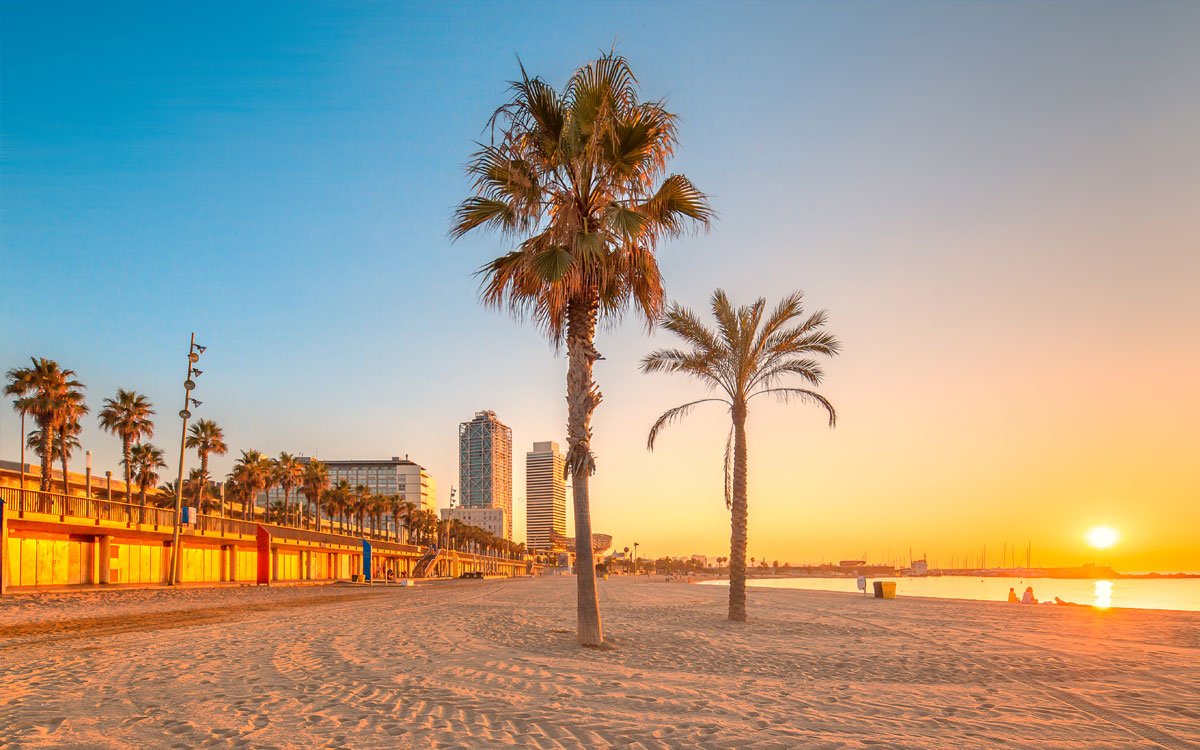
Barcelona
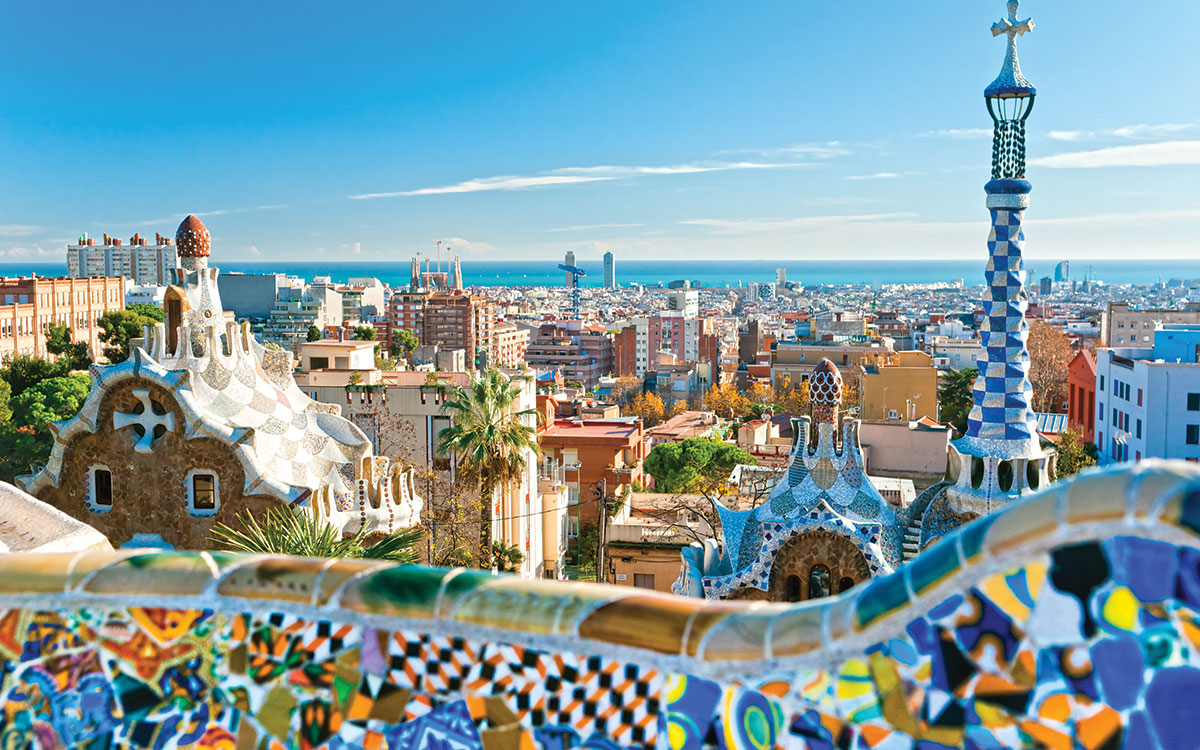
The enchanting city of Barcelona is a visual delight, and has an
atmosphere that combines elegance and sophistication with
provincial charm. In exploring its streets you'll discover medieval
romance in its Gothic quarter and the awe-inspiring delights of the
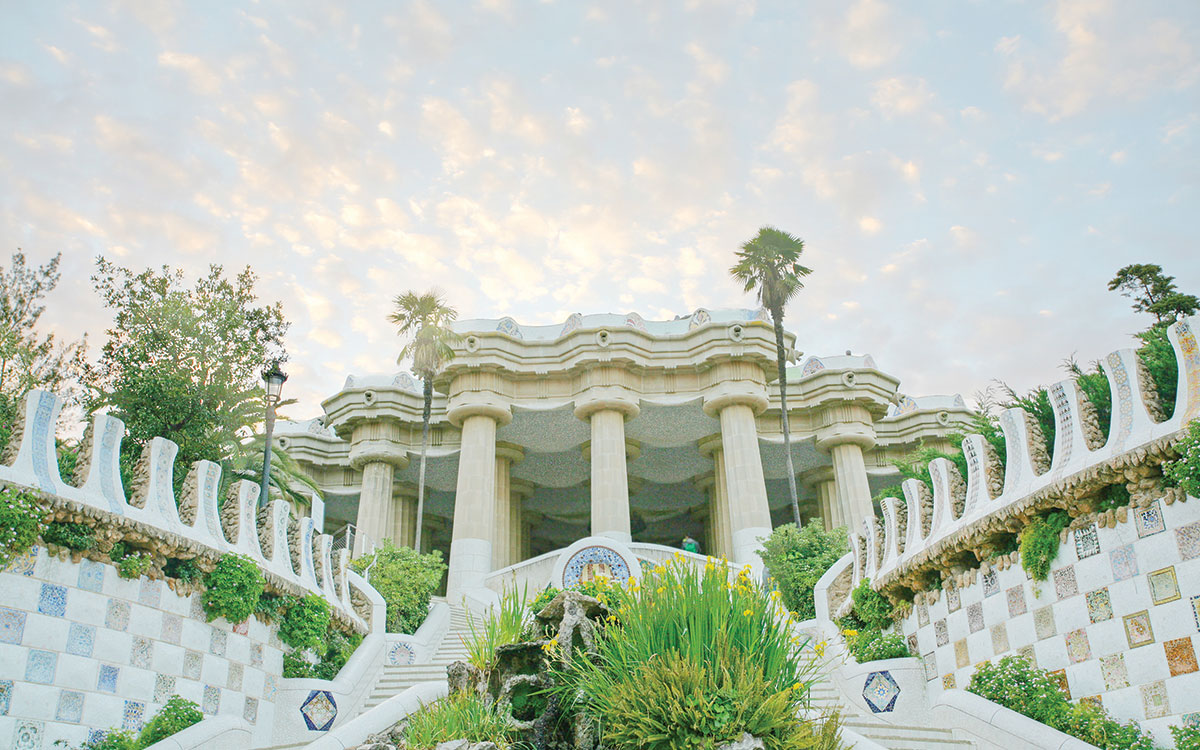
fantastic and sometimes outrageous Art Nouveau architecture of
Gaudi and his contemporaries.
The funicular up to Tibidabo, or the cable car up Montjuic, both
offer breathtaking views over this attractive city. Its skyline is
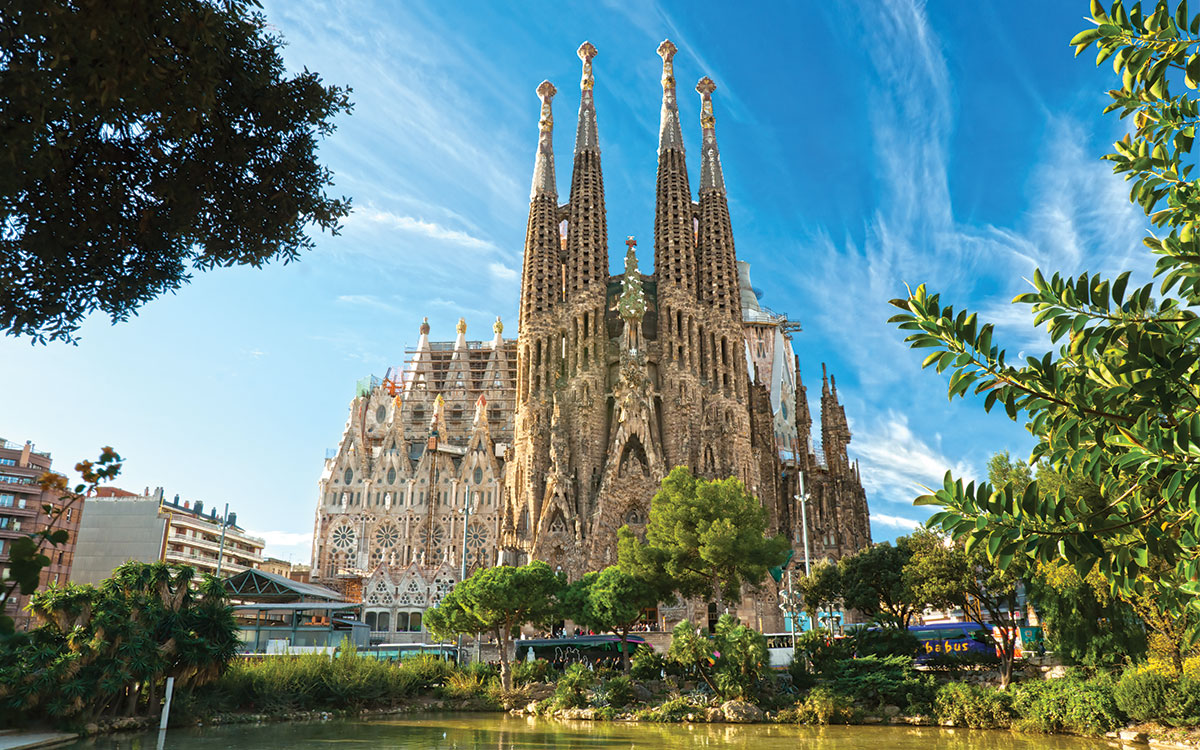
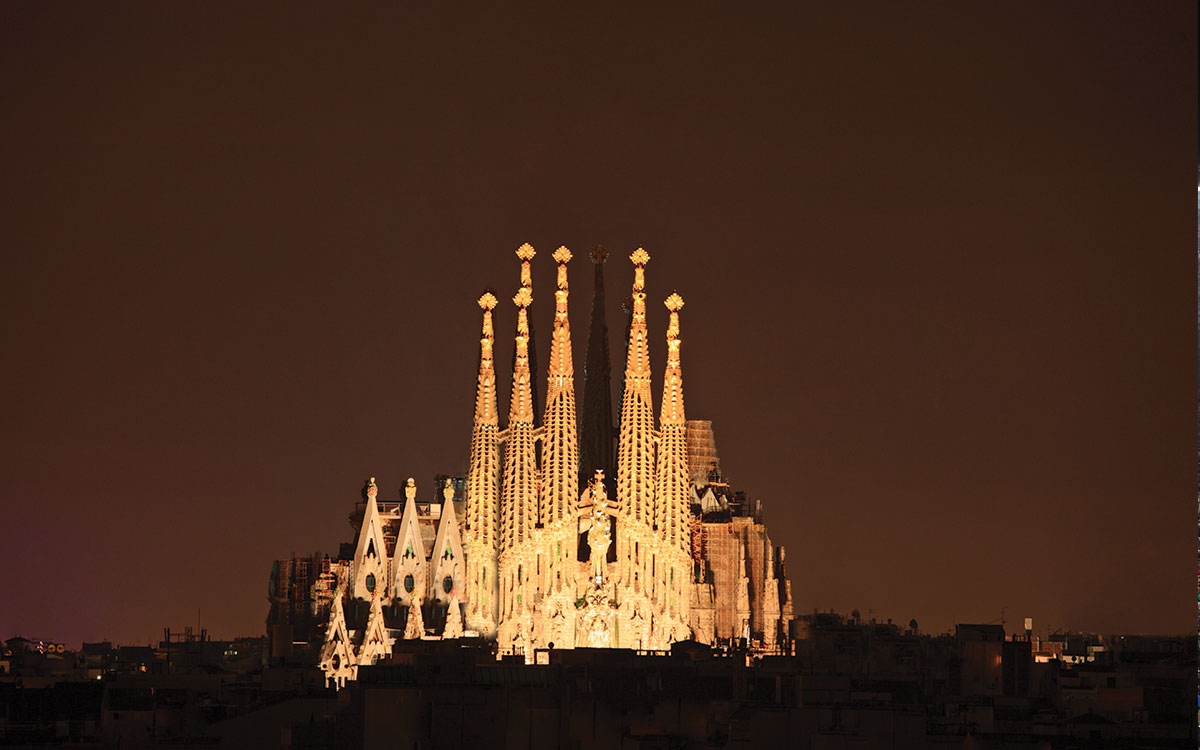
perhaps most famous for Antoni Gaudi's masterwork, the still
incomplete church of the Sagrada Familia, as well as the city's
huge Gothic cathedral. The artistic legacy of Barcelona is one of
the city's most appealing attributes, with museums containing
extensive collections of the works of Miro and Picasso. Barcelona
is also a shopper's paradise, with the city's flair for style
reflected in its numerous boutiques and markets, open late into the
evenings. As the sun sets, and the city's many bars and restaurants
open, the night truly comes alive. Dinner is served at any time
between nine o'clock and midnight, and the festivities around the
bars and nightclubs carry on well into the early hours of the
morning.
Barcelona is the commercial centre of the popular holiday region
known as the Costa Brava, the northernmost Mediterranean seafront
in Spain, as well as the Costa Dorada to the south. The coast is
dotted with popular resort towns, many retaining their age-old
charm, which can be easily reached from the city.
Day 6
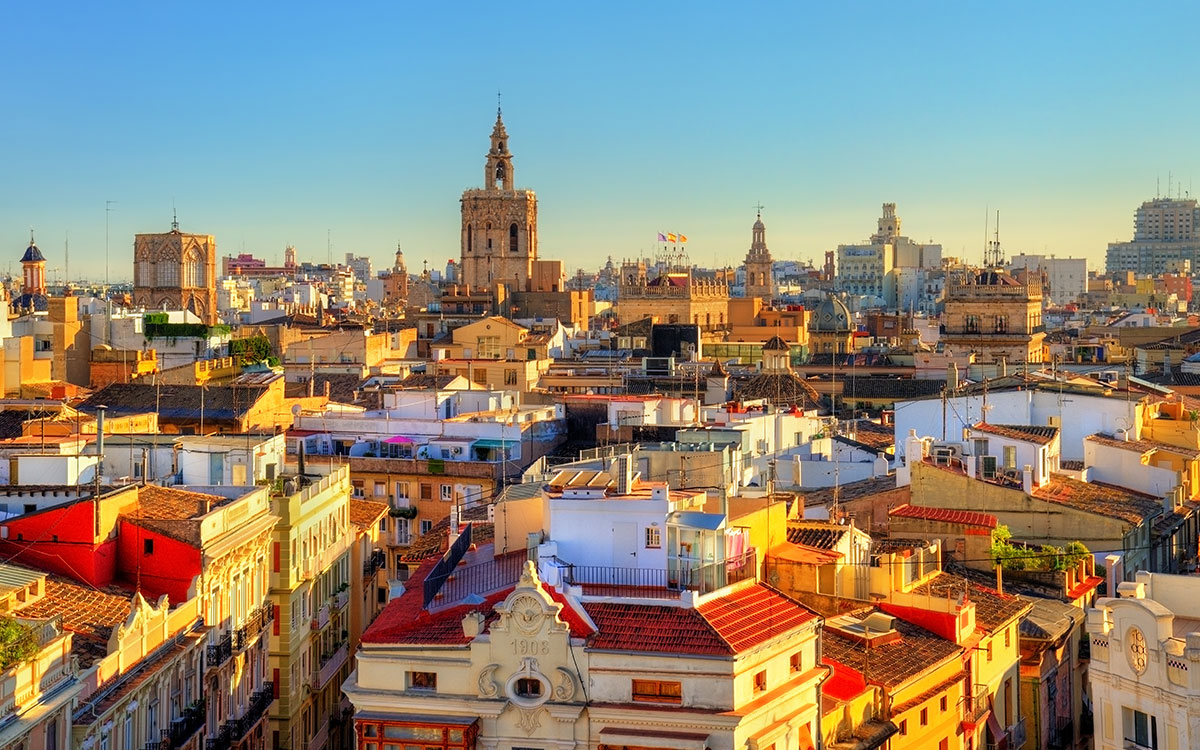
Valencia
Valencia was founded by the ancient Romans in 137 BC
and has been pillaged, burned, and besieged numerous times by
various conquerors since. But vivacious Valencia has nevertheless
sailed into the second millennium as a sophisticated, modern
holiday city.
A favoured location for the America's Cup yacht race,
Valencia is situated on the Mediterranean coast about four hours
south of Barcelona. The city is spread out around its busy port and
backed by hills that give way to the plains of Aragon.
Valencia oozes traditional character, particularly in
its old town (El Carmen), and has retained its cultural heritage
not only in the form of medieval architecture but also in its
quirky, exuberant festivals such as the Battle of the Flowers, the
fireworks of Fallas, and even one dedicated to tomato-hurling.
The Valencians even have their own language.
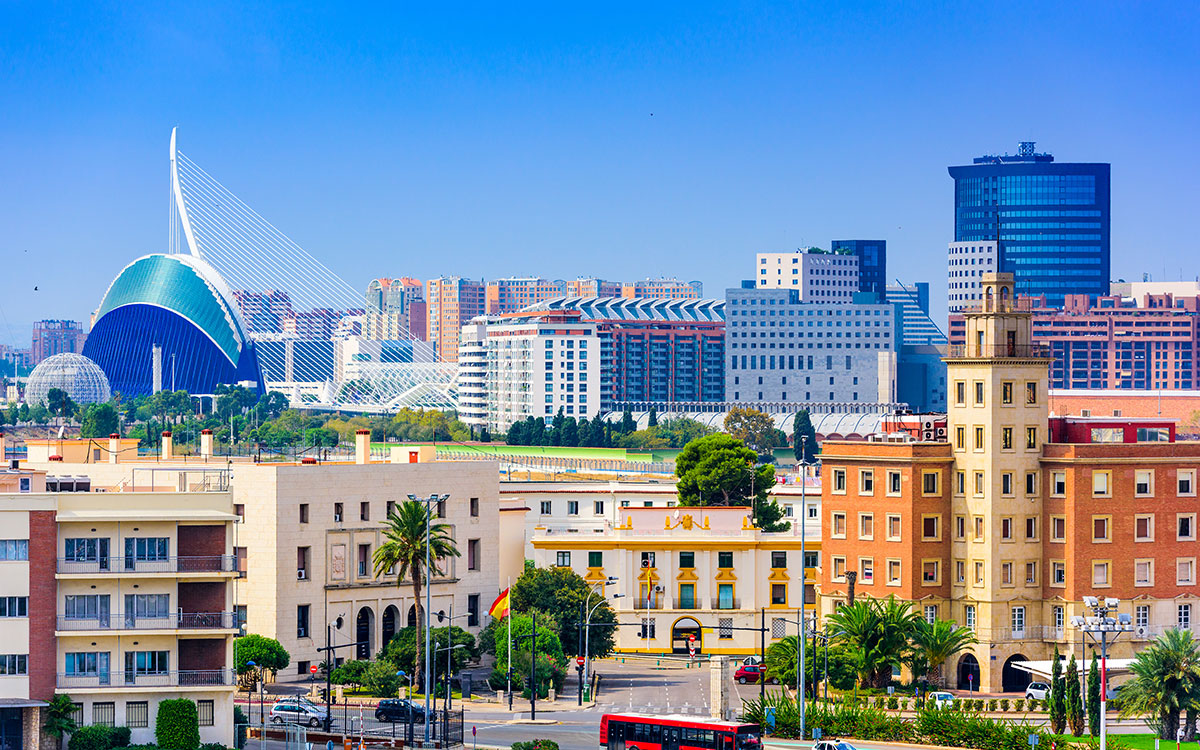
Interspersed with the old and historic, however, there is much that
is new in Valencia, including its major attraction, the seemingly
futuristic City of Arts and Sciences, which draws around four
million appreciative visitors each year.
Outdoors, it is hard to beat the golden beaches that
fan out from the port along the coast, and the sprawling city
offers plenty of green parks for strolling, cycling, or simply
lolling on a bench to get a breath back after indulging in the
vibrant life of the city.
Football is a local passion, and fans should not miss
the atmosphere at one of the carnival-like Valencia FC home
matches. When night falls, travellers can dine on paella, which
originated here, and then hit the town, because Valencia is
renowned for its lively collection of bars and clubs.
Day 7
Cartagena
Cartagena is a historic city located in the southeastern region of Spain, specifically in the Autonomous Community of Murcia. This enchanting city has a rich history that dates back over 2,000 years and is renowned for its fascinating architecture, picturesque landscapes, and vibrant cultural scene. With its Mediterranean climate, stunning coastline, and diverse range of attractions, Cartagena is a popular destination for both domestic and international tourists.
One of the main highlights of Cartagena is its impressive Roman and Carthaginian heritage. The city was once a major Roman port and boasts several well-preserved archaeological sites, such as the Roman Theatre and the Roman Forum District. Exploring these ancient ruins offers a glimpse into the city's past and provides a unique opportunity to learn about its historic significance.
In addition to its ancient history, Cartagena is known for its outstanding modernist architecture. The city features numerous buildings designed by the renowned architect Victor Beltrí, including the City Hall and the Gran Hotel. Walking through the streets of Cartagena, visitors will be captivated by the impressive facades and intricate details of these architectural wonders.
For art enthusiasts, a visit to the Cartagena Museum of Modern Art is a must. This museum showcases a fantastic collection of contemporary art, including works by renowned Spanish artists. The museum is located in a beautifully restored 18th-century mansion and offers a unique cultural experience for visitors.
Nature lovers will also be delighted by the natural beauty that surrounds Cartagena. Just a short drive away from the city center, visitors can explore the stunning Calblanque Regional Park, a protected area that features pristine sandy beaches, rugged cliffs, and crystal-clear waters. This park is an idyllic spot for hiking, sunbathing, and swimming, providing visitors with the perfect opportunity to relax and connect with nature.
Furthermore, Cartagena is a city that truly comes alive during its festivals and cultural events. One of the most famous celebrations is the Carthaginians and Romans Festival, which takes place in September and reenacts the city's historical battles between the Carthaginians and Romans. This week-long festival is a spectacle of colorful costumes, parades, concerts, and fireworks, attracting thousands of visitors each year.
As for cuisine, Cartagena offers a delicious array of traditional Spanish dishes with a coastal twist. Seafood lovers will be in paradise with the abundance of fresh fish, prawns, and shellfish on offer. The city also boasts a wide variety of tapas bars and restaurants where visitors can savor local delicacies, such as caldero (a fish stew) and zarangollo (a vegetable dish).
Cartagena is well-connected to other major cities in Spain, with a high-speed train network and an international airport nearby. The city has a range of accommodation options, including luxury hotels, boutique guesthouses, and budget-friendly hostels, ensuring that there is something to suit every traveler's needs.
In conclusion, Cartagena is a captivating destination that seamlessly blends its ancient past with its modern charm. Whether you are interested in history, art, nature, or simply relaxing on sandy beaches, this vibrant city has something to offer everyone. With its incredible architecture, cultural events, and gastronomy, Cartagena is sure to leave a lasting impression on any visitor.
Day 8
Málaga
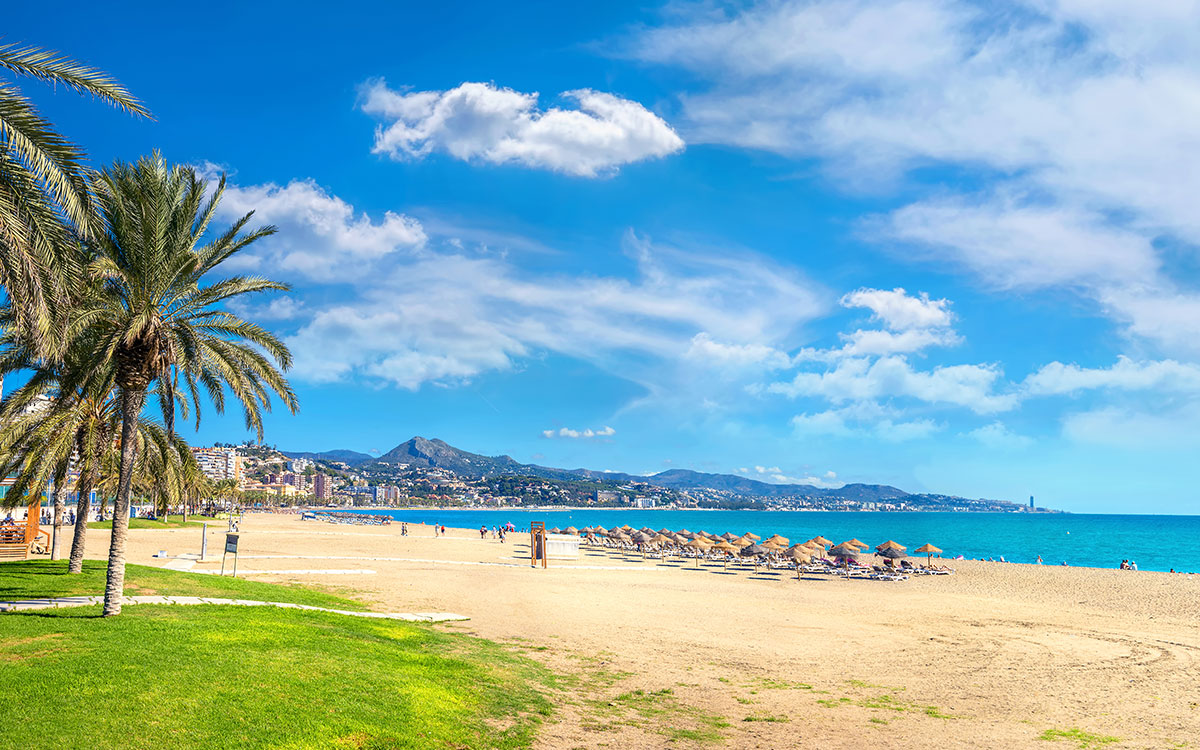
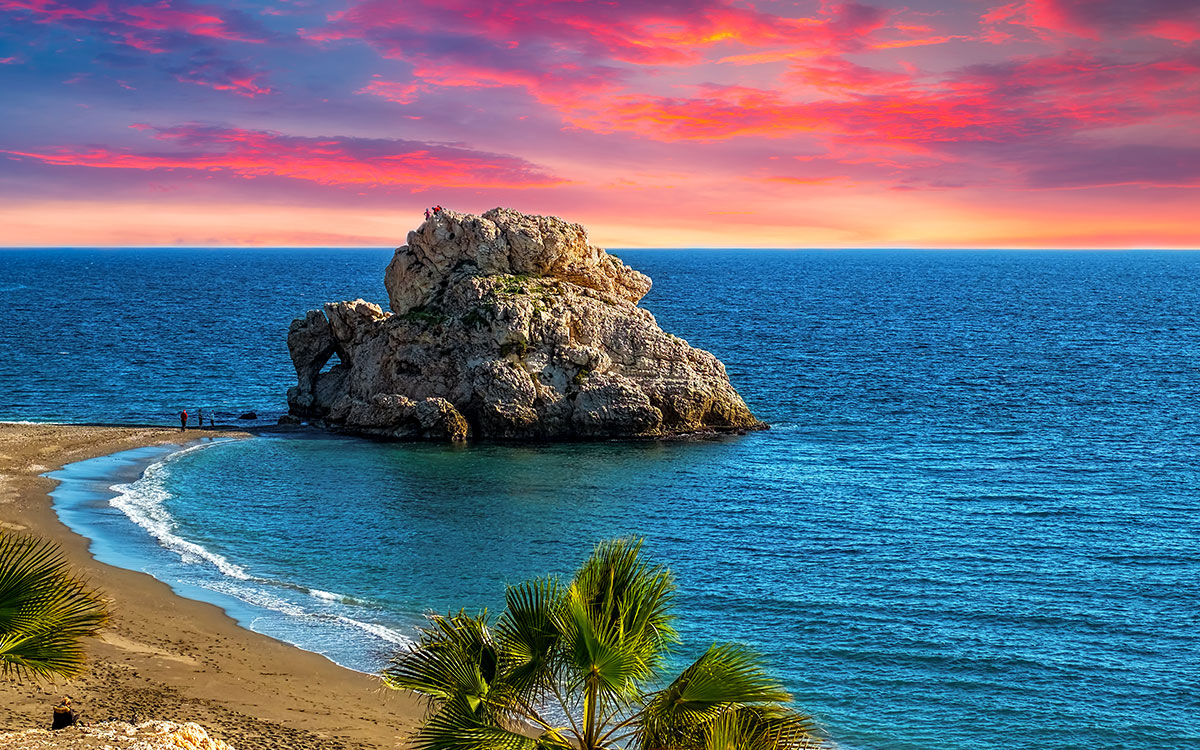
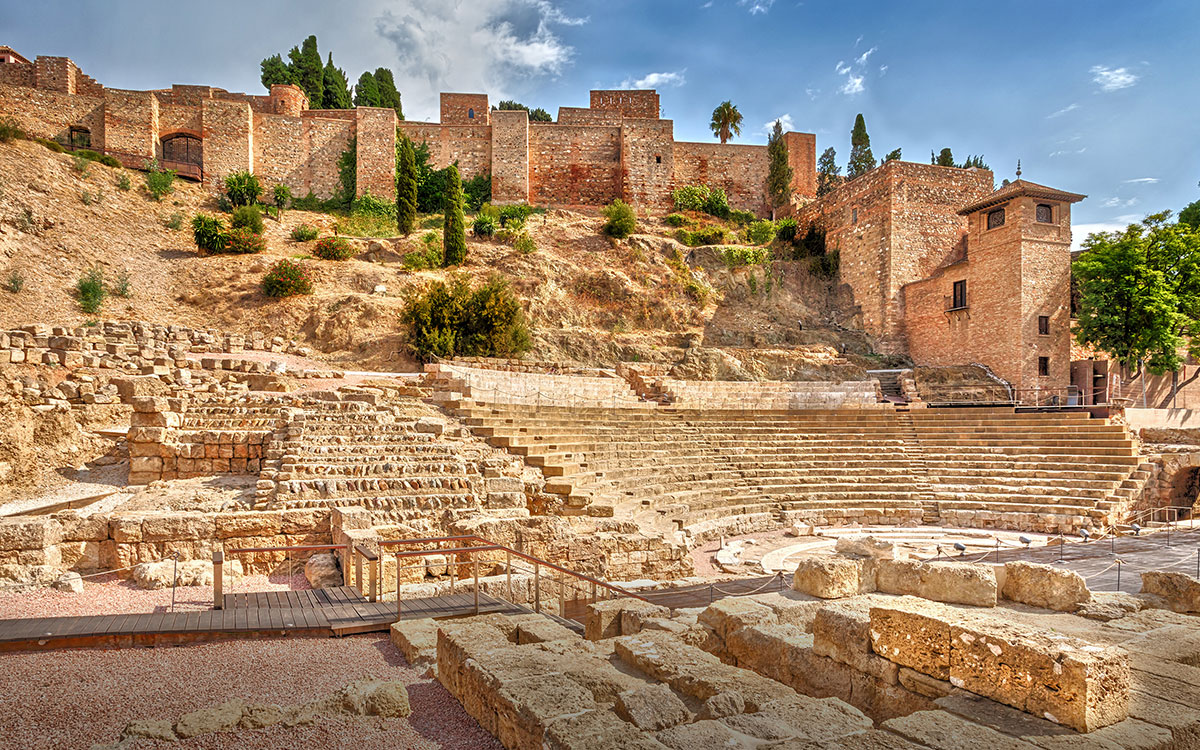
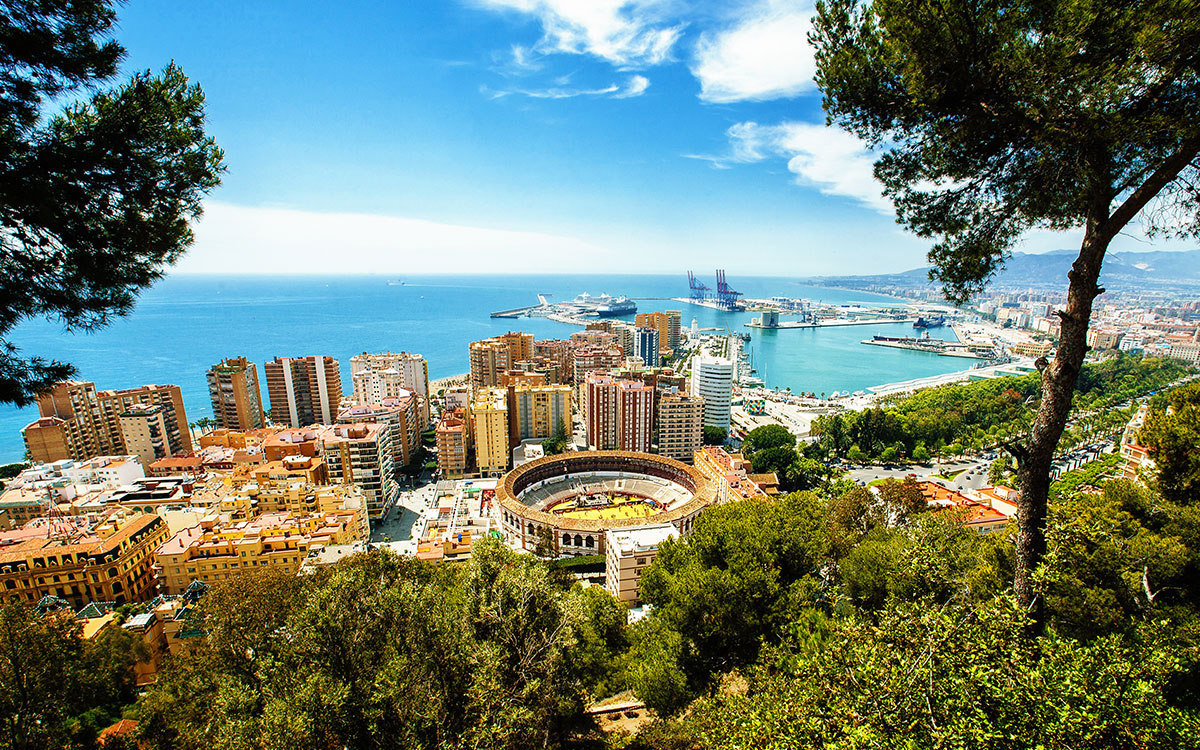
Malaga has long been a popular holiday destination for British tourists. Located on the Costa del Sol, along the southern coast of Spain, Malaga enjoys yearly warm weather and sandy beaches perfect for those looking for some relaxation.
Day 9
Tangier
For decades, between 1920 and the late 1950s, Tangier was a
playground for the rich and famous as well as artists and
adventurers from all walks of life. Tangier attracted those seeking
a tax haven or a mystic destination, from authors and artists, to
spies and aristocrats. Regular visitors included the likes of
Truman Capote, Tennessee Williams, and Woolworth heiress, Barbara
Hutton.
When Spain relinquished Tangier back to Morocco in 1960, its
duty-free status went with it, and the city lost a great deal of
its flair. However, tourism is on the up once more, with visitors
succumbing to the city's proximity to Europe and discovering that
its decayed grandeur still has much to offer, from its palm-lined
promenade and sandy beach, to the old town and its outlying
villages and resorts. Despite its fall from glory, a stylish cafe
society has once again begun to build up in modern day Tangier's
boulevards, and the merchants in the medina (old quarter) are doing
good trade with tourists exploring its maze of narrow streets, all
of which are within sight of the Spanish coast across the straits
of Gibraltar.
Day 10
Casablanca
Just looking at the city, there's no need to guess where the
port-city of Casablanca, meaning 'white house' in Spanish, got its
name. Made famous by the classic film, starring Humphrey Bogart,
this cosmopolitan, white-walled city is Morocco's largest and most
modern. Casablanca is not oriented towards tourists as much as
Morocco's other large cities, but under the hustle and bustle lies
a unique and charismatic history waiting to be discovered.
Founded by Berber fisherman over two thousand years ago,
Casablanca was used by both the Phoenicians and the Romans as a
port. The Portuguese then took over but after destroying the city
and rebuilding it, they abandoned it in the aftermath of an
earthquake. The city went on to be rebuilt as Daru l-Badya (Arabic
for Casablanca) by a Moroccan sultan, and was then given the name
Casablanca by the Spanish traders who used the port, and it retains
this function today as one of Africa's largest and most important
ports.
As a centre for trade and, consequently, the mixing of cultures,
Casablanca is unlike any other Moroccan city. Many women ditch the
conservative clothing and dress themselves in the latest designer
outfits. The infrastructure is modern and the city sophisticated.
Casablanca is where Morocco's youth move to make something of their
lives and is the centre for international trade and big business.
For a glimpse of its history, downtown is the perfect place to
admire the blend of French colonial architecture and traditional
Moroccan design.
Day 11
Cádiz
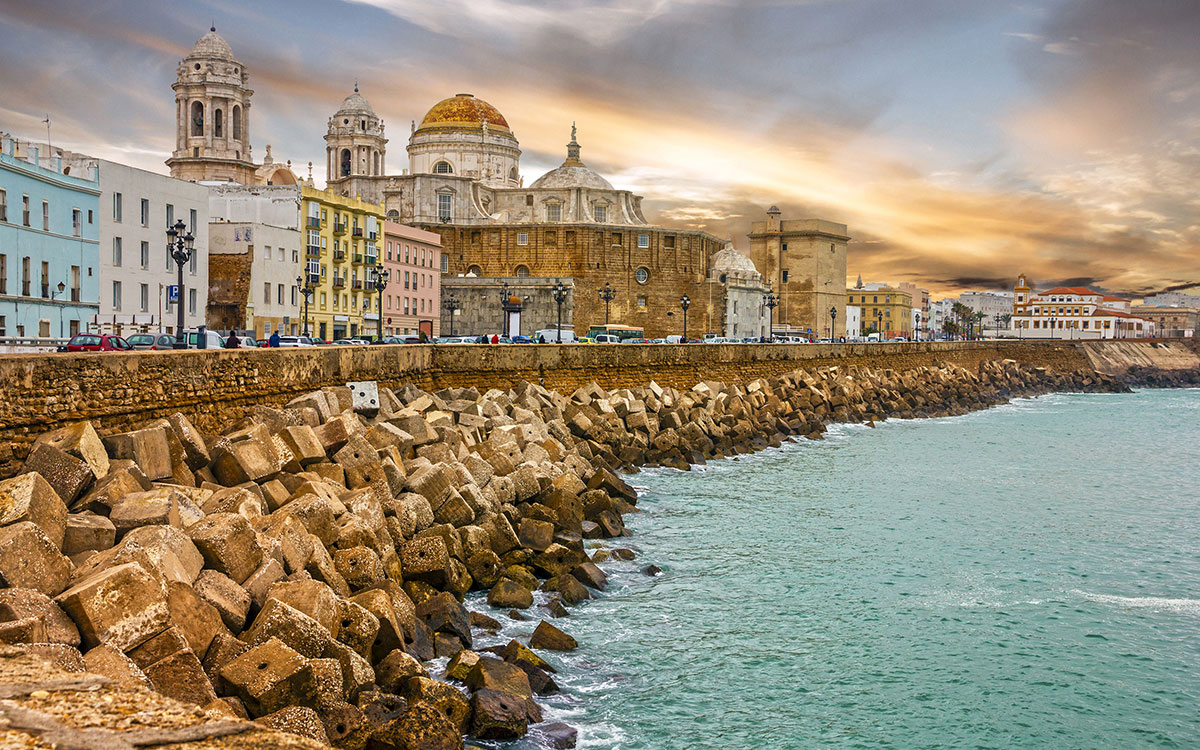
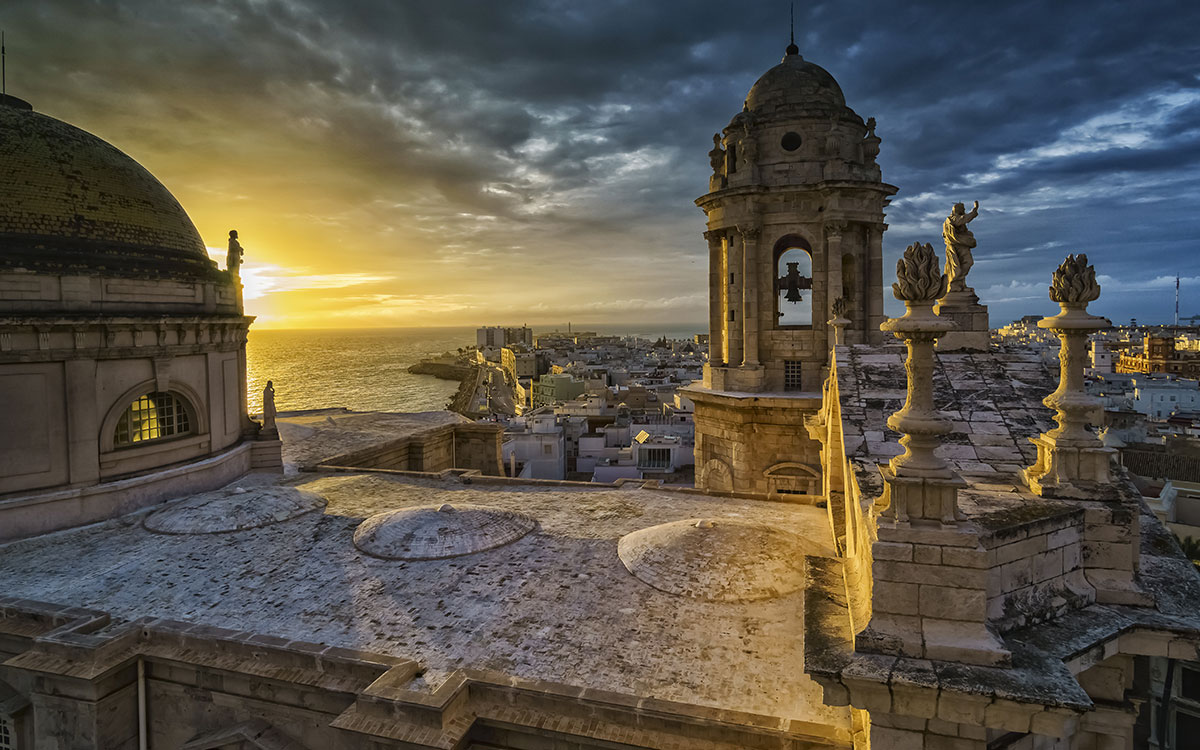
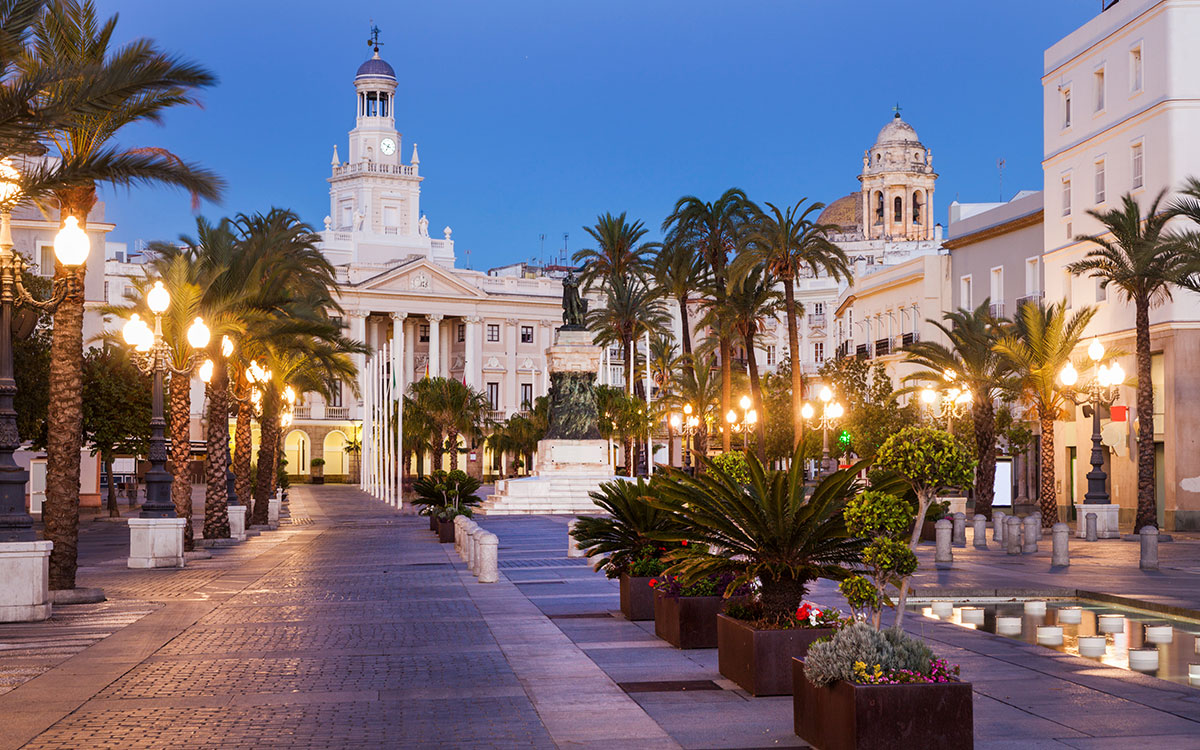
Cadiz is a captivating city located on the southwestern coast of Spain. It is the capital of the province of Cadiz and holds the title of being the oldest continuously inhabited city in the Iberian Peninsula. With its rich history, stunning beaches, and vibrant culture, Cadiz is a destination that has something to offer to every kind of traveler.
One of the main attractions of Cadiz is its historical significance. The city dates back to around 1100 BC, making it not only one of the oldest cities in Spain but also in Europe. As you stroll through the narrow winding streets of the Old Town, you can immerse yourself in the centuries of history that the city has to offer. The Cadiz Cathedral, built between the 18th and 19th centuries, is a beautiful example of baroque and neoclassical architecture and is a must-visit for history and architecture enthusiasts.
Cadiz is also known for its incredible beaches. Playa de la Caleta, located right in the heart of the city, is a picturesque beach with golden sand and crystal-clear waters. It is the perfect place to relax, soak up the sun, and take a dip in the sea. Another popular beach, Playa de la Victoria, stretches for more than three kilometers and offers a variety of water sports activities such as windsurfing and kiteboarding.
In addition to its fascinating history and stunning beaches, Cadiz is a city that is alive with culture and entertainment. The annual Cadiz Carnival is one of the most famous in Spain and attracts visitors from all over the world. During this time, the city transforms into a hub of vibrant costumes, music, and dancing. The carnival is a celebration of joy and freedom, and you can join in the fun by participating in the street parades or attending the numerous concerts and shows that take place throughout the festival.
Food lovers will also find themselves in paradise in Cadiz. The city boasts a diverse culinary scene that showcases the best of Andalusian cuisine. From freshly caught seafood to traditional tapas, you will find a wide variety of dishes to tantalize your taste buds. Be sure to try local specialties such as fried fish, gazpacho, and the famous Cadiz yellow rice with seafood.
For those who enjoy outdoor activities, Cadiz offers plenty of opportunities to explore its natural beauty. The Tarifa coastline, located just a short drive from the city, is a paradise for water sports enthusiasts. You can go windsurfing, kitesurfing, or even take a boat trip to spot dolphins in the Strait of Gibraltar.
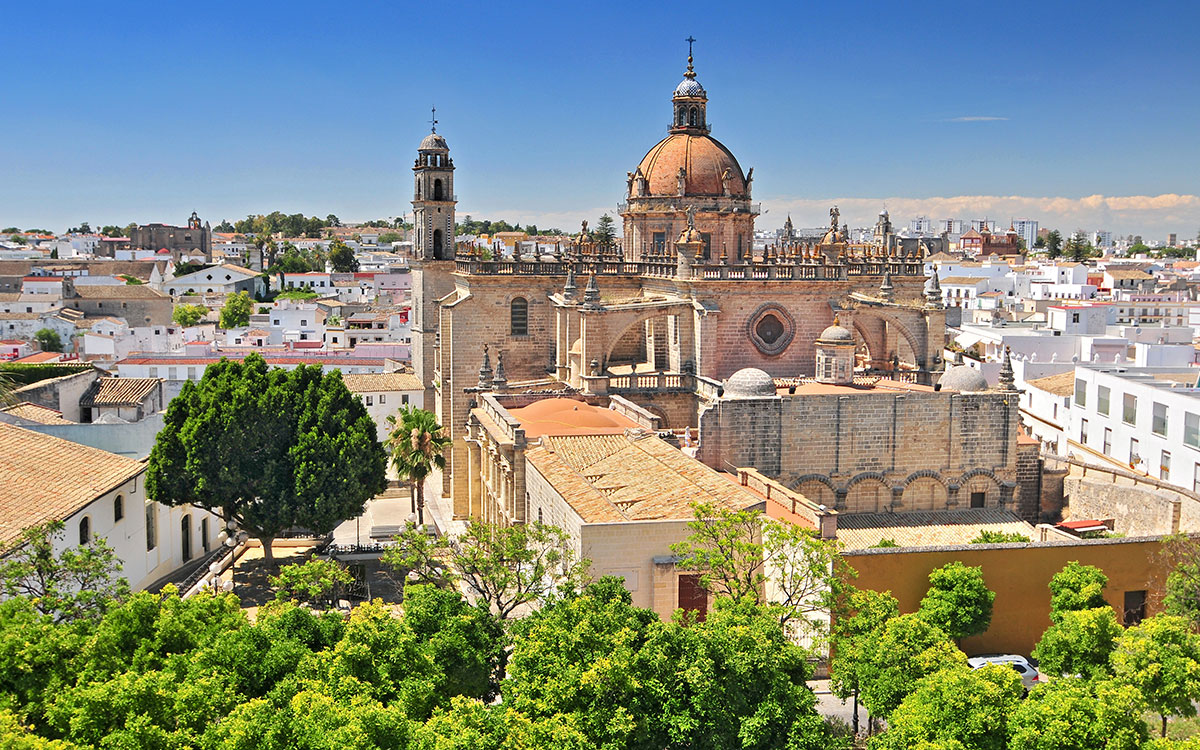
Getting around Cadiz is convenient and easy. The city has a well-connected public transportation system, including buses and trains, making it simple to explore both the city and its surroundings. Cadiz is also a great base for day trips to nearby attractions such as the charming town of Jerez de la Frontera, famous for its sherry wine production, or the ancient ruins of Baelo Claudia in the nearby town of Tarifa.
In conclusion, Cadiz is a fascinating and beautiful city that has something for everyone. From its rich history and stunning beaches to its vibrant culture and delicious cuisine, it is a destination that will leave you with unforgettable memories. Whether you are a history buff, a beach lover, or simply seeking a unique cultural experience, Cadiz is the perfect place to visit.
Day 13
Lisbon
Lisbon has somewhat rediscovered itself in recent years,
reclaiming its rightful place as the 'golden city' of southern
Europe. Much of this is due to the officials of Lisbon having
elected to rejuvenate the city during the 1990s. This ongoing focus
on the future has meant making the most of the attractions, both
old and new.
One day can span centuries as visitors move between the
picturesque medieval section of the Alfama district and historic
São Jorge castle to being amazed by the spectacle of the futuristic
Oceanarium of Lisboa.
Infrastructure has also been improved, with additions like the
impressive Vasco da Gama Bridge across the River Tagus, which links
the city's airport to a network of national motorways and has
facilitated access to other parts of Portugal. There is also a new
showcase railway hub, the Gare de Oriente, which is the pride of a
new modern suburb on the east bank of the Tagus, creating an even
better link between Lisbon and the rest of Europe. But if tourists
really want to see the city in style, they must be sure not to miss
a ride on the famous Tram 28, which winds its way through the
oldest parts of the city and gives visitors a feel of the history
and rich culture Lisbon has to offer.
Monte Carlo to Lisbon Ships
Recommended Deals like Monte Carlo to Lisbon
Save 28%
12 Nights
Monte Carlo to Lisbon
 Silversea

Departure:
November
VISITING:
Monte-Carlo
Marseille
Sète
Barcelona
Valencia
Cartagena
Malaga
Tangier
Casablanca
Cádiz
Lisbon
FROM
£
5,250 pp
Join the Crui.se Club
Points That Pay
Earn 25 points (£25) just for joining — and collect more on bookings, reviews, and referrals.
Exclusive Member Deals
Unlock off-market offers reserved only for Crui.se Club members.
Early Access Perks
Be the first to book with pre-launch notifications and special member-only booking windows.
Cruise With Confidence
Our mission at wordpress-1024654-4169282.cloudwaysapps.com is to help you and your loved one’s book and experience the best cruise holiday imaginable. We’re different in that, our customers come first, not our suppliers or profit margins. Get in touch and let us help you set sail.


Over 20 cruise brands to choose from

Low deposits from £500

All Inclusive cruises

Best deals & discounts

Community driven

Brand agnostic

We take care of everything

Custom built cruise holidays


