






 We won’t be beaten on price...

ABTA protected


Dublin to Rosyth
Scroll to sail

Dublin to Rosyth
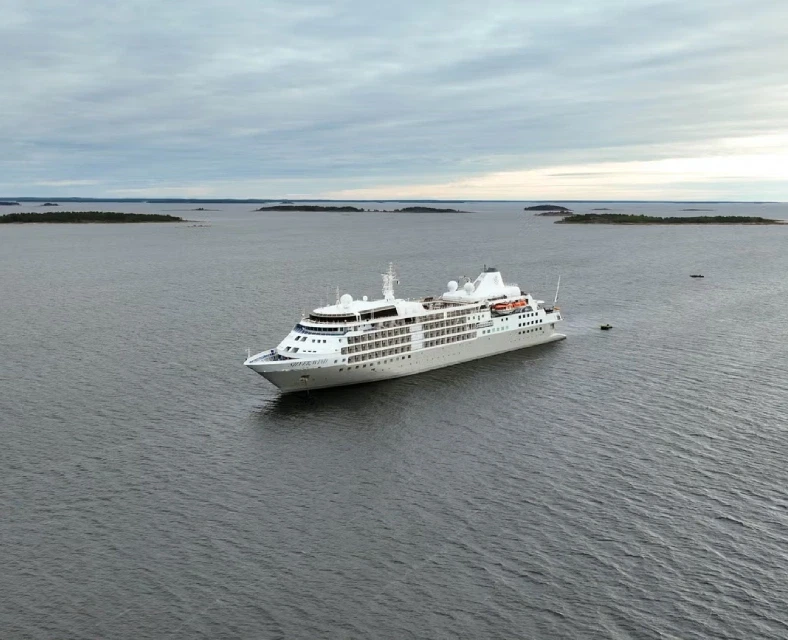
Embark on an extraordinary 11-day Dublin to Rosyth voyage with Silversea, exploring Northern Europes rugged beauty aboard the luxurious Silver Wind. This intimate expedition from vibrant Dublin promises unparalleled comfort, setting the stage for discovering remote islands and dramatic coastlines.
Your journey unveils the enchanting Isle of Man, historic Iona, and incredible wildlife havens like Lunga and the Shiant Isles. Venture to the remote St. Kilda Archipelago, immerse in Faroese culture at Thorshavn, and explore Lerwicks Norse heritage.
This meticulously curated itinerary offers a rare opportunity to witness diverse birdlife, ancient history, and breathtaking coastal scenery. Indulge in Silverseas signature all-inclusive luxury and gourmet dining, creating cherished memories of Europes wild, enchanting heartland.
-
 Cruise Line: Silversea
-
 Ship: Silver Wind
-
 Duration: 11 Nights
-
 Departure: May
Dublin to Rosyth Prices
Dublin to Rosyth Gallery


Dublin to Rosyth Itinerary

Day 1
Dublin
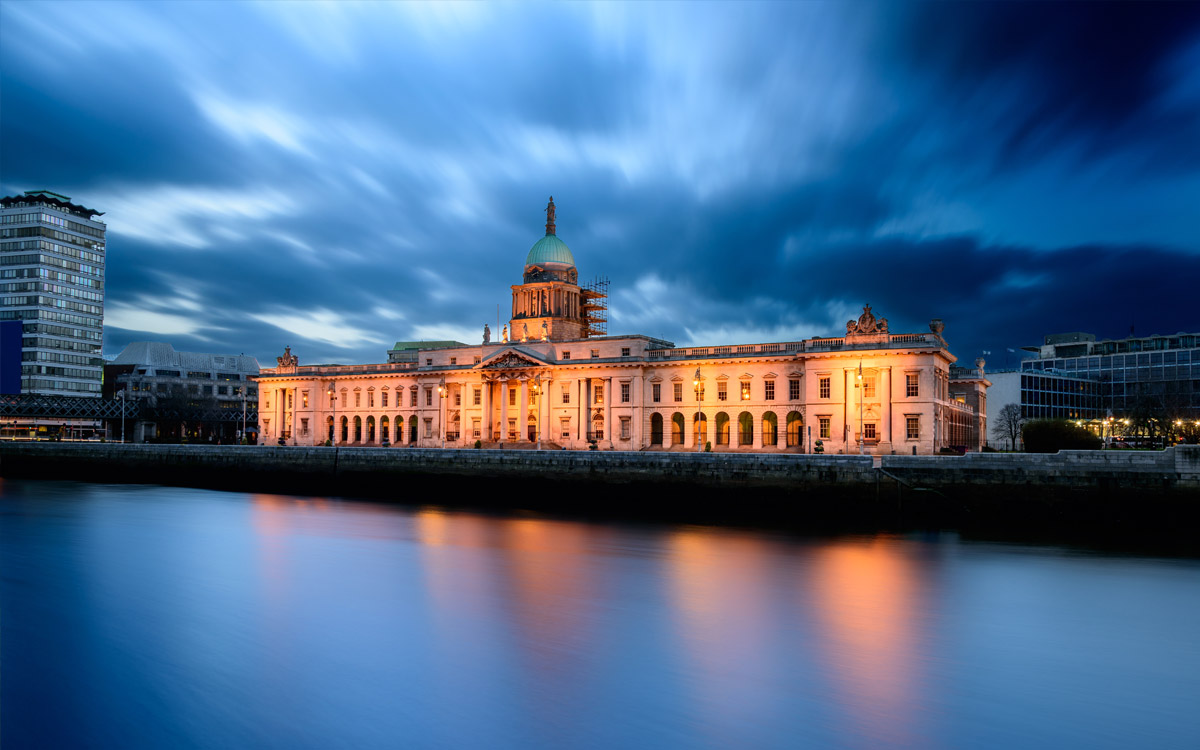
Cosmopolitan, colourful and over a thousand years old, Dublin
presents a fine starting point for visitors to Ireland. This
capital city is split in two by the River Liffey, which gives form
to the city and has no less than nine bridges spanning it. Central
Dublin is easily explored on foot, and presents a wealth of
historic landmarks, from ancient cathedrals to gracious Georgian
buildings that pay testimony to days gone by. There are many
attractions on both sides of the Liffey, ranging from gaols and
castles to museums and the birthplaces of famous poets and writers.
Dublin is also famous for its nightlife and the Temple Bar area is
the highlight for those seeking out a party.
Not far from the city, in County Wicklow, are the Wicklow
Mountains, where hills, glens, forests and waterfalls attract
weekend walkers and nature-lovers. Dublin Bay, which lies between
the mouth of the River Liffey and the Dalkey headland, is the site
of several small coastal towns and the ferry port of Dun Laoghaire.
County Kildare is a region of rich farmland and fine reputation for
the breeding of thoroughbred horses, while the similar counties of
Louth and Meath have evidence of early civilisations and a wealth
of castles and monasteries. With all this on Dublin's doorstep, the
city is a great base for exploration farther afield.
Day 2
Douglas
Douglas is a town located in Isle of Man, a self-governing British Crown dependency in the Irish Sea between Great Britain and Ireland. The town serves as the capital of Isle of Man and is the largest town on the Island, with a population of approximately 30,000 residents. Douglas is a major economic, social and cultural center of Isle of Man, housing the headquarters of most of the businesses, governmental institutions, and educational centers.
The town derives its name from Dubh Glas, which means "black stream," due to the presence of the nearby Dhoo river. It has a rich history dating back to the Bronze Age, and heritage sites such as the Tower of Refuge and the Manx Museum offer a glimpse into Douglas's ancient past. Despite its historical roots, Douglas is a modern town with a bustling economy, high tech infrastructure, and excellent amenities. It is one of the safest towns in the United Kingdom, with a low crime rate, and welcoming community.
The town's economy is based on a mix of industries including tourism, finance, e-gaming, and shipping. Tourism is a significant contributor to the economy, with over half a million visitors arriving annually. The town's proximity to the Irish Sea and scenic landscape has made it a popular tourist destination. The town offers a wide range of attractions including the Gaiety Theatre, the Victorian Promenade, Douglas Bay, and the Horse Tramway. The Isle of Man TT, one of the most challenging and exhilarating motorcycle racing events in the world, takes place annually in the town, attracting motorcycle enthusiasts from across the globe.
The town is also a thriving financial center, hosting the headquarters of most of the global offshore financial institutions. Its conducive regulatory environment, low taxation rates, and English common law have made it an attractive destination for international businesses. The growth of the e-gaming industry has also boosted the economic landscape, creating job opportunities and entrepreneurial spaces.
The Isle of Man Government runs an excellent educational system, and Douglas has some of the best schools in the Island. With an emphasis on STEM education, the curriculum aims to produce a highly-skilled workforce ready for the future job market. The town has a rich cultural life, with an emphasis on the arts. The Gaiety Theatre, the Manx Museum, and the Gallery North offer various cultural attractions, including art exhibitions, theatre performances, and music concerts.
Douglas has excellent transportation networks, with a comprehensive bus service connecting the town with most of the Island. The town also has a modern street tramway that operates over a 1.6-mile track. The steam train is another major transportation service that links Douglas with other Island destinations.
Douglas's vibrant social scene is evident in the town's food, drink and nightlife. Douglas has several popular cafes, bars, pubs, and restaurants, offering a diverse range of cuisines. From the traditional Manx kippers to the more continental dishes, there is something for every palate in Douglas. You will find a variety of local beers, cocktails, and spirits in the town's numerous watering holes. Visitors and residents can unwind at the town's beach fronts after a long day, taking a stroll on the promenade, having a picnic, or enjoying various water sports activities.
In conclusion, Douglas is a unique town that provides a blend of history, modernity, and culture. It has a thriving economy, a world-class education system, excellent transport networks, and a robust social scene. Visitors will find it a hospitable and attractive town that offers much to do and explore. Its openness and welcoming spirit are proof of the town's cosmopolitanism and laid-back lifestyle. Anyone seeking an excellent destination for work, study, or vacation, should strongly consider Douglas as one of their top destinations.
Day 3
Isle of Lunga
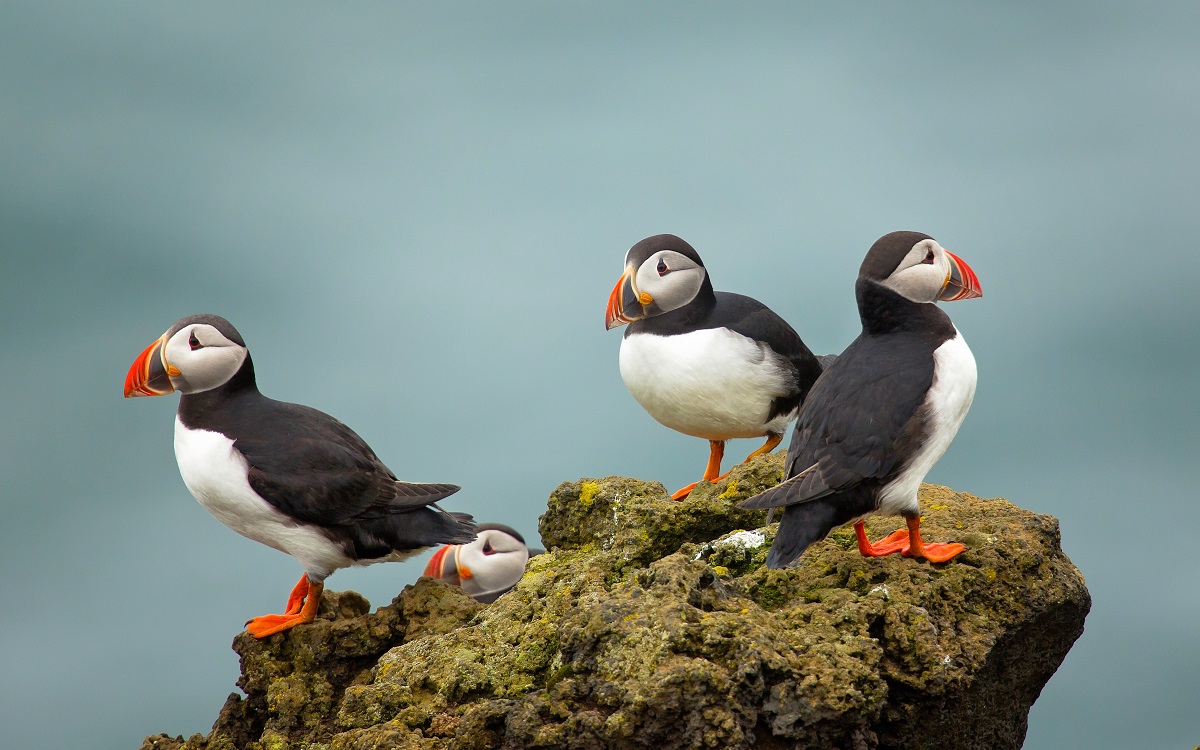
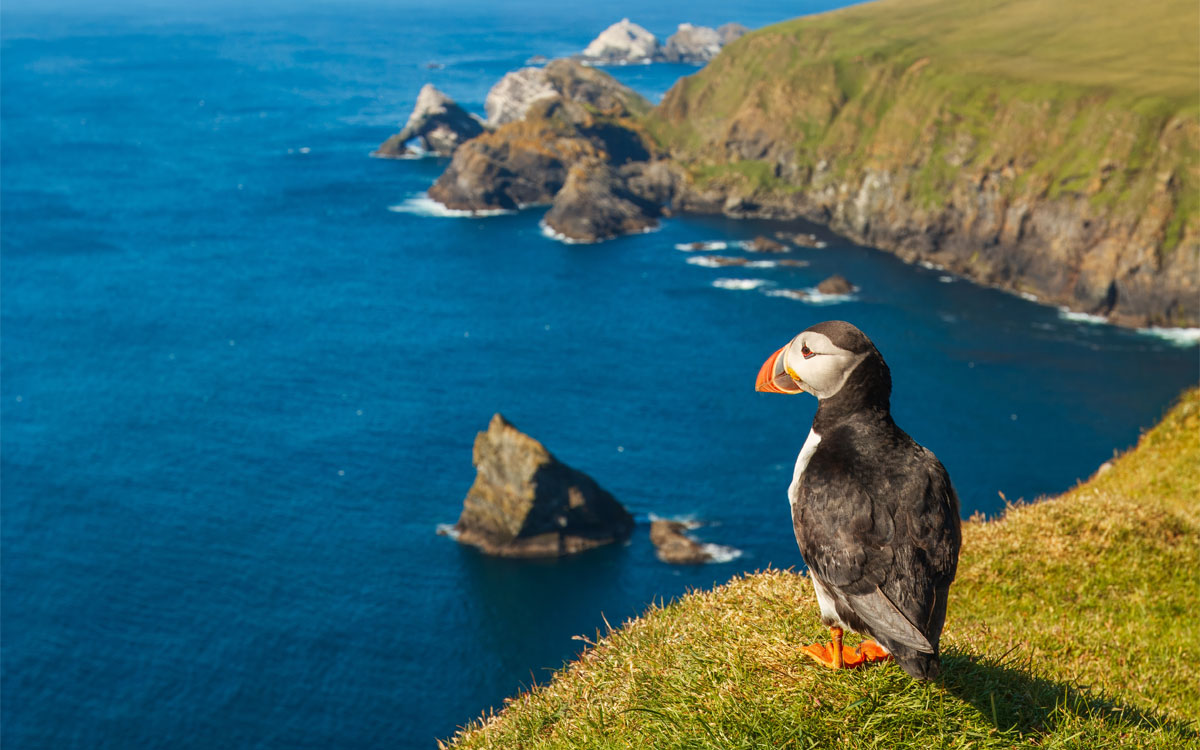
The stunning Isle of Lunga is the largest island in the Treshnish archipelago. With volcanic origin the isle was populated until the 19th Century, and remains of black houses can be seen around this magnificent coastal jewel. Abundant plant life and exotic birdlife are now the main inhabitants of the area. Fortunate visitors view the magnificent array of birds, especially the great puffins that breed on the islands plateau. One can sit within just a few feet away without disturbing the avian ambassador’s peace. The 81 hectare island is home to many rare and endangered plants such as, primroses and orchids. Views over the landscape and across the ocean can be seen from the 300 foot high cliffs.
Day 3
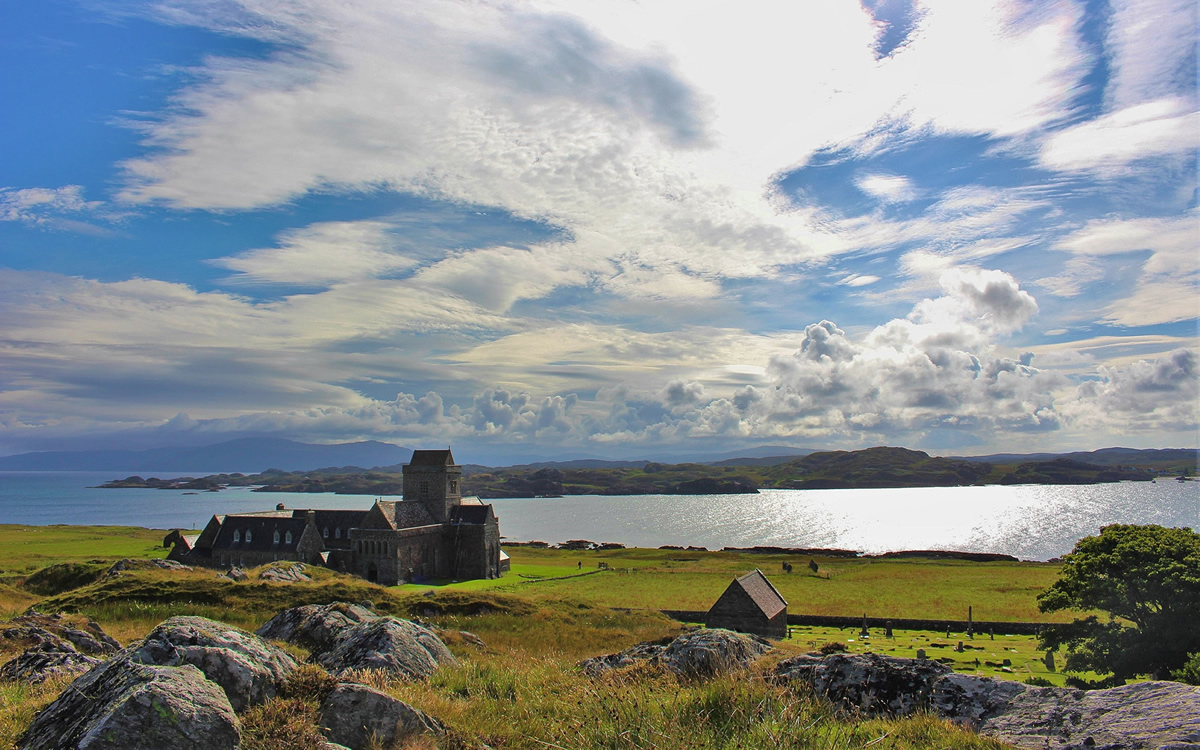
Isle of Iona
Iona, located off the southwest coast of Scotland, is a small and picturesque island that has captivated visitors for centuries. Known for its rich history, spiritual significance, and breathtaking landscapes, Iona is a must-visit destination for those seeking tranquility, cultural exploration, and natural beauty.
One of the main highlights of Iona is its spiritual heritage. The island is best known for Iona Abbey, an ancient religious site that dates back to the 6th century. This abbey played a significant role in the spread of Christianity throughout Scotland and continues to be an important place of pilgrimage to this day. Visitors can explore the abbey's ruins, walk in its peaceful cloisters, and admire its remarkable architecture. Additionally, the adjacent Iona Abbey Museum provides insight into the island's religious and cultural history.
Beyond its religious significance, Iona boasts stunning natural surroundings. The island is relatively small and can be easily explored on foot, offering visitors a chance to immerse themselves in the island's rugged and unspoiled landscapes. From sandy beaches and turquoise waters to rolling hills and dramatic cliffs, Iona offers a diverse range of natural scenery that is perfect for hiking, photography, or simply taking a leisurely stroll. The most famous spot for visitors is likely the beaches of the Bay at the Back of the Ocean, where white sands meet crystal-clear waters under the watchful gaze of the historic Dun I hill.
In addition to its natural beauty, Iona is also rich in history and culture. The island has been a center of learning for centuries and continues to attract artists, writers, and musicians. The traditional crafts of weaving, pottery, and jewelry making can be observed and purchased from local artisans, providing visitors with a chance to take home a piece of Iona's unique heritage. The village itself is quaint and charming, with colorful cottages, friendly locals, and a welcoming atmosphere.
For those interested in outdoor activities, Iona offers a range of options. Besides hiking, visitors can enjoy birdwatching, kayaking, fishing, or even joining a boat tour to explore the surrounding islands and spot wildlife such as seals and dolphins. The crystal-clear waters also make Iona a popular destination for scuba diving and snorkeling, allowing visitors to explore the rich marine ecosystems that surround the island.
When it comes to accommodation and dining options, Iona caters to every taste and budget. From cozy B&Bs and guesthouses to self-catering cottages and charming inns, visitors can find comfortable accommodations that suit their needs. There are also a few local restaurants and cafes that serve delicious Scottish fare, as well as traditional pubs where visitors can sample local whiskies and enjoy some live music.
To reach Iona, visitors can take a ferry from the Scottish mainland to the nearby island of Mull, followed by a short crossing to Iona itself. The journey itself is an opportunity to enjoy the stunning seascapes and observe the wildlife that thrives in these remote waters.
In summary, Iona offers a unique combination of spirituality, natural beauty, and cultural heritage that is hard to find elsewhere. Whether you are interested in history, seeking a peaceful retreat, or looking to explore Scotland's stunning landscapes, Iona is a destination that should not be missed.
Day 4
Shiant Isles
Day 4
Loch Ewe
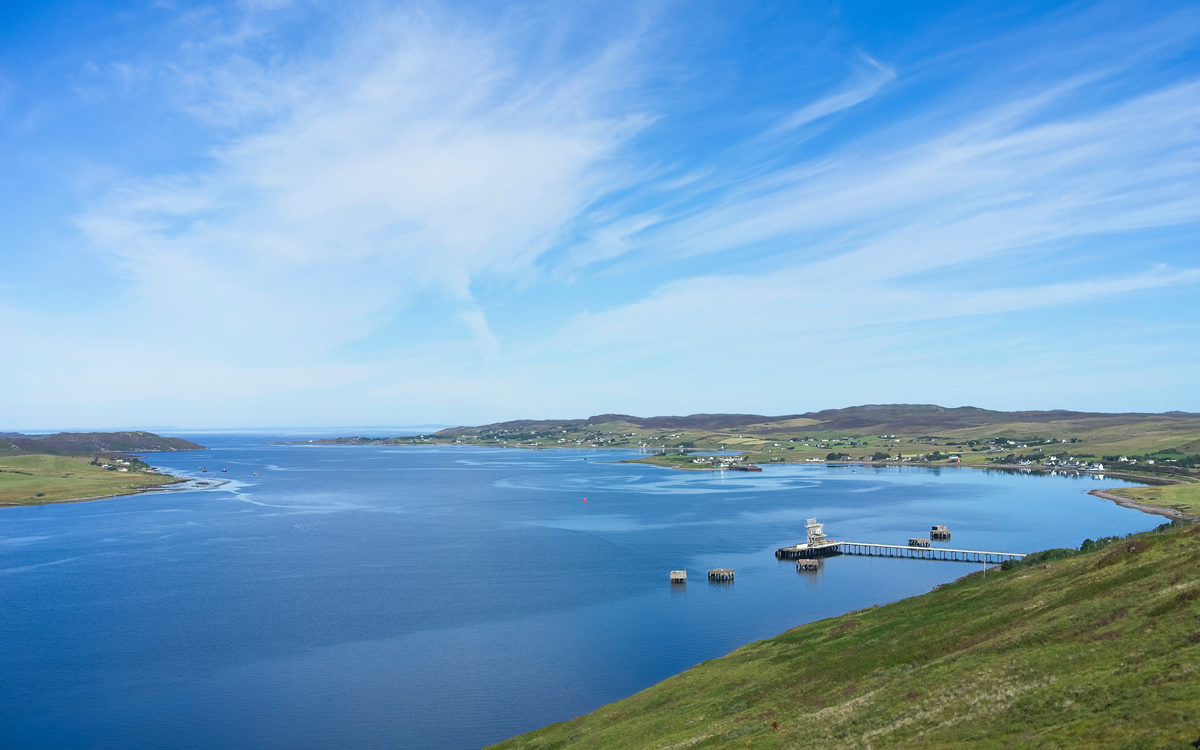
Loch Ewe is an awe-inspiring destination located on the North West coast of Scotland. It is a tranquil and picturesque location, surrounded by stunning mountainous scenery. Loch Ewe lies in the shadow of the majestic and impressive mountain of An Teallach, and is the gateway to the Inner Hebrides.
Visitors to Loch Ewe will find a wealth of attractions to explore. For nature lovers, there are plenty of opportunities to view the diverse wildlife that inhabits the area. Seals, otters, porpoises, dolphins, white-tailed sea eagles, red deer, and golden eagles can all be spotted here. For birdwatchers, the nearby area of Strome has some of the best birdwatching sites in Scotland. There are also plenty of opportunities for fishing here, with brown and sea trout plentiful in the loch.
The history of Loch Ewe is strongly associated with the Second World War. During this time the loch was used by the Royal Navy as a base for their North Atlantic Convoys to protect merchant ships from submarines and other naval vessels. Reminders of this history can still be seen in the form of a submarine lookout post, as well as a monument dedicated to those lost at sea during the war.
Loch Ewe is also home to some lovely historic sites. The ruins of Ardvreck Castle overlooks the loch, and nearby Mellon Udrigle is home to a restored fishing village, where visitors can learn more about the lifestyles of those who lived there centuries ago.
Loch Ewe is an ideal destination for anyone looking for a tranquil escape from the hustle and bustle of modern life. Its rugged beauty, peacefulness and rich history make it an enchanting place to visit. Whether you’re looking for a relaxing getaway or a chance to learn more about Scotland’s past, a visit to Loch Ewe is sure to be an unforgettable experience.
Day 5
St. Kilda Archipelago
St. Kilda Archipelago is a remote and breathtaking destination located off the western coast of Scotland, in the United Kingdom. Composed of four main islands—Hirta, Dun, Soay, and Boreray—it is a UNESCO World Heritage Site and holds significant cultural and natural value. The archipelago is known for its stunning landscapes, diverse wildlife, and rich history, making it a must-visit destination for nature enthusiasts and history buffs alike.
Renowned for its rugged and dramatic scenery, St. Kilda Archipelago offers visitors a chance to immerse themselves in nature at its purest. The islands are home to towering sea cliffs, deep sea caves, and pristine white-sand beaches. The sea cliffs, such as Stac Lee and Stac an Armin, are among the highest in the United Kingdom, providing spectacular views of the Atlantic Ocean and serving as nesting sites for a variety of seabirds.
Speaking of seabirds, St. Kilda Archipelago is a haven for birdwatchers. It hosts one of the largest seabird colonies in the North Atlantic, with hundreds of thousands of seabirds nesting on the cliffs and shores. Species such as puffins, northern gannets, fulmars, and kittiwakes can be spotted here, creating an incredible spectacle of nature. Visitors can take guided boat tours around the islands to get closer to these marvelous creatures and witness their remarkable behaviors up close.
Aside from its natural beauty, St. Kilda Archipelago also has a fascinating cultural heritage. Until the early 20th century, the archipelago was inhabited by a small community of resilient islanders who lived off the land and sea. Their unique way of life, marked by remote living and self-sufficiency, has left an indelible mark on the islands. Visitors can explore the abandoned village on Hirta, the largest island, and learn about the hardships and triumphs of the former inhabitants through archaeological sites, restored buildings, and fascinating exhibitions.
To reach St. Kilda Archipelago, visitors can take a boat trip from the mainland. The journey is an adventure in itself, as the islands are located in the heart of the North Atlantic, where the weather can be unpredictable. It is advisable to check the weather conditions beforehand and book a tour with an experienced operator who knows the area well.
Due to its remote location and protected status, there are no accommodation options on the archipelago itself. However, nearby villages such as Leverburgh in Harris offer various accommodation options, ranging from cozy guesthouses to campsites, providing visitors with a base for exploring St. Kilda Archipelago.
It is important to note that the archipelago's fragile ecosystem and cultural sites require visitors to follow strict guidelines for conservation and preservation. Respect for nature and the islands' history is paramount when visiting, as it ensures the sustainability and protection of this unique destination for future generations.
In conclusion, St. Kilda Archipelago is an awe-inspiring destination that captivates visitors with its stunning landscapes, diverse wildlife, and rich history. Whether you are a nature lover, bird enthusiast, or history buff, the archipelago offers an unforgettable experience that combines natural beauty with cultural heritage. Exploring the remote islands and witnessing the abundance of wildlife is a truly unique and rewarding experience that should be on every traveler's bucket list.
Day 6
Thorshavn
Located on the picturesque Faroe Islands in the North Atlantic Ocean, Torshavn is the charming and vibrant capital city of this autonomous territory of Denmark. Boasting stunning natural landscapes, rich cultural heritage, and a welcoming atmosphere, Torshavn is a hidden gem that offers a unique and unforgettable travel experience.
Torshavn is a city where tradition meets modernity. With a population of approximately 20,000 people, it is the largest city in the Faroe Islands. The city's name translates to "Thor's harbor," named after the Norse god of thunder. This reflects the deep-rooted Viking history and Norse influence that is still evident in the local culture.
One of the main highlights of Torshavn is its stunning natural beauty. Surrounded by rolling green hills and cliffs that drop dramatically into the ocean, the city offers breathtaking views at every turn. Visitors can explore the picturesque old town known as Tinganes, where the colorful turf-roofed houses and narrow winding streets create a postcard-perfect setting.
For nature enthusiasts, exploring the surrounding landscapes is a must. A short drive from the city will take you to idyllic hiking trails, pristine lakes, and cascading waterfalls. The rugged coastline is dotted with charming villages and hidden coves, making it a paradise for photographers and outdoor enthusiasts alike.
Torshavn also has a vibrant cultural scene, showcasing the resilience and creativity of the Faroese people. The city is home to numerous art galleries, museums, and cultural events that celebrate local heritage. The National Museum of the Faroe Islands offers a fascinating insight into the history, culture, and traditions of the islands, while the Nordic House hosts various exhibitions and performances throughout the year.
Food lovers will also enjoy their time in Torshavn. The Faroe Islands are known for their exceptional seafood, and the city offers an array of restaurants and cafes serving fresh and delicious dishes. The traditional Faroese cuisine is a blend of Scandinavian and British influences, with specialties such as skerpikjøt (dried mutton) and ræst kjøt (fermented mutton) being unique culinary experiences to try.
In terms of accommodation, Torshavn offers a range of options to suit every budget. From cozy guesthouses and boutique hotels in the heart of the city to scenic camping sites and self-catering cottages on the outskirts, there is something for everyone. Visitors can immerse themselves in the local culture by staying in traditional grass-roofed turf houses.
Traveling to Torshavn is relatively straightforward. The Faroe Islands are accessible via flights from several major European cities, with the Vagar Airport located just a short distance from the capital. Once in Torshavn, getting around is easy, either by foot or by local buses that connect the different parts of the city and the neighboring villages.
Whether you are seeking adventure, tranquility, or cultural experiences, Torshavn has it all. With its captivating landscapes, rich heritage, and warm hospitality, this little capital city offers a unique opportunity to discover the beauty of the Faroe Islands and create lasting memories. Visit Torshavn and be enchanted by its beauty and the warmth of its people.
Day 7
Vestmanna
The Vestmanna bird cliffs are near vertical, volcanic cliffs that rise steeply out of the ocean to a height of over 600 meters. They are impressively covered with innumerable bird nesting sites as well rare and hardy vegetation. Literally tens of thousands of seabirds can be seen soaring along the cliffs, sitting on nests as well as swimming across the water. Species include numerous kittiwakes, Common Guillemots, Black Guillemots and the endearing Atlantic Puffin. In addition, several waterfalls cascade down in graceful mists from hundreds of meters in the air and explorations reveal a series of sea caves ranging from modest in size to enormous.
Day 8
Lerwick, Shetland Islands
The Shetland Islands, located off the northern coast of Scotland, are a remote and captivating destination that offer a perfect blend of stunning landscapes, rich history, unique wildlife, and a vibrant local culture. Comprising around 100 islands, with only 15 of them inhabited, the Shetlands provide a sense of seclusion and tranquility that is hard to find elsewhere. With its dramatic cliffs, pristine beaches, and picturesque villages, the archipelago is a paradise for nature lovers, adventure enthusiasts, and those seeking a peaceful retreat.
One of the highlights of the Shetland Islands is their natural beauty. The landscapes here are diverse and awe-inspiring, with rugged coastlines, rolling hills, and vast stretches of moorland. The dramatic cliffs and rock formations, such as the towering cliffs of Eshaness and the famous sea stacks known as the Drongs, offer breathtaking vistas that are a photographer's dream. The pristine beaches of St. Ninian's Isle and Sandwick are perfect for leisurely walks or picnics, while the dramatic coastline of Sumburgh Head provides excellent opportunities for birdwatching.
Speaking of wildlife, the Shetland Islands are a haven for bird lovers. With over 1 million seabirds breeding here, including puffins, gannets, and guillemots, it's no wonder that the islands are considered a premier birdwatching destination. The RSPB Nature Reserve at Sumburgh Head and the Noss National Nature Reserve are two of the best places to observe these magnificent creatures in their natural habitat. In addition, the Shetland ponies, with their small stature and distinctive features, are an iconic symbol of the islands and are a treat to see grazing in the meadows.
The rich history of the Shetland Islands is evident in the numerous archaeological sites and historic landmarks scattered throughout the archipelago. The Jarlshof Prehistoric and Norse Settlement, a UNESCO World Heritage Site, is an impressive archaeological site that spans over 4,000 years of history. Here, visitors can explore the remains of Stone Age dwellings, Viking longhouses, and medieval buildings. The Shetland Museum and Archives in Lerwick offers an in-depth look into the islands' history and culture, showcasing artifacts and exhibitions that highlight their Norse and Scottish heritage.
Speaking of Lerwick, the capital of the Shetland Islands, it is a bustling town with a charm of its own. The harbor, lined with colorful buildings, is a lively hub where fishing boats, yachts, and even cruise ships dock. The town itself offers a variety of shops, restaurants, and traditional pubs where visitors can sample local cuisine and interact with the friendly locals. The annual Up Helly Aa festival, held in January, is a must-see event that celebrates Shetland's Viking heritage with a torchlight procession and the impressive burning of a Viking galley.
Getting to the Shetland Islands is relatively easy, with regular flights from Scotland and ferry services from the mainland. Once on the islands, public transportation is limited, so it is advisable to hire a car or join guided tours to explore the various attractions. The best time to visit is during the summer months of May to September, when the weather is milder, and wildlife is abundant.
In conclusion, the Shetland Islands are a hidden gem in the United Kingdom, offering a unique blend of natural beauty, fascinating history, and a vibrant local culture. Whether you are a nature lover, history buff, or simply looking for a remote and peaceful getaway, the Shetland Islands should definitely be on your travel list.
Day 9
North Haven, Fair Isle
Day 10
Holy Island
Day 10
Farne Islands
Day 11
Rosyth
Edinburgh is to London as poetry is to prose, as Charlotte Brontë once wrote. One of the world's stateliest cities and proudest capitals, it's built—like Rome—on seven hills, making it a striking backdrop for the ancient pageant of history. In a skyline of sheer drama, Edinburgh Castle watches over the capitalcity, frowning down on Princes Street’s glamour and glitz. But despite its rich past, the city’s famous festivals, excellent museums and galleries, as well as the modern Scottish Parliament, are reminders that Edinburgh has its feet firmly in the 21st century. Nearly everywhere in Edinburgh (the burgh is always pronounced burra in Scotland) there are spectacular buildings, whose Doric, Ionic, and Corinthian pillars add touches of neoclassical grandeur to the largely Presbyterian backdrop. Large gardens are a strong feature of central Edinburgh, where the city council is one of the most stridently conservationist in Europe. Arthur's Seat, a mountain of bright green and yellow furze, rears up behind the spires of the Old Town. This child-size mountain jutting 822 feet above its surroundings has steep slopes and little crags, like a miniature Highlands set down in the middle of the busy city. Appropriately, these theatrical elements match Edinburgh's character—after all, the city has been a stage that has seen its fair share of romance, violence, tragedy, and triumph. Modern Edinburgh has become a cultural capital, staging the Edinburgh International Festival and the Fringe Festival in every possible venue each August. The stunning Museum of Scotland complements the city’s wealth of galleries and artsy hangouts. Add Edinburgh’s growing reputation for food and nightlife and you have one of the world’s most beguiling cities. Today the city is the second most important financial center in the United Kingdom, and the fifth most important in Europe. The city regularly is ranked near the top in quality-of-life surveys. Accordingly, New Town apartments on fashionable streets sell for considerable sums. In some senses the city is showy and materialistic, but Edinburgh still supports learned societies, some of which have their roots in the Scottish Enlightenment. The Royal Society of Edinburgh, for example, established in 1783 "for the advancement of learning and useful knowledge," remains an important forum for interdisciplinary activities. Even as Edinburgh moves through the 21st century, its tall guardian castle remains the focal point of the city and its venerable history. Take time to explore the streets—peopled by the spirits of Mary, Queen of Scots; Sir Walter Scott; and Robert Louis Stevenson—and pay your respects to the world's best-loved terrier, Greyfriars Bobby. In the evenings you can enjoy candlelit restaurants or a folk ceilidh (pronounced kay-lee, a traditional Scottish dance with music), though you should remember that you haven't earned your porridge until you've climbed Arthur's Seat. Should you wander around a corner, say, on George Street, you might see not an endless cityscape, but blue sea and a patchwork of fields. This is the county of Fife, beyond the inlet of the North Sea called the Firth of Forth—a reminder, like the mountains to the northwest that can be glimpsed from Edinburgh's highest points, that the rest of Scotland lies within easy reach.
Day 11
Isle of May
Day 12
Rosyth
Edinburgh is to London as poetry is to prose, as Charlotte Brontë once wrote. One of the world's stateliest cities and proudest capitals, it's built—like Rome—on seven hills, making it a striking backdrop for the ancient pageant of history. In a skyline of sheer drama, Edinburgh Castle watches over the capitalcity, frowning down on Princes Street’s glamour and glitz. But despite its rich past, the city’s famous festivals, excellent museums and galleries, as well as the modern Scottish Parliament, are reminders that Edinburgh has its feet firmly in the 21st century. Nearly everywhere in Edinburgh (the burgh is always pronounced burra in Scotland) there are spectacular buildings, whose Doric, Ionic, and Corinthian pillars add touches of neoclassical grandeur to the largely Presbyterian backdrop. Large gardens are a strong feature of central Edinburgh, where the city council is one of the most stridently conservationist in Europe. Arthur's Seat, a mountain of bright green and yellow furze, rears up behind the spires of the Old Town. This child-size mountain jutting 822 feet above its surroundings has steep slopes and little crags, like a miniature Highlands set down in the middle of the busy city. Appropriately, these theatrical elements match Edinburgh's character—after all, the city has been a stage that has seen its fair share of romance, violence, tragedy, and triumph. Modern Edinburgh has become a cultural capital, staging the Edinburgh International Festival and the Fringe Festival in every possible venue each August. The stunning Museum of Scotland complements the city’s wealth of galleries and artsy hangouts. Add Edinburgh’s growing reputation for food and nightlife and you have one of the world’s most beguiling cities. Today the city is the second most important financial center in the United Kingdom, and the fifth most important in Europe. The city regularly is ranked near the top in quality-of-life surveys. Accordingly, New Town apartments on fashionable streets sell for considerable sums. In some senses the city is showy and materialistic, but Edinburgh still supports learned societies, some of which have their roots in the Scottish Enlightenment. The Royal Society of Edinburgh, for example, established in 1783 "for the advancement of learning and useful knowledge," remains an important forum for interdisciplinary activities. Even as Edinburgh moves through the 21st century, its tall guardian castle remains the focal point of the city and its venerable history. Take time to explore the streets—peopled by the spirits of Mary, Queen of Scots; Sir Walter Scott; and Robert Louis Stevenson—and pay your respects to the world's best-loved terrier, Greyfriars Bobby. In the evenings you can enjoy candlelit restaurants or a folk ceilidh (pronounced kay-lee, a traditional Scottish dance with music), though you should remember that you haven't earned your porridge until you've climbed Arthur's Seat. Should you wander around a corner, say, on George Street, you might see not an endless cityscape, but blue sea and a patchwork of fields. This is the county of Fife, beyond the inlet of the North Sea called the Firth of Forth—a reminder, like the mountains to the northwest that can be glimpsed from Edinburgh's highest points, that the rest of Scotland lies within easy reach.
Dublin to Rosyth Ships
Recommended Deals like Dublin to Rosyth
Save 12%
11 Nights
Dublin to Rosyth
 Silversea

Departure:
May
VISITING:
Dublin
Douglas
Isle of Lunga
Isle of Iona
Shiant Isles
Loch Ewe
St. Kilda Archipelago
Thorshavn
Vestmanna
Lerwick
North Haven, Fair Isle
Holy Island
Farne Islands
Isle of May
Rosyth
FROM
£
7,600 pp
Join the Crui.se Club
Points That Pay
Earn 25 points (£25) just for joining — and collect more on bookings, reviews, and referrals.
Exclusive Member Deals
Unlock off-market offers reserved only for Crui.se Club members.
Early Access Perks
Be the first to book with pre-launch notifications and special member-only booking windows.
Cruise With Confidence
Our mission at wordpress-1024654-4169282.cloudwaysapps.com is to help you and your loved one’s book and experience the best cruise holiday imaginable. We’re different in that, our customers come first, not our suppliers or profit margins. Get in touch and let us help you set sail.


Over 20 cruise brands to choose from

Low deposits from £500

All Inclusive cruises

Best deals & discounts

Community driven

Brand agnostic

We take care of everything

Custom built cruise holidays


