






 We won’t be beaten on price...


ABTA protected


82-Day Across Three Continents:
Oceania To Antarctica
Scroll to sail

82-Day Across Three Continents: Oceania To Antarctica
Embark on the extraordinary 82-Day Across Three Continents: Oceania To Antarctica, an epic expedition with Seabourn. This unparalleled journey begins in remote Western Australia, traversing Oceania’s vibrant biodiversity before venturing into Antarctica’s majestic, icy wilderness. Prepare for diverse cultures and breathtaking landscapes.
Discover hidden gems from the ancient Kimberley gorges and Raja Ampat’s pristine reefs to French Polynesia’s idyllic islands and Easter Island’s enigmatic moai. Traverse the dramatic Chilean Fjords and Patagonia. Each port unveils unique traditions and unparalleled natural beauty.
The pinnacle awaits in pristine Antarctica, witnessing stunning glaciers, towering icebergs, and abundant wildlife. Aboard Seabourn Pursuit, enjoy ultimate luxury expedition travel, combining sophisticated comfort with thrilling Zodiac excursions and expert insights. A profound, unforgettable odyssey of discovery.
-
 Cruise Line: Seabourn
-
 Ship: Seabourn Pursuit
-
 Duration: 82 Nights
-
 Departure: August
82-Day Across Three Continents: Oceania To Antarctica Prices
82-Day Across Three Continents: Oceania To Antarctica Gallery



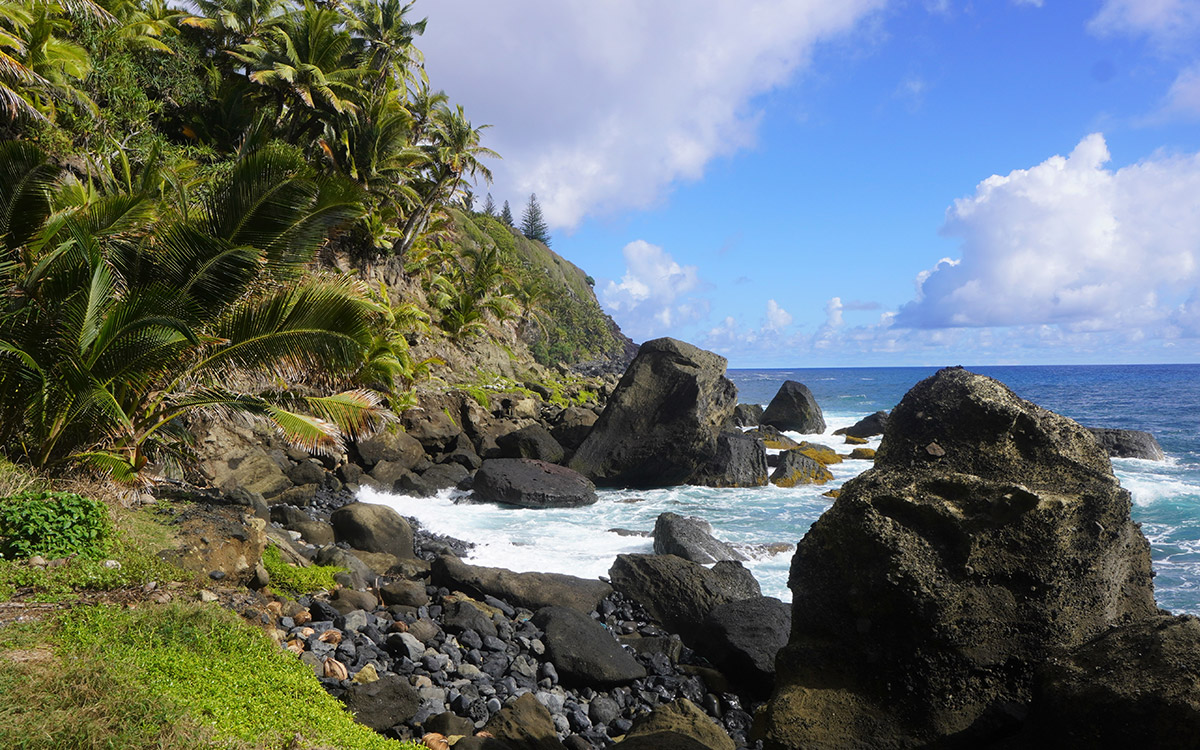
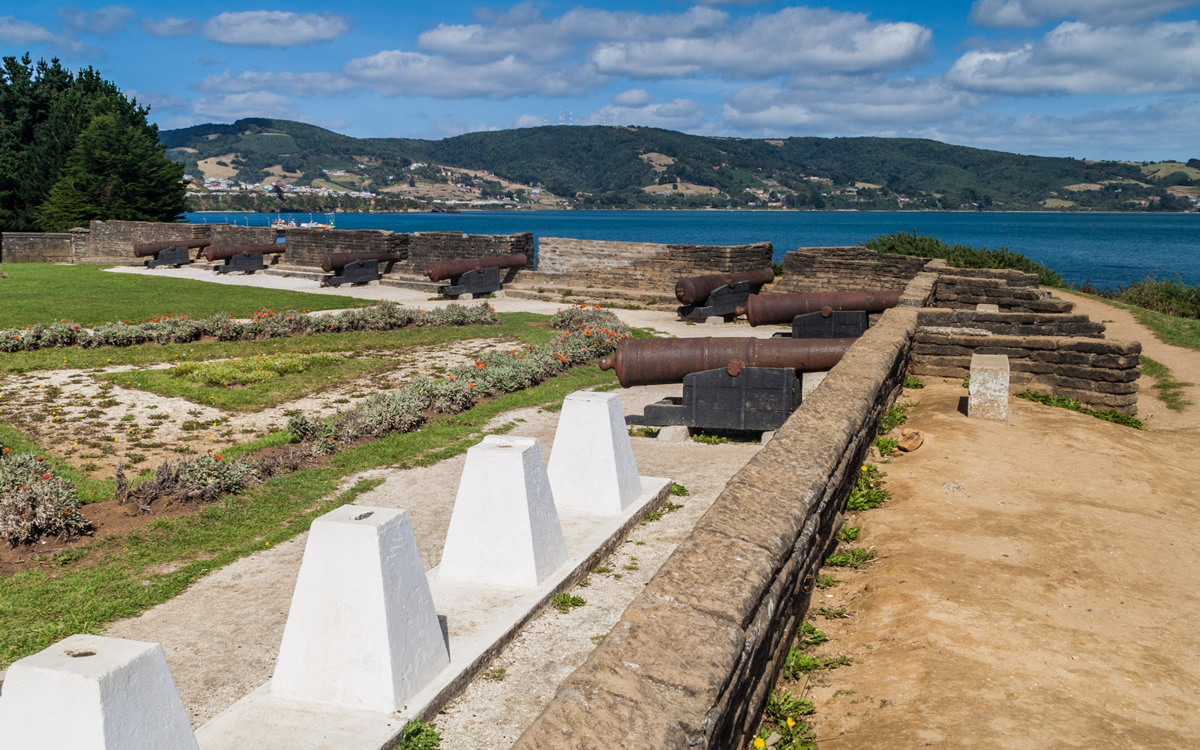
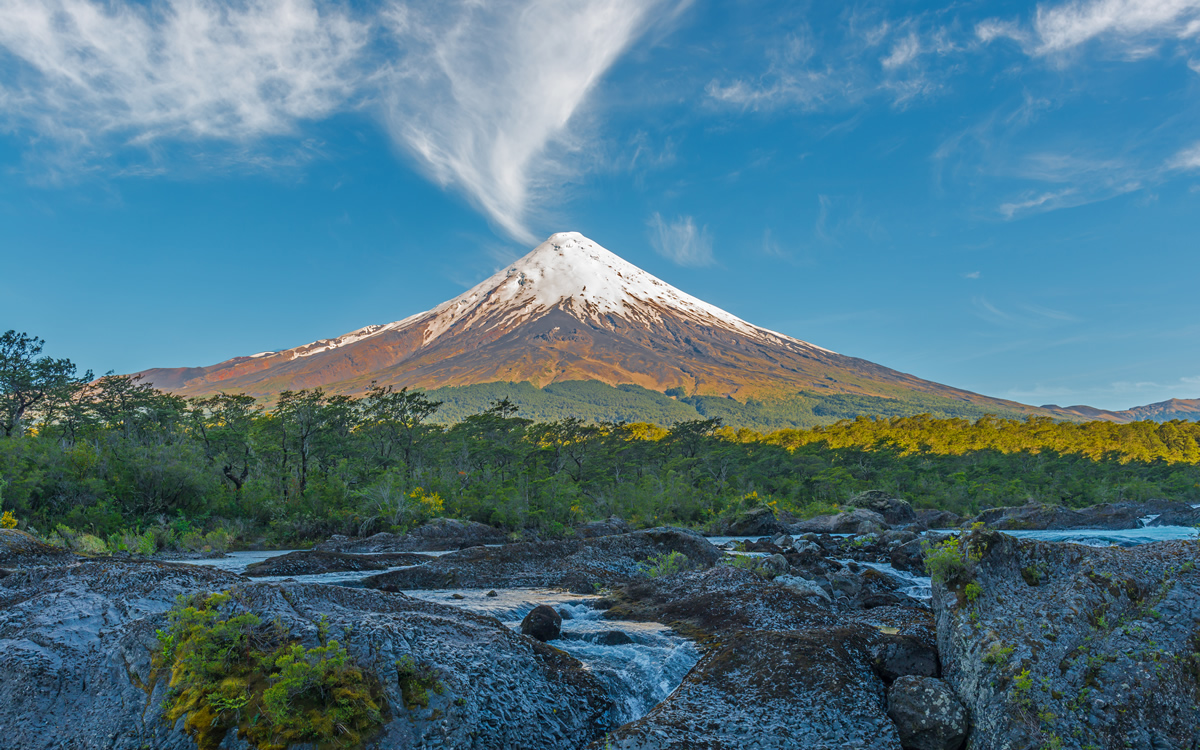
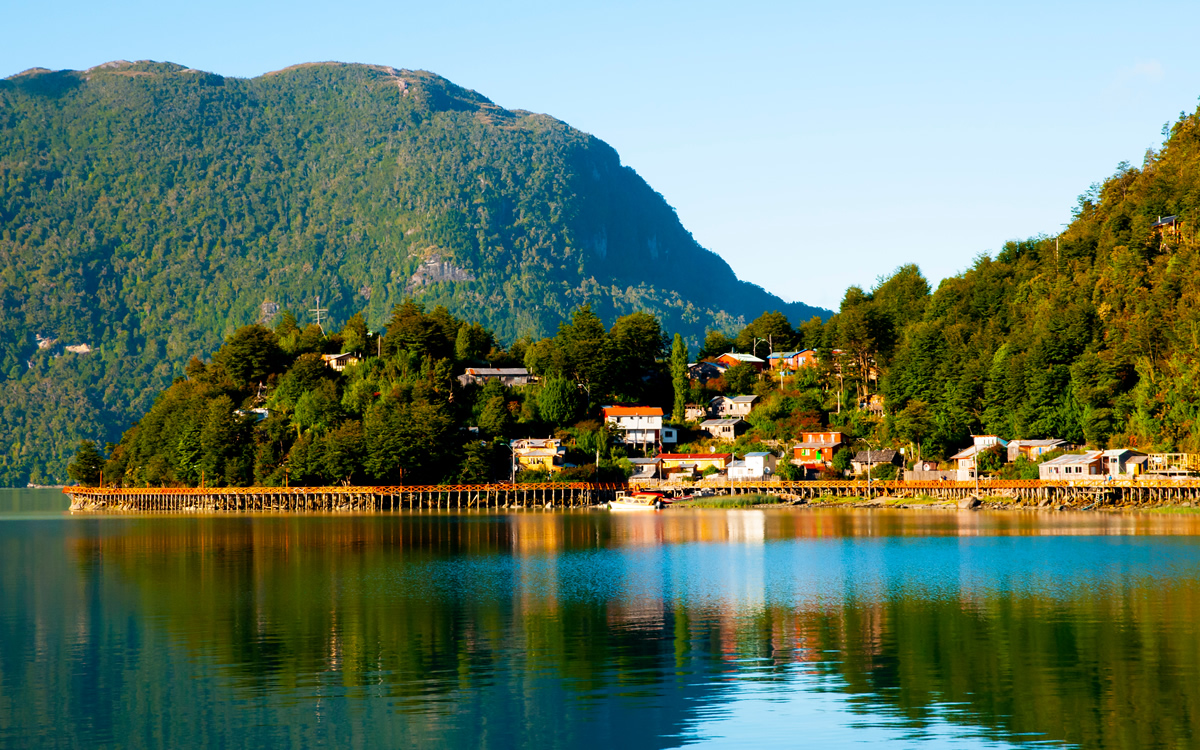


82-Day Across Three Continents: Oceania To Antarctica Itinerary

Day 1
Broome, Western Australia
Situated in Western Australia, Broome is a vibrant and charming coastal town known for its stunning beaches, rich history, and unique cultural heritage. With its laid-back atmosphere and breathtaking natural beauty, it is no wonder that Broome has become a popular tourist destination.
One of the highlights of Broome is Cable Beach, a 22-kilometer stretch of pristine white sand that is renowned for its picturesque sunsets. Here, visitors can take leisurely strolls along the shore, swim in the crystal-clear waters, or even embark on a scenic camel ride at sunset. The beach is also a hotspot for various water activities such as kayaking, snorkeling, and fishing.
For those interested in history and culture, Broome has a fascinating past as a pearling town. The town's pearling industry dates back to the late 19th century when Japanese, Chinese, and Malay divers came here in search of the valuable mother-of-pearl. Visitors can explore the town's pearling heritage at the Pearl Luggers Museum and watch demonstrations of traditional pearl diving techniques. The stunning pearl showrooms are also great places to browse for unique souvenirs.
Another must-visit attraction in Broome is Gantheaume Point, which offers breathtaking views of the Indian Ocean and the striking red cliffs. This area is also home to an ancient dinosaur trackway, where visitors can marvel at the preserved footprints of dinosaurs from millions of years ago. A visit to Gantheaume Point is best timed during low tide to fully appreciate the tracks.
For nature lovers, a trip to the nearby Horizontal Falls is a must. Located in the Kimberley region, Horizontal Falls is a natural phenomenon where the water rushes powerfully through narrow gorges, creating a horizontal waterfall effect. Visitors can take a thrilling boat tour through the falls to experience this incredible natural wonder up close.
In addition to its natural beauty, Broome is also known for its vibrant arts scene. The town hosts the famous Shinju Matsuri festival every year, celebrating its multicultural heritage with a variety of events including music, dance, food, and cultural performances. The festival also showcases the talents of local artists and provides an opportunity to purchase unique handmade crafts.
When it comes to dining, Broome offers a wide range of culinary delights. From fresh seafood straight from the Indian Ocean to mouthwatering Asian fusion dishes, the town's restaurants cater to every taste. Don't miss the chance to try the local specialty, the famous Broome mangoes, which are known for their juicy and sweet flavor.
In terms of accommodation, Broome offers a range of options to suit all budgets. From luxury beachfront resorts to budget-friendly backpacker hostels, there is something for everyone. Many of the accommodations also offer easy access to the town's main attractions and amenities.
Getting to Broome is relatively easy, with regular flights from major Australian cities like Perth and Darwin. Once in Broome, getting around can be done by public transport or hiring a car to explore the surrounding areas at your own pace.
In conclusion, Broome is a hidden gem in Western Australia that offers a perfect blend of stunning natural beauty, rich history, and vibrant culture. Whether you are looking for relaxation on the beach, a cultural experience, or an adventure in the Kimberley region, Broome has something to offer every traveler.
Day 2
Whirlpool Pass
Day 3
Talbot Bay, Western Australia
Day 4
Montgomery Reef, Western Australia
Day 4
Freshwater Cove
Day 5
Swift Bay, Western Australia
The Bonaparte Archipelago is a rugged maze of islands that stretch almost 150km along Western Australia’s remote Kimberley coast. Remaining relatively unspoilt and remarkably pristine, Swift Bay is landscaped by heavily fractured sandstone providing an abundance of rock shelters. On the walls of these shelters are examples of both Wandjina and Gwion Gwion style rock art. Join your expedition team ashore for a guided walk to a number of rock art galleries depicting these unique rock art styles.
Day 6
Hunter River & Mitchell Falls, Western Australia
Day 7
Ashmore and Cartier Islands
Ashmore and Cartier Islands are not the sort of destination one stumbles upon by chance. Set adrift in the Timor Sea to the north-west of mainland Australia, these remote coral reefs and low-lying sandy cays feel wonderfully distant from the everyday world. Protected for their extraordinary ecological value, they are best known for turquoise shallows, brilliant coral formations, rich marine life and vast numbers of seabirds that wheel above the surf.
This is a place that appeals less to conventional sightseeing and more to travellers drawn to wild, fragile landscapes. Ashmore Reef, the more prominent of the two, is made up of a spectacular reef system with small islands, lagoons and sand flats that create an ever-changing mosaic of colour. Cartier Island is even more isolated, lending an almost mythical sense of remoteness. The surrounding waters are a haven for sea snakes, turtles, reef fish and migratory birds, making the area especially compelling for naturalists, birdwatchers and those fascinated by marine environments.
It is important to understand that Ashmore and Cartier Islands are protected nature reserves rather than mainstream holiday destinations. Tourism infrastructure is effectively absent, and access is highly restricted, often limited to permitted scientific, conservation or specialised expedition visits. There are no resorts, restaurants or town centres here—only wind, sea, coral and the remarkable silence of an undisturbed maritime wilderness.
For the right traveller, however, that is precisely the allure. Ashmore and Cartier Islands offer a rare glimpse of nature in a largely unspoilt state, where the horizon seems endless and the rhythm of the place is set by tides, nesting birds and shifting light on the water. It is a destination defined by isolation, beauty and environmental significance.
Day 8
Vansittart Bay, Western Australia
Vansittart Bay is a beautifully protected large bay with several islands and coves. Jar Island contains ancient rock art galleries depicting the Gwion Gwion style unique to the Kimberley region. Mainly neglected by, or unknown to, the early European researchers of Aboriginal culture in the Kimberley in favour of the dominant & more dramatic Wandjina art, Gwion Gwion art has in recent years gained world prominence. Join your Expedition Team ashore for a short walk, past some fascinating rock formations, to the site of the Gwion Gwion art galleries.
Day 9
King George River - WA Australia
Day 10
Darwin, Northern Territory
The city of Darwin, capital of the Northern Territory, presides
loftily over the top end of Australia. Set on a rocky peninsula
that stretches into one of the most beautiful natural harbours on
the north Australian coast, the city is surrounded by water on
three sides, which allows it to be fanned by cool breezes that
temper the tropical heat and humidity of its climate.
Darwin has survived destruction three times: the city was hit by
a cyclone in 1893; it was then bombed by the Japanese in 1942
during World War II; and more recently, in 1974, Cyclone Tracy
levelled the city on Christmas Eve. It is a tribute to the
pioneering spirit of its cosmopolitan population of 87,000 that it
has not only overcome these calamities, but gone on to thrive.
The city is compact, and the areas of most interest to tourists
are easy to explore on foot. The tropical climate encourages
outdoor living and simply strolling through the leafy streets,
browsing art galleries and enjoying refreshments at sidewalk cafes,
is a pleasure for visitors. Shady parks can be found behind busy
shopping streets and are a delight with exotic flowering trees like
frangipani, banyan and tamarind.
Darwin is a youthful, tropical city, small enough to feel
friendly and relaxed, and a great travel hub for exploring the
incredible natural wonders on the city's doorstep.
Day 13
Ambon Island
Indonesia is the world's largest archipelago, comprising of five main islands and a multitude of smaller island chains, with about 17,000 islands strung across the equator altogether.
A rich history of warring kingdoms, conquests, colonialism, trade and natural disasters has bequeathed Indonesia with an exhilarating kaleidoscope of cultures and traditions, languages and religions, aspirations and problems, and the dramatic scenery of volatile landscapes.
Unfortunately it is this very diversity of ethnic groups and religions that has put a country of such exotic natural resources to the test. However, for the traveller, this diversity and overdose of traditions and religions is fascinating. For decades the country has been a magnet drawing thousands of people to its shores despite its turbulent nature. Its position along the Pacific 'ring of fire' contributes to its status as a destination for the adventurous: Indonesia is prone to frequent earthquakes and volcanic eruptions. Having said that, in addition to the adventurous thrill-seekers and nature-lovers, Indonesia attracts many tourists wanting nothing more than a peaceful beach holiday, and the country offers many renowned resorts.
A holiday in Indonesia offers something for everyone. Sumatra is an almost untouched wilderness with a diversity of wildlife, highland tribes, unique architecture, wonderful resort-lined lakes, and quaint hilltop towns. Java features steaming volcanoes, astonishing historical monuments, a sprawling capital city and traditional dance, music and art. The image of paradise is epitomised in Bali, an island of artistic people and elegant temples, resplendent scenery, palm groves, beach resorts and fabulous diving sites. Further east, Komodo is the home to the world's largest lizard, the Komodo dragon.
Indonesia is a land of vigorous colour, of tensions and upheaval, but also of festivals and dancing, golden sunsets and friendly white-toothy smiles.
Day 15
Kokas
Indonesia is the world's largest archipelago, comprising of five main islands and a multitude of smaller island chains, with about 17,000 islands strung across the equator altogether.
A rich history of warring kingdoms, conquests, colonialism, trade and natural disasters has bequeathed Indonesia with an exhilarating kaleidoscope of cultures and traditions, languages and religions, aspirations and problems, and the dramatic scenery of volatile landscapes.
Unfortunately it is this very diversity of ethnic groups and religions that has put a country of such exotic natural resources to the test. However, for the traveller, this diversity and overdose of traditions and religions is fascinating. For decades the country has been a magnet drawing thousands of people to its shores despite its turbulent nature. Its position along the Pacific 'ring of fire' contributes to its status as a destination for the adventurous: Indonesia is prone to frequent earthquakes and volcanic eruptions. Having said that, in addition to the adventurous thrill-seekers and nature-lovers, Indonesia attracts many tourists wanting nothing more than a peaceful beach holiday, and the country offers many renowned resorts.
A holiday in Indonesia offers something for everyone. Sumatra is an almost untouched wilderness with a diversity of wildlife, highland tribes, unique architecture, wonderful resort-lined lakes, and quaint hilltop towns. Java features steaming volcanoes, astonishing historical monuments, a sprawling capital city and traditional dance, music and art. The image of paradise is epitomised in Bali, an island of artistic people and elegant temples, resplendent scenery, palm groves, beach resorts and fabulous diving sites. Further east, Komodo is the home to the world's largest lizard, the Komodo dragon.
Indonesia is a land of vigorous colour, of tensions and upheaval, but also of festivals and dancing, golden sunsets and friendly white-toothy smiles.
Day 16
Misool, Raja Ampat
Indonesia is the world's largest archipelago, comprising of five main islands and a multitude of smaller island chains, with about 17,000 islands strung across the equator altogether.
A rich history of warring kingdoms, conquests, colonialism, trade and natural disasters has bequeathed Indonesia with an exhilarating kaleidoscope of cultures and traditions, languages and religions, aspirations and problems, and the dramatic scenery of volatile landscapes.
Unfortunately it is this very diversity of ethnic groups and religions that has put a country of such exotic natural resources to the test. However, for the traveller, this diversity and overdose of traditions and religions is fascinating. For decades the country has been a magnet drawing thousands of people to its shores despite its turbulent nature. Its position along the Pacific 'ring of fire' contributes to its status as a destination for the adventurous: Indonesia is prone to frequent earthquakes and volcanic eruptions. Having said that, in addition to the adventurous thrill-seekers and nature-lovers, Indonesia attracts many tourists wanting nothing more than a peaceful beach holiday, and the country offers many renowned resorts.
A holiday in Indonesia offers something for everyone. Sumatra is an almost untouched wilderness with a diversity of wildlife, highland tribes, unique architecture, wonderful resort-lined lakes, and quaint hilltop towns. Java features steaming volcanoes, astonishing historical monuments, a sprawling capital city and traditional dance, music and art. The image of paradise is epitomised in Bali, an island of artistic people and elegant temples, resplendent scenery, palm groves, beach resorts and fabulous diving sites. Further east, Komodo is the home to the world's largest lizard, the Komodo dragon.
Indonesia is a land of vigorous colour, of tensions and upheaval, but also of festivals and dancing, golden sunsets and friendly white-toothy smiles.
Day 17
Yenwaoupnor
Day 17
Mansuar Island
Day 18
Manokwari, Irian Jaya
Day 19
Cenderawasih Bay
Day 21
Jayapura, Irian Jaya
Jayapura is the largest city and the provincial capital of Papua, a province situated in the easternmost part of Indonesia. It is located on the northern coast of the island of New Guinea, and its strategic location near the border with Papua New Guinea gives it a unique cultural and geographical significance.
With a population nearing 400,000 residents, Jayapura is a bustling city that serves as the economic and administrative hub of the region. It is well-connected through air and sea transportation, with its own airport and a major port that facilitates trade and tourism between Indonesia and Papua New Guinea.
One of the key attractions of Jayapura is its stunning natural beauty. Surrounded by lush forests and picturesque mountains, the city offers plenty of opportunities for outdoor enthusiasts. The nearby Cyclops Mountains provide a breathtaking backdrop for hiking, trekking, and bird-watching. Lake Sentani, situated just outside the city, is a popular spot for boating, fishing, and enjoying serene sunsets. The lake is also famous for its annual Festival Danau Sentani, which showcases the traditional culture and art of the local tribes.
Exploring the cultural heritage and diversity of Jayapura is another highlight for visitors. The city is home to various indigenous tribes, each with its unique customs, languages, and traditions. The best way to experience this cultural richness is through visiting museums, such as the Museum Loka Budaya in Abepura and the Museum Negeri Provinsi Papua, where you can learn about the history, artifacts, and art of the region's tribes.
Jayapura also hosts an array of vibrant markets, where visitors can immerse themselves in the local culture and taste traditional dishes. The Hamadi Market, famous for its fresh seafood, fruits, and vegetables, is a must-visit for food lovers. It is an excellent place to try local delicacies like ikan bakar (grilled fish) and sago-based dishes.
For those interested in history, Jayapura offers a glimpse into the remnants of World War II. The General MacArthur Monument commemorates the role of General Douglas MacArthur during the war and serves as a reminder of the city's historical significance. Additionally, the historical Jayapura Post Office Building, constructed during the Dutch colonial era, is an architectural landmark not to be missed.
When it comes to accommodations, Jayapura offers a range of options to suit different budgets and preferences. From luxury resorts with beautiful beachfront views to modest guesthouses and hotels, visitors can find a comfortable place to stay during their visit.
Although Jayapura is relatively safe for travelers, it is essential to take necessary precautions like any other city. It is recommended to carry a photocopy of your passport and keep the original locked in a secure place. It is also wise to avoid traveling alone at night and to be aware of your surroundings at all times.
In conclusion, Jayapura is a fascinating destination that offers a unique blend of natural beauty, cultural diversity, and historical significance. From exploring stunning landscapes to experiencing the rich indigenous culture, there is something for everyone in this bustling city on the edge of the world. So, whether you are an outdoor enthusiast, history buff, or simply seeking a different cultural experience, Jayapura is a destination worth considering for your next adventure in Indonesia.
Day 22
Vanimo
Day 24
Garove Island
Day 25
Duke of York Island
Day 25
Rabaul, Bismarck Archipelago
Rabaul is a picturesque town situated on the northern coast of the island of New Britain, in Papua New Guinea. It is the capital of the East New Britain province and is known for its stunning natural beauty and rich cultural heritage. Rabaul served as the administrative center of the Australian-administered Territory of New Guinea during the early 20th century and was an important trading hub. Today, it has emerged as a popular tourist destination, attracting visitors from all over the world.
One of the main attractions of Rabaul is its stunning volcanic geography. The town lies in the shadow of the active stratovolcano, Mount Tavurvur. The volcano last erupted in 1994, after which it buried much of the city in volcanic ash, leaving behind a unique, post-apocalyptic landscape. Visitors can take guided tours to the volcano and witness the awe-inspiring power of nature up close.
Another must-visit spot in Rabaul is the Rabaul Volcano Observatory. Established in 1946, it is one of the oldest volcano observatories in the world. Here, visitors can learn about the geology and volcanic activity of the region, as well as enjoy stunning panoramic views of the surrounding area.
For history enthusiasts, Rabaul offers a glimpse into its tumultuous past. During World War II, Rabaul was a significant strategic naval base for the Japanese forces. The remnants of this occupation can still be seen in the form of bunkers, tunnels, and other wartime infrastructure. The Kokopo War Museum is a must-visit attraction for those interested in learning about the region's wartime history.
Rabaul is also famous for its vibrant and diverse culture. The indigenous Tolai people, who make up the majority of the population, have a rich cultural heritage that is evident in their customs, dances, and traditional arts and crafts. Visitors can experience the local culture firsthand by participating in traditional ceremonies, exploring the local markets, and interacting with the friendly locals.
For nature enthusiasts, Rabaul offers a variety of outdoor activities. The surrounding waters are a haven for divers and snorkelers, with coral reefs teeming with colorful marine life. Dolphin watching and boat trips to nearby islands are popular choices for those looking to explore the beauty of the area.
The local cuisine in Rabaul is a delicious blend of traditional Melanesian flavors and international influences. Seafood is a staple, with fresh fish, prawns, and lobsters being readily available. The local markets offer a wide variety of tropical fruits, vegetables, and spices that add a burst of flavor to the dishes.
In terms of accommodation, Rabaul offers a range of options to suit every budget. From luxurious beach resorts to cozy guesthouses, visitors can find comfortable and convenient places to stay during their visit. The hospitality of the locals is renowned, and they are always eager to welcome visitors and help them make the most of their stay.
In conclusion, Rabaul is a captivating destination that offers a unique blend of natural beauty, history, and culture. From its volcanic landscapes to its rich cultural heritage, there is something for everyone in this vibrant town. Whether you are seeking adventure, relaxation, or a glimpse into Papua New Guinea's fascinating history, Rabaul is sure to leave you with unforgettable memories.
Day 27
Gizo
Blessed with sun-soaked beaches and crystalline waters, the Solomon Islands is remote, unspoilt and made up of nearly a thousand islands and atolls. This stunning archipelago is fast becoming a popular ecotourism destination, offering world-class snorkelling, scuba diving, fishing and surfing.
Though much of the country's economy is still based on subsistence fishing, the Solomon Islands, with its unrivalled natural splendour, deserves to be raking in tourism revenue. Unfortunately, the lack of infrastructure and amenities is hindering the growth of the country's tourism sector. On the other hand, this is great news for those seeking a beach holiday in a tropical paradise as yet devoid of the ill effects of mass tourism.
Sprinkled across the South Pacific, these Melanesian islands have seen a lot of history. It is believed that Papuan-speaking settlers arrived around 30,000 BC, while the first European to discover these gems was Álvaro de Mendaña de Neira, a Spanish navigator who set out from Peru in 1893. During World War II, the Solomon Islands saw some fierce battles between the Japanese and the Allied forces, including the Battle of Guadalcanal - its shipwreck graveyards beneath the azure waves bearing testament to this.
Ocean lovers will have a whale of a time exploring some of the world's most diverse aquamarine life, while landlubbers can marvel at the islands' unique fauna and flora, majestic volcanoes and one of the world's rarest orchids. History buffs will love the WWII historical sites such as Iron Bottom Sound, where the remnants of sunken vessels lie in their watery graves.
Popular islands and groups within the archipelago include Guadalcanal, Santa Cruz and Choiseul. The capital city of Honiara on Guadalcanal has a number of interesting historical sites and a bustling Central Market for souvenir shopping, along with several restaurants and nightclubs.
Ultimately, Solomon Islands is a tropical getaway untouched by the crowds and excessive prices of global tourist hotspots. It's not only a great spot for diving and fishing enthusiasts but is also a brilliant pilgrimage for history buffs, especially those interested in the Pacific theatre of WWII.
Day 28
Honiara, Guadalcanal Island
Honiara is the capital city of the Solomon Islands on the north-western coast of Guadalcanal Island. It is the hub of all activity in the archipelago which has recently undergone an ‘urban boom’. Discover the cities beautiful landscapes and the significance of the city in the World War II.
Day 30
Vanikoro Island
Blessed with sun-soaked beaches and crystalline waters, the Solomon Islands is remote, unspoilt and made up of nearly a thousand islands and atolls. This stunning archipelago is fast becoming a popular ecotourism destination, offering world-class snorkelling, scuba diving, fishing and surfing.
Though much of the country's economy is still based on subsistence fishing, the Solomon Islands, with its unrivalled natural splendour, deserves to be raking in tourism revenue. Unfortunately, the lack of infrastructure and amenities is hindering the growth of the country's tourism sector. On the other hand, this is great news for those seeking a beach holiday in a tropical paradise as yet devoid of the ill effects of mass tourism.
Sprinkled across the South Pacific, these Melanesian islands have seen a lot of history. It is believed that Papuan-speaking settlers arrived around 30,000 BC, while the first European to discover these gems was Álvaro de Mendaña de Neira, a Spanish navigator who set out from Peru in 1893. During World War II, the Solomon Islands saw some fierce battles between the Japanese and the Allied forces, including the Battle of Guadalcanal - its shipwreck graveyards beneath the azure waves bearing testament to this.
Ocean lovers will have a whale of a time exploring some of the world's most diverse aquamarine life, while landlubbers can marvel at the islands' unique fauna and flora, majestic volcanoes and one of the world's rarest orchids. History buffs will love the WWII historical sites such as Iron Bottom Sound, where the remnants of sunken vessels lie in their watery graves.
Popular islands and groups within the archipelago include Guadalcanal, Santa Cruz and Choiseul. The capital city of Honiara on Guadalcanal has a number of interesting historical sites and a bustling Central Market for souvenir shopping, along with several restaurants and nightclubs.
Ultimately, Solomon Islands is a tropical getaway untouched by the crowds and excessive prices of global tourist hotspots. It's not only a great spot for diving and fishing enthusiasts but is also a brilliant pilgrimage for history buffs, especially those interested in the Pacific theatre of WWII.
Day 31
Ambrym
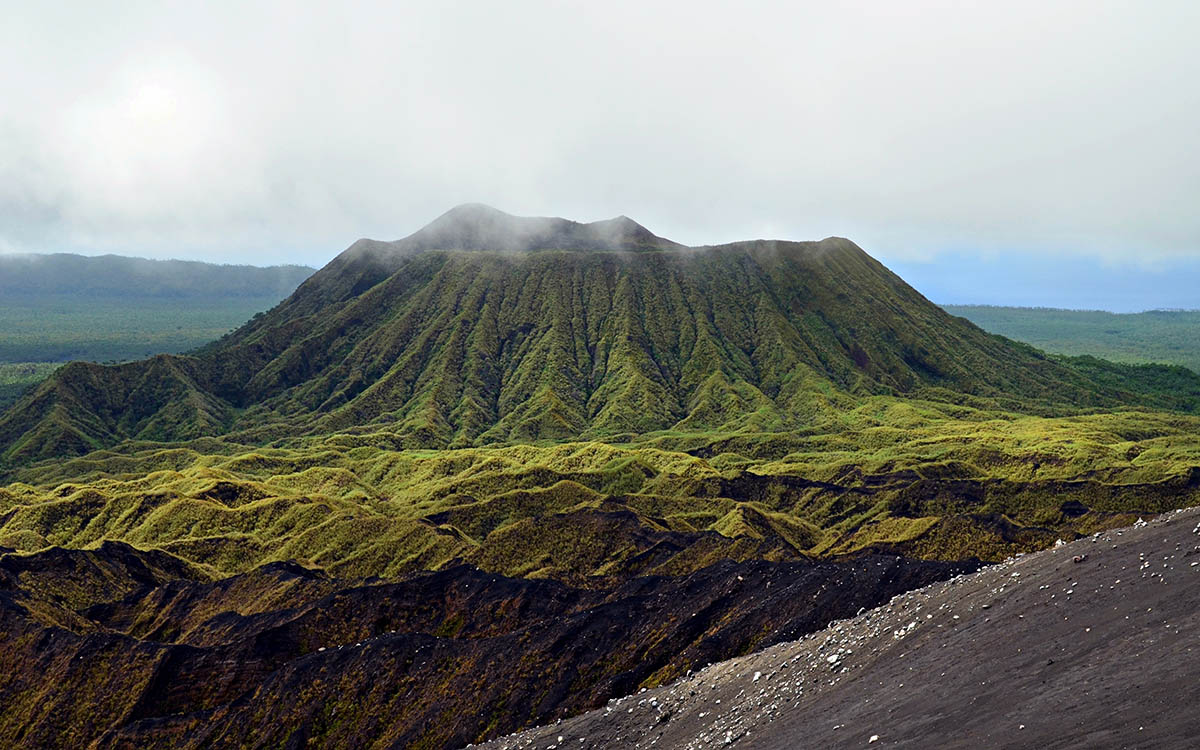
Ambrym is a captivating volcanic island located in the archipelago of Vanuatu in the South Pacific Ocean. Renowned for its volcanic activity, Ambrym is home to two of the world's most active volcanoes, Marum and Benbow, which sit within a caldera spanning approximately 12 kilometres in diameter. The ceaseless rumbling and occasional eruptions of these formidable giants contribute to a landscape that is as awe-inspiring as it is formidable, attracting volcanologists and adventurous travellers from around the globe.
The island is enveloped in a lush, tropical rainforest that contrasts starkly with the barren, ash-covered lava plains near the volcanoes. This verdant vegetation is home to a variety of endemic flora and fauna, providing a haven for nature enthusiasts and biologists. Ancient banyan trees, exotic birds, and a diverse range of plant species thrive in this vibrant ecosystem, making Ambrym a rich and diverse natural habitat. The island's coastline is equally mesmerising, with secluded black sand beaches and coral reefs that offer excellent opportunities for snorkelling and diving.
Ambrym is also steeped in cultural richness and tradition. The island's inhabitants, primarily of Melanesian descent, preserve a unique way of life that has been passed down through generations. Villages on Ambrym practice traditional kastom beliefs and rituals, which are often centred around the powerful influence of the island's volcanoes. Visitors are sometimes given the privilege of witnessing traditional dance performances, known as "Rom dances," and intricate wood carvings that play a significant role in the island’s cultural heritage.
Moreover, Ambrym’s remote and relatively undeveloped character contributes to its charm. With limited infrastructure and a focus on sustainable tourism, the island offers a unique opportunity for visitors to experience life in one of the world's last remaining truly untouched paradises. Whether it's exploring the volcanic landscapes, immersing oneself in the rich biodiversity, or engaging with the island's vibrant culture, Ambrym provides an unforgettable adventure for those seeking a truly distinctive travel experience.
Day 33
Lautoka
Lautoka, located on the western coast of the stunning island of Viti Levu in Fiji, is a vibrant and bustling city that offers a unique blend of cultural experiences, natural beauty, and warm hospitality. Known as the "Sugar City" due to its thriving sugar industry, Lautoka is the second-largest city in Fiji and also acts as a major port for cruise ships and cargo vessels.
One of the highlights of Lautoka is its diverse and multicultural population, which is reflected in its rich cultural heritage. The city is home to a large Indo-Fijian community, and visitors can immerse themselves in the local culture by exploring the vibrant markets, tasting delicious Indian cuisine, or attending colorful festivals and religious celebrations.
Lautoka is also famous for its sugar cane plantations, and a visit to Fiji Sugar Corporation's largest mill in the city is a must for those interested in learning about the sugar manufacturing process. During the cane crushing season, which typically runs from June to November, visitors can witness the entire process from cane cutting to the production of sugar.
Nature lovers will find plenty to explore in and around Lautoka. The city is situated just a short distance away from the stunning Yasawa and Mamanuca Islands, which are renowned for their pristine white sand beaches, crystal-clear turquoise waters, and abundant marine life. Popular activities include snorkeling, diving, and sailing, where visitors can witness vibrant coral reefs, swim with manta rays, and even spot dolphins and turtles.
For those seeking a more unique experience, a visit to the Sabeto Hot Springs and Mud Pool is highly recommended. Located about 20 minutes outside of the city, these natural hot springs offer a rejuvenating and relaxing experience. Visitors can soak in the warm mineral-rich mud pool, believed to have therapeutic properties, or enjoy a soothing mud massage.
Lautoka also offers several opportunities for adventure enthusiasts. The nearby Koroyanitu National Heritage Park is a paradise for hikers and nature lovers, offering breathtaking views, scenic trails, and a chance to explore traditional Fijian villages. Additionally, visitors can embark on exciting river safari tours along the Sigatoka River, where they can experience a thrilling jet boat ride and discover the beauty of Fiji's inland waterways.
As a bustling city, Lautoka boasts a vibrant marketplace where visitors can buy traditional Fijian crafts, clothing, fresh produce, and souvenirs. The Sugar City Mall is also a popular shopping destination, offering a variety of shops, boutiques, and eateries.
When it comes to dining, Lautoka offers a range of options to suit all tastes. In addition to authentic Indian cuisine, visitors can sample delicious Fijian dishes such as kokoda (marinated fish in coconut milk), lovo (traditional underground oven-cooked food), and various seafood delicacies.
Lautoka is well-served by transportation options, with the Nadi International Airport just a 30-minute drive away. Taxis and buses are readily available for getting around the city, and car rentals are also an option for those who prefer to explore at their own pace.
In summary, Lautoka is a captivating destination that offers a blend of cultural experiences, natural beauty, and adventure. Whether you're interested in immersing yourself in the local culture, exploring stunning beaches and marine life, or embarking on exhilarating outdoor activities, Lautoka has something for everyone. With its friendly locals, vibrant markets, and breathtaking landscapes, Lautoka is sure to leave visitors with unforgettable memories.
Day 34
Kadavu Island
Day 36
Neiafu
With a population of 6,000, Neiafu is the capital city and the second largest municipality in the Polynesian nation of Tonga (a 169-island archipelago in the South Pacific). The city is situated in a deep- water harbor (Port of Refuge) on the south coast of Vava͛u, the main island of the Vava͛u archipelago in northern Tonga. The waters of this region are known for their clarity and beauty, and the area attracts many humpback whales between June and November. A popular destination in Neiafu is the Ene͛io Botanical Garden, a bird sanctuary that promotes the survival of exotic and native bird species as well as supports and conserves a diverse array of plant life. The island's city life can be experienced at the numerous cafes and restaurants that welcome visitors.
Day 37
Nukupule
Day 39
Crossing the International Date Line
Day 39
Apia
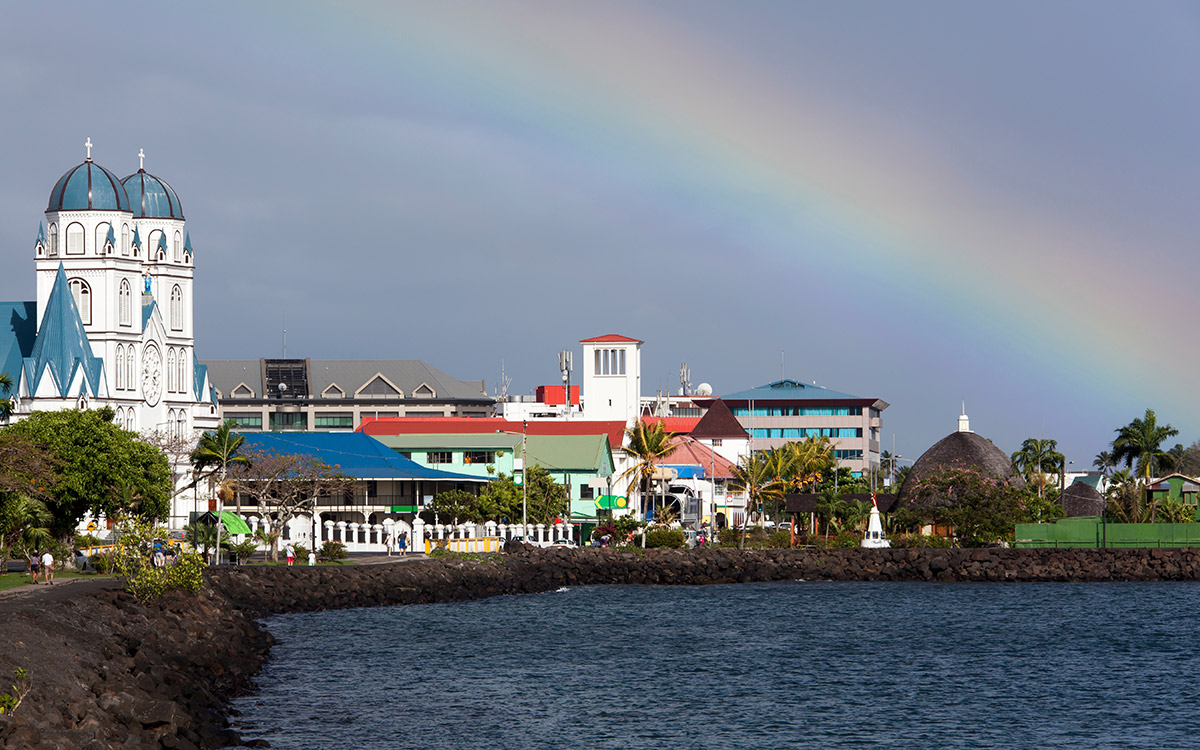
Apia, the capital city of Samoa, is a vibrant and bustling destination that offers a unique mix of traditional Polynesian culture and modern city life. Located on the north coast of Upolu Island, Apia is the largest city in Samoa and serves as the political, economic, and cultural hub of the country. With its beautiful coastal scenery, friendly locals, and rich history, Apia is a must-visit destination for any traveler.
One of the first things you'll notice upon arriving in Apia is the warm and welcoming nature of the Samoan people. Known for their hospitality and friendliness, the locals will make you feel right at home. Engaging with the locals will not only enhance your travel experience but also give you a deeper understanding of Samoan customs and traditions.
Apia is home to a number of historical and cultural landmarks, providing visitors with the opportunity to immerse themselves in the rich history of the Samoan people. One such landmark is the Robert Louis Stevenson Museum, which was the former residence of the famous Scottish author. Here, you can learn about Stevenson's life and work, as well as gain insight into Samoan history and culture.
Another must-visit attraction in Apia is the Samoa Cultural Village. This open-air museum gives visitors a glimpse into traditional Samoan life, with authentic thatched huts, demonstrations of traditional crafts and cooking, and performances of traditional music and dance. It's a fantastic opportunity to learn about the customs and traditions of the Samoan people and witness their vibrant cultural heritage.
For those seeking relaxation and natural beauty, Apia has plenty to offer. The city is surrounded by stunning beaches with crystal-clear waters, making it a paradise for sun-seekers and water enthusiasts. You can indulge in various activities such as snorkeling, diving, kayaking, or simply lounging on the beach.
Apia is also known for its vibrant market, the Fugalei Market. Here, you can find an abundance of fresh produce, tropical fruits, handicrafts, and traditional Samoan clothing. It's the perfect place to experience the local atmosphere and pick up unique souvenirs.
Food lovers will appreciate the diverse culinary scene in Apia. The city boasts a range of restaurants and eateries, serving both traditional Samoan cuisine and a variety of international dishes. Be sure to try traditional Samoan dishes such as palusami (taro leaves baked in coconut cream) and oka (Samoan raw fish), as well as the delicious fresh seafood that the island is known for.
To explore the natural wonders surrounding Apia, consider taking a day trip to the nearby Piula Cave Pool or the Papase'ea Sliding Rocks. These natural attractions offer a refreshing escape from the city and allow you to experience Samoa's stunning landscapes up close.
In terms of accommodation, Apia offers a range of options to suit different budgets and preferences. You can choose from luxurious beach resorts, boutique hotels, or budget-friendly guesthouses. Many of these accommodations provide stunning views of the ocean or tropical gardens, ensuring a comfortable and relaxing stay.
In conclusion, Apia is a destination that seamlessly blends traditional Samoan culture with modern city life. With its friendly locals, historical landmarks, stunning beaches, and delicious cuisine, Apia has something to offer every traveler. Whether you're seeking adventure, relaxation, or a cultural experience, Apia is sure to leave a lasting impression.
Day 41
Aitutaki
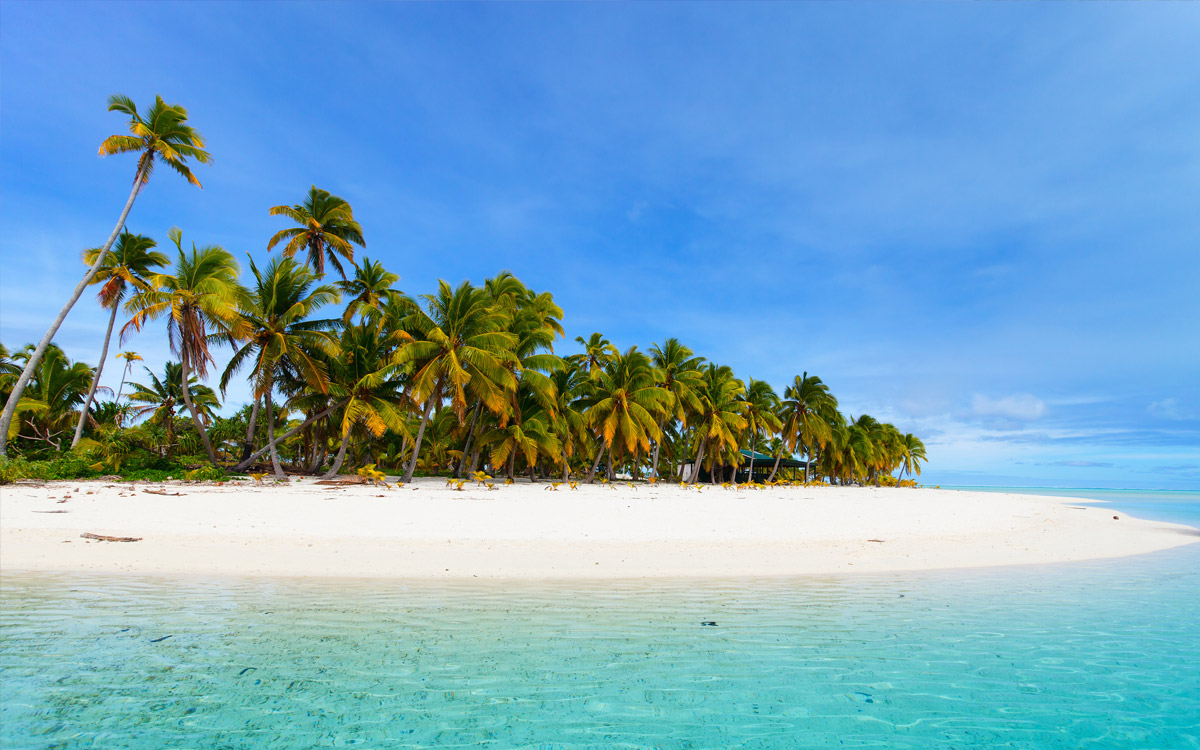
A 45-minute flight from Rarotonga, Aitutaki is the
ultimate getaway destination for those who want to leave the world
behind. With views of swaying palm trees, clear turquoise water,
and sparkling white sand, it's no wonder that Aitutaki is quickly
becoming the most popular holiday destination in the Cook
Islands.
Tiny Aitutaki is home to only 2,100 or so
inhabitants, most of whom live in the capital village of Arutanga.
The infrastructure on the island is basic, including all the
necessary amenities, and doesn't cross the line into crass
commercialism.
Manmade attractions in Aitutaki include a golf
course, spa, and the bars and restaurants attached to the various
resorts on the island. The popular Island Nights are a great way to
experience Cook Islands culture, with traditional music, food, and
dancing.
However, the most popular attractions in Aitutaki are
its natural ones. Scuba diving, fishing, windsurfing, and swimming,
as well as excursions to various lagoons and small islands in the
reef, are the main reasons to visit this tropical haven. Aitutaki
is small, and a popular way to see it is to rent a scooter. You'll
find yourself zipping along the picturesque roads in no time,
travelling to picnics at secluded lagoons and tranquil beaches.
Day 43
Raiatea
Raiatea is an otherworldly island located in the French Polynesian archipelago of the Society Islands. With its tranquil aqua-blue lagoons, lush green mountains, and white sand beaches, Raiatea has been a favourite among travellers looking to escape into a tropical paradise.
Raiatea is a cultural refuge, a gateway to the past, and one of the oldest inhabited islands in French Polynesia. It has been populated since around 1000 BCE, and according to legend, was the first of the Society Islands to be inhabited. Situated just 20 miles from Tahiti and 15 from Bora Bora, it is steeped in history and home to many sacred sites — temples, marae (the Tahitian version of temples), and caves — that embody the religion and spiritual beliefs of its ancient Polynesian settlers.
The island is a naturalist’s dream. Raiatea is home to some of the world’s rarest sea turtles, seabirds, migrating whales, thousands of colourful fish, monk seals, and even humpback dolphins. It also possesses limestone cliffs, green peaks, and a vast lagoon that encircles the island. A wide array of activities awaits visitors, ranging from swimming and snorkelling to hiking and boat tours. No matter which activity one chooses, the majestic views of Raiatea’s landscapes and its incomparable beauty will leave them in awe.
When on Raiatea, one should also take the time to explore its many villages. These small communities offer a unique glimpse into traditional Tahitian culture and are well worth exploring. Visitors can wander through the village of Uturoa, the capital of Raiatea, located on its northeastern coast. Here they will find locals living life as it has been done for centuries — fishing boats dotting the harbor, women weaving palm fronds into baskets, and dogs barking up a storm. They can also tour Faaroa Bay or pay a visit to Taputapuātea, a sanctuary located on the island’s west side that is best known as the “sacred spiritual centre” of Polynesia.
Raiatea’s ancient sites and pristine landscapes create an unforgettable experience. To truly appreciate this South Pacific gem, visitors must spend some time exploring its many wonders. Whether one is seeking relaxation, adventure, or a deeper connection with nature and Polynesian culture, Raiatea has something for everyone. With its versatility and stunning beauty, Raiatea is a place that should not be missed.
Day 44
Huahine
Huahine, an idyllic tropical paradise located in French Polynesia, is one of the most remarkable places to visit in the world. It is known for its stunning beaches, lush green forests, and crystal clear lagoons. The island is part of a two-island archipelago that also includes Raiatea, the spiritual center of Polynesian culture. Huahine is the less-visited of the two islands, giving visitors a more intimate experience of Polynesian culture, traditions, and landscapes.
Huahine’s white-sand beaches are among the best in the world. Whether you’re looking for a place to unwind in the sun or take part in a variety of water activities including snorkeling and diving, you’ll be sure to find something to suit your taste. With its laid-back atmosphere and lack of over-development, Huahine offers the perfect escape for anyone wanting a unique experience away from the hustle and bustle of city life.
The lush forests of Huahine are also home to a variety of wildlife, including exotic birds, tree frogs, and rare fruit bats. These animals can often be spotted from the island’s many scenic lookout points or while on guided expeditions through the jungle. Exploring the interior of the island provides visitors with a chance to immerse themselves in authentic Polynesian culture and learn more about its history and traditions.
No visit to Huahine is complete without taking a dip in its clear blue waters. The lagoons and coves surrounding the island offer some of the most beautiful spots for swimming, snorkelling, and kayaking. Paddling around the island’s crystal-clear lagoons provides visitors with close-up views of colourful coral reefs and tropical fish. This is also a great way to get up close with some of the island’s incredible marine life, such as dolphins and turtles.
Huahine is not only an idyllic destination but also a great place to get away and relax. From its stunning beaches and lush forests, to its rich cultural heritage and incredible wildlife, Huahine provides travellers with an unforgettable experience they won’t soon forget. With its laid-back atmosphere and relaxed pace, it’s no surprise why many people flock to this magical island every year.
Day 45
Papeete, Tahiti
Papeete is the capital and largest city of French Polynesia, situated on the island of Tahiti in the South Pacific Ocean. With its picturesque landscapes, vibrant culture, and warm tropical climate, Papeete has become a popular destination for tourists from around the world.
One of the main attractions of Papeete is its stunning natural beauty. The city is surrounded by majestic mountains, lush rainforests, and pristine beaches, making it a paradise for nature lovers and outdoor enthusiasts. Visitors can explore the nearby waterfalls, hike through the rugged terrain, or take a boat trip to discover the nearby islands and coral reefs.
Papeete is also known for its vibrant local markets. The Marché de Papeete, also known as the Papeete Market, is a bustling hub of activity where visitors can find a wide range of fresh produce, local handicrafts, and exotic spices. It's a great place to immerse yourself in the local culture, interact with friendly vendors, and try delicious Polynesian cuisine.
One of the must-visit attractions in Papeete is the Musée de Tahiti et des Îles, which showcases the rich history and culture of French Polynesia. The museum houses an impressive collection of artifacts, traditional canoes, and exhibits that provide insight into the traditions and customs of the Polynesian people.
For those interested in colonial architecture, a visit to the Cathédrale de l'Immaculée Conception is highly recommended. This stunning Catholic cathedral, with its intricate stained glass windows and beautiful wooden carvings, is an architectural masterpiece that reflects the influence of French culture in the region.
Papeete is also a great shopping destination, with a vibrant retail scene catering to both locals and tourists. The city is home to a number of boutiques, high-end fashion stores, and local artisans selling unique handicrafts. Rue du Commerce, located in the heart of Papeete, offers a wide selection of shops and boutiques to explore.
When it comes to dining, Papeete offers a diverse range of culinary experiences. Visitors can indulge in a variety of cuisines, including French, Polynesian, and international dishes. From fresh seafood caught from the surrounding waters to tantalizing tropical fruits, there is something to suit every palate.
Nightlife in Papeete is lively and diverse. Visitors can enjoy a vibrant array of bars, clubs, and live music venues scattered throughout the city. The atmosphere is relaxed and friendly, making it a great place to unwind and soak up the local culture.
Getting around in Papeete is relatively easy, thanks to its well-developed infrastructure. Taxis and buses are easily available, and there are also car rental services for those who prefer to explore the city at their own pace. Papeete also has an international airport, making it a convenient gateway for travelers looking to explore other islands in French Polynesia.
In conclusion, Papeete is a tropical paradise that offers a mix of natural wonders, cultural experiences, and warm hospitality. Whether you are seeking adventure in the great outdoors, immersing yourself in the vibrant local markets, or relaxing on the beautiful beaches, Papeete has something for everyone. With its stunning landscapes, rich history, and delicious cuisine, a trip to Papeete is sure to be an unforgettable experience.
Day 46
Anaa
Day 47
Tahanea
Day 48
Fakarava
Tahiti, officially known as French Polynesia, is a stunning archipelago located in the South Pacific Ocean renowned for its pristine beaches, crystal-clear turquoise waters, and vibrant cultural heritage. It is the largest and most populated island of this overseas collectivity of France, which comprises a total of 118 islands and atolls spread across an area of over 4,000 square kilometers.
Tahiti's breathtaking beauty makes it a paradise for nature lovers and adventure seekers alike. The island is surrounded by coral reefs teeming with marine life, making it an excellent destination for snorkeling and scuba diving. Visitors can explore vibrant coral gardens, encounter exotic fish species, and even swim alongside friendly dolphins and majestic whales.
The island is also home to lush tropical rainforests, with Mount Orohena, the highest peak in French Polynesia, dominating the landscape. Adventurous travelers can embark on hiking expeditions to discover hidden waterfalls, ancient archaeological sites, and panoramic viewpoints offering an awe-inspiring vista of the island.
Tahiti is not only blessed with natural wonders but also boasts a rich cultural heritage. The local population, known as Tahitians or Maohis, have preserved their traditions and way of life despite the influences of European colonization. Traditional Polynesian ceremonies, dance performances, and artisanal crafts can still be experienced throughout the island.
The vibrant capital city of Papeete is the economic and cultural hub of the archipelago. Here, visitors can immerse themselves in the vibrant local markets, known as "Le Marché," to sample delicious French-Polynesian cuisine, purchase colorful handicrafts, and engage with friendly locals. The city is also home to the vibrant waterfront area of Vaiete Square, where visitors can enjoy live music, street performances, and indulge in traditional Polynesian dances.
For those seeking relaxation, Tahiti offers an array of luxurious resorts and spa retreats scattered along its pristine coastlines. Bora Bora, a small island located northwest of Tahiti, is particularly renowned for its overwater bungalows, offering guests exclusive accommodation with direct access to the turquoise lagoon.
Water activities are a significant draw for visitors to Tahiti. Aside from snorkeling and scuba diving, the island offers opportunities for surfing, kiteboarding, and deep-sea fishing. Tahiti's legendary waves attract surfers from around the world, with the Teahupo'o reef break being one of the most famous spots.
While Tahiti offers numerous natural and cultural attractions, it can be an expensive destination for travelers due to its remote location and the exclusivity of many resorts. However, there are options for various budgets, including guesthouses, known as "pensions," which offer a more affordable yet authentic local experience.
To reach Tahiti, most visitors will fly into Faa'a International Airport, located just outside of Papeete. Several airlines operate regular flights connecting Tahiti with major cities in Europe, North America, and Asia.
In conclusion, Tahiti is a slice of paradise in the South Pacific that offers a tropical getaway filled with natural wonders, cultural experiences, and luxurious resorts. Whether seeking adventure or relaxation, visitors to Tahiti will undoubtedly be enchanted by its stunning landscapes, warm hospitality, and vibrant Polynesian culture.
Day 51
Pitcairn Island
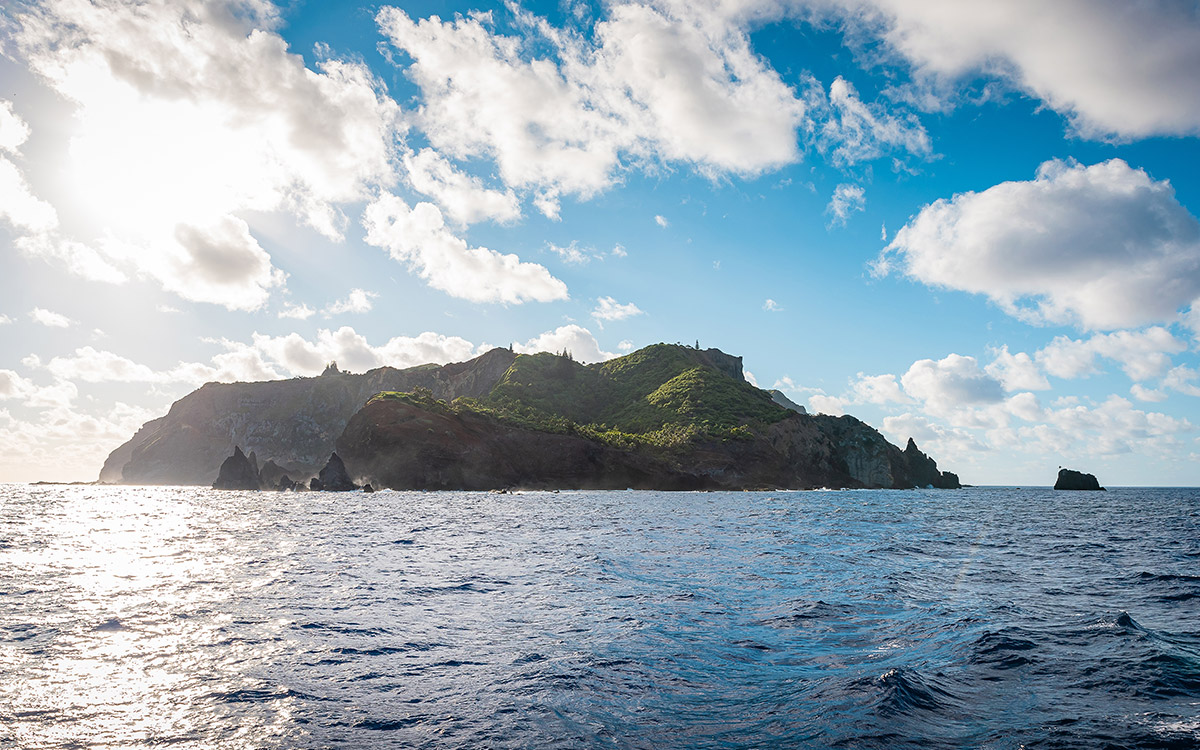
Pitcairn Island is a remote and picturesque island located in the southern Pacific Ocean, known for its stunning natural beauty and unique historical significance. As the only inhabited island of the Pitcairn Islands group, Pitcairn is part of a British Overseas Territory that also includes Henderson, Ducie, and Oeno Islands. The island covers an area of just 47 square kilometers but boasts a diverse range of landscapes, from rugged cliffs and lush valleys to pristine beaches and crystalline waters.
One of the most fascinating aspects of Pitcairn Island is its history. It was famously settled by the mutineers of the HMS Bounty and their Tahitian companions in 1790. This historical event has captured the imagination of many and has been the subject of books, films, and studies. The descendants of these original settlers still inhabit the island today, maintaining a close-knit community with a rich cultural heritage. Visitors to Pitcairn can explore the remnants of this captivating past, including the Bounty’s anchor and the grave of John Adams, one of the mutineers.
Despite its small size and population, Pitcairn Island is a biodiversity hotspot. It is home to a variety of unique flora and fauna, some of which are found nowhere else on Earth. The island's natural environment is largely unspoiled, providing a haven for wildlife and an ideal location for eco-tourism and scientific research. Marine life around the island is abundant, making it a popular destination for divers seeking to explore its vibrant coral reefs and underwater landscapes.
Living on Pitcairn Island is a blend of simplicity and self-sufficiency, with the island's population typically numbering fewer than fifty residents. The islanders engage in various activities such as fishing, farming, and craft-making to sustain themselves. Connectivity to the outside world is limited, with supply ships visiting only a few times a year. Despite these challenges, the residents of Pitcairn are known for their resilience, hospitality, and strong sense of community.
In summary, Pitcairn Island is a place of historical intrigue, natural splendor, and cultural richness. Its remote location and small, dedicated population contribute to its unique charm, making it a hidden gem in the vast expanse of the Pacific Ocean.
Day 52
Ducie Island
Discovered in 1606 by a Portuguese explorer, Ducie is a small isolated atoll and is the easternmost of the Pitcairn Islands. The island’s most prominent bit of history is the 1881 wreckage of the mail ship Acadia, which ran aground on the island when the lookout mistook the island for a cloud due to its white beaches. Ducie is a mere speck in the surrounding expanse of ocean, uninhabited except for the estimated 500,000 nesting seabirds that reside among the two plant species (Beach Heliotrope and at least one specimen of Pemphis) that grow over seventy percent of the island. Bird species that visitors may be able to see include Murphy's Petrels, White Terns, Great Frigate birds and Masked Boobies. Snorkelers love to visit the top of the wreck of the Acadia or in the atoll’s lagoon waters.
Day 55
Hangaroa, Easter Island
Discovered (by the Western world) on Easter Sunday, 1722, Easter Island is a UNESCO World Heritage Site and one of the most isolated places on the face of the Earth, some 2,300 miles from the Chilean mainland. Although more Polynesian than South American in character, the 64-square mile island was annexed by Chile in 1888, and is now famous as the world’s largest ‘open air museum’ on account of the Moai, or human-like stone statues, that can be found on the island. The Moai remain very much a mystery, which archaeologists are still trying to unlock by interpreting an ancient language of the Rapa Nui, which is the key to understanding this culture, and is written on the so called ‘rongo rongo tablets’. The island owes its origin to three volcanoes which erupted some three million years ago: Poike, Rano Kau and Maunga Terevaka. It is not known when or how the island was first populated, but the most credible theory suggests that the Rapa Nui people came from other Pacific islands in the 4th century AD. In addition to the cultural and archaeological interest, there are the beautiful beaches, transparent waters, and coral reefs that might be expected of a Pacific Island.
Day 61
Juan Fernández Island
Day 64
San Antonio
San Antonio is a city in central Chile and is the capital of the Santiago Metropolitan Region. In 2016, it had a population of 645,431. The city is located at the base of the Andes mountains, near the Santa Lucia River.
San Antonio is a popular tourist destination, due to its location and climate. The city is home to many historical sites, such as the San Antonio de Padua Cathedral, which was built in 1748, and the Museo de Bellas Artes, which houses a collection of Chilean and European art. The city also has a number of parks and gardens, such as the Parque Forestal.
The climate in San Antonio is mild, with average temperatures ranging from 18-25 degrees Celsius. The city experiences a high amount of rainfall, particularly in the winter months.
San Antonio is a vibrant city with a lot to offer visitors. Whether you’re interested in history, art, or simply want to enjoy the outdoors, the city has something for everyone.
Day 66
Puerto Montt
Situated on the southern tip of Chile, Puerto Montt is a gateway to some of the country’s most spectacular scenery. With its dramatic setting on the Reloncaví Sound, the city is surrounded by snow-capped mountains, volcanoes and pristine lakes.
Puerto Montt is the perfect base for exploring the nearby lakes district, with its picturesque towns and villages set against a backdrop of forests, mountains and lakes. Highlights include the pretty town of Puerto Varas, the gateway to Vicente Perez Rosales National Park, and the Llanquihue Lake, Chile’s largest lake.
Adventure seekers can head out into the wilderness to hike, mountain bike or kayak, while those looking for a more relaxed pace can enjoy the city’s museums, galleries and markets. Puerto Montt is also a great place to try some of Chile’s seafood dishes, with the city’s restaurants serving up fresh fish and shellfish caught daily.
Day 67
Scenic Cruising
Day 68
Caleta Tortel
Caleta Tortel is a hidden gem located in the Aysen Region of Chile. It is a small fishing village which is known for its unique architecture and the fact that the entire town is connected by a series of wooden walkways; giving the town the appearance of being suspended on stilts above the water. The town is typically accessed via ferry or by taking a long drive down the Carretera Austral, a scenic route which winds its way through Chile's Patagonian wilderness.
Caleta Tortel is a town that is deeply rooted in Chilean history; it was originally founded in the 1950s as a logging community and was home to many workers who supported the growth of the local industry. In recent years, the town has seen an increase in tourism due to its unique architecture and its location on the edge of the Patagonian wilderness. Tourists can explore the town's incredible network of walkways, which link together the various shops and restaurants that line the water's edge. Most of the homes in the town are constructed of cypress wood and have tin roofs. The houses are typically painted in bright colors which add to the vibrant feel of the community.
For those who love to explore nature, Caleta Tortel is a paradise. Visitors can hike through the nearby Torres del Paine National Park, explore the nearby fjords, or take a whale watching tour. The town is also a popular destination for kayaking due to the many waterways that wind their way through the surrounding forests. Wildlife is abundant in the region with everything from penguins to humpback whales being spotted on a regular basis.
One of the unique features of Caleta Tortel is its infrastructure. The town is connected by a series of wooden walkways that run for miles along the waterfront and through the surrounding forests. This network of walkways is essential for transportation within the community as there are no roads in town. The walkways are also used by tourists who come to the town to explore its unique architecture and enjoy the natural surroundings. The walkways are built of local cypress wood, which is known for its durability and resistance to moisture. They are carefully maintained by the local government to ensure that they remain safe for all those who use them.
Caleta Tortel is a town that is very much rooted in tradition. It is a community that has remained largely unchanged for decades, despite the increase in tourism that has brought more visitors to the area. The town's residents are welcoming and friendly, and visitors are sure to find that the laid-back lifestyle and natural beauty of the region is infectious.
In conclusion, Caleta Tortel is a unique and beautiful town that is a must-see for anyone who is planning a trip to Chile. The town's architecture is unlike anything else in the world, and the surrounding natural beauty is truly breathtaking. Whether you enjoy hiking, kayaking, or simply taking in the local culture, Caleta Tortel is a destination that will not disappoint. So why not take a step off the beaten path and explore this hidden gem for yourself?
Day 69
Scenic Cruising
Day 69
PIO X Glacier
Overview:
Located in beautiful Chile, the $PIO X Glacier is a mesmerizing natural wonder that draws travelers from all around the globe. Situated in the southern region of the country, this massive glacier is part of the Southern Patagonian Ice Field and is easily accessible for those wanting to explore its stunning landscapes and icy formations.
Covering an area of approximately 1260 square kilometers, the $PIO X Glacier is the largest in South America. It stretches over 48 kilometers in length and stands tall at a height of around 50 meters above the surrounding water. The glacier is known for its vibrant blue hues, towering ice walls, and intricate formations, creating a truly unique and breathtaking spectacle.
Visiting the $PIO X Glacier offers an awe-inspiring experience that allows visitors to witness the raw power of nature. As you approach the glacier, you can hear the distant rumbling of ice cracks and feel the chill in the air, creating a sense of anticipation and excitement. The best way to experience the glacier is by taking a boat tour, which offers an up-close encounter with this majestic natural wonder. The boat navigates through the surrounding fjords, creating a sense of tranquility as you marvel at the immense ice mass.
One of the highlights of visiting the $PIO X Glacier is the opportunity to witness a calving event. Calving occurs when large chunks of ice break off from the glacier and plunge into the surrounding waters, creating a dramatic spectacle. The sheer force of the calving event creates waves and a loud cracking sound, leaving viewers in awe of the power of nature.
The glacier is not only visually stunning but also holds significant scientific importance. It serves as a crucial indicator of the effects of climate change, with visible signs of melting and retreat over the years. Researchers often visit the glacier to study its behavior and contribute to our understanding of glacial dynamics.
For those adventurous souls, hiking on the glacier is an unforgettable experience. Guided tours led by experienced mountaineers offer the chance to strap on crampons and traverse the icy terrain. Walking on the glacier's surface unveils a mesmerizing world of crevasses, ice caves, and various ice formations, showcasing the glacier's incredible beauty from a different perspective.
Before visiting the $PIO X Glacier, it's important to come prepared with appropriate clothing and equipment. The weather in the region can be unpredictable, with rain, wind, and cold temperatures common throughout the year. Layered clothing, sturdy footwear, and waterproof gear are essential for an enjoyable and comfortable visit.
Visitors can access the glacier from Puerto Natales, a charming city located around 250 kilometers to the north. Many tour operators and travel agencies offer boat tours to the glacier, ranging from short excursions to longer expeditions. It's advisable to book in advance, especially during the peak summer season, as the demand for visits to the glacier can be high.
In conclusion, the $PIO X Glacier in Chile is a mesmerizing natural wonder that offers visitors a chance to witness the power and beauty of glaciers up close. Whether you prefer a boat tour or a hiking adventure, the glacier is sure to leave you in awe of its icy magnificence. Don't miss the opportunity to explore this remarkable destination in the heart of Patagonia.
Day 70
Scenic Cruising
Day 70
El Brujo Glacier
Day 71
Punta Arenas
Punta Arenas is a Chilean city on the Strait of Magellan, located in the Magallanes and Antartica Chilena Region. Historically, the city served as a major port for ships travelling between the Atlantic and Pacific oceans, and today it is a popular tourist destination for those interested in adventure travel and wildlife watching.
Punta Arenas is located at the southernmost tip of Chile, and is surrounded by the dramatic scenery of the Andes mountains and Patagonian steppe. The city has a cool, temperate climate and is known for its strong winds, which blow in from the nearby Drake Passage.
Punta Arenas is home to a number of interesting museums and historical sites, including the Museo Nao Victoria, which tells the story of the first European expedition to sail around the world, and the Salesian Museum, which contains a collection of religious artifacts from the early days of European settlement in the region.
Outside of the city, visitors can enjoy a number of outdoor activities such as hiking, mountain biking, and horseback riding. There are also many opportunities to spot wildlife, including penguins, seals, and whales.
If you are looking for an adventure-filled vacation destination with plenty of history and culture, then Punta Arenas is the place for you.
Day 75
Antarctic Experience
Antarctica can lay claim to several prizes in the continent stakes: it is the coldest, windiest, and driest continent on earth, and with an average altitude of 7,382 feet (2,250m), it is also the highest. The extreme frigidity and ferocious winds, as well as its isolation at the bottom of the world, combine to make Antarctica one of the most inhospitable places on the planet, neither inhabited by a native population nor presided over by an indigenous government.
Yet growing numbers of people are compelled to travel to this vast continent, double the size of Australia; a land of pristine whiteness, where its creatures have figured out remarkable ways to survive a life in the freezer. The landscape is as harsh as it is magical. Icebergs of indescribable beauty are carved, etched, and polished into fantastic shapes and patterns by the elements, and the roar of calving glaciers echoes between sheer-sided channel walls.
Roughly scoured peaks of rock and ice are reflected in the serene waters of protected bays that are frequented by basking seals and inquisitive whales. The coastal shores and sub-Antarctic islands are home to hundreds of penguin rookeries, seal colonies, and nesting seabirds; the incessant commotion and comic antics of half a million tuxedoed forms is one of the most characteristic and endearing features of a trip to the Antarctic Peninsula.
The Peninsula is the northernmost finger that points to South America, and together with the islands of the Sub-Antarctic, is the most visited region and the best place to view wildlife in Antarctica. Most visits are on organised ship-based expeditions that aim to showcase the scenic highlights of the region as well as to educate visitors about the wildlife, historical sites, and active research bases.
Antarctica is not an easy place to get to, nor is it a cheap holiday destination; part and parcel of this quest for adventure will more than likely involve a rough sea crossing, as well as an itinerary at the mercy of changing weather and ice conditions. However, those that choose to journey to the 'end of the world' can be sure of experiencing a voyage incomparable to any other.
Day 81
Ushuaia
Ushuaia, often referred to as the "End of the World," is a picturesque city located at the southernmost tip of Argentina in the Tierra del Fuego Province. Surrounded by stunning snow-capped mountains, pristine forests, and the Beagle Channel, Ushuaia offers a unique and unforgettable experience for travelers seeking adventure, wildlife encounters, and breathtaking natural beauty.
With its dramatic landscapes and remote location, Ushuaia is a haven for outdoor enthusiasts. The nearby Tierra del Fuego National Park is a must-visit destination, offering incredible hiking trails, panoramic viewpoints, and the chance to explore the diverse flora and fauna of the region. From the park, visitors can also embark on a thrilling kayak or canoe ride along the stunning rivers and lakes, immersing themselves in the untouched wilderness.
One of the main attractions in Ushuaia is the Beagle Channel, named after Charles Darwin's famous ship. Boat tours are available, offering visitors the opportunity to witness the region's diverse marine life, including sea lions, penguins, and even whales (during the right season). Cruising along the channel, one can also appreciate the breathtaking views of imposing glaciers and rugged islands.
For the adventurous at heart, Ushuaia serves as an incredible gateway to Antarctica. Many expeditions depart from the city's harbor, offering once-in-a-lifetime experiences to explore the white continent's vastness, observing its unique wildlife and mesmerizing landscapes. These expeditions typically range from a few days to several weeks, providing an unforgettable adventure for those seeking to push their boundaries.
Ushuaia is also a fantastic destination for winter sports enthusiasts. The nearby Cerro Castor ski resort boasts excellent snow conditions, making it a popular spot for skiing and snowboarding. Additionally, visitors can enjoy other winter activities such as snowshoeing, dog sledding, and snowmobiling. With its long snowy season, Ushuaia offers a unique opportunity to experience winter sports in a unique and untouched environment.
The city itself, though small, has a charming and welcoming atmosphere. Its compact downtown area is filled with shops, restaurants, and cafes, where visitors can sample delicious local cuisine and warm up with a cup of hot chocolate. The "Avenida San Martín" is the main street of Ushuaia, lined with boutiques offering a variety of local crafts, including beautifully crafted leather and wool products.
Visitors interested in history and culture will find Ushuaia to be a fascinating destination. The Maritime Museum of Ushuaia offers insight into the region's rich maritime history, including its significance as a former penal colony. Exploring the former prison, "Presidio Modelo," and its informative exhibits provides a fascinating glimpse into the lives of prisoners in the early 20th century.
As for accommodations, Ushuaia has a range of options to suit different budgets and preferences. From luxury hotels with stunning mountain views to cozy guesthouses and hostels, there is something for everyone. Many accommodations in Ushuaia also offer organized tours and transportation services to make exploring the region even more accessible.
In conclusion, Ushuaia is a truly unique destination that offers a wealth of outdoor adventures, breathtaking natural beauty, and a rich cultural history. Whether embarking on Antarctic expeditions, exploring the national park, or indulging in winter sports, Ushuaia guarantees an unforgettable experience for all who visit. Don't miss the opportunity to journey to the "End of the World" and discover the wonders that await in this magical corner of Argentina.
Day 82
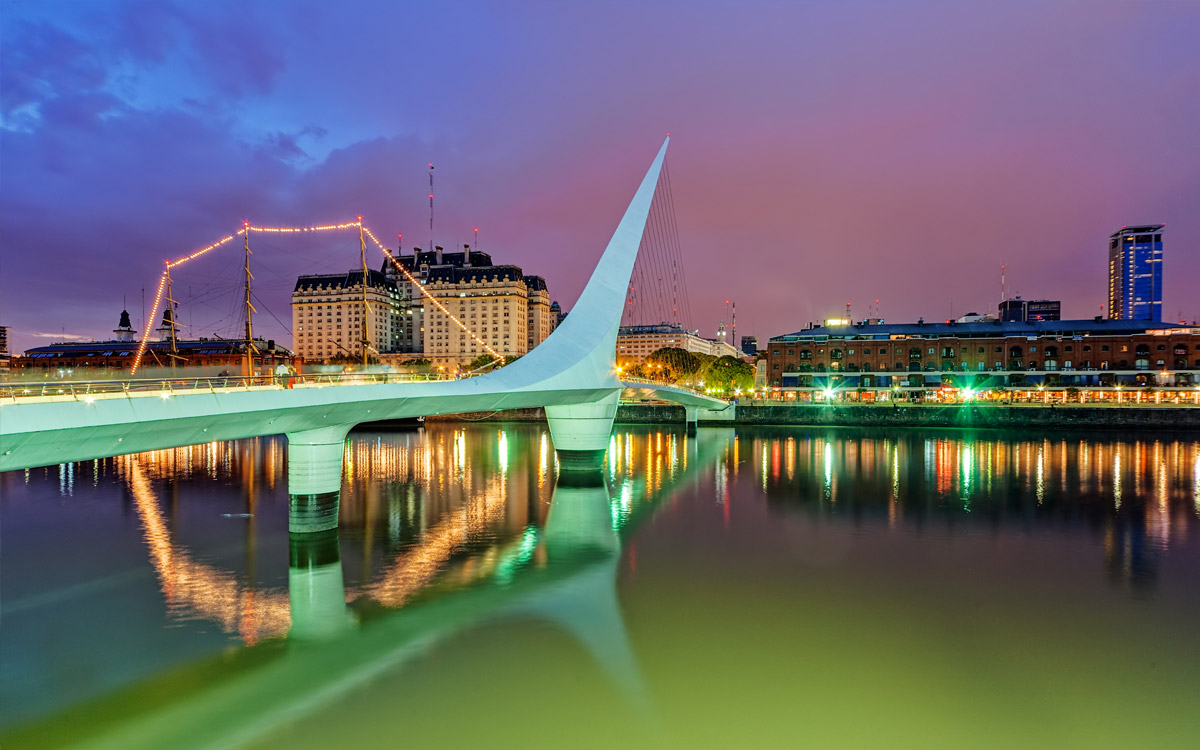
Buenos Aires
Buenos Aires, the vibrant capital of Argentina, is a city that seamlessly blends the old world charm with modern sophistication. Renowned for its European-style architecture, bustling cultural scene, and delicious cuisine, Buenos Aires offers visitors a rich and immersive experience. Situated on the western shore of the Rio de la Plata, it is one of South America's most populous cities and serves as the country's political, cultural, and economic hub.
The city’s neighbourhoods, known as barrios, each have their own distinct character and allure. The colourful streets of La Boca, with its famously bright buildings and lively tango dancers, showcase the spirited essence of Argentine culture. San Telmo, another historic area, invites visitors to explore its cobblestone streets, antique shops, and vibrant markets. Palermo, the largest barrio, is a trendy district filled with lush parks, boutique stores, and a thriving nightlife.
Buenos Aires is a city for aficionados of art and culture. The Teatro Colón, one of the most renowned opera houses in the world, captivates audiences with its stunning performances and exquisite architecture. Art enthusiasts can delve into the dynamic art scene at the Museum of Latin American Art of Buenos Aires (MALBA) and the National Museum of Fine Arts. The city's numerous galleries, theatres, and cultural centres ensure that there is always something to inspire and entertain.
Culinary delights abound in Buenos Aires, where food lovers can indulge in Argentine specialities such as succulent steaks and unique wine varieties. The city’s cafes and restaurants offer an array of international cuisines, reflecting its cosmopolitan nature. Local markets and food festivals provide an opportunity to savour traditional dishes and immerse oneself in the local gastronomy.
Overall, Buenos Aires is a city that captivates at every turn, with its rich history, dynamic cultural offerings, and warm, lively atmosphere. Whether one is exploring iconic landmarks, or simply strolling through its charming streets, Buenos Aires promises an unforgettable experience for all who visit.
82-Day Across Three Continents: Oceania To Antarctica Ships
Recommended Deals like 82-Day Across Three Continents: Oceania To Antarctica
82-Day Across Three Continents: Oceania To Antarctica
 Seabourn

Departure:
August
VISITING:
Broome, Western Australia
Whirlpool Pass
Talbot Bay, Western Australia
Montgomery Reef, Western Australia
Freshwater Cove
Swift Bay, Western Australia
Hunter River & Mitchell Falls, Western Australia
Ashmore and Cartier Islands
Vansittart Bay, Western Australia
King George River - WA Australia
Darwin
Ambon Island
Kokas
Misool, Raja Ampat
Yenwaoupnor
+41 more
FROM
£
70,697 pp
64-Day Kimberley Expedition & Islands Of The Pacific
Seabourn
Departure:
August
VISITING:
Broome, Western Australia
Whirlpool Pass
Talbot Bay, Western Australia
Montgomery Reef, Western Australia
Freshwater Cove
Swift Bay, Western Australia
Hunter River & Mitchell Falls, Western Australia
Ashmore and Cartier Islands
Vansittart Bay, Western Australia
King George River - WA Australia
Darwin
Ambon Island
Kokas
Misool, Raja Ampat
Yenwaoupnor
+30 more
FROM
£
56,298 pp
10-Day Kimberley Expedition: Waterfalls & Wanjinas
Seabourn
Departure:
May to
Aug
VISITING:
Darwin
King George River - WA Australia
Vansittart Bay, Western Australia
Ashmore and Cartier Islands
Kimberley Coast, Western Australia
Hunter River & Mitchell Falls, Western Australia
Swift Bay, Western Australia
Montgomery Reef, Western Australia
Freshwater Cove
Talbot Bay, Western Australia
Lacepede Islands, Western Australia
Broome, Western Australia
FROM
£
12,198 pp
Join the Crui.se Club
Points That Pay
Earn 25 points (£25) just for joining — and collect more on bookings, reviews, and referrals.
Exclusive Member Deals
Unlock off-market offers reserved only for Crui.se Club members.
Early Access Perks
Be the first to book with pre-launch notifications and special member-only booking windows.
Cruise With Confidence
Our mission at wordpress-1024654-4169282.cloudwaysapps.com is to help you and your loved one’s book and experience the best cruise holiday imaginable. We’re different in that, our customers come first, not our suppliers or profit margins. Get in touch and let us help you set sail.


Over 20 cruise brands to choose from

Low deposits from £500

All Inclusive cruises

Best deals & discounts

Community driven

Brand agnostic

We take care of everything

Custom built cruise holidays


