







 We won’t be beaten on price...


ABTA protected


33-Day Chilean Fjords, Easter
& Pitcairn Islands
Scroll to sail

33-Day Chilean Fjords, Easter & Pitcairn Islands
Embark on an extraordinary 33-Day Chilean Fjords, Easter & Pitcairn Islands voyage, a truly epic expedition blending dramatic landscapes with remote island mystique. Experience unparalleled luxury and discovery aboard Seabourn Pursuit, designed for immersive exploration in ultimate comfort.
Your adventure begins exploring the breathtaking Chilean Fjords and Patagonia. Witness majestic glaciers, navigate the legendary Cape Horn, and delve into pristine wilderness from Ushuaia to Punta Arenas, offering a front-row seat to some of South Americas most spectacular scenery.
Then, journey across the Pacific to encounter the enigmatic moai of Easter Island, the storied history of Pitcairn Island, and the idyllic beauty of French Polynesias atolls. This once-in-a-lifetime journey promises unforgettable encounters and profound natural and cultural immersion, ending in vibrant Papeete.
-
 Cruise Line: Seabourn
-
 Ship: Seabourn Pursuit
-
 Duration: 34 Nights
-
 Departure: March
33-Day Chilean Fjords, Easter & Pitcairn Islands Prices
33-Day Chilean Fjords, Easter & Pitcairn Islands Gallery

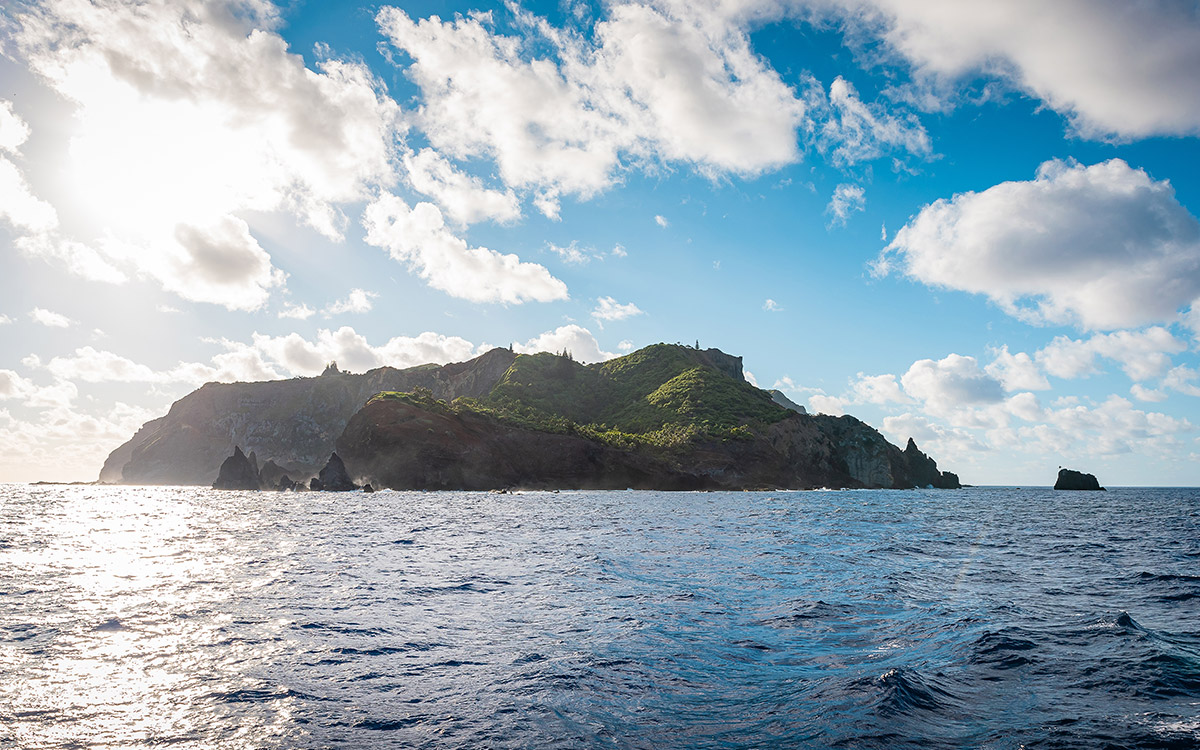
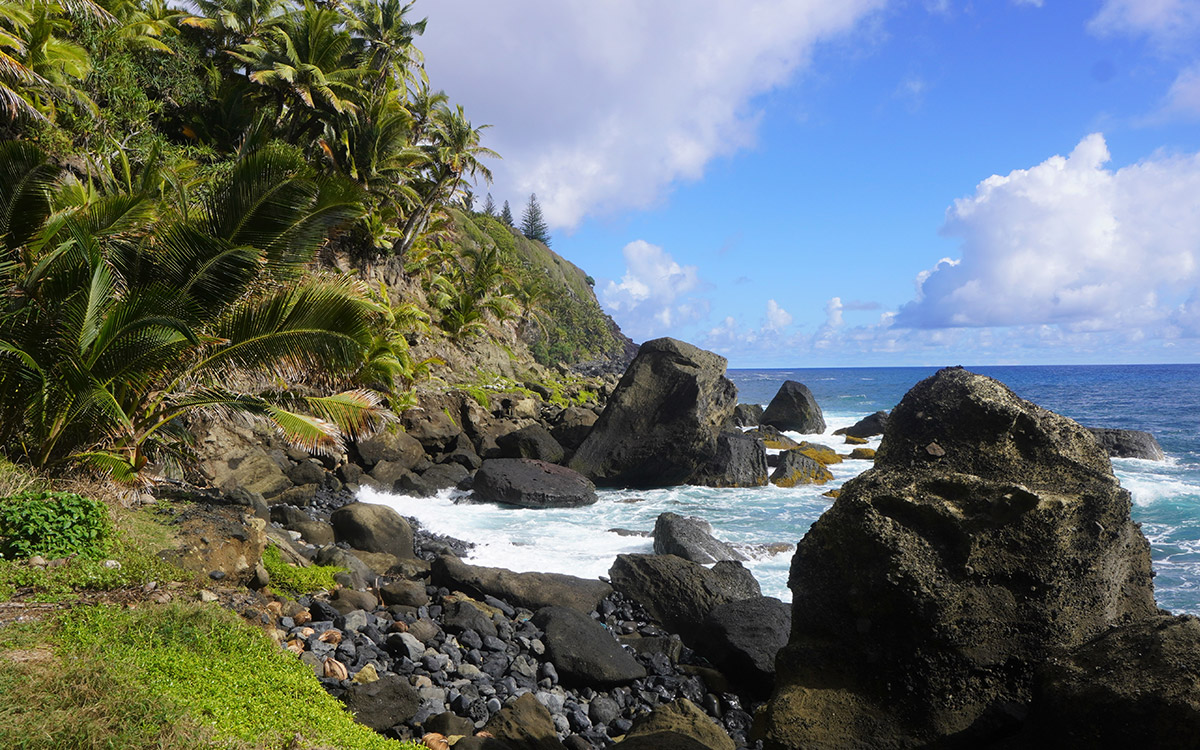

33-Day Chilean Fjords, Easter & Pitcairn Islands Itinerary

Day 1
Buenos Aires
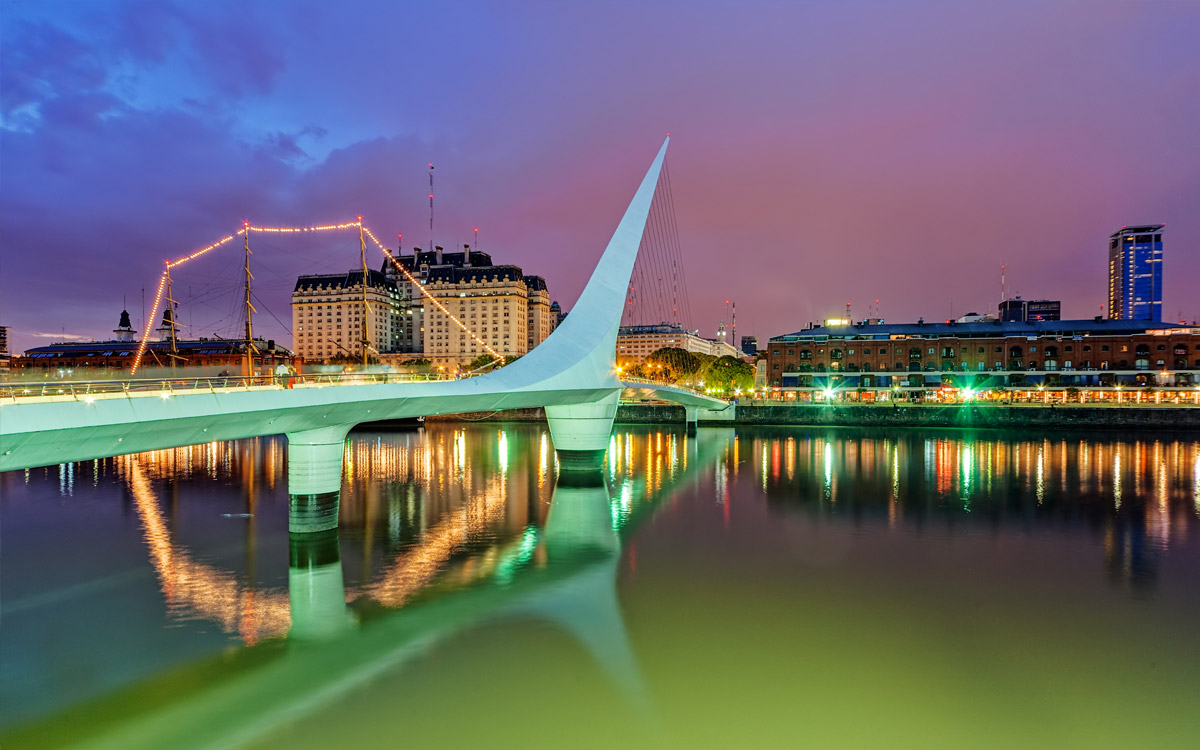
Buenos Aires, the vibrant capital of Argentina, is a city that seamlessly blends the old world charm with modern sophistication. Renowned for its European-style architecture, bustling cultural scene, and delicious cuisine, Buenos Aires offers visitors a rich and immersive experience. Situated on the western shore of the Rio de la Plata, it is one of South America's most populous cities and serves as the country's political, cultural, and economic hub.
The city’s neighbourhoods, known as barrios, each have their own distinct character and allure. The colourful streets of La Boca, with its famously bright buildings and lively tango dancers, showcase the spirited essence of Argentine culture. San Telmo, another historic area, invites visitors to explore its cobblestone streets, antique shops, and vibrant markets. Palermo, the largest barrio, is a trendy district filled with lush parks, boutique stores, and a thriving nightlife.
Buenos Aires is a city for aficionados of art and culture. The Teatro Colón, one of the most renowned opera houses in the world, captivates audiences with its stunning performances and exquisite architecture. Art enthusiasts can delve into the dynamic art scene at the Museum of Latin American Art of Buenos Aires (MALBA) and the National Museum of Fine Arts. The city's numerous galleries, theatres, and cultural centres ensure that there is always something to inspire and entertain.
Culinary delights abound in Buenos Aires, where food lovers can indulge in Argentine specialities such as succulent steaks and unique wine varieties. The city’s cafes and restaurants offer an array of international cuisines, reflecting its cosmopolitan nature. Local markets and food festivals provide an opportunity to savour traditional dishes and immerse oneself in the local gastronomy.
Overall, Buenos Aires is a city that captivates at every turn, with its rich history, dynamic cultural offerings, and warm, lively atmosphere. Whether one is exploring iconic landmarks, or simply strolling through its charming streets, Buenos Aires promises an unforgettable experience for all who visit.
Day 2
Ushuaia
Ushuaia, often referred to as the "End of the World," is a picturesque city located at the southernmost tip of Argentina in the Tierra del Fuego Province. Surrounded by stunning snow-capped mountains, pristine forests, and the Beagle Channel, Ushuaia offers a unique and unforgettable experience for travelers seeking adventure, wildlife encounters, and breathtaking natural beauty.
With its dramatic landscapes and remote location, Ushuaia is a haven for outdoor enthusiasts. The nearby Tierra del Fuego National Park is a must-visit destination, offering incredible hiking trails, panoramic viewpoints, and the chance to explore the diverse flora and fauna of the region. From the park, visitors can also embark on a thrilling kayak or canoe ride along the stunning rivers and lakes, immersing themselves in the untouched wilderness.
One of the main attractions in Ushuaia is the Beagle Channel, named after Charles Darwin's famous ship. Boat tours are available, offering visitors the opportunity to witness the region's diverse marine life, including sea lions, penguins, and even whales (during the right season). Cruising along the channel, one can also appreciate the breathtaking views of imposing glaciers and rugged islands.
For the adventurous at heart, Ushuaia serves as an incredible gateway to Antarctica. Many expeditions depart from the city's harbor, offering once-in-a-lifetime experiences to explore the white continent's vastness, observing its unique wildlife and mesmerizing landscapes. These expeditions typically range from a few days to several weeks, providing an unforgettable adventure for those seeking to push their boundaries.
Ushuaia is also a fantastic destination for winter sports enthusiasts. The nearby Cerro Castor ski resort boasts excellent snow conditions, making it a popular spot for skiing and snowboarding. Additionally, visitors can enjoy other winter activities such as snowshoeing, dog sledding, and snowmobiling. With its long snowy season, Ushuaia offers a unique opportunity to experience winter sports in a unique and untouched environment.
The city itself, though small, has a charming and welcoming atmosphere. Its compact downtown area is filled with shops, restaurants, and cafes, where visitors can sample delicious local cuisine and warm up with a cup of hot chocolate. The "Avenida San Martín" is the main street of Ushuaia, lined with boutiques offering a variety of local crafts, including beautifully crafted leather and wool products.
Visitors interested in history and culture will find Ushuaia to be a fascinating destination. The Maritime Museum of Ushuaia offers insight into the region's rich maritime history, including its significance as a former penal colony. Exploring the former prison, "Presidio Modelo," and its informative exhibits provides a fascinating glimpse into the lives of prisoners in the early 20th century.
As for accommodations, Ushuaia has a range of options to suit different budgets and preferences. From luxury hotels with stunning mountain views to cozy guesthouses and hostels, there is something for everyone. Many accommodations in Ushuaia also offer organized tours and transportation services to make exploring the region even more accessible.
In conclusion, Ushuaia is a truly unique destination that offers a wealth of outdoor adventures, breathtaking natural beauty, and a rich cultural history. Whether embarking on Antarctic expeditions, exploring the national park, or indulging in winter sports, Ushuaia guarantees an unforgettable experience for all who visit. Don't miss the opportunity to journey to the "End of the World" and discover the wonders that await in this magical corner of Argentina.
Day 2
Puerto Williams
Day 3
Cape Horn
Cape Horn is a legendary and iconic landmark located at the southernmost point of South America, in Chile. It is known as the "End of the Earth" and is a destination of extreme beauty and historical significance. This remote and windswept cape has long been a challenging destination for explorers, sailors, and adventurers.
One of the main attractions of Cape Horn is its rugged and untamed natural beauty. The cape is surrounded by stunning landscapes, including sheer cliffs, roaring seas, and snow-capped mountains. Visitors can witness the dramatic clash of the Atlantic and Pacific Oceans, creating astounding waves and currents that are a sight to behold.
Cape Horn is also rich in history and has played a significant role in maritime exploration over the centuries. It was discovered in 1616 by Dutch explorer Willem Schouten and named after the city of Hoorn in the Netherlands. The cape served as a crucial navigational landmark for sailors traveling between the Atlantic and Pacific Oceans during the age of sail.
Visitors to Cape Horn can explore the Cape Horn National Park, established in 1945, which covers the entire Horn Island and surrounding areas. The park offers breathtaking hiking trails that take you through mesmerizing landscapes, offering panoramic views of the cape and the Southern Ocean. It is also home to a diverse range of wildlife, including penguins, albatrosses, seals, and whales, making it a paradise for nature enthusiasts and wildlife lovers.
To reach Cape Horn, visitors can embark on a cruise from the nearby town of Ushuaia in Argentina, which is often considered the gateway to Antarctica. These cruises allow tourists to experience the remote beauty of the cape while enjoying the comforts of a luxurious ship. Some cruises even offer the opportunity to land on the island and take part in a traditional Cape Horn crossing ceremony, a symbolic ritual that has been performed by sailors for centuries.
While the weather at Cape Horn can be harsh and unpredictable, with strong winds and rough seas, it only adds to the allure of this remote destination. It is advisable to check weather conditions and dress appropriately to fully enjoy the experience. The best time to visit Cape Horn is during the summer months of December to March when the weather is relatively milder and calmer.
Aside from the natural and historical attractions, Cape Horn is also a wonderful place for adventure sports enthusiasts. The strong winds and challenging waters make it an ideal location for sailing and kayaking, providing a thrilling and adrenaline-filled experience.
In terms of accommodations, there are limited options near Cape Horn as it is primarily a destination for day trips or cruise excursions. However, Ushuaia offers a range of hotels and guesthouses for visitors to stay before or after their visit to the cape.
In conclusion, Cape Horn is a mesmerizing and unforgettable destination that offers a glimpse into the unspoiled beauty of nature. With its rugged landscapes, rich history, and unique wildlife, it is a must-visit for anyone seeking an adventure in the southernmost part of the world. Whether you are a nature lover, history buff, or simply seeking a unique travel experience, Cape Horn will not disappoint.
Day 4
Patagonia Exploration
Day 5
Punta Arenas
Punta Arenas is a Chilean city on the Strait of Magellan, located in the Magallanes and Antartica Chilena Region. Historically, the city served as a major port for ships travelling between the Atlantic and Pacific oceans, and today it is a popular tourist destination for those interested in adventure travel and wildlife watching.
Punta Arenas is located at the southernmost tip of Chile, and is surrounded by the dramatic scenery of the Andes mountains and Patagonian steppe. The city has a cool, temperate climate and is known for its strong winds, which blow in from the nearby Drake Passage.
Punta Arenas is home to a number of interesting museums and historical sites, including the Museo Nao Victoria, which tells the story of the first European expedition to sail around the world, and the Salesian Museum, which contains a collection of religious artifacts from the early days of European settlement in the region.
Outside of the city, visitors can enjoy a number of outdoor activities such as hiking, mountain biking, and horseback riding. There are also many opportunities to spot wildlife, including penguins, seals, and whales.
If you are looking for an adventure-filled vacation destination with plenty of history and culture, then Punta Arenas is the place for you.
Day 5
Patagonia Exploration
Day 6
Punta Arenas
Punta Arenas is a Chilean city on the Strait of Magellan, located in the Magallanes and Antartica Chilena Region. Historically, the city served as a major port for ships travelling between the Atlantic and Pacific oceans, and today it is a popular tourist destination for those interested in adventure travel and wildlife watching.
Punta Arenas is located at the southernmost tip of Chile, and is surrounded by the dramatic scenery of the Andes mountains and Patagonian steppe. The city has a cool, temperate climate and is known for its strong winds, which blow in from the nearby Drake Passage.
Punta Arenas is home to a number of interesting museums and historical sites, including the Museo Nao Victoria, which tells the story of the first European expedition to sail around the world, and the Salesian Museum, which contains a collection of religious artifacts from the early days of European settlement in the region.
Outside of the city, visitors can enjoy a number of outdoor activities such as hiking, mountain biking, and horseback riding. There are also many opportunities to spot wildlife, including penguins, seals, and whales.
If you are looking for an adventure-filled vacation destination with plenty of history and culture, then Punta Arenas is the place for you.
Day 7
Scenic Cruising
Day 8
Fjord of the Mountains
Day 9
PIO X Glacier
Overview:
Located in beautiful Chile, the $PIO X Glacier is a mesmerizing natural wonder that draws travelers from all around the globe. Situated in the southern region of the country, this massive glacier is part of the Southern Patagonian Ice Field and is easily accessible for those wanting to explore its stunning landscapes and icy formations.
Covering an area of approximately 1260 square kilometers, the $PIO X Glacier is the largest in South America. It stretches over 48 kilometers in length and stands tall at a height of around 50 meters above the surrounding water. The glacier is known for its vibrant blue hues, towering ice walls, and intricate formations, creating a truly unique and breathtaking spectacle.
Visiting the $PIO X Glacier offers an awe-inspiring experience that allows visitors to witness the raw power of nature. As you approach the glacier, you can hear the distant rumbling of ice cracks and feel the chill in the air, creating a sense of anticipation and excitement. The best way to experience the glacier is by taking a boat tour, which offers an up-close encounter with this majestic natural wonder. The boat navigates through the surrounding fjords, creating a sense of tranquility as you marvel at the immense ice mass.
One of the highlights of visiting the $PIO X Glacier is the opportunity to witness a calving event. Calving occurs when large chunks of ice break off from the glacier and plunge into the surrounding waters, creating a dramatic spectacle. The sheer force of the calving event creates waves and a loud cracking sound, leaving viewers in awe of the power of nature.
The glacier is not only visually stunning but also holds significant scientific importance. It serves as a crucial indicator of the effects of climate change, with visible signs of melting and retreat over the years. Researchers often visit the glacier to study its behavior and contribute to our understanding of glacial dynamics.
For those adventurous souls, hiking on the glacier is an unforgettable experience. Guided tours led by experienced mountaineers offer the chance to strap on crampons and traverse the icy terrain. Walking on the glacier's surface unveils a mesmerizing world of crevasses, ice caves, and various ice formations, showcasing the glacier's incredible beauty from a different perspective.
Before visiting the $PIO X Glacier, it's important to come prepared with appropriate clothing and equipment. The weather in the region can be unpredictable, with rain, wind, and cold temperatures common throughout the year. Layered clothing, sturdy footwear, and waterproof gear are essential for an enjoyable and comfortable visit.
Visitors can access the glacier from Puerto Natales, a charming city located around 250 kilometers to the north. Many tour operators and travel agencies offer boat tours to the glacier, ranging from short excursions to longer expeditions. It's advisable to book in advance, especially during the peak summer season, as the demand for visits to the glacier can be high.
In conclusion, the $PIO X Glacier in Chile is a mesmerizing natural wonder that offers visitors a chance to witness the power and beauty of glaciers up close. Whether you prefer a boat tour or a hiking adventure, the glacier is sure to leave you in awe of its icy magnificence. Don't miss the opportunity to explore this remarkable destination in the heart of Patagonia.
Day 10
Caleta Tortel
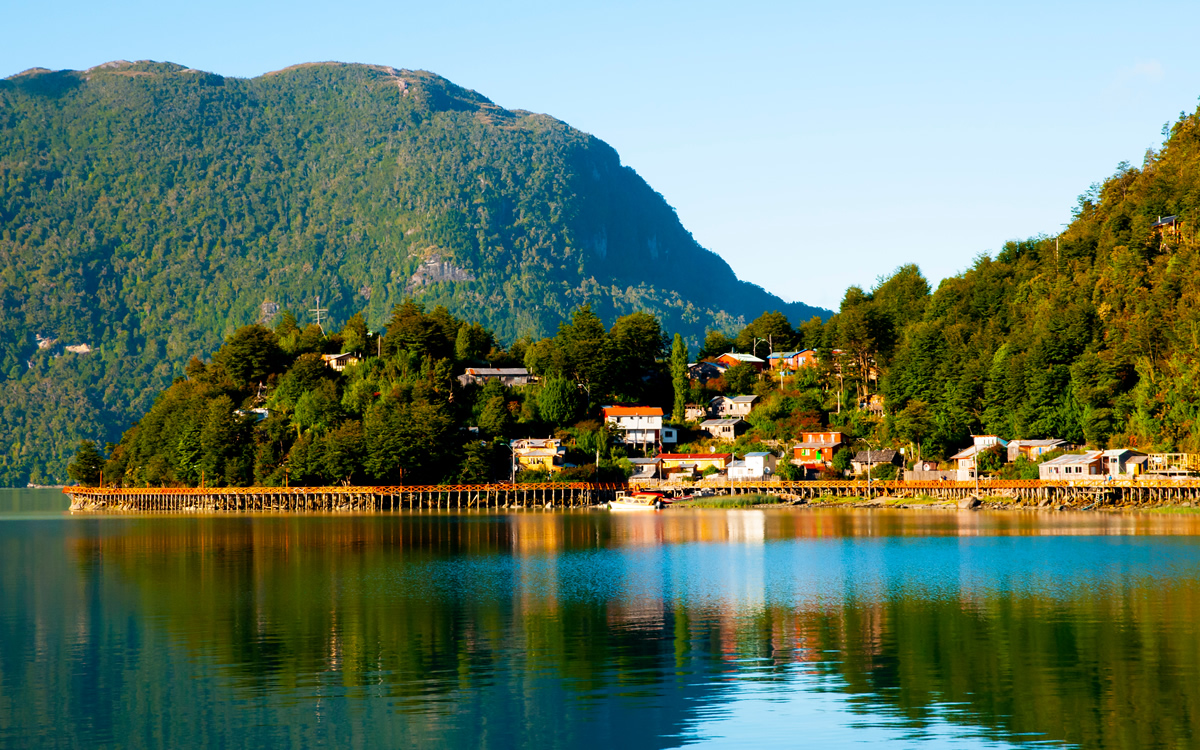
Caleta Tortel is a hidden gem located in the Aysen Region of Chile. It is a small fishing village which is known for its unique architecture and the fact that the entire town is connected by a series of wooden walkways; giving the town the appearance of being suspended on stilts above the water. The town is typically accessed via ferry or by taking a long drive down the Carretera Austral, a scenic route which winds its way through Chile's Patagonian wilderness.
Caleta Tortel is a town that is deeply rooted in Chilean history; it was originally founded in the 1950s as a logging community and was home to many workers who supported the growth of the local industry. In recent years, the town has seen an increase in tourism due to its unique architecture and its location on the edge of the Patagonian wilderness. Tourists can explore the town's incredible network of walkways, which link together the various shops and restaurants that line the water's edge. Most of the homes in the town are constructed of cypress wood and have tin roofs. The houses are typically painted in bright colors which add to the vibrant feel of the community.
For those who love to explore nature, Caleta Tortel is a paradise. Visitors can hike through the nearby Torres del Paine National Park, explore the nearby fjords, or take a whale watching tour. The town is also a popular destination for kayaking due to the many waterways that wind their way through the surrounding forests. Wildlife is abundant in the region with everything from penguins to humpback whales being spotted on a regular basis.
One of the unique features of Caleta Tortel is its infrastructure. The town is connected by a series of wooden walkways that run for miles along the waterfront and through the surrounding forests. This network of walkways is essential for transportation within the community as there are no roads in town. The walkways are also used by tourists who come to the town to explore its unique architecture and enjoy the natural surroundings. The walkways are built of local cypress wood, which is known for its durability and resistance to moisture. They are carefully maintained by the local government to ensure that they remain safe for all those who use them.
Caleta Tortel is a town that is very much rooted in tradition. It is a community that has remained largely unchanged for decades, despite the increase in tourism that has brought more visitors to the area. The town's residents are welcoming and friendly, and visitors are sure to find that the laid-back lifestyle and natural beauty of the region is infectious.
In conclusion, Caleta Tortel is a unique and beautiful town that is a must-see for anyone who is planning a trip to Chile. The town's architecture is unlike anything else in the world, and the surrounding natural beauty is truly breathtaking. Whether you enjoy hiking, kayaking, or simply taking in the local culture, Caleta Tortel is a destination that will not disappoint. So why not take a step off the beaten path and explore this hidden gem for yourself?
Day 13
Castro
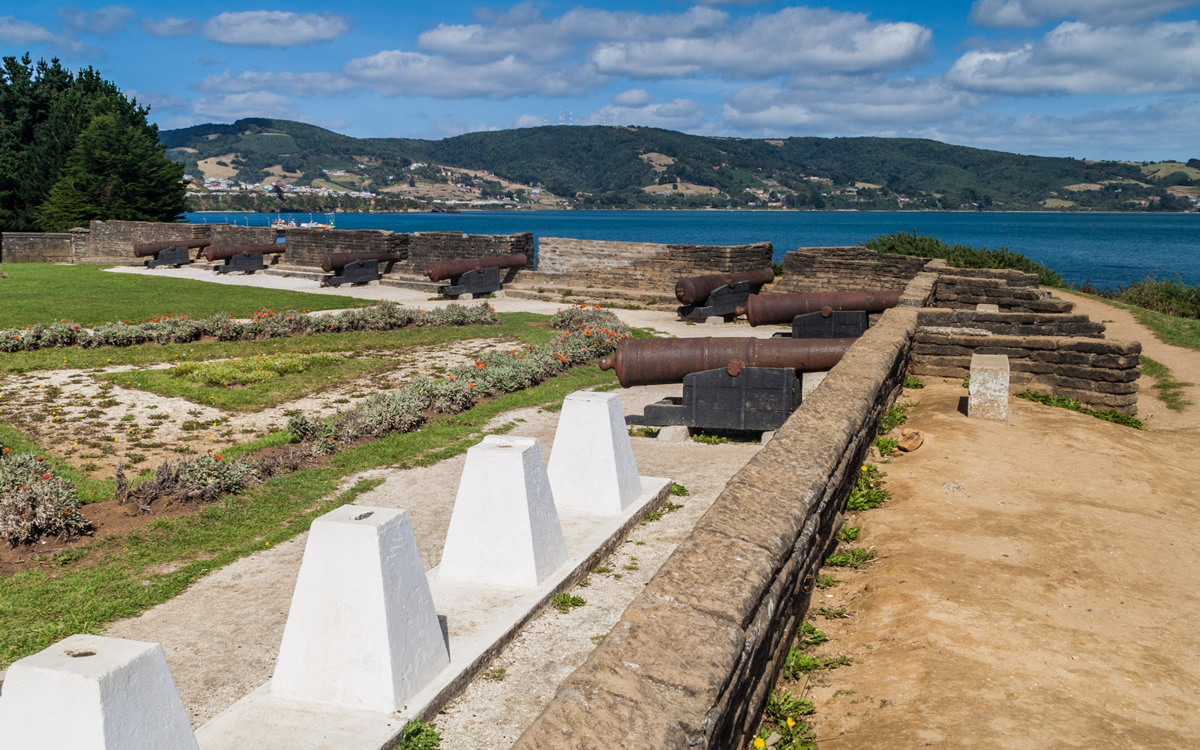
Castro is a charming city located on Chiloé Island in the Los Lagos Region of Chile. Known for its distinctive wooden stilt houses, stunning natural landscapes, and rich cultural heritage, Castro attracts thousands of visitors every year. From exploring traditional markets to enjoying breathtaking vistas, there is plenty to discover in this picturesque city.
One of the highlights of Castro is its unique architecture. The city is famous for its palafitos, colorful houses built on stilts along the water's edge. These houses, made entirely of wood, create a fascinating contrast against the blue hues of the Pacific Ocean. Walking along the waterfront, visitors can admire the intricate details and vibrant colors that make these palafitos a true sight to behold.
The city is also home to several historical and cultural attractions. The Iglesia San Francisco, a World Heritage Site, is a must-visit. This beautiful church, built entirely of wood, showcases the region's distinct architectural style. Inside, visitors can marvel at the intricate wood carvings and religious artifacts that date back centuries. Additionally, the Museo de Arte Moderno de Chiloé houses a remarkable collection of contemporary art, providing a glimpse into the region's vibrant artistic scene.
For those seeking a deeper understanding of the local culture, visiting the Feria Artesanal Yumbel is a must. This traditional craft market offers a wide array of souvenirs, including handmade woolen textiles, wooden sculptures, and intricately woven baskets. It's the perfect place to find unique gifts while supporting local artisans.
Nature lovers will be delighted by the natural beauty that surrounds Castro. Just a short distance from the city lies Parque Nacional Chiloé, a pristine wilderness that offers stunning landscapes and abundant wildlife. Visitors can hike through ancient forests, kayak along picturesque fjords, or simply soak in the breathtaking views of snow-capped mountains and crystal-clear lakes.
In addition to its natural wonders, Castro is also renowned for its culinary treats. Chiloé Island is known for its seafood, with an abundance of fresh fish, shellfish, and seaweed. The local cuisine is a delight for foodies, with traditional dishes like curanto, a hearty seafood stew cooked in an underground oven, and milcao, a savory potato pancake, being favorites among locals and visitors alike. Exploring the local markets and restaurants is a must for any culinary enthusiast.
Getting to Castro is relatively easy. The nearest airport is in Puerto Montt, approximately a 3-hour drive away. From there, there are regular bus services or rental cars available to reach Castro. For those looking for a more scenic journey, taking a ferry from Puerto Montt to Chacao and then driving to Castro is a popular option.
Whether you're captivated by its unique architecture, intrigued by its cultural heritage, or simply seeking a relaxing getaway surrounded by natural beauty, Castro has something to offer every traveler. With its warm and welcoming atmosphere, it's no wonder that this vibrant city in Chile has become a favorite destination for those looking to escape the hustle and bustle of everyday life.
Day 14
Puerto Montt
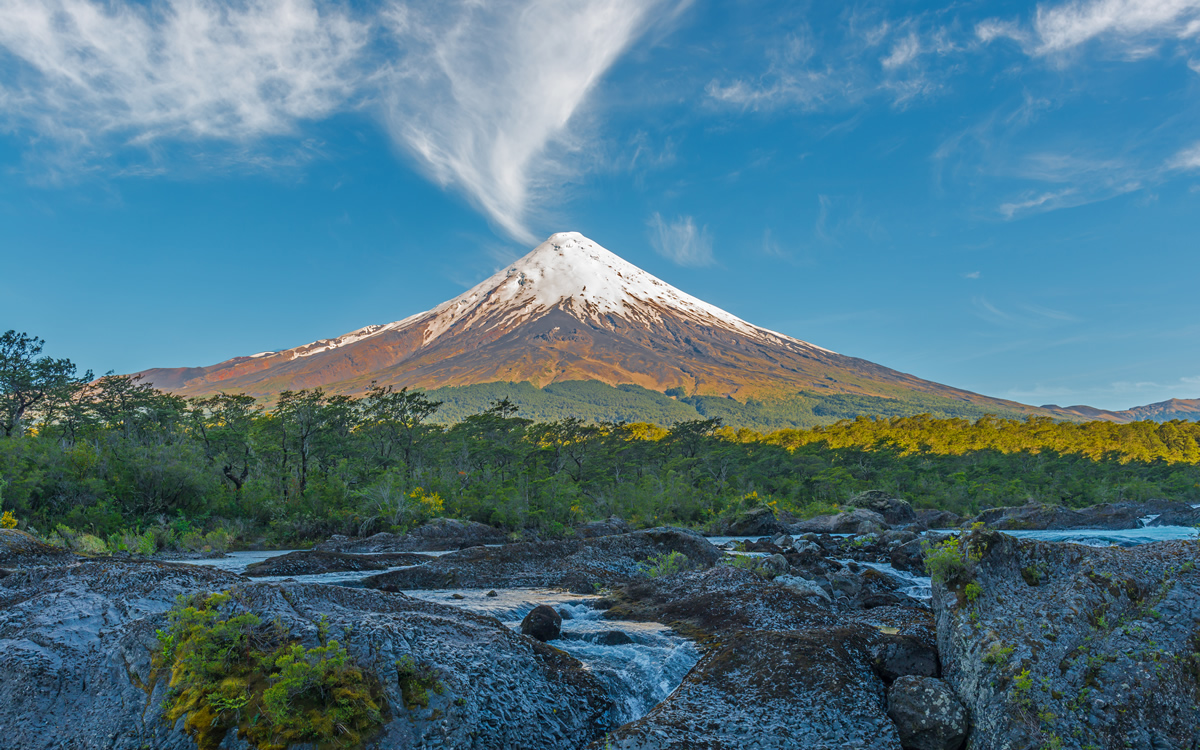
Situated on the southern tip of Chile, Puerto Montt is a gateway to some of the country’s most spectacular scenery. With its dramatic setting on the Reloncaví Sound, the city is surrounded by snow-capped mountains, volcanoes and pristine lakes.
Puerto Montt is the perfect base for exploring the nearby lakes district, with its picturesque towns and villages set against a backdrop of forests, mountains and lakes. Highlights include the pretty town of Puerto Varas, the gateway to Vicente Perez Rosales National Park, and the Llanquihue Lake, Chile’s largest lake.
Adventure seekers can head out into the wilderness to hike, mountain bike or kayak, while those looking for a more relaxed pace can enjoy the city’s museums, galleries and markets. Puerto Montt is also a great place to try some of Chile’s seafood dishes, with the city’s restaurants serving up fresh fish and shellfish caught daily.
Day 16
San Antonio
San Antonio is a city in central Chile and is the capital of the Santiago Metropolitan Region. In 2016, it had a population of 645,431. The city is located at the base of the Andes mountains, near the Santa Lucia River.
San Antonio is a popular tourist destination, due to its location and climate. The city is home to many historical sites, such as the San Antonio de Padua Cathedral, which was built in 1748, and the Museo de Bellas Artes, which houses a collection of Chilean and European art. The city also has a number of parks and gardens, such as the Parque Forestal.
The climate in San Antonio is mild, with average temperatures ranging from 18-25 degrees Celsius. The city experiences a high amount of rainfall, particularly in the winter months.
San Antonio is a vibrant city with a lot to offer visitors. Whether you’re interested in history, art, or simply want to enjoy the outdoors, the city has something for everyone.
Day 18
Juan Fernández Island
Day 24
Hangaroa, Easter Island
Discovered (by the Western world) on Easter Sunday, 1722, Easter Island is a UNESCO World Heritage Site and one of the most isolated places on the face of the Earth, some 2,300 miles from the Chilean mainland. Although more Polynesian than South American in character, the 64-square mile island was annexed by Chile in 1888, and is now famous as the world’s largest ‘open air museum’ on account of the Moai, or human-like stone statues, that can be found on the island. The Moai remain very much a mystery, which archaeologists are still trying to unlock by interpreting an ancient language of the Rapa Nui, which is the key to understanding this culture, and is written on the so called ‘rongo rongo tablets’. The island owes its origin to three volcanoes which erupted some three million years ago: Poike, Rano Kau and Maunga Terevaka. It is not known when or how the island was first populated, but the most credible theory suggests that the Rapa Nui people came from other Pacific islands in the 4th century AD. In addition to the cultural and archaeological interest, there are the beautiful beaches, transparent waters, and coral reefs that might be expected of a Pacific Island.
Day 28
Ducie Island
Discovered in 1606 by a Portuguese explorer, Ducie is a small isolated atoll and is the easternmost of the Pitcairn Islands. The island’s most prominent bit of history is the 1881 wreckage of the mail ship Acadia, which ran aground on the island when the lookout mistook the island for a cloud due to its white beaches. Ducie is a mere speck in the surrounding expanse of ocean, uninhabited except for the estimated 500,000 nesting seabirds that reside among the two plant species (Beach Heliotrope and at least one specimen of Pemphis) that grow over seventy percent of the island. Bird species that visitors may be able to see include Murphy's Petrels, White Terns, Great Frigate birds and Masked Boobies. Snorkelers love to visit the top of the wreck of the Acadia or in the atoll’s lagoon waters.
Day 29
Pitcairn Island
Pitcairn Island is a remote and picturesque island located in the southern Pacific Ocean, known for its stunning natural beauty and unique historical significance. As the only inhabited island of the Pitcairn Islands group, Pitcairn is part of a British Overseas Territory that also includes Henderson, Ducie, and Oeno Islands. The island covers an area of just 47 square kilometers but boasts a diverse range of landscapes, from rugged cliffs and lush valleys to pristine beaches and crystalline waters.
One of the most fascinating aspects of Pitcairn Island is its history. It was famously settled by the mutineers of the HMS Bounty and their Tahitian companions in 1790. This historical event has captured the imagination of many and has been the subject of books, films, and studies. The descendants of these original settlers still inhabit the island today, maintaining a close-knit community with a rich cultural heritage. Visitors to Pitcairn can explore the remnants of this captivating past, including the Bounty’s anchor and the grave of John Adams, one of the mutineers.
Despite its small size and population, Pitcairn Island is a biodiversity hotspot. It is home to a variety of unique flora and fauna, some of which are found nowhere else on Earth. The island's natural environment is largely unspoiled, providing a haven for wildlife and an ideal location for eco-tourism and scientific research. Marine life around the island is abundant, making it a popular destination for divers seeking to explore its vibrant coral reefs and underwater landscapes.
Living on Pitcairn Island is a blend of simplicity and self-sufficiency, with the island's population typically numbering fewer than fifty residents. The islanders engage in various activities such as fishing, farming, and craft-making to sustain themselves. Connectivity to the outside world is limited, with supply ships visiting only a few times a year. Despite these challenges, the residents of Pitcairn are known for their resilience, hospitality, and strong sense of community.
In summary, Pitcairn Island is a place of historical intrigue, natural splendor, and cultural richness. Its remote location and small, dedicated population contribute to its unique charm, making it a hidden gem in the vast expanse of the Pacific Ocean.
Day 32
Fakarava
Tahiti, officially known as French Polynesia, is a stunning archipelago located in the South Pacific Ocean renowned for its pristine beaches, crystal-clear turquoise waters, and vibrant cultural heritage. It is the largest and most populated island of this overseas collectivity of France, which comprises a total of 118 islands and atolls spread across an area of over 4,000 square kilometers.
Tahiti's breathtaking beauty makes it a paradise for nature lovers and adventure seekers alike. The island is surrounded by coral reefs teeming with marine life, making it an excellent destination for snorkeling and scuba diving. Visitors can explore vibrant coral gardens, encounter exotic fish species, and even swim alongside friendly dolphins and majestic whales.
The island is also home to lush tropical rainforests, with Mount Orohena, the highest peak in French Polynesia, dominating the landscape. Adventurous travelers can embark on hiking expeditions to discover hidden waterfalls, ancient archaeological sites, and panoramic viewpoints offering an awe-inspiring vista of the island.
Tahiti is not only blessed with natural wonders but also boasts a rich cultural heritage. The local population, known as Tahitians or Maohis, have preserved their traditions and way of life despite the influences of European colonization. Traditional Polynesian ceremonies, dance performances, and artisanal crafts can still be experienced throughout the island.
The vibrant capital city of Papeete is the economic and cultural hub of the archipelago. Here, visitors can immerse themselves in the vibrant local markets, known as "Le Marché," to sample delicious French-Polynesian cuisine, purchase colorful handicrafts, and engage with friendly locals. The city is also home to the vibrant waterfront area of Vaiete Square, where visitors can enjoy live music, street performances, and indulge in traditional Polynesian dances.
For those seeking relaxation, Tahiti offers an array of luxurious resorts and spa retreats scattered along its pristine coastlines. Bora Bora, a small island located northwest of Tahiti, is particularly renowned for its overwater bungalows, offering guests exclusive accommodation with direct access to the turquoise lagoon.
Water activities are a significant draw for visitors to Tahiti. Aside from snorkeling and scuba diving, the island offers opportunities for surfing, kiteboarding, and deep-sea fishing. Tahiti's legendary waves attract surfers from around the world, with the Teahupo'o reef break being one of the most famous spots.
While Tahiti offers numerous natural and cultural attractions, it can be an expensive destination for travelers due to its remote location and the exclusivity of many resorts. However, there are options for various budgets, including guesthouses, known as "pensions," which offer a more affordable yet authentic local experience.
To reach Tahiti, most visitors will fly into Faa'a International Airport, located just outside of Papeete. Several airlines operate regular flights connecting Tahiti with major cities in Europe, North America, and Asia.
In conclusion, Tahiti is a slice of paradise in the South Pacific that offers a tropical getaway filled with natural wonders, cultural experiences, and luxurious resorts. Whether seeking adventure or relaxation, visitors to Tahiti will undoubtedly be enchanted by its stunning landscapes, warm hospitality, and vibrant Polynesian culture.
Day 33
Tahanea
Day 34
Anaa
Day 35
Papeete, Tahiti
Papeete is the capital and largest city of French Polynesia, situated on the island of Tahiti in the South Pacific Ocean. With its picturesque landscapes, vibrant culture, and warm tropical climate, Papeete has become a popular destination for tourists from around the world.
One of the main attractions of Papeete is its stunning natural beauty. The city is surrounded by majestic mountains, lush rainforests, and pristine beaches, making it a paradise for nature lovers and outdoor enthusiasts. Visitors can explore the nearby waterfalls, hike through the rugged terrain, or take a boat trip to discover the nearby islands and coral reefs.
Papeete is also known for its vibrant local markets. The Marché de Papeete, also known as the Papeete Market, is a bustling hub of activity where visitors can find a wide range of fresh produce, local handicrafts, and exotic spices. It's a great place to immerse yourself in the local culture, interact with friendly vendors, and try delicious Polynesian cuisine.
One of the must-visit attractions in Papeete is the Musée de Tahiti et des Îles, which showcases the rich history and culture of French Polynesia. The museum houses an impressive collection of artifacts, traditional canoes, and exhibits that provide insight into the traditions and customs of the Polynesian people.
For those interested in colonial architecture, a visit to the Cathédrale de l'Immaculée Conception is highly recommended. This stunning Catholic cathedral, with its intricate stained glass windows and beautiful wooden carvings, is an architectural masterpiece that reflects the influence of French culture in the region.
Papeete is also a great shopping destination, with a vibrant retail scene catering to both locals and tourists. The city is home to a number of boutiques, high-end fashion stores, and local artisans selling unique handicrafts. Rue du Commerce, located in the heart of Papeete, offers a wide selection of shops and boutiques to explore.
When it comes to dining, Papeete offers a diverse range of culinary experiences. Visitors can indulge in a variety of cuisines, including French, Polynesian, and international dishes. From fresh seafood caught from the surrounding waters to tantalizing tropical fruits, there is something to suit every palate.
Nightlife in Papeete is lively and diverse. Visitors can enjoy a vibrant array of bars, clubs, and live music venues scattered throughout the city. The atmosphere is relaxed and friendly, making it a great place to unwind and soak up the local culture.
Getting around in Papeete is relatively easy, thanks to its well-developed infrastructure. Taxis and buses are easily available, and there are also car rental services for those who prefer to explore the city at their own pace. Papeete also has an international airport, making it a convenient gateway for travelers looking to explore other islands in French Polynesia.
In conclusion, Papeete is a tropical paradise that offers a mix of natural wonders, cultural experiences, and warm hospitality. Whether you are seeking adventure in the great outdoors, immersing yourself in the vibrant local markets, or relaxing on the beautiful beaches, Papeete has something for everyone. With its stunning landscapes, rich history, and delicious cuisine, a trip to Papeete is sure to be an unforgettable experience.
33-Day Chilean Fjords, Easter & Pitcairn Islands Ships
Recommended Deals like 33-Day Chilean Fjords, Easter & Pitcairn Islands
33-Day Chilean Fjords, Easter & Pitcairn Islands
 Seabourn

Departure:
March
VISITING:
Buenos Aires
Ushuaia
Puerto Williams
Cape Horn
Patagonia Exploration
Punta Arenas
Patagonia Exploration
Punta Arenas
Scenic Cruising
Fjord of the Mountains
PIO X Glacier
Caleta Tortel
Castro
Puerto Montt
San Antonio
+8 more
FROM
£
22,097 pp
10-Day The Great White Continent
FROM
£
10,797 pp
43-Day Antarctica, Chilean Fjords, Easter & Pitcairn Islands
Seabourn
Departure:
March
VISITING:
Buenos Aires
Ushuaia
Antarctica
Ushuaia
Puerto Williams
Cape Horn
Patagonia Exploration
Punta Arenas
Patagonia Exploration
Punta Arenas
Scenic Cruising
Fjord of the Mountains
PIO X Glacier
Caleta Tortel
Castro
+10 more
FROM
£
33,097 pp
Join the Crui.se Club
Points That Pay
Earn 25 points (£25) just for joining — and collect more on bookings, reviews, and referrals.
Exclusive Member Deals
Unlock off-market offers reserved only for Crui.se Club members.
Early Access Perks
Be the first to book with pre-launch notifications and special member-only booking windows.
Cruise With Confidence
Our mission at wordpress-1024654-4169282.cloudwaysapps.com is to help you and your loved one’s book and experience the best cruise holiday imaginable. We’re different in that, our customers come first, not our suppliers or profit margins. Get in touch and let us help you set sail.


Over 20 cruise brands to choose from

Low deposits from £500

All Inclusive cruises

Best deals & discounts

Community driven

Brand agnostic

We take care of everything

Custom built cruise holidays


