


 We won’t be beaten on price...


ABTA protected


26-Day Wild British Isles
& North Atlantic
Scroll to sail

26-Day Wild British Isles & North Atlantic
Embark on an extraordinary 26-Day Wild British Isles & North Atlantic expedition aboard the ultra-luxury Seabourn Venture. This immersive voyage invites you to uncover the rugged beauty, hidden gems, and rich heritage stretching from the historic shores of the British Isles to the dramatic, untamed landscapes of the North Atlantic.
Explore the captivating British Isles, venturing to secluded havens like Lundy Island and the Calf of Man, and discovering vibrant cities such as Dublin and Belfast. Witness stunning coastal cliffs, ancient ruins, and diverse wildlife, experiencing a truly authentic and rarely seen side of the UK and Ireland.
Continue your adventure into the remote Faroe Islands and Iceland, where dramatic fjords, geothermal wonders, and unique island cultures await. Aboard the Seabourn Venture, indulge in unparalleled luxury, expert-led excursions, and Zodiac explorations, crafting an unforgettable journey of discovery and awe.
-
 Cruise Line: Seabourn
-
 Ship: Seabourn Venture
-
 Duration: 26 Nights
-
 Departure: June
26-Day Wild British Isles & North Atlantic Prices
26-Day Wild British Isles & North Atlantic Gallery




26-Day Wild British Isles & North Atlantic Itinerary

Day 1
London (Greenwich)
Whether you arrive in London via the underground or inside one
of the city's ubiquitous black taxicabs, you will immediately be
greeted by a deep sense of history and met with the unique vibrancy
of this incredible destination.
In its dark and troubled past, the city of London has survived
Roman occupancy, sackings from the Celts, Romans, Vikings and
Saxons, a Norman invasion, two great fires, the bubonic plague and
Nazi bombings. This resilient and proud city promises something for
everyone and is one of the most iconic tourist destinations.
The London Eye lifts visitors high above the river into
stretching urban vistas. Further down on the South Bank, the Tate
Modern contains one of the world's most incredible collections of
Modern Art, while the city's 30,000 stores and boutiques will
exhaust even the most avid shopper, and its 6,000 restaurants are
only too eager to demonstrate why Britons revere their chefs as
celebrities.
For those interested in exploring the country's heritage, the
Tower of London is an excellent starting-point. First constructed
in the 11th century, the Tower has been rebuilt several times as
later monarchs have left their mark. Still one of London's biggest
attractions, and a great celebration of pomp that is free to all
visitors, is the Changing of the Guard at Buckingham Palace, which
happens daily.
As the great dome of St Paul's reflects the colours of the
setting sun, London comes alive with an unrivalled nightlife. For
those up for something more energetic than dinner and the West End
musicals and theatre, London has a vast number of bars and
nightclubs catering to all tastes.
Day 2
Dover
Dover, the “White Cliffs” of England, attracts visitors from around the world. The beautiful backdrop is filled with hundreds of years of history, making it a perfect place to spend a day or two exploring. Located on the south coast of England near the English Channel, Dover is an easy train ride from London and sits directly across from Calais in France.
No visit to Dover is complete without seeing the iconic White Cliffs. Made of chalk deposits, these cliffs are considered a national symbol of England and provide stunning views of the coastline. Visitors can take a leisurely stroll along the water's edge or take a romantic walk to the top of the cliff for breathtaking views. Those who want to explore a bit more can take a boat trip to nearby Shakespeare's Cliff, where visitors can appreciate the views of both England and France.
One of Dover's most popular attractions is the Dover Castle, which has stood proudly for centuries. The majestic castle is filled with artifacts and displays detailing its long history. It remains a popular tourist destination due to its beauty and unique history. Visitors can explore the castle grounds, wander through the old tunnels that were used to smuggle materials back in World War II, or even go on a daring escape attempt by taking part in an immersive experience.
The nearby Dockside Market is a great way to sample some of Dover’s best produce, seafood dishes and other local delicacies. It’s a vibrant place to shop for handmade items as well as to pick up some souvenirs as a reminder of your time in Dover. From vintage clothes to local crafts, there’s plenty of interesting products to choose from here.
For the adventurous types, a visit to Dover would not be complete without exploring the great outdoors. Dover has numerous nature reserves that offer spectacular views and plenty of opportunities to explore the area’s unique wildlife. Whether you prefer to take a peaceful stroll through the woods or get your blood pumping with some wild activities, there are plenty of outdoor activities for everyone.
In addition to its wealth of attractions, Dover also boasts an array of delicious restaurants, clothing boutiques, art galleries and plenty of other great places to shop. There are plenty of places to enjoy a pint or two in one of Dover’s many traditional pubs. If you're looking for something more lively, head over to East Street Market where you can find some unique items and eclectic bands playing live music.
Dover is an excellent destination for anyone looking for adventure, history, beautiful scenery and delicious food. With so much to do and see, it's sure to be an unforgettable experience sure to stay in your memories for many years to come.
Day 3
Poole
It may seem hard to believe that this cold and wet island once held dominion over three quarters of the globe. While the pomp and circumstance of previous centuries may have dwindled and the monarchy takes an almost daily battering in the local press, the beauty and cultural wealth of the United Kingdom impresses any visitor. But the UK is still a hugely influential world leader and tops many a travel bucket list.
The United Kingdom is made up of England, Scotland, Wales and Northern Ireland, as well as some smaller islands. The geography sweeps from mountainous highlands and lush rolling countryside to vibrant cities and pebbled beaches. It's jam-packed with two millennia of heritage, so despite its seemingly small size, holidays in the UK of any length of time feel too short.
London is the UK's biggest city, a fantastic and frenetic metropolis teeming with people from all walks of life. Here the old contrasts with the new, offering some of the world's most famous sights and an unrivalled nightlife. Medieval cathedral cities like York and Durham reveal the rich history of a bygone age, while the historically-industrial cities of Liverpool and Newcastle aren't without their charms and allure. For those with more refined tastes, the Edinburgh International Arts Festival in Scotland draws talent from around the world to its ancient and picturesque streets.
Day 4
Saint Peter Port
Saint Peter Port is a charming and picturesque town located on the eastern coast of Guernsey, one of the Channel Islands in the Bailiwick of Guernsey. With a population of approximately 18,000 people, it is the capital of the island and the perfect blend of history, natural beauty, and modern amenities.
The town's origins date back to Roman times, and it has a rich and fascinating history. Saint Peter Port has been influenced by a variety of cultures, including Roman, Viking, and Norman. Its narrow streets, lined with colorful buildings and quaint shops, are remnants of its medieval past. The town is also home to several historical landmarks, such as the Castle Cornet, a 13th-century fortress that has guarded the harbor for centuries. Today, it serves as a museum that offers insight into the island's history and offers stunning panoramic views of the surrounding area.
One of the main attractions of Saint Peter Port is its beautiful harbor. The harbor is a bustling hub of activity, with small fishing boats, luxury yachts, and ferries docked side by side. Visitors can enjoy leisurely strolls along the waterfront, taking in the picturesque views and watching the boats come and go. There are also several excellent seafood restaurants and cafes where you can savor the fresh catch of the day while enjoying the maritime ambiance.
Saint Peter Port is also known for its shopping opportunities. The town boasts a diverse range of shops, from high-end designer boutiques to quaint local stores selling unique handmade crafts and souvenirs. The charming market stalls in the Old Quarter offer a fantastic variety of fresh produce, delicious local delicacies, and interesting antiques. The vibrant shopping scene attracts both locals and visitors alike, and it is an excellent place to find something special to take home.
For those interested in exploring the natural beauty surrounding Saint Peter Port, there are several stunning beaches within easy reach. One of the most popular is Fermain Bay, which is located just a short distance from the town center. The bay is known for its crystal-clear waters, sandy shorelines, and breathtaking coastal views. It is the perfect spot for sunbathing, swimming, or simply soaking up the serene atmosphere.
Another nearby attraction is the Candie Gardens, a beautiful public garden located on the outskirts of Saint Peter Port. The gardens are known for their well-manicured lawns, colorful flower beds, and panoramic views of the town and the harbor. It is a peaceful retreat where visitors can relax, enjoy a picnic, or take a leisurely stroll while exploring the various plant species.
In conclusion, Saint Peter Port is a captivating town that offers a unique blend of history, natural beauty, and modern amenities. With its charming streets, historical landmarks, bustling harbor, and stunning beaches, it has something to offer for every type of traveler. Whether you are interested in exploring the town's rich history, shopping for unique souvenirs, or simply enjoying the beauty of the island, Saint Peter Port is a destination that should not be missed.
Day 5
Plymouth
The historic port city of Plymouth is located on the Devon coast about 190 miles (310km) southwest of London and has been attracting both local and international holidaymakers for centuries. Dating back to the Bronze Age this port's history has seen it function as a trading post during the height the Roman Empire and then as a departure point for the Mayflower bearing pilgrims across the Atlantic to 'the New World'.Plymouth's naval background is still evident in the city's ship-building industry but the economy is also largely influenced by tourism and service-based businesses the well-established facilities and infrastructure creating an appealing environment for visitors. There are ferries to and from Plymouth linking it to France and Spain and the city's airport supports a number of international flights.There are many historic attractions in Plymouth to enjoy including the 17th-century Royal Citadel and Smeaton's Tower lighthouse built in 1759. Visitors can stroll along the many cobbled streets of the Barbican and read the memorial plaques on the Mayflower Steps in Sutton Pool from which the famous pilgrims' voyage was launched. The National Marine Aquarium and Crownhill Fort are also great local attractions. Plymouth is a good base for excursions to Dartmoor National Park the Tamar Valley and the popular surfing beaches of southeast Cornwall.
Day 6
Lundy Island
Day 7
Criccieth
Day 7
Bardsey Island
Day 8
Holyhead
Holyhead is a picturesque port town located on the Isle of Anglesey in Wales, United Kingdom. It is best known as the gateway to Ireland, with regular ferry services connecting the town to the Irish cities of Dublin and Dun Laoghaire. Blessed with stunning natural beauty and rich historical significance, Holyhead offers visitors a unique blend of outdoor adventures, cultural attractions, and a charming seaside atmosphere.
One of the major highlights of Holyhead is its coastal beauty. The town is surrounded by rugged cliffs, sandy beaches, and crystal-clear waters. A popular spot for outdoor enthusiasts, visitors can enjoy a variety of activities such as hiking along the Anglesey Coastal Path, which offers breathtaking panoramic views of the Irish Sea. The nearby Breakwater Country Park is also worth a visit, providing opportunities for picnics, wildlife spotting, and leisurely walks.
For history buffs, Holyhead is steeped in rich cultural heritage. One of its most prominent landmarks is the Holyhead Maritime Museum, situated within the iconic Holyhead Breakwater. The museum displays fascinating exhibits on the town's maritime heritage, shipwrecks, and the influence of the Irish Sea on the local community. Another historical site not to be missed is the South Stack Lighthouse, a stunning Victorian lighthouse perched on a rocky island accessible via a suspension bridge. Visitors can climb to the top of the lighthouse and be rewarded with panoramic views of the surrounding countryside.
Holyhead also offers a wealth of opportunities for water sports enthusiasts. The town's proximity to the Irish Sea makes it an ideal destination for sailing, windsurfing, and kayaking. Boat tours are also available, allowing visitors to explore the stunning coastline and observe an array of marine life including seals, dolphins, and seabirds. Fishing trips can be arranged for those looking to experience the thrill of catching their own dinner.
In addition to its natural beauty and historical significance, Holyhead also boasts a vibrant arts scene and a variety of cultural events throughout the year. The Ucheldre Centre, a converted chapel, serves as a hub for the arts, hosting a diverse range of theater performances, music concerts, and art exhibitions. The town also hosts the Holyhead Festival, a week-long celebration of music, dance, and Welsh traditions that showcases the talents of local performers.
When it comes to dining, Holyhead offers a variety of options to suit all tastes and budgets. From traditional pubs serving hearty Welsh dishes to trendy cafes and restaurants offering a range of international cuisines, there is something for everyone. Fresh seafood, particularly locally caught fish, is a specialty in many of Holyhead's eateries, providing visitors with a true taste of the coastal region.
Accommodation in Holyhead ranges from cozy bed and breakfasts to luxurious hotels, offering visitors a comfortable and convenient base to explore the town and its surroundings. With its welcoming atmosphere, stunning natural beauty, and rich cultural heritage, Holyhead is a must-visit destination for those seeking a unique and memorable experience in Wales.
Day 9
Dublin
Cosmopolitan, colourful and over a thousand years old, Dublin
presents a fine starting point for visitors to Ireland. This
capital city is split in two by the River Liffey, which gives form
to the city and has no less than nine bridges spanning it. Central
Dublin is easily explored on foot, and presents a wealth of
historic landmarks, from ancient cathedrals to gracious Georgian
buildings that pay testimony to days gone by. There are many
attractions on both sides of the Liffey, ranging from gaols and
castles to museums and the birthplaces of famous poets and writers.
Dublin is also famous for its nightlife and the Temple Bar area is
the highlight for those seeking out a party.
Not far from the city, in County Wicklow, are the Wicklow
Mountains, where hills, glens, forests and waterfalls attract
weekend walkers and nature-lovers. Dublin Bay, which lies between
the mouth of the River Liffey and the Dalkey headland, is the site
of several small coastal towns and the ferry port of Dun Laoghaire.
County Kildare is a region of rich farmland and fine reputation for
the breeding of thoroughbred horses, while the similar counties of
Louth and Meath have evidence of early civilisations and a wealth
of castles and monasteries. With all this on Dublin's doorstep, the
city is a great base for exploration farther afield.
Day 10
Calf of Man
Day 10
Douglas
Douglas is a town located in Isle of Man, a self-governing British Crown dependency in the Irish Sea between Great Britain and Ireland. The town serves as the capital of Isle of Man and is the largest town on the Island, with a population of approximately 30,000 residents. Douglas is a major economic, social and cultural center of Isle of Man, housing the headquarters of most of the businesses, governmental institutions, and educational centers.
The town derives its name from Dubh Glas, which means "black stream," due to the presence of the nearby Dhoo river. It has a rich history dating back to the Bronze Age, and heritage sites such as the Tower of Refuge and the Manx Museum offer a glimpse into Douglas's ancient past. Despite its historical roots, Douglas is a modern town with a bustling economy, high tech infrastructure, and excellent amenities. It is one of the safest towns in the United Kingdom, with a low crime rate, and welcoming community.
The town's economy is based on a mix of industries including tourism, finance, e-gaming, and shipping. Tourism is a significant contributor to the economy, with over half a million visitors arriving annually. The town's proximity to the Irish Sea and scenic landscape has made it a popular tourist destination. The town offers a wide range of attractions including the Gaiety Theatre, the Victorian Promenade, Douglas Bay, and the Horse Tramway. The Isle of Man TT, one of the most challenging and exhilarating motorcycle racing events in the world, takes place annually in the town, attracting motorcycle enthusiasts from across the globe.
The town is also a thriving financial center, hosting the headquarters of most of the global offshore financial institutions. Its conducive regulatory environment, low taxation rates, and English common law have made it an attractive destination for international businesses. The growth of the e-gaming industry has also boosted the economic landscape, creating job opportunities and entrepreneurial spaces.
The Isle of Man Government runs an excellent educational system, and Douglas has some of the best schools in the Island. With an emphasis on STEM education, the curriculum aims to produce a highly-skilled workforce ready for the future job market. The town has a rich cultural life, with an emphasis on the arts. The Gaiety Theatre, the Manx Museum, and the Gallery North offer various cultural attractions, including art exhibitions, theatre performances, and music concerts.
Douglas has excellent transportation networks, with a comprehensive bus service connecting the town with most of the Island. The town also has a modern street tramway that operates over a 1.6-mile track. The steam train is another major transportation service that links Douglas with other Island destinations.
Douglas's vibrant social scene is evident in the town's food, drink and nightlife. Douglas has several popular cafes, bars, pubs, and restaurants, offering a diverse range of cuisines. From the traditional Manx kippers to the more continental dishes, there is something for every palate in Douglas. You will find a variety of local beers, cocktails, and spirits in the town's numerous watering holes. Visitors and residents can unwind at the town's beach fronts after a long day, taking a stroll on the promenade, having a picnic, or enjoying various water sports activities.
In conclusion, Douglas is a unique town that provides a blend of history, modernity, and culture. It has a thriving economy, a world-class education system, excellent transport networks, and a robust social scene. Visitors will find it a hospitable and attractive town that offers much to do and explore. Its openness and welcoming spirit are proof of the town's cosmopolitanism and laid-back lifestyle. Anyone seeking an excellent destination for work, study, or vacation, should strongly consider Douglas as one of their top destinations.
Day 11
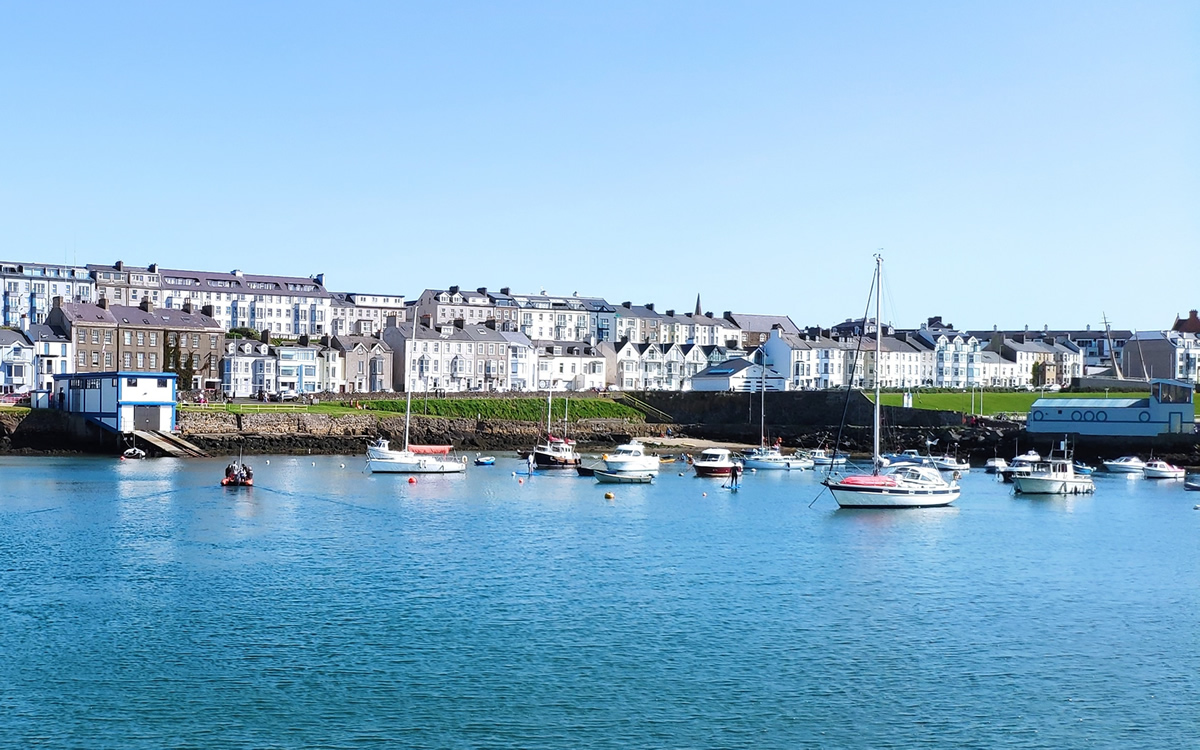
Portrush
Portrush is a picturesque coastal town located in the County Antrim of Northern Ireland. Situated on the breathtaking Causeway Coastal Route, it is known for its stunning beaches, world-class golf courses, and vibrant atmosphere. From its beautiful coastline to its rich history, Portrush offers a plethora of activities and attractions for visitors to enjoy.
One of the main draws of Portrush is its incredible beaches. The town is blessed with two stunning sandy beaches - East Strand and West Strand. These beaches are perfect for sunbathing, picnicking, and water sports such as surfing and kayaking. The water quality is excellent, making it safe for swimming and paddling. The towering cliffs surrounding the beaches add to the natural beauty of the area, making it a popular spot for photographers and nature enthusiasts.
For golf enthusiasts, Portrush is a paradise. It is home to the iconic Royal Portrush Golf Club, which has hosted prestigious golf tournaments, including The Open Championship. The Dunluce Links course is renowned worldwide for its challenging layout and breathtaking views of the North Atlantic Ocean. Additionally, Portrush boasts a variety of other golf courses, catering to players of all skill levels. Golfing in Portrush offers an unforgettable experience against the backdrop of stunning landscapes.
Portrush is also a great place to explore the rich history and culture of Northern Ireland. The town is located near the famous Giant's Causeway, a UNESCO World Heritage Site. This geological wonder features around 40,000 interlocking basalt columns, formed by volcanic activity millions of years ago. The Causeway Visitor Centre offers informative exhibits that delve into the folklore and geology of the area, making it a must-visit attraction.
To delve deeper into the local history, visitors can explore Dunluce Castle. This medieval castle stands dramatically on a cliff edge overlooking the sea and presents a fascinating insight into the region's past. The ruins of Dunluce Castle are shrouded in legends and myths, adding to its allure.
In addition to its natural and historical attractions, Portrush offers a lively and vibrant atmosphere. The town is dotted with charming restaurants, cafes, and pubs that serve delicious food and drinks. Visitors can indulge in fresh seafood, traditional Irish dishes, or sample locally brewed craft beers. The nightlife in Portrush is vibrant, with a variety of music venues and pubs hosting live gigs and performances.
For those seeking adventure, there are plenty of outdoor activities to enjoy in Portrush. Water sports enthusiasts can try their hand at stand-up paddleboarding, jet skiing, or coasteering. The rugged coastline makes it an ideal location for hiking and exploring nearby areas such as the Causeway Coast Way.
Getting to Portrush is convenient as it has good transport links. It is well-connected to major cities like Belfast and Derry through road and rail networks. The Belfast International Airport is around an hour's drive away, making it easily accessible for international visitors.
Overall, Portrush is a charming coastal town that offers a perfect blend of natural beauty, outdoor activities, history, and culture. Whether you want to relax on the beach, play golf, explore historical landmarks or enjoy the buzzing nightlife, Portrush has something to cater to every traveler's taste. It is an ideal destination for a weekend getaway or a longer vacation in the picturesque landscapes of Northern Ireland.
Day 12
Rathlin Island
Rathlin Island is an incredible destination for those looking to experience the beauty of the Irish countryside without the hustle and bustle of everyday life. Located off the coast of Northern Ireland, this stunning island has a lot to offer its visitors. From breathtaking views to unique wildlife, Rathlin Island has something for everyone.
The main attraction of Rathlin Island is its scenery. Standing just four miles off the coast of Northern Ireland, the island is surrounded by some of the most beautiful scenery in the world. Visitors can take in stunning views of the Atlantic Ocean from atop the cliffs or on a boat tour. The island also offers several different walking trails which allow you to explore its unique landscapes. Along the way, visitors can see evidence of its rich history and culture, particularly with regards to its role in the Troubles.
In addition to its beautiful scenery, Rathlin Island also offers plenty of activities for visitors. There are several beaches located around the island, so visitors can spend time swimming or sunbathing. If you’re looking for more of an adventure, there are boat tours available to explore the rugged coastline and spot wildlife. If you’re lucky, you may even be lucky enough to spot seals, dolphins, or whales. Other activities include golf, fishing, and exploring local art galleries and museums.
For those looking for a taste of authentic Irish culture, Rathlin Island also has plenty to offer. There are several pubs on the island where you can enjoy a pint of Guinness and listen to traditional Irish music. You can also visit one of the many quaint shops located throughout the island and purchase some souvenirs to take home with you as a reminder of your visit. For a more hands-on experience, visit one of the local farms to learn more about the farming practices on Rathlin Island in Northern Ireland.
No matter what type of experience you’re looking for, a trip to Rathlin Island offers something for everyone. With breathtaking views, untouched scenery, and plenty of activities to enjoy, this wonderful little island can offer visitors a truly unforgettable experience that will stay with them forever. The combination of its natural beauty, rich culture, and welcoming locals make Rathlin Island a must-visit for anyone looking for an escape from their everyday life.
Day 13
Belfast
The fortunes of Belfast have risen and fallen dramatically over
time: it began as a Bronze Age settlement; grew hugely in power as
well as size during the Industrial Revolution; suffered extensive
World War II bombings; and has famously been a hotspot in the
massive civil conflict which has split Ireland. Today, the capital
of Northern Ireland is a thriving city that has regained some of
its old charm and industry, and has begun to lure a stream of
curious travellers. City breaks in Belfast are becoming
increasingly popular, with a variety of low-cost European carriers
offering cheap flights to Northern Ireland's capital.
Belfast is situated near the mouth of the River Lagan, and
blossomed in the 17th century with an influx of English and
Scottish settlers. The port city grew in prominence during the
Industrial Revolution, with booming linen, rope-making, and
shipbuilding industries. The ill-fated Titanic was built here in
the Harland and Wolff shipyards, and today Belfast still boasts the
world's biggest dry dock, as well as a restored Waterfront Complex
that houses chic restaurants, shops, and ubiquitous Irish pubs.
Much of the city's architectural heritage was destroyed during
repeated bombings in World War II, as well as during The Troubles -
a period of civil conflict between Roman Catholic nationalists and
Protestant unionists that raged from 1969 until the late 1990s.
Several exquisite Victorian and Edwardian buildings still remain
and have been filled with trendy bars, boutiques, galleries,
museums, and restaurants in an attempt to regenerate the city's
image. Evidence of The Troubles can still be seen in the many
murals that line Falls Road and Shankill Road, and the Europa Hotel
has become famous as one of the most-bombed buildings in Europe,
having being targeted no less than 33 times.
Belfast is often overlooked as a tourist destination, but its
fascinating history, ongoing struggles, numerous attractions, and,
above all, the warmth and acerbic wit of its inhabitants, make it
an interesting stop on any tour of the United Kingdom. It also
serves as an excellent base from which to explore the many natural
wonders of Northern Ireland.
Day 15
Kirkwall, Orkney Islands
The name Kirkwall comes from the Norse name Kirkjuvágr (Church Bay), which later changed to Kirkvoe, Kirkwaa and Kirkwall. Kirkwall was formerly the site of an ancient Norse town founded approximately 1000 years ago. Today, it is a transport hub with ferries to many locations.
Day 16
Lerwick, Shetland Islands
The Shetland Islands, located off the northern coast of Scotland, are a remote and captivating destination that offer a perfect blend of stunning landscapes, rich history, unique wildlife, and a vibrant local culture. Comprising around 100 islands, with only 15 of them inhabited, the Shetlands provide a sense of seclusion and tranquility that is hard to find elsewhere. With its dramatic cliffs, pristine beaches, and picturesque villages, the archipelago is a paradise for nature lovers, adventure enthusiasts, and those seeking a peaceful retreat.
One of the highlights of the Shetland Islands is their natural beauty. The landscapes here are diverse and awe-inspiring, with rugged coastlines, rolling hills, and vast stretches of moorland. The dramatic cliffs and rock formations, such as the towering cliffs of Eshaness and the famous sea stacks known as the Drongs, offer breathtaking vistas that are a photographer's dream. The pristine beaches of St. Ninian's Isle and Sandwick are perfect for leisurely walks or picnics, while the dramatic coastline of Sumburgh Head provides excellent opportunities for birdwatching.
Speaking of wildlife, the Shetland Islands are a haven for bird lovers. With over 1 million seabirds breeding here, including puffins, gannets, and guillemots, it's no wonder that the islands are considered a premier birdwatching destination. The RSPB Nature Reserve at Sumburgh Head and the Noss National Nature Reserve are two of the best places to observe these magnificent creatures in their natural habitat. In addition, the Shetland ponies, with their small stature and distinctive features, are an iconic symbol of the islands and are a treat to see grazing in the meadows.
The rich history of the Shetland Islands is evident in the numerous archaeological sites and historic landmarks scattered throughout the archipelago. The Jarlshof Prehistoric and Norse Settlement, a UNESCO World Heritage Site, is an impressive archaeological site that spans over 4,000 years of history. Here, visitors can explore the remains of Stone Age dwellings, Viking longhouses, and medieval buildings. The Shetland Museum and Archives in Lerwick offers an in-depth look into the islands' history and culture, showcasing artifacts and exhibitions that highlight their Norse and Scottish heritage.
Speaking of Lerwick, the capital of the Shetland Islands, it is a bustling town with a charm of its own. The harbor, lined with colorful buildings, is a lively hub where fishing boats, yachts, and even cruise ships dock. The town itself offers a variety of shops, restaurants, and traditional pubs where visitors can sample local cuisine and interact with the friendly locals. The annual Up Helly Aa festival, held in January, is a must-see event that celebrates Shetland's Viking heritage with a torchlight procession and the impressive burning of a Viking galley.
Getting to the Shetland Islands is relatively easy, with regular flights from Scotland and ferry services from the mainland. Once on the islands, public transportation is limited, so it is advisable to hire a car or join guided tours to explore the various attractions. The best time to visit is during the summer months of May to September, when the weather is milder, and wildlife is abundant.
In conclusion, the Shetland Islands are a hidden gem in the United Kingdom, offering a unique blend of natural beauty, fascinating history, and a vibrant local culture. Whether you are a nature lover, history buff, or simply looking for a remote and peaceful getaway, the Shetland Islands should definitely be on your travel list.
Day 16
Dunrossness and Fair Isle
Day 16
Mousa Island
Day 17
Lerwick, Shetland Islands
The Shetland Islands, located off the northern coast of Scotland, are a remote and captivating destination that offer a perfect blend of stunning landscapes, rich history, unique wildlife, and a vibrant local culture. Comprising around 100 islands, with only 15 of them inhabited, the Shetlands provide a sense of seclusion and tranquility that is hard to find elsewhere. With its dramatic cliffs, pristine beaches, and picturesque villages, the archipelago is a paradise for nature lovers, adventure enthusiasts, and those seeking a peaceful retreat.
One of the highlights of the Shetland Islands is their natural beauty. The landscapes here are diverse and awe-inspiring, with rugged coastlines, rolling hills, and vast stretches of moorland. The dramatic cliffs and rock formations, such as the towering cliffs of Eshaness and the famous sea stacks known as the Drongs, offer breathtaking vistas that are a photographer's dream. The pristine beaches of St. Ninian's Isle and Sandwick are perfect for leisurely walks or picnics, while the dramatic coastline of Sumburgh Head provides excellent opportunities for birdwatching.
Speaking of wildlife, the Shetland Islands are a haven for bird lovers. With over 1 million seabirds breeding here, including puffins, gannets, and guillemots, it's no wonder that the islands are considered a premier birdwatching destination. The RSPB Nature Reserve at Sumburgh Head and the Noss National Nature Reserve are two of the best places to observe these magnificent creatures in their natural habitat. In addition, the Shetland ponies, with their small stature and distinctive features, are an iconic symbol of the islands and are a treat to see grazing in the meadows.
The rich history of the Shetland Islands is evident in the numerous archaeological sites and historic landmarks scattered throughout the archipelago. The Jarlshof Prehistoric and Norse Settlement, a UNESCO World Heritage Site, is an impressive archaeological site that spans over 4,000 years of history. Here, visitors can explore the remains of Stone Age dwellings, Viking longhouses, and medieval buildings. The Shetland Museum and Archives in Lerwick offers an in-depth look into the islands' history and culture, showcasing artifacts and exhibitions that highlight their Norse and Scottish heritage.
Speaking of Lerwick, the capital of the Shetland Islands, it is a bustling town with a charm of its own. The harbor, lined with colorful buildings, is a lively hub where fishing boats, yachts, and even cruise ships dock. The town itself offers a variety of shops, restaurants, and traditional pubs where visitors can sample local cuisine and interact with the friendly locals. The annual Up Helly Aa festival, held in January, is a must-see event that celebrates Shetland's Viking heritage with a torchlight procession and the impressive burning of a Viking galley.
Getting to the Shetland Islands is relatively easy, with regular flights from Scotland and ferry services from the mainland. Once on the islands, public transportation is limited, so it is advisable to hire a car or join guided tours to explore the various attractions. The best time to visit is during the summer months of May to September, when the weather is milder, and wildlife is abundant.
In conclusion, the Shetland Islands are a hidden gem in the United Kingdom, offering a unique blend of natural beauty, fascinating history, and a vibrant local culture. Whether you are a nature lover, history buff, or simply looking for a remote and peaceful getaway, the Shetland Islands should definitely be on your travel list.
Day 18
Isle of Noss
The Isle of Noss, located in the country of Great Britain, is a small and picturesque island situated in the Shetland Islands archipelago, off the northeast coast of Scotland. Known for its dramatic rocky cliffs, abundant bird life, and stunning natural beauty, the Isle of Noss is a haven for nature enthusiasts and those seeking a peaceful and remote escape.
One of the main attractions on the Isle of Noss is the Noss National Nature Reserve. Covering a sizeable portion of the island, the reserve boasts a diverse range of bird species, including colonies of puffins, guillemots, gannets, and kittiwakes. The cliffs of Noss provide excellent nesting sites for these birds, and during the spring and summer months, they can be seen in their thousands, creating a truly awe-inspiring spectacle. In addition to birdwatching, visitors can also explore the coastal paths and enjoy breathtaking views of the surrounding cliffs and the North Sea.
Walking and hiking enthusiasts will find plenty of opportunities to explore the rugged terrain of the Isle of Noss. A popular walking route is the Noss Sound Coastal Walk, which takes visitors around the island, offering stunning vistas of the coastline and the chance to observe the island's unique flora and fauna. The path is well-maintained and suitable for all levels of fitness, making it an ideal way to experience the island's natural beauty.
For those interested in history and archaeology, the Isle of Noss has several notable sites to explore. The most prominent is the ruins of the Noss Head Lighthouse, which was built in 1849 and has been decommissioned since 1987. Although visitors cannot enter the lighthouse itself, they can wander around the grounds and marvel at the majestic structure, which is perched atop a cliff and offers panoramic views of the surrounding landscape. Additionally, there are various ancient burial sites and standing stones scattered across the island, providing a glimpse into the island's rich and intriguing past.
Accommodation options on the Isle of Noss are limited due to its small size and remote location. However, nearby Lerwick, the capital of the Shetland Islands, offers a range of lodging options, including hotels, bed and breakfasts, and self-catering accommodations. From Lerwick, visitors can easily access the Isle of Noss via ferry or boat, with regular services operating during the summer months.
In terms of dining options, the Isle of Noss does not have any restaurants or cafes. However, visitors can pack a picnic and enjoy a meal amidst the island's breathtaking scenery. Alternatively, there are a few eateries and pubs in Lerwick where visitors can sample traditional Shetland cuisine and fresh seafood.
When planning a visit to the Isle of Noss, it is essential to come prepared for the unpredictable weather conditions that characterize this part of Scotland. The island experiences strong winds and frequent rain showers, so visitors should pack waterproof clothing, sturdy footwear, and warm layers. It is also advisable to check the local weather forecast and tidal information before venturing out on walks or hikes.
In conclusion, the Isle of Noss offers a unique and captivating experience for travelers looking to immerse themselves in Scotland's natural beauty. With its stunning cliffs, diverse bird life, and rich history, the island is a haven for birdwatchers, hikers, and history enthusiasts alike. Whether exploring the coastal paths, marveling at the bird colonies, or soaking in the tranquility of its remote setting, the Isle of Noss promises an unforgettable and enriching adventure for all who visit.
Day 19
Vigur Island
Vigur Island, located in the beautiful country of Iceland, is a small and enchanting destination that offers a unique and unforgettable experience for travelers. This picturesque island, spanning just 2 kilometers in length and 400 meters in width, is nestled in the Isafjardardjup fjord, off the coast of the Westfjords region.
Despite its small size, Vigur Island is rich in natural beauty and abundant wildlife, making it a paradise for nature lovers and birdwatchers. The island is home to a diverse range of bird species, including the adorable and charismatic puffins, Arctic terns, black guillemots, and eider ducks. These birds can be observed in their natural habitats, providing an incredible opportunity for wildlife enthusiasts and photographers.
One of the main attractions of Vigur Island is the Puffin Colony, where visitors can witness these charming birds nesting and frolicking around the island. The Puffin Colony is one of the largest in Iceland, and offers a fantastic chance to get up close and personal with these adorable creatures. You can also see their intricate burrows and nests, and if you’re lucky, catch a glimpse of their comical mating rituals.
Apart from its birdlife, Vigur Island boasts stunning landscapes and scenic vistas that will leave you breathless. The island is adorned with rugged coastlines, towering cliffs, and rolling green hills, offering a perfect backdrop for capturing stunning photographs or simply enjoying a peaceful stroll. As you explore the island, you may also encounter playful seals swimming along the shores or basking in the sun on nearby rocks.
In addition to its natural beauty, Vigur Island has deep historical and cultural roots that are worth exploring. The island has been inhabited since the Age of Settlement in the 9th century, and remnants of Viking settlements can still be found, providing a fascinating glimpse into Iceland's ancient past. There is also a charming farm on the island that has been owned by the same family for centuries, where visitors can learn about traditional farming practices and enjoy a taste of authentic Icelandic hospitality.
To reach Vigur Island, visitors can take a ferry from the town of Isafjordur, which is the largest settlement in the Westfjords region. The ferry journey itself is an experience as you sail through the scenic fjords and soak in the panoramic views of the surrounding landscapes. The ferry departs multiple times a day during the summer months, with regular schedules in place to accommodate visitors.
While Vigur Island is relatively small and has limited accommodations and amenities, there are a few options available for those wishing to spend the night. The island offers cozy guesthouses and cottages where visitors can enjoy a peaceful and tranquil stay, surrounded by nature's beauty. Alternatively, some travelers may choose to experience camping on the island, enhancing their connection with the untouched wilderness.
Vigur Island is a hidden gem in Iceland, offering a serene retreat away from the hustle and bustle of city life. Whether you are a bird enthusiast, a nature lover, or simply seeking a tranquil getaway, this enchanting island promises an unforgettable experience filled with stunning landscapes, abundant wildlife, and a rich historical and cultural heritage. So, if you are planning a trip to Iceland, don't miss the opportunity to explore Vigur Island and create memories that will stay with you forever.
Day 20
Tórshavn
Located on the picturesque Faroe Islands in the North Atlantic Ocean, Torshavn is the charming and vibrant capital city of this autonomous territory of Denmark. Boasting stunning natural landscapes, rich cultural heritage, and a welcoming atmosphere, Torshavn is a hidden gem that offers a unique and unforgettable travel experience.
Torshavn is a city where tradition meets modernity. With a population of approximately 20,000 people, it is the largest city in the Faroe Islands. The city's name translates to "Thor's harbor," named after the Norse god of thunder. This reflects the deep-rooted Viking history and Norse influence that is still evident in the local culture.
One of the main highlights of Torshavn is its stunning natural beauty. Surrounded by rolling green hills and cliffs that drop dramatically into the ocean, the city offers breathtaking views at every turn. Visitors can explore the picturesque old town known as Tinganes, where the colorful turf-roofed houses and narrow winding streets create a postcard-perfect setting.
For nature enthusiasts, exploring the surrounding landscapes is a must. A short drive from the city will take you to idyllic hiking trails, pristine lakes, and cascading waterfalls. The rugged coastline is dotted with charming villages and hidden coves, making it a paradise for photographers and outdoor enthusiasts alike.
Torshavn also has a vibrant cultural scene, showcasing the resilience and creativity of the Faroese people. The city is home to numerous art galleries, museums, and cultural events that celebrate local heritage. The National Museum of the Faroe Islands offers a fascinating insight into the history, culture, and traditions of the islands, while the Nordic House hosts various exhibitions and performances throughout the year.
Food lovers will also enjoy their time in Torshavn. The Faroe Islands are known for their exceptional seafood, and the city offers an array of restaurants and cafes serving fresh and delicious dishes. The traditional Faroese cuisine is a blend of Scandinavian and British influences, with specialties such as skerpikjøt (dried mutton) and ræst kjøt (fermented mutton) being unique culinary experiences to try.
In terms of accommodation, Torshavn offers a range of options to suit every budget. From cozy guesthouses and boutique hotels in the heart of the city to scenic camping sites and self-catering cottages on the outskirts, there is something for everyone. Visitors can immerse themselves in the local culture by staying in traditional grass-roofed turf houses.
Traveling to Torshavn is relatively straightforward. The Faroe Islands are accessible via flights from several major European cities, with the Vagar Airport located just a short distance from the capital. Once in Torshavn, getting around is easy, either by foot or by local buses that connect the different parts of the city and the neighboring villages.
Whether you are seeking adventure, tranquility, or cultural experiences, Torshavn has it all. With its captivating landscapes, rich heritage, and warm hospitality, this little capital city offers a unique opportunity to discover the beauty of the Faroe Islands and create lasting memories. Visit Torshavn and be enchanted by its beauty and the warmth of its people.
Day 21
Klaksvik
Klaksvik is a picturesque town located in the Faroe Islands, an archipelago in the North Atlantic Ocean. As the second-largest town in the Faroe Islands, Klaksvik offers visitors a unique blend of natural beauty, cultural charm, and a vibrant community. Whether you are interested in outdoor adventures, cultural experiences, or simply enjoying the tranquility of nature, Klaksvik has something to offer for everyone.
One of the most striking aspects of Klaksvik is its stunning natural surroundings. The town is nestled between towering mountains and has a beautiful harbor that offers breathtaking views of the surrounding fjords and cliffs. The landscape is a paradise for outdoor enthusiasts, with plenty of opportunities for hiking, fishing, and bird watching. Be sure to explore the nearby mountains and take in the mesmerizing views of the Atlantic Ocean.
Klaksvik is also known for its vibrant cultural scene. The town has a rich history and is dotted with charming traditional houses. The local museum, Norðoya Fornminnissavn, offers a glimpse into the fascinating history of the Faroe Islands and displays artifacts and exhibits that showcase the unique culture and heritage of the region. Don't miss the opportunity to visit the iconic Christianskirkjan, a modern church with a distinctive architectural design, which is a must-see for visitors.
For those looking to indulge in local cuisine, Klaksvik offers a range of dining options. Seafood is a specialty in the Faroe Islands, and Klaksvik is no exception. Be sure to try the local delicacies, such as freshly caught salmon, cod, and langoustine. The town also hosts various food festivals throughout the year, where you can sample traditional Faroese dishes and experience the true flavors of the region.
Klaksvik is a lively town with a strong sense of community. The locals are known for their warm hospitality and are always willing to share their traditions and stories with visitors. Be sure to engage with the locals and learn about their way of life, as this is what makes the Faroe Islands truly special.
When it comes to accommodations, Klaksvik offers a range of options to suit every budget and preference. From cozy guesthouses and traditional cottages to modern hotels, you can find something that fits your needs. Many of these accommodations offer stunning views of the surrounding landscape and provide easy access to the town's attractions.
In terms of transportation, Klaksvik is well-connected to other parts of the Faroe Islands. The town has its own ferry port, which allows visitors to easily explore other islands and towns in the archipelago. Additionally, the local bus service provides convenient transportation within Klaksvik and to nearby locations.
In conclusion, Klaksvik is a captivating destination in the Faroe Islands that offers a perfect balance of natural beauty, cultural experiences, and warm hospitality. Whether you are seeking outdoor adventures, cultural immersion, or simply a peaceful retreat in nature, Klaksvik has it all. With its stunning landscapes, rich history, and vibrant community, a visit to Klaksvik is sure to be a memorable experience.
Day 22
Oyndarfjørður
Day 23
Djúpivogur
Djúpivogur is a small town in east Iceland with a population of just over 300 people. It is located on the shores of a fjord called Djúpavogur Bay and is surrounded by mountains. The town has a long history, dating back to the 11th century when it was first settled by Vikings. Djúpivogur is a popular tourist destination in Iceland due to its scenic location and its proximity to the glacial lagoon, Jökulsárlón. Visitors to Djúpivogur can enjoy hiking, fishing, birdwatching, and other outdoor activities. The town is also home to a number of shops and restaurants.
Day 23
Papey Island
Day 24
Grímsey Island
Day 25
Siglufjørdur - høfn
Siglufjörður is a town in north Iceland with a population of about 1,200 people. It is located in the municipality of Fjallabyggð on the shores of the Gulf of Siglufjörður, an inlet of the Arctic Ocean. The town is the site of the country's only herring museum and is known as the "Herring Town" because of its history as a major fishing port for this seafood. The town's name means "fjord of herring" in Icelandic.
Siglufjörður is located about 60 kilometers (37 miles) east of the capital city of Reykjavík. It is accessible by road and there is also an airport in the town. The landscape around Siglufjörður is mountainous and there are several glaciers nearby, including the Vatnajökull, Europe's largest ice cap.
The town's main industries are fishing and tourism. The herring museum is a popular tourist attraction, as are the nearby glaciers and other natural attractions. There is also a growing art scene in Siglufjörður, with several galleries and studios located in the town.
The town has a cool, maritime climate. Summers are cool and winters are mild, with average temperatures ranging from 0°C to 10°C (32°F to 50°F). Siglufjörður experiences about 24 hours of daylight during the summer months and only about six hours of daylight in winter.
Siglufjörður is a charming town with a rich history and a beautiful setting. It is an ideal place to experience the best of Icelandic culture and nature.
Day 26
Dynjandi Waterfalls
Dynjandi Waterfalls, located in the mesmerizing country of Iceland, is a natural wonder that will leave visitors in awe of its sheer beauty and majesty. Considered one of Iceland's most breathtaking waterfalls, it is a must-see destination for nature lovers and adventure enthusiasts alike.
Situated in the Westfjords region of Iceland, Dynjandi Waterfalls is unique because it is not just one, but a series of seven cascading waterfalls. The main waterfall, also known as Dynjandi, is the largest and most impressive one, reaching a height of approximately 100 meters (330 ft). As the water cascades down from the mountain, it creates a stunning display of power and elegance that is truly a sight to behold.
The journey to Dynjandi Waterfalls is an adventure in itself. Visitors can embark on a scenic drive through the rugged landscapes of the Westfjords, passing by stunning fjords, dramatic cliffs, and picturesque valleys. The road leading to the waterfalls is well-maintained, but caution should be exercised as some parts can be steep and winding.
Upon arrival, travelers will be greeted by a well-marked hiking trail that leads them closer to the waterfalls. The hike to the top of Dynjandi is relatively easy and takes around 15 minutes, but it can be slippery, especially during wet weather, so good walking shoes are recommended. Along the way, visitors will be treated to breathtaking views of the surrounding mountains and valleys, making the journey as memorable as the destination.
Once at the top, the view of Dynjandi Waterfalls is nothing short of awe-inspiring. The powerful rush of the water, the misty spray, and the thunderous sound create an atmosphere that is both captivating and invigorating. It is an excellent spot for avid photographers who can capture the perfect shot of this natural wonder.
The beauty of Dynjandi Waterfalls is not limited to its size alone. The surrounding area is adorned with vibrant greenery, colorful wildflowers, and unique rock formations, adding to the overall allure of the site. The tranquility of the surroundings makes it an ideal place for a picnic, where visitors can simply relax, enjoy the scenery, and immerse themselves in the peacefulness of nature.
For those looking for more adventure, there are additional hiking trails that lead to smaller, lesser-known waterfalls in the vicinity of Dynjandi. These trails provide an opportunity to explore the area further and discover hidden gems that are off the beaten path.
To make the most of a visit to Dynjandi Waterfalls, it is advisable to plan for a day trip. Pack a picnic lunch, bring comfortable clothing, and allow ample time to fully experience the beauty and serenity of the surroundings. Additionally, visitors should be mindful of the weather conditions, as the area can be windy and chilly, even during the summer months. It is also advisable to check the local weather forecast and road conditions before embarking on the journey.
In conclusion, Dynjandi Waterfalls is a natural wonder that should not be missed when visiting Iceland. Its grandeur, scenic surroundings, and the sense of tranquility it offers make it a perfect getaway for those seeking a truly immersive experience with nature. Whether it is enjoyed from the base of the falls or from the top of the mountain, Dynjandi is a destination that will leave visitors with memories that last a lifetime.
Day 26
Patreksfjørdur
Patreksfjörður is a small town in northwest Iceland with a population of around 1,200 people. It is located on a fjord of the same name and is the capital of the Westfjords region. The town's economy is based largely on fishing and tourism, and it is a popular stop for cruise ships. The town is also home to a number of historical and cultural sites, including the Patreksfjörður Museum, the Westfjords Heritage Museum, and the Patreksfjörður Folk Museum. There are also a number of hiking trails in the area, and the town is a gateway to the Vatnajökull National Park.
Day 27
Reykjavík
Back in the first century AD, legendary Viking, Ingolfur
Arnarson, named the settlement he founded on a southwestern
peninsula Reykjavik, meaning 'Smokey Bay'. The smoke he found
wafting over the area, however, had nothing to do with pollution,
but rather the bubbling, boiling natural geysers and geothermal
springs that now underlie the modern capital of Iceland. This
source of heat and water has ensured that Reykjavik has no need to
burn fuels to warm its heart, and the crisp, clean air is
delightful.
The sky is not always blue, however: Reykjavik receives more
than its fair share of rainy weather blown in from the sea, and
during the long, bleak winter its northern latitude ensures that
the sun makes no more than a brief appearance every day.
Despite this, the capital of Iceland is definitely a hot spot,
renowned for its lively pubs and clubs, which draw hundreds of
merry-making visitors, particularly during the long, light, bright
summer nights.
Reykjavik's growing reputation as a fun tourist destination is
enhanced by its fiery but friendly inhabitants, relaxed pace of
life, many cultural attractions, and dozens of opportunities for
fascinating day trips, not to mention the novelty of bathing in one
of the steamy public geothermal swimming baths.
Reykjavik's setting on the southwest corner of Iceland is
another drawcard. Panoramic views surround the majestic Mount Esja
rising behind the bay, while vistas stretch as far as the
crystalline Snaefellsjokull Glacier to the west across the
Atlantic. The city is well positioned to act as a springboard for
southern Iceland, and many of the country's most popular
attractions are within easy reach.
Reykjavik has a small-town atmosphere, its centre easily
explored on foot, the quaint whitewashed wooden buildings and
colourful houses interspersed with plenty of open space. Even those
who come to indulge mainly in the hedonistic nightlife cannot fail
to leave Reykjavik feeling refreshed and rejuvenated.
26-Day Wild British Isles & North Atlantic Ships
Recommended Deals like 26-Day Wild British Isles & North Atlantic
26-Day Wild British Isles & North Atlantic
 Seabourn

Departure:
June
VISITING:
London
Dover
Poole
Saint Peter Port
Plymouth
Lundy Island
Criccieth
Bardsey Island
Holyhead
Dublin
Calf of Man
Douglas
Portrush
Rathlin Island
Belfast
+17 more
FROM
£
21,598 pp
12-Day Wild British Isles
Seabourn
Departure:
June
VISITING:
London
Dover
Poole
Saint Peter Port
Plymouth
Lundy Island
Criccieth
Bardsey Island
Holyhead
Dublin
Calf of Man
Douglas
Portrush
Rathlin Island
Belfast
FROM
£
10,998 pp
40-Day Wild British Isles, North Atlantic & Greenland
Seabourn
Departure:
June
VISITING:
London
Dover
Poole
Saint Peter Port
Plymouth
Lundy Island
Criccieth
Bardsey Island
Holyhead
Dublin
Calf of Man
Douglas
Portrush
Rathlin Island
Belfast
+34 more
FROM
£
33,398 pp
Join the Crui.se Club
Points That Pay
Earn 25 points (£25) just for joining — and collect more on bookings, reviews, and referrals.
Exclusive Member Deals
Unlock off-market offers reserved only for Crui.se Club members.
Early Access Perks
Be the first to book with pre-launch notifications and special member-only booking windows.
Cruise With Confidence
Our mission at wordpress-1024654-4169282.cloudwaysapps.com is to help you and your loved one’s book and experience the best cruise holiday imaginable. We’re different in that, our customers come first, not our suppliers or profit margins. Get in touch and let us help you set sail.


Over 20 cruise brands to choose from

Low deposits from £500

All Inclusive cruises

Best deals & discounts

Community driven

Brand agnostic

We take care of everything

Custom built cruise holidays


