






 We won’t be beaten on price...


ABTA protected


25-Day Baltic Nights, Kiel
Canal & Dover
Scroll to sail

25-Day Baltic Nights, Kiel Canal & Dover
Embark on an extraordinary 25-day odyssey through Northern Europe with Seabourns Baltic Nights, Kiel Canal & Dover voyage. Aboard the elegant Seabourn Quest, this journey promises unparalleled luxury and deep immersion into the captivating history and vibrant cultures of the Baltic Sea.
Explore a magnificent tapestry of destinations, from imperial Copenhagen and Stockholm to medieval Tallinn and Riga. Discover historic Gdansk, picturesque Bornholm Island, and the unique maritime passage through the legendary Kiel Canal, offering a rich blend of European wonders.
Indulge in Seabourns signature service, gourmet dining, and intimate atmosphere as you uncover iconic landmarks and hidden gems. This comprehensive expedition is your chance to witness Northern Europes breathtaking landscapes and rich heritage, creating truly unforgettable memories.
-
 Cruise Line: Seabourn
-
 Ship: Seabourn Quest
-
 Duration: 25 Nights
-
 Departure: August
25-Day Baltic Nights, Kiel Canal & Dover Prices
25-Day Baltic Nights, Kiel Canal & Dover Gallery



25-Day Baltic Nights, Kiel Canal & Dover Itinerary

Day 1
Copenhagen
The coastal city of Copenhagen is packed
with old-world charm alongside avant-garde architecture. It's a
vibrant and modern city, with a long and fascinating history. It
has been the capital of Denmark for nearly 600 years and is home to
the oldest resident monarchy in the world.
Copenhagen is the biggest city in
Scandinavia, occupying a pleasant and strategic spot on the Baltic
east coast of Denmark's largest island, Zealand. Its harbour is
overlooked by the world-famous statue of the Little Mermaid.
Visitors are often first struck by the
cleanliness and orderliness of this busy and dynamic capital. This
is epitomised in the suburb of Christianshavn, with its picturesque
canals and old cobbled streets all in pristine condition.
Most of the attractions in Copenhagen are
situated within one square mile (3 square km) of flat terrain in
the centre, making it easy to explore on foot or by bicycle, the
vehicle of choice for locals.
Five streets in the heart of the city have
been merged to provide the world's longest pedestrian mall of
Strøget, running between Rådhuspladsen and Kongens Nytorv. It's
packed with historic gabled buildings, dynamic department stores,
numerous interesting little shops, restaurants, pavement cafes,
theatres and world-class museums and galleries.
Copenhagen is not short on green lungs
either. Parks such as the ever popular Tivoli Gardens abound in
this city, which prides itself on its strict anti-pollution laws
and lack of glass and chrome skyscrapers.
Day 2
Karlskrona
Karlskrona is a charming coastal city located in the southeastern part of Sweden. Situated on several islands, this UNESCO World Heritage-listed town offers visitors a unique blend of natural beauty, rich maritime history, and a vibrant cultural scene. With its picturesque landscapes, historic sites, and numerous outdoor activities, Karlskrona is an excellent destination for nature enthusiasts, history buffs, and anyone looking for a peaceful and charming getaway.
One of the main attractions in Karlskrona is its stunning archipelago, composed of over 1,400 islands and islets. Visitors can explore this beautiful natural environment by taking boat trips, kayaking, or even enjoying a leisurely swim in the crystal-clear waters. Nature reserves like Stumholmen and Dragsö make for great hiking and camping spots, offering breathtaking views of the surrounding ocean and forests.
For history enthusiasts, Karlskrona has a wealth of historical sites and museums to explore. The city was founded in 1680 as a naval base and has played a significant role in Sweden's maritime history. The Karlskrona Naval Museum is a must-visit, showcasing the city's naval heritage through various displays and interactive exhibits. The Admiralty Church, known for its impressive baroque architecture, is another iconic landmark in the city that shouldn't be missed.
Another highlight of Karlskrona is its well-preserved city center, filled with narrow cobblestone streets and colorful wooden buildings. The main square, Stortorget, is a bustling hub lined with shops, restaurants, and cafes. This is the perfect place to relax, grab a cup of coffee, and immerse yourself in the local culture. Don't forget to check out the local market, where you can find fresh produce, crafts, and local delicacies.
Karlskrona also offers a wide range of cultural activities and events. The city is home to several theaters, concert venues, and art galleries, showcasing both local and international talent. The Naval Port Festival, held annually in August, is one of the most popular events in Karlskrona. During this festival, visitors can enjoy live music performances, cultural exhibitions, and various water-related activities.
When it comes to culinary experiences, Karlskrona won't disappoint. The city is known for its fresh seafood, particularly herring. There are plenty of restaurants and seafood markets where you can indulge in a traditional Swedish seafood feast. Local specialties like smoked fish and crayfish are highly recommended.
Karlskrona also offers easy access to other popular destinations in the region. Visitors can take a short boat trip to the island of Kungsholmen, home to the Karlskrona Golf Club, where they can enjoy a round of golf surrounded by stunning coastal scenery. The nearby city of Kalmar, with its famous Kalmar Castle, is another great day trip option.
In terms of accommodation, Karlskrona offers a range of options to suit different budgets and preferences. From modern hotels to charming bed and breakfasts, there's something for everyone. Many accommodations are conveniently located near the city center, making it easy to explore the main attractions by foot.
In conclusion, Karlskrona is a hidden gem in southeastern Sweden. With its breathtaking natural landscapes, rich history, cultural attractions, and delicious cuisine, it offers a unique and memorable experience for visitors. Whether you are a nature lover, history enthusiast, or simply looking to unwind in a picturesque setting, Karlskrona is definitely worth a visit.
Day 3
Gdansk
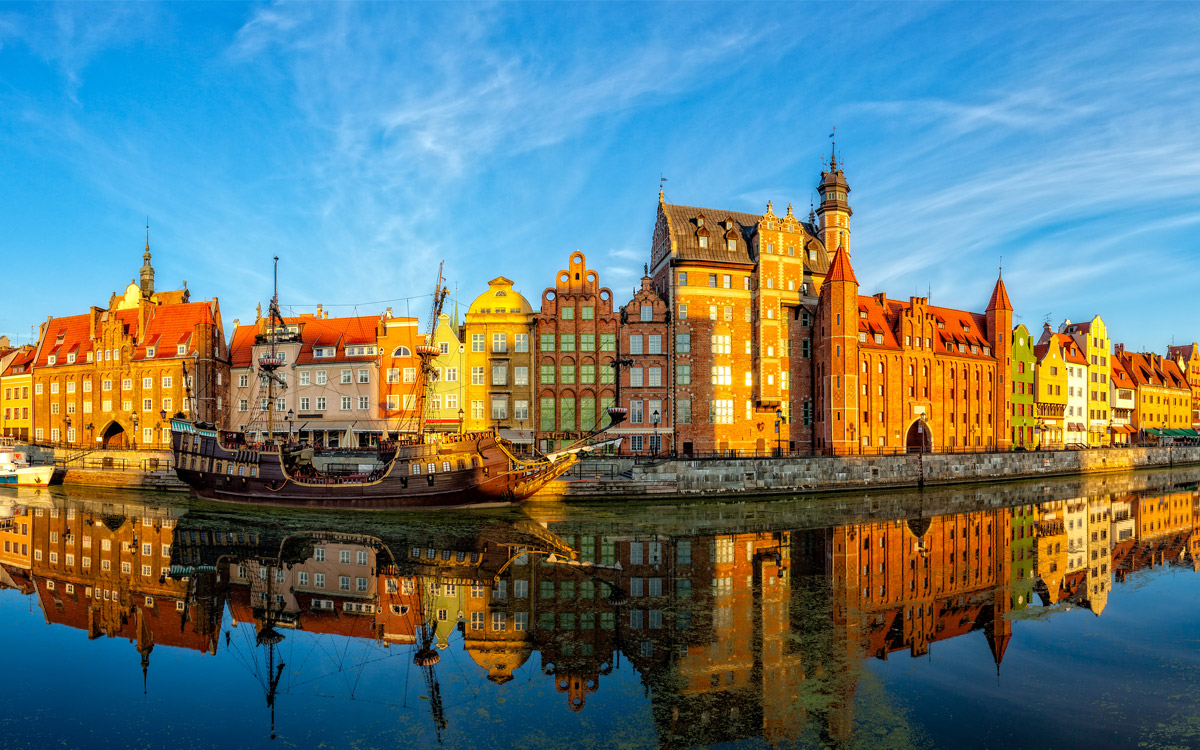
Gdansk is an import port situated at the mouth of the Vistula
River on the Baltic Sea, existing throughout history as a major
trading centre. It's the best known of the Tri-City complex that it
forms with the modern seaport of Gdynia and the fashionable beach
resort town of Sopot.
Its turbulent history includes the rule of the Teutonic Knights
in the 14th century, who then lost it to Prussia, and after the
first shots of World War II were fired on the nearby peninsula of
Westerplatte, it was occupied by Nazi Germany in 1939.
Like many Polish towns, Gdansk lay in ruins after the war, but
it was meticulously rebuilt over a 20-year period, returning it to
its former glory. The interesting architecture and beautiful
painted buildings are part of the town's historic charm, and for
those interested in World War II it is a fascinating
destination.
The richest architecture is visible in the historic quarter of
the Main Town. Its primary thoroughfare, known as the Royal Way, is
spectacular. Lined with magnificent buildings featuring beautifully
painted facades and entered through grand stone gateways at either
end, this was the route along which the Polish Kings paraded during
their visits.
The most splendid façade in town belongs to the Golden House,
one of Gdansk's most impressive buildings, along with the Town Hall
and Artus Court. In front of the Court, the gathering place of the
old merchants, stands the Renaissance-style Neptune's Fountain.
Along the waterfront, with its fashionable restaurants and
cafes, the huge Gdansk Crane dominates the promenade, the largest
crane in medieval Europe which today houses the Maritime
Museum.
Parallel to the Royal Way is Gdansk's most picturesque street,
Mariacka Lane, lined with quaint 17th-century
houses with decorative steps and iron railings. The
gigantic St Mary's Church towers over the city and offers splendid
panoramic views.
Day 4
Bornholm Island
Often overlooked by travellers, the Kingdom of Denmark is small yet prosperous. This thriving country in northern Europe enjoys some of the highest standards of living in the world, and contains a host of interesting attractions and experiences for visitors.
The capital of Copenhagen is lively, occupying the biggest of the offshore islands. Denmark is almost totally surrounded by ocean and its terrain is made up of the Jutland Peninsula and some 406 islands. It has excellent road and railway systems, in addition to numerous ferry connections to the myriad offshore islands.
With all this water, it's not surprising that Denmark is extremely reliant on shipping and fishing. The country also has an important agricultural sector and is famed in particular for its dairy products, with lovers of butter and cheese sure to be in culinary heaven.
The countryside is both charming and majestic, with small green farms, blue lakes and white coastal beaches. Thatched cottages, castles and windmills are sprinkled throughout rural areas across gentle landscapes perfect for cycling.
The cities are modern and bustling, while still retaining a medieval feel preserved in old districts of colourful buildings and cobblestone streets. The most important of the country's 300 museums are found in Copenhagen, while the Viking Ship Museum in Roskilde is devoted to honouring Denmark's bold mariners of the past.
Other notable attractions include the annual summer music festival in Roskilde, which is one of the largest in Europe; the Tivoli Gardens amusement park, which has entertained crowds in Copenhagen since 1843; and one of the world's longest bridges, spanning 10 miles (16km) and joining Denmark to Sweden.
Day 5
Wismar
Located in the northern part of Germany, Wismar is a charming and picturesque city that offers visitors a unique blend of historical charm and maritime beauty. With its well-preserved medieval old town and stunning waterfront, Wismar is a hidden gem that is often overlooked by tourists. Whether you are interested in exploring architectural landmarks, enjoying the beauty of the Baltic Sea, or immersing yourself in the local culture, Wismar has something for everyone.
Wismar's old town is a UNESCO World Heritage site and is renowned for its well-preserved medieval architecture. The Market Square, known as the Marktplatz, is the heart of the city and is surrounded by beautifully restored buildings such as the Town Hall and the Wasserkunst, an impressive Renaissance water pump. Strolling through the cobblestone streets, visitors can admire the intricate gables and charming courtyards that make Wismar a true architectural marvel.
One of the highlights of Wismar is the impressive St. Mary's Church, which boasts the tallest brick Gothic spire in northern Germany. Inside, visitors can admire the stunning stained glass windows and intricate woodwork. Another must-visit landmark is the unique Nikolaikirche, a church built in the 14th century that now serves as an exhibition and event space. From its tower, visitors can enjoy panoramic views of the city and the Baltic Sea.
The waterfront is another major attraction of Wismar. The city's harbor, with its bustling fishing boats and yachts, is a charming place to take a leisurely stroll. Visitors can also explore the Alter Hafen, the old harbor area, and enjoy fresh seafood at one of the waterfront restaurants. From the harbor, it is also possible to take boat tours and explore the nearby islands of Poel and Hiddensee.
Wismar is not just a city of historical landmarks and beautiful architecture, but also a vibrant cultural center. The city is home to several museums, including the Wismar City Museum, which showcases the history and culture of the region, and the Phantechnikum, an interactive science and technology museum that is fun for visitors of all ages. Throughout the year, Wismar also hosts various festivals and events, such as the Old Port Festival and the Wismar Theater Summer, featuring performances by local and international artists.
For nature lovers, Wismar offers plenty of opportunities to enjoy the great outdoors. The surrounding area is characterized by beautiful landscapes, including rolling hills, forests, and the nearby Baltic Sea. Visitors can take scenic bike rides along the coast or venture into the nearby nature reserves, such as the Salzhaff and the Wismar Bay, which are home to a diverse range of flora and fauna.
In terms of accommodation, Wismar offers a variety of options to suit every budget and preference. From cozy guesthouses and boutique hotels in the old town to modern beachside resorts, visitors can choose from a range of accommodations that cater to different needs.
With its rich cultural heritage, stunning architecture, and beautiful coastal scenery, Wismar is a destination that will enchant and captivate any traveler. Whether you are interested in history, architecture, nature, or simply enjoying a relaxing holiday by the sea, Wismar is a city that should not be missed when visiting Germany.
Day 7
Oudeschild
Day 8
Dover
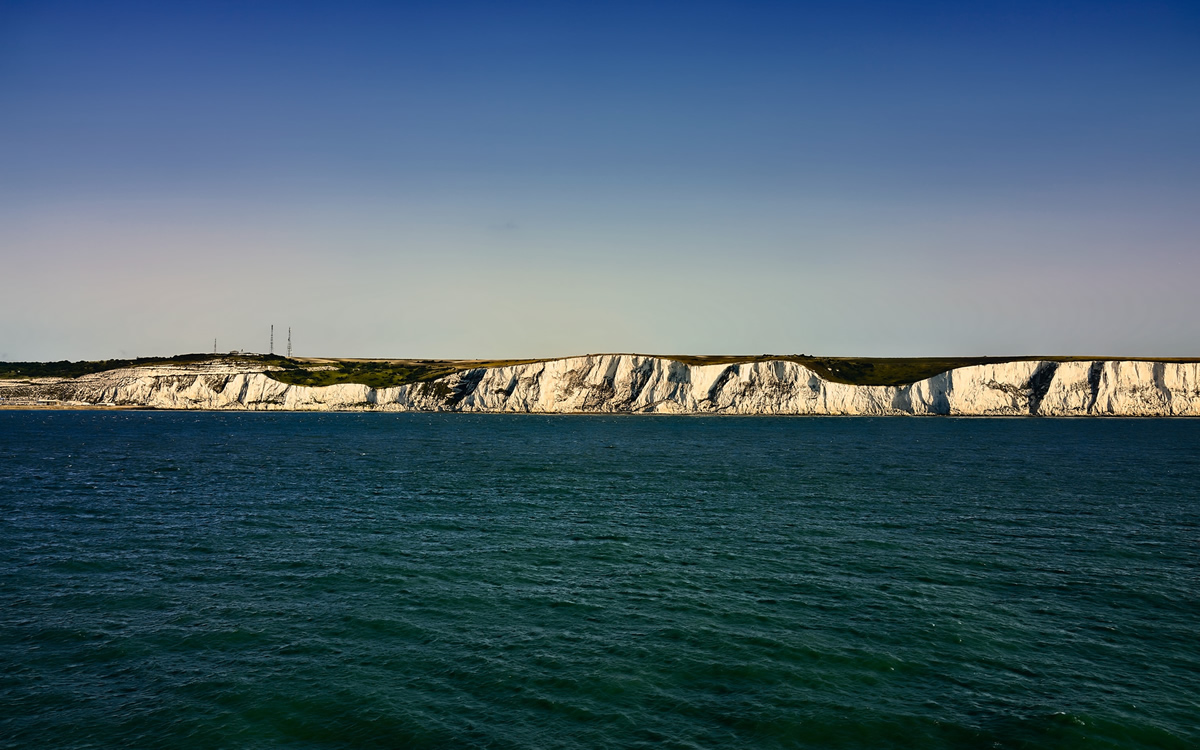
Dover, the “White Cliffs” of England, attracts visitors from around the world. The beautiful backdrop is filled with hundreds of years of history, making it a perfect place to spend a day or two exploring. Located on the south coast of England near the English Channel, Dover is an easy train ride from London and sits directly across from Calais in France.
No visit to Dover is complete without seeing the iconic White Cliffs. Made of chalk deposits, these cliffs are considered a national symbol of England and provide stunning views of the coastline. Visitors can take a leisurely stroll along the water's edge or take a romantic walk to the top of the cliff for breathtaking views. Those who want to explore a bit more can take a boat trip to nearby Shakespeare's Cliff, where visitors can appreciate the views of both England and France.
One of Dover's most popular attractions is the Dover Castle, which has stood proudly for centuries. The majestic castle is filled with artifacts and displays detailing its long history. It remains a popular tourist destination due to its beauty and unique history. Visitors can explore the castle grounds, wander through the old tunnels that were used to smuggle materials back in World War II, or even go on a daring escape attempt by taking part in an immersive experience.
The nearby Dockside Market is a great way to sample some of Dover’s best produce, seafood dishes and other local delicacies. It’s a vibrant place to shop for handmade items as well as to pick up some souvenirs as a reminder of your time in Dover. From vintage clothes to local crafts, there’s plenty of interesting products to choose from here.
For the adventurous types, a visit to Dover would not be complete without exploring the great outdoors. Dover has numerous nature reserves that offer spectacular views and plenty of opportunities to explore the area’s unique wildlife. Whether you prefer to take a peaceful stroll through the woods or get your blood pumping with some wild activities, there are plenty of outdoor activities for everyone.
In addition to its wealth of attractions, Dover also boasts an array of delicious restaurants, clothing boutiques, art galleries and plenty of other great places to shop. There are plenty of places to enjoy a pint or two in one of Dover’s many traditional pubs. If you're looking for something more lively, head over to East Street Market where you can find some unique items and eclectic bands playing live music.
Dover is an excellent destination for anyone looking for adventure, history, beautiful scenery and delicious food. With so much to do and see, it's sure to be an unforgettable experience sure to stay in your memories for many years to come.
Day 9
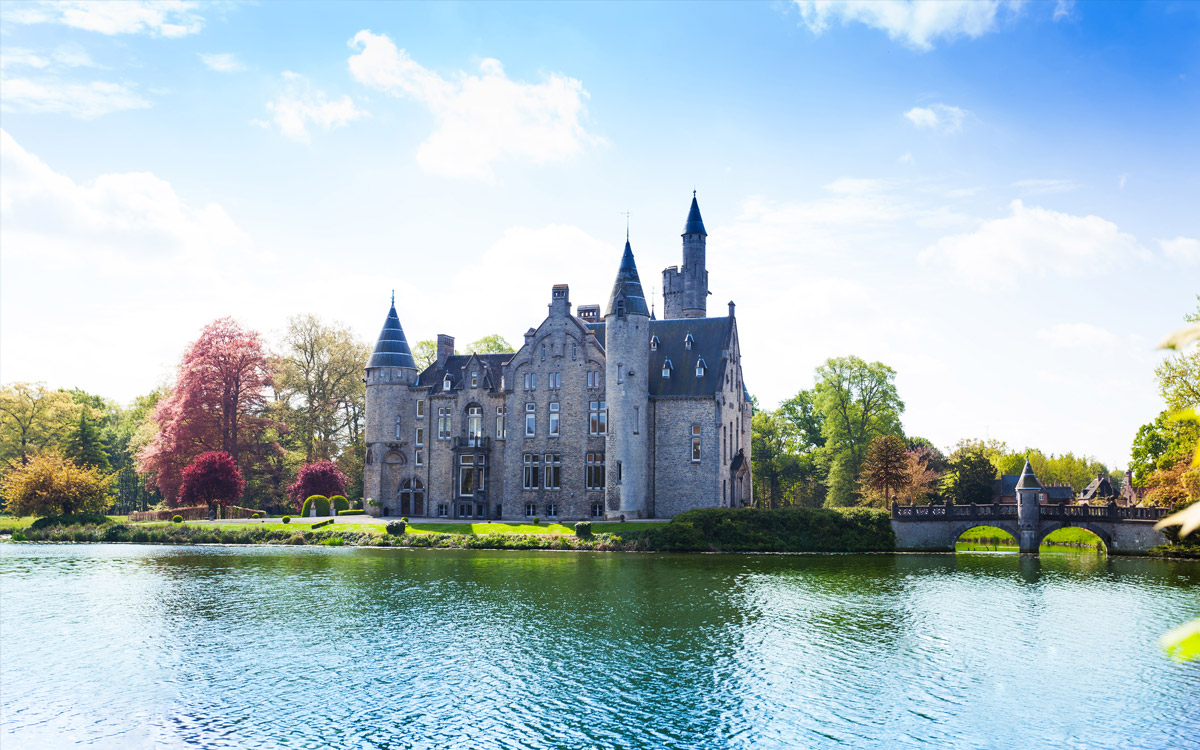
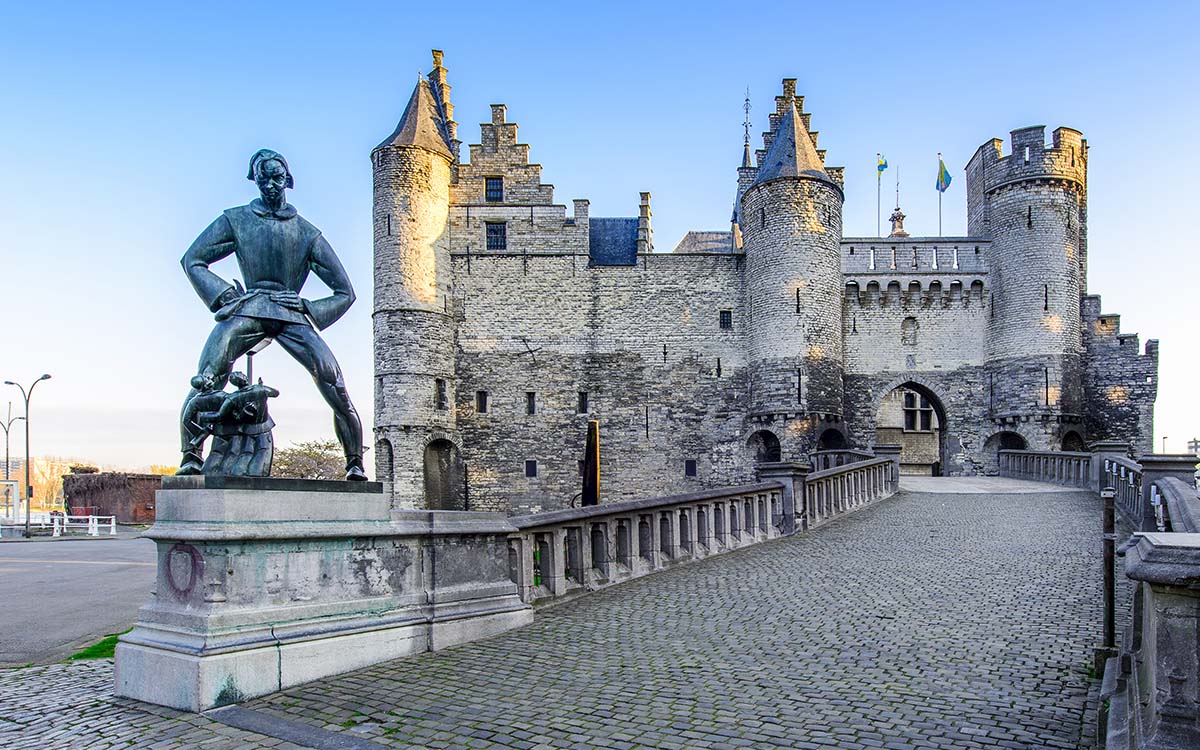
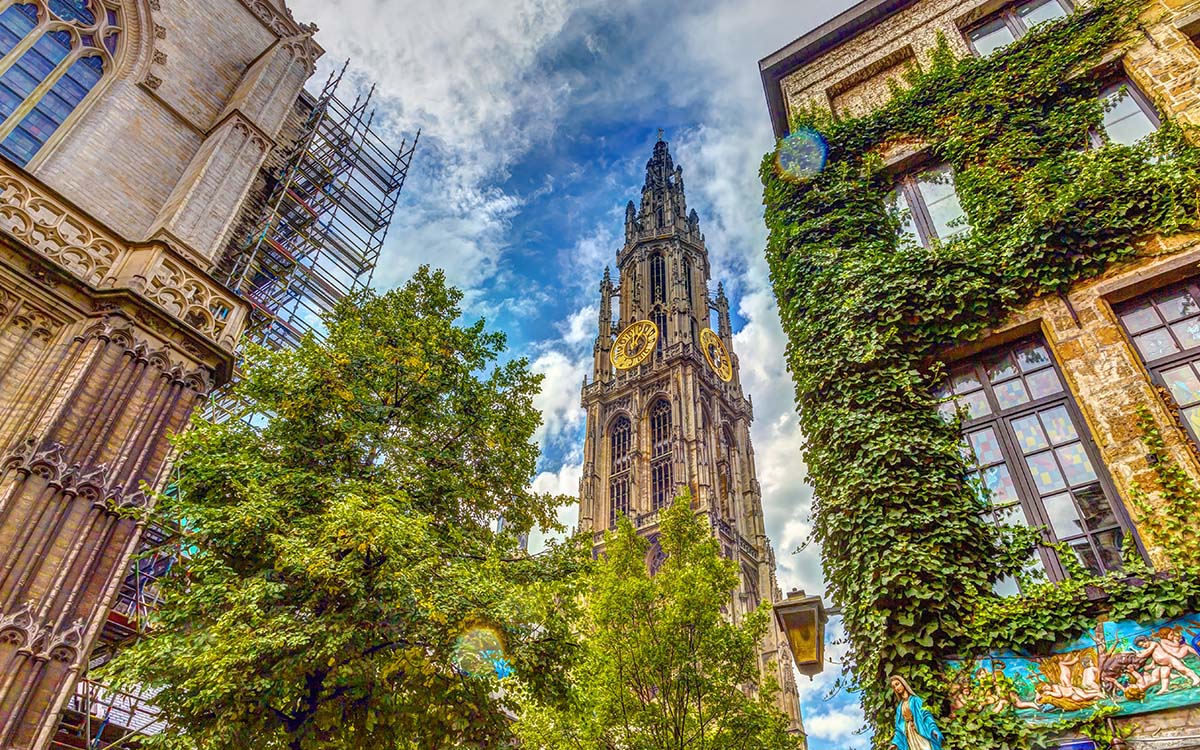
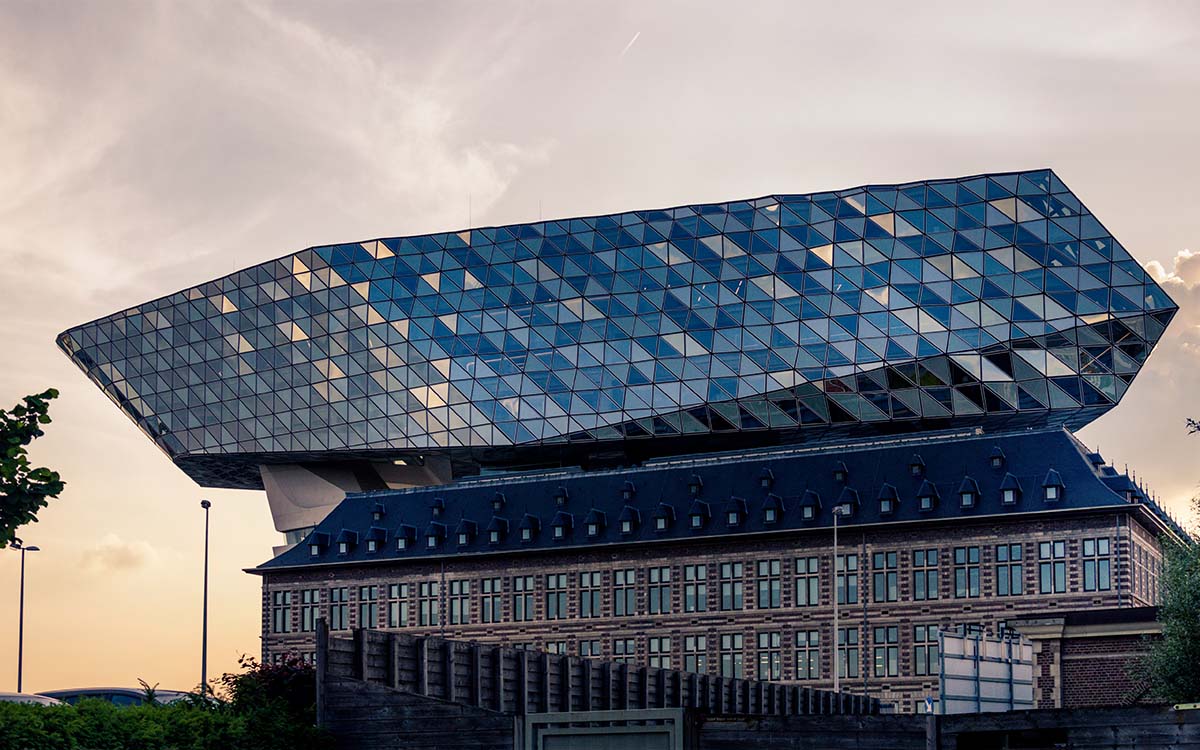
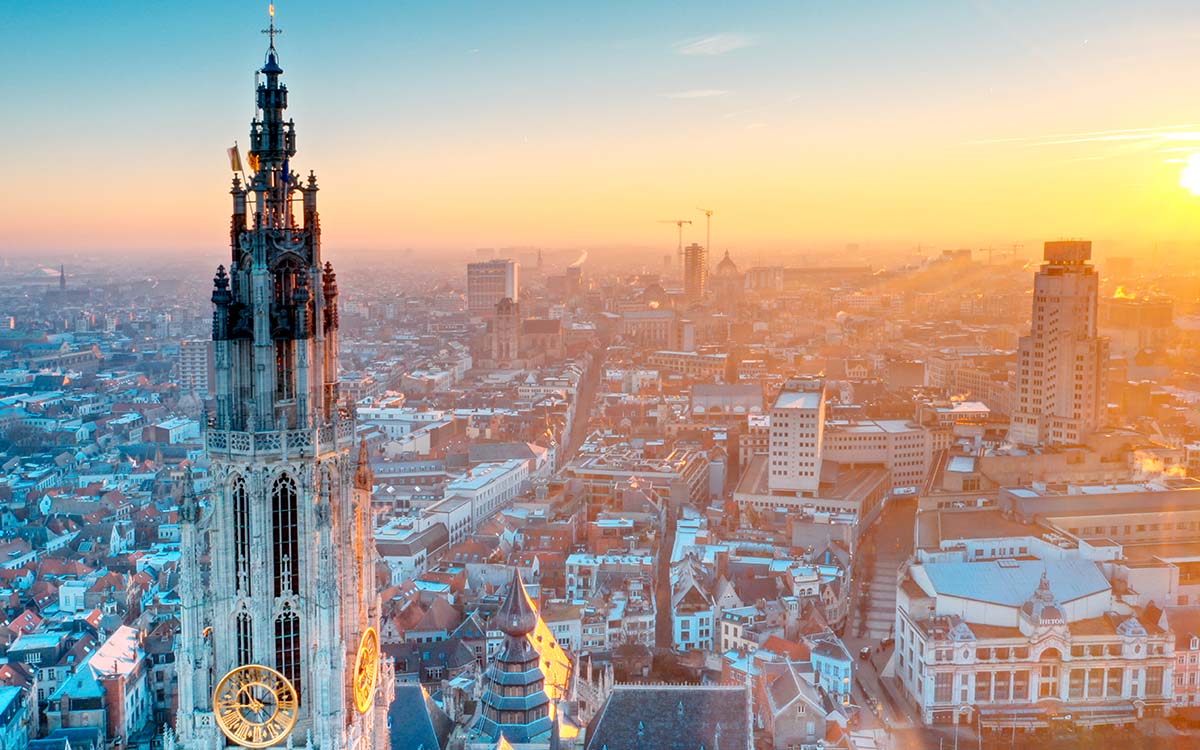
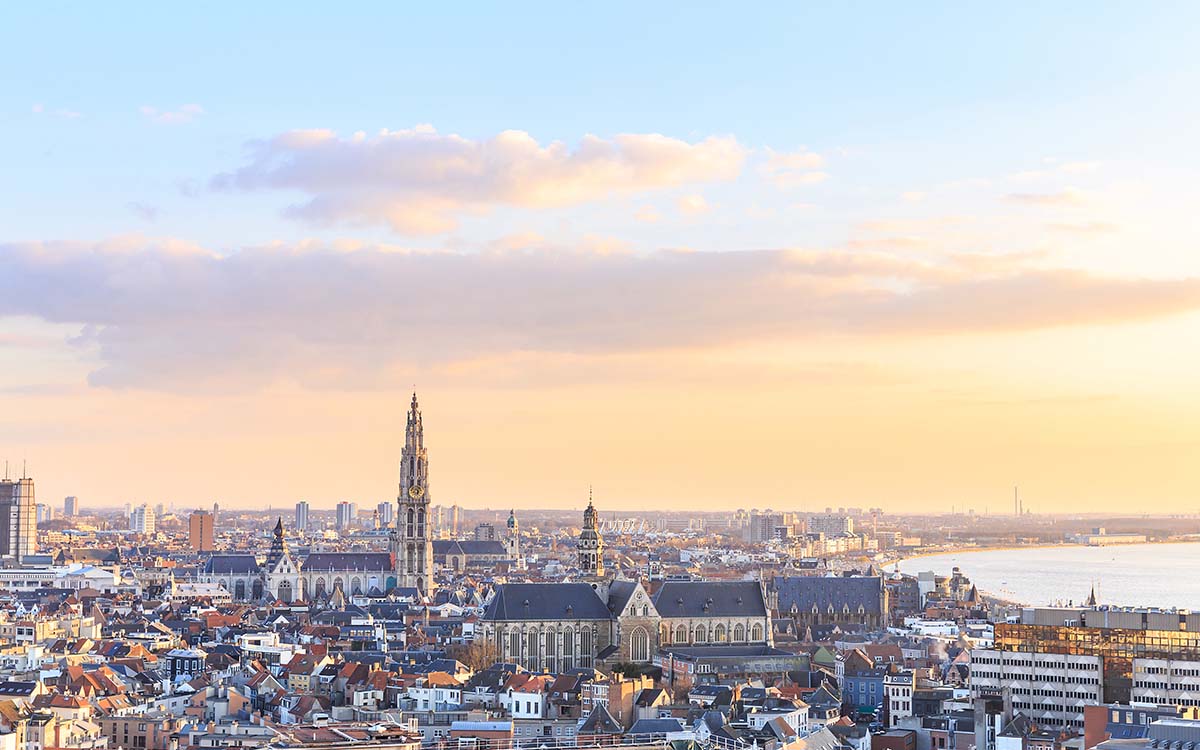
Antwerp
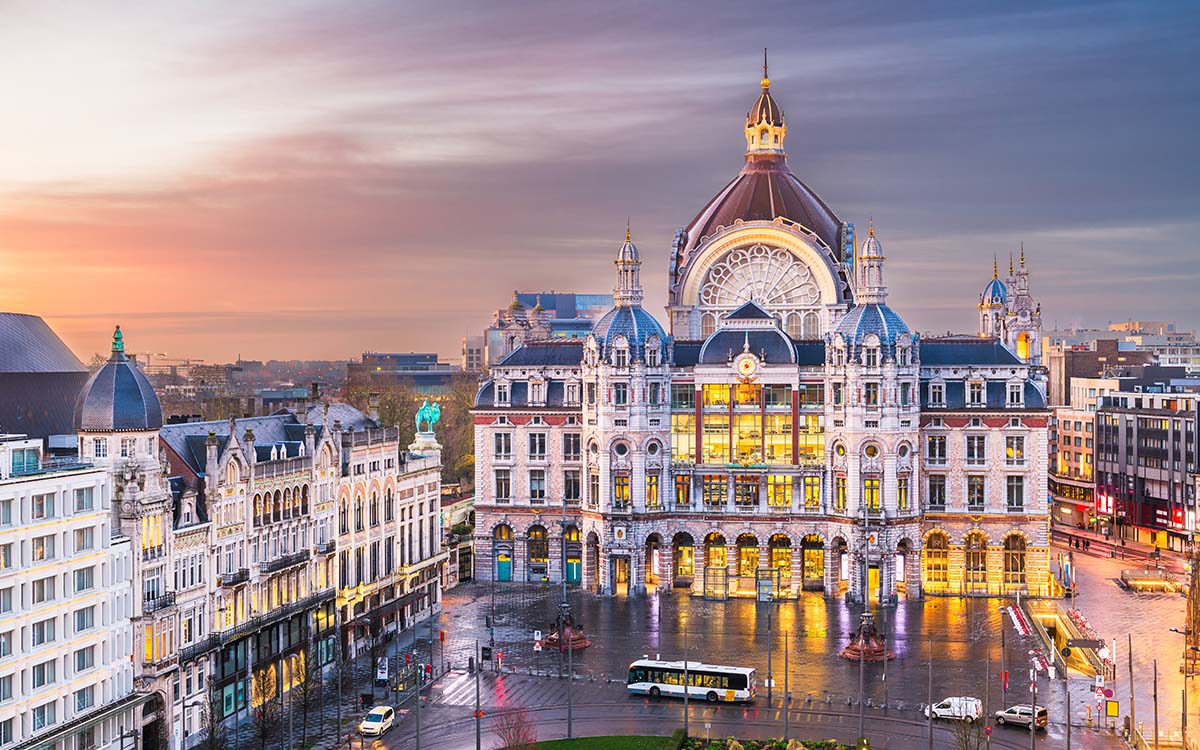
Antwerp is perhaps best known for its
diamonds, and the city's sparkling allure attracts the glitterati
with a thriving fashion and entertainment culture. The city also
has countless shopping opportunities, trendy bars and nightclubs
for the fashion-conscious and young at heart.
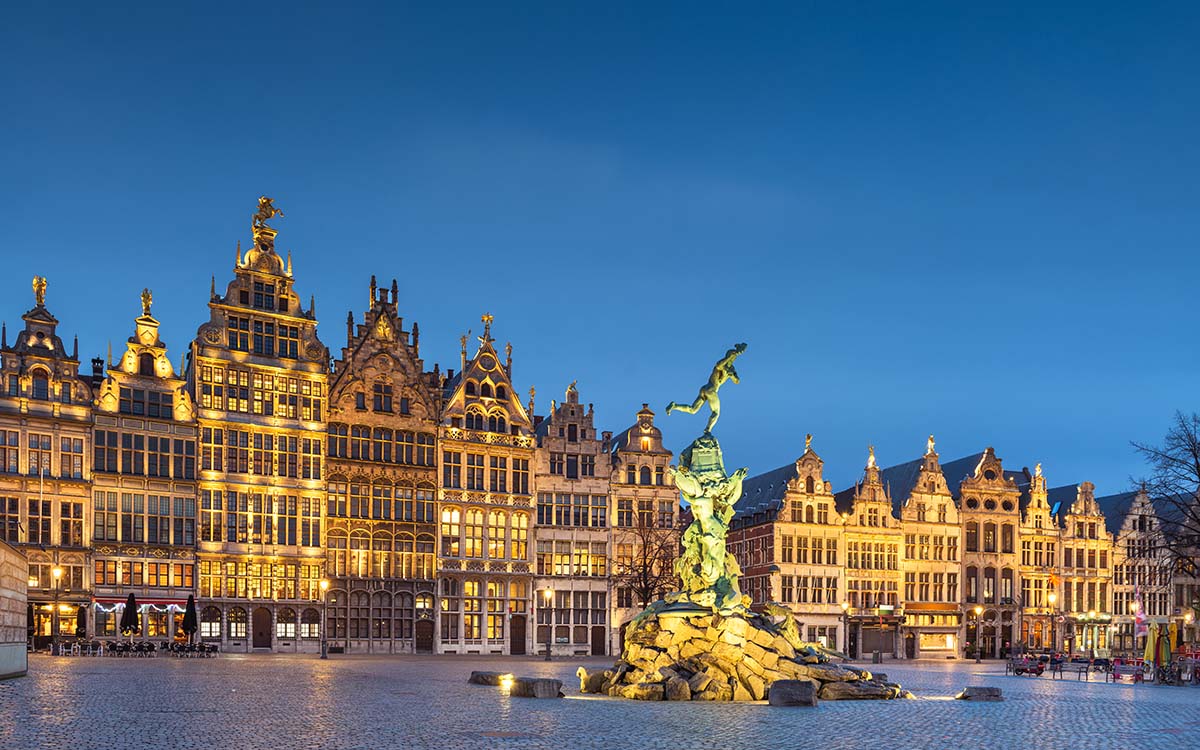
As the second-largest city in Belgium and a
major European port, Antwerp has a more modern face than many of
its neighbours. Much of the city was destroyed in World War II, but
its history is present in its beautifully-preserved Gothic and
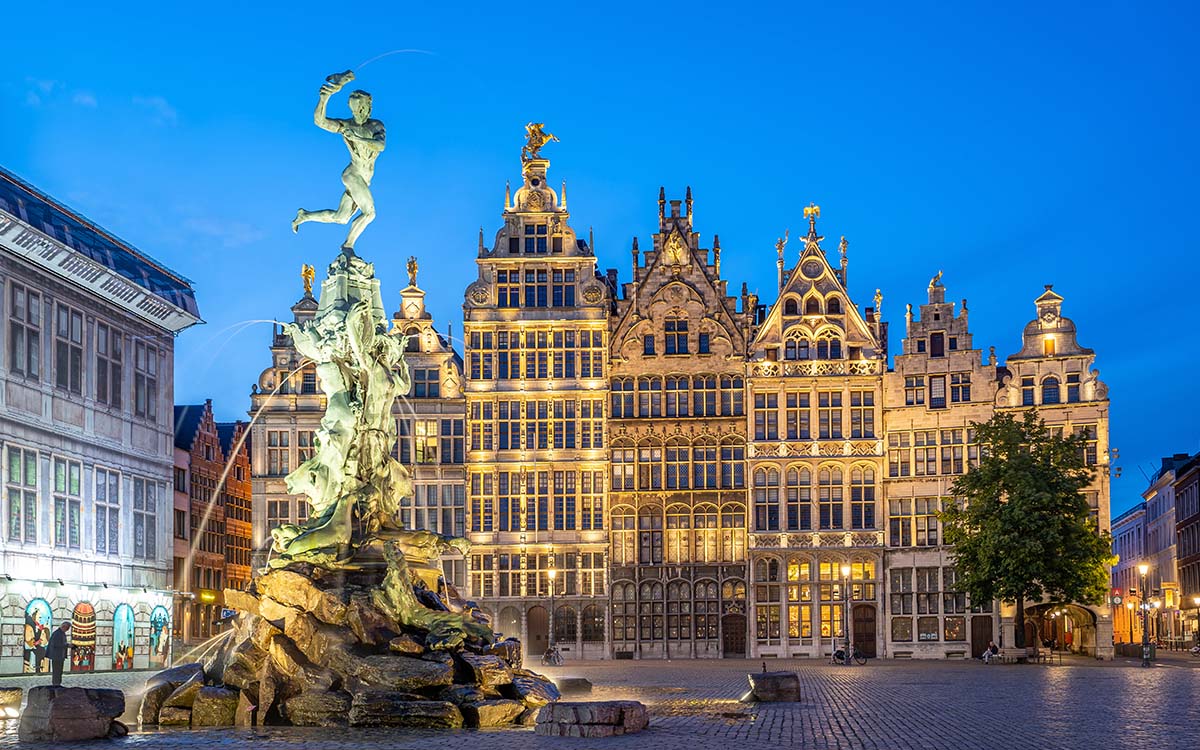
Baroque architecture. At the centre of the city is the Grote Markt,
with the baroque Brabo Fountain in the middle. The work of baroque
sculptor Pieter Paul Reubens is visible all over the city, most
notably at the Royal Museum of Fine Arts.
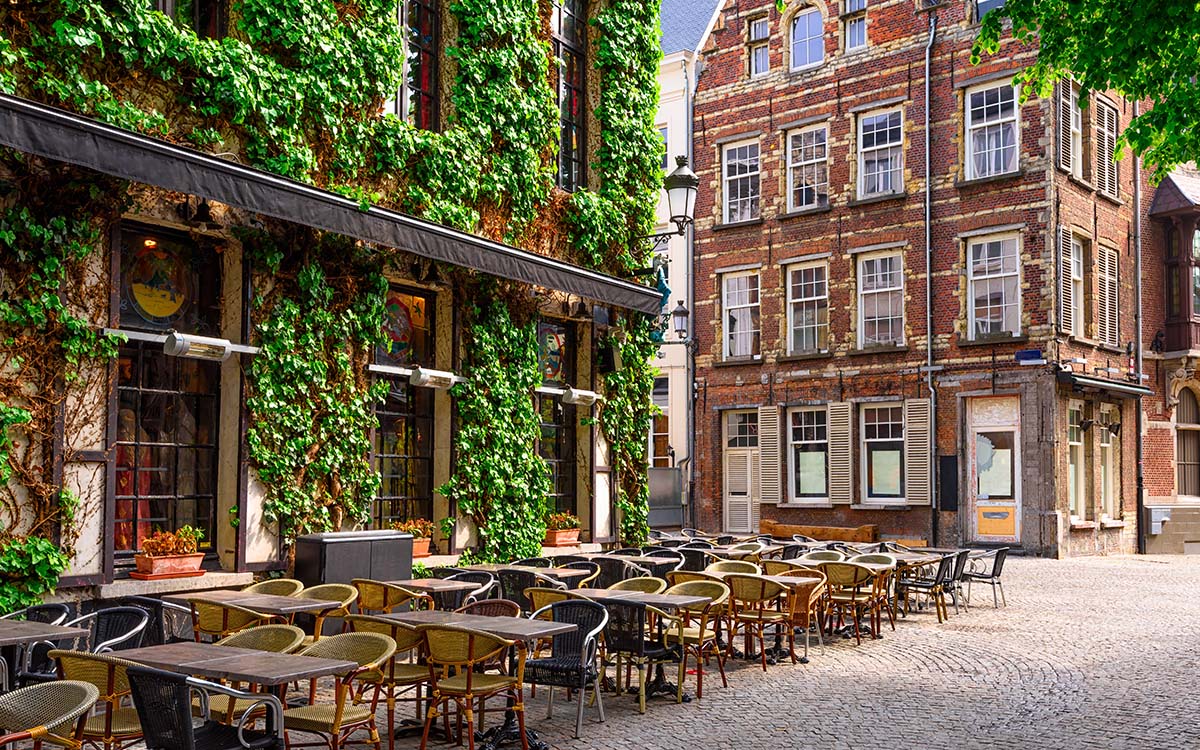
A visit to Antwerp is a must on any Belgian
holiday. Indeed, the city does a uniquely European balancing act of
old and new, offering plenty of pretty sights, good museums, family
attractions and sidewalk cafés.
Day 11
Farsund
Farsund is a picturesque town located in the southern part of Norway, in the county of Vest-Agder. Situated on the coast, Farsund offers stunning views of the North Sea and a rich maritime history.
One of the main attractions in Farsund is its beautiful coastline. With several sandy beaches, rocky cliffs, and crystal-clear waters, this destination is perfect for beach lovers and outdoor enthusiasts. The most famous beach in Farsund is Lista Beach, which stretches for over 12 kilometers and offers excellent conditions for swimming, sunbathing, and various water sports. The beach is also a popular spot for birdwatching, as it attracts numerous species of migratory birds during certain seasons.
Farsund is known for its charming and well-preserved wooden houses that date back to the 18th and 19th centuries. Strolling through the town, visitors can admire the unique architecture and learn about the town's past. Additionally, Farsund has a vibrant cultural scene, with several museums and art galleries showcasing local and international artists. The Lista Museum is a must-visit for history buffs, as it provides an insight into the town's maritime heritage through exhibits and interactive displays.
For those interested in outdoor activities, Farsund offers a wide range of options. The surrounding natural landscapes are perfect for hiking, cycling, and fishing. The Lista Lighthouse, located on the Lista peninsula, is an iconic landmark that offers breathtaking views of the coastline and is a popular spot for photography enthusiasts. The nearby hiking trails, such as the Skrelia Coastal Path, allow visitors to explore the rugged and diverse terrain of the area.
One of the highlights of Farsund is its annual Seafood Festival, held in August. This culinary event attracts locals and tourists alike, offering an opportunity to taste locally sourced seafood delicacies and experience the vibrant atmosphere of the town. The festival also includes live music, entertainment, and cultural activities, making it a memorable experience for visitors of all ages.
If you're a history enthusiast, Farsund has a few notable historical sites worth exploring. The Farsund Fort is a well-preserved fortress that was built in the 17th century to protect the town from pirate attacks. Today, it serves as a museum and offers guided tours, providing insight into Norway's military history. Another site of interest is the Listerskjærgården Coastal Museum, where you can learn about the region's coastal culture, fishing traditions, and local folklore.
Farsund's location also makes it an ideal starting point for exploring the surrounding area. The nearby archipelagos and islands, such as Lista and Hidra, offer secluded beaches, idyllic landscapes, and opportunities for boating and kayaking. The town is also conveniently located near larger cities like Kristiansand and Stavanger, making it easy to plan day trips to explore more of southern Norway.
In terms of accommodation, Farsund offers a range of options to suit every budget and preference. From cozy guesthouses and bed and breakfasts to modern hotels and vacation rentals, visitors can find comfortable and welcoming places to stay.
Overall, Farsund is a charming coastal town that offers a unique blend of natural beauty, cultural heritage, and outdoor activities. Whether you're interested in exploring the stunning coastline, immersing yourself in history, or simply enjoying the tranquility of a small Norwegian town, Farsund is a destination that is sure to leave a lasting impression.
Day 12
Oslo
Legends of heroes and trolls roaming the countryside
outside this charming city attract many travellers looking for a
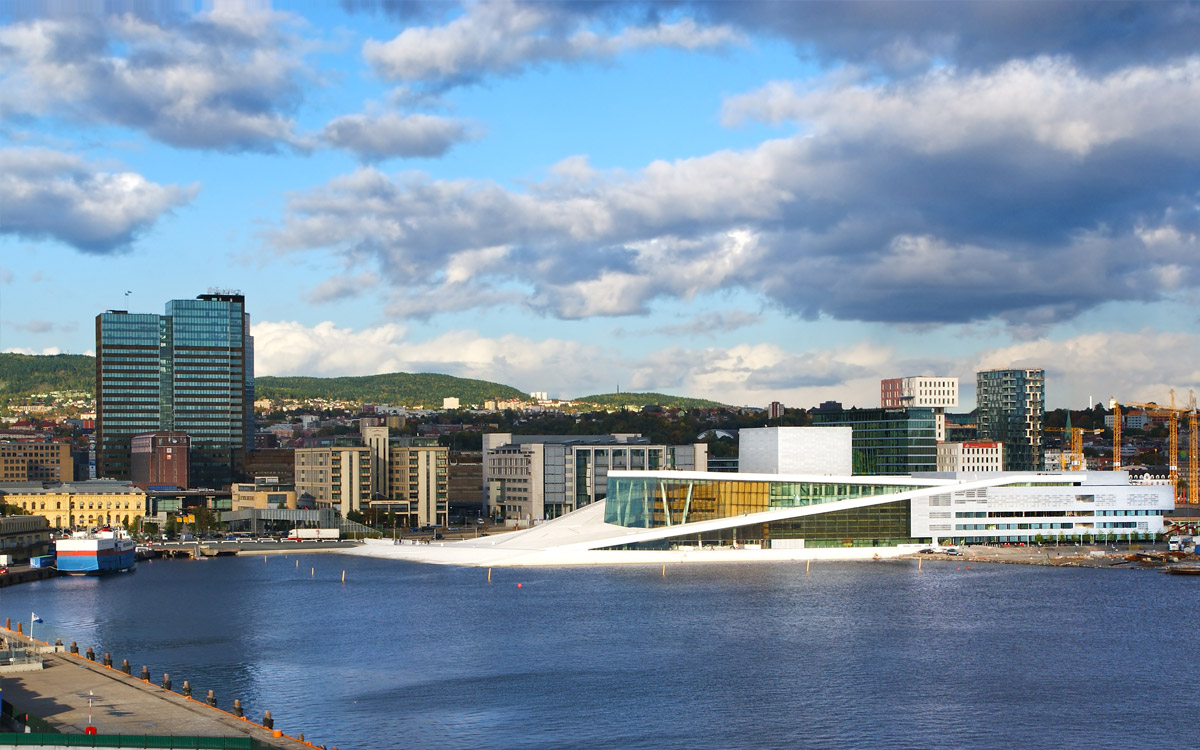
Scandinavian holiday. Oslo, situated at the end of a 70-mile
(110km) long fjord, is Norway's capital and its largest city, rich
in culture and folklore with a fascinating Viking history.
Oslo is the gateway to some of Norway's most scenic
areas, with forests, lakes, and hiking trails just a subway ride
away. But a holiday in Oslo is a joy in its own right. This
sophisticated city offers cultural attractions, nightclubs, cafes,
and chic boutiques enough to tempt any urban soul.
Oslo is an eclectic mix of old medieval buildings,
churches, and modern architecture, sitting among the green trees
and forests that form the balance of nature and civilization.
Around the city there are numerous museums, art galleries, and
places of interest.
These include the Edvard Munch Museum and the
Norwegian Folk Museum on the sought after Bygdoy Peninsula. Other
attractions include Vigeland Park with its interesting collection
of sculptures, and the medieval Akershus Fortress dominating the
seafront.
Although Oslo has a small population compared to
other European capital cities, it retains a true vibrancy. The city
centre is filled with restaurants, bars, cafes, clubs, and
theatres, enjoying a very cosmopolitan feel with street artists
hanging around the main street, Karl Johans Gate. Oslo is renowned
as a city of culture and the City Hall hosts the annual awarding of
the Nobel Peace Prize.
Day 13
Gothenburg
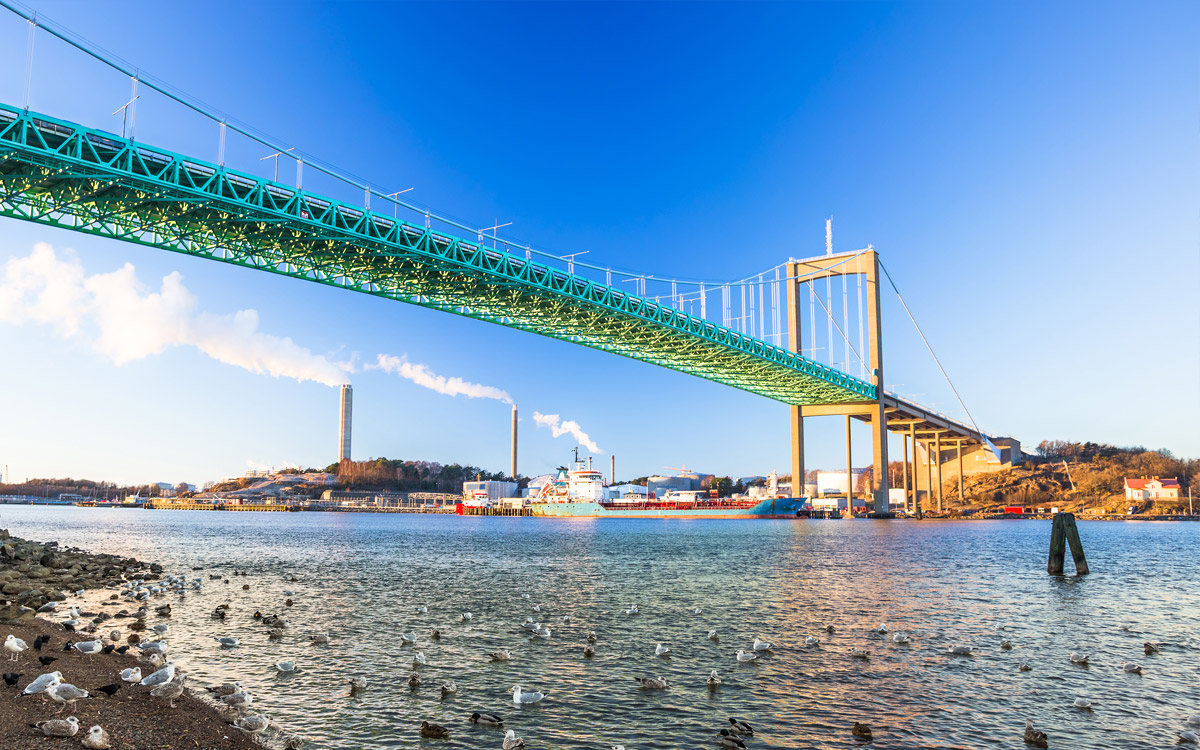
The second-largest city in Sweden and Scandinavia's
most important port, Gothenburg (or
) is situated on the west coast of the country.
Situated at the outlet of the Gota Canal that links Gothenburg to
the Baltic Sea and Stockholm, Gothenburg was founded in 1621 by
King Gustav II Adolf to secure access to the Atlantic, but the city
was mainly settled and planned by Dutch merchants who used it as
their base for trade. The numerous canals and gabled houses are
evidence of this early influence. Shipping and commerce have always
been important industries in Gothenburg and the port is a popular
arrival point for visitors.
Today, Gothenburg is a beautiful city, with its
waterside location, green open spaces, and fine architecture, as
well as the wide selection of cultural establishments. The main
street, Kungsportavenyn, known simply as Avenyn, is alive with edgy
bars, cafes, and trendy shops. Far more down-to-earth and
youth-driven than Stockholm, Gothenburg's buzz is augmented by the
large student population from the University of Gothenburg. While
certainly not as magnificent as Stockholm, Gothenburg is often
regarded as friendlier and cheaper, and certainly has enough going
on to keep even the most energetic travellers occupied.
Day 14
Aalborg
Aalborg is a vibrant and modern city located in the North Jutland region of Denmark. With a population of over 210,000 people, it is the fourth-largest city in the country and offers a unique blend of historical charm and contemporary attractions. Whether you are interested in exploring the city's rich history, enjoying its vibrant cultural scene, or indulging in its fantastic cuisine, Aalborg has something to offer to all types of travelers.
One of the main highlights of Aalborg is its well-preserved medieval architecture. The city's historic center, known as the "Old Town," is home to an array of charming cobblestone streets, colorful buildings, and beautiful squares. Take a stroll down Jomfru Ane Gade, the city's famous street lined with lively bars and restaurants, or visit Aalborghus Castle, a 14th-century castle that now houses a museum showcasing the city's history.
For history and culture enthusiasts, Aalborg offers numerous museums and cultural institutions to explore. The Utzon Center, designed by renowned architect Jørn Utzon, presents exhibitions on architecture, design, and art. Aalborg Historical Museum is another must-visit, where you can learn about the city's history and see artifacts from different time periods. Additionally, Aalborg has a thriving arts scene, with various galleries and theaters hosting exhibitions, performances, and events throughout the year.
Aalborg is also home to several impressive landmarks that are worth a visit. One such landmark is the Aalborg Tower, located in Kildeparken. Climb to the top of the tower for panoramic views of the city and its surroundings. Another landmark is the Lindholm Høje Viking Burial Site, where you can explore the remains of an ancient Viking settlement and burial ground.
Food lovers will be delighted by the culinary offerings in Aalborg. The city is known for its fantastic seafood, and you can find a wide range of fish and shellfish dishes at its many restaurants. Don't miss the opportunity to try a traditional Danish smørrebrød, an open-faced sandwich with various toppings. Aalborg is also home to several craft breweries, so beer enthusiasts can indulge in the local brews and even visit some of the breweries for a tour and tasting.
Nature lovers will appreciate Aalborg's proximity to beautiful natural landscapes. Just a short distance from the city, you will find stunning beaches and forests. The Blue Flag beach at Bisnap is a popular spot for sunbathing and swimming during the summer months. And for those seeking outdoor activities, Rold Skov, the largest forest in Denmark, offers hiking, cycling, and horse riding trails.
Getting around Aalborg is convenient, thanks to its efficient public transportation system. The city has an extensive network of buses that make it easy to navigate to different parts of the city and its surroundings. Biking is also a popular mode of transportation in Aalborg, and the city has an excellent bike infrastructure, with dedicated lanes and bike rental services.
In terms of accommodation, Aalborg offers a range of options to suit different budgets and preferences. From luxury hotels to cozy bed and breakfasts, there is something for everyone. The city center is a popular area to stay, as it puts you within walking distance of many attractions, restaurants, and shops.
Overall, Aalborg is a welcoming and charming city that offers a mix of history, culture, and natural beauty. With its rich heritage, vibrant cultural scene, and delicious cuisine, it is a destination not to be missed when visiting Denmark.
Day 15
Copenhagen
The coastal city of Copenhagen is packed
with old-world charm alongside avant-garde architecture. It's a
vibrant and modern city, with a long and fascinating history. It
has been the capital of Denmark for nearly 600 years and is home to
the oldest resident monarchy in the world.
Copenhagen is the biggest city in
Scandinavia, occupying a pleasant and strategic spot on the Baltic
east coast of Denmark's largest island, Zealand. Its harbour is
overlooked by the world-famous statue of the Little Mermaid.
Visitors are often first struck by the
cleanliness and orderliness of this busy and dynamic capital. This
is epitomised in the suburb of Christianshavn, with its picturesque
canals and old cobbled streets all in pristine condition.
Most of the attractions in Copenhagen are
situated within one square mile (3 square km) of flat terrain in
the centre, making it easy to explore on foot or by bicycle, the
vehicle of choice for locals.
Five streets in the heart of the city have
been merged to provide the world's longest pedestrian mall of
Strøget, running between Rådhuspladsen and Kongens Nytorv. It's
packed with historic gabled buildings, dynamic department stores,
numerous interesting little shops, restaurants, pavement cafes,
theatres and world-class museums and galleries.
Copenhagen is not short on green lungs
either. Parks such as the ever popular Tivoli Gardens abound in
this city, which prides itself on its strict anti-pollution laws
and lack of glass and chrome skyscrapers.
Day 16
Bornholm Island
Often overlooked by travellers, the Kingdom of Denmark is small yet prosperous. This thriving country in northern Europe enjoys some of the highest standards of living in the world, and contains a host of interesting attractions and experiences for visitors.
The capital of Copenhagen is lively, occupying the biggest of the offshore islands. Denmark is almost totally surrounded by ocean and its terrain is made up of the Jutland Peninsula and some 406 islands. It has excellent road and railway systems, in addition to numerous ferry connections to the myriad offshore islands.
With all this water, it's not surprising that Denmark is extremely reliant on shipping and fishing. The country also has an important agricultural sector and is famed in particular for its dairy products, with lovers of butter and cheese sure to be in culinary heaven.
The countryside is both charming and majestic, with small green farms, blue lakes and white coastal beaches. Thatched cottages, castles and windmills are sprinkled throughout rural areas across gentle landscapes perfect for cycling.
The cities are modern and bustling, while still retaining a medieval feel preserved in old districts of colourful buildings and cobblestone streets. The most important of the country's 300 museums are found in Copenhagen, while the Viking Ship Museum in Roskilde is devoted to honouring Denmark's bold mariners of the past.
Other notable attractions include the annual summer music festival in Roskilde, which is one of the largest in Europe; the Tivoli Gardens amusement park, which has entertained crowds in Copenhagen since 1843; and one of the world's longest bridges, spanning 10 miles (16km) and joining Denmark to Sweden.
Day 17
Visby
Visby, located on the Swedish island of Gotland, is a picturesque medieval town that offers visitors a unique combination of historical charm, natural beauty, and cultural experiences. With its well-preserved city walls, cobblestone streets, and fascinating architecture, Visby is often referred to as the "City of Roses" or the "Pearl of the Baltic."
Visby's history dates back to the Viking Age, and it became an important trading center during the Hanseatic League in the 12th century. The town's medieval heritage is beautifully preserved within its city walls, which are among the best-preserved in Northern Europe. Walking through these walls takes you on a journey back in time, with narrow winding streets, ancient buildings, and a sense of medieval grandeur.
One of the main attractions in Visby is the medieval district, a UNESCO World Heritage site. The district is home to numerous well-preserved medieval houses, churches, and ruins. Stroll along the cobblestone streets, visit the impressive St. Mary's Cathedral, explore the ruins of the ancient Dominican Monastery, and learn about Visby's fascinating past in the Gotland Museum. The museum showcases artifacts from different historical periods, including the famous Viking silver hoard known as the Spillings Hoard.
Beyond its historic center, Visby is surrounded by beautiful landscapes and natural wonders. Gotland is known for its stunning coastline, with white sandy beaches and clear blue waters. To the north of Visby, you'll find the popular beach of Tofta, which stretches for kilometers and is perfect for swimming, sunbathing, and water sports. The island's natural beauty also includes lush forests, picturesque countryside, and unique rock formations, such as the impressive sea stacks at Langhammars and Digerhuvud.
In addition to its sights and natural landscapes, Visby is a lively cultural destination. The town hosts several festivals and events throughout the year, attracting visitors from all over the world. The most famous of these is the Medieval Week, held in August, where the town transforms into a lively medieval marketplace with knights, jugglers, and musicians. During this time, the streets are filled with people dressed in medieval costumes, creating a truly immersive experience.
Visby is also known for its vibrant nightlife and culinary scene. The town offers a wide range of restaurants and cafes, serving both traditional Swedish cuisine and international dishes. Don't miss the opportunity to try local specialties like saffranspannkaka (saffron pancake) and waffles with whipped cream and jam. And of course, a visit to Visby wouldn't be complete without enjoying a glass of Gotland's famous cider, brewed from locally grown apples.
Getting to Visby is relatively easy as it is well connected by air and sea. Visby Airport offers direct flights from several major cities in Sweden, as well as some international destinations during the summer months. If you prefer travelling by sea, regular ferry services operate between Visby and Nynäshamn, Oskarshamn, and Västervik.
Whether you're a history enthusiast, a nature lover, or simply looking for a charming getaway, Visby has something to offer every visitor. Its medieval beauty, stunning landscapes, and rich cultural heritage make it a destination that shouldn't be missed. So pack your bags and get ready to embark on an unforgettable journey to the enchanting town of Visby.
Day 18
Stockholm
The Swedish capital of Stockholm is not only
Scandinavia's largest city but also one of its most enchanting,
with its centuries-old alleyways and squares spread across an
archipelago of 14 islands. Locals are extremely proud of the fact
that in Stockholm one can go ocean-fishing in the heart of the
city.
This historic metropolis with a small town heart
boasts a multitude of museums, restaurants, parks, fun fairs, a
never-ending nightlife (licensing hours extend into the early
hours), and a rich cultural tradition. There's never a dull moment,
particularly in the summer when the sun virtually never sets
because of the city's position in the far northern latitudes.
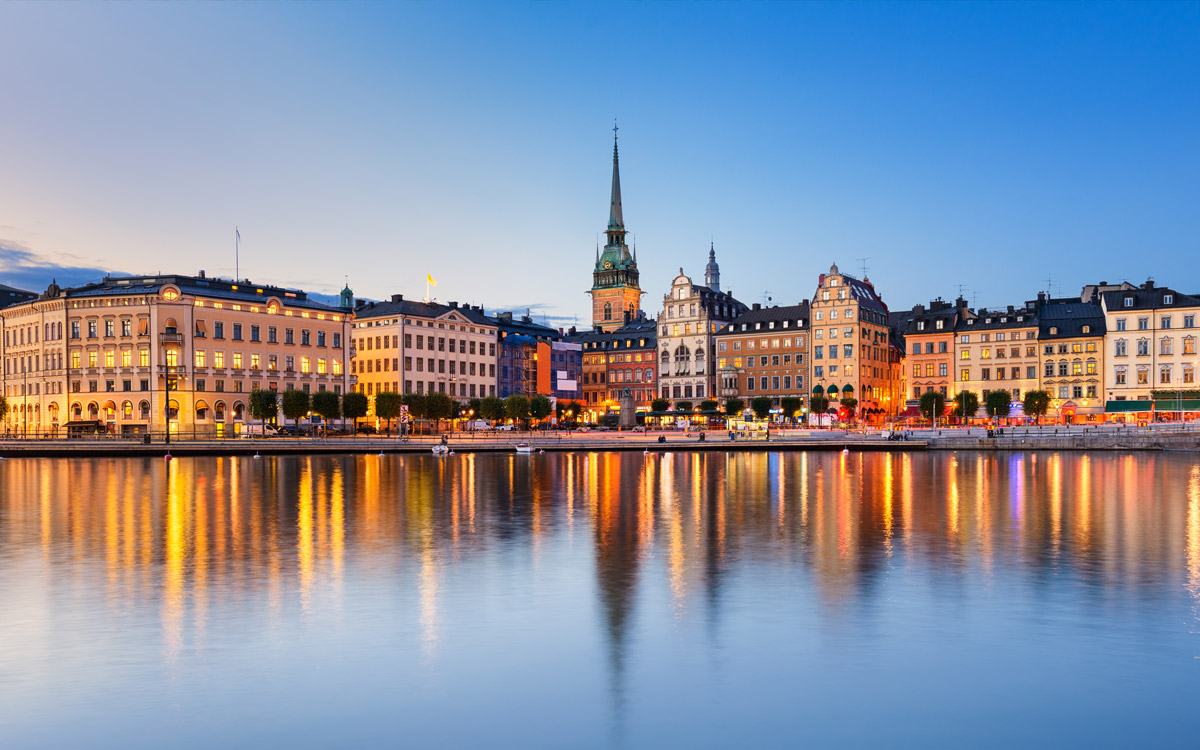
Most tourists are initially drawn to the quaint Gamla
Stan (Old Town), a warren of narrow cobblestone streets
overshadowed by historic houses. It radiates out from the sumptuous
Royal Castle, where Swedish monarchs have resided since the 13th
century.
However, despite the rich medieval heritage,
Stockholm is not an old-fashioned enclave. Citizens have developed
a reputation for being trendy, daring and innovative, especially in
the global realms of IT and fashion, often setting the pace in the
technology and design fields.
Stockholmers are also immensely concerned with the
environment, and the cityscape is made up of one-third water,
one-third green space, one-third buildings, and some of the
cleanest air of any city in the world. Pack a picnic, hop aboard a
ferry, and make for one of the parks where you will undoubtedly be
treated to a free concert; or head for the legendary shopping
districts of Biblioteksgatan (exclusive European boutiques),
Odengatan (antique treasures), and others.
There is culture to be soaked up too, with more than
150 museums to visit, art festivals galore, opera and jazz
concerts, and architecture to be admired, including the beautiful
City Hall where the Nobel Prize banquet takes place. It may be old
but Stockholm is a destination for the young and energetic, and not
overrun with tourists like many other European capitals.
Day 20
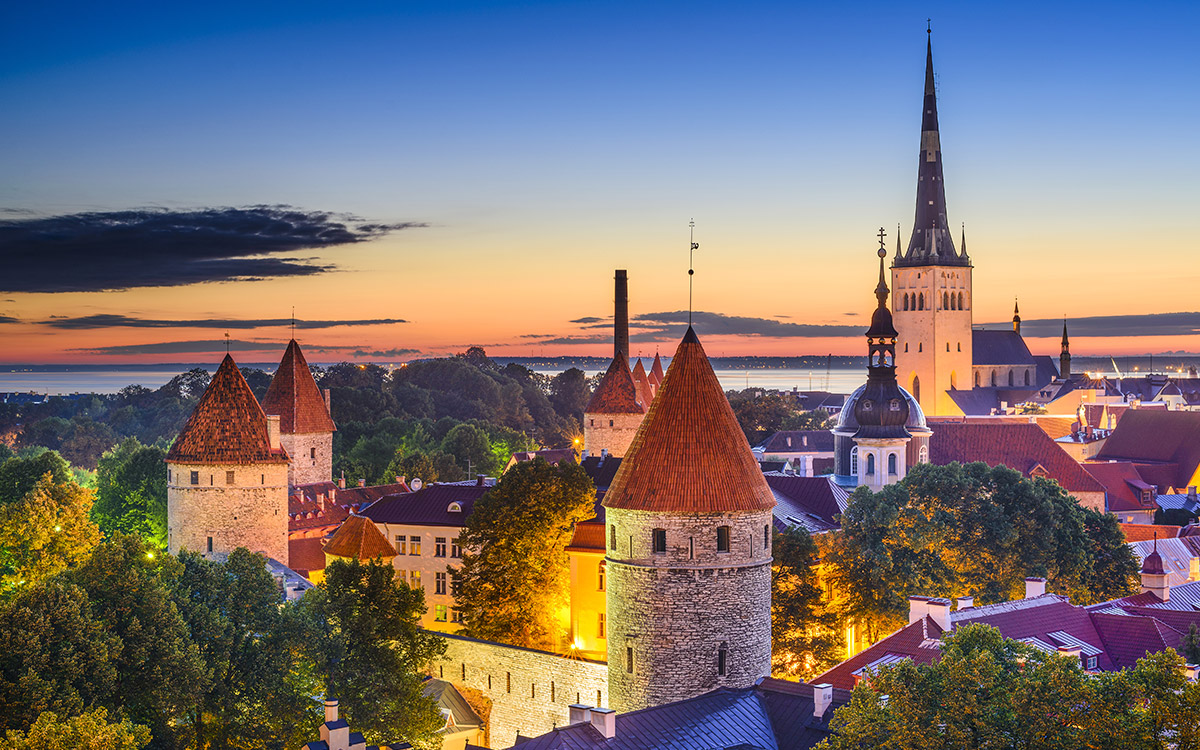
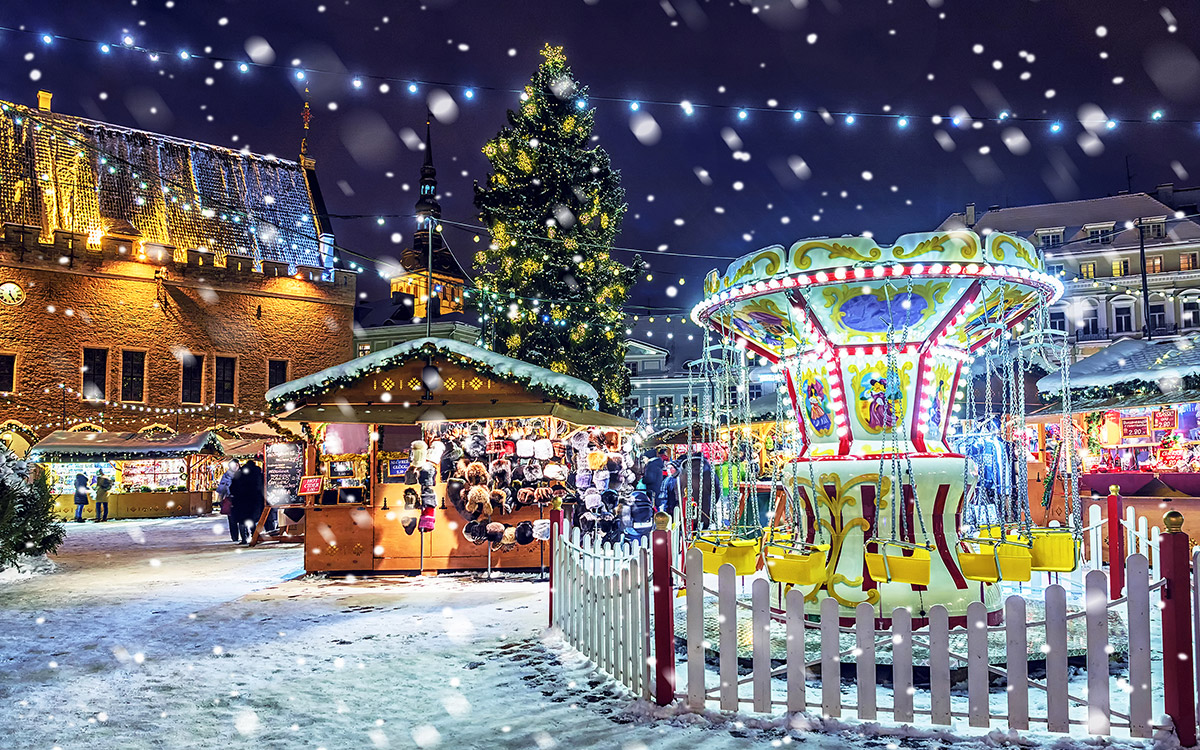
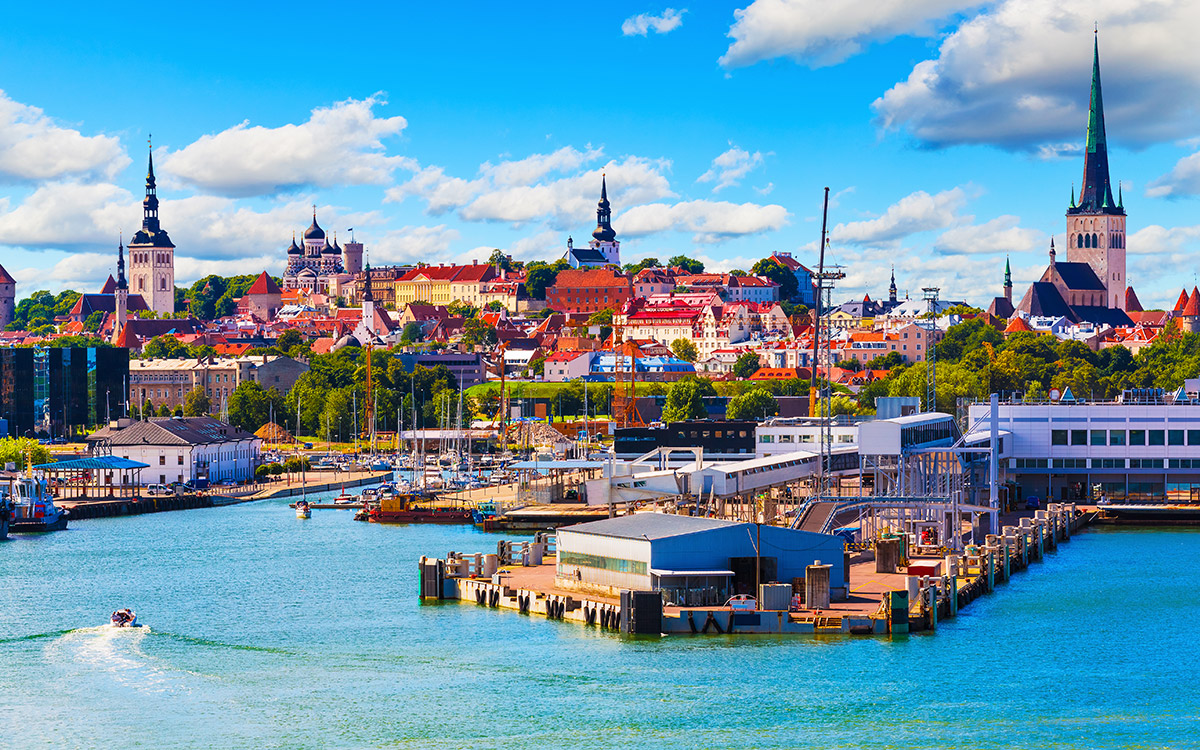
Tallinn
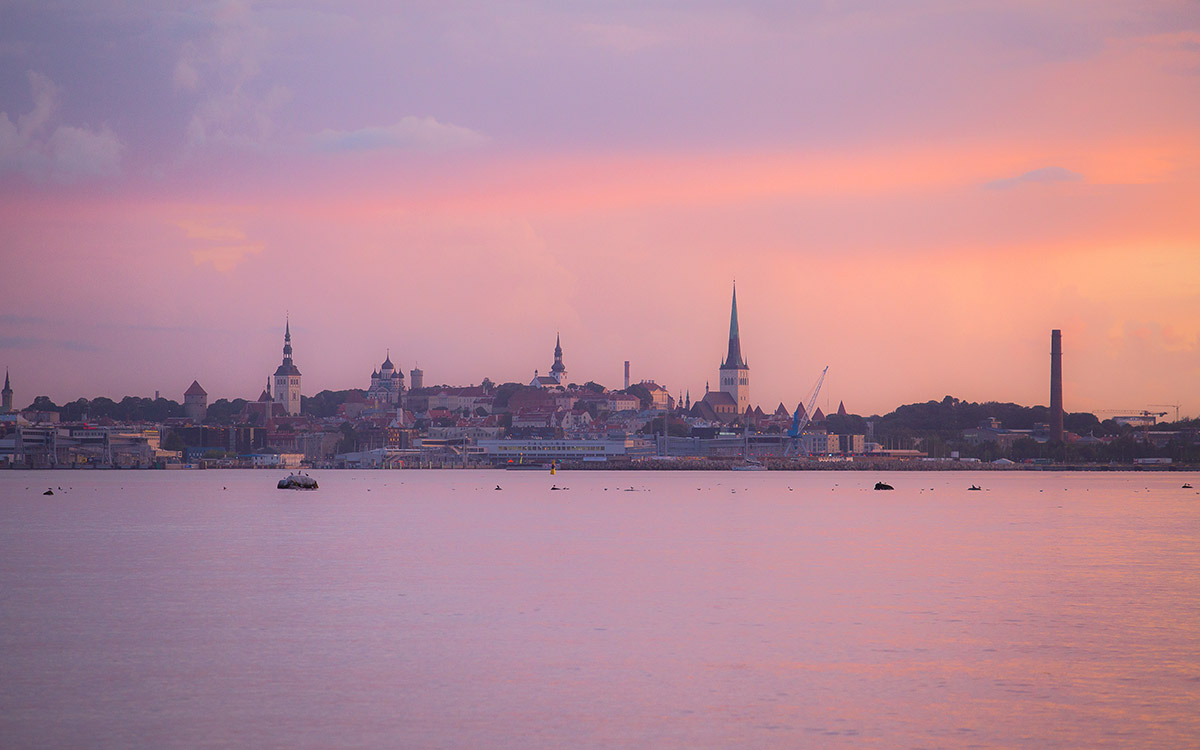
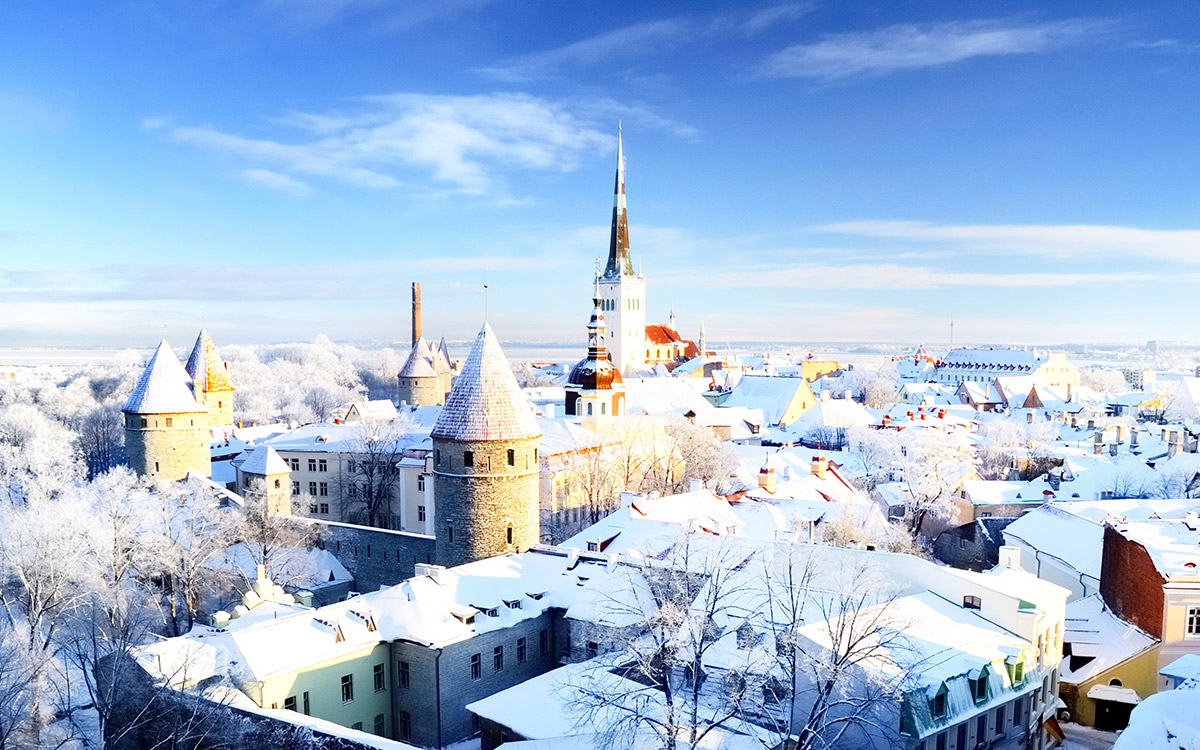
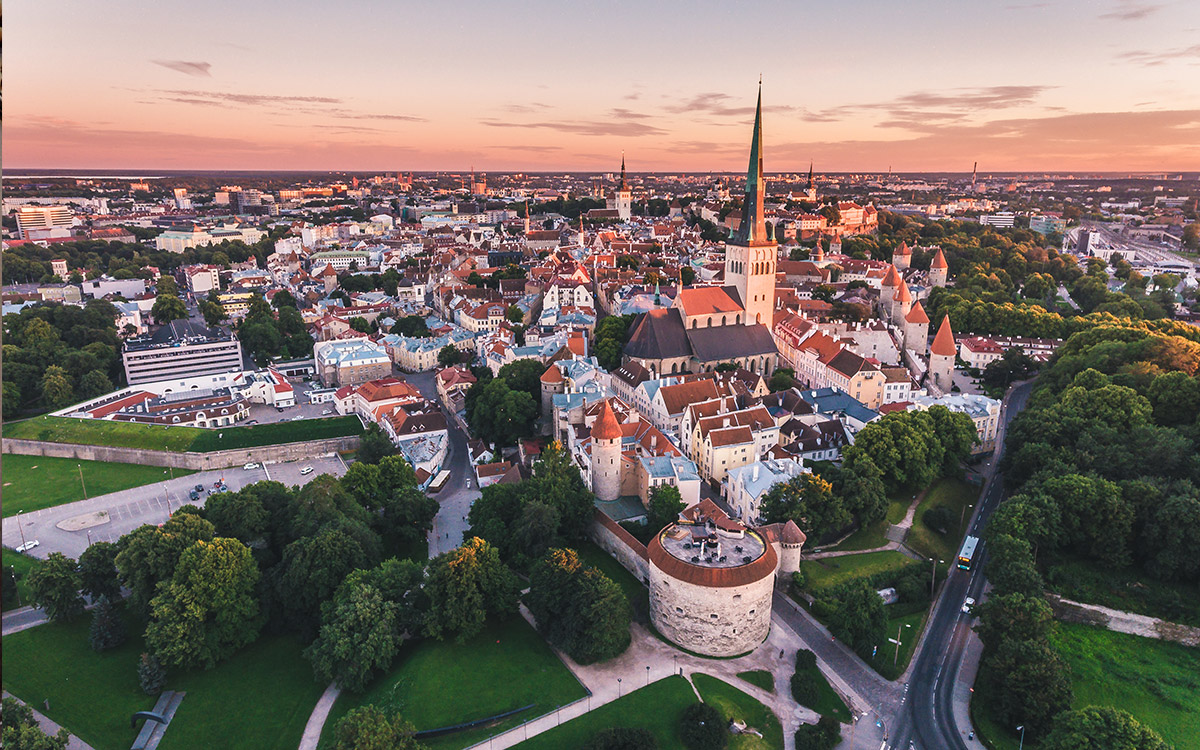
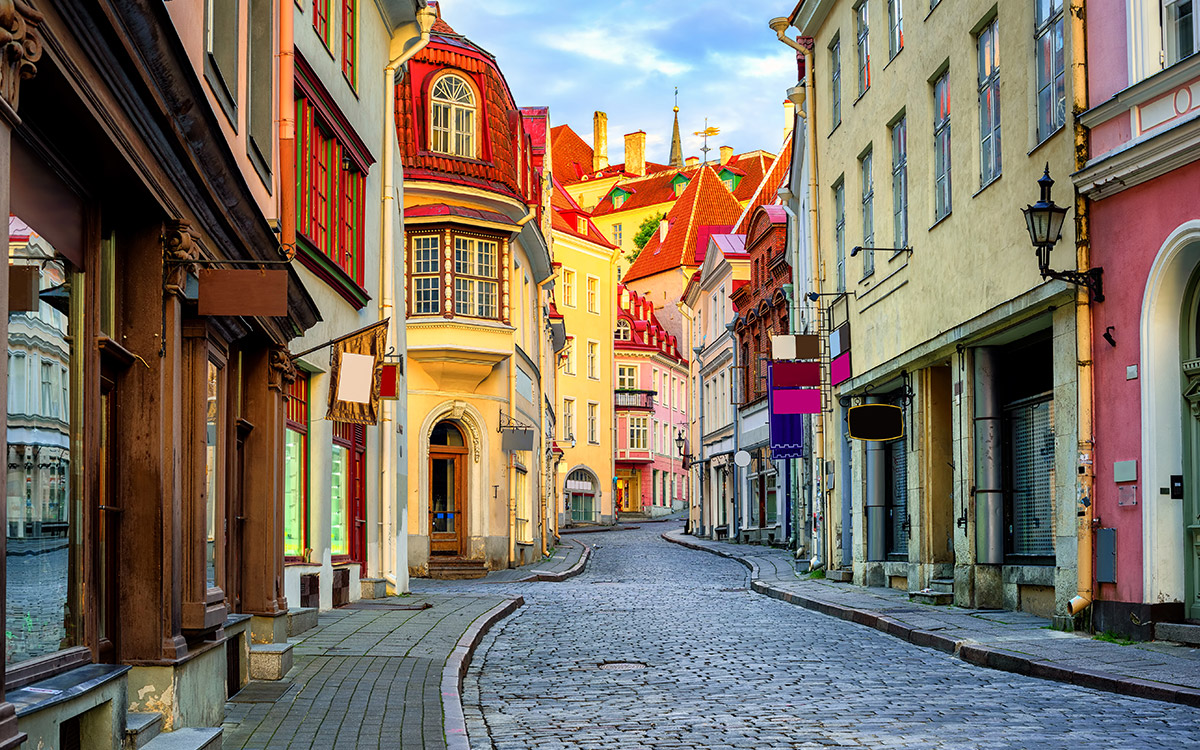
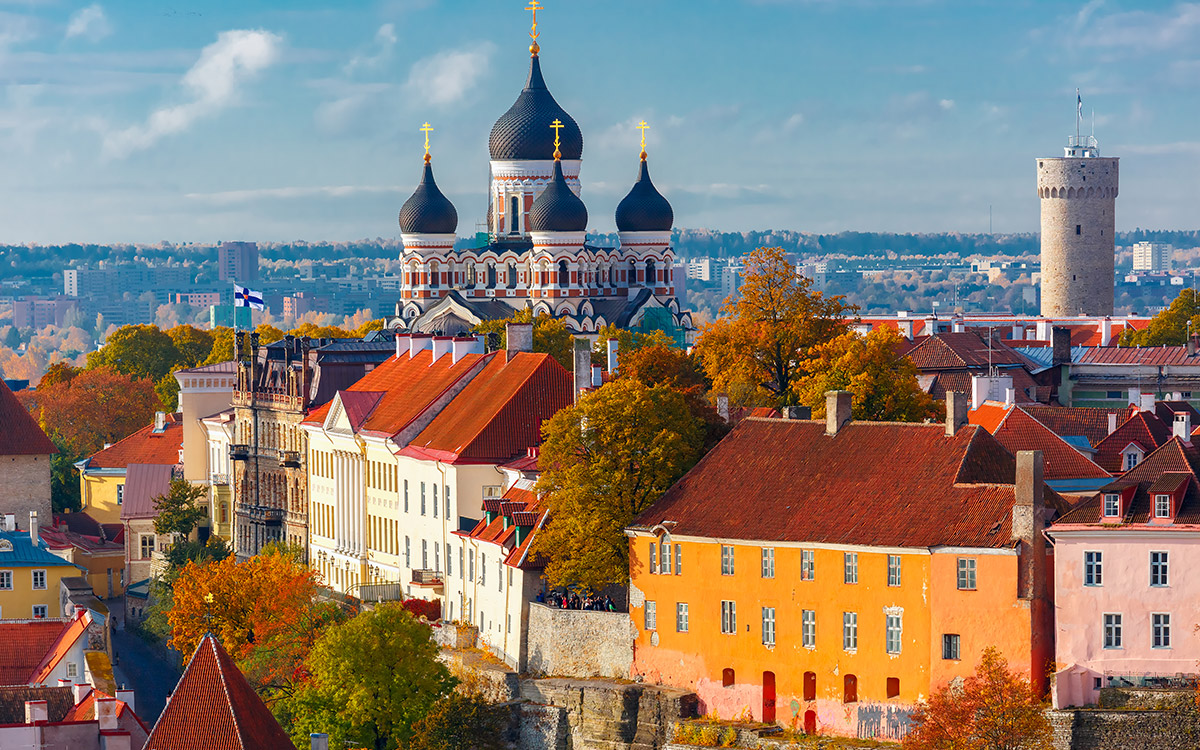
The ancient coastal capital of Tallinn exudes a sense of
romantic history. Recognised as one of the most completely
preserved medieval cities in Europe, it is a gem on the UNESCO
World Heritage List that is slowly being discovered by delighted
visitors of all ages. A spirit of mystery still pervades the
cobbled courtyards of the picturesque Old Town, where visitors can
wander along winding alleys overhung with original 12th- and
13th-century merchant's houses, and view a perfectly preserved
medieval church.
While preserving its past, Tallinn is as progressive as any
other modern European capital. This is probably best reflected in
the interactive exhibits at the AHHAA Science Centre, the city's
showcase for the arts and sciences. Public transport is modern and
efficient; the nightlife is pumping with cigar bars, pool halls and
nightclubs. Dining out promises tasty choices ranging from
take-away pizza and Chinese to formal French and traditional
Estonian cuisine.
Day 22
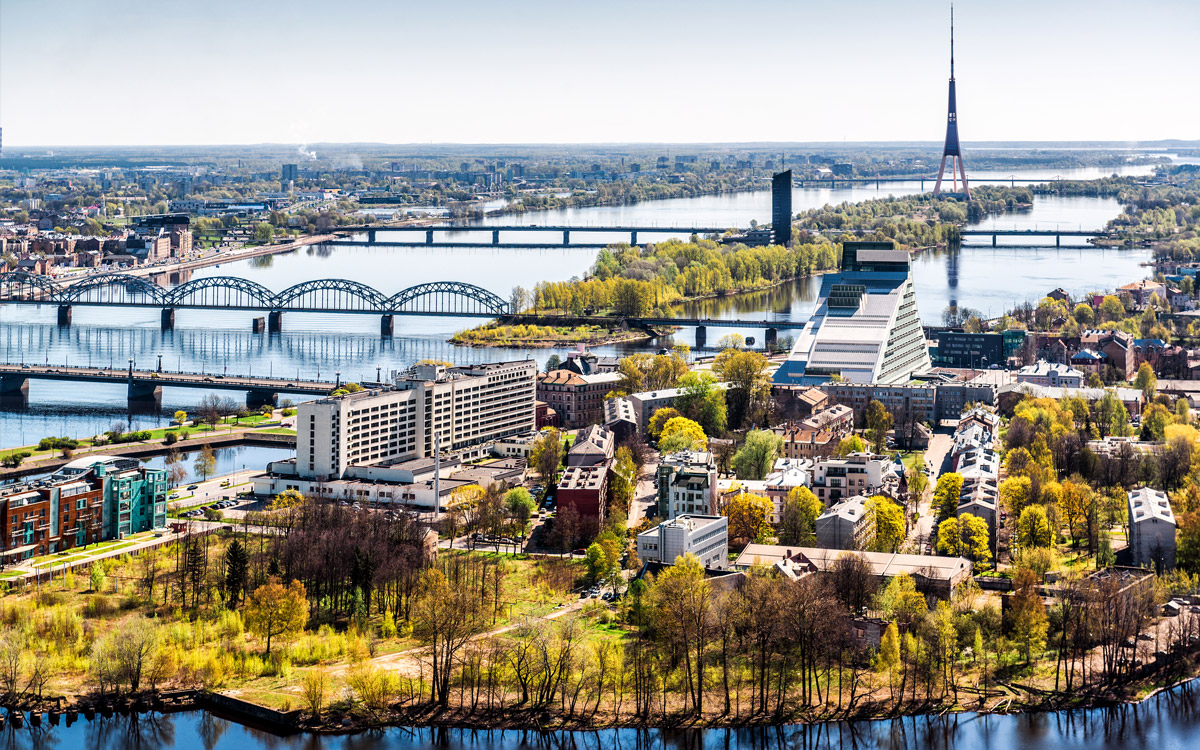
Riga
Situated at the mouth of the Daugava, the city of
Riga is the capital of Latvia and the biggest city in the Baltic
States. It has emerged from behind the Iron Curtain and is slowly
coming into its own as a major European tourist destination.
Situated on the south-western coast of the country,
Riga is split in two by the River Daugava, and served as a major
trading port and a crossroads between western Europe and the East.
The modern founding of the city dates back to the 12th century with
the arrival of German traders, mercenaries, and missionaries, while
its older roots date back to a settlement of the ancient Finnic
tribe, the Livs.
Riga boasts a collection of exquisite Art Nouveau
buildings that rival those in Vienna, Barcelona, and St Petersburg,
and the fairytale historic city centre is a delight to explore. As
the cultural and economic centre of the country, Riga is home to
plenty of top-class museums, galleries, and performing arts
centres. It also has a wide range of sophisticated bars, clubs, and
restaurants. The city is fast gaining a reputation as a party
capital, and its vibrant nightlife draws hundreds of weekenders
from all over Europe.
For a more traditional Latvian experience, it is well
worth braving the winter cold to enjoy a spot of ice fishing,
ice-skating on the frozen Daugava River, or a
a rigorous sauna involving being beaten with dried
birch branches. With over 800 years of history, a UNESCO World
Heritage Site-listed historic city centre, and a modern buzz, Riga
remains a largely undiscovered gem with plenty to delight and
enchant the visitor.
Day 23
Klaipeda
Located on the Baltic Sea coast in Lithuania, Klaipeda is a charming and vibrant city that offers a unique blend of historical charm, stunning natural beauty, and a thriving cultural scene. With its rich history, picturesque architecture, and proximity to beautiful beaches, Klaipeda is a popular destination for both domestic and international travelers.
Klaipeda's history dates back to the 13th century when it was founded by Teutonic Knights. As Lithuania's only port city, Klaipeda has played an important role in trade and commerce throughout the centuries. The city has been under the rule of various powers, including the Teutonic Knights, Poland, Sweden, Germany, and the Soviet Union, resulting in a mix of architectural styles that can be seen throughout the city.
One of the main attractions in Klaipeda is the Old Town, which is a UNESCO World Heritage Site. The Old Town is characterized by its narrow cobblestone streets, colorful buildings, and cozy cafes. The Theatre Square is a focal point of the Old Town, surrounded by some of the city's most important landmarks such as the Clock and Art Museums. The Drama Theater, housed in a beautiful neo-gothic building, is another cultural highlight in the Old Town.
Just a short distance from Klaipeda, you can find some of Lithuania's most beautiful sandy beaches. The Curonian Spit, a UNESCO World Heritage Site, is a narrow strip of land that separates the Curonian Lagoon from the Baltic Sea. The Spit is famous for its unique sand dunes, pine forests, and picturesque seaside resorts. Visitors can enjoy sunbathing, swimming, and various water sports activities along the coastline. The Curonian Lagoon is also a popular spot for sailing, fishing, and birdwatching.
For history enthusiasts, the Maritime Museum and Aquarium is a must-visit attraction in Klaipeda. Housed in a former fortress, the museum showcases the city's maritime heritage through interactive exhibits, models of historical ships, and a fascinating collection of marine life. The Blacksmith's Museum is another interesting museum that offers insight into traditional blacksmithing techniques and showcases a variety of metalwork.
Klaipeda is well-known for its vibrant cultural scene, with numerous festivals, concerts, and exhibitions taking place throughout the year. The Jazz Festival, held in July, attracts renowned jazz musicians from around the world and is a highlight for music lovers. The Sea Festival, held in late July, celebrates the city's maritime heritage with a variety of activities, including boat races, concerts, and fireworks displays.
When it comes to dining, Klaipeda offers a wide range of culinary delights. The city is famous for its fresh seafood, with many restaurants specializing in delicious fish dishes. Visitors can also indulge in traditional Lithuanian cuisine, including hearty soups, potato dishes, and a variety of meat-based dishes. The local beer scene is also worth exploring, with several breweries offering a taste of the city's craft beer culture.
In terms of accommodation, Klaipeda caters to a range of budgets and preferences. The city offers a variety of hotels, guesthouses, and self-catering apartments, with options available in both the city center and near the beach.
Whether you're interested in history, nature, or cultural experiences, Klaipeda has something to offer every traveler. With its charming Old Town, stunning beaches, and vibrant cultural scene, Klaipeda is a destination that should not be missed when visiting Lithuania.
Day 24
Gdansk
Gdansk is an import port situated at the mouth of the Vistula
River on the Baltic Sea, existing throughout history as a major
trading centre. It's the best known of the Tri-City complex that it
forms with the modern seaport of Gdynia and the fashionable beach
resort town of Sopot.
Its turbulent history includes the rule of the Teutonic Knights
in the 14th century, who then lost it to Prussia, and after the
first shots of World War II were fired on the nearby peninsula of
Westerplatte, it was occupied by Nazi Germany in 1939.
Like many Polish towns, Gdansk lay in ruins after the war, but
it was meticulously rebuilt over a 20-year period, returning it to
its former glory. The interesting architecture and beautiful
painted buildings are part of the town's historic charm, and for
those interested in World War II it is a fascinating
destination.
The richest architecture is visible in the historic quarter of
the Main Town. Its primary thoroughfare, known as the Royal Way, is
spectacular. Lined with magnificent buildings featuring beautifully
painted facades and entered through grand stone gateways at either
end, this was the route along which the Polish Kings paraded during
their visits.
The most splendid façade in town belongs to the Golden House,
one of Gdansk's most impressive buildings, along with the Town Hall
and Artus Court. In front of the Court, the gathering place of the
old merchants, stands the Renaissance-style Neptune's Fountain.
Along the waterfront, with its fashionable restaurants and
cafes, the huge Gdansk Crane dominates the promenade, the largest
crane in medieval Europe which today houses the Maritime
Museum.
Parallel to the Royal Way is Gdansk's most picturesque street,
Mariacka Lane, lined with quaint 17th-century
houses with decorative steps and iron railings. The
gigantic St Mary's Church towers over the city and offers splendid
panoramic views.
Day 26
Copenhagen
The coastal city of Copenhagen is packed
with old-world charm alongside avant-garde architecture. It's a
vibrant and modern city, with a long and fascinating history. It
has been the capital of Denmark for nearly 600 years and is home to
the oldest resident monarchy in the world.
Copenhagen is the biggest city in
Scandinavia, occupying a pleasant and strategic spot on the Baltic
east coast of Denmark's largest island, Zealand. Its harbour is
overlooked by the world-famous statue of the Little Mermaid.
Visitors are often first struck by the
cleanliness and orderliness of this busy and dynamic capital. This
is epitomised in the suburb of Christianshavn, with its picturesque
canals and old cobbled streets all in pristine condition.
Most of the attractions in Copenhagen are
situated within one square mile (3 square km) of flat terrain in
the centre, making it easy to explore on foot or by bicycle, the
vehicle of choice for locals.
Five streets in the heart of the city have
been merged to provide the world's longest pedestrian mall of
Strøget, running between Rådhuspladsen and Kongens Nytorv. It's
packed with historic gabled buildings, dynamic department stores,
numerous interesting little shops, restaurants, pavement cafes,
theatres and world-class museums and galleries.
Copenhagen is not short on green lungs
either. Parks such as the ever popular Tivoli Gardens abound in
this city, which prides itself on its strict anti-pollution laws
and lack of glass and chrome skyscrapers.
25-Day Baltic Nights, Kiel Canal & Dover Ships
Recommended Deals like 25-Day Baltic Nights, Kiel Canal & Dover
25-Day Baltic Nights, Kiel Canal & Dover
 Seabourn

Departure:
August
VISITING:
Copenhagen
Karlskrona
Gdansk
Bornholm Island
Wismar
Oudeschild
Dover
Antwerp
Farsund
Oslo
Gothenburg
Aalborg
Copenhagen
Bornholm Island
Visby
+6 more
FROM
£
17,098 pp
7-Day Sweden, Denmark & Kiel Canal
Seabourn
Departure:
August
VISITING:
Copenhagen
Karlskrona
Gdansk
Bornholm Island
Wismar
Oudeschild
Dover
FROM
£
3,718 pp
14-Day Baltic Sea, Kiel Canal & Dover
Seabourn
Departure:
August
VISITING:
Copenhagen
Karlskrona
Gdansk
Bornholm Island
Wismar
Oudeschild
Dover
Antwerp
Farsund
Oslo
Gothenburg
Aalborg
Copenhagen
FROM
£
7,698 pp
Join the Crui.se Club
Points That Pay
Earn 25 points (£25) just for joining — and collect more on bookings, reviews, and referrals.
Exclusive Member Deals
Unlock off-market offers reserved only for Crui.se Club members.
Early Access Perks
Be the first to book with pre-launch notifications and special member-only booking windows.
Cruise With Confidence
Our mission at wordpress-1024654-4169282.cloudwaysapps.com is to help you and your loved one’s book and experience the best cruise holiday imaginable. We’re different in that, our customers come first, not our suppliers or profit margins. Get in touch and let us help you set sail.


Over 20 cruise brands to choose from

Low deposits from £500

All Inclusive cruises

Best deals & discounts

Community driven

Brand agnostic

We take care of everything

Custom built cruise holidays


