


 We won’t be beaten on price...

ABTA protected


Ultimate Voyage: Ancient Empires,
Adriatic & Amalfi Coast
Scroll to sail

Ultimate Voyage: Ancient Empires, Adriatic & Amalfi Coast
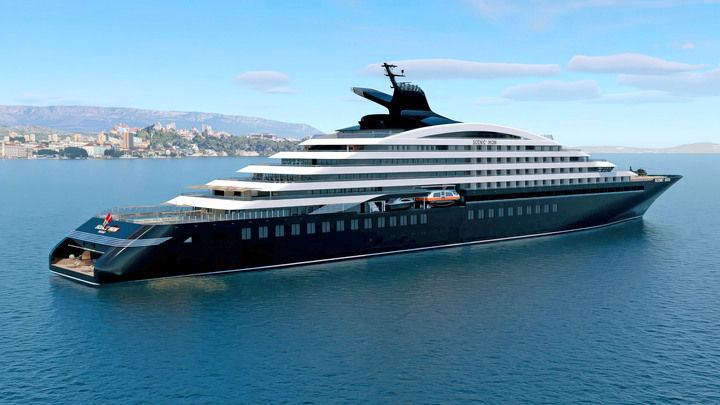
Embark on the Ultimate Voyage: Ancient Empires, Adriatic & Amalfi Coast, an extraordinary 32-day odyssey with Scenic Ocean Cruises. This meticulously crafted journey aboard the luxurious Scenic Ikon seamlessly connects the majestic history of ancient civilizations with the breathtaking beauty of the Mediterranean, offering an unparalleled exploration from Istanbul to Civitavecchia.
Discover iconic destinations from the vibrant bazaars of Istanbul and the ancient wonders near Kusadasi to the whitewashed villages of Santorini and the charming medieval streets of Dubrovnik. Explore the dramatic fjords of Kotor, the idyllic islands of Hvar, and the glamorous allure of the Amalfi Coast and Capri, experiencing a rich tapestry of cultures and landscapes.
This unparalleled voyage offers an immersive exploration of diverse cultures, stunning landscapes, and culinary delights, all from the comfort of your ultra-luxury ship. Indulge in an unforgettable adventure, creating cherished memories on a journey designed for the discerning traveler seeking the ultimate Mediterranean experience.
-
 Cruise Line: Scenic Ocean Cruises
-
 Ship: Scenic Ikon
-
 Duration: 32 Nights
-
 Departure: August
Ultimate Voyage: Ancient Empires, Adriatic & Amalfi Coast Prices
Ultimate Voyage: Ancient Empires, Adriatic & Amalfi Coast Gallery






Ultimate Voyage: Ancient Empires, Adriatic & Amalfi Coast Itinerary

Day 1
Istanbul
The splendid city of Istanbul has many unique and fascinating
features. It is the only city in the world reaching across two
continents, with its old city in Europe and modern Istanbul
situated in Asia, separated by the Bosphorus Strait. It is also
unique in having had capital status during two successive empires,
Christian Byzantine and Islamic Ottoman, and the legacy from both
is visible in the modern city today.
Istanbul's location on the water made it a much coveted site as
a commercial shipping port and military lookout, and as capital of
the Roman Empire, Constantinople, as it was known, became extremely
desirable as a centre of world trade, until Mehmet the Conqueror
claimed it for the Ottoman Empire in 1453 and it became the
imperial seat of the sultans. After the War of Independence the
capital was moved to Ankara, but Istanbul still remains the
commercial, historical, and cultural heart of Turkey today.
The charm and character of Istanbul lies in its endless variety
and jumble of contradictions. Its fascinating history has
bequeathed the city a vivid inheritance of Byzantine ruins,
splendid palaces, ancient mosques and churches, hamams
(bath-houses), and exotic bazaars. Modern Istanbul exudes trendy
bars and nightclubs, western boutiques, office blocks, and elegant
suburbs.
Day 2
Istanbul
The splendid city of Istanbul has many unique and fascinating
features. It is the only city in the world reaching across two
continents, with its old city in Europe and modern Istanbul
situated in Asia, separated by the Bosphorus Strait. It is also
unique in having had capital status during two successive empires,
Christian Byzantine and Islamic Ottoman, and the legacy from both
is visible in the modern city today.
Istanbul's location on the water made it a much coveted site as
a commercial shipping port and military lookout, and as capital of
the Roman Empire, Constantinople, as it was known, became extremely
desirable as a centre of world trade, until Mehmet the Conqueror
claimed it for the Ottoman Empire in 1453 and it became the
imperial seat of the sultans. After the War of Independence the
capital was moved to Ankara, but Istanbul still remains the
commercial, historical, and cultural heart of Turkey today.
The charm and character of Istanbul lies in its endless variety
and jumble of contradictions. Its fascinating history has
bequeathed the city a vivid inheritance of Byzantine ruins,
splendid palaces, ancient mosques and churches, hamams
(bath-houses), and exotic bazaars. Modern Istanbul exudes trendy
bars and nightclubs, western boutiques, office blocks, and elegant
suburbs.
Day 3
Dardanelles
Day 3
Kepez
Day 5
Dikili
Dikili is a coastal town located on the Aegean Sea in Turkey. It is a popular destination for tourists due to its natural beauty, as well as its close proximity to the ancient city of Troy and other historical sites. The area is known for its stunning beaches, clear waters, and picturesque sunsets.
The main beach of Dikili is known as “Kale Street”, and it is often crowded due to its beauty and popularity. It stretches for almost 2 kilometers and is a great place for walkers and sunbathers alike. At the end of the beach, visitors can find a small harbor and watch the local fishing boats and yachts sail in and out. During the summer months, this area of Dikili bustles with energy as tourists flock to its wonderful sunsets and beachfront cafes.
Just off the coast of Kale Street lies the tranquil village of Dikili, which has remained largely unchanged over the years. This location is a great place to explore on foot or by bike, as it has plenty of winding backstreets for visitors to explore and admire the traditional Turkish architecture. There are many interesting shops here offering traditional souvenirs and clothing, as well as a few restaurants serving up delicious Turkish cuisine.
The historical sites near Dikili are plentiful, with many places nearby to explore. The nearby archaeological site of Troy is a must-see for any visitor looking to explore the area’s turbulent past. Other nearby sites include Assos, an ancient Greek city with many ruins still intact, Priene, an ancient Greek city with a well-preserved theatre and bathhouse, and many other smaller ruins throughout the region.
The local culture of Dikili is also something special that visitors can take part in. During the summer months, the town comes alive with music, dancing, and general revelry that celebrates the city’s vibrant culture. Smaller festivals also occur throughout the year, celebrating everything from local foods to traditional folk art.
No matter what visitors are looking for, they can be sure to find something special in Dikili. Its tranquil beaches, sensational cuisine, vibrant culture, and proximity to historical sites make it an ideal spot for travellers looking to experience the real Turkey.
Day 6
Kusadasi
Kusadası is a large resort town on Turkey's Aegean coast, and the centre of the seaside district of the same name within Aydın Province. Kusadası is 95 km (59 mi) south of İzmir, and about 60 km (37 mi) from Aydın. The municipality's primary industry is tourism. Kusadası is a hugely popular tourist destination due to its perfect combination of culture, amazing beaches and fantastic things to eat and do. The area features several well-known local beaches, including Ladies Beach, the beach at the centrum, the beaches between the Batıhan Hotel and the Nazilli Site, the beach at Güzelçamlı, and the Dilek Peninsula National Park beach, referred to by locals as simply Milli Park.
Day 7
Naxos
Naxos is a Greek island located in the Cyclades archipelago in the Aegean Sea. It is the largest island in the Cyclades and is known for its stunning natural beauty, with white and blue villages, beautiful beaches, majestic mountains and lush green valleys. A visit to Naxos provides the opportunity to explore one of the most beautiful and diverse islands in Greece.
Naxos is home to a number of villages, each with its own unique charm, atmosphere and culture. In Chora, the main town, travelers can enjoy ancient ruins, medieval fortifications, Venetian castles and churches which date back centuries. As well as history, the town is characterized by lively nightlife, colorful local markets and magnificent sunsets.
Beaches are a big part of life on Naxos and there are numerous coastal spots for visitors to explore. Agios Prokopios and Agia Anna are two of the most popular spots, both offering golden sand, crystal clear waters and amazing views. Other beaches include Pyrgaki beach with its impressive cliffs, Plaka beach and Stavros beach.
The interior of Naxos is also worth exploring and travelers can take a walk or bike ride through the island’s hilly terrain to discover traditional villages and stunning vistas. Naxos has an abundance of archaeological sites to explore including the Temple of Apollo in Flerio, the castle of Kastro on Apiranthos, the Venetian castle on Tholos, and the ruins of the ancient city at Grotta.
Naxos also offers a range of cultural experiences. Traditional music and dance performances can be enjoyed at summer festivals around the island while restaurants serve up delicious local cuisine such as fried zucchini balls and Naxian tomatokeftedes. There are also many cafes where visitors can try ouzo or Greek coffee accompanied by mezedes, small plates of local delicacies.
A visit to Naxos is a unique experience that provides travelers with a taste of history, culture and stunning landscapes. From peaceful beaches and captivating villages to fiery sunsets, there is something for everyone on this beautiful Greek island.
Day 8
Santorini
Besides being one of the most beautiful islands in the world,
Santorini is also one of the most geologically and archaeologically
dramatic. Often called Thira, the island is shaped like an enormous
pair of jaws encircling a lake filled with pure blue water. This is
the core of an ancient volcano, which according to legend,
destroyed the lost continent of Atlantis.
Santorini's capital, Fira, perches on a cliff top. Ferries
arrive and depart in the harbour below, while visitors walk or ride
donkeys up the steep winding path to the town. Fira has hotels,
good restaurants, bars and plenty of nightlife to keep tourists
happy.
History buffs should visit Ancient Thira's archaeological
remains. They date back to the 9th century BC, and they're on the
island's east side. Other attractions include the excavations at a
Minoan Bronze Age settlement called Akrotiri, an archaeological
museum, and an 18th-century monastery. Santorini has two swimming
beaches, Perissa and Kamari, both characterised by their volcanic
black sand.
Day 9
Heraklion (Iraklion), Crete
Situated in the eastern Mediterranean, Crete is by far the
largest of the many Greek Islands and offers something for every
kinds of traveller.
The island has experienced thousands of years of conquest and
habitation and has a complicated and diverse heritage. Sightseers
can investigate the remains of the ancient Minoan culture that
flourished here thousands of years before Christ. Years of Roman,
Venetian and Turkish rule have also left their mark and there are
fascinating sights scattered throughout the island.
Its northern coastline is home to busy holiday resorts and a
wealth of powdery white beaches where couples and families come to
soak up the Mediterranean sunshine. The gateway to the island is
the large, modern city of Heraklion, which is not so much an island
idyll as a vital commercial centre. Other major holiday resorts in
Greece include nearby Malia, lively Agios Nikolaos, Rethymnon with
its lovely old town, and Chania, to the west, which known for its
14th-century Venetian harbour and waterfront restaurants.
The wild interior of Crete offers some spectacular mountain
scenery drives and many opportunities for hikers and serious
cyclists. The White Mountains in the west soar to over 2000m, while
the more gentle mountains in the east hide the extraordinary
Lasithi plateau in their midst, which is dotted with white
windmills. The south coast of Crete is much more remote and rugged
than the north. It is crisscrossed with gorges and dotted with
unspoilt villages, pretty coves, and secluded beaches.
Day 10
Milos
Milos, located in the country of Greece, is a stunning island paradise that offers visitors a unique and authentic Greek experience. With its breathtaking natural landscapes, crystal-clear waters, and rich cultural heritage, Milos is a must-visit destination for travelers seeking a truly memorable vacation.
Known as the island of colors, Milos boasts a diverse and captivating landscape that will leave visitors in awe. From endless stretches of golden sandy beaches to impressive cliffs and rock formations, the island offers something for everyone. Sarakiniko Beach, famous for its surreal lunar-like landscape and white volcanic rocks, is a must-see attraction. The colorful fishing village of Klima, with its charming seafront houses built into the rocks, provides a picturesque setting.
Milos is also home to some of the most beautiful beaches in Greece. Plaka Beach, located in the capital town of Plaka, offers stunning views of the sparkling turquoise sea and the surrounding picturesque villages. Tsigrado and Firiplaka beaches are hidden gems, accessible only by narrow paths or stairs, making them secluded and perfect for those looking for a private and tranquil beach experience.
Apart from its natural beauty, Milos takes pride in its rich cultural heritage. The island is known for the discovery of the famous Venus de Milo statue, which is now displayed at the Louvre Museum in Paris. Visitors can explore the Archaeological Museum of Milos, located in Plaka, to delve into the island's ancient history and see a range of artifacts dating back to the Neolithic period.
The island also offers a wide range of outdoor activities for those seeking adventure. Visitors can go hiking along the picturesque trails that lead to hidden beaches and breathtaking viewpoints. Sailing tours and boat trips are also popular, allowing visitors to explore the island's stunning coastline and visit nearby uninhabited islands and sea caves.
One of the highlights of a visit to Milos is the delicious Greek cuisine. The island is known for its fresh seafood and traditional Greek dishes. Visitors can savor mouthwatering seafood delicacies, such as grilled octopus and fresh lobster, at the local tavernas scattered across the island. Don't forget to try the local cheese and wine, which are also renowned for their exceptional flavor.
For those seeking a taste of the local culture and tradition, Milos hosts a range of festivals and events throughout the year. The most famous one is the 'Armata' festival, held in September, which commemorates a historic naval battle. During this festival, locals participate in various cultural events, including traditional dances and music performances.
Getting to Milos is relatively easy, with direct flights available from Athens and other major Greek cities to Milos Island National Airport. Alternatively, visitors can take a ferry from Athens or nearby islands, enjoying the scenic views along the way.
When it comes to accommodation, Milos offers a range of options to suit every budget and preference. Visitors can choose from luxury resorts, boutique hotels, traditional guesthouses, or even cozy campsites by the beach.
In conclusion, Milos is a captivating destination that will enchant visitors with its stunning natural landscapes, picturesque beaches, rich cultural heritage, and mouthwatering cuisine. Whether you are seeking relaxation on the beach, adventure in the great outdoors, or a glimpse into Greek history and culture, Milos has something to offer to everyone.
Day 11
Hydra
Hydra, often referred to as Hydra Island, is a picturesque destination located in Greece. Nestled in the Saronic Gulf, Hydra is known for its rich history, stunning architecture, and serene surroundings. With its traditional charm, car-free streets, and blue-domed churches, Hydra offers a unique and peaceful experience for travelers.
One of the most distinctive features of Hydra is its strict regulations on transportation. The island has banned all motor vehicles, making it an ideal place for those seeking tranquility. Instead, donkeys and water taxis are the primary modes of transportation. Walking through the narrow, labyrinthine streets lined with stone mansions and vibrant bougainvillea is a true delight and allows visitors to fully immerse themselves in the island's atmosphere.
Hydra boasts a remarkable history that dates back to ancient times. Once a prosperous trading hub, the island flourished during the 18th and 19th centuries. Many wealthy merchants and shipowners built extravagant mansions on the island, showcasing a unique blend of Greek, Ottoman, and Venetian architectural styles. Today, these mansions have been carefully preserved and serve as museums, art galleries, and private residences, showcasing the island's rich cultural heritage.
The main village of Hydra, also called Hydra Town or simply "Hora," is a charming and vibrant place to explore. The waterfront promenade, known as the Hydroneta, is lined with lively cafes and restaurants, offering breathtaking views of the harbor and the sea. A leisurely stroll along the promenade is a must for every visitor, as it captures the essence of Hydra's laid-back lifestyle.
Hydra's cultural scene also thrives with its numerous art galleries and museums. The Historical Archives-Museum of Hydra is a popular attraction, displaying the island's history through a collection of documents, manuscripts, and artifacts. The Ecclesiastical and Byzantine Museum houses a fascinating collection of religious artifacts, including icons and vestments. Art enthusiasts will also appreciate the numerous art exhibitions and galleries scattered throughout the town, showcasing works by local and international artists.
Nature lovers will find solace in Hydra's unspoiled beauty. The island is blessed with crystal-clear waters, secluded coves, and picturesque beaches. Hydra's coastline offers a variety of options, from pebbled beaches like Vlichos and Agios Nikolaos to remote and rocky coves like Limnioniza and Molos. Those seeking adventure can explore Hydra's hiking trails, which lead to stunning viewpoints and hidden gems. A hike to the Monastery of Profitis Ilias is highly recommended, offering panoramic vistas of the island and the surrounding sea.
Hydra is also renowned for hosting cultural events and festivals throughout the year. The Hydra Miaouli Festival, held in honor of the 19th-century naval hero Andreas Miaoulis, is a highlight during the summer season. The festival features a series of events, including music concerts, theatrical performances, and a spectacular fireworks display over the harbor. The Historical Archive of Hydra also organizes various cultural events, including lectures, book presentations, and art exhibitions.
In terms of dining, Hydra offers a diverse range of culinary experiences. From traditional Greek taverns serving delicious mezes (small plates) to cozy waterfront restaurants specializing in fresh seafood, visitors can savor the unique flavors of the island. Hydra's nightlife is relatively laid-back and centered around cozy bars and cafes, perfect for enjoying a relaxing evening with friends or family.
To reach Hydra, visitors can take a ferry or hydrofoil from Athens, with regular connections throughout the year. The journey takes approximately 1.5 to 2 hours, allowing travelers to escape the hustle and bustle of the city and find serenity in this idyllic island.
Overall, Hydra offers a peaceful retreat for those seeking a unique Greek island experience. Its rich history, traditional architecture, natural beauty, and cultural events make it a destination that caters to the tastes of every traveler. Whether you are looking to relax on pristine beaches, explore historical sites, or indulge in local cuisine, Hydra is sure to leave you with lasting memories.
Day 12
Piraeus
Athens exudes a unique charm through its mix of street markets,
vine-covered tavernas, souvenir stalls, ancient monuments and
high-rise buildings. For tourists, a plus is that most of the
capital's attractions are accessible by foot.
Athens was named after Athena, the Greek goddess of wisdom.
According to mythology, she won the city after duelling against
Poseidon, god of the sea. Indeed, Athens can chart its history back
thousands of years and is regarded as the cradle of Western
civilisation. More specifically, it's democracy's birthplace, and
where philosophy, art and architecture were refined.
The city declined after the Classical Age, dwindling to nothing
but a town in the colourful area now known as the Plaka. It emerged
as independent Greece's capital in 1834.
Today, the city is bustling. And though the pollution, frantic
gridlock and dingy buildings are a striking contrast to the open
beauty of Greece's coast and islands, Athens is truly the country's
beating heart. Ancient wonders like the Acropolis, the Parthenon,
and the Temples of Zeus and Hephaestus ensure that the city will
always lure travellers.
Day 13
Náfplion
Nafplion's streets pass by bright flowers and look up at wooden
balconies, and its lively cafes invite travellers to take a break
from wandering. The romantic seaport town's relaxed atmosphere,
fascinating mosques and gorgeous churches more the make up for its
lack of classical ruins.
Day 14
Nydri, Lefkada Island
Nydri is a small town located on the eastern coast of the Greek island of Lefkada. Situated just a short distance from the capital city of Lefkada Town, Nydri is a popular tourist destination known for its stunning natural beauty, beautiful beaches, and vibrant atmosphere.
One of the main draws of Nydri is its breathtaking scenery. Surrounded by crystal-clear turquoise waters and dramatic mountain landscapes, the town offers a stunning backdrop for any vacation. Visitors can enjoy panoramic views of the nearby islands, including Skorpios, the private island once owned by the famous Greek shipping tycoon, Aristotle Onassis.
Nydri is also renowned for its stunning beaches. The main beach in Nydri stretches for several kilometers and offers facilities such as sunbeds, umbrellas, and beach bars. The calm and shallow waters make it perfect for families with children or those wanting to enjoy a relaxing swim. For those seeking a little more adventure, there are also several secluded coves and bays nearby that can be reached by boat or hiking.
One of the highlights of Nydri is its proximity to the stunning waterfalls of Dimosari. Just a short walk from the town center, visitors can explore the lush greenery of the surrounding area and cool off in the refreshing pools beneath the cascading waterfalls. This natural beauty spot attracts visitors from all over the island.
In addition to its natural attractions, Nydri offers a range of activities for visitors to enjoy. Water sports enthusiasts will be spoiled for choice with options such as windsurfing, sailing, and snorkeling. Boat tours are also available, allowing visitors to explore the surrounding islands and discover hidden coves and beaches.
Nydri is not only a scenic paradise but also a vibrant and lively town. The main street is lined with a wide variety of restaurants, cafes, and bars, offering both local and international cuisine. Visitors can sample delicious Greek dishes such as moussaka and souvlaki or indulge in freshly caught seafood. The nightlife in Nydri is also buzzing, with plenty of options for those looking to dance the night away or enjoy a cocktail by the beach.
For those interested in history and culture, Nydri is conveniently located near several archaeological sites and historic landmarks. The ancient city of Nidri, which dates back to the 4th century BC, is a must-visit for history enthusiasts. Nearby, the Archaeological Museum of Lefkada houses a collection of artifacts dating back to the prehistoric period, providing a fascinating glimpse into the island's past.
Getting to Nydri is relatively easy. The nearest airport is Aktion National Airport, located just a short drive away. From there, visitors can either rent a car or take a taxi or bus to Nydri. Once in town, it is easy to get around on foot or by renting a bicycle or scooter.
Overall, Nydri offers a perfect combination of natural beauty, stunning beaches, and vibrant atmosphere. Whether you are seeking relaxation, adventure, or a cultural experience, Nydri has something to offer everyone. With its warm Mediterranean climate, friendly locals, and stunning surroundings, Nydri is a destination that should not be missed.
Day 15
Corfu
The island of Corfu, best known of the seven Ionian islands that
lie off the northwest coast of Greece, differs markedly from the
other popular Greek islands because not only is it green and lush,
but also very developed with tourist resorts and hotels. Summertime
is busy, with charter flights arriving daily from European cities,
ferries disgorging travellers from Italy, and cruise ships
docking.
There is plenty to draw visitors to this magical island, also
known as Kerkyra. Modern Corfu Town is upbeat and cosmopolitan,
offering an exciting conglomeration of Greek, Italian, French and
British influences. The old town was laid out by the Venetians in
the 14th century and features narrow alleys lined with
multi-storied, pastel-coloured buildings with red tiled roofs,
creating a scene reminiscent of Italy. The hub of activity in the
town centre is the Liston, an arcaded row of touristy cafes and
restaurants, copied from the Rue de Rivoli in Paris.
Most tourists stay in one of the popular beach resorts like
Sidari and Roda in the north, or the party capital, Kavos, on the
southern tip of the island. Quieter resorts include Gouvia and San
Stefanos. Those wishing to escape from the melee can head for the
interior to enjoy some spectacular scenery and greenery. Corfu has
43 different kinds of orchids growing wild in the countryside, and
there are countless olive groves. There are dozens unspoilt coves
with beaches washed by the sparkling, warm Ionian Sea. It is still
possible to search out a secluded bay even in the busy season when
the package holiday resorts are awash with tourists.
Day 16
Monopoli
Monopoli is a picturesque city located in the region of Apulia, or Puglia, in southern Italy. Situated on the Adriatic coast, Monopoli offers a perfect blend of history, culture, and stunning landscapes, making it an ideal destination for travelers seeking an authentic Italian experience.
Dating back to the Roman era, Monopoli is steeped in history and boasts a charming old town, known as Centro Storico, which is a maze of narrow alleys, whitewashed buildings, and ancient churches. Exploring the old town is like stepping back in time, with its well-preserved medieval architecture, such as the imposing Monopoli Cathedral and the Castle of Charles V. Visitors can wander through the ancient streets, discover hidden gems, and soak up the rich ambiance of this historic city.
One of the defining features of Monopoli is its beautiful coastline, composed of rocky cliffs and sandy coves. The crystal-clear waters of the Adriatic Sea provide a perfect setting for enjoying a leisurely beach day or engaging in water sports such as swimming, snorkeling, and sailing. Porto Rosso Beach is a popular spot for sunbathing and offers stunning views of the city's iconic red domes. For a quieter beach experience, visitors can head to Capitolo Beach, located a short drive from the city center.
The local cuisine in Monopoli is a highlight for many visitors. As a coastal city, seafood plays a central role in the local dishes. Freshly caught fish and shellfish are featured in traditional recipes, such as "tiella di riso, patate e cozze" (a rice, potato, and mussel casserole) and "orecchiette alle cime di rapa" (pasta with turnip tops). The city also produces excellent olive oil and wine, which can be enjoyed in the local restaurants and trattorias while taking in the scenic views.
Monopoli hosts various festivals throughout the year, providing a glimpse into the local culture and traditions. One of the most renowned events is the Festa della Madonna della Madia, held in December. During this festival, a Byzantine statue of the Madonna is carried through the streets accompanied by processions, music, and fireworks. Other festivals, such as the Feast of Saint Valentine in February and the Summer Carnival in August, offer a lively atmosphere with street performances, food stalls, and live music.
For those interested in exploring the surrounding area, Monopoli is conveniently located near other enchanting towns and attractions. Just a short drive away is the UNESCO World Heritage Site of Alberobello, famous for its unique trulli houses. The stunning caves of Castellana Grotte and the charming town of Polignano a Mare, with its breathtaking clifftop views, are also within easy reach.
In conclusion, Monopoli is a hidden gem in the region of Apulia that offers a rich cultural heritage, beautiful beaches, delicious cuisine, and a warm and welcoming atmosphere. With its historic charm, stunning coastline, and proximity to other captivating destinations, Monopoli is an ideal destination for travelers seeking an authentic Italian experience.
Day 17
Kotor
Tourists to Montenegro will most likely spend the bulk of their
time exploring the small Balkan country's natural landscape. From
snowy peaks to tall pine forests, from the coastlines to the
fjords, Montenegro is an outdoor lover's dream come true.
However, for those looking to get to grips with the culture of
Montenegro, the medieval city of Kotor is certainly the place to
visit, especially in recent years as Montenegro has swiftly
established itself as one of Europe's top tourist destinations.
It's not hard to see why this is. The surrounding Mediterranean
coastline, with its limestone cliffs and thick vegetation, is
punctuated by the port of Kotor, which in turn is surrounded by
city walls that were built by the Republic of Venice. These
ramparted and bastioned city walls, together with the
Venetian-inspired old city, are a designated UNESCO World Heritage
Site, and lauded for their role in the diffusion of Mediterranean
culture in the Balkan region.
A small city, with a population of just under 14,000 permanent
inhabitants, Kotor is a wonderful place to navigate on foot,
soaking up the scenery and admiring the medieval buildings. In
terms of tourist sights, the Maritime Museum is a must-visit
attraction, as is the Cathedral of Saint Tryphon (built in 1166)
and the Church of Our Lady of Health, which is located on a small
promontory overlooking Kotor and provides unbeatable views of the
bright blue Adriatic Sea beneath.
Day 17
Dubrovnik
This unique Adriatic port has been luring
travellers for centuries, known for its luxury accommodation,
excellent cuisine and beautiful surroundings. From a turbulent
history during which it was occupied and conquered by a succession
of neighbouring European powers, Dubrovnik has emerged as a city at
peace, allowing visitors to make the most of its historic
architecture, white pebble beaches and crystal-clear ocean
waters.
The Old Town is a UNESCO World Heritage
Site, dating from the 7th century. Its 13-century walls enclose
well-preserved buildings representing a cross-section of Baroque,
Gothic and Renaissance architecture, while Onofrio's Fountain is
one of Dubrovnik's most famous landmarks, found just inside the
main entrance to the old city at Pile Gate.
The centre of the Old Town is its main
street called the Stradun, which was originally a channel
separating an island from the mainland. It was filled in to join
two towns into the merged city of Dubrovnik.
There are many churches, monasteries and
museums to explore, while the Old Town boasts plenty of
restaurants, bars and shops. The coastal belt is awash with pretty
marinas, coves and promenades, while most hotels and the best
beaches are located northwest of the Old Town, at Lapad, or in
Ploce to the northeast.
Dubrovnik is a favourite on European cruise
itineraries and many tourists arrive by sea, ferrying in to the
charming old port. Although Dubrovnik will delight cruise
passengers with only a few hours to kill, it's incredibly rich in
history and culture and can easily occupy travellers for days. The
city is also well situated as a travel hub for exploring the
villages and islands dotted along the dramatic Dalmatian Coast of
Croatia.
Day 18
Dubrovnik
This unique Adriatic port has been luring
travellers for centuries, known for its luxury accommodation,
excellent cuisine and beautiful surroundings. From a turbulent
history during which it was occupied and conquered by a succession
of neighbouring European powers, Dubrovnik has emerged as a city at
peace, allowing visitors to make the most of its historic
architecture, white pebble beaches and crystal-clear ocean
waters.
The Old Town is a UNESCO World Heritage
Site, dating from the 7th century. Its 13-century walls enclose
well-preserved buildings representing a cross-section of Baroque,
Gothic and Renaissance architecture, while Onofrio's Fountain is
one of Dubrovnik's most famous landmarks, found just inside the
main entrance to the old city at Pile Gate.
The centre of the Old Town is its main
street called the Stradun, which was originally a channel
separating an island from the mainland. It was filled in to join
two towns into the merged city of Dubrovnik.
There are many churches, monasteries and
museums to explore, while the Old Town boasts plenty of
restaurants, bars and shops. The coastal belt is awash with pretty
marinas, coves and promenades, while most hotels and the best
beaches are located northwest of the Old Town, at Lapad, or in
Ploce to the northeast.
Dubrovnik is a favourite on European cruise
itineraries and many tourists arrive by sea, ferrying in to the
charming old port. Although Dubrovnik will delight cruise
passengers with only a few hours to kill, it's incredibly rich in
history and culture and can easily occupy travellers for days. The
city is also well situated as a travel hub for exploring the
villages and islands dotted along the dramatic Dalmatian Coast of
Croatia.
Day 19
Korčula
[Assistant]
Korčula is a beautiful island located in the Adriatic Sea, just off the coast of Croatia. Known for its stunning natural landscapes, rich history, and charming old town, Korčula is a popular destination for travelers seeking a mix of relaxation, culture, and outdoor adventures.
One of the main highlights of Korčula is its Old Town. Enclosed within medieval walls, the Old Town is a maze of narrow streets and stone buildings that have remained largely unchanged for centuries. Walking through the town feels like stepping back in time, with its cobblestone streets, traditional red-roofed houses, and decorative balconies. The highlight of the Old Town is the St. Mark's Cathedral, a stunning landmark featuring a beautiful Gothic facade and a bell tower offering panoramic views of the island.
Beyond the Old Town, Korčula offers a variety of stunning beaches and crystal-clear turquoise waters. Whether you prefer sandy or pebble beaches, there is something for everyone here. Some of the most popular beaches include Vela Przina, Pupnatska Luka, and Bacva bay. These beaches are perfect for swimming, sunbathing, and various water activities such as snorkeling, paddleboarding, and kayaking.
For those interested in history and culture, Korčula has a rich and fascinating past. It is believed that the island was home to the famous explorer Marco Polo, and visitors can explore his alleged birthplace, which is now a museum dedicated to his life and travels. The museum provides an intriguing insight into the life of this world-renowned traveler. Additionally, the island is dotted with numerous historical sites and ruins, including old fortresses, churches, and a Marco Polo tower, all of which contribute to the island's unique atmosphere.
When it comes to food and drink, Korčula is renowned for its delicious Mediterranean cuisine and local wines. The island is famous for producing high-quality olive oil, honey, fresh seafood, and wines made from locally grown grapes, such as the popular white wine "Pošip" and red wine "Plavac Mali." Visitors can indulge in these culinary delights at numerous waterfront restaurants and taverns throughout the island.
Nature lovers will be pleased to know that Korčula offers plenty of opportunities for outdoor activities. The island's interior is covered in lush green forests, vineyards, and olive groves, making it ideal for hiking and cycling. There are several well-marked trails that lead to picturesque viewpoints and hidden coves. Additionally, boat trips and sailing excursions are also popular, allowing visitors to explore the surrounding archipelago and nearby islands.
Getting to Korčula is straightforward. The island is well connected to the mainland by regular ferry services from Split, Dubrovnik, and other coastal towns in Croatia. There is also a small airport situated on the nearby island of Brac, with connections to other major airports in Croatia.
In conclusion, Korčula is a hidden gem in Croatia, offering a unique blend of history, natural beauty, and Mediterranean charm. Whether you are seeking relaxation on beautiful beaches, exploring ancient architecture, or indulging in delicious local cuisine, Korčula has something for everyone. With its rich history, vibrant culture, and breathtaking landscapes, this island is a must-visit destination for travelers seeking an authentic Croatian experience.
Day 20
Sibenik
Sibenik is a city located in Croatia. The city is located on the Adriatic Sea and has a population of around 132,000 people. The city is a popular tourist destination due to its beautiful architecture and stunning location. The city is home to the Cathedral of Saint James, which is a UNESCO World Heritage site. The city also has a number of other historic landmarks and museums, making it a great destination for history buffs.
If you're looking for a beach vacation with a bit of culture and history thrown in, Sibenik is the perfect destination. spend your days lounging on the city's many beaches, exploring the historic landmarks, and enjoying the delicious seafood.
Day 21
Piran
Piran is a charming coastal town located on the Adriatic Sea, in the beautiful country of Slovenia. Nestled on a small peninsula, this historic town is known for its rich cultural heritage, stunning architecture, and breathtaking views. Piran offers a unique blend of traditional Mediterranean charm and modern attractions, making it a perfect destination for travelers seeking a mix of relaxation, culture, and natural beauty.
One of the main attractions of Piran is its well-preserved medieval old town. Strolling through its narrow cobblestone streets, visitors can admire the beautiful Venetian-style architecture, colorful buildings, and quaint squares. The Tartini Square, named after the famous violinist and composer Giuseppe Tartini, is the heart of the town and a great place to relax and soak in the atmosphere.
Piran is a paradise for history enthusiasts and art lovers. The town is home to many historical landmarks and museums that offer a glimpse into its past. The Piran Town Walls, built in the 7th century, provide panoramic views of the town and the Adriatic Sea. The Maritime Museum and the Aquarium Piran are also worth a visit, offering insight into the town's maritime history and showcasing the diverse marine life of the region.
For those seeking a bit of sun and relaxation, Piran boasts several beautiful beaches. The main beach, Portoroz, is located just a short distance from the town and offers crystal-clear waters, golden sand, and a range of water sports activities. Fiesa Beach, situated in a nearby bay, is known for its natural beauty and tranquility, making it a perfect spot for a peaceful day by the sea.
Culinary delights await visitors in Piran, as the town is known for its fresh seafood and delicious Mediterranean cuisine. Numerous waterfront restaurants and cozy taverns offer a wide variety of dishes, from freshly caught fish and shellfish to traditional Slovenian specialties. Don't miss the opportunity to try the local specialty, "Piran sea bass," which is grilled to perfection and served with a side of homemade olive oil.
Away from the town center, Piran offers stunning natural landscapes and opportunities for outdoor activities. The Strunjan Nature Reserve, located just south of the town, features breathtaking cliffs and a unique ecosystem that is home to numerous bird species. The Sečovlje Salina Nature Park, on the other hand, allows visitors to explore the ancient traditions of salt production and admire the picturesque salt pans.
Piran is also an excellent base for exploring the surrounding area. The nearby town of Izola, with its charming marina and narrow streets, is worth a visit. Further afield, the picturesque town of Koper and the scenic countryside of the Slovenian Istria region offer additional attractions and activities.
In terms of accessibility, Piran is well-connected to other major cities in Slovenia. The nearest international airport is the Ljubljana Jože Pučnik Airport, which is approximately 140 kilometers away from Piran. From the airport, travelers can easily reach Piran by bus, train, or taxi.
Overall, Piran is a hidden gem on the Adriatic coast, offering a perfect blend of history, culture, natural beauty, and Mediterranean charm. Whether you are interested in exploring the town's rich heritage, relaxing on its beautiful beaches, or indulging in delicious seafood, Piran is sure to leave a lasting impression on every traveler.
Day 22
Venice
Venice is unique, its elegant buildings and
palaces peering over an ancient maze of narrow streets and
labyrinth of canals. Tourists here wake up to the morning calls of
gondoliers before venturing out to lose themselves among the twists
and turns of this famously romantic haven.
The city rests on one of 117 islands
distributed throughout the Venetian lagoon. The aptly named Grand
Canal splits the city, running from the Santa Lucia railway station
past the famous Rialto Bridge to Piazza San Marco, home to the
cathedral of Basilica di San Marco which is adorned with endless
mosaics that sparkle at sunset.
The historic centre is divided into six
quarters: San Marco, Dorsoduro, San Polo, Santa Croce, Cannaregio
and Castello. Countless waterways wind their way through the city.
While some choose to pick their way over the more than 400 bridges,
by far the most popular way to get around is to cruise the
waterways onboard vaporetto boats or iconic gondola.
Known for its inventive cuisine, lavish
spreads of cicheti (Venetian tapas) can be found in bars around the
city while canalside bistros offer spectacular fine dining
experiences. Venice's penchant for outlandish fashion gave the
world eyeglasses, dresses without corsets and platform shoes, and
the annual carnival is renowned for the elaborate masks on
display.
Venice extends beyond its six sestieri to
the islands of Murano, Burano and Torcello. These are known for
glass and lace-making respectively, and Torcello is noted for the
magnificent Byzantine Basilica of Santa Maria Assunta resting on
its soil. Trips by boat to the islands provide a pleasant escape
from the busier historic quarters.
Day 23
Rovinj
Rovinj is a charming coastal town located on the Adriatic Sea in the Istria region of Croatia. It is often considered one of the most beautiful towns in the country, with its narrow, winding streets, colorful buildings, and stunning views. Rovinj offers a perfect blend of historical charm, natural beauty, and a vibrant atmosphere, making it an ideal destination for travelers looking for a unique and memorable experience.
History and Culture:
Rovinj has a rich history dating back to ancient times, which is evident in its architecture and landmarks. The town was once a fishing village and a part of the Venetian Republic, and this influence can be seen in the design of its buildings. The imposing St. Euphemia's Church, with its distinctive bell tower, dominates the skyline and is a symbol of Rovinj. The Old Town is a maze of narrow, cobbled streets that lead to picturesque squares, art galleries, and charming cafes. Exploring the town is like stepping back in time and immersing oneself in its historical and cultural heritage.
Natural Beauty:
Rovinj is known for its breathtaking natural beauty. The town is situated on a small peninsula, surrounded by crystal-clear turquoise water, making it a paradise for beach lovers and water enthusiasts. The coastline is dotted with rocky beaches and secluded coves, where visitors can relax and soak up the sun. For those seeking adventure, there are plenty of water sports available, including kayaking, sailing, and diving. A visit to the nearby islands of Sveta Katarina and Crveni Otok (Red Island) is also highly recommended, offering beautiful beaches and stunning views of the mainland.
Gastronomy:
Croatian cuisine is a delicious fusion of Mediterranean and Central European influences, and Rovinj is no exception. The town is home to a wide range of restaurants and taverns, offering both traditional Istrian dishes and international cuisine. The local specialty is seafood, with freshly caught fish and shellfish taking center stage. Some must-try dishes include grilled squid, Istrian pasta with truffles, and homemade olive oil. To complement your meal, sample some locally produced wines, such as Malvasia and Teran, which are famous in the region.
Events and Festivals:
Rovinj is also known for its vibrant and lively atmosphere, with numerous events and festivals throughout the year. One of the most popular events is the Rovinj Summer Music Festival, which showcases a variety of musical performances, including classical music, jazz, and pop concerts. Another significant event is the Rovinj Photodays, a photography festival that attracts professionals and enthusiasts from around the world. For those interested in local traditions and customs, the Saint Euphemia Day celebration in September is a must-see, with processions, concerts, and fireworks.
Day trips and nearby attractions:
Rovinj's location makes it an excellent base for exploring other parts of Istria. The hilltop town of Motovun, known for its truffle delicacies, is just a short drive away. The picturesque town of Poreč, with its well-preserved Roman architecture, is also worth a visit. Nature lovers can venture into the Brijuni National Park, a group of islands known for its diverse flora and fauna. Additionally, the nearby Lim Bay offers a scenic boat ride through a stunning fjord-like landscape.
In conclusion, Rovinj is a captivating destination that offers a combination of history, natural beauty, and a vibrant atmosphere. Whether you are interested in exploring its charming Old Town, basking in the sun on pristine beaches, indulging in mouthwatering cuisine, or immersing yourself in local culture, Rovinj has something for everyone. Plan your trip well in advance to make the most of this beautiful Croatian gem.
Day 24
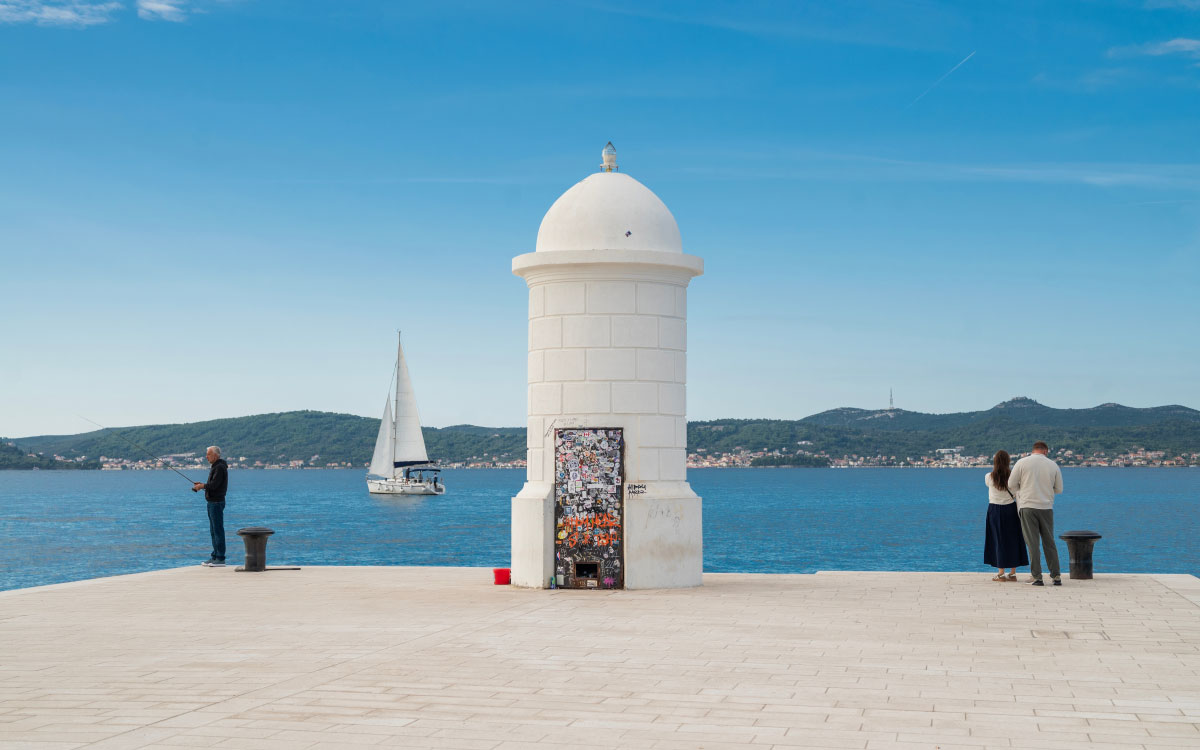
Zadar
Zadar, located on Croatia's picturesque Dalmatian Coast, is a charming and historic city that offers a perfect mix of natural beauty, cultural heritage, and modern attractions. With its rich history dating back to Roman times, Zadar has become one of the most popular tourist destinations in Croatia.
One of the highlights of Zadar is its well-preserved old town, which is bursting with ancient architecture and historical sites. The Roman Forum, built between the 1st century BC and the 3rd century AD, is a must-visit for history enthusiasts. The St. Donatus Church, a symbol of the city, is an impressive Byzantine-style building that dates back to the 9th century.
A unique attraction in Zadar is the Sea Organ. This innovative musical instrument is built right into the city's waterfront promenade and produces hauntingly beautiful sounds as the waves of the Adriatic Sea push air through its pipes. Nearby, the Sun Salutation is a large circle of solar panels that light up in various patterns at night, creating a mesmerizing light show.
For those seeking a bit of natural beauty, Zadar is surrounded by stunning landscapes. The nearby Kornati Islands National Park is a collection of 89 islands known for their untouched beauty, crystal-clear waters, and diverse marine life. Visitors can take boat trips to explore the islands, snorkel in the turquoise waters, or simply soak up the sun on one of the many secluded beaches.
Zadar is also the gateway to two other national parks—Plitvice Lakes and Krka. Plitvice Lakes National Park is renowned for its cascading waterfalls and turquoise lakes, while Krka National Park boasts a series of waterfalls, historic monasteries, and beautiful hiking trails.
Food lovers will find Zadar's culinary scene to be equally enticing. The city is famous for its fresh seafood, and the local cuisine incorporates traditional Dalmatian flavors. Don't miss trying the traditional Dalmatian prosciutto and cheese, as well as tasty seafood dishes like black risotto and octopus salad. Pair your meal with a glass of locally produced Maraschino cherry liqueur, a specialty of Zadar.
Zadar is also a vibrant cultural center, hosting numerous music festivals throughout the year. The most well-known is the Zadar Summer Theater Festival, which brings theatrical performances, concerts, and film screenings to various venues across the city during the summer months. The Zadar Film Festival is another notable event, showcasing both national and international films.
In terms of accommodations, Zadar offers a range of options to suit every budget. From luxury hotels with waterfront views to cozy guesthouses in the old town, there is something for everyone. The city's central location also makes it a great base for exploring other parts of Croatia, such as the nearby city of Split or the stunning islands of Hvar and Brač.
With its historical sites, natural beauty, lively cultural scene, and delicious cuisine, Zadar has all the ingredients for a memorable vacation. Whether you're a history buff, nature lover, foodie, or simply seeking a relaxing getaway by the sea, Zadar is a destination that should definitely be on your travel radar.
Day 25
Hvar Island
Hvar is one of the most spectacular Croatian islands in the Adriatic Sea. Its stunning landscape draws tourists from around the globe. Every year, thousands of visitors come to explore the island's beautiful beaches, blue waters, and diverse culture.
The first thing that comes to mind when you visit Hvar is its stunning scenery. The island is full of stunning cliffs, bays, and coves. From its highest peak, Sveti Nikola, you can see breathtaking views of the Adriatic Sea and nearby islands. It's no wonder why this little slice of paradise is a favorite destination for tourists.
The beaches of Hvar are also some of the best in the Adriatic. There are dozens of white sand beaches and rocky coves to explore. Some of the most popular beaches include Stipanska, which has crystal clear turquoise waters, and Hvar Town Beach which has several restaurants and beach bars. If you're looking for an adventurous experience, try diving or snorkeling off of the island's coast.
Hvar also offers some unique cultural experiences. You can explore the narrow medieval streets of the main town and visit old churches and monuments. The town also hosts several music and art festivals throughout the year. Be sure to check out the lively nightlife scene on the island for some live music and dancing.
If you're looking for a more laid-back experience, there are plenty of options for relaxation. Take a walk along the waterfront and enjoy the spectacular views of the island from up close. Swimming, sunbathing, and taking boat trips around the island are all popular activities here. And if you're feeling adventurous, you can try paragliding or sailing around Hvar.
No matter what your interests are, Hvar has something for everyone. From its gorgeous beaches to its vibrant culture, there's no shortage of things to do on this beautiful Croatian island. Whether it's an adventure-filled vacation or a laid-back holiday, Hvar is sure to leave you with unforgettable memories that will last a lifetime.
Day 27
Siracuse, Sicily
Syracuse is a captivating city located on the northeastern coast of the beautiful island of Sicily, Italy. With a rich history dating back thousands of years and a stunning blend of architectural styles, Syracuse offers visitors a unique and unforgettable travel experience. From ancient ruins to picturesque landscapes, this city has something to captivate every traveller.
One of the main attractions in Syracuse is the Archaeological Park of Neapolis. This vast park encompasses several notable ancient Greek and Roman ruins, including the impressive Greek Theater, which is still used for performances today. The Roman Amphitheater, the Latomie (ancient stone quarries), and the Ear of Dionysius (a fascinating cave) are also must-see sites within the park. Exploring these ancient remnants provides visitors with a glimpse into the city's illustrious past and its importance during the Greek and Roman periods.
The historical centre of Syracuse, known as Ortigia, is a charming island connected to the mainland by two bridges. Ortigia is a UNESCO World Heritage Site and home to some of the city's most iconic landmarks. The Piazza del Duomo is the heart of Ortigia and is dominated by the magnificent Syracuse Cathedral. Built in the 7th century, the cathedral showcases a mix of Byzantine, Norman, and Baroque architectural styles. In close proximity, you'll find the Fountain of Arethusa, a picturesque freshwater spring surrounded by lush vegetation. Exploring Ortigia's narrow streets, lined with charismatic buildings and local shops, is a delight for both history enthusiasts and casual strollers alike.
Syracuse is also renowned for its stunning coastline. The city boasts several picturesque beaches, such as Fontane Bianche, known for its crystal-clear turquoise waters and fine sandy shores. The nearby nature reserve of Vendicari offers a sanctuary for a variety of bird species and beautiful walking trails that lead to secluded and pristine beaches. Whether you prefer relaxing on the sand, swimming in the clear waters, or exploring the diverse marine life in its numerous marine reserves, Siracuse's coastline is irresistible.
Gourmands will find themselves in culinary heaven in Siracuse. Sicilian cuisine is a tantalizing fusion of flavors influenced by its rich history and cultural heritage. Pasta alla Norma, made with eggplant, tomatoes, and ricotta salata, is a popular and delicious local dish. Syracuse is also reputed for its seafood specialties, with dishes like sarde a beccafico (stuffed sardines) and arancini (fried rice balls) being local favorites. Don't forget to try the mouthwatering almond-based sweets, such as cassata siciliana and cannoli, while indulging in the city's gastronomic delights.
For those seeking cultural events and festivals, Siracuse offers a vibrant calendar throughout the year. The Greek Theater hosts a renowned annual theater festival, where ancient Greek plays are performed in their original setting during the summer months. The Holy Week celebrations leading up to Easter are also a must-see, with grand processions taking place in Ortigia, accompanied by traditional music and religious rituals.
In terms of accommodations, Syracuse offers a wide range of options suitable for every budget and preference. From luxury hotels with sea views to cozy bed and breakfasts tucked away in the historic center, there is something to suit every traveler's taste.
To reach Siracuse, the nearest airport is Catania Fontanarossa Airport, which is well-connected to major Italian and European cities. From the airport, you can easily reach Siracuse by either hiring a car, taking a taxi, or using public transportation.
In conclusion, Syracuse is a captivating city with a rich history, stunning architecture, breathtaking coastlines, delicious cuisine, and a vibrant cultural scene. Whether you are a history enthusiast, a nature lover, a foodie, or simply in search of the perfect beach vacation, Siracuse has something to offer everyone. Prepare to be enchanted by this gem of a city on the beautiful island of Sicily.
Day 28
Giardini Naxos
The quaint Sicilian commune of Giardini Naxos is situated on the coast of the Ionian Sea on a bay which lies between Cape Taormina and Cape Schisò. Now it is a tourist destination, its attractions including beaches, the panoramic view of the bay and surrounding hills, and its small fishing port. It attracts foreign visitors and Italians alike, many of whom own summer residences in the comune. The seafront is lined with hotels, smaller pensions, pubs, restaurants and pizzerias. Fishing is still part of the local economy and provides many wonderful opportunities to eat out.
The town of Taormina is situated in the hills above Giardini Naxos and can be easily accessed by car and bus. Giardini Naxos also has several churches and an archaeological park.
Day 29
Palermo
Palermo, the capital city of Sicily in Italy, is a vibrant and diverse destination that offers a fascinating blend of history, culture, cuisine, and natural beauty. With its rich architectural heritage, bustling markets, mouthwatering street food, and stunning coastal scenery, Palermo has something to offer to every type of traveler.
One of the highlights of Palermo is its historic architecture, which reflects the city's fascinating past. The Palermo Cathedral, a masterpiece of Norman architecture, is a must-visit for history enthusiasts. Another iconic landmark is the Palazzo dei Normanni, a stunning palace that has served as the seat of power for various rulers over the centuries. The Cappella Palatina, located within the palace, showcases intricate Byzantine mosaics that are considered some of the finest in the world.
Exploring the city's markets is a sensory delight not to be missed. The Vucciria Market is a maze of narrow streets filled with stalls selling a variety of fresh produce, cured meats, and traditional Sicilian products. For a truly authentic experience, try the street food, such as arancini (fried rice balls) and panelle (chickpea fritters), that the vendors offer.
Art lovers will find plenty to admire in Palermo's numerous art galleries, such as the Galleria Regionale di Palazzo Abatellis, which houses a collection of Italian masterpieces, including works by Antonello da Messina and Renato Guttuso. The city is also dotted with charming churches, such as the Church of San Cataldo and the Church of Santa Maria dell'Ammiraglio, known as the Martorana, both of which showcase stunning Byzantine architecture and intricate mosaics.
For those seeking respite from the city's busy streets, Palermo offers beautiful natural landscapes. The nearby Mondello beach, with its crystal-clear waters and sandy shores, is a popular choice for locals and tourists alike. The picturesque fishing village of Cefalù, located just an hour outside of Palermo, is another great option for a day trip, with its charming old town and breathtaking views of the Mediterranean Sea.
No visit to Palermo would be complete without indulging in the local cuisine. Sicilian cuisine is known for its bold flavors and fresh ingredients, and Palermo boasts a wide variety of traditional dishes. Try the famous pasta alla Norma, a hearty pasta dish with eggplant and ricotta salata, or the iconic cannoli, a crispy pastry shell filled with sweet ricotta cream. Don't forget to wash it all down with a glass of refreshing Sicilian wine!
In terms of transportation, Palermo has a well-connected public transport system, including buses and trains. However, the city center is relatively compact and easily navigable on foot, allowing visitors to take in the sights at their own pace. Taxis and rental cars are also readily available for those who prefer more flexibility.
Overall, Palermo is a captivating destination that combines a rich history, vibrant culture, delicious food, and stunning natural landscapes. Whether you are interested in exploring ancient ruins, indulging in local cuisine, or simply soaking up the vibrant atmosphere, Palermo is sure to leave a lasting impression on any traveler lucky enough to visit.
Day 30
Lipari
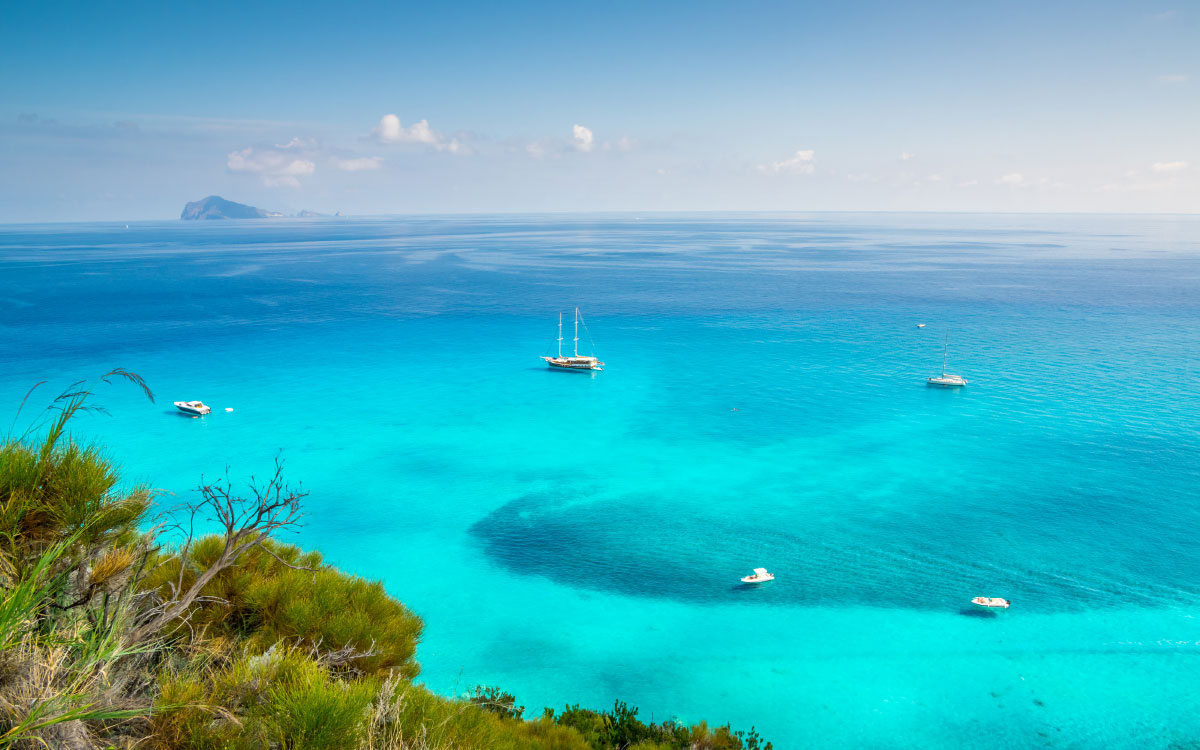
Lipari is a beautiful island located in the archipelago of the Aeolian Islands in Southern Italy, off the coast of Sicily. Known for its stunning landscapes, crystal-clear waters, and rich history, Lipari attracts visitors from all over the world.
The island is characterized by its rugged coastline, dotted with picturesque coves, sandy beaches, and towering cliffs. The turquoise waters that surround Lipari are perfect for swimming, snorkeling, and diving, allowing visitors to explore the vibrant underwater world filled with colorful marine life.
Lipari is also known for its volcanic origins, as it was formed by volcanic activity thousands of years ago. The island is dominated by two volcanoes, Monte Chirica and Monte Rosa, which offer stunning panoramic views of the island and the surrounding sea. Visitors can hike up to the volcanic craters or take a boat tour around the island to witness the volcanic beauty up close.
The main town of Lipari, also named Lipari, is a charming and lively place that offers a mix of old-world charm and modern amenities. The town is characterized by its narrow, winding streets, whitewashed houses, and colorful bougainvillea-filled balconies. Visitors can wander through the picturesque streets, visit local shops, and enjoy delicious cuisine in the many restaurants and cafes that line the streets.
One of the highlights of Lipari is its rich historical and cultural heritage. The island has a fascinating history that dates back thousands of years, with various civilizations leaving their mark on the island. The Archaeological Museum of Lipari, located in the town, showcases artifacts from these ancient civilizations, including Greek and Roman pottery, Etruscan jewelry, and ancient sculptures.
Lipari is also home to several historical sites, such as the Lipari Castle, a medieval fortress that offers panoramic views over the town and the sea. Additionally, the Roman Baths, located near the town, are well-preserved thermal baths dating back to the Roman era and are worth a visit.
For those who enjoy exploring nature, Lipari offers a range of outdoor activities. Hiking enthusiasts can embark on scenic trails that lead to secluded beaches, volcanic craters, and stunning viewpoints. Boat tours and yacht charters are also popular, allowing visitors to discover the hidden treasures of the island, including hidden caves, secluded coves, and pristine beaches.
When it comes to culinary experiences, Lipari does not disappoint. The island is famous for its fresh seafood, with local restaurants serving up delicious dishes made from the catch of the day. Visitors can indulge in specialties such as spaghetti with clams, stuffed calamari, and grilled fish, accompanied by a glass of local wine.
Lipari can be reached by ferry from various ports in Sicily, including Milazzo and Palermo. Once on the island, getting around is easy, as it is relatively small and can be explored on foot, by bike, or by scooter.
In summary, Lipari is a stunning island with a unique blend of natural beauty, rich history, and vibrant culture. Whether you are looking for relaxation on sandy beaches, adventure in the great outdoors, or a glimpse into the island's fascinating past, Lipari has something for everyone.
Day 31
Amalfi
The rugged southern shore dividing the Bay
of Naples from the Gulf of Salerno is a restful and picturesque
area. Miniature towns shelter in precipitous coastal ravines and
tranquil seas calmly lap the shores of quiet pebbled beaches. The
Amalfi Coast is a great relaxation spot from which to enjoy coastal
Italian culture.
Stretching between the towns of Positano
and Vietri sul Mare, near Salerno, the area is renowned for its
breathtaking scenery and towering mountain cliffs that plunge into
the Mediterranean Sea. Precariously perched and threatening to
tipple into the sea, the small town of Positano is a great
attraction for tourists with its cluster of multi-coloured houses
and remarkable setting. A cliffside stairway provides the perfect
vantage-point from which to admire its glorious sea vistas.
Four miles (6km) down the coast is the
quaint town of Praiano, framed by caves, castles and sharp cliffs.
A stroll from here towards Amalfi will take you to a ramp leading
to Marina di Praia, a 400-year-old fishing village nestled in the
embrace of a tiny ravine. Another notable stop between Praiano and
Amalfi is the Grotta dello Smeraldo.
The busy seaside town of Amalfi basks in
the glory of its longevity as the first Sea Republic of Italy, and
as the hometown of Flavio Gioja, the inventor of the compass. It's
referred to as the 'pearl of the coast' and has a bit of everything
for the weary traveller. A pebble's throw away from here is the
quiet village of Atrani, its tranquil beach rests languidly on the
water's edge against a superb backdrop of mountains.
Further down the coast is Minori, notable
for its lemon exports, a gentle place with villas and beaches to
explore. The quiet town of Ravello retains the charm prized by
Bocaccio who dedicated part of his famous work, the Decameron, to
the town. The coastal road that twists its way between the rocks
affords glimpses of small villages, bays and inlets, and a journey
along this southern route will take travellers to towns of
worldwide fame as well as to lesser-known spots of equally
enchanting beauty.
Day 32
Capri
Capri, an island in Italy’s Bay of Naples, is famed for its rugged landscape, upscale hotels and shopping, from designer fashions to limoncello and handmade leather sandals. One of its best-known natural sites is the Blue Grotto, a dark cavern where the sea glows electric blue, the result of sunlight passing through an underwater cave. In summer, Capri's dramatic, cove-studded coastline draws many yachts
Day 33
Civitavecchia
Rome is like a living museum, liberally
dotted with fascinating ruins, ancient relics and archaeological
sites. Centuries are peeled back from the Eternal City with each
new vista in this great metropolis of fearsome gladiators and
gorgeous art. Vespas, sports cars and nippy Fiats speed past trendy
sidewalk cafes, bistros and nightclubs, revealing the Rome of
Fellini's La Dolce Vita, while the stark facades of the Stadio
Olimpico reminds visitors of Mussolini's attempts to reinvent the
architecture of the Caesars.
For a taste of the Baroque, visitors need
only climb the famous Spanish Steps, walk through the Piazza Navona
or toss a coin into the beautiful Trevi Fountain. Renaissance
splendour is best revealed in the Vatican Palace, specifically
Michelangelo's efforts on the roof of the Sistine Chapel. From
early Christian Basilicas and the Roman Forum to the Colosseum and
the Pantheon, the sequence of history trails back to the dizzying
heights of the empire.
It may sound like a city of contrasts, but
Rome's timeless magic lies in its ability to blend the old with the
new. Empires have risen and fallen, old gods have been replaced
with the new, but Rome nonetheless remains.
Ultimate Voyage: Ancient Empires, Adriatic & Amalfi Coast Ships
Recommended Deals like Ultimate Voyage: Ancient Empires, Adriatic & Amalfi Coast
Ultimate Voyage: Ancient Empires, Adriatic & Amalfi Coast
 Scenic Ocean Cruises

Departure:
August
VISITING:
Istanbul
Dardanelles
Kepez
Dikili
Kusadasi
Naxos
Santorini
Heraklion
Milos
Hydra
Piraeus
Nafplion
Nydri, Lefkada Island
Corfu
Monopoli
+16 more
FROM
£
36,130 pp
Ancient Empires: Istanbul to Athens
Scenic Ocean Cruises
Departure:
May to
Aug
VISITING:
Istanbul
Dardanelles
Kepez
Dikili
Kusadasi
Naxos
Santorini
Heraklion
Milos
Hydra
Piraeus
FROM
£
12,929 pp
Join the Crui.se Club
Points That Pay
Earn 25 points (£25) just for joining — and collect more on bookings, reviews, and referrals.
Exclusive Member Deals
Unlock off-market offers reserved only for Crui.se Club members.
Early Access Perks
Be the first to book with pre-launch notifications and special member-only booking windows.
Cruise With Confidence
Our mission at wordpress-1024654-4169282.cloudwaysapps.com is to help you and your loved one’s book and experience the best cruise holiday imaginable. We’re different in that, our customers come first, not our suppliers or profit margins. Get in touch and let us help you set sail.


Over 20 cruise brands to choose from

Low deposits from £500

All Inclusive cruises

Best deals & discounts

Community driven

Brand agnostic

We take care of everything

Custom built cruise holidays


