






 We won’t be beaten on price...

ABTA protected


Scottish Isles: Historic Trails
& Wilderness
Scroll to sail

Scottish Isles: Historic Trails & Wilderness
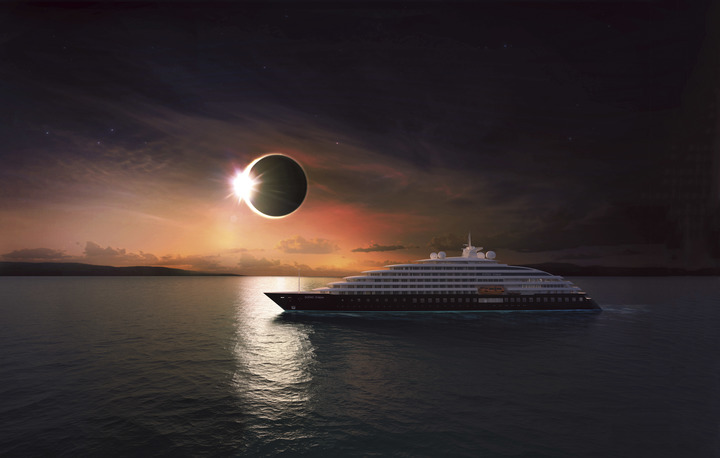
Embark on an extraordinary 9-day journey with Scenic Ocean Cruises aboard the ultra-luxury Scenic Eclipse, exploring the Scottish Isles: Historic Trails & Wilderness. This expedition from Dublin to Leith promises an unparalleled blend of ancient history, breathtaking natural beauty, and immersive discovery.
Discover mystical islands like Iona in the Hebrides, witness the dramatic basalt columns of Staffa, and marvel at the remote UNESCO World Heritage site of St. Kilda Archipelago. Explore the rugged charm of the Isle of Skye and delve into Viking heritage in Kirkwall, all while encountering abundant wildlife and dramatic landscapes.
This unique voyage offers a deep dive into Scotland's soul, combining thrilling exploration with the ultimate in comfort and personalized service. Experience the raw majesty of the Scottish coastlines and create unforgettable memories on an adventure unlike any other.
-
 Cruise Line: Scenic Ocean Cruises
-
 Ship: Scenic Eclipse
-
 Duration: 9 Nights
-
 Departure: May
Scottish Isles: Historic Trails & Wilderness Prices
Scottish Isles: Historic Trails & Wilderness Gallery

Scottish Isles: Historic Trails & Wilderness Itinerary

Day 1
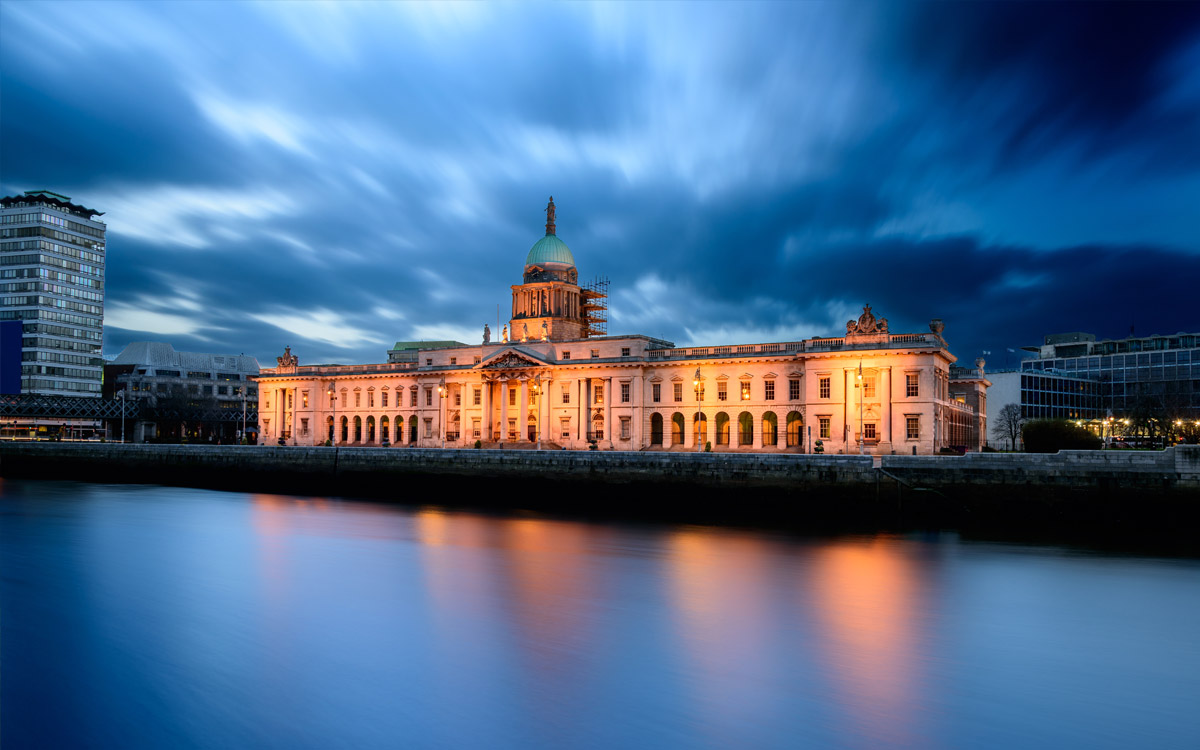
Dublin
Cosmopolitan, colourful and over a thousand years old, Dublin
presents a fine starting point for visitors to Ireland. This
capital city is split in two by the River Liffey, which gives form
to the city and has no less than nine bridges spanning it. Central
Dublin is easily explored on foot, and presents a wealth of
historic landmarks, from ancient cathedrals to gracious Georgian
buildings that pay testimony to days gone by. There are many
attractions on both sides of the Liffey, ranging from gaols and
castles to museums and the birthplaces of famous poets and writers.
Dublin is also famous for its nightlife and the Temple Bar area is
the highlight for those seeking out a party.
Not far from the city, in County Wicklow, are the Wicklow
Mountains, where hills, glens, forests and waterfalls attract
weekend walkers and nature-lovers. Dublin Bay, which lies between
the mouth of the River Liffey and the Dalkey headland, is the site
of several small coastal towns and the ferry port of Dun Laoghaire.
County Kildare is a region of rich farmland and fine reputation for
the breeding of thoroughbred horses, while the similar counties of
Louth and Meath have evidence of early civilisations and a wealth
of castles and monasteries. With all this on Dublin's doorstep, the
city is a great base for exploration farther afield.
Day 2
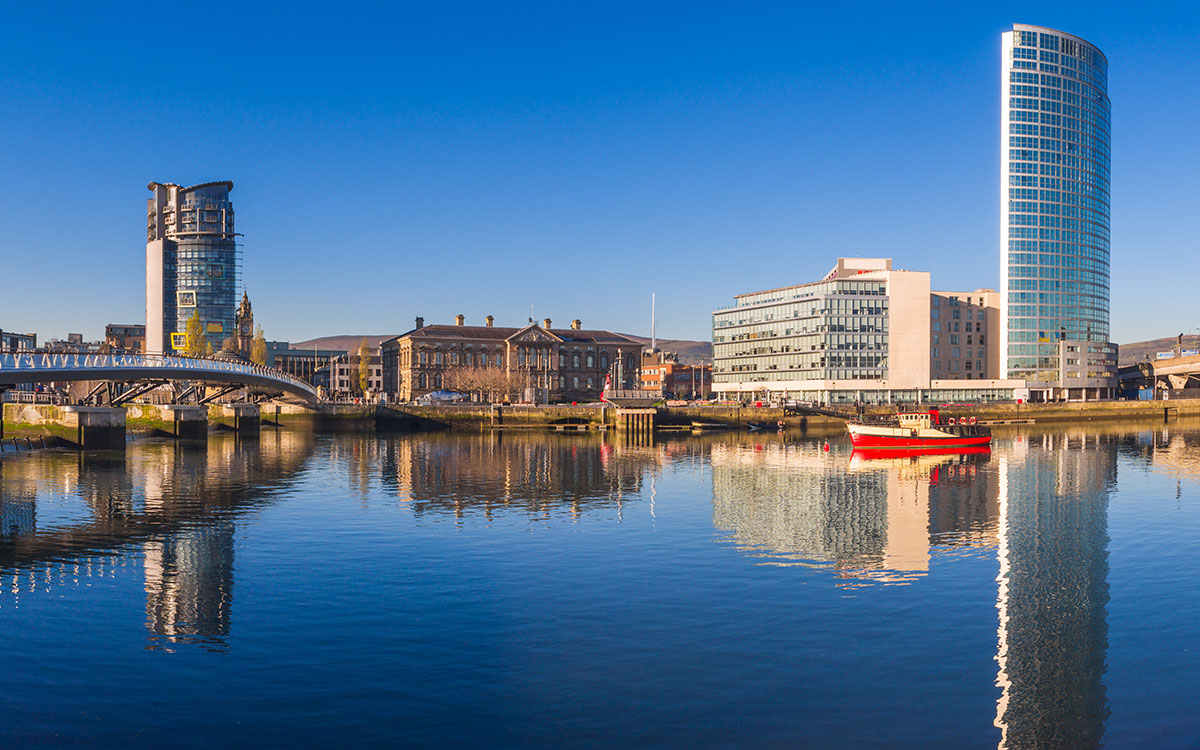
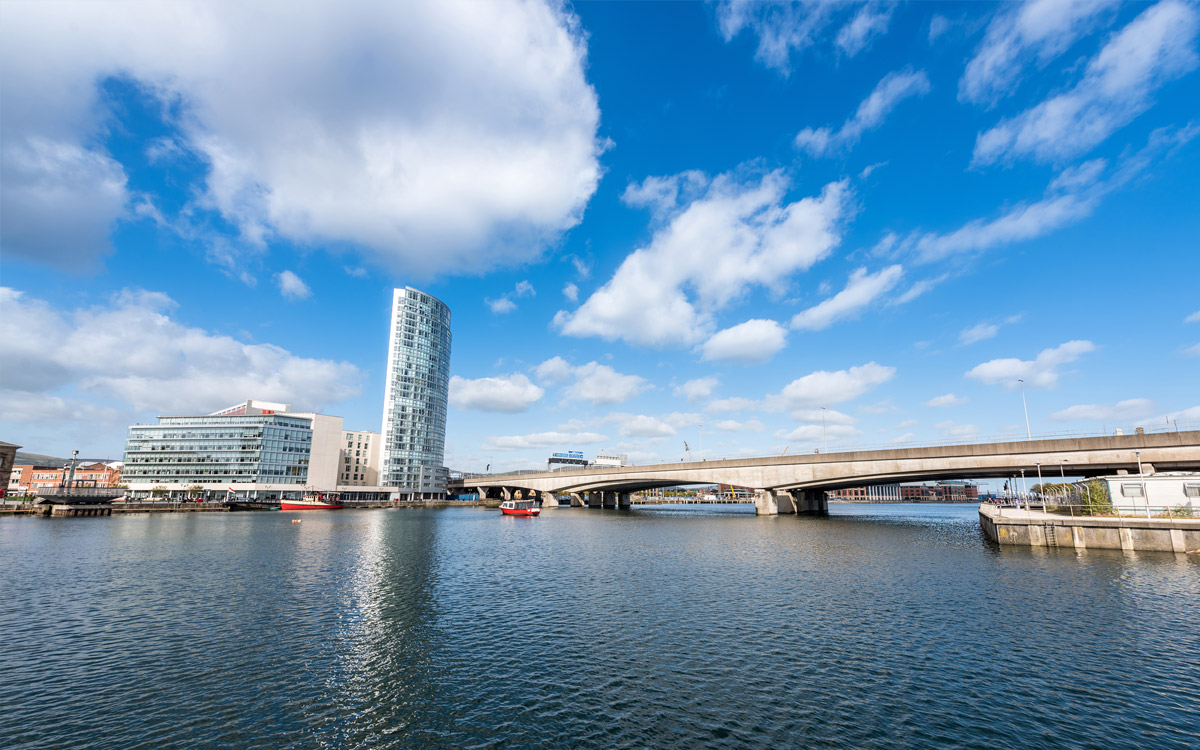
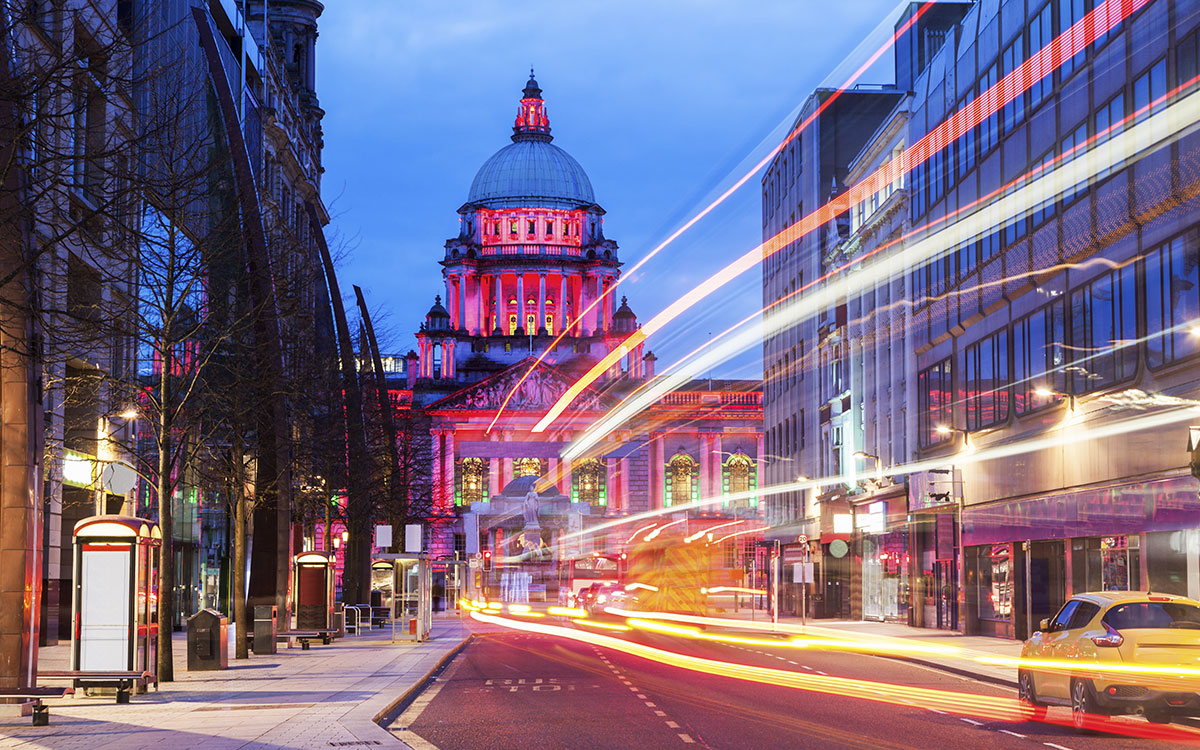
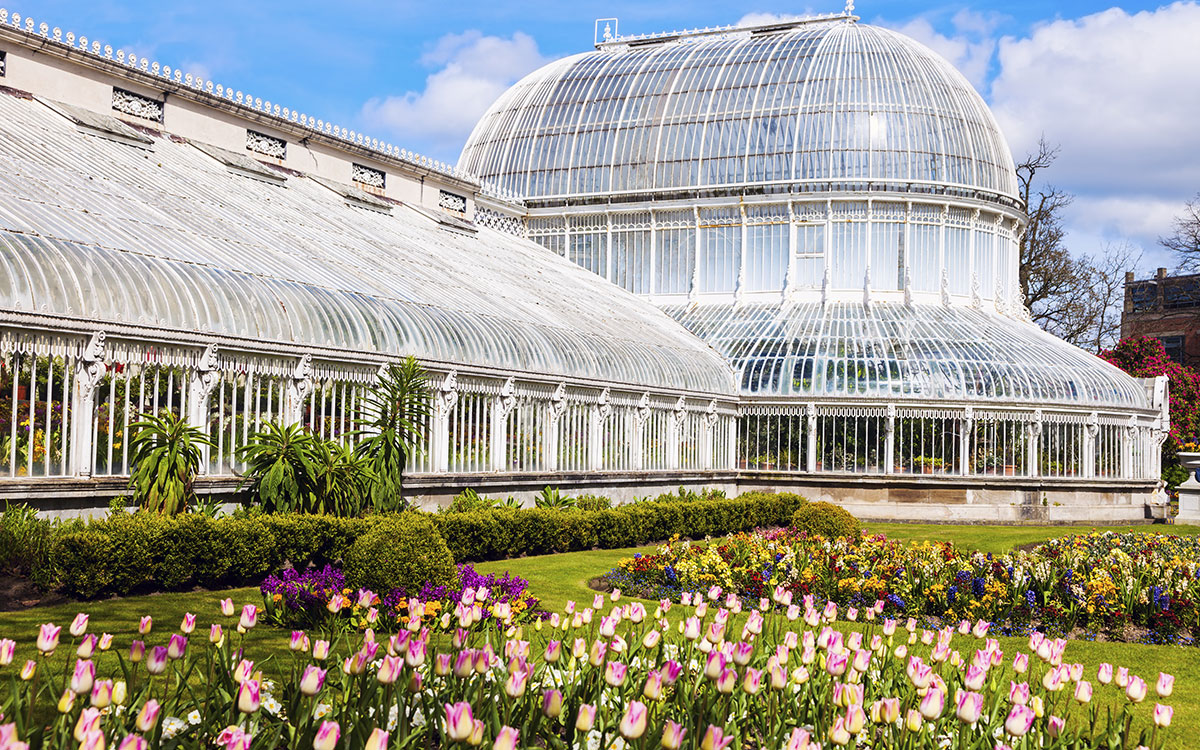
Belfast
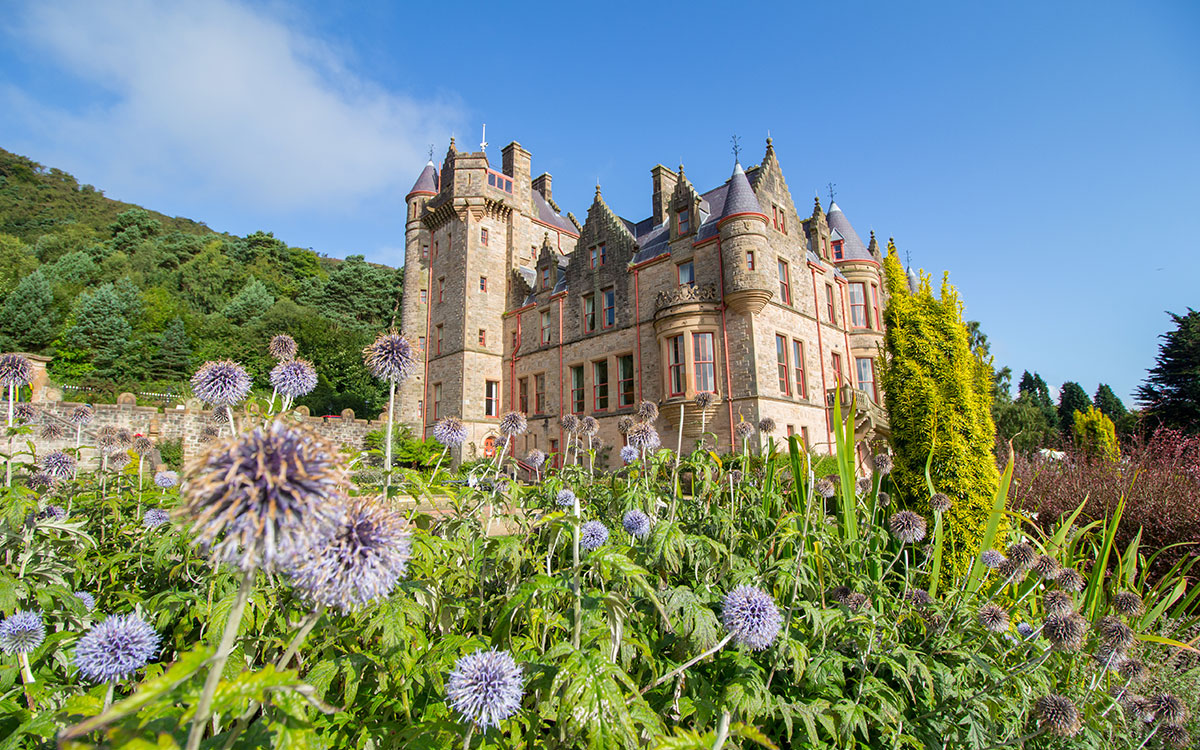
The fortunes of Belfast have risen and fallen dramatically over
time: it began as a Bronze Age settlement; grew hugely in power as
well as size during the Industrial Revolution; suffered extensive
World War II bombings; and has famously been a hotspot in the
massive civil conflict which has split Ireland. Today, the capital
of Northern Ireland is a thriving city that has regained some of
its old charm and industry, and has begun to lure a stream of
curious travellers. City breaks in Belfast are becoming
increasingly popular, with a variety of low-cost European carriers
offering cheap flights to Northern Ireland's capital.
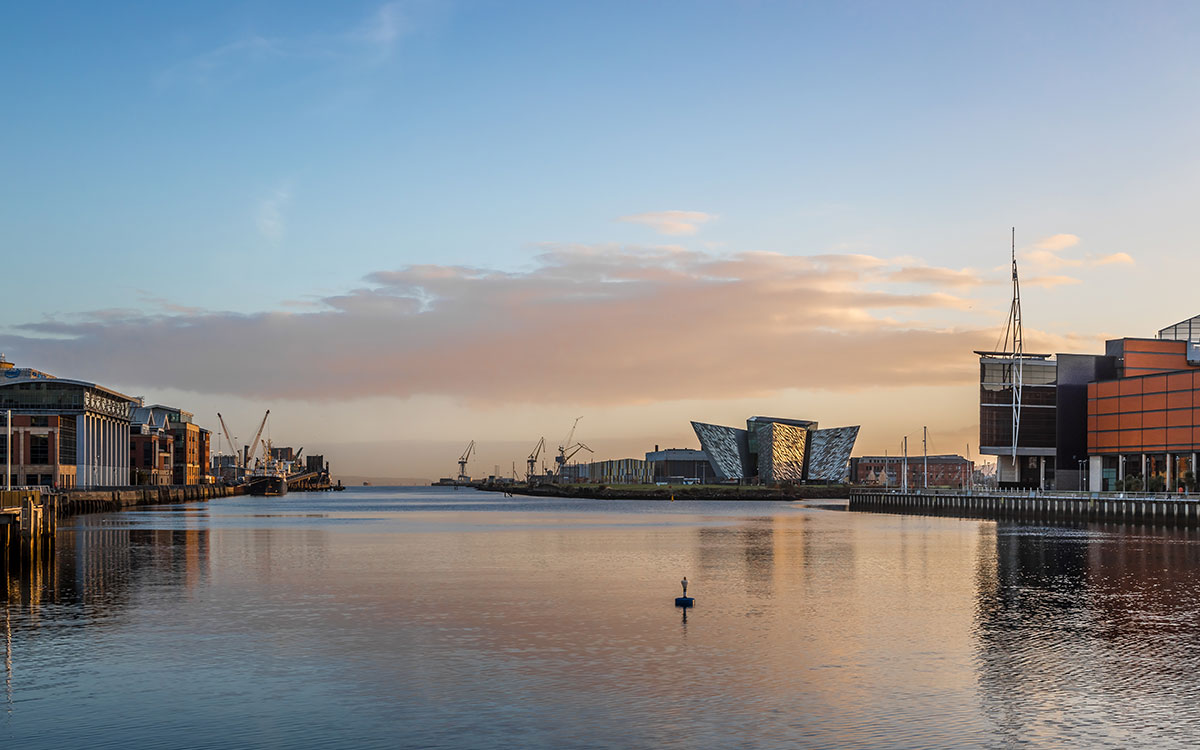
Belfast is situated near the mouth of the River Lagan, and
blossomed in the 17th century with an influx of English and
Scottish settlers. The port city grew in prominence during the
Industrial Revolution, with booming linen, rope-making, and
shipbuilding industries. The ill-fated Titanic was built here in
the Harland and Wolff shipyards, and today Belfast still boasts the
world's biggest dry dock, as well as a restored Waterfront Complex
that houses chic restaurants, shops, and ubiquitous Irish pubs.
Much of the city's architectural heritage was destroyed during
repeated bombings in World War II, as well as during The Troubles -
a period of civil conflict between Roman Catholic nationalists and
Protestant unionists that raged from 1969 until the late 1990s.
Several exquisite Victorian and Edwardian buildings still remain
and have been filled with trendy bars, boutiques, galleries,
museums, and restaurants in an attempt to regenerate the city's
image. Evidence of The Troubles can still be seen in the many
murals that line Falls Road and Shankill Road, and the Europa Hotel
has become famous as one of the most-bombed buildings in Europe,
having being targeted no less than 33 times.
Belfast is often overlooked as a tourist destination, but its
fascinating history, ongoing struggles, numerous attractions, and,
above all, the warmth and acerbic wit of its inhabitants, make it
an interesting stop on any tour of the United Kingdom. It also
serves as an excellent base from which to explore the many natural
wonders of Northern Ireland.
Day 3
Iona, Hebrides
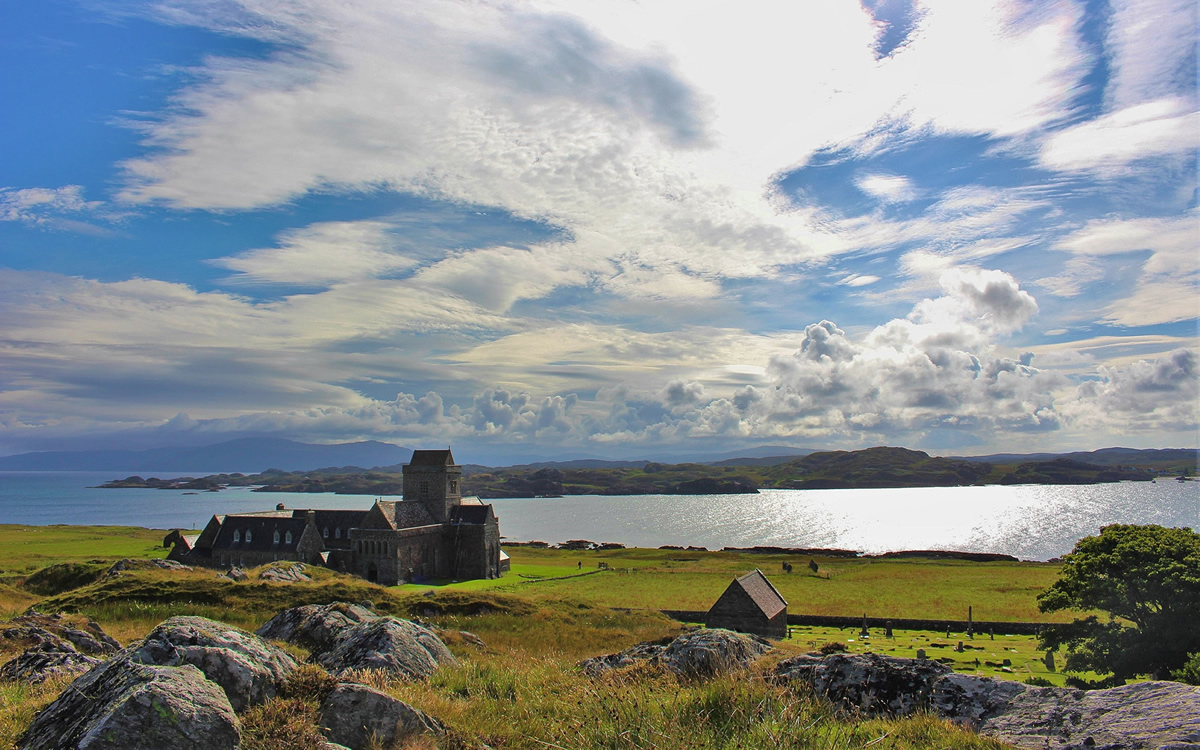
Iona, located off the southwest coast of Scotland, is a small and picturesque island that has captivated visitors for centuries. Known for its rich history, spiritual significance, and breathtaking landscapes, Iona is a must-visit destination for those seeking tranquility, cultural exploration, and natural beauty.
One of the main highlights of Iona is its spiritual heritage. The island is best known for Iona Abbey, an ancient religious site that dates back to the 6th century. This abbey played a significant role in the spread of Christianity throughout Scotland and continues to be an important place of pilgrimage to this day. Visitors can explore the abbey's ruins, walk in its peaceful cloisters, and admire its remarkable architecture. Additionally, the adjacent Iona Abbey Museum provides insight into the island's religious and cultural history.
Beyond its religious significance, Iona boasts stunning natural surroundings. The island is relatively small and can be easily explored on foot, offering visitors a chance to immerse themselves in the island's rugged and unspoiled landscapes. From sandy beaches and turquoise waters to rolling hills and dramatic cliffs, Iona offers a diverse range of natural scenery that is perfect for hiking, photography, or simply taking a leisurely stroll. The most famous spot for visitors is likely the beaches of the Bay at the Back of the Ocean, where white sands meet crystal-clear waters under the watchful gaze of the historic Dun I hill.
In addition to its natural beauty, Iona is also rich in history and culture. The island has been a center of learning for centuries and continues to attract artists, writers, and musicians. The traditional crafts of weaving, pottery, and jewelry making can be observed and purchased from local artisans, providing visitors with a chance to take home a piece of Iona's unique heritage. The village itself is quaint and charming, with colorful cottages, friendly locals, and a welcoming atmosphere.
For those interested in outdoor activities, Iona offers a range of options. Besides hiking, visitors can enjoy birdwatching, kayaking, fishing, or even joining a boat tour to explore the surrounding islands and spot wildlife such as seals and dolphins. The crystal-clear waters also make Iona a popular destination for scuba diving and snorkeling, allowing visitors to explore the rich marine ecosystems that surround the island.
When it comes to accommodation and dining options, Iona caters to every taste and budget. From cozy B&Bs and guesthouses to self-catering cottages and charming inns, visitors can find comfortable accommodations that suit their needs. There are also a few local restaurants and cafes that serve delicious Scottish fare, as well as traditional pubs where visitors can sample local whiskies and enjoy some live music.
To reach Iona, visitors can take a ferry from the Scottish mainland to the nearby island of Mull, followed by a short crossing to Iona itself. The journey itself is an opportunity to enjoy the stunning seascapes and observe the wildlife that thrives in these remote waters.
In summary, Iona offers a unique combination of spirituality, natural beauty, and cultural heritage that is hard to find elsewhere. Whether you are interested in history, seeking a peaceful retreat, or looking to explore Scotland's stunning landscapes, Iona is a destination that should not be missed.
Day 3
Staffa Island
It may seem hard to believe that this cold and wet island once held dominion over three quarters of the globe. While the pomp and circumstance of previous centuries may have dwindled and the monarchy takes an almost daily battering in the local press, the beauty and cultural wealth of the United Kingdom impresses any visitor. But the UK is still a hugely influential world leader and tops many a travel bucket list.
The United Kingdom is made up of England, Scotland, Wales and Northern Ireland, as well as some smaller islands. The geography sweeps from mountainous highlands and lush rolling countryside to vibrant cities and pebbled beaches. It's jam-packed with two millennia of heritage, so despite its seemingly small size, holidays in the UK of any length of time feel too short.
London is the UK's biggest city, a fantastic and frenetic metropolis teeming with people from all walks of life. Here the old contrasts with the new, offering some of the world's most famous sights and an unrivalled nightlife. Medieval cathedral cities like York and Durham reveal the rich history of a bygone age, while the historically-industrial cities of Liverpool and Newcastle aren't without their charms and allure. For those with more refined tastes, the Edinburgh International Arts Festival in Scotland draws talent from around the world to its ancient and picturesque streets.
Day 4
Oban
Oban is a picturesque town located on the west coast of Scotland, in the region of Argyll and Bute. Known as the "Gateway to the Isles," it serves as a great base for exploring the surrounding islands and breathtaking landscapes of the Scottish Highlands. With its stunning natural scenery, rich history, and welcoming atmosphere, Oban attracts visitors from all over the world.
One of the major attractions in Oban is its natural beauty. Surrounded by rolling hills, towering mountains, and the crystal-clear waters of the Atlantic Ocean, this charming coastal town offers stunning vistas at every turn. The most iconic viewpoint in Oban is McCaig's Tower, a Colosseum-style structure perched on a hilltop that provides panoramic views of the town, the harbor, and the islands beyond. Another must-visit location is Dunollie Castle and its beautiful grounds, which offer not only a glimpse into Scotland's medieval past but also breathtaking views of the coastline.
Oban's harbor is also a focal point of the town's charm. As one of Scotland's major ferry ports, it offers easy access to the nearby islands of Mull, Iona, and Staffa, which are renowned for their stunning landscapes and wildlife. Visitors can take a ferry ride to explore these islands, observe a variety of seabirds, spot seals, and if lucky, catch a glimpse of whales or dolphins. The Isle of Mull, in particular, is a popular destination for nature enthusiasts, offering opportunities for wildlife watching, hiking, and even sea kayaking.
Besides its natural beauty, Oban has a rich historical and cultural heritage. The town itself is steeped in history, with narrow streets lined with quaint shops, pubs, and restaurants. Oban Distillery, established in 1794, is one of Scotland's oldest sources of single malt whisky and offers guided tours for visitors to learn about the whisky-making process.
For those interested in history, a visit to Dunstaffnage Castle is highly recommended. Located just a short distance from Oban, this medieval castle offers a fascinating glimpse into Scotland's past. Moreover, Oban is also known for its vibrant arts scene, with several galleries showcasing local talent, and the Oban Phoenix Cinema offering a mix of independent and mainstream films.
While in Oban, visitors can indulge in delicious Scottish cuisine, particularly fresh seafood. The town boasts numerous award-winning seafood restaurants, serving up delights such as lobster, langoustines, and locally sourced oysters. For a taste of the local culture, visitors can sample traditional Scottish dishes like haggis, neeps, and tatties at one of the many cozy pubs.
Oban hosts several annual events that showcase the town's unique character. The Oban Highland Games, held in August, is a highlight, attracting athletes, dancers, and spectators from all over the world. The event features traditional Highland games competitions, pipe bands, and Highland dancing.
Accommodation options in Oban range from cozy bed and breakfasts to luxury waterfront hotels, ensuring a comfortable stay for visitors of all budgets. The town is also well-connected by train and bus, making it easily accessible from major cities like Glasgow and Edinburgh.
In conclusion, Oban is a charming coastal town that offers a perfect blend of stunning natural beauty, rich history, and warm Scottish hospitality. With its breathtaking landscapes, access to nearby islands, and diverse range of activities and attractions, Oban is a must-visit destination for anyone seeking an authentic Scottish experience.
Day 5
St. Kilda Archipelago
St. Kilda Archipelago is a remote and breathtaking destination located off the western coast of Scotland, in the United Kingdom. Composed of four main islands—Hirta, Dun, Soay, and Boreray—it is a UNESCO World Heritage Site and holds significant cultural and natural value. The archipelago is known for its stunning landscapes, diverse wildlife, and rich history, making it a must-visit destination for nature enthusiasts and history buffs alike.
Renowned for its rugged and dramatic scenery, St. Kilda Archipelago offers visitors a chance to immerse themselves in nature at its purest. The islands are home to towering sea cliffs, deep sea caves, and pristine white-sand beaches. The sea cliffs, such as Stac Lee and Stac an Armin, are among the highest in the United Kingdom, providing spectacular views of the Atlantic Ocean and serving as nesting sites for a variety of seabirds.
Speaking of seabirds, St. Kilda Archipelago is a haven for birdwatchers. It hosts one of the largest seabird colonies in the North Atlantic, with hundreds of thousands of seabirds nesting on the cliffs and shores. Species such as puffins, northern gannets, fulmars, and kittiwakes can be spotted here, creating an incredible spectacle of nature. Visitors can take guided boat tours around the islands to get closer to these marvelous creatures and witness their remarkable behaviors up close.
Aside from its natural beauty, St. Kilda Archipelago also has a fascinating cultural heritage. Until the early 20th century, the archipelago was inhabited by a small community of resilient islanders who lived off the land and sea. Their unique way of life, marked by remote living and self-sufficiency, has left an indelible mark on the islands. Visitors can explore the abandoned village on Hirta, the largest island, and learn about the hardships and triumphs of the former inhabitants through archaeological sites, restored buildings, and fascinating exhibitions.
To reach St. Kilda Archipelago, visitors can take a boat trip from the mainland. The journey is an adventure in itself, as the islands are located in the heart of the North Atlantic, where the weather can be unpredictable. It is advisable to check the weather conditions beforehand and book a tour with an experienced operator who knows the area well.
Due to its remote location and protected status, there are no accommodation options on the archipelago itself. However, nearby villages such as Leverburgh in Harris offer various accommodation options, ranging from cozy guesthouses to campsites, providing visitors with a base for exploring St. Kilda Archipelago.
It is important to note that the archipelago's fragile ecosystem and cultural sites require visitors to follow strict guidelines for conservation and preservation. Respect for nature and the islands' history is paramount when visiting, as it ensures the sustainability and protection of this unique destination for future generations.
In conclusion, St. Kilda Archipelago is an awe-inspiring destination that captivates visitors with its stunning landscapes, diverse wildlife, and rich history. Whether you are a nature lover, bird enthusiast, or history buff, the archipelago offers an unforgettable experience that combines natural beauty with cultural heritage. Exploring the remote islands and witnessing the abundance of wildlife is a truly unique and rewarding experience that should be on every traveler's bucket list.
Day 6
Portree, Isle of Skye
Portree is a captivating and picturesque village located on the Isle of Skye in the Highlands of Scotland. It serves as the capital and main hub of the island, making it an ideal base for exploring the stunning landscapes, rich history, and unique culture that the Isle of Skye has to offer.
With its colorful buildings lining the harbor, Portree creates a postcard-perfect scene that attracts photographers, artists, and nature enthusiasts from around the world. The village exudes a charming and welcoming atmosphere, with quaint shops, traditional Scottish pubs, and a range of accommodations to suit every budget.
One of the major draws of Portree is its proximity to some of the most scenic spots on the Isle of Skye. Just a short drive away, visitors can explore the otherworldly landscapes of the Trotternish Peninsula, home to iconic attractions such as the Quiraing, the Old Man of Storr, and the Fairy Glen. The rugged cliffs, steep mountains, and sweeping vistas make this area a haven for hikers, nature lovers, and photographers.
For those interested in history and culture, Portree offers a glimpse into the island's past. The Aros Centre is a must-visit destination, hosting exhibitions and performances that celebrate the local heritage and Gaelic culture. Visitors can also explore the nearby Dunvegan Castle, the oldest continuously inhabited castle in Scotland, which boasts magnificent gardens and a rich history spanning over 800 years.
Seafood plays a significant role in the local cuisine, and visitors to Portree can indulge in a wide range of delightful dining options. From traditional fish and chips to fresh seafood platters, there is something to satisfy every palate. For those looking to experience the vibrant nightlife, the village is home to several pubs and bars, where live music sessions and traditional ceilidhs (Scottish social gatherings with music and dancing) are common occurrences.
Outdoor enthusiasts will be spoilt for choice with the array of activities available in Portree. From hiking and climbing to sea kayaking and boat trips, there are plenty of ways to explore and appreciate the breathtaking landscapes that surround the village. Wildlife enthusiasts will also find opportunities to spot seals, dolphins, whales, and a variety of bird species.
Portree hosts a number of events and festivals throughout the year, providing visitors with a chance to immerse themselves in the local culture. The Skye Highland Games, held in August, showcases traditional Scottish sports, music, and dancing, while the Isle of Skye Half Marathon attracts runners from far and wide.
Getting to Portree is relatively straightforward, with good road connections to other parts of the island and regular bus services operating from major cities such as Inverness and Glasgow. For those seeking a more scenic journey, the Skye Bridge offers a stunning drive across the sea from the mainland.
In conclusion, Portree is a captivating and idyllic village that perfectly encapsulates the beauty and allure of the Isle of Skye. With its charming harbor, breathtaking landscapes, rich history, and warm hospitality, it is a destination that captivates the hearts of all who visit. Whether you are seeking adventure in the great outdoors, a taste of traditional Scottish culture, or simply a peaceful retreat surrounded by natural beauty, Portree will not disappoint.
Day 7
Stornoway, Isle of Lewis
Stornoway is a picturesque town located on the Isle of Lewis in the Outer Hebrides of Scotland. With a population of roughly 8,000, Stornoway is the largest settlement on the Isle of Lewis and is also the administrative center of the Western Isles council area.
Stornoway boasts a rich history and culture. The town was once a major trading port and was an important center for the fishing industry. Today, Stornoway is known for its stunning natural beauty and its heritage, which is deeply rooted in Gaelic traditions.
One of the main attractions in Stornoway is the Stornoway Museum and Archive. The museum is dedicated to preserving and exhibiting the history of the islands and showcases a range of artifacts, photographs, and displays that offer insight into the unique culture, traditions, and way of life in the Outer Hebrides.
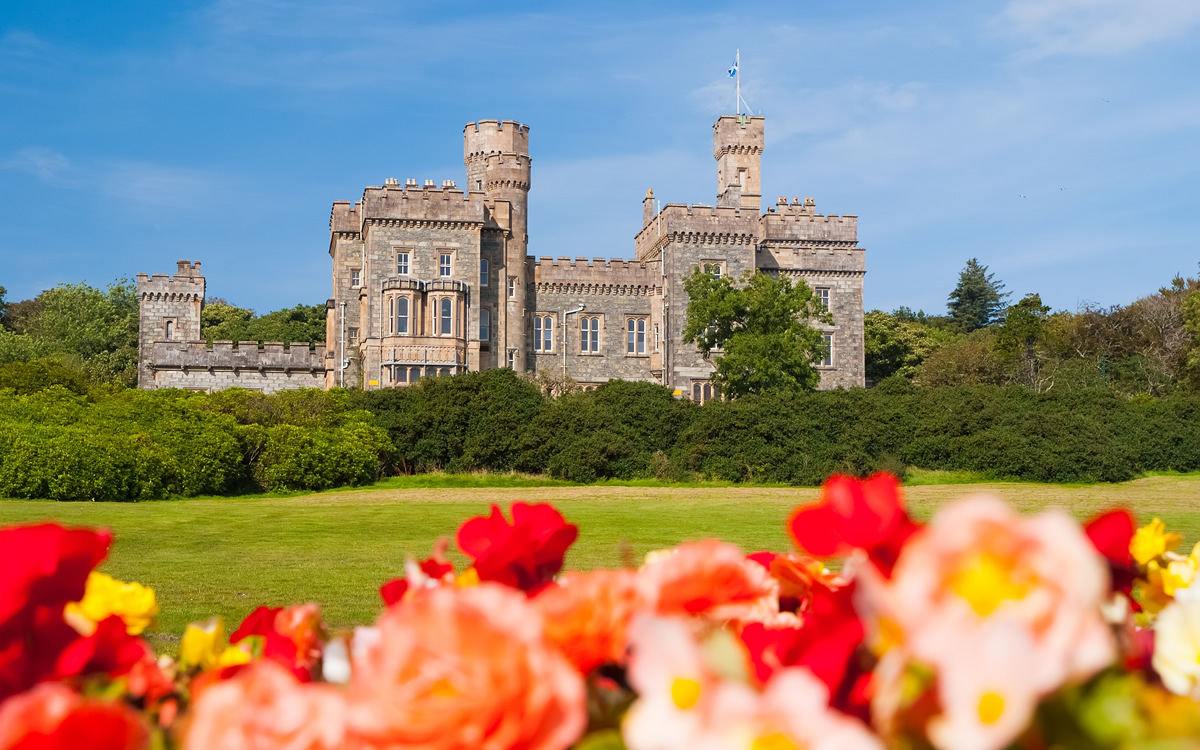
Another must-see attraction in Stornoway is the stunning Lews Castle and Gardens. The castle, which was built in the mid-19th century, offers visitors a glimpse into the history of the area and also features beautiful gardens and grounds that are perfect for a stroll.
Stornoway is also known for its rugged and beautiful terrain. Visitors can enjoy scenic drives along the winding roads that crisscross the island or head out on foot to explore the numerous walking trails that wind through the rugged landscapes of the Outer Hebrides.
For those interested in nature and wildlife, Stornoway is the perfect destination. The island is home to a vast array of birds, including puffins, eagles, and herons, as well as seals, dolphins, and whales, which can often be spotted along the rocky coastlines.
Additionally, Stornoway is home to several beautiful beaches, including the stunning Luskentyre Beach, which has been named one of the most beautiful beaches in Scotland. Visitors can swim in the clear blue waters, hunt for seashells, or simply relax on the soft sand.
Stornoway is also famous for its traditional island cuisine. Visitors can sample local delicacies such as fresh seafood and locally sourced meats, as well as enjoy homemade cakes and scones at one of the many charming cafes and restaurants in the town.
In terms of accommodation, Stornoway has a range of options to suit all budgets and tastes. Visitors can choose from cozy bed and breakfasts, rustic self-catering cottages, or luxurious hotels, all of which offer stunning views and easy access to the best of what the island has to offer.
Overall, Stornoway is a unique and charming destination that offers visitors the opportunity to experience the very best of Scottish island life. With its rich history and culture, beautiful landscapes, and delicious cuisine, Stornoway is the perfect place to escape the hustle and bustle of daily life and immerse oneself in the stunning natural beauty of the Outer Hebrides.
Day 8
Kirkwall, Orkney Islands
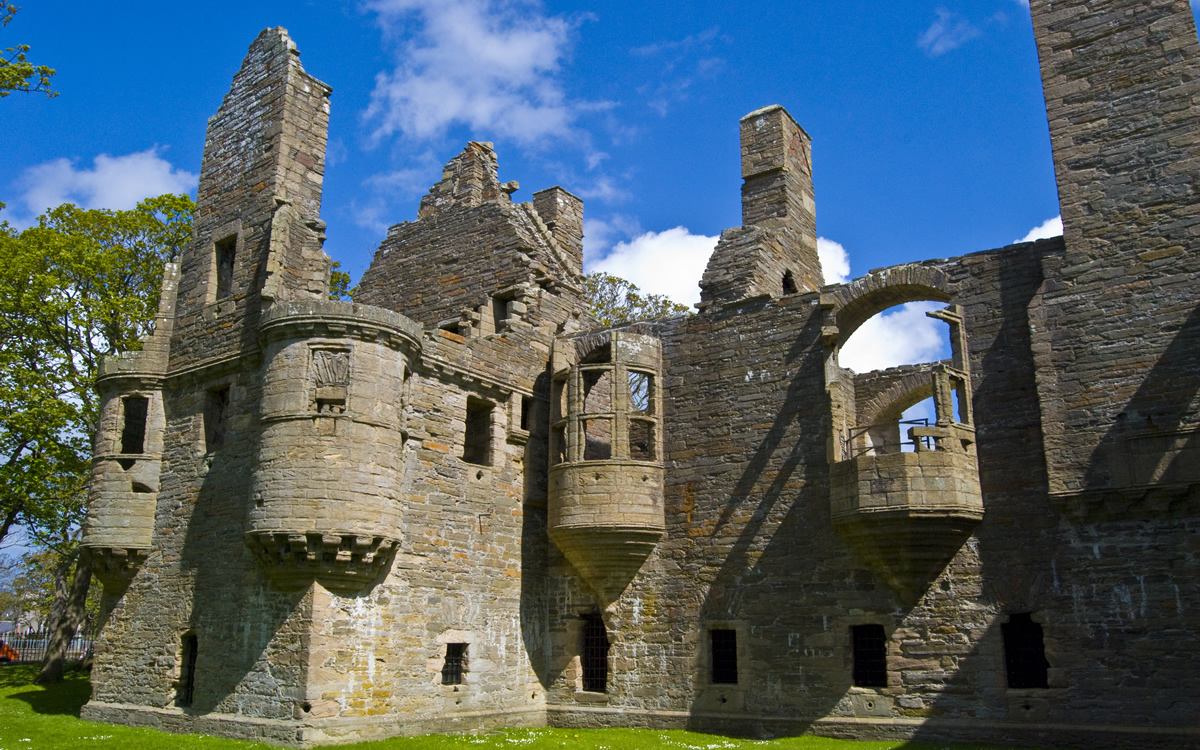
The name Kirkwall comes from the Norse name Kirkjuvágr (Church Bay), which later changed to Kirkvoe, Kirkwaa and Kirkwall. Kirkwall was formerly the site of an ancient Norse town founded approximately 1000 years ago. Today, it is a transport hub with ferries to many locations.
Day 9
Aberdeen
Drenched in fresh, salty air and bright, clean light, the
seaside city of Aberdeen is the perfect manifestation of all of
one's romantic imaginings of Scotland. Here the rugged natural
beauty of wide oceans and rolling mountains merges with rich
history and fascinating culture. It is unsurprising that it has
been praised by National Geographic as "one of the world's
top-rated coastlines". Aberdeen's history seamlessly melds with its
contemporary, industrious nature. Doric; an original Scots
language, can still be heard in the streets, and gothic towers rub
shoulders with sleek, modern structures. Lose yourself amid the
city's enchanting streets and towering buildings, which glitter in
the midday sunshine due to the prized Aberdeenshire granite.
History buffs will be delighted by the Old Town, which flaunts a
university founded in 1495, and by stories of the legendary Picts
who once used to inhabit the region. Pay a visit to the seemingly
endless beach, where it is possible to catch a glimpse of dolphins
frolicking in the expansive bay and to view local fisherman hauling
in their catch of the day. Sample this fantastic local produce at
one of the many welcoming eateries in the city, not forgetting to
finish off the meal with a 'wee dram' of the region's finest
whiskey. There are spectacular coastal golf courses to put to the
test and unparalleled natural beauty of the nearby Cairngorm
mountain range to take in with a hike or by bike.
Day 10
Leith
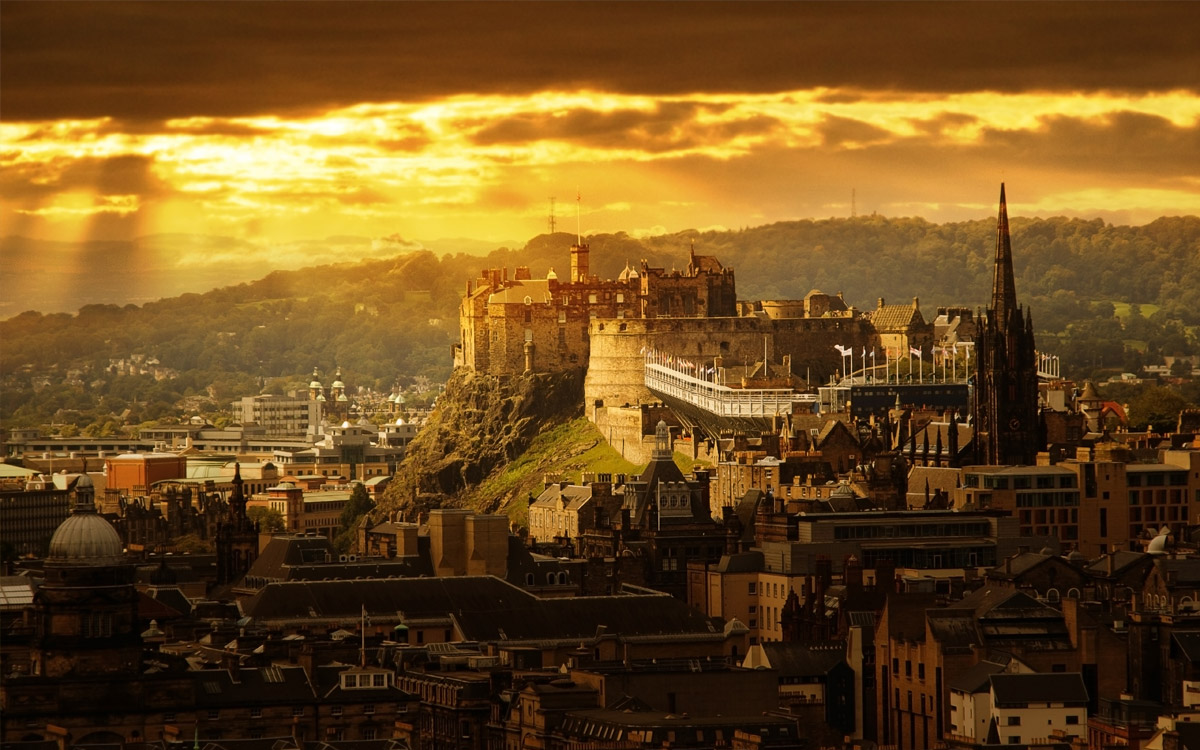
Presenting a distinctly Gothic cityscape as it spreads out below
its ancient castle, reaching out to the port of Leith, Edinburgh is
far from dour. The canny Scots have crafted a capital with
enthralling culture and festivity, veneered with sophistication but
seeped in history. It's a heady combination that never fails to
charm visitors to the city.
The first thing that catches the eye in Edinburgh is the looming
battlements of the castle, sitting atop sheer granite cliffs that
can only be accessed from one steep ridge. Today the castle heads
up the Royal Mile and a linear set of streets making up the 'New
Town', created when Edinburgh was re-designed in the 1700s, after
the Act of Union with Britain. The New Town; named a UNESCO World
Heritage Site along with the Old Town, is the artistic heart of the
capital, with an abundance of galleries, shops, cafes and
historical sites.
When it comes to sightseeing, many of Edinburgh's attractions
are based on historic stories and legends, from the churchyard
where Greyfriar's Bobby, the terrier, refused to leave his master's
grave, to the grand royal apartments of Holyrood House, where Mary
Queen of Scots watched her husband kill her lover back in the 16th
century. Although, unquestionably engaging from historical and
cultural perspectives, Edinburgh also has a strong culinary
presence, with five restaurants sporting Michelin stars and a
growing fine-dining and bar scene.
A spirited city at any time of year, Edinburgh's eclectic nature
is never more pronounced than during the summer months, when the
Edinburgh Festival fills the city with drama, creativity and
colourful visitors from around the world. Another occasion when
Edinburgh pulls out the stops is during the traditional Hogmanay
New Year festival, when jovial festivities are celebrated with
Scottish malt whisky and ales in the many local pubs.
Edinburgh is perhaps best summed up by one of its famous sons,
the novelist Robert Louis Stevenson, who described it as 'a
profusion of eccentricities; a dream in masonry and living rock'.
Rich in culture, with modern and medieval architecture woven
together and a burgeoning music and nightlife scene, Edinburgh
provides a captivating experience for travellers from all walks of
life.
Scottish Isles: Historic Trails & Wilderness Ships
Recommended Deals like Scottish Isles: Historic Trails & Wilderness
Save 13%
9 Nights
Scottish Isles: Historic Trails & Wilderness
 Scenic Ocean Cruises

Departure:
May
VISITING:
Dublin
Belfast
Iona, Hebrides
Staffa Island
Oban
St. Kilda Archipelago
Portree, Isle of Skye
Stornoway
Kirkwall
Aberdeen
Leith
FROM
£
10,562 pp
Join the Crui.se Club
Points That Pay
Earn 25 points (£25) just for joining — and collect more on bookings, reviews, and referrals.
Exclusive Member Deals
Unlock off-market offers reserved only for Crui.se Club members.
Early Access Perks
Be the first to book with pre-launch notifications and special member-only booking windows.
Cruise With Confidence
Our mission at wordpress-1024654-4169282.cloudwaysapps.com is to help you and your loved one’s book and experience the best cruise holiday imaginable. We’re different in that, our customers come first, not our suppliers or profit margins. Get in touch and let us help you set sail.


Over 20 cruise brands to choose from

Low deposits from £500

All Inclusive cruises

Best deals & discounts

Community driven

Brand agnostic

We take care of everything

Custom built cruise holidays


