







 We won’t be beaten on price...

ABTA protected


Grand Voyage: Antarctica &
South America to the
Mediterranean
Scroll to sail

Grand Voyage: Antarctica & South America to the Mediterranean
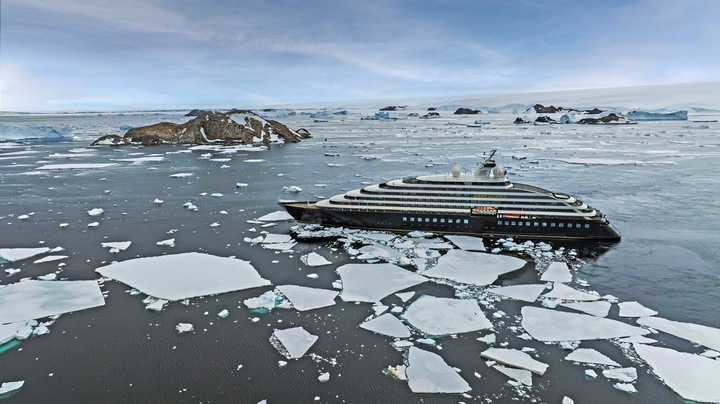
Embark on the Grand Voyage: Antarctica & South America to the Mediterranean, an epic 67-day odyssey with Scenic Ocean Cruises aboard the ultra-luxury Scenic Eclipse II. This all-inclusive journey promises unparalleled exploration from Earths remote wilderness to the Mediterranean.
Begin in Buenos Aires, venturing to Antarcticas pristine icy landscapes, teeming with wildlife. Navigate dramatic Chilean Fjords, explore ancient South American cultures, and witness the engineering marvel of a Panama Canal transit. Expect breathtaking natural beauty and profound cultural immersion.
Continue through idyllic Caribbean islands, then an elegant transatlantic crossing. Conclude amidst the Mediterranean's historic charm and stunning coastlines, from Seville to Palma. This curated itinerary offers seamless luxury, expert-led discovery, and unforgettable memories across diverse continents.
-
 Cruise Line: Scenic Ocean Cruises
-
 Ship: Scenic Eclipse II
-
 Duration: 67 Nights
-
 Departure: February
Grand Voyage: Antarctica & South America to the Mediterranean Prices
Grand Voyage: Antarctica & South America to the Mediterranean Gallery




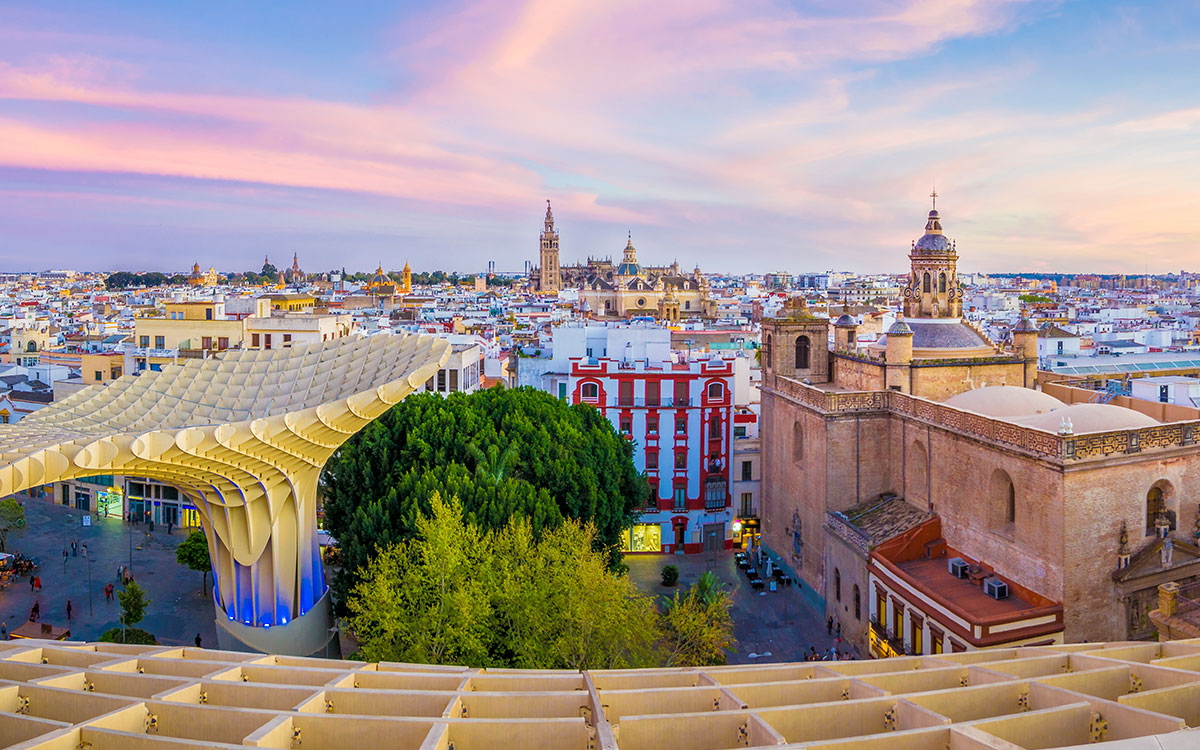
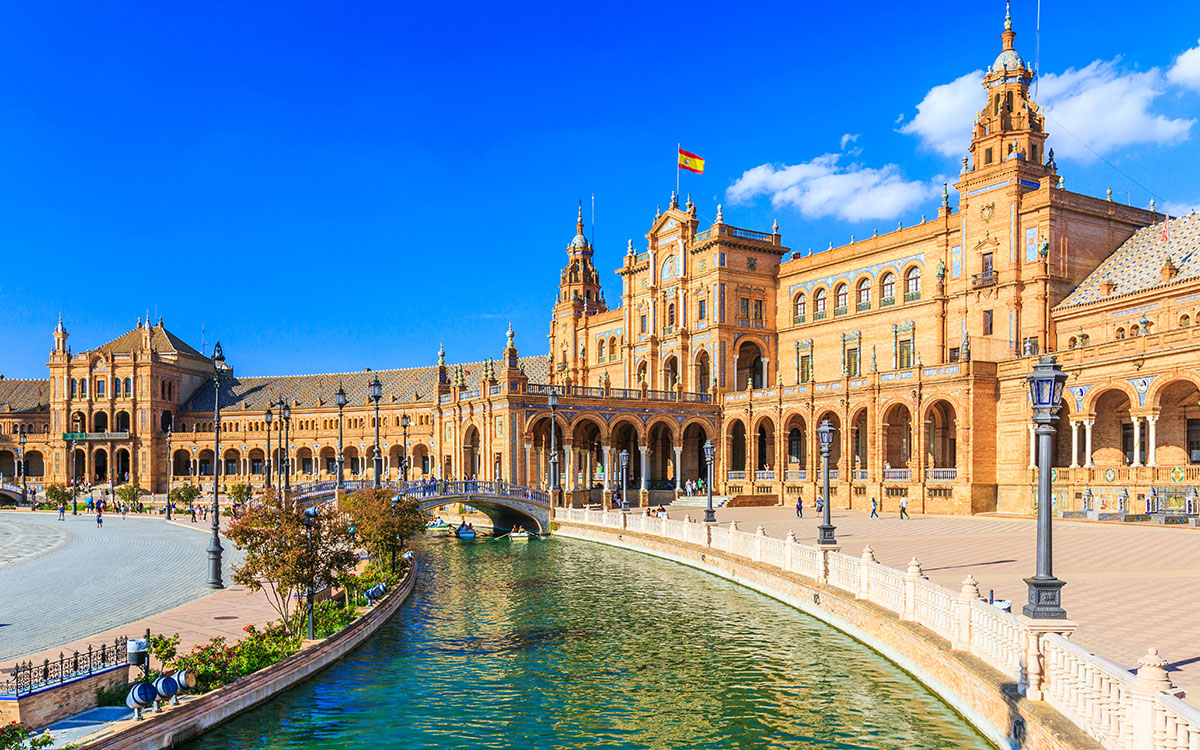
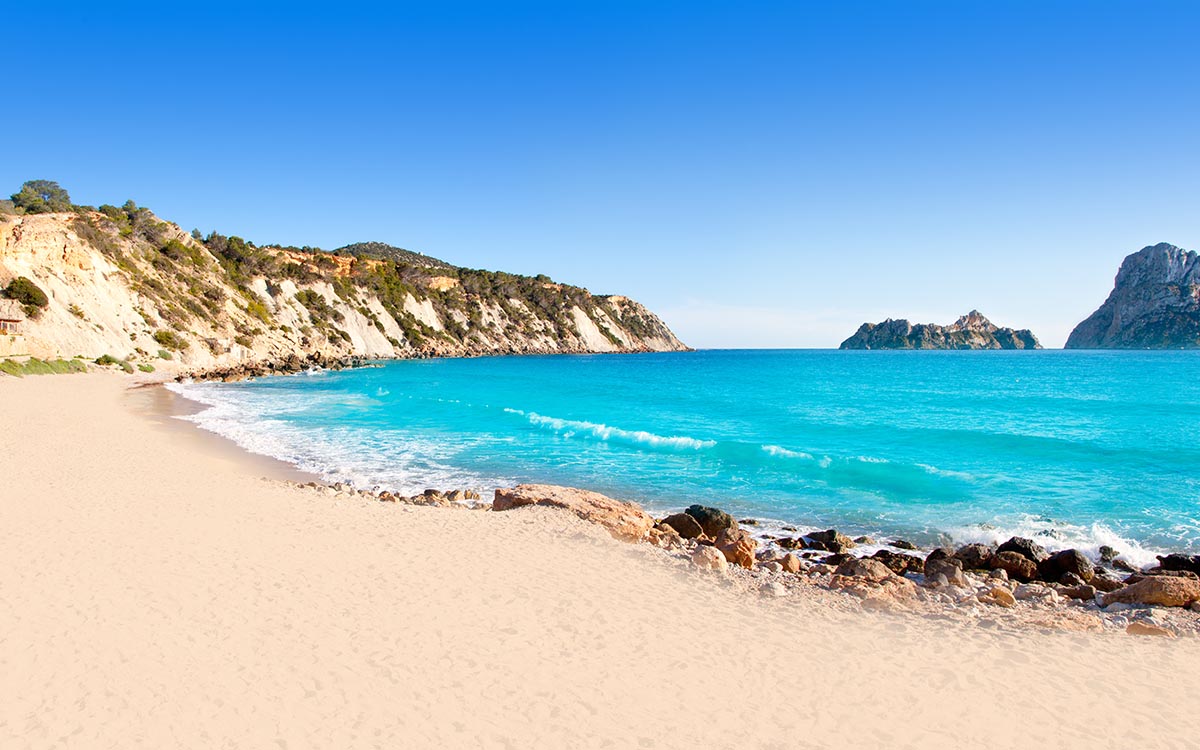
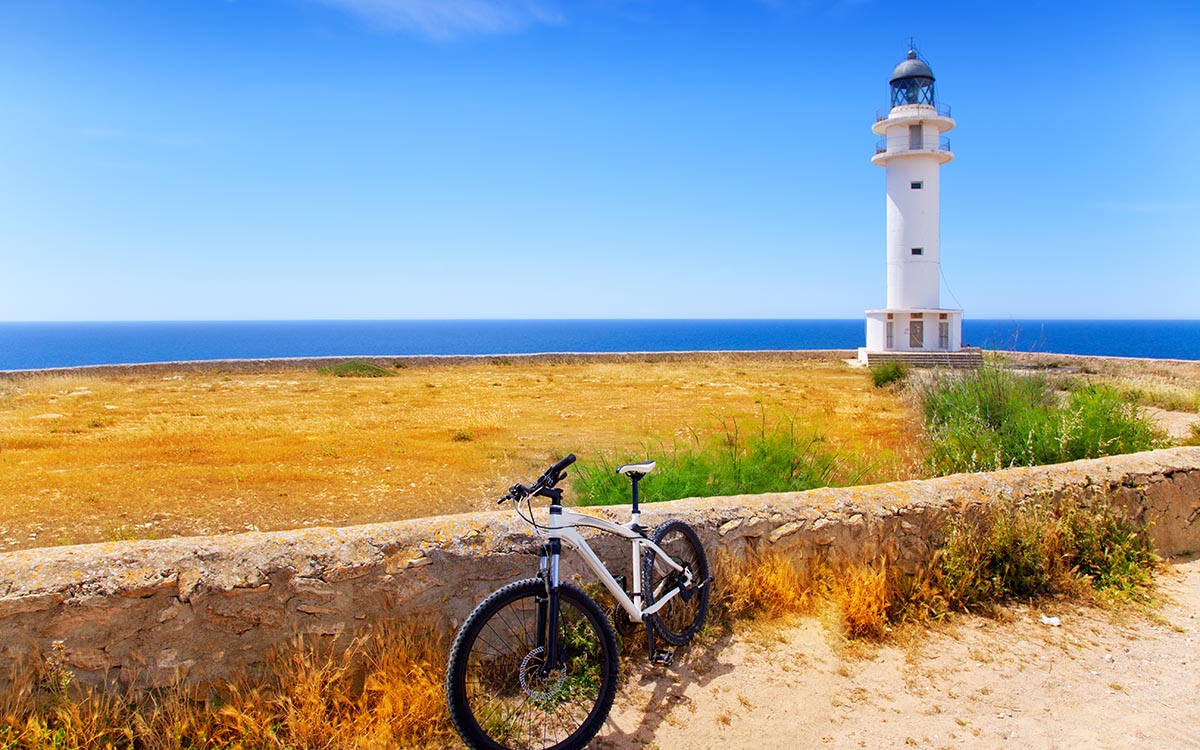

Grand Voyage: Antarctica & South America to the Mediterranean Itinerary

Day 1
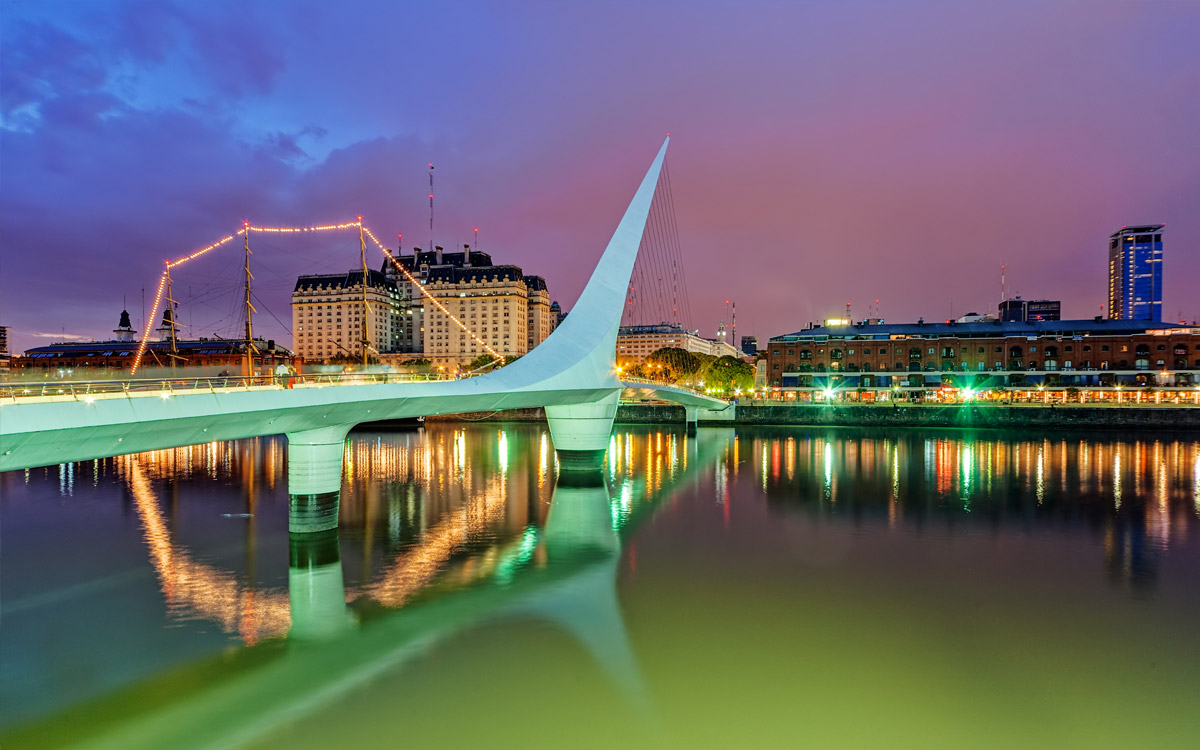
Buenos Aires
Buenos Aires, the vibrant capital of Argentina, is a city that seamlessly blends the old world charm with modern sophistication. Renowned for its European-style architecture, bustling cultural scene, and delicious cuisine, Buenos Aires offers visitors a rich and immersive experience. Situated on the western shore of the Rio de la Plata, it is one of South America's most populous cities and serves as the country's political, cultural, and economic hub.
The city’s neighbourhoods, known as barrios, each have their own distinct character and allure. The colourful streets of La Boca, with its famously bright buildings and lively tango dancers, showcase the spirited essence of Argentine culture. San Telmo, another historic area, invites visitors to explore its cobblestone streets, antique shops, and vibrant markets. Palermo, the largest barrio, is a trendy district filled with lush parks, boutique stores, and a thriving nightlife.
Buenos Aires is a city for aficionados of art and culture. The Teatro Colón, one of the most renowned opera houses in the world, captivates audiences with its stunning performances and exquisite architecture. Art enthusiasts can delve into the dynamic art scene at the Museum of Latin American Art of Buenos Aires (MALBA) and the National Museum of Fine Arts. The city's numerous galleries, theatres, and cultural centres ensure that there is always something to inspire and entertain.
Culinary delights abound in Buenos Aires, where food lovers can indulge in Argentine specialities such as succulent steaks and unique wine varieties. The city’s cafes and restaurants offer an array of international cuisines, reflecting its cosmopolitan nature. Local markets and food festivals provide an opportunity to savour traditional dishes and immerse oneself in the local gastronomy.
Overall, Buenos Aires is a city that captivates at every turn, with its rich history, dynamic cultural offerings, and warm, lively atmosphere. Whether one is exploring iconic landmarks, or simply strolling through its charming streets, Buenos Aires promises an unforgettable experience for all who visit.
Day 2
Ushuaia
Ushuaia, often referred to as the "End of the World," is a picturesque city located at the southernmost tip of Argentina in the Tierra del Fuego Province. Surrounded by stunning snow-capped mountains, pristine forests, and the Beagle Channel, Ushuaia offers a unique and unforgettable experience for travelers seeking adventure, wildlife encounters, and breathtaking natural beauty.
With its dramatic landscapes and remote location, Ushuaia is a haven for outdoor enthusiasts. The nearby Tierra del Fuego National Park is a must-visit destination, offering incredible hiking trails, panoramic viewpoints, and the chance to explore the diverse flora and fauna of the region. From the park, visitors can also embark on a thrilling kayak or canoe ride along the stunning rivers and lakes, immersing themselves in the untouched wilderness.
One of the main attractions in Ushuaia is the Beagle Channel, named after Charles Darwin's famous ship. Boat tours are available, offering visitors the opportunity to witness the region's diverse marine life, including sea lions, penguins, and even whales (during the right season). Cruising along the channel, one can also appreciate the breathtaking views of imposing glaciers and rugged islands.
For the adventurous at heart, Ushuaia serves as an incredible gateway to Antarctica. Many expeditions depart from the city's harbor, offering once-in-a-lifetime experiences to explore the white continent's vastness, observing its unique wildlife and mesmerizing landscapes. These expeditions typically range from a few days to several weeks, providing an unforgettable adventure for those seeking to push their boundaries.
Ushuaia is also a fantastic destination for winter sports enthusiasts. The nearby Cerro Castor ski resort boasts excellent snow conditions, making it a popular spot for skiing and snowboarding. Additionally, visitors can enjoy other winter activities such as snowshoeing, dog sledding, and snowmobiling. With its long snowy season, Ushuaia offers a unique opportunity to experience winter sports in a unique and untouched environment.
The city itself, though small, has a charming and welcoming atmosphere. Its compact downtown area is filled with shops, restaurants, and cafes, where visitors can sample delicious local cuisine and warm up with a cup of hot chocolate. The "Avenida San Martín" is the main street of Ushuaia, lined with boutiques offering a variety of local crafts, including beautifully crafted leather and wool products.
Visitors interested in history and culture will find Ushuaia to be a fascinating destination. The Maritime Museum of Ushuaia offers insight into the region's rich maritime history, including its significance as a former penal colony. Exploring the former prison, "Presidio Modelo," and its informative exhibits provides a fascinating glimpse into the lives of prisoners in the early 20th century.
As for accommodations, Ushuaia has a range of options to suit different budgets and preferences. From luxury hotels with stunning mountain views to cozy guesthouses and hostels, there is something for everyone. Many accommodations in Ushuaia also offer organized tours and transportation services to make exploring the region even more accessible.
In conclusion, Ushuaia is a truly unique destination that offers a wealth of outdoor adventures, breathtaking natural beauty, and a rich cultural history. Whether embarking on Antarctic expeditions, exploring the national park, or indulging in winter sports, Ushuaia guarantees an unforgettable experience for all who visit. Don't miss the opportunity to journey to the "End of the World" and discover the wonders that await in this magical corner of Argentina.
Day 5
Antarctic Peninsula
The Antarctic Peninsula is a remarkable and awe-inspiring destination located in the continent of Antarctica. Situated within the Antarctic region and under the sovereignty of the Antarctic Treaty System, this pristine and isolated wilderness offers a unique and unforgettable travel experience for adventurers and nature enthusiasts alike.
Covering an area of approximately 800,000 square miles, the Antarctic Peninsula is the northernmost part of the mainland of Antarctica. Despite its remote location and harsh climate, it attracts thousands of visitors each year who are eager to explore its dramatic landscapes, abundant wildlife, and rich scientific history.
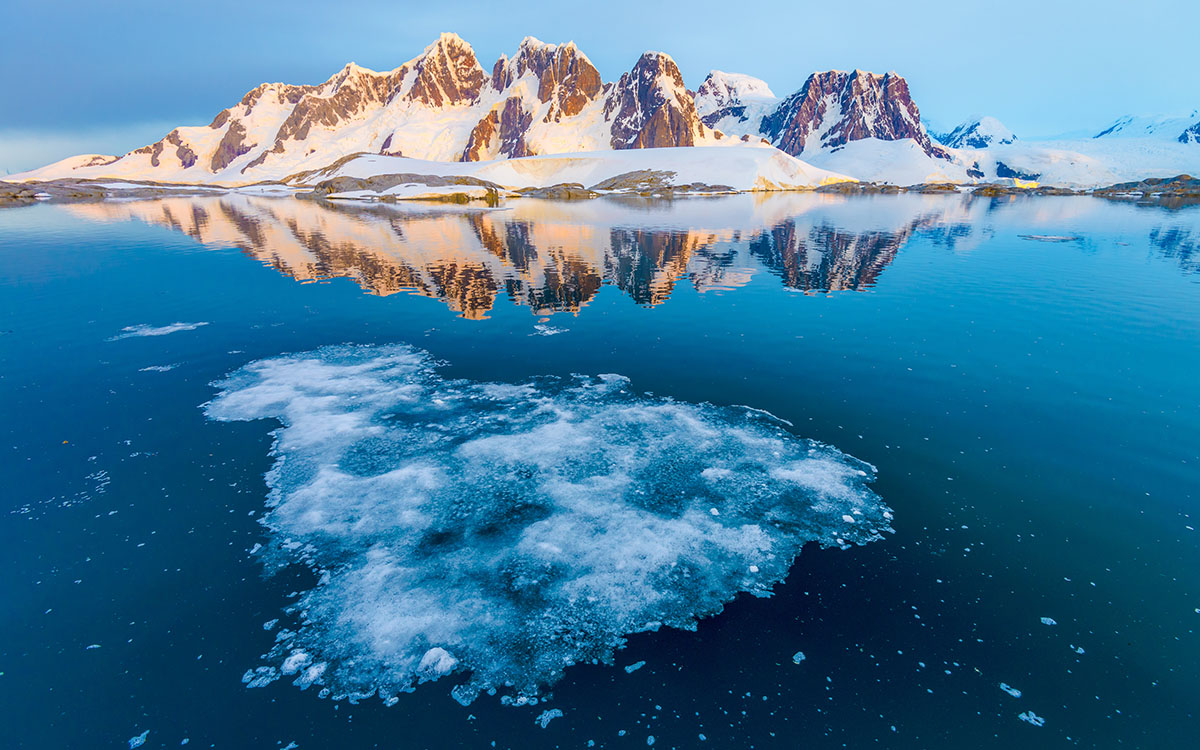
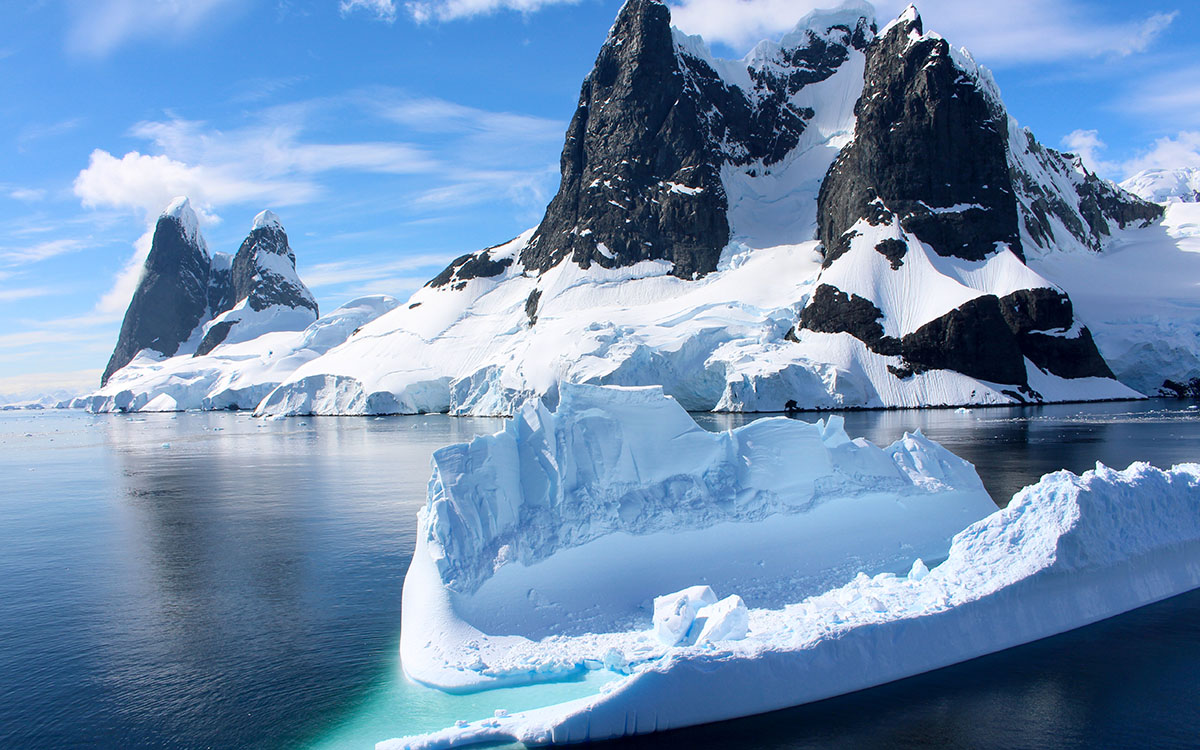
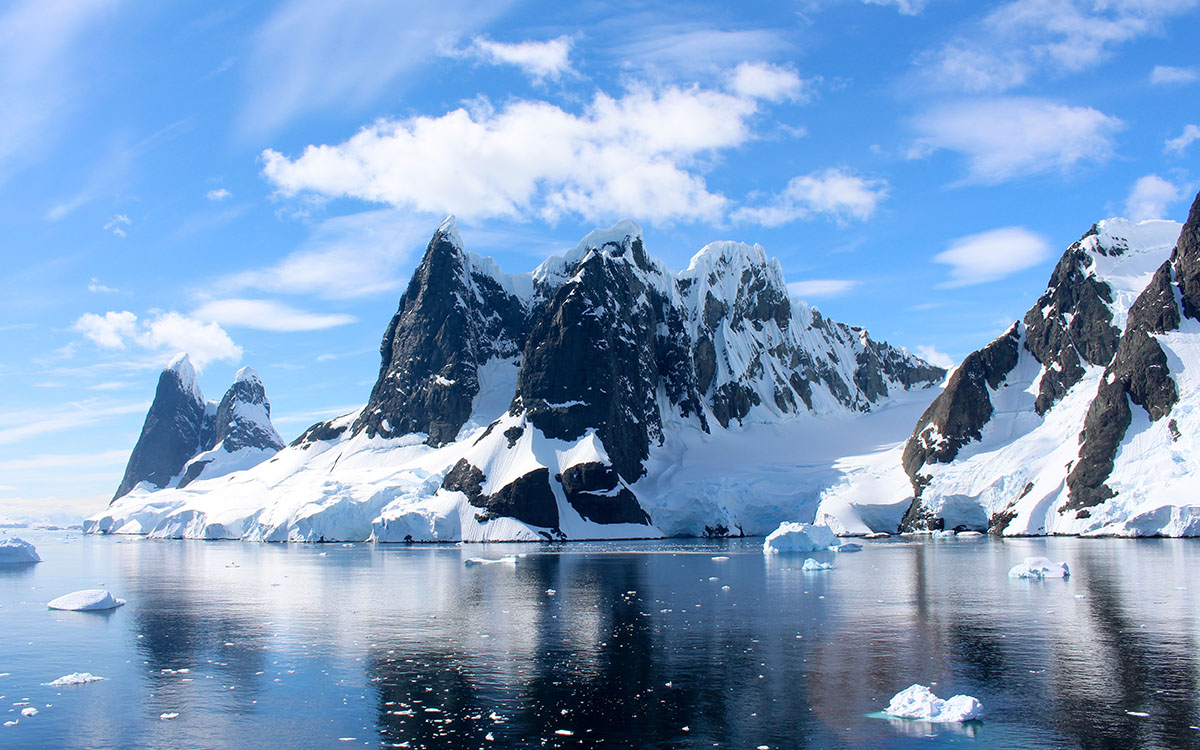
One of the main highlights of the Antarctic Peninsula is its breathtaking landscapes. Towering icebergs, majestic glaciers, and snow-covered mountains create a picturesque scenery that seems straight out of a fairy tale. Cruising through the icy waters of the Peninsula, visitors can witness the mesmerizing beauty of this frozen wonderland and capture moments that will last a lifetime.
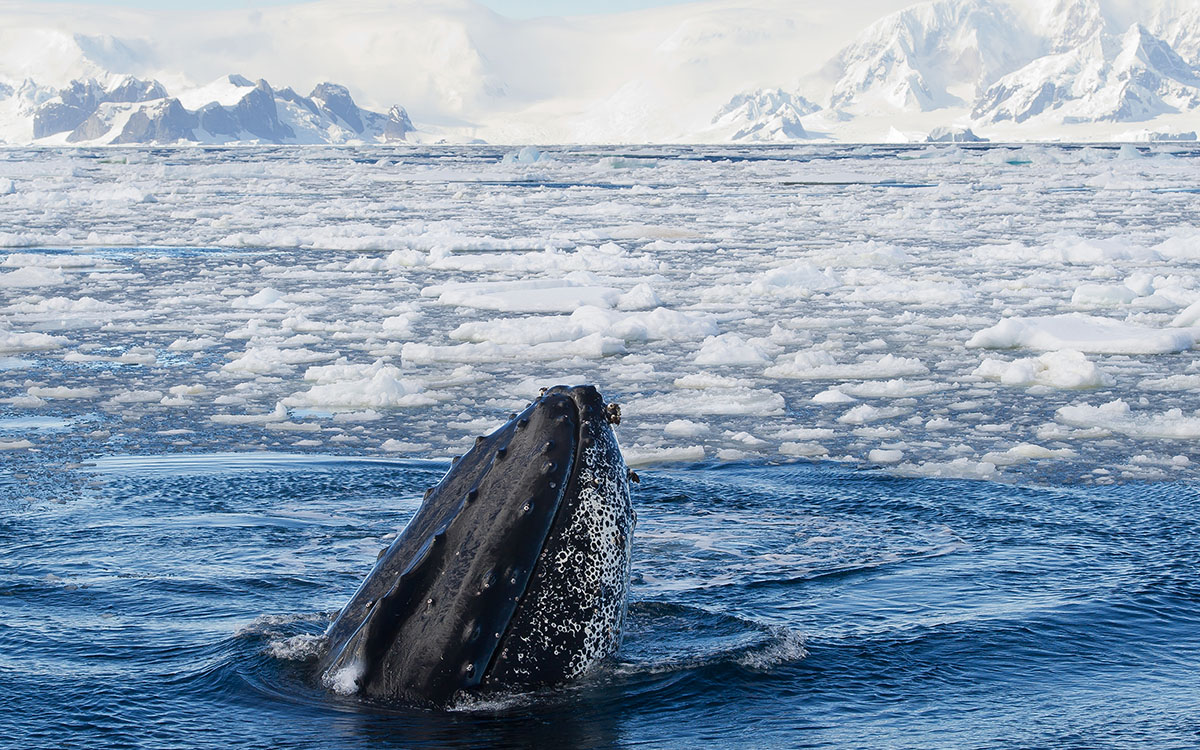
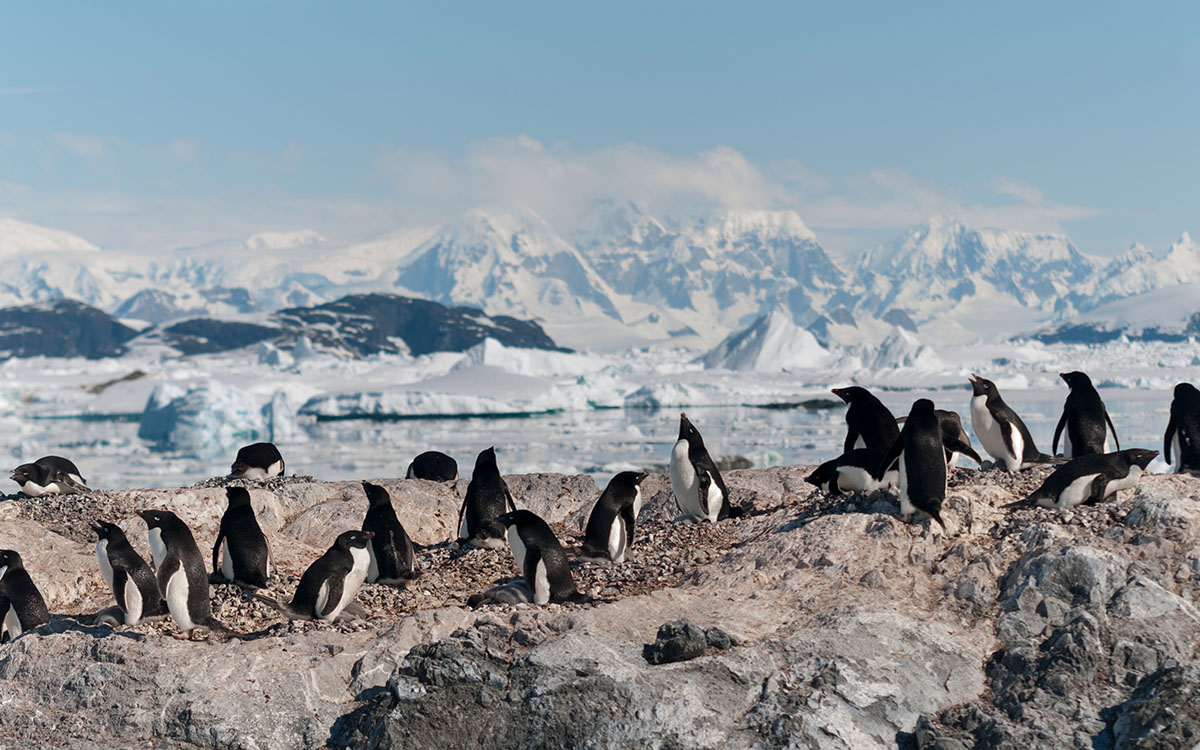
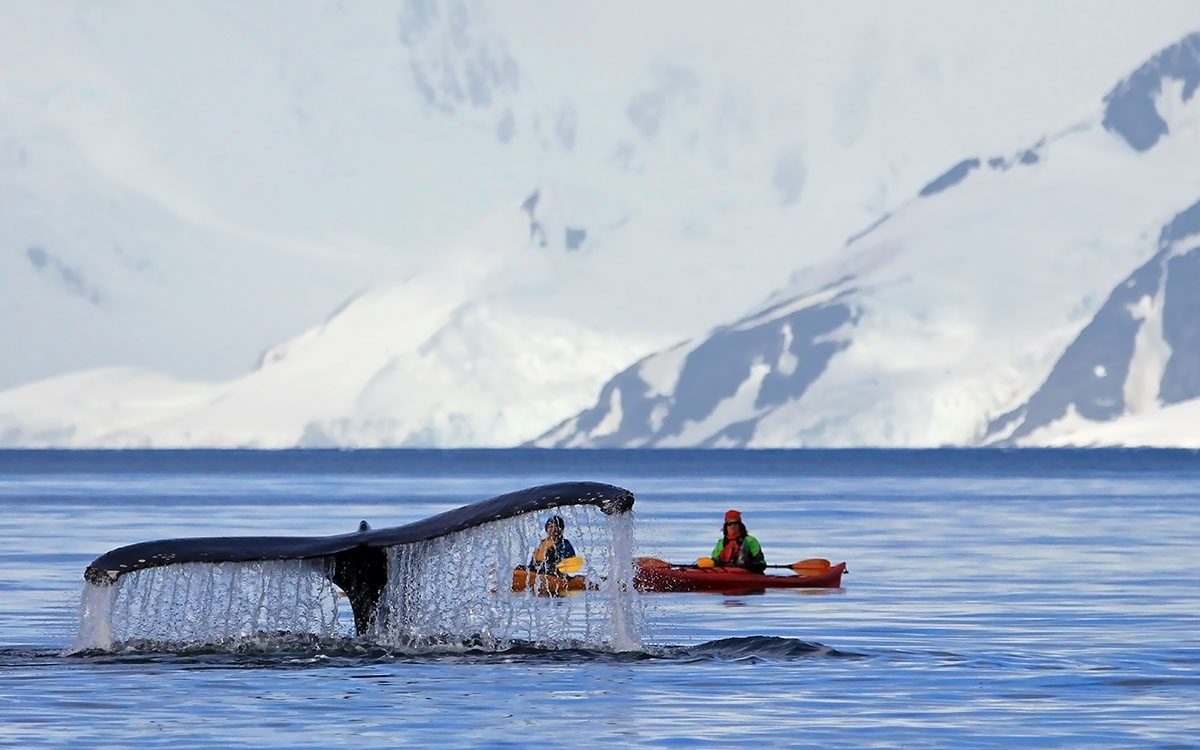
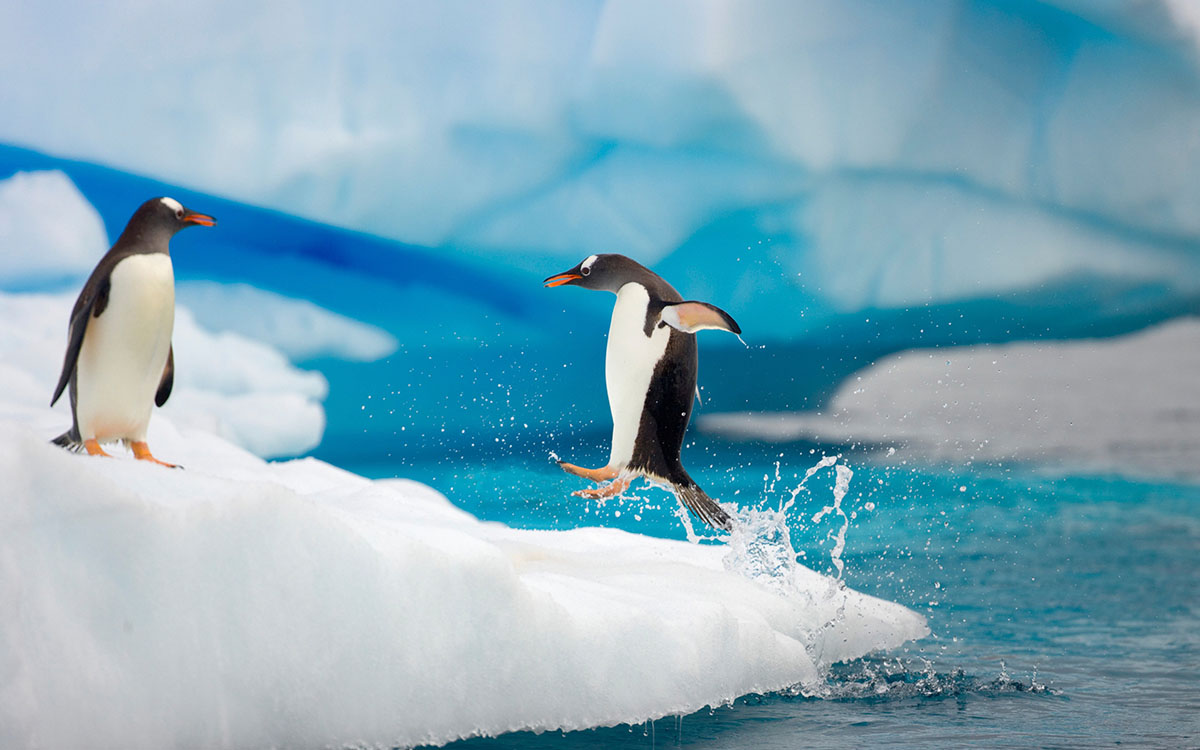
The wildlife of the Antarctic Peninsula is another major attraction. The region is home to a diverse range of species, including penguins, seals, whales, and seabirds. Visitors can witness the mesmerizing sight of thousands of penguins waddling across the icy shores and marvel at the grace and power of the different species of seals as they laze on the ice. Whale enthusiasts can also embark on thrilling boat tours to spot humpback whales, orcas, and minke whales in their natural habitat.
For those interested in the history and scientific significance of the Antarctic Peninsula, numerous research stations and historic sites dot the region. These scientific outposts provide a glimpse into the ongoing research being conducted in this remote and inhospitable environment. Visitors can learn about the challenges faced by scientists working in Antarctica and gain insight into the critical role played by the region in understanding climate change and its impact on the planet.
Visiting the Antarctic Peninsula requires careful planning and preparation due to the extreme weather conditions and limited infrastructure. Most travelers opt for guided tours that provide a safe and organized experience. These tours typically include transportation from South America, accommodations on expedition ships, and expert guides who offer informative lectures and lead adventurous excursions.
Weather conditions in the Antarctic Peninsula are highly unpredictable, with temperatures ranging from -10°C to +8°C (14°F to 46°F) during the summer season from November to March. It is important to pack appropriate clothing and gear, including thermal layers, waterproof outerwear, sturdy boots, and gloves. Additionally, visitors should be prepared for a once-in-a-lifetime experience of 24-hour daylight during certain parts of the summer season.
While visiting the Antarctic Peninsula, it is important to follow strict guidelines and regulations to minimize the impact on the environment. Respect for wildlife and adherence to responsible travel practices are crucial to preserve this fragile ecosystem.
In conclusion, the Antarctic Peninsula offers a unique and unforgettable travel experience for those seeking adventure and natural beauty. With its stunning landscapes, diverse wildlife, and rich history, it is truly a destination like no other. Whether you are a wildlife enthusiast, a nature lover, or a curious explorer, the Antarctic Peninsula promises to leave you in awe of its unmatched grandeur and pristine beauty.
Day 6
Antarctic Peninsula
The Antarctic Peninsula is a remarkable and awe-inspiring destination located in the continent of Antarctica. Situated within the Antarctic region and under the sovereignty of the Antarctic Treaty System, this pristine and isolated wilderness offers a unique and unforgettable travel experience for adventurers and nature enthusiasts alike.
Covering an area of approximately 800,000 square miles, the Antarctic Peninsula is the northernmost part of the mainland of Antarctica. Despite its remote location and harsh climate, it attracts thousands of visitors each year who are eager to explore its dramatic landscapes, abundant wildlife, and rich scientific history.
One of the main highlights of the Antarctic Peninsula is its breathtaking landscapes. Towering icebergs, majestic glaciers, and snow-covered mountains create a picturesque scenery that seems straight out of a fairy tale. Cruising through the icy waters of the Peninsula, visitors can witness the mesmerizing beauty of this frozen wonderland and capture moments that will last a lifetime.
The wildlife of the Antarctic Peninsula is another major attraction. The region is home to a diverse range of species, including penguins, seals, whales, and seabirds. Visitors can witness the mesmerizing sight of thousands of penguins waddling across the icy shores and marvel at the grace and power of the different species of seals as they laze on the ice. Whale enthusiasts can also embark on thrilling boat tours to spot humpback whales, orcas, and minke whales in their natural habitat.
For those interested in the history and scientific significance of the Antarctic Peninsula, numerous research stations and historic sites dot the region. These scientific outposts provide a glimpse into the ongoing research being conducted in this remote and inhospitable environment. Visitors can learn about the challenges faced by scientists working in Antarctica and gain insight into the critical role played by the region in understanding climate change and its impact on the planet.
Visiting the Antarctic Peninsula requires careful planning and preparation due to the extreme weather conditions and limited infrastructure. Most travelers opt for guided tours that provide a safe and organized experience. These tours typically include transportation from South America, accommodations on expedition ships, and expert guides who offer informative lectures and lead adventurous excursions.
Weather conditions in the Antarctic Peninsula are highly unpredictable, with temperatures ranging from -10°C to +8°C (14°F to 46°F) during the summer season from November to March. It is important to pack appropriate clothing and gear, including thermal layers, waterproof outerwear, sturdy boots, and gloves. Additionally, visitors should be prepared for a once-in-a-lifetime experience of 24-hour daylight during certain parts of the summer season.
While visiting the Antarctic Peninsula, it is important to follow strict guidelines and regulations to minimize the impact on the environment. Respect for wildlife and adherence to responsible travel practices are crucial to preserve this fragile ecosystem.
In conclusion, the Antarctic Peninsula offers a unique and unforgettable travel experience for those seeking adventure and natural beauty. With its stunning landscapes, diverse wildlife, and rich history, it is truly a destination like no other. Whether you are a wildlife enthusiast, a nature lover, or a curious explorer, the Antarctic Peninsula promises to leave you in awe of its unmatched grandeur and pristine beauty.
Day 7
Antarctic Peninsula
The Antarctic Peninsula is a remarkable and awe-inspiring destination located in the continent of Antarctica. Situated within the Antarctic region and under the sovereignty of the Antarctic Treaty System, this pristine and isolated wilderness offers a unique and unforgettable travel experience for adventurers and nature enthusiasts alike.
Covering an area of approximately 800,000 square miles, the Antarctic Peninsula is the northernmost part of the mainland of Antarctica. Despite its remote location and harsh climate, it attracts thousands of visitors each year who are eager to explore its dramatic landscapes, abundant wildlife, and rich scientific history.
One of the main highlights of the Antarctic Peninsula is its breathtaking landscapes. Towering icebergs, majestic glaciers, and snow-covered mountains create a picturesque scenery that seems straight out of a fairy tale. Cruising through the icy waters of the Peninsula, visitors can witness the mesmerizing beauty of this frozen wonderland and capture moments that will last a lifetime.
The wildlife of the Antarctic Peninsula is another major attraction. The region is home to a diverse range of species, including penguins, seals, whales, and seabirds. Visitors can witness the mesmerizing sight of thousands of penguins waddling across the icy shores and marvel at the grace and power of the different species of seals as they laze on the ice. Whale enthusiasts can also embark on thrilling boat tours to spot humpback whales, orcas, and minke whales in their natural habitat.
For those interested in the history and scientific significance of the Antarctic Peninsula, numerous research stations and historic sites dot the region. These scientific outposts provide a glimpse into the ongoing research being conducted in this remote and inhospitable environment. Visitors can learn about the challenges faced by scientists working in Antarctica and gain insight into the critical role played by the region in understanding climate change and its impact on the planet.
Visiting the Antarctic Peninsula requires careful planning and preparation due to the extreme weather conditions and limited infrastructure. Most travelers opt for guided tours that provide a safe and organized experience. These tours typically include transportation from South America, accommodations on expedition ships, and expert guides who offer informative lectures and lead adventurous excursions.
Weather conditions in the Antarctic Peninsula are highly unpredictable, with temperatures ranging from -10°C to +8°C (14°F to 46°F) during the summer season from November to March. It is important to pack appropriate clothing and gear, including thermal layers, waterproof outerwear, sturdy boots, and gloves. Additionally, visitors should be prepared for a once-in-a-lifetime experience of 24-hour daylight during certain parts of the summer season.
While visiting the Antarctic Peninsula, it is important to follow strict guidelines and regulations to minimize the impact on the environment. Respect for wildlife and adherence to responsible travel practices are crucial to preserve this fragile ecosystem.
In conclusion, the Antarctic Peninsula offers a unique and unforgettable travel experience for those seeking adventure and natural beauty. With its stunning landscapes, diverse wildlife, and rich history, it is truly a destination like no other. Whether you are a wildlife enthusiast, a nature lover, or a curious explorer, the Antarctic Peninsula promises to leave you in awe of its unmatched grandeur and pristine beauty.
Day 8
Antarctic Peninsula
The Antarctic Peninsula is a remarkable and awe-inspiring destination located in the continent of Antarctica. Situated within the Antarctic region and under the sovereignty of the Antarctic Treaty System, this pristine and isolated wilderness offers a unique and unforgettable travel experience for adventurers and nature enthusiasts alike.
Covering an area of approximately 800,000 square miles, the Antarctic Peninsula is the northernmost part of the mainland of Antarctica. Despite its remote location and harsh climate, it attracts thousands of visitors each year who are eager to explore its dramatic landscapes, abundant wildlife, and rich scientific history.
One of the main highlights of the Antarctic Peninsula is its breathtaking landscapes. Towering icebergs, majestic glaciers, and snow-covered mountains create a picturesque scenery that seems straight out of a fairy tale. Cruising through the icy waters of the Peninsula, visitors can witness the mesmerizing beauty of this frozen wonderland and capture moments that will last a lifetime.
The wildlife of the Antarctic Peninsula is another major attraction. The region is home to a diverse range of species, including penguins, seals, whales, and seabirds. Visitors can witness the mesmerizing sight of thousands of penguins waddling across the icy shores and marvel at the grace and power of the different species of seals as they laze on the ice. Whale enthusiasts can also embark on thrilling boat tours to spot humpback whales, orcas, and minke whales in their natural habitat.
For those interested in the history and scientific significance of the Antarctic Peninsula, numerous research stations and historic sites dot the region. These scientific outposts provide a glimpse into the ongoing research being conducted in this remote and inhospitable environment. Visitors can learn about the challenges faced by scientists working in Antarctica and gain insight into the critical role played by the region in understanding climate change and its impact on the planet.
Visiting the Antarctic Peninsula requires careful planning and preparation due to the extreme weather conditions and limited infrastructure. Most travelers opt for guided tours that provide a safe and organized experience. These tours typically include transportation from South America, accommodations on expedition ships, and expert guides who offer informative lectures and lead adventurous excursions.
Weather conditions in the Antarctic Peninsula are highly unpredictable, with temperatures ranging from -10°C to +8°C (14°F to 46°F) during the summer season from November to March. It is important to pack appropriate clothing and gear, including thermal layers, waterproof outerwear, sturdy boots, and gloves. Additionally, visitors should be prepared for a once-in-a-lifetime experience of 24-hour daylight during certain parts of the summer season.
While visiting the Antarctic Peninsula, it is important to follow strict guidelines and regulations to minimize the impact on the environment. Respect for wildlife and adherence to responsible travel practices are crucial to preserve this fragile ecosystem.
In conclusion, the Antarctic Peninsula offers a unique and unforgettable travel experience for those seeking adventure and natural beauty. With its stunning landscapes, diverse wildlife, and rich history, it is truly a destination like no other. Whether you are a wildlife enthusiast, a nature lover, or a curious explorer, the Antarctic Peninsula promises to leave you in awe of its unmatched grandeur and pristine beauty.
Day 9
Antarctic Peninsula
The Antarctic Peninsula is a remarkable and awe-inspiring destination located in the continent of Antarctica. Situated within the Antarctic region and under the sovereignty of the Antarctic Treaty System, this pristine and isolated wilderness offers a unique and unforgettable travel experience for adventurers and nature enthusiasts alike.
Covering an area of approximately 800,000 square miles, the Antarctic Peninsula is the northernmost part of the mainland of Antarctica. Despite its remote location and harsh climate, it attracts thousands of visitors each year who are eager to explore its dramatic landscapes, abundant wildlife, and rich scientific history.
One of the main highlights of the Antarctic Peninsula is its breathtaking landscapes. Towering icebergs, majestic glaciers, and snow-covered mountains create a picturesque scenery that seems straight out of a fairy tale. Cruising through the icy waters of the Peninsula, visitors can witness the mesmerizing beauty of this frozen wonderland and capture moments that will last a lifetime.
The wildlife of the Antarctic Peninsula is another major attraction. The region is home to a diverse range of species, including penguins, seals, whales, and seabirds. Visitors can witness the mesmerizing sight of thousands of penguins waddling across the icy shores and marvel at the grace and power of the different species of seals as they laze on the ice. Whale enthusiasts can also embark on thrilling boat tours to spot humpback whales, orcas, and minke whales in their natural habitat.
For those interested in the history and scientific significance of the Antarctic Peninsula, numerous research stations and historic sites dot the region. These scientific outposts provide a glimpse into the ongoing research being conducted in this remote and inhospitable environment. Visitors can learn about the challenges faced by scientists working in Antarctica and gain insight into the critical role played by the region in understanding climate change and its impact on the planet.
Visiting the Antarctic Peninsula requires careful planning and preparation due to the extreme weather conditions and limited infrastructure. Most travelers opt for guided tours that provide a safe and organized experience. These tours typically include transportation from South America, accommodations on expedition ships, and expert guides who offer informative lectures and lead adventurous excursions.
Weather conditions in the Antarctic Peninsula are highly unpredictable, with temperatures ranging from -10°C to +8°C (14°F to 46°F) during the summer season from November to March. It is important to pack appropriate clothing and gear, including thermal layers, waterproof outerwear, sturdy boots, and gloves. Additionally, visitors should be prepared for a once-in-a-lifetime experience of 24-hour daylight during certain parts of the summer season.
While visiting the Antarctic Peninsula, it is important to follow strict guidelines and regulations to minimize the impact on the environment. Respect for wildlife and adherence to responsible travel practices are crucial to preserve this fragile ecosystem.
In conclusion, the Antarctic Peninsula offers a unique and unforgettable travel experience for those seeking adventure and natural beauty. With its stunning landscapes, diverse wildlife, and rich history, it is truly a destination like no other. Whether you are a wildlife enthusiast, a nature lover, or a curious explorer, the Antarctic Peninsula promises to leave you in awe of its unmatched grandeur and pristine beauty.
Day 10
Antarctic Peninsula
The Antarctic Peninsula is a remarkable and awe-inspiring destination located in the continent of Antarctica. Situated within the Antarctic region and under the sovereignty of the Antarctic Treaty System, this pristine and isolated wilderness offers a unique and unforgettable travel experience for adventurers and nature enthusiasts alike.
Covering an area of approximately 800,000 square miles, the Antarctic Peninsula is the northernmost part of the mainland of Antarctica. Despite its remote location and harsh climate, it attracts thousands of visitors each year who are eager to explore its dramatic landscapes, abundant wildlife, and rich scientific history.
One of the main highlights of the Antarctic Peninsula is its breathtaking landscapes. Towering icebergs, majestic glaciers, and snow-covered mountains create a picturesque scenery that seems straight out of a fairy tale. Cruising through the icy waters of the Peninsula, visitors can witness the mesmerizing beauty of this frozen wonderland and capture moments that will last a lifetime.
The wildlife of the Antarctic Peninsula is another major attraction. The region is home to a diverse range of species, including penguins, seals, whales, and seabirds. Visitors can witness the mesmerizing sight of thousands of penguins waddling across the icy shores and marvel at the grace and power of the different species of seals as they laze on the ice. Whale enthusiasts can also embark on thrilling boat tours to spot humpback whales, orcas, and minke whales in their natural habitat.
For those interested in the history and scientific significance of the Antarctic Peninsula, numerous research stations and historic sites dot the region. These scientific outposts provide a glimpse into the ongoing research being conducted in this remote and inhospitable environment. Visitors can learn about the challenges faced by scientists working in Antarctica and gain insight into the critical role played by the region in understanding climate change and its impact on the planet.
Visiting the Antarctic Peninsula requires careful planning and preparation due to the extreme weather conditions and limited infrastructure. Most travelers opt for guided tours that provide a safe and organized experience. These tours typically include transportation from South America, accommodations on expedition ships, and expert guides who offer informative lectures and lead adventurous excursions.
Weather conditions in the Antarctic Peninsula are highly unpredictable, with temperatures ranging from -10°C to +8°C (14°F to 46°F) during the summer season from November to March. It is important to pack appropriate clothing and gear, including thermal layers, waterproof outerwear, sturdy boots, and gloves. Additionally, visitors should be prepared for a once-in-a-lifetime experience of 24-hour daylight during certain parts of the summer season.
While visiting the Antarctic Peninsula, it is important to follow strict guidelines and regulations to minimize the impact on the environment. Respect for wildlife and adherence to responsible travel practices are crucial to preserve this fragile ecosystem.
In conclusion, the Antarctic Peninsula offers a unique and unforgettable travel experience for those seeking adventure and natural beauty. With its stunning landscapes, diverse wildlife, and rich history, it is truly a destination like no other. Whether you are a wildlife enthusiast, a nature lover, or a curious explorer, the Antarctic Peninsula promises to leave you in awe of its unmatched grandeur and pristine beauty.
Day 12
Ushuaia
Ushuaia, often referred to as the "End of the World," is a picturesque city located at the southernmost tip of Argentina in the Tierra del Fuego Province. Surrounded by stunning snow-capped mountains, pristine forests, and the Beagle Channel, Ushuaia offers a unique and unforgettable experience for travelers seeking adventure, wildlife encounters, and breathtaking natural beauty.
With its dramatic landscapes and remote location, Ushuaia is a haven for outdoor enthusiasts. The nearby Tierra del Fuego National Park is a must-visit destination, offering incredible hiking trails, panoramic viewpoints, and the chance to explore the diverse flora and fauna of the region. From the park, visitors can also embark on a thrilling kayak or canoe ride along the stunning rivers and lakes, immersing themselves in the untouched wilderness.
One of the main attractions in Ushuaia is the Beagle Channel, named after Charles Darwin's famous ship. Boat tours are available, offering visitors the opportunity to witness the region's diverse marine life, including sea lions, penguins, and even whales (during the right season). Cruising along the channel, one can also appreciate the breathtaking views of imposing glaciers and rugged islands.
For the adventurous at heart, Ushuaia serves as an incredible gateway to Antarctica. Many expeditions depart from the city's harbor, offering once-in-a-lifetime experiences to explore the white continent's vastness, observing its unique wildlife and mesmerizing landscapes. These expeditions typically range from a few days to several weeks, providing an unforgettable adventure for those seeking to push their boundaries.
Ushuaia is also a fantastic destination for winter sports enthusiasts. The nearby Cerro Castor ski resort boasts excellent snow conditions, making it a popular spot for skiing and snowboarding. Additionally, visitors can enjoy other winter activities such as snowshoeing, dog sledding, and snowmobiling. With its long snowy season, Ushuaia offers a unique opportunity to experience winter sports in a unique and untouched environment.
The city itself, though small, has a charming and welcoming atmosphere. Its compact downtown area is filled with shops, restaurants, and cafes, where visitors can sample delicious local cuisine and warm up with a cup of hot chocolate. The "Avenida San Martín" is the main street of Ushuaia, lined with boutiques offering a variety of local crafts, including beautifully crafted leather and wool products.
Visitors interested in history and culture will find Ushuaia to be a fascinating destination. The Maritime Museum of Ushuaia offers insight into the region's rich maritime history, including its significance as a former penal colony. Exploring the former prison, "Presidio Modelo," and its informative exhibits provides a fascinating glimpse into the lives of prisoners in the early 20th century.
As for accommodations, Ushuaia has a range of options to suit different budgets and preferences. From luxury hotels with stunning mountain views to cozy guesthouses and hostels, there is something for everyone. Many accommodations in Ushuaia also offer organized tours and transportation services to make exploring the region even more accessible.
In conclusion, Ushuaia is a truly unique destination that offers a wealth of outdoor adventures, breathtaking natural beauty, and a rich cultural history. Whether embarking on Antarctic expeditions, exploring the national park, or indulging in winter sports, Ushuaia guarantees an unforgettable experience for all who visit. Don't miss the opportunity to journey to the "End of the World" and discover the wonders that await in this magical corner of Argentina.
Day 13
Ushuaia
Ushuaia, often referred to as the "End of the World," is a picturesque city located at the southernmost tip of Argentina in the Tierra del Fuego Province. Surrounded by stunning snow-capped mountains, pristine forests, and the Beagle Channel, Ushuaia offers a unique and unforgettable experience for travelers seeking adventure, wildlife encounters, and breathtaking natural beauty.
With its dramatic landscapes and remote location, Ushuaia is a haven for outdoor enthusiasts. The nearby Tierra del Fuego National Park is a must-visit destination, offering incredible hiking trails, panoramic viewpoints, and the chance to explore the diverse flora and fauna of the region. From the park, visitors can also embark on a thrilling kayak or canoe ride along the stunning rivers and lakes, immersing themselves in the untouched wilderness.
One of the main attractions in Ushuaia is the Beagle Channel, named after Charles Darwin's famous ship. Boat tours are available, offering visitors the opportunity to witness the region's diverse marine life, including sea lions, penguins, and even whales (during the right season). Cruising along the channel, one can also appreciate the breathtaking views of imposing glaciers and rugged islands.
For the adventurous at heart, Ushuaia serves as an incredible gateway to Antarctica. Many expeditions depart from the city's harbor, offering once-in-a-lifetime experiences to explore the white continent's vastness, observing its unique wildlife and mesmerizing landscapes. These expeditions typically range from a few days to several weeks, providing an unforgettable adventure for those seeking to push their boundaries.
Ushuaia is also a fantastic destination for winter sports enthusiasts. The nearby Cerro Castor ski resort boasts excellent snow conditions, making it a popular spot for skiing and snowboarding. Additionally, visitors can enjoy other winter activities such as snowshoeing, dog sledding, and snowmobiling. With its long snowy season, Ushuaia offers a unique opportunity to experience winter sports in a unique and untouched environment.
The city itself, though small, has a charming and welcoming atmosphere. Its compact downtown area is filled with shops, restaurants, and cafes, where visitors can sample delicious local cuisine and warm up with a cup of hot chocolate. The "Avenida San Martín" is the main street of Ushuaia, lined with boutiques offering a variety of local crafts, including beautifully crafted leather and wool products.
Visitors interested in history and culture will find Ushuaia to be a fascinating destination. The Maritime Museum of Ushuaia offers insight into the region's rich maritime history, including its significance as a former penal colony. Exploring the former prison, "Presidio Modelo," and its informative exhibits provides a fascinating glimpse into the lives of prisoners in the early 20th century.
As for accommodations, Ushuaia has a range of options to suit different budgets and preferences. From luxury hotels with stunning mountain views to cozy guesthouses and hostels, there is something for everyone. Many accommodations in Ushuaia also offer organized tours and transportation services to make exploring the region even more accessible.
In conclusion, Ushuaia is a truly unique destination that offers a wealth of outdoor adventures, breathtaking natural beauty, and a rich cultural history. Whether embarking on Antarctic expeditions, exploring the national park, or indulging in winter sports, Ushuaia guarantees an unforgettable experience for all who visit. Don't miss the opportunity to journey to the "End of the World" and discover the wonders that await in this magical corner of Argentina.
Day 14
Cape Horn
Cape Horn is a legendary and iconic landmark located at the southernmost point of South America, in Chile. It is known as the "End of the Earth" and is a destination of extreme beauty and historical significance. This remote and windswept cape has long been a challenging destination for explorers, sailors, and adventurers.
One of the main attractions of Cape Horn is its rugged and untamed natural beauty. The cape is surrounded by stunning landscapes, including sheer cliffs, roaring seas, and snow-capped mountains. Visitors can witness the dramatic clash of the Atlantic and Pacific Oceans, creating astounding waves and currents that are a sight to behold.
Cape Horn is also rich in history and has played a significant role in maritime exploration over the centuries. It was discovered in 1616 by Dutch explorer Willem Schouten and named after the city of Hoorn in the Netherlands. The cape served as a crucial navigational landmark for sailors traveling between the Atlantic and Pacific Oceans during the age of sail.
Visitors to Cape Horn can explore the Cape Horn National Park, established in 1945, which covers the entire Horn Island and surrounding areas. The park offers breathtaking hiking trails that take you through mesmerizing landscapes, offering panoramic views of the cape and the Southern Ocean. It is also home to a diverse range of wildlife, including penguins, albatrosses, seals, and whales, making it a paradise for nature enthusiasts and wildlife lovers.
To reach Cape Horn, visitors can embark on a cruise from the nearby town of Ushuaia in Argentina, which is often considered the gateway to Antarctica. These cruises allow tourists to experience the remote beauty of the cape while enjoying the comforts of a luxurious ship. Some cruises even offer the opportunity to land on the island and take part in a traditional Cape Horn crossing ceremony, a symbolic ritual that has been performed by sailors for centuries.
While the weather at Cape Horn can be harsh and unpredictable, with strong winds and rough seas, it only adds to the allure of this remote destination. It is advisable to check weather conditions and dress appropriately to fully enjoy the experience. The best time to visit Cape Horn is during the summer months of December to March when the weather is relatively milder and calmer.
Aside from the natural and historical attractions, Cape Horn is also a wonderful place for adventure sports enthusiasts. The strong winds and challenging waters make it an ideal location for sailing and kayaking, providing a thrilling and adrenaline-filled experience.
In terms of accommodations, there are limited options near Cape Horn as it is primarily a destination for day trips or cruise excursions. However, Ushuaia offers a range of hotels and guesthouses for visitors to stay before or after their visit to the cape.
In conclusion, Cape Horn is a mesmerizing and unforgettable destination that offers a glimpse into the unspoiled beauty of nature. With its rugged landscapes, rich history, and unique wildlife, it is a must-visit for anyone seeking an adventure in the southernmost part of the world. Whether you are a nature lover, history buff, or simply seeking a unique travel experience, Cape Horn will not disappoint.
Day 15
Chilean Fjords
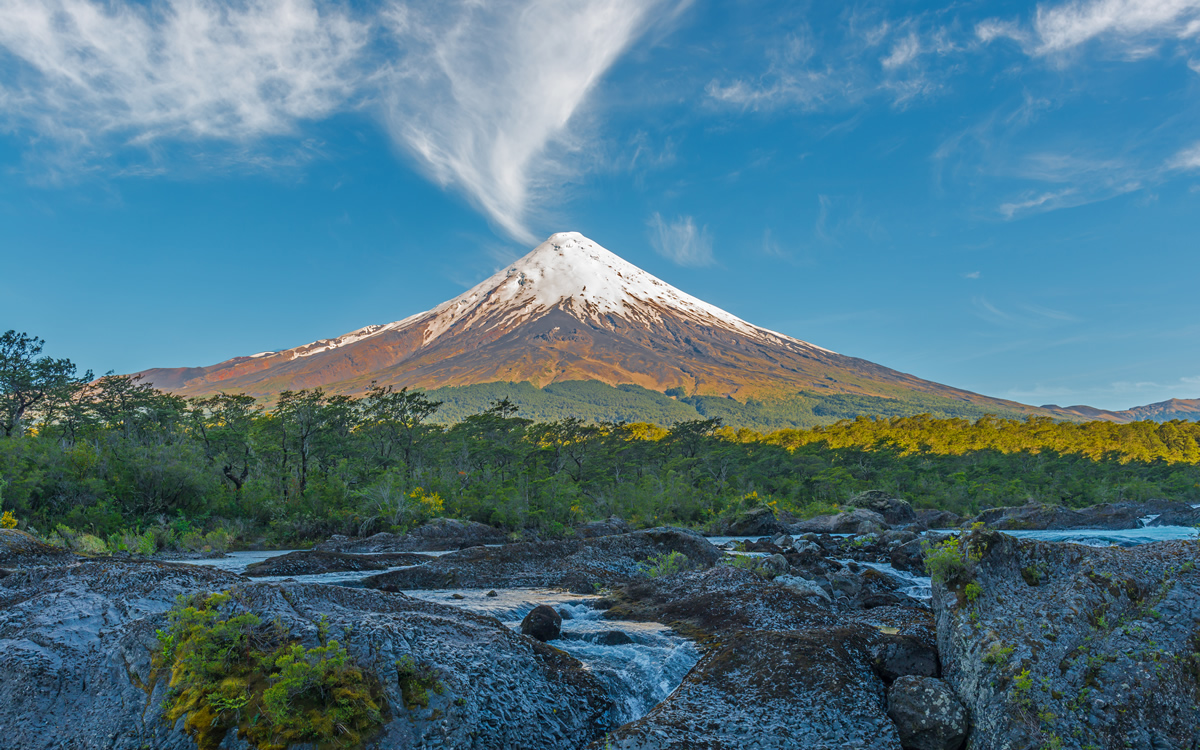
Strewn through the coast of Chile, these beautiful fjords are world renowned for being one of the most awe-inspiring places on earth. Snow-capped volcanoes nestle majestically alongside rolling valleys of ice and frosty glaciers. Rugged beauty, breathtaking scenery not to mention diverse and profuse wildlife abounds – expect to watch whales from the deck, see playful Magellan Penguins and perhaps even spot the rare Andean Condor. Affectionately named “The End of the World” by the Spaniards who discovered the region in eighteenth century in a quest to Christianise South America, these extraordinary waterways not only encompass a medley of jagged mountains and iceberg strewn bays, but feature a kaleidoscopic spectrum of unexpected colour that offers photographic opportunities like no other destination.
Day 16
Chilean Fjords
Strewn through the coast of Chile, these beautiful fjords are world renowned for being one of the most awe-inspiring places on earth. Snow-capped volcanoes nestle majestically alongside rolling valleys of ice and frosty glaciers. Rugged beauty, breathtaking scenery not to mention diverse and profuse wildlife abounds – expect to watch whales from the deck, see playful Magellan Penguins and perhaps even spot the rare Andean Condor. Affectionately named “The End of the World” by the Spaniards who discovered the region in eighteenth century in a quest to Christianise South America, these extraordinary waterways not only encompass a medley of jagged mountains and iceberg strewn bays, but feature a kaleidoscopic spectrum of unexpected colour that offers photographic opportunities like no other destination.
Day 17
Punta Arenas
Punta Arenas is a Chilean city on the Strait of Magellan, located in the Magallanes and Antartica Chilena Region. Historically, the city served as a major port for ships travelling between the Atlantic and Pacific oceans, and today it is a popular tourist destination for those interested in adventure travel and wildlife watching.
Punta Arenas is located at the southernmost tip of Chile, and is surrounded by the dramatic scenery of the Andes mountains and Patagonian steppe. The city has a cool, temperate climate and is known for its strong winds, which blow in from the nearby Drake Passage.
Punta Arenas is home to a number of interesting museums and historical sites, including the Museo Nao Victoria, which tells the story of the first European expedition to sail around the world, and the Salesian Museum, which contains a collection of religious artifacts from the early days of European settlement in the region.
Outside of the city, visitors can enjoy a number of outdoor activities such as hiking, mountain biking, and horseback riding. There are also many opportunities to spot wildlife, including penguins, seals, and whales.
If you are looking for an adventure-filled vacation destination with plenty of history and culture, then Punta Arenas is the place for you.
Day 18
Chilean Fjords
Strewn through the coast of Chile, these beautiful fjords are world renowned for being one of the most awe-inspiring places on earth. Snow-capped volcanoes nestle majestically alongside rolling valleys of ice and frosty glaciers. Rugged beauty, breathtaking scenery not to mention diverse and profuse wildlife abounds – expect to watch whales from the deck, see playful Magellan Penguins and perhaps even spot the rare Andean Condor. Affectionately named “The End of the World” by the Spaniards who discovered the region in eighteenth century in a quest to Christianise South America, these extraordinary waterways not only encompass a medley of jagged mountains and iceberg strewn bays, but feature a kaleidoscopic spectrum of unexpected colour that offers photographic opportunities like no other destination.
Day 19
PIO X Glacier
Overview:
Located in beautiful Chile, the $PIO X Glacier is a mesmerizing natural wonder that draws travelers from all around the globe. Situated in the southern region of the country, this massive glacier is part of the Southern Patagonian Ice Field and is easily accessible for those wanting to explore its stunning landscapes and icy formations.
Covering an area of approximately 1260 square kilometers, the $PIO X Glacier is the largest in South America. It stretches over 48 kilometers in length and stands tall at a height of around 50 meters above the surrounding water. The glacier is known for its vibrant blue hues, towering ice walls, and intricate formations, creating a truly unique and breathtaking spectacle.
Visiting the $PIO X Glacier offers an awe-inspiring experience that allows visitors to witness the raw power of nature. As you approach the glacier, you can hear the distant rumbling of ice cracks and feel the chill in the air, creating a sense of anticipation and excitement. The best way to experience the glacier is by taking a boat tour, which offers an up-close encounter with this majestic natural wonder. The boat navigates through the surrounding fjords, creating a sense of tranquility as you marvel at the immense ice mass.
One of the highlights of visiting the $PIO X Glacier is the opportunity to witness a calving event. Calving occurs when large chunks of ice break off from the glacier and plunge into the surrounding waters, creating a dramatic spectacle. The sheer force of the calving event creates waves and a loud cracking sound, leaving viewers in awe of the power of nature.
The glacier is not only visually stunning but also holds significant scientific importance. It serves as a crucial indicator of the effects of climate change, with visible signs of melting and retreat over the years. Researchers often visit the glacier to study its behavior and contribute to our understanding of glacial dynamics.
For those adventurous souls, hiking on the glacier is an unforgettable experience. Guided tours led by experienced mountaineers offer the chance to strap on crampons and traverse the icy terrain. Walking on the glacier's surface unveils a mesmerizing world of crevasses, ice caves, and various ice formations, showcasing the glacier's incredible beauty from a different perspective.
Before visiting the $PIO X Glacier, it's important to come prepared with appropriate clothing and equipment. The weather in the region can be unpredictable, with rain, wind, and cold temperatures common throughout the year. Layered clothing, sturdy footwear, and waterproof gear are essential for an enjoyable and comfortable visit.
Visitors can access the glacier from Puerto Natales, a charming city located around 250 kilometers to the north. Many tour operators and travel agencies offer boat tours to the glacier, ranging from short excursions to longer expeditions. It's advisable to book in advance, especially during the peak summer season, as the demand for visits to the glacier can be high.
In conclusion, the $PIO X Glacier in Chile is a mesmerizing natural wonder that offers visitors a chance to witness the power and beauty of glaciers up close. Whether you prefer a boat tour or a hiking adventure, the glacier is sure to leave you in awe of its icy magnificence. Don't miss the opportunity to explore this remarkable destination in the heart of Patagonia.
Day 19
Puerto Edén
Puerto Eden is a remote and picturesque village located in the Region of Magallanes and Chilean Antarctica in southern Chile. Nestled in the midst of stunning fjords, glaciers, and lush forests, Puerto Eden offers a truly unique and off-the-beaten-path travel experience.
With a population of around 176 inhabitants, Puerto Eden is one of the most isolated villages in Chile. Surrounded by the stunning scenery of the Patagonian fjords, this charming village is only accessible by boat or through a long and challenging trek through the wilderness.
One of the most striking features of Puerto Eden is its incredible natural beauty. The village is a gateway to the Bernardo O'Higgins National Park, the largest protected area in Chile. This national park is home to fjords, glaciers, forests, and an abundance of wildlife, making it a paradise for nature lovers and outdoor enthusiasts. Visitors can explore the park through hiking trails, kayaking, boat trips, and even venturing onto glaciers.
The fjords surrounding Puerto Eden are a sight to behold. These narrow and deep waterways are surrounded by towering mountains covered in ancient forests. Cruising through the fjords offers a unique opportunity to witness awe-inspiring landscapes, as well as the chance to spot sea lions, dolphins, and various bird species.
For those interested in learning about the local culture and history, a visit to the village's Cultural Center is a must. Here, visitors can interact with the locals, learn about their traditional way of life, and appreciate their artisanal craftsmanship. The indigenous Kawésqar people, who have inhabited this area for centuries, have a strong connection to the land and sea, and their cultural heritage is proudly preserved and celebrated in Puerto Eden.
As a remote village, Puerto Eden offers a serene and tranquil atmosphere, providing an escape from the hustle and bustle of modern life. Visitors can unwind and reconnect with nature, immersing themselves in the peaceful surroundings and taking in the breathtaking views. There are limited facilities in the village, but cozy guesthouses and small shops provide basic amenities for travelers.
It is important to note that Puerto Eden is a secluded destination, so it is advisable to plan and prepare accordingly. Weather conditions can be unpredictable, with strong winds and sudden changes in temperature, so visitors should bring appropriate clothing and equipment. Additionally, due to its remote location, access to amenities and services may be limited, so it is recommended to carry essential supplies and food.
While Puerto Eden may be challenging to reach, the enchanting landscapes, rich cultural heritage, and peaceful ambiance make it a destination worth exploring for those seeking an authentic and off-the-beaten-path experience in the stunning region of Patagonia. Whether you choose to embark on a boat journey through the fjords, hike through the untamed wilderness, or immerse yourself in the local culture, Puerto Eden promises an adventure like no other.
Day 21
Castro
Castro is a charming city located on Chiloé Island in the Los Lagos Region of Chile. Known for its distinctive wooden stilt houses, stunning natural landscapes, and rich cultural heritage, Castro attracts thousands of visitors every year. From exploring traditional markets to enjoying breathtaking vistas, there is plenty to discover in this picturesque city.
One of the highlights of Castro is its unique architecture. The city is famous for its palafitos, colorful houses built on stilts along the water's edge. These houses, made entirely of wood, create a fascinating contrast against the blue hues of the Pacific Ocean. Walking along the waterfront, visitors can admire the intricate details and vibrant colors that make these palafitos a true sight to behold.
The city is also home to several historical and cultural attractions. The Iglesia San Francisco, a World Heritage Site, is a must-visit. This beautiful church, built entirely of wood, showcases the region's distinct architectural style. Inside, visitors can marvel at the intricate wood carvings and religious artifacts that date back centuries. Additionally, the Museo de Arte Moderno de Chiloé houses a remarkable collection of contemporary art, providing a glimpse into the region's vibrant artistic scene.
For those seeking a deeper understanding of the local culture, visiting the Feria Artesanal Yumbel is a must. This traditional craft market offers a wide array of souvenirs, including handmade woolen textiles, wooden sculptures, and intricately woven baskets. It's the perfect place to find unique gifts while supporting local artisans.
Nature lovers will be delighted by the natural beauty that surrounds Castro. Just a short distance from the city lies Parque Nacional Chiloé, a pristine wilderness that offers stunning landscapes and abundant wildlife. Visitors can hike through ancient forests, kayak along picturesque fjords, or simply soak in the breathtaking views of snow-capped mountains and crystal-clear lakes.
In addition to its natural wonders, Castro is also renowned for its culinary treats. Chiloé Island is known for its seafood, with an abundance of fresh fish, shellfish, and seaweed. The local cuisine is a delight for foodies, with traditional dishes like curanto, a hearty seafood stew cooked in an underground oven, and milcao, a savory potato pancake, being favorites among locals and visitors alike. Exploring the local markets and restaurants is a must for any culinary enthusiast.
Getting to Castro is relatively easy. The nearest airport is in Puerto Montt, approximately a 3-hour drive away. From there, there are regular bus services or rental cars available to reach Castro. For those looking for a more scenic journey, taking a ferry from Puerto Montt to Chacao and then driving to Castro is a popular option.
Whether you're captivated by its unique architecture, intrigued by its cultural heritage, or simply seeking a relaxing getaway surrounded by natural beauty, Castro has something to offer every traveler. With its warm and welcoming atmosphere, it's no wonder that this vibrant city in Chile has become a favorite destination for those looking to escape the hustle and bustle of everyday life.
Day 22
Puerto Montt
Situated on the southern tip of Chile, Puerto Montt is a gateway to some of the country’s most spectacular scenery. With its dramatic setting on the Reloncaví Sound, the city is surrounded by snow-capped mountains, volcanoes and pristine lakes.
Puerto Montt is the perfect base for exploring the nearby lakes district, with its picturesque towns and villages set against a backdrop of forests, mountains and lakes. Highlights include the pretty town of Puerto Varas, the gateway to Vicente Perez Rosales National Park, and the Llanquihue Lake, Chile’s largest lake.
Adventure seekers can head out into the wilderness to hike, mountain bike or kayak, while those looking for a more relaxed pace can enjoy the city’s museums, galleries and markets. Puerto Montt is also a great place to try some of Chile’s seafood dishes, with the city’s restaurants serving up fresh fish and shellfish caught daily.
Day 23
Niebla
Niebla is a picturesque coastal town located in the Los Ríos Region of Chile. Situated on the mouth of the Valdivia River, it is just a short distance from the city of Valdivia. Known for its rich history, stunning natural beauty, and vibrant cultural scene, Niebla is a must-visit destination for travelers looking to explore the treasures of Chile.
One of the main attractions in Niebla is the historical fortress, which dates back to the 17th century. The fortress was built by the Spanish colonialists to defend against pirate attacks and is now a national monument. Visitors can explore the well-preserved walls, walk along the battlements, and enjoy panoramic views of the river and the ocean.
Another highlight of Niebla is its beautiful beaches. Playa Grande is the main beach in the area and is the perfect spot for sunbathing, swimming, and taking long walks along the shore. The beach is also a great place for water sports such as surfing, kayaking, and paddleboarding. On sunny days, the beach gets crowded with both locals and tourists enjoying the warm weather and clear waters.
For history enthusiasts, a visit to the Niebla Municipal Museum is a must. The museum is housed in a historic building that was once the home of the Spanish governor and showcases artifacts and exhibits related to the region's history and culture. Visitors can learn about the indigenous Mapuche people, the Spanish colonization, and the changing landscape of Niebla over the centuries.
Nature lovers will also find plenty to explore in Niebla. Just a short distance from town, there are several hiking trails that lead to stunning viewpoints and hidden waterfalls. The trails take visitors through lush forests, along riverbanks, and past picturesque landscapes. It's a great opportunity to reconnect with nature and appreciate the biodiversity of the region.
Niebla is also known for its lively cultural scene. Throughout the year, there are various festivals and events that celebrate local traditions and artistic expressions. The Semana Valdiviana, held in February, is one of the most famous festivals in the region and features colorful parades, fireworks, and live music performances. The town also has several art galleries and craft shops where visitors can buy unique souvenirs and support local artists.
In terms of gastronomy, Niebla offers a variety of delicious seafood dishes. The town is known for its fresh fish and shellfish, which can be enjoyed at the many seafood restaurants overlooking the river. Whether you prefer traditional Chilean cuisine or international flavors, there are plenty of dining options to satisfy every palate.
In conclusion, Niebla is a charming coastal town in Chile that offers a perfect blend of history, nature, and culture. From exploring the historical fortress to relaxing on the beautiful beaches, there is something for everyone in Niebla. With its natural beauty, rich heritage, and warm and welcoming community, Niebla is a destination that should not be missed when exploring the wonders of Chile.
Day 25
Valparaiso
Valparaíso is a vibrant and historic port city located on the central coast of Chile. Known for its colorful hillside houses, bohemian culture, and stunning views of the Pacific Ocean, Valparaíso has become a beloved destination for both locals and visitors alike.
As you explore the streets of Valparaíso, you will undoubtedly notice the city's unique architectural style. The hillsides are covered with brightly painted houses that seem to cling precariously to the slopes. This eclectic mix of styles and colors creates a visually striking ambiance that is characteristic of Valparaíso. Be sure to take a ride on one of the city's iconic funiculars, which will not only transport you to different parts of the city but also provide fantastic panoramic views.
The heart of the city is La Plaza Sotomayor, a bustling square that serves as a meeting point and a historical landmark. Here, you'll find the Monumento a los Héroes de Iquique, a majestic statue dedicated to the heroes of the Chilean Navy. Nearby, you can visit the Naval Museum, which offers a fascinating look into Chile's naval history.
One of the highlights of Valparaíso is exploring its many hills, each with its own unique character and charm. Cerro Alegre and Cerro Concepción are particularly popular, known for their colorful houses, quaint cafes, and vibrant street art. Lose yourself in the labyrinthine streets, discovering hidden staircases and beautiful viewpoints along the way. You may even stumble upon a local artisan market or an art gallery showcasing the work of talented Chilean artists.
Art and culture play a significant role in the fabric of Valparaíso. The city is home to several museums, including the Museo de Bellas Artes, which houses an impressive collection of Chilean paintings and sculptures. The city is also famous for its street art, with incredible murals adorning walls throughout the city. The Open Sky Museum, located on Cerro Bellavista, is a must-visit for art enthusiasts, as it showcases some of the best street art in Valparaíso.
Food lovers will delight in Valparaíso's burgeoning culinary scene. Sample traditional Chilean dishes such as empanadas, ceviche, and pastel de choclo in local restaurants and street food stalls. As a port city, Valparaíso also offers a wide array of fresh seafood, with fish markets and restaurants serving up mouthwatering delicacies like seafood stew and grilled fish.
For nature enthusiasts, a visit to nearby Ritoque and Concon is a must. These coastal areas offer beautiful beaches, sand dunes, and a chance to witness the incredible sunset over the ocean. Surfing, sandboarding, and horseback riding are popular activities for those seeking adventure and outdoor thrills.
Valparaíso truly comes alive at night, with a vibrant nightlife scene that caters to all tastes. Enjoy live music performances, dance the night away at energetic clubs, or simply relax with a drink at one of the many bars overlooking the picturesque harbor.
In conclusion, Valparaíso is a city that captivates visitors with its unique charm, colorful streets, and rich cultural heritage. Whether you're seeking art, history, stunning views, or simply a taste of Chilean cuisine, Valparaíso offers a little something for everyone.
Day 26
Pingüino de Humboldt National Reserve
Day 29
Paracas
Paracas, located on the southern coast of Peru, is a beautiful coastal town nestled between the desert and the Pacific Ocean. With its breathtaking landscapes, rich history, and vibrant marine life, Paracas is a popular destination for both adventure seekers and those looking to relax and unwind.
One of the main attractions in Paracas is the stunning Paracas National Reserve, a protected area renowned for its striking natural beauty. The reserve is home to a diverse range of marine and bird life, with over 200 species of birds, including flamingos, pelicans, and Humboldt penguins. Visitors can explore the reserve through various guided tours, which allow them to witness its unique desert landscapes, towering cliffs, and hidden beaches.
For those interested in history and archaeology, a visit to the Paracas History Museum is a must. Located in the town of Paracas, the museum houses an impressive collection of artifacts from the Paracas culture, one of the oldest civilizations in the Americas. The museum provides visitors with a glimpse into the lives, customs, and art of this ancient civilization through its exhibits of textiles, ceramics, and mummies.
Another highlight of Paracas is the Ballestas Islands, also known as the "Mini Galapagos." These uninhabited islands are teeming with wildlife, including sea lions, seals, dolphins, and a wide variety of seabirds. Visitors can take a boat tour to get up close to the animals and enjoy the impressive rock formations that make up the islands.
For those looking to relax and soak up the sun, Paracas is blessed with beautiful beaches. Playa Roja, or Red Beach, is particularly popular due to its unique red sand and crystal-clear waters. Playa Lagunillas is another beach worth visiting, known for its calm waters and picturesque surroundings.
Adventure enthusiasts will find plenty to do in Paracas as well. The town is a popular hub for water sports such as kiteboarding, windsurfing, and kayaking. The strong winds and favorable weather conditions make it an ideal destination for these activities. Dune buggy tours are also available for those looking to explore the nearby desert and experience the thrill of riding over the sand dunes.
Paracas offers a variety of accommodation options, ranging from luxury hotels to budget-friendly hostels. The town has a number of restaurants serving fresh seafood, including ceviche, a Peruvian specialty. Visitors can also sample the local Pisco, a grape brandy that is the national drink of Peru.
Getting to Paracas is relatively easy, with regular bus services connecting it to nearby cities such as Lima and Ica. Lima, the capital of Peru, is just a few hours away by bus or car and offers international connections for those arriving by air.
In conclusion, Paracas is a remarkable destination that combines stunning natural landscapes, rich history, and unforgettable wildlife encounters. Whether you are seeking adventure, relaxation, or a cultural experience, Paracas is sure to captivate and leave a lasting impression.
Day 30
Paracas
Paracas, located on the southern coast of Peru, is a beautiful coastal town nestled between the desert and the Pacific Ocean. With its breathtaking landscapes, rich history, and vibrant marine life, Paracas is a popular destination for both adventure seekers and those looking to relax and unwind.
One of the main attractions in Paracas is the stunning Paracas National Reserve, a protected area renowned for its striking natural beauty. The reserve is home to a diverse range of marine and bird life, with over 200 species of birds, including flamingos, pelicans, and Humboldt penguins. Visitors can explore the reserve through various guided tours, which allow them to witness its unique desert landscapes, towering cliffs, and hidden beaches.
For those interested in history and archaeology, a visit to the Paracas History Museum is a must. Located in the town of Paracas, the museum houses an impressive collection of artifacts from the Paracas culture, one of the oldest civilizations in the Americas. The museum provides visitors with a glimpse into the lives, customs, and art of this ancient civilization through its exhibits of textiles, ceramics, and mummies.
Another highlight of Paracas is the Ballestas Islands, also known as the "Mini Galapagos." These uninhabited islands are teeming with wildlife, including sea lions, seals, dolphins, and a wide variety of seabirds. Visitors can take a boat tour to get up close to the animals and enjoy the impressive rock formations that make up the islands.
For those looking to relax and soak up the sun, Paracas is blessed with beautiful beaches. Playa Roja, or Red Beach, is particularly popular due to its unique red sand and crystal-clear waters. Playa Lagunillas is another beach worth visiting, known for its calm waters and picturesque surroundings.
Adventure enthusiasts will find plenty to do in Paracas as well. The town is a popular hub for water sports such as kiteboarding, windsurfing, and kayaking. The strong winds and favorable weather conditions make it an ideal destination for these activities. Dune buggy tours are also available for those looking to explore the nearby desert and experience the thrill of riding over the sand dunes.
Paracas offers a variety of accommodation options, ranging from luxury hotels to budget-friendly hostels. The town has a number of restaurants serving fresh seafood, including ceviche, a Peruvian specialty. Visitors can also sample the local Pisco, a grape brandy that is the national drink of Peru.
Getting to Paracas is relatively easy, with regular bus services connecting it to nearby cities such as Lima and Ica. Lima, the capital of Peru, is just a few hours away by bus or car and offers international connections for those arriving by air.
In conclusion, Paracas is a remarkable destination that combines stunning natural landscapes, rich history, and unforgettable wildlife encounters. Whether you are seeking adventure, relaxation, or a cultural experience, Paracas is sure to captivate and leave a lasting impression.
Day 32
Salaverry
Salaverry is a charming coastal town located in the La Libertad region of Peru. Situated just 14 kilometers south of the city of Trujillo, Salaverry is a popular destination for both locals and tourists alike.
One of the main attractions of Salaverry is its beautiful beach. With its golden sands and clear blue waters, the beach is a perfect spot for sunbathing, swimming, and various water activities. Surfers will also find great waves here, making it a popular spot for the sport. The beach is lined with palm trees, providing shade for those looking to relax and enjoy the tranquil atmosphere.
Aside from its beach, Salaverry boasts a rich history and cultural heritage. The town is home to the famous Salaverry Port, an important hub for both trade and tourism. Visitors can take a stroll along the port and enjoy the picturesque views of the Pacific Ocean while watching the fishermen and their boats at work. The port is also known for its fish market, where you can sample some of the freshest seafood in the region.
History buffs will delight in exploring the archaeological site of Chan Chan, located just a short distance from Salaverry. Chan Chan was the capital of the ancient Chimu civilization and is the largest adobe city in the world. Walking through the ruins, visitors can get a glimpse into the fascinating history of this once-thriving civilization.
For those looking to experience traditional Peruvian culture, Salaverry offers a variety of local markets where you can purchase handicrafts, souvenirs, and traditional clothing. The markets are filled with vibrant colors and aromatic smells, creating an immersive and authentic shopping experience.
When it comes to dining, Salaverry offers a wide range of options to satisfy every palate. From local seafood dishes to international cuisine, there is something for everyone. Don't miss the chance to try Peruvian specialties such as ceviche, a fresh and zesty seafood dish, and lomo saltado, a flavorful stir-fry made with beef, onions, and tomatoes.
For nature enthusiasts, Salaverry is a great starting point to explore the surrounding natural wonders. Just a short drive away, you will find the Huanchaco beach, famous for its traditional reed boats known as "caballitos de totora." These small boats are used by local fishermen to navigate the waters, and visitors can even take a ride on them. Additionally, the nearby Pacaya-Samiria National Reserve offers an opportunity to experience the Amazon Rainforest firsthand, with its lush biodiversity and stunning landscapes.
In terms of accommodations, Salaverry offers a range of options from budget-friendly guesthouses to luxury resorts. Whether you're looking for a cozy beachfront bungalow or a modern hotel with all the amenities, you'll find a suitable option to suit your needs.
In conclusion, Salaverry is a hidden gem on the Peruvian coast, offering a combination of beautiful beaches, rich history, and cultural experiences. Whether you're seeking relaxation, adventure, or a glimpse into Peruvian customs, Salaverry has it all. So, pack your bags, and get ready to immerse yourself in the beauty and charm of this coastal town.
Day 34
Manta
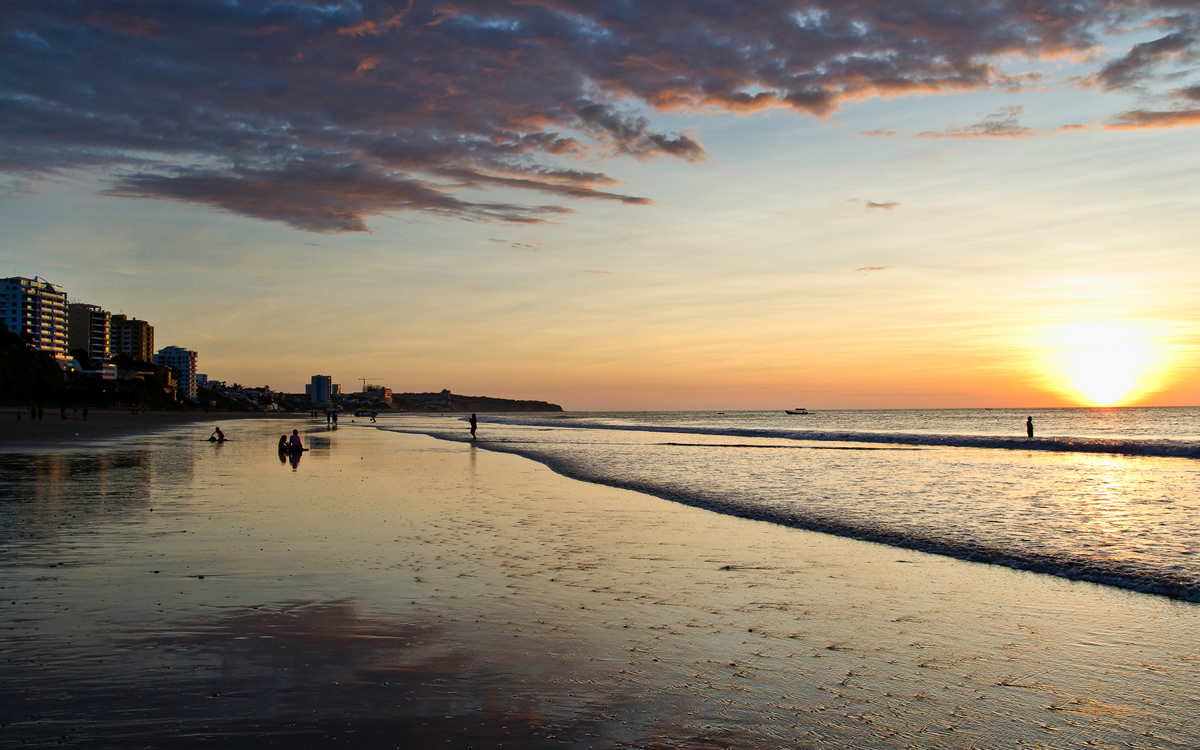
The city of Manta is located on the central coast of Ecuador. It is the capital of the province of Manabí and the main port of the country. Manta has a population of about 200,000 people. It is a beautiful city with a lot to offer tourists. The city has a tropical climate and is known for its beaches, seafood, and culture. There are many things to do in Manta, including swimming, sunbathing, fishing, and sailing. There are also a number of museums and historical sites to visit. Manta is a great place to visit if you are looking for a relaxing vacation.
Day 36
Utría National Park
$Utría National Park is a natural paradise located on the Pacific coast of Colombia. It is situated in the department of Chocó, in the heart of the Colombian Pacific with an area of approximately 54,300 hectares. The park is known for its stunning biodiversity, lush rainforests, crystal clear waters, and pristine sandy beaches.
One of the highlights of $Utría National Park is its diverse ecosystem. The park is home to dense mangrove swamps, which serve as a refuge for numerous marine species, including sea turtles and crocodiles. The mangroves also play a vital role in maintaining the delicate balance of the surrounding ecosystems.
The park also features an extensive network of rivers and streams, which wind their way through the dense rainforest. These waterways are perfect for exploring by boat or kayak, offering visitors a unique perspective on the park's diverse flora and fauna.
$Utría National Park is also a haven for birdwatchers, with over 200 species of birds calling the park home. Bird enthusiasts can spot colorful species such as scarlet macaws, toucans, and hummingbirds. The park is also a popular spot for whale watching, as humpback whales migrate through the area between June and October.
For those with a passion for marine life, $Utría National Park also boasts stunning coral reefs. Snorkeling and diving enthusiasts can explore the vibrant underwater world, where they may encounter tropical fish, sea turtles, and even dolphins.
In addition to its natural wonders, $Utría National Park offers a rich cultural heritage. The park is inhabited by indigenous communities, such as the Embera and Afro-Colombian communities. Visitors have the opportunity to learn about their traditional way of life, including their customs, art, and traditional cuisine.
Visiting $Utría National Park requires some planning. The nearest major city is Quibdó, the capital of the Chocó department, which can be reached by air or boat. From Quibdó, visitors can take a boat or a smaller plane to the park.
Accommodation options in $Utría National Park are limited, with basic eco-lodges and camping facilities available. It is advisable to make reservations in advance, especially during peak travel seasons. The park also has limited infrastructure, so visitors should come prepared with essential supplies, such as insect repellent, sunscreen, and appropriate clothing for tropical weather.
Guided tours are highly recommended for exploring $Utría National Park. Experienced guides can provide valuable insights into the park's ecology and wildlife. They can also help visitors navigate the park's trails and waterways safely.
While $Utría National Park is a remote and less-visited destination, it is truly a hidden gem for nature lovers and adventure seekers. Its pristine beauty and untouched wilderness offer a unique and unforgettable experience. Whether you are interested in hiking through lush rainforests, exploring mangrove swamps, or simply relaxing on a secluded beach, $Utría National Park has something to offer for every traveler.
Day 36
Ensenada de Utria
Day 37
Darién National Park
Darien National Park, located in the easternmost province of Panama, is one of the most remarkable natural destinations in Central America. Stretching over 5,790 square kilometers, this UNESCO World Heritage site boasts an incredible diversity of flora and fauna, making it a haven for nature lovers and adventurers alike.
The park is situated in the heart of the Darien Gap, a remote and largely untamed region that stretches across Panama and Colombia. Its isolated location has helped protect its pristine ecosystems from human encroachment, resulting in a remarkable array of biodiversity. Within the park, visitors can find a stunning variety of habitats, including mangroves, rainforests, rivers, and mountains.
One of the park's most notable features is its extensive rainforest, which covers a significant portion of its territory. This lush and dense forest is home to an impressive array of plant and wildlife species. Giant ceiba trees, orchids, bromeliads, and ferns dominate the landscape, creating an enchanting and unique experience for visitors. Additionally, Darien National Park is considered to be one of the last strongholds for many endangered animal species, including the jaguar, Harpy eagle, and Central American tapir.
Exploring the park's diverse landscapes and ecosystems can be done through a variety of activities. Hiking is a popular choice, with many well-marked trails leading visitors through the rainforest and to some of the park's most breathtaking viewpoints. The challenging but rewarding trek to Cerro Pirre, the park's highest peak, offers panoramic views of the surrounding forests and mountains.
For water enthusiasts, the park's numerous rivers provide opportunities for kayaking and rafting. Canoeing along the Chucunaque and Tuira rivers, which serve as natural boundaries for the park, allows visitors to immerse themselves in the tranquility of the rainforest while observing its incredible wildlife from a different perspective. Fishing enthusiasts will also delight in the plentiful fish species that inhabit these rivers.
Cultural exploration is also an integral part of a visit to Darien National Park. The region is home to several indigenous communities, such as the Embera and Wounaan tribes, who have maintained their traditional way of life for centuries. Visitors have the opportunity to learn about their customs, rituals, and craftsmanship through community-led tours. This interaction provides a unique insight into the rich cultural heritage of the area.
It's important to note that Darien National Park is a remote and challenging destination, which makes planning and preparation essential. Access to the park is primarily by small aircraft or boat, and it is advisable to arrange transportation and accommodation in advance. Additionally, the park's dense vegetation and rugged terrain require visitors to be physically fit and well-prepared for outdoor activities.
As with any natural environment, it is crucial to respect and preserve the delicate ecosystems within Darien National Park. Visitors are encouraged to follow Leave No Trace principles, stay on designated trails, and properly dispose of waste to minimize their impact on the environment.
In conclusion, Darien National Park offers a unique and unforgettable experience for nature enthusiasts and adventure seekers. Its unparalleled biodiversity, stunning landscapes, and cultural heritage make it a truly exceptional destination. Whether exploring its rainforests, navigating its rivers, or immersing oneself in the traditions of indigenous communities, Darien National Park never fails to leave a lasting impression on all who visit.
Day 37
Playa del Muerto
Day 38
Panama City
One of the most cosmopolitan cities in Central America, Panama's
chic capital is a mosaic of colour and culture with a thriving
commercial and financial sector. Formerly dismissed as a centre of
drug trade, Panama City has rebuilt its reputation as a fantastic
holiday destination with a sense of style drawn from five centuries
of history.
The city's modern skyline is constantly expanding, adding new
skyscrapers to tower over the centuries-old Baroque and Spanish
Colonial buildings that populate its older quarter, known as
. The district was designated a UNESCO World
Heritage Site in 2003, and its mix of architectural styles make a
great introduction to the diverse cultural influences of Panama
City.
There are many beautiful buildings in Panama City, including the
cathedral on
, the presidential palace (called
in honour of the herons that roam
freely in the courtyard), and the Church of San Jose. Interesting
museums such as the Interoceanic Canal Museum, the
cultural museum, and the Museum of Religious
Colonial Art, give visitors insight into the city's fascinating
history, while scenic parks are great for enjoying the perennially
beautiful weather.
Panama City has a diverse population, with a number of American
and Asian expat residents who contribute to a lively nightlife,
especially around Calle Uruguay. There are also plenty of good
restaurants in Panama City, ranging from Spanish tapas and Italian
pastas to local specialties such as
(fresh fish marinated in lemon or lime juice) and
(vegetable stew). There are a number of cafes
along Via Argentina, and the fish market near the Casco Viejo is
the best place to try fresh seafood.
Day 39
Panama Canal Transit
Day 40
San Blas Islands
The San Blas archipelago is located off the Caribbean coast, east of Colon, and is made up of 365 islands that range in size from tiny ones with a few coconut palms to islands on which hundreds of Kuna Indians live. Only about fifty are inhabited. The Kuna rule the San Blas Territory with internal autonomy, and have tightly preserved their language and cultural traditions over the centuries despite influences from European colonies. In addition to their own language, Spanish is widely spoken and many men work on the mainland, but live on the islands. Women wear costumes with unique designs based on local themes, geometric patterns, and stylised fauna and flora. The island of El Porvenir is one of the main seats of government for the Kuna Indians. Many Kunas from the other islands came to settle on El Porvenir, bringing with them their traditional arts and crafts, including the famous molas. These intricately hand-sewn designs are made by the women of the tribes as part of their blouses and dresses. With the increased tourism, molas are now a favoured souvenir and craft item for visitors.
Day 41
Cartagena
Visually Cartagena is a paradise with lush bougainvilla winding its way through a maze of cobblestone alleys lined by brightly-painted buildings. A UNESCO World Heritage Site the city is a popular tourist destination for both Colombian and international holidaymakers. Cartagena's history goes back to 4000BC and today its skyline is a blend of modern skyscrapers and colourful colonial facades.Cartagena's colourful past is evident in the many historical attractions in the city. Most are located in the walled Old Town which contains beautiful examples of colonial architecture and excellent shopping and restaurants. Neighbourhoods like Centre San Diego Getsemaní and the more modern La Matuna all have unique personalities that delight visitors. Old Town is also home to the labyrinthine Bazurto Market which is more of an opportunity to glimpse the everyday life of a Cartagenan than stock up on souvenirs.The Palace of the Inquisition the dungeons of Las Bovedas and the Cartagena Gold Museum are good places to get a feel for Cartagena's history while the San Pedro Claver Convent and the Santo Domingo Church offer their own perspective. A number of stately mansions and fortresses (including the impressive Castillo de San Felipe) dot the area as well.The most popular attractions in Cartagena are its sparkling beaches. However the best beaches in Cartagena are to be found a little ways out of the city. Playa Blanca and Sportbaru are popular resorts that offer watersports boat tours and other activities as well as a selection of restaurants and bars. Ferries are also available for excursions to nearby islands including the Islas del Rosario.
Day 42
Cartagena
Visually Cartagena is a paradise with lush bougainvilla winding its way through a maze of cobblestone alleys lined by brightly-painted buildings. A UNESCO World Heritage Site the city is a popular tourist destination for both Colombian and international holidaymakers. Cartagena's history goes back to 4000BC and today its skyline is a blend of modern skyscrapers and colourful colonial facades.Cartagena's colourful past is evident in the many historical attractions in the city. Most are located in the walled Old Town which contains beautiful examples of colonial architecture and excellent shopping and restaurants. Neighbourhoods like Centre San Diego Getsemaní and the more modern La Matuna all have unique personalities that delight visitors. Old Town is also home to the labyrinthine Bazurto Market which is more of an opportunity to glimpse the everyday life of a Cartagenan than stock up on souvenirs.The Palace of the Inquisition the dungeons of Las Bovedas and the Cartagena Gold Museum are good places to get a feel for Cartagena's history while the San Pedro Claver Convent and the Santo Domingo Church offer their own perspective. A number of stately mansions and fortresses (including the impressive Castillo de San Felipe) dot the area as well.The most popular attractions in Cartagena are its sparkling beaches. However the best beaches in Cartagena are to be found a little ways out of the city. Playa Blanca and Sportbaru are popular resorts that offer watersports boat tours and other activities as well as a selection of restaurants and bars. Ferries are also available for excursions to nearby islands including the Islas del Rosario.
Day 43
Cabo de la Vela
Day 44
Willemstad
Willemstad is the capital and largest city of the island country of Curaçao, which is part of the Dutch Caribbean territory known as the Netherlands Antilles. With its vibrant colors, rich history, and unique blend of European and Caribbean cultures, Willemstad offers visitors an unforgettable experience.
One of the most striking features of Willemstad is its colorful Dutch colonial architecture, which has earned it recognition as a UNESCO World Heritage Site. The city is divided into two main sections: Punda and Otrobanda, both connected by the iconic Queen Emma Bridge. Punda is the historic center, characterized by its quaint streets, pastel-colored buildings, and vibrant floating market, where vendors sell fresh fruits and vegetables from their boats. The area is also home to many shops, restaurants, and cafés, making it a popular destination for both locals and tourists.
Across the bridge lies Otrobanda, which means "the other side" in Papiamentu, the local language. This district offers a more laid-back atmosphere and is known for its charming streets lined with traditional houses. Here, visitors can explore the lively Rif Fort, a historic fortress turned shopping and dining complex, or visit the Kura Hulanda Museum, which showcases the history and culture of Curaçao and the African diaspora.
Willemstad is also known for its vibrant local arts scene. The district of Scharloo, located just outside the city center, is home to numerous art galleries, studios, and vibrant street art. Art lovers will not want to miss out on visiting the Curaçao Art Museum, which houses an impressive collection of local and international contemporary art.
For those seeking natural beauty, Willemstad offers several picturesque beaches. Some of the most popular ones include Mambo Beach and Seaquarium Beach, which offer crystal-clear waters, white sandy shores, and a range of water sports activities. Visitors can enjoy snorkeling, diving, or simply sunbathing and taking in the stunning coastal views.
Food enthusiasts will also find plenty to indulge in while in Willemstad. The city is known for its diverse culinary scene, influenced by the fusion of cultures that have shaped Curaçao over the years. Visitors can try traditional local dishes such as keshi yena (stuffed cheese), funchi (a cornmeal-based side dish), and fresh seafood delicacies. The floating market and local food stands are great places to sample these delicious dishes.
In terms of weather, Willemstad enjoys a tropical climate with warm temperatures year-round. It is advisable to visit during the dry season, which typically lasts from February to June, to maximize outdoor activities and avoid the occasional rain showers that occur during the wet season.
Willemstad offers a unique blend of history, culture, natural beauty, and delicious cuisine, making it a must-visit destination for any traveler seeking an authentic Caribbean experience with a European flair. Whether you wander through its colorful streets, explore its cultural landmarks, relax on its beautiful beaches, or indulge in its culinary delights, Willemstad promises a memorable and enchanting vacation.
Day 46
Tobago Cays
The Tobago Cays are a quintessential tropical paradise. Located off the southern coast of the Caribbean island of Saint Vincent and the Grenadines, this small archipelago of five uninhabited islands is an incredible destination for nature lovers, beachgoers, and adventurous souls alike.
The Tobago Cays are comprised of five small volcanic islands, including Petit Rameau, Petit Bateau, Baradel, Jamesby, and Hog. Surrounding these islands, the crystal-clear waters of the Caribbean Sea offer a stunning backdrop for all the activities available. One of the most popular activities to partake in is snorkeling. The reefs surrounding the Cays are home to a wide variety of marine life, including sea turtles, stingrays, and an extensive array of colorful coral.
In addition to being a dream destination for amazing scuba diving and snorkeling, the Tobago Cays also provide plenty of opportunities for relaxation. Visitors can soak up the sun at the pristine white sand beaches that blanket the islands or take part in some leisurely fishing off the shores. On the islands themselves, visitors can take in the breathtaking views from spectacular lookouts, while savoring a packed lunch or cocktail in the process.
The Tobago Cays are a great place to visit for those seeking an escape from everyday life. With its serene atmosphere and tranquil waters, it’s easy to forget about the hustle and bustle of the outside world. While on the islands, visitors can indulge in hot stone massages or simply enjoy stargazing in the night sky without any distractions from city lights.
The Tobago Cays are also host to an abundance of wildlife – from vibrant butterflies to swinging monkeys – and fascinated visitors may even witness traditional fishing practices such as handline fishing or reef netting during their stay. Not to mention, visitors can observe countless colonies of seabirds, nesting sea turtles, and stingrays swimming nearby.
The Tobago Cays are truly a paradise for beachgoers, nature lovers, and adventurers alike. With its unbeatable combination of crystal clear blue waters and untouched, natural beauty, it's no wonder so many people flock to this Caribbean gem every year to experience all it has to offer. So if you're looking for a little piece of paradise right by your fingertips – look no further than the Tobago Cays!
Day 47
Mayreau Island
Mayreau Island is a stunning destination located in the country of St. Vincent and the Grenadines, often referred to as $VC. This small island paradise is guaranteed to captivate any traveler with its natural beauty, pristine beaches, and vibrant local culture.
With a population of just over 200, Mayreau Island offers a secluded and intimate experience that is perfect for those seeking a tranquil getaway. Its remote location and limited infrastructure ensure a true escape from the hustle and bustle of everyday life. Visitors can expect to find themselves immersed in nature, surrounded by crystal-clear turquoise waters, lush green landscapes, and breathtaking sunsets.
One of the main attractions of Mayreau Island is its stunning beaches. The island boasts several picturesque stretches of sand, including Saline Bay Beach and Saltwhistle Bay Beach. These unspoiled, white-sand beaches offer a peaceful and idyllic setting for sunbathing, swimming, or simply lounging under the shade of a palm tree.
For those seeking adventure, Mayreau Island offers excellent opportunities for snorkeling and diving. The surrounding waters are teeming with colorful coral reefs and fascinating marine life, making it an ideal destination for underwater exploration. Visitors can discover a variety of fish species, sea turtles, and even the occasional stingray or nurse shark.
In addition to its natural attractions, Mayreau Island is also home to a vibrant local culture. The island has a small but friendly community, and visitors are often welcomed with open arms. Exploring the charming village of Old Wall on foot will give tourists a chance to interact with locals, learn about their way of life, and sample delicious Caribbean cuisine.
Cultural events and festivities play an important role in the community, and visitors may be lucky enough to witness traditional celebrations such as the Mayreau Regatta. This annual event showcases the island's rich seafaring heritage and features exciting boat races, live music, and delectable local food.
Accommodation options on Mayreau Island range from cozy guesthouses to rustic beachfront cottages. While the island might not offer luxurious resorts or large hotels, its charm lies in its simplicity and natural beauty. Visitors can enjoy a peaceful and authentic experience, staying close to the island's natural wonders and immersing themselves in its idyllic surroundings.
Traveling to Mayreau Island is relatively easy, with several options available for reaching this secluded destination. Visitors can fly into St. Vincent's main airport and then take a short flight or ferry ride to Union Island. From Union Island, a scenic boat ride will transport travelers to the shores of Mayreau Island.
In conclusion, Mayreau Island is a hidden gem in the Caribbean and a must-visit destination for those seeking a peaceful and picturesque escape. Its stunning beaches, incredible marine life, warm local culture, and remote location make it an ideal destination for nature enthusiasts, beach lovers, and anyone in need of a relaxing getaway. Whether you are looking to unwind on pristine shores, explore underwater wonders, or immerse yourself in a unique local experience, Mayreau Island has it all.
Day 48
Soufrière
Welcome to Soufrière, a stunning town located on the southwestern coast of St. Lucia. Known for its natural beauty, rich history, and vibrant culture, Soufrière is a popular destination for travelers seeking both adventure and relaxation.
Nature lovers will be enthralled by the majestic sights of Soufrière. One of the town's most famous attractions is the iconic Pitons, two volcanic peaks that rise dramatically from the Caribbean Sea. These UNESCO World Heritage sites offer breathtaking views and are a must-see for anyone visiting the area. Adventure seekers can hike to the top of Gros Piton for a truly exhilarating experience, while those looking for a more leisurely pace can enjoy a boat tour around the base of the mountains.
Another natural wonder in Soufrière is the Sulphur Springs, the world's only drive-in volcano. Here, visitors can witness bubbling mud baths, hot springs, and a unique setting that is both eerie and beautiful. These geothermal wonders are believed to have healing properties and are a popular attraction for tourists seeking a therapeutic experience.
For those interested in history and culture, Soufrière has much to offer. The town is home to some of the oldest buildings on the island, including the Soufrière Church and the Diamond Botanical Gardens. The Soufrière Estate, once a sugar plantation, is now a historical site that showcases the region's colonial past. Visitors can explore the estate and learn about the island's history while enjoying the lush tropical gardens that surround it.
Soufrière is also known for its vibrant Creole culture. The town's bustling markets are a hub of activity, offering a wide array of local goods, including spices, crafts, and fresh produce. The people of Soufrière are known for their friendliness and hospitality, making it easy for travelers to immerse themselves in the vibrant atmosphere.
When it comes to dining, Soufrière does not disappoint. The town is home to a variety of restaurants and eateries that serve traditional Creole cuisine, showcasing the island's flavorful dishes and fresh seafood. Don't miss the opportunity to try local delicacies like callaloo soup, grilled fish, and green fig and saltfish.
For those seeking relaxation, Soufrière has numerous luxury resorts and boutique hotels that offer stunning views of the Pitons and provide a tranquil escape. Many of these properties boast world-class spas, infinity pools, and private beach access, allowing visitors to indulge in ultimate luxury and rejuvenate their body and mind.
In addition to its natural beauty, history, and culture, Soufrière also offers a range of activities and excursions. Visitors can partake in snorkeling and scuba diving trips, rainforest hikes, zip-lining adventures, and sunset cruises.
Getting to Soufrière is relatively easy, with Hewanorra International Airport located just a short drive away. Transportation options within the town include taxis, rental cars, and organized tours.
In conclusion, Soufrière is a destination that combines natural beauty, history, and culture to create a truly unforgettable experience. Whether you are seeking adventure, relaxation, or a chance to immerse yourself in the vibrant local culture, Soufrière has something for everyone. So pack your bags, and get ready for an extraordinary journey in this tropical paradise.
Day 49
Bridgetown
Bridgetown originally called 'Indian Bridge' is the capital and commercial centre of Barbados with about 80 000 inhabitants. It is a busy port with a natural harbour inlet known as the Careenage and is well utilised by pleasure craft and fishing boats.Bridgetown has a long and colourful history as a British settlement from the 17th century. A bustling city with many attractions for travellers its mix of modern and historic buildings are interspersed with markets monuments and a number of lush gardens.The main street Broad Street is where one finds banks department stores and duty-free shops. At the top of Broad Street is the Parliament Building (the Barbados Parliament is the third oldest in the Commonwealth dating from 1639) facing National Heroes Square. Bridgetown is home to a number of historical buildings that will interest visitors including the Garrison Historic Area which is a must-visit for military history buffs.Another attraction in Bridgetown is a massive Baobab tree (said to have been brought to the island from Guinea Africa around 1738). It takes 15 adults with outstretched arms to encircle the trunk.Tourists in Bridgetown will find much to see and do: cricket games at Kensington Oval which hosted the 2007 Cricket World Cup; the Barbados Derby at the racetrack in the Garrison area; and many other events and activities. A range of duty-free shops near the harbour sell staples like Mount Gay Rum while more colourful shopping options include the Cheapside Market and the Swan Street pedestrian mall. Local restaurants in the Careenage serve up fresh lobster and fish with Caribbean flair.
Day 58
Funchal, Madeira
Funchal is the capital and largest city on the island of
Madeira, off the coast of Portugal. Home to just over 100,000
people, the city was founded in 1424 and quickly became an
important port of call for European ships.
Named for the abundant fennel trees in the area, Funchal has
many beautiful parks and gardens, including the Madeira Botanical
Gardens, which offer a stunning view of the city as well as more
than 2,000 species of plant life. This is also a stopping point for
the Funchal Cable Car, which goes up the mountain to Monte. The
Madeira Botanical Gardens is one of the most popular attractions in
Funchal, but also worth a visit are the Jardins Do Palheiro and the
Monte Palace Hotel Gardens.
Funchal is home to lovely old buildings and cultural sites,
including the 15th-century Santa Clara Convent, the São Lourenço
Palace, the Colegio Church, and Sé Cathedral. However, even
aimlessly wandering through the 'Old' city centre is a pleasant way
to spend a day, with the port and promenade, and numerous shops,
cafés and restaurants lining the winding streets.
The city is known for its excellent cuisine and local Madeira
wine, and foodies will have no trouble finding treats like fresh
seafood and baked goods to satisfy their appetites. To burn off
those calories, there are plenty of active pursuits to enjoy in
Funchal including golf, swimming, paragliding, boat trips, and the
unforgettable Levada Walks.
Day 59
Porto Santo Island
Porto Santo Island is a hidden gem in the country of Portugal, located in the Madeira archipelago. With its pristine golden beaches, breathtaking landscapes, and rich historical heritage, Porto Santo Island attracts visitors from all over the world seeking relaxation, adventure, and exploration.
Known as the "Golden Island," Porto Santo is renowned for its 9-kilometer long sandy beach, considered one of the finest in Europe. The warm and crystal-clear waters of the Atlantic Ocean are perfect for swimming, snorkeling, and various water sports activities. Relaxing on the beach and soaking up the sun is a popular pastime, especially given the island's subtropical climate with mild temperatures throughout the year.
Apart from its stunning beaches, Porto Santo is also known for its unique natural scenery. The island offers fantastic opportunities for hiking and exploring its rugged landscapes. The Pico do Facho, the highest peak on the island, provides panoramic views of the surrounding sea and landscapes. Nature lovers can also visit the Rocha do Navio natural reserve, home to a variety of plants and bird species.
While Porto Santo is a small island, it has a rich history and cultural heritage. The island was discovered by Portuguese explorers in the 15th century and became an important trading post. History enthusiasts can visit the Christopher Columbus House Museum, the house where the explorer lived, and learn about his connection to the island. The Porto Santo Museum offers insight into the island's history, including its volcanic origins, archaeological findings, and traditional culture.
The main town on the island is Vila Baleira, a charming and picturesque town with a relaxed atmosphere. The town's narrow cobbled streets are lined with traditional white-walled houses and colorful gardens, giving it a distinctive Mediterranean feel. Visitors can explore the town's historic center, visit the local market, and dine in the traditional restaurants that serve regional delicacies such as the famous "limpets" and "bolo do caco" bread.
For those seeking adventure, Porto Santo Island offers a range of activities to satisfy all interests. The island's clear waters are perfect for diving and snorkeling, allowing visitors to explore the fascinating underwater world and discover colorful marine life. The island's wind conditions also make it an excellent spot for windsurfing and kitesurfing.
Being only a short boat ride away from Madeira Island, Porto Santo is an ideal destination for a day trip. Visitors can take a ferry from the harbor in Vila Baleira and explore the larger and more vibrant island of Madeira. Madeira is known for its lush landscapes, impressive cliffs, and charming capital city of Funchal, making it a perfect addition to a trip to Porto Santo.
In conclusion, Porto Santo Island is a true paradise for beach lovers, nature enthusiasts, history buffs, and those seeking adventure. With its pristine golden beaches, stunning landscapes, rich history, and range of activities, Porto Santo is an ideal destination for anyone looking for a unique and unforgettable experience. So pack your bags and get ready to discover the beauty and tranquility of Porto Santo Island.
Day 61
Portimão
Portimao is a beautiful coastal city located in the Algarve region of Portugal. With its stunning beaches, warm climate, and vibrant culture, it is a popular destination for tourists looking for a relaxed and sun-drenched getaway.
Situated along the banks of the Arade River, Portimao is known for its picturesque marina and fishing port. The city has a rich maritime heritage, and its history can be traced back to ancient times, as evidenced by the Roman ruins and artifacts found in the area.
One of the main attractions of Portimao is its stunning beaches. Praia da Rocha is the most well-known beach in the area, boasting golden sand, crystal clear waters, and impressive rock formations. It is a great spot for sunbathing, swimming, and water sports. Other nearby beaches include Praia do Vau and Praia do Alvor, both offering equally breathtaking views and a relaxed atmosphere.
In addition to its natural beauty, Portimao also offers a range of cultural and historical attractions for visitors to explore. The Portimao Museum is a must-visit for history buffs, as it showcases the town's maritime past through a collection of artifacts and exhibits. The Fort of Santa Catarina, located at the entrance of the Arade River, is another notable landmark that provides panoramic views of the coastline.
For those looking for some retail therapy, Portimao has no shortage of shopping opportunities. The Aqua Portimao Shopping Centre is the largest mall in the region, offering a wide range of stores, restaurants, and entertainment options. The city also has a bustling market, where visitors can purchase fresh produce, local crafts, and souvenirs.
When it comes to dining, Portimao has a vibrant culinary scene that caters to all tastes. The city is renowned for its fresh seafood, and there are numerous seafood restaurants along the waterfront where visitors can sample local delicacies such as grilled sardines, shellfish, and bacalhau (salted cod). There are also plenty of international cuisines available, including Italian, Indian, and Chinese.
Nightlife in Portimao is lively and varied, with a range of bars, clubs, and live music venues to choose from. The main strip in Praia da Rocha is the epicenter of the city's nightlife scene, with a wide selection of bars and clubs that cater to all tastes. From trendy lounges to vibrant nightclubs, there is something for everyone.
For those looking to explore the surrounding area, Portimao is a great base to visit other popular destinations in the Algarve. The historic town of Silves, with its imposing castle and Moorish architecture, is just a short drive away. The picturesque village of Carvoeiro, known for its stunning cliffs and secluded beaches, is also within easy reach.
In conclusion, Portimao is a delightful destination that offers a perfect blend of natural beauty, cultural heritage, and modern amenities. With its stunning beaches, vibrant nightlife, and delicious cuisine, it is an ideal place for a relaxing beach holiday or an adventure-filled escape. Whether you are looking to soak up the sun, immerse yourself in history, or simply enjoy the laid-back atmosphere, Portimao has something for everyone.
Day 62
Seville
Spain's great southern city of Seville has a romantic past and a
rich Moorish heritage. Seville is the perfect setting for high
culture and romantic operas such as Carmen, Don Juan and Figaro,
and the romance is not just cultural: the poet Byron famously rated
Seville for its women and oranges. Modern visitors might add
flamenco, tapas and bull fighting to the list of attractions.
The soul of the city is best epitomised during its two
passion-filled grand festivals, the Semana Santa, held the week
before Easter, and the Feria de Abril, held two weeks after Easter
Sunday. Seville has an impressive collection of historical sights,
including its cathedral, which is one of the largest Gothic
buildings in the world. Having been occupied by the Moors for 500
years, the city also has a legacy left by the Arab kings in the
form of the Alcazar, a palace-fortress that is regarded as one of
the finest surviving examples of Moorish architecture.
Seville is the regional capital of Andalucia, which contains the
densely populated beach resorts of the Costa del Sol along its
southern reaches, and the mountain villages of the Sierra Nevada
range further inland, about 25 miles (40km) from the coast.
Day 63
Seville
Spain's great southern city of Seville has a romantic past and a
rich Moorish heritage. Seville is the perfect setting for high
culture and romantic operas such as Carmen, Don Juan and Figaro,
and the romance is not just cultural: the poet Byron famously rated
Seville for its women and oranges. Modern visitors might add
flamenco, tapas and bull fighting to the list of attractions.
The soul of the city is best epitomised during its two
passion-filled grand festivals, the Semana Santa, held the week
before Easter, and the Feria de Abril, held two weeks after Easter
Sunday. Seville has an impressive collection of historical sights,
including its cathedral, which is one of the largest Gothic
buildings in the world. Having been occupied by the Moors for 500
years, the city also has a legacy left by the Arab kings in the
form of the Alcazar, a palace-fortress that is regarded as one of
the finest surviving examples of Moorish architecture.
Seville is the regional capital of Andalucia, which contains the
densely populated beach resorts of the Costa del Sol along its
southern reaches, and the mountain villages of the Sierra Nevada
range further inland, about 25 miles (40km) from the coast.
Day 64
Tangier
For decades, between 1920 and the late 1950s, Tangier was a
playground for the rich and famous as well as artists and
adventurers from all walks of life. Tangier attracted those seeking
a tax haven or a mystic destination, from authors and artists, to
spies and aristocrats. Regular visitors included the likes of
Truman Capote, Tennessee Williams, and Woolworth heiress, Barbara
Hutton.
When Spain relinquished Tangier back to Morocco in 1960, its
duty-free status went with it, and the city lost a great deal of
its flair. However, tourism is on the up once more, with visitors
succumbing to the city's proximity to Europe and discovering that
its decayed grandeur still has much to offer, from its palm-lined
promenade and sandy beach, to the old town and its outlying
villages and resorts. Despite its fall from glory, a stylish cafe
society has once again begun to build up in modern day Tangier's
boulevards, and the merchants in the medina (old quarter) are doing
good trade with tourists exploring its maze of narrow streets, all
of which are within sight of the Spanish coast across the straits
of Gibraltar.
Day 65
Marbella
Day 67
Ibiza
Ibiza is the third largest of the Balearic Islands,
covering just 225 square miles (585 square km), but in recent times
it has become the best known of the archipelago and a hugely
popular destination for young revellers, middle-class European
package tourists, and gay travellers, whose collective character
imbue the island with a chic and trendy atmosphere that is well
expressed by its famously frenetic nightlife.
Ibiza has plenty to offer besides nightclubs, as its
jagged coastline contains dozens of dreamy white sandy beaches,
hidden coves and bays, villages of white-washed houses tumbling
down cliff sides, and a green, hilly interior landscape decorated
with fig and olive trees.
The island's main town is the port of Ciudad de
Ibiza, known as Eivissa to the locals and Ibiza Town to the Brits.
Located in the south, it is the centre of the island's nightclub
scene and has a lively marina and quaint old quarter with some
great restaurants. It lies close to the beautiful beaches of
Figueretes, Es Cavallet, and Ses Salines.
San Antonio is the main resort town of the island and
is somewhat blighted by high-rise hotels and apartment blocks,
though it is making efforts to clean up its slightly tarnished
image and its popularity is still legendary.
The main attractions for many British holidaymakers
are the two clubs of Es Paradis and Eden but there are also some
beautiful coves nearby with glorious beaches. It's best to get
there early in the summer months to reserve a spot. Just three
miles (5km) offshore is the 'satellite' island of Formentera, a
little haven reached by ferry, with less crowded stretches even in
the height of the sweltering summer season.
There is good public transport between Ibiza Town and
San Antonio, and to and from the main beaches and resorts. Taxis
are good value and the best way to get around in the evening,
although there is also a 'disco bus', travelling from San Antonio
to the main clubs in Ibiza Town during the peak season. Cars and
scooters can be hired by the day or week for those wanting to
explore the island. Ferries run from San Antonio and Ibiza Town to
nearby beaches between May and October.
Day 68
Palma de Mallorca
Palma capital of the autonomous region of the Balearic Islands is a lively cosmopolitan city in true Spanish tradition its centre forming a bustling maze of shopping centres narrow lanes and restored buildings surrounded by ruined ancient city walls and modern boulevards. Like mainland Spain Mallorca was under Moorish control between the ninth and 13th centuries until the re-conquest by Jaume I of Aragon. The Moorish heritage is still evident as are the remnants of Palma's golden years when it rose to wealth and prominence in the 15th century as the main port of call between Europe and Africa. Later the city set on the beautiful bay Bahia de Palma became the favoured royal retreat for Fernando and Isabel which helped it to become the popular Spanish beach holiday haunt and favourite weekend city break destination of the rich and famous. Despite the invasion of foreign tourists Palma has kept its local flavour particularly in its old quarter which is still lined by cafés and tapas bars. Often the native dialect of Mallorquin is the only language heard in the backstreets a fine Palma de Mallorca trait.Palma de Mallorca boasts a huge variety of restaurants and has plenty to offer tourists. The biggest concentration of restaurants is in the centre of town at El Terreno and around the Paseo Maritimo. For some of Spain's best Basque food head to Koldo Royo. Palma de Mallorca's key activities centre around its nightlife and the town is well known for its foam parties discos bars and nightclubs. In fact some of Spain's biggest nightclubs are in Palma de Mallorca and the city is a great destination for those seeking a party. It is also a good shopping destination and shoppers will particularly enjoy exploring the streets of the old town.Of course the city also has some interesting sightseeing attractions including the beautiful La Seo Cathedral the fortress of Palau de l'Almudaina the unusual Castell de Bellver and some good museums. Unfortunately the city doesn't have good beaches but there are many nearby. Popular excursion destinations include the Aqualand theme park a short drive away from the city which is great fun for the whole family. There are several excellent golf courses around town as well as good hiking trails in the rocky Majorcan hills.
Grand Voyage: Antarctica & South America to the Mediterranean Ships
Recommended Deals like Grand Voyage: Antarctica & South America to the Mediterranean
Grand Voyage: Antarctica & South America to the Mediterranean
 Scenic Ocean Cruises

Departure:
February
VISITING:
Buenos Aires
Ushuaia
Antarctica
Ushuaia
Cape Horn
Chilean Fjords
Punta Arenas
Chilean Fjords
PIO X Glacier
Puerto Edén
Castro
Puerto Montt
Niebla
Valparaiso
Pingüino de Humboldt National Reserve
+25 more
FROM
£
70,092 pp
Save 17%
12 Nights
Antarctica in Depth
Scenic Ocean Cruises
Departure:
Dec to
Jan
VISITING:
Buenos Aires
Ushuaia
Antarctica
Ushuaia
Buenos Aires
FROM
£
15,755 pp
Ultimate Antarctica & the Fjords of Southern Chile
Scenic Ocean Cruises
Departure:
February
VISITING:
Buenos Aires
Ushuaia
Antarctica
Ushuaia
Cape Horn
Chilean Fjords
Crossing the Beagle Channel
Aguila Glacier
Paraty, Rio De Janeiro
Tuckers Islets
Admiralty Bay, Bequia
Sailing through the Strait of Magellan
Punta Arenas
Sailing through the Strait of Magellan
Isla Pinguino
+3 more
FROM
£
30,184 pp
Join the Crui.se Club
Points That Pay
Earn 25 points (£25) just for joining — and collect more on bookings, reviews, and referrals.
Exclusive Member Deals
Unlock off-market offers reserved only for Crui.se Club members.
Early Access Perks
Be the first to book with pre-launch notifications and special member-only booking windows.
Cruise With Confidence
Our mission at wordpress-1024654-4169282.cloudwaysapps.com is to help you and your loved one’s book and experience the best cruise holiday imaginable. We’re different in that, our customers come first, not our suppliers or profit margins. Get in touch and let us help you set sail.


Over 20 cruise brands to choose from

Low deposits from £500

All Inclusive cruises

Best deals & discounts

Community driven

Brand agnostic

We take care of everything

Custom built cruise holidays


