






 We won’t be beaten on price...

ABTA protected


Silk & Sea Passage
Scroll to sail

Silk & Sea Passage
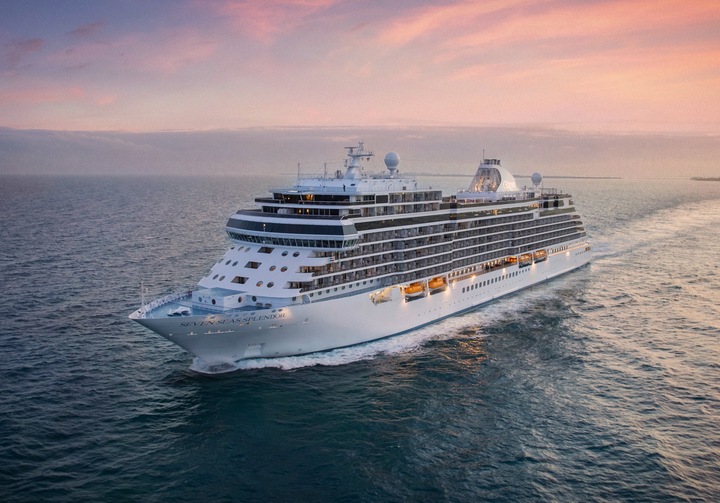
Embark on the extraordinary Silk & Sea Passage, a magnificent 33-day voyage with Regent Seven Seas. Aboard the luxurious Seven Seas Splendor, prepare for an unparalleled journey connecting vibrant Asian cultures with Alaskas breathtaking wilderness, promising an all-inclusive, opulent experience.
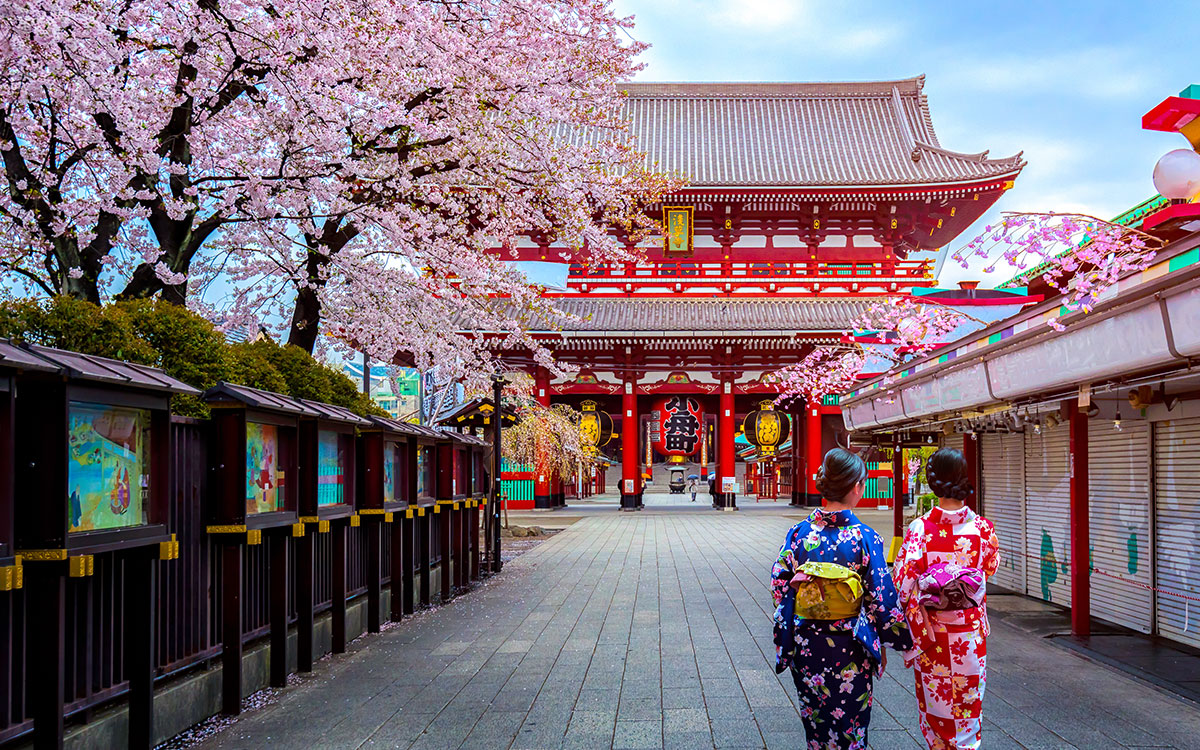
Begin your adventure from Tokyo, exploring Japans iconic cities like Hiroshima, Kobe, and Nagasaki, and the unique charm of Jeju Island, South Korea. Immerse yourself in ancient traditions and modern marvels, discovering East Asian cultures rich tapestry.
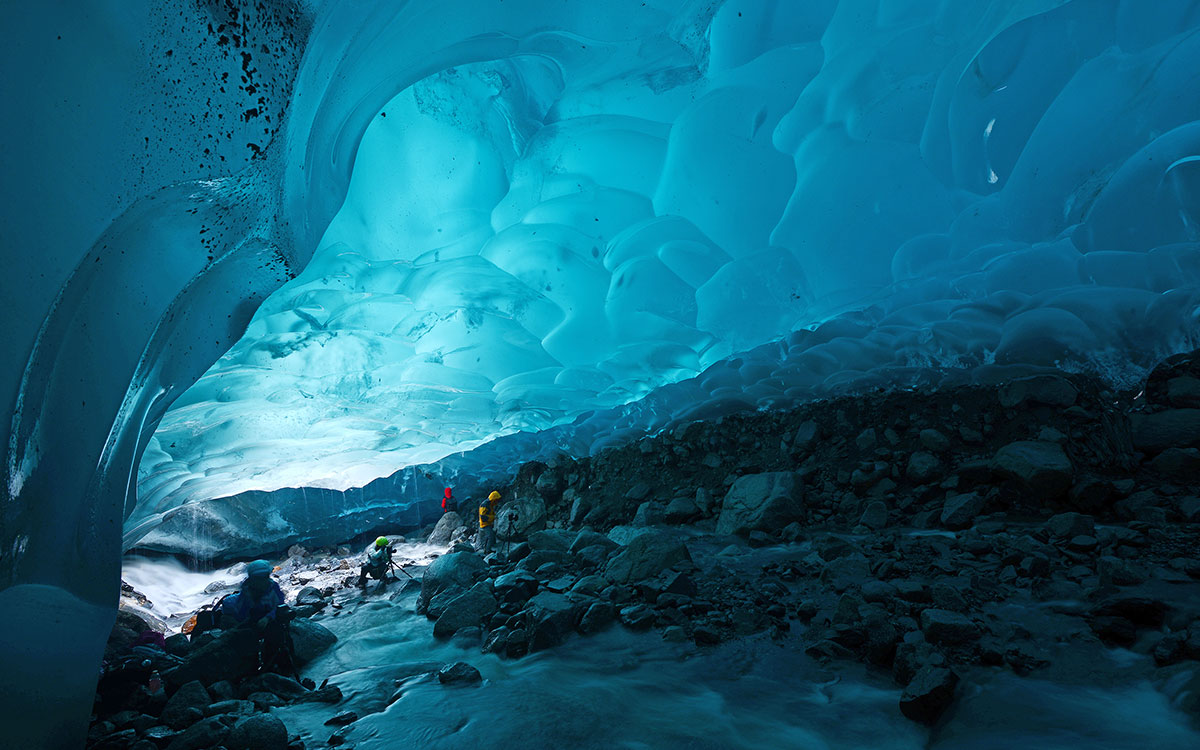
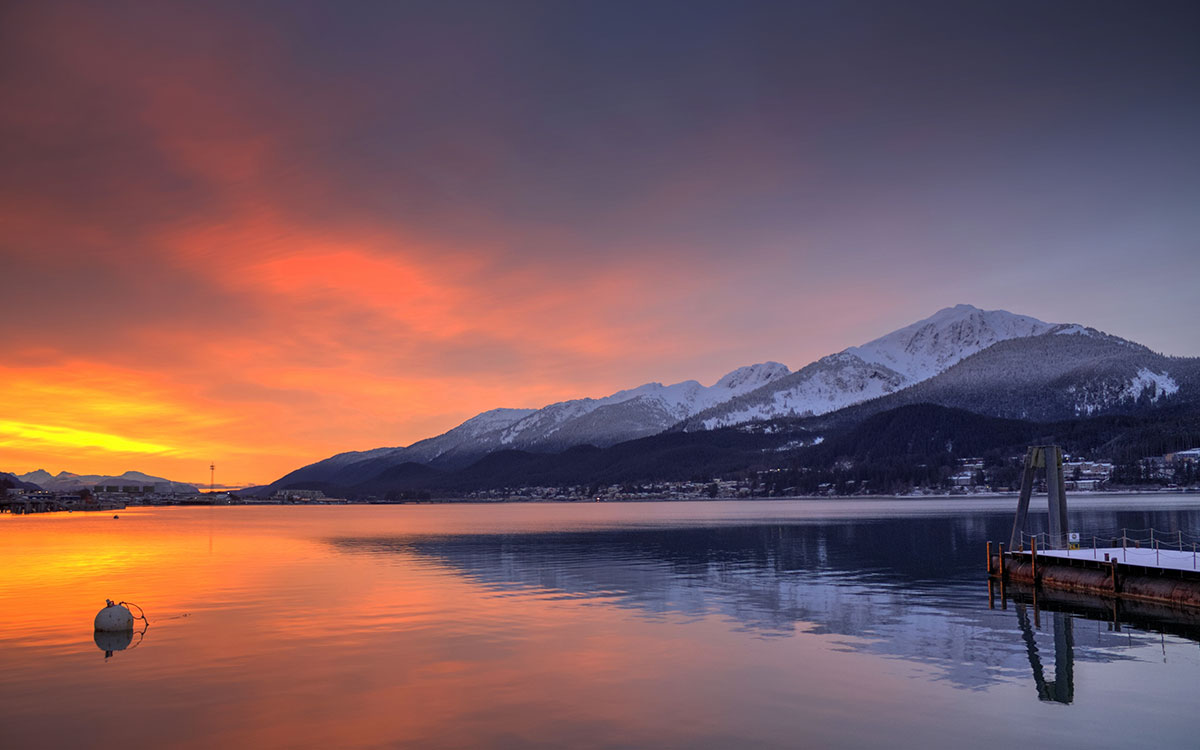
Then, sail across the Pacific to encounter Alaskas raw, majestic beauty. Witness the awe-inspiring Hubbard Glacier, explore Juneau and Ketchikan, before concluding in scenic Vancouver. This epic voyage offers a seamless blend of cultural immersion and natural splendor, all delivered with Regents signature six-star service.
-
 Cruise Line: Regent Seven Seas
-
 Ship: Seven Seas Splendor
-
 Duration: 33 Nights
-
 Departure: April
Silk & Sea Passage Prices
Silk & Sea Passage Gallery






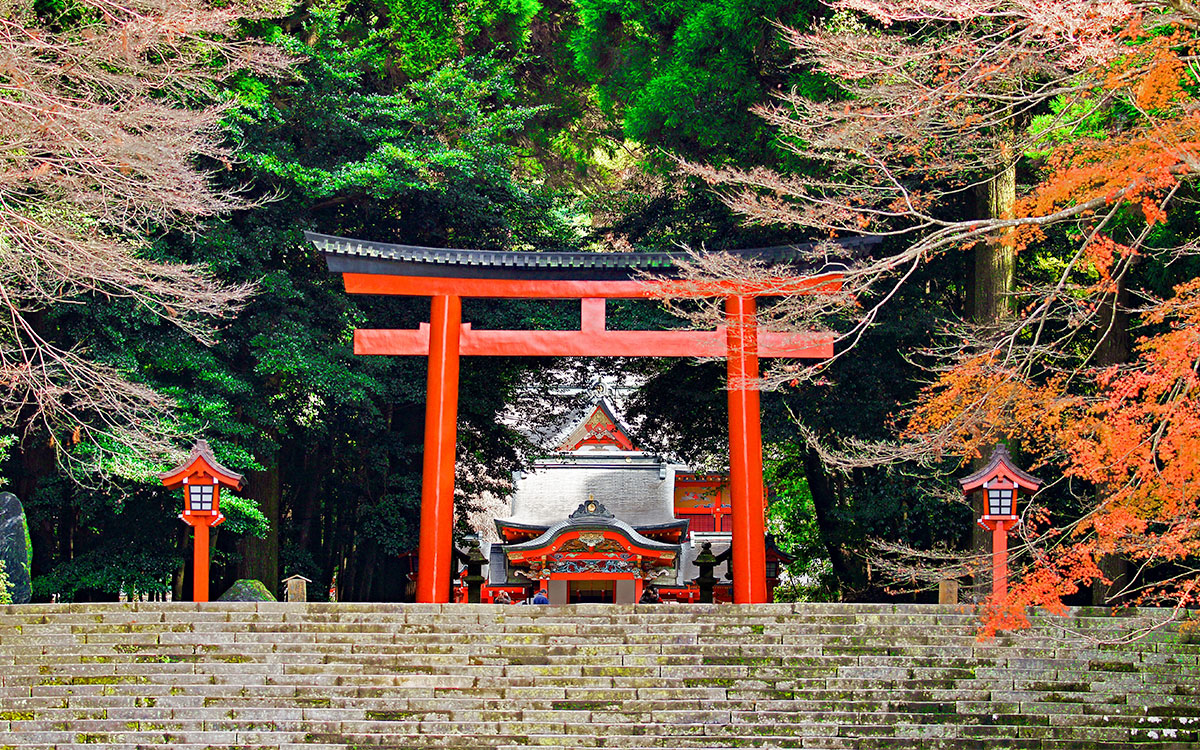
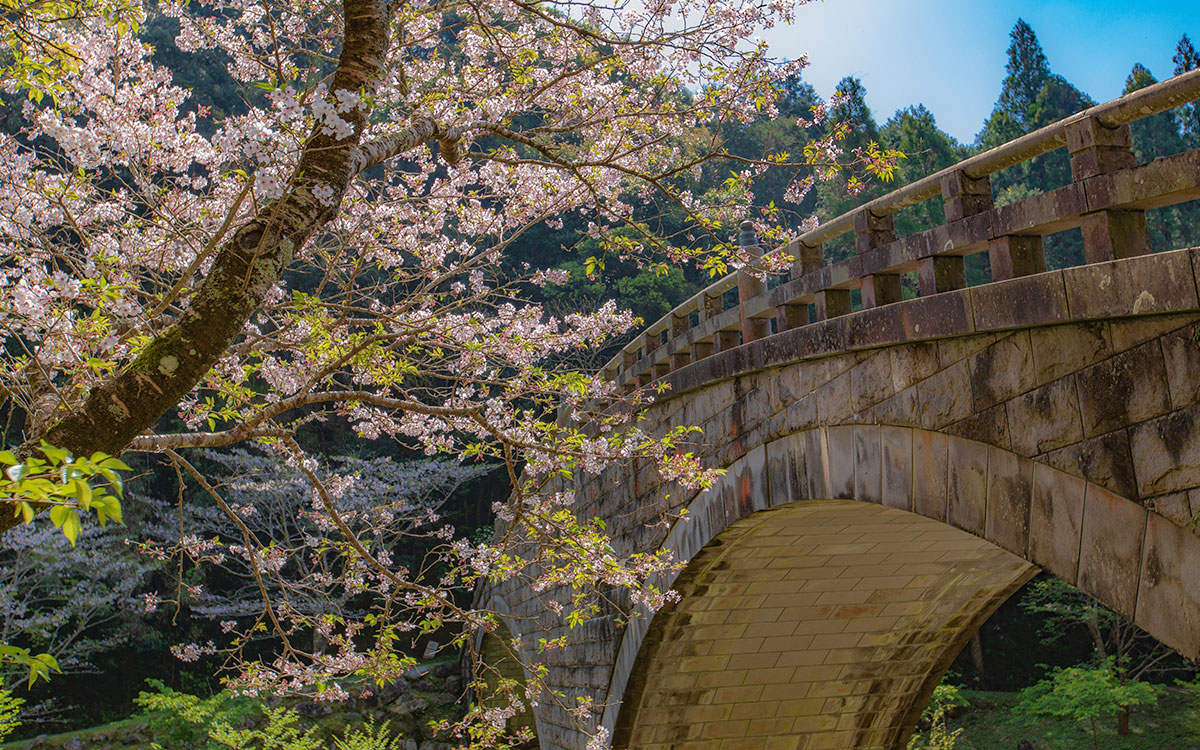



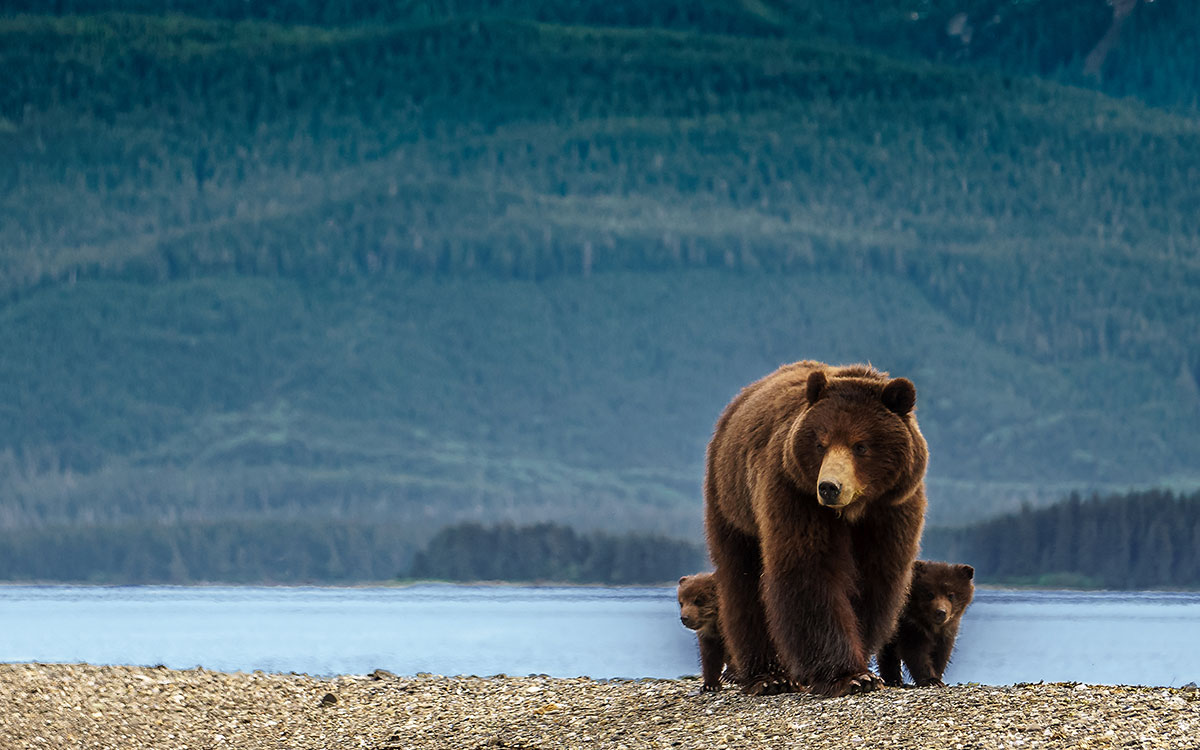
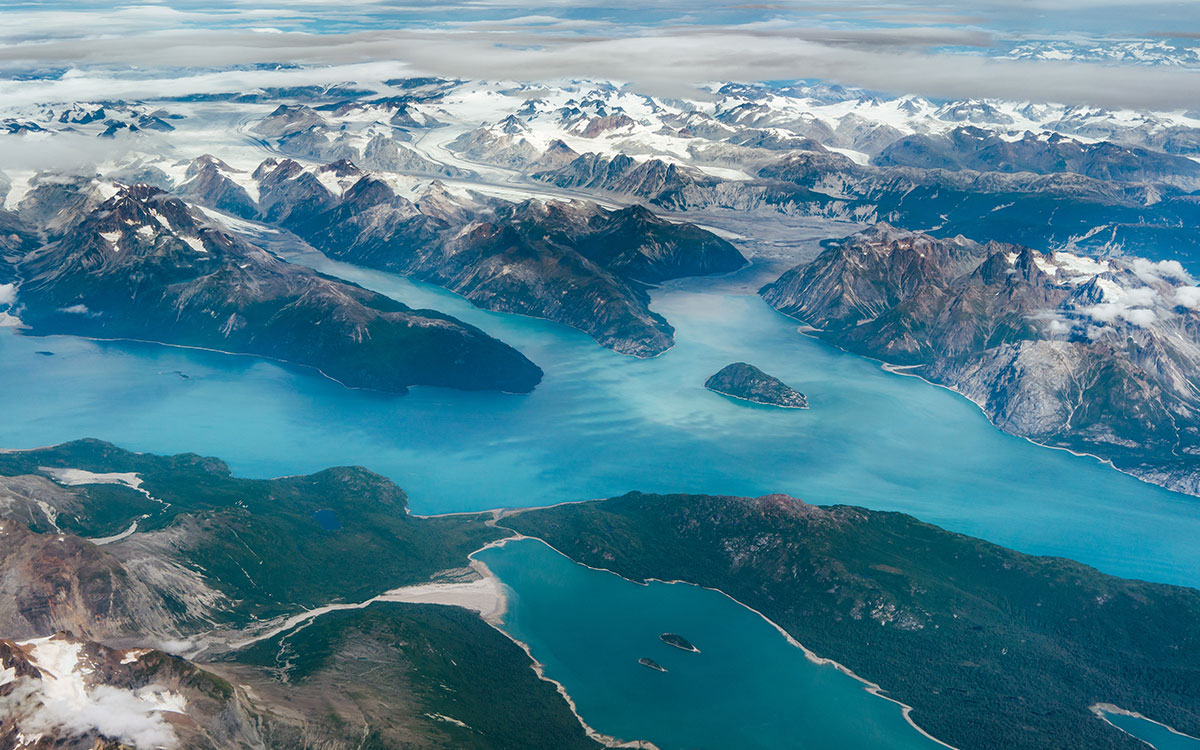
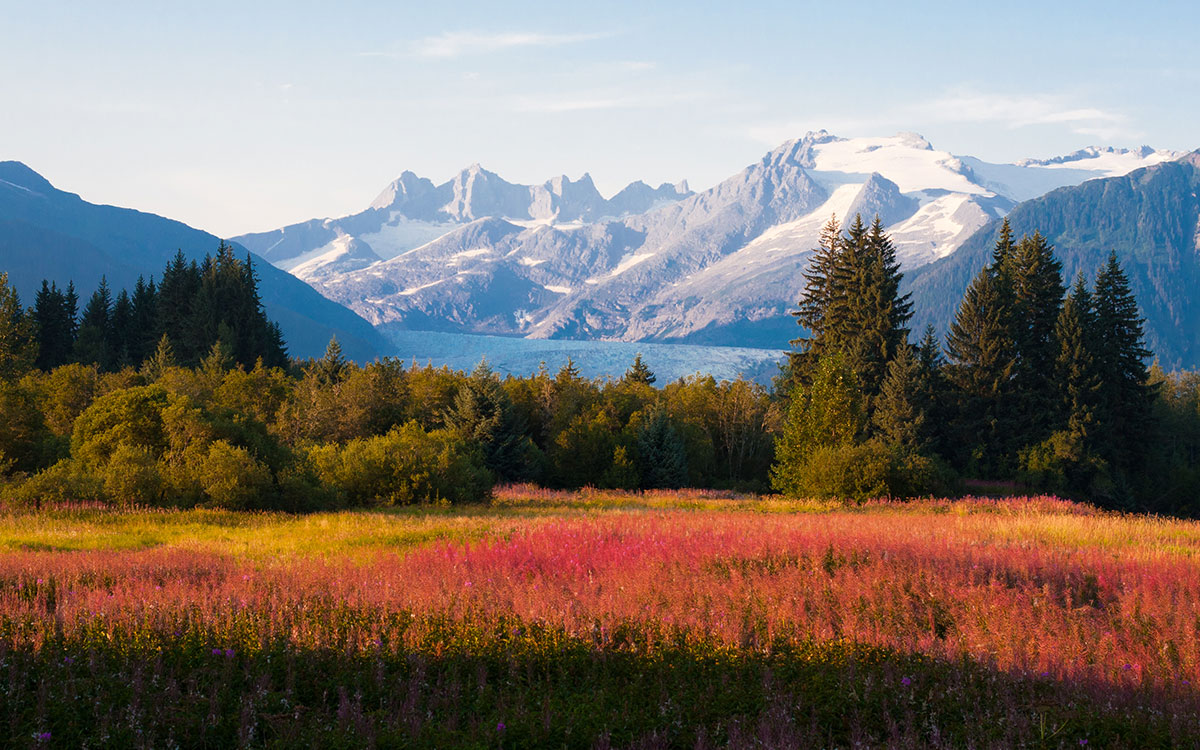
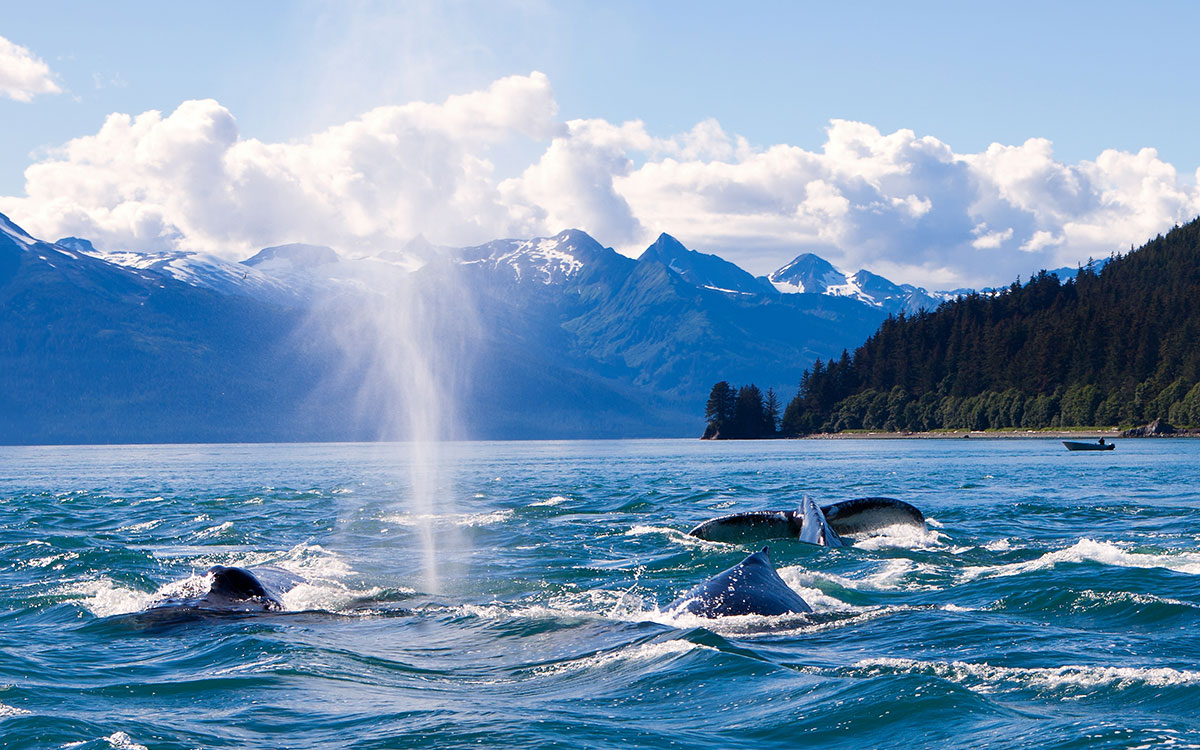










Silk & Sea Passage Itinerary

Day 1
Tokyo
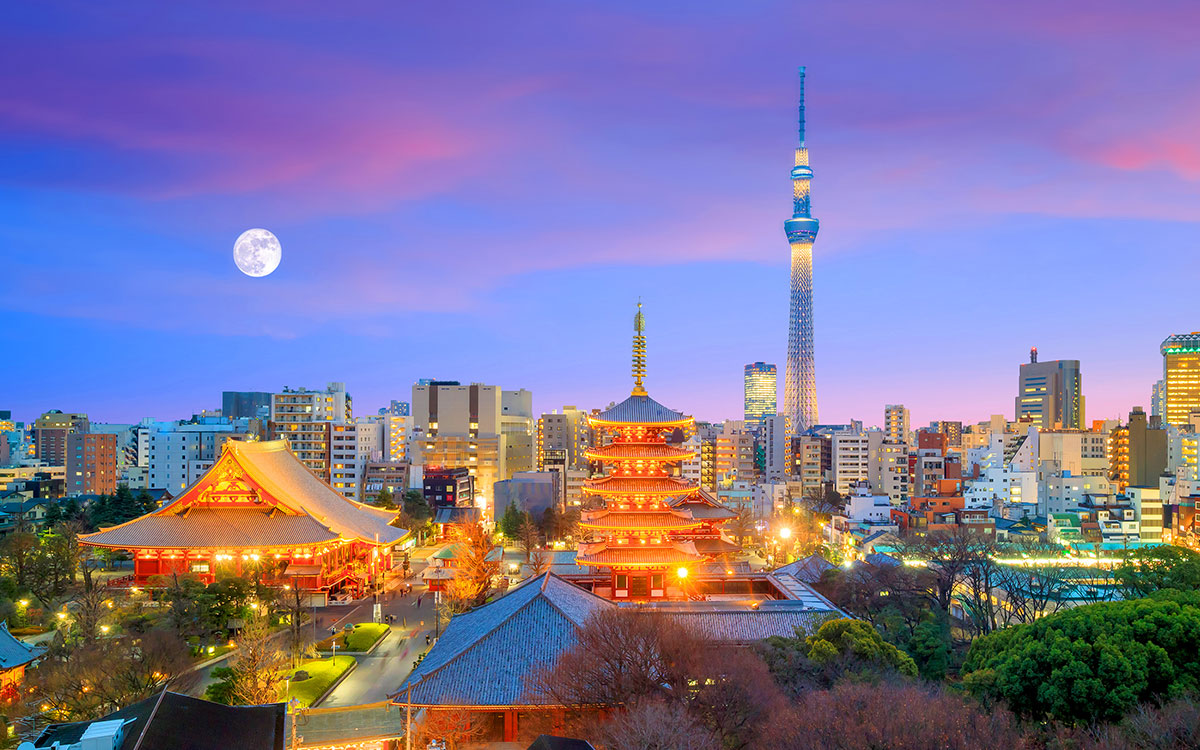
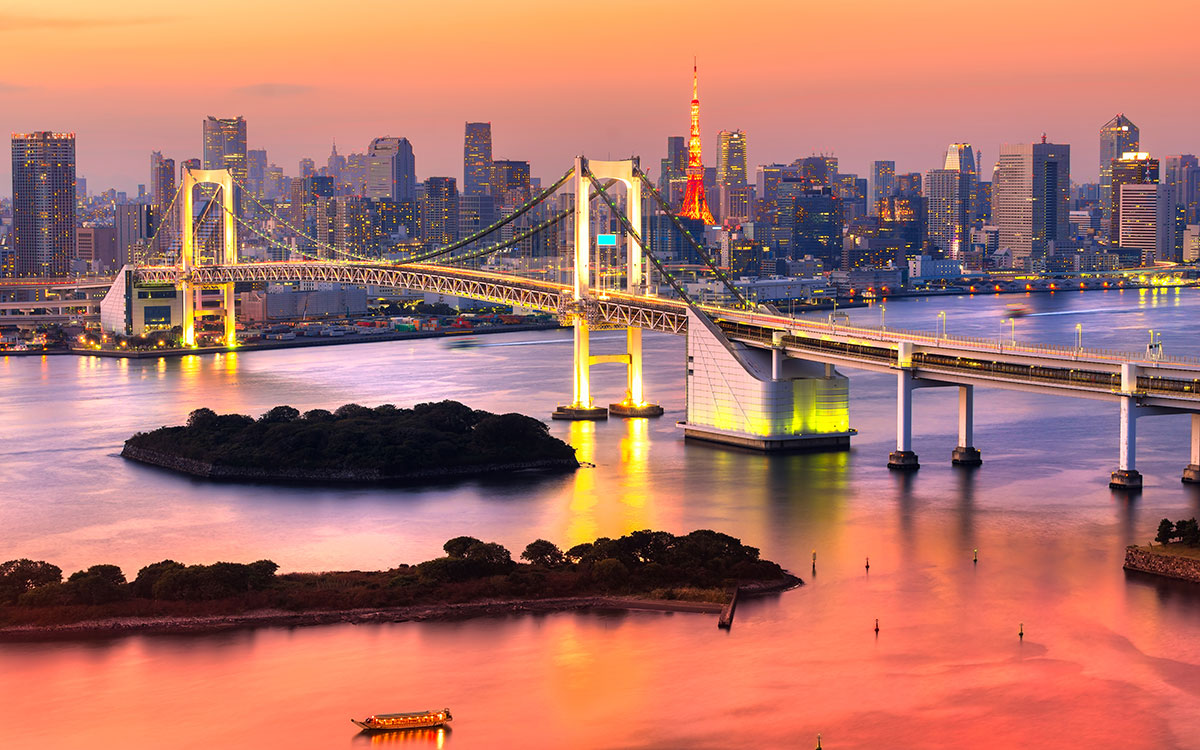
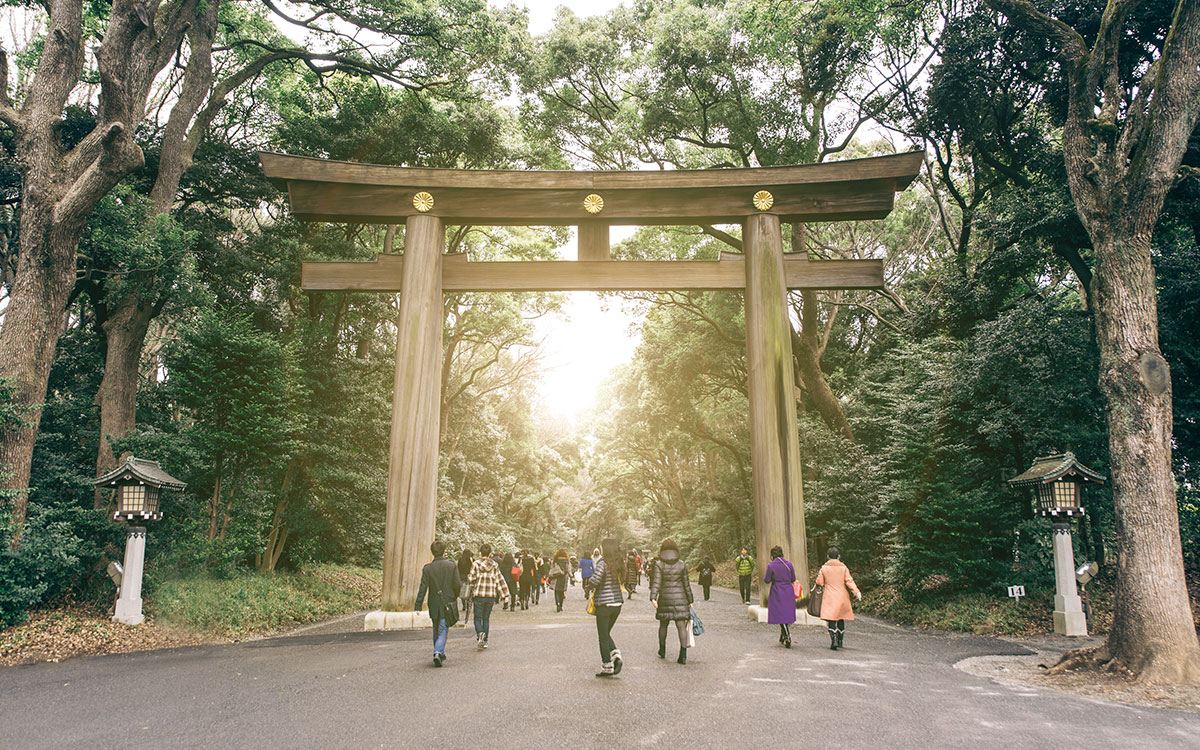
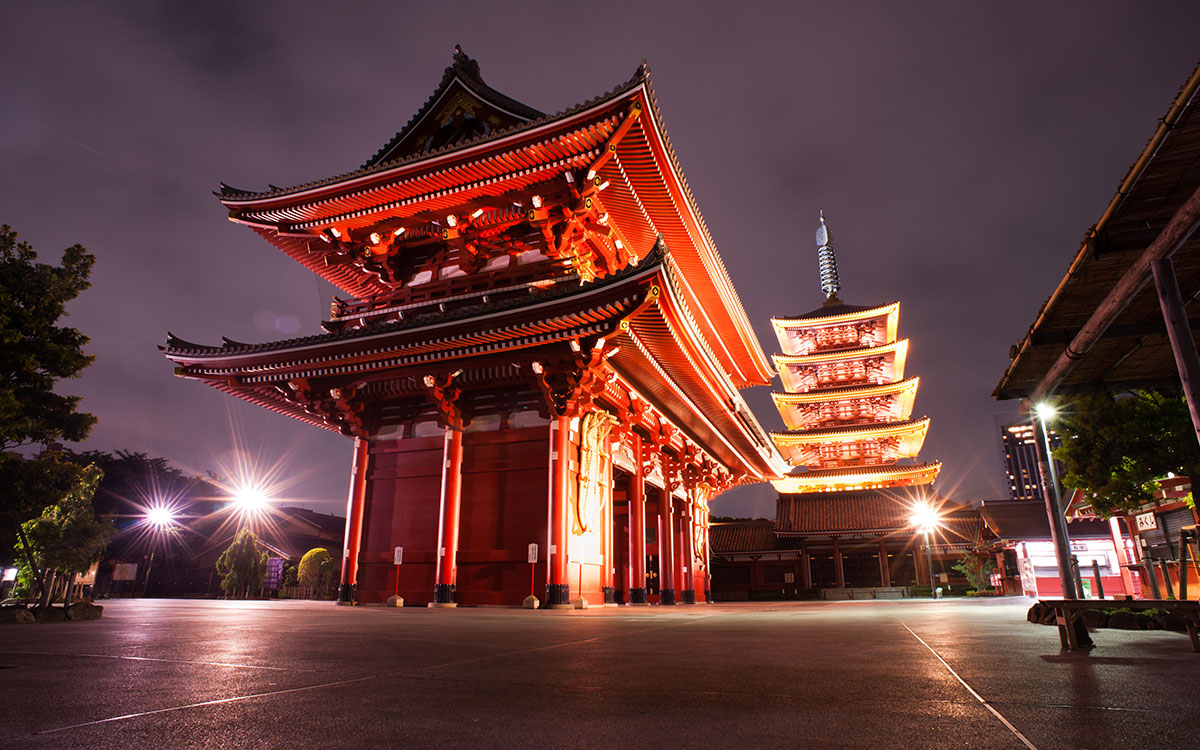
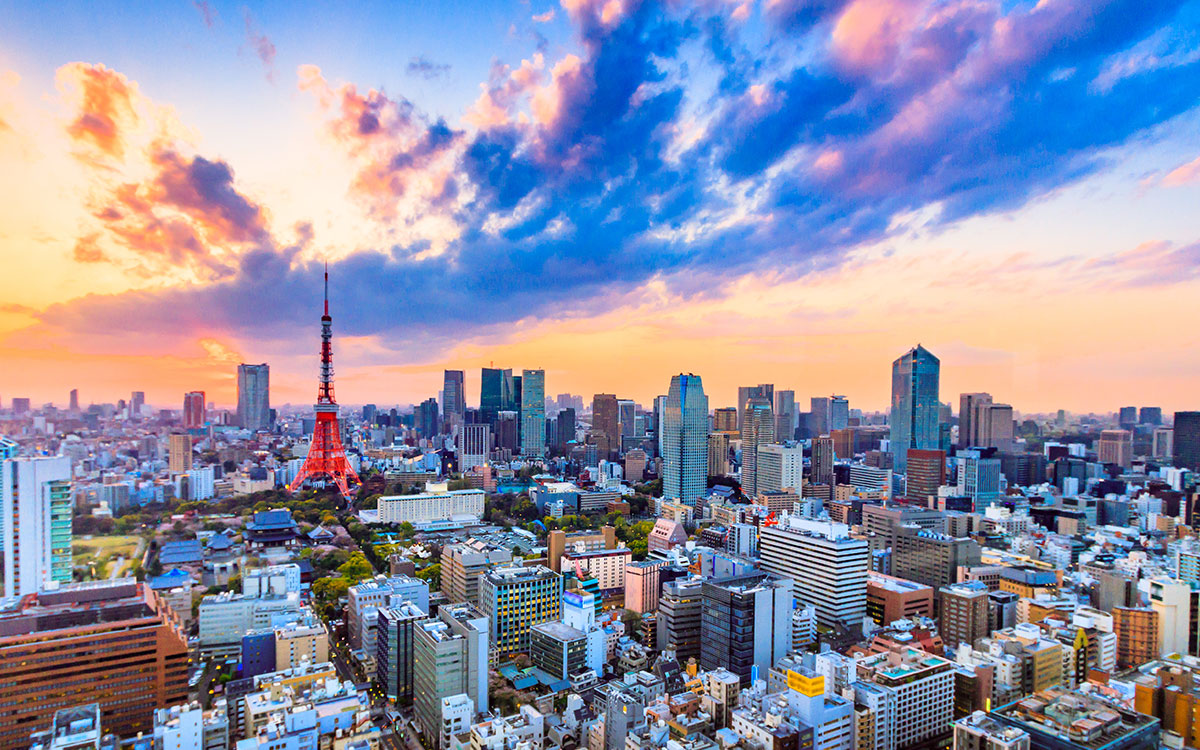
The modern capital city of Japan, Tokyo could be
described as too good to be true. People dress in the latest
fashions and experiment with the latest technologies, excellent
restaurants serve up delicious food of all varieties, and the
trendiest nightclubs keep going throughout the night.
The public transport system is punctual and one of
the most efficient in the world; and shops and vending machines
provide necessities and luxuries both day and night. All this is
achieved in a city that is home to more than 13 million people,
amid the confusion of bumper-to-bumper traffic, flickering neon
signs, and a crush of humanity packing subways and sidewalks.
Amidst the hurly-burly, Tokyo remarkably remains
one of the world's safest cities with a low crime rate and local
people who are generally only too willing to spare the time and
effort to assist a stranger.
With such a dense population, Tokyo is an urban
maze of buildings that jostle for space in an unplanned jumble of
grey concrete, which makes parts of it drab. The city fills a huge
area that seems to go on forever, with no specific city centre, but
rather a succession of districts grouped together. In the back
streets, where timber houses line narrow lanes, there are reminders
that this is exotic Japan: kimono-clad women prune bonsai trees and
colourful neighbourhood festivals take place.
The city is an exuberant experience for visitors.
It is home to many museums and is the largest repository of
Japanese art in the world. Then, of course, it would take forever
to exhaust the shopping possibilities in this megalopolis.
The more one explores Tokyo, the more it becomes
obvious that one cannot judge a book by its cover. Inside the
modern buildings the cultural life of Japan is very much alive and
well. Interiors reflect the tranquil minimalist Asian style and
taste of Japan.
Day 2
Shimizu
Shimizu is a city located in the Shizuoka Prefecture, in the central region of Japan’s main island of Honshu. The city has a long and rich history, dating back to the 8th century when it was first mentioned in historical records. Shimizu thrived as a key port city during the Edo period (1603-1868), serving as an important stopping point for trade between Edo (now Tokyo) and Kyoto.
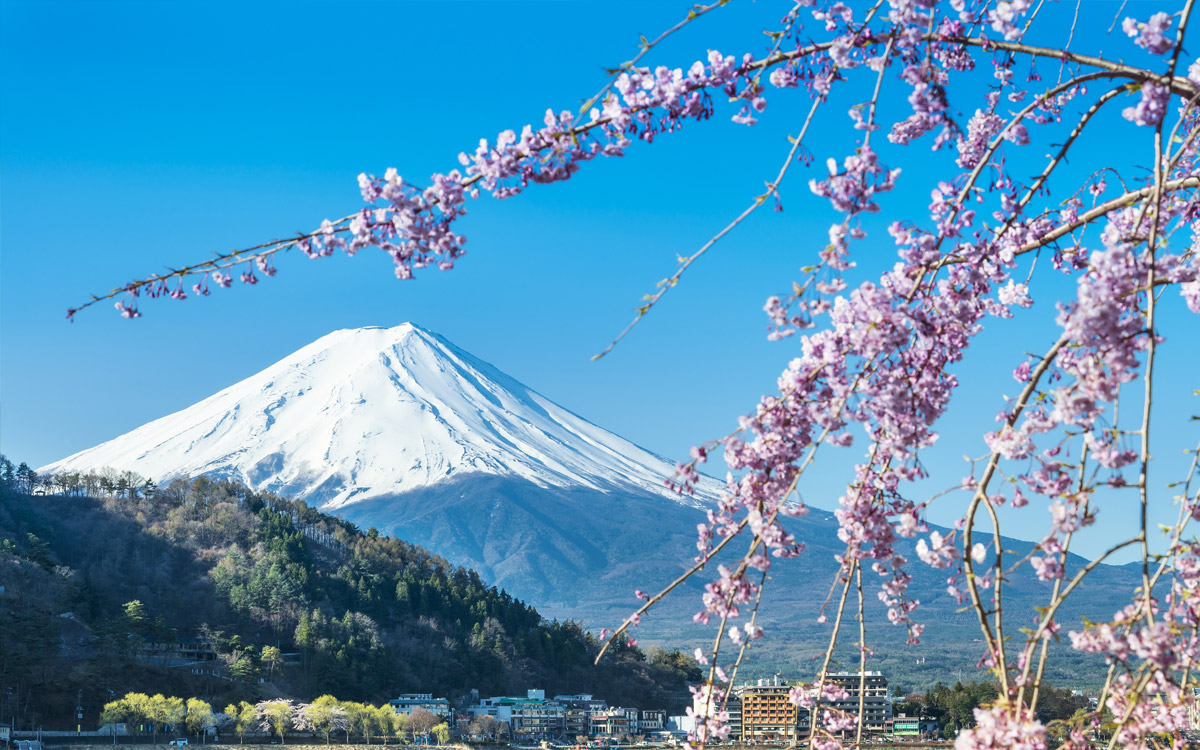
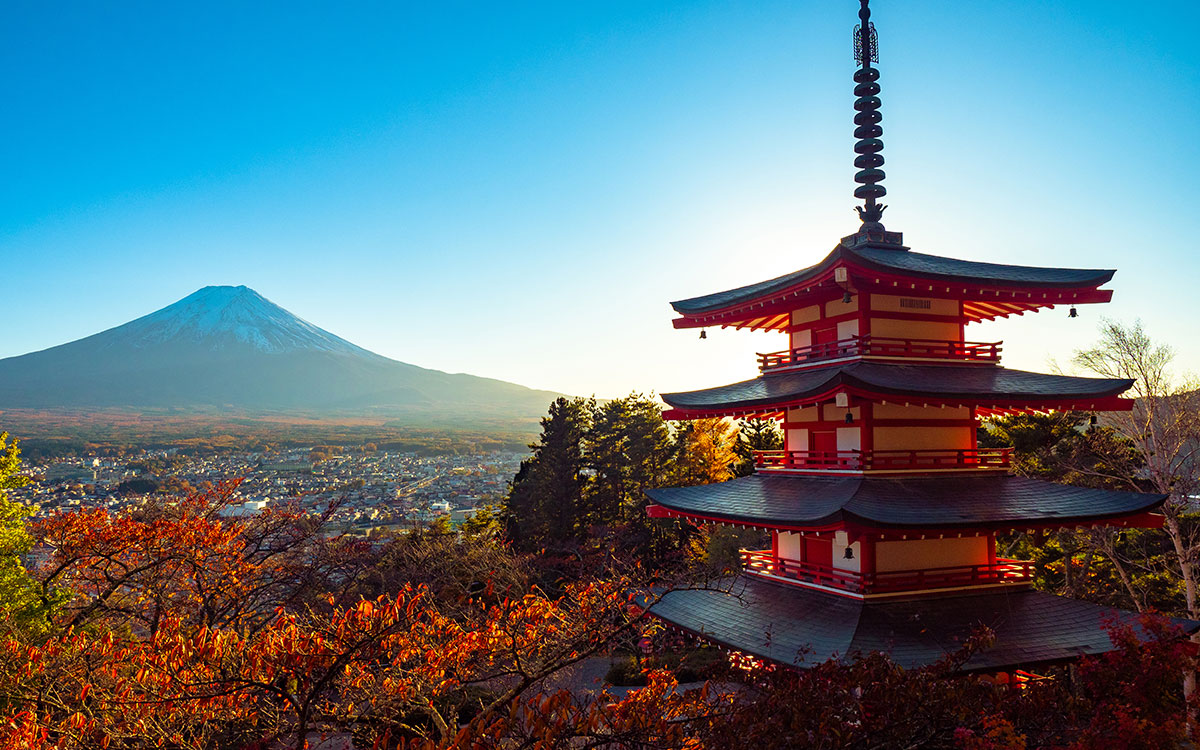
Today, Shimizu is a modern and vibrant city, with a population of over 700,000 people. The city is known for its beautiful natural scenery, with Mt. Fuji visible from many parts of the city on clear days. Shimizu is also home to a number of large companies and industries, including Mitsubishi Heavy Industries and Honda Motor Company.
The city of Shimizu is a great place to experience traditional Japanese culture while also enjoy all the conveniences and amenities of a modern city. There are a number of temples and shrines to visit, as well as traditional gardens and parks. For those interested in shopping and nightlife, Shimizu has plenty to offer, with a wide variety of shops and restaurants, as well as bars and clubs.
Day 3
Cruising the Philippine Sea
Day 4
Kobe
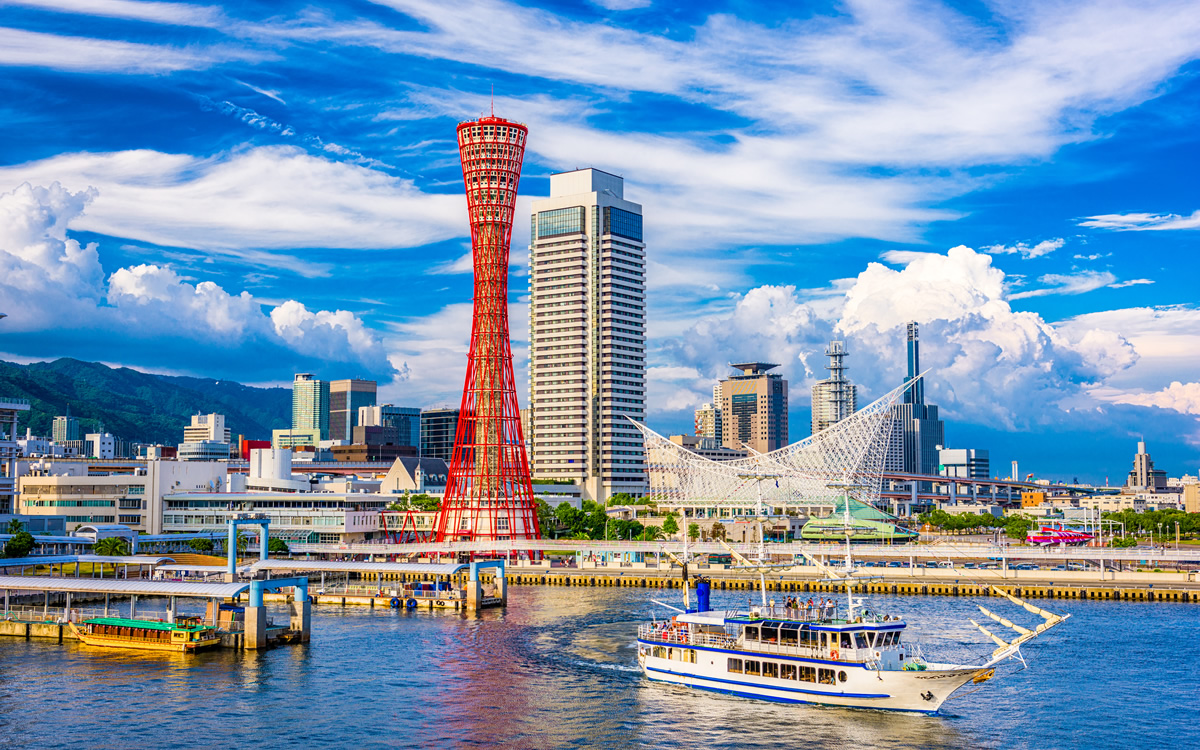
Located between the sea and the Rokko mountain range, Kobe is not only one of Japan’s largest cities, but one of its most attractive. The capital of the Hyogo Prefecture, it has been an important port city since it was first opened to foreign trade in the 19th Century. A relatively small city, visitors can explore most areas by foot from the main train station or harbour.
Day 5
Kochi
Kochi is a beautiful city located in southern Japan. The city is known for its stunning natural scenery, its friendly people, and its delicious food. Kochi is a perfect place to relax and enjoy the sights and sounds of Japan. Kochi is also a great place to shop for souvenirs and gifts. There are many shops and markets located throughout the city, so you can find something for everyone on your list. Kochi is a popular tourist destination, so there are plenty of hotels and resorts to choose from. Whether you want to stay in a traditional Japanese inn or a modern hotel, you can find the perfect accommodations for your needs.
Day 6
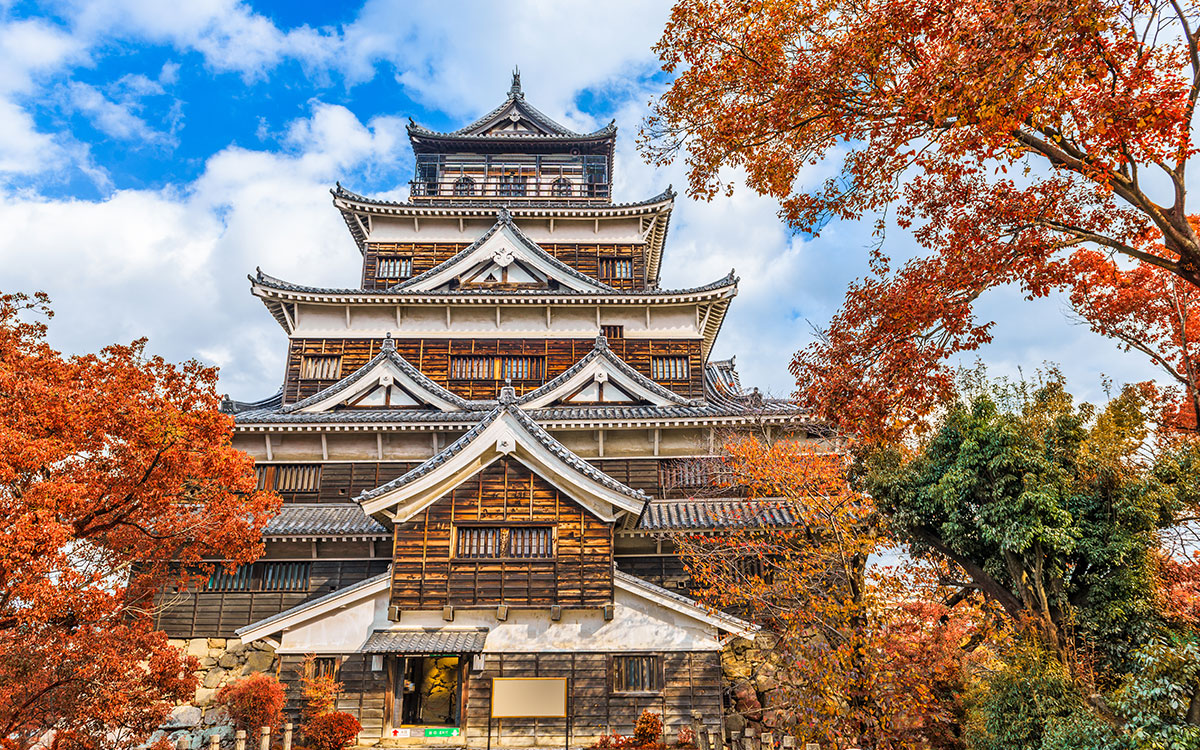
Hiroshima
Hiroshima is the main city of the Chugoku Region on
Japan's main island Honshu. On 6 August 1945, it became the first
ever target of an atomic bomb. Early in the morning, three United
States B-29 bombers flew in from the northeast; one dropped its
bomb over the centre of the city, killing 140,000 civilians.
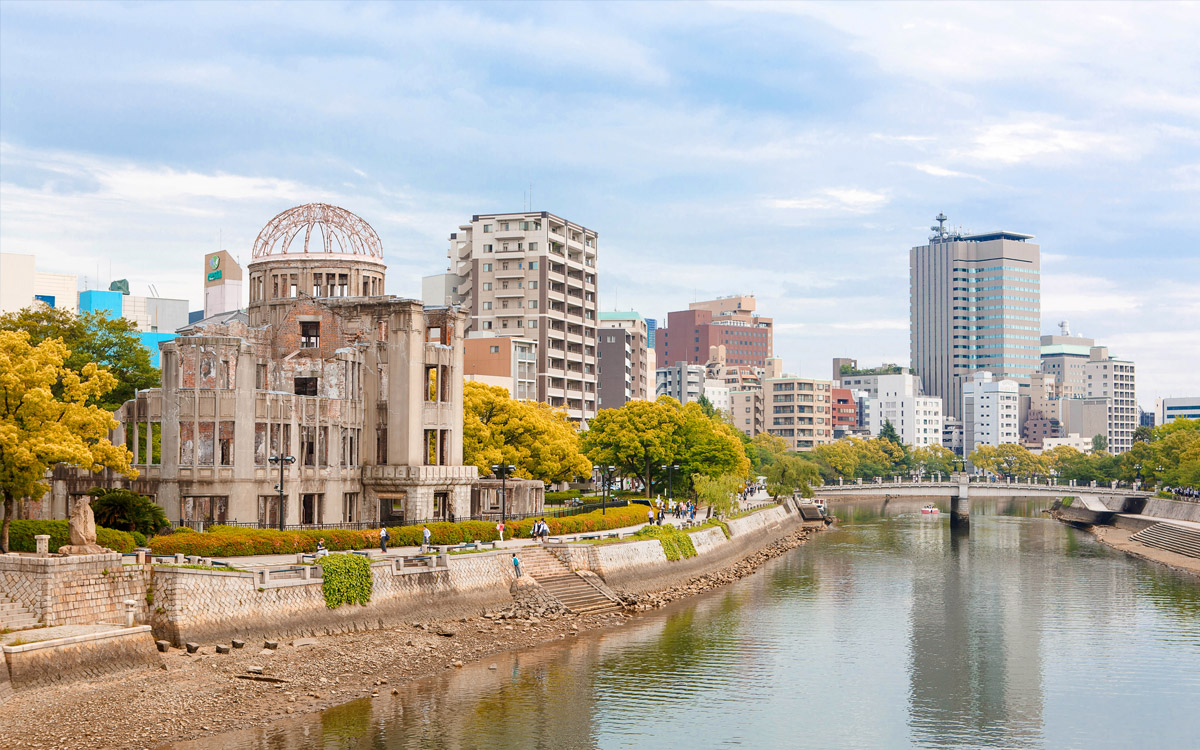
Today, millions of visitors make a pilgrimage to
Hiroshima's Peace Memorial Park to pay tribute to the victims, but
also to marvel at the lively modern city that has overcome its
tragedy to become the thriving home of more than a million people.
Not surprisingly, the city has become vehemently engaged in the
promotion of peace, and American visitors are welcomed with open
arms along with foreigners of all other nationalities.
Visitors are drawn mainly to the Peace Memorial Park
and its museum, but the rebuilt city is an attractive place to
visit in its own right, criss-crossed by rivers and wide avenues
and containing several good museums. Nearby are some of Japan's
most scenic excursion destinations, making Hiroshima a good base
for explorations into the countryside.
Day 7
Cruising the Philippine Sea
Day 8
Kagoshima
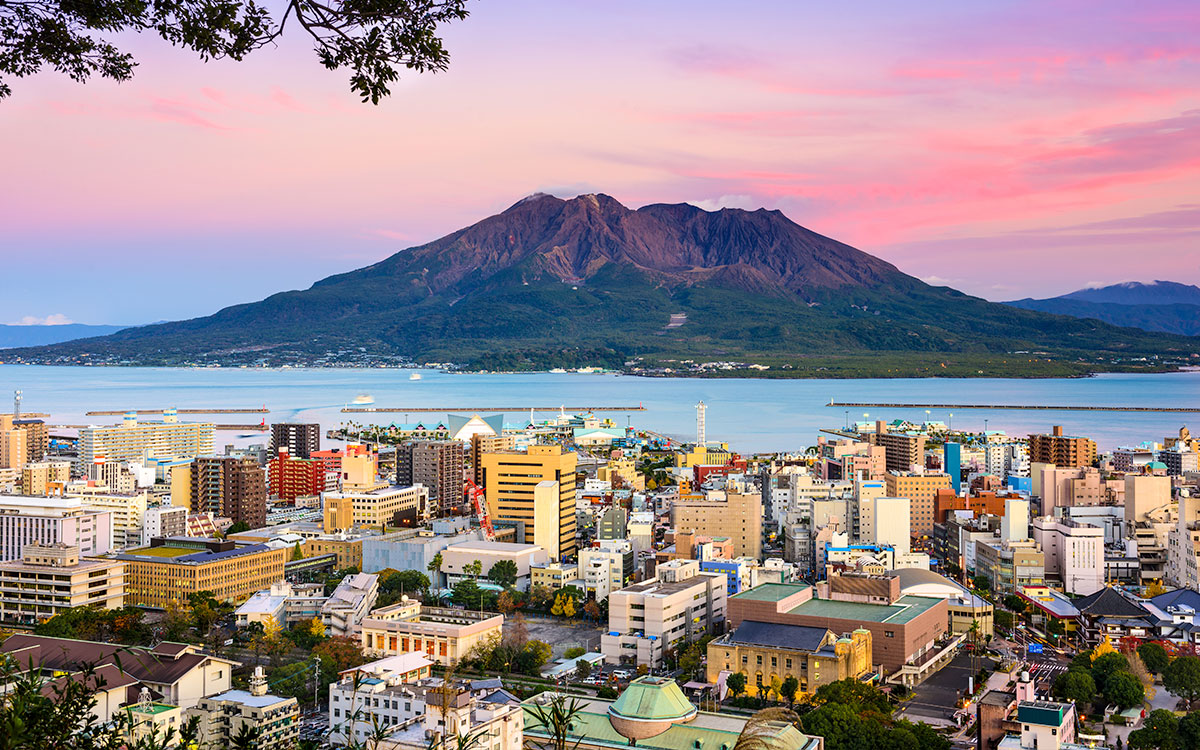
Kagoshima is a mesmerising city located on the south western tip of Japan's main island. It is a place of breathtaking beauty and boasts magnificent views over the bay and nearby volcano, Sakurajima. Anyone visiting Kagoshima cannot help but feel awe at the power of nature and its many forms.
Kagoshima itself is a city of great history, being the birthplace of the powerful Satsuma Domain which fought against the Tokugawa Shogunate. Exploring the old samurai neighbourhoods and traditional buildings of the city will be a treat for any visitor in search of a glimpse into a bygone era.
However, Kagoshima is also a modern city offering plenty to do for visitors looking for a more contemporary experience. Dining experiences range from traditional Japanese cuisine to fusion dishes created with local ingredients. Shopping is also abundant in the city, from small boutiques to larger department stores.
Those looking to explore the wonders of nature will also be spoilt for choice. The harbour is often described as one of Japan's most beautiful bays, and taking a boat tour around it is a must for anyone visiting the city. Views from the harbour might include the distinctive outline of Sakurajima, a dormant volcano on the horizon, or the stunning array of islands in Kagoshima Bay. Farther afield, those with an adventurous spirit can take trips to Kagoshima's active volcanoes, such as Mt. Kuju, where ash-covered trails provide an exciting day out.
Kagoshima is also an ideal base for anyone wanting to explore further south towards Kyushu's other cities, such as Kumamoto and Miyazaki. All these cities have their own unique charms and are well worth a visit if you have the time. Be sure to sample some regional delicacies too!
Visiting Kagoshima is a truly unique experience and one that you will never forget. It is a city steeped in history and culture, yet offering modern amenities that are sure to please everyone who visits. With its seemingly endless natural sights and attractions, Kagoshima is sure to keep you captivated throughout your stay. Come explore what it has to offer today!
Day 9
Nagasaki
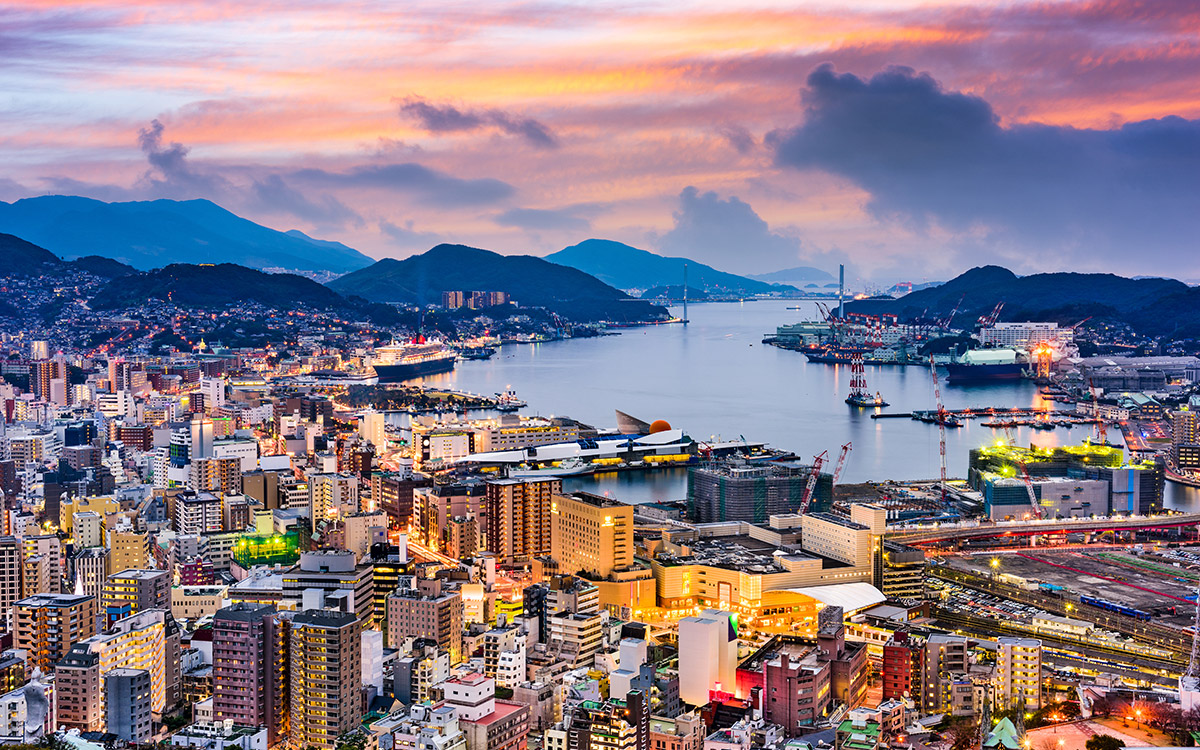
Nagasaki is a beautiful city located in southwestern Japan. The city is best known for its rich history and for being the site of the second nuclear bombing in history.
Nagasaki has a long and storied history. It was first settled by the Chinese in the 7th century and later became an important port for trade with both China and Korea. In the 16th century, Nagasaki was the only place in Japan where Europeans were allowed to trade, and it became an important base for the Portuguese and Dutch.
During World War II, Nagasaki was one of the largest shipbuilding centers in Japan. It was also the target of the second nuclear bombing in history. The bomb, which was dropped on August 9, 1945, killed an estimated 40,000 people. Nagasaki was rebuilt after the war and is now a thriving city with a population of over 1 million people.
Nagasaki is a must-visit for anyone interested in history or in seeing a city that has risen from the ashes of war. The city has a number of museums and memorials dedicated to its past, and its vibrant present makes it a great place to live or visit.
Day 10
Jeju Island
Jeju Island, located off the southern coast of South Korea, is a popular destination known for its stunning landscapes, unique cultural heritage, and world-class attractions. This volcanic island, often referred to as the "Hawaii of Korea," is a paradise for nature lovers and adventure seekers alike. With its diverse range of attractions and activities, Jeju Island offers something for every traveler.
One of the highlights of Jeju Island is its breathtaking natural beauty. The island is home to majestic mountains, pristine beaches, lush forests, and dramatic volcanic landscapes. Mount Hallasan, the highest mountain in South Korea, is a UNESCO World Heritage Site and a popular hiking spot. With a well-maintained trail network, visitors can enjoy a variety of hiking routes, each offering stunning panoramic views of the island and its surrounding ocean.
Jeju Island is also famous for its volcanic formations, such as the iconic Seongsan Ilchulbong Sunrise Peak. This UNESCO World Heritage Site is a volcanic crater filled with lush vegetation, and a sunrise hike to the peak is a must-do experience for many visitors. Another must-visit natural wonder is Manjanggul Cave, one of the largest lava caves in the world. Exploring the cave's unique formations and underground passages is a fascinating experience for both nature enthusiasts and those interested in geological wonders.
The island's coastal areas are equally enchanting, with stunning beaches and picturesque fishing villages. Hamdeok Beach, Hyeopjae Beach, and Jungmun Saekdal Beach are some of the most popular spots for swimming, sunbathing, and water sports. In addition to its beaches, Jeju Island boasts several impressive waterfalls, including Cheonjeyeon Falls and Jeongbang Falls. These beautiful cascades not only offer travelers a refreshing retreat but also provide spectacular photo opportunities.
Jeju Island is also known for its rich cultural heritage. The island has a unique mythology and a strong tradition of shamanism, which can be experienced at various cultural sites and festivals. The Jeju Folk Village Museum is a living museum that showcases traditional Jeju Island life, with preserved old houses, folk performances, and craft demonstrations. The opportunity to learn about the island's history and traditions is a fascinating aspect of visiting Jeju Island.
Moreover, Jeju Island is famous for its local cuisine. The island's fertile volcanic soil and abundant seafood resources contribute to its delicious and diverse culinary offerings. Don't miss the opportunity to try Jeju black pork, a local delicacy known for its rich flavor, or indulge in fresh seafood dishes like raw fish (hoe) or abalone porridge. The island is also famous for its mandarin oranges, which are both a popular souvenir and a refreshing treat.
Getting around Jeju Island is convenient, as it has a well-developed transportation system. Renting a car is a popular option for exploring the island, but public buses and taxis are also readily available. The island's compact size makes it easy to navigate, and there are plenty of tourist information centers to assist travelers with their itineraries.
In summary, Jeju Island offers a perfect blend of natural beauty, cultural heritage, and culinary delights. From hiking up a volcanic peak to relaxing on pristine beaches, visitors will find numerous attractions to explore and enjoy. Whether you want to immerse yourself in nature, learn about the island's history, or simply indulge in its delicious cuisine, Jeju Island promises an unforgettable travel experience.
Day 11
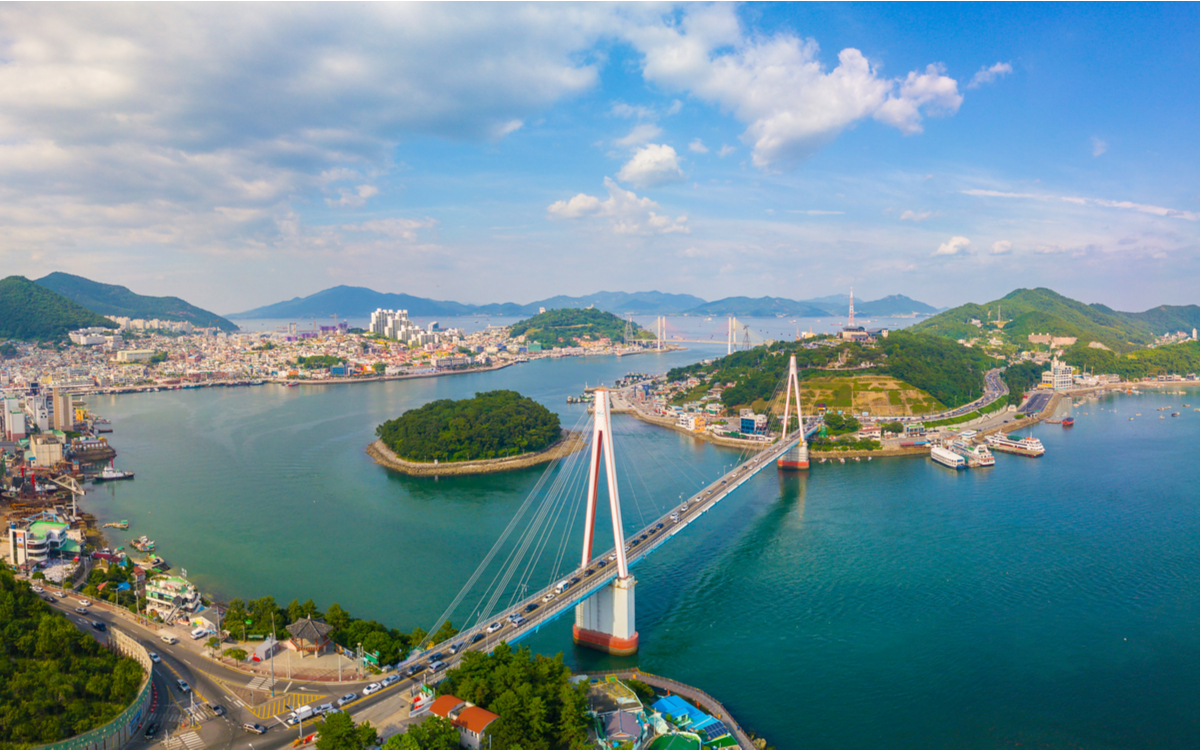
Yeosu
As South Korea becomes increasingly popular as a tourist destination, Yeosu remains a hidden gem. Punctuated by cliffs, islands and peninsulas the Scenic shorelines are nothing short of spectacular. Host to the EXPO 2012 World Fair meant that Yeosu received generous government funding in order to develop its waterfront and the exhibition centre still stands.
Day 12
Cruise Kanmon Strait
Day 12
Hakata
Japan is an isolated archipelago off the coast of mainland China, Russia, and Korea, separated from its Asian neighbours by the Sea of Japan. Between 1639 and 1859, Japan elected to cut itself off from trade or traffic with the rest of the world, except for marginal contact through the southern Kyushu island ports.
Since reopening up its doors around 150 years ago, the densely populated islands have developed in leaps and bounds and much of the country is now covered by sprawling neon-lit cities and the world's most sophisticated public transport networks.
Modern it may be, but Japan still retains plenty of its mystical oriental charm. From the intricacies of etiquette demanded in social situations, to the minimalist décor behind rice paper screens, traditional Japanese culture is alive and well, making a visit to Japan a fascinating experience.
The modern metropolises are dotted with numerous ancient shrines and temples, while the countryside is riddled with hundreds of volcanoes and hot springs overlooking pastoral paddy fields. Parks are festooned with rigidly raked white gravel Zen gardens or coated with layers of lilac and cherry blossom.
Japan's islands are mountainous in the interior - 75 percent of the country's landmass is made up of mountains - and most of the people are tightly packed within the limitations of the coastal plains, particularly on the main island of Honshu. Tokyo, the capital and largest city, situated on Honshu's east coast, has a population of 12 million.
Despite this huge mass of humanity, Japan is well ordered. Everything runs on time, and crime levels are almost non-existent. It is still possible to find beautiful vistas and wide empty spaces in the countryside, and when you are forced to mingle with the urban throngs you will find the Japanese to be charming, courteous, and friendly to foreign faces.
Day 13
Beppu, Kyushu Island, Oita
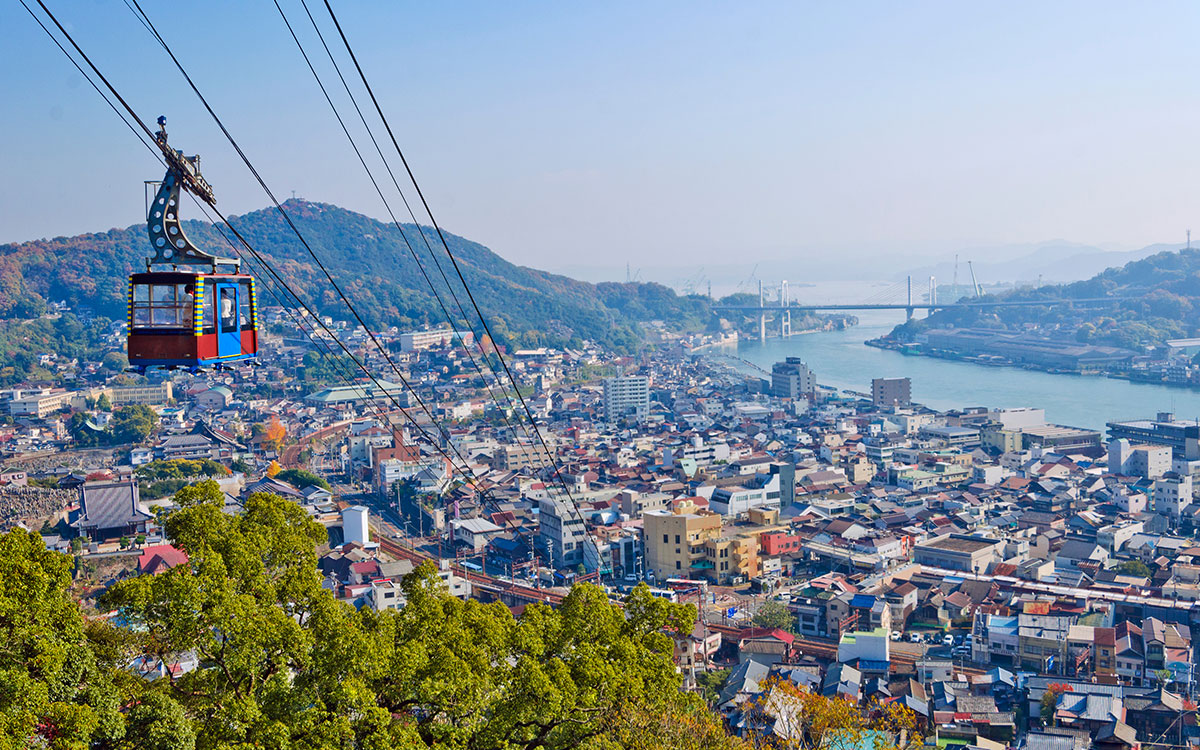
The lantern-lit hot springs of Beppu is a town that’s prettier than a picture. The town is found in a particularly volcanically active part of Japan (hence the abundance of hot springs, or in Japanese, onsens). As if the gorgeous palette of colours at the onsen was not enough, Beppu is also world famous for its Sakura, or cherry blossom season. More than 2,000 cherry trees near the base of the ropeway to Mount Tsurumi make for one of Beppu’s most impressive hanami (flower viewing) spots.
Day 14
Cruising the Philippine Sea
Day 15
Tokyo
The modern capital city of Japan, Tokyo could be
described as too good to be true. People dress in the latest
fashions and experiment with the latest technologies, excellent
restaurants serve up delicious food of all varieties, and the
trendiest nightclubs keep going throughout the night.
The public transport system is punctual and one of
the most efficient in the world; and shops and vending machines
provide necessities and luxuries both day and night. All this is
achieved in a city that is home to more than 13 million people,
amid the confusion of bumper-to-bumper traffic, flickering neon
signs, and a crush of humanity packing subways and sidewalks.
Amidst the hurly-burly, Tokyo remarkably remains
one of the world's safest cities with a low crime rate and local
people who are generally only too willing to spare the time and
effort to assist a stranger.
With such a dense population, Tokyo is an urban
maze of buildings that jostle for space in an unplanned jumble of
grey concrete, which makes parts of it drab. The city fills a huge
area that seems to go on forever, with no specific city centre, but
rather a succession of districts grouped together. In the back
streets, where timber houses line narrow lanes, there are reminders
that this is exotic Japan: kimono-clad women prune bonsai trees and
colourful neighbourhood festivals take place.
The city is an exuberant experience for visitors.
It is home to many museums and is the largest repository of
Japanese art in the world. Then, of course, it would take forever
to exhaust the shopping possibilities in this megalopolis.
The more one explores Tokyo, the more it becomes
obvious that one cannot judge a book by its cover. Inside the
modern buildings the cultural life of Japan is very much alive and
well. Interiors reflect the tranquil minimalist Asian style and
taste of Japan.
Day 16
Hitachinaka
Hitachinaka is a beautiful city located in the Ibaraki Prefecture of Japan. Known for its stunning natural landscapes, vibrant culture, and friendly locals, this city is a hidden gem that offers travelers a unique and memorable experience.
One of the main attractions of Hitachinaka is its scenic beauty. The city is nestled between the expansive Pacific Ocean and the majestic Mount Tsukuba, which provides a stunning backdrop to the cityscape. The city is famous for its various parks and gardens that showcase Japan's love for nature. One such popular destination is the Hitachi Seaside Park, famous for its vast flower fields, especially the Nemophila blue flowers that bloom in spring, creating a breathtaking sea of blue. The park also offers other attractions like cycling paths, BBQ areas, and an amusement park, making it a perfect spot for families to spend a day outdoors.
For those interested in Japanese culture and history, Hitachinaka has several cultural landmarks. The Kashima Shrine is one such important site, dedicated to the Shinto deity of martial arts and sports. Visitors can witness traditional ceremonies and experience the peaceful atmosphere of the shrine. Another notable place is the Kairaku-en Garden, ranked as one of Japan's top three gardens. This historical garden features beautiful ponds, walking trails, and hundreds of plum trees that bloom in late winter, offering a serene environment.
Food enthusiasts will have a delightful experience in Hitachinaka as the city is known for its fresh seafood and local cuisine. The city's location near the Pacific Ocean ensures that visitors can indulge in delicious and diverse seafood dishes, such as sashimi, sushi, and grilled fish. Local restaurants and markets offer a wide variety of seafood options, allowing travelers to immerse themselves in the flavors of the region. In addition to seafood, Hitachinaka is also famous for its locally produced fruits and vegetables, making it an ideal destination for food lovers.
For outdoor enthusiasts, Hitachinaka provides numerous opportunities for recreational activities. The city has several well-maintained beaches along the coastline, where visitors can enjoy swimming, sunbathing, and water sports during the summer months. In addition, the nearby Mount Tsukuba offers hiking trails for nature lovers, providing stunning views of the surrounding landscape. From the peak, visitors can admire the beautiful Pacific Ocean, the city below, and even catch sight of Tokyo on a clear day.
Transportation within Hitachinaka is convenient, with a well-connected network of buses and trains. The JR Hitachinaka Seaside railway station serves as a major transportation hub, allowing easy access to nearby cities and tourist attractions. The city is also easily accessible from Tokyo, with a direct train journey taking approximately one hour.
Hitachinaka's climate is generally mild, with warm summers and cool winters. The best time to visit the city is during spring and autumn when the weather is pleasant, allowing visitors to explore the outdoor attractions comfortably. However, every season in Hitachinaka offers a unique experience, with cherry blossoms in spring, vibrant foliage in autumn, and exciting festivals throughout the year.
In conclusion, Hitachinaka is a charming city that offers a blend of natural beauty, cultural heritage, and culinary delights. With its picturesque landscapes, rich history, and friendly locals, the city promises an unforgettable experience for travelers seeking to explore the beauty and culture of Japan. Whether it's admiring the stunning flower fields, immersing in the local cuisine, or enjoying outdoor activities, Hitachinaka has something to offer for everyone.
Day 17
Sendai
Sendai is a vibrant and bustling city located in the northeastern region of Japan's Honshu island. As the capital of Miyagi Prefecture, Sendai offers a perfect blend of modernity and tradition, with its rich history, beautiful natural surroundings, and a thriving urban center. Whether you're interested in exploring historical sites, indulging in delicious cuisine, or simply immersing yourself in the local culture, Sendai has something to offer for every traveler.
One of the city's most iconic landmarks is the Aoba Castle, also known as Sendai Castle. Although the original structure was destroyed during World War II, the castle was meticulously restored, and visitors can now explore the reconstructed tower and enjoy picturesque views of the city from the observation deck. Adjacent to the castle is the Aoba Castle Ruins Park, a beautiful green space featuring cherry blossoms in the spring and vibrant foliage in the autumn.
Nature enthusiasts will be delighted by the abundance of natural beauty surrounding Sendai. Just a short drive away is Matsushima Bay, famous for its scenic coastline and numerous small islands covered in pine trees. Cruises are available, allowing visitors to appreciate the breathtaking view of the bay and explore the islands up close. Additionally, the nearby Zao Mountain Range offers a stunning landscape, highlighted by the famous "snow monsters" during the winter months when the trees become encased in ice and snow.
For those seeking a taste of local cuisine, Sendai is renowned for its mouthwatering specialties. One must-try dish is gyutan, which is grilled beef tongue. Sendai is also famous for its seafood, particularly oysters and sashimi served with fresh local ingredients. Don't forget to visit the Sendai Morning Market, where you can sample a variety of street foods and purchase local products, including fruits, vegetables, and handmade crafts.
If you're interested in history, the Sendai City Museum is a must-visit. This museum showcases the region's history and cultural heritage through exhibits of ancient artifacts, traditional art, and interactive displays. Another notable historical site is the Osaki Hachimangu Shrine, built in the 17th century, which stands as a symbol of Samurai culture and offers a serene escape from the city.
For shopping enthusiasts, Sendai offers a wide range of options. The bustling downtown area, particularly the covered shopping arcades known as "shotengai," is filled with shops, boutiques, and department stores. Here, you can find anything from trendy fashion to traditional crafts and local souvenirs. The city also hosts numerous festivals throughout the year, including the Tanabata Festival in July and the Jozenji Street Jazz Festival in September, which are both worth checking out for their lively atmosphere and cultural performances.
In terms of transportation, Sendai has an efficient and extensive network of trains and buses that make it easy to navigate the city and explore the surrounding areas. The city is also well-connected to the rest of Japan, with a major airport offering domestic and international flights.
Overall, Sendai is a captivating destination that seamlessly blends history, culture, and natural beauty. With its diverse attractions, delicious cuisine, and warm hospitality, this city offers an unforgettable experience for any traveler.
Day 18
Miyako, Iwate
The Miyako Islands are a stunning archipelago located in the southern part of Japan's Okinawa Prefecture. Comprising of several small islands, including Miyakojima, Ikema, and Tarama, this picturesque destination is known for its pristine beaches, crystal-clear turquoise waters, and vibrant coral reefs. The islands offer a unique blend of natural beauty, cultural heritage, and outdoor activities that make it a perfect destination for travelers seeking a tropical getaway.
One of the main highlights of the Miyako Islands is its breathtaking beaches. With powdery white sand and warm, inviting waters, these beaches are idyllic spots for sunbathing, swimming, and snorkeling. Some of the most popular beaches include Maehama Beach, Yonahamaehama Beach, and Sunayama Beach. These beaches are surrounded by lush vegetation and offer mesmerizing views of the ocean. Visitors can also explore the nearby coral reefs and encounter a rich diversity of marine life, making it a haven for snorkelers and scuba divers.
For those interested in exploring the local culture, the Miyako Islands offer a glimpse into traditional Okinawan life. The islands are home to several Shinto shrines and Buddhist temples, where visitors can learn about the spiritual beliefs and practices of the local community. The most significant shrine on the islands is the Miyako Jingū, which is dedicated to the island's deity and hosts an annual festival in October. The festival features traditional music, dance performances, and rituals, providing visitors with an immersive cultural experience.
Nature enthusiasts will find plenty to explore on the Miyako Islands. The islands are blessed with lush flora and fauna, including unique species of birds, butterflies, and plants. The Miyako Botanical Garden is a sanctuary for nature lovers, showcasing a wide variety of tropical plants and flowers from around the world. Additionally, the islands are home to unique geological formations, such as the picturesque Irabu Bridge and the Higashi-Hennazaki Cape, which offers stunning panoramic views of the ocean and nearby islands.
For adventure seekers, the Miyako Islands offer various outdoor activities. Kayaking, paddleboarding, and jet skiing are popular water sports that allow visitors to explore the coastline and hidden coves at their own pace. The islands are also known for their strong winds, making them a haven for windsurfing and kiteboarding enthusiasts. Hiking and cycling are great ways to explore the islands' natural beauty, with designated trails offering scenic views of the coastline and the lush interior.
When it comes to dining, the Miyako Islands are known for their fresh and delicious seafood. Visitors can savor local specialties such as Ishigaki beef, yaeyama soba noodles, and saltwater fish cooked in traditional Okinawan styles. The islands also have a vibrant nightlife scene, with bars and clubs offering a lively atmosphere where visitors can unwind and enjoy live music performances.
Getting to the Miyako Islands is relatively easy, with regular flights from major Japanese cities to Miyako Airport. Once on the islands, transportation options include rental cars, bicycles, and local buses, making it convenient to explore the various attractions.
In conclusion, the Miyako Islands offer a perfect blend of natural beauty, cultural heritage, and outdoor activities. With its pristine beaches, vibrant marine life, and unique cultural experiences, it is a destination that caters to the interests of all travelers. Whether you seek relaxation on the beach, adventure in the water, or cultural exploration, the Miyako Islands are sure to leave you with cherished memories of an unforgettable tropical escape.
Day 19
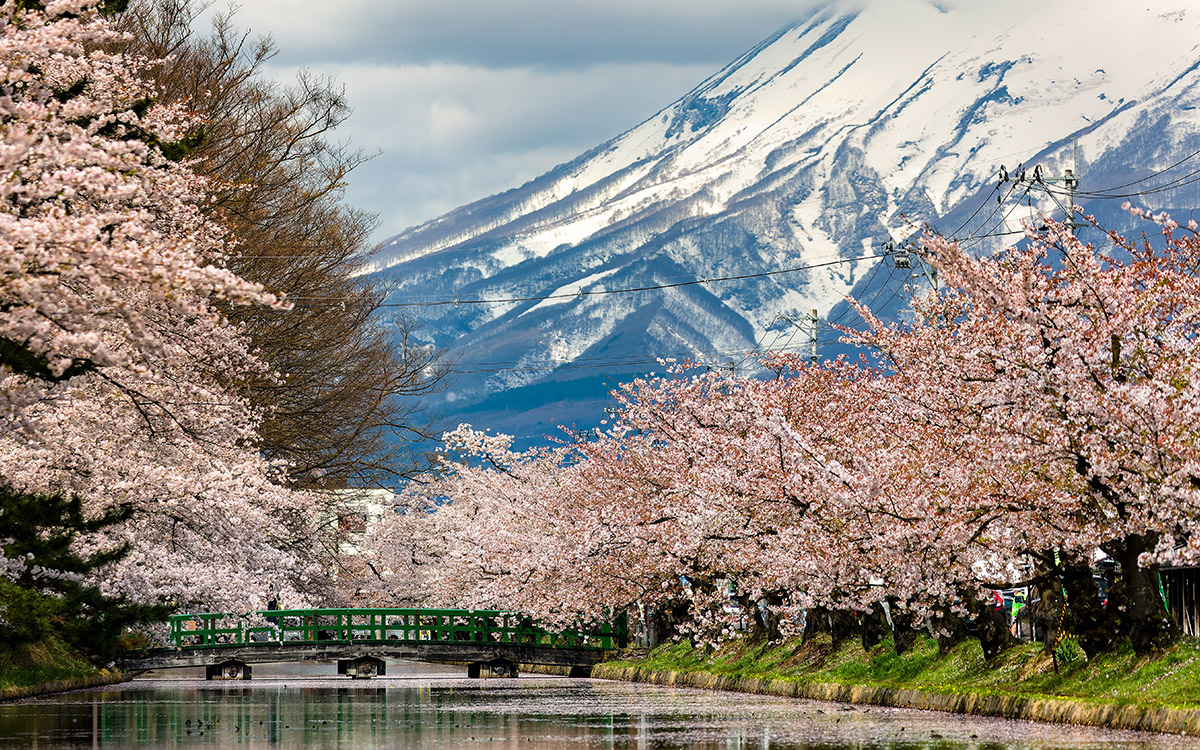
Aomori
Aomori is a prefecture located in the northern part of Japan, specifically on the main island of Honshu. It is known for its rich cultural heritage, stunning natural landscapes, and traditional festivals. Aomori offers an array of attractions that cater to diverse interests, making it an ideal destination for anyone looking to explore a less-traveled region of Japan.
One of the highlights of Aomori is its picturesque natural scenery. The prefecture is home to several national parks, including the renowned Towada-Hachimantai National Park. Here, visitors can immerse themselves in the beauty of Mount Hakkoda, Lake Towada, and the Oirase Gorge. The park offers opportunities for hiking, camping, and scenic drives through winding mountain roads. Aomori also boasts stunning coastlines along the Sea of Japan and the Pacific Ocean, with white sand beaches and dramatic seaside cliffs.
In addition to its natural beauty, Aomori is steeped in history and culture. The prefecture is known for its traditional Tsugaru Shamisen music, a three-stringed instrument played with a plectrum. Visitors can experience live performances or even take part in workshops to learn how to play this unique instrument themselves. Aomori is also famous for its Nebuta Festival, held every August. This vibrant event showcases enormous illuminated floats, depicting mythical figures and historical characters, parading through the streets accompanied by exciting taiko drumming and energetic dancers.
Another must-visit attraction in Aomori is the Hirosaki Castle and Park. This historical site offers a glimpse into Japan's feudal era, with a well-preserved castle and stunning cherry blossom trees. The park is especially popular during spring when the cherry blossoms are in full bloom, attracting many visitors who come to witness the spectacular hanami (flower viewing) festivities.
For seafood lovers, Aomori is a true paradise. The prefecture is famous for its fresh and delectable seafood, including the world-renowned Aomori Bay scallops, squid, and sea urchin. Visitors can savor these delicacies at the local fish markets or indulge in seafood dishes at numerous restaurants throughout the region. Aomori is also known for its apple production, with a variety of apple-themed products available for purchase, from apple cider to apple pie.
Transportation in Aomori is convenient, with the city of Aomori serving as the prefecture's major transportation hub. The Aomori Nebuta Airport connects the region to major cities in Japan, such as Tokyo and Osaka, making it easily accessible for domestic and international travelers. Within the prefecture, there is an extensive rail network, including the Tohoku Shinkansen, which provides efficient and comfortable travel to and from Aomori.
Accommodation options in Aomori range from traditional Japanese ryokans to modern hotels, catering to different budgets and preferences. Staying in a ryokan allows visitors to experience the charm of Japanese hospitality, with traditional tatami rooms, hot springs, and kaiseki meals showcasing local ingredients.
In conclusion, Aomori is a captivating destination that offers a perfect blend of natural beauty, cultural heritage, and culinary delights. Whether you are seeking outdoor adventures in breathtaking national parks, immersing yourself in traditional music and festivals, or indulging in fresh seafood and local produce, Aomori has something for everyone. With its convenient transportation links and diverse range of attractions, Aomori is an excellent choice for travelers seeking an authentic and memorable experience in Japan.
Day 20
Cruising the Pacific Ocean
Day 24
Crossing the International Date Line
Day 25
Cruising the Pacific Ocean
Day 26
Kodiak, Alaska
Today, commercial fishing is king in Kodiak. Despite its small population—about 6,475 people scattered among the several islands in the Kodiak group—the city is among the busiest fishing ports in the United States. The harbor is also an important supply point for small communities on the Aleutian Islands and the Alaska Peninsula.Visitors to the island tend to follow one of two agendas: either immediately fly out to a remote lodge for fishing, kayaking, or bear viewing; or stay in town and access whatever pursuits they can reach from the limited road system. If the former is too pricey an option, consider combining the two: drive the road system to see what can be seen inexpensively, then add a fly-out or charter-boat excursion to a remote lodge or wilderness access point.Floatplane and boat charters are available from Kodiak to many remote attractions, chief among them the Kodiak National Wildlife Refuge , which covers four islands in the Gulf of Alaska: Kodiak, Afognak, Ban, and Uganik.
Day 27
Cruising the Gulf of Alaska
Day 28
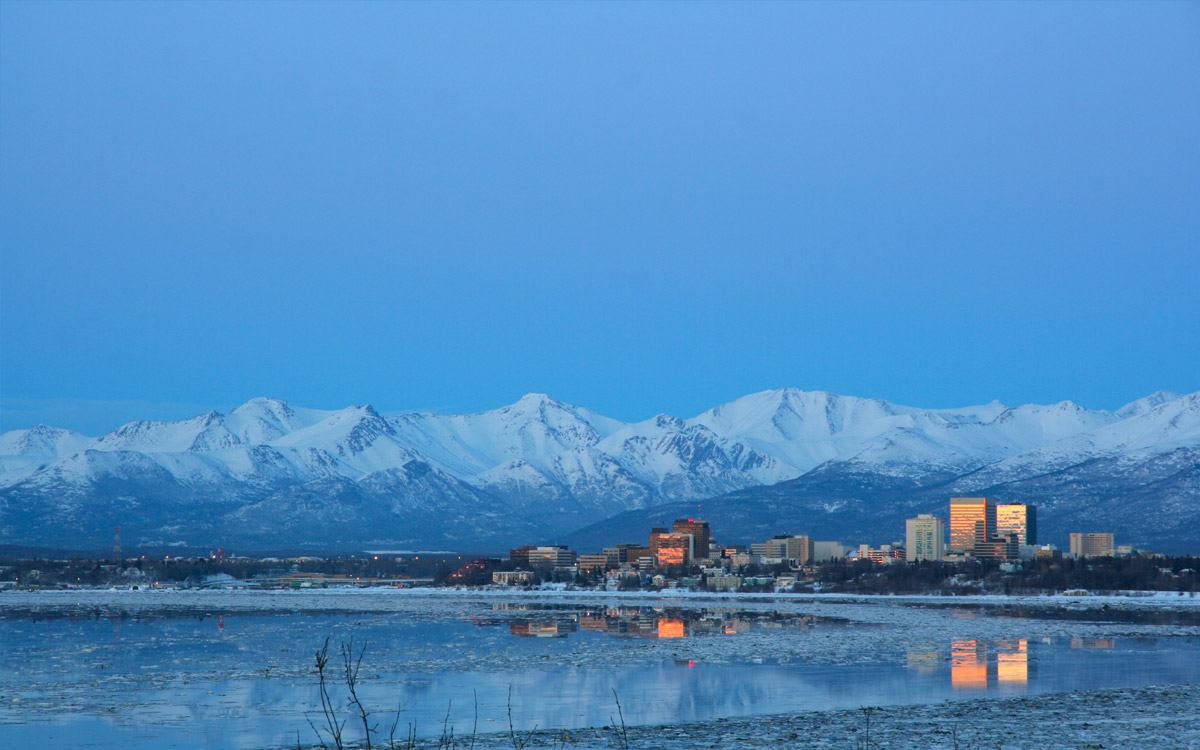
Anchorage, Alaska
Alaska's largest city is the hub of the state, and
its central position, comparatively mild temperatures and
outstanding transport system to and from the rest of the country,
have made it an important destination for travellers.
Perched on the edge of a vast beautiful wilderness,
Anchorage is encompassed in scenic splendour, surrounded by
mountains, forest, rivers and tundra; a short drive in any
direction offers an abundant variety of wilderness experiences.
The city started out in 1915 as a tented camp for the
workers on the Alaska Railroad, and with the later discovery of oil
at Prudhoe Bay and the construction of the trans-Alaska pipeline,
Anchorage's development was fast and furious. Today this sprawling
city is full of life, with an array of dining options, a thriving
music scene, theatres, and museums.
Its conservative, transient character is due in part
to the fact that many of its residents are from other parts of the
US, working for a few years and then moving on. The rest of the
population is made up of Alaskan indigenous peoples, oil workers,
gold seekers, loggers, and fishermen, together with the moose and
occasional bear that wander into town. As a cosmopolitan urban
area, it has similarities with other small American cities, but
still retains a uniquely Alaskan feel.
Day 29
Cruising by Hubbard Glacier, Alaska
Day 30
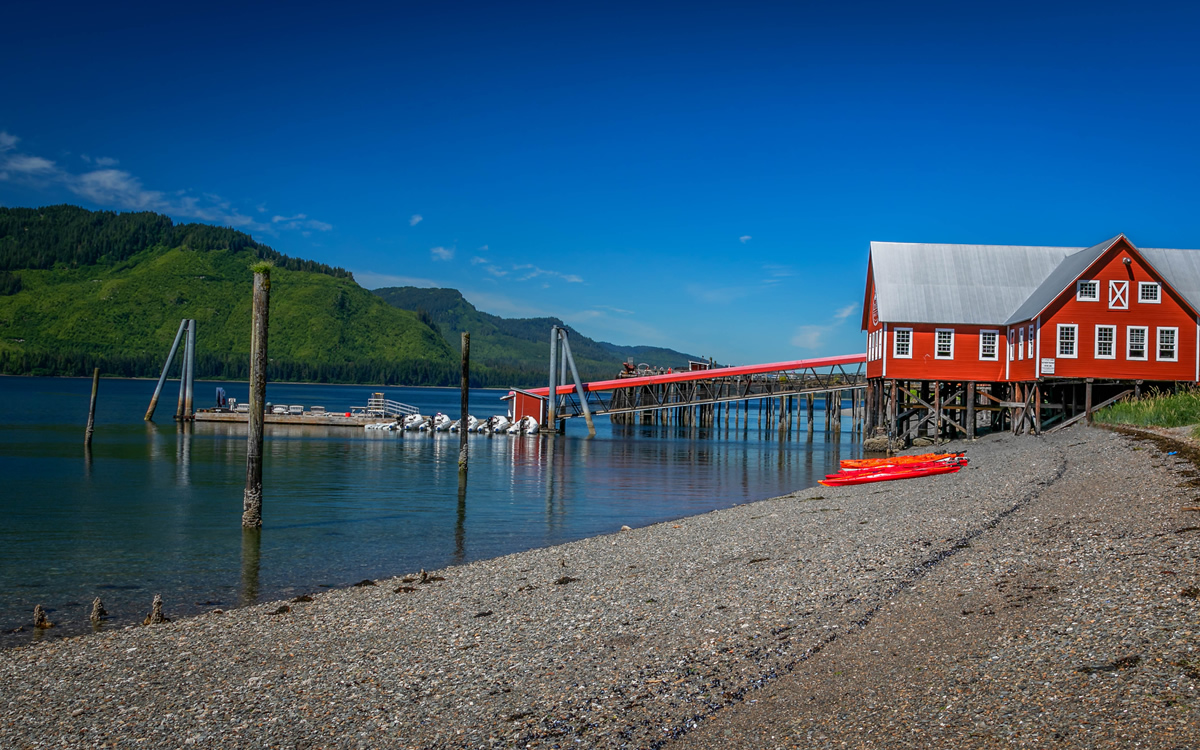
Icy Strait Point
Icy Strait Point is one of Alaska's most popular tourist destinations. Every year, thousands of people come to Icy Strait Point to see the amazing icebergs, calving glaciers, and abundant wildlife.
Icy Strait Point is located in southeast Alaska, about 60 miles northwest of Juneau. The small town is situated on the shores of Chatham Strait, with spectacular views of the Alaska Panhandle.
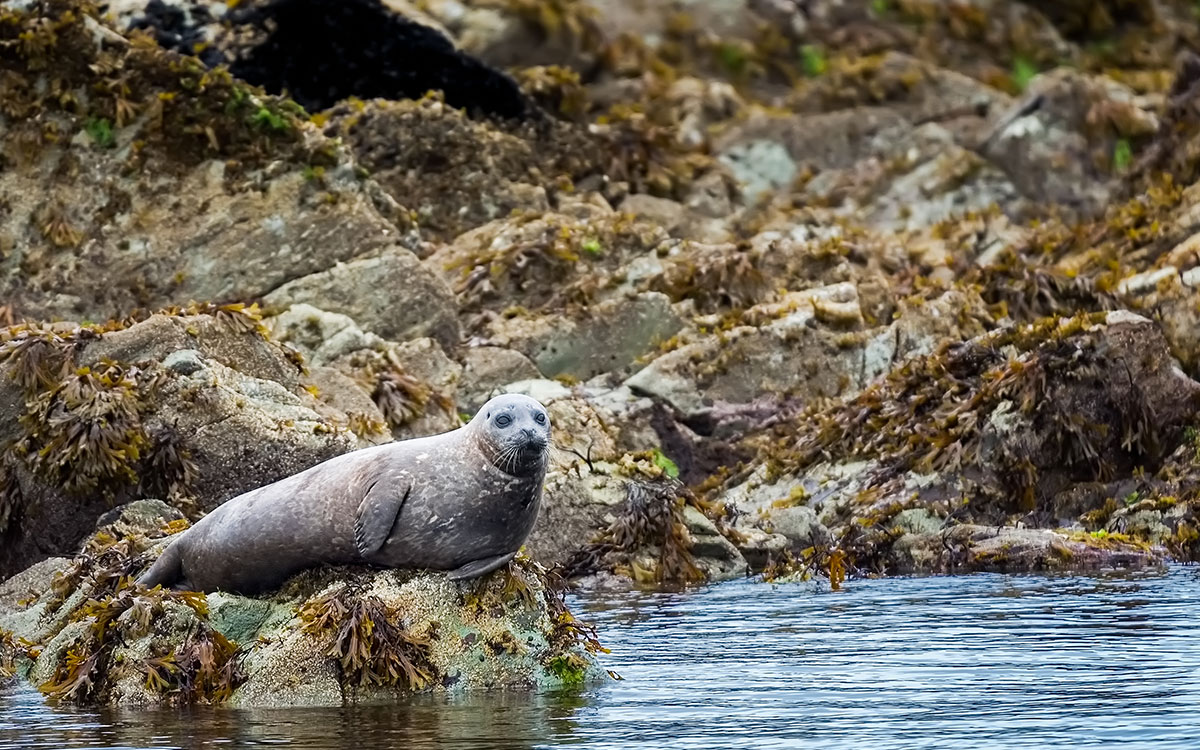
Icy Strait Point is home to many different kinds of animals, including whales, seals, eagles, and bears. Visitors can go on whale-watching tours, seal-watching tours, and bear-watching tours. There are also many hiking trails in the area, leading to glaciers and other natural attractions.
One of the most popular attractions at Icy Strait Point is the Alaska Native Heritage Center. The center is a museum and cultural center that celebrates the cultures of Alaska's indigenous people. Visitors can see traditional dances, listen to storytelling, and learn about the history and traditions of Alaska's Native people.
Icy Strait Point is a beautiful place to visit, with something for everyone to enjoy. Whether you're looking for adventure or just want to relax and take in the incredible scenery, Icy Strait Point is the perfect destination.
Day 31
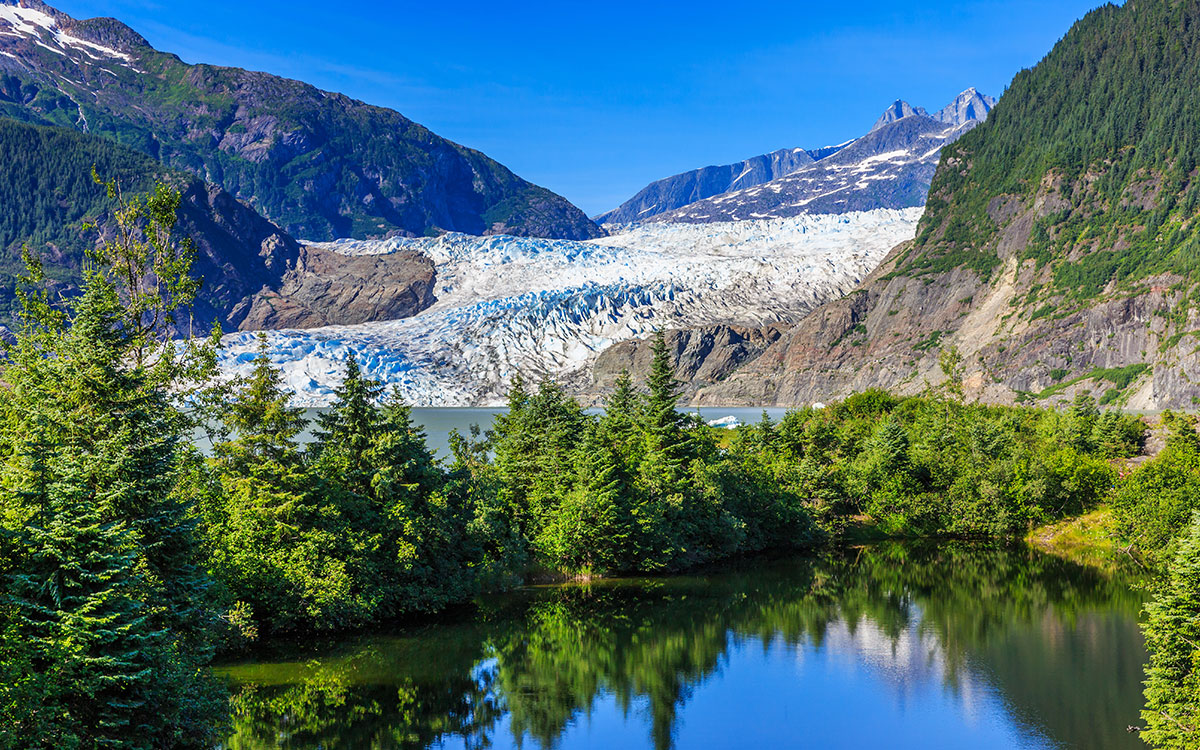
Juneau, Alaska
Accessible only by sea or air, Alaska's 'Gateway to the
Glaciers' is the state's scenic capital, situated among spectacular
mountains on the shores of the Gastineau Channel. The holiday
destination of Juneau is, however, not as wild as one might expect
of such a remote destination. It affords all the pleasures of a
large city, while also offering an abundance of activities and
natural escapes for outdoor enthusiasts in its backyard. Although
the city is not without appeal and is a popular travel hub and port
of call for cruises, it is undoubtedly the natural setting that
attracts tourists rather than the urban sightseeing
opportunities.
In 1880 the city swarmed with gold prospectors, but today it is
the cruise ship passengers who pack the streets every summer,
enjoying the shopping, dining and picturesque surroundings.
Mendenhall Glacier, Alaska's most visited glacier due to its easy
access and proximity to the city, is a highly worthwhile
attraction. Glacier Bay National Park is one of the country's more
dramatic regions and is also accessible from Juneau, by boat or
plane. Helicopter rides, fishing, whale-watching, hiking and
kayaking are popular activities through which to fully appreciate
the vast wilderness surrounding Juneau.
Day 32
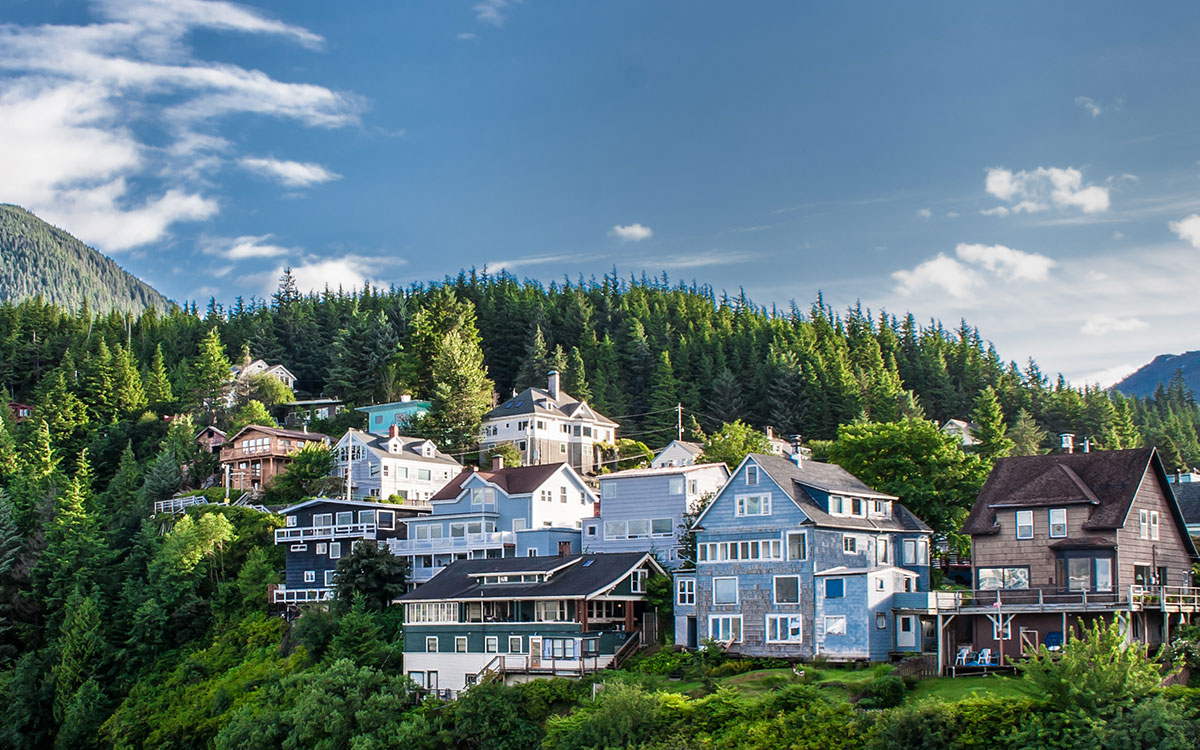
Ketchikan, Alaska
The 'salmon capital of the world' started as a summer fish camp
on the shores of Ketchikan Creek used by the Tlingit natives, and
slowly became a major salmon canning centre. Native Inuit heritage
plays a large role in the touristic appeal of Ketchikan, which
boasts the largest collection of totem poles in the world in the
Ketchikan Totem Bight State Historical Park, Saxman Native Village
and the Totem Heritage Center Museum. Ketchikan has more cultural
sightseeing opportunities than most cities and towns in Alaska,
making it the perfect Alaskan getaway for those keen to experience
indigenous culture as well as the stunning natural landscapes of
Alaska.
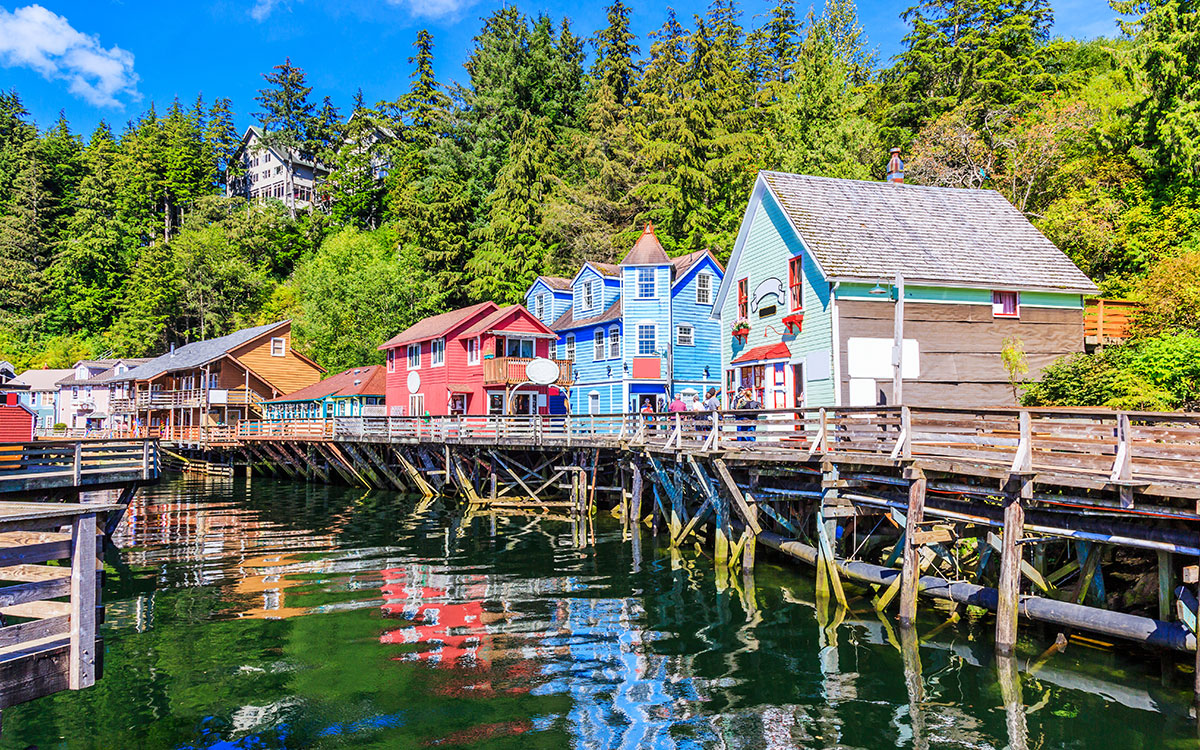
Rustic Creek Street, with its picturesque wooden boardwalks and
stilts, was once the town's red light district, and today the
houses have been converted into restaurants, shops and galleries.
Ketchikan is located on Revillagigedo Island, 235 miles (378km)
south of Juneau. If staying in the capital, Ketchikan is a popular
excursion from the city; in fact, the quaint old town feels much
more authentic and traditional than the larger city. The town is a
popular cruise destination and is the starting point for most
Inside Passage tours. Excursions into the surrounding wilderness
include air or boat trips to nearby Misty Fjords, an area of
pristine, spectacular scenery with soaring cliffs, waterfalls,
lakes and glaciers.
Day 33
Cruising Inside Passage, U.S.A
Day 34
Vancouver, British Columbia
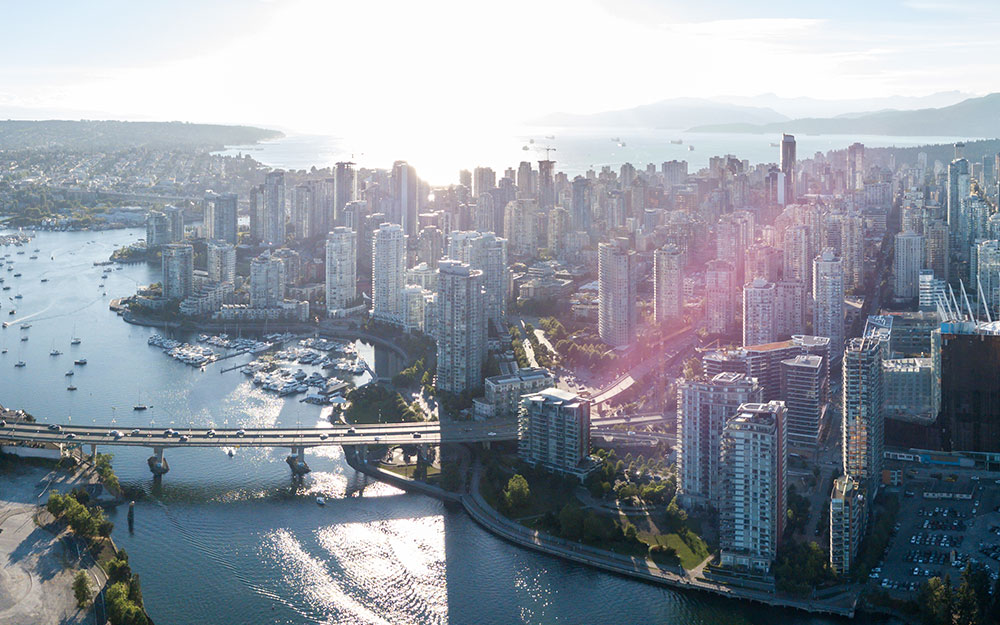
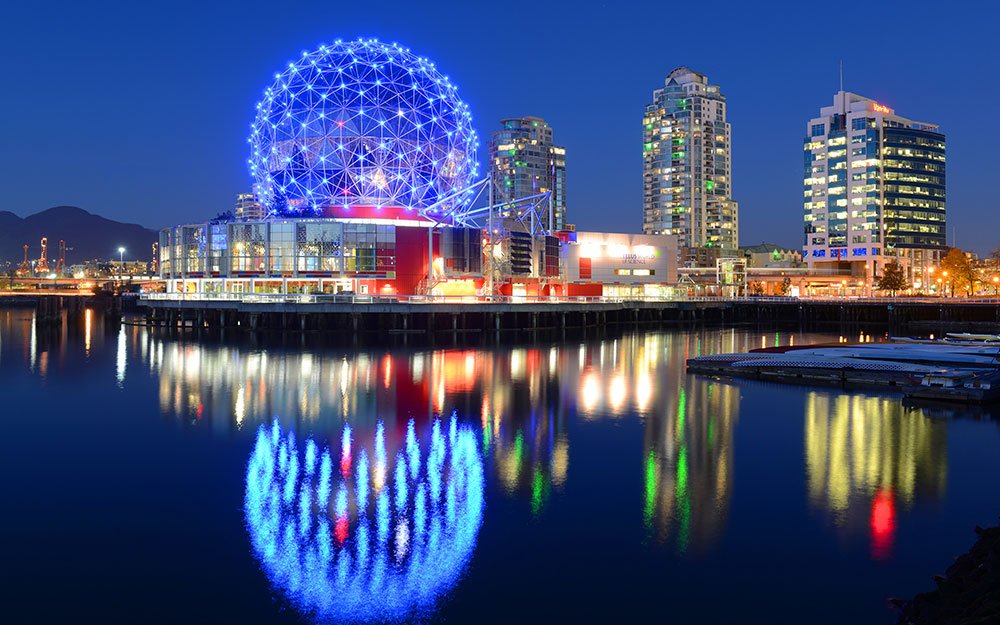
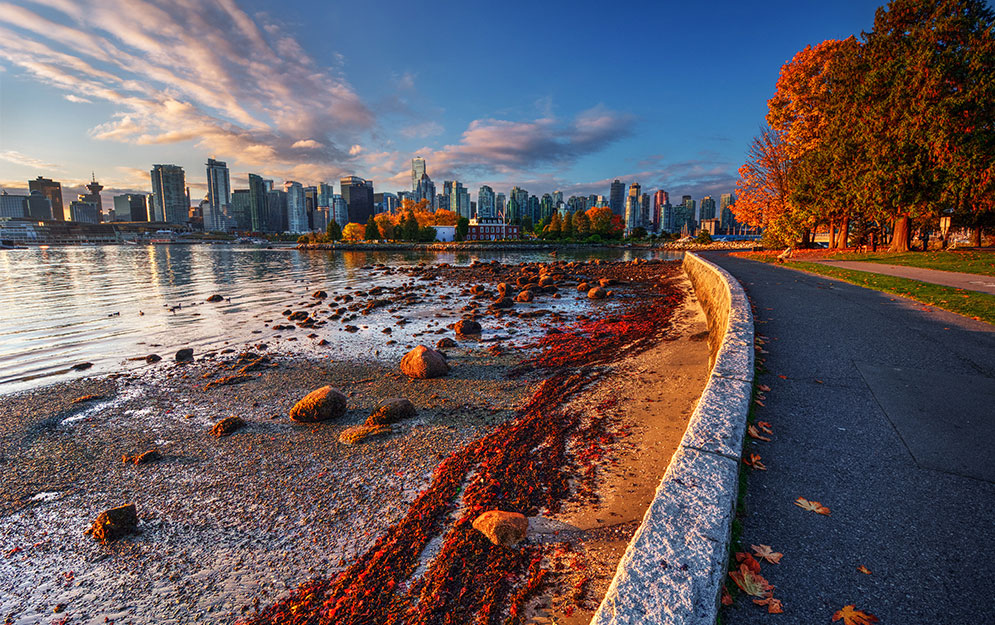
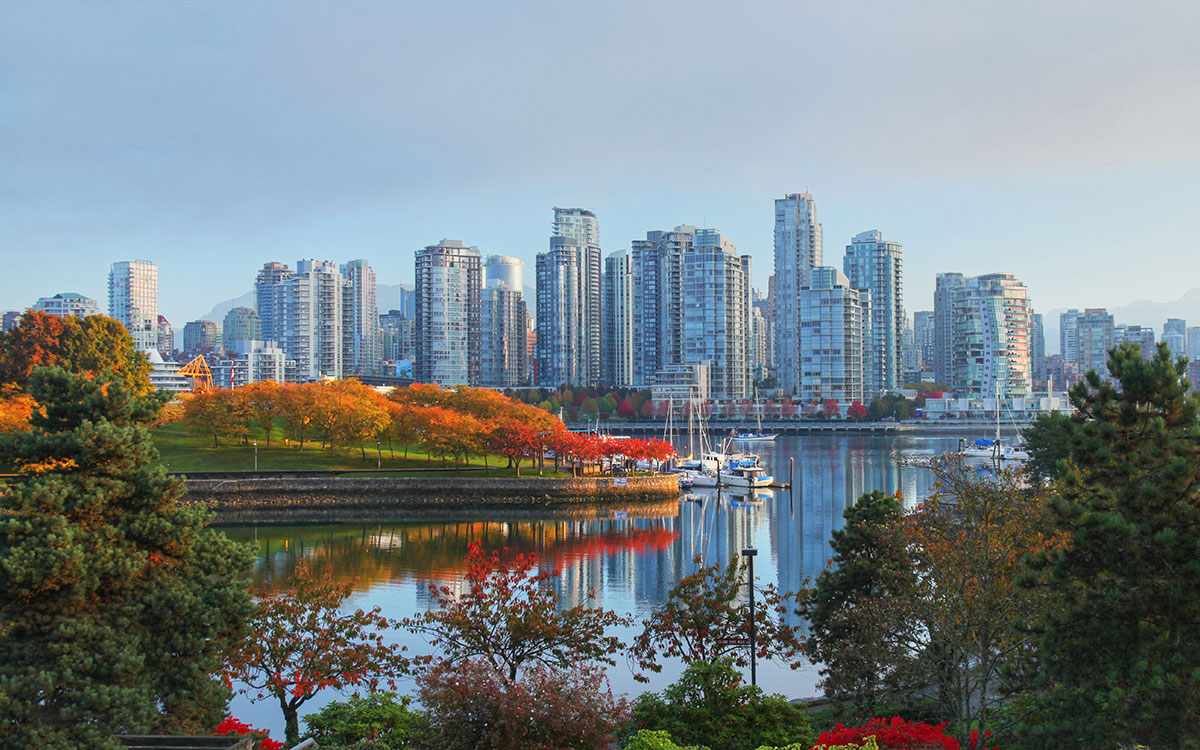
Vancouver is bustling, vibrant and diverse.
This gem on Canada's west coast boasts the perfect combination of
wild natural beauty and modern conveniences. Its spectacular views
and awesome cityscapes are a huge lure not only for visitors but
also for big productions, and it's even been nicknamed Hollywood
North for its ever-present film crews.
Less than a century ago, Vancouver was
barely more than a town. Today, it's Canada's third largest city
and more than two million people call it home. The shiny futuristic
towers of Yaletown and the downtown core contrast dramatically with
the snow-capped mountain backdrop, making for postcard-pretty
scenes.
Approximately the same size as the downtown
area, the city's green heart is Canada's largest city park, Stanley
Park, covering hundreds of acres filled with lush forest and
crystal clear lakes. Visitors can wander the sea wall along its
exterior, catch a free trolley bus tour, enjoy a horse-drawn
carriage ride or visit the Vancouver Aquarium housed within the
park.
The city's past is preserved in historic
Gastown with its cobblestone streets, famous steam-powered clock
and quaint atmosphere. Neighbouring Chinatown, with its weekly
market, Dr Sun Yat-Sen classical Chinese gardens and intriguing
restaurants add an exotic flair. For some retail therapy or
celebrity spotting, there is always the trendy Robson Street.
During the winter months, snow sports are
the order of the day on nearby Grouse Mountain. It's perfect for
skiing and snowboarding, although the city itself gets more rain
than snow. Vancouver's ethnic diversity and ideal combination of
mountains, sea and city offer visitors an endless supply of things
to see and do, no matter the budget.
Silk & Sea Passage Ships
Recommended Deals like Silk & Sea Passage
Silk & Sea Passage
 Regent Seven Seas

Departure:
April
VISITING:
Tokyo
Shimizu
Cruising the Philippine Sea
Kobe
Kochi
Hiroshima
Cruising the Philippine Sea
Kagoshima
Nagasaki
Jeju Island
Yeosu
Hakata
Cruise Kanmon Strait
Beppu
Cruising the Philippine Sea
+17 more
FROM
£
20,209 pp
Serene Seas Of Japan
Regent Seven Seas
Departure:
April
VISITING:
Tokyo
Shimizu
Cruising the Philippine Sea
Kobe
Kochi
Hiroshima
Cruising the Philippine Sea
Kagoshima
Nagasaki
Jeju Island
Yeosu
Hakata
Cruise Kanmon Strait
Beppu
Cruising the Philippine Sea
+1 more
FROM
£
10,819 pp
Join the Crui.se Club
Points That Pay
Earn 25 points (£25) just for joining — and collect more on bookings, reviews, and referrals.
Exclusive Member Deals
Unlock off-market offers reserved only for Crui.se Club members.
Early Access Perks
Be the first to book with pre-launch notifications and special member-only booking windows.
Cruise With Confidence
Our mission at wordpress-1024654-4169282.cloudwaysapps.com is to help you and your loved one’s book and experience the best cruise holiday imaginable. We’re different in that, our customers come first, not our suppliers or profit margins. Get in touch and let us help you set sail.


Over 20 cruise brands to choose from

Low deposits from £500

All Inclusive cruises

Best deals & discounts

Community driven

Brand agnostic

We take care of everything

Custom built cruise holidays


