






 We won’t be beaten on price...


ABTA protected


A Journey through Volcanic
Isles, Moorish Medinas &
Sun-Drenched Shores
Scroll to sail

A Journey through Volcanic Isles, Moorish Medinas & Sun-Drenched Shores
Embark on A Journey through Volcanic Isles, Moorish Medinas & Sun-Drenched Shores, a captivating 7-day voyage with Explora Journeys. This exquisite itinerary aboard EXPLORA V promises a seamless blend of dramatic landscapes and rich cultural tapestries, designed for the discerning traveler seeking profound discovery.
Explore the breathtaking beauty of the Canary Islands, from Tenerife's majestic volcanoes to the golden beaches of Las Palmas and Arrecife. Then, immerse yourself in the exotic allure of Morocco, wandering through the ancient medinas and vibrant souks of Agadir, Casablanca, and Tangier, where history comes alive.
Concluding in sun-drenched Málaga, this journey offers unparalleled luxury and immersive experiences. Discover diverse cultures and stunning natural wonders, all while enjoying the sophisticated comfort and world-class service that define Explora Journeys. An unforgettable adventure awaits.
-
 Cruise Line: Explora Journeys
-
 Ship: EXPLORA V
-
 Duration: 7 Nights
-
 Departure: Jan - Feb
A Journey through Volcanic Isles, Moorish Medinas & Sun-Drenched Shores Prices
A Journey through Volcanic Isles, Moorish Medinas & Sun-Drenched Shores Gallery
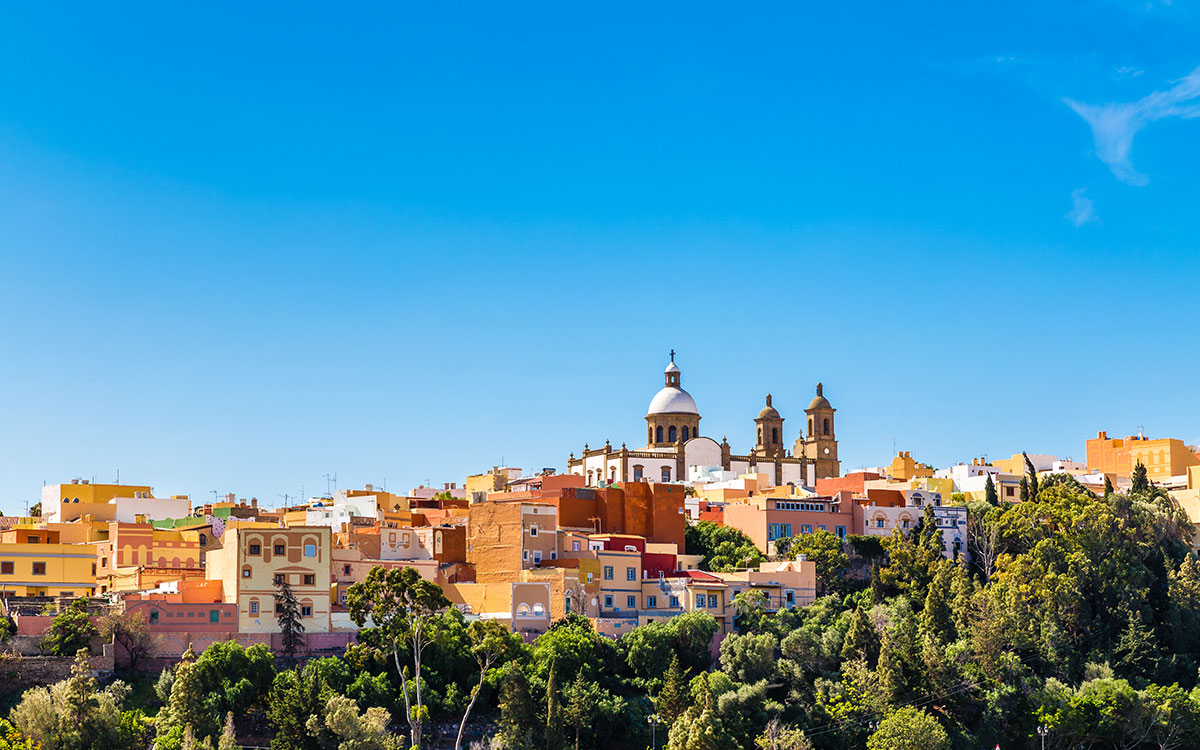
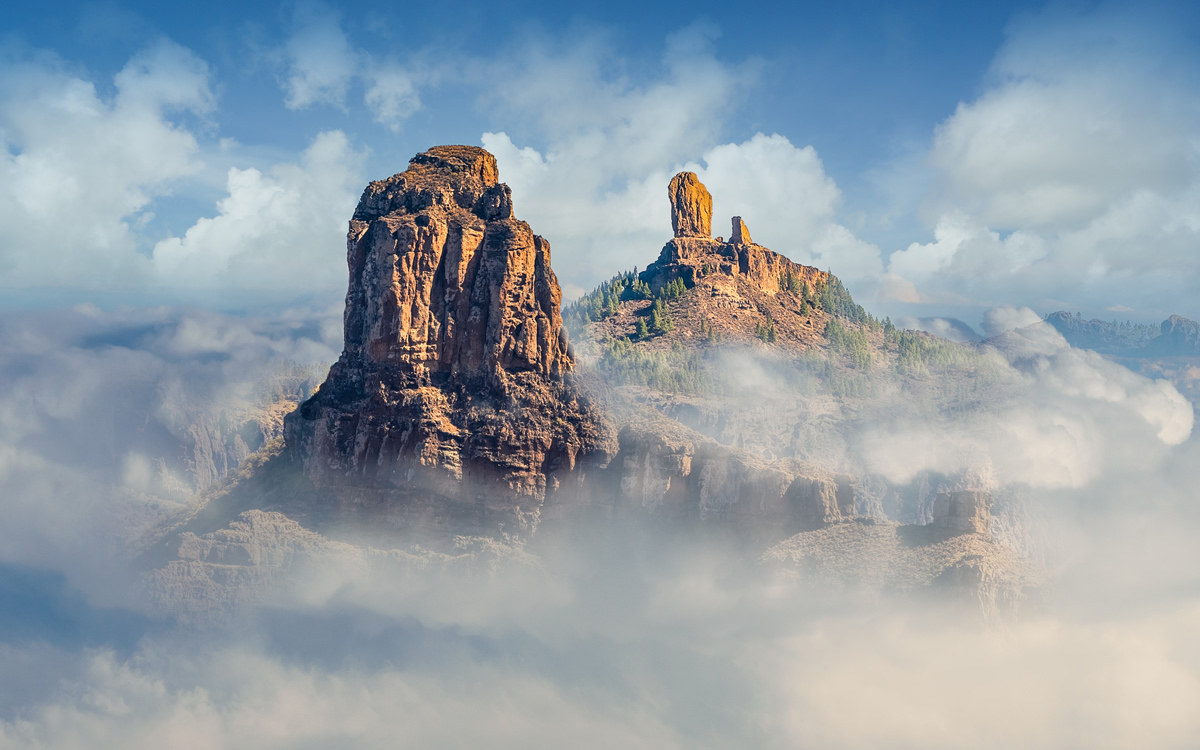
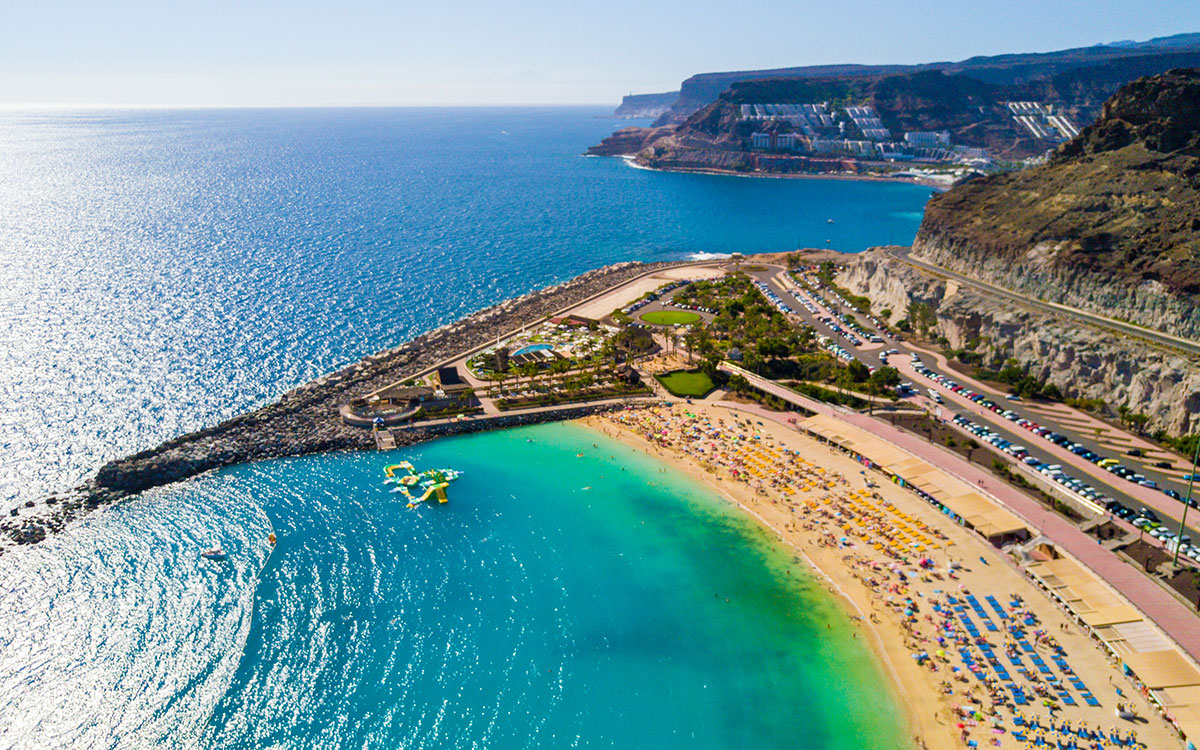
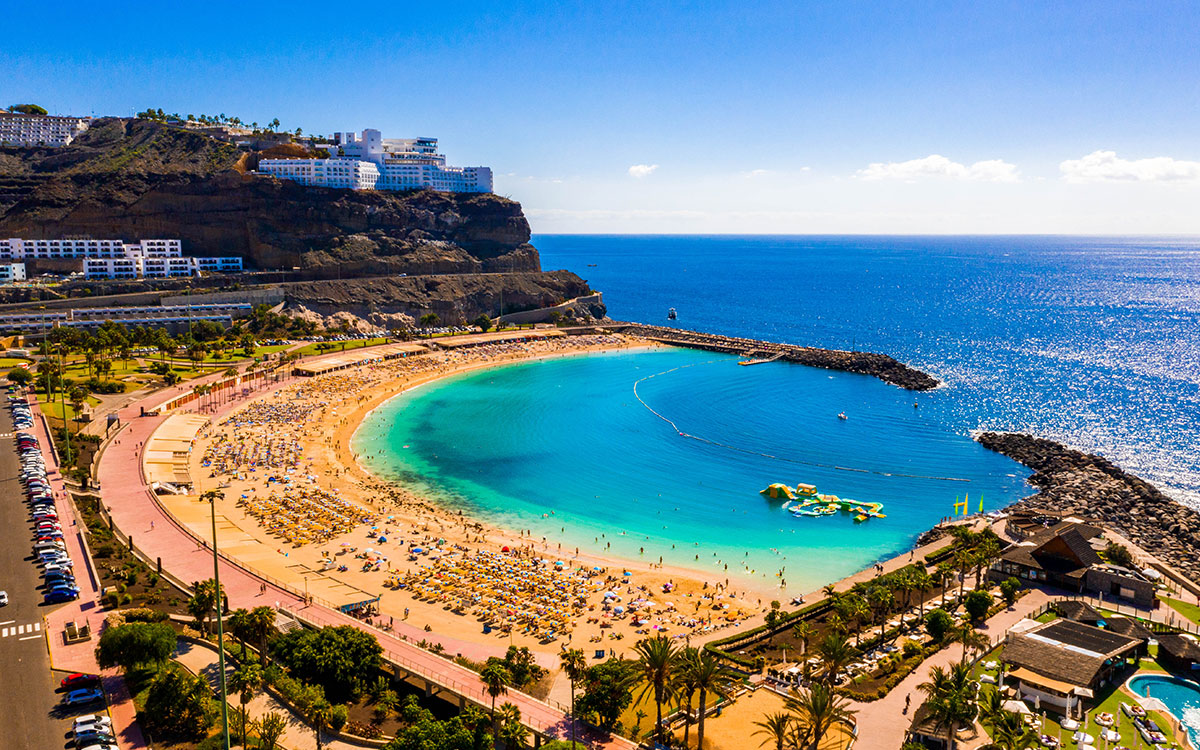
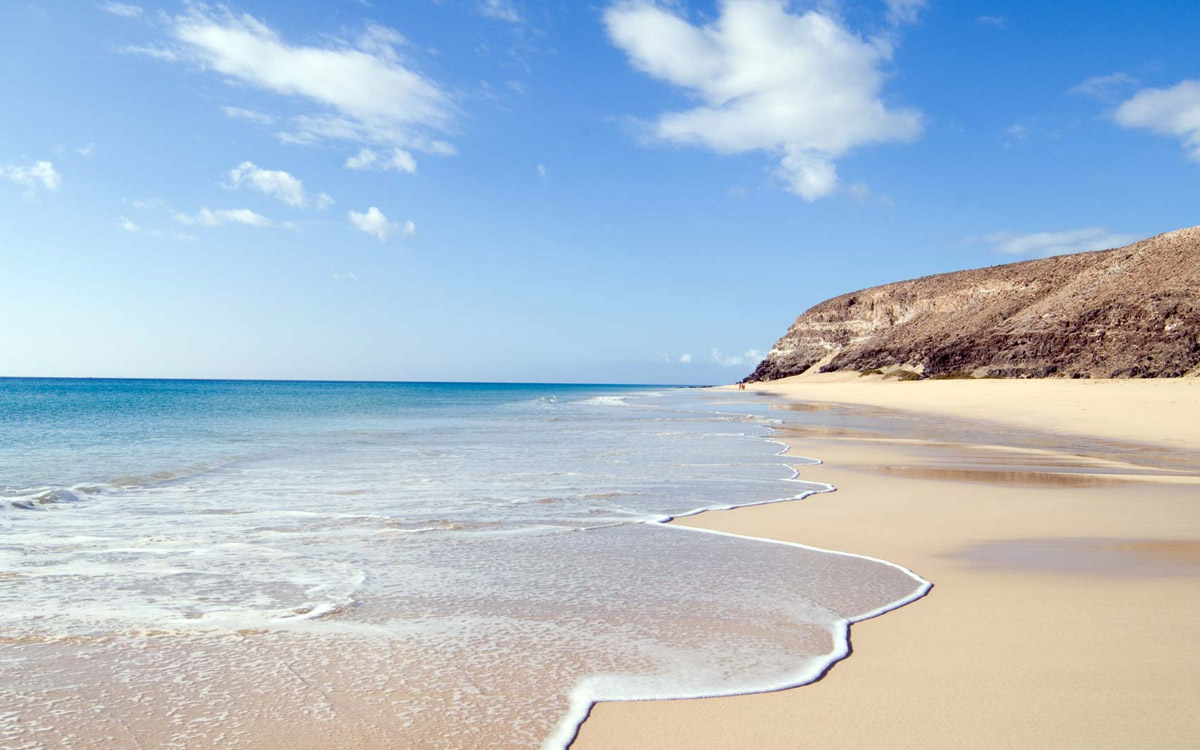
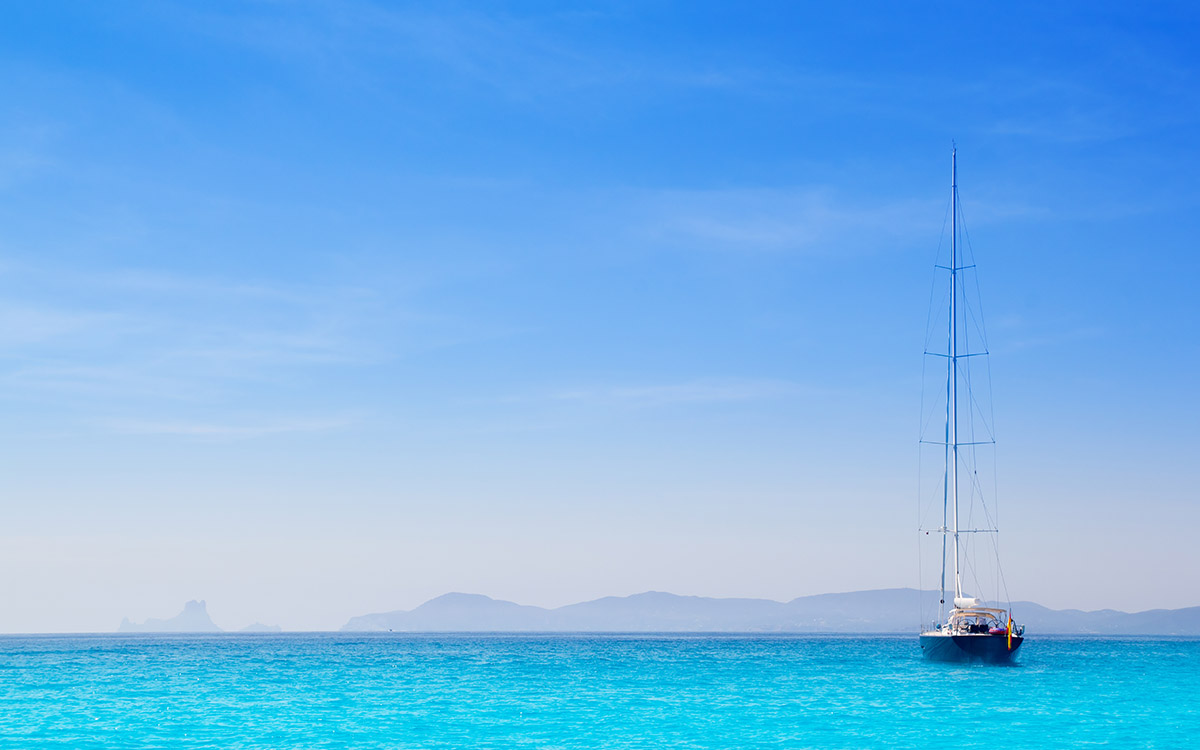

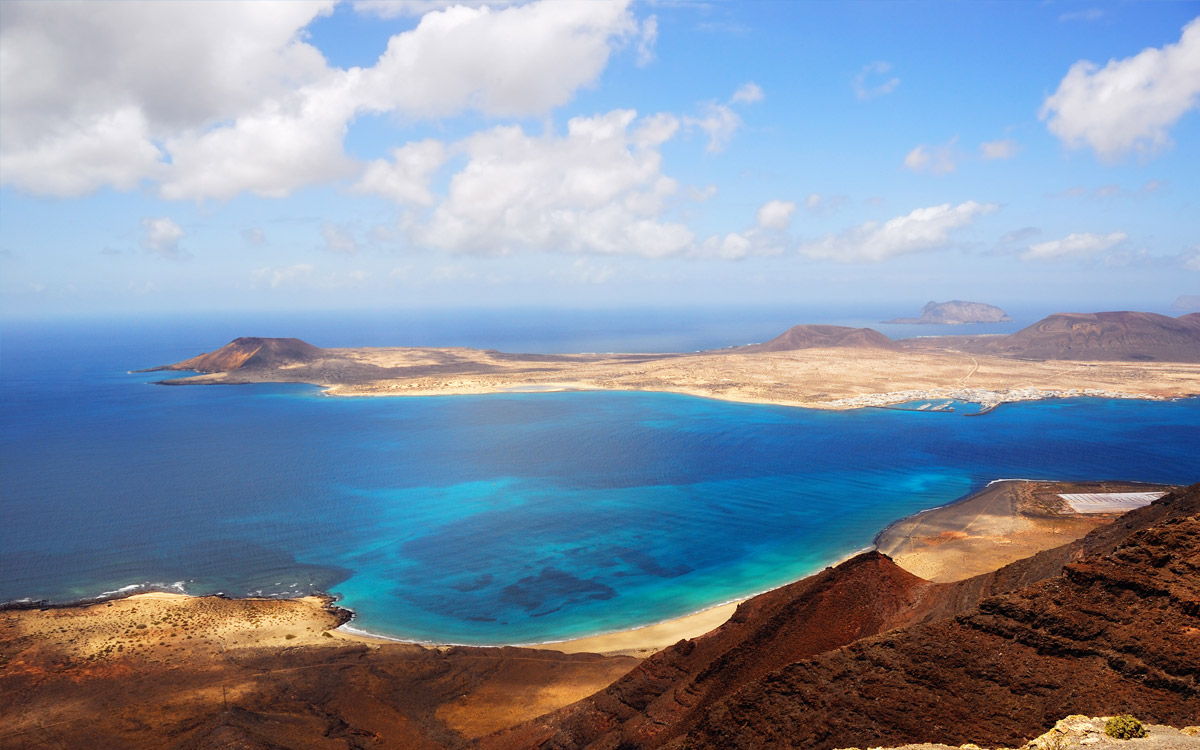
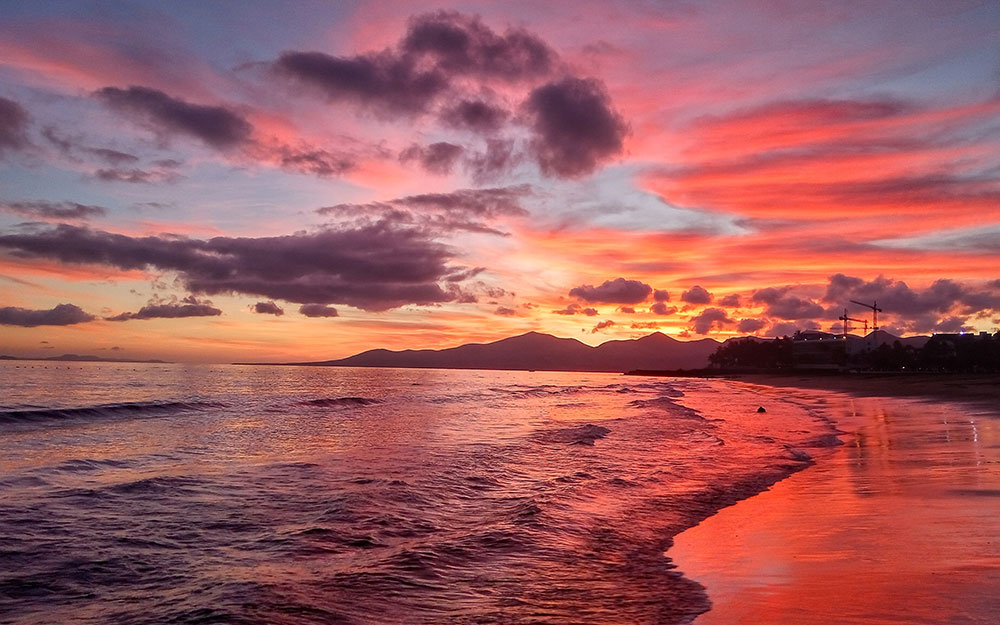


A Journey through Volcanic Isles, Moorish Medinas & Sun-Drenched Shores Itinerary

Day 1
Santa Cruz de Tenerife
The largest of the Canary Islands, Tenerife is a beautiful and scenic island which enjoys year-round sunshine and is dominated by Mount Teide. The mountain range runs through the centre of the island, with fertile valleys on the northern side. In the central part of the range is the gigantic natural crater of the Cañadas del Teide, about 14 miles in diameter. Santa Cruz, the island’s pretty capital, was originally a small fishing village but has now grown into a modern city, and also contains 16th-century civic buildings and ornate private mansions. Near the pier is the Santa Cruz Palmetum, a Botanical Garden covering an area of 29 acres, specialising in palms.
Day 2
Las Palmas de Gran Canaria
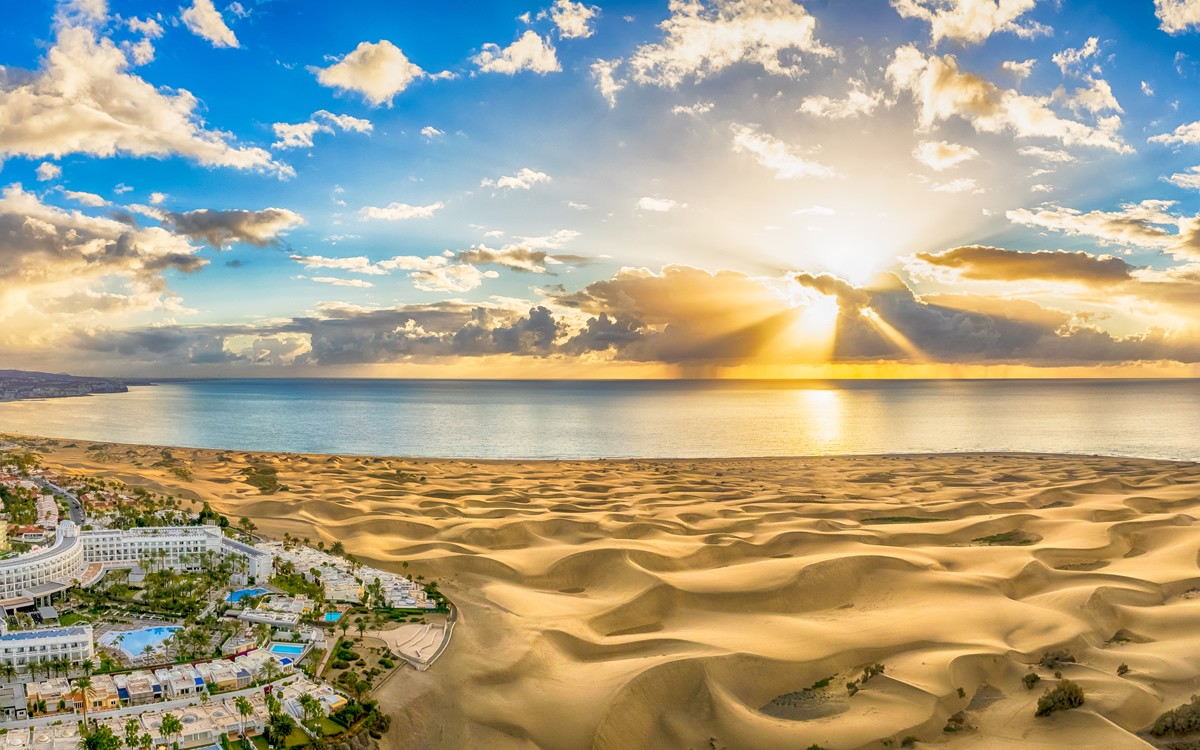
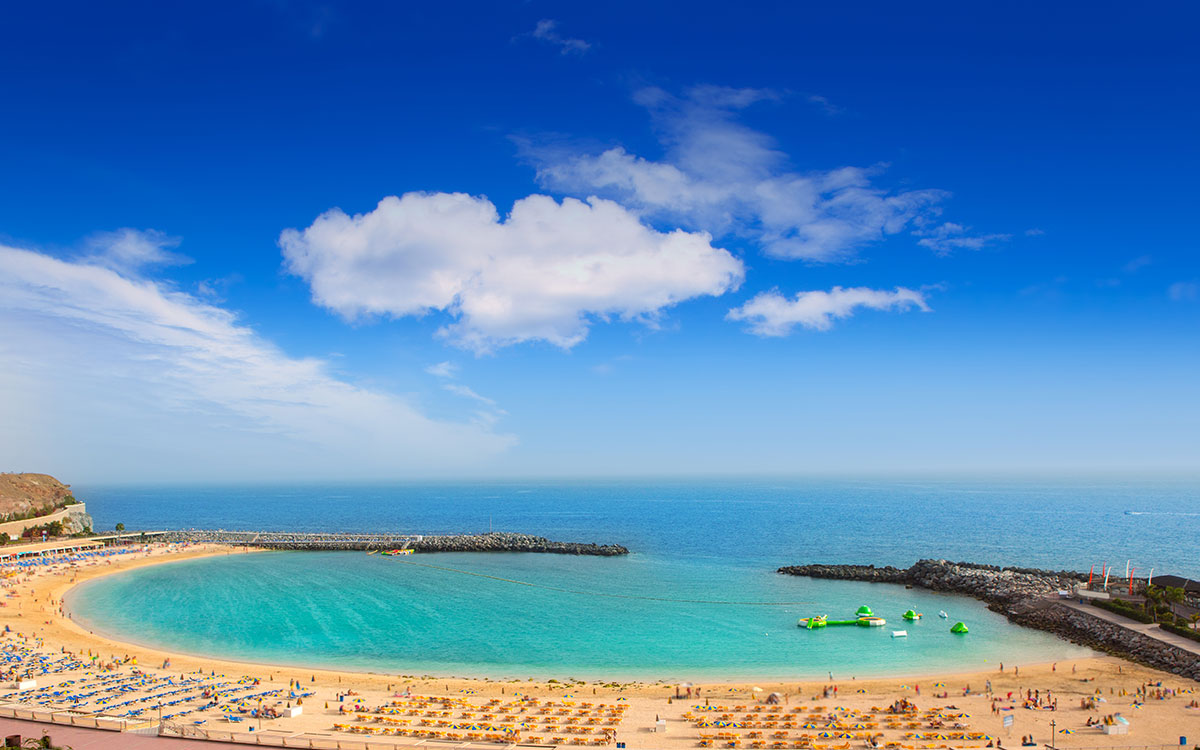
The third largest but most developed of the seven
islands in the Spanish-administered Canary archipelago, Gran
Canaria has been billed as a miniature continent because of the
variety of climates and landscapes that it offers, from the big
city bustle of the capital, Las Palmas, to the serenity of its lush
woodlands.
The Canary Islands lie in the Atlantic Ocean, about
125 miles (200km) from the African coast and almost 800 miles
(1,280km) from the closest European port of Cadiz. Gran Canaria is
almost circular, with a diameter of about 32 miles (50km), and is
characterised by deep ravines that radiate out from the centre down
to the coast.
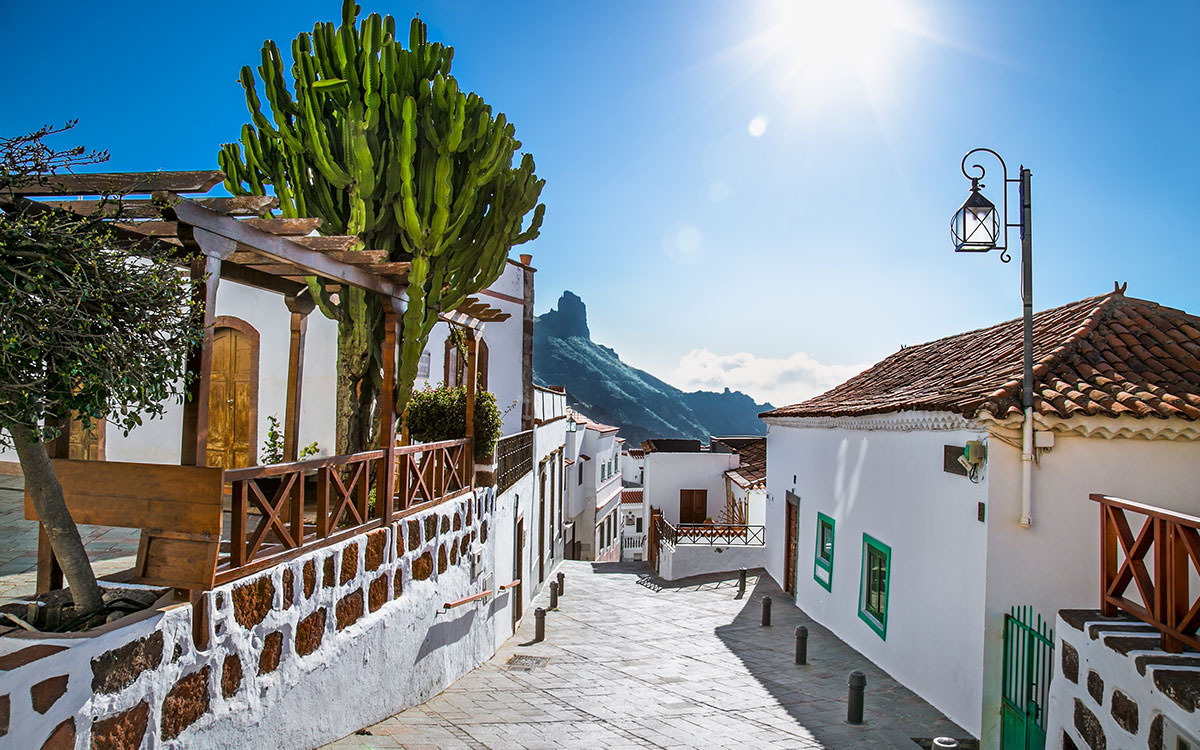
The north of the island is humid and lush, with green
valleys and volcanic craters, while the south is arid and
desert-like, with vast stretches of sandy beach. The interior of
Gran Canaria has steep highlands dotted with small villages,
sporting white houses with red roofs, banana plantations, and
orchards bursting with tropical fruits.
Tourists generally favour the southern coastline,
flocking to the well-known beaches of Playa del Inglés or
Maspalomas, where the sea washes soft sands and empty dunes stretch
for miles. The capital, Las Palmas, lies on the northeast tip of
the island, between two long beaches, Las Caletas, and
Alcaravaneras.
Day 3
Arrecife, Lanzarote
The most northeasterly of the Canary Islands,
Lanzarote has embraced the tourism boom with a more laidback feel
than its popular sister islands of Tenerife and Gran Canaria.
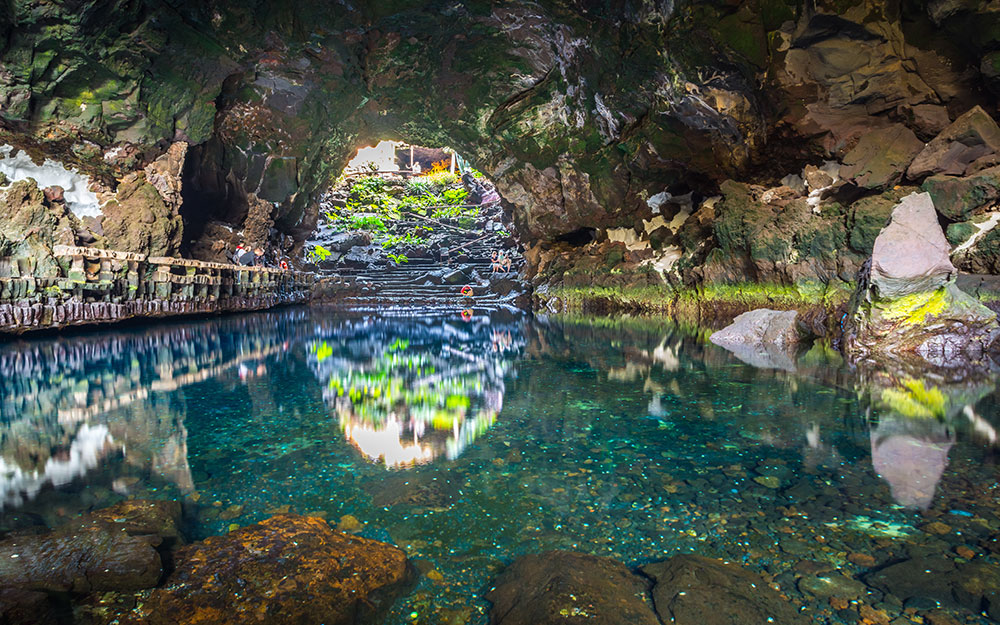
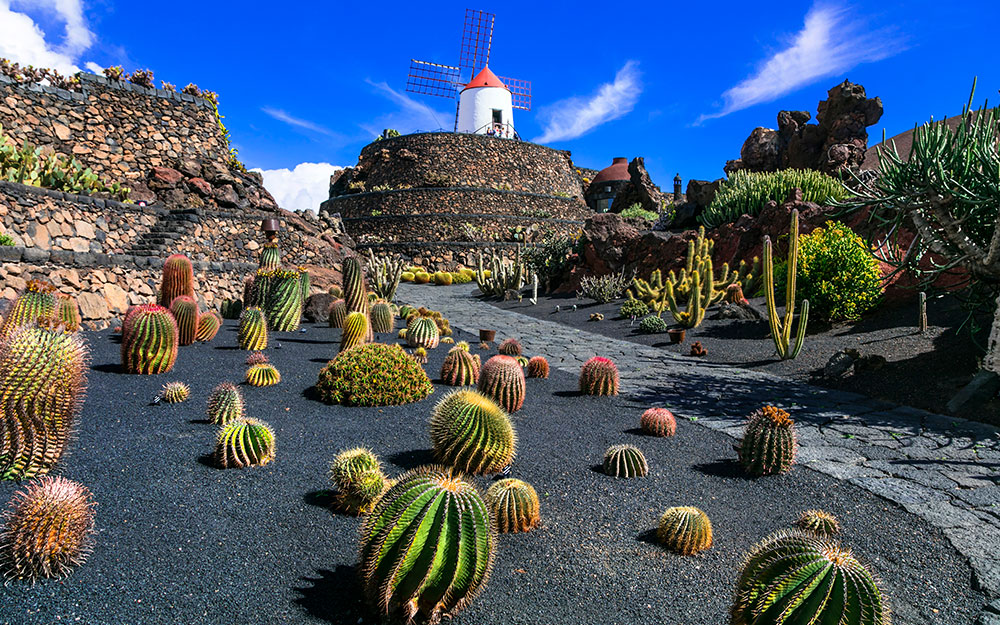
Nature is still the biggest attraction on this small volcanic
island, which measures only 38 miles (60km) in length and 13 miles
(21km) across at its widest point.
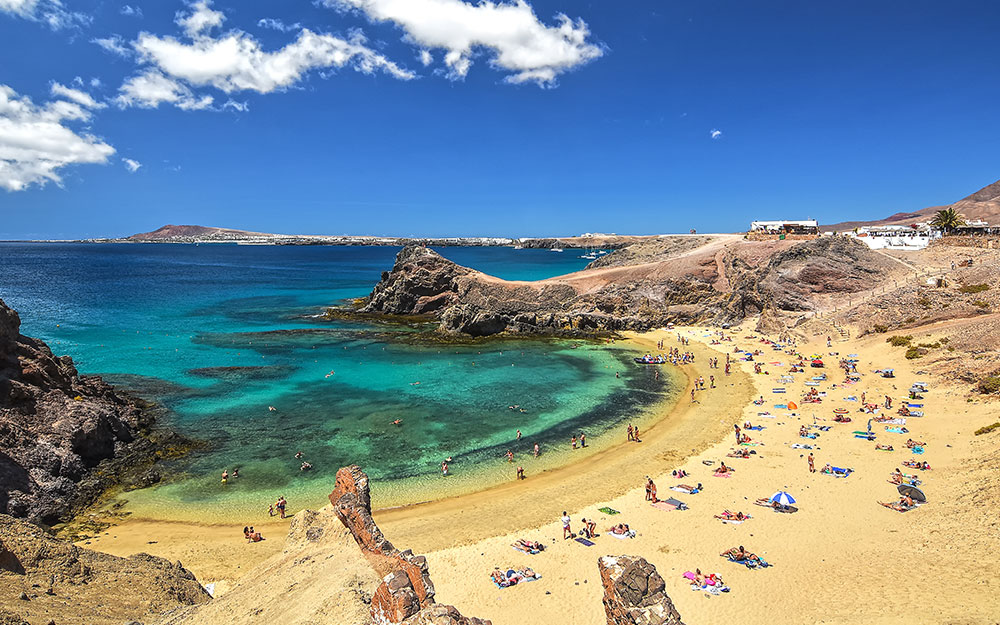
Lanzarote's beaches are varied and dramatic,
including long stretches of golden sand, some good surf spots, and
some rugged, hidden coves. Camels are often used to transport goods
and sometimes tourists on this desert-like island, across the dry
volcanic ash that covers most of the landscape. UNESCO declared the
whole island a Biosphere Reserve in 1993, and visitors exploring
the dozens of enchanting and unique spots on the island will soon
see why.
Lanzarote's capital, Arrecife, is a small town on
the eastern coast, its harbour packed with fishing boats. Although
the town itself has little to offer in the way of sights or
nightlife, it does have a magnificent beach, El Reducto, which has
been granted Blue Flag status by the European Union. A promenade
runs along the beachfront around the San Gines lagoon with its fine
golden sand and placid waters.
Day 4
Agadir
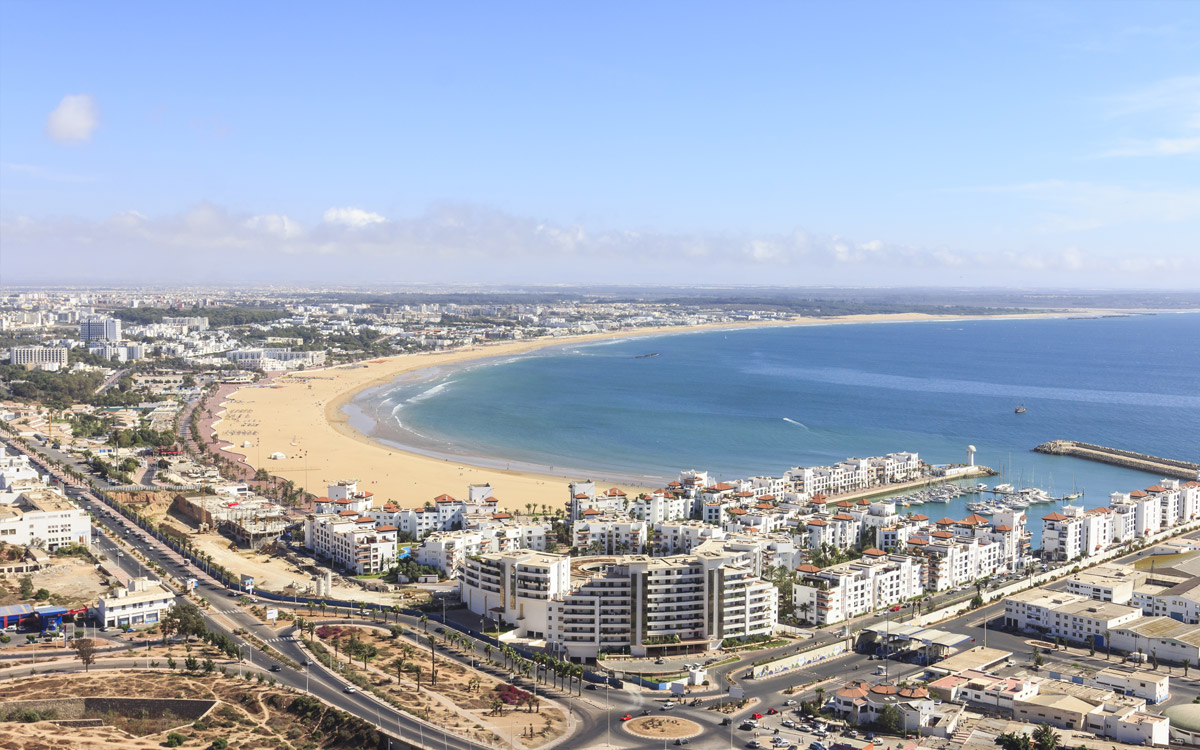
The modern city of Agadir is a popular midway point for cruises
heading to the Canary Islands. Completely rebuilt since a
devastating earthquake in 1960, the busy port draws thousands of
tourists with its pretty, sandy beaches and 300 annual days of
sunshine.
Located just south of Marrakech, Agadir is a good starting point
for cultural excursions to more traditional towns such as
Taroudannt. It is also a good base for enjoying the wild landscape
with desert safaris and camel treks. Popular outdoor activities
include bird-watching and hiking in Souss-Massa River National
Park, soaking up the sun on the beach in Taghazout, and jet-skiing
in Agadir Bay. Agadir is also fast becoming Morocco's most popular
coastal resort and is a modern, thriving town with much to see and
do. The primary attractions of Agadir are its lovely beaches, which
are perfect for sunbathing and swimming, as there tends to be
little wind. There are other sights though, including the remains
of a fortress and a small zoo.
There is also a municipal market that has a number of shops
selling popular souvenirs, though travellers won't find quite the
same culture of spirited haggling of other parts of Morocco. There
are also many popular spa and wellness centres offering treatments
and locally made spa products, with those made from the argan tree
particularly popular.
Day 5
Casablanca
Just looking at the city, there's no need to guess where the
port-city of Casablanca, meaning 'white house' in Spanish, got its
name. Made famous by the classic film, starring Humphrey Bogart,
this cosmopolitan, white-walled city is Morocco's largest and most
modern. Casablanca is not oriented towards tourists as much as
Morocco's other large cities, but under the hustle and bustle lies
a unique and charismatic history waiting to be discovered.
Founded by Berber fisherman over two thousand years ago,
Casablanca was used by both the Phoenicians and the Romans as a
port. The Portuguese then took over but after destroying the city
and rebuilding it, they abandoned it in the aftermath of an
earthquake. The city went on to be rebuilt as Daru l-Badya (Arabic
for Casablanca) by a Moroccan sultan, and was then given the name
Casablanca by the Spanish traders who used the port, and it retains
this function today as one of Africa's largest and most important
ports.
As a centre for trade and, consequently, the mixing of cultures,
Casablanca is unlike any other Moroccan city. Many women ditch the
conservative clothing and dress themselves in the latest designer
outfits. The infrastructure is modern and the city sophisticated.
Casablanca is where Morocco's youth move to make something of their
lives and is the centre for international trade and big business.
For a glimpse of its history, downtown is the perfect place to
admire the blend of French colonial architecture and traditional
Moroccan design.
Day 6
Casablanca
Just looking at the city, there's no need to guess where the
port-city of Casablanca, meaning 'white house' in Spanish, got its
name. Made famous by the classic film, starring Humphrey Bogart,
this cosmopolitan, white-walled city is Morocco's largest and most
modern. Casablanca is not oriented towards tourists as much as
Morocco's other large cities, but under the hustle and bustle lies
a unique and charismatic history waiting to be discovered.
Founded by Berber fisherman over two thousand years ago,
Casablanca was used by both the Phoenicians and the Romans as a
port. The Portuguese then took over but after destroying the city
and rebuilding it, they abandoned it in the aftermath of an
earthquake. The city went on to be rebuilt as Daru l-Badya (Arabic
for Casablanca) by a Moroccan sultan, and was then given the name
Casablanca by the Spanish traders who used the port, and it retains
this function today as one of Africa's largest and most important
ports.
As a centre for trade and, consequently, the mixing of cultures,
Casablanca is unlike any other Moroccan city. Many women ditch the
conservative clothing and dress themselves in the latest designer
outfits. The infrastructure is modern and the city sophisticated.
Casablanca is where Morocco's youth move to make something of their
lives and is the centre for international trade and big business.
For a glimpse of its history, downtown is the perfect place to
admire the blend of French colonial architecture and traditional
Moroccan design.
Day 7
Tangier
For decades, between 1920 and the late 1950s, Tangier was a
playground for the rich and famous as well as artists and
adventurers from all walks of life. Tangier attracted those seeking
a tax haven or a mystic destination, from authors and artists, to
spies and aristocrats. Regular visitors included the likes of
Truman Capote, Tennessee Williams, and Woolworth heiress, Barbara
Hutton.
When Spain relinquished Tangier back to Morocco in 1960, its
duty-free status went with it, and the city lost a great deal of
its flair. However, tourism is on the up once more, with visitors
succumbing to the city's proximity to Europe and discovering that
its decayed grandeur still has much to offer, from its palm-lined
promenade and sandy beach, to the old town and its outlying
villages and resorts. Despite its fall from glory, a stylish cafe
society has once again begun to build up in modern day Tangier's
boulevards, and the merchants in the medina (old quarter) are doing
good trade with tourists exploring its maze of narrow streets, all
of which are within sight of the Spanish coast across the straits
of Gibraltar.
Day 8
Málaga
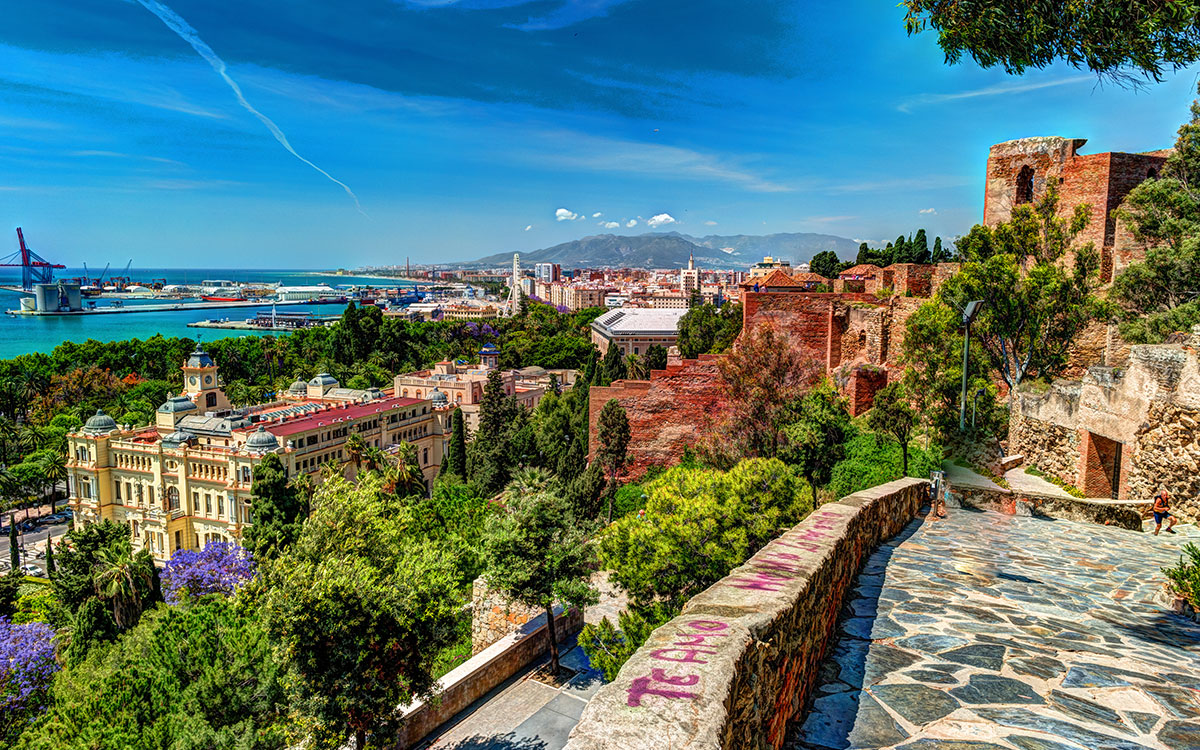
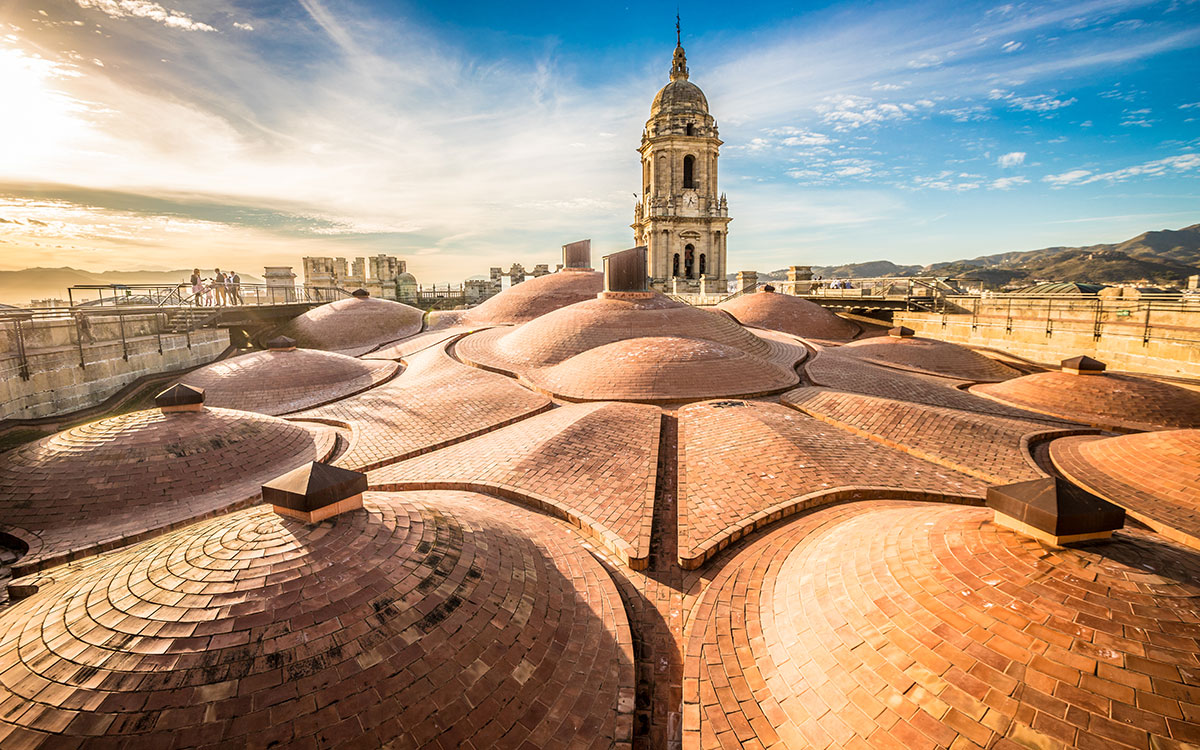
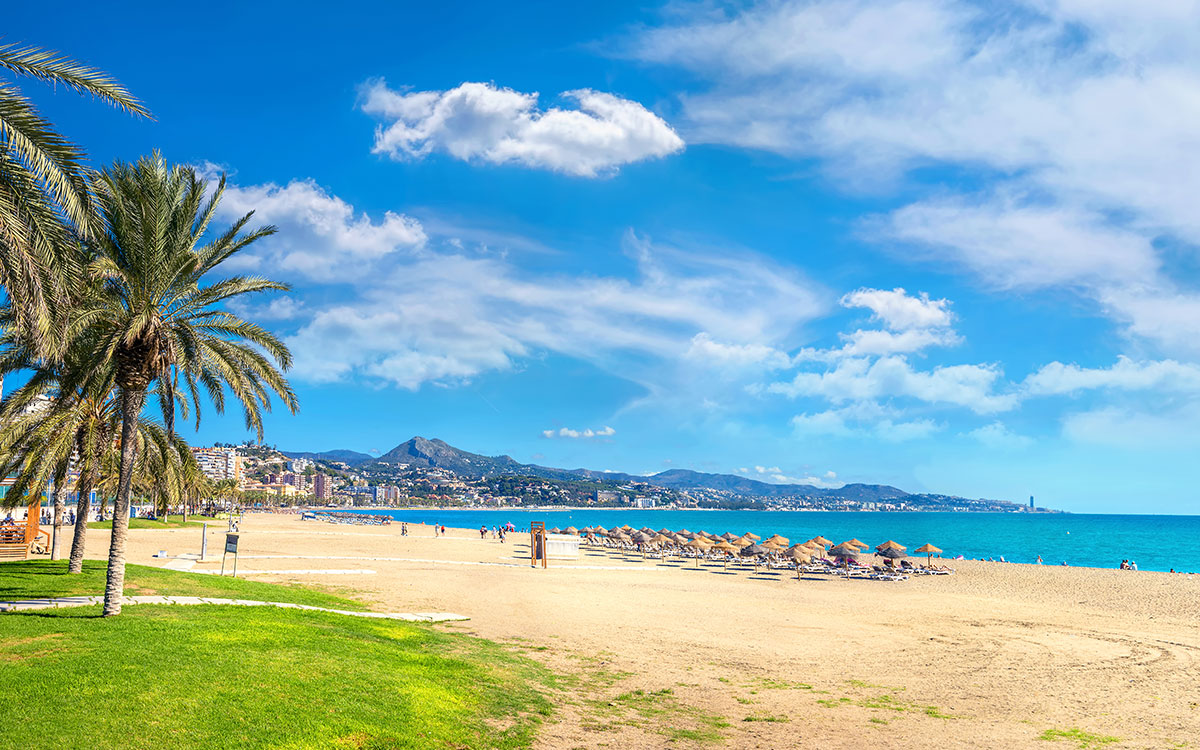
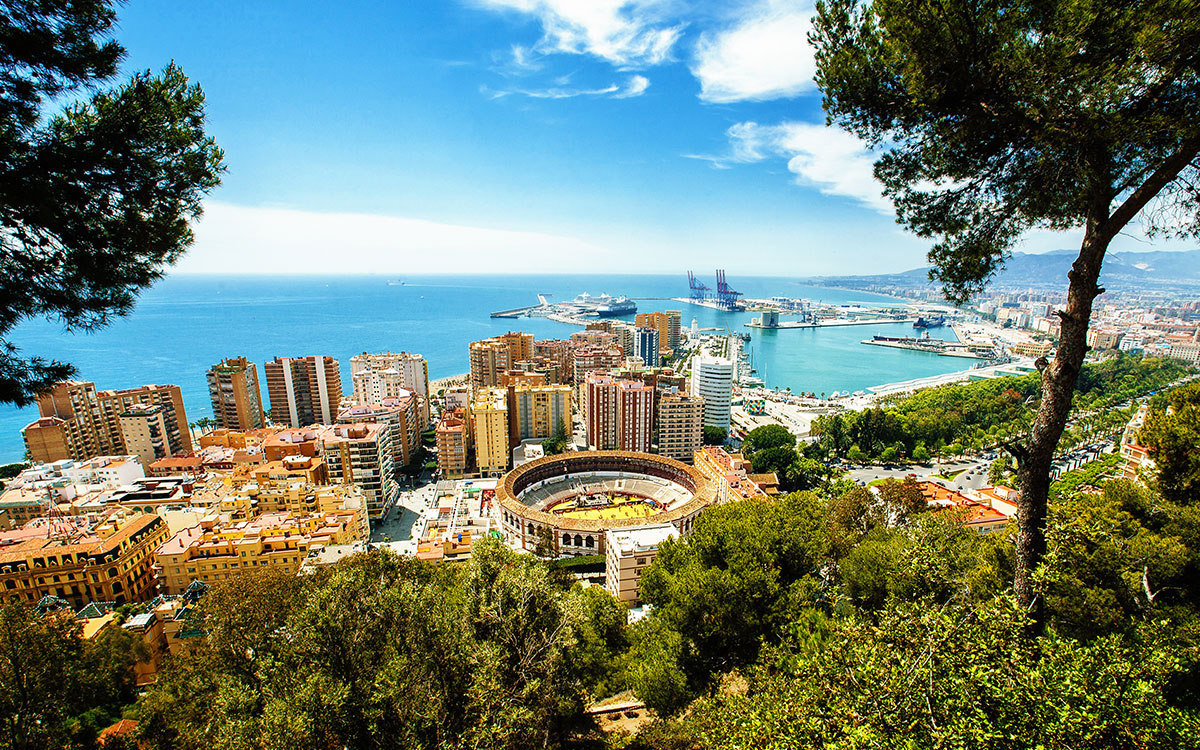
Malaga has long been a popular holiday destination for British tourists. Located on the Costa del Sol, along the southern coast of Spain, Malaga enjoys yearly warm weather and sandy beaches perfect for those looking for some relaxation.
A Journey through Volcanic Isles, Moorish Medinas & Sun-Drenched Shores Ships
Recommended Deals like A Journey through Volcanic Isles, Moorish Medinas & Sun-Drenched Shores
A Journey through Volcanic Isles, Moorish Medinas & Sun-Drenched Shores
 Explora Journeys

Departure:
Jan to
Feb
VISITING:
Santa Cruz de Tenerife
Las Palmas
Arrecife
Agadir
Casablanca
Tangier
Malaga
FROM
£
3,155 pp
Join the Crui.se Club
Points That Pay
Earn 25 points (£25) just for joining — and collect more on bookings, reviews, and referrals.
Exclusive Member Deals
Unlock off-market offers reserved only for Crui.se Club members.
Early Access Perks
Be the first to book with pre-launch notifications and special member-only booking windows.
Cruise With Confidence
Our mission at wordpress-1024654-4169282.cloudwaysapps.com is to help you and your loved one’s book and experience the best cruise holiday imaginable. We’re different in that, our customers come first, not our suppliers or profit margins. Get in touch and let us help you set sail.


Over 20 cruise brands to choose from

Low deposits from £500

All Inclusive cruises

Best deals & discounts

Community driven

Brand agnostic

We take care of everything

Custom built cruise holidays


