


 We won’t be beaten on price...


ABTA protected


A Grand Journey from
Japanese Shores to Alaskan
Wilderness
Scroll to sail

A Grand Journey from Japanese Shores to Alaskan Wilderness
Embark on A Grand Journey from Japanese Shores to Alaskan Wilderness, an extraordinary 24-day voyage with Explora Journeys. This once-in-a-lifetime expedition seamlessly connects the ancient traditions of Japan with the raw, majestic beauty of the Alaskan frontier.
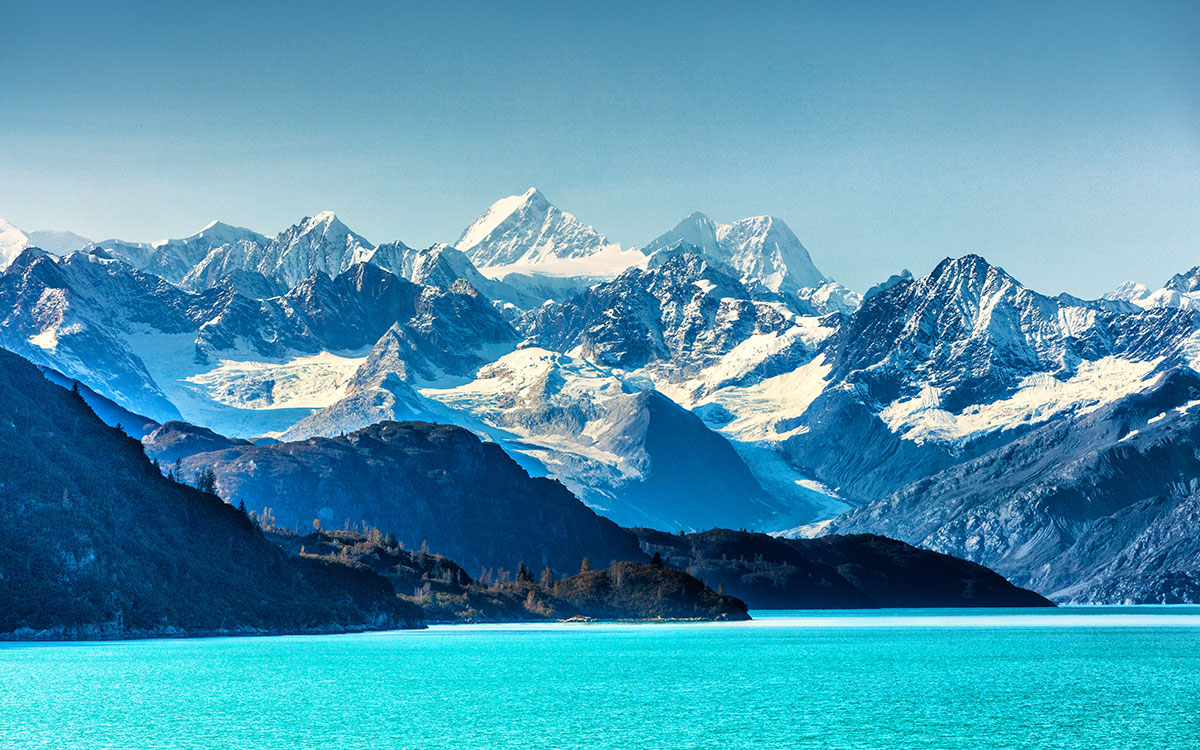
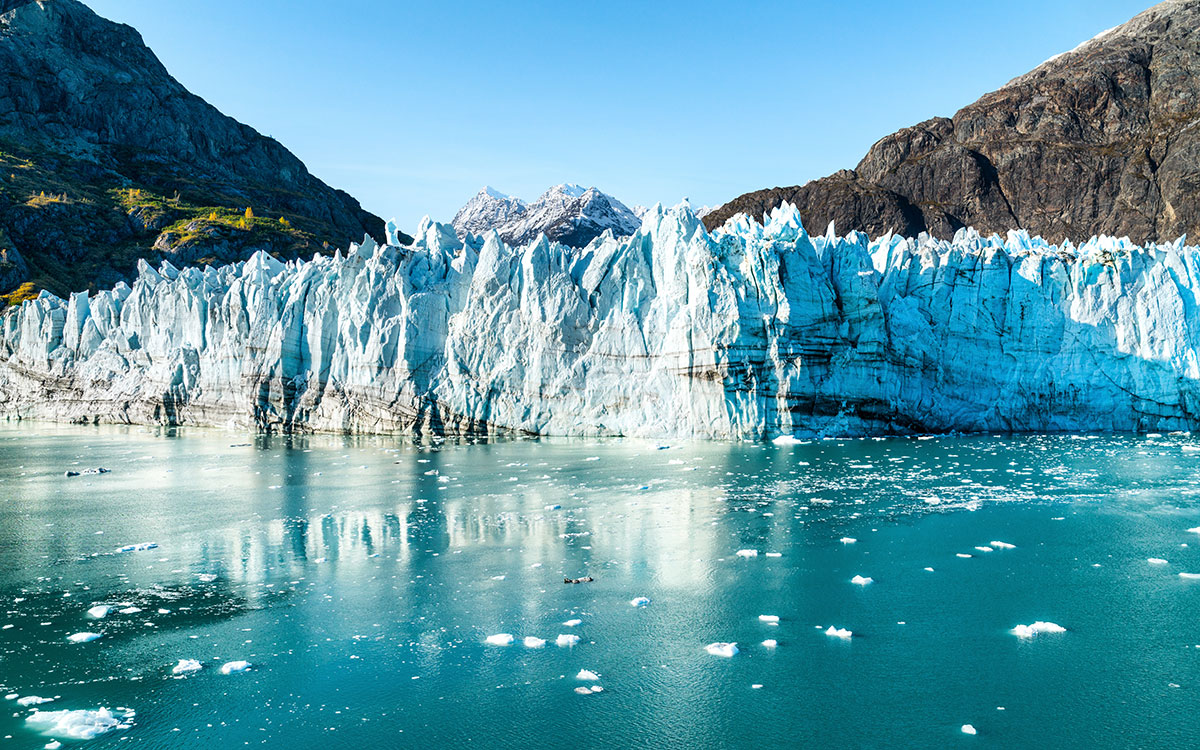
Begin in vibrant Tokyo, exploring the cultural treasures of Aomori and Kushiro, before crossing the Pacific to North Americas wild west. Discover Alaskas breathtaking glaciers like Hubbard and Tracy Arm Fjord, witness abundant wildlife, and explore charming towns such as Juneau, Skagway, and Ketchikan.
Experience unparalleled luxury aboard EXPLORA III as you navigate diverse landscapes, from Japans serene shores to Alaskas dramatic fjords. This immersive journey offers a unique blend of cultural immersion and pristine wilderness exploration, promising unforgettable memories and a true journey of discovery.
-
 Cruise Line: Explora Journeys
-
 Ship: EXPLORA III
-
 Duration: 24 Nights
-
 Departure: May
A Grand Journey from Japanese Shores to Alaskan Wilderness Prices
A Grand Journey from Japanese Shores to Alaskan Wilderness Gallery





A Grand Journey from Japanese Shores to Alaskan Wilderness Itinerary

Day 1
Tokyo
The modern capital city of Japan, Tokyo could be
described as too good to be true. People dress in the latest
fashions and experiment with the latest technologies, excellent
restaurants serve up delicious food of all varieties, and the
trendiest nightclubs keep going throughout the night.
The public transport system is punctual and one of
the most efficient in the world; and shops and vending machines
provide necessities and luxuries both day and night. All this is
achieved in a city that is home to more than 13 million people,
amid the confusion of bumper-to-bumper traffic, flickering neon
signs, and a crush of humanity packing subways and sidewalks.
Amidst the hurly-burly, Tokyo remarkably remains
one of the world's safest cities with a low crime rate and local
people who are generally only too willing to spare the time and
effort to assist a stranger.
With such a dense population, Tokyo is an urban
maze of buildings that jostle for space in an unplanned jumble of
grey concrete, which makes parts of it drab. The city fills a huge
area that seems to go on forever, with no specific city centre, but
rather a succession of districts grouped together. In the back
streets, where timber houses line narrow lanes, there are reminders
that this is exotic Japan: kimono-clad women prune bonsai trees and
colourful neighbourhood festivals take place.
The city is an exuberant experience for visitors.
It is home to many museums and is the largest repository of
Japanese art in the world. Then, of course, it would take forever
to exhaust the shopping possibilities in this megalopolis.
The more one explores Tokyo, the more it becomes
obvious that one cannot judge a book by its cover. Inside the
modern buildings the cultural life of Japan is very much alive and
well. Interiors reflect the tranquil minimalist Asian style and
taste of Japan.
Day 3
Aomori
Aomori is a prefecture located in the northern part of Japan, specifically on the main island of Honshu. It is known for its rich cultural heritage, stunning natural landscapes, and traditional festivals. Aomori offers an array of attractions that cater to diverse interests, making it an ideal destination for anyone looking to explore a less-traveled region of Japan.
One of the highlights of Aomori is its picturesque natural scenery. The prefecture is home to several national parks, including the renowned Towada-Hachimantai National Park. Here, visitors can immerse themselves in the beauty of Mount Hakkoda, Lake Towada, and the Oirase Gorge. The park offers opportunities for hiking, camping, and scenic drives through winding mountain roads. Aomori also boasts stunning coastlines along the Sea of Japan and the Pacific Ocean, with white sand beaches and dramatic seaside cliffs.
In addition to its natural beauty, Aomori is steeped in history and culture. The prefecture is known for its traditional Tsugaru Shamisen music, a three-stringed instrument played with a plectrum. Visitors can experience live performances or even take part in workshops to learn how to play this unique instrument themselves. Aomori is also famous for its Nebuta Festival, held every August. This vibrant event showcases enormous illuminated floats, depicting mythical figures and historical characters, parading through the streets accompanied by exciting taiko drumming and energetic dancers.
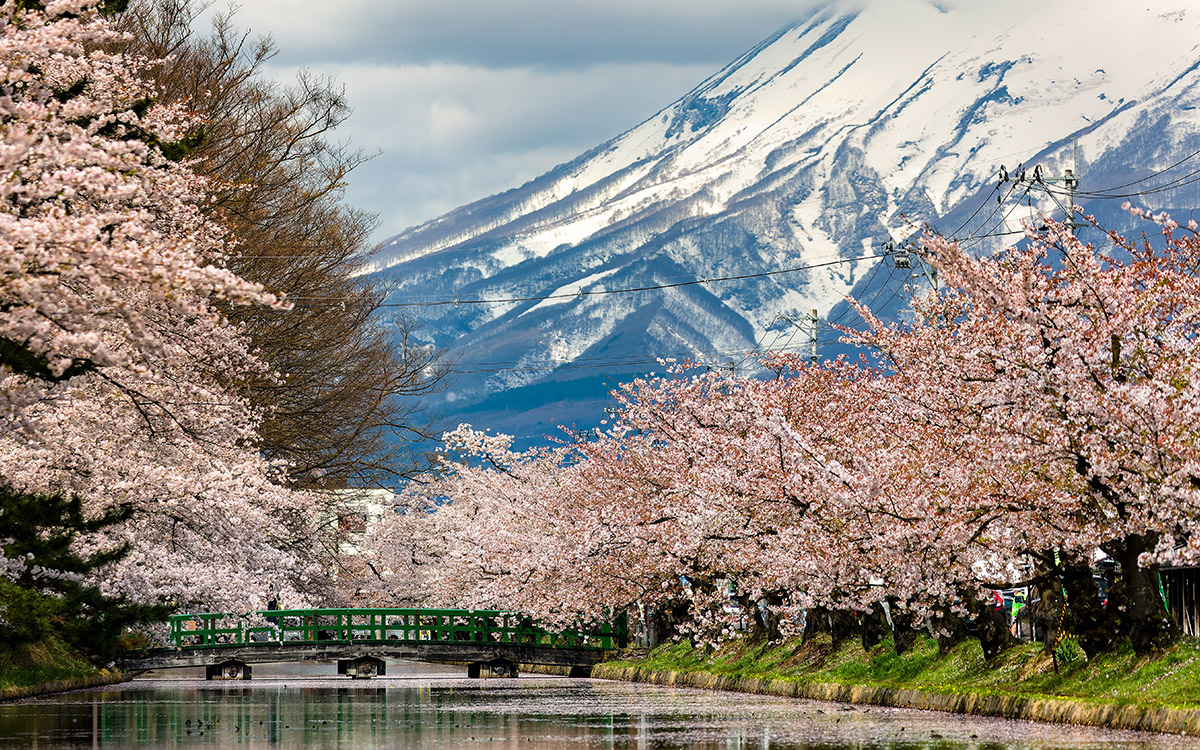
Another must-visit attraction in Aomori is the Hirosaki Castle and Park. This historical site offers a glimpse into Japan's feudal era, with a well-preserved castle and stunning cherry blossom trees. The park is especially popular during spring when the cherry blossoms are in full bloom, attracting many visitors who come to witness the spectacular hanami (flower viewing) festivities.
For seafood lovers, Aomori is a true paradise. The prefecture is famous for its fresh and delectable seafood, including the world-renowned Aomori Bay scallops, squid, and sea urchin. Visitors can savor these delicacies at the local fish markets or indulge in seafood dishes at numerous restaurants throughout the region. Aomori is also known for its apple production, with a variety of apple-themed products available for purchase, from apple cider to apple pie.
Transportation in Aomori is convenient, with the city of Aomori serving as the prefecture's major transportation hub. The Aomori Nebuta Airport connects the region to major cities in Japan, such as Tokyo and Osaka, making it easily accessible for domestic and international travelers. Within the prefecture, there is an extensive rail network, including the Tohoku Shinkansen, which provides efficient and comfortable travel to and from Aomori.
Accommodation options in Aomori range from traditional Japanese ryokans to modern hotels, catering to different budgets and preferences. Staying in a ryokan allows visitors to experience the charm of Japanese hospitality, with traditional tatami rooms, hot springs, and kaiseki meals showcasing local ingredients.
In conclusion, Aomori is a captivating destination that offers a perfect blend of natural beauty, cultural heritage, and culinary delights. Whether you are seeking outdoor adventures in breathtaking national parks, immersing yourself in traditional music and festivals, or indulging in fresh seafood and local produce, Aomori has something for everyone. With its convenient transportation links and diverse range of attractions, Aomori is an excellent choice for travelers seeking an authentic and memorable experience in Japan.
Day 4
Kushiro
Kushiro is a beautiful and bustling city located on the eastern coast of Hokkaido, the northernmost island of Japan. This coastal city offers a unique blend of stunning natural scenery and a vibrant urban environment, making it a perfect destination for nature lovers and adventure seekers alike.
One of the main highlights of Kushiro is its picturesque natural landscapes. The city is situated near the Kushiro Marshland, which is the largest wetland in Japan and a designated national park. The marshland is home to various species of birds and attracts birdwatchers from around the world. Visitors can explore the park through well-maintained wooden pathways, providing a chance to view the diverse wildlife and experience the serene atmosphere of the marshland.
Another must-visit natural attraction in Kushiro is Lake Akan. This pristine lake is surrounded by lush forests and offers breathtaking views year-round. During the winters, the lake is covered in a thick layer of ice, creating a magical setting for activities such as ice fishing and snowshoeing. In the warmer months, visitors can take boat or kayak tours to explore the lake's crystal-clear waters and enjoy the scenic beauty.
Kushiro is also famous for its seafood, particularly its delicious and fresh seafood market. The Kushiro Fisherman's Wharf Moo is a popular spot for seafood enthusiasts where they can indulge in a wide variety of seafood dishes, including the local specialty, "Katte Don." This dish allows visitors to choose their preferred ingredients and toppings to create a customized bowl of rice topped with fresh seafood.
For a cultural experience, visitors can explore the Washo Market, which is one of the oldest markets in Hokkaido. Here, they can find a wide range of local specialties and products, including fresh vegetables, fruits, and handmade crafts. The market also features small eateries serving traditional Japanese dishes, allowing visitors to sample local delicacies.
Kushiro is also known for its annual summer festival, the Kushiro Port Festival. This lively event takes place in late July and features a variety of activities, including parades, musical performances, fireworks, and traditional dances. The festival is a great way to experience the lively spirit of Kushiro and immerse oneself in the local culture.
In terms of accommodation, Kushiro offers a range of options to suit different budgets and preferences. From luxurious hotels with stunning sea views to cozy guesthouses and traditional ryokans, visitors can find accommodations to suit their needs. Many of these establishments also offer hot spring baths, providing a perfect opportunity to relax and rejuvenate after a day of exploring.
In conclusion, Kushiro is a captivating city in Hokkaido that offers a perfect blend of natural beauty, cultural heritage, and delicious cuisine. Whether you are visiting to explore the stunning marshland, enjoy fresh seafood, or experience the vibrant local festivals, Kushiro has something to offer for everyone. So pack your bags and get ready for an unforgettable adventure in this enchanting Japanese city.
Day 9
Dutch Harbor, Alaska
Alaska is the largest and most sparsely populated state in the United States. Nearly three-quarters of the state is covered by forest, making it the most forested state in the country. The state is home to Mount McKinley, the tallest mountain in North America, and to more than half of the world's glaciers.
Permafrost covers much of Alaska, and the state has more active volcanoes than any other state. The climate in Alaska is variable, with temperatures ranging from -60 degrees Fahrenheit in the winter to over 100 degrees Fahrenheit in the summer. Despite its large size, Alaska has a relatively small population. The 2010 census put the population of Alaska at 710,231, which is just over one percent of the population of the United States.
Alaska is rich in natural resources, including oil, gas, gold, silver, and copper. The state is also home to fisheries that produce billions of dollars worth of seafood each year. Tourism is also an important industry in Alaska, with visitors coming to see the state's natural beauty and wildlife.
Day 11
Seward, Alaska
Seward is a charming town in Alaska that is often overlooked by travelers. This is a mistake, as Seward offers stunning scenery, great fishing, and a variety of outdoor activities.
Situated on the edge of Resurrection Bay, Seward is surrounded by mountains and sea. The Kenai Fjords National Park is just a short drive away, and there are plenty of trails to explore in the area. Seward is also a great place to go fishing, whether you’re looking for salmon, halibut, or trout.
In town, there are a number of shops and restaurants to explore. The Alaska SeaLife Center is also worth a visit, as it’s one of the only places in the world where you can see a variety of Arctic marine life up close.
Whether you’re looking for adventure or simply want to relax in a beautiful setting, Seward is well worth a visit.
Day 12
Valdez, Alaska
Alaska is the largest and most sparsely populated state in the United States. Nearly three-quarters of the state is covered by forest, making it the most forested state in the country. The state is home to Mount McKinley, the tallest mountain in North America, and to more than half of the world's glaciers.
Permafrost covers much of Alaska, and the state has more active volcanoes than any other state. The climate in Alaska is variable, with temperatures ranging from -60 degrees Fahrenheit in the winter to over 100 degrees Fahrenheit in the summer. Despite its large size, Alaska has a relatively small population. The 2010 census put the population of Alaska at 710,231, which is just over one percent of the population of the United States.
Alaska is rich in natural resources, including oil, gas, gold, silver, and copper. The state is also home to fisheries that produce billions of dollars worth of seafood each year. Tourism is also an important industry in Alaska, with visitors coming to see the state's natural beauty and wildlife.
Day 13
Cruising by Hubbard Glacier, Alaska
Day 14
Sitka, Alaska
Sitka is a city in Alaska, located on the west coast of Baranof Island. This quaint little city offers a variety of things to do, including fishing, kayaking, hiking and wildlife viewing. Sitka is also home to the Alaska Native Heritage Center, which is a great place to learn about the state's Native culture and history.
If you're looking for a unique place to visit in Alaska, Sitka is definitely worth a trip. This city has a lot to offer, from its beautiful scenery to its rich culture and history. We would definitely recommend spending a few days here if you have the chance.
Day 16
Victoria, British Columbia
Victoria, British Columbia is a beautiful and historic city located on the southeastern tip of Vancouver Island. Founded in 1843 as a Hudson's Bay Company fort, Victoria quickly grew into a prosperous city and became the capital of the British colony of Vancouver Island in 1866. Today, Victoria is a popular tourist destination known for its mild climate, Victorian architecture, and beautiful natural setting.
While there are many things to see and do in Victoria, some of the most popular attractions include the Royal BC Museum, the Butchart Gardens, and Beacon Hill Park. Visitors can also take a short ferry ride to nearby Vancouver or take a day trip to the nearby Gulf Islands.
No matter what your interests are, you're sure to find something to love in Victoria, British Columbia.
Day 17
Vancouver, British Columbia
Vancouver is bustling, vibrant and diverse.
This gem on Canada's west coast boasts the perfect combination of
wild natural beauty and modern conveniences. Its spectacular views
and awesome cityscapes are a huge lure not only for visitors but
also for big productions, and it's even been nicknamed Hollywood
North for its ever-present film crews.
Less than a century ago, Vancouver was
barely more than a town. Today, it's Canada's third largest city
and more than two million people call it home. The shiny futuristic
towers of Yaletown and the downtown core contrast dramatically with
the snow-capped mountain backdrop, making for postcard-pretty
scenes.
Approximately the same size as the downtown
area, the city's green heart is Canada's largest city park, Stanley
Park, covering hundreds of acres filled with lush forest and
crystal clear lakes. Visitors can wander the sea wall along its
exterior, catch a free trolley bus tour, enjoy a horse-drawn
carriage ride or visit the Vancouver Aquarium housed within the
park.
The city's past is preserved in historic
Gastown with its cobblestone streets, famous steam-powered clock
and quaint atmosphere. Neighbouring Chinatown, with its weekly
market, Dr Sun Yat-Sen classical Chinese gardens and intriguing
restaurants add an exotic flair. For some retail therapy or
celebrity spotting, there is always the trendy Robson Street.
During the winter months, snow sports are
the order of the day on nearby Grouse Mountain. It's perfect for
skiing and snowboarding, although the city itself gets more rain
than snow. Vancouver's ethnic diversity and ideal combination of
mountains, sea and city offer visitors an endless supply of things
to see and do, no matter the budget.
Day 19
Wrangell, Alaska
Located in Southeast Alaska, Wrangell is a charming city with a rich history, breathtaking natural beauty, and a strong sense of community. With a population of approximately 2,500 people, Wrangell offers a tranquil escape from the bustling cities, allowing visitors to immerse themselves in the Alaskan wilderness.
One of the oldest towns in Alaska, Wrangell has a fascinating history that dates back thousands of years. The Indigenous Tlingit people have inhabited this area for centuries, and their presence can still be felt through traditional cultural practices and art. They have a deep connection with the land and the surrounding waterways, which provide sustenance and inspiration.
When European explorers arrived in the late 18th century, Wrangell became a prominent trading post and mission center. This history is reflected in the architecture and landmarks that still stand today. The Chief Shakes Tribal House is a meticulously crafted traditional Tlingit longhouse that showcases the artisanship and cultural heritage of the indigenous people.
Nature enthusiasts will find themselves in awe of the natural wonders that surround Wrangell. The city is nestled between the Wrangell and Stikine Rivers, offering countless opportunities for boating, fishing, and wildlife spotting. The Stikine River is known as one of the last wild rivers in North America and is a haven for birdwatchers and those seeking a remote and untouched wilderness experience.
For outdoor adventurers, the nearby Wrangell-St. Elias National Park and Preserve is an absolute must-visit. As the largest national park in the United States, it boasts majestic peaks, glaciers, and abundant wildlife. Visitors can enjoy hiking, camping, and even mountaineering in this pristine wilderness. Additionally, Anan Wildlife Observatory, located just a short boat ride away, allows visitors to observe bears feasting on salmon during the annual salmon runs.
Wrangell also offers a variety of recreational activities within city limits. The Wrangell Mountains Center provides educational programs and workshops for those interested in art, science, and the environment. The Nolan Center for the Performing Arts hosts concerts, plays, and community events, showcasing local talent and fostering a vibrant arts scene.
The community of Wrangell is close-knit and welcoming, with a strong emphasis on preserving its heritage and fostering a sustainable future. The Wrangell Cooperative Association promotes cultural preservation and economic development through various programs and initiatives. They work in collaboration with local businesses and residents to build a resilient and vibrant community.
The city has a small but thriving downtown area, with local shops and restaurants catering to both residents and visitors. Local artisans specialize in traditional crafts, such as carving, weaving, and jewelry-making, allowing visitors to purchase unique souvenirs that reflect the local culture.
In conclusion, Wrangell is a hidden gem in Southeast Alaska, offering visitors a perfect blend of natural beauty, cultural heritage, and community spirit. With its rich history, awe-inspiring landscapes, and vibrant arts scene, Wrangell is a destination that should not be missed. It is a place where one can disconnect from the hustle and bustle of everyday life and immerse themselves in the tranquility and magnificence of the Alaskan wilderness.
Day 20
Juneau, Alaska
Accessible only by sea or air, Alaska's 'Gateway to the
Glaciers' is the state's scenic capital, situated among spectacular
mountains on the shores of the Gastineau Channel. The holiday
destination of Juneau is, however, not as wild as one might expect
of such a remote destination. It affords all the pleasures of a
large city, while also offering an abundance of activities and
natural escapes for outdoor enthusiasts in its backyard. Although
the city is not without appeal and is a popular travel hub and port
of call for cruises, it is undoubtedly the natural setting that
attracts tourists rather than the urban sightseeing
opportunities.
In 1880 the city swarmed with gold prospectors, but today it is
the cruise ship passengers who pack the streets every summer,
enjoying the shopping, dining and picturesque surroundings.
Mendenhall Glacier, Alaska's most visited glacier due to its easy
access and proximity to the city, is a highly worthwhile
attraction. Glacier Bay National Park is one of the country's more
dramatic regions and is also accessible from Juneau, by boat or
plane. Helicopter rides, fishing, whale-watching, hiking and
kayaking are popular activities through which to fully appreciate
the vast wilderness surrounding Juneau.
Day 21
Skagway, Alaska
The holiday destination of Skagway, at the northernmost point of
the Inside Passage, is the main port of call for cruise ships, and
was the trading post serving the Klondike Gold Rush in 1897. Within
three months, a tent and shack town of 20,000 people had sprung up
and throngs of hopeful gold-seekers stampeded the town, the
jumping-off point for the 500-mile (805km) trek to the goldfields
in the Yukon. Skagway's rapid growth brought in its wake disease
and violence, and it was notorious for lawless characters.
Today much of Skagway town lies within the Klondike Gold Rush
National Historic Park, which includes an excellent Visitor
Information Centre offering fascinating exhibits and a film on the
Gold Rush days. The heart of Skagway is the historic district where
the wooden boardwalks lining the restored buildings, false-fronted
shops and saloons, and the original appearance of many of the
houses, all enhance the character of a town rich in Gold Rush
history. On holiday in Skagway, it is also possible to follow in
the footsteps of the Klondike gold seekers along the famous 33-mile
(53km) Chilkoot Trail, literally an outdoor museum strewn with
reminders of the past, where abandoned pick axes, shovels and old
supplies can be found along the way.
Day 22
Cruising Tracy Arm Fjord
Day 22
Endicott Arm, Alaska
Alaska is the largest and most sparsely populated state in the United States. Nearly three-quarters of the state is covered by forest, making it the most forested state in the country. The state is home to Mount McKinley, the tallest mountain in North America, and to more than half of the world's glaciers.
Permafrost covers much of Alaska, and the state has more active volcanoes than any other state. The climate in Alaska is variable, with temperatures ranging from -60 degrees Fahrenheit in the winter to over 100 degrees Fahrenheit in the summer. Despite its large size, Alaska has a relatively small population. The 2010 census put the population of Alaska at 710,231, which is just over one percent of the population of the United States.
Alaska is rich in natural resources, including oil, gas, gold, silver, and copper. The state is also home to fisheries that produce billions of dollars worth of seafood each year. Tourism is also an important industry in Alaska, with visitors coming to see the state's natural beauty and wildlife.
Day 23
Ketchikan, Alaska
The 'salmon capital of the world' started as a summer fish camp
on the shores of Ketchikan Creek used by the Tlingit natives, and
slowly became a major salmon canning centre. Native Inuit heritage
plays a large role in the touristic appeal of Ketchikan, which
boasts the largest collection of totem poles in the world in the
Ketchikan Totem Bight State Historical Park, Saxman Native Village
and the Totem Heritage Center Museum. Ketchikan has more cultural
sightseeing opportunities than most cities and towns in Alaska,
making it the perfect Alaskan getaway for those keen to experience
indigenous culture as well as the stunning natural landscapes of
Alaska.
Rustic Creek Street, with its picturesque wooden boardwalks and
stilts, was once the town's red light district, and today the
houses have been converted into restaurants, shops and galleries.
Ketchikan is located on Revillagigedo Island, 235 miles (378km)
south of Juneau. If staying in the capital, Ketchikan is a popular
excursion from the city; in fact, the quaint old town feels much
more authentic and traditional than the larger city. The town is a
popular cruise destination and is the starting point for most
Inside Passage tours. Excursions into the surrounding wilderness
include air or boat trips to nearby Misty Fjords, an area of
pristine, spectacular scenery with soaring cliffs, waterfalls,
lakes and glaciers.
Day 25
Vancouver, British Columbia
Vancouver is bustling, vibrant and diverse.
This gem on Canada's west coast boasts the perfect combination of
wild natural beauty and modern conveniences. Its spectacular views
and awesome cityscapes are a huge lure not only for visitors but
also for big productions, and it's even been nicknamed Hollywood
North for its ever-present film crews.
Less than a century ago, Vancouver was
barely more than a town. Today, it's Canada's third largest city
and more than two million people call it home. The shiny futuristic
towers of Yaletown and the downtown core contrast dramatically with
the snow-capped mountain backdrop, making for postcard-pretty
scenes.
Approximately the same size as the downtown
area, the city's green heart is Canada's largest city park, Stanley
Park, covering hundreds of acres filled with lush forest and
crystal clear lakes. Visitors can wander the sea wall along its
exterior, catch a free trolley bus tour, enjoy a horse-drawn
carriage ride or visit the Vancouver Aquarium housed within the
park.
The city's past is preserved in historic
Gastown with its cobblestone streets, famous steam-powered clock
and quaint atmosphere. Neighbouring Chinatown, with its weekly
market, Dr Sun Yat-Sen classical Chinese gardens and intriguing
restaurants add an exotic flair. For some retail therapy or
celebrity spotting, there is always the trendy Robson Street.
During the winter months, snow sports are
the order of the day on nearby Grouse Mountain. It's perfect for
skiing and snowboarding, although the city itself gets more rain
than snow. Vancouver's ethnic diversity and ideal combination of
mountains, sea and city offer visitors an endless supply of things
to see and do, no matter the budget.
A Grand Journey from Japanese Shores to Alaskan Wilderness Ships
Recommended Deals like A Grand Journey from Japanese Shores to Alaskan Wilderness
A Grand Journey from Japanese Shores to Alaskan Wilderness
 Explora Journeys

Departure:
May
VISITING:
Tokyo
Aomori
Kushiro
Dutch Harbor, Alaska
Seward
Valdez
Cruising by Hubbard Glacier, Alaska
Sitka
Victoria
Vancouver
Wrangell
Juneau
Skagway
Cruising Tracy Arm Fjord
Endicott Arm
+2 more
FROM
£
11,060 pp
A Grand Journey from City Rhythms to Untamed Splendour
Explora Journeys
Departure:
May
VISITING:
Tokyo
Aomori
Kushiro
Dutch Harbor, Alaska
Seward
Valdez
Cruising by Hubbard Glacier, Alaska
Sitka
Victoria
Vancouver
FROM
£
7,780 pp
Join the Crui.se Club
Points That Pay
Earn 25 points (£25) just for joining — and collect more on bookings, reviews, and referrals.
Exclusive Member Deals
Unlock off-market offers reserved only for Crui.se Club members.
Early Access Perks
Be the first to book with pre-launch notifications and special member-only booking windows.
Cruise With Confidence
Our mission at wordpress-1024654-4169282.cloudwaysapps.com is to help you and your loved one’s book and experience the best cruise holiday imaginable. We’re different in that, our customers come first, not our suppliers or profit margins. Get in touch and let us help you set sail.


Over 20 cruise brands to choose from

Low deposits from £500

All Inclusive cruises

Best deals & discounts

Community driven

Brand agnostic

We take care of everything

Custom built cruise holidays


