





 We won’t be beaten on price...


ABTA protected


Fort Lauderdale to Singapore
Scroll to sail

Fort Lauderdale to Singapore
Embark on the extraordinary Fort Lauderdale to Singapore voyage with Crystal Cruises aboard the elegant Crystal Symphony. This epic 85-day journey promises unparalleled luxury and discovery across three continents, from vibrant Florida to dazzling Singapore.
Traverse the iconic Panama Canal, marvel at Easter Islands mysterious moai, and unwind in French Polynesias pristine beauty, including Bora Bora. Explore the stunning landscapes of New Zealand and Australia, then immerse in the rich cultures of Bali, the Philippines, and vibrant Vietnam.
This unparalleled itinerary offers true global immersion, blending breathtaking natural wonders with profound cultural experiences. Indulge in gourmet dining, exceptional entertainment, and personalized attention. Discover the world in ultimate comfort and sophistication, creating lifelong memories.
-
 Cruise Line: Crystal Cruises
-
 Ship: Crystal Symphony
-
 Duration: 85 Nights
-
 Departure: January
Fort Lauderdale to Singapore Prices
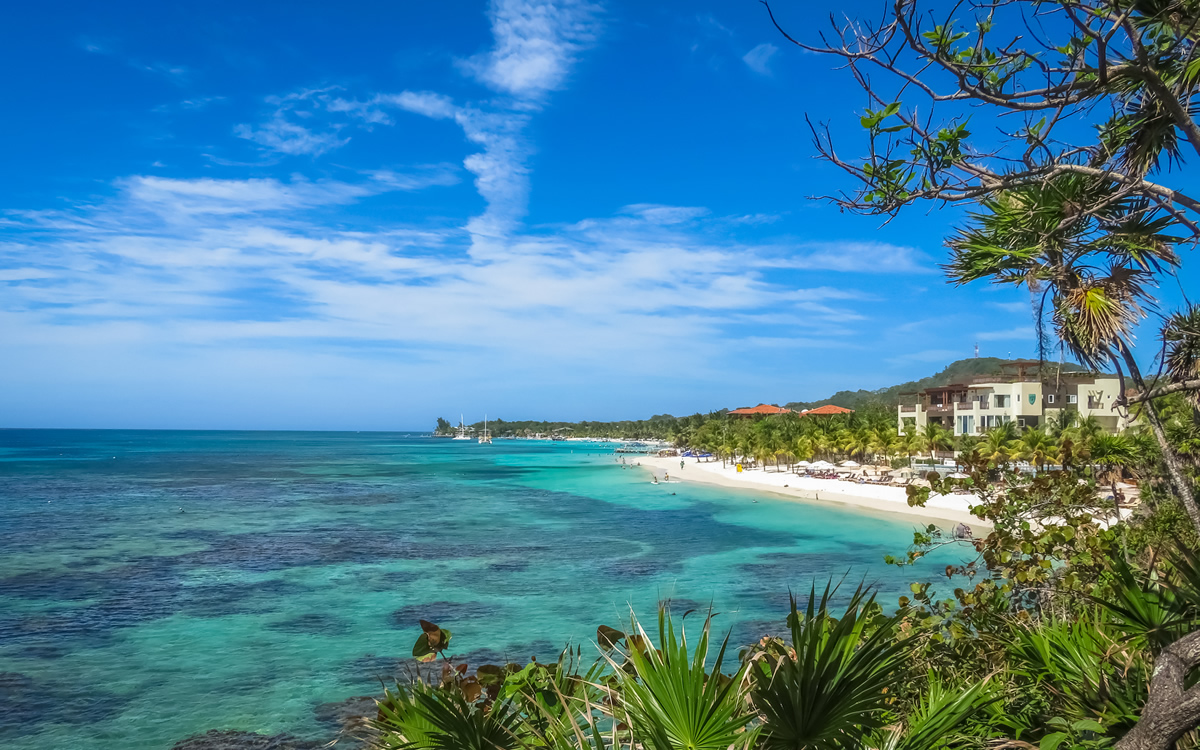
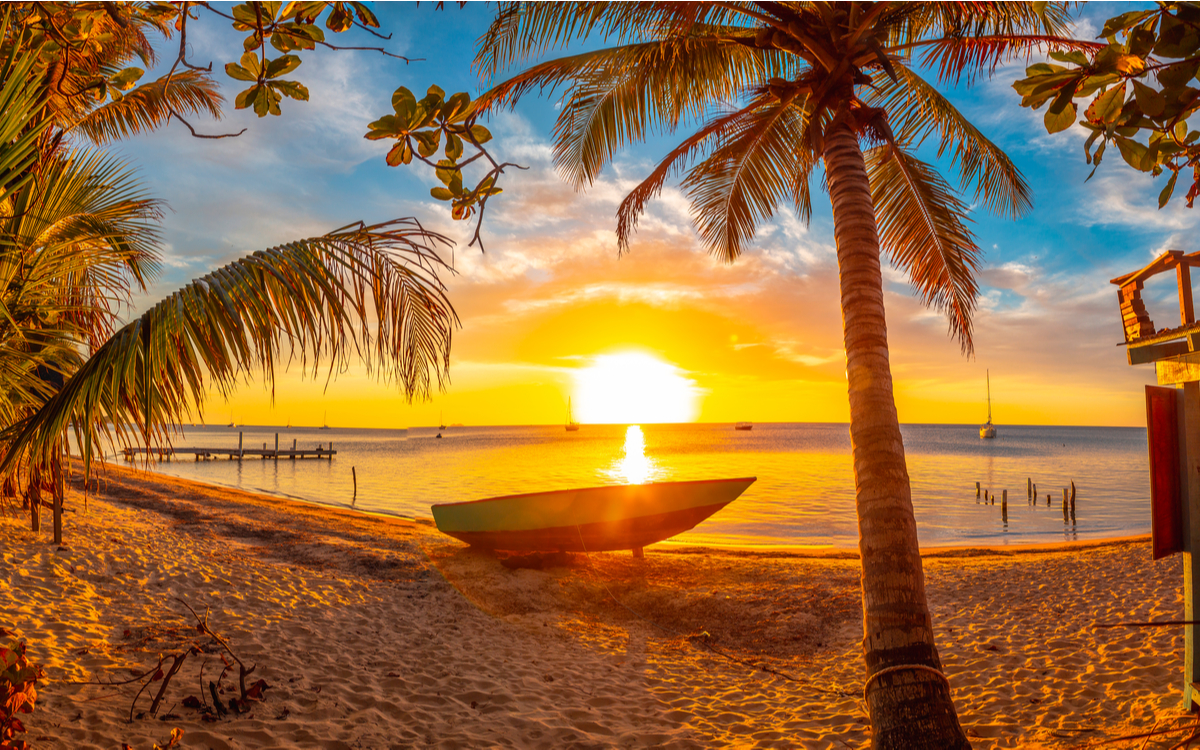
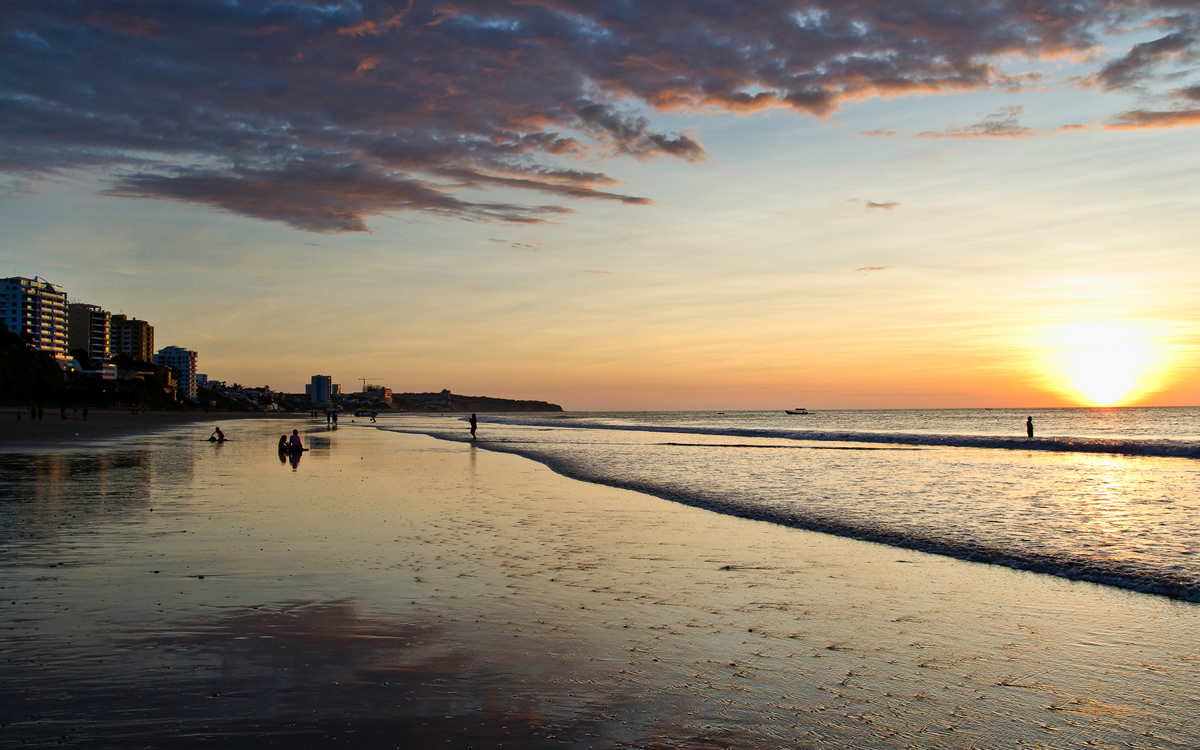
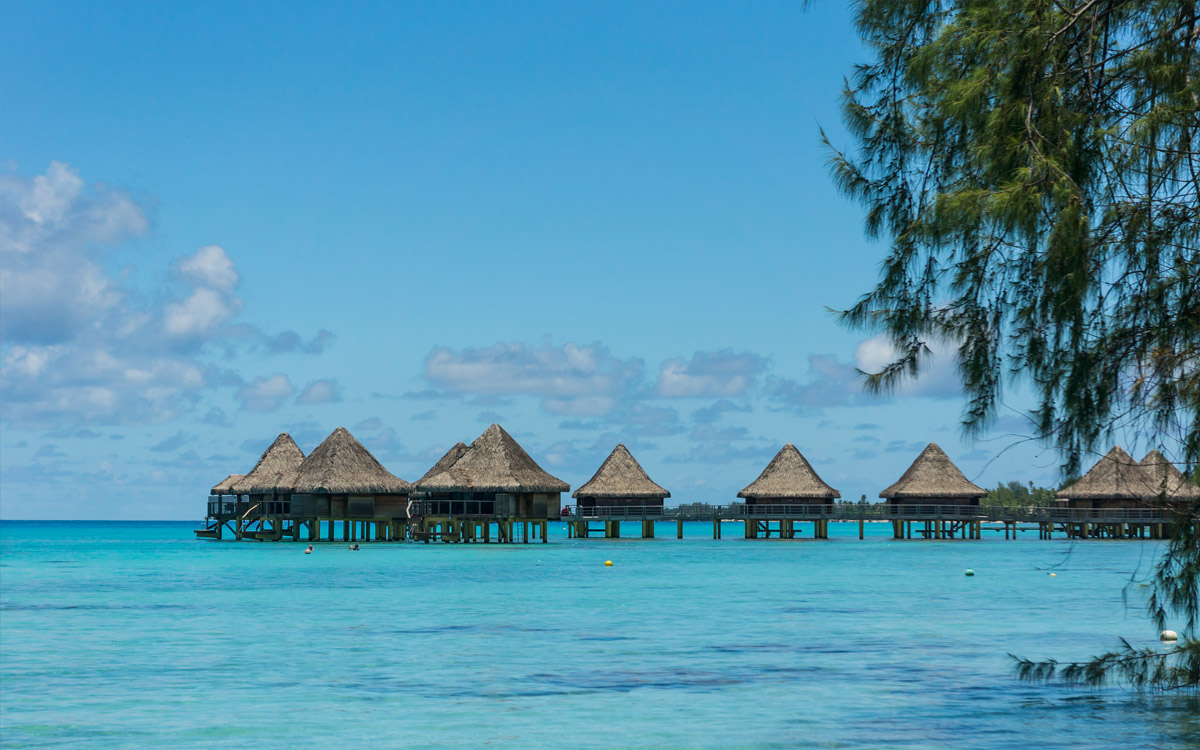
Fort Lauderdale to Singapore Gallery

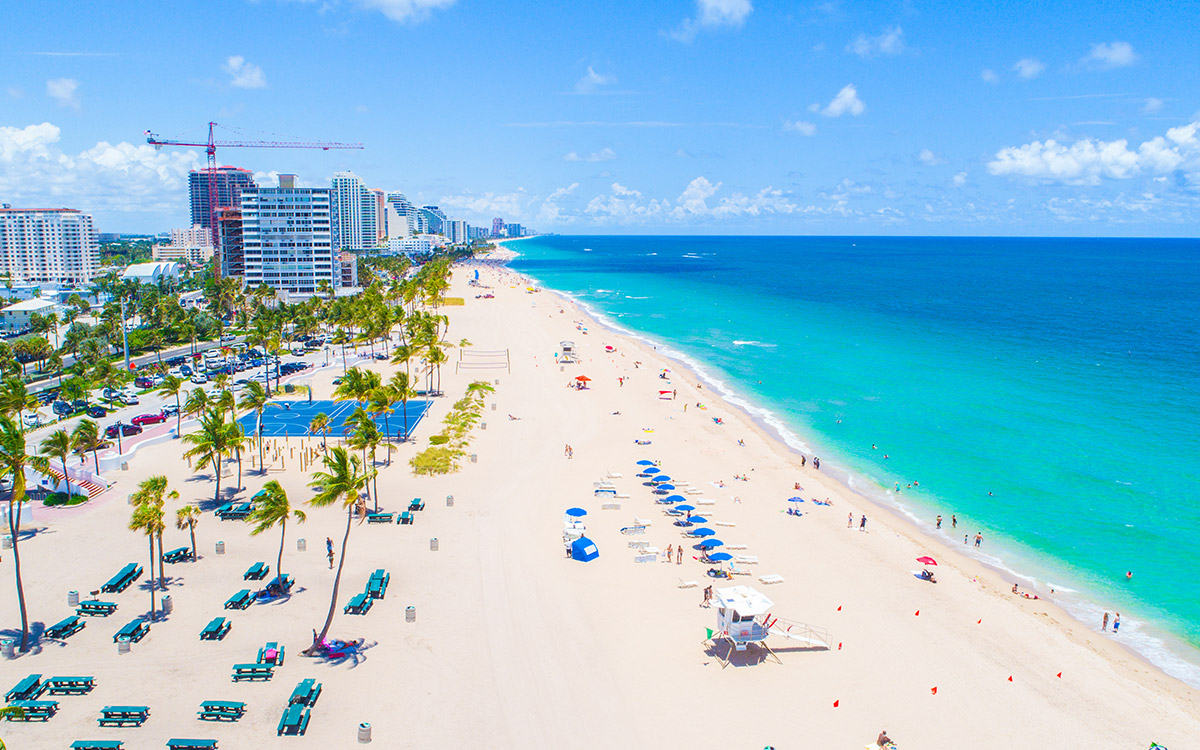
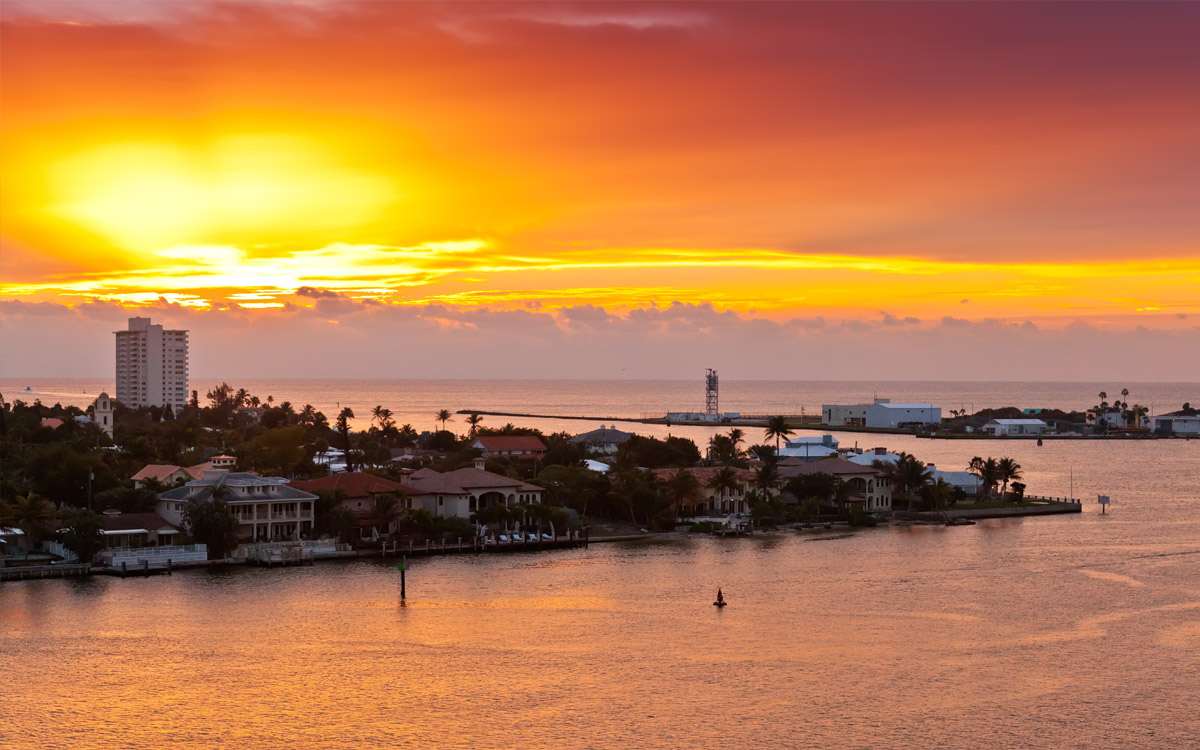
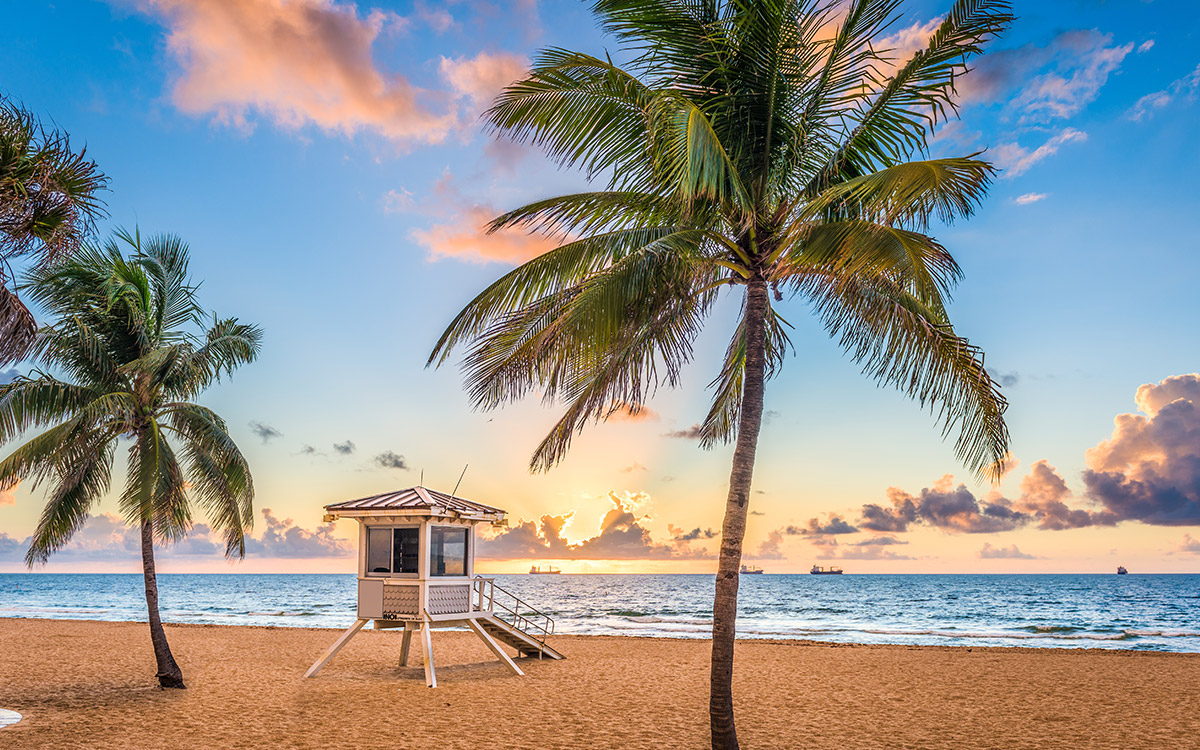








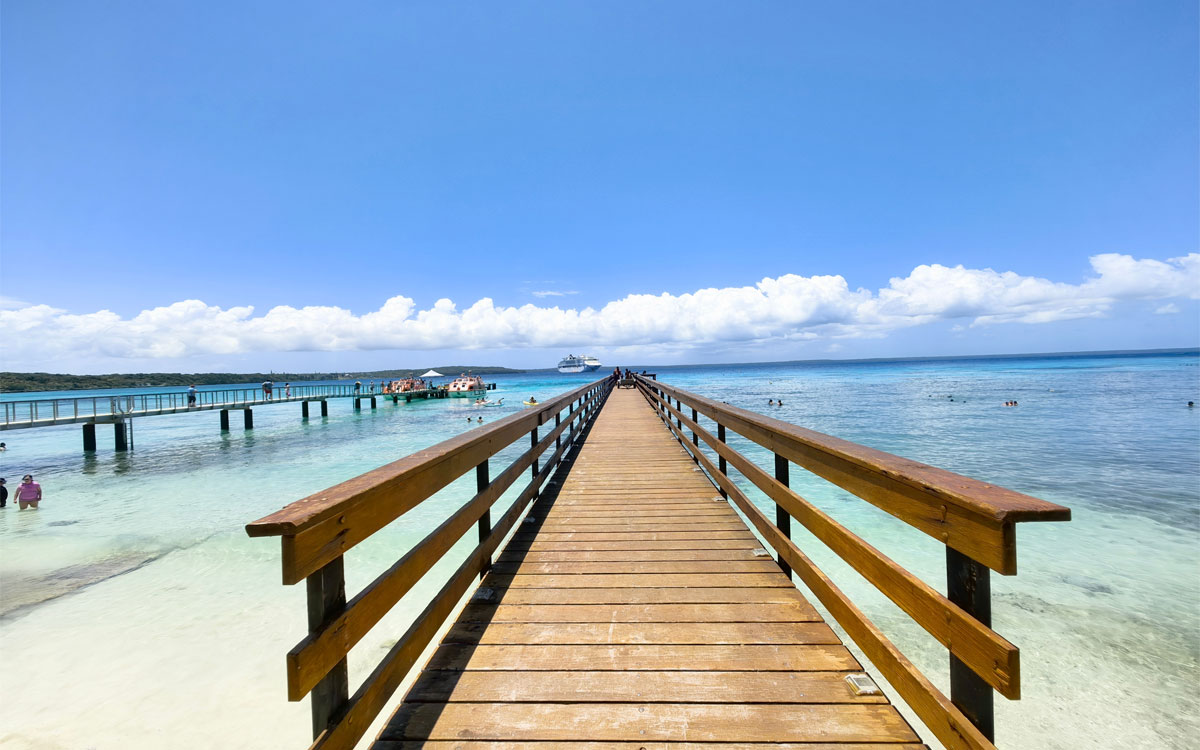


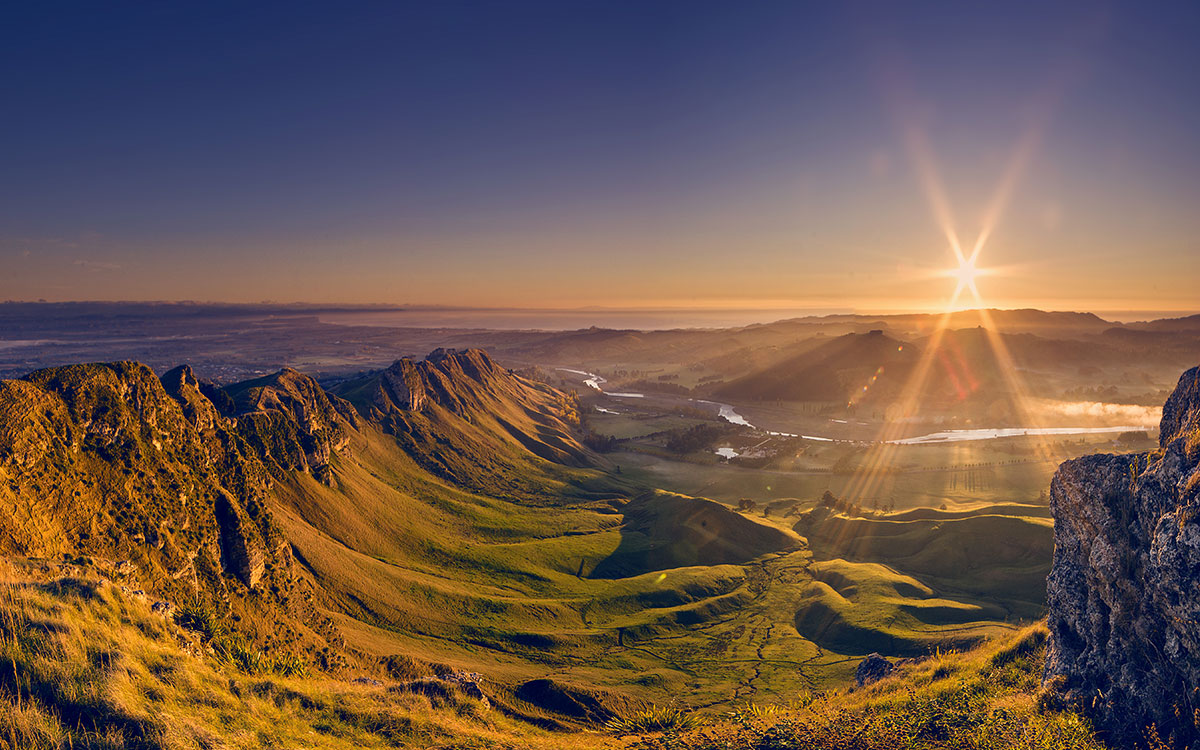
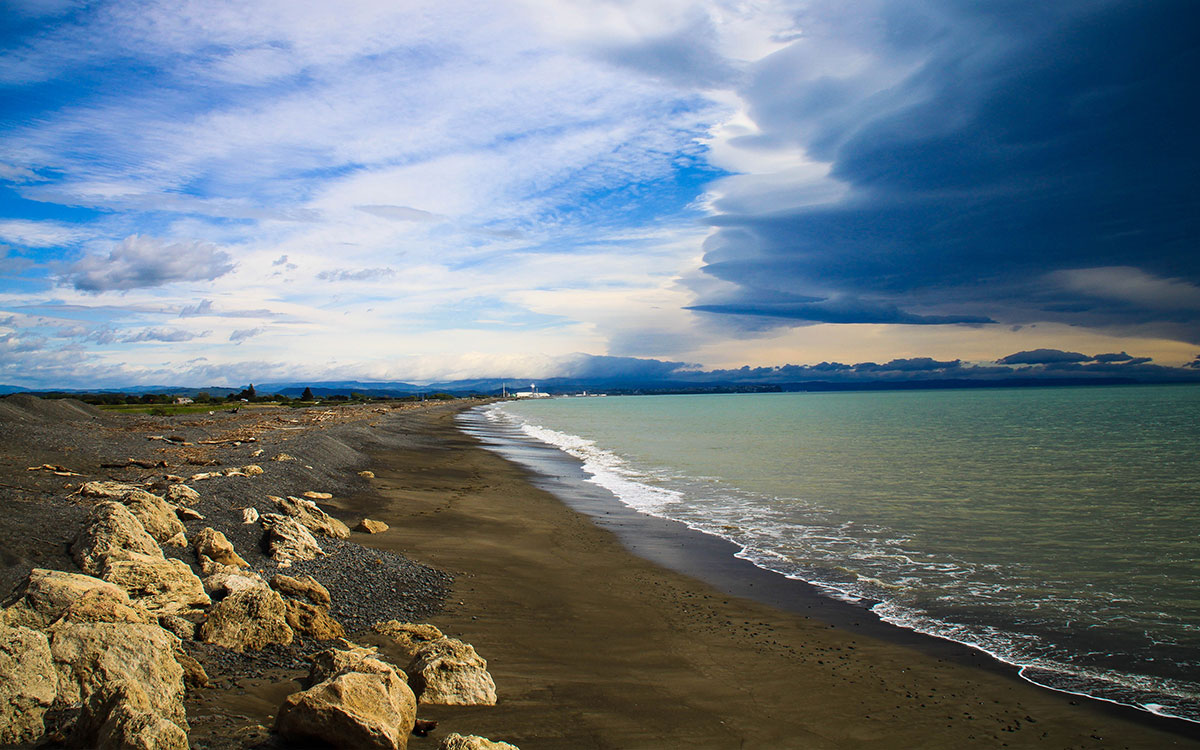

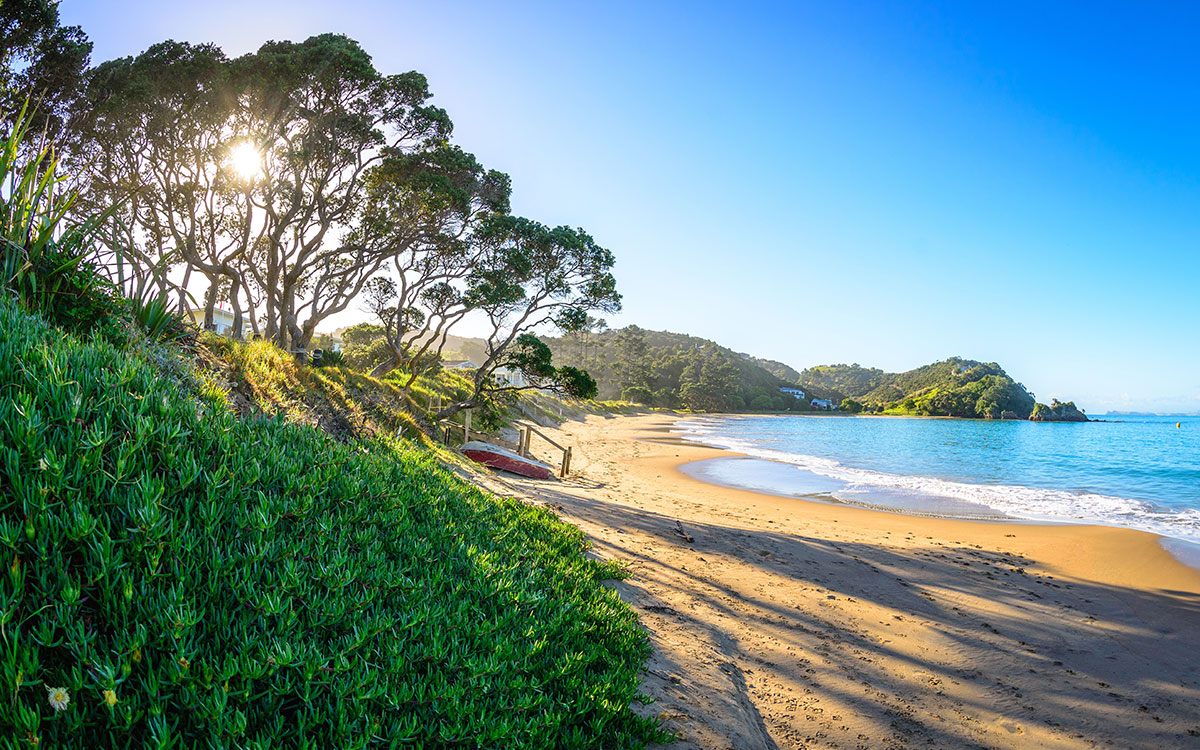


Fort Lauderdale to Singapore Itinerary

Day 1
Fort Lauderdale, Florida
Known as the 'Venice of America,' Fort Lauderdale is a city of
islands, built on a network of canals, rivers, bays, and waterways.
With 23 miles (37km) of beaches, this is a popular stop for cruise
ships in Florida. This sophisticated yet casual resort town
situated in the heart of the Gold Coast, attracts families and
couples from all over the United States, and beyond.
Boating is a favourite Fort Lauderdale pastime, as is cycling,
or simply strolling along the beachfront promenade. Near Fort
Lauderdale, divers can enjoy one of the only living coral reefs in
the United States accessible from shore. There are sporting
facilities galore throughout the city, particularly the world
renown golf courses.
Those in search of culture will be captivated by the Broward
Center for the Performing Arts, the Florida Grand Opera, the annual
Film Festival, and numerous art galleries and museums. Fort
Lauderdale's downtown shopping street is the broad avenue of Las
Olas along the river, lined with fashion boutiques, art galleries,
restaurants, and sidewalk cafés. Diners are supremely well catered
for, with more than 3,500 restaurants covering greater Fort
Lauderdale. These range from intimate cafés to al fresco waterfront
terraces, quaint bistros, and ethnic eateries to cosy steakhouses.
As with most of Florida, the local treat is fresh seafood.
Fort Lauderdale's facilities and attractions will please any
visitor on holiday, and if that is not enough, the exciting city of
Miami lies only 40 miles (64km) away, perfect for a day trip.
Day 3
Cozumel
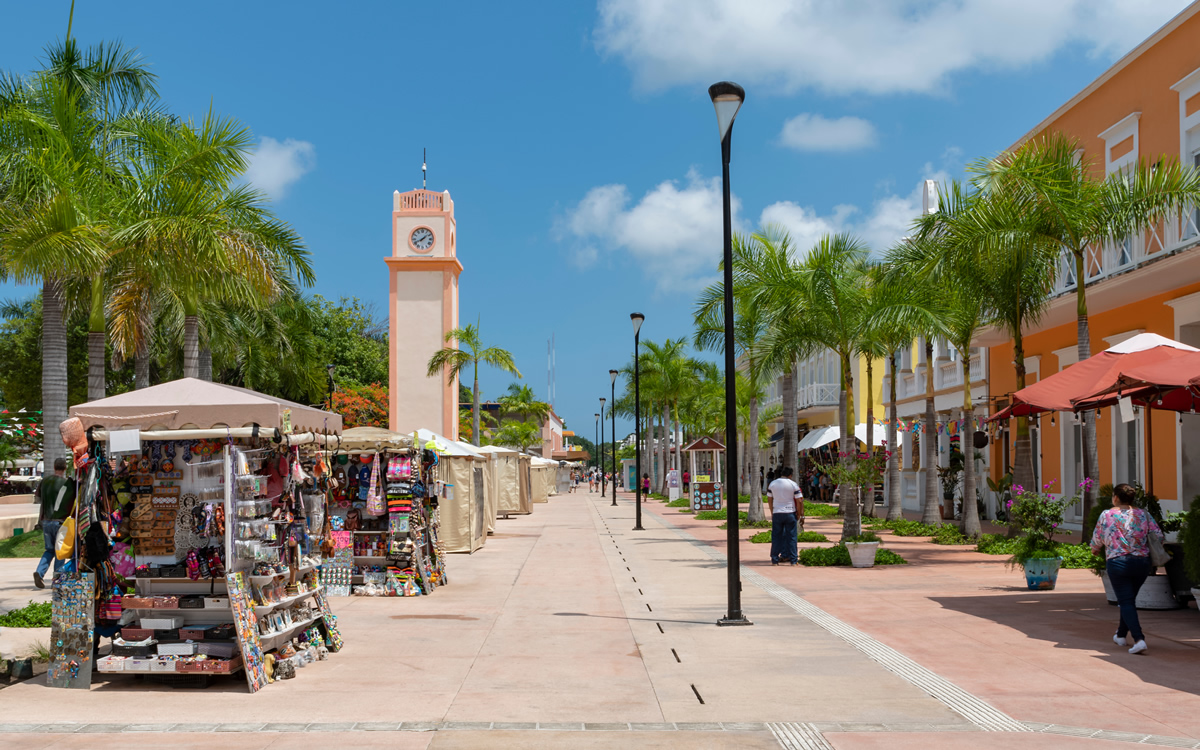
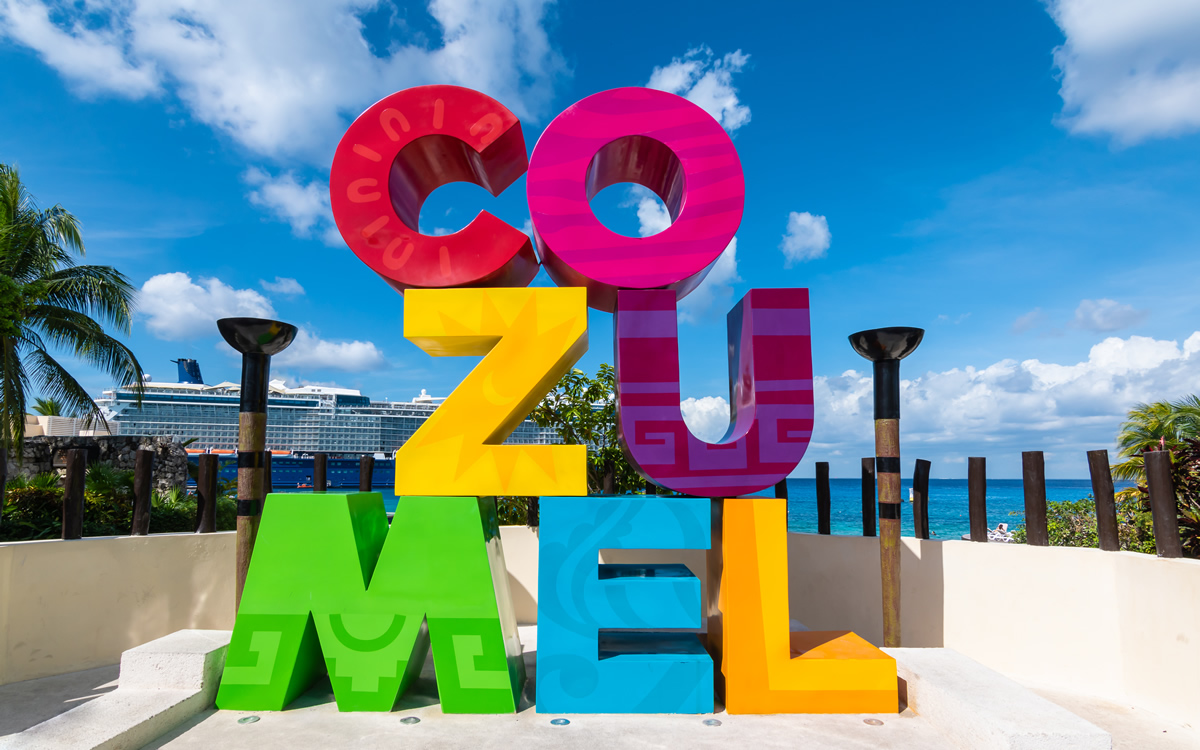
Cozumel is an island in the Caribbean Sea off the eastern coast of Mexico's Yucatán Peninsula, opposite Playa del Carmen, and close to the site of the ancient Mayan city of Tulum. The island's main town is San Miguel de Cozumel. The island is covered with mangrove forest and has a wide variety of fauna, including many species of birds, lizards, and fish.
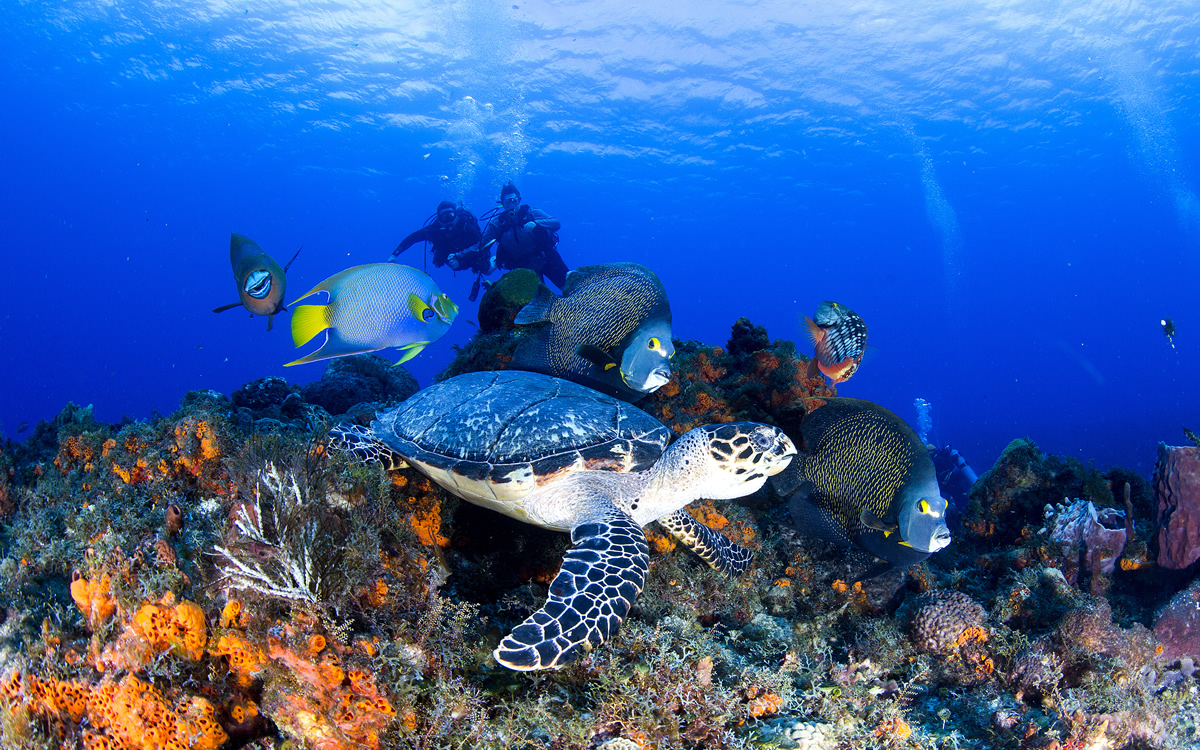
Cozumel is a popular tourist destination, especially for scuba diving and snorkeling. The clear waters around the island attract many visitors from all over the world. There are many dive sites around the island, with something to suit all levels of experience. The most popular dive sites are the Palancar Caves, the Columbia Reef, and the Paradise Reef.
The island is also a popular destination for cruise ships. Cruise ship passengers often take excursions to the island, to visit the town of San Miguel, or to go on one of the many organized tours.
The island has a rich history. It was inhabited by the Maya people for centuries, and there are many Maya ruins on the island. The most famous Maya ruin on the island is the Temple of the Sun, which is located in the town of San Miguel.
Cozumel was also the site of a major battle in the Mexican-American War, known as the Battle of Cozumel. This was a brief but bloody battle, which resulted in the death of over 200 American soldiers.
The island has a tropical climate, with warm weather all year round. The best time to visit is between December and April, when the weather is at its driest and most pleasant.
Day 4
Belize City
In Belize nearly all journeys begin and end in Belize City, the
country's biggest urban enclave and port of entry, though in truth
it's not a very enticing tourist destination in itself. Belize City
sits in a swamp that stretches across Haulover Creek at the mouth
of the Belize River, criss-crossed with narrow streets and rather
smelly canals which are lined with a jolly jumble of buildings,
some little more than dilapidated shacks and others attempts at
rather pretentious modern stores. In between are some pretty wooden
houses and colonial landmark buildings.
The city has clung tenaciously to its muddy roots since it was
abandoned as a Mayan fishing camp in the 1600s and taken over by
pirates and buccaneers as a logging camp. Late in the 17th century,
the Spanish cut down the mahogany upriver, floated the logs
downstream and exported them from the motley little encampment at
the river mouth. Later the British established Belize Town, which
began the city's formal, rather tragic, passage into modern times.
Three times devastated by fires, scourged by disease epidemics,
flattened by hurricanes and tidal waves, the city somehow survived.
Today, in the new millennium, it subsists on tourism and fishing,
remaining the cultural, commercial, and social centre of Belize
despite the capital having been moved to Belmopan in 1969.
Most visitors to Belize City come ashore on tenders from dozens
of luxury cruise liners that include the city in their itineraries,
mainly to allow passengers to take adventure excursions to see and
experience the wonderful natural attractions of the interior and
coastline of Belize. Cruise passengers are welcomed at the
showpiece Belize Tourism Village, where courtyards and attractive
buildings contain a variety of restaurants, souvenir shops, craft
stalls, and other facilities to cater for their needs. It is the
departure point for numerous land and marine tours.
Independent visitors to Belize also generally start their
exploration of the country in Belize City, and can find some sights
of interest to fill a few days layover in the town, including the
world's only manually operated swing bridge, some colonial
architectural treasures such as the Paslow Building, the novel St
John's Cathedral built by slaves from bricks brought as ballast in
ships from Europe, and the art gallery at the Bliss Institute,
bequeathed to the city by British Baron, Henry Bliss, who died on
his yacht in the harbour. Also well worth a visit are the Maritime
Museum and Museum of Belize.
Day 5
Santo Tomás de Castilla
Santo Tomás de Castilla is a bustling port town located on the Gulf of Honduras in Guatemala. It serves as a gateway to the beautiful region of Izabal and is a popular destination for cruise ships and tourists alike. With its stunning natural beauty, rich history, and vibrant culture, Santo Tomás de Castilla has plenty to offer for travelers looking for an off-the-beaten-path experience.
One of the main attractions of Santo Tomás de Castilla is its close proximity to the stunning Lake Izabal. The largest lake in Guatemala, Lake Izabal is surrounded by lush tropical rainforests and is a paradise for nature lovers. Visitors can take boat tours to explore the lake's picturesque coves and the wildlife-rich jungle that surrounds it. Fishing enthusiasts can try their luck at catching bass, snook, and tarpon, which are abundant in the lake.
Another must-visit attraction in Santo Tomás de Castilla is the Castillo de San Felipe, a historical fortress located near the town. Built in the 17th century by the Spanish colonialists, the castle played a crucial role in protecting the region from pirate attacks. Today, visitors can explore the well-preserved castle and enjoy panoramic views of the Caribbean Sea and the town of Santo Tomás de Castilla.
For those interested in learning about the local culture and history, a visit to the nearby town of Livingston is highly recommended. This charming Garifuna community is known for its vibrant Afro-Caribbean culture and traditional music and dance. Visitors can sample delicious Garifuna cuisine, browse local handicrafts, and immerse themselves in the unique traditions of the Garifuna people.
Santo Tomás de Castilla is also an excellent destination for adventure enthusiasts. The nearby national parks and protected areas offer a range of outdoor activities, including hiking, birdwatching, and zip-lining. One of the most popular destinations for hiking is the Rio Dulce Natural Monument, a stunning area with lush vegetation, waterfalls, and natural hot springs.
Food lovers will also be delighted by the culinary scene in Santo Tomás de Castilla. The town is known for its variety of fresh seafood, from succulent shrimp and lobster to flavorful fish tacos. Visitors can enjoy excellent seafood dishes at local restaurants, often accompanied by live music and a lively atmosphere.
In terms of accommodations, Santo Tomás de Castilla offers a range of options to suit every budget. From cozy guesthouses to luxury eco-lodges, there is something for everyone. Many of the accommodations are located close to the waterfront, allowing guests to enjoy stunning views of the Caribbean Sea.
Overall, Santo Tomás de Castilla is a hidden gem waiting to be discovered. With its natural beauty, fascinating history, and warm hospitality, it offers a unique and authentic experience for travelers looking to explore the untamed beauty of Guatemala. Whether you are interested in outdoor adventures, cultural immersion, or simply relaxing by the beach, Santo Tomás de Castilla has something for everyone.
Day 6
Roatán Island
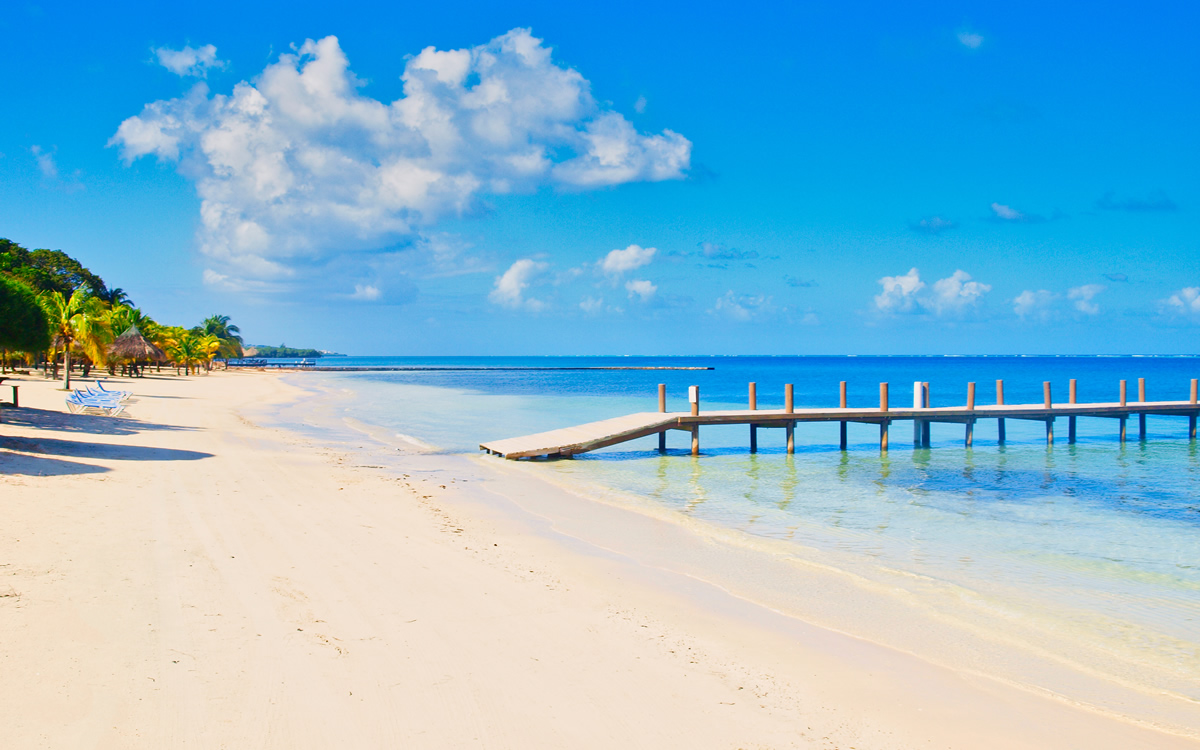
Roatán is an island in the Caribbean, about 40 miles off the coast of Honduras. It's a popular destination for tourists, with its white sand beaches, clear blue water and laid-back atmosphere.
There are a number of ways to get to Roatán, but the most popular is to fly into the Roatán International Airport, which is served by a number of major airlines. From there, it's a short taxi ride to your hotel or resort.
Once you're on the island, there are plenty of things to do. If you're looking for a relaxing beach vacation, you can spend your days lounging on the beach, swimming in the sea or snorkeling or diving in the reefs.
If you're looking for something a little more active, there's plenty to do as well. You can go hiking or biking in the jungle, go zip-lining or horseback riding, or take a boat tour to see the island's dolphins and monkeys.
No matter what you do, you're sure to have a great time on Roatán.
Day 8
Puerto Limón
Christopher Columbus became Costa Rica's first tourist when he landed on this stretch of coast in 1502 during his fourth and final voyage to the New World. Expecting to find vast mineral wealth, he named the region Costa Rica ("rich coast"). Imagine the Spaniards' surprise eventually to find there was none. Save for a brief skirmish some six decades ago, the country did prove itself rich in a long tradition of peace and democracy. No other country in Latin America can make that claim. Costa Rica is also abundantly rich in natural beauty, managing to pack beaches, volcanoes, rain forests, and diverse animal life into an area the size of Vermont and New Hampshire combined. It has successfully parlayed those qualities into its role as one the world's great ecotourism destinations. A day visit is short, but time enough for a quick sample.
Day 10
Cartagena
Visually Cartagena is a paradise with lush bougainvilla winding its way through a maze of cobblestone alleys lined by brightly-painted buildings. A UNESCO World Heritage Site the city is a popular tourist destination for both Colombian and international holidaymakers. Cartagena's history goes back to 4000BC and today its skyline is a blend of modern skyscrapers and colourful colonial facades.Cartagena's colourful past is evident in the many historical attractions in the city. Most are located in the walled Old Town which contains beautiful examples of colonial architecture and excellent shopping and restaurants. Neighbourhoods like Centre San Diego Getsemaní and the more modern La Matuna all have unique personalities that delight visitors. Old Town is also home to the labyrinthine Bazurto Market which is more of an opportunity to glimpse the everyday life of a Cartagenan than stock up on souvenirs.The Palace of the Inquisition the dungeons of Las Bovedas and the Cartagena Gold Museum are good places to get a feel for Cartagena's history while the San Pedro Claver Convent and the Santo Domingo Church offer their own perspective. A number of stately mansions and fortresses (including the impressive Castillo de San Felipe) dot the area as well.The most popular attractions in Cartagena are its sparkling beaches. However the best beaches in Cartagena are to be found a little ways out of the city. Playa Blanca and Sportbaru are popular resorts that offer watersports boat tours and other activities as well as a selection of restaurants and bars. Ferries are also available for excursions to nearby islands including the Islas del Rosario.
Day 11
Panama Canal Transit
Day 11
Fuerte Amador
Fuerte Amador is a beautiful city located in Panama. It is known for its stunning beaches, amazing weather and friendly people. The city is also home to a number of tourist attractions, including the Panama Canal, which is one of the most popular tourist destinations in the world.
Fuerte Amador is a great place to visit if you are looking for a place to relax and enjoy the incredible scenery. The city is also home to a number of great restaurants and cafes, which offer a variety of Panamanian and international cuisine.
If you are looking for a place to stay while you are in Fuerte Amador, there are a number of excellent hotels and resorts to choose from. The city is also home to a number of excellent shopping opportunities, as well as a number of great nightlife options.
Overall, Fuerte Amador is an incredible city that offers something for everyone. Whether you are looking for a place to relax and enjoy the scenery, or you are looking for a bustling city with a variety of things to do, Fuerte Amador is the perfect destination for you.
Day 14
Manta
The city of Manta is located on the central coast of Ecuador. It is the capital of the province of Manabí and the main port of the country. Manta has a population of about 200,000 people. It is a beautiful city with a lot to offer tourists. The city has a tropical climate and is known for its beaches, seafood, and culture. There are many things to do in Manta, including swimming, sunbathing, fishing, and sailing. There are also a number of museums and historical sites to visit. Manta is a great place to visit if you are looking for a relaxing vacation.
Day 15
Guayaquil
Guayaquil, located in the beautiful country of Ecuador, is the largest city and main economic hub of the nation. As a bustling metropolis with a population of over 2 million people, Guayaquil offers visitors a unique blend of rich history, stunning natural beauty, and vibrant culture.
One of the first things you will notice about Guayaquil is its strategic location along the Guayas River, just a few miles away from the Pacific Ocean. This contributes to its thriving maritime industry, making it an important port city not only for Ecuador but also for South America. The Malecon Simón Bolívar, a scenic waterfront promenade, is a popular spot for locals and tourists alike to enjoy a leisurely stroll, take in the views, or indulge in some delicious street food.
History enthusiasts will be captivated by Guayaquil's past, which can be explored through its many museums and historical sites. The Malecon 2000, a revitalized riverfront area, is home to several museums, including the Museo Antropológico y de Arte Contemporáneo and the Museo Nahim Isaias, both of which offer a fascinating look into the city's heritage and art scene. The Las Peñas neighborhood is another must-visit, with its colorful colonial architecture and cobblestone streets that hark back to Guayaquil's early days.
Nature lovers will find themselves in paradise in Guayaquil, as the city is surrounded by incredible natural wonders. The nearby Parque Histórico provides a sanctuary for endangered species and showcases the region's rich biodiversity, including a mini zoo, botanical garden, and traditional farm. For a truly immersive experience, head to the Galapagos Islands, a UNESCO World Heritage site and a short flight away from Guayaquil. Here, you can witness unique wildlife, stunning landscapes, and take part in various outdoor activities like snorkeling, diving, and hiking.
Food enthusiasts will not be disappointed in Guayaquil, as the city offers a wide range of delicious dishes that showcase the country's diverse culinary traditions. Seafood lovers will be in heaven, with fresh ceviche and grilled fish being local specialties. Don't miss the chance to try encebollado, a traditional Ecuadorian fish soup that is bursting with flavor. Other must-try dishes include seco de chivo, a slow-cooked goat stew, and the popular street food snack, bolón de verde.
When it comes to accommodation, Guayaquil has options to suit every budget. From luxurious high-rise hotels to cozy guesthouses, there is something for everyone. The city's hotel districts, such as Kennedy Norte and Urdesa, offer convenient access to shopping centers, restaurants, and nightlife.
In terms of transportation, Guayaquil has an extensive network of buses and taxis, making it easy to get around the city. Additionally, the José Joaquín de Olmedo International Airport connects Guayaquil to major cities in Ecuador and serves as a gateway for international travelers.
As with any destination, it is important to keep safety in mind while visiting Guayaquil. Be cautious of your surroundings, especially in crowded areas or at night, and avoid displaying signs of wealth. It is also recommended to use official taxis or ride-sharing services for transportation to ensure a safe journey.
In conclusion, Guayaquil is a vibrant and dynamic city that offers something for every traveler. Whether you are interested in history, nature, food, or simply exploring a new culture, Guayaquil will not disappoint. With its friendly locals, stunning natural landscapes, and rich cultural heritage, this coastal city should definitely be on your travel bucket list.
Day 17
Salaverry
Salaverry is a charming coastal town located in the La Libertad region of Peru. Situated just 14 kilometers south of the city of Trujillo, Salaverry is a popular destination for both locals and tourists alike.
One of the main attractions of Salaverry is its beautiful beach. With its golden sands and clear blue waters, the beach is a perfect spot for sunbathing, swimming, and various water activities. Surfers will also find great waves here, making it a popular spot for the sport. The beach is lined with palm trees, providing shade for those looking to relax and enjoy the tranquil atmosphere.
Aside from its beach, Salaverry boasts a rich history and cultural heritage. The town is home to the famous Salaverry Port, an important hub for both trade and tourism. Visitors can take a stroll along the port and enjoy the picturesque views of the Pacific Ocean while watching the fishermen and their boats at work. The port is also known for its fish market, where you can sample some of the freshest seafood in the region.
History buffs will delight in exploring the archaeological site of Chan Chan, located just a short distance from Salaverry. Chan Chan was the capital of the ancient Chimu civilization and is the largest adobe city in the world. Walking through the ruins, visitors can get a glimpse into the fascinating history of this once-thriving civilization.
For those looking to experience traditional Peruvian culture, Salaverry offers a variety of local markets where you can purchase handicrafts, souvenirs, and traditional clothing. The markets are filled with vibrant colors and aromatic smells, creating an immersive and authentic shopping experience.
When it comes to dining, Salaverry offers a wide range of options to satisfy every palate. From local seafood dishes to international cuisine, there is something for everyone. Don't miss the chance to try Peruvian specialties such as ceviche, a fresh and zesty seafood dish, and lomo saltado, a flavorful stir-fry made with beef, onions, and tomatoes.
For nature enthusiasts, Salaverry is a great starting point to explore the surrounding natural wonders. Just a short drive away, you will find the Huanchaco beach, famous for its traditional reed boats known as "caballitos de totora." These small boats are used by local fishermen to navigate the waters, and visitors can even take a ride on them. Additionally, the nearby Pacaya-Samiria National Reserve offers an opportunity to experience the Amazon Rainforest firsthand, with its lush biodiversity and stunning landscapes.
In terms of accommodations, Salaverry offers a range of options from budget-friendly guesthouses to luxury resorts. Whether you're looking for a cozy beachfront bungalow or a modern hotel with all the amenities, you'll find a suitable option to suit your needs.
In conclusion, Salaverry is a hidden gem on the Peruvian coast, offering a combination of beautiful beaches, rich history, and cultural experiences. Whether you're seeking relaxation, adventure, or a glimpse into Peruvian customs, Salaverry has it all. So, pack your bags, and get ready to immerse yourself in the beauty and charm of this coastal town.
Day 18
Callao
Callao is a Peruvian port city located in the Lima Metropolitan Area. Callao is Peru's chief port and the country's main naval base. The city is also the capital of Callao Province. Callao is Peru's second-largest city, after Lima.
The city was founded in 1537 by Spanish conquistador Francisco Pizarro. It was originally named San Gabriel de Callao, after the Archangel Gabriel.
Callao has a tropical climate, with average temperatures of 22°C (72°F). The city experiences two seasons: a warm, wet season from December to April, and a cooler, drier season from May to November.
Callao is home to the University of Callao (Universidad del Callao), the largest university in Peru. The city also has a number of hospitals, including the Naval Hospital of Callao, which is one of the largest in the country.
The port of Callao is Peru's main port, handling over 60% of the country's maritime trade. The port is also a major fishing port, with over 200,000 metric tons of fish caught each year.
Callao is served by Jorge Chávez International Airport, the busiest airport in Peru. The airport is located in the nearby town of El Alto.
Callao has a population of about 804,000 people (2018 estimate). The vast majority of the population is of Hispanic origin. There is also a significant Chinese community in the city.
Day 24
Hangaroa, Easter Island
Discovered (by the Western world) on Easter Sunday, 1722, Easter Island is a UNESCO World Heritage Site and one of the most isolated places on the face of the Earth, some 2,300 miles from the Chilean mainland. Although more Polynesian than South American in character, the 64-square mile island was annexed by Chile in 1888, and is now famous as the world’s largest ‘open air museum’ on account of the Moai, or human-like stone statues, that can be found on the island. The Moai remain very much a mystery, which archaeologists are still trying to unlock by interpreting an ancient language of the Rapa Nui, which is the key to understanding this culture, and is written on the so called ‘rongo rongo tablets’. The island owes its origin to three volcanoes which erupted some three million years ago: Poike, Rano Kau and Maunga Terevaka. It is not known when or how the island was first populated, but the most credible theory suggests that the Rapa Nui people came from other Pacific islands in the 4th century AD. In addition to the cultural and archaeological interest, there are the beautiful beaches, transparent waters, and coral reefs that might be expected of a Pacific Island.
Day 28
Adamstown
Adamstown is the only settlement on Pitcairn Island, which is one of four volcanic islands in the Pitcairn group in the southern Pacific Ocean. Despite its small size and remote location, Adamstown serves as the capital and is the centre of the island's administrative, commercial, and social activities. The population of Adamstown is tiny, with fewer than 50 residents, most of whom are descendants of the Bounty mutineers and their Tahitian companions who settled the island in 1790.
Nestled amidst lush greenery, Adamstown offers a picturesque view of rugged landscapes juxtaposed with the serene expanse of the Pacific Ocean. The town consists of a cluster of homes along with essential buildings such as the church, general store, and community centre. These buildings are modest yet functional, reflecting the island's practical lifestyle and close-knit community values. The residents rely heavily on subsistence farming and fishing, with banana, pawpaw, and root vegetables being the primary agricultural products.
Despite its isolation, Adamstown is equipped with modern conveniences including satellite television, internet access, and a telecommunications system allowing residents to stay connected with the outside world. The island's main source of electricity is through diesel generators, although renewable energy sources are being gradually introduced. Education is provided at a small school in Adamstown, where children learn in a multi-age classroom environment until they attend secondary school abroad, usually in New Zealand.
Tourism plays a modest role in Adamstown's economy, attracting adventurers and history enthusiasts interested in the town’s unique heritage and natural beauty. Visitors often partake in guided tours, exploring historical sites such as the grave of John Adams, or hiking trails that offer spectacular views of the island's flora and fauna. The hospitality of the residents adds to the charm, making Adamstown a memorable destination despite its remote location.
In summary, Adamstown is an extraordinary small town distinguished by its historical significance and resilient community. Its scenic beauty, combined with the inhabitants’ warm-hearted nature, provides a unique glimpse into life on one of the world's most remote islands.
Day 31
Fakarava
Tahiti, officially known as French Polynesia, is a stunning archipelago located in the South Pacific Ocean renowned for its pristine beaches, crystal-clear turquoise waters, and vibrant cultural heritage. It is the largest and most populated island of this overseas collectivity of France, which comprises a total of 118 islands and atolls spread across an area of over 4,000 square kilometers.
Tahiti's breathtaking beauty makes it a paradise for nature lovers and adventure seekers alike. The island is surrounded by coral reefs teeming with marine life, making it an excellent destination for snorkeling and scuba diving. Visitors can explore vibrant coral gardens, encounter exotic fish species, and even swim alongside friendly dolphins and majestic whales.
The island is also home to lush tropical rainforests, with Mount Orohena, the highest peak in French Polynesia, dominating the landscape. Adventurous travelers can embark on hiking expeditions to discover hidden waterfalls, ancient archaeological sites, and panoramic viewpoints offering an awe-inspiring vista of the island.
Tahiti is not only blessed with natural wonders but also boasts a rich cultural heritage. The local population, known as Tahitians or Maohis, have preserved their traditions and way of life despite the influences of European colonization. Traditional Polynesian ceremonies, dance performances, and artisanal crafts can still be experienced throughout the island.
The vibrant capital city of Papeete is the economic and cultural hub of the archipelago. Here, visitors can immerse themselves in the vibrant local markets, known as "Le Marché," to sample delicious French-Polynesian cuisine, purchase colorful handicrafts, and engage with friendly locals. The city is also home to the vibrant waterfront area of Vaiete Square, where visitors can enjoy live music, street performances, and indulge in traditional Polynesian dances.
For those seeking relaxation, Tahiti offers an array of luxurious resorts and spa retreats scattered along its pristine coastlines. Bora Bora, a small island located northwest of Tahiti, is particularly renowned for its overwater bungalows, offering guests exclusive accommodation with direct access to the turquoise lagoon.
Water activities are a significant draw for visitors to Tahiti. Aside from snorkeling and scuba diving, the island offers opportunities for surfing, kiteboarding, and deep-sea fishing. Tahiti's legendary waves attract surfers from around the world, with the Teahupo'o reef break being one of the most famous spots.
While Tahiti offers numerous natural and cultural attractions, it can be an expensive destination for travelers due to its remote location and the exclusivity of many resorts. However, there are options for various budgets, including guesthouses, known as "pensions," which offer a more affordable yet authentic local experience.
To reach Tahiti, most visitors will fly into Faa'a International Airport, located just outside of Papeete. Several airlines operate regular flights connecting Tahiti with major cities in Europe, North America, and Asia.
In conclusion, Tahiti is a slice of paradise in the South Pacific that offers a tropical getaway filled with natural wonders, cultural experiences, and luxurious resorts. Whether seeking adventure or relaxation, visitors to Tahiti will undoubtedly be enchanted by its stunning landscapes, warm hospitality, and vibrant Polynesian culture.
Day 32
Rangiroa
Part of the Tuamotu Archipelago, Rangiroa is one of
the world's largest atolls. It is a ring of low land encircling a
deep, crystal-clear turquoise lagoon which is so vast that the
whole island of Tahiti could fit inside.
The island, about an hour's flight from Tahiti,
offers, among other things, world-class scuba diving. The water is
so clear that visibility is estimated at least 150ft (46m), and the
temperature delightfully hovers around 80°F (27°C) all year
round.
The stretch where the lagoon opens to the ocean,
known as Tiputa Pass, is particularly rich in marine life and is
recognised as one of the world's greatest shark dive locations.
Even snorkellers can appreciate close-up views of the various
species of sharks and schools of dolphins that gather in the
pass.
By French Polynesian standards, Rangiroa doesn't have
much in the way of beaches. But the huge lagoon is home to a
charming collection of far-flung islands (
) which can be reached on various boat trips and make
gorgeous spots for picnics and sun bathing.
Accommodation options on the atoll are quite limited
but include a lovely low-key resort near the main village, and an
adventurer's paradise on a remote lagoon islet, consisting of a
handful of primitive beach bungalows hidden under the palms.
Travellers are advised to book accommodation far in advance to
avoid disappointment as the island doesn't accommodate that many
travellers - but then, that is part of the appeal.
Day 33
Huahine
Huahine, an idyllic tropical paradise located in French Polynesia, is one of the most remarkable places to visit in the world. It is known for its stunning beaches, lush green forests, and crystal clear lagoons. The island is part of a two-island archipelago that also includes Raiatea, the spiritual center of Polynesian culture. Huahine is the less-visited of the two islands, giving visitors a more intimate experience of Polynesian culture, traditions, and landscapes.
Huahine’s white-sand beaches are among the best in the world. Whether you’re looking for a place to unwind in the sun or take part in a variety of water activities including snorkeling and diving, you’ll be sure to find something to suit your taste. With its laid-back atmosphere and lack of over-development, Huahine offers the perfect escape for anyone wanting a unique experience away from the hustle and bustle of city life.
The lush forests of Huahine are also home to a variety of wildlife, including exotic birds, tree frogs, and rare fruit bats. These animals can often be spotted from the island’s many scenic lookout points or while on guided expeditions through the jungle. Exploring the interior of the island provides visitors with a chance to immerse themselves in authentic Polynesian culture and learn more about its history and traditions.
No visit to Huahine is complete without taking a dip in its clear blue waters. The lagoons and coves surrounding the island offer some of the most beautiful spots for swimming, snorkelling, and kayaking. Paddling around the island’s crystal-clear lagoons provides visitors with close-up views of colourful coral reefs and tropical fish. This is also a great way to get up close with some of the island’s incredible marine life, such as dolphins and turtles.
Huahine is not only an idyllic destination but also a great place to get away and relax. From its stunning beaches and lush forests, to its rich cultural heritage and incredible wildlife, Huahine provides travellers with an unforgettable experience they won’t soon forget. With its laid-back atmosphere and relaxed pace, it’s no surprise why many people flock to this magical island every year.
Day 34
Papeete, Tahiti
Papeete is the capital and largest city of French Polynesia, situated on the island of Tahiti in the South Pacific Ocean. With its picturesque landscapes, vibrant culture, and warm tropical climate, Papeete has become a popular destination for tourists from around the world.
One of the main attractions of Papeete is its stunning natural beauty. The city is surrounded by majestic mountains, lush rainforests, and pristine beaches, making it a paradise for nature lovers and outdoor enthusiasts. Visitors can explore the nearby waterfalls, hike through the rugged terrain, or take a boat trip to discover the nearby islands and coral reefs.
Papeete is also known for its vibrant local markets. The Marché de Papeete, also known as the Papeete Market, is a bustling hub of activity where visitors can find a wide range of fresh produce, local handicrafts, and exotic spices. It's a great place to immerse yourself in the local culture, interact with friendly vendors, and try delicious Polynesian cuisine.
One of the must-visit attractions in Papeete is the Musée de Tahiti et des Îles, which showcases the rich history and culture of French Polynesia. The museum houses an impressive collection of artifacts, traditional canoes, and exhibits that provide insight into the traditions and customs of the Polynesian people.
For those interested in colonial architecture, a visit to the Cathédrale de l'Immaculée Conception is highly recommended. This stunning Catholic cathedral, with its intricate stained glass windows and beautiful wooden carvings, is an architectural masterpiece that reflects the influence of French culture in the region.
Papeete is also a great shopping destination, with a vibrant retail scene catering to both locals and tourists. The city is home to a number of boutiques, high-end fashion stores, and local artisans selling unique handicrafts. Rue du Commerce, located in the heart of Papeete, offers a wide selection of shops and boutiques to explore.
When it comes to dining, Papeete offers a diverse range of culinary experiences. Visitors can indulge in a variety of cuisines, including French, Polynesian, and international dishes. From fresh seafood caught from the surrounding waters to tantalizing tropical fruits, there is something to suit every palate.
Nightlife in Papeete is lively and diverse. Visitors can enjoy a vibrant array of bars, clubs, and live music venues scattered throughout the city. The atmosphere is relaxed and friendly, making it a great place to unwind and soak up the local culture.
Getting around in Papeete is relatively easy, thanks to its well-developed infrastructure. Taxis and buses are easily available, and there are also car rental services for those who prefer to explore the city at their own pace. Papeete also has an international airport, making it a convenient gateway for travelers looking to explore other islands in French Polynesia.
In conclusion, Papeete is a tropical paradise that offers a mix of natural wonders, cultural experiences, and warm hospitality. Whether you are seeking adventure in the great outdoors, immersing yourself in the vibrant local markets, or relaxing on the beautiful beaches, Papeete has something for everyone. With its stunning landscapes, rich history, and delicious cuisine, a trip to Papeete is sure to be an unforgettable experience.
Day 35
Moorea
Arguably the most dramatically beautiful of the
French Polynesian islands, Moorea lies only a few miles northwest
of Tahiti (10 minutes by air or under an hour by ferry from
Papeete). This little tropical island gem is characterised by
spectacular bays, white sandy beaches, and towering craggy volcanic
peaks that form a jagged central spine, reflected in the
surrounding crystal-surfaced lagoons.
About 16,000 people live happily on Moorea, but there
are no towns, or even villages, as such. Settlements offering
clusters of shops and stalls line the 40-mile long (64km) paved
road that encircles the island, giving access to a handful of
sightseeing opportunities and lovely beaches. The best beaches are
between the Moorea Village Hotel and the Hotel Beachcomber, and
near the Sofitel Ia Ora near the airport.
All sorts of water activities and excursions are
offered on the island, as well as several land-based activities
like hikes and mountain safaris. A fun way to explore the island is
to rent a scooter or bicycle, or join the locals on the 'trucks'
that form the island's public transport system, such as it is.
Must-see sights include the panoramic view of the
Cook and Opunohu bays from the Roto Nui (Belvedere) viewpoint, the
Paopao open-air market, and a distillery where exotic liqueurs are
produced from the local pineapple, vanilla, mango, and coconut
crops.
Moorea boasts some fancy luxury resorts for those
wanting to indulge but there are also more reasonably priced
options. Despite the island's great popularity with travellers,
Moorea retains an authentic, non-touristy atmosphere and provides a
good retreat from bustling Tahiti.
Day 36
Raiatea
Raiatea is an otherworldly island located in the French Polynesian archipelago of the Society Islands. With its tranquil aqua-blue lagoons, lush green mountains, and white sand beaches, Raiatea has been a favourite among travellers looking to escape into a tropical paradise.
Raiatea is a cultural refuge, a gateway to the past, and one of the oldest inhabited islands in French Polynesia. It has been populated since around 1000 BCE, and according to legend, was the first of the Society Islands to be inhabited. Situated just 20 miles from Tahiti and 15 from Bora Bora, it is steeped in history and home to many sacred sites — temples, marae (the Tahitian version of temples), and caves — that embody the religion and spiritual beliefs of its ancient Polynesian settlers.
The island is a naturalist’s dream. Raiatea is home to some of the world’s rarest sea turtles, seabirds, migrating whales, thousands of colourful fish, monk seals, and even humpback dolphins. It also possesses limestone cliffs, green peaks, and a vast lagoon that encircles the island. A wide array of activities awaits visitors, ranging from swimming and snorkelling to hiking and boat tours. No matter which activity one chooses, the majestic views of Raiatea’s landscapes and its incomparable beauty will leave them in awe.
When on Raiatea, one should also take the time to explore its many villages. These small communities offer a unique glimpse into traditional Tahitian culture and are well worth exploring. Visitors can wander through the village of Uturoa, the capital of Raiatea, located on its northeastern coast. Here they will find locals living life as it has been done for centuries — fishing boats dotting the harbor, women weaving palm fronds into baskets, and dogs barking up a storm. They can also tour Faaroa Bay or pay a visit to Taputapuātea, a sanctuary located on the island’s west side that is best known as the “sacred spiritual centre” of Polynesia.
Raiatea’s ancient sites and pristine landscapes create an unforgettable experience. To truly appreciate this South Pacific gem, visitors must spend some time exploring its many wonders. Whether one is seeking relaxation, adventure, or a deeper connection with nature and Polynesian culture, Raiatea has something for everyone. With its versatility and stunning beauty, Raiatea is a place that should not be missed.
Day 37
Bora-Bora
Satellite pictures of the tiny island of Bora Bora,
from hundreds of miles above the earth, show it to be almost
glowing, its dark green centre surrounded by a coral necklace and
an iridescent aquamarine lagoon.
Little wonder that this is the dream destination for
celebrities, honeymooners, and lovers who live in splendour in the
island's luxurious spas and resorts, while enjoying privacy and
anonymity on its magical secluded beaches.
Visitors to Bora Bora touch down on an airstrip
(built by US troops during World War II) situated on a
(islet) in the middle of the beautiful crystal-clear
lagoon, and are ferried to the main island. The lagoon forms the
centre of activities for holidaymakers, being the stage for
numerous adventures, from shark-feeding excursions and swimming
with giant turtles to scuba diving, snorkelling, jet-skiing,
glass-bottom boat cruises, descending into the 'lagoonarium',
kite-sailing, picnicking on a
and more.
Bora Bora also offers plenty of cultural and
historical attractions, like taking a day trip to a
(ancient temple), exploring the World War II-era
cannon and relics, browsing the art and craft galleries, watching a
Tahitian dance ceremony, and perhaps even braving a traditional
tattoo (the skin art is said to have originated here). Bora Bora is
a famously dreamy travel destination and more than lives up to its
reputation. For a romantic holiday in a tropical beach paradise
there is no better choice.
Day 40
Pago Pago
This tiny city on the island of Tutuila is the capital of American Samoa and boasts a breathtaking harbour a collapsed volcanic crater and the deepest harbour in the South Pacific set against the lush mountainous backdrop of Mount Alava and Mount Matafao. Famed for its entertainment and food (particularly seafood like tuna) this port city was a coaling and repair station for the US Navy from 1878 to 1951. These days it is still a regular port of call for all kinds of vessels.Travellers will find that Pago Pago is a mixture of vibrant and colourful urban communities tuna canneries and the small port of call town which is surrounded by dramatic plunging cliffs. Head up to Mount Alava for some of the most breathtaking views over the harbour and island you won't be disappointed; and while you're in town visit the Jean P. Haydon Museum to learn about the Samoan history culture and nature as well as historical artefacts from World War II.Most travellers seem to use Pago Pago as a thoroughfare to the outlying islands and tourist resorts and though step outside the town and enjoy the numerous sandy beaches and trails where visitors can admire the stunning natural beauty of this port city.
Day 41
Crossing the International Date Line
Day 43
Suva
Located in the heart of the South Pacific, Suva is the vibrant capital city of Fiji. Situated on the southeastern coast of the picturesque island of Viti Levu, it is a bustling hub of culture, history, and natural beauty. With its warm and welcoming atmosphere, Suva offers visitors a harmonious blend of traditional Fijian charm and modern city life.
Surrounded by lush tropical rainforests and overlooking the sparkling Pacific Ocean, Suva is blessed with a stunning natural landscape. The city's waterfront, known as Suva Harbor, is a perfect spot for relaxation or a leisurely stroll. Here, you can take in the breathtaking views, watch colorful boats glide across the water, or simply enjoy the cool ocean breeze.
One of Suva's most iconic landmarks is the Grand Pacific Hotel, a beautiful colonial-style structure that dates back to the late 1800s. This historic hotel, with its magnificent architecture and scenic waterfront location, has hosted numerous prominent figures throughout its illustrious history. Whether you stay there or simply admire it from the outside, the Grand Pacific Hotel offers a glimpse into Suva's past.
For those interested in history and culture, the Fiji Museum is a must-visit attraction. Located in Thurston Gardens, the museum showcases an impressive collection of artifacts, artwork, and historical displays that chronicle Fiji's rich and diverse heritage. From ancient Fijian artifacts to exhibits on colonial history, this museum provides a fascinating insight into the country's past.
Suva is also renowned for its bustling markets, which offer an authentic glimpse into everyday life in Fiji. The Suva Municipal Market is a bustling hub of activity, where locals gather to sell fresh produce, colorful tropical fruits, handicrafts, and traditional Fijian artifacts. Exploring the market is not just a shopping experience, but also an opportunity to immerse yourself in the vibrant local culture.
For a taste of the local cuisine, Suva boasts an array of dining options. From humble street-side food stalls serving delicious Fijian street food to upscale restaurants and international eateries, there is something to satisfy every palate. Don't miss the opportunity to try traditional Fijian dishes such as kokoda (marinated raw fish), lovo (earth oven-cooked dishes), and the famous Fijian curry.
Sports lovers will be thrilled to discover that Suva is home to the National Stadium, the largest sporting venue in Fiji. The stadium hosts a range of events, including rugby matches, athletics competitions, and concerts. If you happen to be in Suva during a rugby match, be sure to soak up the electrifying atmosphere as passionate Fijian fans cheer on their favorite teams.
Beyond the city limits, Suva offers easy access to Fiji's stunning natural wonders. Just a short drive away, you can explore the Colo-i-Suva Forest Park, a tranquil oasis that boasts picturesque hiking trails, natural swimming pools, and breathtaking waterfalls. This lush rainforest is a paradise for nature enthusiasts and offers a great escape from the bustling city.
With its warm climate, welcoming locals, and diverse array of attractions, Suva is a destination that has something for everyone. Whether you are seeking cultural experiences, outdoor adventures, or simply relaxation by the sea, this vibrant capital city of Fiji is sure to leave you with lasting memories.
Day 44
Lautoka
Lautoka, located on the western coast of the stunning island of Viti Levu in Fiji, is a vibrant and bustling city that offers a unique blend of cultural experiences, natural beauty, and warm hospitality. Known as the "Sugar City" due to its thriving sugar industry, Lautoka is the second-largest city in Fiji and also acts as a major port for cruise ships and cargo vessels.
One of the highlights of Lautoka is its diverse and multicultural population, which is reflected in its rich cultural heritage. The city is home to a large Indo-Fijian community, and visitors can immerse themselves in the local culture by exploring the vibrant markets, tasting delicious Indian cuisine, or attending colorful festivals and religious celebrations.
Lautoka is also famous for its sugar cane plantations, and a visit to Fiji Sugar Corporation's largest mill in the city is a must for those interested in learning about the sugar manufacturing process. During the cane crushing season, which typically runs from June to November, visitors can witness the entire process from cane cutting to the production of sugar.
Nature lovers will find plenty to explore in and around Lautoka. The city is situated just a short distance away from the stunning Yasawa and Mamanuca Islands, which are renowned for their pristine white sand beaches, crystal-clear turquoise waters, and abundant marine life. Popular activities include snorkeling, diving, and sailing, where visitors can witness vibrant coral reefs, swim with manta rays, and even spot dolphins and turtles.
For those seeking a more unique experience, a visit to the Sabeto Hot Springs and Mud Pool is highly recommended. Located about 20 minutes outside of the city, these natural hot springs offer a rejuvenating and relaxing experience. Visitors can soak in the warm mineral-rich mud pool, believed to have therapeutic properties, or enjoy a soothing mud massage.
Lautoka also offers several opportunities for adventure enthusiasts. The nearby Koroyanitu National Heritage Park is a paradise for hikers and nature lovers, offering breathtaking views, scenic trails, and a chance to explore traditional Fijian villages. Additionally, visitors can embark on exciting river safari tours along the Sigatoka River, where they can experience a thrilling jet boat ride and discover the beauty of Fiji's inland waterways.
As a bustling city, Lautoka boasts a vibrant marketplace where visitors can buy traditional Fijian crafts, clothing, fresh produce, and souvenirs. The Sugar City Mall is also a popular shopping destination, offering a variety of shops, boutiques, and eateries.
When it comes to dining, Lautoka offers a range of options to suit all tastes. In addition to authentic Indian cuisine, visitors can sample delicious Fijian dishes such as kokoda (marinated fish in coconut milk), lovo (traditional underground oven-cooked food), and various seafood delicacies.
Lautoka is well-served by transportation options, with the Nadi International Airport just a 30-minute drive away. Taxis and buses are readily available for getting around the city, and car rentals are also an option for those who prefer to explore at their own pace.
In summary, Lautoka is a captivating destination that offers a blend of cultural experiences, natural beauty, and adventure. Whether you're interested in immersing yourself in the local culture, exploring stunning beaches and marine life, or embarking on exhilarating outdoor activities, Lautoka has something for everyone. With its friendly locals, vibrant markets, and breathtaking landscapes, Lautoka is sure to leave visitors with unforgettable memories.
Day 46
Mystery Island (Inyeug)
Mystery Island is a destination like no other. Located off the coast of a remote and exotic country, it holds secrets and wonders that few have had the opportunity to experience. From the moment the boat pulls into the harbor, the excitement is palpable.
As the vessel docks, the depths of the island remain shrouded in mystery, with only hints of its wonders revealing themselves from beneath the dense jungle foliage. Peering through the lush, green canopy, it is impossible to ignore the vibrant colors of the wildflowers, birds, and animals that inhabit this unique and unspoiled paradise.
Rising up out of the water, a shimmering white beach beckons, promising sun-filled days of relaxation and exploration on its glistening shoreline. Soft waves lap against the shore as clear waters invite swimmers to take a dip in their inviting depths.
Those who venture further inland are quickly immersed in Mystery Island’s awe-inspiring beauty. Dense rainforest offers shelter to a vast array of exotic wildlife, with many species rarely seen elsewhere. As you make your way through the dense vegetation, vibrant plants and flowers reveal themselves and the air is filled with their sweet fragrances.
Winding trails through the foliage ultimately reveal hidden coves, isolated beaches, and secret watering holes. Here, travelers can indulge in some of nature’s finest offerings, with not a soul in sight. Whether it be snorkeling, kayaking, or simply enjoying the peace and tranquility of nature in its rawest form, this is a place like no other.
After exploring all that Mystery Island has to offer, return to its tranquil harbor to rest and reflect on an unforgettable experience while watching the sun set over the crystal clear waters. This sight alone is worth the journey alone and is sure to leave long-lasting memories of this remarkable destination in your heart.
Mystery Island is a place where dreams come true and a mecca for any traveler looking for adventure, relaxation, and something a little more out of this world. Its landscape, culture and wildlife will captivate your senses and leave you wanting to return year after year. If you are looking for an experience like no other, you won’t find better than Mystery Island.
Day 47
Lifou Island
Lifou Island is an amazing destination situated in the French Overseas Territory of New Caledonia. It is the largest island of the Loyalty Islands and is known for its breathtaking coastline, lush forests, and remote beaches. Located in the South Pacific Ocean, it is a popular destination for visitors looking for a relaxing island getaway.
The main attractions of Lifou Island are its unspoiled beaches and stunning landscape. The island is surrounded by crystal-clear waters and white sand, with rolling hills, turquoise lagoons, and limestone formations that make it an ideal spot for swimming, snorkeling, and sunbathing. Visitors can explore the island’s remarkable nature trails and marvel at the variety of flora and fauna. For those looking for a more laid-back experience, there are plenty of picturesque fishing villages to discover.
In terms of accommodation, Lifou Island offers a range of options to suit all budgets and needs. There are several luxury resorts, villas, and guest houses offering guests all the amenities they could need during their stay. From air-conditioning to beach bars and private pools, guests can look forward to a truly luxurious experience. For those with more modest budgets, camping and hostels offer a cheap alternative.
Despite being quite remote, Lifou Island is home to several noteworthy attractions, including some incredible historical sites. The centerpiece of these is the Jokin Cave - a sacred place filled with elaborate carvings, shrines, and artifacts – which dates back over 5000 years. There are also some excellent diving spots around Lifou Island, where visitors can explore the stunning coral reefs and discover a variety of colorful aquatic life.
The local people of Lifou Island are welcoming and friendly, making it a great destination for visitors hoping to immerse themselves in vibrant culture. One can find a range of traditional festivals and celebrations taking place throughout the year, along with plenty of opportunities to take part in unique activities like kayaking, trekking, and horse riding. No matter what you’re looking for in a vacation, Lifou Island is sure to keep you entertained.
Lifou Island has something for everyone. Whether you’re looking for a romantic retreat or an adventurous vacation filled with exploration and discovery, Lifou Island has it all. Whether you’re enjoying a white-sand beach or exploring ancient ruins, you’ll find that this stunning destination has something special to offer and will make your vacation one to remember.
Day 48
Nouméa
With its elegant urban infrastructure in a stunning natural setting, Noumea is a truly unique island and part of the New Caledonia archipelago. Noumea started as a penal colony, but has since evolved to a lovely metropolis and today has almost two thirds of New Caledonia’s population. While much of the archipelago of New Caledonia has a large percentage of Kanak people – the indigenous inhabitants who live in tribal areas across the country – Noumea is predominantly European with a strong French influence. The city’s center and Place de Cocotiers, the main park, are located close to the harbor and several churches date back to the late 19th century. Other attractions include a world-class aquarium at Anse Vata, several long beaches to the south, and a noteworthy collection of Kanak and South Pacific objects at the Museum of New Caledonia. The architectural gem of the city is the Tjibaou Cultural Center, the structure of which resembles sails, or the roofs of Kanak houses hidden behind mangroves.
Day 49
Pine Island, British Columbia
Day 52
Bay of Islands
The Bay of Islands is a stunning area of New Zealand located in the far north of the country. It is home to some 144 islands, making it one of the top destinations for anyone looking to explore some of the most pristine waters in the world. With its crystal clear waters, lush landscapes, and outdoor activities, the Bay of Islands promises a truly unique and memorable experience for visitors.
The Bay of Islands is perhaps best known for its idyllic beaches. Swimming in its sheltered waters is a popular summertime activity, topped off with a picnic and glass or two of local wine. The beaches are often lined with greenery that spills into the water, offering visitors a glimpse into the spectacular beauty and diversity of New Zealand’s nature.
The Bay of Islands is a nature lover’s paradise. There are countless opportunities to explore the region on foot or by boat. Take a cruise to explore the many bays and islands, or even hire a kayak to explore the coves and inlets that are inaccessible by road. If you’re feeling more adventurous, you can go deep sea fishing, or take a dolphin-watching tour with experienced guides.
The Bay of Islands is also home to some fascinating historical sites. Visit Waitangi, where the Treaty of Waitangi was signed in 1840, or explore Russell and Kerikeri, two charming towns with strong ties to New Zealand’s colonial past. Visit the Kerikeri Stone Store and keep an eye out for it’s resident, a large punga tree that is one of the oldest living trees in New Zealand.
The Bay of Islands is an unforgettable experience for any traveler. An area full of natural beauty, immense cultural importance, and plenty of activities, it’s sure to leave a lasting impression. Whether you’re seeking adventure, relaxation, or simply to take in the stunningly unspoiled views of the islands, come to New Zealand’s Bay of Islands and explore one of the most beautiful places on Earth.
Day 53
Auckland
Auckland is situated on a narrow strip of land, flanked by two magnificent harbours to the east and west. The shallow Manukau Harbour opens out to the Tasman Sea to the west, while the Waitemata Harbour lies at the heart of the city centre and is Auckland's deepwater port. It has a vibrant waterfront that has flourished with the successful hosting of the America's Cup, and the trendy restaurants and waterside cafes are a constant hive of activity.
Known as the 'City of Sails', with a larger boat-to-person ratio than anywhere else on earth, it is a paradise for sailing enthusiasts. Every weekend the waters of the Hauraki Gulf come alive with a flotilla of colourful sails. The best way to experience the city is from the water, sailing around the attractive harbour or on a ferry cruise to one of the many stunning islands dotted about the Gulf.
Auckland is the largest and most cosmopolitan city in New Zealand, and acts as a major gateway to the rest of the country. Yet it is also one of the least densely populated in the world, covering an area twice the size of London but with barely a million inhabitants. It has a friendly small-town atmosphere and a relaxed pace of life.
Beyond the bustling downtown area, dominated by the southern hemisphere's tallest building, the Sky Tower, the city sprawls outwards, with low-slung buildings and wooden houses among leafy parks and walking tracks. The suburbs wind their way around picturesque bays and harbours and between volcanic hills that provide panoramic views over the city and mountains, encompassing numerous green urban parklands that are dotted with sheep.
Day 55
Napier
Napier, located in the beautiful country of New Zealand, is a picturesque city that attracts visitors with its stunning art deco architecture, rich Maori culture, vibrant arts scene, and a plethora of outdoor activities. Situated on the east coast of the North Island, Napier is often referred to as the "Art Deco Capital of the World" and offers a unique and enchanting experience for travelers.
One of the biggest draws of Napier is its magnificent art deco architecture, which dates back to the 1930s. The city was devastated by a massive earthquake in 1931, and its subsequent rebuilds embraced the art deco style of the time. Today, visitors can enjoy guided walking tours or even hire vintage cars to explore the city's architectural gems. The Napier Art Deco Festival, held annually in February, is a must-visit event where the city is transformed into a living museum of art deco.
Beyond its architectural beauty, Napier has a vibrant arts scene that appeals to art enthusiasts and culture seekers. The city boasts numerous art galleries, showcasing both local and international artists. The renowned Hawke's Bay Museum and Art Gallery is a must-visit for those interested in history, art, and Maori culture.
Speaking of Maori culture, Napier offers an opportunity to immerse oneself in the indigenous heritage of New Zealand. Visitors can experience traditional Maori performances, visit authentic Maori villages, and participate in cultural workshops to gain a deeper understanding of the country's indigenous roots.
Outdoor enthusiasts can revel in the natural beauty of Napier and its surrounding region. Cape Kidnappers, located just a short drive from the city, is home to a renowned golf course and the largest mainland gannet colony in the world. Visitors can take a guided tour to see these majestic creatures up close and enjoy breathtaking coastal views.
For wine lovers, Napier is a gateway to Hawke's Bay, one of New Zealand's most prominent wine regions. This area is particularly known for its red wines, especially its full-bodied and complex Syrahs. Wine tours are readily available, allowing visitors to explore the vineyards, indulge in wine tastings, and savor fine dining experiences amidst the picturesque countryside.
Napier also offers a range of outdoor activities, including hiking, cycling, and water sports. Marine Parade, a popular waterfront promenade, stretches along the coast and is a great place for a leisurely stroll or bike ride. The expansive beaches of Hawke's Bay are ideal for swimming, sunbathing, and even surfing, with the region known for its consistent waves.
As for dining options, Napier offers a diverse and thriving culinary scene. From fresh seafood to farm-to-table cuisine and international flavors, there is something to suit every palate. The city is also renowned for its farmers' markets, where visitors can sample local produce, artisanal cheeses, and homemade treats.
With its stunning architecture, vibrant arts scene, rich Maori culture, and natural beauty, Napier truly offers a unique and enchanting experience. Whether you are interested in history, art, wine, or outdoor activities, this captivating city has something for everyone. So, pack your bags and get ready to explore the hidden gem that is Napier, New Zealand.
Day 56
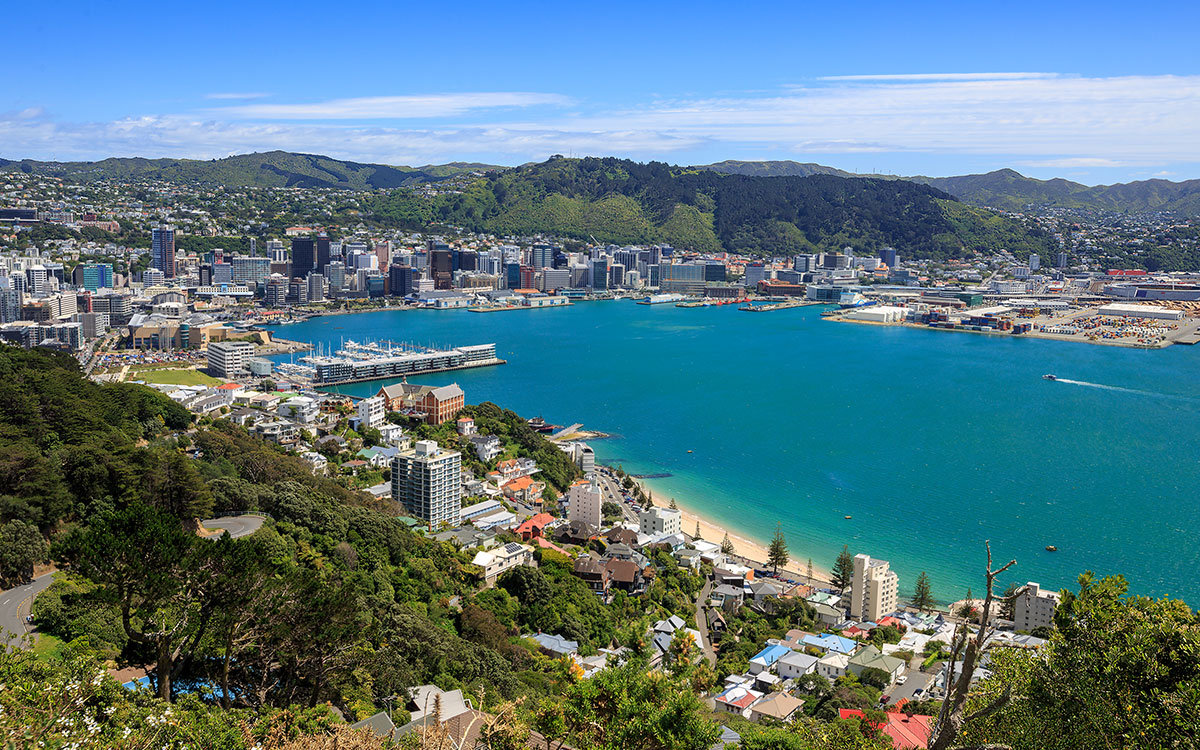
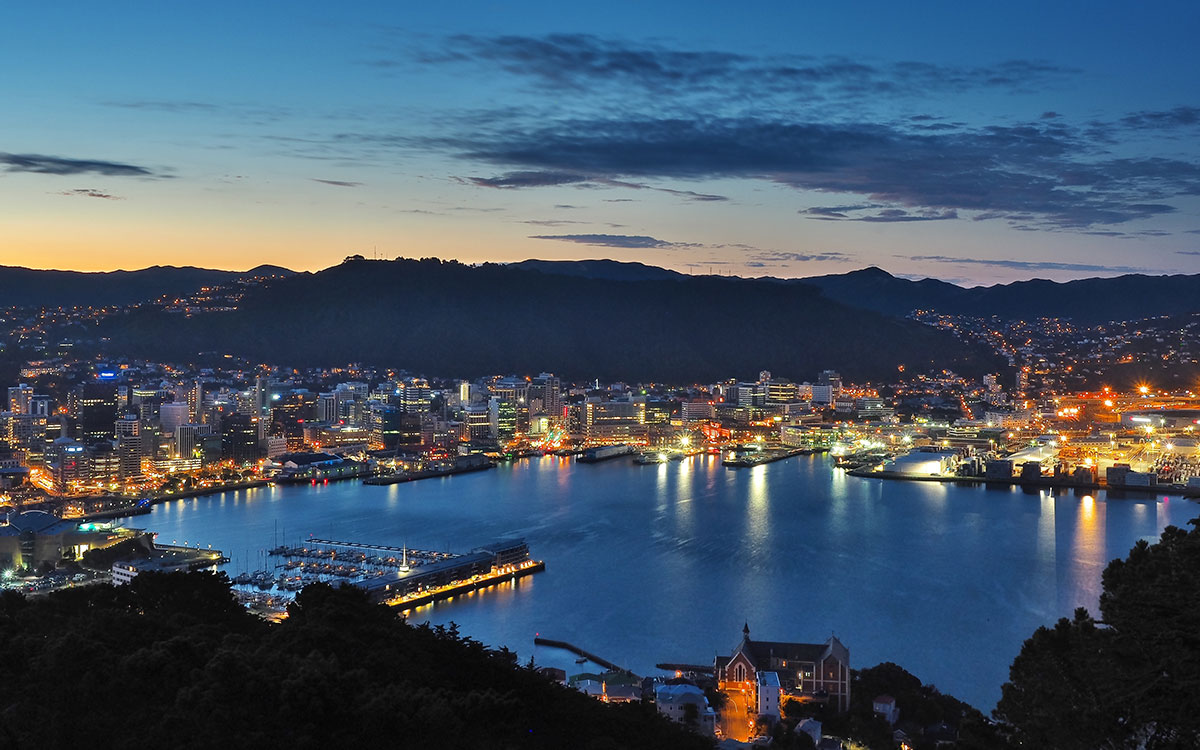
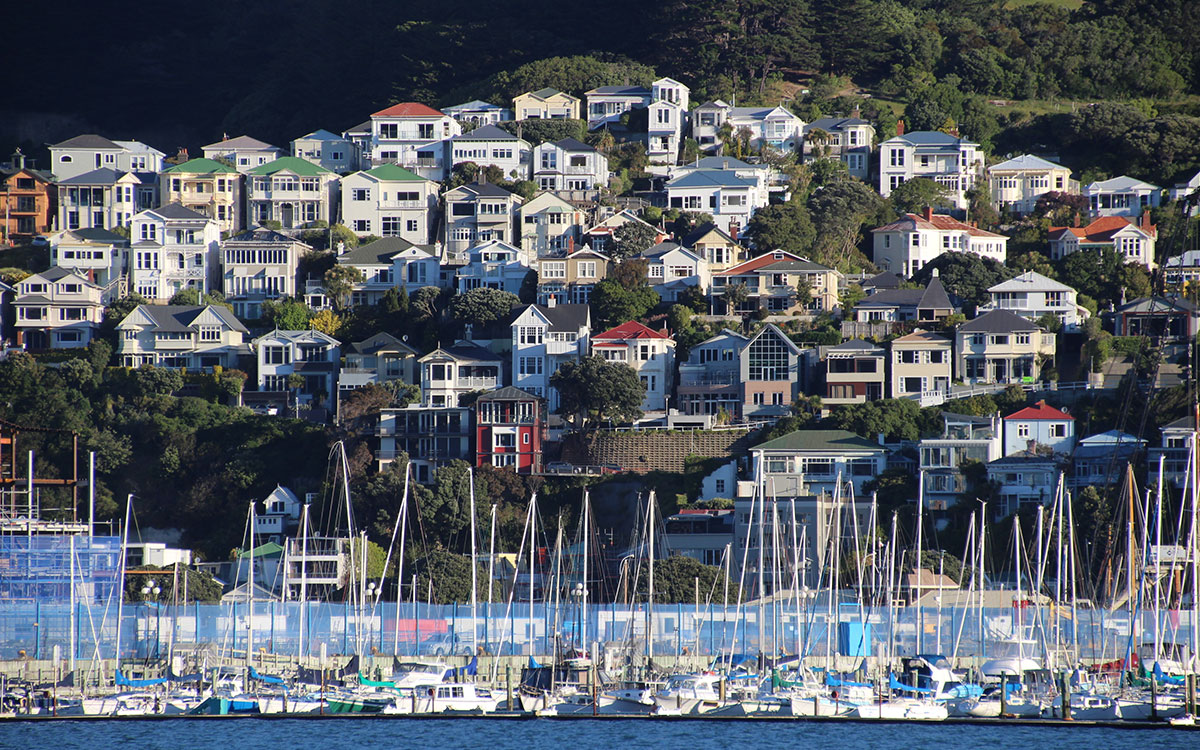
Wellington
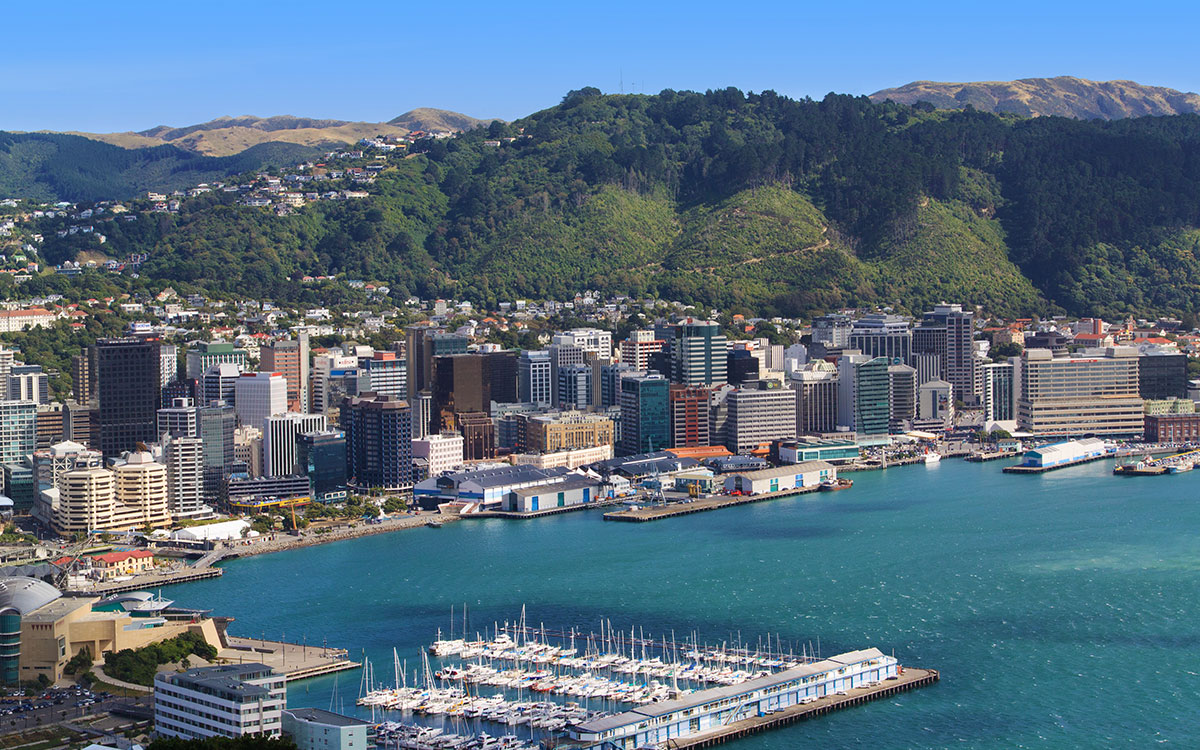
The capital city of New Zealand is located at the southern tip
of the North Island. Wellington is situated on a splendid harbour
and hemmed in by steep hills, creating a compact inner city centre
with a mix of historic and modern buildings. It is the second
largest city in the country, the energetic centre for culture and
arts, and the entertainment, commercial and political capital of
New Zealand with an air of pronounced sophistication and vibrancy.
Apart from its importance as the capital, it is the main departure
point for the South Island.
Also called 'Windy Wellington', it lives up to its name
especially in winter when the lashing winds from the Cook Strait
whistle through the wind funnels created by the high-rise buildings
of the central business district. The bustling, pretty waterfront
area is a sheltered refuge with a graceful promenade, featuring
shops, restaurants and various leisure activities. Brightly
coloured sails scud across the harbour, with the reliable wind
providing excellent sailing and windsurfing opportunities. The
ferry to the picturesque Days Bay, one of Wellington's best
swimming beaches, affords excellent views of the city from the
water. Dominating the waterfront is the Te Papa Museum, the pride
and joy of the nation that embodies the quintessence of New Zealand
and its people.
Day 60
Melbourne, Victoria
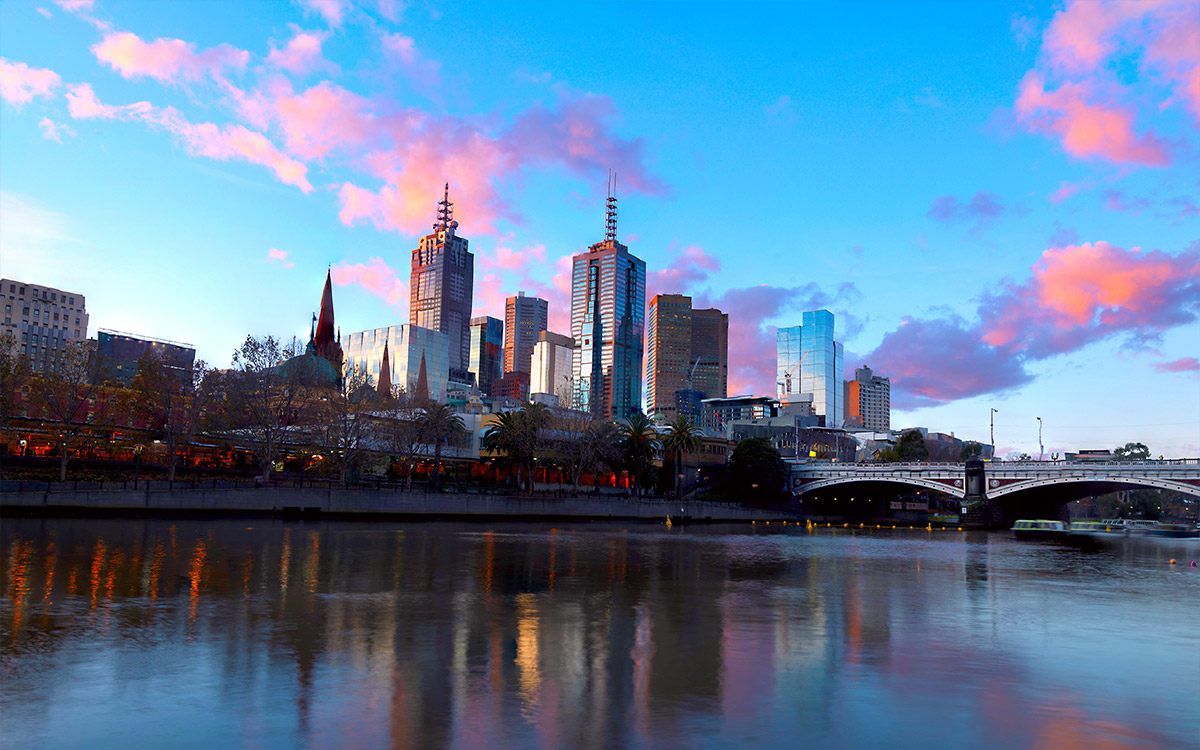
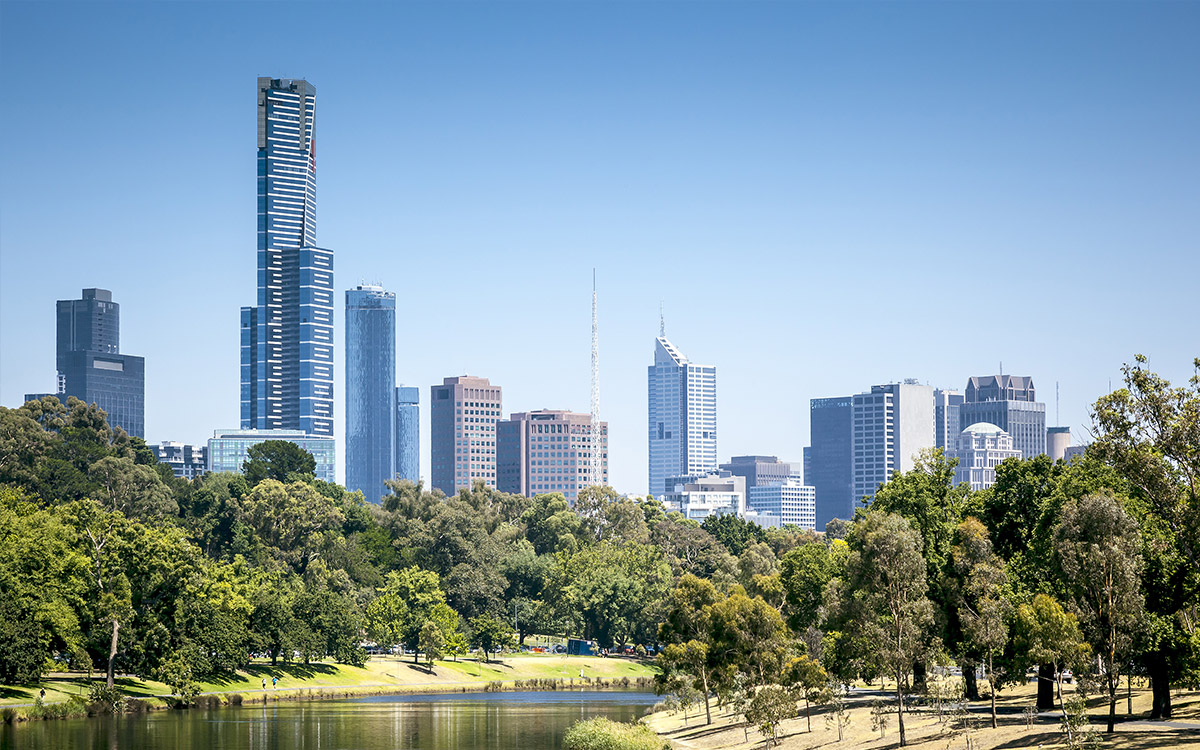
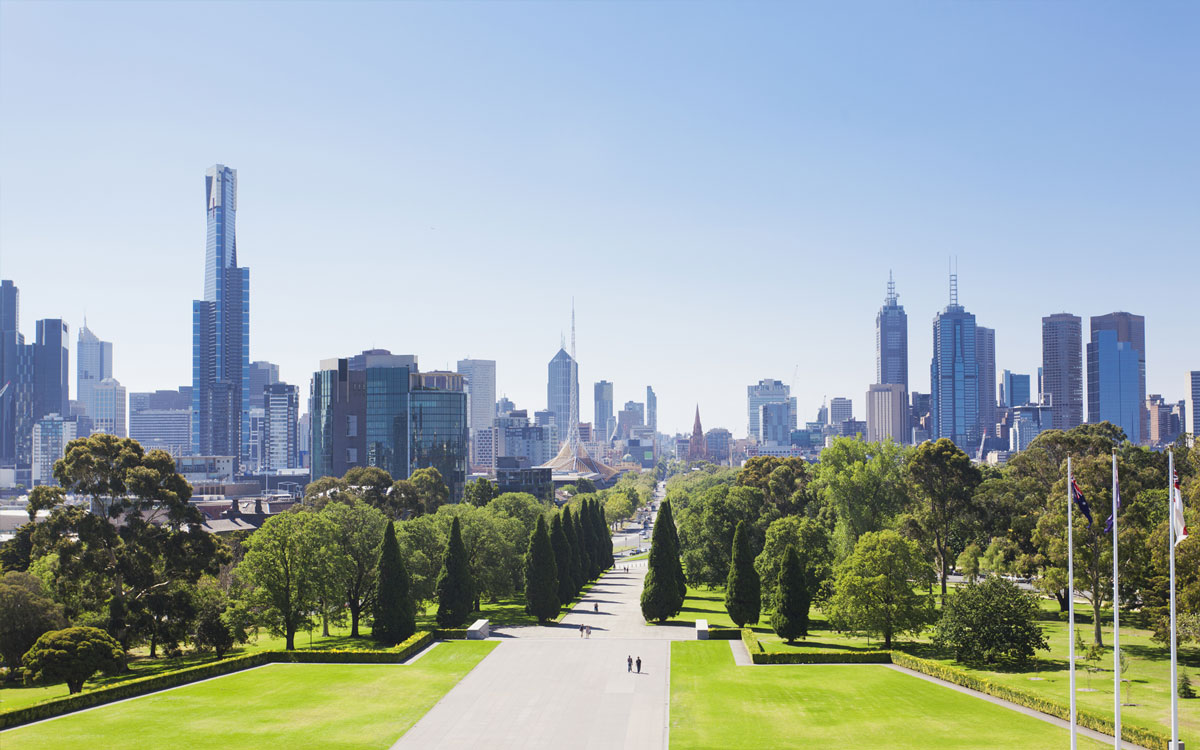
Australia's second-largest city and capital of Victoria,
Melbourne is the Land Down Under's most European in style, with
trams rattling through streets past historic buildings, parks and
outdoor cafes. The city centre is laid out in a simple grid
pattern, with wide north-south streets gently sloping down to the
Yarra River, crossed by a mix of narrow lanes, and the main
shopping streets such as Bourke and Collins Streets. The Central
Business District is easily navigable by foot, and if a rest is
needed after a session of sightseeing or shopping there are
numerous pretty parks to rest in, such as the Royal Botanical
Gardens, Fitzroy Gardens and Carlton Gardens. The burgundy-coloured
City Circle tram is free, and taking a ride is a good way to get
your bearings upon arrival as well as explore the inner city.
Melbourne is a melting pot of different cultures, all brewed
together to create a dynamic, stylish city which, though slick and
modern, boasts a pleasantly sedate pace of life. Melbourne's
residents proudly assert that the city offers an incredibly high
standard of living and is wonderfully child-friendly.
A fierce rivalry exists between the cities of Melbourne and
Sydney, but local residents bask in the satisfying knowledge that
Melbourne beats Sydney hands-down on the cultural front, noted for
its wide variety of high standard performing arts, as well as its
sport. The city plays host to world-renowned sporting events like
the Melbourne Cup, Australian Open Tennis and Qantas Australia
Grand Prix.
Beyond the city, within an hour's drive, there are numerous
places worth visiting, including the Macedon Ranges, which is
Australia's spa capital and boasts world-renowned mineral springs.
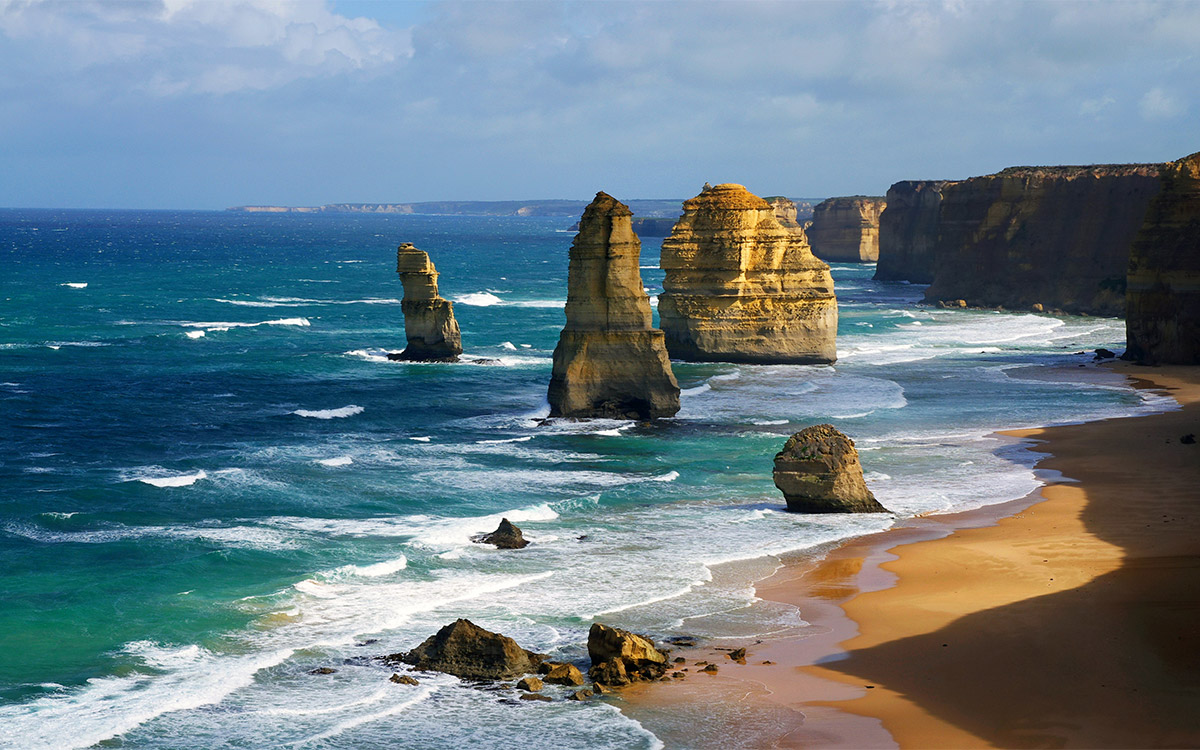
The spectacular Great Ocean Road winds along the coast, passing
stunning rock formations such as the Twelve Apostles. One of the
most popular self-drive routes for tourists to follow is the
circular Great Southern Touring Route, which includes spectacular
scenery and takes in some of Victoria's most beautiful, scenic and
cultural attractions. Ultimately, the city is a lovely destination
for family holidays, for active adventurers, and for culture
vultures.
Day 61
Portland, Victoria
Overview of Portland, Australia
Portland is a coastal town located in the state of Victoria, Australia. Situated on the picturesque shores of the Southern Ocean, Portland is a popular tourist destination known for its historic charm, natural beauty, and abundance of outdoor activities. Whether you are looking to relax on the beach, explore the rich maritime history, or indulge in delicious seafood, Portland has something to offer for everyone.
The town of Portland has a fascinating history that dates back to the early 1800s when it was established as a European settlement. As a result, it is home to some of the oldest surviving buildings in Victoria, including the beautifully restored foreshore area known as the Portland Historic Precinct. Visitors can take a leisurely stroll through this area and admire the grand architecture while learning about the town's maritime heritage.
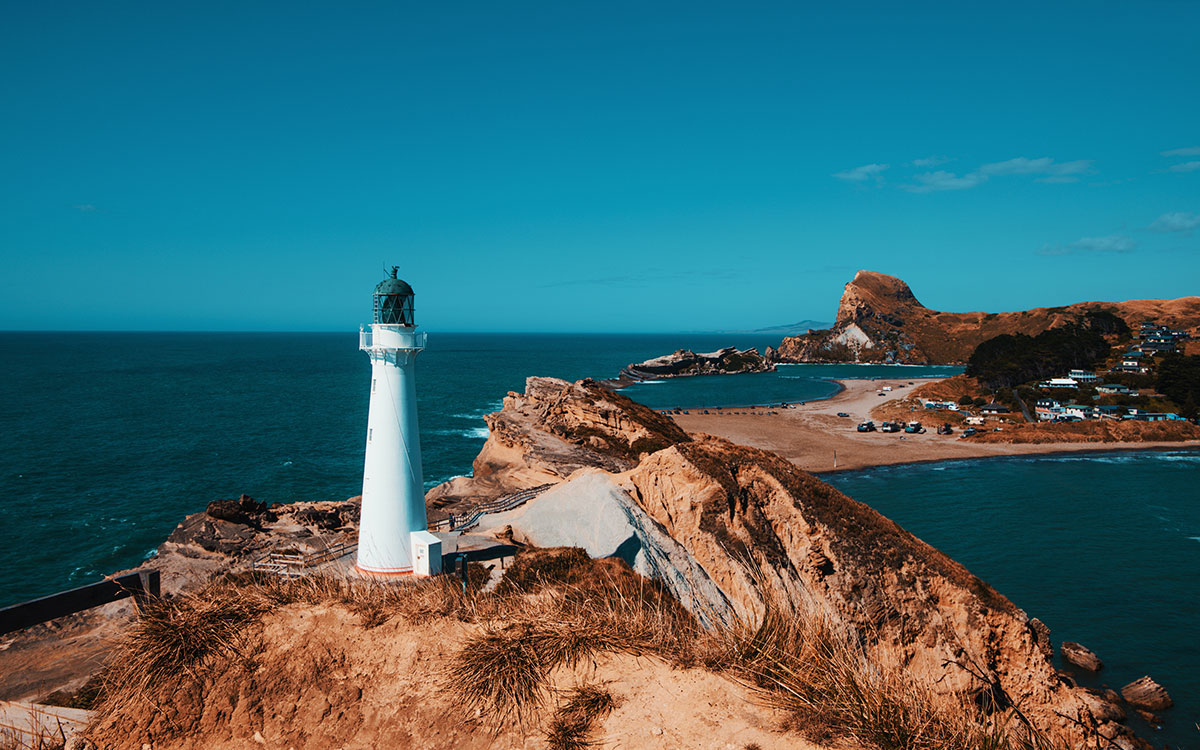
One of the main attractions in Portland is the Cape Nelson Lighthouse, which sits atop a rugged cliff overlooking the ocean. This historic lighthouse offers breathtaking views and is a great spot for whale watching during the winter months. There are also several walking trails in the area that provide access to stunning coastal landscapes and native wildlife.
For outdoor enthusiasts, Portland is a paradise. The town is surrounded by beautiful beaches, offering opportunities for swimming, surfing, and fishing. The nearby Bridgewater Bay is particularly popular for its crystal-clear waters and sandy shores, perfect for a day of relaxation. Fishing enthusiasts will also be delighted to know that Portland is one of the best destinations in Australia for deep-sea fishing, with plentiful catches including tuna, snapper, and shark.
Another must-visit attraction in Portland is the Portland Botanic Gardens. Covering an area of approximately 6 hectares, these gardens are home to a diverse range of native and exotic plant species. Visitors can explore the various themed gardens, including the Australian native garden, the rose garden, and the rhododendron garden. It is a tranquil place to relax, have a picnic, or simply enjoy a leisurely walk amongst the beautiful flora.
Food lovers will be in for a treat when visiting Portland. As a coastal town, it is renowned for its fresh seafood, particularly crayfish. There are numerous seafood restaurants offering delectable dishes made with freshly caught local produce. Visitors can also explore the local markets and sample the region's famous cheeses, chocolates, and wines.
In terms of accommodation, Portland offers a range of options to suit different budgets and preferences. From luxury hotels and cozy bed and breakfasts to holiday parks and camping grounds, there is something to cater to every traveler. Many of these accommodations also offer stunning views of the ocean or easy access to the beach.
In conclusion, Portland, Australia, is a charming coastal town that offers a perfect blend of natural beauty, rich history, and exciting outdoor activities. Whether you are seeking relaxation, adventure, or a glimpse into the past, Portland has it all. With its picturesque coastline, historical sites, delicious seafood, and welcoming atmosphere, it is no wonder that it has become a popular destination for both domestic and international travelers.
Day 62
Adelaide, South Australia
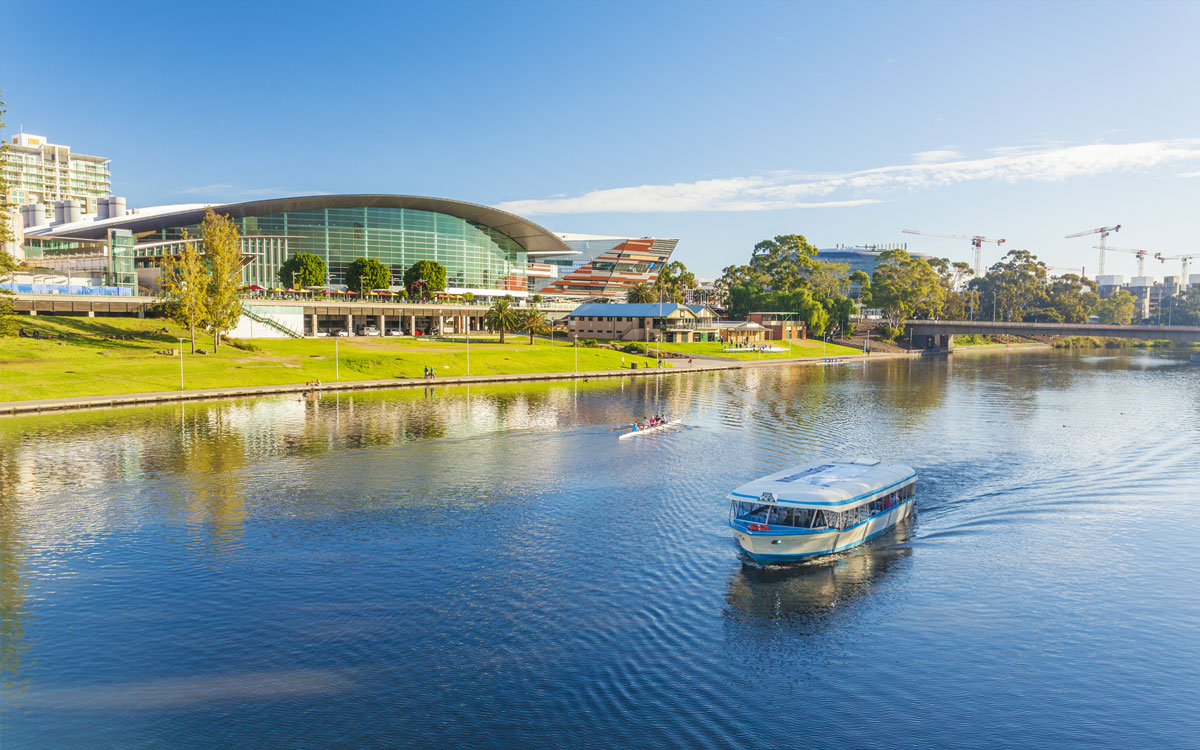
In keeping with its climate, Adelaide, capital of South
Australia, has a Mediterranean ambience as it straddles the Torrens
River, and is filled with churches, gardens, civic buildings,
sidewalk cafes and a plethora of museums, galleries and festivals
catering to the culturally inclined. The city was originally laid
out in 1836 by Colonel Light in a square mile (three sq km) grid of
wide streets with gracious colonial architecture. This has resulted
in a compact inner city area, geared for easy exploring on foot,
allowing the central area to be surrounded with hectares of
parklands, walking trails, sports grounds and picnic areas on the
banks of the river. The main boulevard is North Terrace, along
which are the restored Mortlock Library, the Art Gallery of South
Australia and the South Australian Museum with its spectacular
whale skeleton and collection of Aboriginal history. Aboriginal
culture is also catered for at Tandanya, a multi-arts cultural
centre that has galleries, performance areas and a café serving
native cuisine.
Visitors who have had enough of culture can take a cruise or
gondola ride on the Torrens River, or ride a vintage tram to the
nearby seaside town of Glenelg with its magnificent white sandy
beach, popular despite the occasional rumour of sharks. Adelaide's
Central Market is the place to go for foodies. Among the noisy,
colourful atmosphere and wondrous smells are fruit and vegetable
stores and a large selection of meat and fish along with gourmet
specialities introduced by the waves of immigrants who call
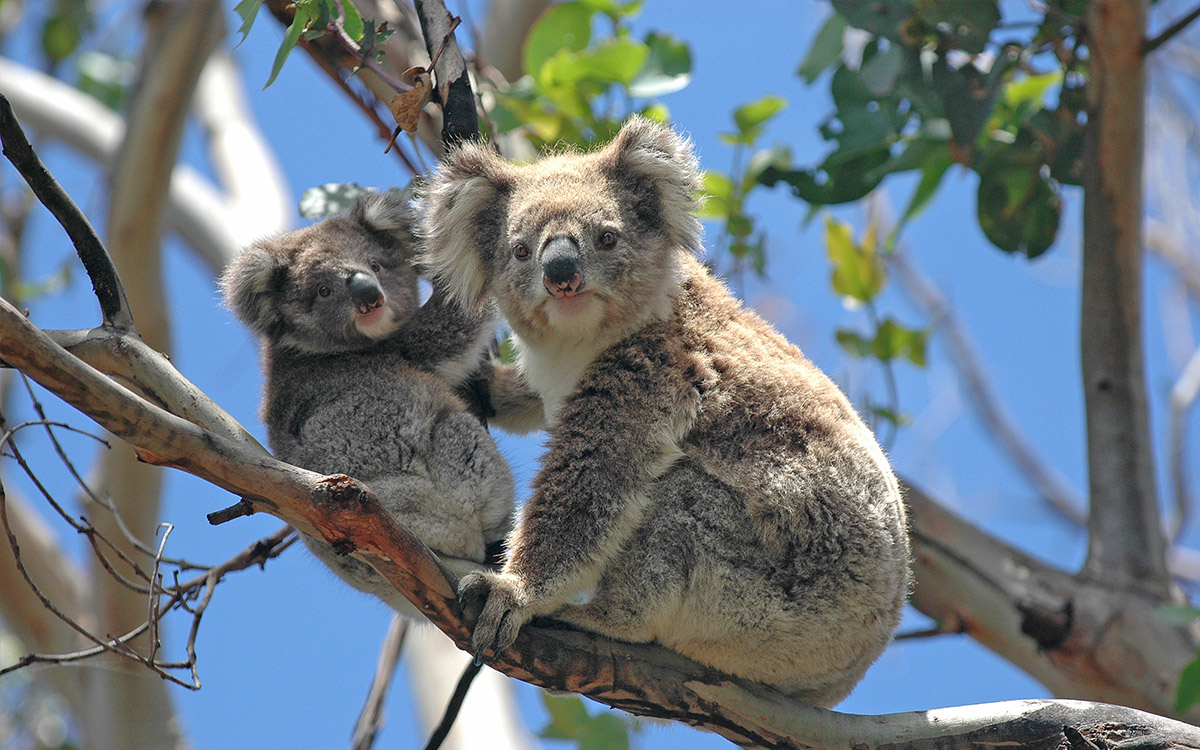
Adelaide their home. Also popular with visitors is the Adelaide Zoo
and Cleland Wildlife Park, which features local birds and animals
including koalas and kangaroos.
Day 63
Kangaroo Island, South Australia
Kangaroo Island, located off the coast of South Australia, is a captivating destination known for its diverse wildlife, pristine beaches, rugged cliffs, and fascinating natural landscapes. With a population of just over 4,000 people, this island offers a peaceful and secluded escape from the bustling cities of Australia. Stretching across 4,405 square kilometers, Kangaroo Island is the third largest island in Australia, making it a perfect place to get in touch with nature and experience the beauty of the country.
One of the main highlights of Kangaroo Island is its extraordinary wildlife. As the name suggests, you'll find an abundance of kangaroos hopping around the island, along with other iconic Australian animals such as koalas, echidnas, and wombats. Seal Bay Conservation Park is another must-visit destination, where visitors can observe a colony of sea lions in their natural habitat. You can also spot western grey kangaroos and wallabies at Flinders Chase National Park, home to the iconic landmark Remarkable Rocks and Admirals Arch.
The island is blessed with breathtaking natural landscapes that will leave visitors in awe. Flinders Chase National Park is a haven for nature lovers, boasting rugged cliffs, vast wilderness, and stunning coastal views. The park offers several walking trails, allowing visitors to explore its beauty up close. Another must-visit location is Kelly Hill Conservation Park, where underground caves and limestone formations create a surreal underground world. Visitors can take guided tours of the caves and marvel at their unique beauty.
Kangaroo Island is also a paradise for beach enthusiasts. The island features over 500 kilometers of coastline, and many of its beaches are pristine and unspoiled. Vivonne Bay is often hailed as one of Australia's most beautiful beaches, with its white sand and crystal-clear waters. Stokes Bay Beach is another hidden gem, accessible through a cave that opens up to a secluded beach surrounded by towering cliffs. For those seeking adventure, there are various water sports and activities available on the island, including surfing, kayaking, and fishing.
In addition to its natural beauty, Kangaroo Island is home to a thriving food and wine scene. The island's fertile lands are perfect for farming, resulting in an abundance of fresh produce. From farm-fresh honey to homemade cheese and locally caught seafood, visitors can indulge in a variety of culinary delights. Kangaroo Island is also renowned for its wines, particularly its world-class cool-climate wines. There are several wineries that offer tastings and cellar door experiences, where visitors can sample the locally produced wines.
Getting to Kangaroo Island is relatively easy, with regular ferries operating from Cape Jervis on the mainland. It is also possible to fly to the island from Adelaide, with daily flights available. Once on the island, there are various accommodation options to suit every traveler's needs, from luxury eco-resorts to cozy bed and breakfasts.
Whether you are seeking adventure, wildlife encounters, or simply a peaceful retreat surrounded by nature, Kangaroo Island offers an unforgettable experience. From exploring its diverse landscapes to immersing yourself in its unique wildlife, this remarkable island has something to offer for everyone. Kangaroo Island truly showcases the beauty and diversity that Australia has to offer, making it a must-visit destination for any traveler.
Day 66
Albany, Western Australia
Albany, located on the rugged southern coast of Western Australia, is a charming city that offers visitors a unique blend of stunning natural beauty, fascinating history, and a relaxed coastal lifestyle. Known for its pristine beaches, picturesque landscapes, and vibrant arts scene, Albany is a must-visit destination for nature lovers, history buffs, and those seeking a laid-back getaway.
One of the main highlights of Albany is its breathtaking coastline, which boasts some of Western Australia's most beautiful beaches. Middleton Beach, in particular, is a popular spot for swimming, surfing, and other water activities. Its crystal-clear waters and soft sand make it ideal for families, while the more adventurous can explore nearby coastal dunes or embark on a fishing excursion.
Not far from Middleton Beach lies Albany's Historic Whaling Station, an important cultural and historical site. Once a bustling whaling industry, the station now serves as a museum, providing visitors with insights into the region's whaling past. Explore the heritage buildings, watch educational demonstrations, and learn about the incredible conservation efforts that have helped protect the local marine life.
For those interested in the natural wonders of Albany, the stunning Torndirrup National Park is a must-visit. Here, you can witness the dramatic coastline, featuring rugged cliffs, blowholes, and the famous Natural Bridge rock formation. Take a walk along the Bibbulmun Track, a renowned hiking trail that winds through the park, offering breathtaking views of the surrounding landscape.
Albany's rich history is also evident in its heritage buildings and landmarks. The iconic Albany Town Hall, dating back to 1887, is a notable example of Victorian-era architecture, while the Old Gaol Museum provides a glimpse into the region's convict past. Don't miss a visit to the Anzac Peace Park, a significant site honoring the soldiers who departed from Albany during World War I.
In addition to its natural beauty and historical attractions, Albany is also known for its vibrant arts and cultural scene. The Vancouver Arts Centre, housed in a former school building, hosts regular exhibitions, performances, and workshops. The Southern Art and Craft Trail is a must for art enthusiasts, providing an opportunity to explore the studios and galleries of local artisans.
Food and wine enthusiasts will not be disappointed in Albany either. The region is renowned for its fresh produce and excellent wineries. Visit the award-winning cellar doors and taste some of the region's finest wines, accompanied by a delicious meal at one of the many restaurants overlooking the ocean.
When it comes to accommodation, Albany offers a range of options to suit all budgets and preferences. From luxury resorts and boutique hotels to cozy bed and breakfasts and self-contained apartments, there is something for everyone. Many accommodations are conveniently located close to the city center, providing easy access to the main attractions.
Albany is also a gateway to other beautiful destinations in the region. Just a short drive away, you can explore the stunning Stirling Range National Park, home to Western Australia's highest peak, or visit the charming coastal town of Denmark with its beautiful wineries, forests, and stunning coastline.
Whether you are seeking outdoor adventures, cultural experiences, or simply a tranquil seaside escape, Albany has it all. With its stunning natural attractions, rich history, and vibrant arts scene, this picturesque coastal city in Western Australia is sure to captivate and delight visitors from around the world.
Day 67
Fremantle, Western Australia
Located in Western Australia, Fremantle is a vibrant and historic port city that offers visitors a unique blend of maritime charm, eclectic culture, and stunning natural beauty. Just 30 minutes south of Perth, Fremantle is a must-visit destination for both locals and tourists alike.
Fremantle's history dates back to the early 19th century when it was established as a convict settlement. Today, the city proudly showcases its rich heritage through its well-preserved colonial architecture and historic landmarks. One of the must-see attractions is the Fremantle Prison, a UNESCO World Heritage site that provides fascinating insights into Australia's convict past. Visitors can take guided tours of the prison, exploring its cells and learning about the daily lives of prisoners.
Aside from its historical significance, Fremantle is renowned for its lively atmosphere and vibrant arts scene. The city is home to numerous galleries, art spaces, and street art, making it a haven for art enthusiasts. The Fremantle Arts Centre, housed in a beautifully restored 19th-century building, hosts regular exhibitions, concerts, and workshops. The many street art murals found throughout the city add a colorful and urban touch to Fremantle's streets.
The buzzing Fremantle Markets are a must-visit for any visitor to the city. Established in 1897, the market offers a diverse range of stalls selling fresh produce, local products, handmade crafts, clothing, and much more. It's an excellent place to immerse yourself in the local culture, taste delicious food, and buy unique souvenirs.
For those seeking relaxation and nature, Fremantle has plenty to offer. The city is surrounded by stunning beaches, making it an ideal destination for sun-seekers and water enthusiasts. Popular beaches such as Bathers Beach and South Beach offer pristine sandy shores, crystal-clear waters, and a range of water activities, including swimming, snorkeling, and surfing. Along the coast, visitors can also explore the charming coastal paths that offer breathtaking views of the Indian Ocean.
Fremantle has also gained recognition for its culinary delights. The city boasts an impressive array of restaurants, cafes, and bars, offering a diverse range of cuisines to suit all taste buds. From fresh seafood to international flavors and local specialties, food lovers will not be disappointed.
To fully appreciate Fremantle's beauty, a visit to the iconic Fremantle Fishing Boat Harbor is a must. Here, visitors can witness the bustling harbor filled with fishing vessels and indulge in freshly caught seafood at the waterfront restaurants. Taking a leisurely stroll along the harbor while enjoying the picturesque sunset is a magical experience you won't want to miss.
Transportation in and around Fremantle is convenient. The city is well-served by public transport, including trains and buses, making it easy to explore the surrounding areas and venture into Perth city center. Alternatively, renting a bike is a popular option, allowing visitors to explore the city at their own pace.
In conclusion, Fremantle is a captivating destination that combines a rich history, vibrant arts scene, stunning natural beauty, and delectable food. Whether you're interested in delving into the city's past, immersing yourself in its eclectic culture, or simply enjoying the beautiful beaches and coastal atmosphere, Fremantle offers something for everyone.
Day 72
Bali
Day 74
Celukan Bawang, Bali
Celukan Bawang is a picturesque coastal village located in the Buleleng Regency of Bali, Indonesia. Situated on the northern coast of the island, this charming destination offers a perfect mix of natural beauty and cultural experiences. Whether you are a nature enthusiast, a beach lover, or someone seeking a tranquil escape from the bustling tourist areas of Bali, Celukan Bawang has something to offer for everyone.
One of the main attractions of Celukan Bawang is its stunning black sand beaches. These unique beaches provide a striking contrast to the turquoise waters of the Bali Sea, creating a scenic environment for relaxation and leisure activities. Visitors can soak up the sun, take a refreshing swim, or simply enjoy a peaceful stroll along the shore. The beach also offers opportunities for snorkeling and diving, allowing visitors to explore the vibrant underwater world teeming with coral reefs and diverse marine life.
For those seeking a cultural experience, Celukan Bawang is home to several historical and sacred sites. One of the most prominent landmarks is the Pura Segara Temple, located just a short distance from the beach. This temple, dedicated to the goddess of the sea, is the center of many religious ceremonies and festivals. Visitors can immerse themselves in the local culture by witnessing these ceremonies, which often include traditional dances and music performances.
Nature lovers will be delighted to explore the lush green surroundings of Celukan Bawang. The village is nestled in a mountainous region, offering awe-inspiring views and hiking opportunities. Mount Batur, an active volcano, is located nearby and can be climbed for a breathtaking sunrise experience. The surrounding hills and rice terraces provide a scenic backdrop for nature walks and photography enthusiasts.
Celukan Bawang is also known for its vibrant traditional markets, where visitors can experience the local way of life and discover a variety of fresh produce, spices, and handicrafts. The market is a great place to sample local delicacies and indulge in authentic Balinese cuisine. Visitors can taste mouthwatering dishes such as lawar, babi guling, and sate lilit.
To enhance the overall experience, Celukan Bawang offers a range of accommodation options to suit different preferences and budgets. From luxury resorts and seaside villas to cozy guesthouses and homestays, visitors can find the perfect place to relax and unwind.
Getting around Celukan Bawang is convenient with various transportation options available. Taxis and motorbike rentals are readily accessible, allowing visitors to explore the area at their own pace. The village is located approximately 70 kilometers from Ngurah Rai International Airport, with private transfers and public transportation available for travelers arriving by air.
Overall, Celukan Bawang is a hidden gem that offers a unique and authentic experience of Bali. With its stunning beaches, rich cultural heritage, and natural beauty, this coastal village provides an ideal getaway for those seeking tranquility and a deeper connection with nature and local traditions. Whether you choose to relax on the beach, explore the nearby attractions, or immerse yourself in the local culture, Celukan Bawang promises a memorable and enriching travel experience.
Day 77
Puerto Princesa, Palawan
Puerto Princesa, located on the island of Palawan in the Philippines, is a bustling city known for its natural beauty and stunning landscapes. It is the capital of the Palawan province and serves as a gateway to some of the most pristine and untouched areas in the country. With its charming blend of urban development and untouched natural wonders, Puerto Princesa offers visitors a unique travel experience.
One of the main attractions in Puerto Princesa is the Puerto Princesa Subterranean River National Park, a UNESCO World Heritage Site and one of the New 7 Wonders of Nature. This underground river is one of the longest navigable underground rivers in the world, and taking a boat tour through its dark caves and impressive limestone formations is a must-do while in the city.
Puerto Princesa is also famous for its stunning beaches and turquoise waters. One of the most popular beach destinations is Honda Bay, which offers picturesque islands and crystal-clear waters perfect for snorkeling, swimming, and sunbathing. Island hopping tours are readily available and allow visitors to explore the many islands and coral reefs in the bay.
For nature lovers, Puerto Princesa offers a wide range of eco-tourism activities. The city is home to the Palawan Wildlife Rescue and Conservation Center, where visitors can see various species of animals, including the endangered Philippine crocodile and the Palawan bearcat. Another popular attraction is the Butterfly Eco-Garden and Tribal Village, where visitors can learn about the indigenous culture of the Palawan tribes while enjoying the beauty of hundreds of butterflies in a lush garden setting.
Additionally, Puerto Princesa is known for its commitment to sustainable tourism. The city has implemented several eco-friendly initiatives, such as waste management programs and strict regulations to protect its natural resources. Travelers can explore the city's eco-parks and mangrove forests, which provide opportunities for hiking, birdwatching, and kayaking.
Furthermore, Puerto Princesa is a culinary delight for food enthusiasts. The city offers a wide range of dining options, from local eateries serving traditional Filipino dishes to international restaurants with a fusion of flavors. Don't miss trying the famous crocodile sisig, tamilok (a local delicacy made from woodworms), and freshly caught seafood.
When it comes to accommodations, Puerto Princesa offers a wide range of options that cater to different budgets and preferences. From luxury resorts, beachfront hotels, and eco-lodges, there is something for everyone. The city center also has budget-friendly guesthouses and hostels for backpackers.
In terms of accessibility, Puerto Princesa is well-connected with daily flights from major cities in the Philippines, making it easy to reach. Once in the city, getting around is convenient with tricycle taxis and jeepneys available for transportation within the city and surrounding areas.
Overall, Puerto Princesa offers a perfect blend of natural wonders, cultural experiences, and sustainable tourism initiatives. Whether you are looking for adventure, relaxation, or a deeper understanding of Filipino culture, Puerto Princesa is a destination that will not disappoint.
Day 78
Boracay Island
Boracay Island, located in the Philippines, is one of the most popular tourist destinations in Southeast Asia. With its pristine white sandy beaches, crystal-clear turquoise waters, and vibrant nightlife, it's no wonder travelers from all over the world flock to this tropical paradise. Here's an overview of what Boracay has to offer.
First and foremost, Boracay is renowned for its stunning beaches. The most famous and bustling beach on the island is White Beach, stretching over four kilometers and offering a plethora of beachfront resorts, restaurants, and bars. The beach is divided into three stations, each with its own unique vibe. Station 1 is known for its high-end resorts and quiet atmosphere, while Station 2 is bustling with activity, featuring a lively nightlife scene and numerous shopping options. Station 3 is perfect for those seeking a more laid-back and relaxed beach experience.
Beyond White Beach, Boracay also offers other beautiful and less crowded beaches. Puka Shell Beach, located on the northern tip of the island, is known for its powdery white sand and abundance of puka shells. Bulabog Beach, on the eastern side of the island, is famous for its strong winds, making it the ideal spot for water sports enthusiasts, especially kiteboarders and windsurfers.
Speaking of water sports, Boracay has an array of activities to satisfy adventure seekers. From snorkeling and scuba diving to parasailing and jet skiing, there's something for everyone. The island boasts vibrant marine life and stunning coral reefs, making it an excellent spot for underwater exploration. For those looking for a more tranquil experience, island hopping tours are available, taking visitors to nearby islets such as Crystal Cove, Crocodile Island, and Magic Island.
When it comes to dining, Boracay offers a wide range of culinary delights. From local Filipino cuisine to international dishes, the island caters to all tastes and budgets. A must-try is the fresh seafood, caught and prepared right on the beach. The nightlife scene in Boracay is equally vibrant, with numerous bars and clubs offering live music, DJs, and beachside parties that last well into the night.
For those craving a break from the beach, Boracay has a variety of land-based activities. Explore the island's interior on a guided ATV tour or go ziplining through the lush forest. Mount Luho, the highest point on the island, offers stunning panoramic views and is a popular spot for sunset watching. Alternatively, take a bike ride around the island to discover its hidden coves, quiet villages, and lush landscapes.
One important thing to note is that Boracay has undergone significant rehabilitation efforts in recent years to address issues such as overcrowding, pollution, and unregulated development. As a result, the island has implemented strict environmental regulations and limits on visitor numbers to preserve its natural beauty. It is essential for travelers to be mindful of these regulations and help in keeping Boracay clean and sustainable.
In conclusion, Boracay Island offers a perfect combination of natural beauty, adventure, relaxation, and entertainment. Whether you're seeking a beach getaway, water sports thrills, or a vibrant nightlife, this tropical paradise has it all. With its stunning beaches, diverse culinary scene, and abundance of activities, Boracay is a destination that will surely leave visitors with unforgettable memories.
Day 79
Manila
Manila is the somewhat daunting capital and
pulsating hub of the Philippines. Situated on the east coast of
Luzon Island, it was founded on the site of a Muslim settlement in
1571. The city's major tourist attraction is the old Spanish walled
city known as Intramuros, where visitors can see some marvellous
historic buildings.
It was once known as the Pearl of the
Orient and was an important centre for South East Asia. Suffering
some of World War II's most destructive urban battles, much of old
Manila disappeared in the conflict. Today, expansive parks,
congested traffic and modern high-rises make up a city that has
risen from the ashes to become the archipelago's cultural and
political centre.
Tourists will encounter a truly enchanting
destination and should pause to appreciate Manila Bay's sunsets. A
combination of clouds and humid conditions make them unforgettable.
Most visitors use Manila as a springboard to explore the country's
islands and provinces, with flights generally landing at Ninoy
Aquino International Airport. Select airlines from particular
locations do fly into Cebu and Aklan.
Day 82
Nha Trang
The capital of Khanh Hoa Province, and located on Vietnam's
south-eastern coastline, Nha Trang is a popular tourist destination
and a great stop on any backpacking trail. With a reputation as a
glamorous 'party city' - it hosted the Miss Universe pageant in
2008, the Miss World pageant in 2010, and the 2016 Asian Beach
Games - Nha Trang boasts fabulous, pristine white-sand beaches, and
stellar scuba-diving and snorkelling.
The beautiful bay on the shores of the South China Sea is dotted
with islands travellers can easily access and explore, and is home
to the five-star Vinpearl holiday resort, an opulent,
Disneyworld-like structure that caters for the well-heeled. One of
those wonderful coastal destinations that is as popular with locals
as with foreigners, and as revered by backpackers as by more
affluent travellers, Nha Trang also features some interesting
cultural fare that the more discerning traveller will enjoy seeking
out.
Must-see tourist attractions include the Po Nagar Cham Towers (a
beautiful collection of temples built between the 7th and 12th
centuries); the Long Son Pagoda; the Alexandre Yersin Museum
(constructed in honour of the French-Swiss bacteriologist who spent
50 years living in Nha Trang); Nui Hon Chong beach; and the
Lanterns Cooking Class, offered by one of the best restaurants in
downtown Nha Trang.
While in Nha Trang, be sure to try the local specialities, which
include fresh seafood and barbecued pork rolled in rice paper.
Day 83
Ho Chi Minh City
Ho Chi Minh City, better known by its former name of Saigon, is
an industrious and dense metropolis, the largest city in Vietnam
and the business capital of the country. With a population of
roughly nine million, it is crowded and noisy, yet also exciting, a
historic city that encompasses the essence of the nation.
Located on the Saigon River on the edge of the Mekong Delta,
Saigon became the capital of the Republic of South Vietnam and was
the American headquarters during the Vietnam War. Two years later
the Communist north took control of the country, the city's name
was changed to Ho Chi Minh City, and recession and poverty
ensued.
Today, Ho Chi Minh City has a cosmopolitan atmosphere and,
having actively welcomed capitalism, its citizens are clearly
business-minded. Although relatively modern, it has still managed
to hold onto its historical character, and fine restaurants, chic
hotels and bars line the sidewalks. The buzzing of motorbikes and
scooters merges with the calls of street vendors and the urgent
business of stall owners, selling a range of delectable street food
and exotic delicacies. The sight of a family of four balanced
precariously on a scooter, a squealing pig strapped onto the back
of a bicycle, bowed heads topped by pointed lampshade-style hats
and orange-clothed monks are just some of the vibrant images the
city has to offer.
Although overshadowed by modern and Asiatic influences, a little
of Ho Chi Minh City's French colonial charm still remains, evident
in the graceful architecture, wide boulevards, and a sidewalk cafe
society. It is not for the attractions that travellers visit Ho Chi
Minh City however, but for the vibrancy of its street life, and its
proximity to the Mekong Delta.
Day 86
Singapore
Beguiling Singapore is a modern city-state embracing economic
progress against the backdrop of age-old tradition. Many business
people and holidaymakers travel to Singapore on their way to the
Far East, or as a stop-off between Australia and Europe, and are
eager to see and experience this legendary hi-tech Asian city,
which combines traditional enclaves with the towering steel and
cement of a cosmopolitan international power-house. The customs
that underpin community life emerge out of a cultural mix that
includes predominantly Chinese, Indian and Malay ethnic groups.
Singapore is an island off the southern tip of Malaysia, linked
to it by a causeway. It evolved from a sleepy fishing village in
the early 1900s to become one of Asia's economic tigers. Sir Thomas
Stamford Raffles landed on Singapore's northern bank in 1819,
quickly identifying a strategic trading location. Singapore's rural
landscape was transformed by British colonial rule, Japanese
occupation, Communist insurrection and finally, independence. Since
becoming a republic in 1965 the island has experienced increased
prosperity and exponential economic growth. Shimmering skyscrapers
tower above the slick financial districts and elegant colonial
buildings preserve a lingering old-world charm.
Singapore's full calendar of events showcases a spectrum of
cultural celebrations and shopping activities. The early summer
months bustle in anticipation of the Singapore Sale - a time when
tourists can cash in on the competitive prices of electronic
equipment, jewellery and other merchandise. The business activity
thrives amid the celebration of Chinese, Hindu and Muslim festivals
that punctuate the year with their colourful representations. These
include the Chinese New Year, Ramadan, Hari Raya Puasa, Vesak Day,
the Dragon Boat Festival, Festival of the Hungry Ghosts and
Thaipusam.
The core of downtown Singapore is formed by the Colonial
District, embellished by cathedrals and cricket lawns. The notable
sites of the area include the Empress Place Building and the
luxurious Raffles Hotel. Although most of old Singapore has been
demolished to make way for the modern city, many major landmarks
within the Colonial District have been preserved. The surrounding
ethnic enclaves of Little India, Chinatown and the Arab Quarter
also provide glimpses into the traditions that have sustained their
respective communities through the centuries.
Fort Lauderdale to Singapore Ships
Recommended Deals like Fort Lauderdale to Singapore
Fort Lauderdale to Singapore
 Crystal Cruises

Departure:
January
VISITING:
Fort Lauderdale, Florida
Cozumel
Belize City
Santo Tomás de Castilla
Roatán Island
Puerto Limón
Cartagena
Panama Canal Transit
Fuerte Amador
Manta
Guayaquil
Salaverry
Callao
Hangaroa, Easter Island
Adamstown
+32 more
FROM
£
37,600 pp
Roundtrip Fort Lauderdale
Crystal Cruises
Departure:
Nov to
Mar
VISITING:
Fort Lauderdale, Florida
Cozumel
Belize City
Santo Tomás de Castilla
Roatán Island
Montego Bay
Georgetown, Grand Cayman
Fort Lauderdale, Florida
FROM
£
2,740 pp
Fort Lauderdale to Papeete, Tahiti
Crystal Cruises
Departure:
January
VISITING:
Fort Lauderdale, Florida
Cozumel
Belize City
Santo Tomás de Castilla
Roatán Island
Puerto Limón
Cartagena
Panama Canal Transit
Fuerte Amador
Manta
Guayaquil
Salaverry
Callao
Hangaroa, Easter Island
Adamstown
+4 more
FROM
£
10,680 pp
Join the Crui.se Club
Points That Pay
Earn 25 points (£25) just for joining — and collect more on bookings, reviews, and referrals.
Exclusive Member Deals
Unlock off-market offers reserved only for Crui.se Club members.
Early Access Perks
Be the first to book with pre-launch notifications and special member-only booking windows.
Cruise With Confidence
Our mission at wordpress-1024654-4169282.cloudwaysapps.com is to help you and your loved one’s book and experience the best cruise holiday imaginable. We’re different in that, our customers come first, not our suppliers or profit margins. Get in touch and let us help you set sail.


Over 20 cruise brands to choose from

Low deposits from £500

All Inclusive cruises

Best deals & discounts

Community driven

Brand agnostic

We take care of everything

Custom built cruise holidays


