






 We won’t be beaten on price...

ABTA protected


Safari Cruise along the
Zambezi River - South
Africa, Botswana, Namibia, Zimbabwe
with extended stay "Cape
Town and the Cape
of Good Hope Peninsula"
(port-to-port cruise)
Scroll to sail

Safari Cruise along the Zambezi River - South Africa, Botswana, Namibia, Zimbabwe with extended stay "Cape Town and the Cape of Good Hope Peninsula" (port-to-port cruise)
Embark on CroisiEurope's extraordinary Safari Cruise along the Zambezi River, exploring South Africa, Botswana, Namibia, and Zimbabwe. This adventure blends thrilling wildlife encounters with serene river cruising, plus an extended stay in Cape Town and the stunning Cape of Good Hope Peninsula.
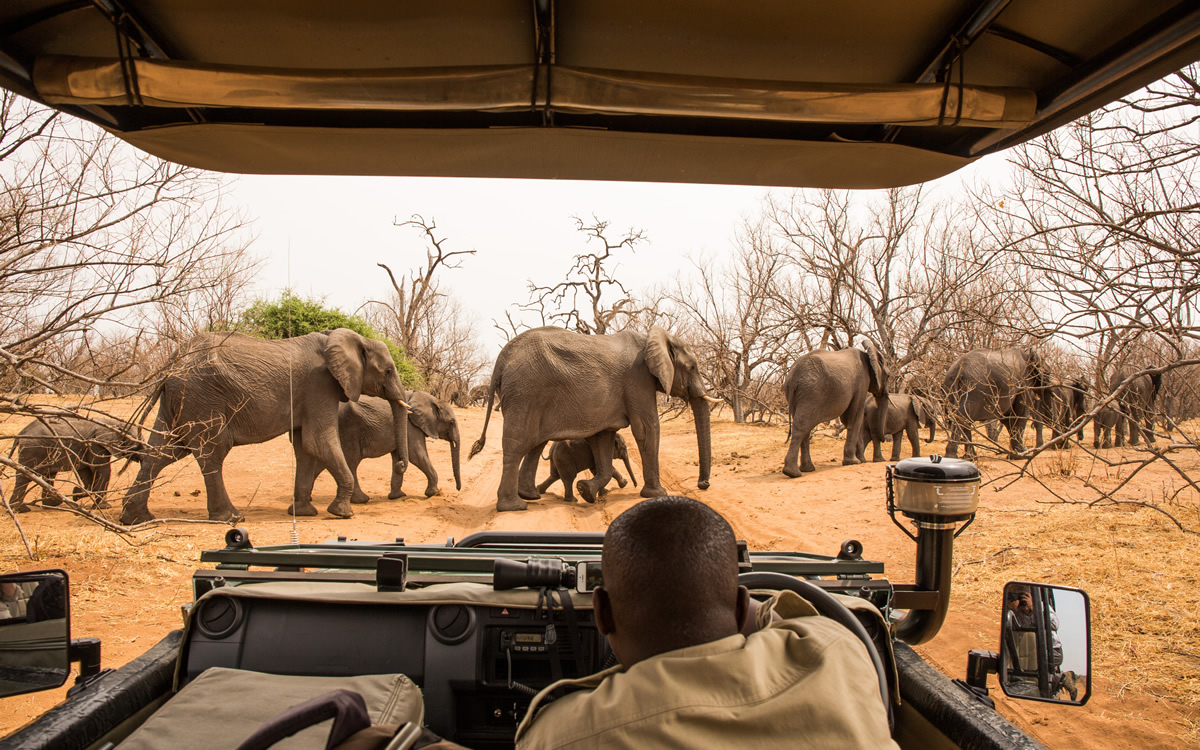
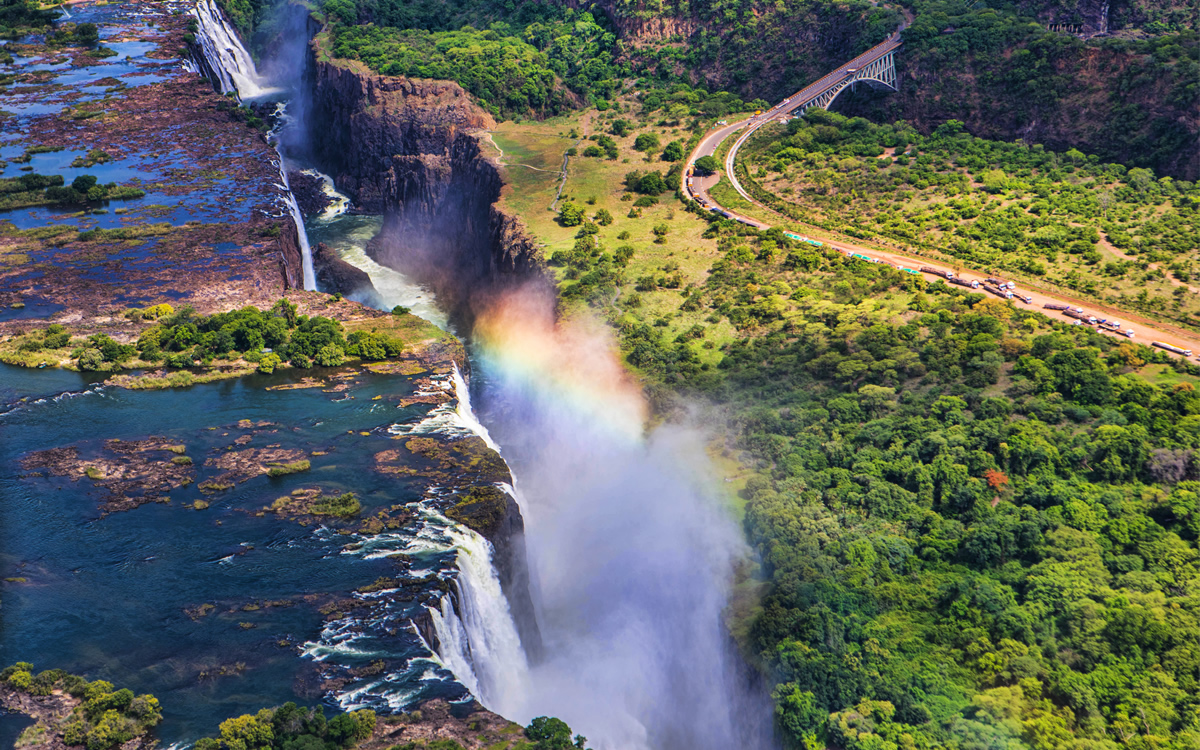
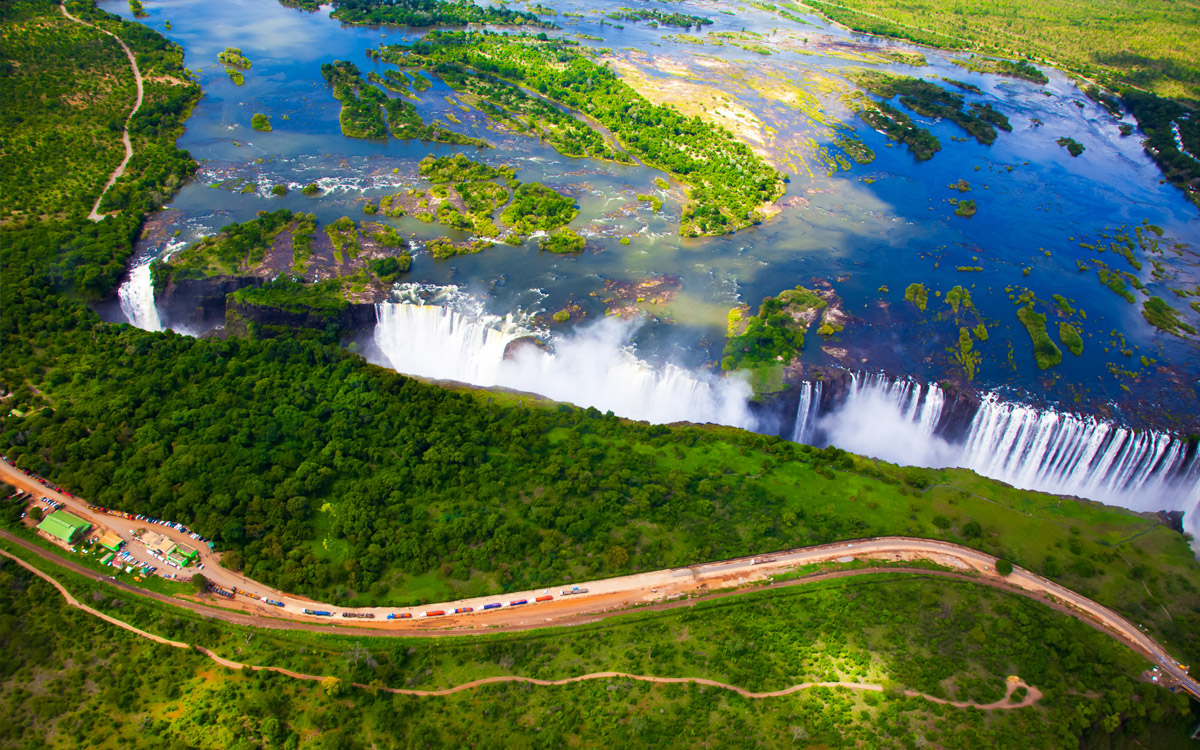
Witness incredible wildlife up close in Chobe National Park, famed for vast elephant herds, directly from your elegant vessel. Traverse the majestic Zambezi River to the awe-inspiring Victoria Falls, one of the Seven Natural Wonders of the World.
This unforgettable expedition promises an immersive blend of luxury and wilderness. Discover vibrant cultures and breathtaking landscapes, crafting lifetime memories. Experience the ultimate Southern African adventure, perfectly combining a river safari with iconic Cape Town beauty.
-
 Cruise Line: CroisiEurope
-
 Ship: African Dream + 1 more
-
 Duration: 3 Nights
-
 Departure: Oct - Dec
Safari Cruise along the Zambezi River - South Africa, Botswana, Namibia, Zimbabwe with extended stay "Cape Town and the Cape of Good Hope Peninsula" (port-to-port cruise) Prices
Safari Cruise along the Zambezi River - South Africa, Botswana, Namibia, Zimbabwe with extended stay "Cape Town and the Cape of Good Hope Peninsula" (port-to-port cruise) Gallery



Safari Cruise along the Zambezi River - South Africa, Botswana, Namibia, Zimbabwe with extended stay "Cape Town and the Cape of Good Hope Peninsula" (port-to-port cruise) Itinerary

Day 1
Cape Town
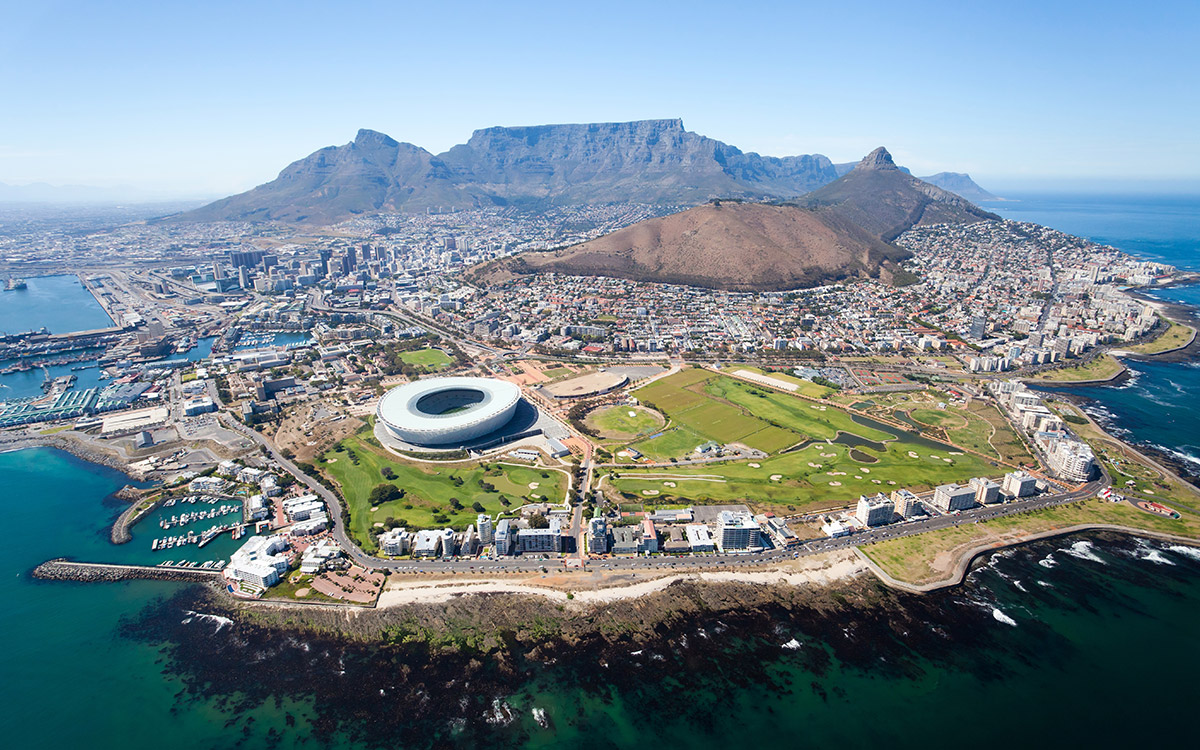
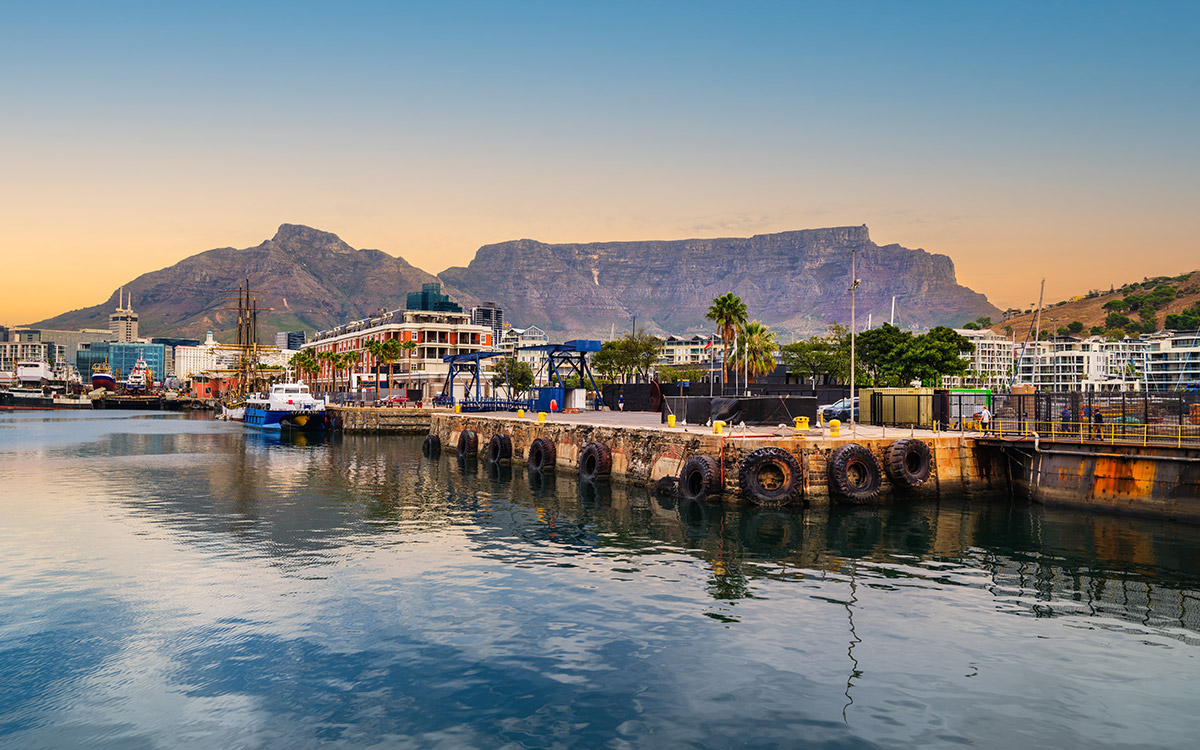
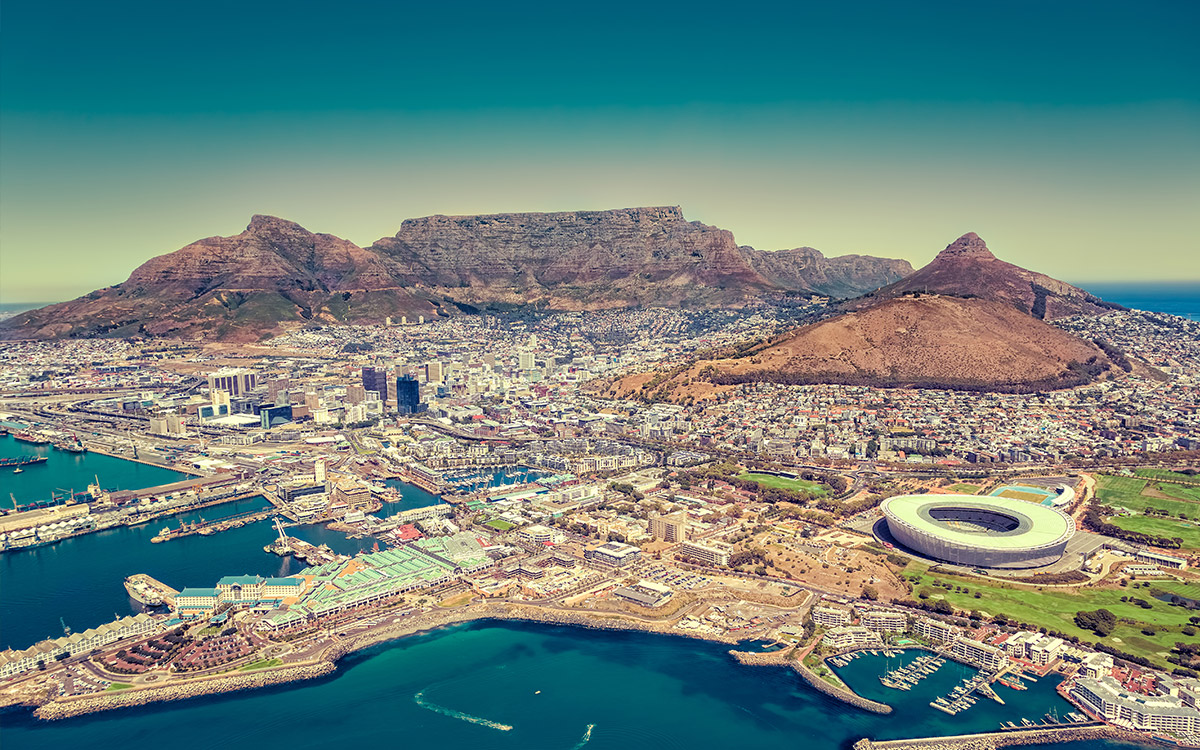
Cape Town's allure lies in its spectacular setting, the beauty
of its natural environment, and the rich cultural diversity of its
people. The city has had a long and turbulent history, and the
effects of colonisation and Apartheid still linger in the minds and
hearts of many. Transformation, however, has led to a feeling of
hope, which can be experienced in the cosmopolitan city centre of
Cape Town.
Flower sellers, business executives, parking attendants, office
workers, and shoppers all rub shoulders in a setting of both
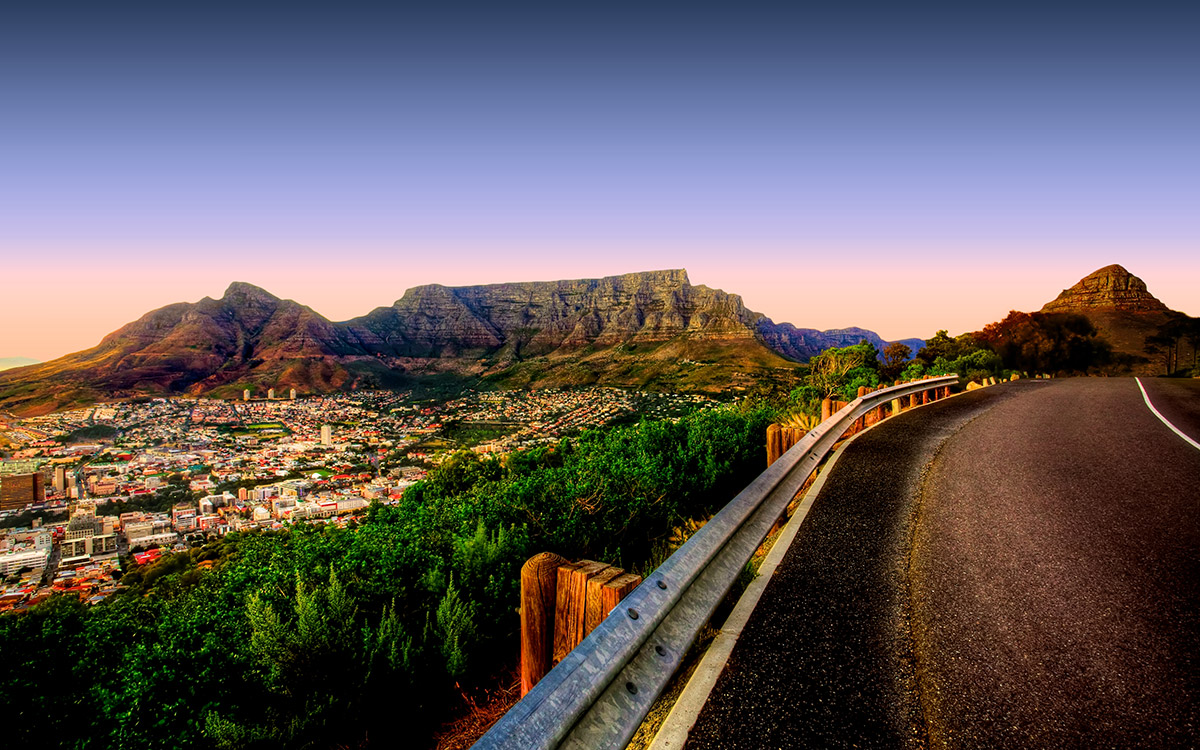
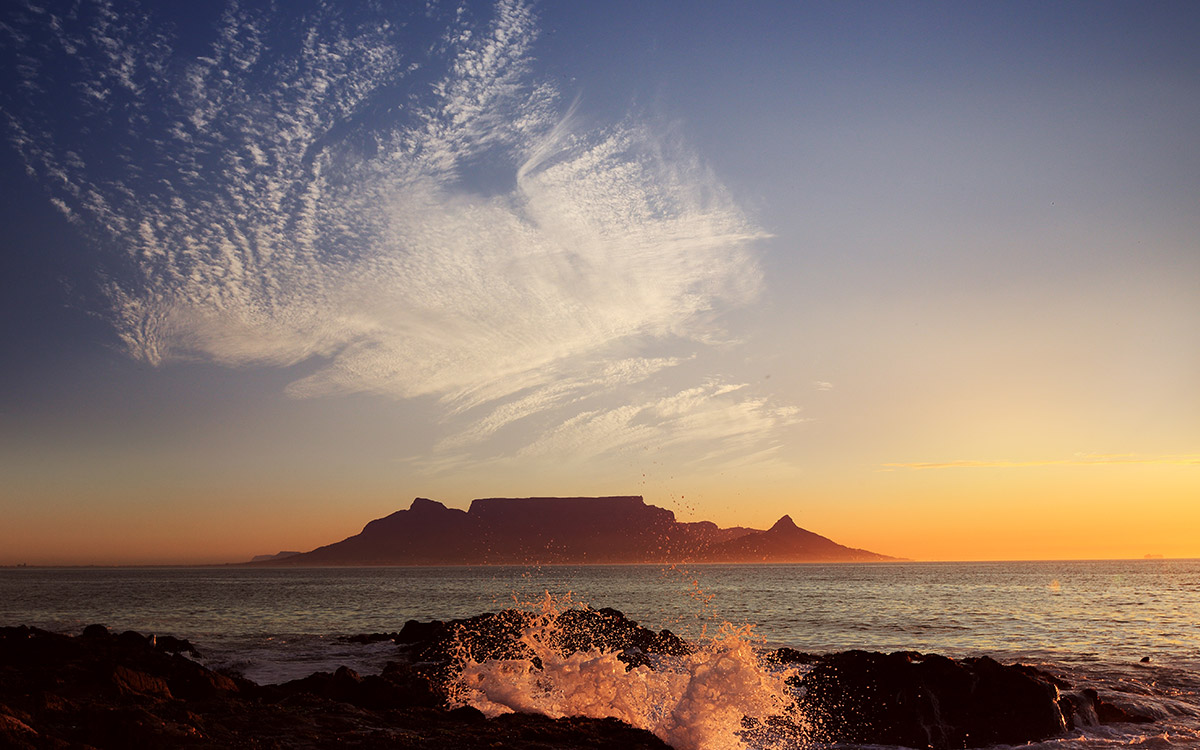
historical and modern buildings, backed by the city's most famous
landmark, Table Mountain. The colourful Malay Quarter, the remains
of District Six, St George's Cathedral, Government Avenue, and the
old Castle are historically interesting, while world-class African
and international restaurants tempt travellers with their culinary
delights. Although an African city, Cape Town has a marked European
influence and visitors can experience the excitement of Africa from
the comforts of upmarket surroundings.
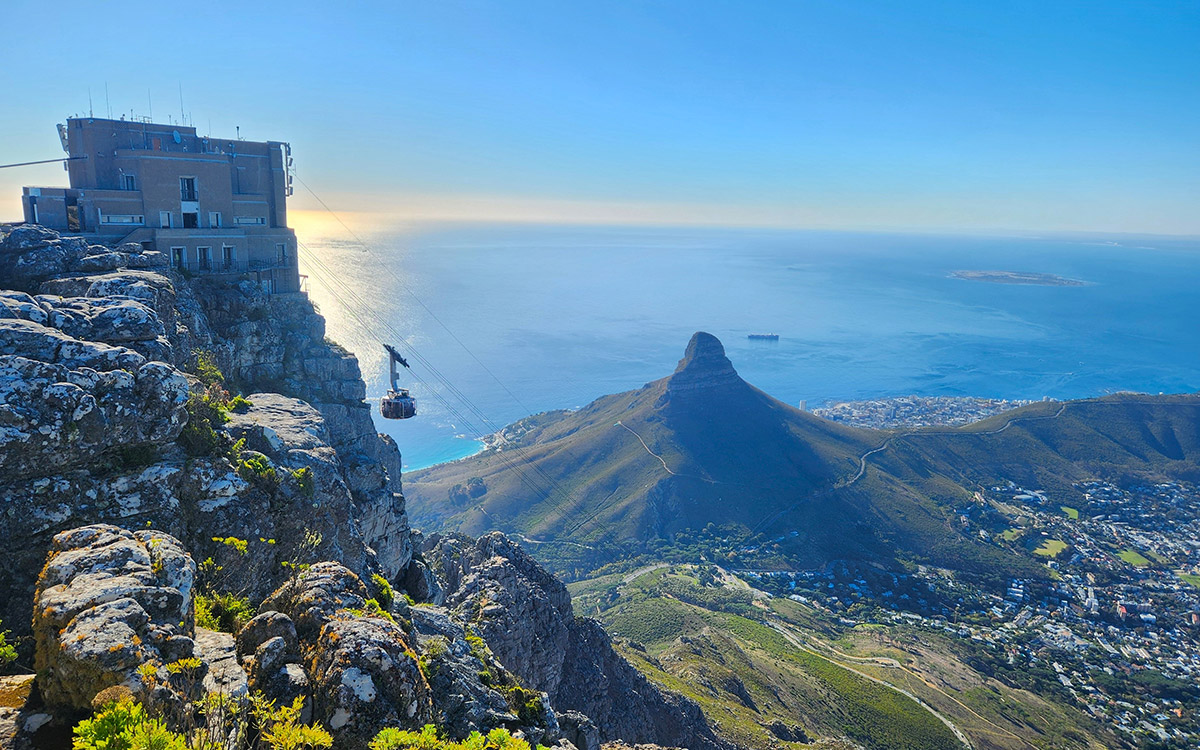
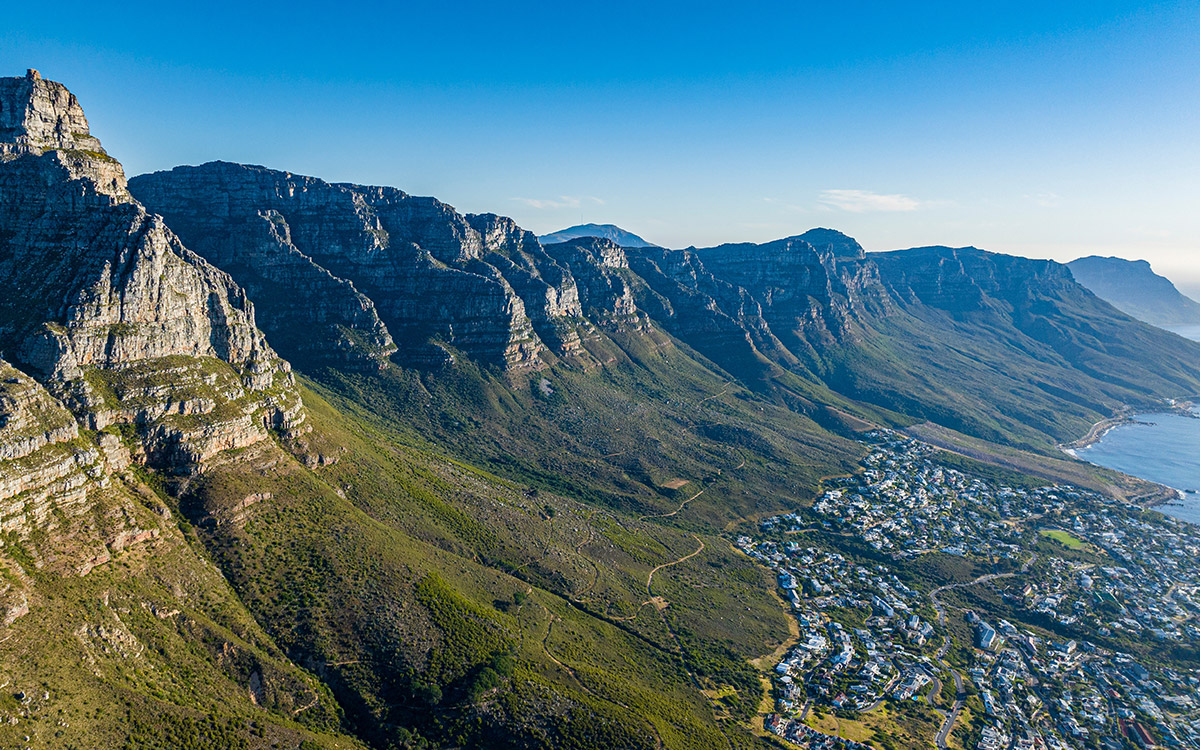
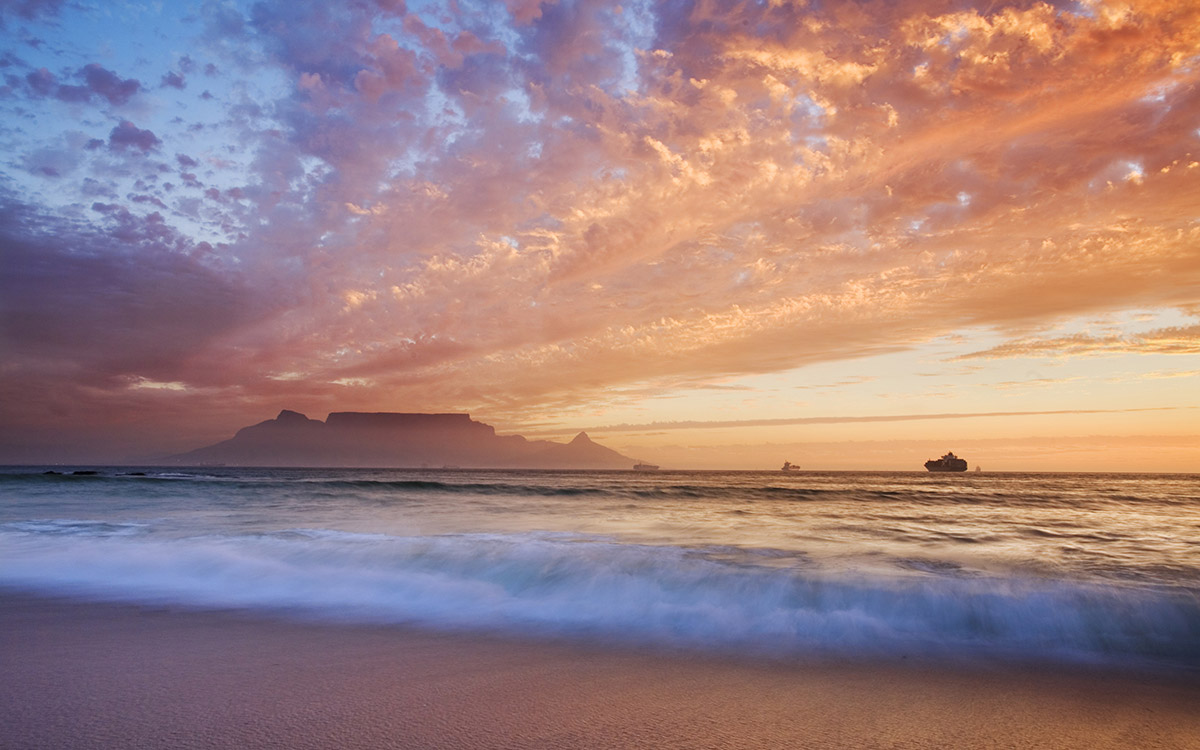
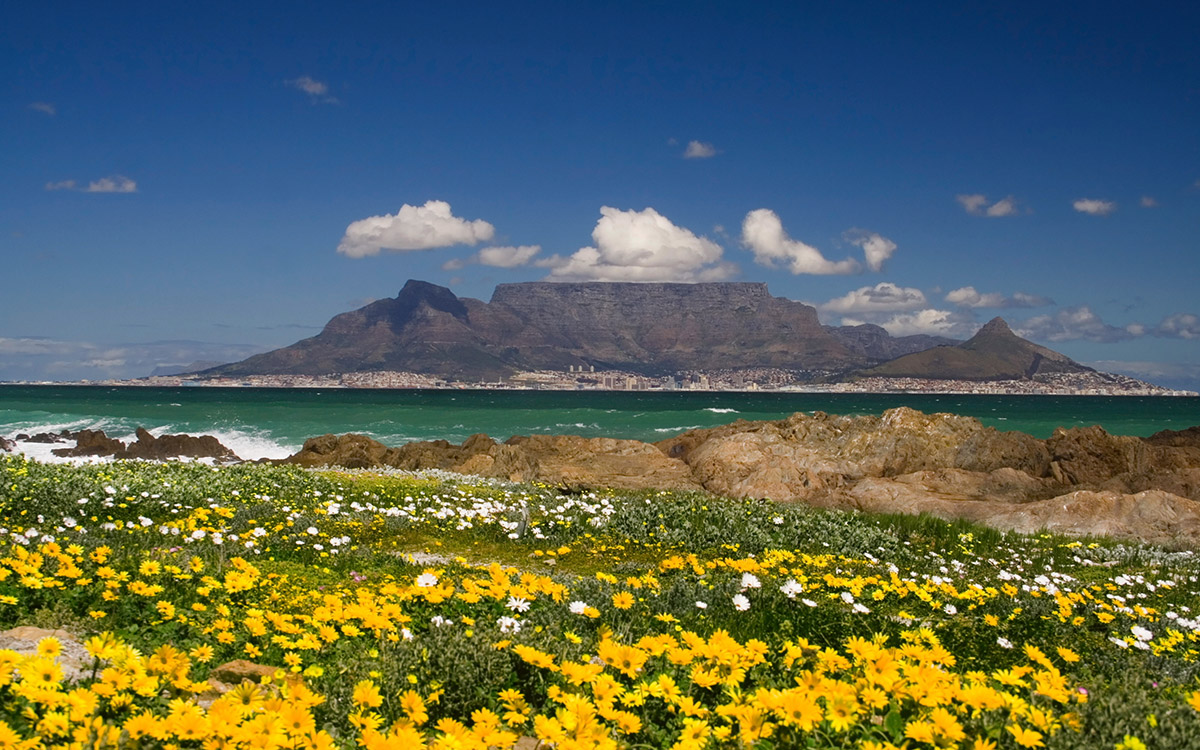
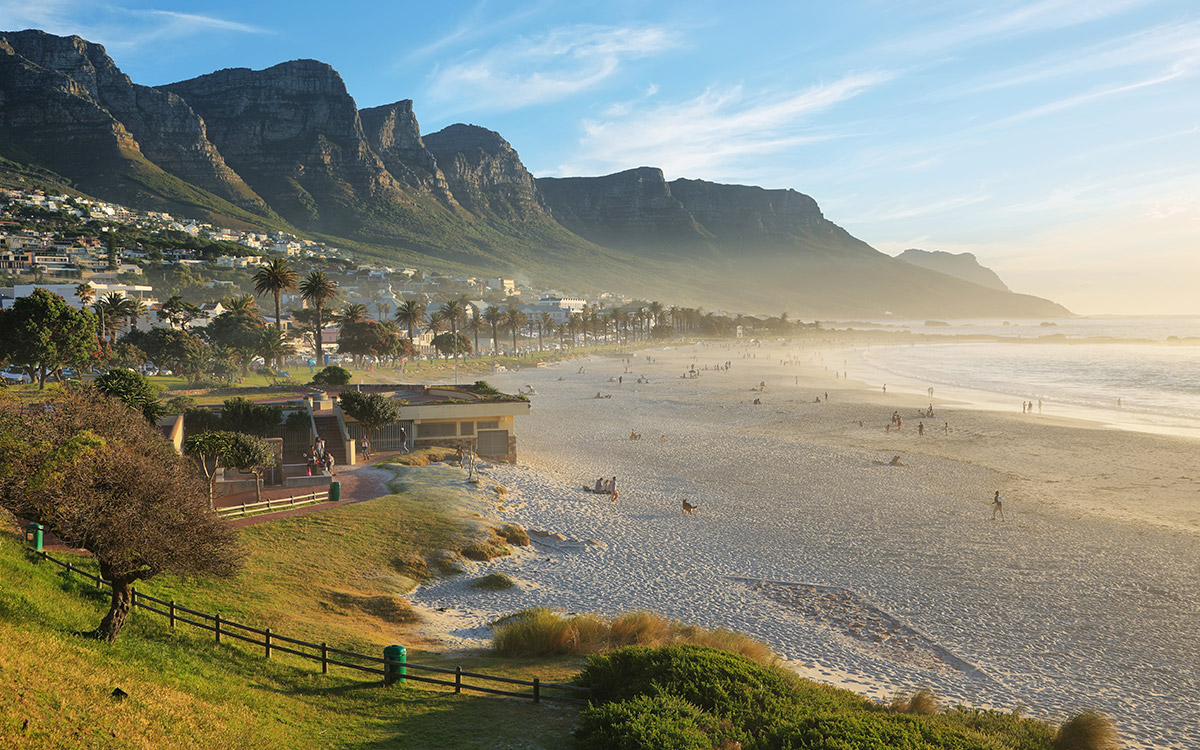
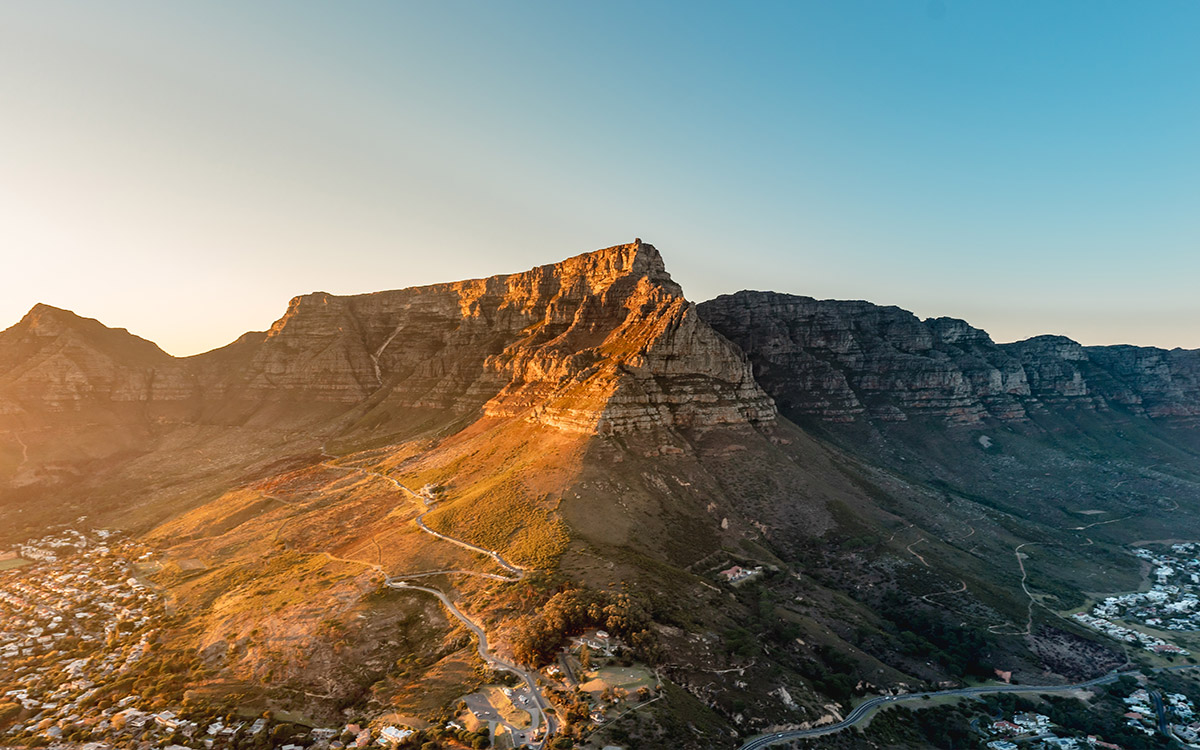
Cape Town's unique setting means that views of the city can be
enjoyed from various spectacular vantage points. Table Mountain,
Lion's Head, and Signal Hill provide breathtaking vistas over the
city bowl and the Cape peninsula, with its beautiful beaches. Trips
to Robben Island offer a dramatic sweep of scenery across to Table
Bay, while harbour tours and old buildings await exploration at the
cosmopolitan Waterfront. Many scenic routes meander along
magnificent stretches of coastline leading to special places like
Cape Point and Chapman's Peak, which boasts one of the most
picturesque stretches of road in the world.
Day 2
Cape Town
Cape Town's allure lies in its spectacular setting, the beauty
of its natural environment, and the rich cultural diversity of its
people. The city has had a long and turbulent history, and the
effects of colonisation and Apartheid still linger in the minds and
hearts of many. Transformation, however, has led to a feeling of
hope, which can be experienced in the cosmopolitan city centre of
Cape Town.
Flower sellers, business executives, parking attendants, office
workers, and shoppers all rub shoulders in a setting of both
historical and modern buildings, backed by the city's most famous
landmark, Table Mountain. The colourful Malay Quarter, the remains
of District Six, St George's Cathedral, Government Avenue, and the
old Castle are historically interesting, while world-class African
and international restaurants tempt travellers with their culinary
delights. Although an African city, Cape Town has a marked European
influence and visitors can experience the excitement of Africa from
the comforts of upmarket surroundings.
Cape Town's unique setting means that views of the city can be
enjoyed from various spectacular vantage points. Table Mountain,
Lion's Head, and Signal Hill provide breathtaking vistas over the
city bowl and the Cape peninsula, with its beautiful beaches. Trips
to Robben Island offer a dramatic sweep of scenery across to Table
Bay, while harbour tours and old buildings await exploration at the
cosmopolitan Waterfront. Many scenic routes meander along
magnificent stretches of coastline leading to special places like
Cape Point and Chapman's Peak, which boasts one of the most
picturesque stretches of road in the world.
Day 3
Cape Town
Cape Town's allure lies in its spectacular setting, the beauty
of its natural environment, and the rich cultural diversity of its
people. The city has had a long and turbulent history, and the
effects of colonisation and Apartheid still linger in the minds and
hearts of many. Transformation, however, has led to a feeling of
hope, which can be experienced in the cosmopolitan city centre of
Cape Town.
Flower sellers, business executives, parking attendants, office
workers, and shoppers all rub shoulders in a setting of both
historical and modern buildings, backed by the city's most famous
landmark, Table Mountain. The colourful Malay Quarter, the remains
of District Six, St George's Cathedral, Government Avenue, and the
old Castle are historically interesting, while world-class African
and international restaurants tempt travellers with their culinary
delights. Although an African city, Cape Town has a marked European
influence and visitors can experience the excitement of Africa from
the comforts of upmarket surroundings.
Cape Town's unique setting means that views of the city can be
enjoyed from various spectacular vantage points. Table Mountain,
Lion's Head, and Signal Hill provide breathtaking vistas over the
city bowl and the Cape peninsula, with its beautiful beaches. Trips
to Robben Island offer a dramatic sweep of scenery across to Table
Bay, while harbour tours and old buildings await exploration at the
cosmopolitan Waterfront. Many scenic routes meander along
magnificent stretches of coastline leading to special places like
Cape Point and Chapman's Peak, which boasts one of the most
picturesque stretches of road in the world.
Day 4
Cape Town
Cape Town's allure lies in its spectacular setting, the beauty
of its natural environment, and the rich cultural diversity of its
people. The city has had a long and turbulent history, and the
effects of colonisation and Apartheid still linger in the minds and
hearts of many. Transformation, however, has led to a feeling of
hope, which can be experienced in the cosmopolitan city centre of
Cape Town.
Flower sellers, business executives, parking attendants, office
workers, and shoppers all rub shoulders in a setting of both
historical and modern buildings, backed by the city's most famous
landmark, Table Mountain. The colourful Malay Quarter, the remains
of District Six, St George's Cathedral, Government Avenue, and the
old Castle are historically interesting, while world-class African
and international restaurants tempt travellers with their culinary
delights. Although an African city, Cape Town has a marked European
influence and visitors can experience the excitement of Africa from
the comforts of upmarket surroundings.
Cape Town's unique setting means that views of the city can be
enjoyed from various spectacular vantage points. Table Mountain,
Lion's Head, and Signal Hill provide breathtaking vistas over the
city bowl and the Cape peninsula, with its beautiful beaches. Trips
to Robben Island offer a dramatic sweep of scenery across to Table
Bay, while harbour tours and old buildings await exploration at the
cosmopolitan Waterfront. Many scenic routes meander along
magnificent stretches of coastline leading to special places like
Cape Point and Chapman's Peak, which boasts one of the most
picturesque stretches of road in the world.
Day 5
Johannesburg
Johannesburg is the economic powerhouse of Africa, existing as
the capital of Gauteng, South Africa's smallest province. Its
ever-growing suburban sprawl creeps outwards from the central city
skyscrapers and ring-road motorways. Its nearly 10,000,000
inhabitants live fast-paced lives and have a restless spirit, which
they have imparted into the fabric of the city.
The development of the city has followed the fortunes of the
Witwatersrand (White Water Reef), the rich gold-bearing rock reef
that stretches across this area of central South Africa. The
initial gold rush started in the 1880s and, barely ten years later,
Johannesburg had become South Africa's largest town and the site of
continuous development.
Johannesburg today is a city of contrasts, with luxury
high-rises towering beside a few remaining dilapidated Victorian
buildings. Large private homes behind high fences sit in the
northern suburbs while the massive Soweto township in the south has
its own unique flavour and charm. The chasm between rich and poor
in the city has given rise to a high crime rate, evidenced by the
fortress-like security that pervades the wealthier suburbs.
Most visitors to South Africa, particularly those intent on
exploring the game reserves of Mpumalanga, arrive at Johannesburg's
busy OR Tambo International Airport. The airport is the main point
of entry for the country. Johannesburg itself is not traditionally
seen as a tourist destination but the fast-paced metropolis is
increasing in popularity with foreign visitors. A few days can be
pleasantly filled taking in some entertaining attractions before
heading off to the game parks of the northeast or the coastal
regions. Possibly the most interesting diversion in Johannesburg is
a 'Heritage Route' or 'Shebeen Crawl' tour of Soweto, though
visitors should take care only to venture into the maze of the
township with an organised tour or professional guide.
Day 6
Kasane
Botswana is an African success story. Transformed since independence into one of the world's fastest growing economies, the country also houses Africa's oldest continuous democracy. However, tourists venture to this expanse of Southern Africa for one reason: the great outdoors.
Synonymous with Botswana is the Okavango Delta, carrying life-giving floodwaters from the Angolan highlands down countless waterways and lagoons. The abundance and variety of wildlife to be found in this oasis is astonishing. Chobe National Park has the world's largest herds of Elephant, and Moremi Game Reserve is renowned for having some of the densest populations of wildlife on earth. The delta is all the more breathtaking for being on the edge of the barren Kalahari Desert.
The Kalahari is home to one of the largest unbroken stretches of sand on the planet. These great dunes give way to the remarkable salt plains of the Makgadikgadi and Nxai pans, and the 3,000-year-old baobab trees on Kubu Island. On the southern edge of the Kalahari lie the characteristic red dunes and sparse scrub of the Kgalagadi Transfrontier National Park. 'Place of thirst' in the local tongue, the rains are said to fall here just once a century. However, the park is home to iconic predators and huge herds of Springbok, Gemsbok, Wildebeest and Eland. The enormous Central Kalahari National Park is ruled by black-maned lions, and is still witness to the hunter-gatherer lifestyle of the indigenous San people.
All the wildlife and wilderness leaves little foothold for people in this sparsely populated country. Gaborone, the capital, houses around ten percent of the total population and is growing quickly, with blossoming attractions of its own. Botswana promises the ultimate safari adventure, and visitors can be sure of the trip of a lifetime.
Day 6
Chobe National Park
Chobe National Park, located in the northern part of Botswana, is one of the largest and most diverse reserves in Africa. Covering approximately 11,700 square kilometers, the park is named after the Chobe River, which forms the park's northern boundary and is a primary water source for its wildlife. Renowned for its robust elephant population, estimated to number around 50,000, Chobe boasts the highest concentration of elephants on the African continent.
Established in 1967, the park was the country's first national park and has since become a major center for Botswana's ecotourism. The park's ecosystems are remarkably varied, with the lush Chobe riverfront, the mysterious Savuti Channel area, the hot and arid hinterlands of the Nogatsaa, and the Linyanti Marshes, each fostering its own array of wildlife and birdlife.
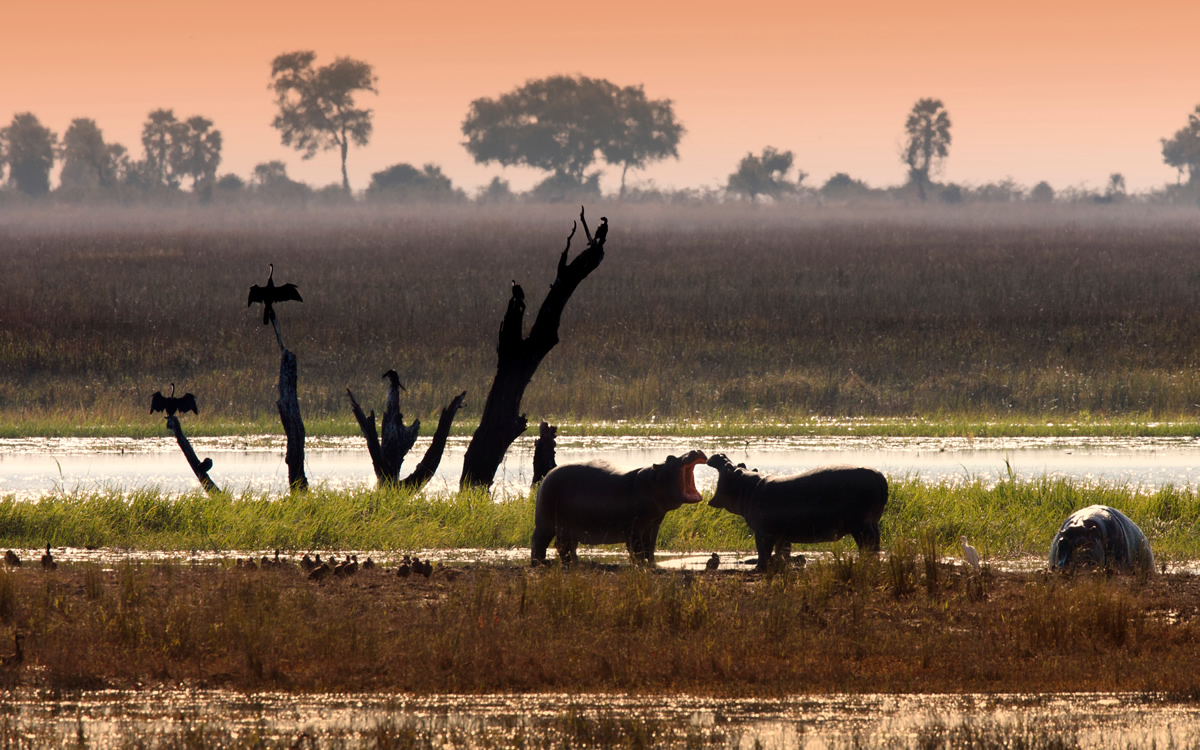
One of the most iconic experiences in Chobe National Park is a river cruise on the Chobe River. These excursions provide unrivaled views of wildlife coming to the water's edge to drink, bathe, and play. Visitors might witness large herds of elephants swimming across the river, hippos submerged in the waters, and crocodiles sunning on the banks. Additionally, the park's birdlife is prolific, with over 450 species recorded, including fish eagles, bee-eaters, and kingfishers, making it a paradise for birdwatchers.
Chobe's dry season, typically from April to October, is particularly popular as the scarcity of water draws animals to the river. During these months, game viewing is at its peak as various species of big game make their way to the water sources. The wet season, from November to March, transforms the landscape into a green, flourishing environment, offering a different type of beauty and the chance to observe newborn wildlife and migratory bird species.
The park's large mammal fauna is not limited to elephants; it also supports populations of buffalo, numerous antelope species including the rare roan and sable, and predators like lions, leopards, wild dogs, and hyenas. The Savuti area, known for its shifting water channels, serves as a backdrop for dramatic wildlife interactions and has a reputation for high predator sightings, especially lions and hyenas, which have adapted to the region's conditions.
Tourists visiting Chobe National Park have several accommodation options, ranging from luxury lodges and tented camps to more rustic, budget-friendly camping sites. Many of these facilities offer guided game drives and walking safaris, providing visitors with the expertise of local guides and enhancing the overall safari experience.
Furthermore, Chobe National Park's close proximity to the borders of Zimbabwe, Zambia, and Namibia makes it an ideal stopover for those exploring the wider region, including the magnificent Victoria Falls, which is just a short distance away.
Conservation efforts in the park are pivotal. They ensure the protection of Chobe's ecosystems and the preservation of its natural heritage. These initiatives also provide a model for sustainable tourism, which benefits local communities through employment opportunities and supports environmental education.
In conclusion, Chobe National Park is a jewel in Botswana's crown of natural wonders, offering a quintessential African safari experience. Its majestic landscapes, abundant wildlife, and the scenic Chobe River combine to create an enduring allure that continues to capture the hearts of travelers from around the world.
Day 7
Chobe National Park
Chobe National Park, located in the northern part of Botswana, is one of the largest and most diverse reserves in Africa. Covering approximately 11,700 square kilometers, the park is named after the Chobe River, which forms the park's northern boundary and is a primary water source for its wildlife. Renowned for its robust elephant population, estimated to number around 50,000, Chobe boasts the highest concentration of elephants on the African continent.
Established in 1967, the park was the country's first national park and has since become a major center for Botswana's ecotourism. The park's ecosystems are remarkably varied, with the lush Chobe riverfront, the mysterious Savuti Channel area, the hot and arid hinterlands of the Nogatsaa, and the Linyanti Marshes, each fostering its own array of wildlife and birdlife.
One of the most iconic experiences in Chobe National Park is a river cruise on the Chobe River. These excursions provide unrivaled views of wildlife coming to the water's edge to drink, bathe, and play. Visitors might witness large herds of elephants swimming across the river, hippos submerged in the waters, and crocodiles sunning on the banks. Additionally, the park's birdlife is prolific, with over 450 species recorded, including fish eagles, bee-eaters, and kingfishers, making it a paradise for birdwatchers.
Chobe's dry season, typically from April to October, is particularly popular as the scarcity of water draws animals to the river. During these months, game viewing is at its peak as various species of big game make their way to the water sources. The wet season, from November to March, transforms the landscape into a green, flourishing environment, offering a different type of beauty and the chance to observe newborn wildlife and migratory bird species.
The park's large mammal fauna is not limited to elephants; it also supports populations of buffalo, numerous antelope species including the rare roan and sable, and predators like lions, leopards, wild dogs, and hyenas. The Savuti area, known for its shifting water channels, serves as a backdrop for dramatic wildlife interactions and has a reputation for high predator sightings, especially lions and hyenas, which have adapted to the region's conditions.
Tourists visiting Chobe National Park have several accommodation options, ranging from luxury lodges and tented camps to more rustic, budget-friendly camping sites. Many of these facilities offer guided game drives and walking safaris, providing visitors with the expertise of local guides and enhancing the overall safari experience.
Furthermore, Chobe National Park's close proximity to the borders of Zimbabwe, Zambia, and Namibia makes it an ideal stopover for those exploring the wider region, including the magnificent Victoria Falls, which is just a short distance away.
Conservation efforts in the park are pivotal. They ensure the protection of Chobe's ecosystems and the preservation of its natural heritage. These initiatives also provide a model for sustainable tourism, which benefits local communities through employment opportunities and supports environmental education.
In conclusion, Chobe National Park is a jewel in Botswana's crown of natural wonders, offering a quintessential African safari experience. Its majestic landscapes, abundant wildlife, and the scenic Chobe River combine to create an enduring allure that continues to capture the hearts of travelers from around the world.
Day 8
Chobe National Park
Chobe National Park, located in the northern part of Botswana, is one of the largest and most diverse reserves in Africa. Covering approximately 11,700 square kilometers, the park is named after the Chobe River, which forms the park's northern boundary and is a primary water source for its wildlife. Renowned for its robust elephant population, estimated to number around 50,000, Chobe boasts the highest concentration of elephants on the African continent.
Established in 1967, the park was the country's first national park and has since become a major center for Botswana's ecotourism. The park's ecosystems are remarkably varied, with the lush Chobe riverfront, the mysterious Savuti Channel area, the hot and arid hinterlands of the Nogatsaa, and the Linyanti Marshes, each fostering its own array of wildlife and birdlife.
One of the most iconic experiences in Chobe National Park is a river cruise on the Chobe River. These excursions provide unrivaled views of wildlife coming to the water's edge to drink, bathe, and play. Visitors might witness large herds of elephants swimming across the river, hippos submerged in the waters, and crocodiles sunning on the banks. Additionally, the park's birdlife is prolific, with over 450 species recorded, including fish eagles, bee-eaters, and kingfishers, making it a paradise for birdwatchers.
Chobe's dry season, typically from April to October, is particularly popular as the scarcity of water draws animals to the river. During these months, game viewing is at its peak as various species of big game make their way to the water sources. The wet season, from November to March, transforms the landscape into a green, flourishing environment, offering a different type of beauty and the chance to observe newborn wildlife and migratory bird species.
The park's large mammal fauna is not limited to elephants; it also supports populations of buffalo, numerous antelope species including the rare roan and sable, and predators like lions, leopards, wild dogs, and hyenas. The Savuti area, known for its shifting water channels, serves as a backdrop for dramatic wildlife interactions and has a reputation for high predator sightings, especially lions and hyenas, which have adapted to the region's conditions.
Tourists visiting Chobe National Park have several accommodation options, ranging from luxury lodges and tented camps to more rustic, budget-friendly camping sites. Many of these facilities offer guided game drives and walking safaris, providing visitors with the expertise of local guides and enhancing the overall safari experience.
Furthermore, Chobe National Park's close proximity to the borders of Zimbabwe, Zambia, and Namibia makes it an ideal stopover for those exploring the wider region, including the magnificent Victoria Falls, which is just a short distance away.
Conservation efforts in the park are pivotal. They ensure the protection of Chobe's ecosystems and the preservation of its natural heritage. These initiatives also provide a model for sustainable tourism, which benefits local communities through employment opportunities and supports environmental education.
In conclusion, Chobe National Park is a jewel in Botswana's crown of natural wonders, offering a quintessential African safari experience. Its majestic landscapes, abundant wildlife, and the scenic Chobe River combine to create an enduring allure that continues to capture the hearts of travelers from around the world.
Day 9
Kasane
Botswana is an African success story. Transformed since independence into one of the world's fastest growing economies, the country also houses Africa's oldest continuous democracy. However, tourists venture to this expanse of Southern Africa for one reason: the great outdoors.
Synonymous with Botswana is the Okavango Delta, carrying life-giving floodwaters from the Angolan highlands down countless waterways and lagoons. The abundance and variety of wildlife to be found in this oasis is astonishing. Chobe National Park has the world's largest herds of Elephant, and Moremi Game Reserve is renowned for having some of the densest populations of wildlife on earth. The delta is all the more breathtaking for being on the edge of the barren Kalahari Desert.
The Kalahari is home to one of the largest unbroken stretches of sand on the planet. These great dunes give way to the remarkable salt plains of the Makgadikgadi and Nxai pans, and the 3,000-year-old baobab trees on Kubu Island. On the southern edge of the Kalahari lie the characteristic red dunes and sparse scrub of the Kgalagadi Transfrontier National Park. 'Place of thirst' in the local tongue, the rains are said to fall here just once a century. However, the park is home to iconic predators and huge herds of Springbok, Gemsbok, Wildebeest and Eland. The enormous Central Kalahari National Park is ruled by black-maned lions, and is still witness to the hunter-gatherer lifestyle of the indigenous San people.
All the wildlife and wilderness leaves little foothold for people in this sparsely populated country. Gaborone, the capital, houses around ten percent of the total population and is growing quickly, with blossoming attractions of its own. Botswana promises the ultimate safari adventure, and visitors can be sure of the trip of a lifetime.
Day 10
Kasane
Botswana is an African success story. Transformed since independence into one of the world's fastest growing economies, the country also houses Africa's oldest continuous democracy. However, tourists venture to this expanse of Southern Africa for one reason: the great outdoors.
Synonymous with Botswana is the Okavango Delta, carrying life-giving floodwaters from the Angolan highlands down countless waterways and lagoons. The abundance and variety of wildlife to be found in this oasis is astonishing. Chobe National Park has the world's largest herds of Elephant, and Moremi Game Reserve is renowned for having some of the densest populations of wildlife on earth. The delta is all the more breathtaking for being on the edge of the barren Kalahari Desert.
The Kalahari is home to one of the largest unbroken stretches of sand on the planet. These great dunes give way to the remarkable salt plains of the Makgadikgadi and Nxai pans, and the 3,000-year-old baobab trees on Kubu Island. On the southern edge of the Kalahari lie the characteristic red dunes and sparse scrub of the Kgalagadi Transfrontier National Park. 'Place of thirst' in the local tongue, the rains are said to fall here just once a century. However, the park is home to iconic predators and huge herds of Springbok, Gemsbok, Wildebeest and Eland. The enormous Central Kalahari National Park is ruled by black-maned lions, and is still witness to the hunter-gatherer lifestyle of the indigenous San people.
All the wildlife and wilderness leaves little foothold for people in this sparsely populated country. Gaborone, the capital, houses around ten percent of the total population and is growing quickly, with blossoming attractions of its own. Botswana promises the ultimate safari adventure, and visitors can be sure of the trip of a lifetime.
Day 11
Kasane
Botswana is an African success story. Transformed since independence into one of the world's fastest growing economies, the country also houses Africa's oldest continuous democracy. However, tourists venture to this expanse of Southern Africa for one reason: the great outdoors.
Synonymous with Botswana is the Okavango Delta, carrying life-giving floodwaters from the Angolan highlands down countless waterways and lagoons. The abundance and variety of wildlife to be found in this oasis is astonishing. Chobe National Park has the world's largest herds of Elephant, and Moremi Game Reserve is renowned for having some of the densest populations of wildlife on earth. The delta is all the more breathtaking for being on the edge of the barren Kalahari Desert.
The Kalahari is home to one of the largest unbroken stretches of sand on the planet. These great dunes give way to the remarkable salt plains of the Makgadikgadi and Nxai pans, and the 3,000-year-old baobab trees on Kubu Island. On the southern edge of the Kalahari lie the characteristic red dunes and sparse scrub of the Kgalagadi Transfrontier National Park. 'Place of thirst' in the local tongue, the rains are said to fall here just once a century. However, the park is home to iconic predators and huge herds of Springbok, Gemsbok, Wildebeest and Eland. The enormous Central Kalahari National Park is ruled by black-maned lions, and is still witness to the hunter-gatherer lifestyle of the indigenous San people.
All the wildlife and wilderness leaves little foothold for people in this sparsely populated country. Gaborone, the capital, houses around ten percent of the total population and is growing quickly, with blossoming attractions of its own. Botswana promises the ultimate safari adventure, and visitors can be sure of the trip of a lifetime.
Day 12
Victoria Falls
Victoria Falls is one of nature's greatest spectacles and one of the few attractions that exceeds even the wildest expectations of its visitors. The town itself referred to locally simply as 'Vic Falls' straddles the banks of the Zambezi River in Zimbabwe's Matabeleland North province. It is a pleasant place from which to base oneself home to a number of hotels and lodges a couple of good restaurants and some great bars to enjoy.Known as both an adventure centre and romantic getaway there is an excellent selection of things to see and do in Victoria Falls from a mist-soaked stroll to the viewpoints that run the length of the falls to adrenaline-packed activities like white-water rafting and bungee jumping. There are canoe trips river cruises safaris and fishing trips available in Vic Falls as well as first-rate national parks to visit nearby. A day-trip across the border into Zambia is also well worth doing. Young children might enjoy the restored colonial-era steam train which offers scenic day-tours around the Vic Falls area including a 2-hour stop over the Victoria Falls bridge for breakfast. An elephant-back safari or 'elephant encounter' is a once-in-a-lifetime experience for little ones and adults alike.There are buses trains and airlines that travel to Vic Falls and once there the town is easily walkable but also has plenty of minibus and regular taxis available for visitors to use. A popular holiday destination since the 1930s Vic Falls is a must on any African travel itinerary.
Day 13
Victoria Falls
Victoria Falls is one of nature's greatest spectacles and one of the few attractions that exceeds even the wildest expectations of its visitors. The town itself referred to locally simply as 'Vic Falls' straddles the banks of the Zambezi River in Zimbabwe's Matabeleland North province. It is a pleasant place from which to base oneself home to a number of hotels and lodges a couple of good restaurants and some great bars to enjoy.Known as both an adventure centre and romantic getaway there is an excellent selection of things to see and do in Victoria Falls from a mist-soaked stroll to the viewpoints that run the length of the falls to adrenaline-packed activities like white-water rafting and bungee jumping. There are canoe trips river cruises safaris and fishing trips available in Vic Falls as well as first-rate national parks to visit nearby. A day-trip across the border into Zambia is also well worth doing. Young children might enjoy the restored colonial-era steam train which offers scenic day-tours around the Vic Falls area including a 2-hour stop over the Victoria Falls bridge for breakfast. An elephant-back safari or 'elephant encounter' is a once-in-a-lifetime experience for little ones and adults alike.There are buses trains and airlines that travel to Vic Falls and once there the town is easily walkable but also has plenty of minibus and regular taxis available for visitors to use. A popular holiday destination since the 1930s Vic Falls is a must on any African travel itinerary.
Safari Cruise along the Zambezi River - South Africa, Botswana, Namibia, Zimbabwe with extended stay "Cape Town and the Cape of Good Hope Peninsula" (port-to-port cruise) Ships

African Dream

Zimbabwean Dream
Recommended Deals like Safari Cruise along the Zambezi River - South Africa, Botswana, Namibia, Zimbabwe with extended stay "Cape Town and the Cape of Good Hope Peninsula" (port-to-port cruise)
Safari Cruise along the Zambezi River - South Africa, Botswana, Namibia, Zimbabwe with extended stay "Cape Town and the Cape of Good Hope Peninsula" (port-to-port cruise)
 CroisiEurope
Departure:
Oct to
Dec
VISITING:
Cape Town
Johannesburg
Kasane
Chobe National Park
Kasane
Victoria Falls
FROM
£
7,846 pp
Join the Crui.se Club
Points That Pay
Earn 25 points (£25) just for joining — and collect more on bookings, reviews, and referrals.
Exclusive Member Deals
Unlock off-market offers reserved only for Crui.se Club members.
Early Access Perks
Be the first to book with pre-launch notifications and special member-only booking windows.
Cruise With Confidence
Our mission at wordpress-1024654-4169282.cloudwaysapps.com is to help you and your loved one’s book and experience the best cruise holiday imaginable. We’re different in that, our customers come first, not our suppliers or profit margins. Get in touch and let us help you set sail.


Over 20 cruise brands to choose from

Low deposits from £500

All Inclusive cruises

Best deals & discounts

Community driven

Brand agnostic

We take care of everything

Custom built cruise holidays


