






 We won’t be beaten on price...


ABTA protected


11 Night Best Of
Italy & Croatia
Scroll to sail

11 Night Best Of Italy & Croatia
Embark on an unforgettable 11 Night Best Of Italy & Croatia journey with Celebrity Cruises. This exquisite Mediterranean adventure promises a seamless blend of ancient history, breathtaking coastlines, and vibrant cultures across two stunning countries.
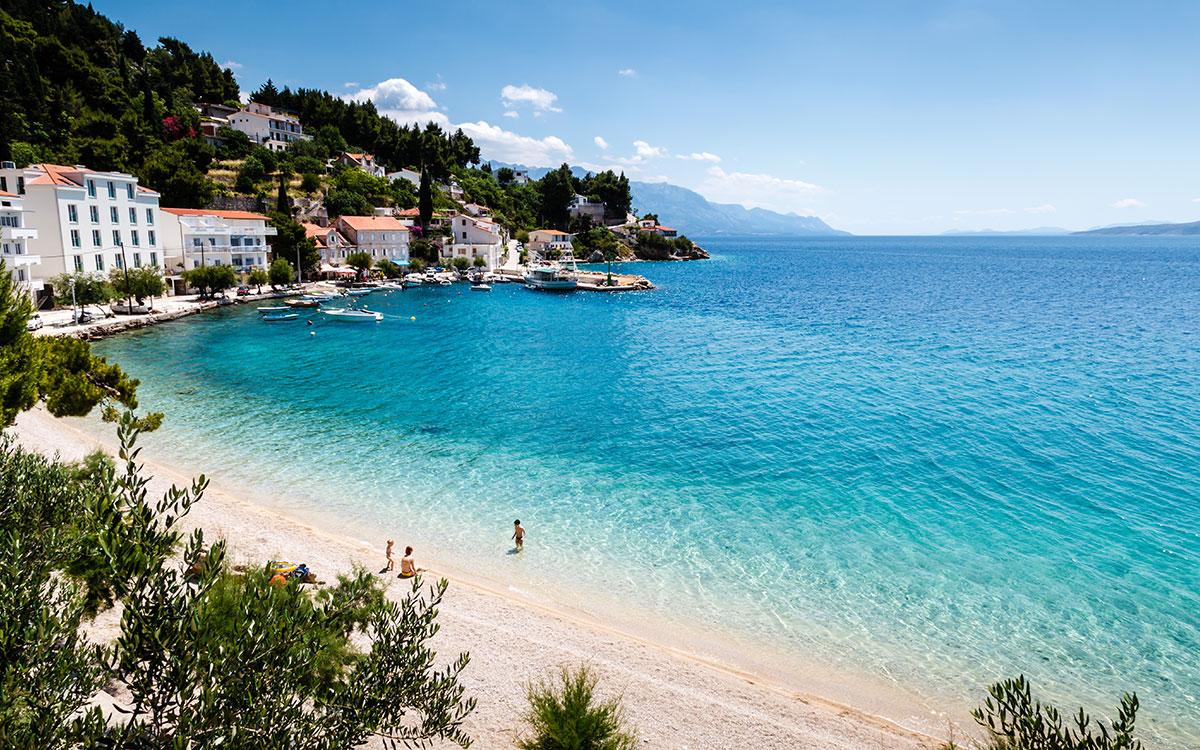
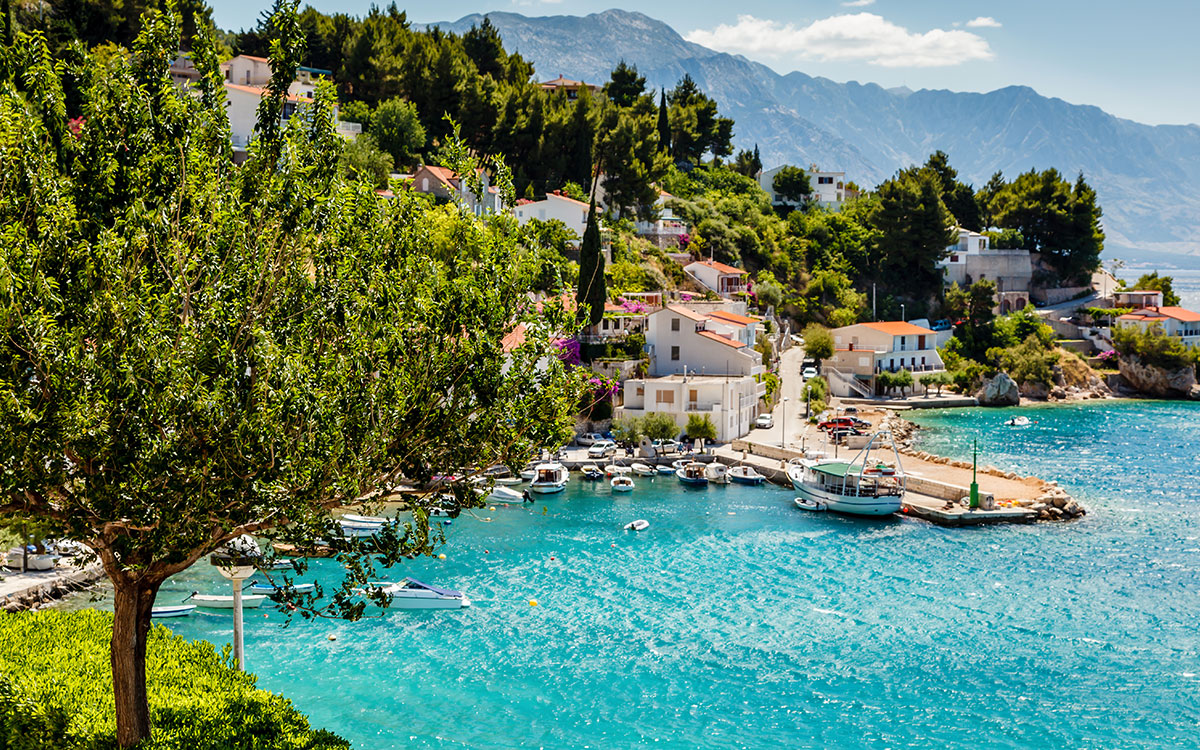
Explore iconic Italian treasures, from the ancient wonders near Civitavecchia and Salerno to the Renaissance masterpieces accessible from Livorno, plus the picturesque charm of Portofino. Discover the medieval splendor of Dubrovnik, the historic beauty of Split, and the dramatic fjord-like landscapes of Kotor.
Unpack once and indulge in the award-winning service and gourmet dining aboard Celebrity Constellation. This carefully curated itinerary offers an unparalleled opportunity to experience the very best of the Adriatic and Tyrrhenian seas effortlessly.
-
 Cruise Line: Celebrity Cruises
-
 Ship: Celebrity Constellation
-
 Duration: 11 Nights
-
 Departure: May - Oct
11 Night Best Of Italy & Croatia Prices
11 Night Best Of Italy & Croatia Gallery


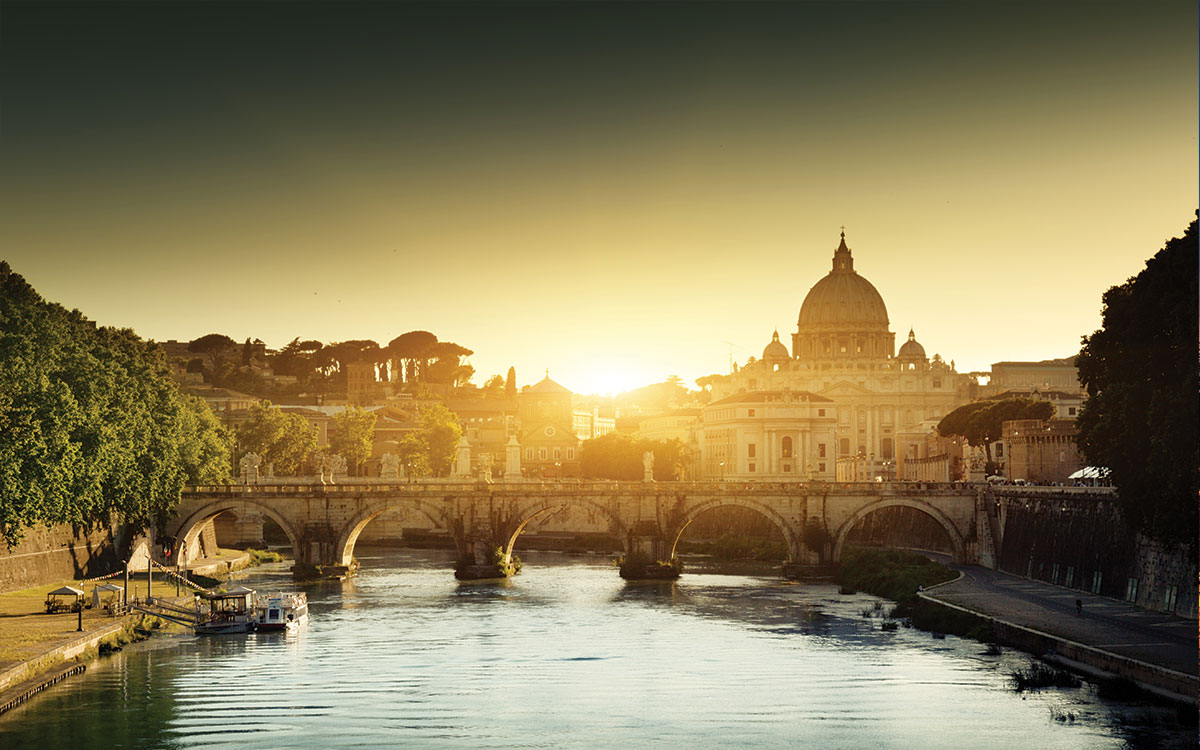
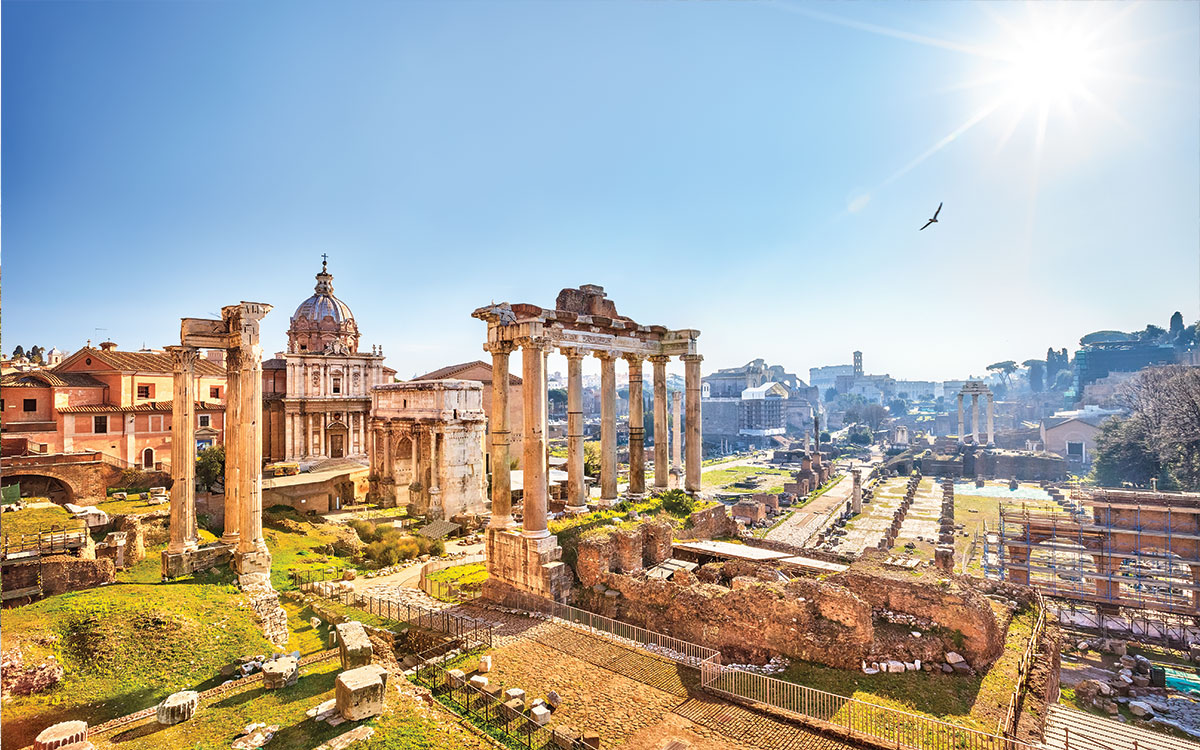
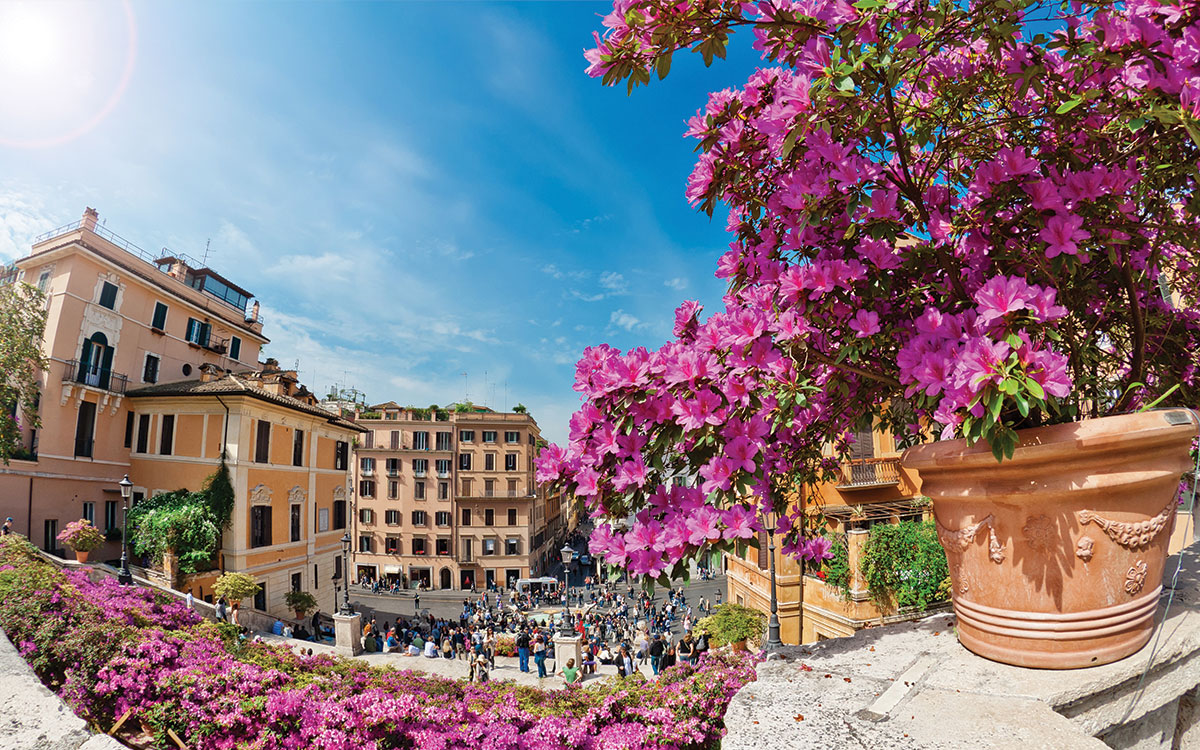
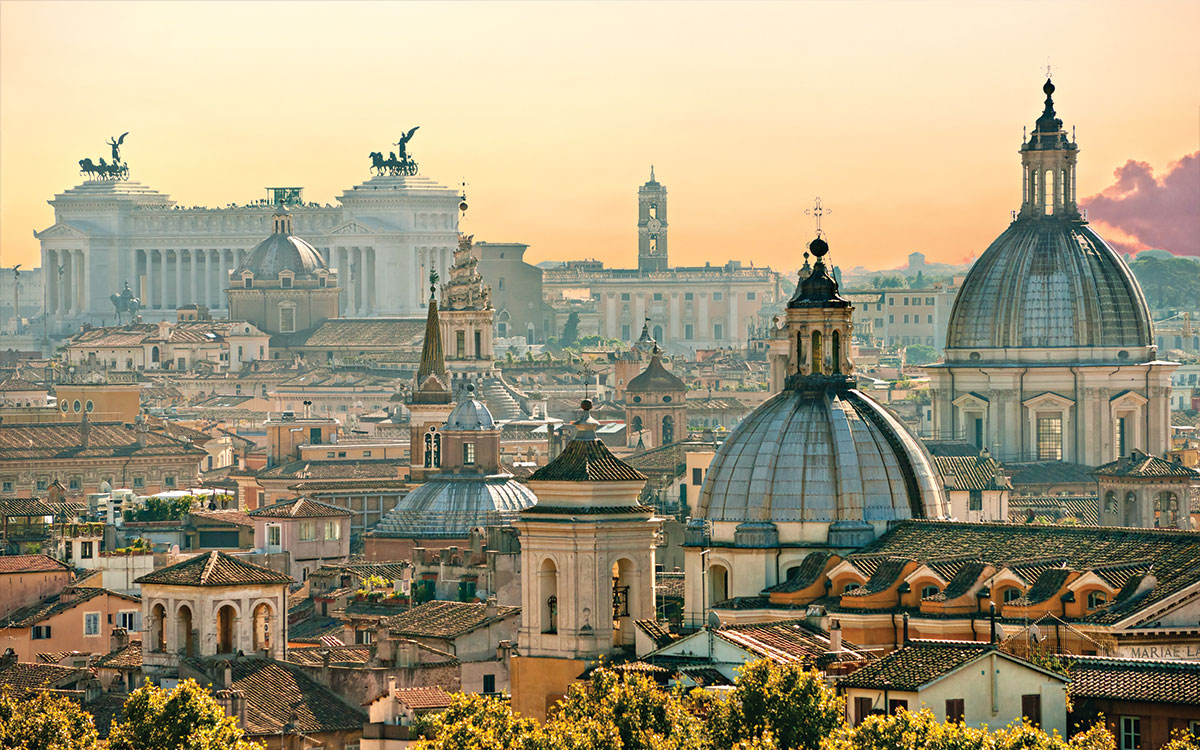

11 Night Best Of Italy & Croatia Itinerary

Day 1
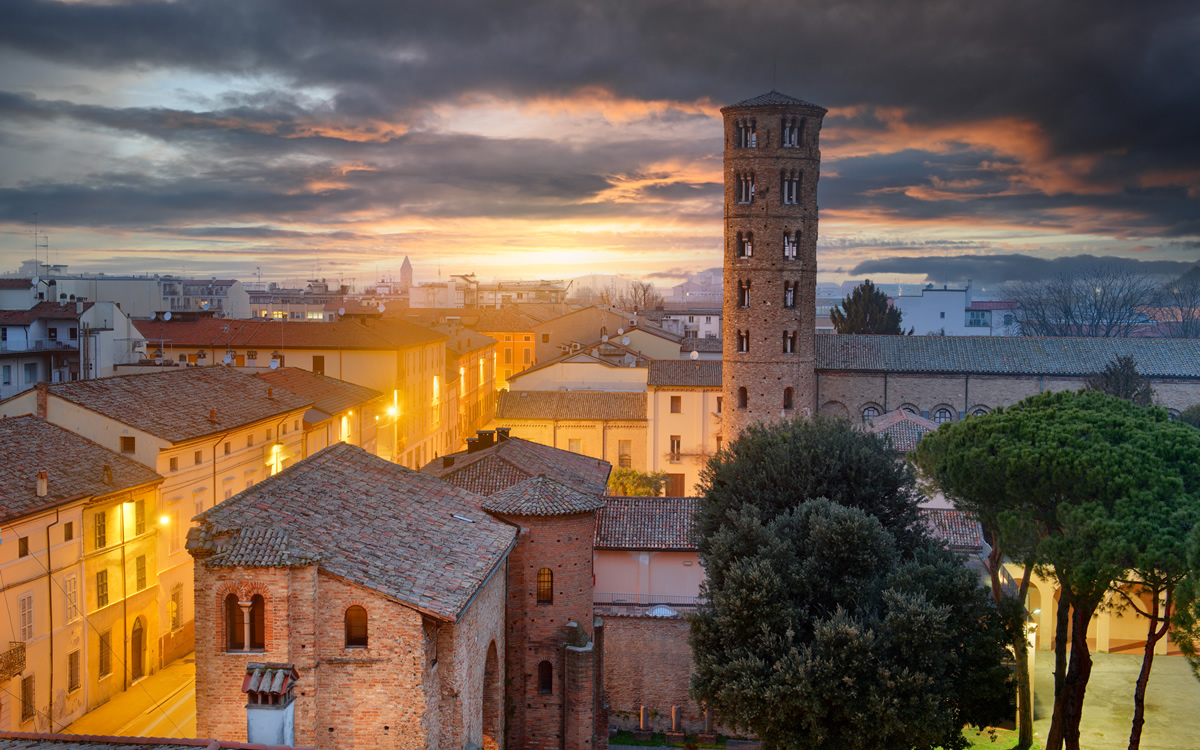
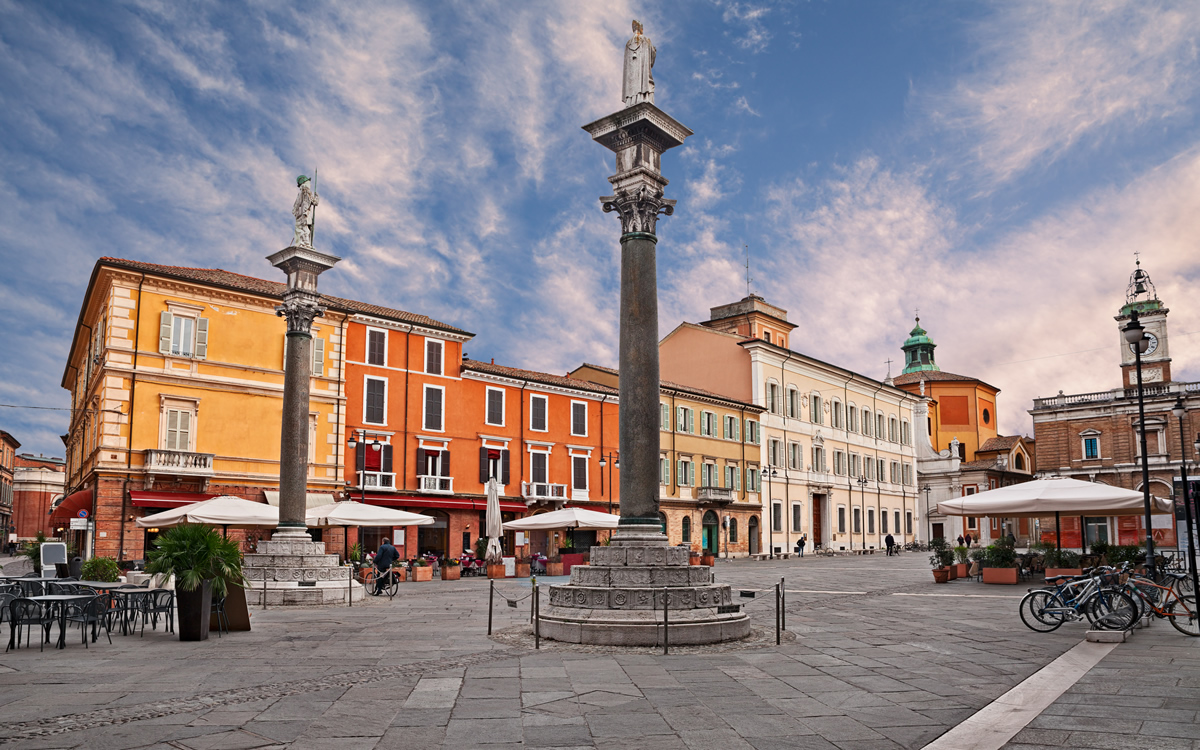
Ravenna
Ravenna is a city located in the north-eastern part of Italy, in the Emilia Romagna region. This city is famous for its countless stunning mosaics that are scattered throughout its historical centre, and its transformation into the capital of the Western Roman Empire in the 5th century AD. With its rich history and heritage, Ravenna has become one of Italy's most visited places, attracting tourists from all over the world.
The city’s history dates back to the Etruscan era, with the origins of the city being shrouded in ancient mystery. However, the city first gained widespread attention during the Roman Empire's decline, which Ravenna played a significant role in. During this time, the city was an essential cultural and political center, and in 402 AD, the Emperor, Honorius, transferred the capital of the Western Roman Empire from Milan to Ravenna.
One of the most notable features of Ravenna is its larger-than-life mosaic art. This art form was first introduced to the city in the 5th and 6th centuries, during the Byzantine Empire era. Ravenna is home to dozens of churches, chapels, and cathedrals, many of which are perfect examples of the mosaic art that the city is famous for. It is believed that Ravenna's mosaics were the one inspiration for the famous Italian Renaissance painter, Giotto.
The Basilica of San Vitale is one of the most famous churches adorned with mosaic artwork in the city. This beautiful basilica was built in the 6th century and features mosaic art from both Western and Byzantine traditions. The circular dome of the apse has a stunning image of Jesus with two angels, one of which is thought to be the Archangel Michael. The basilica's beauty comes not only from its perfectly preserved mosaic work but also from its unique architectural features.
The Mausoleum of Theodoric is another significant landmark in Ravenna. This impressive Gothic-style tomb was built-in 520 AD, and although it was built for the Ostrogoth king Theodoric, it was never used, and it was converted into a Christian church. The exterior of the building is impressive, with a sixteen-sided base that leads up to a 36-meter dome decorated with intricate Romanesque and Gothic ornamentation. The Mausoleum of Theodoric is a UNESCO World Heritage Site and well worth a visit.
Another iconic attraction that Ravenna has to offer is the Palace of Theoderic, located in the heart of the city's historical centre. This palace was built for King Theoderic in 493 AD and is one of the finest examples of Ostrogothic architectural art that survived to this day. Today, the palace now houses the city's Archaeological Museum, which has a rich collection of artefacts ranging from ancient Roman to Byzantine times.
In conclusion, Ravenna is a city that is rich with history, art, and culture, and it has played a vital role in shaping Italian history. With its numerous churches, chapels, and cathedrals, all adorned with breathtaking mosaics, it's no wonder that Ravenna has become a favourite destination for tourists from all over the world. Whether you are an art lover, history buff or simply looking for a tranquil getaway, Ravenna is a city that should be on your travel list.
Day 2
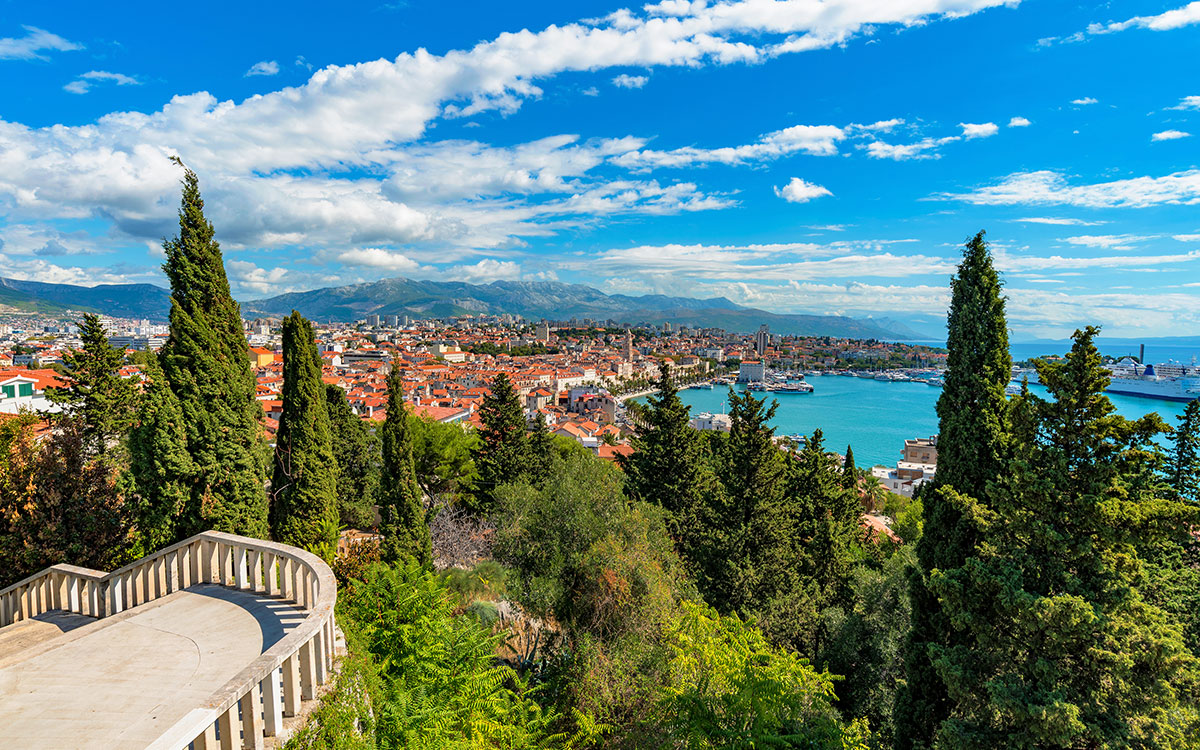
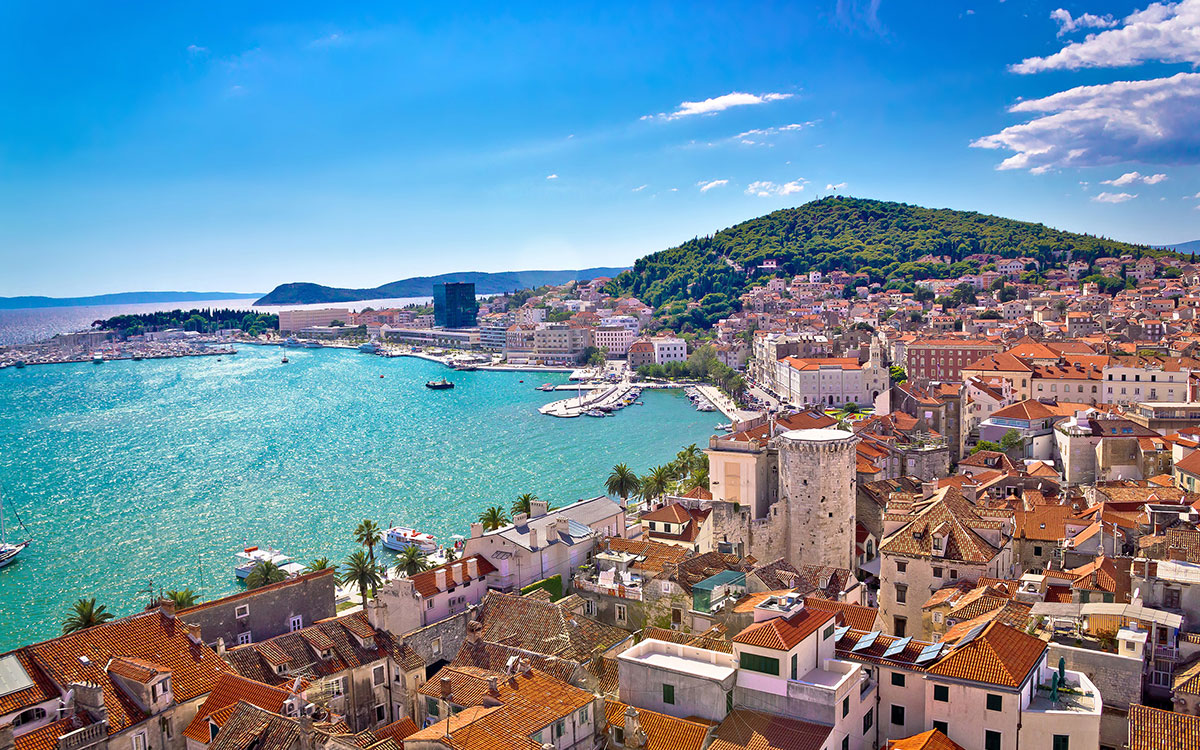
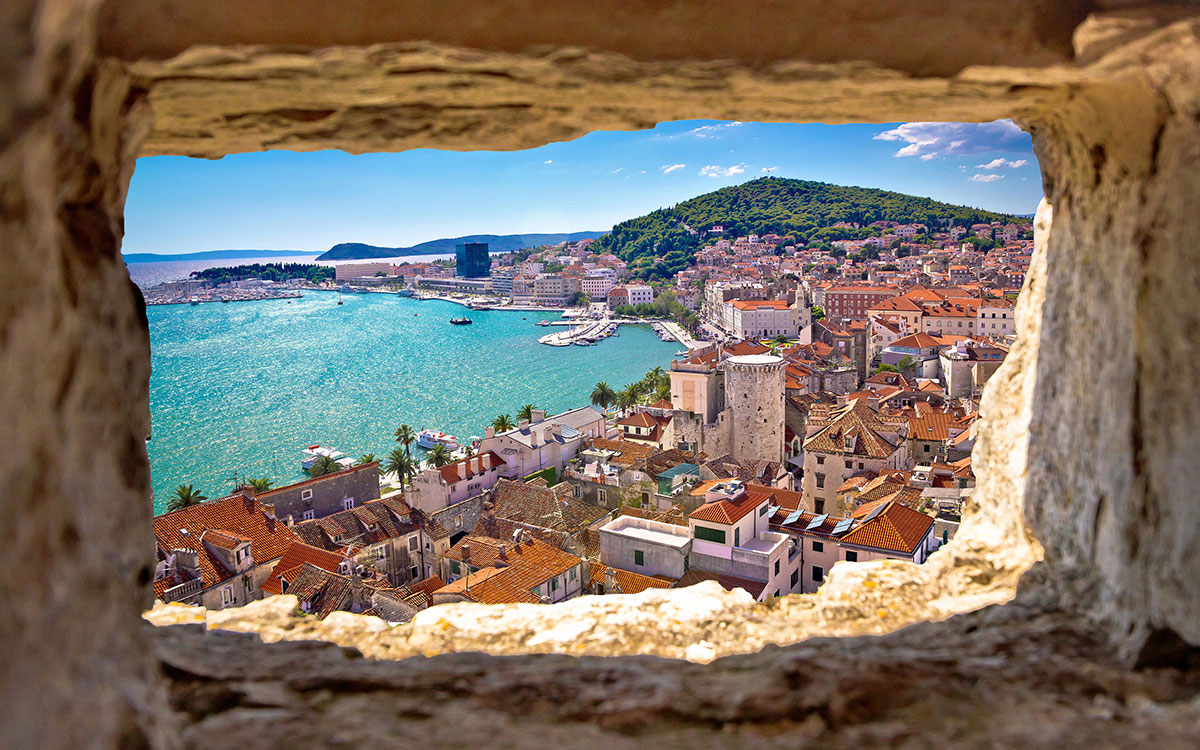
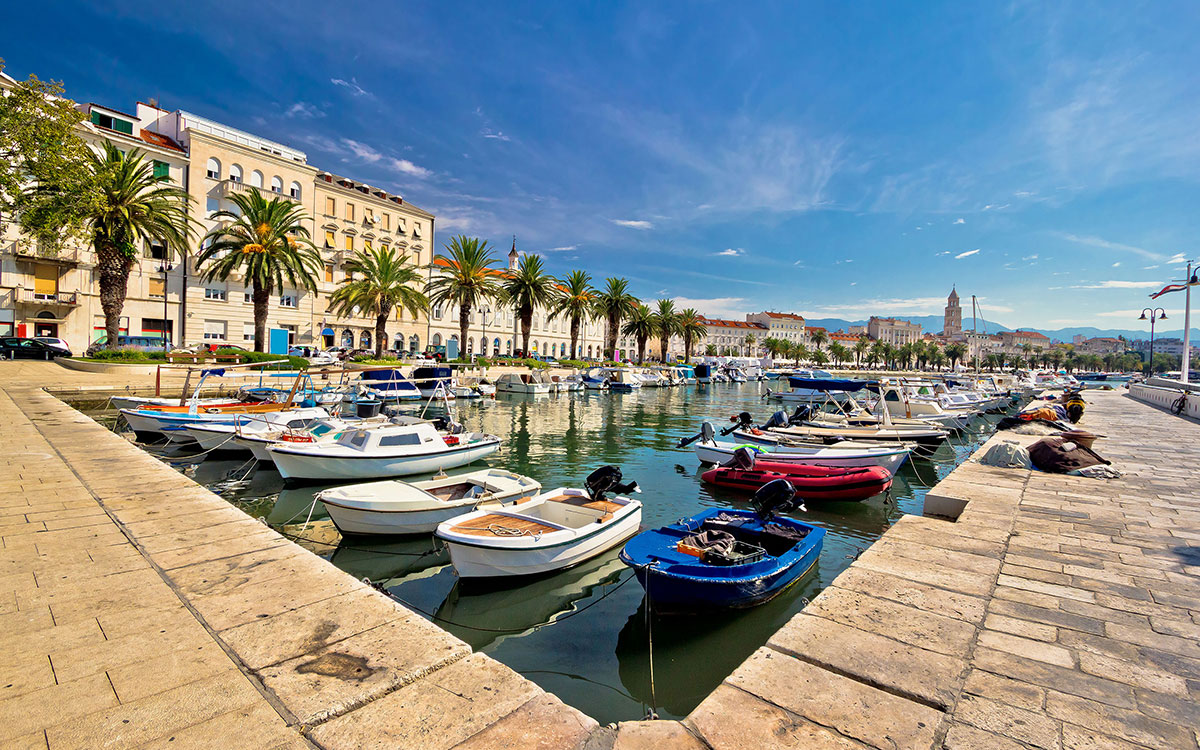
Split
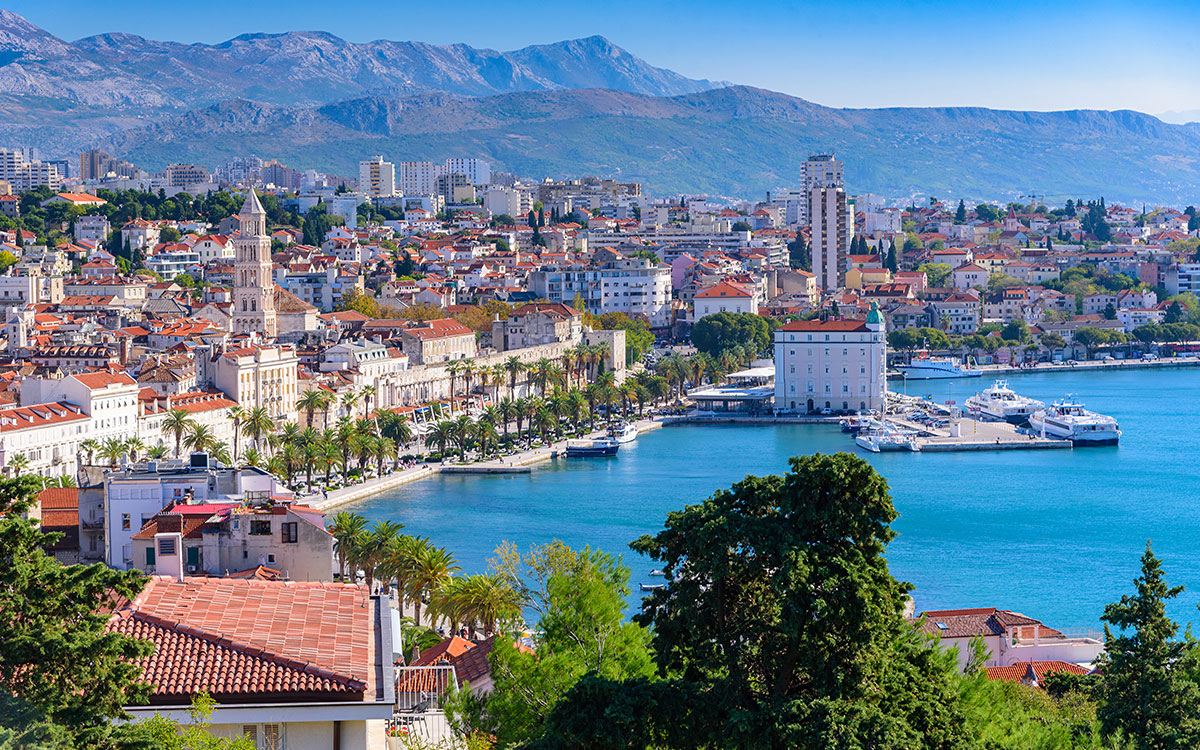
The pretty city of Split has a rich
history. Since ancient times, it has served in various guises as
the economic and administrative centre of the beautiful Croatian
Adriatic coastal region, today called Dalmatia.
The city is mainly sprawled on a peninsula
on the eastern part of the island of Ciovo, although it has spread
onto the mainland and encompasses the mouth of the River Cetina.
From the 5th to the 2nd century BC, Greek colonists settled the
mainland and adjacent islands.
Later came the Romans, in particular the
Emperor Diocletian. Being of Dalmatian origin, he elected to build
a huge palace at a spot then called Salona in the year 303 AD. A
town grew around the palace and by the Middle Ages, the city of
Split had begun to develop.
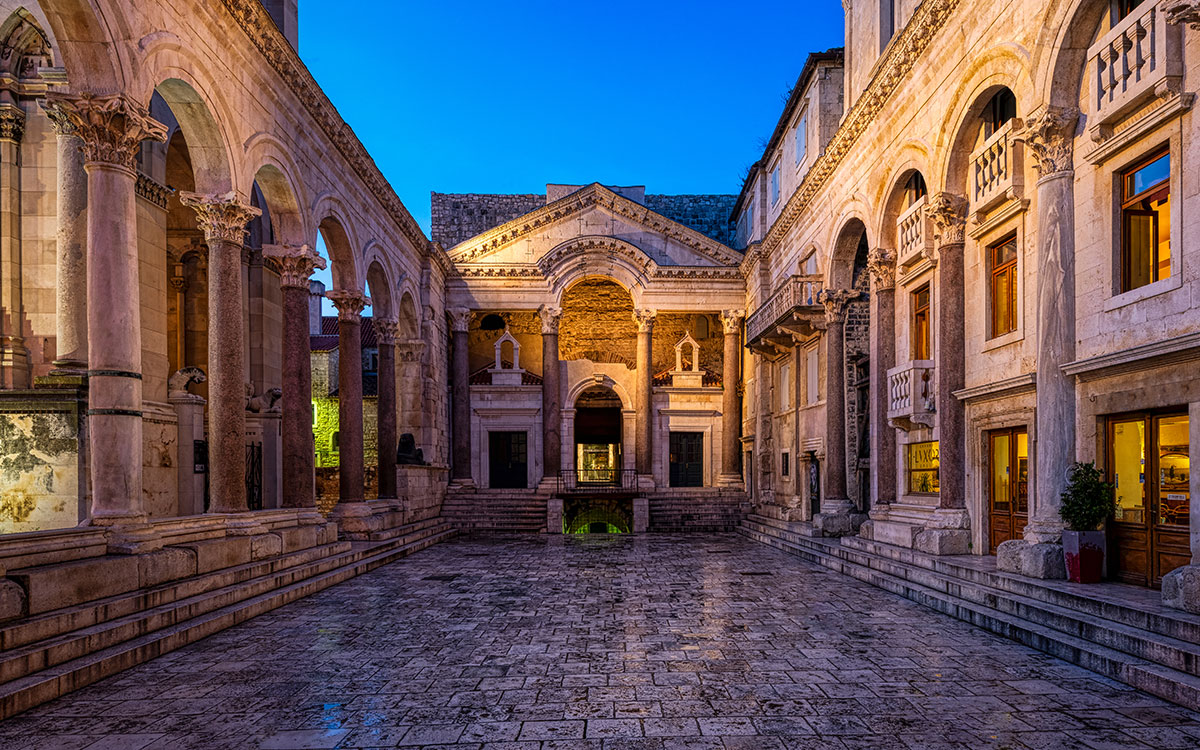
Diocletian's Palace still stands in the
very heart of the old quarter of Split, charming visitors with its
cobbled streets and classical architecture. The greater region is
characterised by lush vegetation and verdant greenery, particularly
Marjan Hill on the west of the peninsula with its ancient
indigenous forest.
The city makes an ideal base from which to
explore the wondrous islands, beautiful locations and historic
villages in central Dalmatia. Split is also world renowned among
seafarers for the quality of its some 44 marinas, drawing yachts
and catamarans from all over Europe and making it a great cruising
destination in the Adriatic.
Day 3
Dubrovnik
This unique Adriatic port has been luring
travellers for centuries, known for its luxury accommodation,
excellent cuisine and beautiful surroundings. From a turbulent
history during which it was occupied and conquered by a succession
of neighbouring European powers, Dubrovnik has emerged as a city at
peace, allowing visitors to make the most of its historic
architecture, white pebble beaches and crystal-clear ocean
waters.
The Old Town is a UNESCO World Heritage
Site, dating from the 7th century. Its 13-century walls enclose
well-preserved buildings representing a cross-section of Baroque,
Gothic and Renaissance architecture, while Onofrio's Fountain is
one of Dubrovnik's most famous landmarks, found just inside the
main entrance to the old city at Pile Gate.
The centre of the Old Town is its main
street called the Stradun, which was originally a channel
separating an island from the mainland. It was filled in to join
two towns into the merged city of Dubrovnik.
There are many churches, monasteries and
museums to explore, while the Old Town boasts plenty of
restaurants, bars and shops. The coastal belt is awash with pretty
marinas, coves and promenades, while most hotels and the best
beaches are located northwest of the Old Town, at Lapad, or in
Ploce to the northeast.
Dubrovnik is a favourite on European cruise
itineraries and many tourists arrive by sea, ferrying in to the
charming old port. Although Dubrovnik will delight cruise
passengers with only a few hours to kill, it's incredibly rich in
history and culture and can easily occupy travellers for days. The
city is also well situated as a travel hub for exploring the
villages and islands dotted along the dramatic Dalmatian Coast of
Croatia.
Day 4
Kotor
Tourists to Montenegro will most likely spend the bulk of their
time exploring the small Balkan country's natural landscape. From
snowy peaks to tall pine forests, from the coastlines to the
fjords, Montenegro is an outdoor lover's dream come true.
However, for those looking to get to grips with the culture of
Montenegro, the medieval city of Kotor is certainly the place to
visit, especially in recent years as Montenegro has swiftly
established itself as one of Europe's top tourist destinations.
It's not hard to see why this is. The surrounding Mediterranean
coastline, with its limestone cliffs and thick vegetation, is
punctuated by the port of Kotor, which in turn is surrounded by
city walls that were built by the Republic of Venice. These
ramparted and bastioned city walls, together with the
Venetian-inspired old city, are a designated UNESCO World Heritage
Site, and lauded for their role in the diffusion of Mediterranean
culture in the Balkan region.
A small city, with a population of just under 14,000 permanent
inhabitants, Kotor is a wonderful place to navigate on foot,
soaking up the scenery and admiring the medieval buildings. In
terms of tourist sights, the Maritime Museum is a must-visit
attraction, as is the Cathedral of Saint Tryphon (built in 1166)
and the Church of Our Lady of Health, which is located on a small
promontory overlooking Kotor and provides unbeatable views of the
bright blue Adriatic Sea beneath.
Day 6
Messina
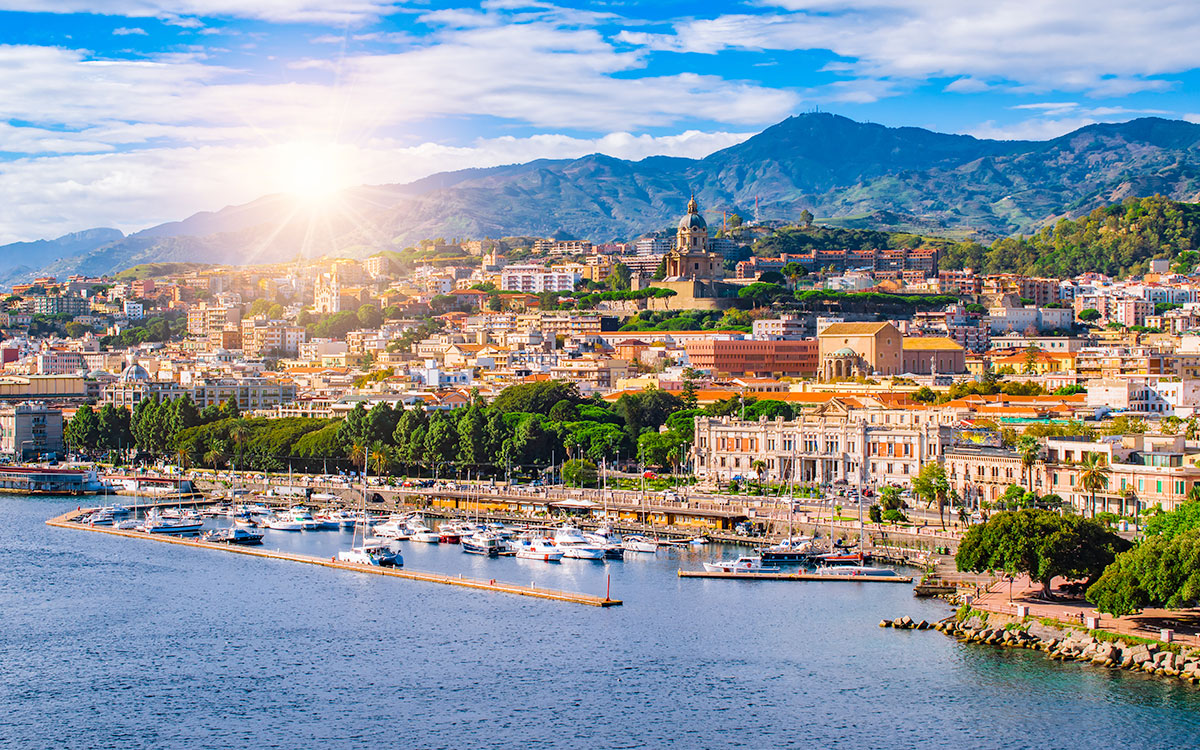
Messina is the third largest city on the island of Sicily, and the 13th largest city in Italy, with a population of more than 231,000. Home to the Museo Regionale of Messina, known for featuring two of Caravaggio's paintings, the city is also famous for having been the capital of the ancient kingdom of Sicily.
Day 7
Salerno
Salerno, Italy is a small town located in the Campania region of Southern Italy. It is situated on the coast of the Tyrrhenian Sea, and surrounded by beautiful hills and mountains on three sides. Salerno is one of the most picturesque towns in Italy, with a rich history that dates back to the ancient Roman period.
Salerno is an idyllic town that has gained popularity in recent years, thanks to its stunning coastline, lively nightlife scene, and proximity to the Amalfi Coast. The town is known for its charming streets, colorful buildings, and impressive architecture. Many of the buildings in Salerno date back to the Middle Ages and are rich in history and culture.
The town is also famous for its numerous churches, including the Cathedral of San Matteo, which dates back to the 11th century. The cathedral is one of the most beautiful buildings in Salerno and is home to a collection of stunning frescoes and mosaics.
However, Salerno is perhaps most famous for its beautiful seafront. The town boasts a lengthy promenade, which runs along the seafront and offers stunning views of the Tyrrhenian Sea. The promenade is lined with cafes, bars, restaurants and shops, making it the perfect place to relax and watch the world go by.
Salerno is also home to a thriving art scene. The town has numerous galleries and museums, including the Pinacoteca Provinciale di Salerno, which showcases works by some of the most famous Italian painters. The town is also famous for its murals, which are dotted throughout the town and depict scenes from Salerno's history and culture.
Salerno is situated on the Amalfi Coast, one of the most beautiful stretches of coastline in the world. The Amalfi Coast is famous for its stunning scenery, quaint fishing villages, and crystal-clear waters. Visitors to Salerno often use the town as a base for exploring the Amalfi Coast, which is located just a short drive away.
Salerno is also known for its lively nightlife scene. The town has numerous bars, clubs and restaurants, which stay open late into the night. The nightlife in Salerno attracts both locals and tourists and is a great way to experience Italian culture.
In addition to its natural beauty, Salerno is famous for its cuisine. The town is known for its fresh seafood, which is caught daily from the Tyrrhenian Sea. The town also boasts numerous restaurants, which serve traditional Italian dishes, including pasta, pizza and risotto.
Overall, Salerno is an idyllic town that offers visitors the perfect mix of culture, history, scenery and nightlife. The town's proximity to the Amalfi Coast, coupled with its lively atmosphere, make it the perfect destination for a relaxing but unforgettable vacation.
Day 9
Portofino
Portofino is a small, charming fishing village located on the Italian Riviera, in the region of Liguria, Italy. Renowned for its natural beauty, picturesque harbor, and vibrant atmosphere, Portofino is a popular destination for travelers seeking a blend of tranquility and luxury.
One of the most striking features of Portofino is its breathtaking coastal views. Surrounded by lush hills and crystal-clear turquoise waters, the village offers plenty of opportunities for scenic walks and hikes. The famous Portofino Regional Park is a must-visit for nature enthusiasts, offering a vast network of trails that wind through the Mediterranean vegetation, providing stunning vistas of the coast and the surrounding area.
The village itself is a postcard-perfect image of Italian charm. The harbor is filled with colorful fishing boats and luxurious yachts, creating a picturesque backdrop for visitors. The narrow, cobbled streets are lined with pastel-colored houses, boutique shops, and charming cafés. The main square, Piazzetta, is the heart of Portofino, where visitors can relax and soak in the vibrant atmosphere while enjoying a coffee or gelato.
Portofino is also known for its luxury and high-end lifestyle. The village is home to many upscale boutiques and designer stores, catering to the discerning tastes of affluent visitors. One can find renowned brands such as Gucci, Prada, and Louis Vuitton, among many others. The dining scene is equally impressive, with a plethora of gourmet restaurants offering delectable seafood dishes and traditional Italian cuisine. From freshly caught fish to handmade pasta, the culinary experience in Portofino is sure to delight even the most discerning food connoisseur.
For those looking to explore beyond the village, the region offers a wealth of attractions. Just a short boat ride away is the idyllic Portofino Marine Reserve, where visitors can snorkel or scuba dive to discover the stunning underwater world teeming with marine life. The nearby town of Santa Margherita Ligure is another charming destination worth exploring, with its beautiful beaches, elegant villas, and vibrant promenades.
For history and culture enthusiasts, a visit to the Castello Brown is a must. This ancient fortress, perched atop a hill overlooking the harbor, offers panoramic views of the village and the surrounding coastline. The castle also hosts art exhibitions and cultural events throughout the year.
In terms of accommodation, Portofino offers a range of options to suit different budgets and preferences. From luxurious waterfront villas and boutique hotels to cozy bed and breakfasts, there is something for everyone. It is advisable to book in advance, especially during the peak summer season, to secure the best options.
In conclusion, Portofino is a captivating destination that seamlessly blends natural beauty, luxury, and charm. With its stunning coastal views, vibrant harbor, gourmet cuisine, and cultural attractions, it promises an unforgettable experience for all who visit. Whether you are looking to relax and unwind in a picturesque setting or indulge in the high-end lifestyle, Portofino is sure to leave a lasting impression.
Day 10
Livorno
Livorno is a gritty city with a long and interesting history. In the early Middle Ages it alternately belonged to Pisa and Genoa. In 1421 Florence, seeking access to the sea, bought it. Cosimo I (1519–74) started construction of the harbor in 1571, putting Livorno on the map. After Ferdinando I de' Medici (1549–1609) proclaimed Livorno a free city, it became a haven for people suffering from religious persecution; Roman Catholics from England and Jews and Moors from Spain and Portugal, among others, settled here. The Quattro Mori (Four Moors), also known as the Monument to Ferdinando I, commemorates this. (The statue of Ferdinando I dates from 1595, the bronze Moors by Pietro Tacca from the 1620s.)In the following centuries, and particularly in the 18th, Livorno boomed as a port. In the 19th century the town drew a host of famous Britons passing through on their grand tours. Its prominence continued up to World War II, when it was heavily bombed. Much of the town's architecture, therefore, postdates the war, and it's somewhat difficult to imagine what it might have looked like before. Livorno has recovered from the war, however, as it's become a huge point of departure for container ships, as well as the only spot in Tuscany for cruise ships to dock for the day.Most of Livorno's artistic treasures date from the 17th century and aren't all that interesting unless you dote on obscure baroque artists. Livorno's most famous native artist, Amedeo Modigliani (1884–1920), was of much more recent vintage. Sadly, there's no notable work by him in his hometown.There may not be much in the way of art, but it's still worth strolling around the city. The Mercato Nuovo, which has been around since 1894, sells all sorts of fruits, vegetables, grains, meat, and fish. Outdoor markets nearby are also chock-full of local color. The presence of Camp Darby, an American military base just outside town, accounts for the availability of many American products.If you have time, Livorno is worth a stop for lunch or dinner at the very least.
Day 11
Livorno
Livorno is a gritty city with a long and interesting history. In the early Middle Ages it alternately belonged to Pisa and Genoa. In 1421 Florence, seeking access to the sea, bought it. Cosimo I (1519–74) started construction of the harbor in 1571, putting Livorno on the map. After Ferdinando I de' Medici (1549–1609) proclaimed Livorno a free city, it became a haven for people suffering from religious persecution; Roman Catholics from England and Jews and Moors from Spain and Portugal, among others, settled here. The Quattro Mori (Four Moors), also known as the Monument to Ferdinando I, commemorates this. (The statue of Ferdinando I dates from 1595, the bronze Moors by Pietro Tacca from the 1620s.)In the following centuries, and particularly in the 18th, Livorno boomed as a port. In the 19th century the town drew a host of famous Britons passing through on their grand tours. Its prominence continued up to World War II, when it was heavily bombed. Much of the town's architecture, therefore, postdates the war, and it's somewhat difficult to imagine what it might have looked like before. Livorno has recovered from the war, however, as it's become a huge point of departure for container ships, as well as the only spot in Tuscany for cruise ships to dock for the day.Most of Livorno's artistic treasures date from the 17th century and aren't all that interesting unless you dote on obscure baroque artists. Livorno's most famous native artist, Amedeo Modigliani (1884–1920), was of much more recent vintage. Sadly, there's no notable work by him in his hometown.There may not be much in the way of art, but it's still worth strolling around the city. The Mercato Nuovo, which has been around since 1894, sells all sorts of fruits, vegetables, grains, meat, and fish. Outdoor markets nearby are also chock-full of local color. The presence of Camp Darby, an American military base just outside town, accounts for the availability of many American products.If you have time, Livorno is worth a stop for lunch or dinner at the very least.
Day 12
Civitavecchia
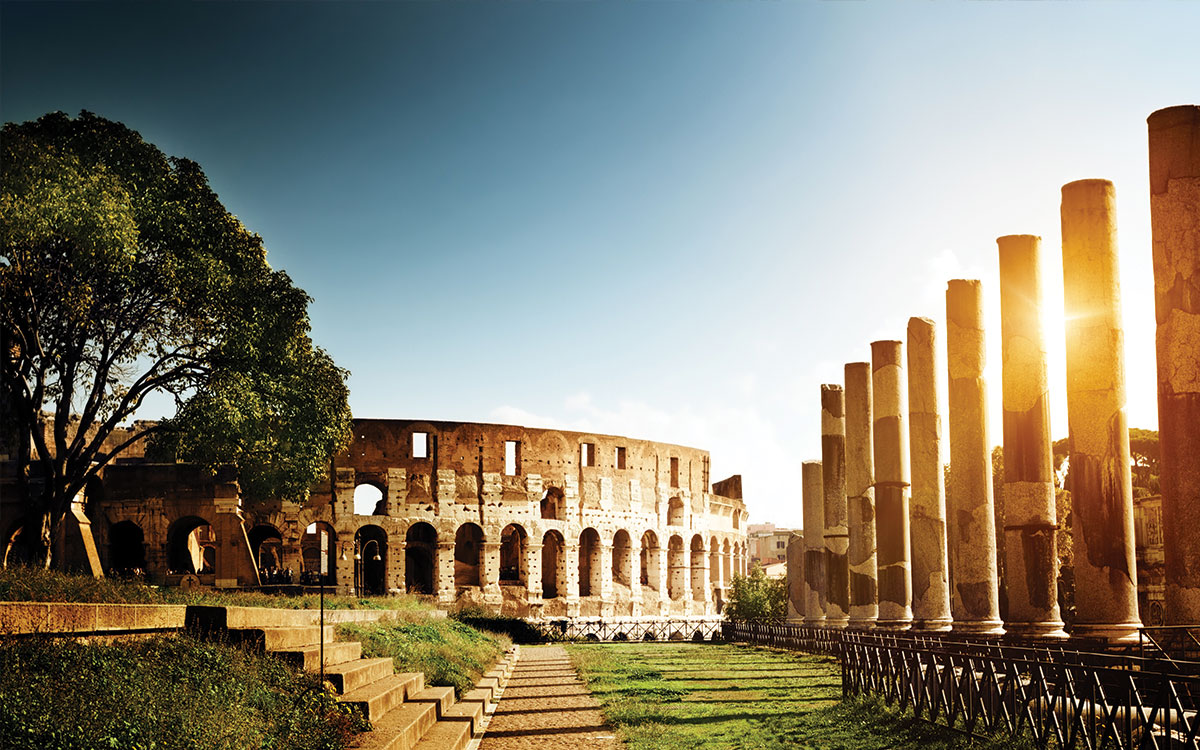
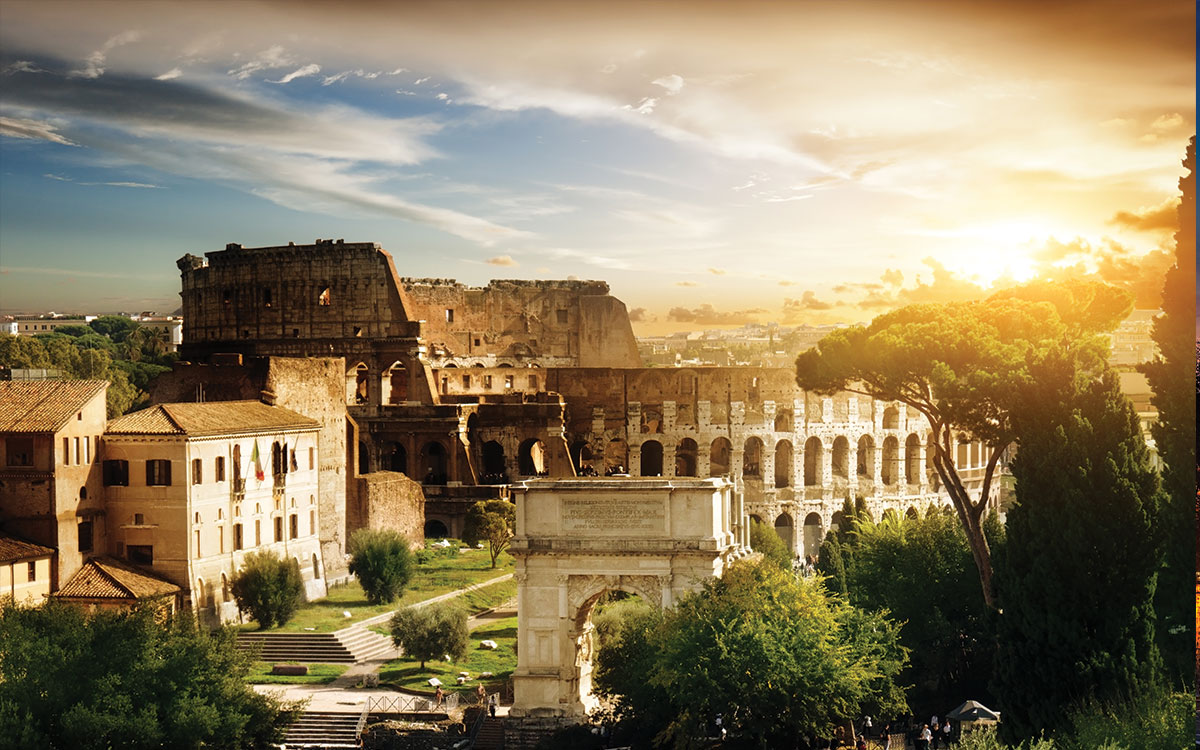
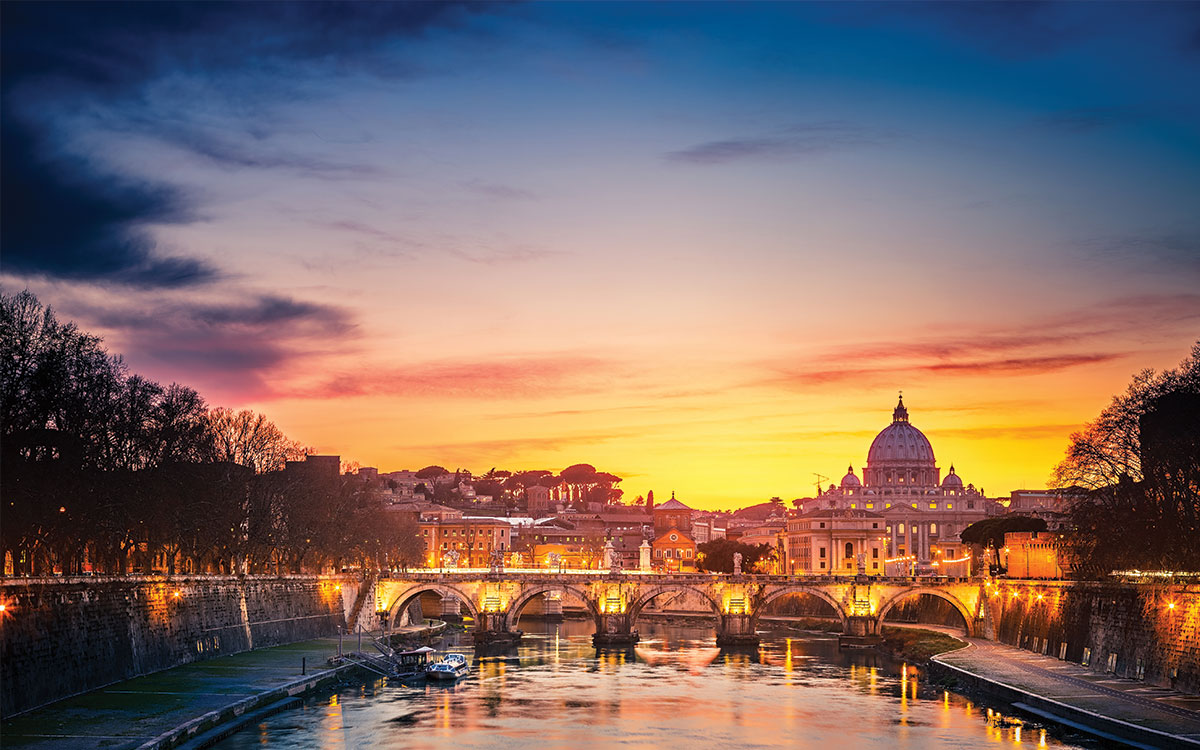
Rome is like a living museum, liberally
dotted with fascinating ruins, ancient relics and archaeological
sites. Centuries are peeled back from the Eternal City with each
new vista in this great metropolis of fearsome gladiators and
gorgeous art. Vespas, sports cars and nippy Fiats speed past trendy
sidewalk cafes, bistros and nightclubs, revealing the Rome of
Fellini's La Dolce Vita, while the stark facades of the Stadio
Olimpico reminds visitors of Mussolini's attempts to reinvent the
architecture of the Caesars.
For a taste of the Baroque, visitors need
only climb the famous Spanish Steps, walk through the Piazza Navona
or toss a coin into the beautiful Trevi Fountain. Renaissance
splendour is best revealed in the Vatican Palace, specifically
Michelangelo's efforts on the roof of the Sistine Chapel. From
early Christian Basilicas and the Roman Forum to the Colosseum and
the Pantheon, the sequence of history trails back to the dizzying
heights of the empire.
It may sound like a city of contrasts, but
Rome's timeless magic lies in its ability to blend the old with the
new. Empires have risen and fallen, old gods have been replaced
with the new, but Rome nonetheless remains.
11 Night Best Of Italy & Croatia Ships
Recommended Deals like 11 Night Best Of Italy & Croatia
11 Night Best Of Italy & Croatia
 Celebrity Cruises

Departure:
May to
Oct
VISITING:
Ravenna
Split
Dubrovnik
Kotor
Messina
Salerno
Portofino
Livorno
Civitavecchia
FROM
£
1,320 pp
Join the Crui.se Club
Points That Pay
Earn 25 points (£25) just for joining — and collect more on bookings, reviews, and referrals.
Exclusive Member Deals
Unlock off-market offers reserved only for Crui.se Club members.
Early Access Perks
Be the first to book with pre-launch notifications and special member-only booking windows.
Cruise With Confidence
Our mission at wordpress-1024654-4169282.cloudwaysapps.com is to help you and your loved one’s book and experience the best cruise holiday imaginable. We’re different in that, our customers come first, not our suppliers or profit margins. Get in touch and let us help you set sail.


Over 20 cruise brands to choose from

Low deposits from £500

All Inclusive cruises

Best deals & discounts

Community driven

Brand agnostic

We take care of everything

Custom built cruise holidays


