






 We won’t be beaten on price...


ABTA protected


Tokyo to Singapore Grand
Voyage
Scroll to sail

Tokyo to Singapore Grand Voyage
Embark on an extraordinary Tokyo to Singapore Grand Voyage, a magnificent 37-day odyssey across Asia with Azamara. Begin in vibrant Tokyo, exploring Japans ancient traditions, serene temples, and bustling metropolises like Osaka and Hiroshima, where history and innovation intertwine seamlessly.
Journey deeper into the heart of Asia, discovering the dynamic energy of Seoul, the majestic skylines of Shanghai and Hong Kong, and the breathtaking beauty of Vietnams Ha Long Bay. Each port offers an authentic immersion into diverse cultures, from ancient wonders to modern marvels across the continent.
Experience Azamaras signature boutique luxury aboard the Azamara Pursuit, enjoying longer stays and overnight calls that allow for profound exploration. Unpack once and let this seamless voyage reveal the unparalleled wonders of Asia, creating memories that will last a lifetime.
-
 Cruise Line: Azamara
-
 Ship: Azamara Pursuit
-
 Duration: 37 Nights
-
 Departure: September
Tokyo to Singapore Grand Voyage Prices
Tokyo to Singapore Grand Voyage Gallery

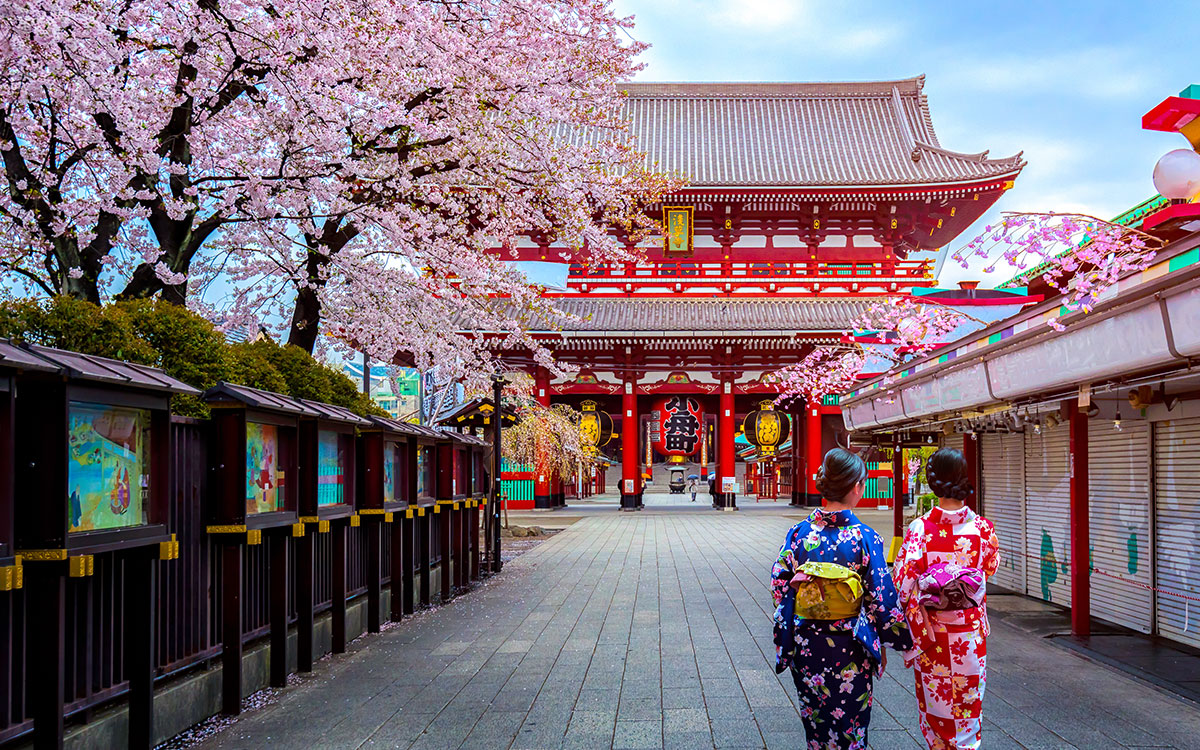
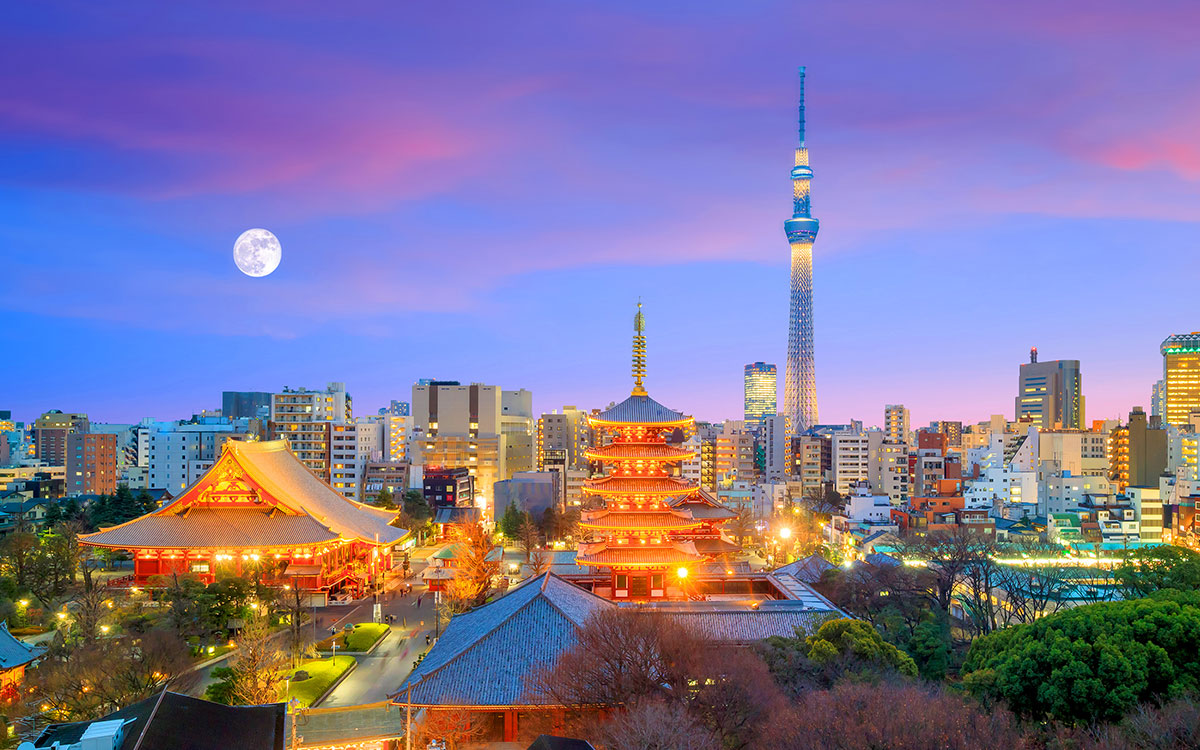
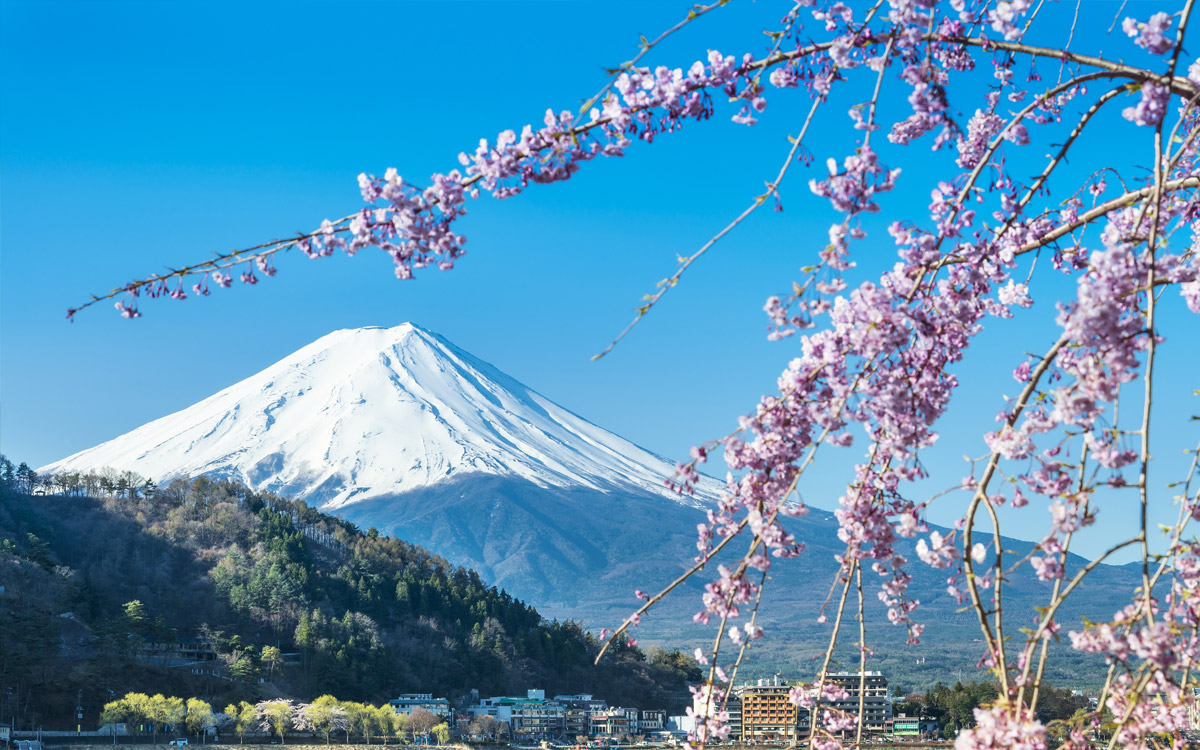
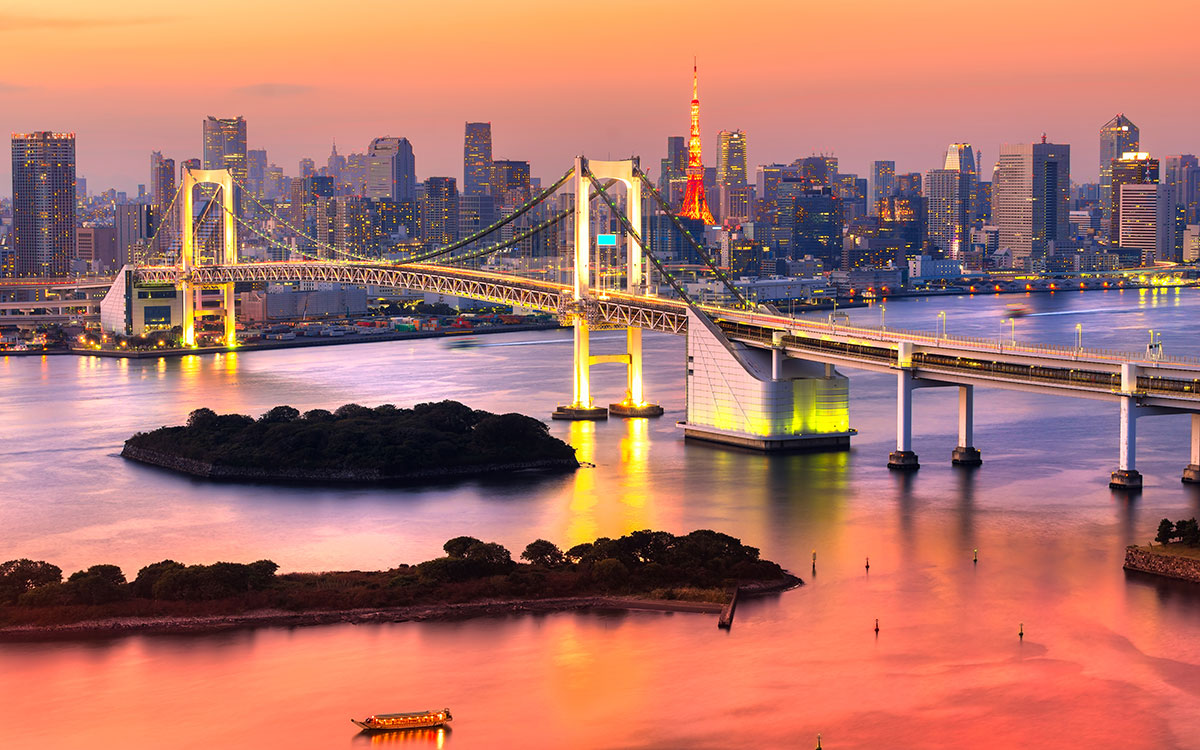









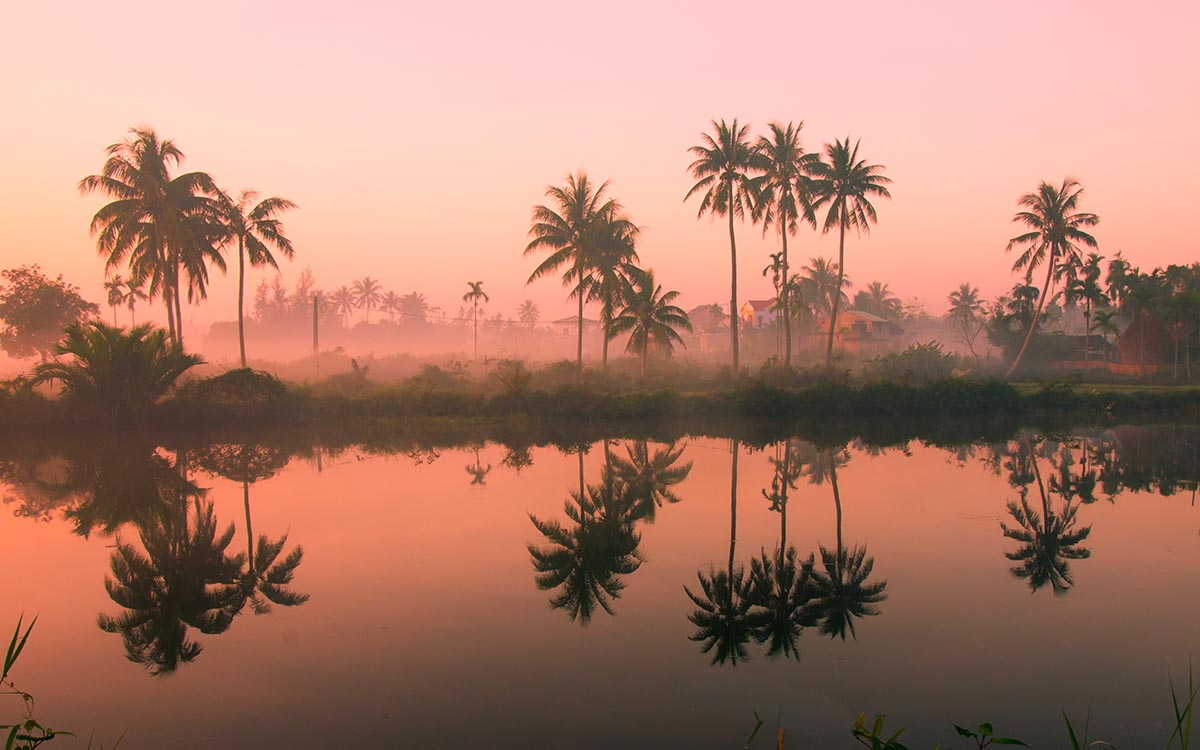
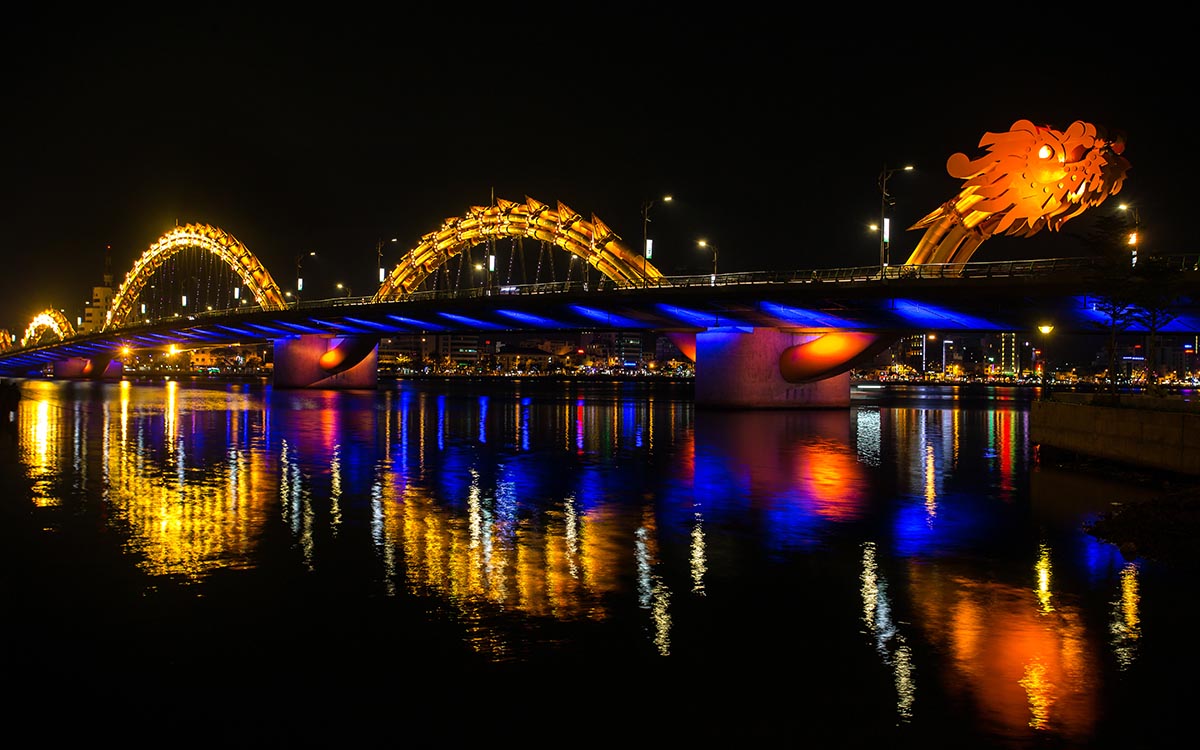


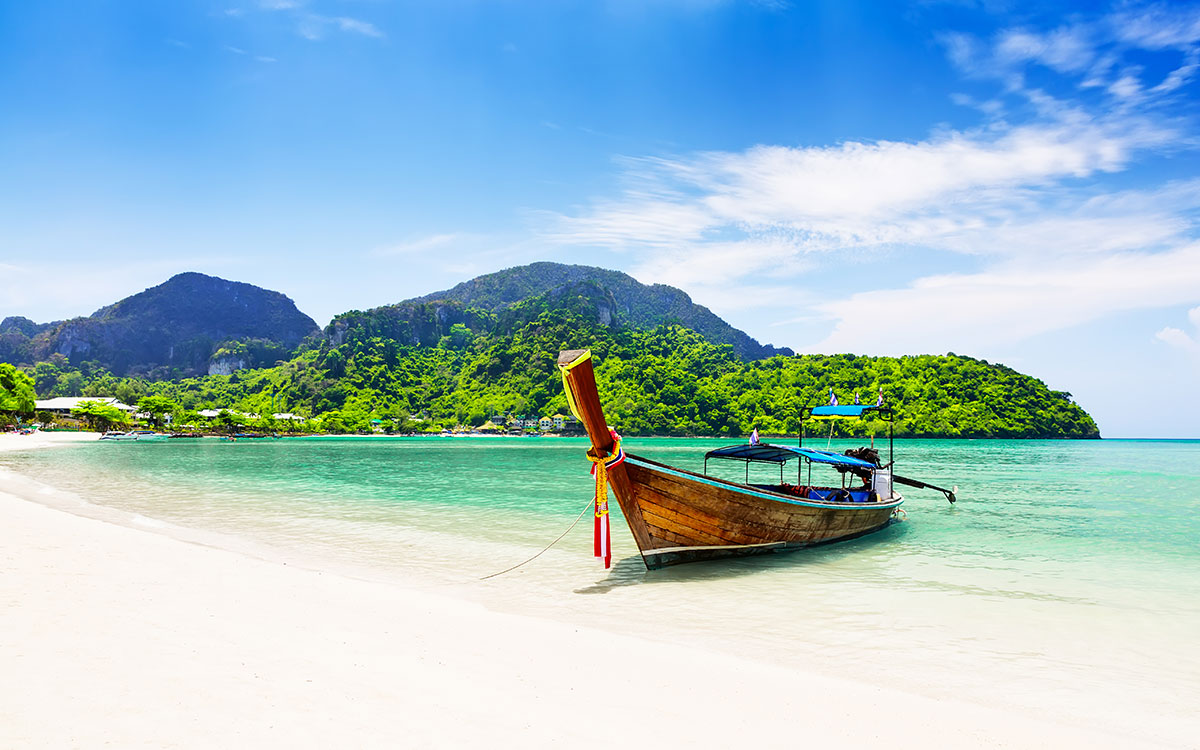
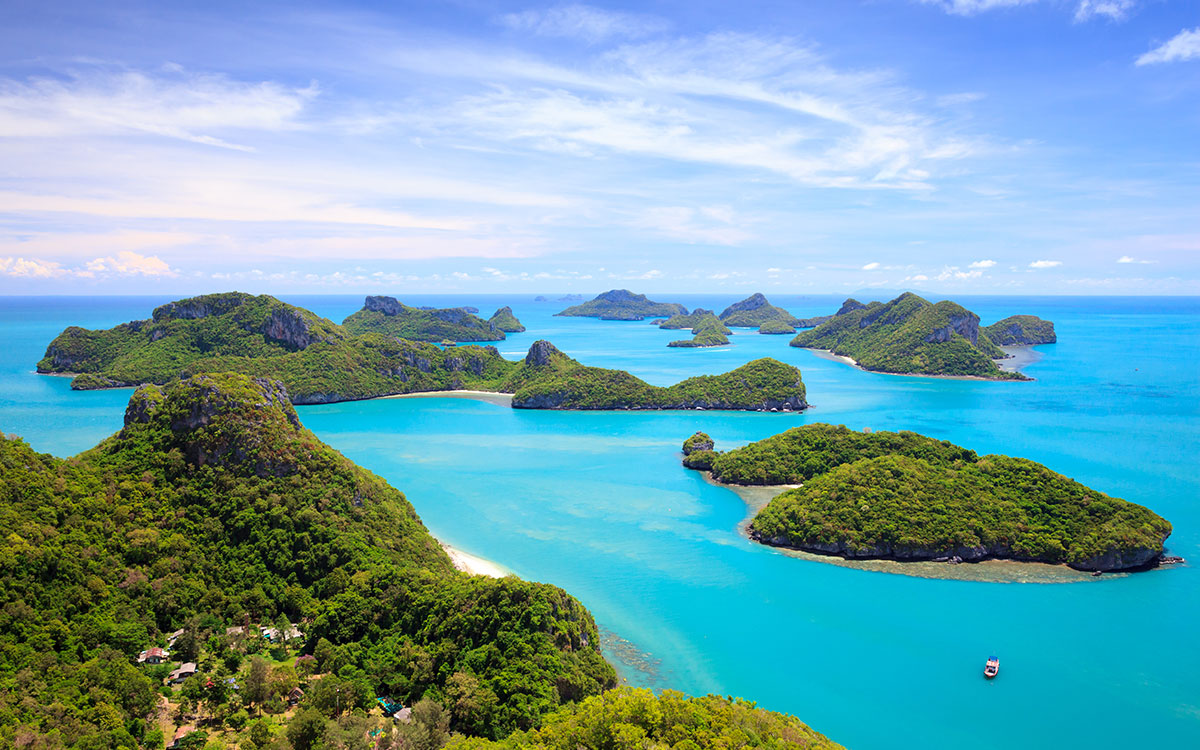

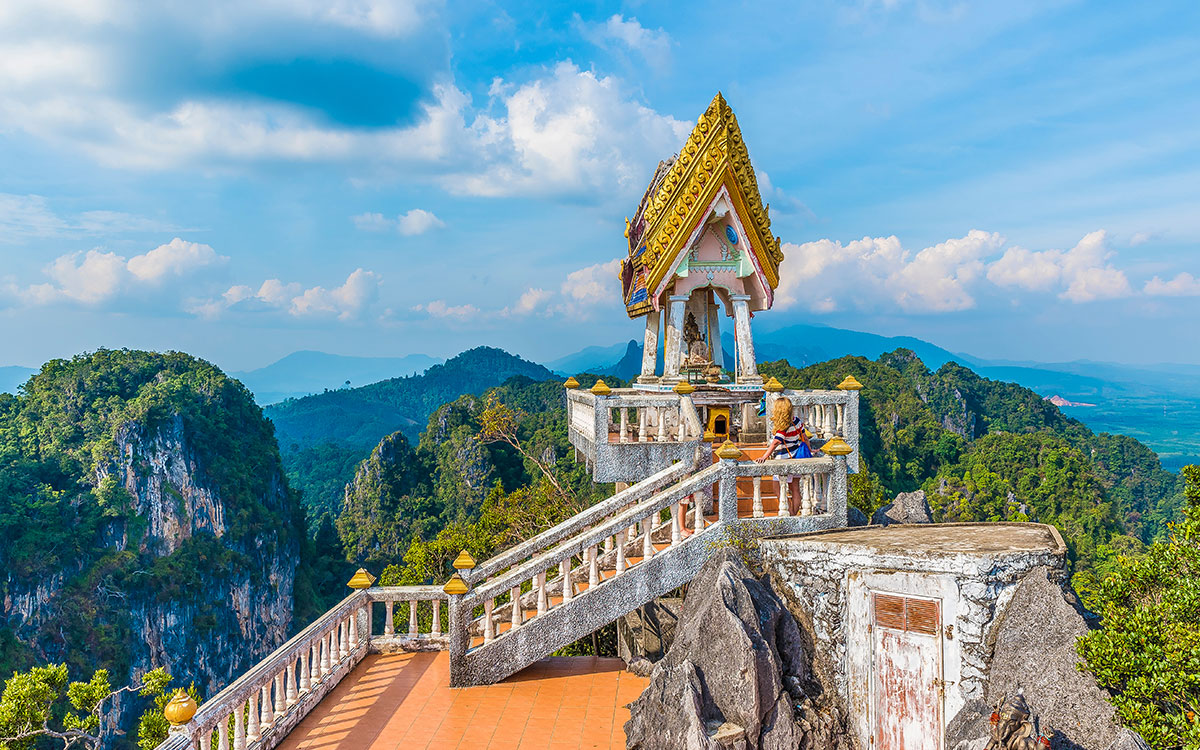
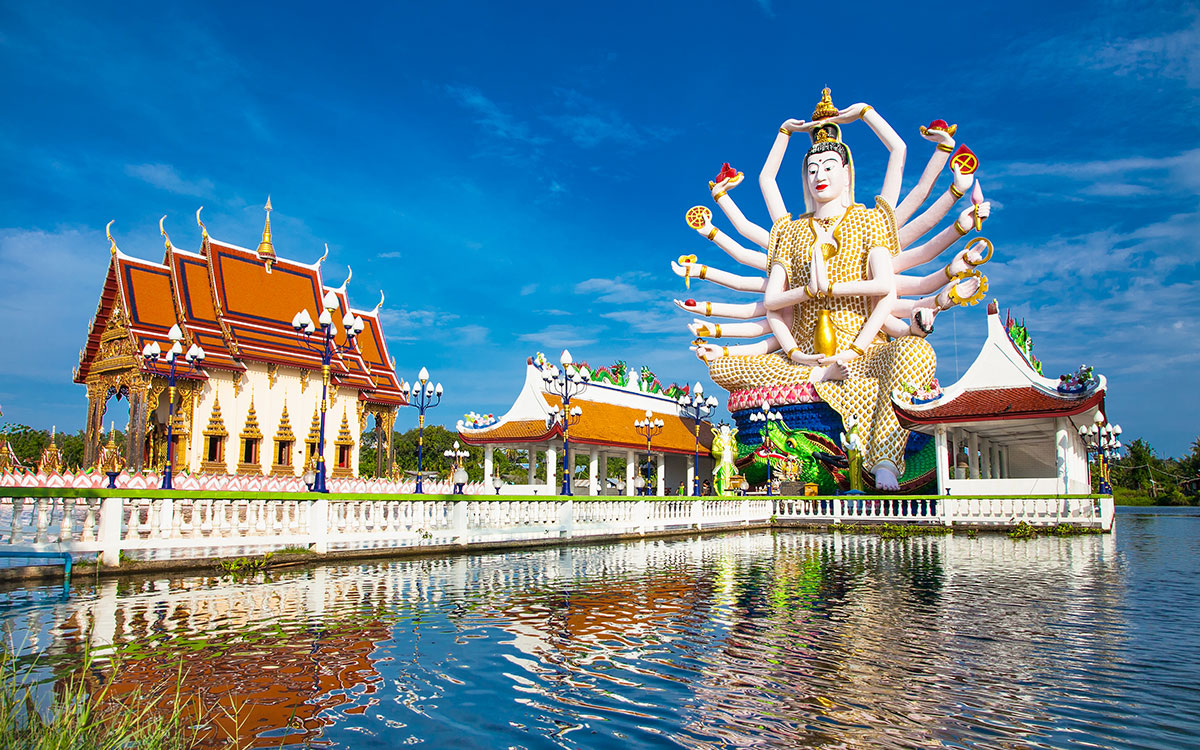


Tokyo to Singapore Grand Voyage Itinerary

Day 1
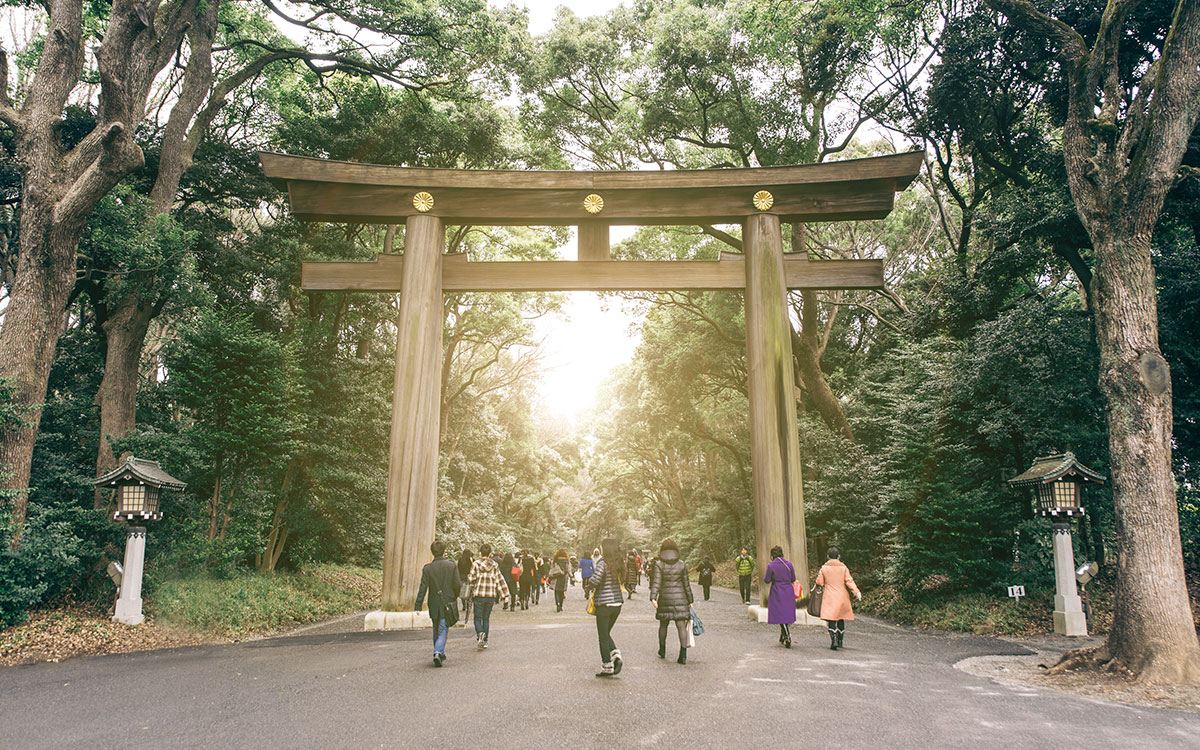
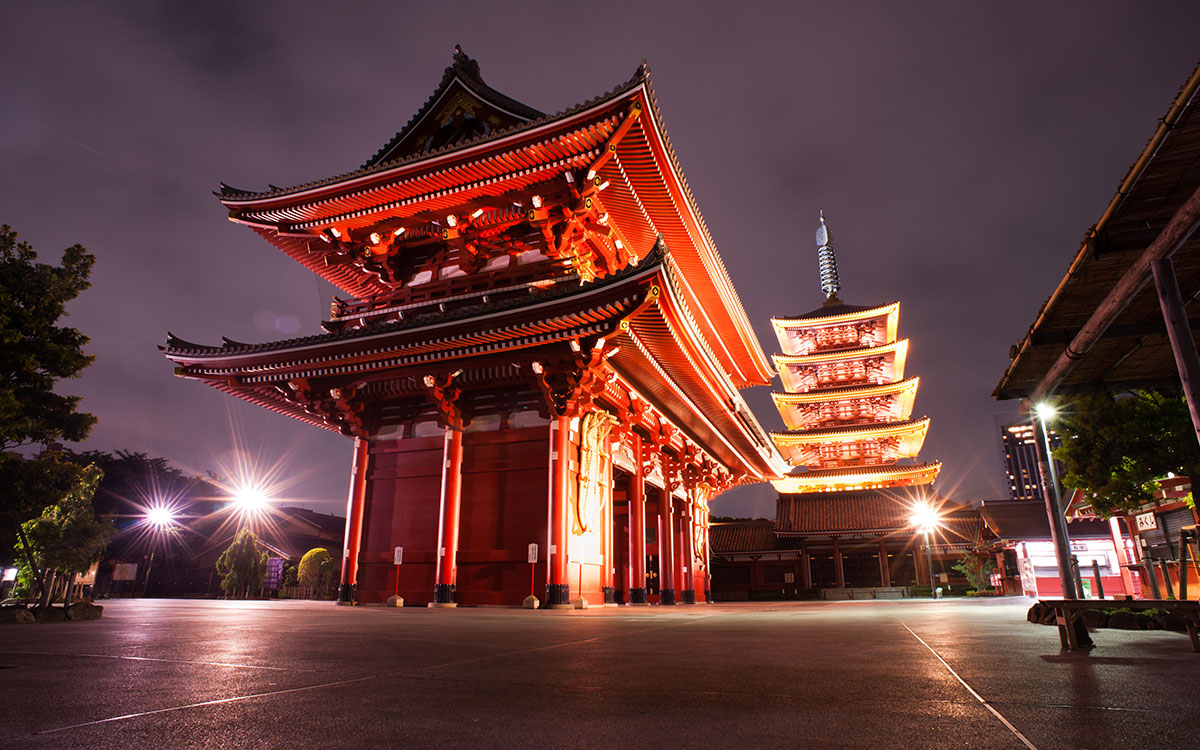
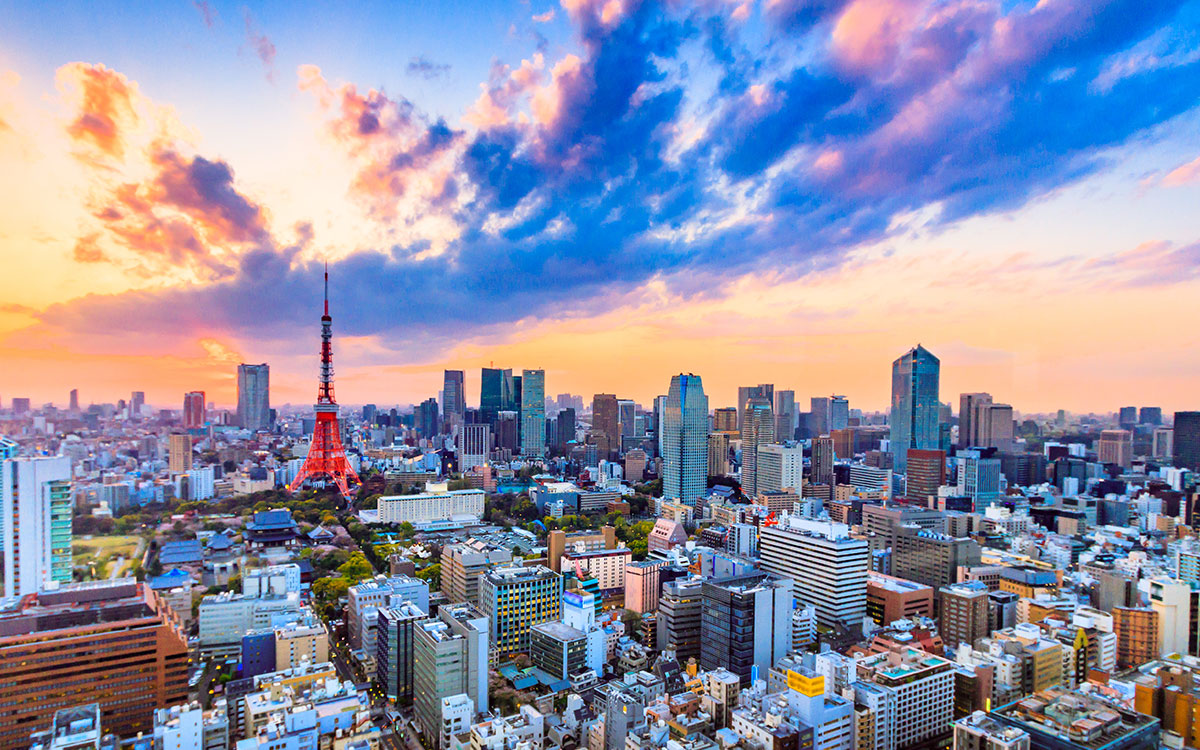
Tokyo
The modern capital city of Japan, Tokyo could be
described as too good to be true. People dress in the latest
fashions and experiment with the latest technologies, excellent
restaurants serve up delicious food of all varieties, and the
trendiest nightclubs keep going throughout the night.
The public transport system is punctual and one of
the most efficient in the world; and shops and vending machines
provide necessities and luxuries both day and night. All this is
achieved in a city that is home to more than 13 million people,
amid the confusion of bumper-to-bumper traffic, flickering neon
signs, and a crush of humanity packing subways and sidewalks.
Amidst the hurly-burly, Tokyo remarkably remains
one of the world's safest cities with a low crime rate and local
people who are generally only too willing to spare the time and
effort to assist a stranger.
With such a dense population, Tokyo is an urban
maze of buildings that jostle for space in an unplanned jumble of
grey concrete, which makes parts of it drab. The city fills a huge
area that seems to go on forever, with no specific city centre, but
rather a succession of districts grouped together. In the back
streets, where timber houses line narrow lanes, there are reminders
that this is exotic Japan: kimono-clad women prune bonsai trees and
colourful neighbourhood festivals take place.
The city is an exuberant experience for visitors.
It is home to many museums and is the largest repository of
Japanese art in the world. Then, of course, it would take forever
to exhaust the shopping possibilities in this megalopolis.
The more one explores Tokyo, the more it becomes
obvious that one cannot judge a book by its cover. Inside the
modern buildings the cultural life of Japan is very much alive and
well. Interiors reflect the tranquil minimalist Asian style and
taste of Japan.
Day 2
Shimizu
Shimizu is a city located in the Shizuoka Prefecture, in the central region of Japan’s main island of Honshu. The city has a long and rich history, dating back to the 8th century when it was first mentioned in historical records. Shimizu thrived as a key port city during the Edo period (1603-1868), serving as an important stopping point for trade between Edo (now Tokyo) and Kyoto.
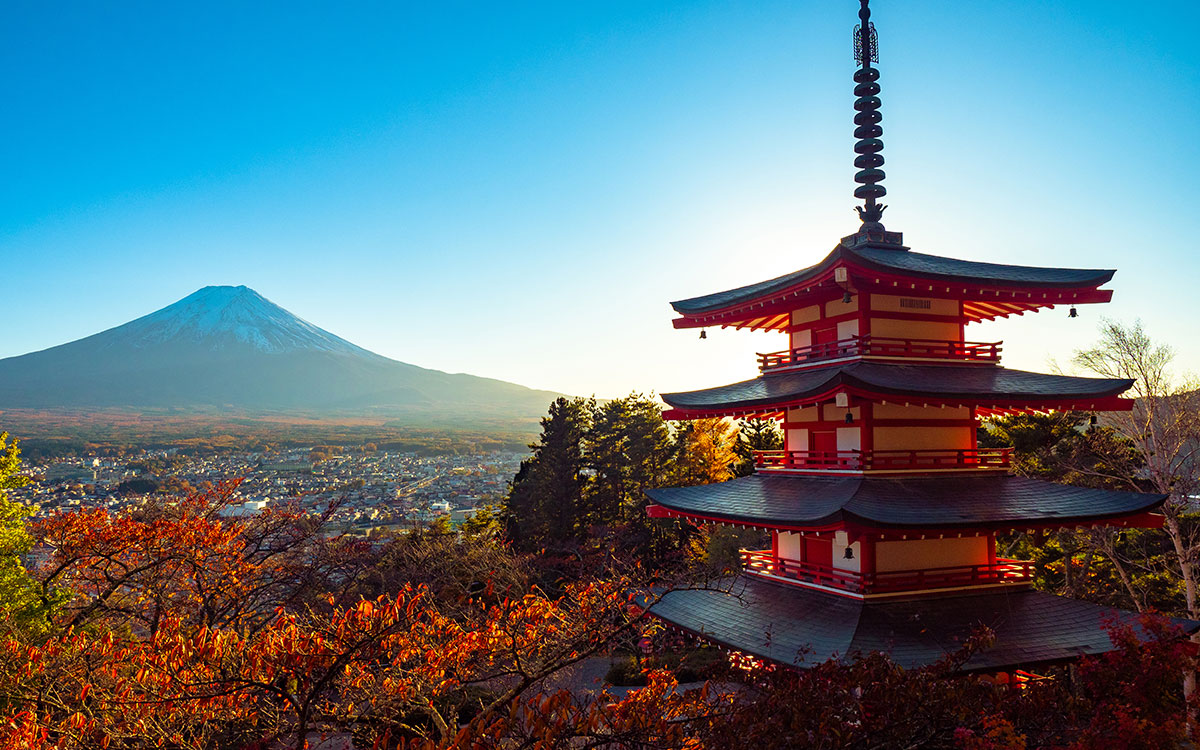
Today, Shimizu is a modern and vibrant city, with a population of over 700,000 people. The city is known for its beautiful natural scenery, with Mt. Fuji visible from many parts of the city on clear days. Shimizu is also home to a number of large companies and industries, including Mitsubishi Heavy Industries and Honda Motor Company.
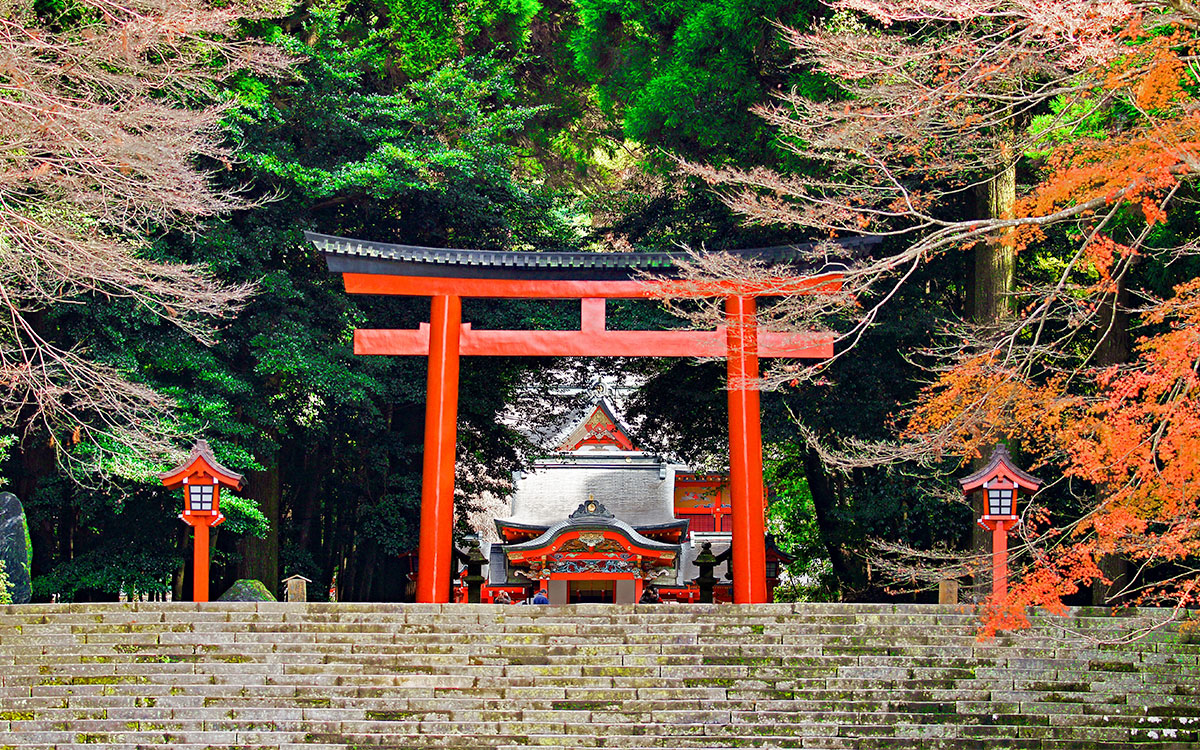
The city of Shimizu is a great place to experience traditional Japanese culture while also enjoy all the conveniences and amenities of a modern city. There are a number of temples and shrines to visit, as well as traditional gardens and parks. For those interested in shopping and nightlife, Shimizu has plenty to offer, with a wide variety of shops and restaurants, as well as bars and clubs.
Day 3
Osaka
Japan's third largest city, the industrial metropolis of Osaka
lies just 26 miles (42km) south of Kyoto. Osaka is an ancient city,
powerful in the days of the feudal lords and samurai. Now the city
is a commercial hub, focused on making money and having a good
time: it has a reputation in Japan as one of the best places to eat
and drink.
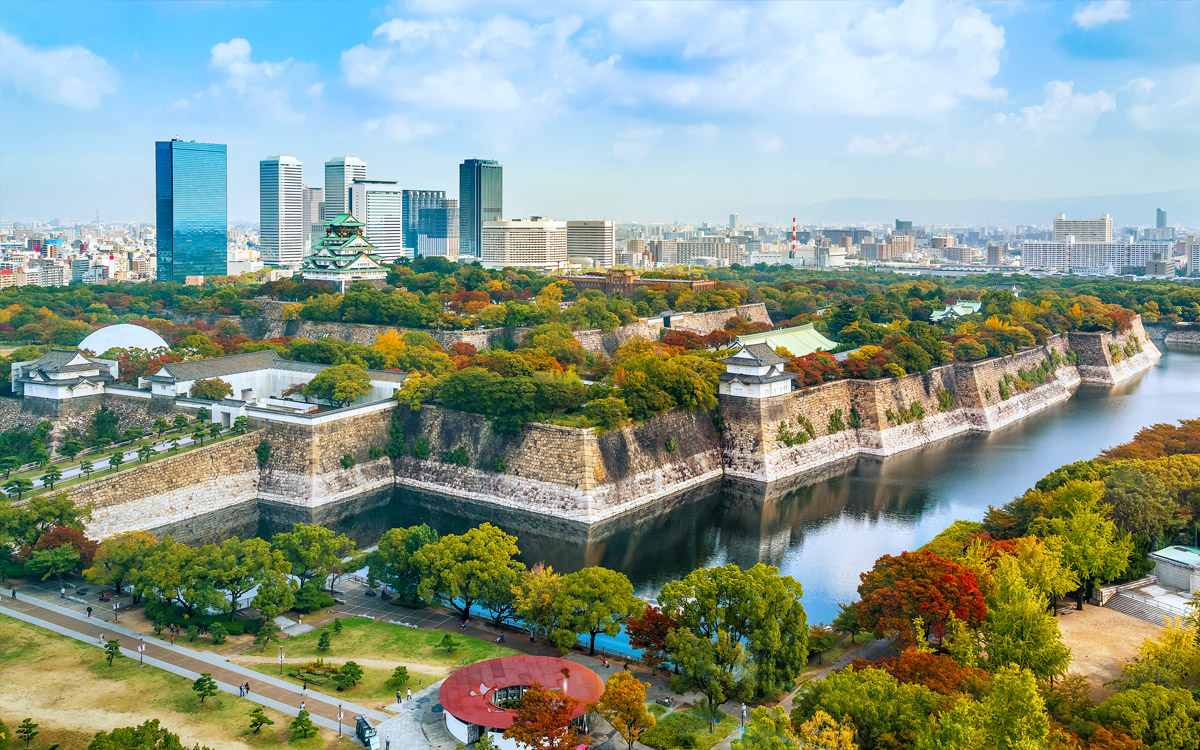
It is worthwhile visiting the city just to see the magnificent
Osaka Castle. Osaka's castle dates back to the 16th century, built
by the powerful lord Hideyoshi Toyotomi. It was rebuilt following
World War II, renovated in 1997, and is today a national
treasure.
The city has a number of other attractions, including museums
dedicated to science, wood-block printing, peace, and even ramen.
There are also a number of beautiful temples, and the famous
Bunraku Puppet Theatre. Other attractions in Osaka include an
impressive aquarium and Universal Studios Japan, a theme park
focusing on the American movie industry.
Osaka offers many of the same hardcore shopping opportunities
that Japan's other major metropolises do, with the most famous
shopping district, Shinsaibashi, offering a mixture of department
stores, fashionable boutiques, and Western stores. Nipponbashi is
the best place to go for electronics.
Osaka has a distinct cuisine, putting its unique stamp on
everything from sushi to
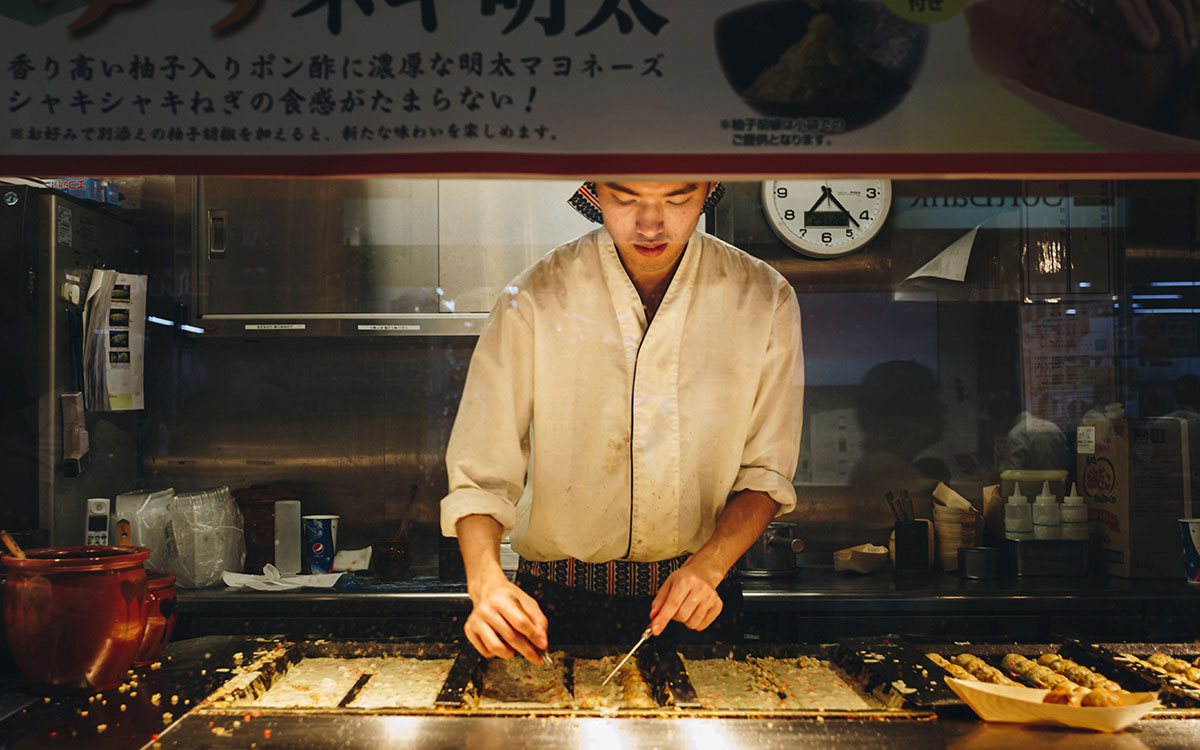
(street food). After dinner, head out for some
fun in one of the karaoke bars. The liveliest nightlife is found in
Dotombori.
Day 5
Kochi
Kochi is a beautiful city located in southern Japan. The city is known for its stunning natural scenery, its friendly people, and its delicious food. Kochi is a perfect place to relax and enjoy the sights and sounds of Japan. Kochi is also a great place to shop for souvenirs and gifts. There are many shops and markets located throughout the city, so you can find something for everyone on your list. Kochi is a popular tourist destination, so there are plenty of hotels and resorts to choose from. Whether you want to stay in a traditional Japanese inn or a modern hotel, you can find the perfect accommodations for your needs.
Day 6
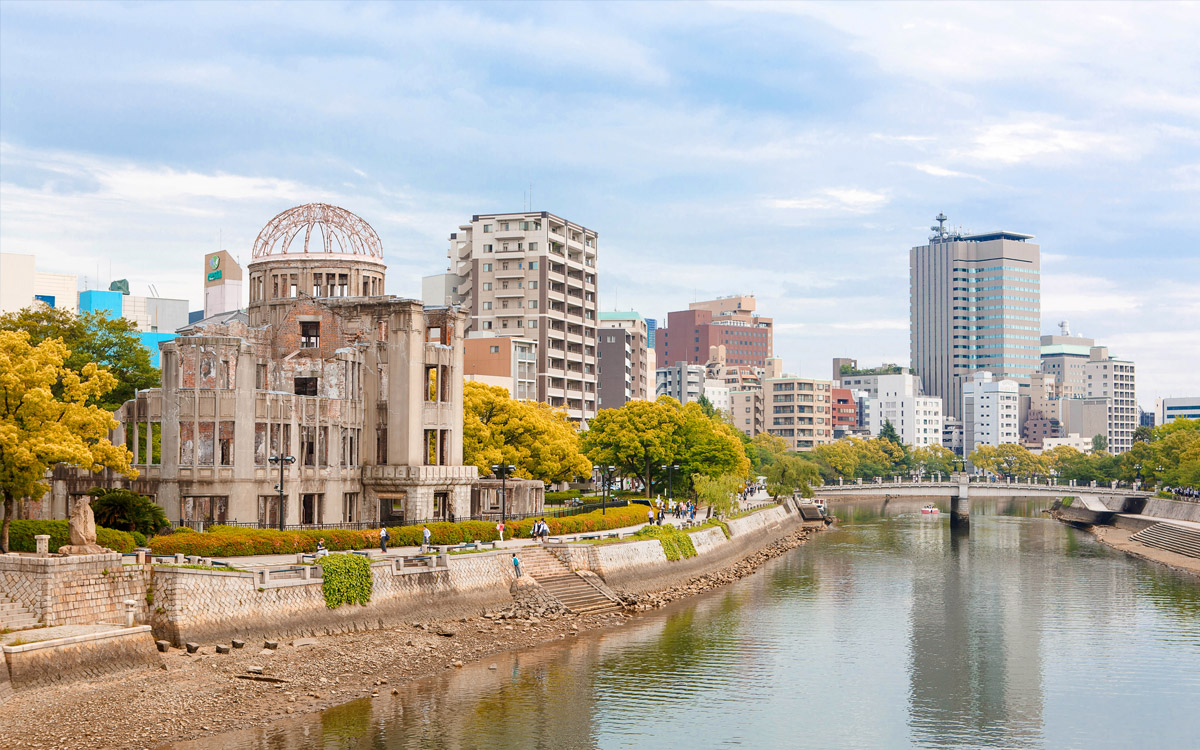
Hiroshima
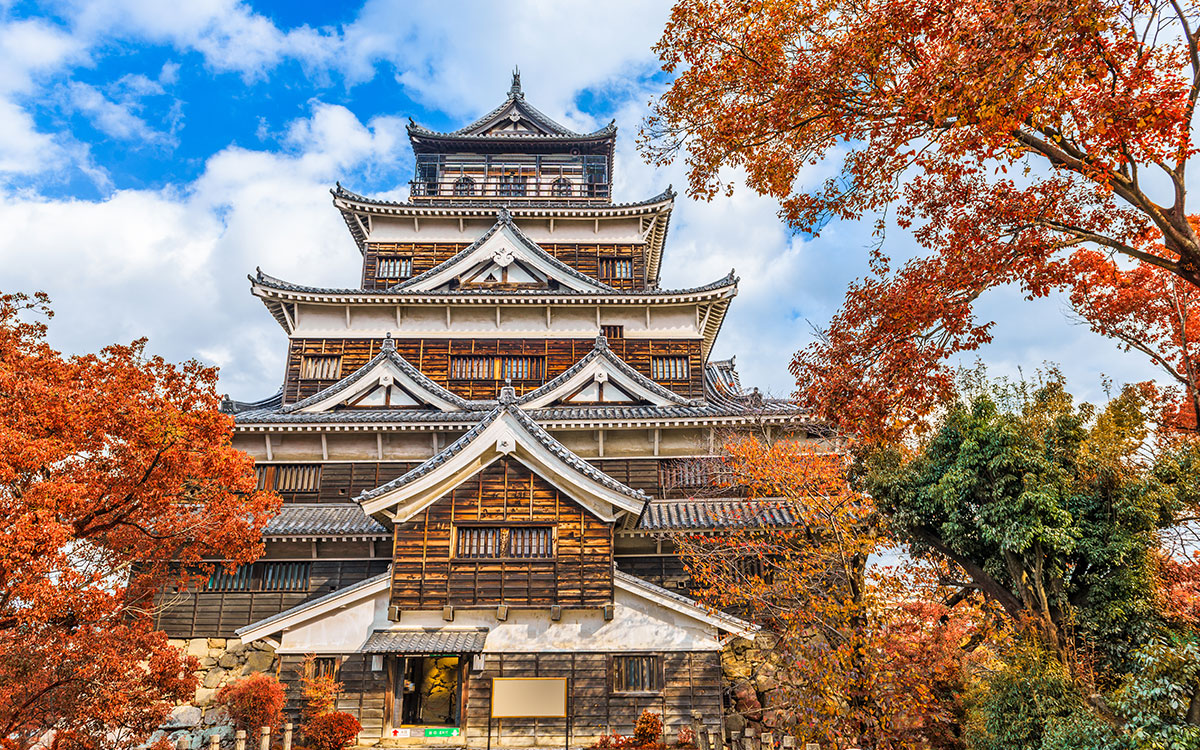
Hiroshima is the main city of the Chugoku Region on
Japan's main island Honshu. On 6 August 1945, it became the first
ever target of an atomic bomb. Early in the morning, three United
States B-29 bombers flew in from the northeast; one dropped its
bomb over the centre of the city, killing 140,000 civilians.
Today, millions of visitors make a pilgrimage to
Hiroshima's Peace Memorial Park to pay tribute to the victims, but
also to marvel at the lively modern city that has overcome its
tragedy to become the thriving home of more than a million people.
Not surprisingly, the city has become vehemently engaged in the
promotion of peace, and American visitors are welcomed with open
arms along with foreigners of all other nationalities.
Visitors are drawn mainly to the Peace Memorial Park
and its museum, but the rebuilt city is an attractive place to
visit in its own right, criss-crossed by rivers and wide avenues
and containing several good museums. Nearby are some of Japan's
most scenic excursion destinations, making Hiroshima a good base
for explorations into the countryside.
Day 7
Kitakyushu
Kitakyushu, located in the Fukuoka Prefecture of Japan, is a vibrant and dynamic city that offers a unique blend of traditional culture and modern amenities. With its rich history, natural beauty, and bustling cityscape, Kitakyushu is a fascinating destination that has something to offer for every type of traveler.
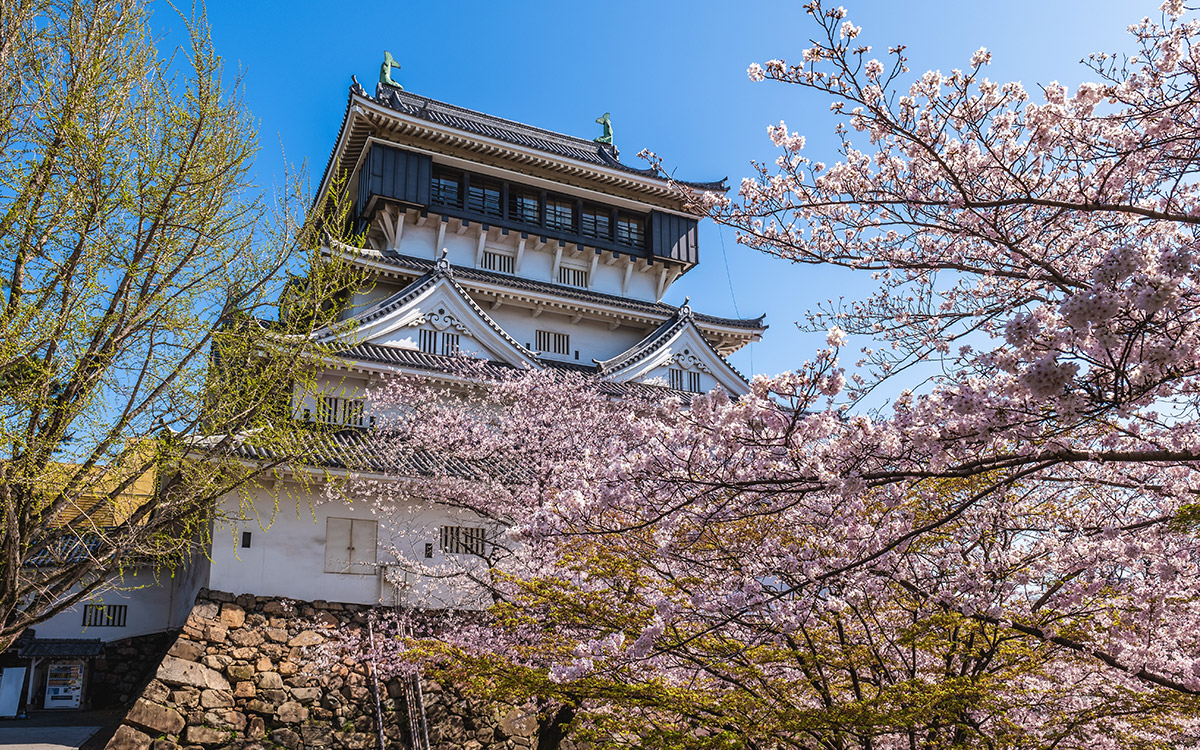
One of Kitakyushu's most prominent attractions is Kokura Castle. Built in the 17th century, this stunning castle has been meticulously reconstructed and now serves as a museum, providing visitors with a glimpse into the region's feudal past. The castle's beautiful grounds, complete with cherry blossom trees, offer a tranquil escape from the hustle and bustle of the city.
For those interested in learning more about Kitakyushu's industrial heritage, a visit to the Kitakyushu Industrial Museum is a must. Here, visitors can explore interactive exhibits that showcase the city's history of steel production and technological advancements. The museum also offers guided tours of nearby factories, giving visitors a firsthand look at the region's industrial prowess.
Nature enthusiasts will find plenty to love in Kitakyushu. The city is surrounded by picturesque mountains and is home to numerous parks and gardens. One such park is Kawachi Fuji-en, famous for its stunning wisteria tunnels that come alive with vibrant colors during the spring months. Visitors can stroll through the tunnels, capturing the mesmerizing beauty of the hanging flowers.
Another natural wonder in Kitakyushu is the Mojiko Retro District. This historic port area is known for its well-preserved European-style architecture and scenic waterfront. The district offers a captivating blend of old-world charm and modern cafes, galleries, and boutiques, making it a popular spot for leisurely walks and exploration.
Food lovers are in for a treat in Kitakyushu, as the city is renowned for its delicious local cuisine. Hakata ramen, a regional specialty, is a must-try for noodle lovers. Served in a rich pork-based broth, topped with melt-in-your-mouth slices of chashu pork, and accompanied by various condiments, Hakata ramen is a comforting and flavorful dish that will leave you wanting more. Additionally, the city is known for its fresh seafood, including fugu (blowfish), which can be enjoyed in various culinary preparations.
Kitakyushu is well-connected to other major cities in Japan, making it easily accessible for travelers. The city has its own international airport as well as efficient public transportation, including trains and buses, making it convenient to explore the wider region. Additionally, Kitakyushu is just a short ferry ride away from the beautiful island of Kyushu, offering opportunities to further explore the natural beauty of the region.
In conclusion, Kitakyushu is a captivating destination that seamlessly combines modernity with tradition. From its historic castles and museums to its stunning natural landscapes and delicious cuisine, the city offers a diverse range of experiences for travelers. Whether you're interested in history, nature, or simply exploring the local culture, Kitakyushu has something to offer for everyone.
Day 8
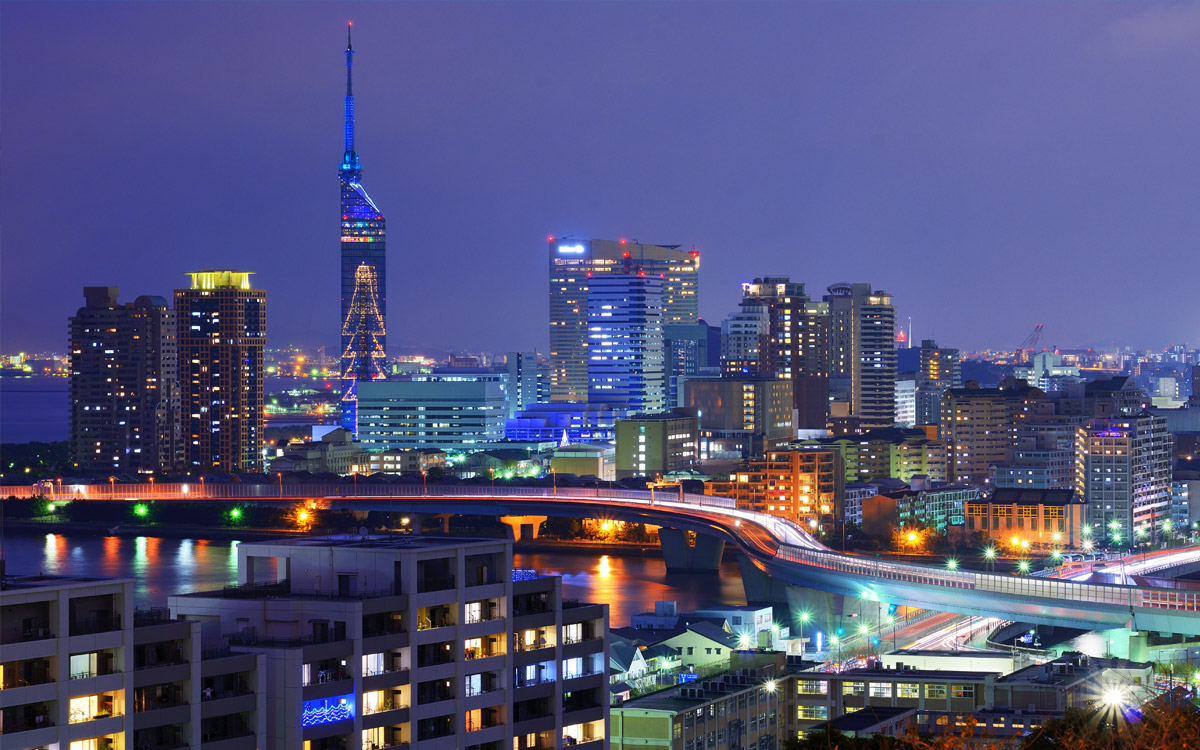
Fukuoka
Fukuoka, the largest city on the southern Japanese
island of Kyushu, was the home of the samurai and today is the
terminus of the famous Shinkansen Line bullet train from Tokyo, 730
miles (1,168km) away. Originally, the town of Hakata was the centre
of the region, acting as a gateway to Japan from the rest of Asia,
which lies just across a short strait.
The feudal town of Fukuoka, however, grew rapidly
just across the Nakagawa River, clustered around a castle. In the
late 19th century, the cities united under the combined name of
Fukuoka. The modern city is busy and bustling, with an
international flavour and plenty of innovative architectural
development.
The Tenjin underground shopping arcade brings the
wares of the world to Fukuoka, while a sandbank in the bay has been
turned into the largest entertainment district in western Japan,
with more than 2,000 eating and drinking establishments congregated
under the neon lights.
The Naka River promenade and riverfront park make for
pleasant strolls, while top class theatres, theme parks, and art
establishments abound. There are some sightseeing attractions in
the city itself, and the surrounding area in Kyushu Island has
plenty to offer within easy reach of the city.
Day 9
Kagoshima
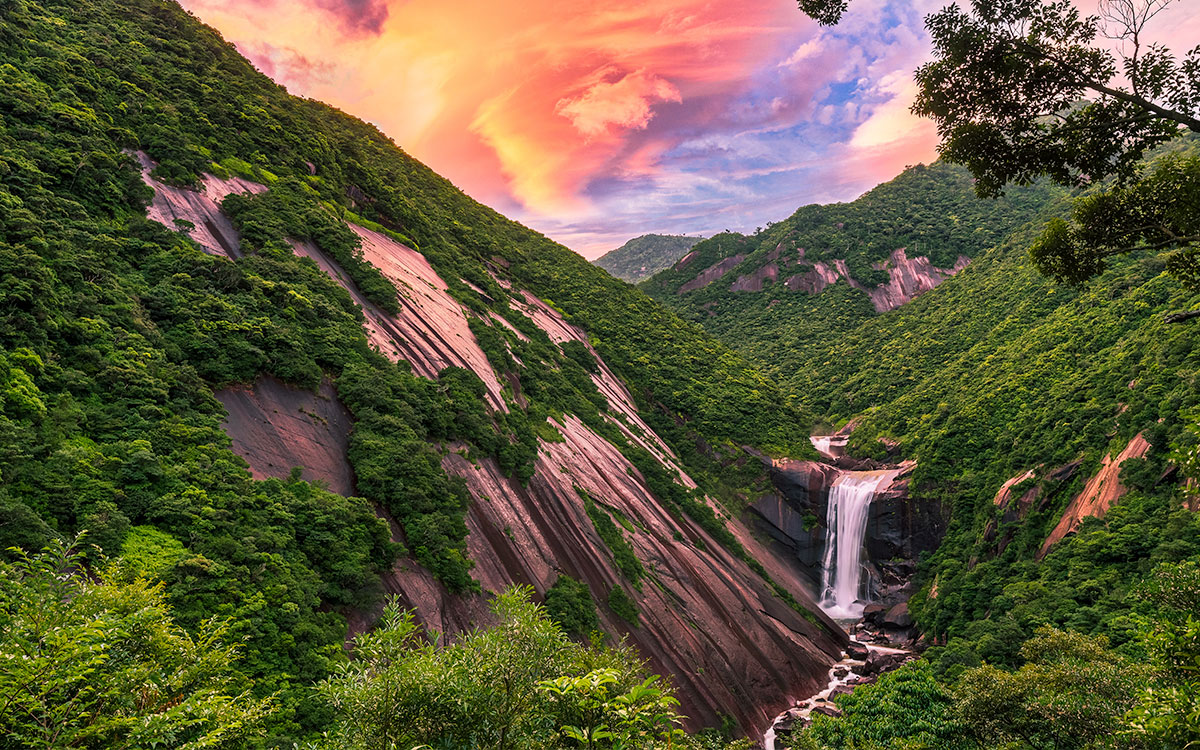
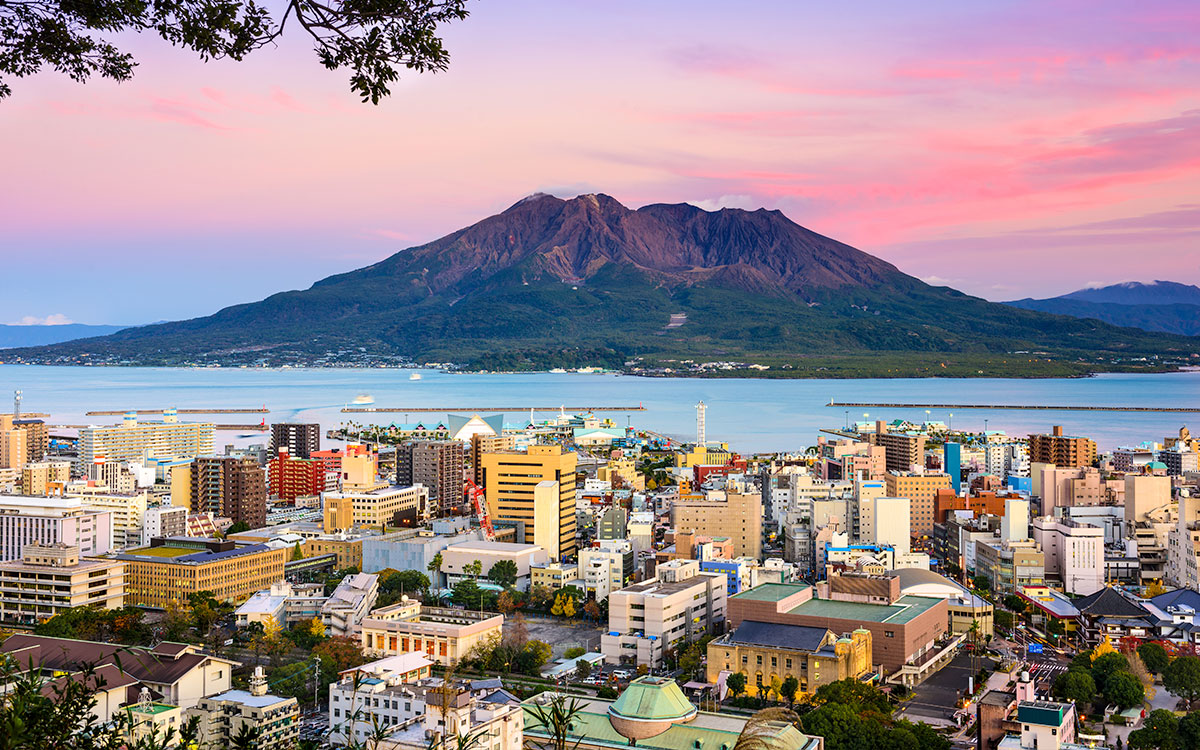
Kagoshima is a mesmerising city located on the south western tip of Japan's main island. It is a place of breathtaking beauty and boasts magnificent views over the bay and nearby volcano, Sakurajima. Anyone visiting Kagoshima cannot help but feel awe at the power of nature and its many forms.
Kagoshima itself is a city of great history, being the birthplace of the powerful Satsuma Domain which fought against the Tokugawa Shogunate. Exploring the old samurai neighbourhoods and traditional buildings of the city will be a treat for any visitor in search of a glimpse into a bygone era.
However, Kagoshima is also a modern city offering plenty to do for visitors looking for a more contemporary experience. Dining experiences range from traditional Japanese cuisine to fusion dishes created with local ingredients. Shopping is also abundant in the city, from small boutiques to larger department stores.
Those looking to explore the wonders of nature will also be spoilt for choice. The harbour is often described as one of Japan's most beautiful bays, and taking a boat tour around it is a must for anyone visiting the city. Views from the harbour might include the distinctive outline of Sakurajima, a dormant volcano on the horizon, or the stunning array of islands in Kagoshima Bay. Farther afield, those with an adventurous spirit can take trips to Kagoshima's active volcanoes, such as Mt. Kuju, where ash-covered trails provide an exciting day out.
Kagoshima is also an ideal base for anyone wanting to explore further south towards Kyushu's other cities, such as Kumamoto and Miyazaki. All these cities have their own unique charms and are well worth a visit if you have the time. Be sure to sample some regional delicacies too!
Visiting Kagoshima is a truly unique experience and one that you will never forget. It is a city steeped in history and culture, yet offering modern amenities that are sure to please everyone who visits. With its seemingly endless natural sights and attractions, Kagoshima is sure to keep you captivated throughout your stay. Come explore what it has to offer today!
Day 10
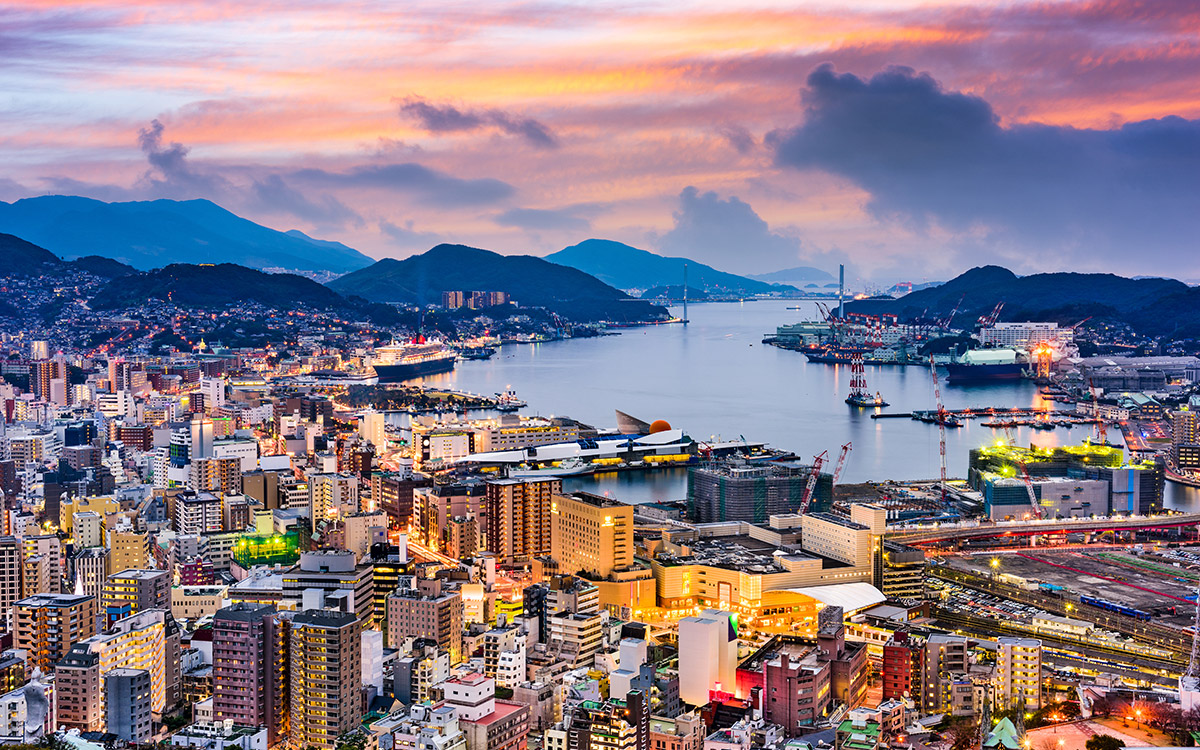
Nagasaki
Nagasaki is a beautiful city located in southwestern Japan. The city is best known for its rich history and for being the site of the second nuclear bombing in history.
Nagasaki has a long and storied history. It was first settled by the Chinese in the 7th century and later became an important port for trade with both China and Korea. In the 16th century, Nagasaki was the only place in Japan where Europeans were allowed to trade, and it became an important base for the Portuguese and Dutch.
During World War II, Nagasaki was one of the largest shipbuilding centers in Japan. It was also the target of the second nuclear bombing in history. The bomb, which was dropped on August 9, 1945, killed an estimated 40,000 people. Nagasaki was rebuilt after the war and is now a thriving city with a population of over 1 million people.
Nagasaki is a must-visit for anyone interested in history or in seeing a city that has risen from the ashes of war. The city has a number of museums and memorials dedicated to its past, and its vibrant present makes it a great place to live or visit.
Day 11
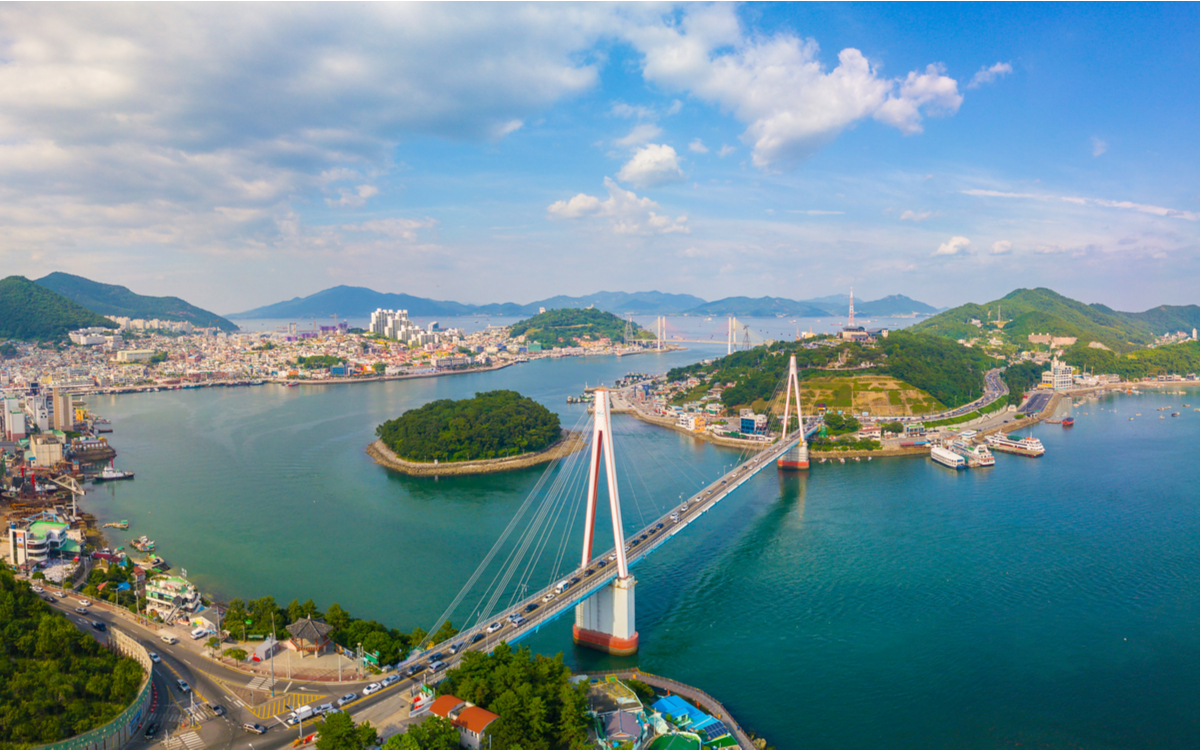
Yeosu
As South Korea becomes increasingly popular as a tourist destination, Yeosu remains a hidden gem. Punctuated by cliffs, islands and peninsulas the Scenic shorelines are nothing short of spectacular. Host to the EXPO 2012 World Fair meant that Yeosu received generous government funding in order to develop its waterfront and the exhibition centre still stands.
Day 13
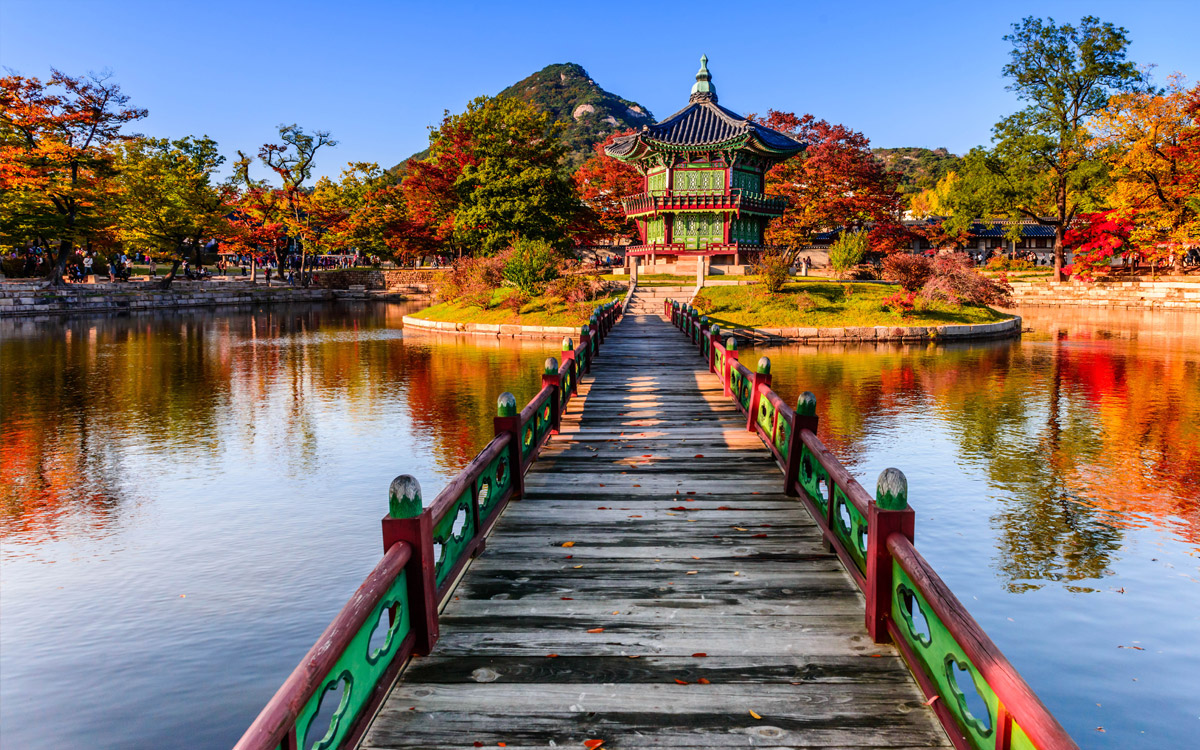
Seoul
Seoul is a thriving metropolis encircled by mountains
with skyscrapers rising towards the heavens. The city is busting
yet organised, with modern marvels growing side by side with
centuries-old palaces and shrines.
A great deal of the credit for the well-ordered urban
planning of Seoul can be given to the ancient Joseon Dynasty, which
used great foresight when crafting the city into a capital way back
in the 14th century.
The old Joseon Dynasty city, with its central main
palace, is now the traditional downtown heart of Seoul where many
of the most popular sights, hotels, and markets are to be found.
One of the most interesting areas for visitors to explore is
Insa-dong, filled with antique shops, art galleries, traditional
teahouses, restaurants, and bookshops.
Across the Han River, the modern city is dominated by
Korea's World Trade Centre and the Coex Mall, a shopper's delight.
Even the island of Yeouido, in the middle of the Han River, is
densely packed with high-rise buildings; this is also the base for
the Korean National Assembly and the world's biggest Presbyterian
Church.
Interspersed through the urban landscape are several
lush, green parks, the most central being Namsan Park which
encompasses the mountain of the same name just to the south of
downtown Seoul. It's also home to the iconic Seoul Tower, which
offers spectacular 360 degree views of the city and surrounding
countryside.
Nightlife in Seoul has something to suit all tastes,
from pub hopping to sedate sit-downs at traditional teahouses.
Eating out is a feast for the senses in Seoul, with an enormous
international variety to choose from, whether it is succulent
steak, perfect pizza, multicourse gourmet, tasty tandoori, or, of
course, classic Korean.
Day 15
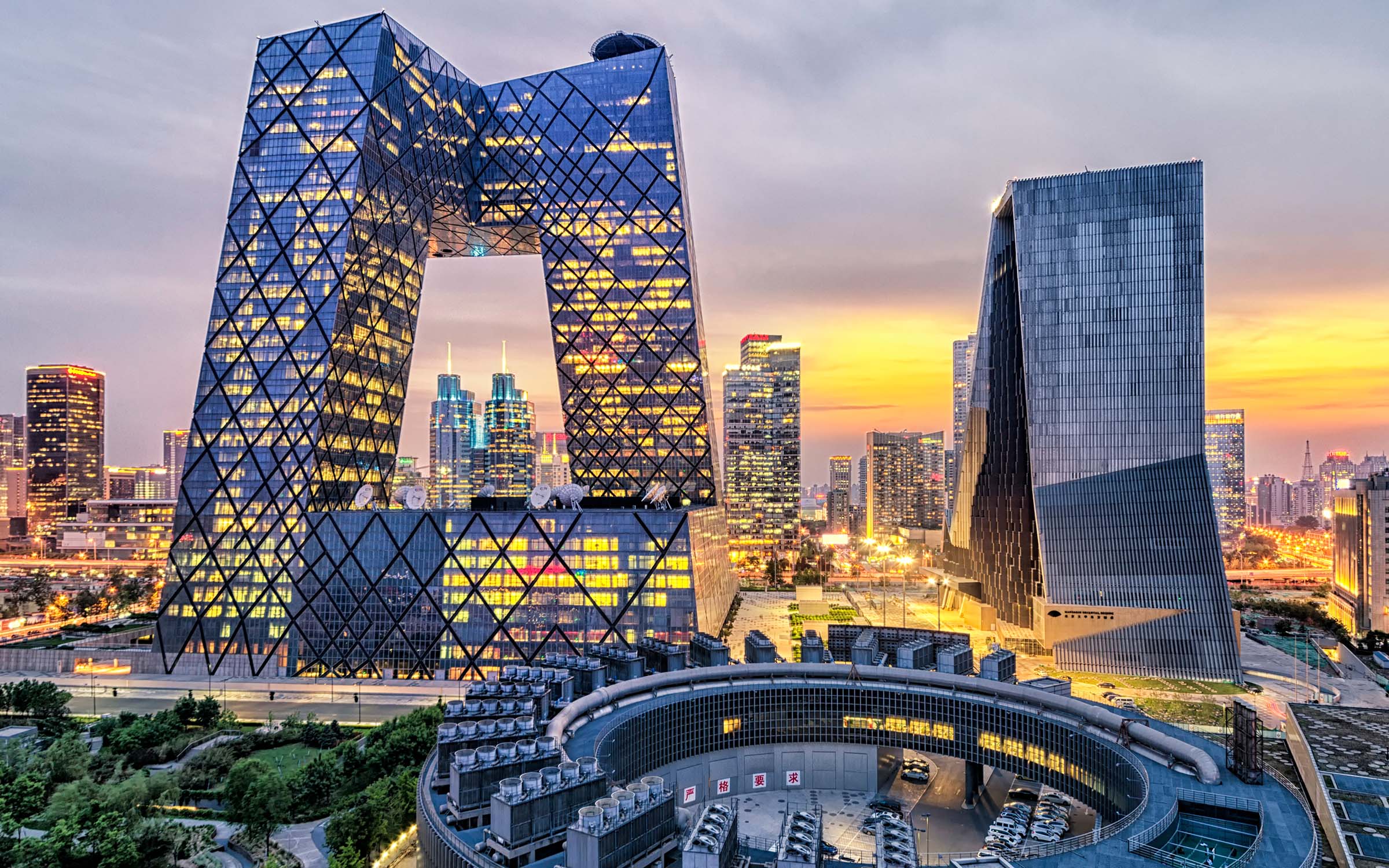
Beijing
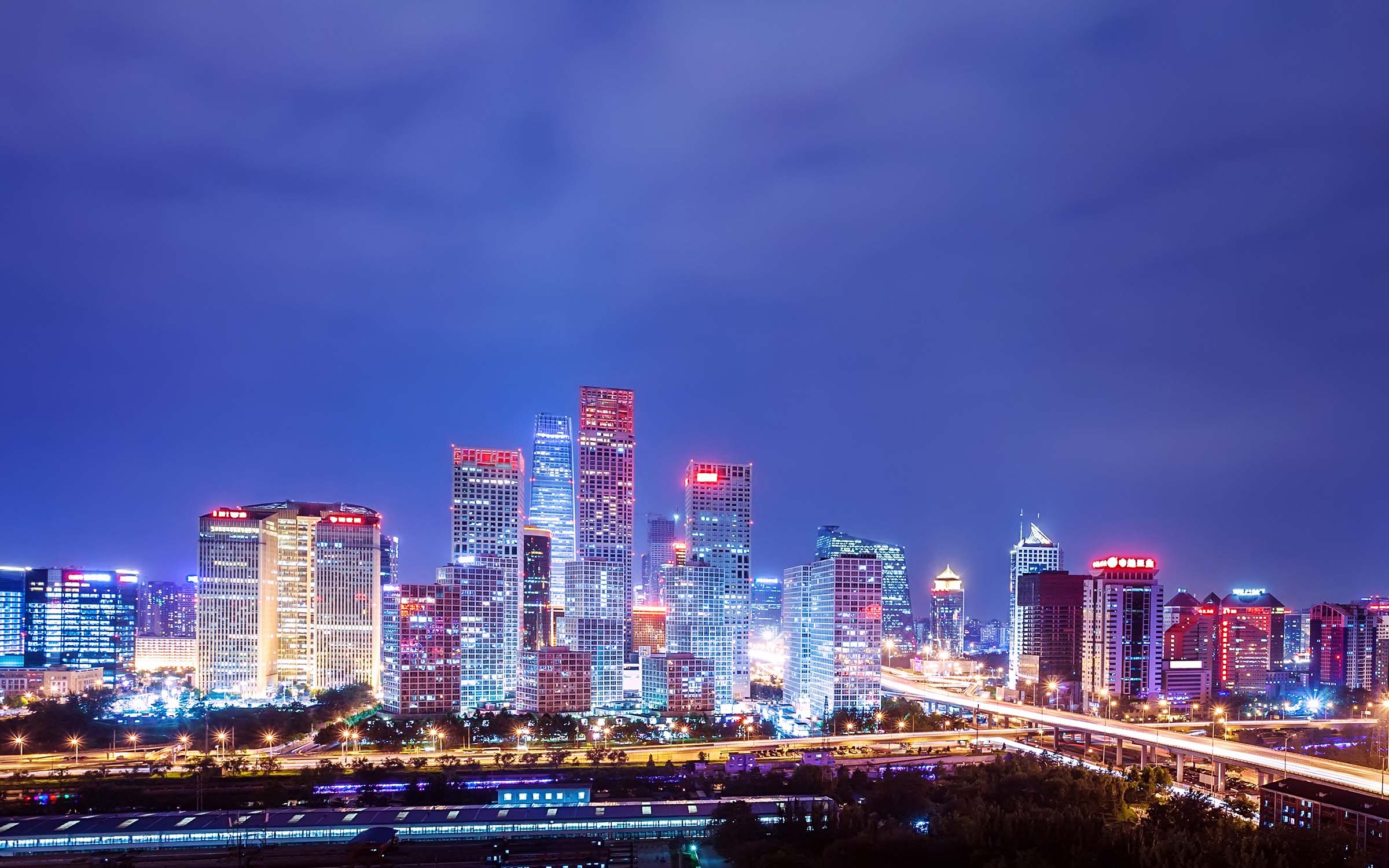
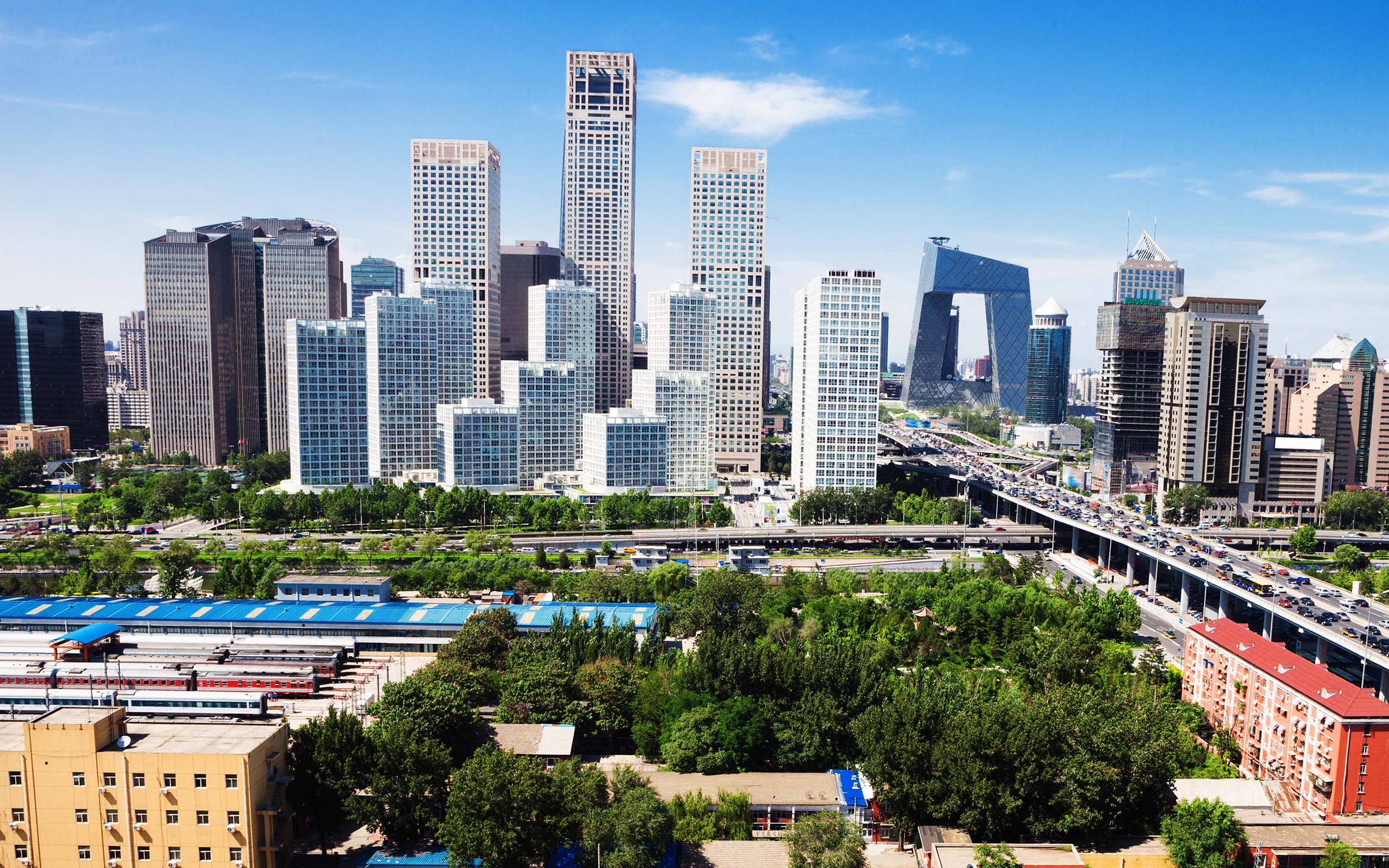
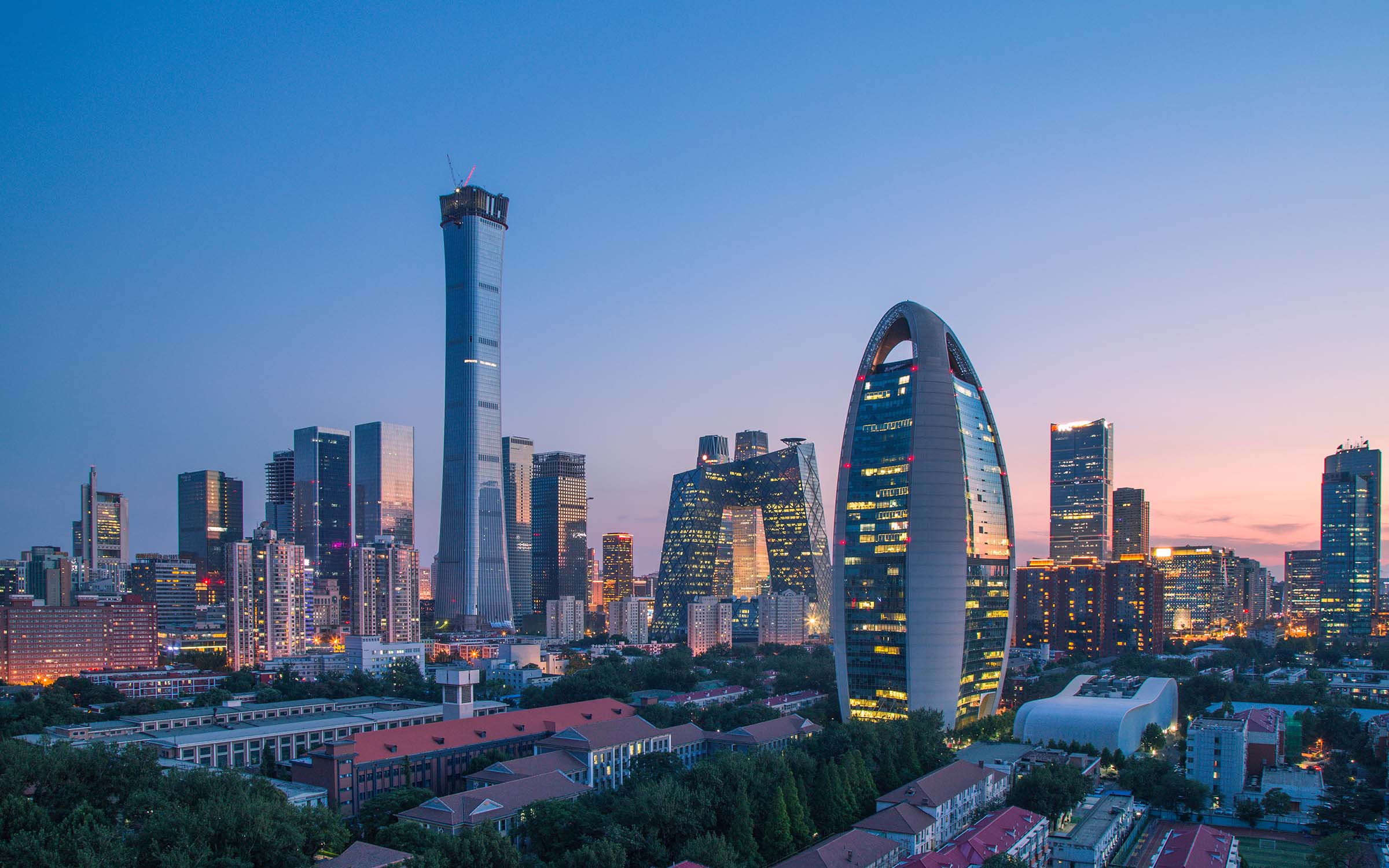
The capital of China, Beijing is a bustling
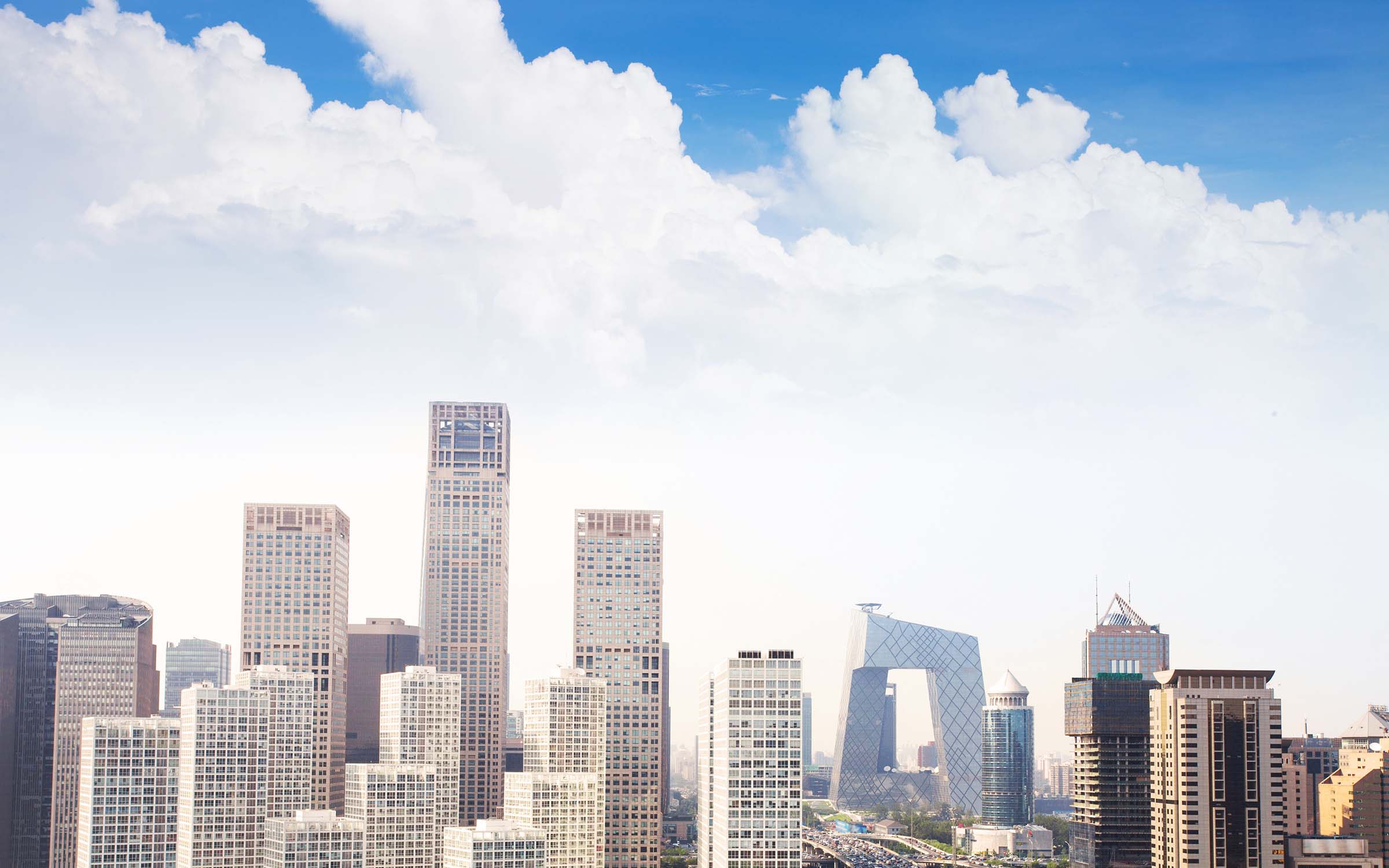
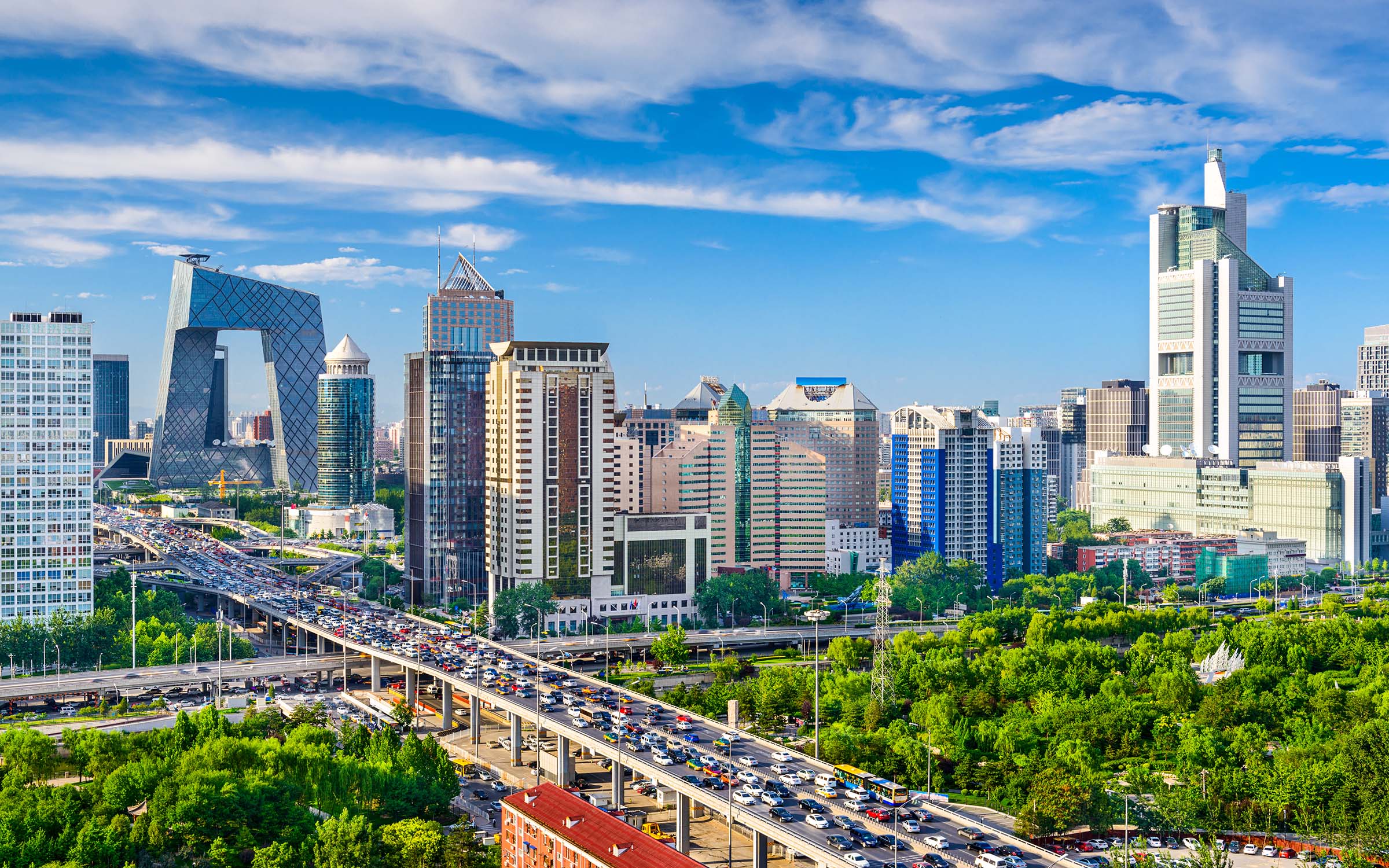
hive of activity with countless glittering skyscrapers, sprawling
suburbs and buzzing markets. Cranes pepper a skyline seemingly in a
continuous state of construction and modernisation, accommodating
some 20 million residents who call this megacity home.
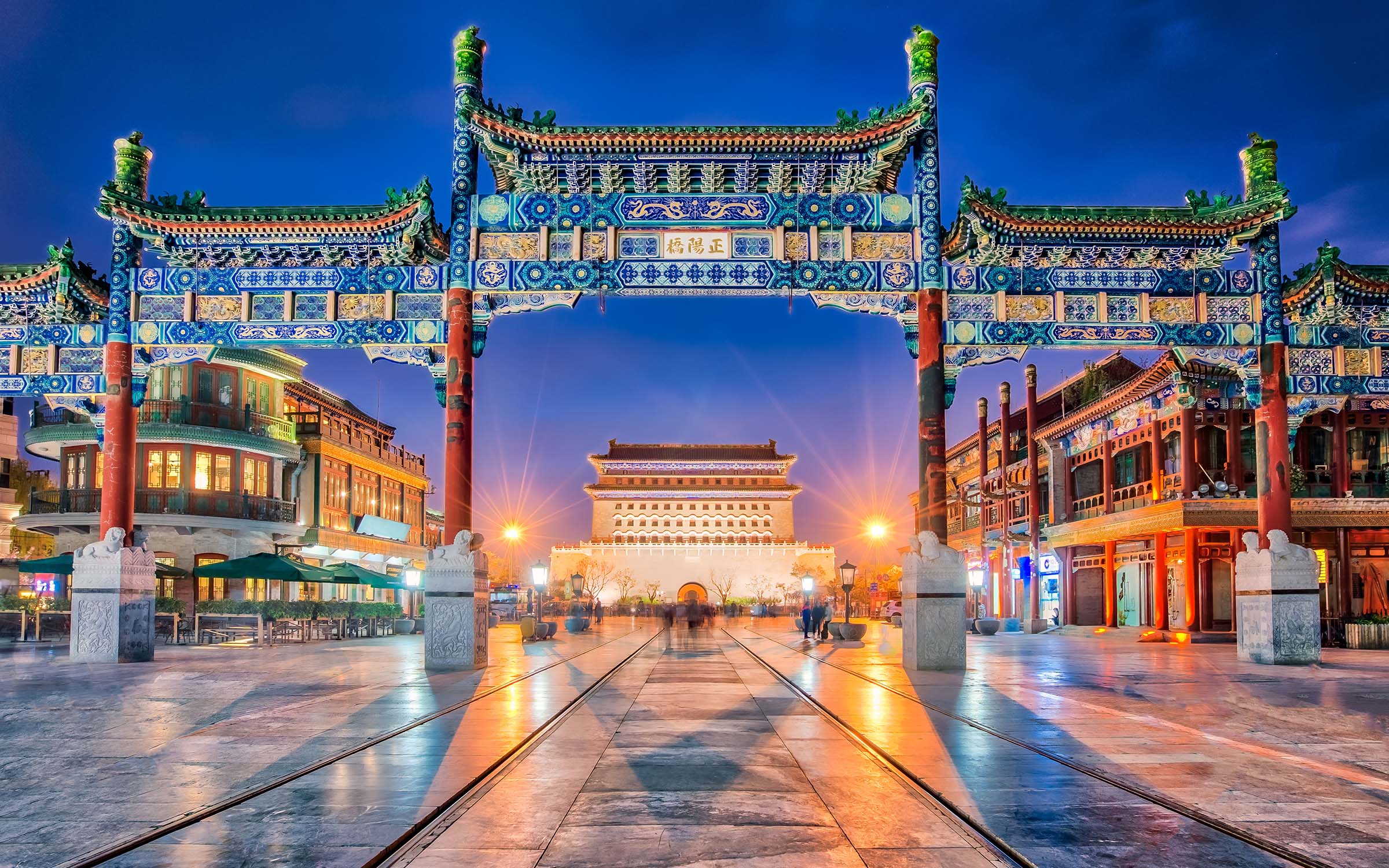
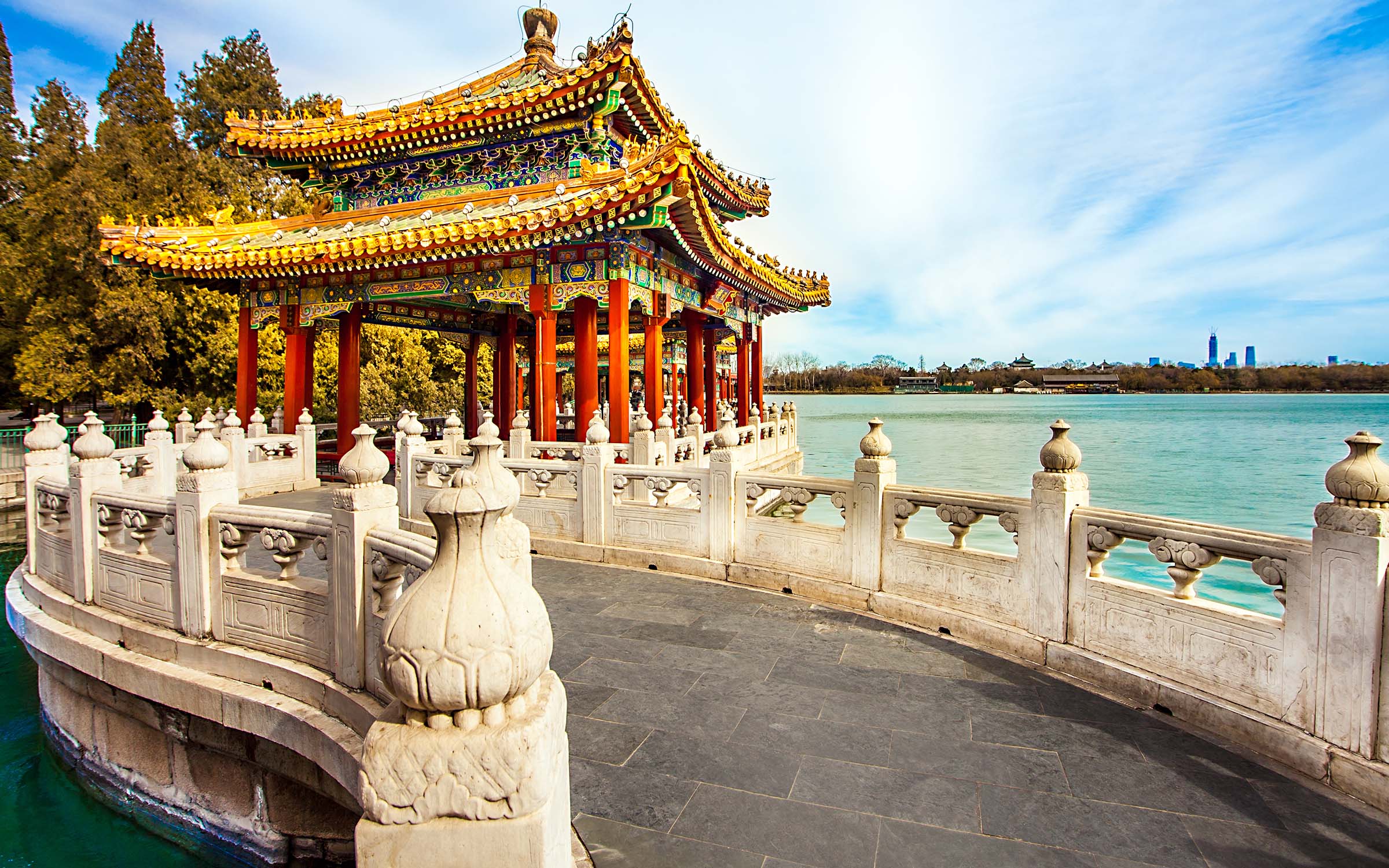
Beijing boasts an abundance of attractions
of cultural and historical interest. Some of the most popular
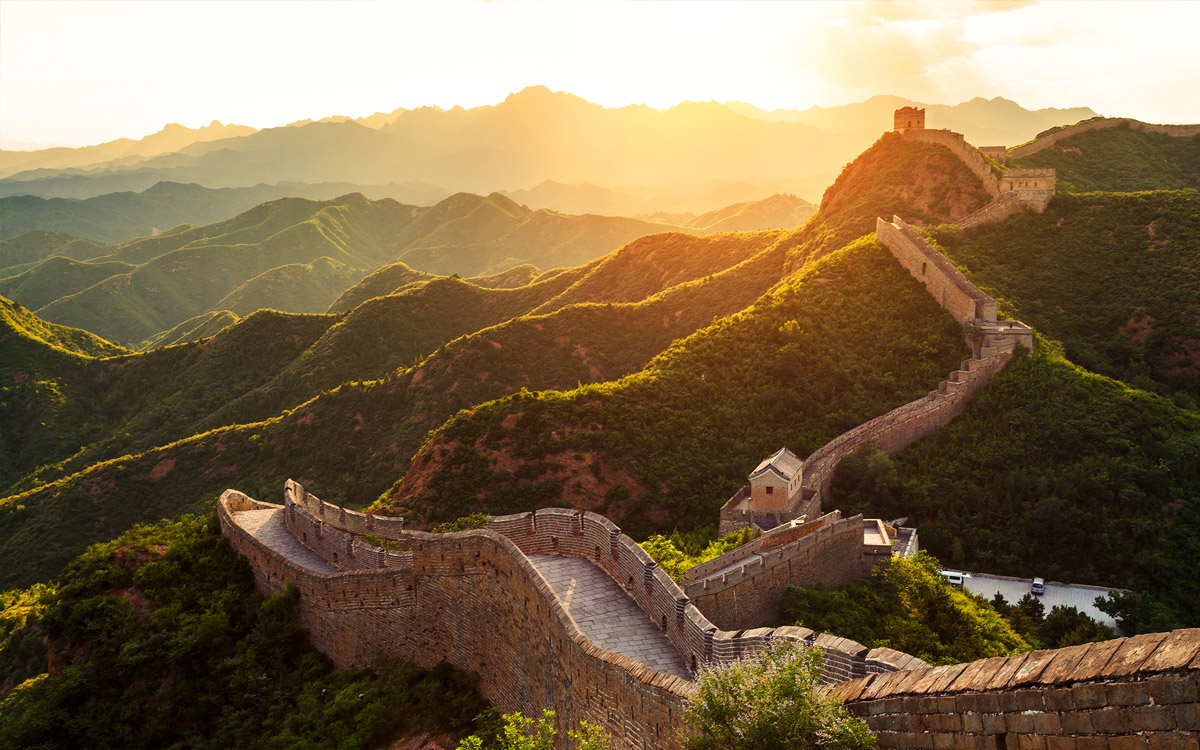
include the Great Wall of China, the Forbidden City, the Temple of
Heaven, the Summer Palace and the remains of Peking Man at
Zhoukoudian, all of which are UNESCO World Heritage Sites. Chinese
history and culture seem to fascinate Western visitors, and Beijing
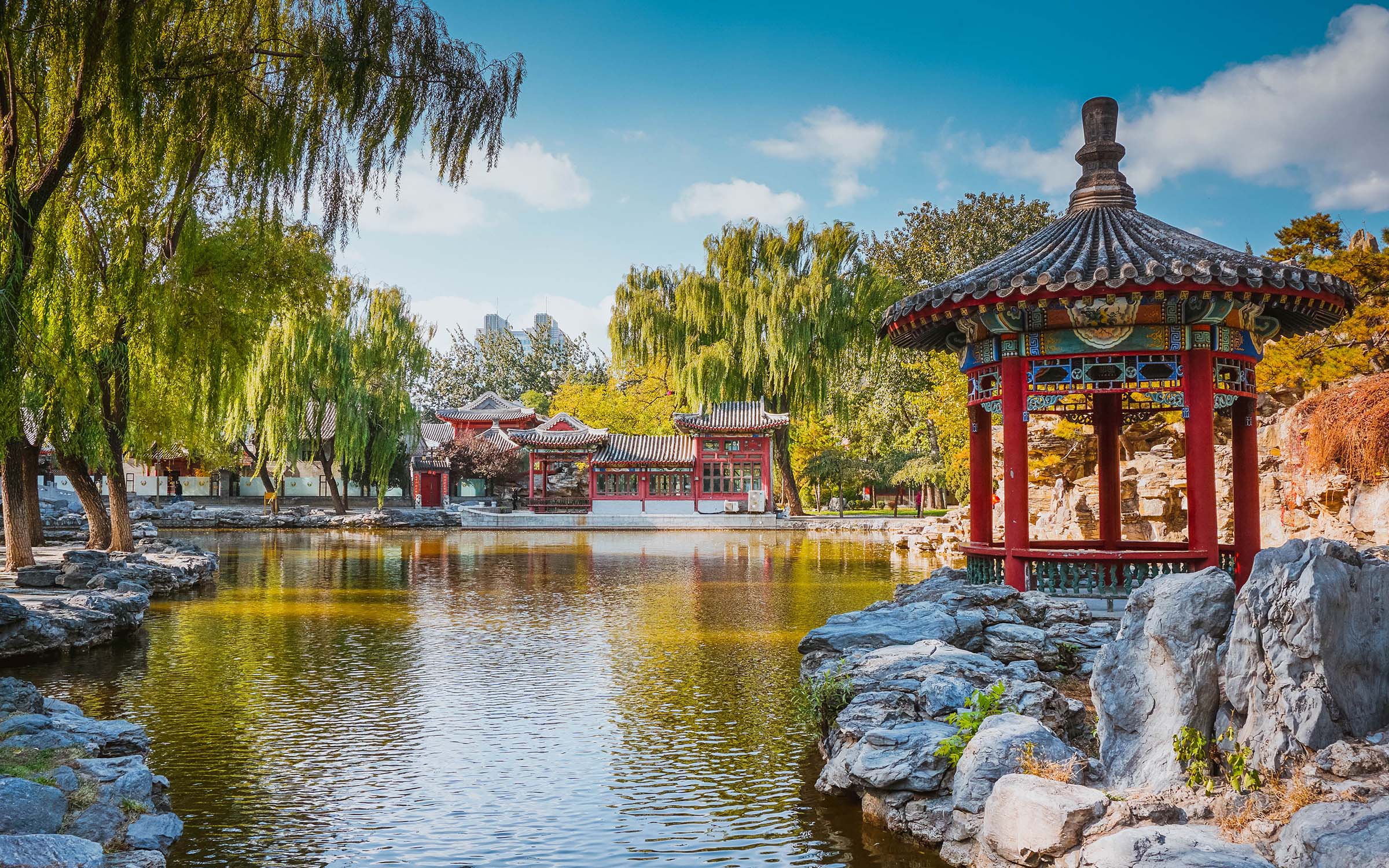
is a great place to dive in. The city is dotted with palaces,
temples, gardens and tombs, many epitomising classical Chinese
architecture, and it also has roughly 120 museums and more than 100
public gardens.
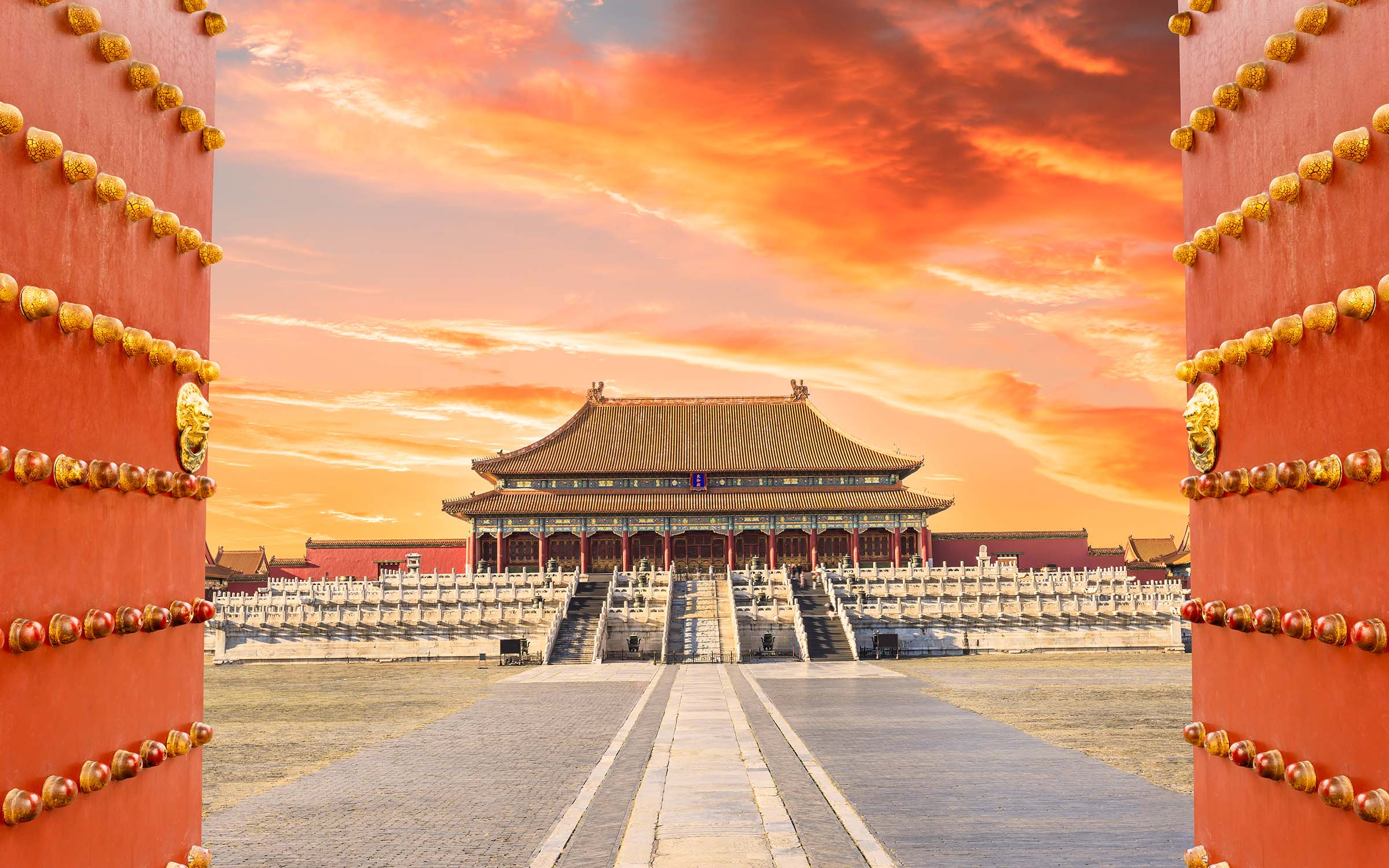
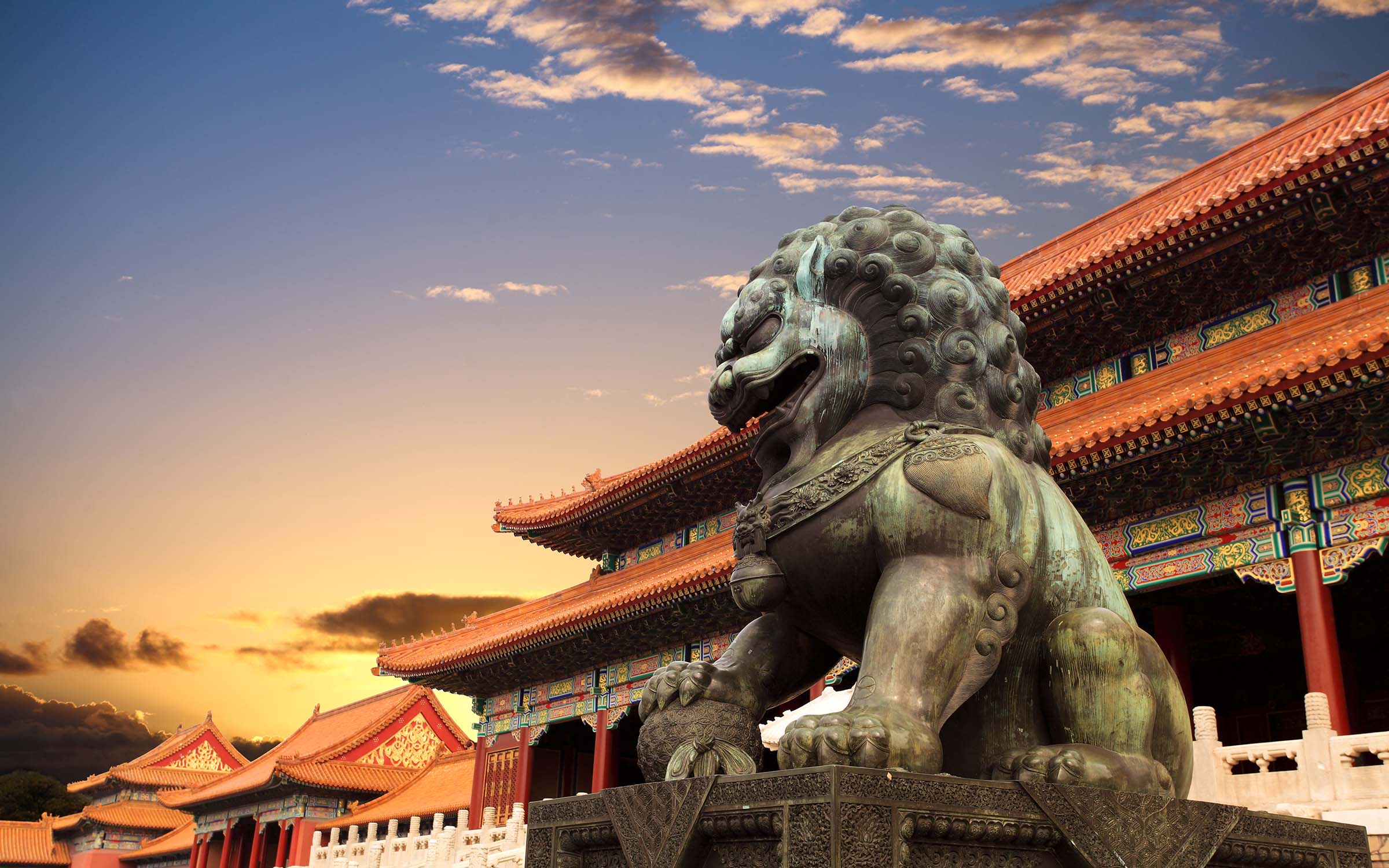
The first port of call for most visitors is
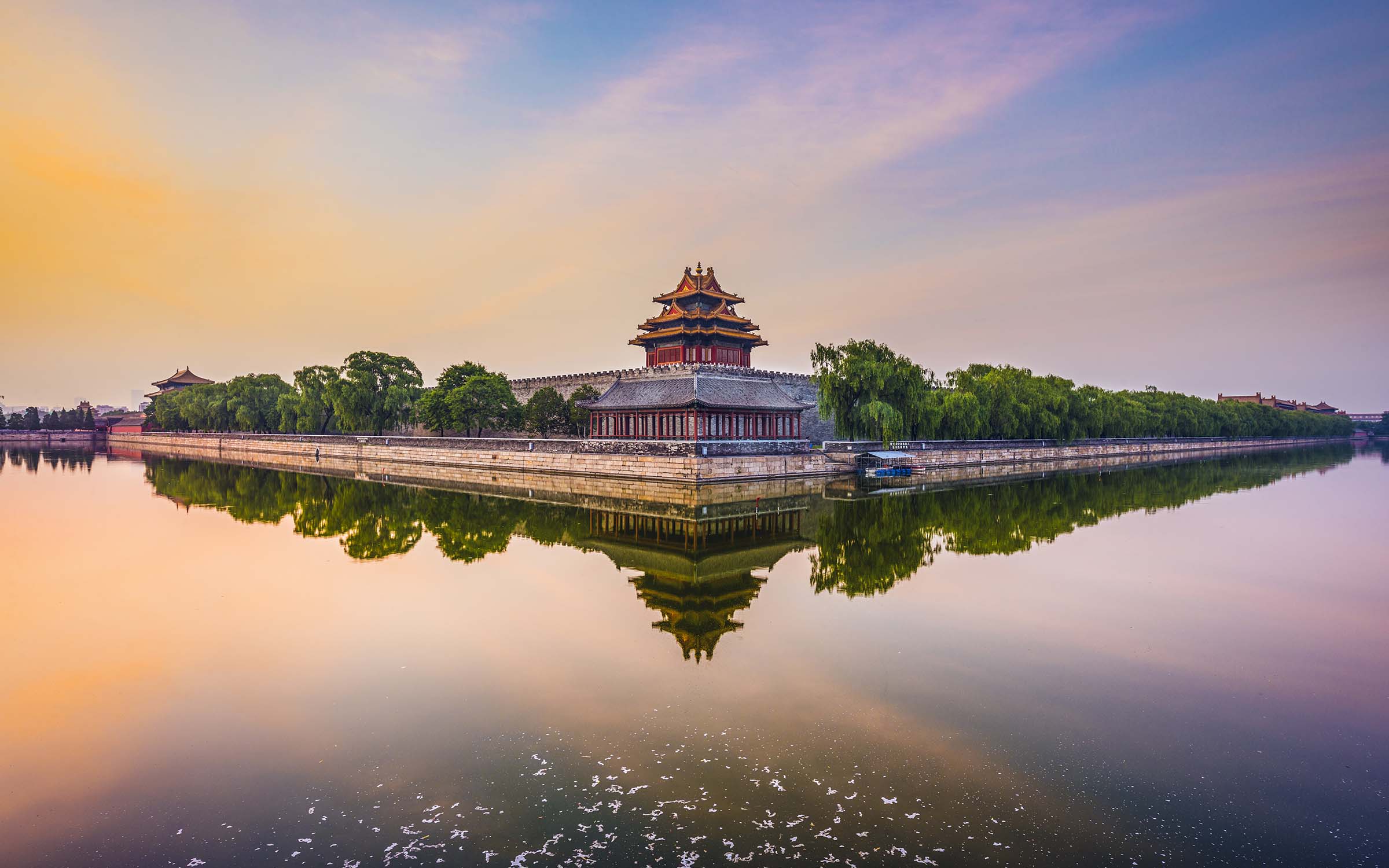
the Forbidden City, which lies at the heart of Beijing with the
rest of the city sprawling out from it in a grid pattern. For five
centuries, this massive palace complex, with 9,999 rooms,
functioned as the administrative centre of the country and played
host to a succession of emperors who lived in luxurious isolation,
surrounded by courtiers and retainers. The Palace overlooks the
infamous Tiananmen Square, a historical site of considerable
political drama and dissent, but also a vibrant social and cultural
centre point.
In preparing to host the 2008 Olympic
Games, Beijing underwent many major renovations. Public transport
was improved, environmental issues were addressed and a general
clean up of the city was ordered. The games highlighted Beijing's
economic rise and emergence as a world power, and the city has just
gone from strength to strength since then.
Travellers should go prepared for less than
stellar air quality in this booming city though, but luckily
breathlessness is just as likely to stem from excitement and awe. A
shrine to both modernity and ancient history, Beijing is a
traveller's delight.
Day 17
Dalian
For thousands of years China has been shrouded in mystery and intrigue, and foreigners, especially Westerners, still find it difficult to penetrate the inner depths of this fascinating and enigmatic nation. However, in recent decades and particularly since the Olympic Games in 2008 when Beijing showcased some of its most spectacular attractions, there has been a major increase in travellers interested in exploring this vast and intriguing destination. And it's no wonder, as there is a great deal to discover in China, the world's third largest country.
What makes it so attractive as a travel destination is its unique culture and ancient antiquities. Ruins and relics from Neolithic settlements and the dynastic reigns of the mighty emperors of yore await, while there are plenty of adventures to be had and exciting attractions that have to be seen to be believed. The Forbidden Palace, the Great Wall of China and the Terracotta Army of Xi'an are some of the prominent and tourist-heavy, but no less breathtaking, attractions in this ancient Eastern empire, but there are many, many more.
The People's Republic of China has been under a communist government since 1949, but is currently undergoing a boom in social and economic development with a great emphasis placed on tourist facilities and infrastructure. The country has been opening the doors to its wealth of historical and cultural treasures, with awed visitors flooding in.
Organised tours are still the favoured way to explore China, but independent travel is slowly becoming easier. Major cities, such as Beijing and Shanghai, are modern metros offering fast food and glitzy stores alongside centuries-old historical buildings and traditional eating houses. Archaeological wonders vie with amazing architecture in the interior, while majestic mountains and remote monasteries crown the country's northern territories.
With all this to marvel at, China would take several years' worth of holidays to explore properly, so keen travellers best get started...
Day 19
Shanghai
Home to around 24 million people, Shanghai
is situated on the coast where the Yangtze River flows into the
East China Sea. The country's largest city, Shanghai is
criss-crossed by a maze of picturesque natural waterways and sits
only a few metres above sea level.
The city is China's industrial and
commercial capital, is a busy seaport and is home to vibrant
science-, technology- and business communities. While visitors
don't normally travel to Shanghai for intriguing history or scenic
beauty, there are still plenty of opportunities for entertainment
and relaxation. Indeed, the city is drawing increasing numbers of
tourists with its neon cityscape, exotic nightlife and booming
shopping scene. Just walking the busy streets and soaking up the
vibrant atmosphere is worthwhile, with museums, temples and gardens
to visit along the way.
This great cosmopolitan metro has a
colourful colonial background, which has had the edge rubbed off of
it during half a century of Communist rule. It was the first
Chinese coastal port to be opened to Western trade in 1843,
resulting in an influx of British, French and American diplomats
and business interests, each of which established their own
independent enclaves.
In the 1920s and '30s, Shanghai was
regarded as a glamorous, decadent and fashionable place to visit.
It all ended with World War II and the coming to power of the
Communist Party of China. But since the early 1990s, a dramatic
rebuilding programme has been underway to put Shanghai back on the
map as a major international finance and trade centre. The Shanghai
Tower stands as the second-tallest building in the world and, along
with the supertall skyscraper World Financial Centre, is symbolic
of this glitzy rejuvenation.
Day 24
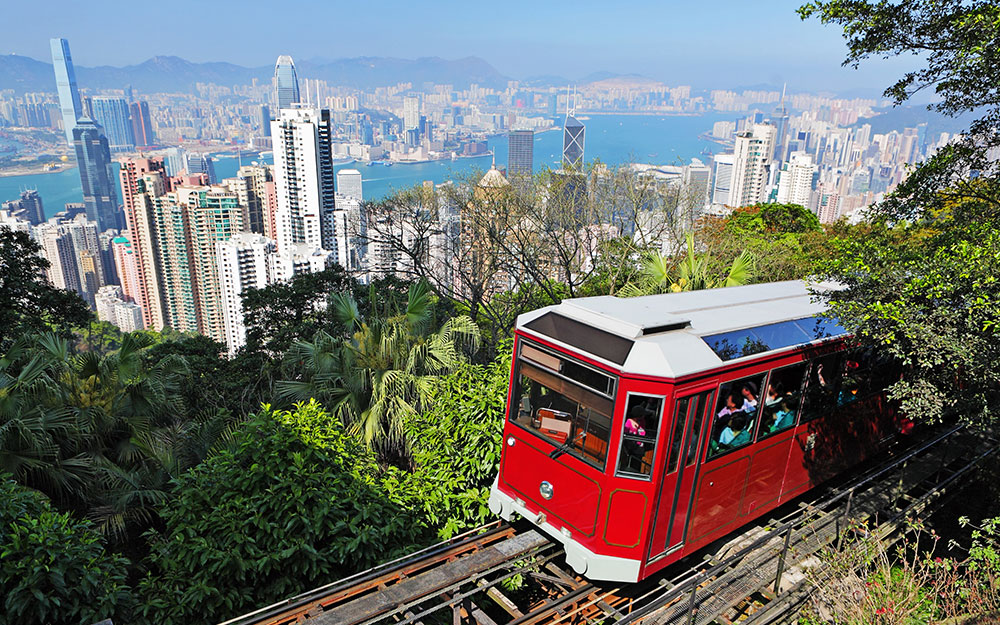
Hong Kong
It is hard to believe that what was once a
sleepy, sparsely populated area of farmland and fishing villages
has now become arguably the world's most influential financial
capital and commercial port. Past and present fuse in Hong Kong to
create a capitalist utopia embedded within the world's largest
communist country. There is nowhere on earth quite like Hong Kong,
which is reason enough for anyone to travel here.
The city, or 'Central' as it has become
known, sits on the north shore of Hong Kong Island, the tourist
capital and the original territory colonised by the British.
Central is backed by the green hills of Victoria Peak and looks out
over Victoria Harbour, home to annual firework displays and
promenades forming natural meeting points for tourists and locals
alike.
The city of Hong Kong, despite its
surviving traditional enclaves, feels delightfully futuristic. The
vast majority of the more than 350 skyscrapers in Hong Kong are
concentrated in Central, and this glittering night-time skyline is
one of the most iconic in the world. The speed of modernisation and
construction means that few colonial buildings now remain, with the
oldest surviving being Flagstaff House, dating back to 1846 and now
home to the Museum of Tea Ware.
Hong Kong is a booming business hub, a
fashion centre and a celebrated foodie destination. The diversity
of its population and cultural influences add hugely to its unique
appeal. In addition to all its impressive sightseeing attractions
visitors will be happy to discover just how well everything works.
Most notably, the efficient transport system makes getting around a
pleasure.
Day 27
Ha Long Bay
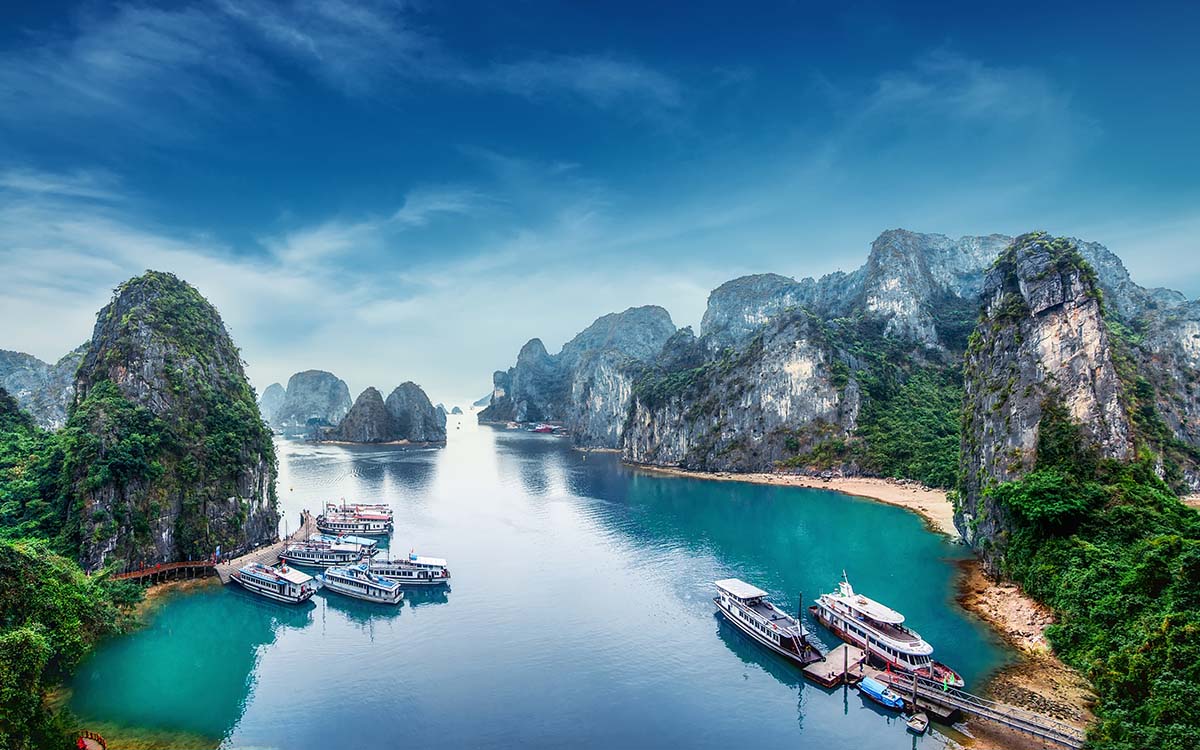
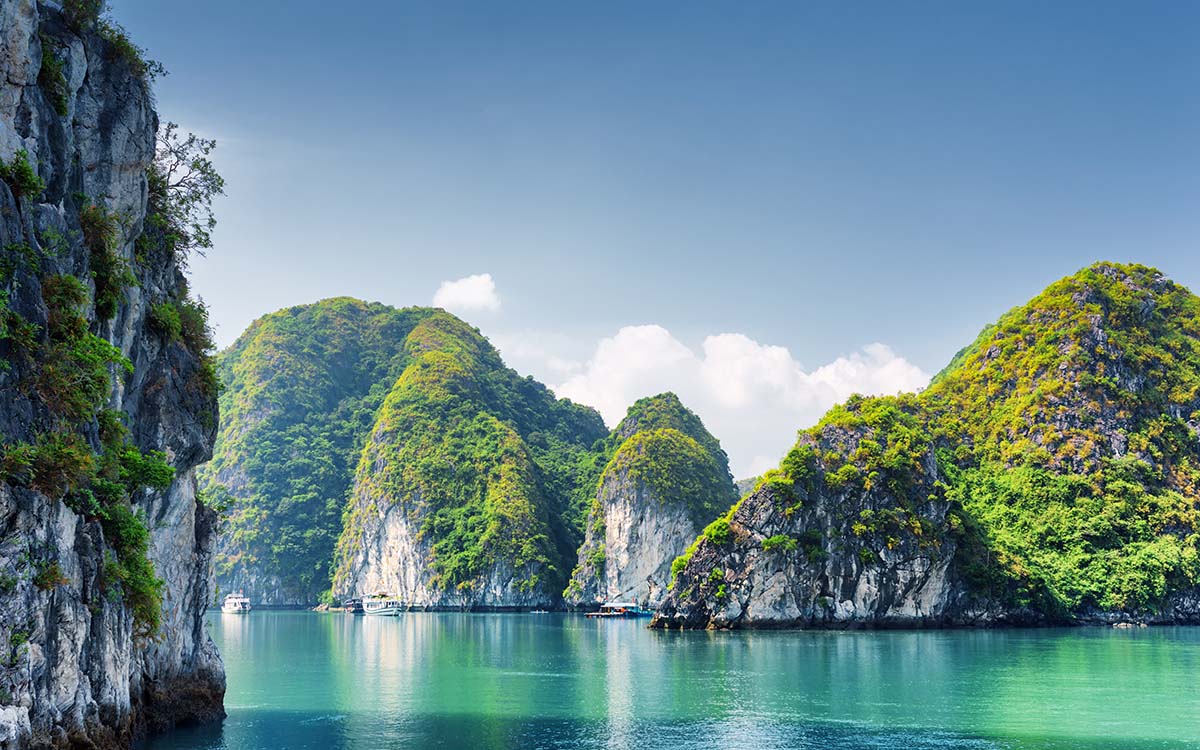
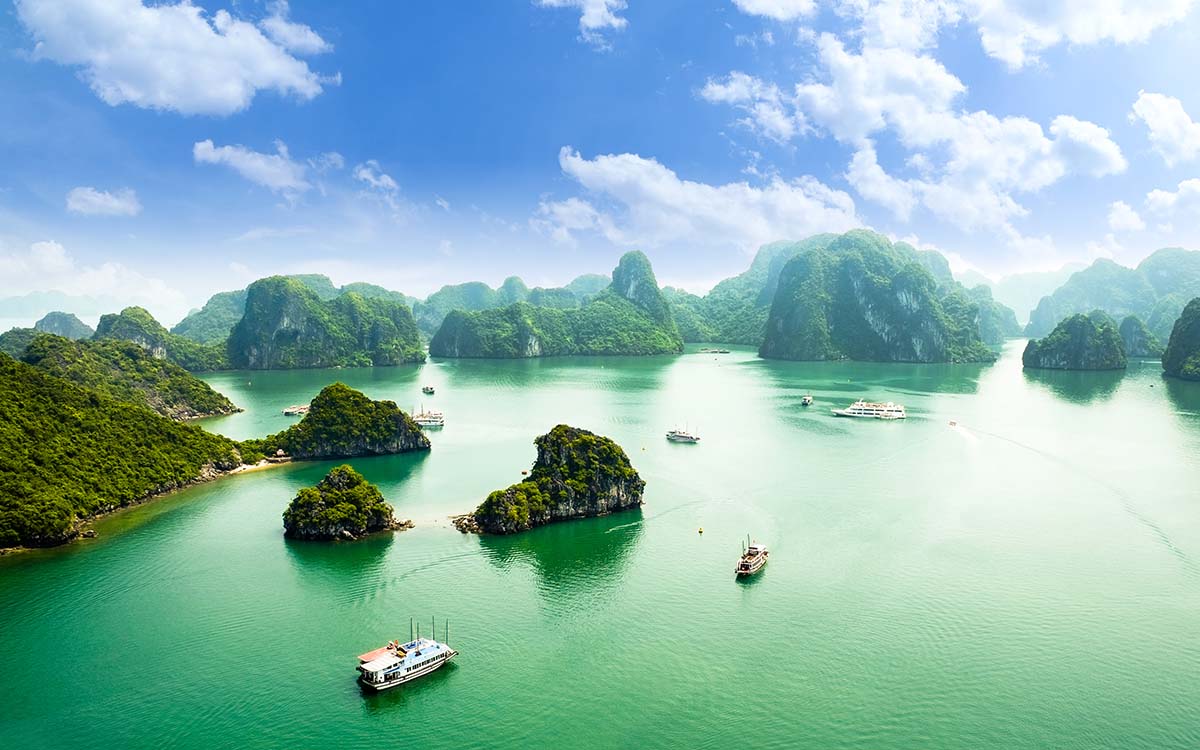
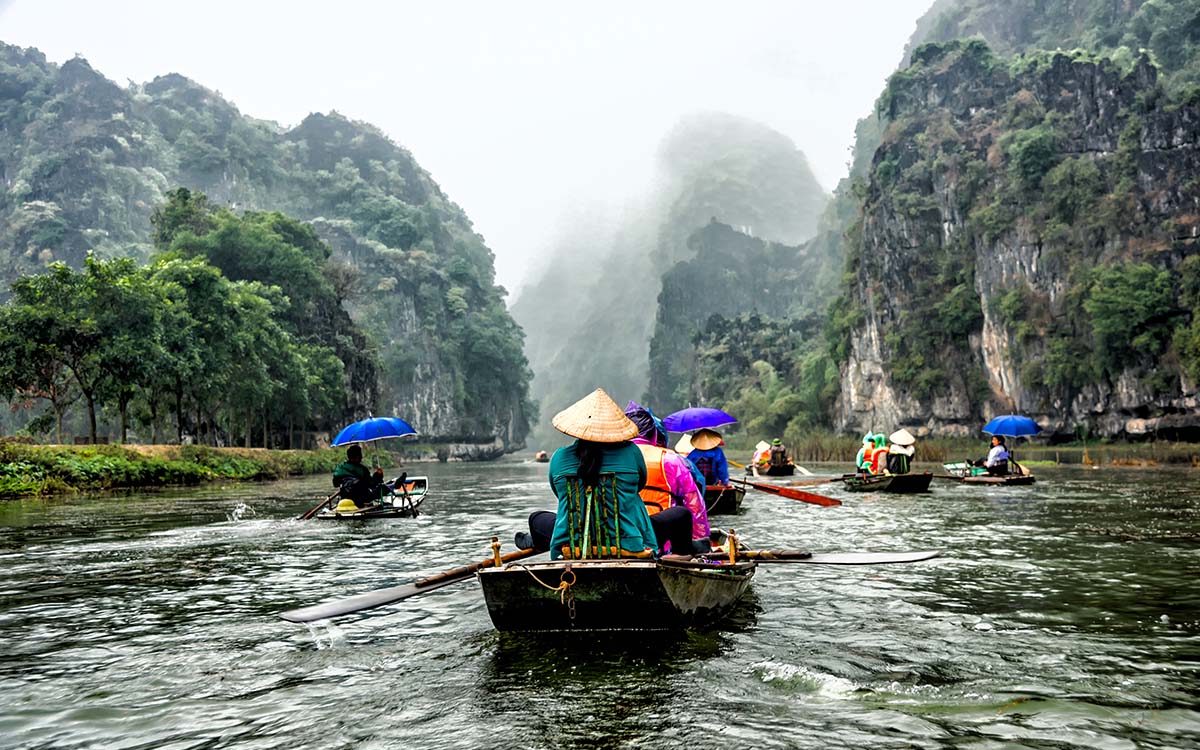
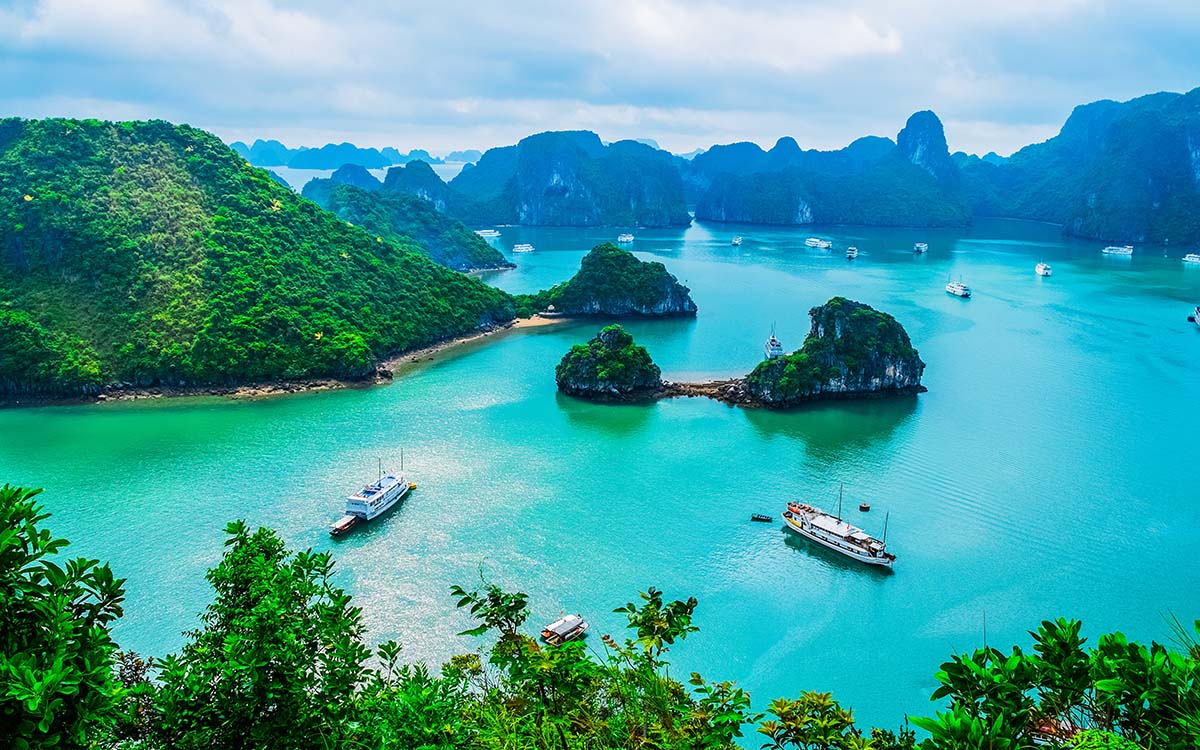
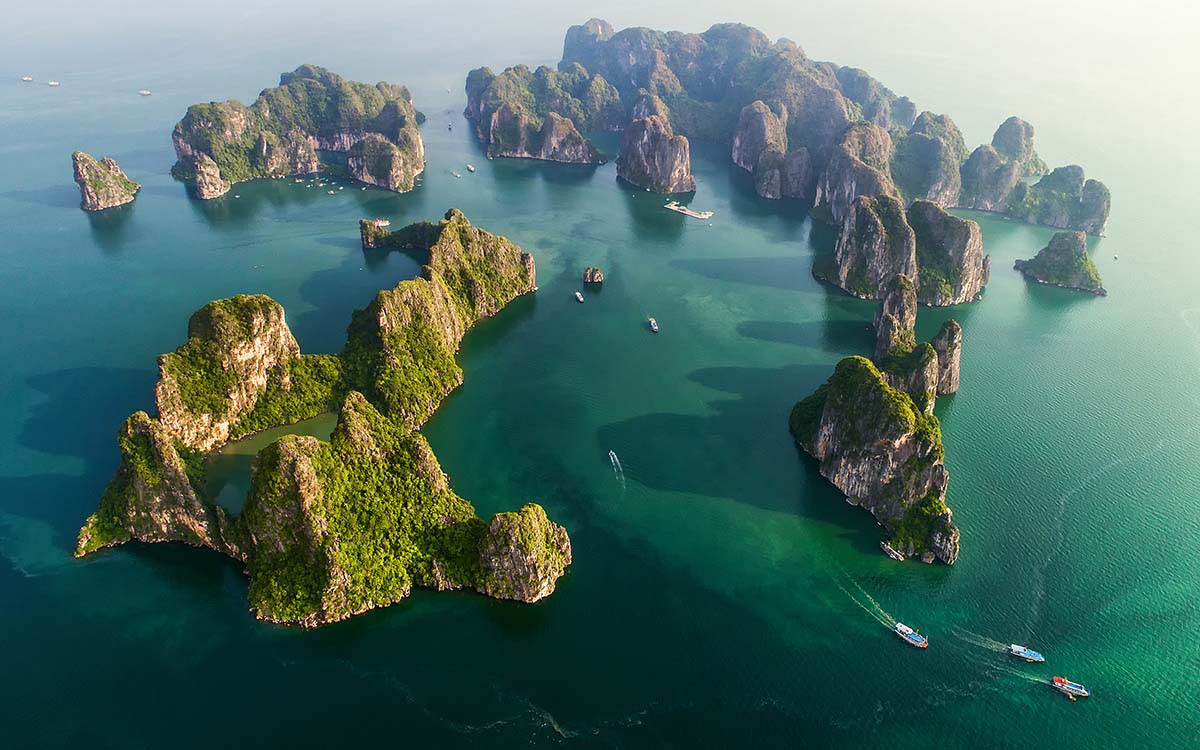
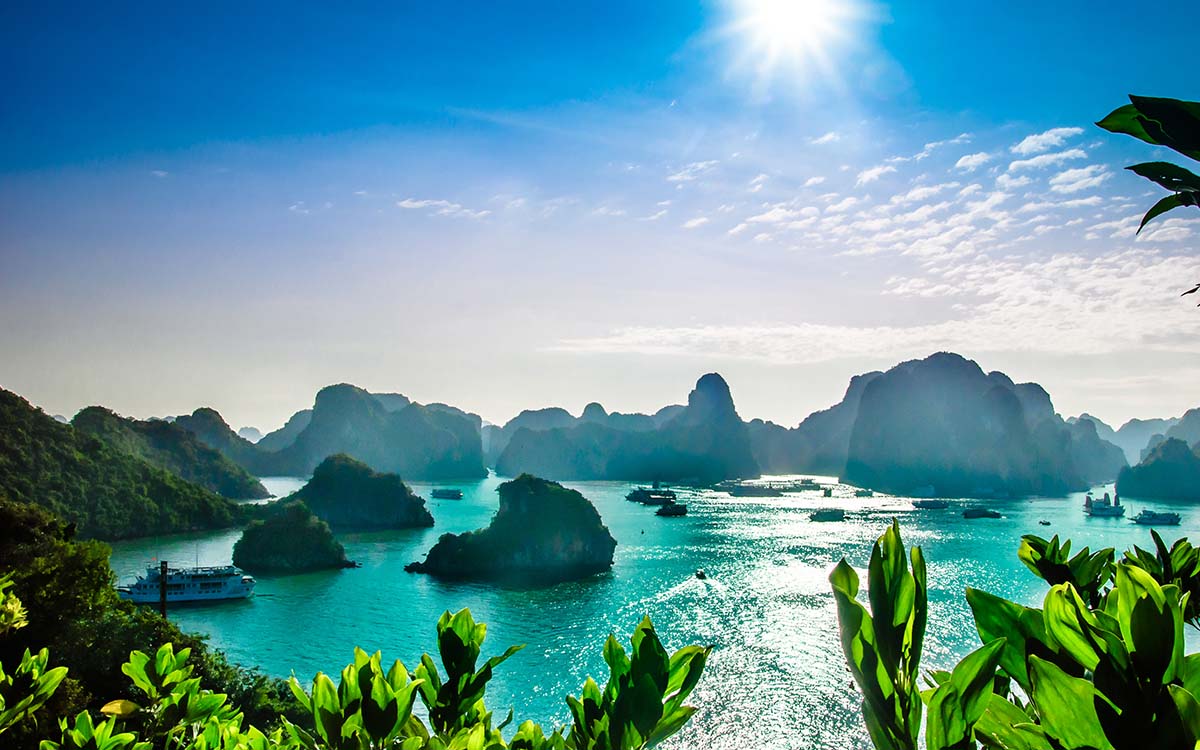
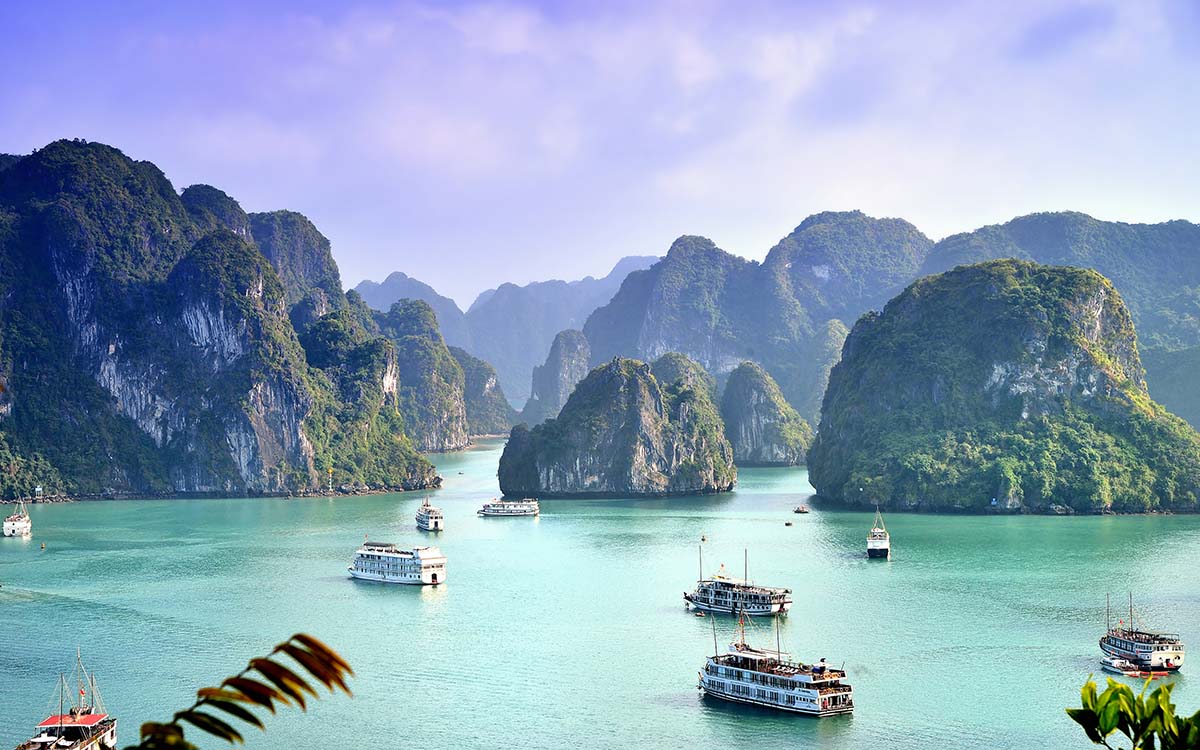
Halong Bay, located in Vietnam, is a breathtaking destination renowned for its scenic beauty and geological significance. This UNESCO World Heritage site is a natural wonder consisting of thousands of limestone islands and islets that rise majestically from the emerald waters of the Gulf of Tonkin.
One of the highlights of a trip to Halong Bay is cruising through the picturesque seascape. The bay stretches over 1,500 square kilometers and offers a diverse range of experiences, from leisurely boat rides to adventurous kayaking expeditions. As you sail through this enchanting landscape, you will be captivated by the towering karsts formations, hidden caves, and secluded golden sandy beaches.
Visitors to Halong Bay can choose from a variety of cruise options that cater to different budgets and preferences. Whether you are looking for a luxurious private charter or a budget-friendly group tour, there is something for everyone. Each cruise typically includes meals on board, visits to popular attractions such as Sung Sot Cave (Surprising Cave) and Titop Island, and opportunities for swimming and sunbathing.
Exploring the caves that dot Halong Bay is a must-do activity for any traveler. Sung Sot Cave, the largest and most popular cave in the bay, is known for its impressive stalactite formations and spacious chambers. Another notable cave, Thien Cung Cave (Heavenly Palace Cave), is famous for its intricate rock formations that resemble mythical creatures.
For those seeking adventure, kayaking is a fantastic way to discover the hidden corners and peaceful lagoons of Halong Bay. Paddling through the maze-like network of caves and limestone karsts, you will feel a sense of tranquility and wonder. Some cruises offer overnight stays on private islands or floating villages, allowing you to immerse yourself in the local culture and enjoy a unique experience.
Halong Bay is not only a natural wonder but also a cultural gem. The bay is home to several fishing communities, and you can witness the daily routines of the fishermen as they go about their work. Floating villages, such as Cua Van and Vung Vieng, provide opportunities to learn about the traditional way of life in the bay and interact with the locals.
Besides the stunning landscapes and cultural experiences, Halong Bay offers opportunities for water-based activities such as swimming, snorkeling, and fishing. The crystal-clear waters are teeming with marine life, and you can explore the underwater world by snorkeling or scuba diving. Fishing enthusiasts can try their luck at catching some of the abundant fish and squid in the bay.
To make the most of your visit to Halong Bay, it is advisable to spend at least two days exploring the area. This will allow you to fully appreciate the beauty of the bay, experience the local culture, and participate in various activities. The best time to visit Halong Bay is during the months of April to October, when the weather is warm and the seas are calm.
In conclusion, Halong Bay is a mesmerizing destination that offers a unique blend of natural beauty, cultural experiences, and adventure. Whether you choose to cruise through the bay, explore its caves, kayak through the limestone islands, or simply relax on its gorgeous beaches, a trip to Halong Bay is bound to create memories that will last a lifetime.
Day 29
Da Nang
Located on the south central coast of Vietnam, at the mouth of
the Han River, Da Nang is a modern, evolving port city, with the
highest urbanisation ratio of any centrally-governed city in the
country. Central Vietnam's commercial and educational heartland, Da
Nang is also an important tourist destination, attracting throngs
of local and international visitors every year.
Popular tourist attractions in and around Da Nang include the
Museum of Cham Sculpture; the Montgomerie Links golf course,
roundly considered the best in Vietnam; the Marble Mountains, a
cluster of five marble and limestone hills, famous for their caves,
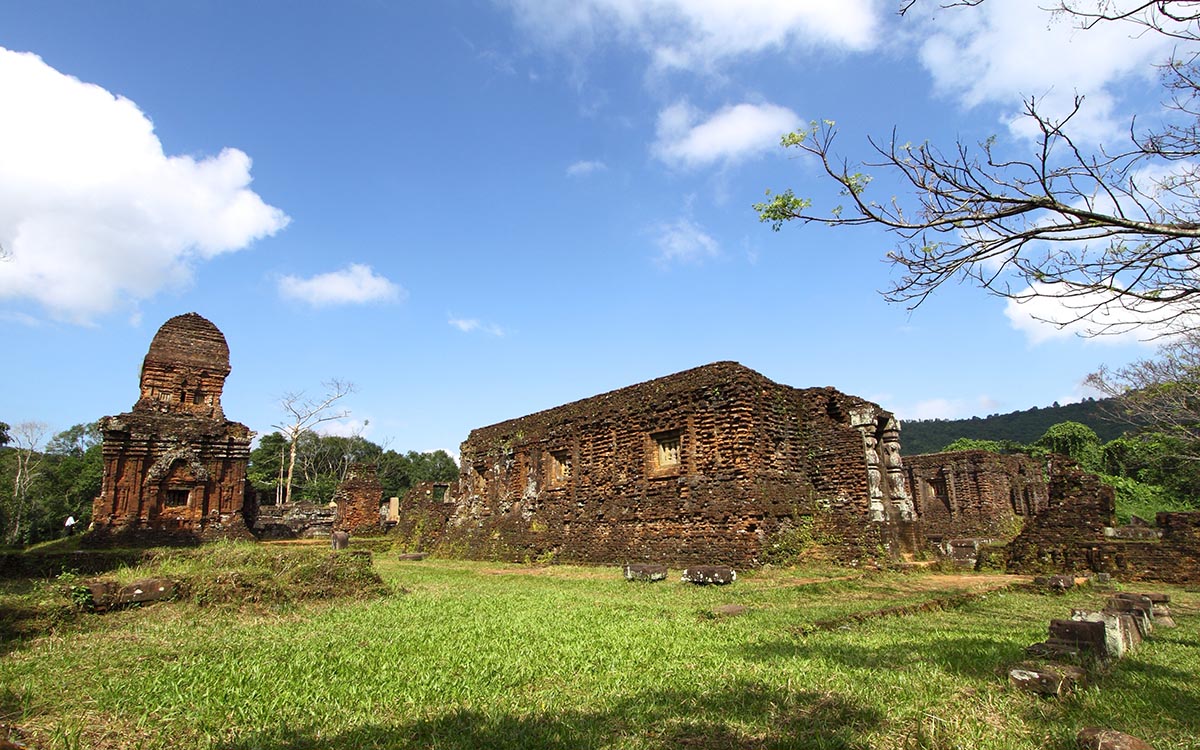
tunnels, carvings and sculptures; and the My Son ruins, an
unmissable UNESCO World Heritage Site, consisting of Hindu temples
first built in the 4th century.
Da Nang is a popular stop-over point for travellers looking to
access the even more bewitching, close-lying areas of Hoi An and
the imperial city of Hue. The city also features a few slightly
more resort-style areas, such as Non Nuoc Beach, a white-sand beach
renowned for both its spectacular beauty and for its history as a
'R&R' destination for American troops during the Vietnam War,
and the Ba Na Hills, a mountain resort with a 3 mile-long (5km)
cable car system.
Da Nang, a booming metropolis with a thriving culinary scene and
plenty of options when it comes to nightlife, is easily accessible
by train, bus, plane or boat. The city is definitely worth a stop
to get a more varied view of Vietnam. Go between February and May,
when it'll be dry, and daytime temperatures will be bearable.
Day 31
Ho Chi Minh City
Ho Chi Minh City, better known by its former name of Saigon, is
an industrious and dense metropolis, the largest city in Vietnam
and the business capital of the country. With a population of
roughly nine million, it is crowded and noisy, yet also exciting, a
historic city that encompasses the essence of the nation.
Located on the Saigon River on the edge of the Mekong Delta,
Saigon became the capital of the Republic of South Vietnam and was
the American headquarters during the Vietnam War. Two years later
the Communist north took control of the country, the city's name
was changed to Ho Chi Minh City, and recession and poverty
ensued.
Today, Ho Chi Minh City has a cosmopolitan atmosphere and,
having actively welcomed capitalism, its citizens are clearly
business-minded. Although relatively modern, it has still managed
to hold onto its historical character, and fine restaurants, chic
hotels and bars line the sidewalks. The buzzing of motorbikes and
scooters merges with the calls of street vendors and the urgent
business of stall owners, selling a range of delectable street food
and exotic delicacies. The sight of a family of four balanced
precariously on a scooter, a squealing pig strapped onto the back
of a bicycle, bowed heads topped by pointed lampshade-style hats
and orange-clothed monks are just some of the vibrant images the
city has to offer.
Although overshadowed by modern and Asiatic influences, a little
of Ho Chi Minh City's French colonial charm still remains, evident
in the graceful architecture, wide boulevards, and a sidewalk cafe
society. It is not for the attractions that travellers visit Ho Chi
Minh City however, but for the vibrancy of its street life, and its
proximity to the Mekong Delta.
Day 34
Laem Chabang
The coastal city of Laem Chabang is a popular destination for travelers in Thailand. Located in eastern Thailand, Laem Chabang has a long history of trade and commerce, and as such it is home to many different cultures, religions, and beliefs. The city of Laem Chabang has a unique blend of modern developments alongside traditional markets, temples, and ancient structures.
When visiting Laem Chabang, be sure to explore the many different sights and attractions the city has to offer. Start off your visit by exploring the downtown area, where you will find plenty of shopping, restaurants, and entertainment. The downtown also provides a great opportunity to learn about the local culture and history of the area. Visit the local open-air markets to try some traditional Thai dishes like pad thai and som tam, or visit one of the many temples to experience the spiritual side of Thai culture.
The beaches of Laem Chabang are also popular spots for visitors. Enjoy a relaxing day soaking up the sun on the nearby beaches such as Sai Kaew Beach or Bangsaen Beach. Spend some time swimming, snorkeling, or windsurfing, or just take some time out to enjoy your favorite book under an umbrella. If you’re feeling adventurous, take a boat trip out to Koh Si Chang island for some snorkeling and kayaking.
While in Laem Chabang, don’t miss out on the chance to visit the nearby attractions. Make your way to the eucalyptus forest of Khao Khiao National Park to spot exotic wild animals in their natural habitat. Continue your journey by heading to the night market to pick up souvenirs and sample some of the local delicacies. Finally, don’t forget to check out the Buddha Mountain for some breathtaking views of the nearby islands and coastline.
Laem Chabang is a great destination for travelers who want to experience both modern comforts and traditional charm. Enjoy its beaches, cultural attractions, and distinct cuisine on your next visit. With its laidback atmosphere, unique sights, and diverse culture, Laem Chabang is sure to deliver a memorable trip!
Day 36
Ko Samui
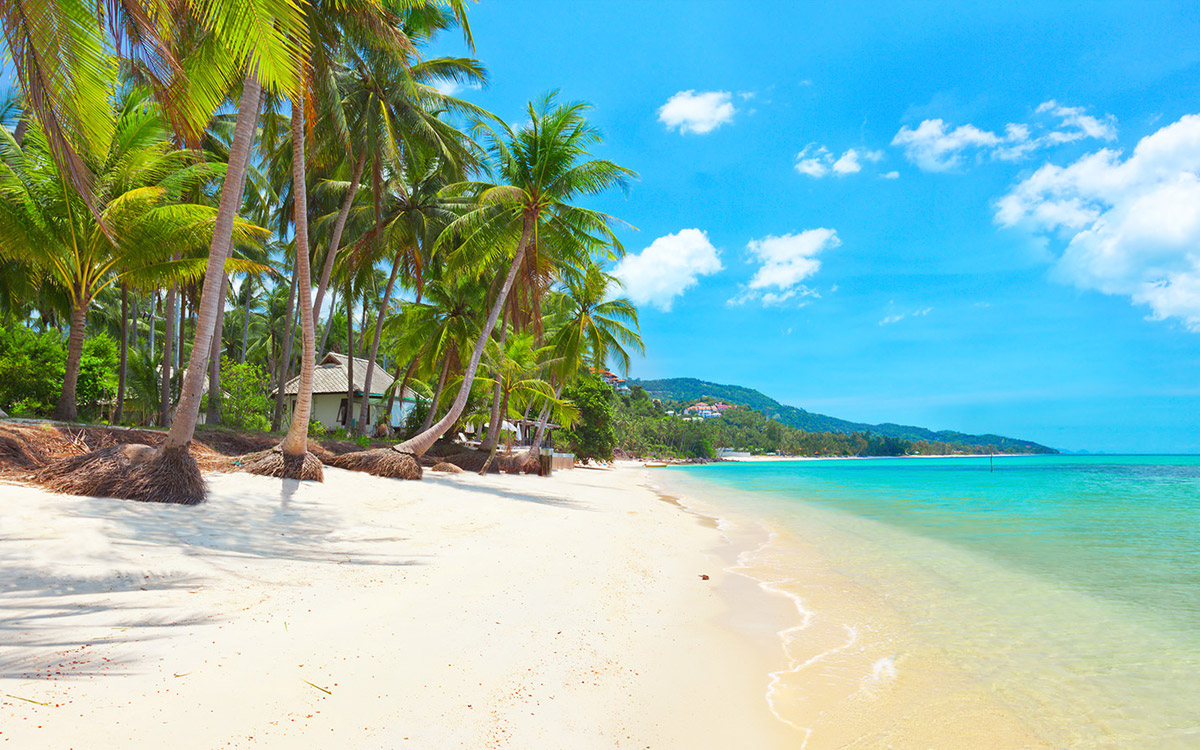
Koh Samui is one of Thailand’s most beautiful islands and a top tourist destination. Visitors come to Koh Samui for its stunning beaches, luxurious resorts, and lively nightlife. There’s something for everyone on this island, whether you’re looking to relax or party.
The beaches on Koh Samui are some of the best in Thailand. White sand and clear blue water make for a perfect backdrop to your vacation. Many of the beaches are lined with palm trees and offer plenty of activities, such as swimming, sunbathing, kayaking, and windsurfing.
If you’re looking for luxury, Koh Samui has no shortage of high-end resorts. Whether you want a private villa with its own pool or a five-star hotel with all the amenities, you’ll find it here. Prices can be steep, but it’s worth it for the incredible views and top-notch service.
Koh Samui is also renowned for its nightlife. Chaweng Beach is the place to be after dark, with its many bars, clubs, and restaurants. The party goes all night long, so be prepared to stay up late!
Whether you’re looking to relax or party, Koh Samui is the perfect destination. With its stunning beaches, luxurious resorts, and lively nightlife, there’s something for everyone on this island.
Day 38
Singapore
Beguiling Singapore is a modern city-state embracing economic
progress against the backdrop of age-old tradition. Many business
people and holidaymakers travel to Singapore on their way to the
Far East, or as a stop-off between Australia and Europe, and are
eager to see and experience this legendary hi-tech Asian city,
which combines traditional enclaves with the towering steel and
cement of a cosmopolitan international power-house. The customs
that underpin community life emerge out of a cultural mix that
includes predominantly Chinese, Indian and Malay ethnic groups.
Singapore is an island off the southern tip of Malaysia, linked
to it by a causeway. It evolved from a sleepy fishing village in
the early 1900s to become one of Asia's economic tigers. Sir Thomas
Stamford Raffles landed on Singapore's northern bank in 1819,
quickly identifying a strategic trading location. Singapore's rural
landscape was transformed by British colonial rule, Japanese
occupation, Communist insurrection and finally, independence. Since
becoming a republic in 1965 the island has experienced increased
prosperity and exponential economic growth. Shimmering skyscrapers
tower above the slick financial districts and elegant colonial
buildings preserve a lingering old-world charm.
Singapore's full calendar of events showcases a spectrum of
cultural celebrations and shopping activities. The early summer
months bustle in anticipation of the Singapore Sale - a time when
tourists can cash in on the competitive prices of electronic
equipment, jewellery and other merchandise. The business activity
thrives amid the celebration of Chinese, Hindu and Muslim festivals
that punctuate the year with their colourful representations. These
include the Chinese New Year, Ramadan, Hari Raya Puasa, Vesak Day,
the Dragon Boat Festival, Festival of the Hungry Ghosts and
Thaipusam.
The core of downtown Singapore is formed by the Colonial
District, embellished by cathedrals and cricket lawns. The notable
sites of the area include the Empress Place Building and the
luxurious Raffles Hotel. Although most of old Singapore has been
demolished to make way for the modern city, many major landmarks
within the Colonial District have been preserved. The surrounding
ethnic enclaves of Little India, Chinatown and the Arab Quarter
also provide glimpses into the traditions that have sustained their
respective communities through the centuries.
Tokyo to Singapore Grand Voyage Ships
Recommended Deals like Tokyo to Singapore Grand Voyage
Tokyo To Singapore Grand Voyage
 Azamara

Departure:
September
VISITING:
Tokyo
Hakodate
Sakata
Kanazawa
Maizuru
Sakaiminato
Busan
Kitakyushu
Hiroshima
Tokushima, Japan
Osaka
Takamatsu
Kochi, Japan
Hiroshima
Beppu
+23 more
FROM
£
9,119 pp
Japan Intensive Cruise: Tokyo, Osaka & Akita
Azamara
Departure:
August
VISITING:
Tokyo
Shimizu
Nagoya
Osaka
Hiroshima
Kitakyushu
Busan
Sakaiminato
Kanazawa
Niigata
Akita
Hakodate
Tokyo
FROM
£
4,139 pp
Japan Intensive Cruise: Mt. Fuji, Osaka & Nagasaki
Azamara
Departure:
September
VISITING:
Tokyo
Shimizu
Osaka
Kochi, Japan
Hiroshima
Kitakyushu
Miyazaki
Kagoshima
Nagasaki
Yeosu
Seoul
FROM
£
3,549 pp
Join the Crui.se Club
Points That Pay
Earn 25 points (£25) just for joining — and collect more on bookings, reviews, and referrals.
Exclusive Member Deals
Unlock off-market offers reserved only for Crui.se Club members.
Early Access Perks
Be the first to book with pre-launch notifications and special member-only booking windows.
Cruise With Confidence
Our mission at wordpress-1024654-4169282.cloudwaysapps.com is to help you and your loved one’s book and experience the best cruise holiday imaginable. We’re different in that, our customers come first, not our suppliers or profit margins. Get in touch and let us help you set sail.


Over 20 cruise brands to choose from

Low deposits from £500

All Inclusive cruises

Best deals & discounts

Community driven

Brand agnostic

We take care of everything

Custom built cruise holidays


