






 We won’t be beaten on price...

ABTA protected


Italy, Croatia & France
Cruise: Venice, Dubrovnik &
Nice
Scroll to sail

Italy, Croatia & France Cruise: Venice, Dubrovnik & Nice
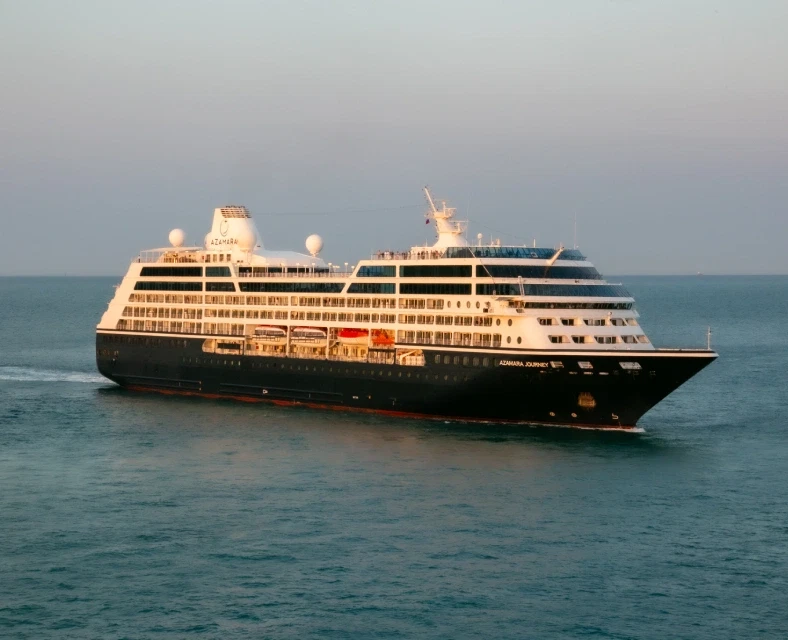
Embark on the "Italy, Croatia & France Cruise: Venice, Dubrovnik & Nice," a 10-day journey immersing you in the heart of the Mediterranean. Experience the unparalleled charm of Venice, the breathtaking walled city of Dubrovnik, and the glamour of Nice, all aboard the luxurious Azamara Journey. Enjoy longer stays and overnights for deeper exploration.
Sail through stunning Adriatic and Tyrrhenian waters, uncovering ancient histories and vibrant cultures. Beyond these iconic cities, discover gems like Kotor’s fjord-like beauty, Sorrento’s dramatic cliffs, or access Rome and Florence’s artistic treasures. Each port offers authentic discovery, from Roman ruins to charming coastal towns.
This Azamara voyage promises an enriching blend of iconic sights, delectable cuisine, and sophisticated comfort. Indulge in world-class service traversing Europes most beautiful coastlines. An unforgettable fusion of history, culture, and scenic splendor awaits, the perfect escape for discerning travelers.
-
 Cruise Line: Azamara
-
 Ship: Azamara Journey
-
 Duration: 10 Nights
-
 Departure: May
Italy, Croatia & France Cruise: Venice, Dubrovnik & Nice Prices
Italy, Croatia & France Cruise: Venice, Dubrovnik & Nice Gallery
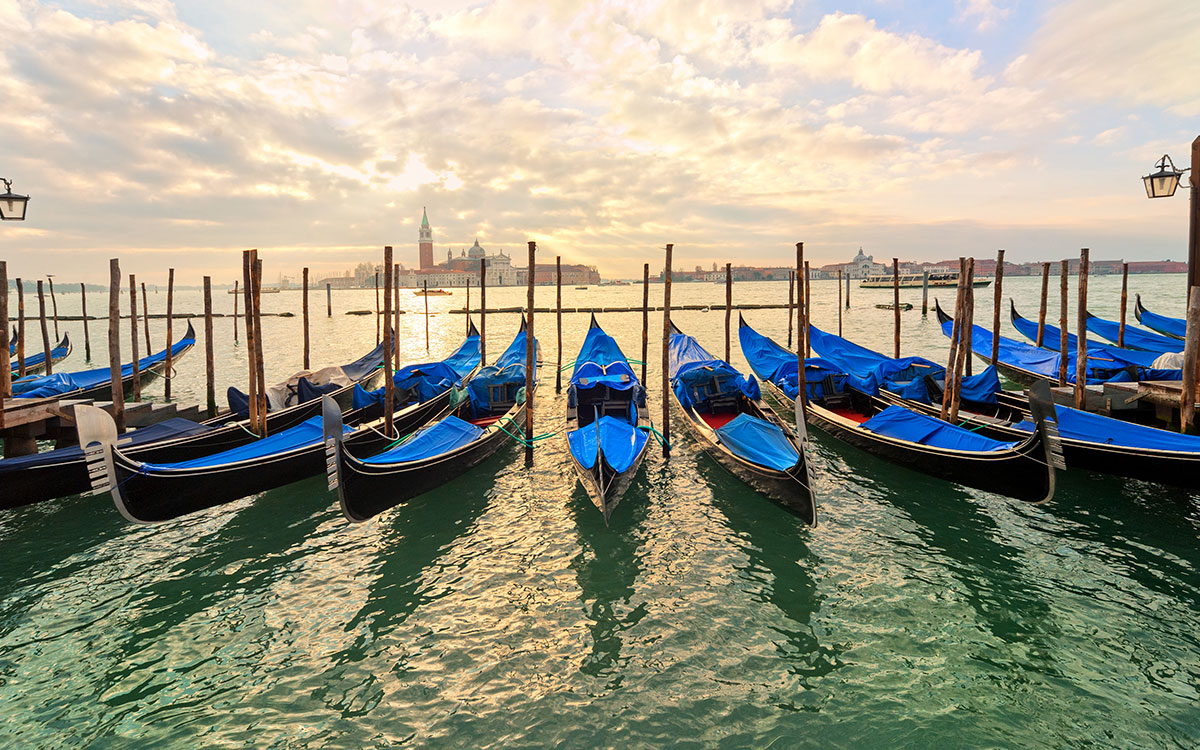

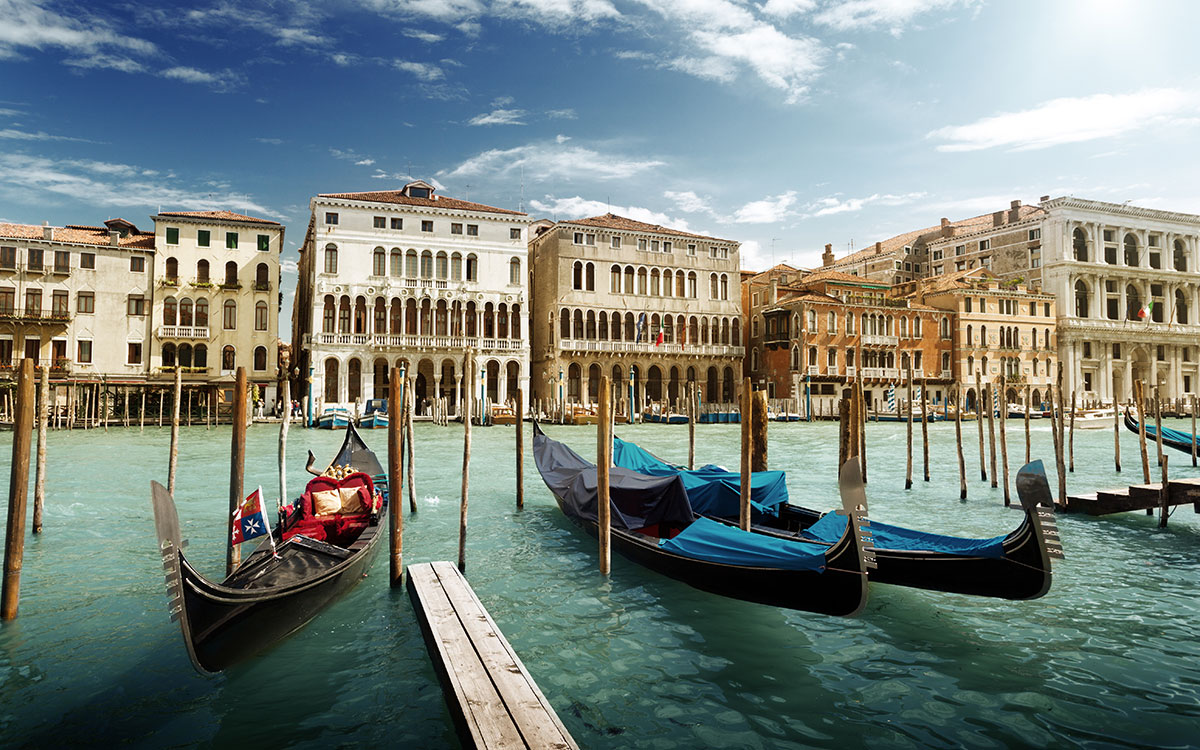
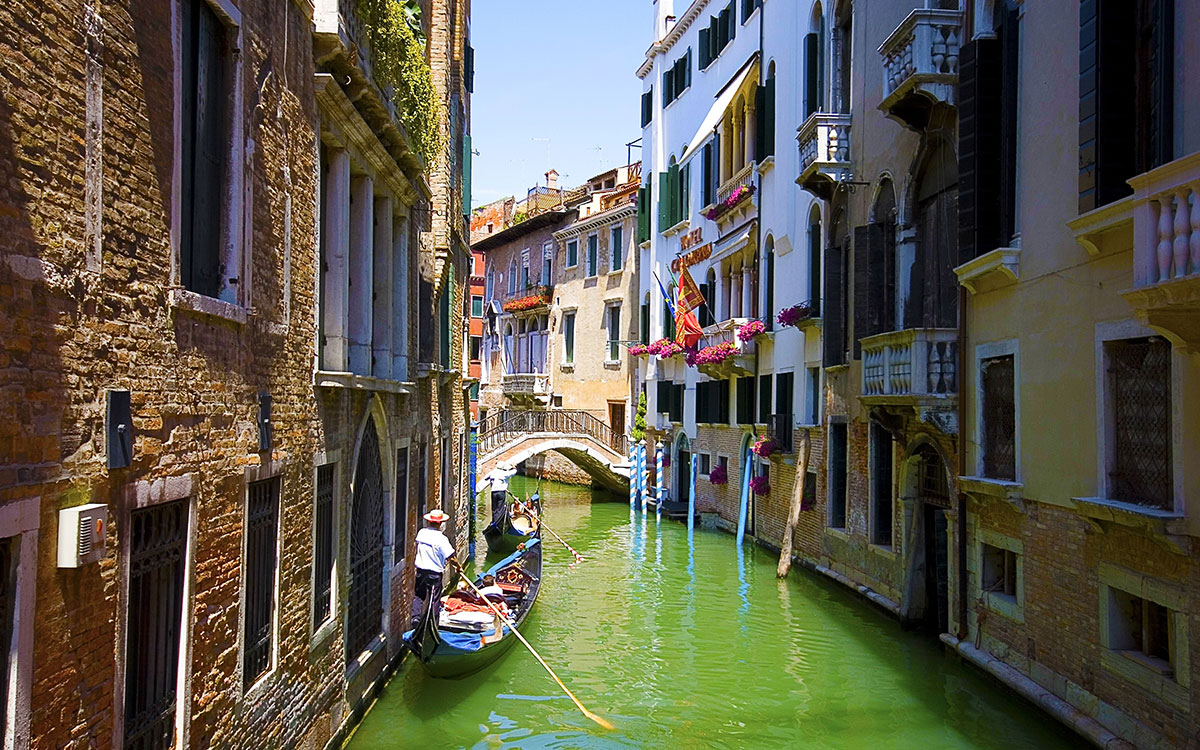
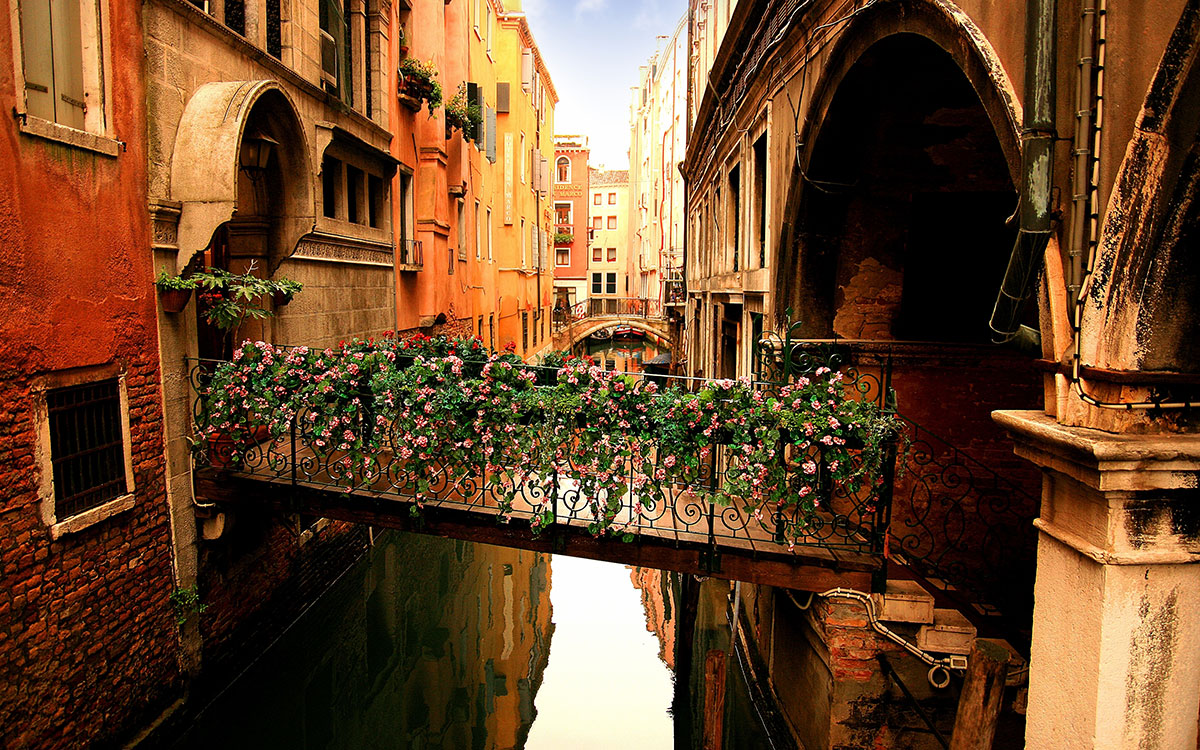







Italy, Croatia & France Cruise: Venice, Dubrovnik & Nice Itinerary

Day 1
Fusina
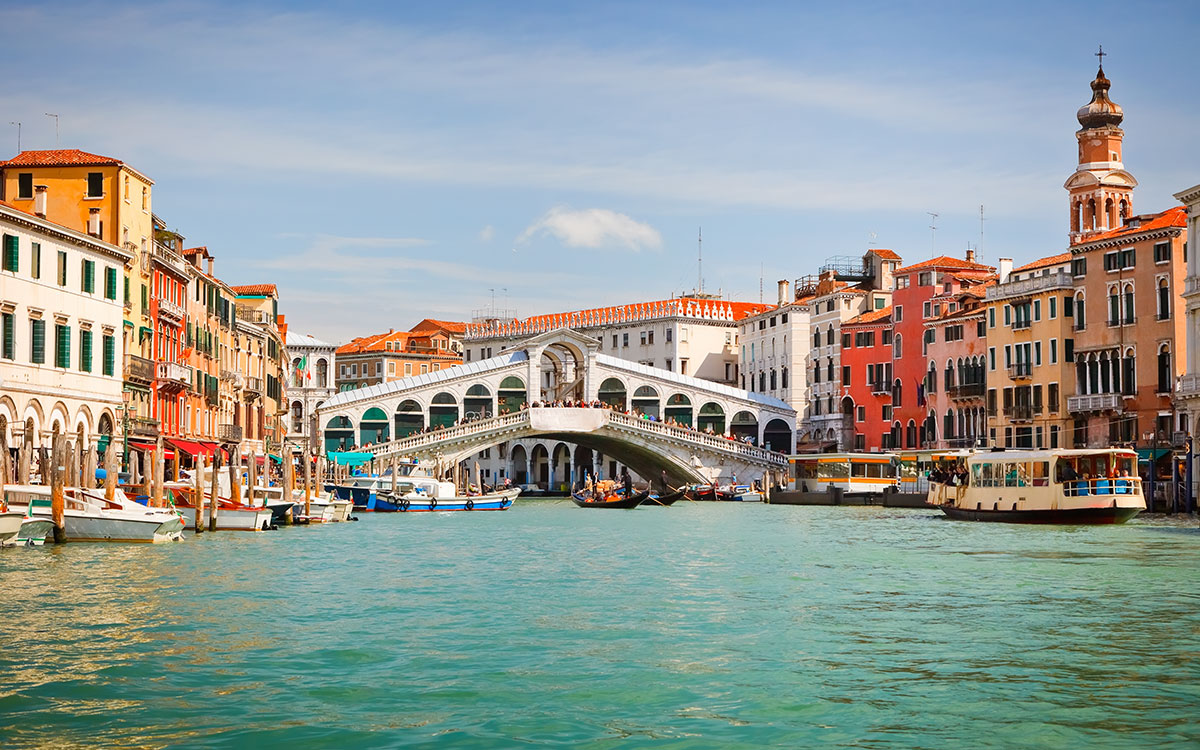
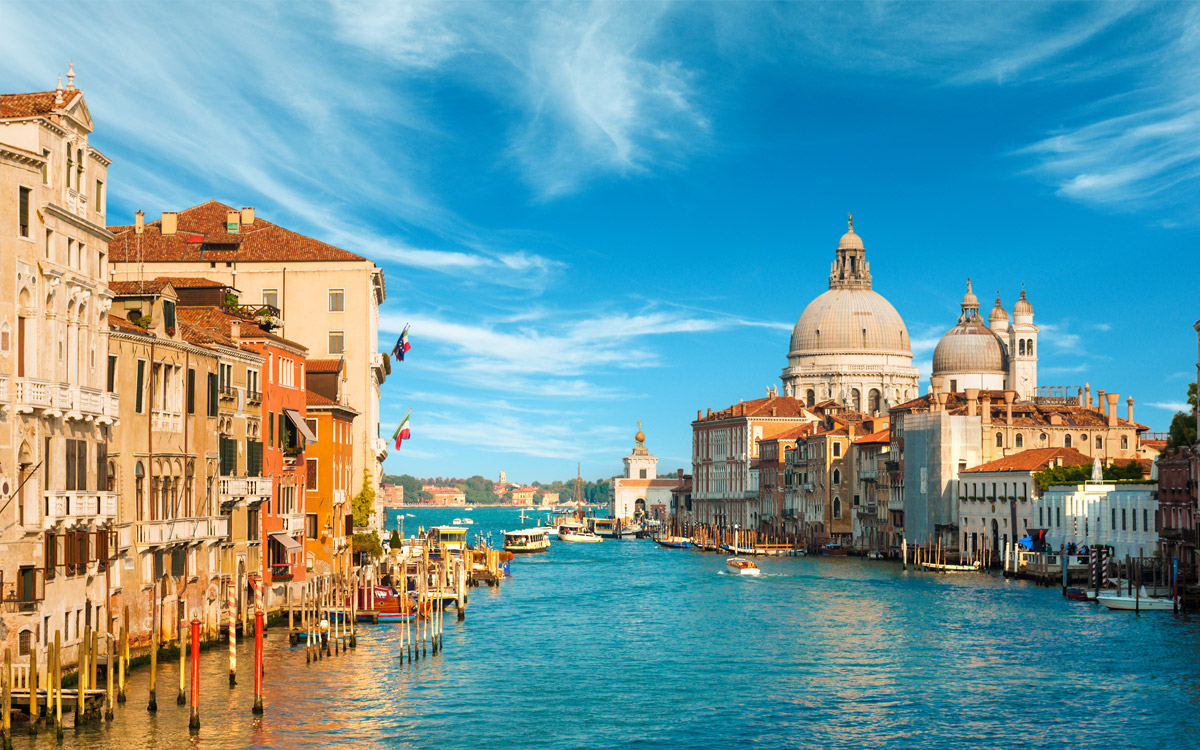
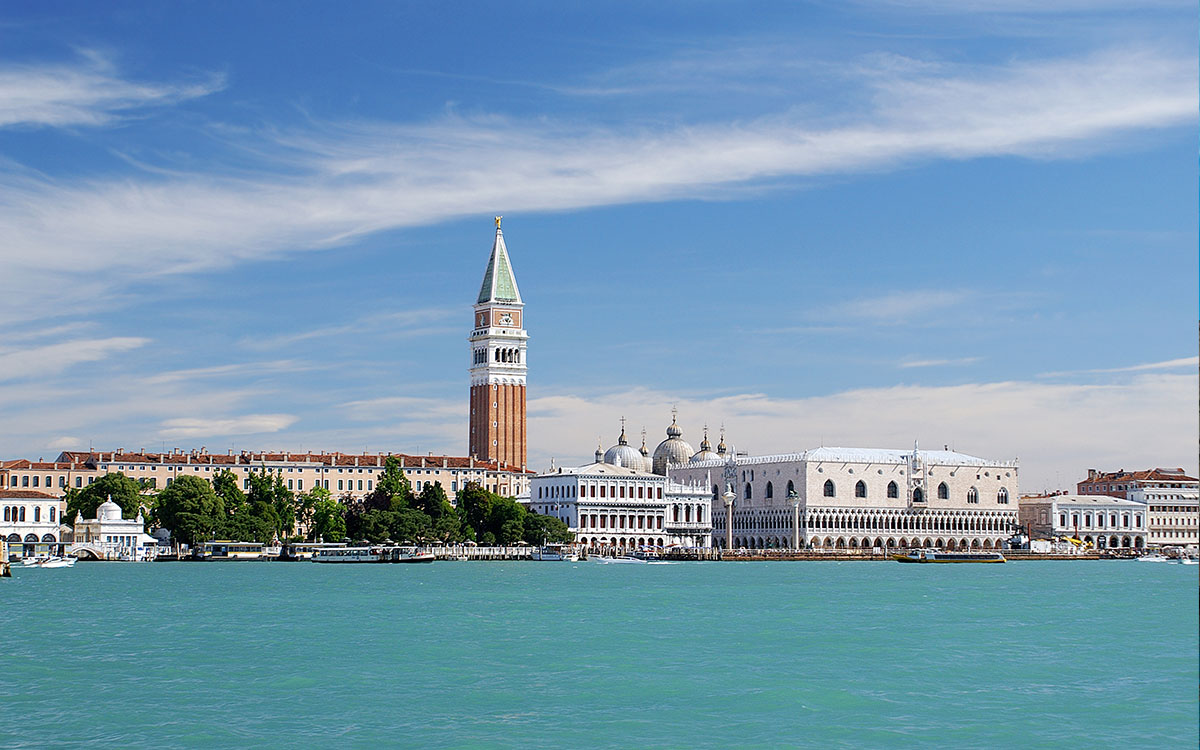
Venice is unique, its elegant buildings and
palaces peering over an ancient maze of narrow streets and
labyrinth of canals. Tourists here wake up to the morning calls of
gondoliers before venturing out to lose themselves among the twists
and turns of this famously romantic haven.
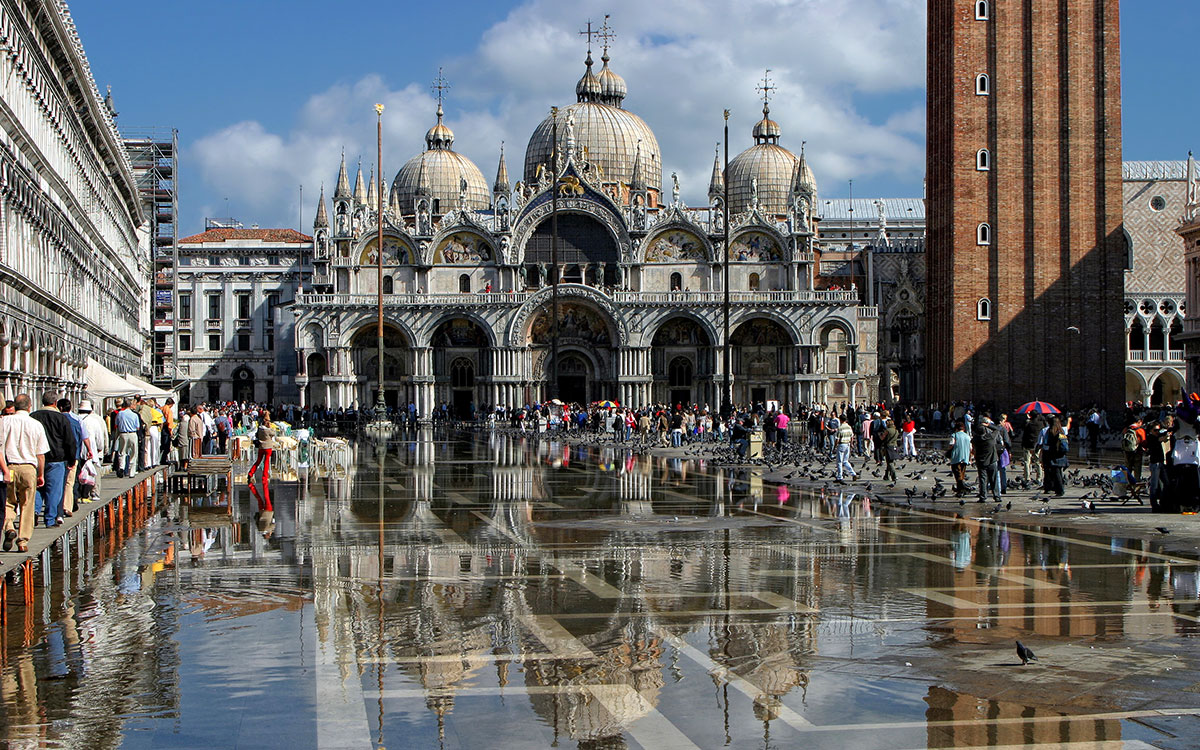
The city rests on one of 117 islands
distributed throughout the Venetian lagoon. The aptly named Grand
Canal splits the city, running from the Santa Lucia railway station
past the famous Rialto Bridge to Piazza San Marco, home to the
cathedral of Basilica di San Marco which is adorned with endless
mosaics that sparkle at sunset.
The historic centre is divided into six
quarters: San Marco, Dorsoduro, San Polo, Santa Croce, Cannaregio
and Castello. Countless waterways wind their way through the city.
While some choose to pick their way over the more than 400 bridges,
by far the most popular way to get around is to cruise the
waterways onboard vaporetto boats or iconic gondola.
Known for its inventive cuisine, lavish
spreads of cicheti (Venetian tapas) can be found in bars around the
city while canalside bistros offer spectacular fine dining
experiences. Venice's penchant for outlandish fashion gave the
world eyeglasses, dresses without corsets and platform shoes, and
the annual carnival is renowned for the elaborate masks on
display.
Venice extends beyond its six sestieri to
the islands of Murano, Burano and Torcello. These are known for
glass and lace-making respectively, and Torcello is noted for the
magnificent Byzantine Basilica of Santa Maria Assunta resting on
its soil. Trips by boat to the islands provide a pleasant escape
from the busier historic quarters.
Day 2
Pula
Pula is a beautiful coastal city located in the Istrian region of Croatia. Situated on the southern tip of the Istrian Peninsula, Pula is known for its stunning landscapes, rich history, and vibrant culture. Whether you are a nature lover, history enthusiast, or foodie, this charming city has something to offer for everyone.
One of the main attractions of Pula is its well-preserved Roman architecture. The most famous landmark is the magnificent Pula Arena, an ancient Roman amphitheater that dates back to the 1st century AD. This impressive structure is one of the six largest surviving Roman arenas in the world and is still used for various events and concerts today. Visitors can explore the arena and learn about its fascinating history through informative exhibitions.
Apart from the arena, Pula is also home to several other historical sites. The Roman Forum, Temple of Augustus, and Arch of the Sergii are just a few of the remnants of the city's Roman past that are worth a visit. Exploring these sites provides a glimpse into Pula's rich heritage and the Roman influence on the region.
Nature lovers will be delighted to discover the stunning natural beauty surrounding Pula. The city is blessed with pristine beaches and crystal-clear waters, making it an ideal destination for sun-seekers and water sports enthusiasts. The most popular beach in Pula is Verudela Beach, a pebble beach with plenty of amenities and activities. Other notable beaches include Ambrela Beach and Valkane Beach, both of which offer beautiful coastal views and a peaceful atmosphere.
For those seeking a bit of adventure, the Brijuni Islands are a short boat ride away from Pula. This archipelago consists of 14 islands and is home to a national park, where visitors can explore lush greenery, spot various animal species, and enjoy the untouched beauty of the Adriatic Sea.
The culinary scene in Pula is also worth mentioning. Istrian cuisine is renowned for its fresh seafood, truffles, olive oil, and delicious local wines. Visitors can indulge in a wide range of gastronomic delights at the city's numerous restaurants and taverns. From traditional Istrian dishes like Istrian prosciutto and homemade pasta to fusion cuisine and international fare, Pula offers a diverse culinary experience.
Pula also hosts several cultural and music festivals throughout the year, attracting locals and tourists alike. The Pula Film Festival, held in an open-air cinema under the starry sky, showcases a wide range of international films. The Outlook Festival, a popular electronic music festival, draws music enthusiasts from around the world. These events contribute to the vibrant atmosphere of the city and add to the overall cultural experience of visiting Pula.
When it comes to accommodation, Pula offers a range of options to suit different budgets and preferences. From luxury hotels and resorts to cozy guesthouses and apartments, there is something for every traveler. The city is well-connected by an international airport, making it easily accessible for visitors from various parts of the world.
In conclusion, Pula is a captivating coastal city with a rich blend of history, culture, and natural beauty. With its well-preserved Roman architecture, pristine beaches, delicious cuisine, and lively festivals, Pula is a must-visit destination for those seeking an unforgettable experience in Croatia.
Day 3
Dubrovnik
This unique Adriatic port has been luring
travellers for centuries, known for its luxury accommodation,
excellent cuisine and beautiful surroundings. From a turbulent
history during which it was occupied and conquered by a succession
of neighbouring European powers, Dubrovnik has emerged as a city at
peace, allowing visitors to make the most of its historic
architecture, white pebble beaches and crystal-clear ocean
waters.
The Old Town is a UNESCO World Heritage
Site, dating from the 7th century. Its 13-century walls enclose
well-preserved buildings representing a cross-section of Baroque,
Gothic and Renaissance architecture, while Onofrio's Fountain is
one of Dubrovnik's most famous landmarks, found just inside the
main entrance to the old city at Pile Gate.
The centre of the Old Town is its main
street called the Stradun, which was originally a channel
separating an island from the mainland. It was filled in to join
two towns into the merged city of Dubrovnik.
There are many churches, monasteries and
museums to explore, while the Old Town boasts plenty of
restaurants, bars and shops. The coastal belt is awash with pretty
marinas, coves and promenades, while most hotels and the best
beaches are located northwest of the Old Town, at Lapad, or in
Ploce to the northeast.
Dubrovnik is a favourite on European cruise
itineraries and many tourists arrive by sea, ferrying in to the
charming old port. Although Dubrovnik will delight cruise
passengers with only a few hours to kill, it's incredibly rich in
history and culture and can easily occupy travellers for days. The
city is also well situated as a travel hub for exploring the
villages and islands dotted along the dramatic Dalmatian Coast of
Croatia.
Day 4
Kotor
Tourists to Montenegro will most likely spend the bulk of their
time exploring the small Balkan country's natural landscape. From
snowy peaks to tall pine forests, from the coastlines to the
fjords, Montenegro is an outdoor lover's dream come true.
However, for those looking to get to grips with the culture of
Montenegro, the medieval city of Kotor is certainly the place to
visit, especially in recent years as Montenegro has swiftly
established itself as one of Europe's top tourist destinations.
It's not hard to see why this is. The surrounding Mediterranean
coastline, with its limestone cliffs and thick vegetation, is
punctuated by the port of Kotor, which in turn is surrounded by
city walls that were built by the Republic of Venice. These
ramparted and bastioned city walls, together with the
Venetian-inspired old city, are a designated UNESCO World Heritage
Site, and lauded for their role in the diffusion of Mediterranean
culture in the Balkan region.
A small city, with a population of just under 14,000 permanent
inhabitants, Kotor is a wonderful place to navigate on foot,
soaking up the scenery and admiring the medieval buildings. In
terms of tourist sights, the Maritime Museum is a must-visit
attraction, as is the Cathedral of Saint Tryphon (built in 1166)
and the Church of Our Lady of Health, which is located on a small
promontory overlooking Kotor and provides unbeatable views of the
bright blue Adriatic Sea beneath.
Day 6
Sorrento
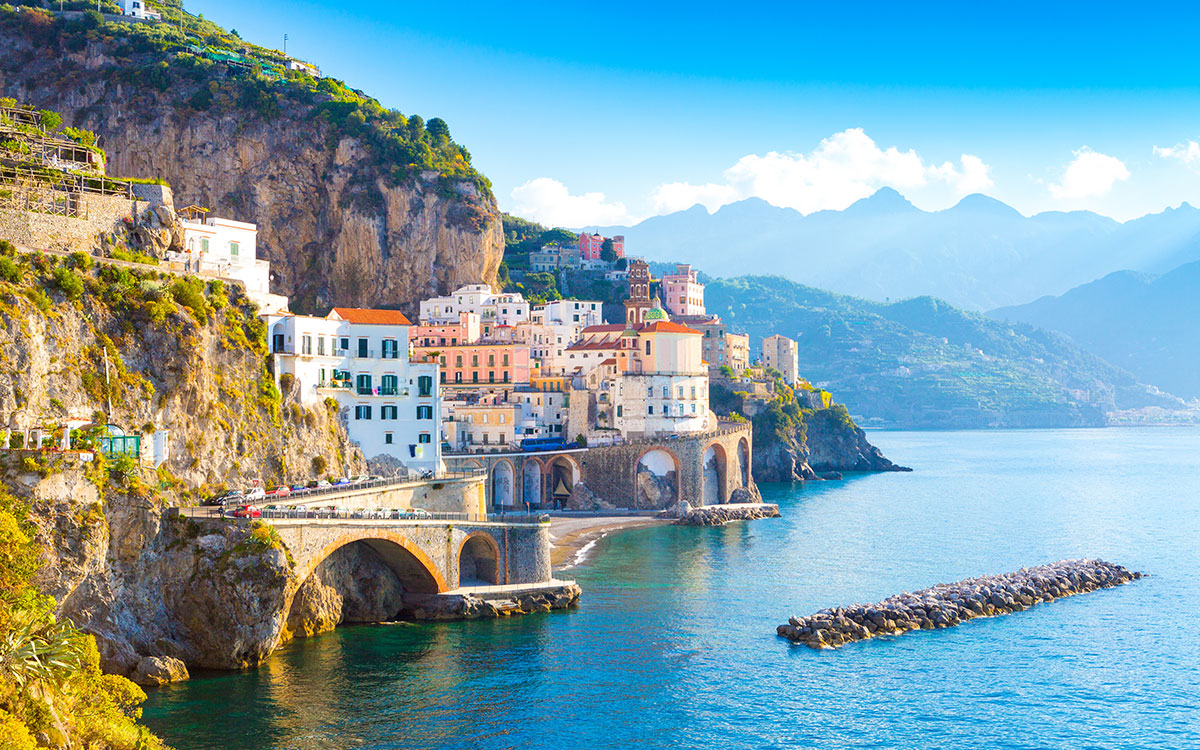
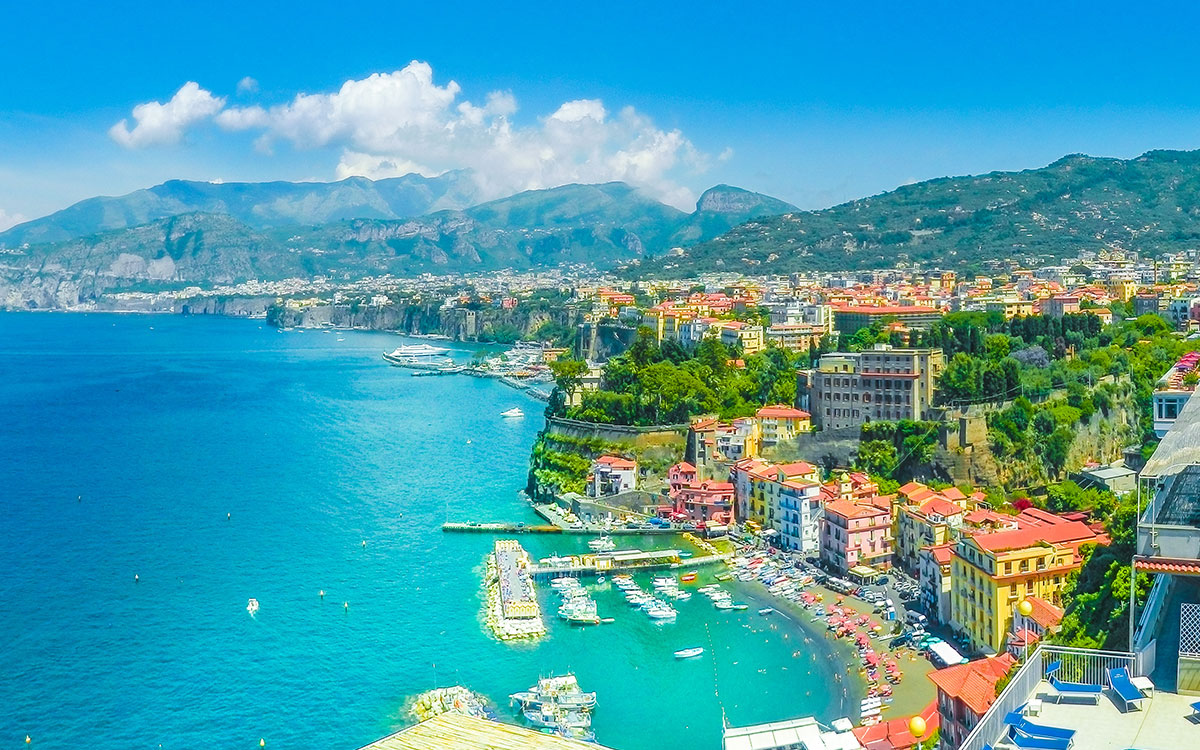
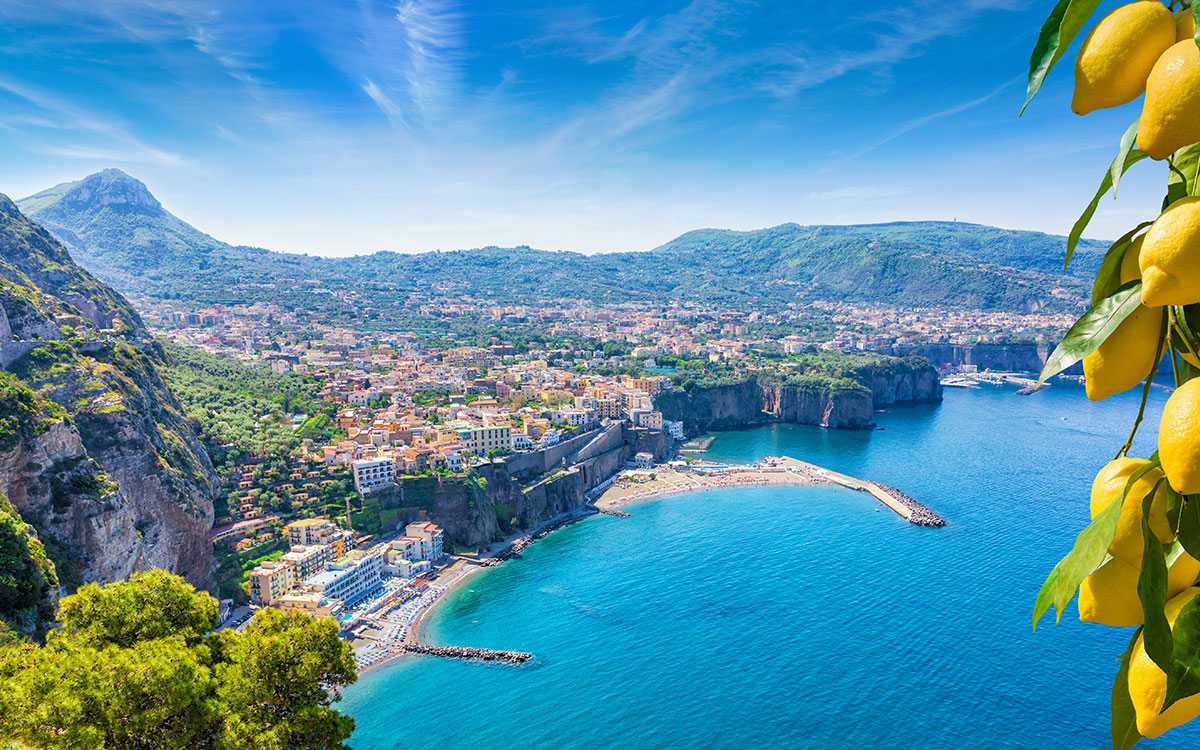
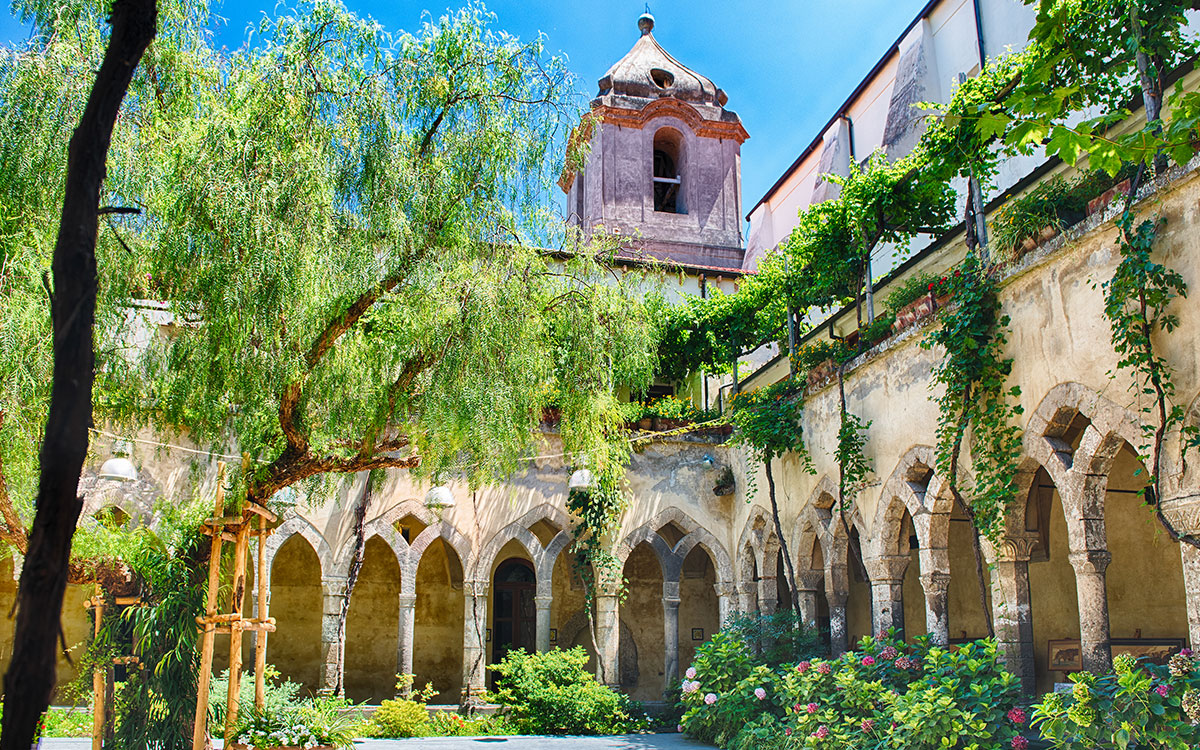
Sorrento is a coastal town in southwestern Italy, facing the Bay of Naples on the Sorrentine Peninsula. Perched atop cliffs that separate the town from its busy marinas, it’s known for sweeping water views and Piazza Tasso, a cafe-lined square. The historic center is a warren of narrow alleys that's home to the Chiesa di San Francesco, a 14th-century church with a tranquil cloiste
Day 7
Civitavecchia
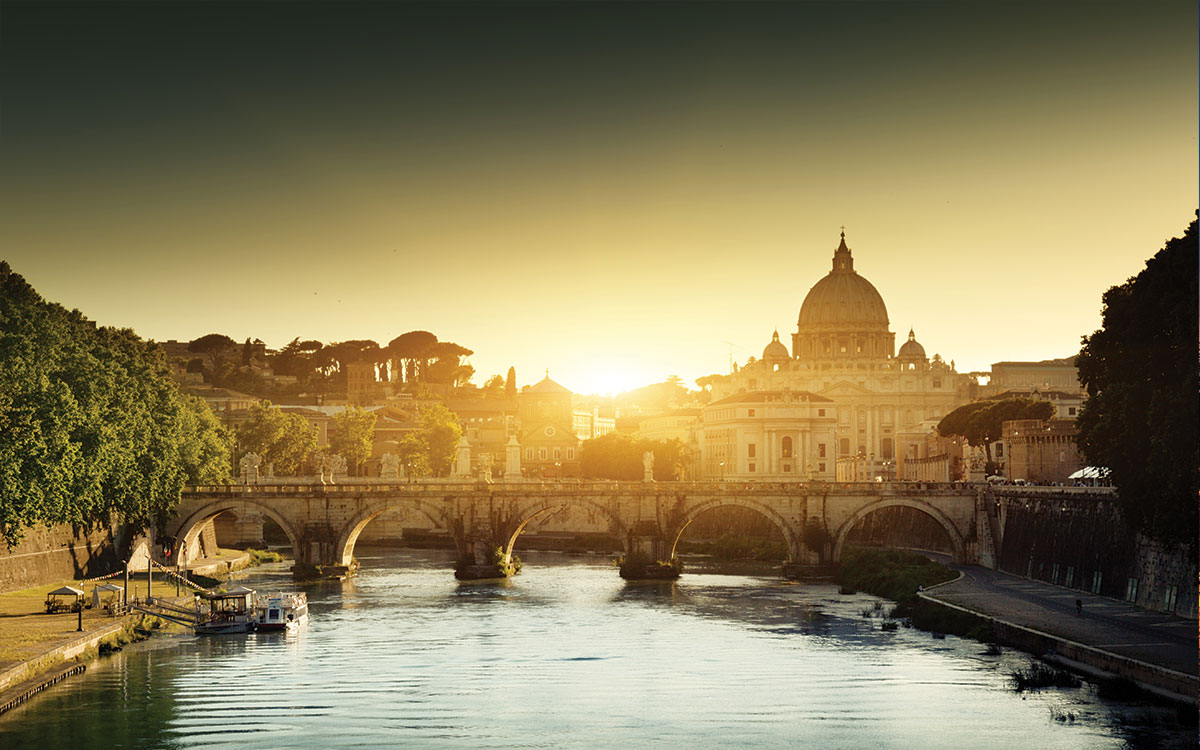
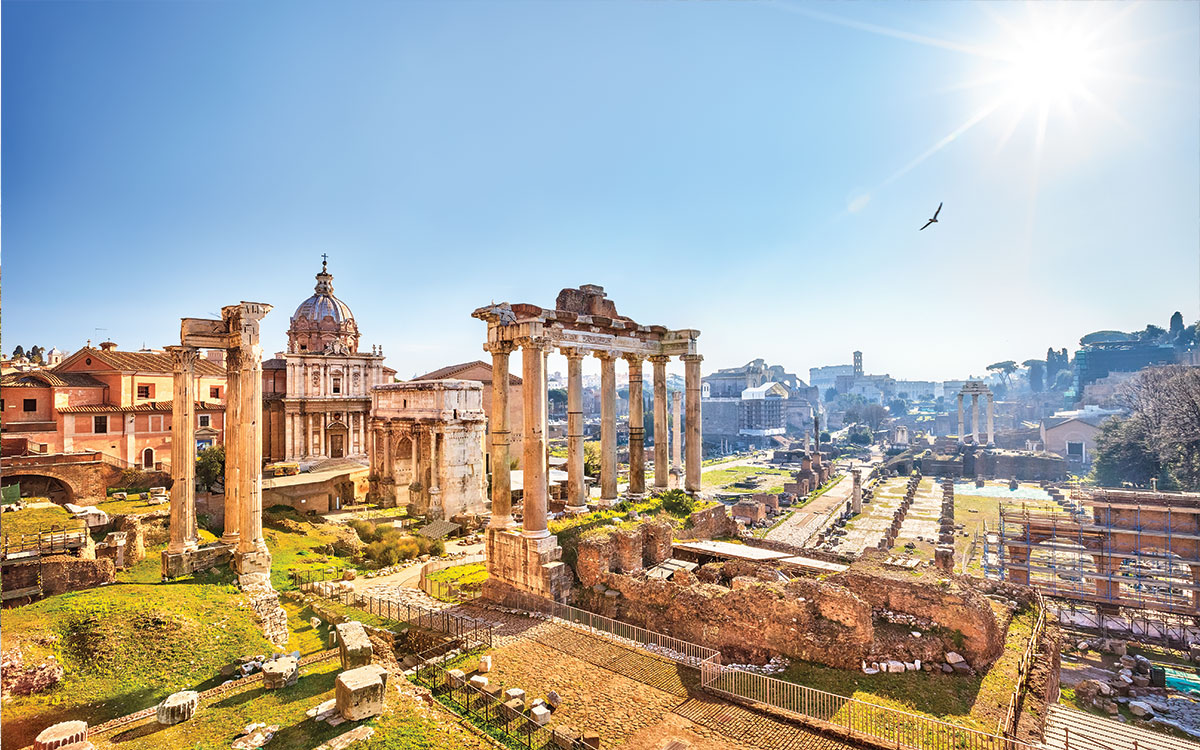
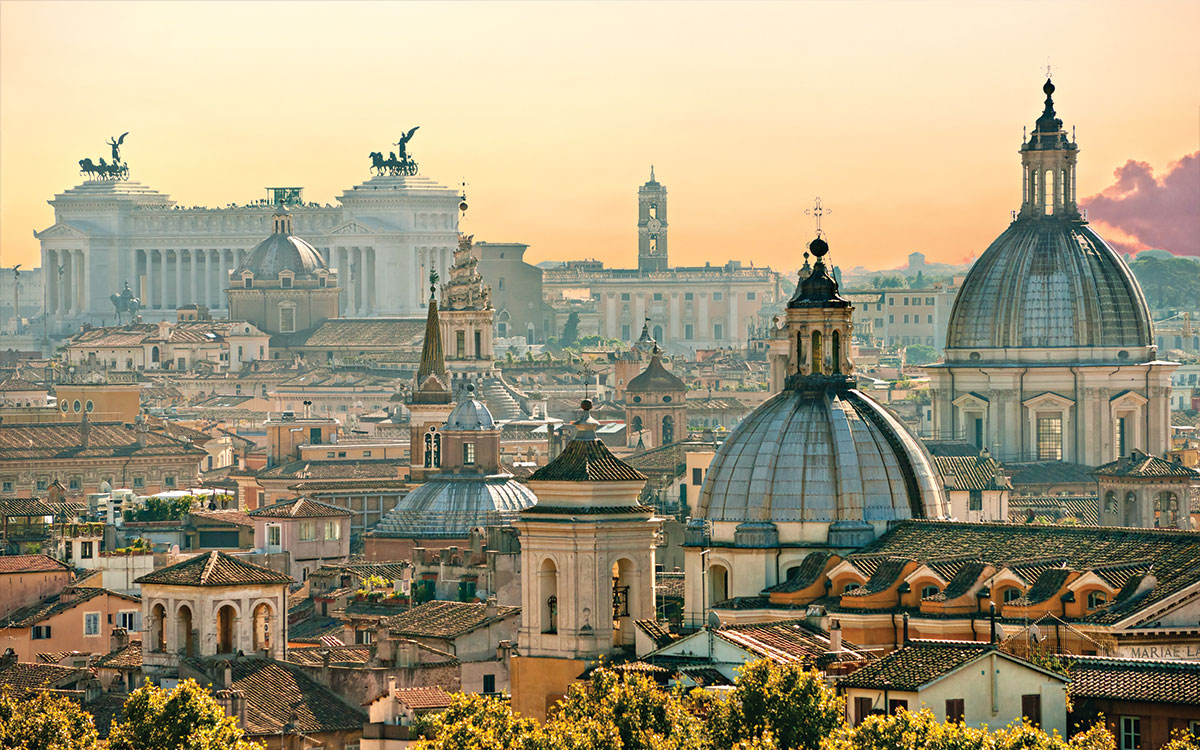
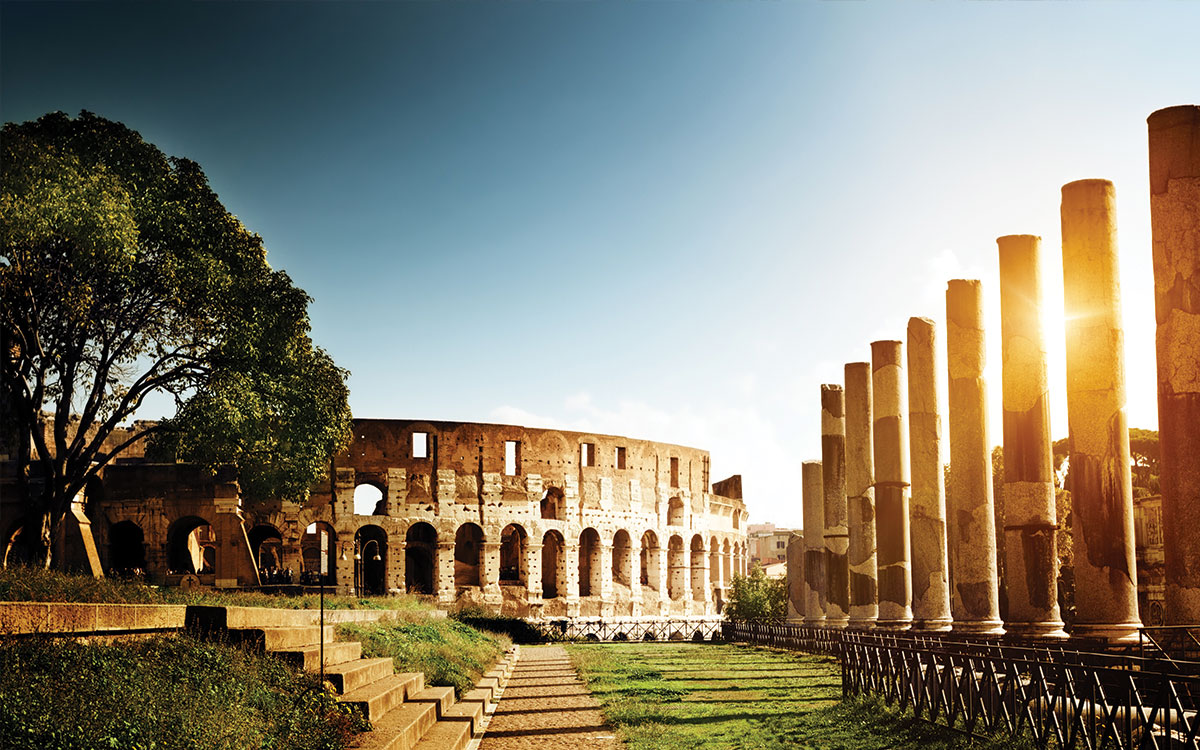
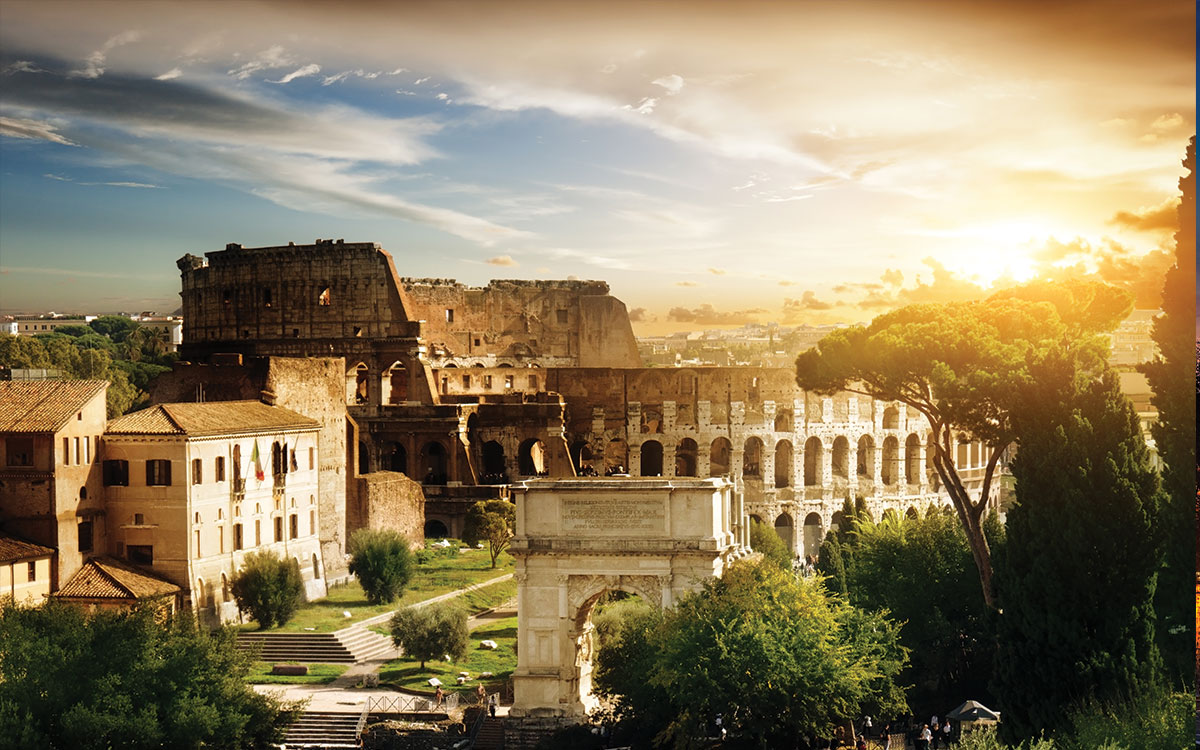
Rome is like a living museum, liberally
dotted with fascinating ruins, ancient relics and archaeological
sites. Centuries are peeled back from the Eternal City with each
new vista in this great metropolis of fearsome gladiators and
gorgeous art. Vespas, sports cars and nippy Fiats speed past trendy
sidewalk cafes, bistros and nightclubs, revealing the Rome of
Fellini's La Dolce Vita, while the stark facades of the Stadio
Olimpico reminds visitors of Mussolini's attempts to reinvent the
architecture of the Caesars.
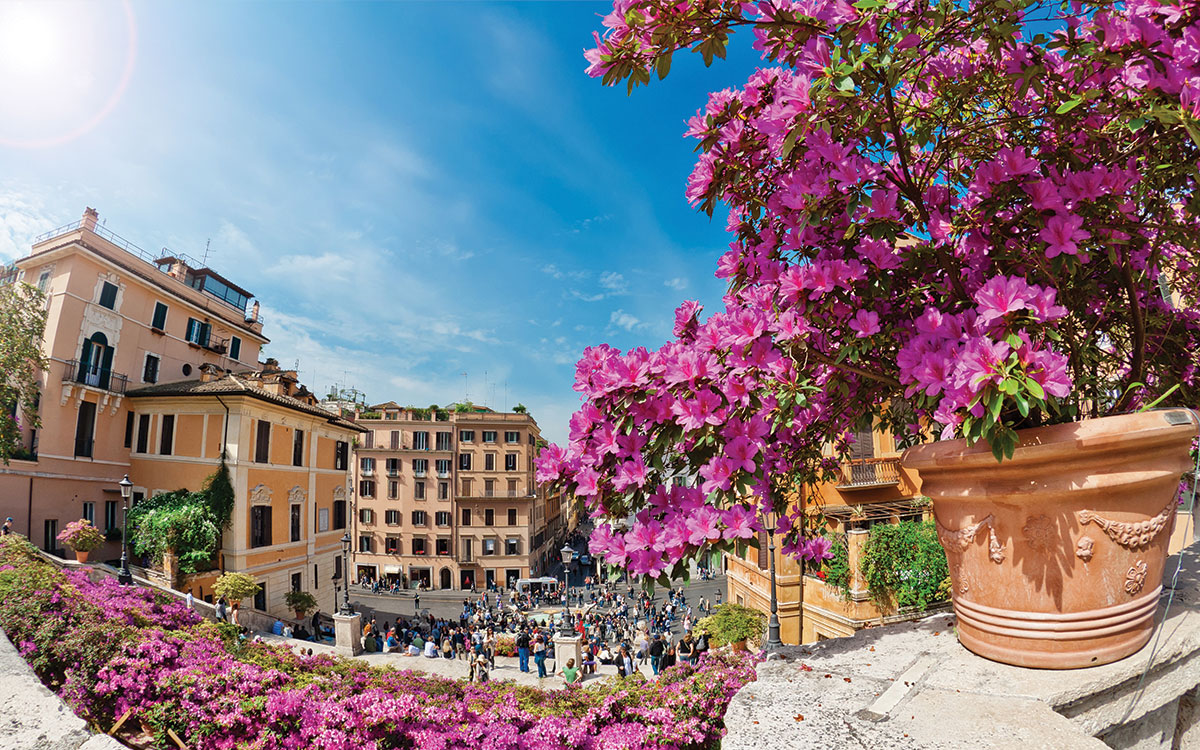
For a taste of the Baroque, visitors need
only climb the famous Spanish Steps, walk through the Piazza Navona
or toss a coin into the beautiful Trevi Fountain. Renaissance
splendour is best revealed in the Vatican Palace, specifically
Michelangelo's efforts on the roof of the Sistine Chapel. From
early Christian Basilicas and the Roman Forum to the Colosseum and
the Pantheon, the sequence of history trails back to the dizzying
heights of the empire.
It may sound like a city of contrasts, but
Rome's timeless magic lies in its ability to blend the old with the
new. Empires have risen and fallen, old gods have been replaced
with the new, but Rome nonetheless remains.
Day 8
Livorno
Livorno is a gritty city with a long and interesting history. In the early Middle Ages it alternately belonged to Pisa and Genoa. In 1421 Florence, seeking access to the sea, bought it. Cosimo I (1519–74) started construction of the harbor in 1571, putting Livorno on the map. After Ferdinando I de' Medici (1549–1609) proclaimed Livorno a free city, it became a haven for people suffering from religious persecution; Roman Catholics from England and Jews and Moors from Spain and Portugal, among others, settled here. The Quattro Mori (Four Moors), also known as the Monument to Ferdinando I, commemorates this. (The statue of Ferdinando I dates from 1595, the bronze Moors by Pietro Tacca from the 1620s.)In the following centuries, and particularly in the 18th, Livorno boomed as a port. In the 19th century the town drew a host of famous Britons passing through on their grand tours. Its prominence continued up to World War II, when it was heavily bombed. Much of the town's architecture, therefore, postdates the war, and it's somewhat difficult to imagine what it might have looked like before. Livorno has recovered from the war, however, as it's become a huge point of departure for container ships, as well as the only spot in Tuscany for cruise ships to dock for the day.Most of Livorno's artistic treasures date from the 17th century and aren't all that interesting unless you dote on obscure baroque artists. Livorno's most famous native artist, Amedeo Modigliani (1884–1920), was of much more recent vintage. Sadly, there's no notable work by him in his hometown.There may not be much in the way of art, but it's still worth strolling around the city. The Mercato Nuovo, which has been around since 1894, sells all sorts of fruits, vegetables, grains, meat, and fish. Outdoor markets nearby are also chock-full of local color. The presence of Camp Darby, an American military base just outside town, accounts for the availability of many American products.If you have time, Livorno is worth a stop for lunch or dinner at the very least.
Day 9
Nice
Nice is a magnificent city and a favourite
with tourists. Ideally located on the French Riviera, on the
southeast coast of France, it is no wonder that Nice, the
unofficial capital of the Côte d'Azur, is the fifth biggest city in
France and has visitors flocking to it year round.
The city has been inhabited for close to
400,000 years and got its name from the Greek, Nikaia, meaning
'City of Victory'. Today this culture-rich region is an eclectic
fusion of ancient wonders and hedonistic pleasures, with sun, sea,
shopping and fine dining competing with cultural and historical
sightseeing opportunities. The hot summers and mild winters mean
that visitors can appreciate the picturesque beaches in the region
in all seasons, though the winters will likely be too cold for
swimming.
Nice is a great shopping destination,
boasting some glorious markets offering everything from traditional
French fare to vintage clothing, as well as countless upmarket
boutiques and shops for those looking to indulge in the famed
French fashion culture. The charming old town offers many cultural
delights, with impressive architecture ensuring that just a stroll
through the area feels like an historical experience. Those with a
taste for the celebrated French cuisine will also be spoiled for
choice in Nice, which is known to be a gastronomical hub.
The traffic may be manic in Nice, and the
beaches in the area are mostly pebbly, but the city has an
undeniable romance and a glamourous reputation that has drawn the
rich and famous for decades.
Day 10
Marseille
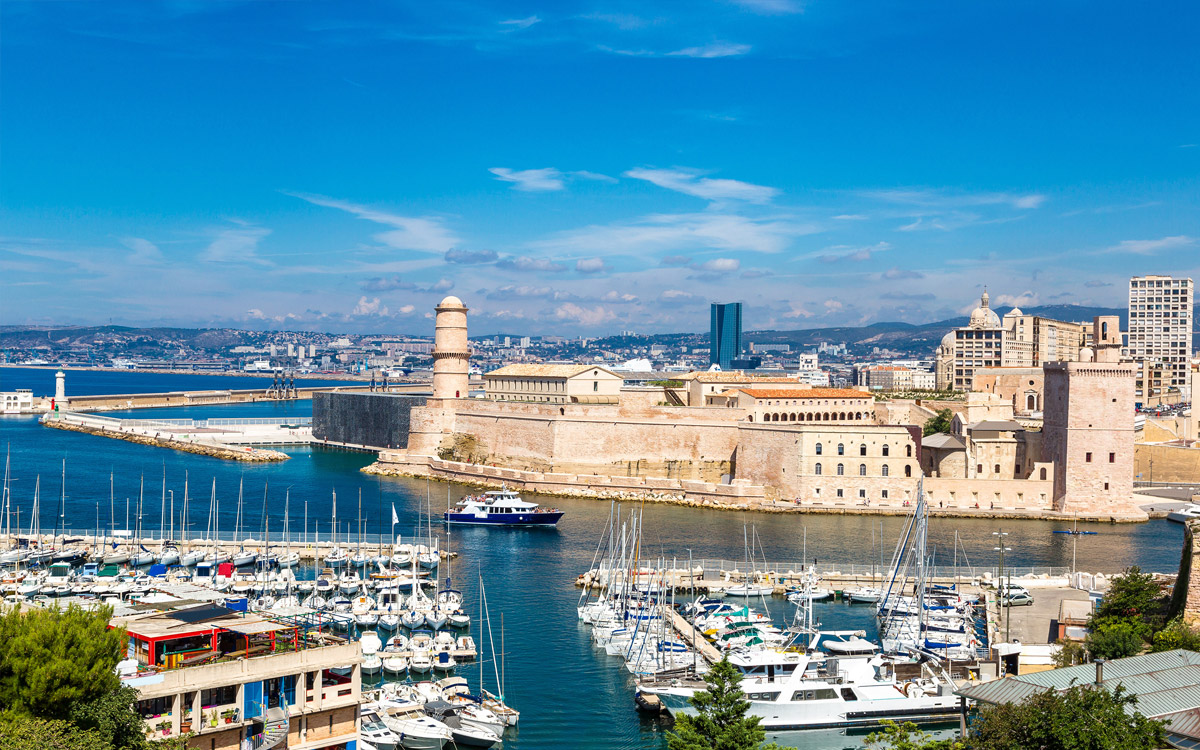
Marseille is France's second largest and
most ancient city. It was founded by the Greeks in 600 BC and was
later conquered by the Romans after becoming a thriving port and
centre for trade. Today it is littered with ancient sites and
artefacts, mostly Roman additions to the original Greek
settlement.
Marseille is down to earth and lacks the
pretentiousness of most other French cities. There are plenty of
attractions to explore, including the colourful harbour and
pedestrianised squares. The city is also divided into
arrondissements in the style of Paris, which makes it relatively
easy to get around on the metro.
The Old Port area is filled with
restaurants, bars, hotels, office blocks and a daily fish market at
the Belgian Quay, giving it a lively and sophisticated air. There
are also a number of decent museums, galleries, theatres and shops
dotted about the city that are worth visiting. Marseille is also
famed for its Opéra: an Art Deco opera house, situated in the heart
of the city, which still hosts performances even though it was all
but destroyed by fire in 1919. La Plaine is a trendy area filled
with cafes, bookstores and fountains, with a bustling market on
Thursdays and Saturdays, while Noailles' bazaar is a multi-ethnic
area filled with Indo-Chinese and Arabic shops.
The outgoing, friendly inhabitants of
Marseille are a cosmopolitan bunch, with diverse backgrounds
including a number of Italian, Spanish and North African
communities. There is far less of the style and image consciousness
evident in the rest of the Cote d'Azur, creating a more North
African flavour and a vibrant atmosphere. Marseilles also acts as a
good base for exploring the nearby natural beauty of the calanques
(or Mediterranean fjords) and some excellent beaches.
Day 11
Barcelona
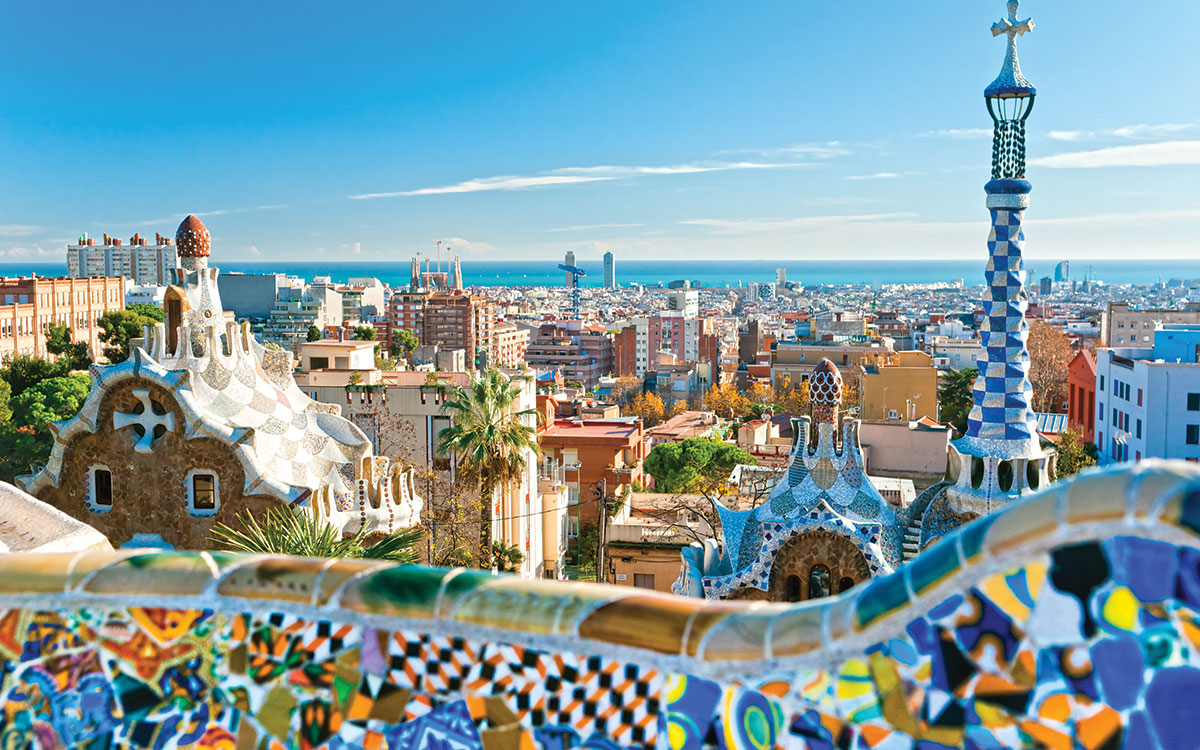
The enchanting city of Barcelona is a visual delight, and has an
atmosphere that combines elegance and sophistication with
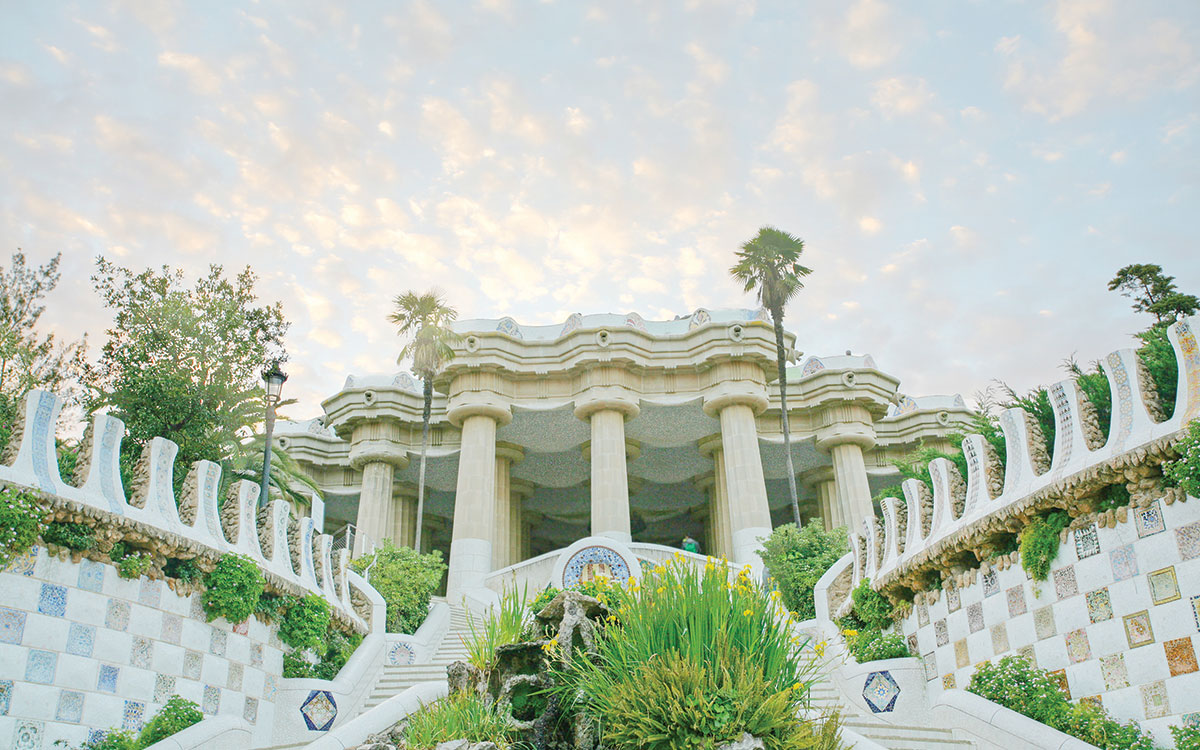
provincial charm. In exploring its streets you'll discover medieval
romance in its Gothic quarter and the awe-inspiring delights of the
fantastic and sometimes outrageous Art Nouveau architecture of
Gaudi and his contemporaries.
The funicular up to Tibidabo, or the cable car up Montjuic, both
offer breathtaking views over this attractive city. Its skyline is
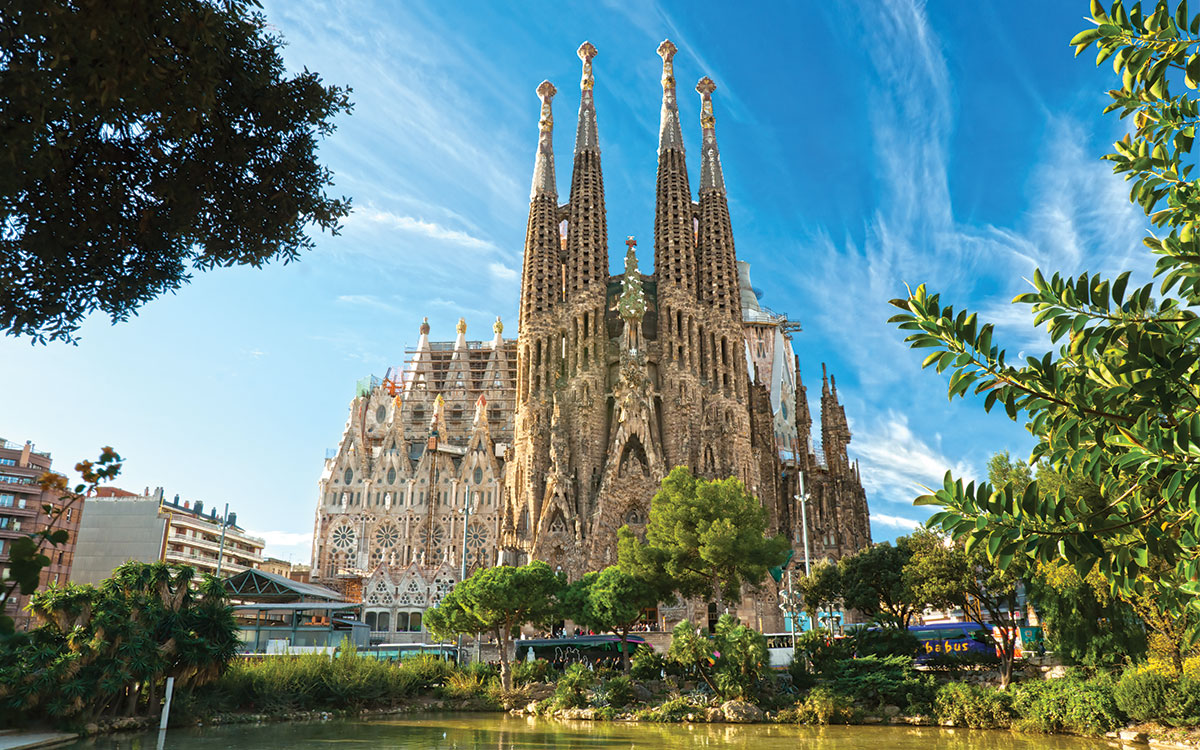
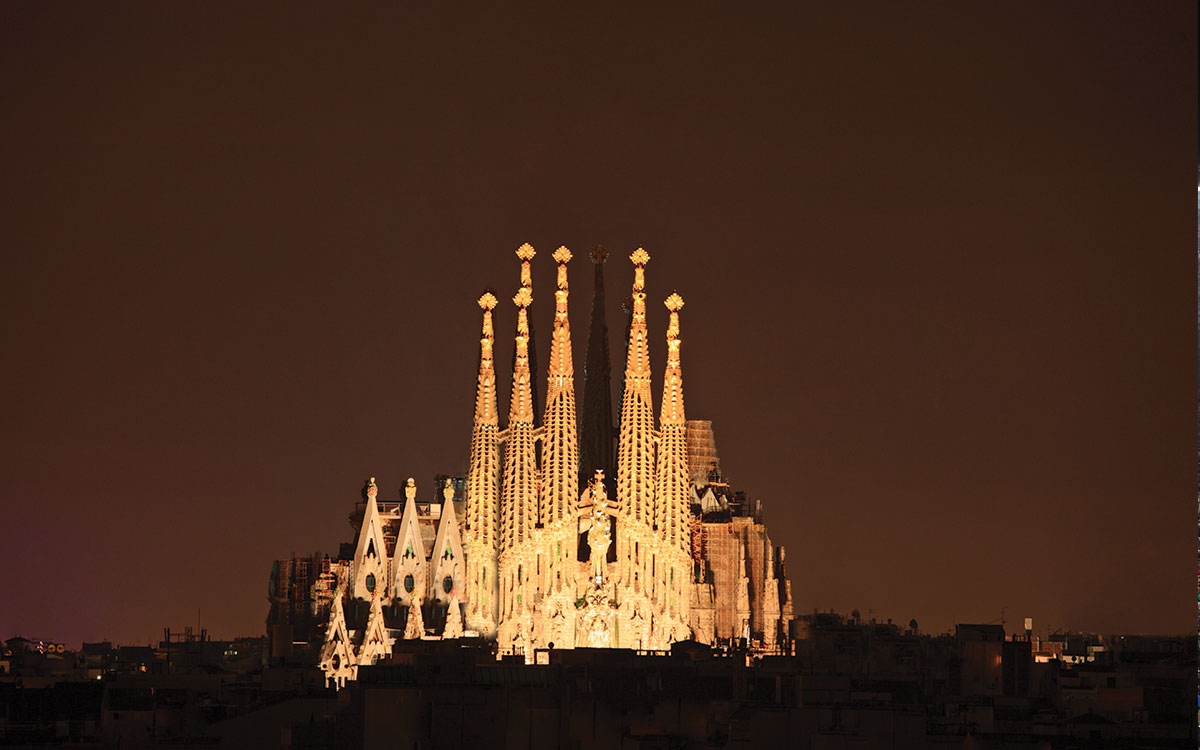
perhaps most famous for Antoni Gaudi's masterwork, the still
incomplete church of the Sagrada Familia, as well as the city's
huge Gothic cathedral. The artistic legacy of Barcelona is one of
the city's most appealing attributes, with museums containing
extensive collections of the works of Miro and Picasso. Barcelona
is also a shopper's paradise, with the city's flair for style
reflected in its numerous boutiques and markets, open late into the
evenings. As the sun sets, and the city's many bars and restaurants
open, the night truly comes alive. Dinner is served at any time
between nine o'clock and midnight, and the festivities around the
bars and nightclubs carry on well into the early hours of the
morning.
Barcelona is the commercial centre of the popular holiday region
known as the Costa Brava, the northernmost Mediterranean seafront
in Spain, as well as the Costa Dorada to the south. The coast is
dotted with popular resort towns, many retaining their age-old
charm, which can be easily reached from the city.
Italy, Croatia & France Cruise: Venice, Dubrovnik & Nice Ships
Recommended Deals like Italy, Croatia & France Cruise: Venice, Dubrovnik & Nice
Italy, Croatia & France Cruise: Venice, Dubrovnik & Nice
 Azamara

Departure:
May
VISITING:
Fusina
Pula
Dubrovnik
Kotor
Sorrento
Civitavecchia
Livorno
Nice
Marseille
Barcelona
FROM
£
2,599 pp
Join the Crui.se Club
Points That Pay
Earn 25 points (£25) just for joining — and collect more on bookings, reviews, and referrals.
Exclusive Member Deals
Unlock off-market offers reserved only for Crui.se Club members.
Early Access Perks
Be the first to book with pre-launch notifications and special member-only booking windows.
Cruise With Confidence
Our mission at wordpress-1024654-4169282.cloudwaysapps.com is to help you and your loved one’s book and experience the best cruise holiday imaginable. We’re different in that, our customers come first, not our suppliers or profit margins. Get in touch and let us help you set sail.


Over 20 cruise brands to choose from

Low deposits from £500

All Inclusive cruises

Best deals & discounts

Community driven

Brand agnostic

We take care of everything

Custom built cruise holidays


