






 We won’t be beaten on price...


ABTA protected


Greece Intensive Combination Cruise:
Delphi, Thessaloniki & Rhodes
Scroll to sail

Greece Intensive Combination Cruise: Delphi, Thessaloniki & Rhodes
Embark on an unparalleled 24-day Greece Intensive Combination Cruise with Azamara, sailing from magnificent Venice to historic Athens. This extraordinary voyage aboard the Azamara Journey promises immersive exploration of the Mediterraneans most captivating destinations.
Discover the profound history of Delphi, explore the vibrant culture of Thessaloniki, and uncover the medieval charm of Rhodes. Beyond these, experience legendary sites like ancient Katakolon, the breathtaking caldera of Santorini, and the iconic beauty of Mykonos. Each port reveals Greeces rich heritage and stunning landscapes.
Azamara excels in destination-focused voyages, offering longer stays and authentic cultural experiences. Indulge in boutique luxury, exceptional service, and world-class cuisine. This journey blends historical discovery, picturesque scenery, and ultimate relaxation, creating unforgettable memories.
-
 Cruise Line: Azamara
-
 Ship: Azamara Journey
-
 Duration: 24 Nights
-
 Departure: October
Greece Intensive Combination Cruise: Delphi, Thessaloniki & Rhodes Prices
Greece Intensive Combination Cruise: Delphi, Thessaloniki & Rhodes Gallery




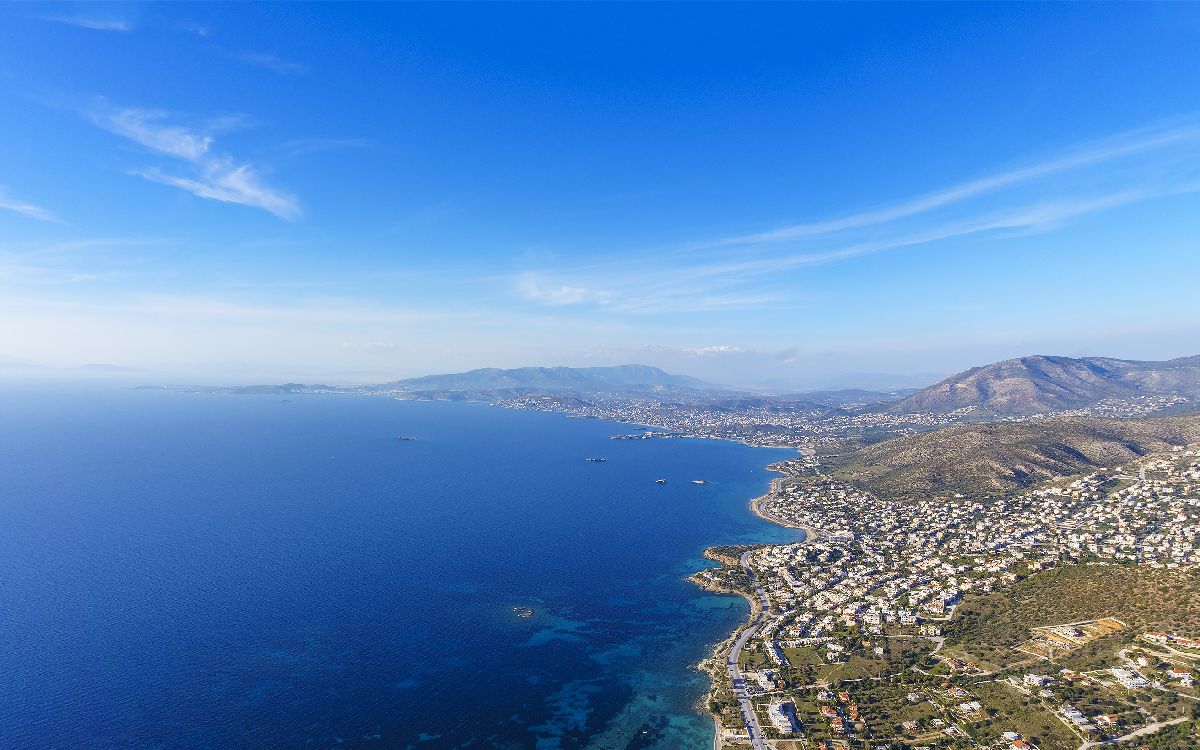
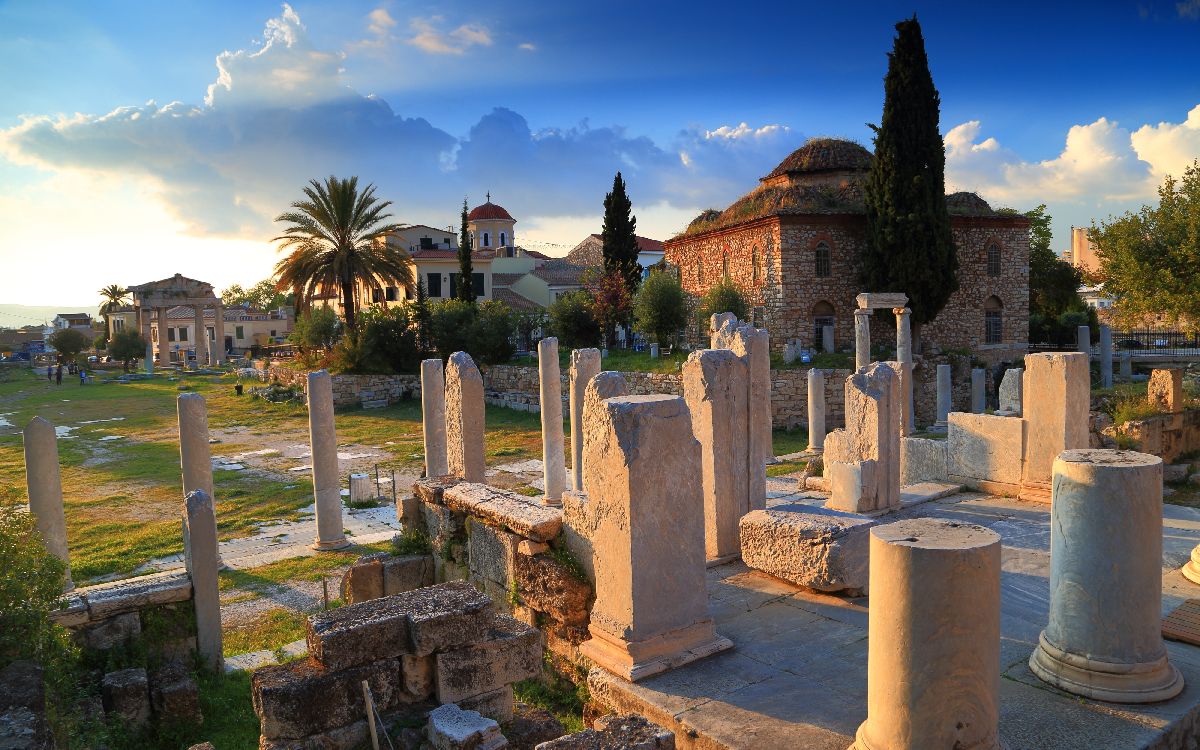
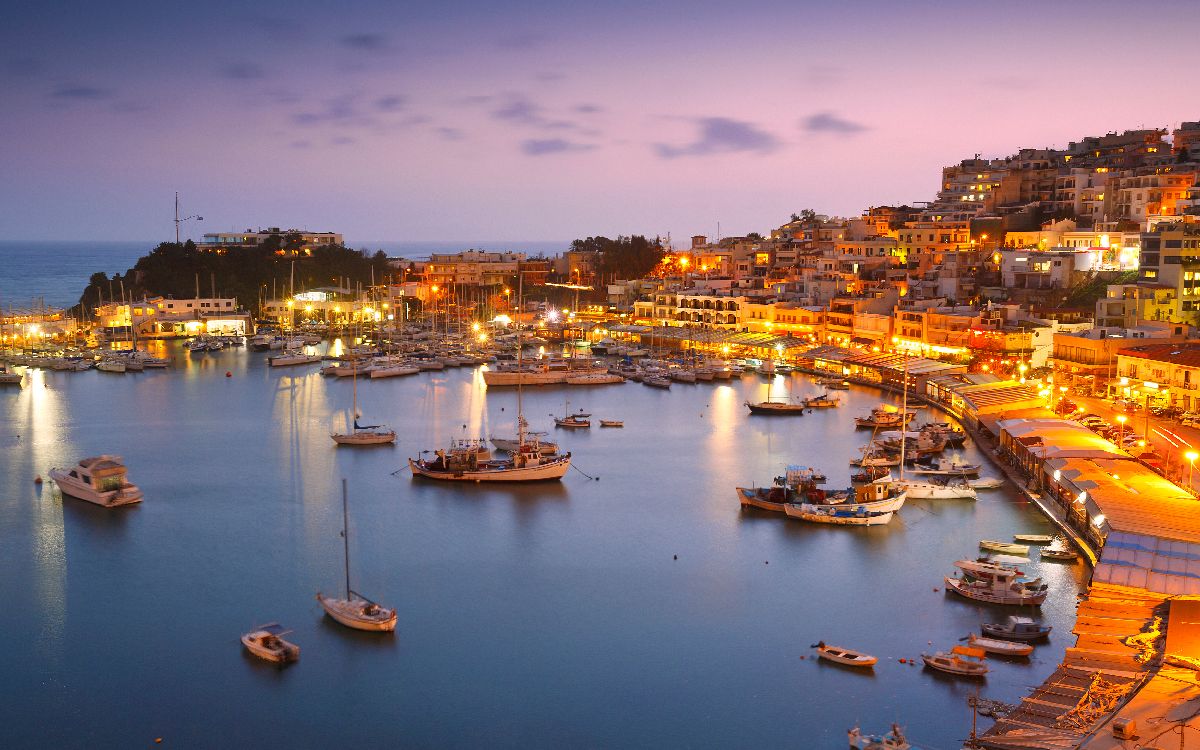
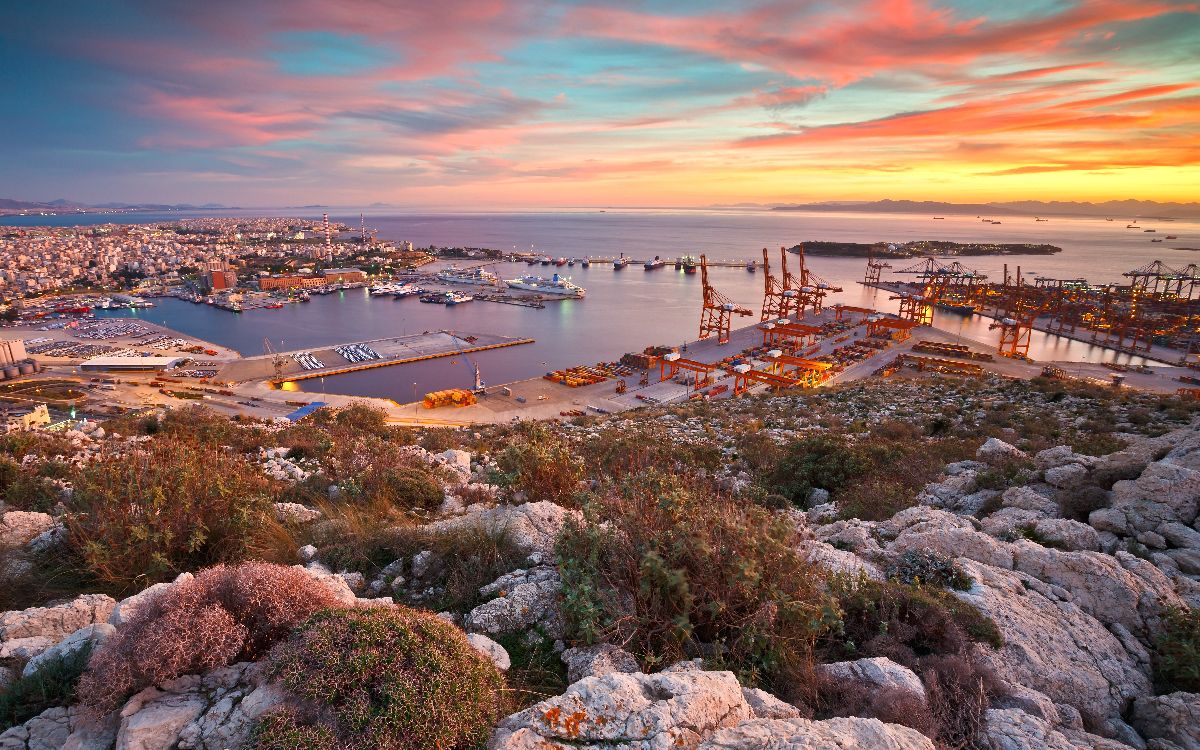






Greece Intensive Combination Cruise: Delphi, Thessaloniki & Rhodes Itinerary

Day 1
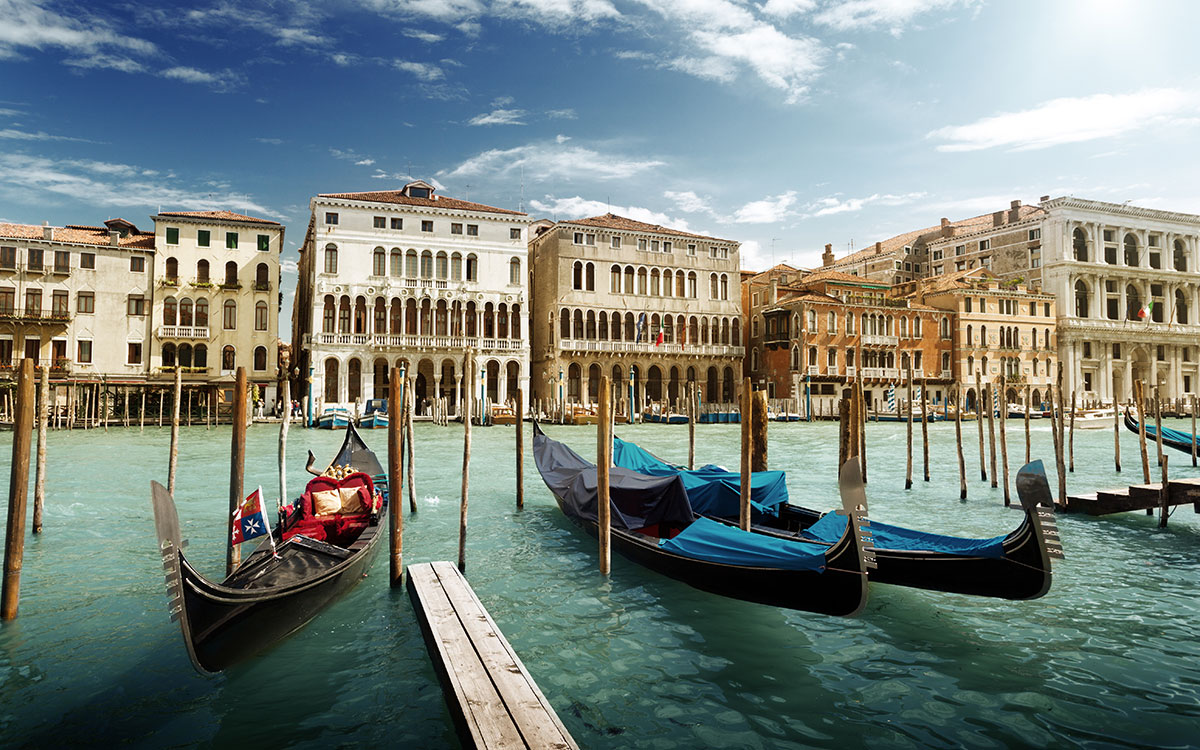
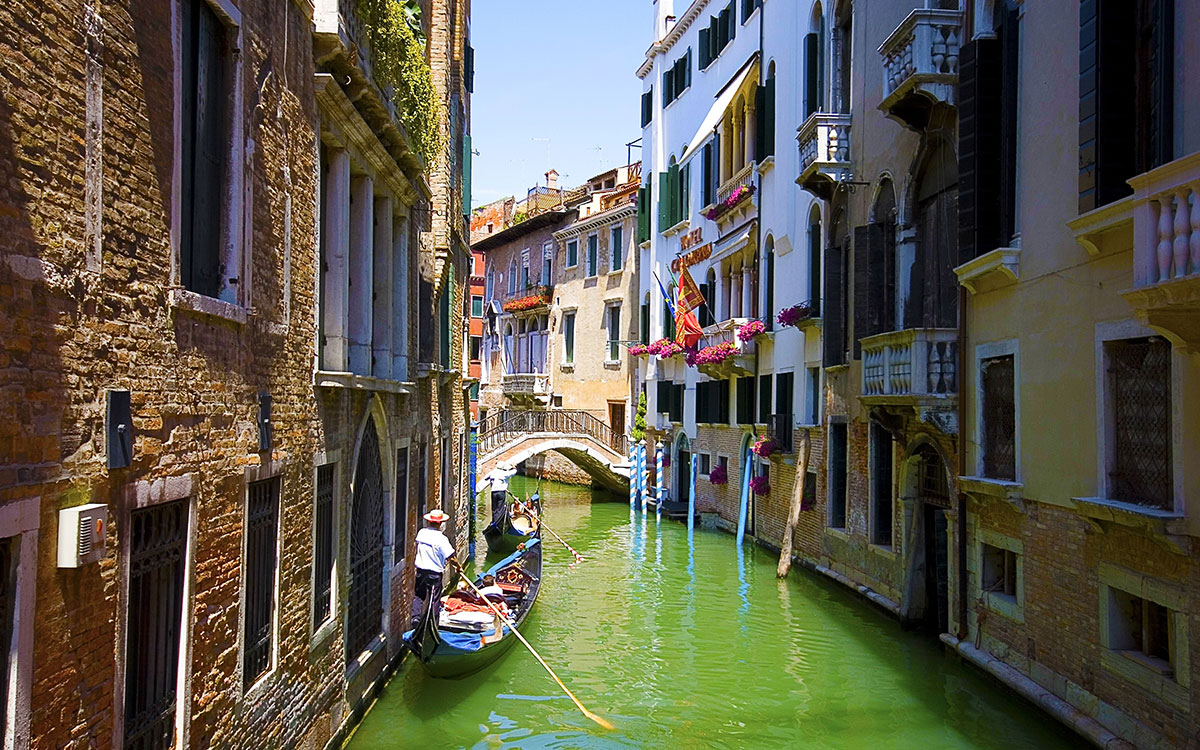
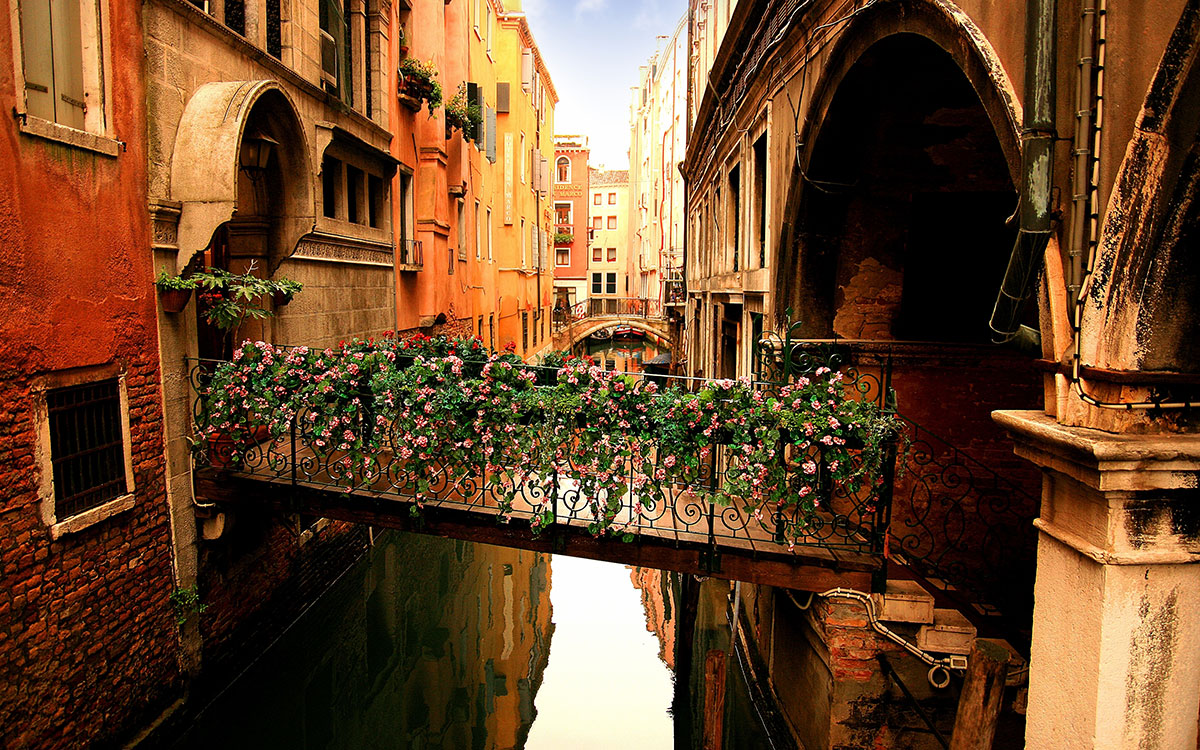
Venice
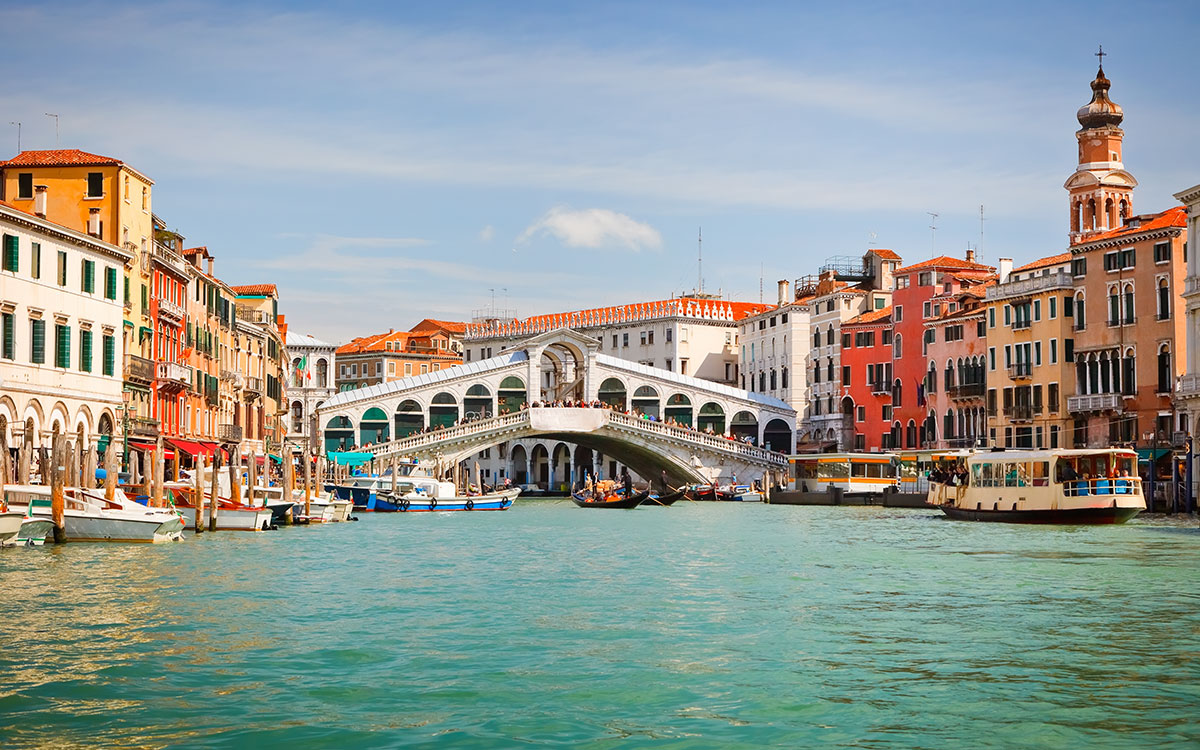
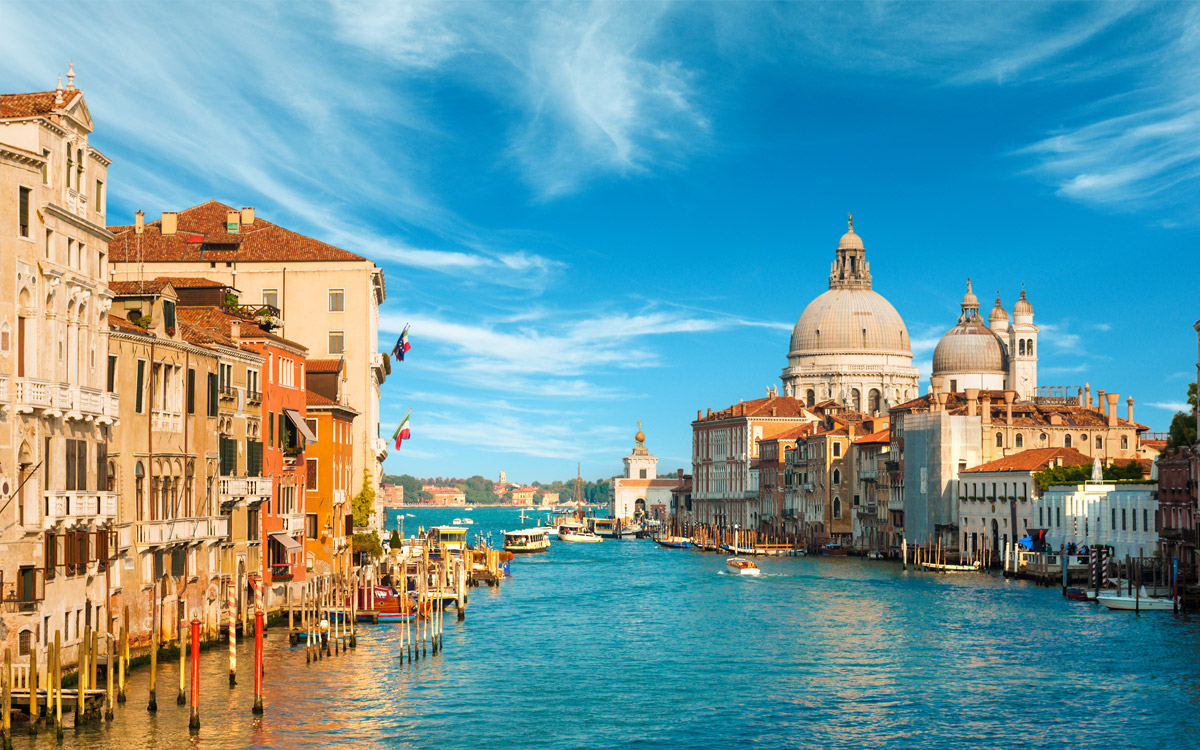
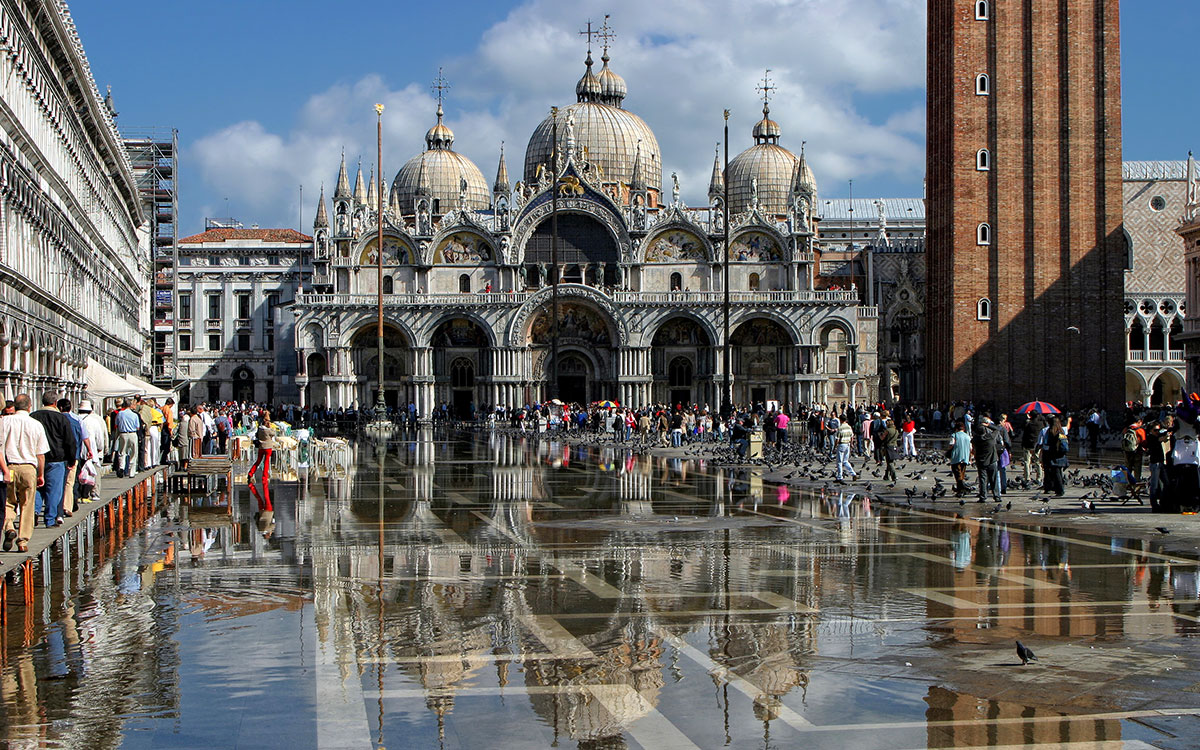
Venice is unique, its elegant buildings and
palaces peering over an ancient maze of narrow streets and
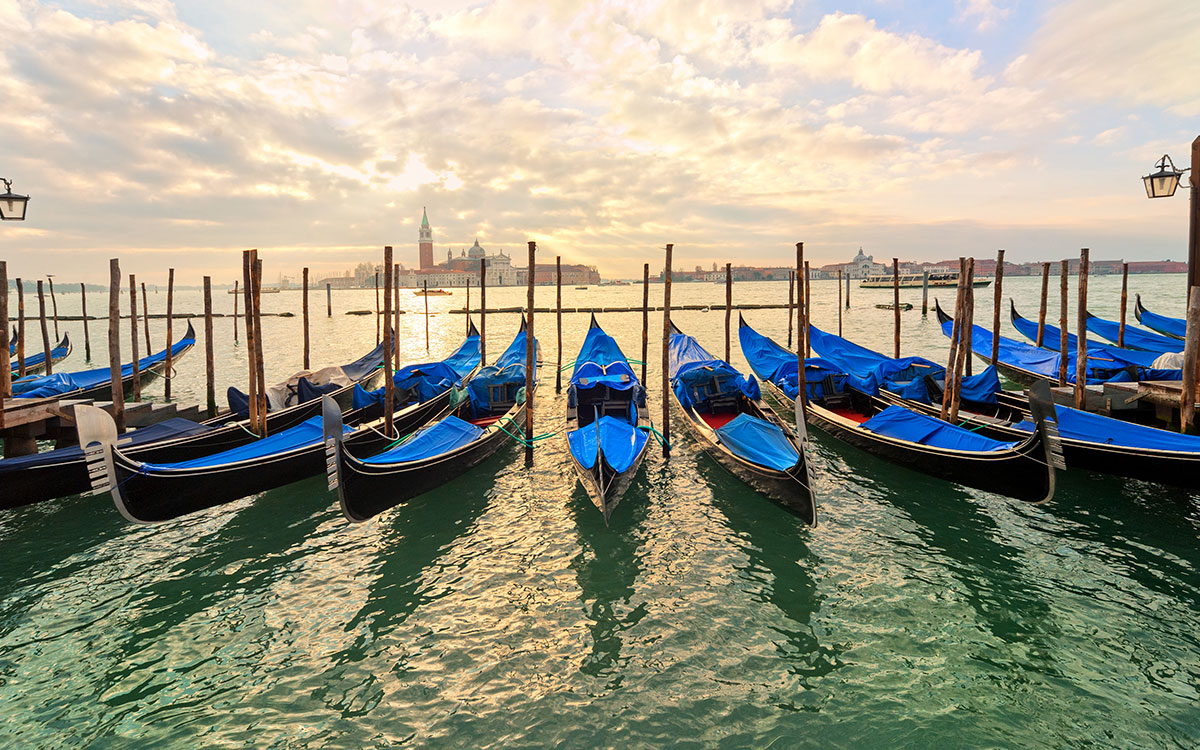
labyrinth of canals. Tourists here wake up to the morning calls of
gondoliers before venturing out to lose themselves among the twists
and turns of this famously romantic haven.
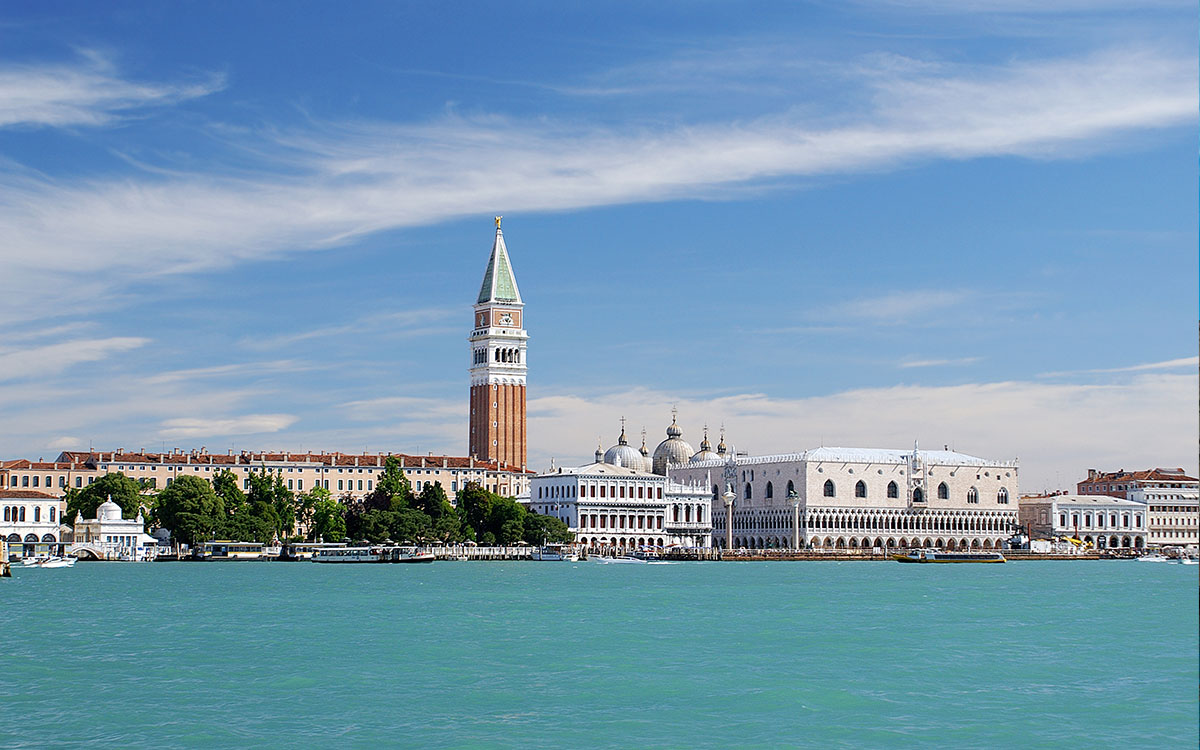
The city rests on one of 117 islands
distributed throughout the Venetian lagoon. The aptly named Grand
Canal splits the city, running from the Santa Lucia railway station
past the famous Rialto Bridge to Piazza San Marco, home to the
cathedral of Basilica di San Marco which is adorned with endless
mosaics that sparkle at sunset.
The historic centre is divided into six
quarters: San Marco, Dorsoduro, San Polo, Santa Croce, Cannaregio
and Castello. Countless waterways wind their way through the city.
While some choose to pick their way over the more than 400 bridges,
by far the most popular way to get around is to cruise the
waterways onboard vaporetto boats or iconic gondola.
Known for its inventive cuisine, lavish
spreads of cicheti (Venetian tapas) can be found in bars around the
city while canalside bistros offer spectacular fine dining
experiences. Venice's penchant for outlandish fashion gave the
world eyeglasses, dresses without corsets and platform shoes, and
the annual carnival is renowned for the elaborate masks on
display.
Venice extends beyond its six sestieri to
the islands of Murano, Burano and Torcello. These are known for
glass and lace-making respectively, and Torcello is noted for the
magnificent Byzantine Basilica of Santa Maria Assunta resting on
its soil. Trips by boat to the islands provide a pleasant escape
from the busier historic quarters.
Day 2
Koper
Today a port town surrounded by industrial suburbs, Koper nevertheless warrants a visit. The Republic of Venice made Koper the regional capital during the 15th and 16th centuries, and the magnificent architecture of the Old Town bears witness to the spirit of those times.The most important buildings are clustered around Titov trg, the central town square. Here stands the Cathedral, which can be visited daily from 7 to noon and 3 to 7, with its fine Venetian Gothic facade and bell tower dating back to 1664. Across the square the splendid Praetor's Palace, formerly the seat of the Venetian Grand Council, combines Gothic and Renaissance styles. From the west side of Titov trg, the narrow, cobbled Kidriceva ulica brings you down to the seafront.
Day 3
Rovinj
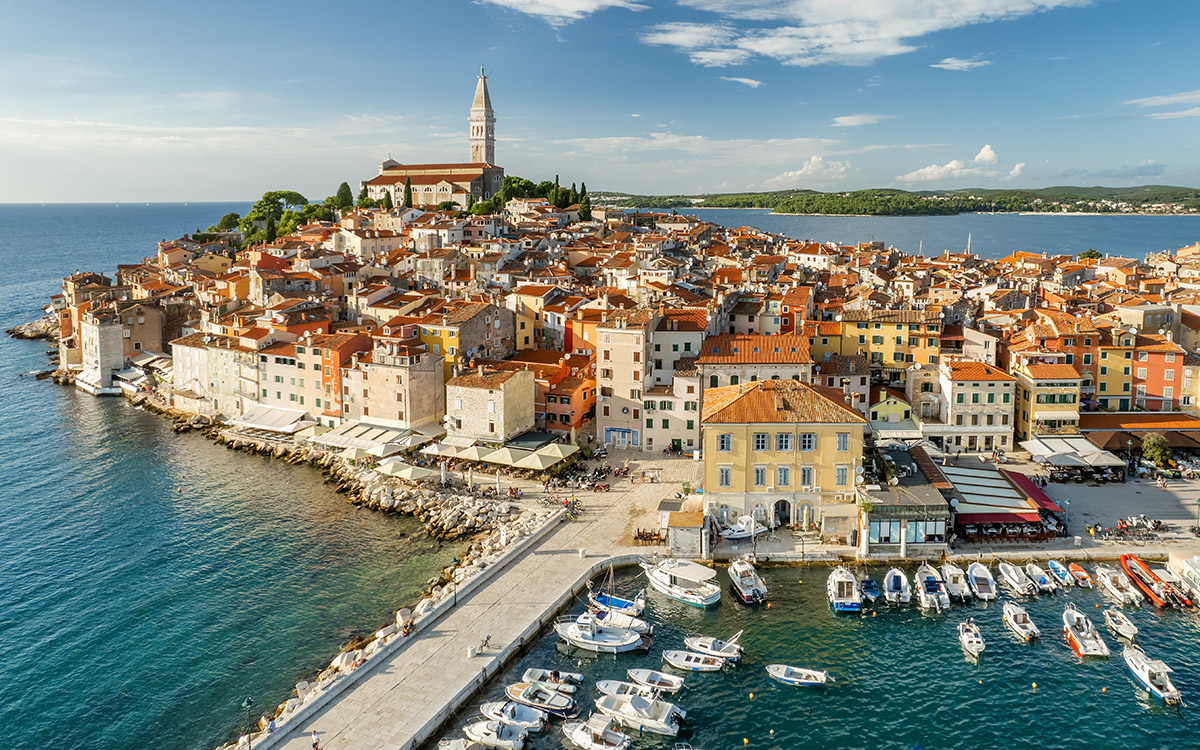
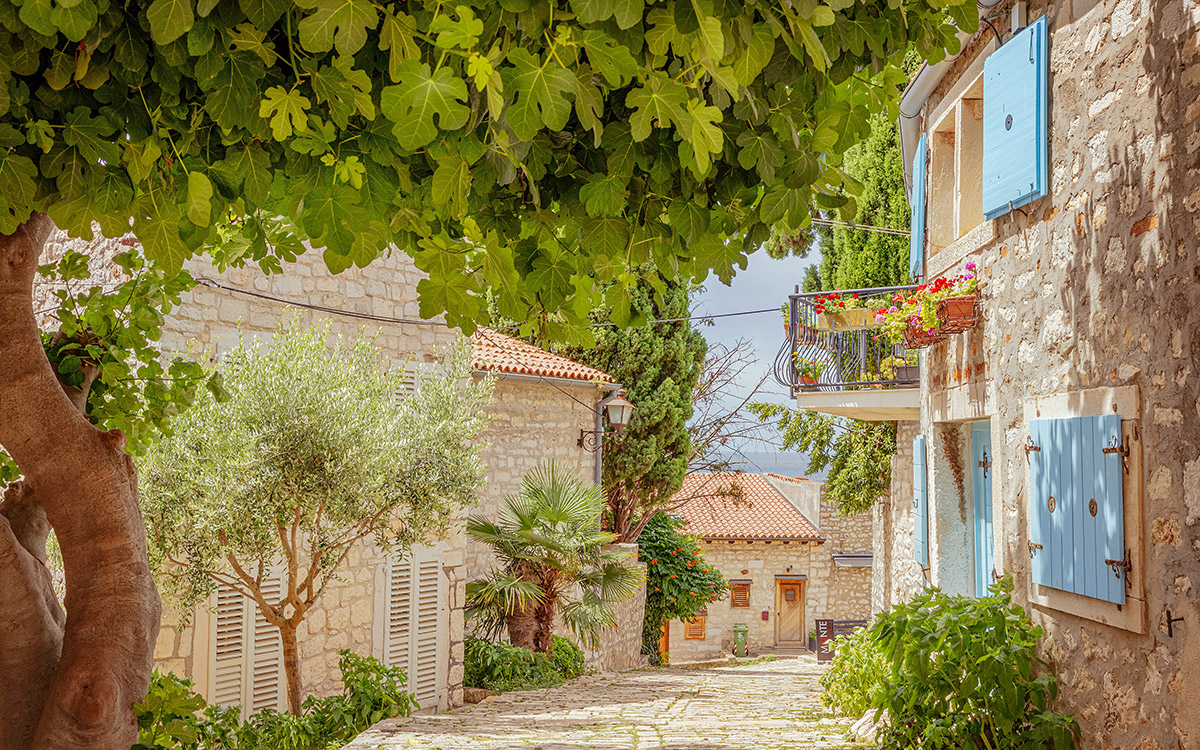
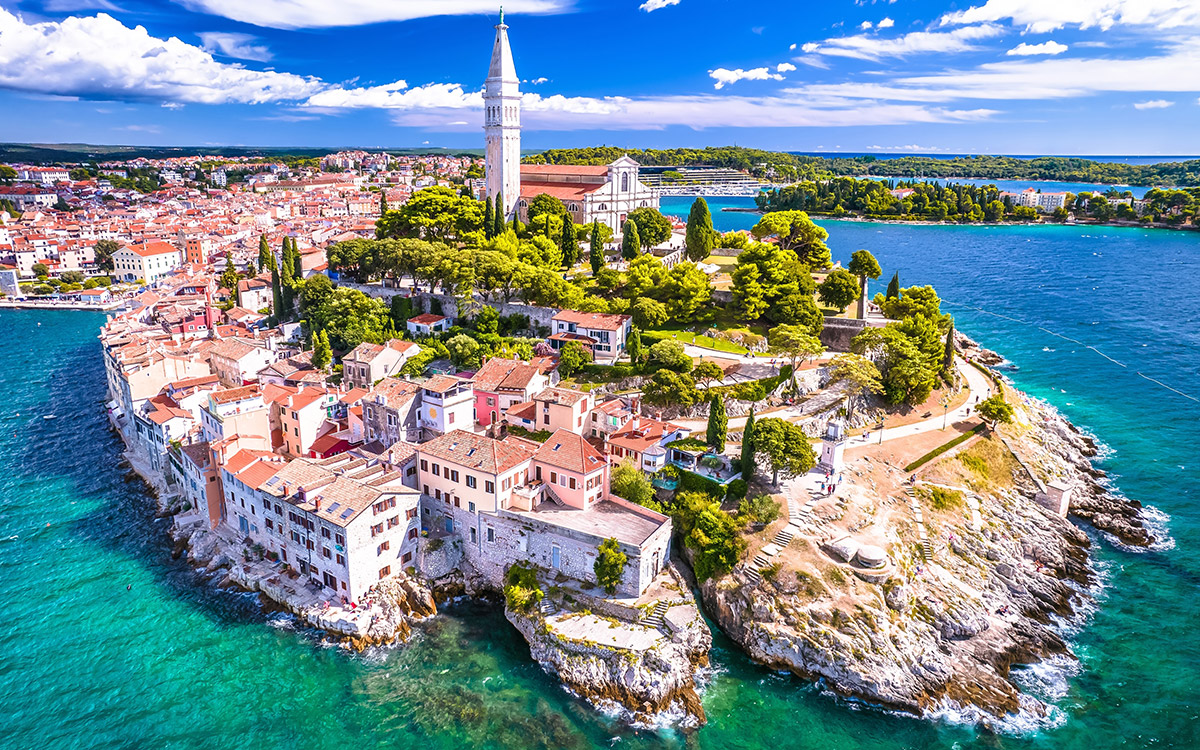
Rovinj is a charming coastal town located on the Adriatic Sea in the Istria region of Croatia. It is often considered one of the most beautiful towns in the country, with its narrow, winding streets, colorful buildings, and stunning views. Rovinj offers a perfect blend of historical charm, natural beauty, and a vibrant atmosphere, making it an ideal destination for travelers looking for a unique and memorable experience.
History and Culture:
Rovinj has a rich history dating back to ancient times, which is evident in its architecture and landmarks. The town was once a fishing village and a part of the Venetian Republic, and this influence can be seen in the design of its buildings. The imposing St. Euphemia's Church, with its distinctive bell tower, dominates the skyline and is a symbol of Rovinj. The Old Town is a maze of narrow, cobbled streets that lead to picturesque squares, art galleries, and charming cafes. Exploring the town is like stepping back in time and immersing oneself in its historical and cultural heritage.
Natural Beauty:
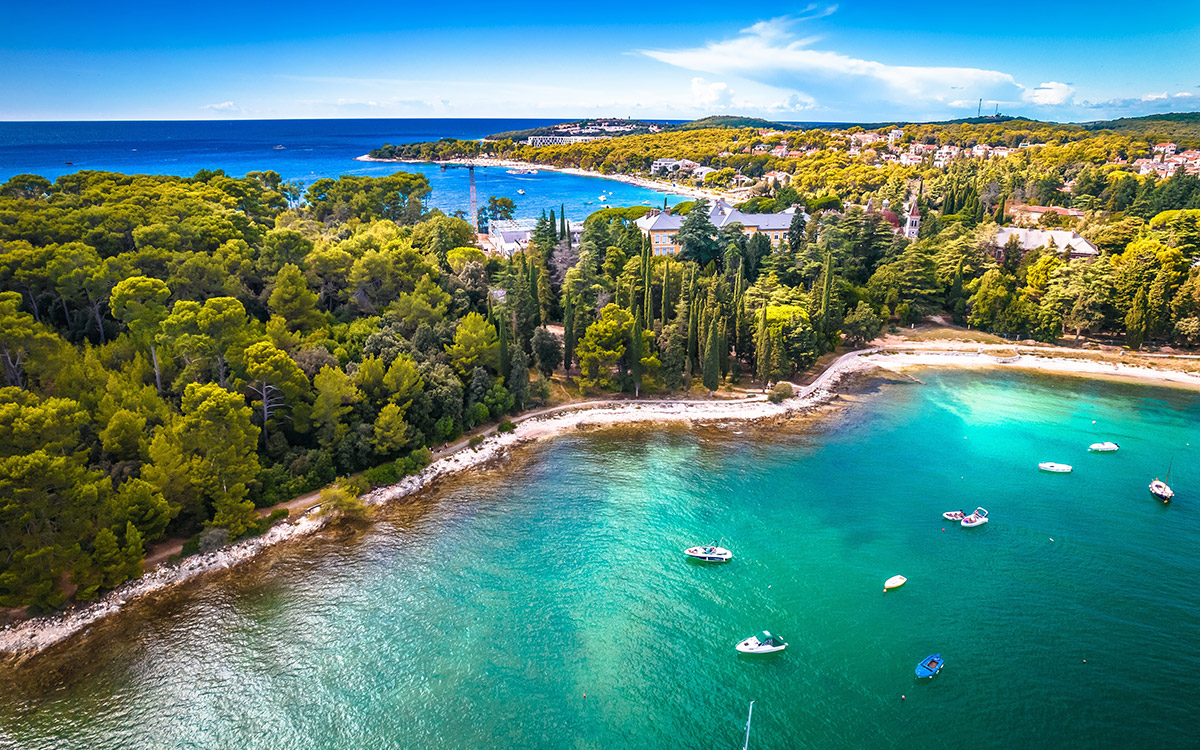
Rovinj is known for its breathtaking natural beauty. The town is situated on a small peninsula, surrounded by crystal-clear turquoise water, making it a paradise for beach lovers and water enthusiasts. The coastline is dotted with rocky beaches and secluded coves, where visitors can relax and soak up the sun. For those seeking adventure, there are plenty of water sports available, including kayaking, sailing, and diving. A visit to the nearby islands of Sveta Katarina and Crveni Otok (Red Island) is also highly recommended, offering beautiful beaches and stunning views of the mainland.
Gastronomy:
Croatian cuisine is a delicious fusion of Mediterranean and Central European influences, and Rovinj is no exception. The town is home to a wide range of restaurants and taverns, offering both traditional Istrian dishes and international cuisine. The local specialty is seafood, with freshly caught fish and shellfish taking center stage. Some must-try dishes include grilled squid, Istrian pasta with truffles, and homemade olive oil. To complement your meal, sample some locally produced wines, such as Malvasia and Teran, which are famous in the region.
Events and Festivals:
Rovinj is also known for its vibrant and lively atmosphere, with numerous events and festivals throughout the year. One of the most popular events is the Rovinj Summer Music Festival, which showcases a variety of musical performances, including classical music, jazz, and pop concerts. Another significant event is the Rovinj Photodays, a photography festival that attracts professionals and enthusiasts from around the world. For those interested in local traditions and customs, the Saint Euphemia Day celebration in September is a must-see, with processions, concerts, and fireworks.
Day trips and nearby attractions:
Rovinj's location makes it an excellent base for exploring other parts of Istria. The hilltop town of Motovun, known for its truffle delicacies, is just a short drive away. The picturesque town of Poreč, with its well-preserved Roman architecture, is also worth a visit. Nature lovers can venture into the Brijuni National Park, a group of islands known for its diverse flora and fauna. Additionally, the nearby Lim Bay offers a scenic boat ride through a stunning fjord-like landscape.
In conclusion, Rovinj is a captivating destination that offers a combination of history, natural beauty, and a vibrant atmosphere. Whether you are interested in exploring its charming Old Town, basking in the sun on pristine beaches, indulging in mouthwatering cuisine, or immersing yourself in local culture, Rovinj has something for everyone. Plan your trip well in advance to make the most of this beautiful Croatian gem.
Day 4
Split
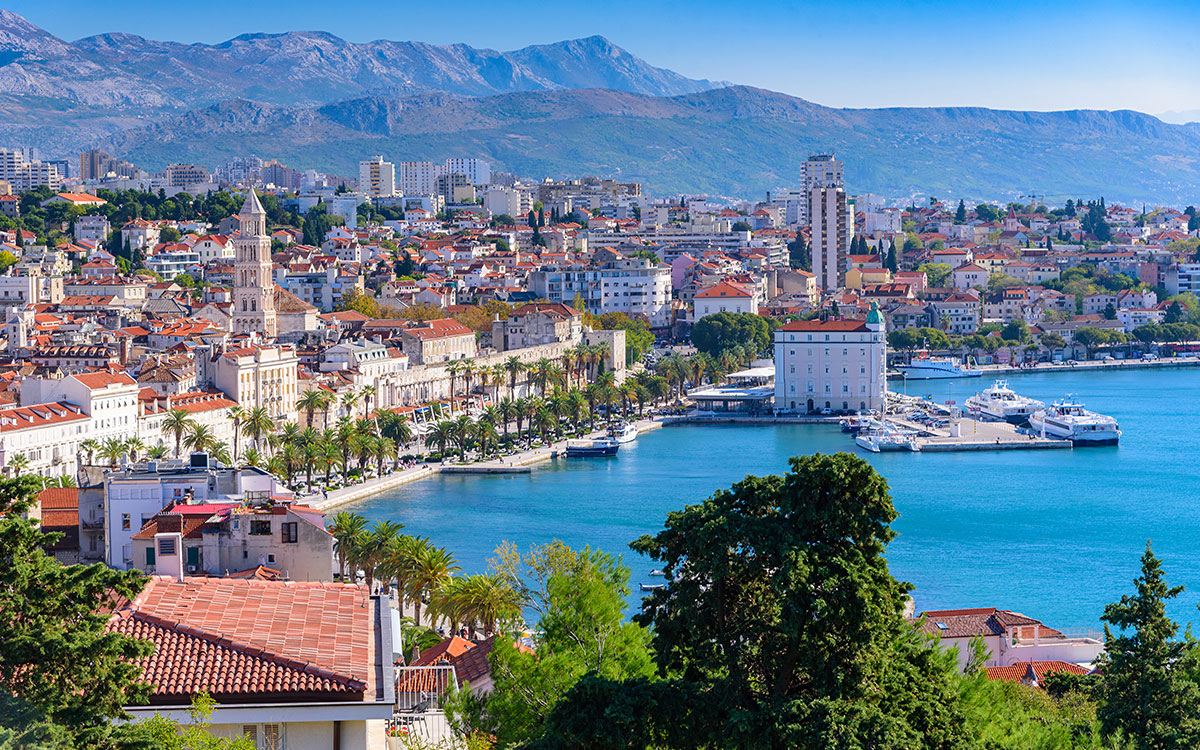
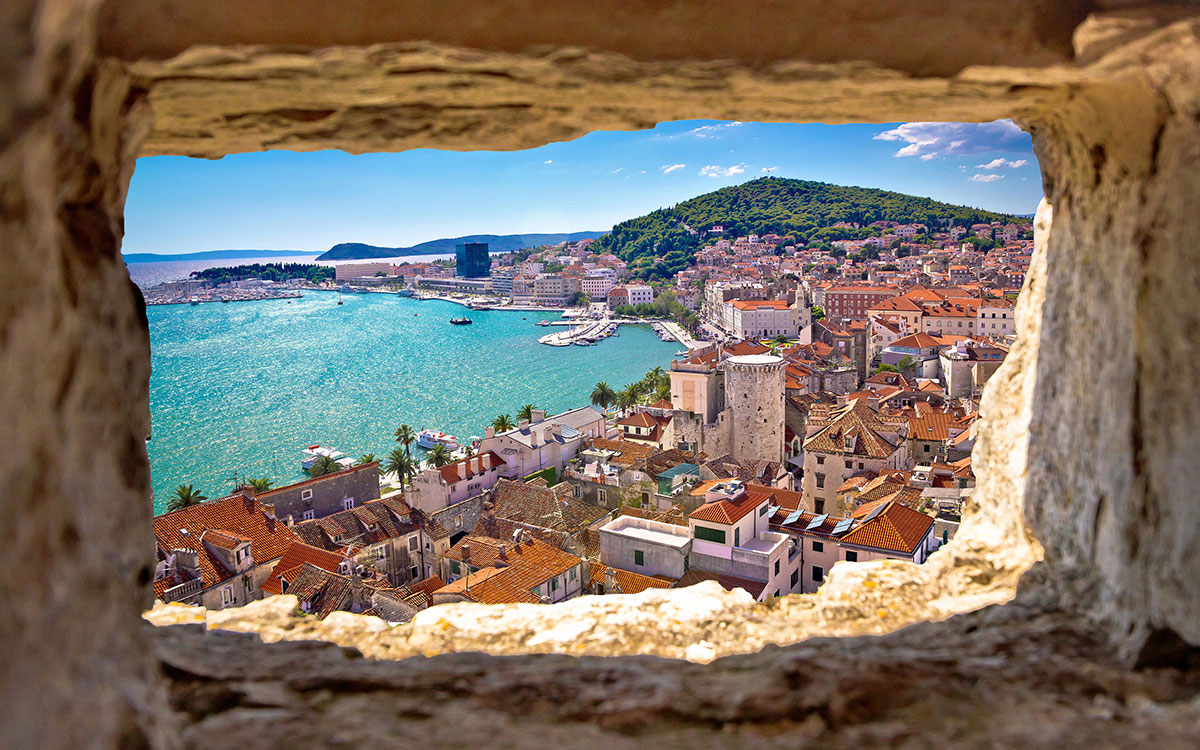
The pretty city of Split has a rich
history. Since ancient times, it has served in various guises as
the economic and administrative centre of the beautiful Croatian
Adriatic coastal region, today called Dalmatia.
The city is mainly sprawled on a peninsula
on the eastern part of the island of Ciovo, although it has spread
onto the mainland and encompasses the mouth of the River Cetina.
From the 5th to the 2nd century BC, Greek colonists settled the
mainland and adjacent islands.
Later came the Romans, in particular the
Emperor Diocletian. Being of Dalmatian origin, he elected to build
a huge palace at a spot then called Salona in the year 303 AD. A
town grew around the palace and by the Middle Ages, the city of
Split had begun to develop.
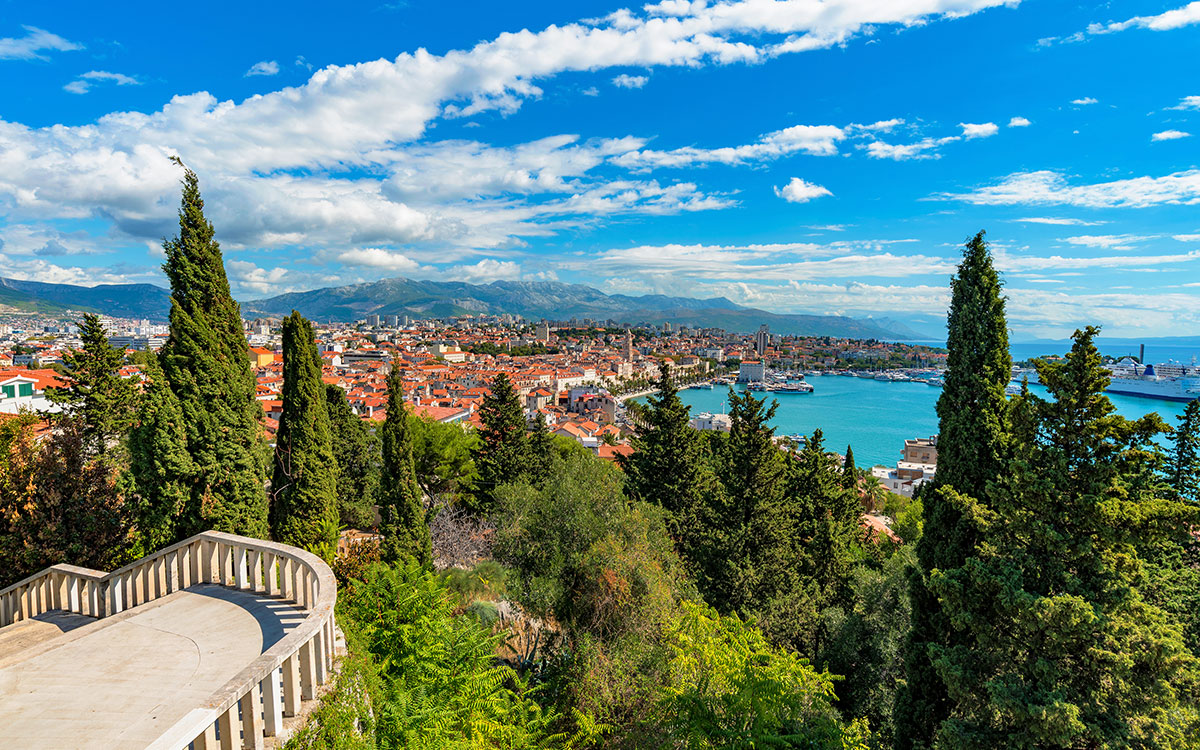
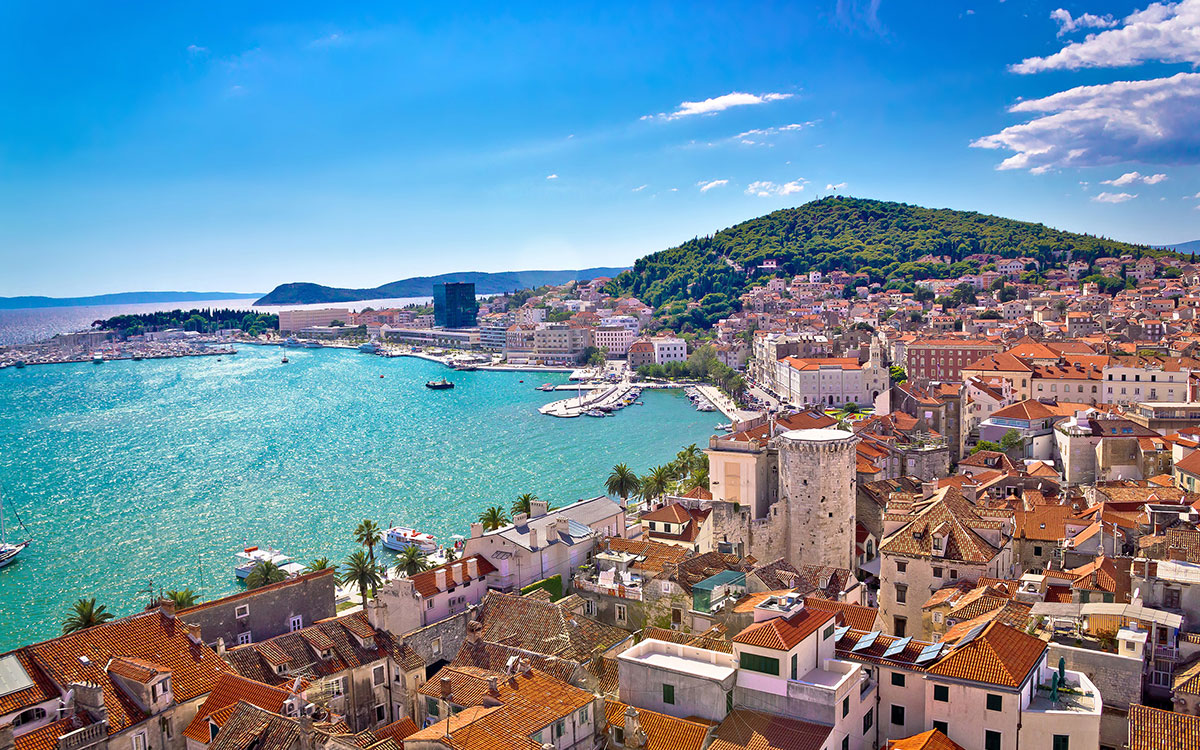
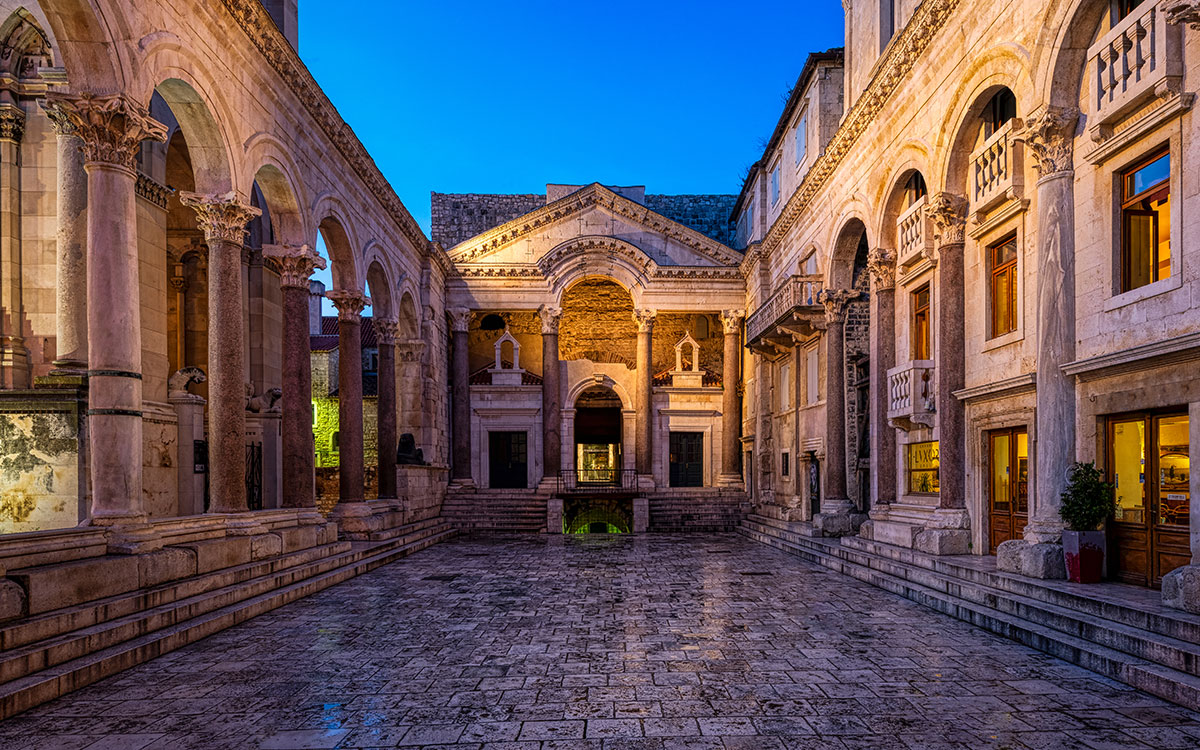
Diocletian's Palace still stands in the
very heart of the old quarter of Split, charming visitors with its
cobbled streets and classical architecture. The greater region is
characterised by lush vegetation and verdant greenery, particularly
Marjan Hill on the west of the peninsula with its ancient
indigenous forest.
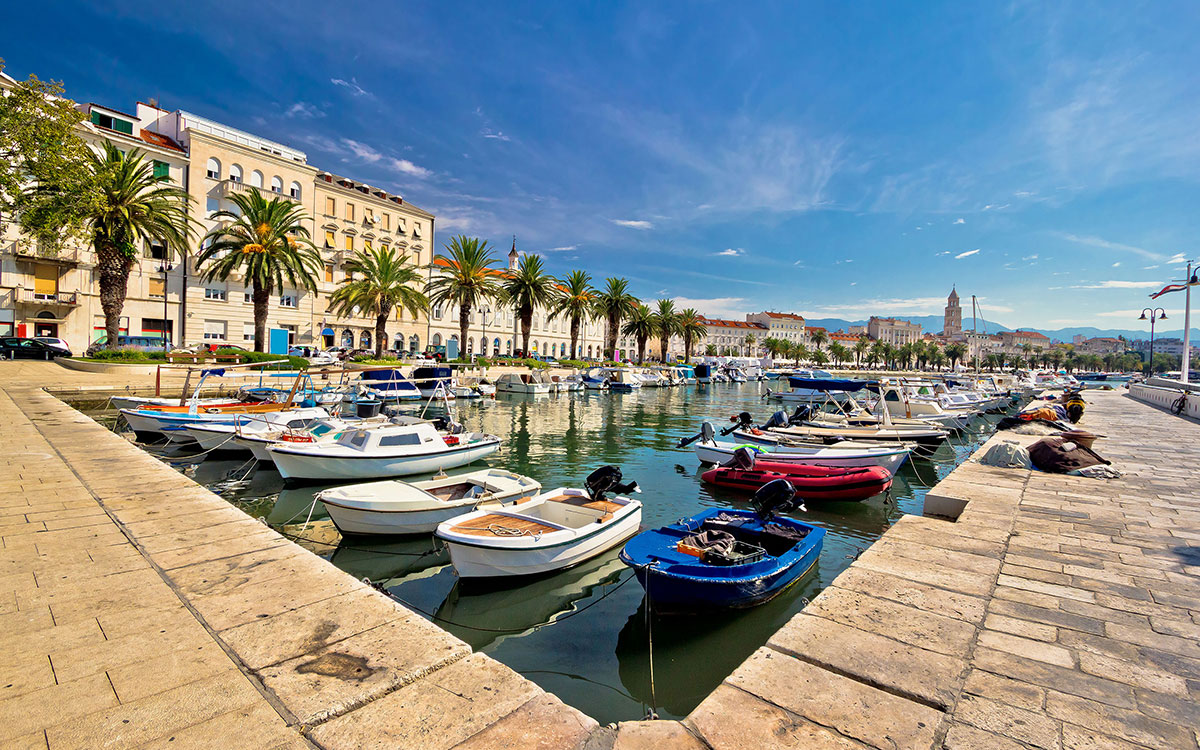
The city makes an ideal base from which to
explore the wondrous islands, beautiful locations and historic
villages in central Dalmatia. Split is also world renowned among
seafarers for the quality of its some 44 marinas, drawing yachts
and catamarans from all over Europe and making it a great cruising
destination in the Adriatic.
Day 5
Kotor
Tourists to Montenegro will most likely spend the bulk of their
time exploring the small Balkan country's natural landscape. From
snowy peaks to tall pine forests, from the coastlines to the
fjords, Montenegro is an outdoor lover's dream come true.
However, for those looking to get to grips with the culture of
Montenegro, the medieval city of Kotor is certainly the place to
visit, especially in recent years as Montenegro has swiftly
established itself as one of Europe's top tourist destinations.
It's not hard to see why this is. The surrounding Mediterranean
coastline, with its limestone cliffs and thick vegetation, is
punctuated by the port of Kotor, which in turn is surrounded by
city walls that were built by the Republic of Venice. These
ramparted and bastioned city walls, together with the
Venetian-inspired old city, are a designated UNESCO World Heritage
Site, and lauded for their role in the diffusion of Mediterranean
culture in the Balkan region.
A small city, with a population of just under 14,000 permanent
inhabitants, Kotor is a wonderful place to navigate on foot,
soaking up the scenery and admiring the medieval buildings. In
terms of tourist sights, the Maritime Museum is a must-visit
attraction, as is the Cathedral of Saint Tryphon (built in 1166)
and the Church of Our Lady of Health, which is located on a small
promontory overlooking Kotor and provides unbeatable views of the
bright blue Adriatic Sea beneath.
Day 6
Corfu
The island of Corfu, best known of the seven Ionian islands that
lie off the northwest coast of Greece, differs markedly from the
other popular Greek islands because not only is it green and lush,
but also very developed with tourist resorts and hotels. Summertime
is busy, with charter flights arriving daily from European cities,
ferries disgorging travellers from Italy, and cruise ships
docking.
There is plenty to draw visitors to this magical island, also
known as Kerkyra. Modern Corfu Town is upbeat and cosmopolitan,
offering an exciting conglomeration of Greek, Italian, French and
British influences. The old town was laid out by the Venetians in
the 14th century and features narrow alleys lined with
multi-storied, pastel-coloured buildings with red tiled roofs,
creating a scene reminiscent of Italy. The hub of activity in the
town centre is the Liston, an arcaded row of touristy cafes and
restaurants, copied from the Rue de Rivoli in Paris.
Most tourists stay in one of the popular beach resorts like
Sidari and Roda in the north, or the party capital, Kavos, on the
southern tip of the island. Quieter resorts include Gouvia and San
Stefanos. Those wishing to escape from the melee can head for the
interior to enjoy some spectacular scenery and greenery. Corfu has
43 different kinds of orchids growing wild in the countryside, and
there are countless olive groves. There are dozens unspoilt coves
with beaches washed by the sparkling, warm Ionian Sea. It is still
possible to search out a secluded bay even in the busy season when
the package holiday resorts are awash with tourists.
Day 7
Argostoli
Argostoli is the capital and main port of the island of Cephalonia, in the Ionian Islands. It is also the administrative centre of the Argostolion municipal unit. The town has a population of 11,366 inhabitants (2011 census) and is the largest settlement on the island. The Argostoli area occupies roughly the central third of the island, and contains a number of important archaeological sites from throughout Cephalonia's history. The town's name is derived from the two Greek words argos (αργός) meaning "white", and stolos (στόλος) meaning "pillar", referring to the white limestone cliffs that surround the town.
Argostoli is located on the east coast of Cephalonia, on the site of an ancient settlement called Krani. The town is built around a natural harbour, and is the only port on the island. The main port area is located to the north of the town centre, and includes a number of quays and jetties. The town centre is located to the south of the port, and includes a number of shops, cafes, restaurants and bars. The town's main square, Plateia Valydon, is located in the centre of town.
Argostoli has a Mediterranean climate, with hot, dry summers and mild, wet winters. The town is located in a seismically active area, and has been subject to a number of earthquakes over the years.
Argostoli is an important tourist destination, and the town's main street is lined with a number of hotels, restaurants and cafes. The town's museums and archaeological sites are also popular with tourists. Argostoli is served by Cephalonia International Airport, which is located to the south of the town.
Day 8
Delphi
Day 9
Katakolon
Located on the western coast of the Peloponnese Peninsula in Greece, Katakolon is a charming and picturesque port town that attracts numerous visitors from around the world. Known primarily as the gateway to the ancient ruins of Olympia, Katakolon offers much more than just its historical significance. Boasting a laid-back atmosphere, stunning natural beauty, and a range of recreational activities, this small town has something to offer for every type of traveler.
One of the main highlights of Katakolon is its proximity to Olympia, the birthplace of the Olympic Games. Just a short drive away, visitors can explore the archaeological site of Olympia, which includes the Temple of Zeus, the Temple of Hera, and the ancient stadium where the original Olympic Games were held. Walking through the historical ruins is like stepping back in time, and it is a must-visit for history enthusiasts and lovers of ancient Greek culture.
Beyond the historical attractions, Katakolon itself offers a picturesque waterfront adorned with colorful buildings and charming seaside cafes. Strolling along the promenade, visitors can enjoy breathtaking views of the crystal-clear waters and might even catch a glimpse of docking cruise ships. The town square, known as Plateia, is a perfect spot to relax and soak up the local atmosphere, while enjoying a cup of coffee or a delicious meal at one of the traditional tavernas.
Nature lovers will be delighted by the natural beauty surrounding Katakolon. The town is nestled amidst olive groves and vineyards, offering a serene and peaceful setting. Tourists can embark on scenic hikes through the countryside, exploring the rolling hills and taking in the fragrant aroma of wildflowers and Mediterranean herbs. Numerous trails are available, catering to all levels of fitness and providing opportunities to discover hidden gems of nature.
For those seeking a unique experience, Katakolon offers wine tasting tours at local vineyards, where visitors can sample traditional Greek wines and learn about the winemaking process. The region is renowned for producing high-quality wines due to its favorable climate and fertile soil, making it a paradise for wine enthusiasts.
If relaxation is what you seek, take a short trip to the nearby sandy beaches, where you can bask in the sun, swim in the crystal-clear waters, or enjoy water sports like kayaking and paddleboarding. The beaches in Katakolon are not as crowded as some of the more popular tourist destinations in Greece, providing a peaceful and tranquil environment.
Katakolon also offers a variety of shopping opportunities, with numerous souvenir shops and local artisans selling traditional Greek handicrafts. Visitors can browse for unique items such as olive oil products, handcrafted jewelry, ceramics, and local artworks to take home as mementos of their visit.
In terms of cuisine, Katakolon boasts a wide range of tavernas and restaurants serving traditional Greek dishes. Fresh seafood is a highlight, with a variety of fish, calamari, and prawns on offer. Local delicacies such as moussaka, souvlaki, and spanakopita are also widely available, ensuring a culinary feast for food lovers.
Overall, Katakolon provides a delightful blend of history, natural beauty, and authentic Greek culture. Whether you are a history buff, an outdoor adventurer, or someone seeking relaxation, this charming port town has something to offer for everyone. With its warmth and beauty, Katakolon is sure to leave a lasting impression on every traveler.
Day 10
Khania
Situated in the eastern Mediterranean, Crete is by far the
largest of the many Greek Islands and offers something for every
kinds of traveller.
The island has experienced thousands of years of conquest and
habitation and has a complicated and diverse heritage. Sightseers
can investigate the remains of the ancient Minoan culture that
flourished here thousands of years before Christ. Years of Roman,
Venetian and Turkish rule have also left their mark and there are
fascinating sights scattered throughout the island.
Its northern coastline is home to busy holiday resorts and a
wealth of powdery white beaches where couples and families come to
soak up the Mediterranean sunshine. The gateway to the island is
the large, modern city of Heraklion, which is not so much an island
idyll as a vital commercial centre. Other major holiday resorts in
Greece include nearby Malia, lively Agios Nikolaos, Rethymnon with
its lovely old town, and Chania, to the west, which known for its
14th-century Venetian harbour and waterfront restaurants.
The wild interior of Crete offers some spectacular mountain
scenery drives and many opportunities for hikers and serious
cyclists. The White Mountains in the west soar to over 2000m, while
the more gentle mountains in the east hide the extraordinary
Lasithi plateau in their midst, which is dotted with white
windmills. The south coast of Crete is much more remote and rugged
than the north. It is crisscrossed with gorges and dotted with
unspoilt villages, pretty coves, and secluded beaches.
Day 11
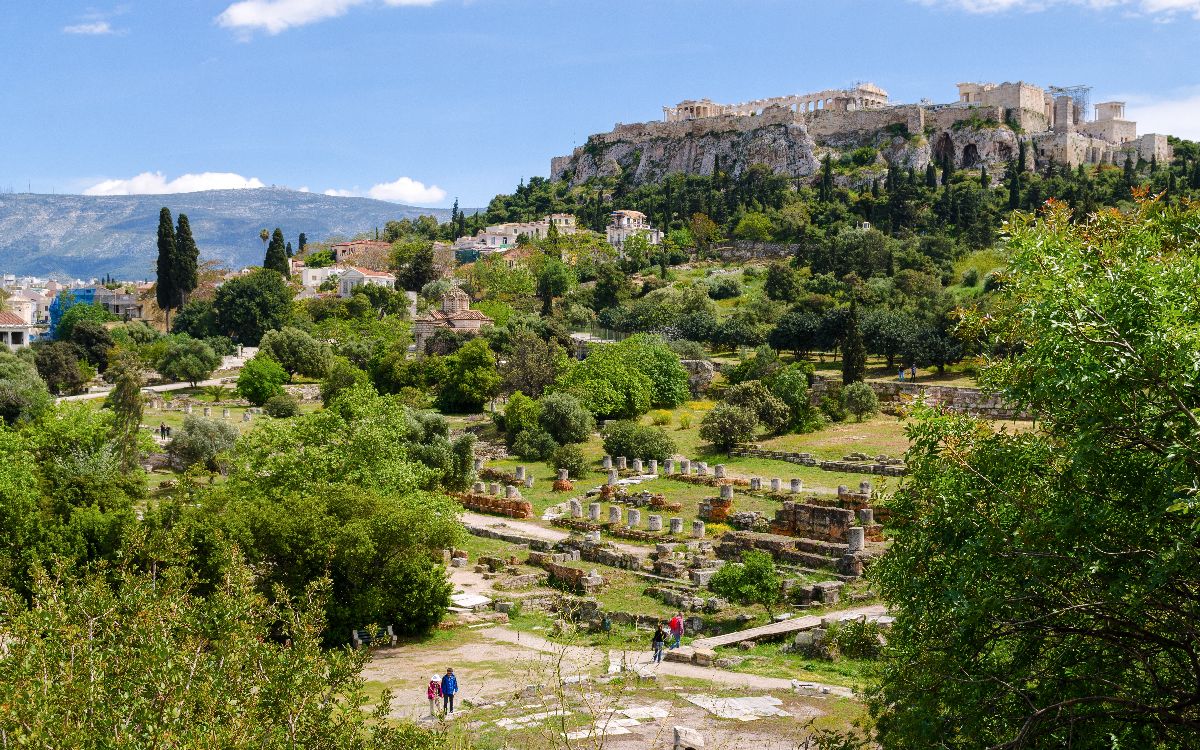
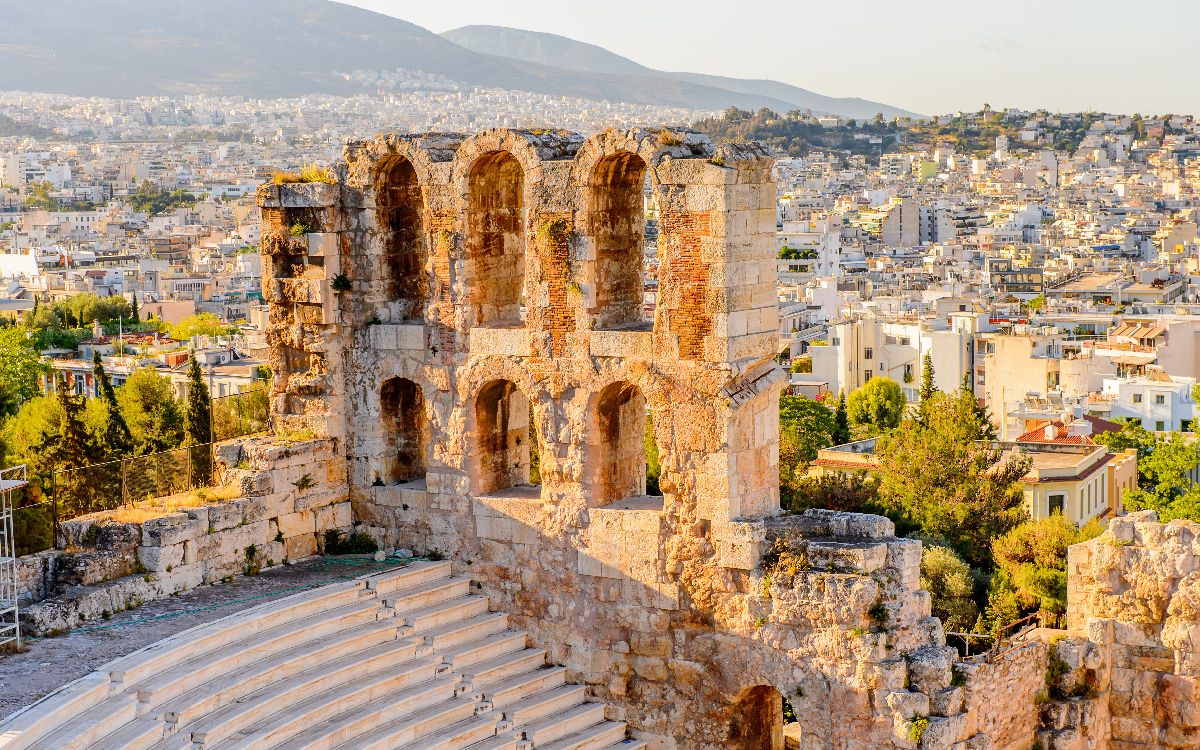
Athens
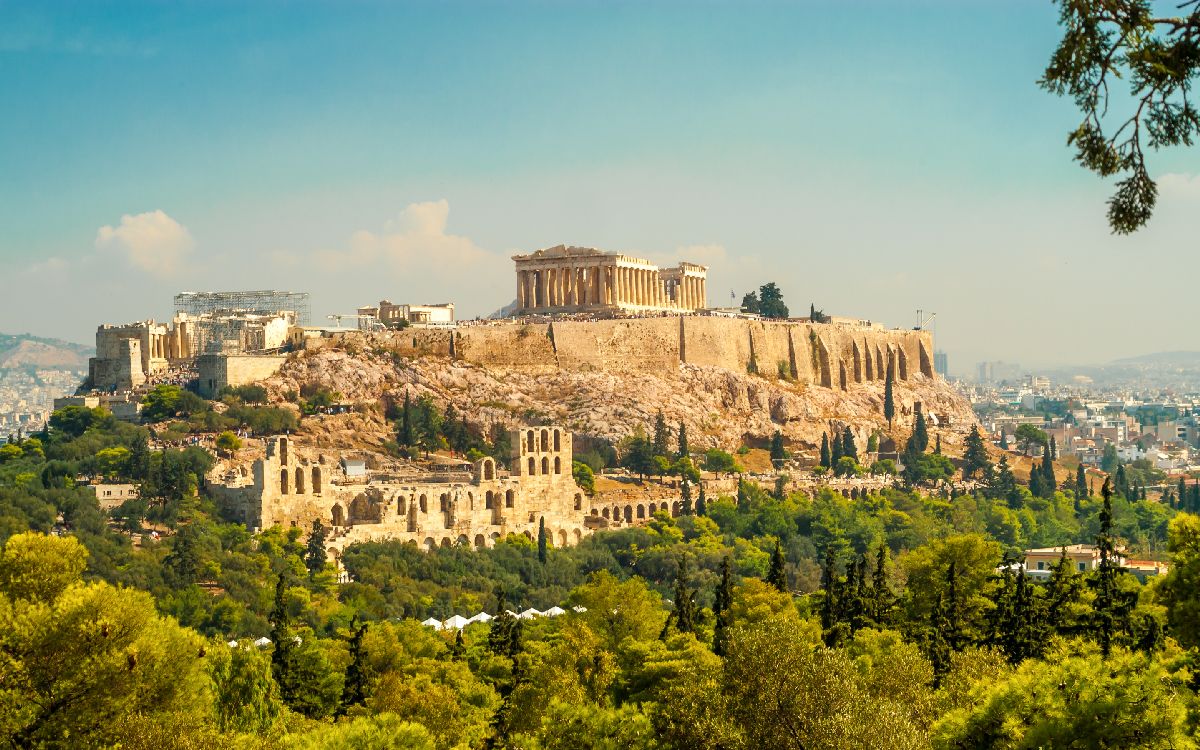
Athens exudes a unique charm through its mix of street markets,
vine-covered tavernas, souvenir stalls, ancient monuments and
high-rise buildings. For tourists, a plus is that most of the
capital's attractions are accessible by foot.
Athens was named after Athena, the Greek goddess of wisdom.
According to mythology, she won the city after duelling against
Poseidon, god of the sea. Indeed, Athens can chart its history back
thousands of years and is regarded as the cradle of Western
civilisation. More specifically, it's democracy's birthplace, and
where philosophy, art and architecture were refined.
The city declined after the Classical Age, dwindling to nothing
but a town in the colourful area now known as the Plaka. It emerged
as independent Greece's capital in 1834.
Today, the city is bustling. And though the pollution, frantic
gridlock and dingy buildings are a striking contrast to the open
beauty of Greece's coast and islands, Athens is truly the country's
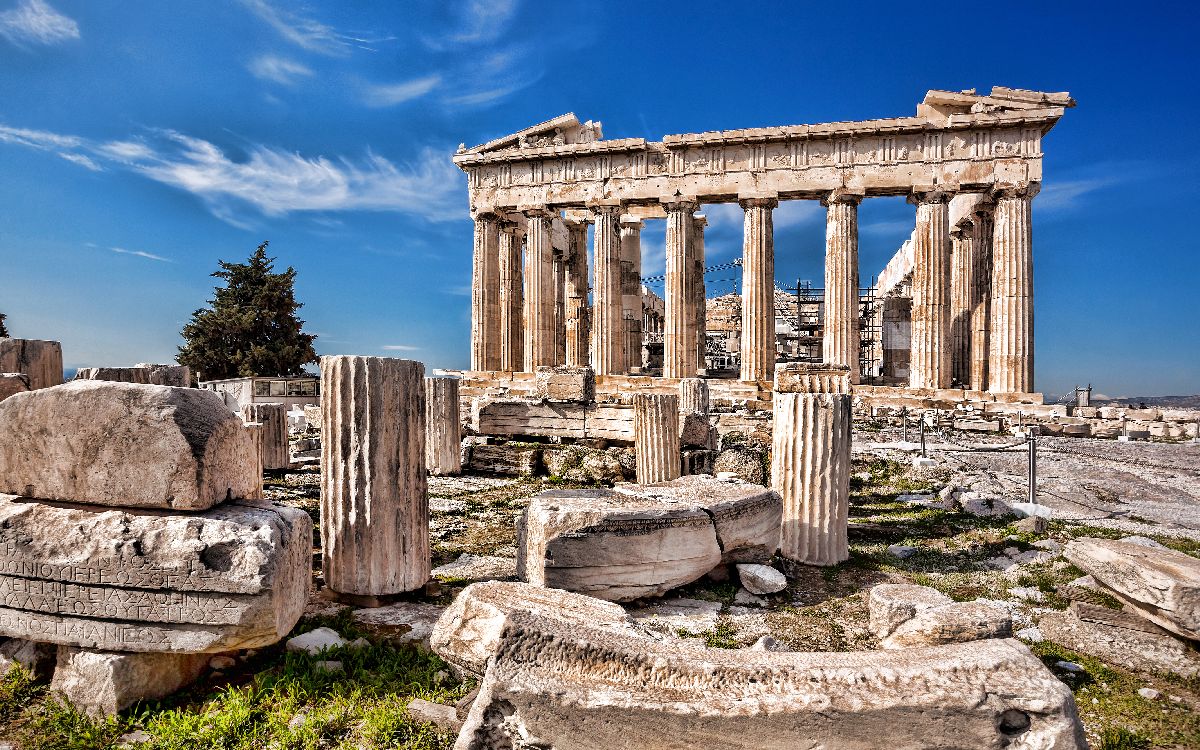
beating heart. Ancient wonders like the Acropolis, the Parthenon,
and the Temples of Zeus and Hephaestus ensure that the city will
always lure travellers.
Day 12
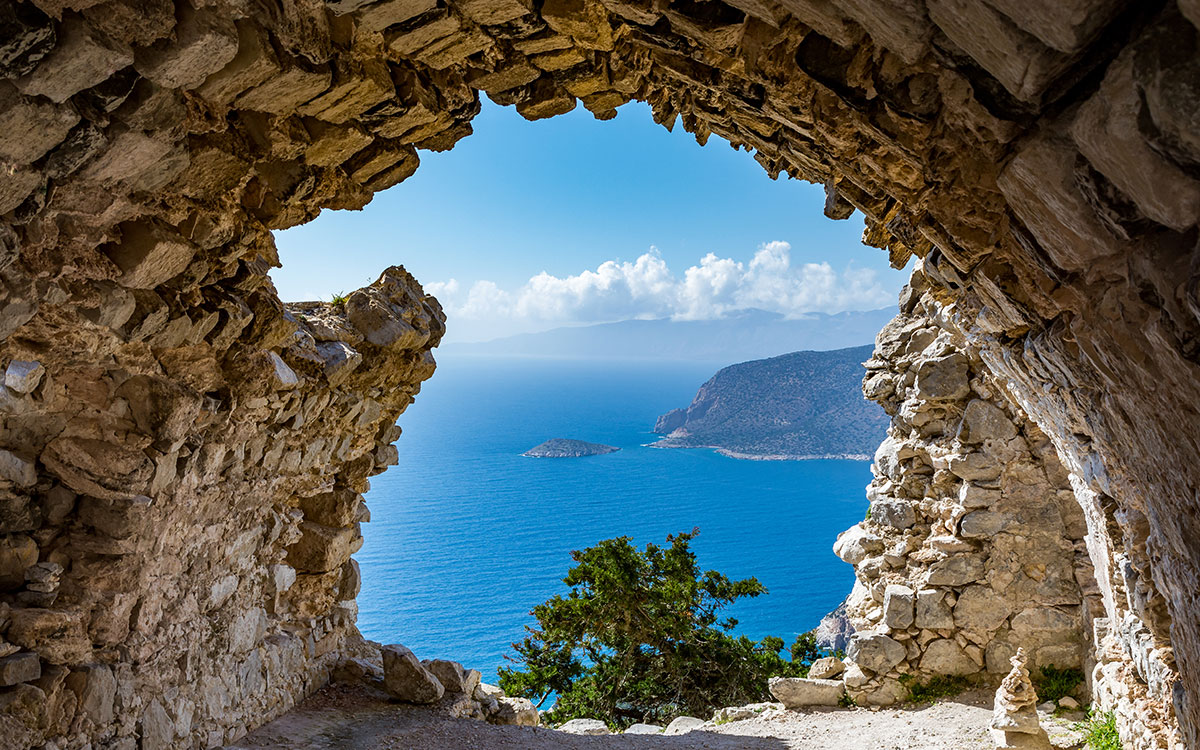
Monemvasía
Monemvasía, located in the country of Greece, is a small town that bewitches travelers with its charm and historical significance. Perched on a rocky hillside on the southeastern coast of the Peloponnese peninsula, this coastal fortress town boasts breathtaking views of the Mediterranean Sea. Monemvasía is often referred to as the "Gibraltar of the East" due to its imposing stature and strategic positioning.
The town is divided into two parts: the Lower Town and the Upper Town. The Lower Town, also known as the "Gefyra," is nestled at the base of the rock and is where most of the local population resides. Here, visitors can wander through narrow, cobblestone alleyways, lined with traditional stone houses and charming tavernas that serve delicious local cuisine. One can also find a variety of shops selling handmade crafts, souvenirs, and local products, such as olive oil and honey.
The Upper Town, or the "Kastro," which means castle, is the medieval fortress that gives Monemvasía its distinct identity. Accessible only by a narrow causeway, the Kastro offers a glimpse into the town's rich history. As you pass through the imposing fortified gate, you'll find yourself transported back in time. Explore the labyrinthine streets that wind their way through the age-old buildings, where remnants of the past are evident at every turn. Stroll along the town’s defensive walls, which offer stunning panoramic views of the surrounding countryside and the shimmering waters of the Aegean Sea.
One of the highlights of a visit to Monemvasía is exploring the Byzantine churches scattered throughout the town. The most notable one is the Church of Agia Sofia, an architectural masterpiece dating back to the 13th century. Its awe-inspiring frescoes and intricate mosaics are a testament to the region's Byzantine heritage. Another must-visit is the Church of Elkomenos Christos, located in the Upper Town, which houses a collection of religious artifacts and offers a peaceful respite from the bustling streets.
For beach lovers, Monemvasía doesn't disappoint. A short drive away from the town, you'll find Limanaki Beach, a secluded sandy cove surrounded by cliffs. The crystal-clear turquoise waters make it an ideal spot for swimming and sunbathing. Kaladi Beach, another popular choice, offers a more family-friendly atmosphere with its shallow waters and pebbly shoreline. Both beaches are well-equipped with umbrellas and sunbeds, and there are a few beachside tavernas where you can enjoy a refreshing drink or a delicious meal.
When it comes to gastronomy, Monemvasía showcases the rich culinary traditions of the region. Seafood is a highlight, with octopus and fresh fish being popular choices. Don't miss the opportunity to try the traditional local dish called "Goges," a kind of handmade pasta served with grated cheese and a tomato-based sauce. Pair your meal with a glass of local wine, as the region is known for its excellent vineyards.
Whether you're a history buff, a beach enthusiast, or a food lover, Monemvasía offers something for everyone. Immerse yourself in the town's rich history, relax on its beautiful beaches, and savor the flavors of the local cuisine. Monemvasía is a destination that will leave you with unforgettable memories of a truly unique Greek experience.
Day 13
Ermoupoli, Syra
Ermoupoli is the capital and largest town of the Greek island of Syros, located in the Cyclades archipelago. Steeped in history, culture, and stunning architecture, Ermoupoli offers visitors a unique travel experience steeped in Greek tradition and charm.
With its picturesque waterfront, cobblestone streets, and neoclassical buildings, Ermoupoli is often referred to as the "Queen of the Aegean." The town was named after Hermes, the messenger of the Greek gods. This charming destination sits on two hills overlooking the beautiful Aegean Sea, creating spectacular panoramic views that will take your breath away.
One of the first things you’ll notice in Ermoupoli is the mesmerizing architecture. The town is known for its well-preserved neoclassical buildings, many of which were constructed during the 19th century when Ermoupoli was a flourishing trade and industrial center. Walk along the narrow streets, lined with colorful houses and elegant mansions adorned with intricate sculptures and exquisite details. The most iconic structure in the town is the Town Hall, a magnificent building that dominates the central square, Miaoulis Square.
Miaoulis Square is the heart of Ermoupoli and a vibrant gathering place for locals and visitors alike. Around the square, you’ll find a number of cafes, taverns, and shops, making it the perfect spot to relax, people-watch, and soak up the vibrant atmosphere. Don’t forget to visit the Apollo Theater, a miniature replica of La Scala in Milan. This impressive theater hosts a variety of cultural events and performances, including concerts, plays, and ballets.
For those interested in history and culture, Ermoupoli has several fascinating museums to explore. The Archaeological Museum houses a rich collection of artifacts from around the island, including pieces from ancient tombs and temples. The Industrial Museum showcases the town's industrial past, highlighting its once-thriving shipbuilding and textile industries. And for art enthusiasts, the Markos Vamvakaris Museum pays tribute to the famous Greek composer and bouzouki player who grew up in Ermoupoli.
When it comes to leisure, Ermoupoli does not disappoint. The town offers several beautiful beaches where visitors can relax and unwind. Close to the center, you'll find the sandy beach of Agios Nikolaos, with crystal clear waters and the iconic church of Agios Nikolaos perched on a hilltop overlooking the bay. Other popular nearby beaches include Galissas and Azolimnos, both easily accessible by bus.
In addition to its cultural and architectural gems, Ermoupoli also boasts a vibrant food scene. From traditional taverns serving delicious Greek cuisine to trendy cafes and bars, the town has something for every taste and budget. Be sure to try local specialties such as loukoumades (honey-soaked dough balls) and the local cheese, San Michali.
Overall, Ermoupoli is a charming destination that combines history, culture, and natural beauty. Whether you're strolling through the picturesque streets, exploring its museums, or simply enjoying the panoramic views, this Greek gem is sure to leave you with unforgettable memories.
Day 14
Vólos
Located on the eastern coast of Greece, Volos is a bustling and vibrant city that offers a perfect blend of tradition and modernity. Situated at the foothills of Mount Pelion, this coastal city is known for its stunning beaches, rich history, and warm hospitality. Whether you are seeking a relaxing beach vacation or an exploration of historical landmarks, Volos has something to offer for everyone.
One of the main highlights of Volos is its beautiful coastline, with numerous sandy beaches stretching along the Aegean Sea. The most popular beach is Alikos, which boasts crystal clear waters and a well-organized beachfront. Just a short drive away from the city, visitors can find tranquil and picturesque beaches like Agios Ioannis and Mylopotamos, where they can unwind and soak up the sun.
Volos is also steeped in history, with archaeological sites that showcase its rich past. The Archaeological Museum of Volos is a must-visit attraction, housing an impressive collection of artifacts from various periods, including the Neolithic, Mycenaean, and Roman eras. The nearby ancient city of Dimini offers a glimpse into the Bronze Age, with its well-preserved ruins and the impressive tomb of Sesklo. History enthusiasts can also explore the ruins of the ancient city of Iolkos, which played a significant role in Greek mythology as the homeland of the legendary hero Jason and his crew, the Argonauts.
For a taste of local culture and tradition, a visit to the Tsipouradika is highly recommended. These small taverns, scattered throughout the city, are known for serving tsipouro, a traditional Greek spirit. Visitors can enjoy a variety of meze (appetizers) while sipping on this strong and flavorful spirit. The lively atmosphere, combined with the authentic Greek cuisine, creates a memorable dining experience.
Volos is also an excellent base for exploring the enchanting region of Mount Pelion. With its lush forests, picturesque villages, and stunning landscapes, Mount Pelion offers a perfect escape from the city. Visitors can hike through the trails, which lead to hidden waterfalls, charming monasteries, and breathtaking viewpoints. The traditional mountain villages, such as Makrinitsa and Portaria, are worth a visit, with their cobblestone streets, stone houses, and breathtaking views of the surrounding mountains and sea.
If you are a fan of outdoor activities, Volos has plenty to offer. Apart from swimming and sunbathing at the beaches, visitors can also indulge in various water sports such as windsurfing or kayaking. The clear waters of the Pagasitic Gulf are ideal for sailing, and boat trips can be arranged to explore the nearby uninhabited islands, such as Trikeri or Alatas.
Volos is also well-known for its vibrant nightlife scene. The city comes alive in the evenings, with numerous bars, clubs, and music venues offering entertainment for all tastes. From trendy cocktail bars with stunning views of the sea to traditional taverns featuring live Greek music, there is something for everyone to enjoy.
With its beautiful beaches, rich history, and vibrant atmosphere, Volos is a hidden gem in Greece that offers a unique and authentic travel experience. Whether you are a history enthusiast, nature lover, or simply looking to relax and unwind, Volos has it all.
Day 15
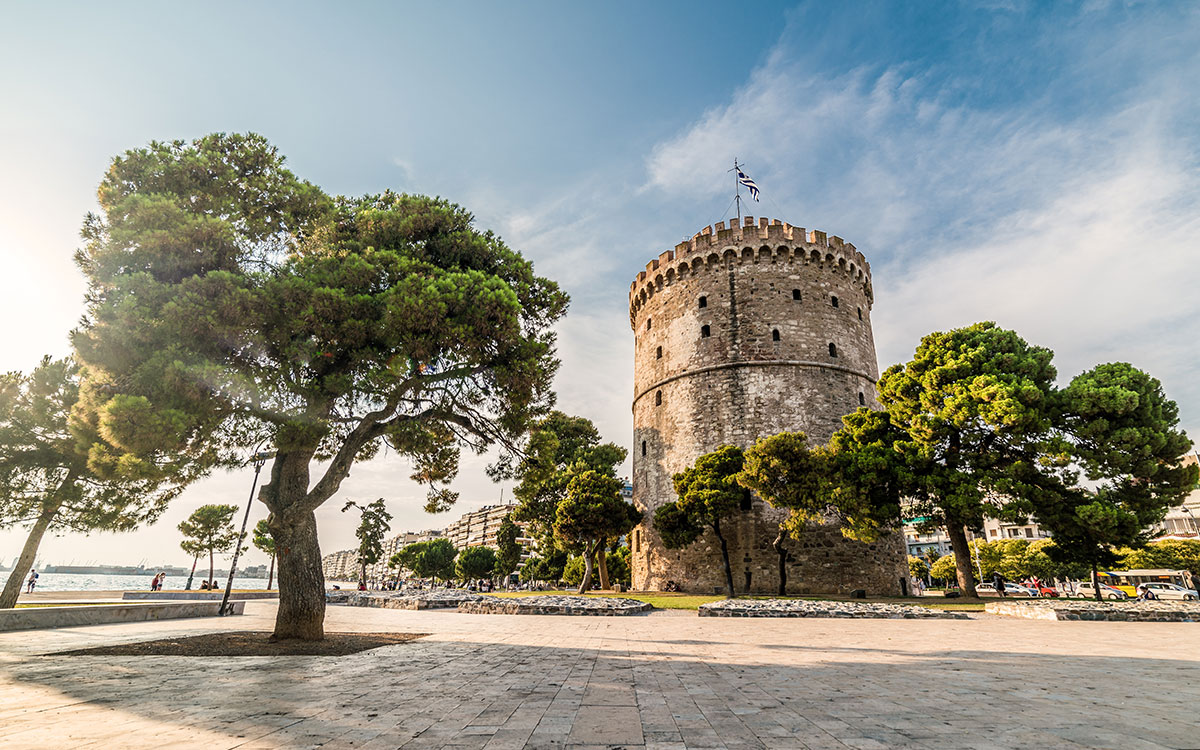
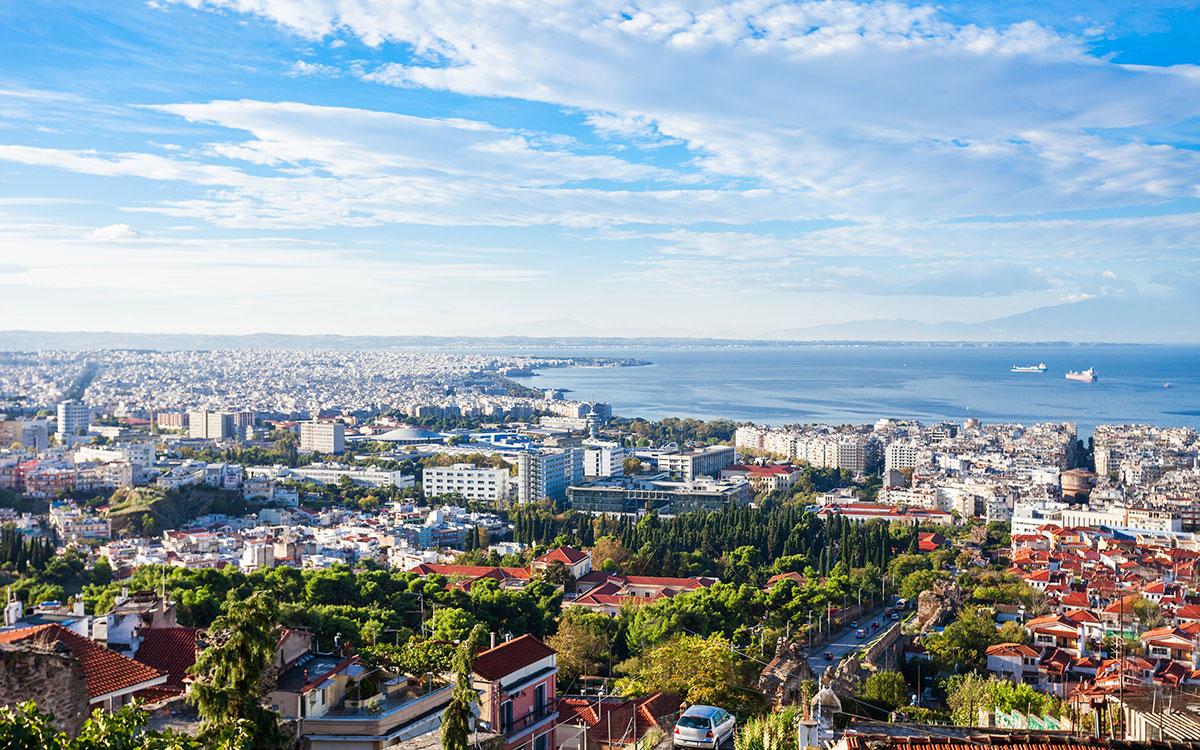
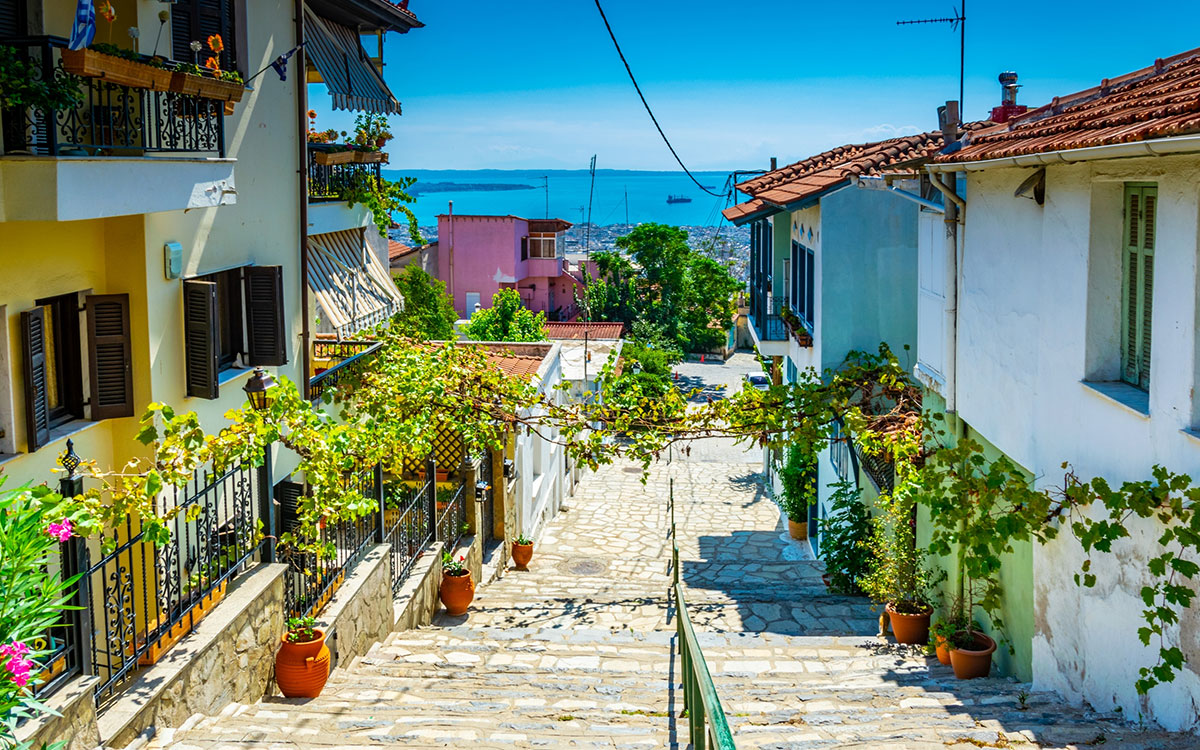
Thessaloníki
Thessaloniki is the capital of Macedonia and one of the oldest
cities in Europe. General Kassandros named it after his wife, who
happened to be Alexander the Great's half-sister. With its wide
avenues, parks and squares, some travellers consider it far more
attractive than Athens.
The city's past under Ottoman rule shows in numerous Byzantine
churches, and museums housing Byzantine artefacts. Its rich Jewish
tradition reflects in its synagogues and the Jewish Museum, while
renowned monasteries display the influence of early Christian
communities.
Authorities have imposed regulations against skyscrapers going
up as the area is prone to earthquakes. This means that residents
and visitors can enjoy seaside views from the city's streets.
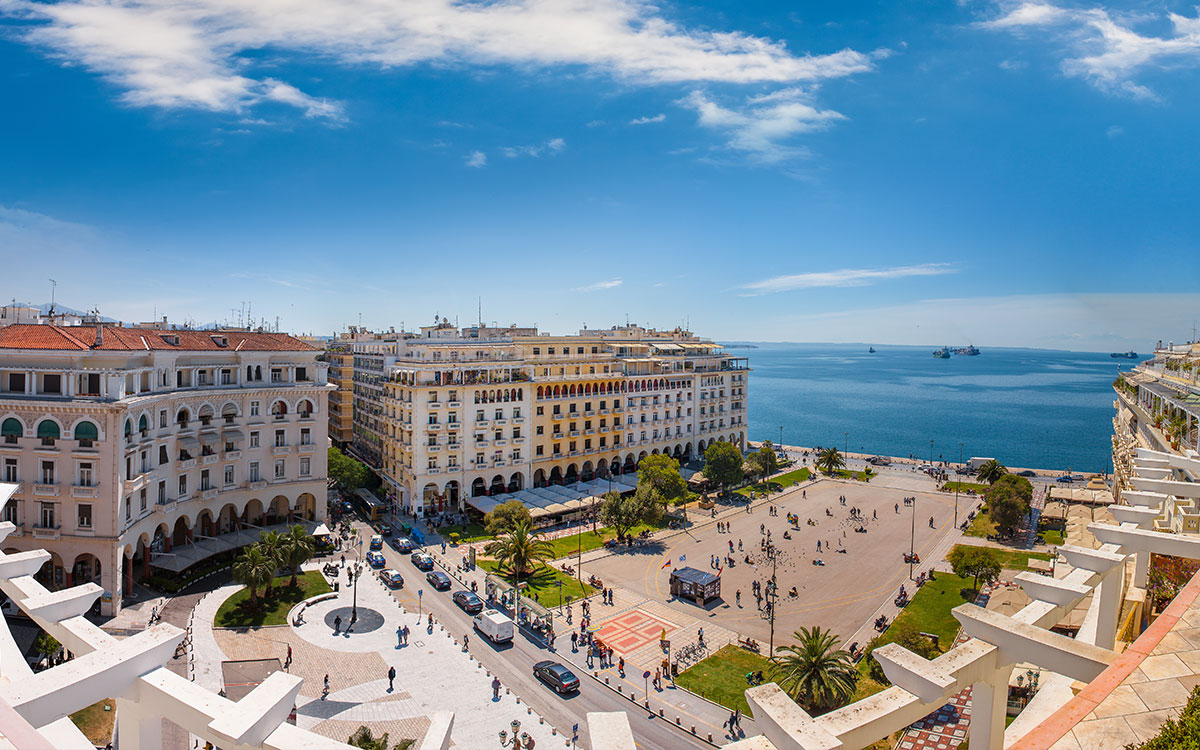
Visitors can try the Turkish Baths, wander the central market,
or relax at Aristotelous Square's cafes and restaurants.
Thessaloniki also has a vibrant nightlife, with a number of lively
bars and clubs.
Day 16
Kavala
Kavala, situated in the northern part of Greece, is a picturesque coastal city that offers a unique blend of history, culture, and natural beauty. Known as the "Azure City" due to its stunning blue sea, Kavala is a hidden gem that deserves a spot on every traveler's itinerary.
One of the highlights of Kavala is its rich history, which can be traced back to ancient times. The city was founded in the 7th century BC by settlers from the island of Thassos, and over the centuries, it has been influenced by various civilizations, including the Ancient Greeks, Romans, Byzantines, and Ottomans. This diverse history is reflected in the city's architecture, with its mix of ancient ruins, medieval castles, and Ottoman-era buildings.
One of the must-visit attractions in Kavala is the impressive Kavala Castle, also known as the Castle of Kavala or Panagia. Perched on a hilltop, this imposing fortress offers panoramic views of the city and the Aegean Sea. The castle dates back to the Byzantine era and was later expanded by the Ottomans. Visitors can explore its well-preserved walls, towers, and Byzantine churches while learning about its fascinating history.
Another historical site worth visiting is the Ancient Theater of Philippi, located just outside of Kavala. Built in the 4th century BC, this well-preserved theater once hosted performances and events during the Hellenistic and Roman periods. Today, visitors can walk through the ancient ruins, marvel at the intricate design of the theater, and imagine what it must have been like to witness a play in this ancient setting.
Aside from its historical sites, Kavala is also known for its charming Old Town, called Panagia. This picturesque neighborhood is characterized by its narrow, winding streets, colorful houses, and traditional tavernas. Stroll through the cobblestone alleys, soak in the relaxed atmosphere, and savor traditional Greek cuisine at one of the local restaurants. Don't miss a visit to the Imaret, an Ottoman-era building that has been converted into a luxury boutique hotel and restaurant, offering a unique blend of history, architecture, and gastronomy.
For those seeking natural beauty, Kavala has plenty to offer. The city boasts numerous beautiful beaches, such as Batis, Tosca, and Kalamitsa, where visitors can relax on the golden sands and swim in the crystal-clear waters of the Aegean Sea. Additionally, Kavala is surrounded by stunning mountainous landscapes, making it an excellent destination for nature lovers and outdoor enthusiasts. Explore the nearby Mount Paggaio, where hiking trails lead to breathtaking viewpoints and hidden waterfalls.
Kavala is well-connected with the rest of Greece and beyond. The city has its own international airport, offering direct flights to several European destinations. Alternatively, travelers can reach Kavala by ferry from the nearby Thassos Island or by bus from the capital city, Athens.
In summary, Kavala is a hidden gem that should not be overlooked by travelers exploring Greece. Its rich history, picturesque Old Town, stunning beaches, and natural landscapes make it a diverse and captivating destination. Whether you're interested in exploring ancient ruins, relaxing on the beach, or immersing yourself in Greek culture, Kavala has something for everyone.
Day 17
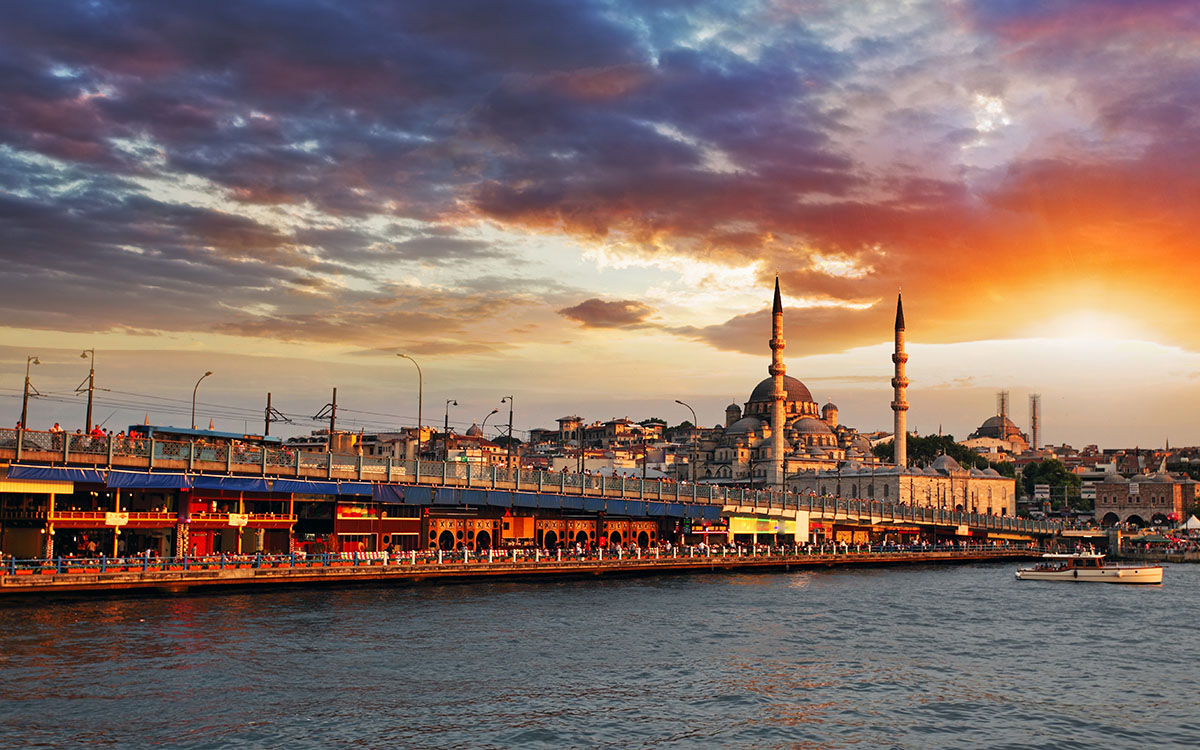
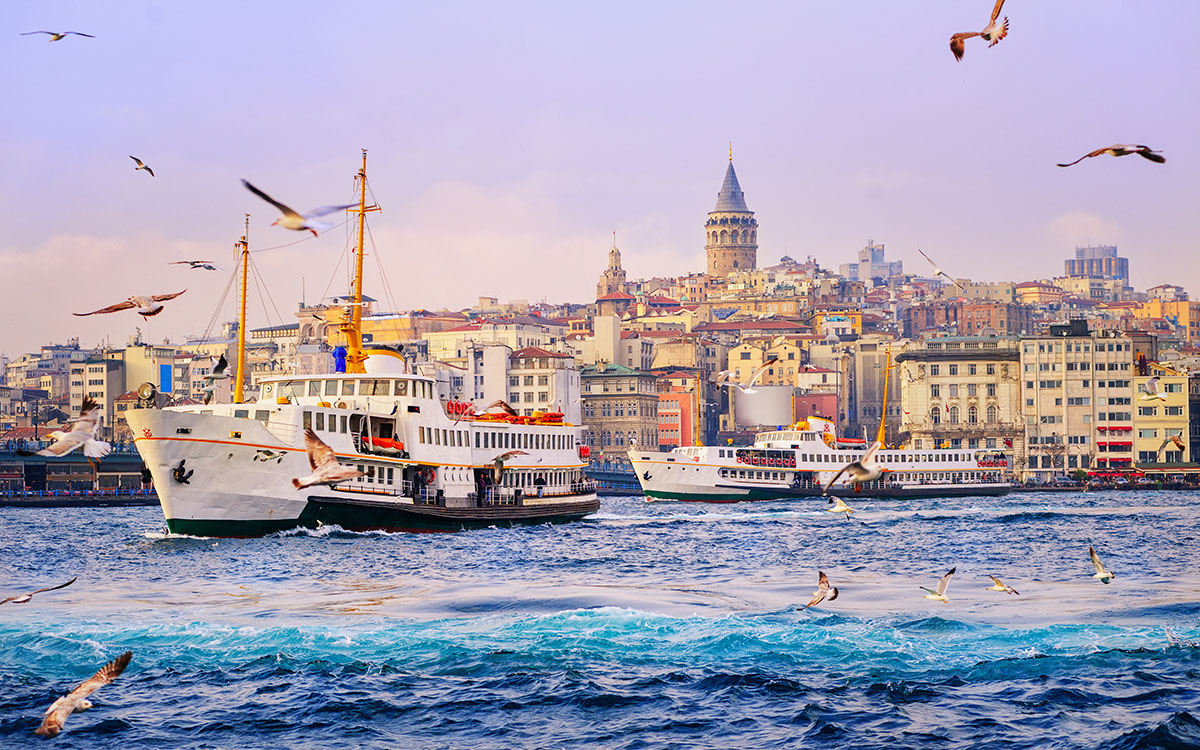
Istanbul
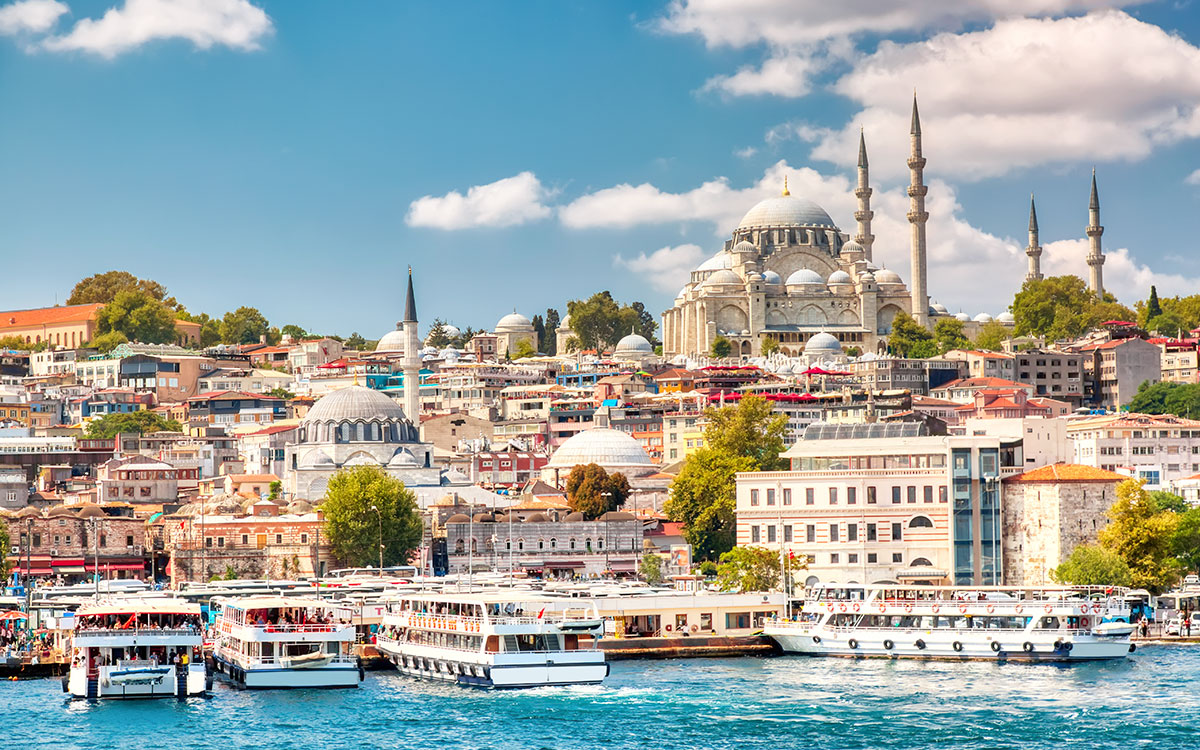
The splendid city of Istanbul has many unique and fascinating
features. It is the only city in the world reaching across two
continents, with its old city in Europe and modern Istanbul
situated in Asia, separated by the Bosphorus Strait. It is also
unique in having had capital status during two successive empires,
Christian Byzantine and Islamic Ottoman, and the legacy from both
is visible in the modern city today.
Istanbul's location on the water made it a much coveted site as
a commercial shipping port and military lookout, and as capital of
the Roman Empire, Constantinople, as it was known, became extremely
desirable as a centre of world trade, until Mehmet the Conqueror
claimed it for the Ottoman Empire in 1453 and it became the
imperial seat of the sultans. After the War of Independence the
capital was moved to Ankara, but Istanbul still remains the
commercial, historical, and cultural heart of Turkey today.
The charm and character of Istanbul lies in its endless variety
and jumble of contradictions. Its fascinating history has
bequeathed the city a vivid inheritance of Byzantine ruins,
splendid palaces, ancient mosques and churches, hamams
(bath-houses), and exotic bazaars. Modern Istanbul exudes trendy
bars and nightclubs, western boutiques, office blocks, and elegant
suburbs.
Day 19
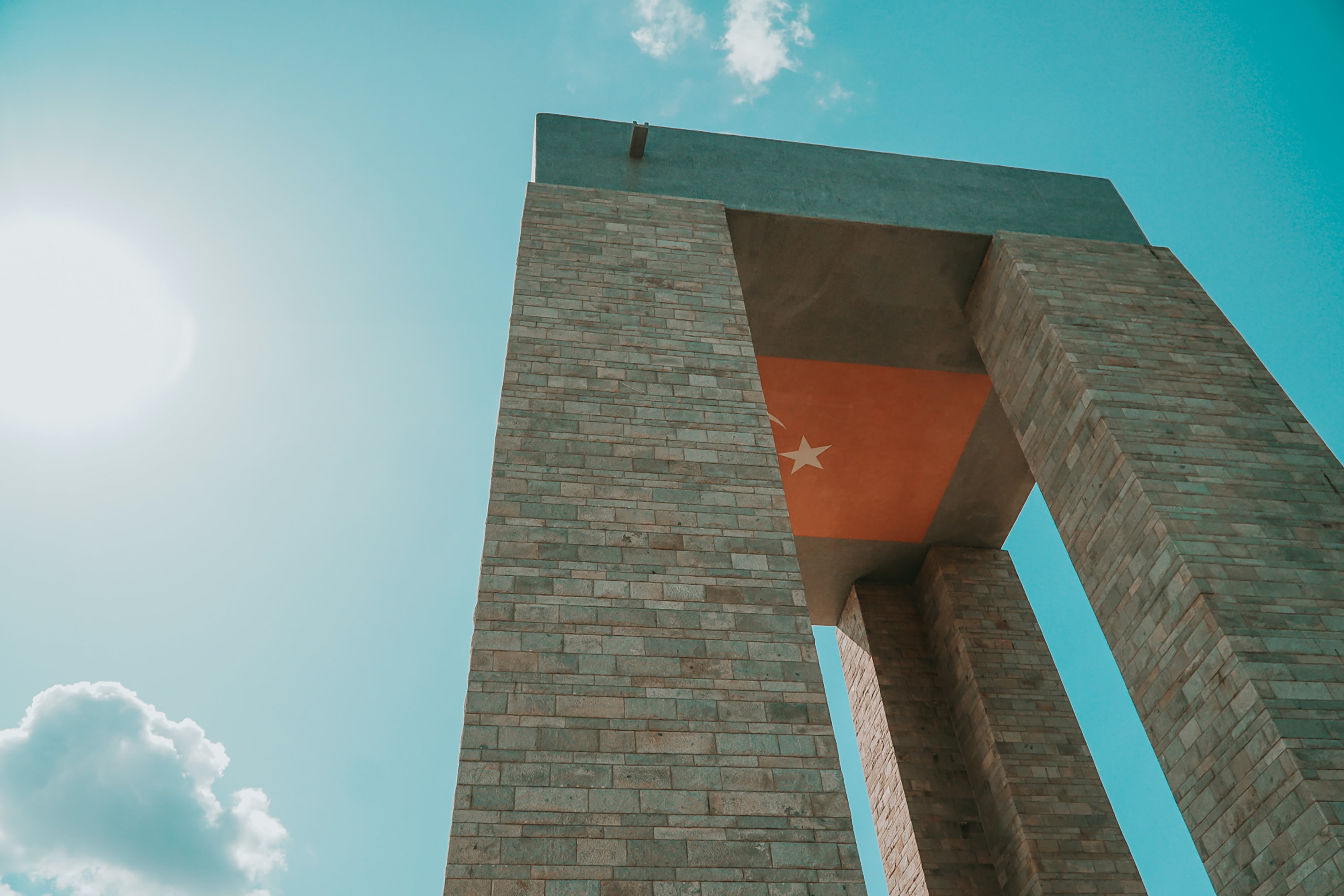
Çanakkale
Çanakkale is the nearest major urban center to the ancient city of Troy, which (together with the ancient region of the Troad) is located inside Çanakkale Province. The wooden horse from the 2004 movie Troy is exhibited on the seafront.
Day 20
Chíos
Ancient Greece developed many of the Western world's cultural building blocks, as the Olympic Games, democracy, mathematics and philosophy all began there. Today the country is known as a great holiday destination rather than a centre of culture and learning, and attracts visitors by the thousands. Most of them come for the simple pleasures of its delicious food, wine, beautiful beaches, sunshine and quaint villages, with beach lovers in particular relishing the seemingly endless lacework of coastline and small islands stocked with ancient sites and scenic surprises.
Greece exudes traditional charm, especially on its ever-popular islands, which cling to their traditional ways despite the influx of tourists. Black-clad women still deliver vegetables to island tavernas on panniered donkeys, while bronzed, weather-beaten fishermen sit in the sun, drink thick coffee and play dominoes or backgammon. The tourist infrastructure has intruded in many respects, but the timeless aspect of whitewashed buildings clustered on hillsides has been retained. The myriad islands in the Aegean Sea are easily accessible from Piraeus, Athens' historic harbour, and many of the larger ones have airports with connections to Athens or major European cities.
On the mainland, the capital Athens is sprawling, polluted and overcrowded, but nevertheless enthralls visitors. It's dominated by its major landmark, the Parthenon, though the remains of other Classical Greek wonders are found mainly on the Peloponnese Peninsula. Thessaloniki lies in the north and is modern and vibrant with a Byzantine flavour.
Visitors are sure to love this ancient and sun-filled country.
Day 21
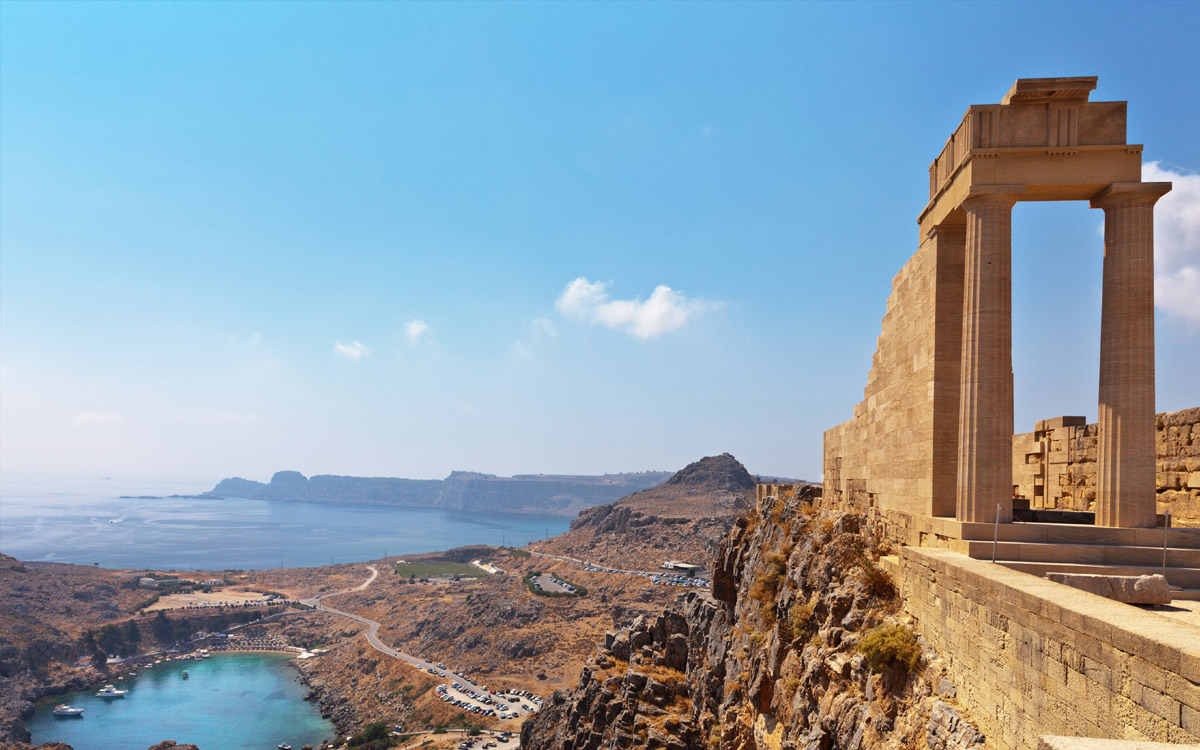
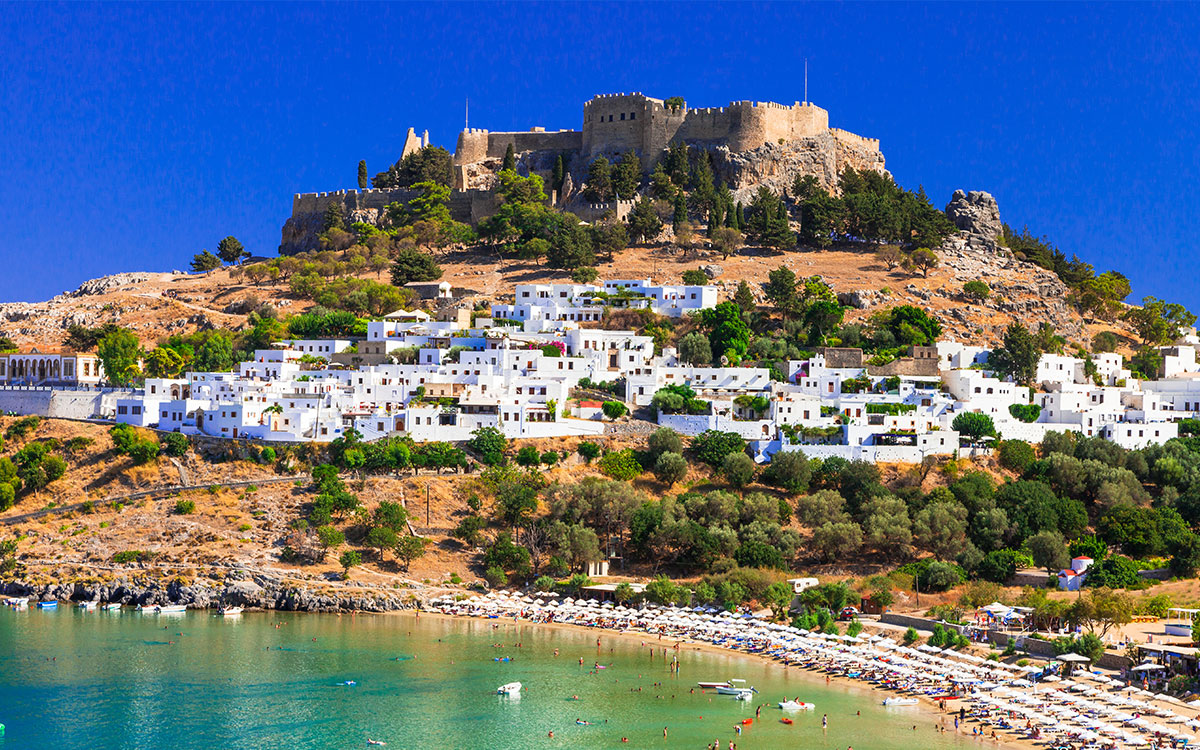
Rhodes
Knights once used Rhodes to protect the Christian west from the
east. Today, the island remains subject to invasion, though from
tourists rather than intruders.
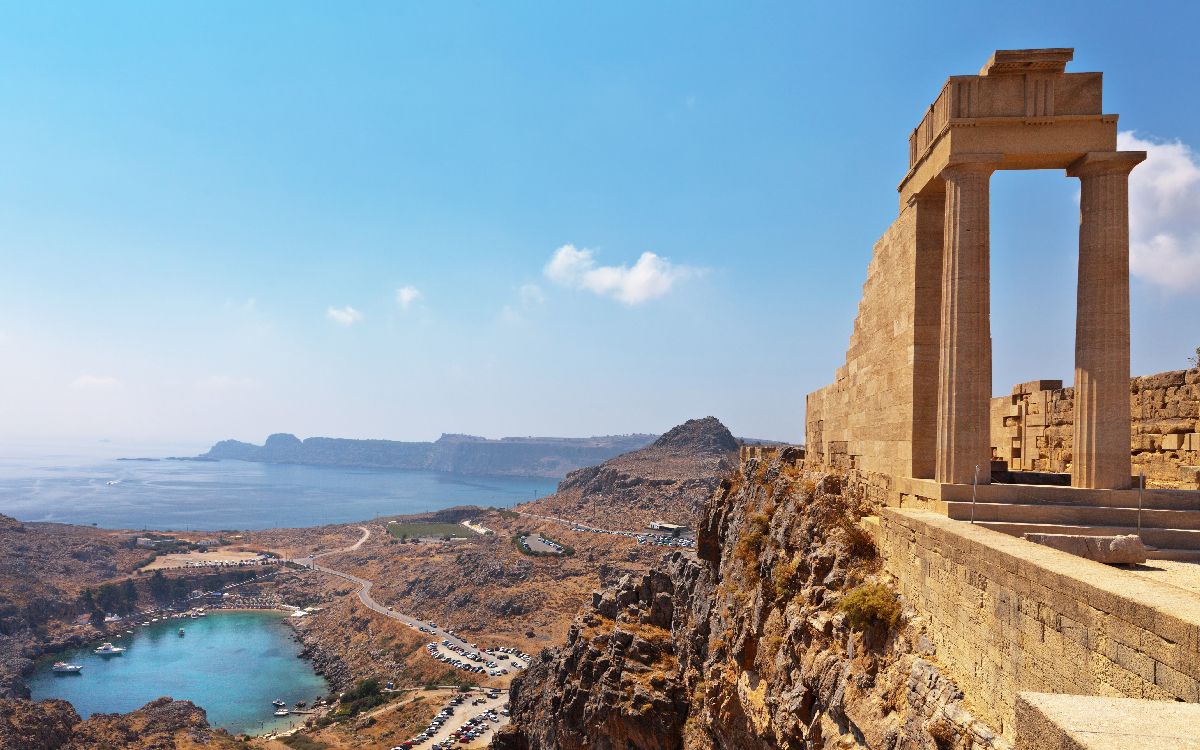
Said to be Greece's sunniest island, Rhodes has a well-preserved
and picturesque old city. The legendary Colossus of Rhodes, one of
the Seven Wonders of the World, guarded its harbour in antiquity.
Present-day visitors will find statues of deer. Nevertheless, the
old city has plenty of wonders to offer.
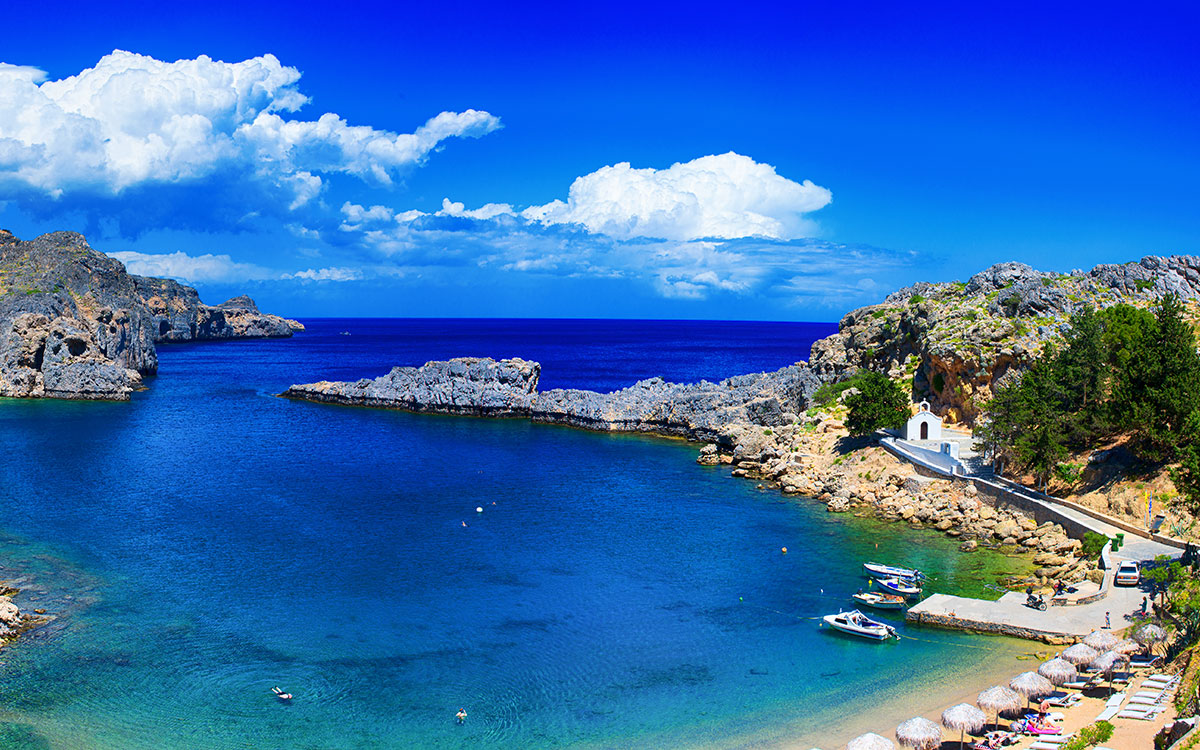
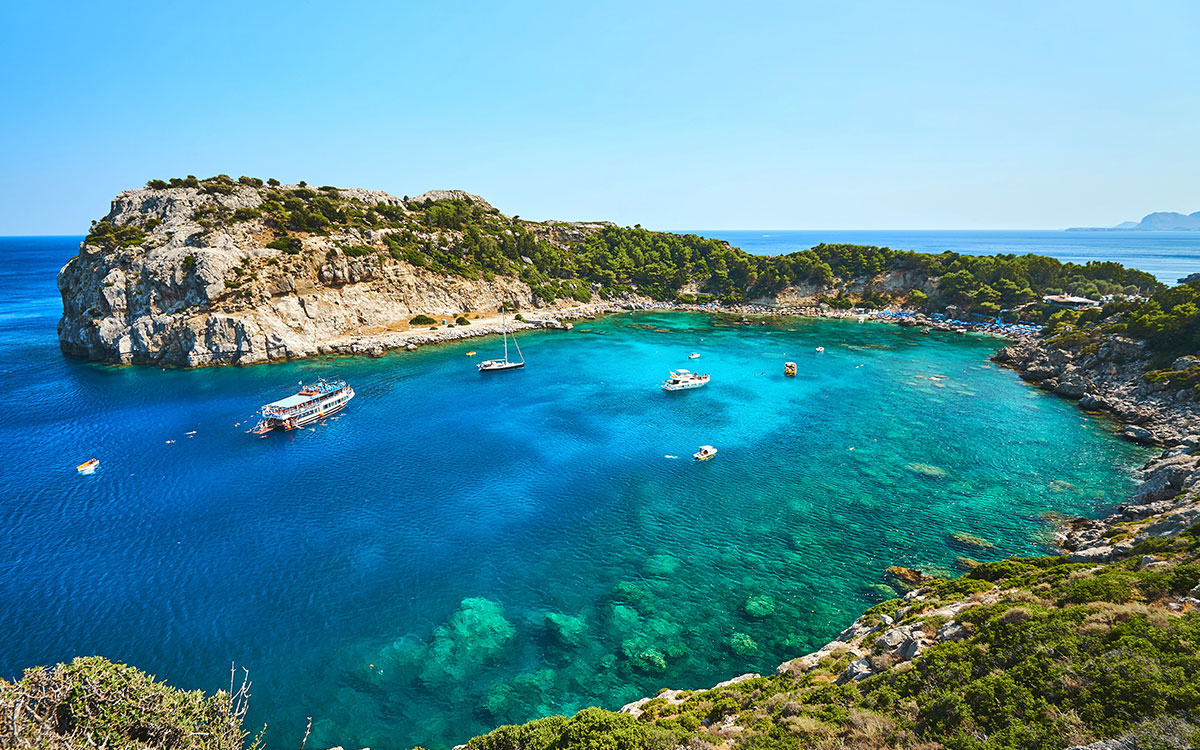
The rest of the relatively large island offers miles of beaches,
interesting archaeological sites and natural beauty spots. The best
beaches are on the east coast. Lindos is especially attractive.
Faliraki, on the other hand, is a developed resort area, bustling
with young visitors.
Day 22
Agios Nikólaos, Kríti
Agios Nikolaos is a beautiful, historic and bustling town built around the picturesque Mirabello Bay, on the northeastern coast of the Greek island of Crete. It is a popular and cosmopolitan destination, offering visitors a wide range of attractions, activities and facilities, as well as a charming and friendly atmosphere.
Agios Nikolaos is best known for its stunning natural beauty, crystal-clear waters and stunning beaches. The town’s waterfront is lined with cafes, restaurants, bars and shops, providing the perfect spot for a leisurely stroll, a coffee break or a romantic dinner. Visitors can also enjoy a variety of water sports and activities, such as swimming, snorkeling, windsurfing, kayaking and sailing.
One of the most popular attractions in Agios Nikolaos is the Voulismeni Lake, a beautiful natural lagoon situated in the heart of the town. According to legend, the lake is bottomless and was once believed to be the entrance to the underworld, making it a popular site for spiritual rituals and festivities. Today, visitors can enjoy a leisurely walk around the lake, sit in one of the cafes or bars in the area and enjoy the picturesque views of the surrounding hills and the sea.
Another must-see site in Agios Nikolaos is the Kitroplateia Beach, a golden sand beach on the east side of the town. It is a vibrant and busy beach, offering plenty of sun loungers, umbrellas and water sports facilities. It is a beautiful spot to enjoy the sun and the sea, and also provides easy access to the town’s restaurants and cafes.
For those interested in history and culture, an afternoon at the Archeological Museum of Agios Nikolaos is a must. The museum is home to a vast collection of ancient artifacts and relics, dating back to the Minoan civilization that inhabited Crete more than 3,500 years ago. Visitors can also take a stroll through the picturesque old town of Agios Nikolaos, admire the Venetian architecture and explore the many charming shops, cafes and restaurants that line the narrow streets.
Agios Nikolaos is also a popular destination for foodies, offering visitors a wide range of delicious and authentic dishes, including fresh fish and seafood, grilled meats and vegetables, and traditional Cretan specialties such as Dakos, Cretan salad and dolmades.
Overall, Agios Nikolaos is a wonderful and diverse destination, perfect for those seeking beautiful beaches, rich history, charming culture and gastronomic delights. With its stunning scenery, friendly people and relaxed atmosphere, it is a place of great cultural and natural beauty, and a perfect getaway destination for anyone looking for an authentic Mediterranean experience.
Day 23
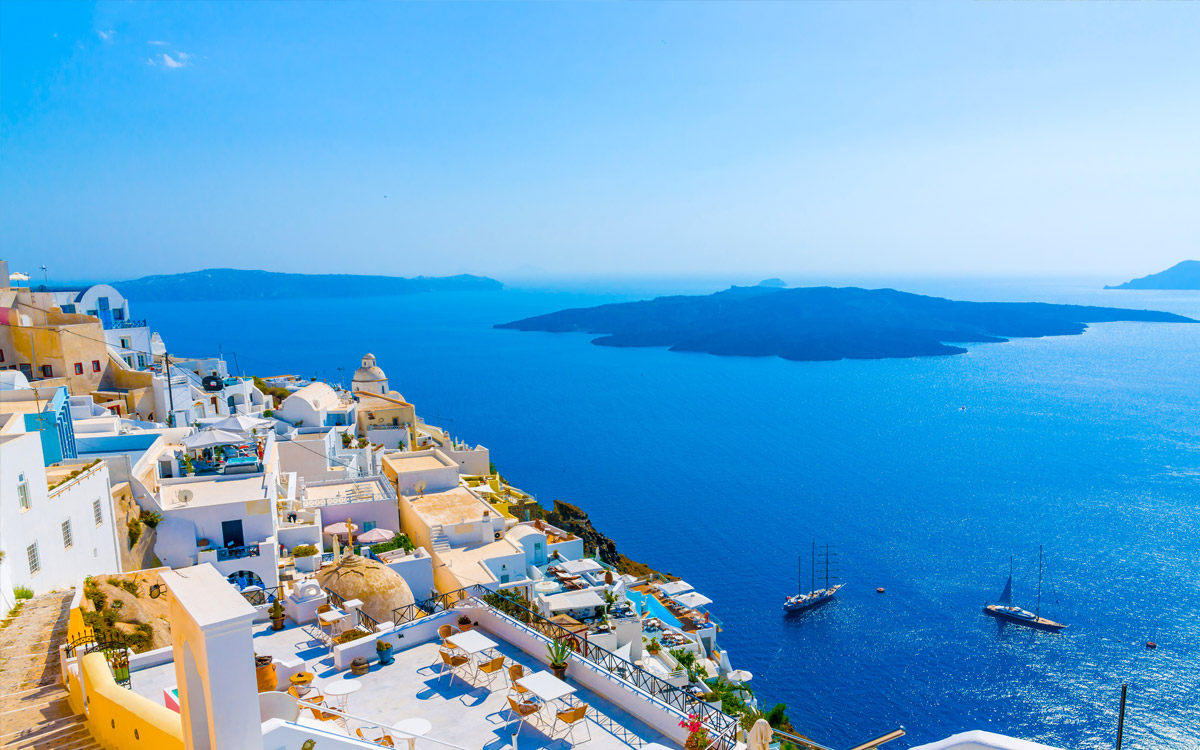
Santorini
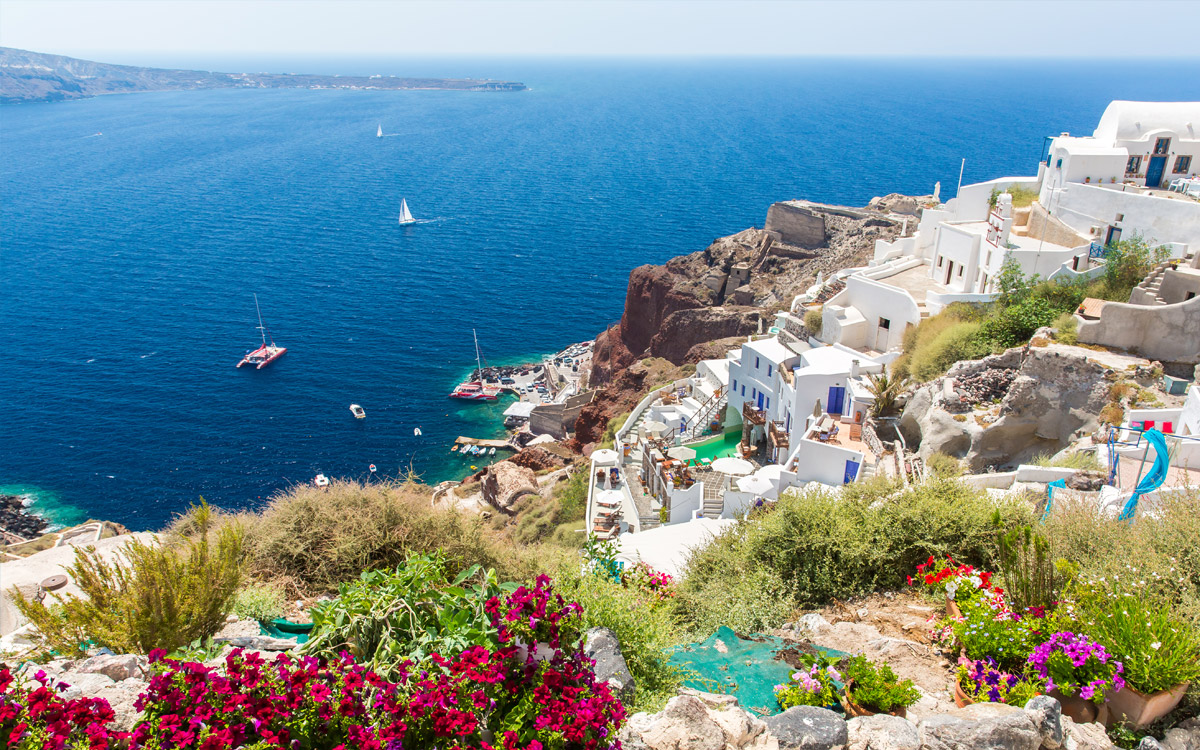
Besides being one of the most beautiful islands in the world,
Santorini is also one of the most geologically and archaeologically
dramatic. Often called Thira, the island is shaped like an enormous
pair of jaws encircling a lake filled with pure blue water. This is
the core of an ancient volcano, which according to legend,
destroyed the lost continent of Atlantis.
Santorini's capital, Fira, perches on a cliff top. Ferries
arrive and depart in the harbour below, while visitors walk or ride
donkeys up the steep winding path to the town. Fira has hotels,
good restaurants, bars and plenty of nightlife to keep tourists
happy.
History buffs should visit Ancient Thira's archaeological
remains. They date back to the 9th century BC, and they're on the
island's east side. Other attractions include the excavations at a
Minoan Bronze Age settlement called Akrotiri, an archaeological
museum, and an 18th-century monastery. Santorini has two swimming
beaches, Perissa and Kamari, both characterised by their volcanic
black sand.
Day 24
Mykonos
Mykonos is upmarket, fashionable and a favourite among gay
travellers. It's quite possibly Greece's most expensive island.
Designer shops, perfect beaches, colourful tavernas and throbbing
dance clubs are all on offer. That said, trendy crowds and nude
beaches have not erased the destination's enchanting traditional
flavour.
Sightseers can visit the island's archaeological museum, which
displays finds from the necropolis (cemetery) on nearby Rhenia. Day
trips to the uninhabited island of Delos are also highly
recommended. The UNESCO World Heritage archaeological site was the
Aegean's religious centre during ancient times, and features in
some captivating myths. Its history is almost as interesting.
Visitors can explore the temples and the Avenue of the Lions, and
see stunning archaic sculptures in the museum.
Day 25
Athens
Athens exudes a unique charm through its mix of street markets,
vine-covered tavernas, souvenir stalls, ancient monuments and
high-rise buildings. For tourists, a plus is that most of the
capital's attractions are accessible by foot.
Athens was named after Athena, the Greek goddess of wisdom.
According to mythology, she won the city after duelling against
Poseidon, god of the sea. Indeed, Athens can chart its history back
thousands of years and is regarded as the cradle of Western
civilisation. More specifically, it's democracy's birthplace, and
where philosophy, art and architecture were refined.
The city declined after the Classical Age, dwindling to nothing
but a town in the colourful area now known as the Plaka. It emerged
as independent Greece's capital in 1834.
Today, the city is bustling. And though the pollution, frantic
gridlock and dingy buildings are a striking contrast to the open
beauty of Greece's coast and islands, Athens is truly the country's
beating heart. Ancient wonders like the Acropolis, the Parthenon,
and the Temples of Zeus and Hephaestus ensure that the city will
always lure travellers.
Greece Intensive Combination Cruise: Delphi, Thessaloniki & Rhodes Ships
Recommended Deals like Greece Intensive Combination Cruise: Delphi, Thessaloniki & Rhodes
Greece Intensive Combination Cruise: Delphi, Thessaloniki & Rhodes
 Azamara

Departure:
October
VISITING:
Venice
Koper
Rovinj
Split
Kotor
Corfu
Argostoli
Delphi
Katakolon
Khania
Athens
Monemvasia
Ermoupoli, Syra
Volos
Thessaloniki
+8 more
FROM
£
7,129 pp
Slovenia, Croatia & Greece Cruise: Koper, Split & Delphi
Azamara
Departure:
October
VISITING:
Venice
Koper
Rovinj
Split
Kotor
Corfu
Argostoli
Delphi
Katakolon
Khania
Athens
FROM
£
2,769 pp
Croatia & Greece Cruise: Dubrovnik, Corfu & Santorini
Azamara
Departure:
October
VISITING:
Venice
Koper
Zadar
Sibenik
Dubrovnik
Kotor
Corfu
Heraklion
Santorini
Rhodes
Ermoupoli, Syra
Athens
FROM
£
2,889 pp
Join the Crui.se Club
Points That Pay
Earn 25 points (£25) just for joining — and collect more on bookings, reviews, and referrals.
Exclusive Member Deals
Unlock off-market offers reserved only for Crui.se Club members.
Early Access Perks
Be the first to book with pre-launch notifications and special member-only booking windows.
Cruise With Confidence
Our mission at wordpress-1024654-4169282.cloudwaysapps.com is to help you and your loved one’s book and experience the best cruise holiday imaginable. We’re different in that, our customers come first, not our suppliers or profit margins. Get in touch and let us help you set sail.


Over 20 cruise brands to choose from

Low deposits from £500

All Inclusive cruises

Best deals & discounts

Community driven

Brand agnostic

We take care of everything

Custom built cruise holidays


