






 We won’t be beaten on price...

ABTA protected


Copenhagen to New York
Transatlantic Grand Voyage
Scroll to sail

Copenhagen to New York Transatlantic Grand Voyage
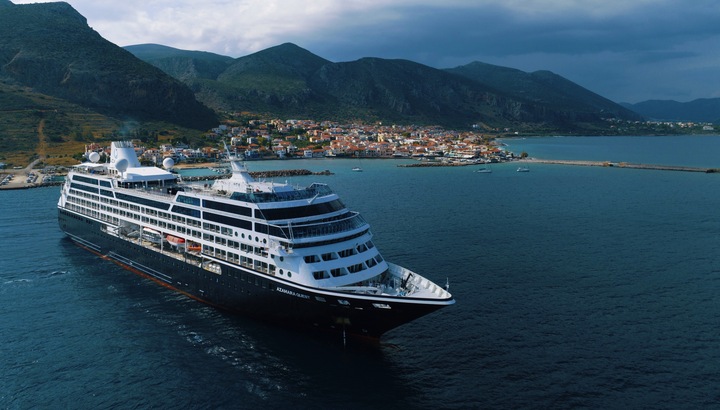
Embark on the ultimate Copenhagen to New York Transatlantic Grand Voyage, an extraordinary 43-day odyssey across continents. From vibrant Copenhagen to the iconic skyline of New York, this unparalleled expedition is brought to you by Azamara, promising an immersive and refined travel experience.
Explore an incredible tapestry of destinations, spanning Scandinavia, the Baltic jewels, and the dramatic landscapes of Iceland and Greenland. Discover the ancient allure of the British Isles and Ireland, before venturing through Canada’s maritime heritage and the vibrant US East Coast. Each port offers unique cultural immersion and breathtaking natural beauty.
This grand voyage is an unhurried exploration for the discerning traveler. Indulge in Azamara Quest’s luxurious amenities and exceptional service, connecting with diverse cultures and witnessing spectacular scenery. An epic transatlantic adventure awaits, promising memories to last a lifetime.
-
 Cruise Line: Azamara
-
 Ship: Azamara Quest
-
 Duration: 43 Nights
-
 Departure: July
Copenhagen to New York Transatlantic Grand Voyage Prices
Copenhagen to New York Transatlantic Grand Voyage Gallery



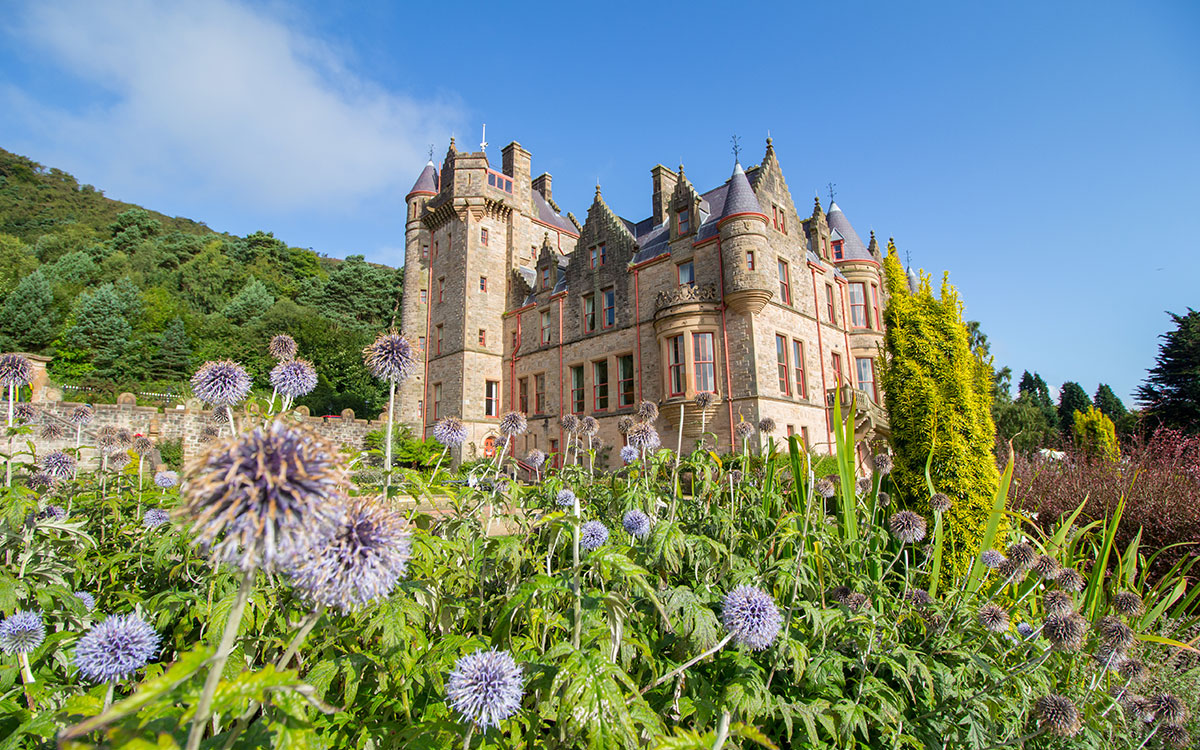
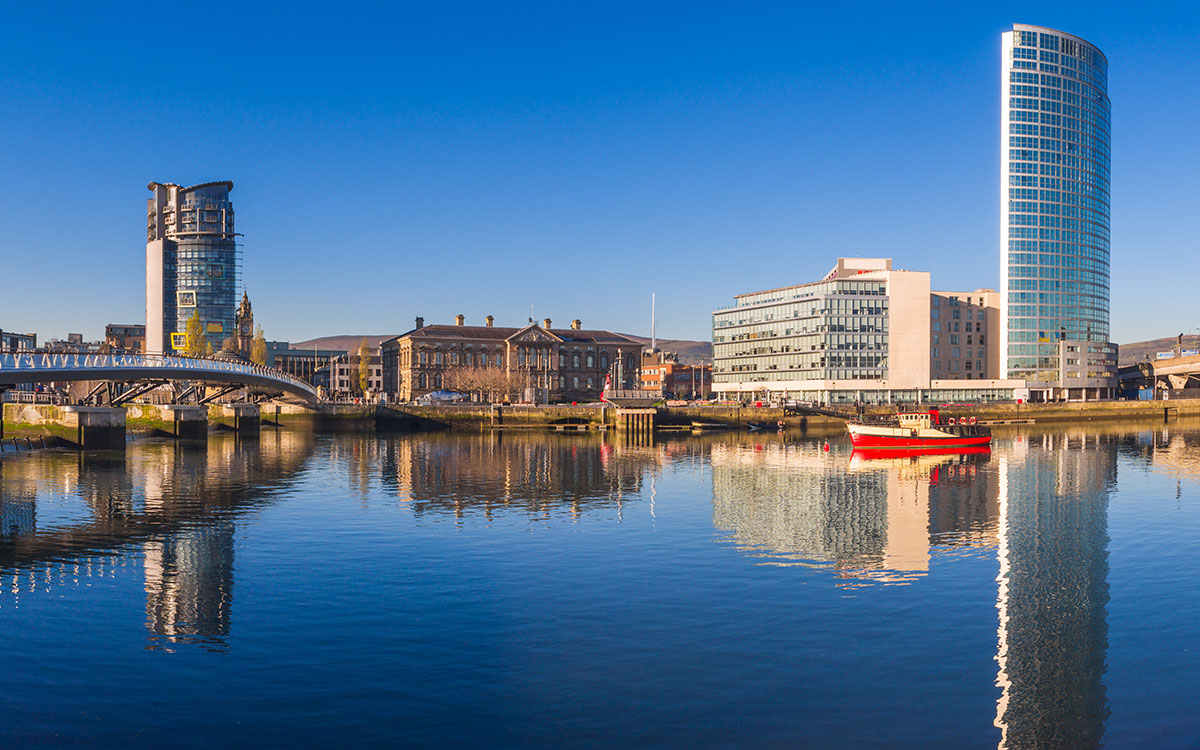
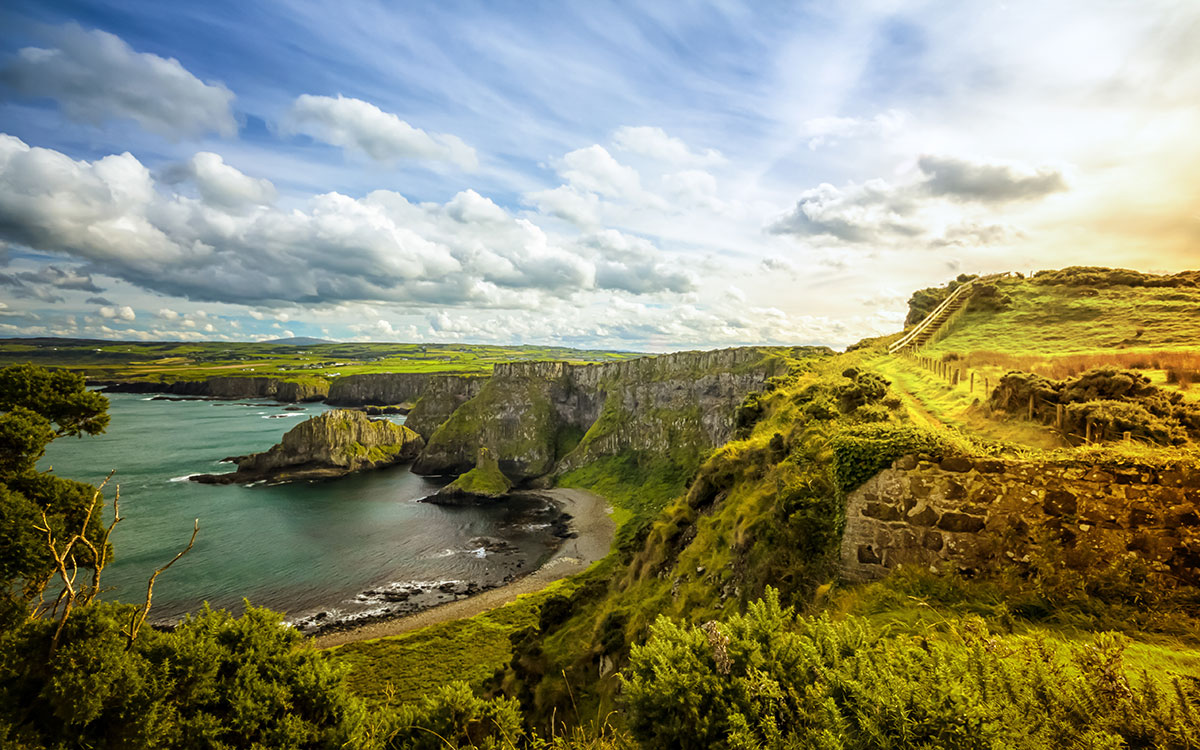
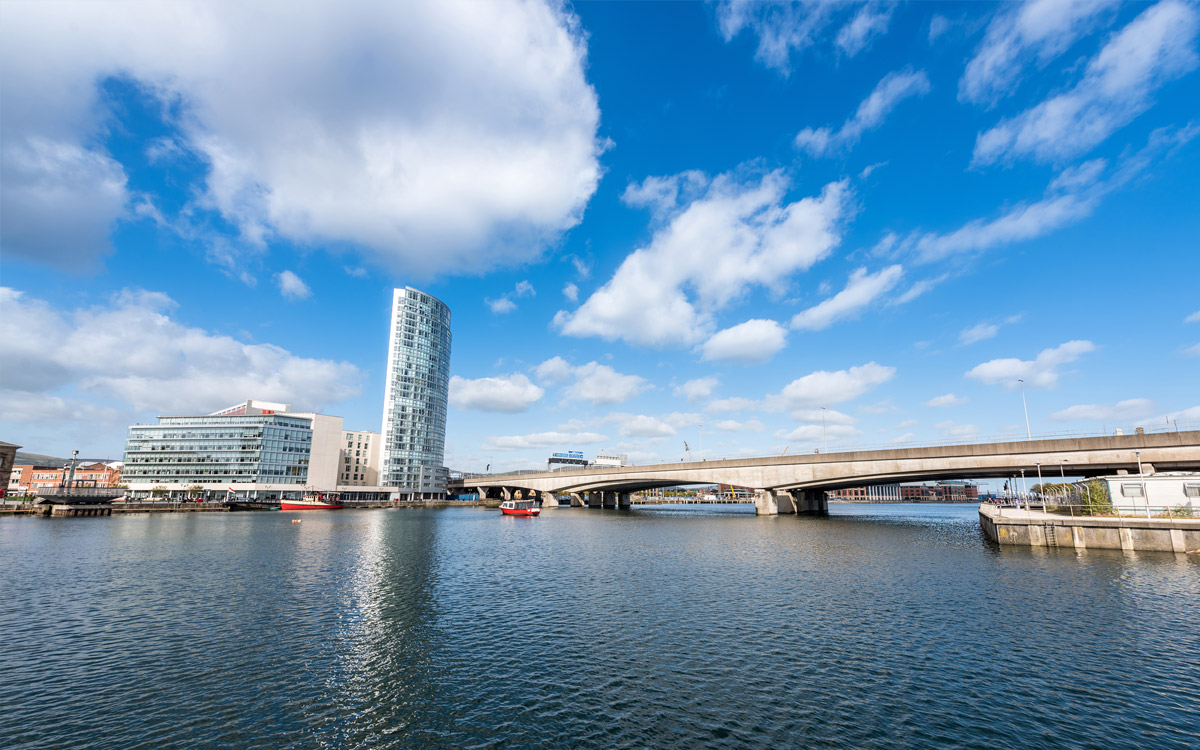
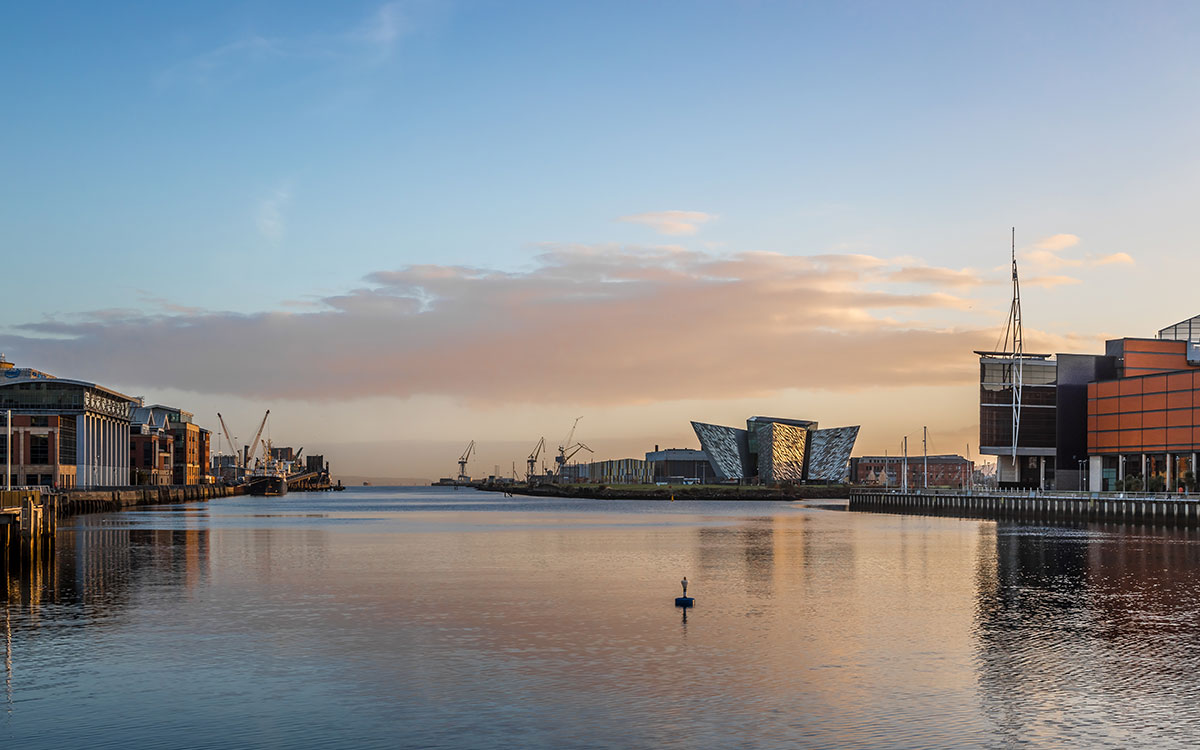
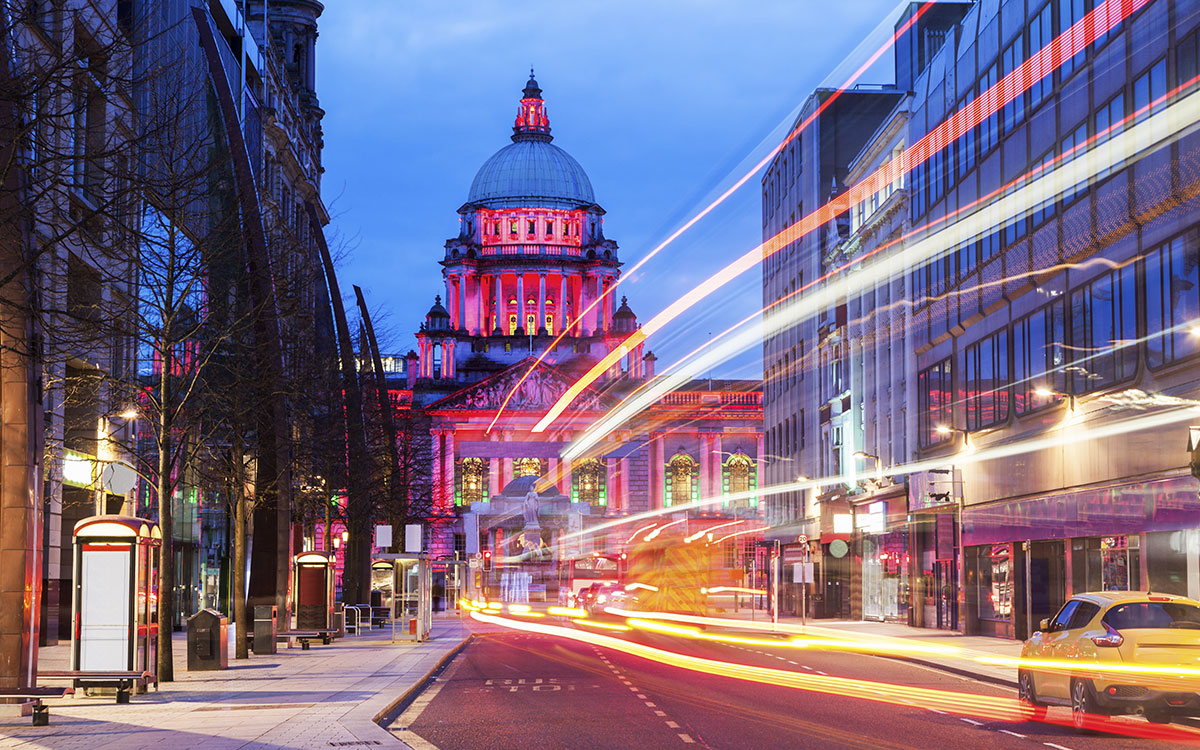
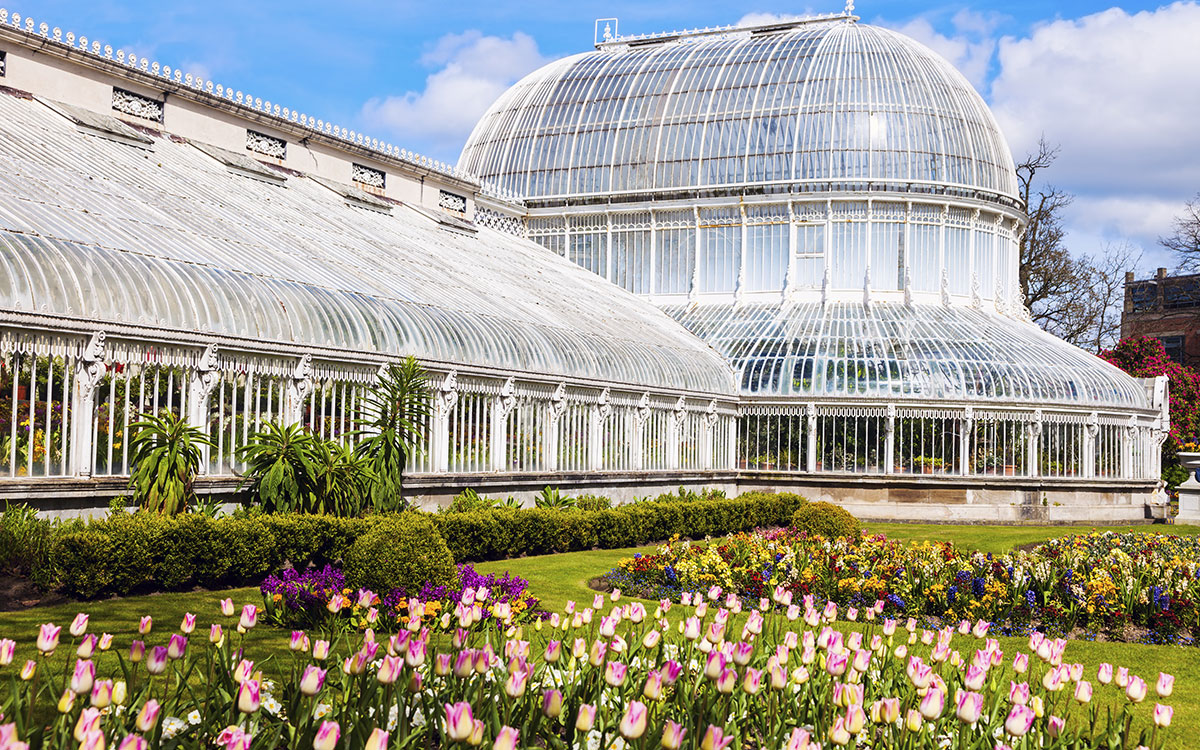

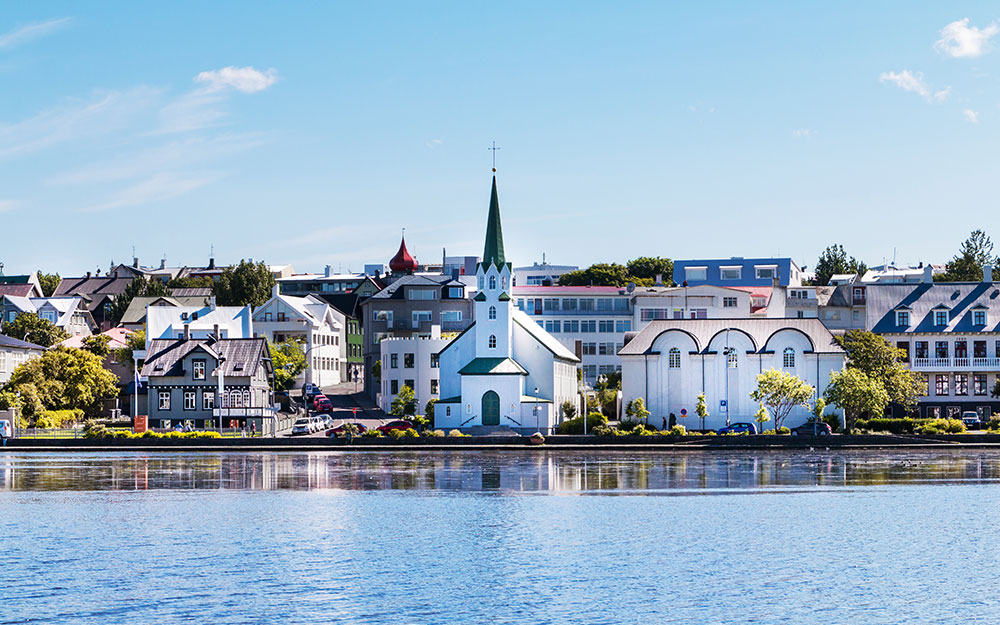


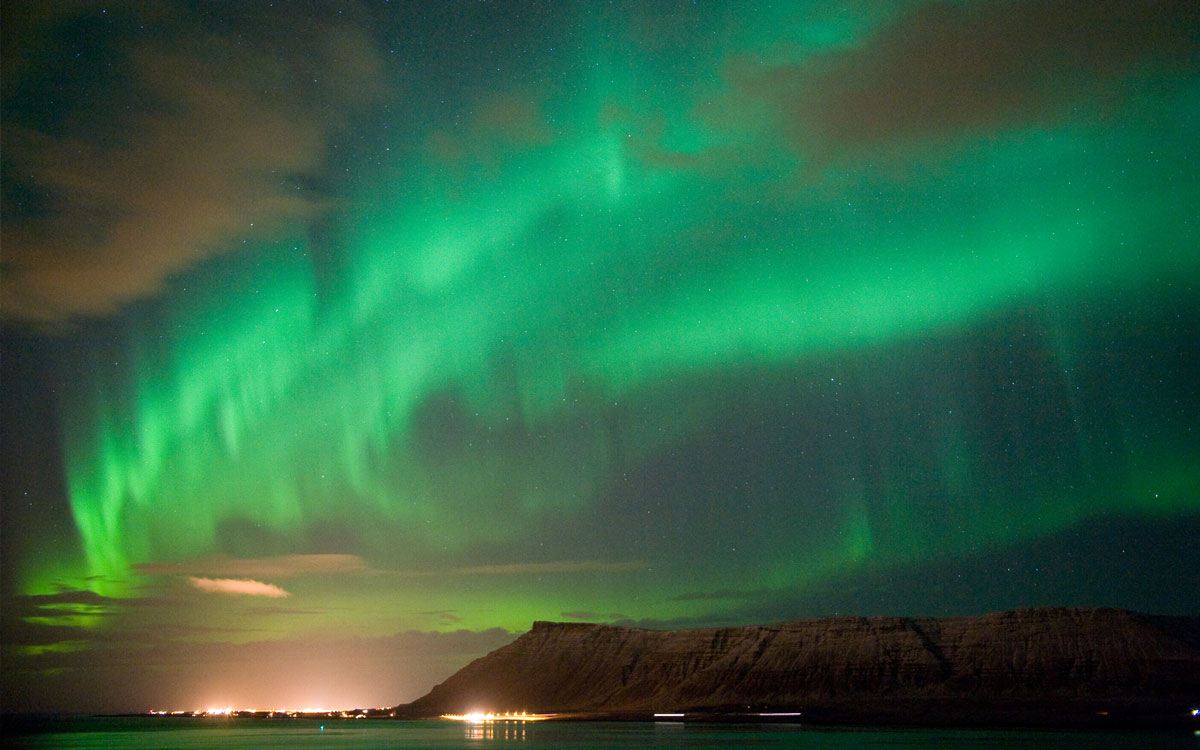
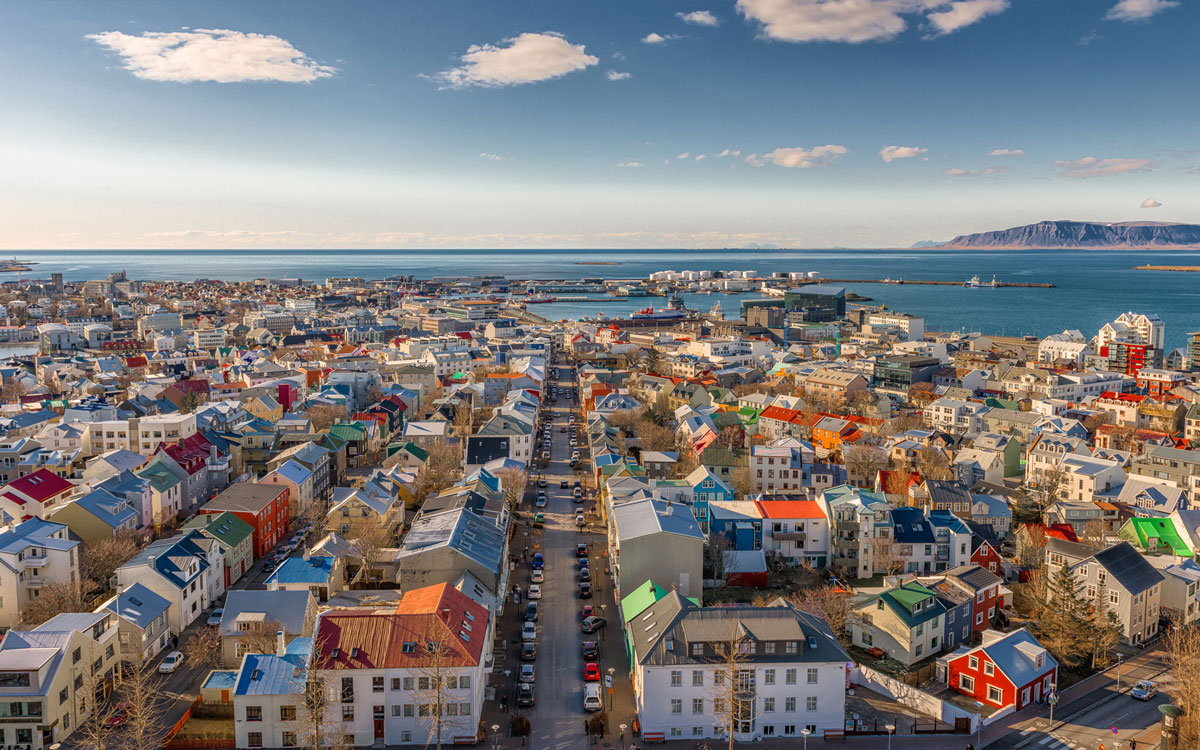


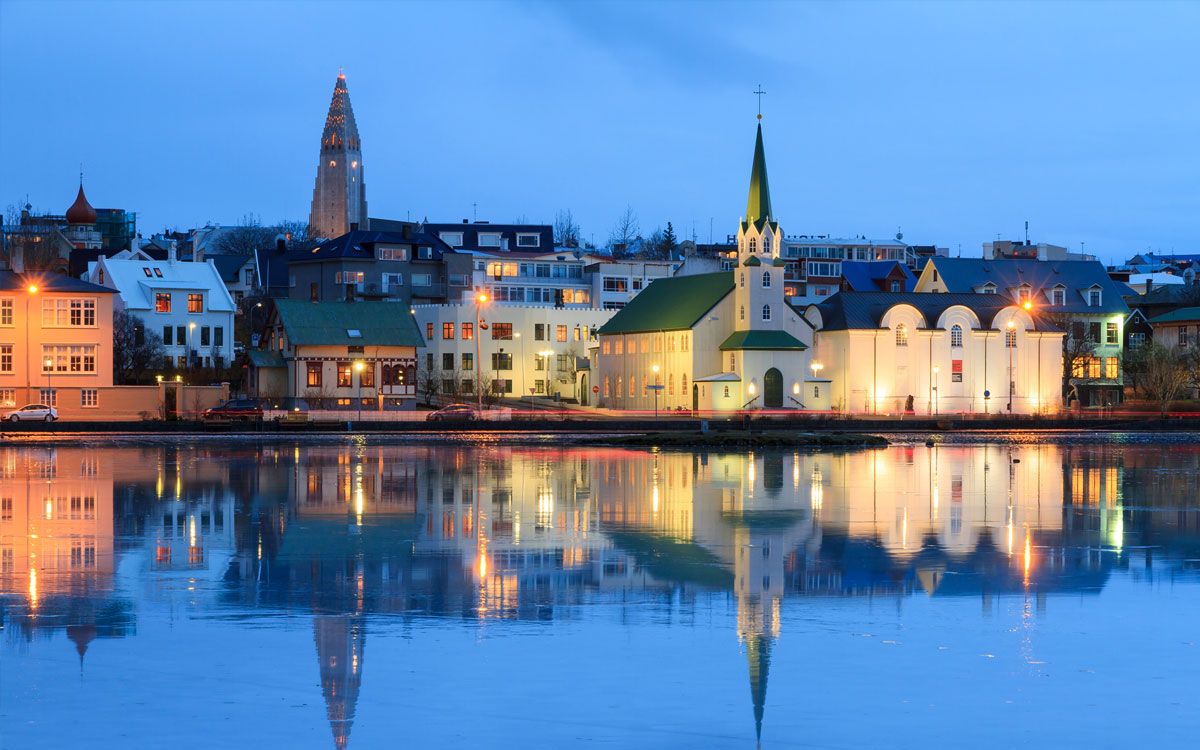
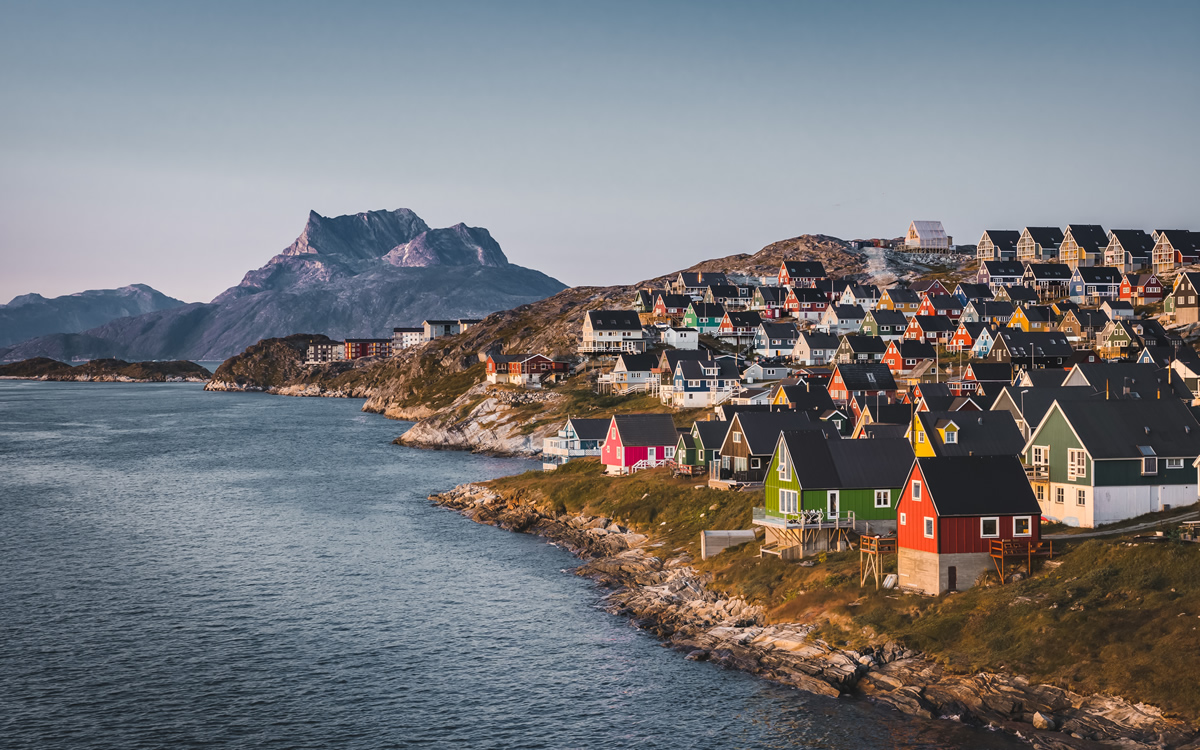




Copenhagen to New York Transatlantic Grand Voyage Itinerary

Day 1
Copenhagen
The coastal city of Copenhagen is packed
with old-world charm alongside avant-garde architecture. It's a
vibrant and modern city, with a long and fascinating history. It
has been the capital of Denmark for nearly 600 years and is home to
the oldest resident monarchy in the world.
Copenhagen is the biggest city in
Scandinavia, occupying a pleasant and strategic spot on the Baltic
east coast of Denmark's largest island, Zealand. Its harbour is
overlooked by the world-famous statue of the Little Mermaid.
Visitors are often first struck by the
cleanliness and orderliness of this busy and dynamic capital. This
is epitomised in the suburb of Christianshavn, with its picturesque
canals and old cobbled streets all in pristine condition.
Most of the attractions in Copenhagen are
situated within one square mile (3 square km) of flat terrain in
the centre, making it easy to explore on foot or by bicycle, the
vehicle of choice for locals.
Five streets in the heart of the city have
been merged to provide the world's longest pedestrian mall of
Strøget, running between Rådhuspladsen and Kongens Nytorv. It's
packed with historic gabled buildings, dynamic department stores,
numerous interesting little shops, restaurants, pavement cafes,
theatres and world-class museums and galleries.
Copenhagen is not short on green lungs
either. Parks such as the ever popular Tivoli Gardens abound in
this city, which prides itself on its strict anti-pollution laws
and lack of glass and chrome skyscrapers.
Day 2
Visby
Visby, located on the Swedish island of Gotland, is a picturesque medieval town that offers visitors a unique combination of historical charm, natural beauty, and cultural experiences. With its well-preserved city walls, cobblestone streets, and fascinating architecture, Visby is often referred to as the "City of Roses" or the "Pearl of the Baltic."
Visby's history dates back to the Viking Age, and it became an important trading center during the Hanseatic League in the 12th century. The town's medieval heritage is beautifully preserved within its city walls, which are among the best-preserved in Northern Europe. Walking through these walls takes you on a journey back in time, with narrow winding streets, ancient buildings, and a sense of medieval grandeur.
One of the main attractions in Visby is the medieval district, a UNESCO World Heritage site. The district is home to numerous well-preserved medieval houses, churches, and ruins. Stroll along the cobblestone streets, visit the impressive St. Mary's Cathedral, explore the ruins of the ancient Dominican Monastery, and learn about Visby's fascinating past in the Gotland Museum. The museum showcases artifacts from different historical periods, including the famous Viking silver hoard known as the Spillings Hoard.
Beyond its historic center, Visby is surrounded by beautiful landscapes and natural wonders. Gotland is known for its stunning coastline, with white sandy beaches and clear blue waters. To the north of Visby, you'll find the popular beach of Tofta, which stretches for kilometers and is perfect for swimming, sunbathing, and water sports. The island's natural beauty also includes lush forests, picturesque countryside, and unique rock formations, such as the impressive sea stacks at Langhammars and Digerhuvud.
In addition to its sights and natural landscapes, Visby is a lively cultural destination. The town hosts several festivals and events throughout the year, attracting visitors from all over the world. The most famous of these is the Medieval Week, held in August, where the town transforms into a lively medieval marketplace with knights, jugglers, and musicians. During this time, the streets are filled with people dressed in medieval costumes, creating a truly immersive experience.
Visby is also known for its vibrant nightlife and culinary scene. The town offers a wide range of restaurants and cafes, serving both traditional Swedish cuisine and international dishes. Don't miss the opportunity to try local specialties like saffranspannkaka (saffron pancake) and waffles with whipped cream and jam. And of course, a visit to Visby wouldn't be complete without enjoying a glass of Gotland's famous cider, brewed from locally grown apples.
Getting to Visby is relatively easy as it is well connected by air and sea. Visby Airport offers direct flights from several major cities in Sweden, as well as some international destinations during the summer months. If you prefer travelling by sea, regular ferry services operate between Visby and Nynäshamn, Oskarshamn, and Västervik.
Whether you're a history enthusiast, a nature lover, or simply looking for a charming getaway, Visby has something to offer every visitor. Its medieval beauty, stunning landscapes, and rich cultural heritage make it a destination that shouldn't be missed. So pack your bags and get ready to embark on an unforgettable journey to the enchanting town of Visby.
Day 3
Stockholm
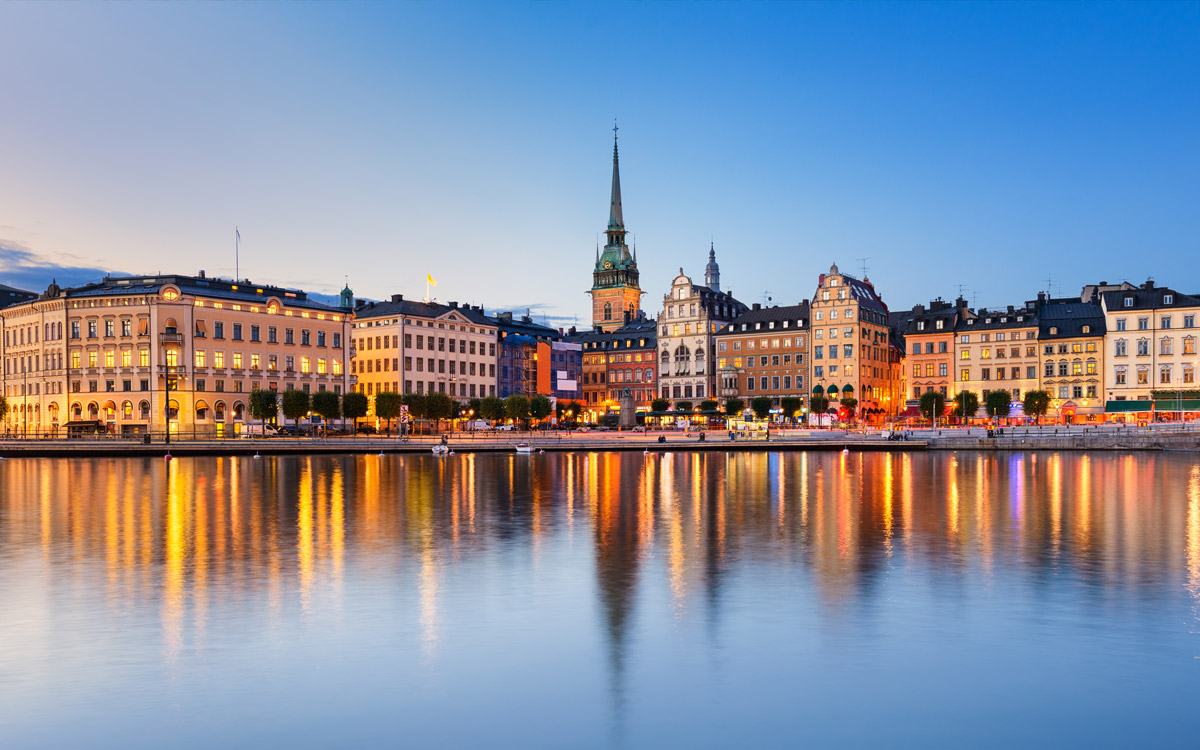
The Swedish capital of Stockholm is not only
Scandinavia's largest city but also one of its most enchanting,
with its centuries-old alleyways and squares spread across an
archipelago of 14 islands. Locals are extremely proud of the fact
that in Stockholm one can go ocean-fishing in the heart of the
city.
This historic metropolis with a small town heart
boasts a multitude of museums, restaurants, parks, fun fairs, a
never-ending nightlife (licensing hours extend into the early
hours), and a rich cultural tradition. There's never a dull moment,
particularly in the summer when the sun virtually never sets
because of the city's position in the far northern latitudes.
Most tourists are initially drawn to the quaint Gamla
Stan (Old Town), a warren of narrow cobblestone streets
overshadowed by historic houses. It radiates out from the sumptuous
Royal Castle, where Swedish monarchs have resided since the 13th
century.
However, despite the rich medieval heritage,
Stockholm is not an old-fashioned enclave. Citizens have developed
a reputation for being trendy, daring and innovative, especially in
the global realms of IT and fashion, often setting the pace in the
technology and design fields.
Stockholmers are also immensely concerned with the
environment, and the cityscape is made up of one-third water,
one-third green space, one-third buildings, and some of the
cleanest air of any city in the world. Pack a picnic, hop aboard a
ferry, and make for one of the parks where you will undoubtedly be
treated to a free concert; or head for the legendary shopping
districts of Biblioteksgatan (exclusive European boutiques),
Odengatan (antique treasures), and others.
There is culture to be soaked up too, with more than
150 museums to visit, art festivals galore, opera and jazz
concerts, and architecture to be admired, including the beautiful
City Hall where the Nobel Prize banquet takes place. It may be old
but Stockholm is a destination for the young and energetic, and not
overrun with tourists like many other European capitals.
Day 5
Turku
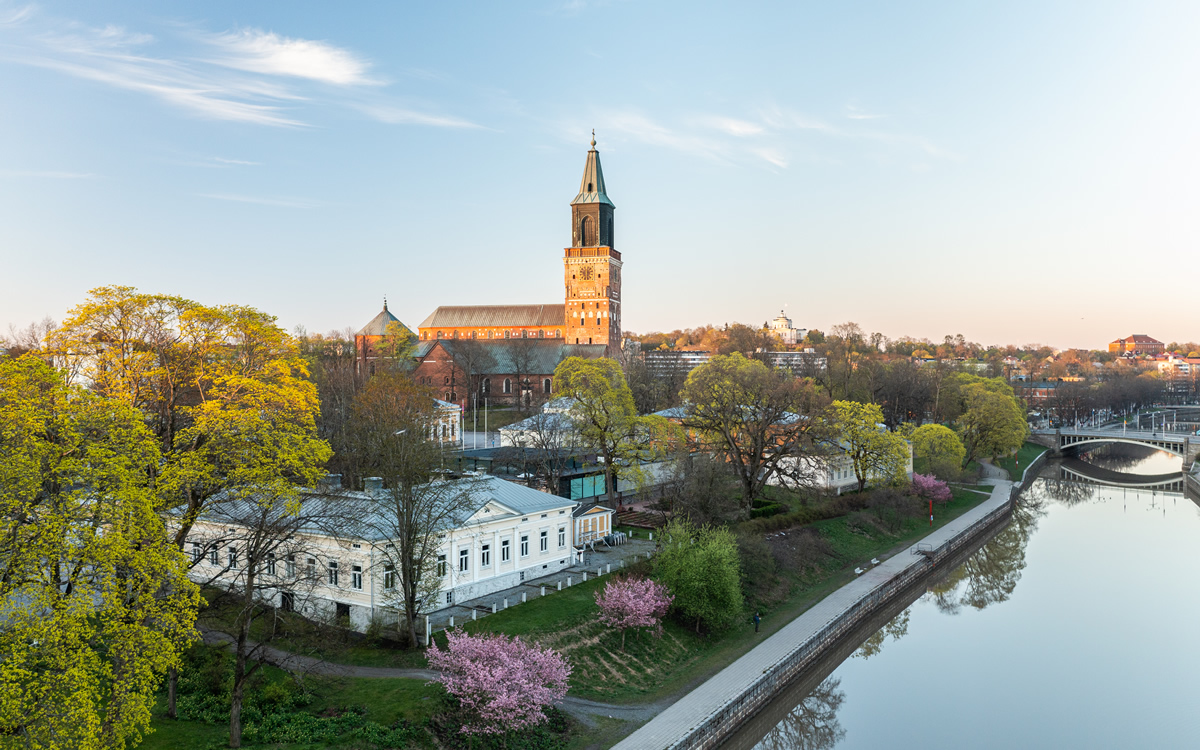
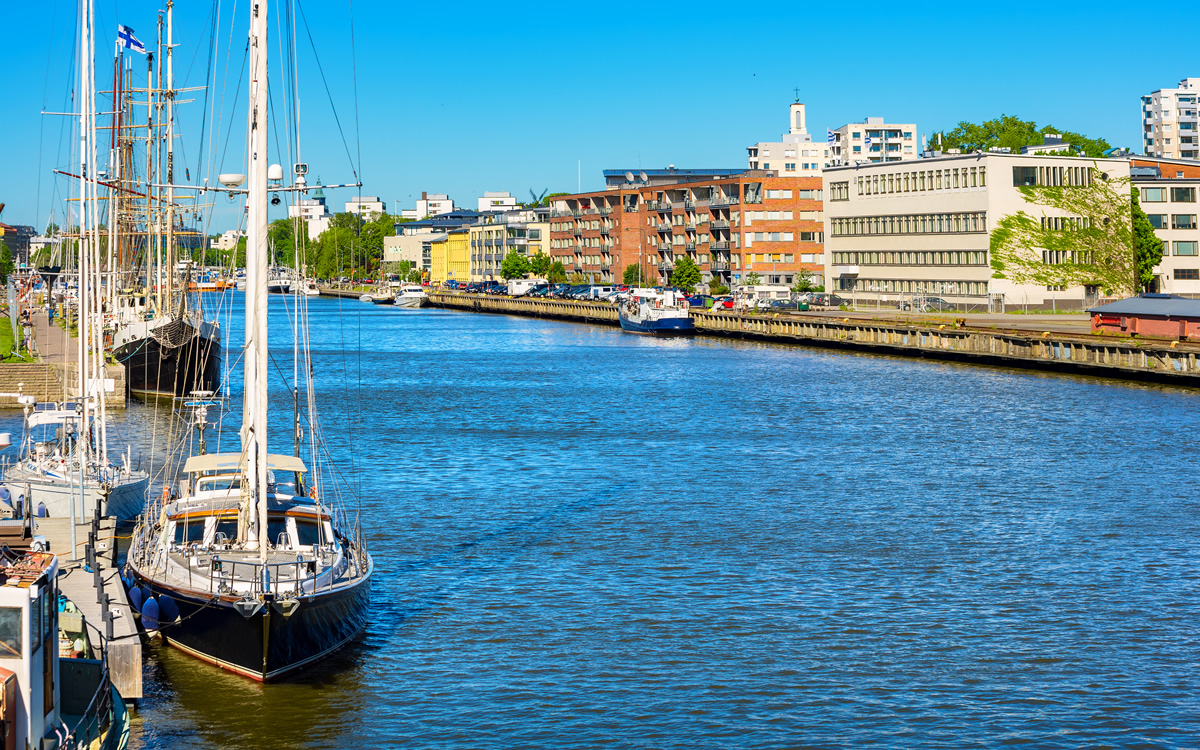
Turku, located in the southwest region of Finland, is one of the country's most significant urban centers both historically and culturally. With a population of around 190,000 as of 2023, Turku is Finland's sixth-largest city and serves as the central hub for the surrounding region, which includes the archipelago that stretches out into the Baltic Sea.
Turku's origins trace back to the 13th century, making it one of the oldest cities in Finland. It was the most populous and important city in Finland for several centuries and served as the de facto capital until the title was transferred to Helsinki in 1812. This rich history is woven into the fabric of the city, with the Turku Castle and Turku Cathedral standing as testament to its medieval past. These landmarks, among others, are major attractions and convey the city’s significant role during the Swedish and Russian empires.
Turku Cathedral, dating back to the 13th century, is not only a historic building but also a functioning religious center and the mother church of the Evangelical Lutheran Church of Finland. Turku Castle, on the other hand, has been a fortress, a residential palace, and is now a museum showcasing life in the Middle Ages, as well as exhibitions on Finnish history.
Culturally, Turku is vibrant and has a lively arts scene. It hosts an array of events throughout the year including the Medieval Market, the Turku Music Festival, and the Ruisrock festival, one of the oldest rock festivals in Europe. The city also prides itself on its artistic venues like the Wäinö Aaltonen Museum of Art and the Turku Art Museum.
Turku is a center for education and research, home to two major universities: the University of Turku and Åbo Akademi University. These institutions contribute to the city's youthful energy and innovative atmosphere, driving advancements in various fields such as biotechnology and information technology. This academic influence also makes Turku a city of international talent and diversity.
The Archipelago Sea that surrounds Turku is a unique geographical feature, consisting of thousands of islands which form one of the world’s largest archipelagoes. This detail provides Turku with a significant recreation and tourism aspect. Taking an archipelago cruise is a popular activity for both visitors and residents. The nearby island of Ruissalo is also popular for its natural beauty and provides opportunities for various outdoor activities.
Economically, Turku is a dynamic city with a strong maritime industry. The city is known for its shipbuilding, with Meyer Turku Shipyard being one of the leading shipyards in Europe, where some of the world’s largest cruise ships are constructed. Additionally, Turku has a robust technology sector and is a hub for various other industries, including pharmaceuticals and food production.
Turku's commitment to sustainability is evident in its urban planning and public transportation systems. The city aims to be carbon neutral by 2029 and invests in clean energy solutions, efficient public transport, and cycling routes to encourage eco-friendly modes of transportation.
Overall, Turku is a city that honors its past while continually evolving. This evolution exhibits itself not just in terms of technological innovation and economic growth, but also through its contributions to education, culture, and the arts. Its unique combination of history, nature, and modernity makes Turku a fascinating destination and a vital part of Finnish identity and heritage.
Day 6
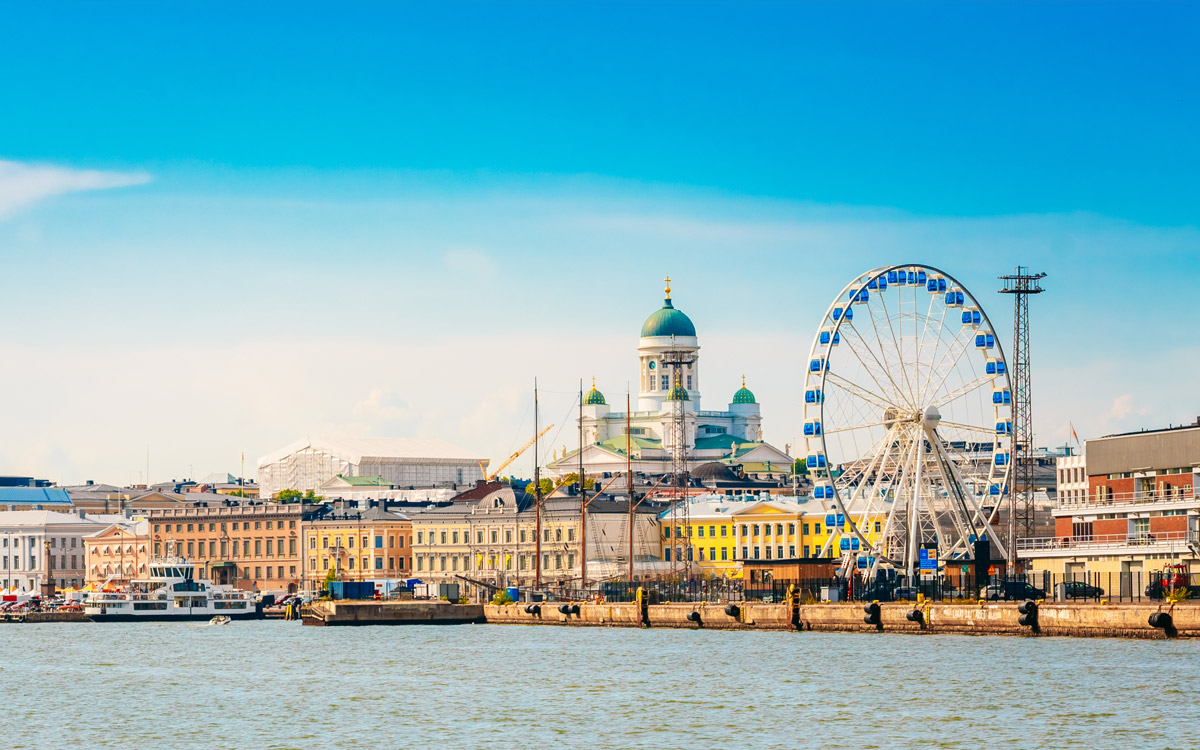
Helsinki
The average temperature in efficient, elegant Helsinki hovers
around 43°F (6°C), but this does not mean visitors need expect a
chilly welcome. The funky Finns, known for their hip and happening
sense of style, design and association with high technology, know
how to warm hearts and minds in their modern, cosmopolitan
capital.
The city, spread across a cluster of promontories and
peninsulas, is almost 500 years old. Its clean, wide avenues are
lined with buildings echoing centuries of architectural excellence
from Gothic through Art Deco to cutting-edge contemporary. It all
fits together in total harmony with nature, which invades the urban
environment with green spaces when it is not blanketed in snow.
Trees, flowers, hares, squirrels, pheasants and even the odd elk
are often spied in the myriad parks in the centre of the city. On
the whole, the city is surrounded with crisp, unpolluted air and
the bright blue waters of the Baltic Sea.
Despite the cold climate, the invigorating outdoors beckons in
Helsinki even in the middle of winter. Recreation takes the form of
ice skating, skiing, ice-fishing, sailing, cycling, soaking in
saunas, or during the short-lived summer, sunbathing. After the
action, sit tucked in a rug outside one of the many street-side
bars sipping hot
(spiced wine) and watch the wintry world go by. The
city is also ideal for walking, with the sights all concentrated in
the central area beneath the towering cathedrals.
The great outdoors is also the setting for Helsinki's numerous
festivals and fairs, like the May Day Carnival, the Baltic Herring
Festival, the Helsinki City Marathon, the annual Samba carnival and
the midsummer festival, to name but a few. Events do move indoors
when it comes to the city's rich cultural life, featuring some of
the world's finest orchestras and choirs, rock concerts, film
festivals, the Finnish National Opera and Ballet performances, and
the output of countless theatre and dance troupes.
Whether visited as a snowy winter wonderland or scenic
sun-splashed cityscape with almost permanent daylight, Helsinki is
a unique destination that will delight the heart of any
traveller.
Day 7
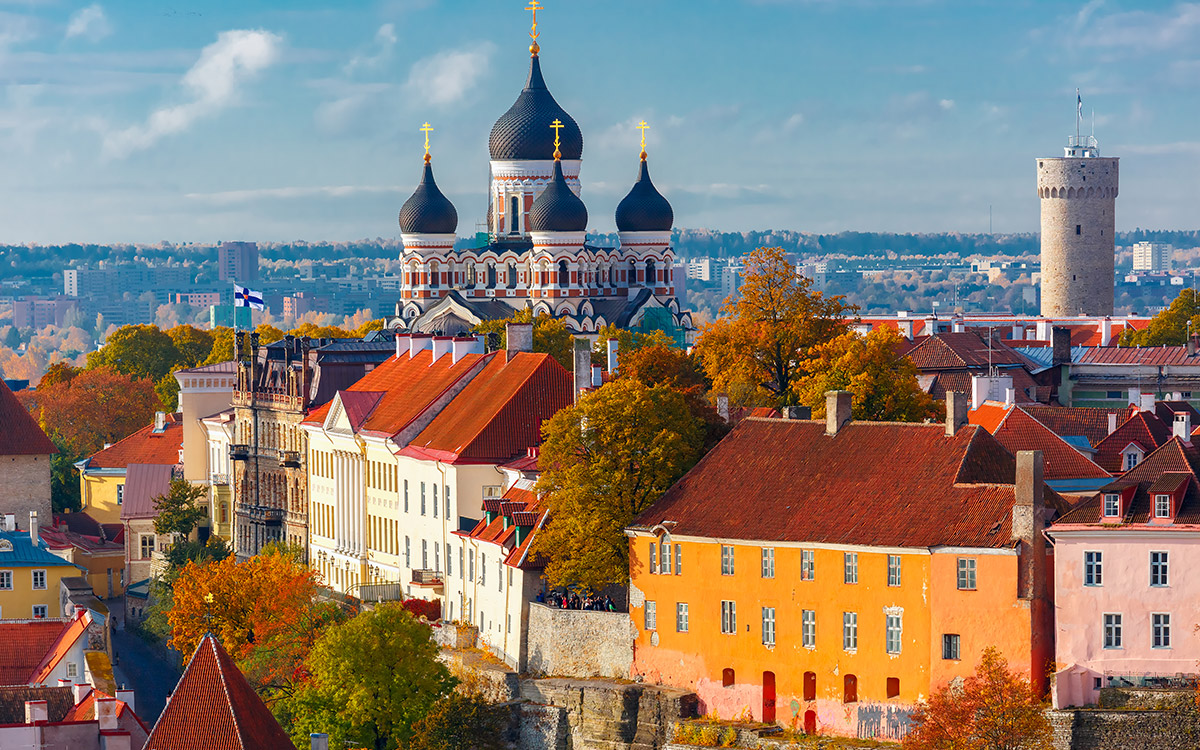
Tallinn
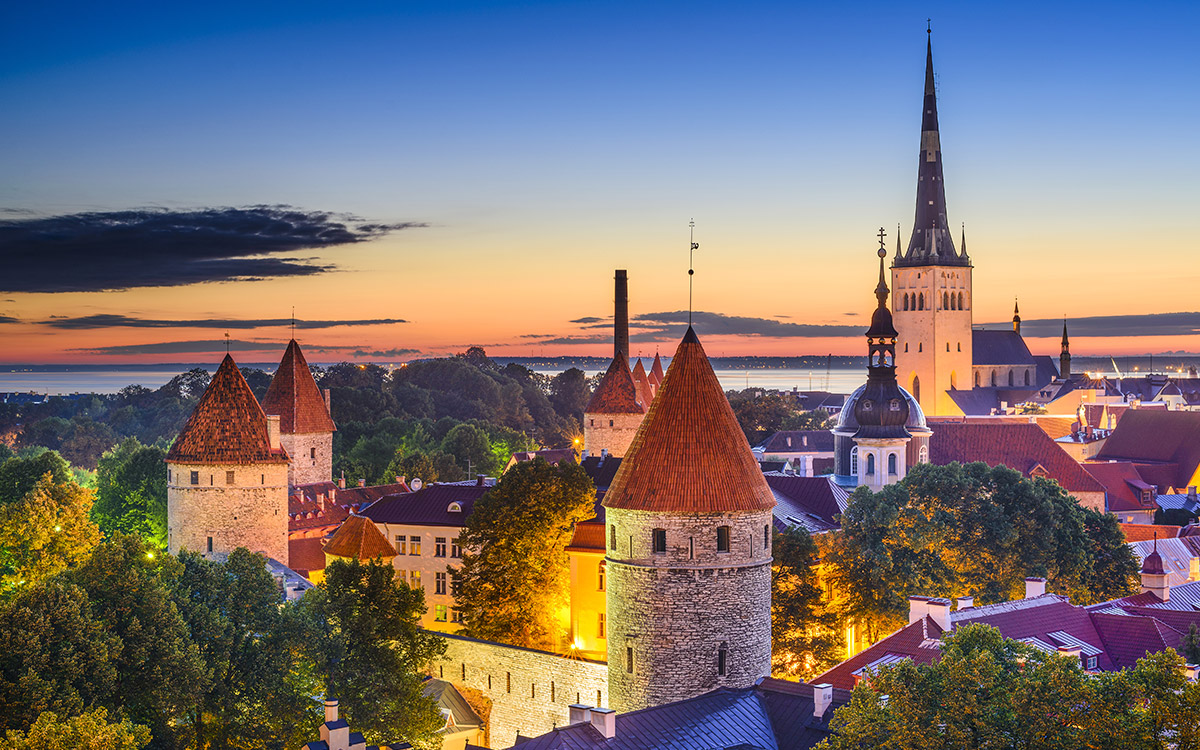
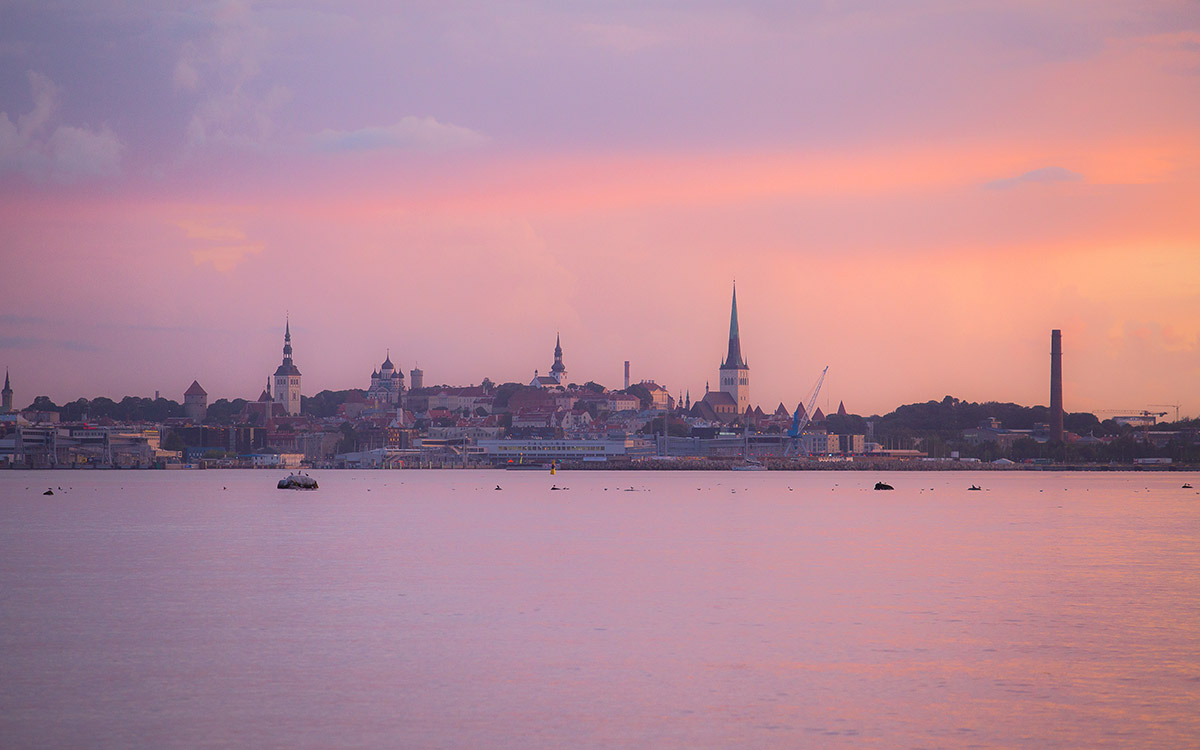
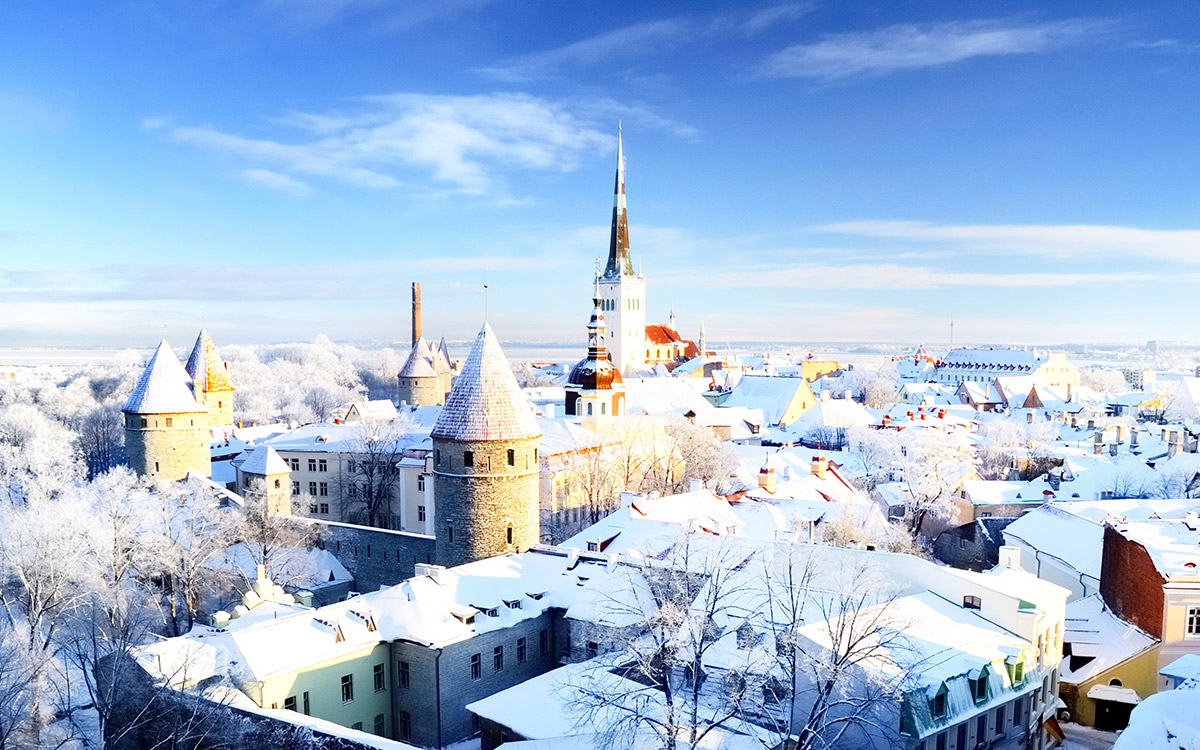
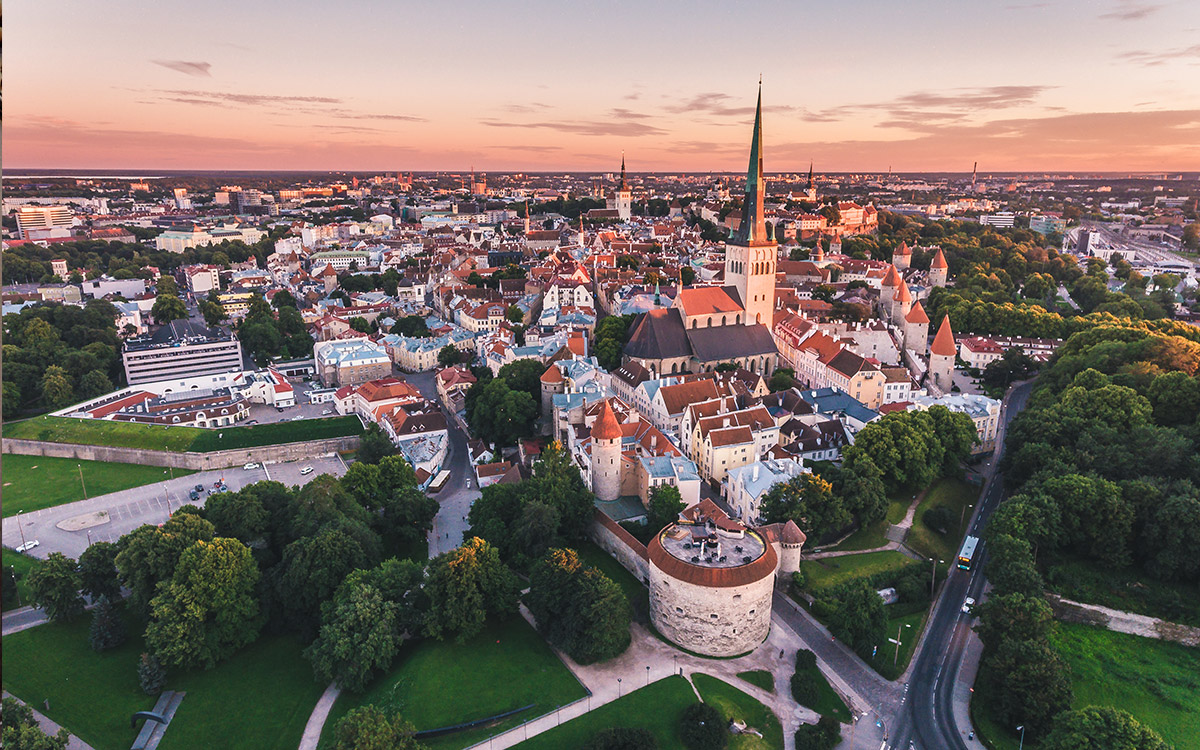
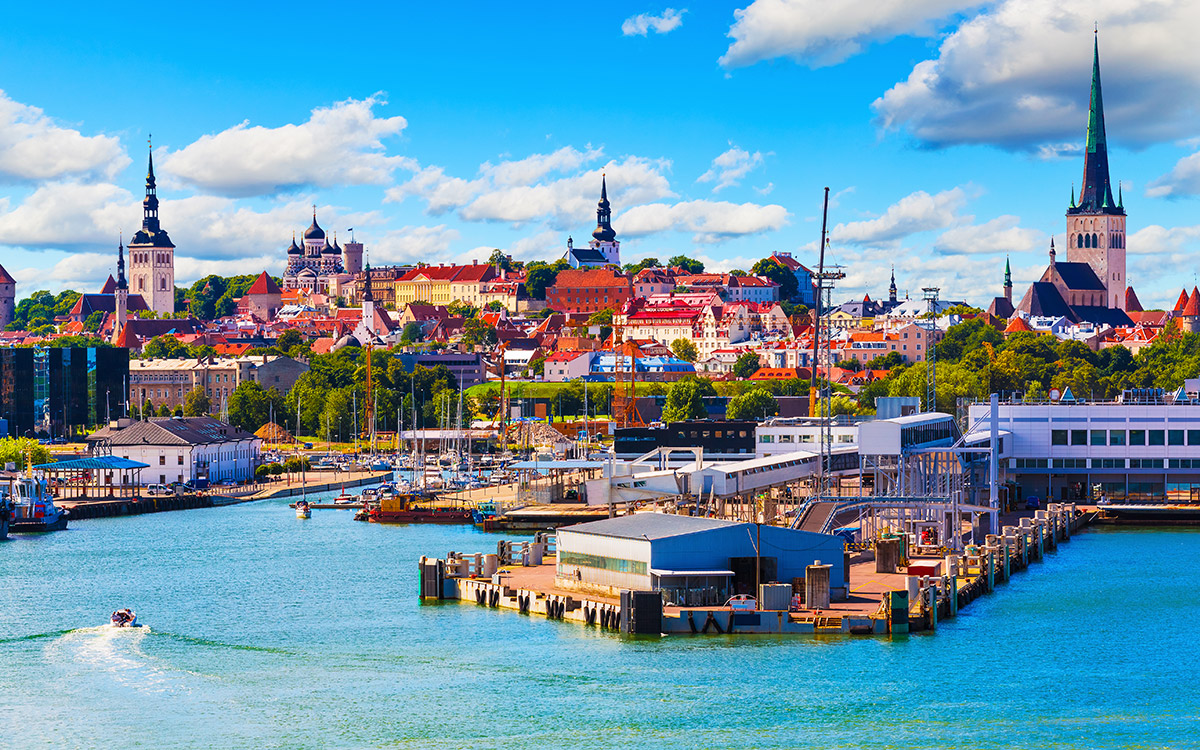
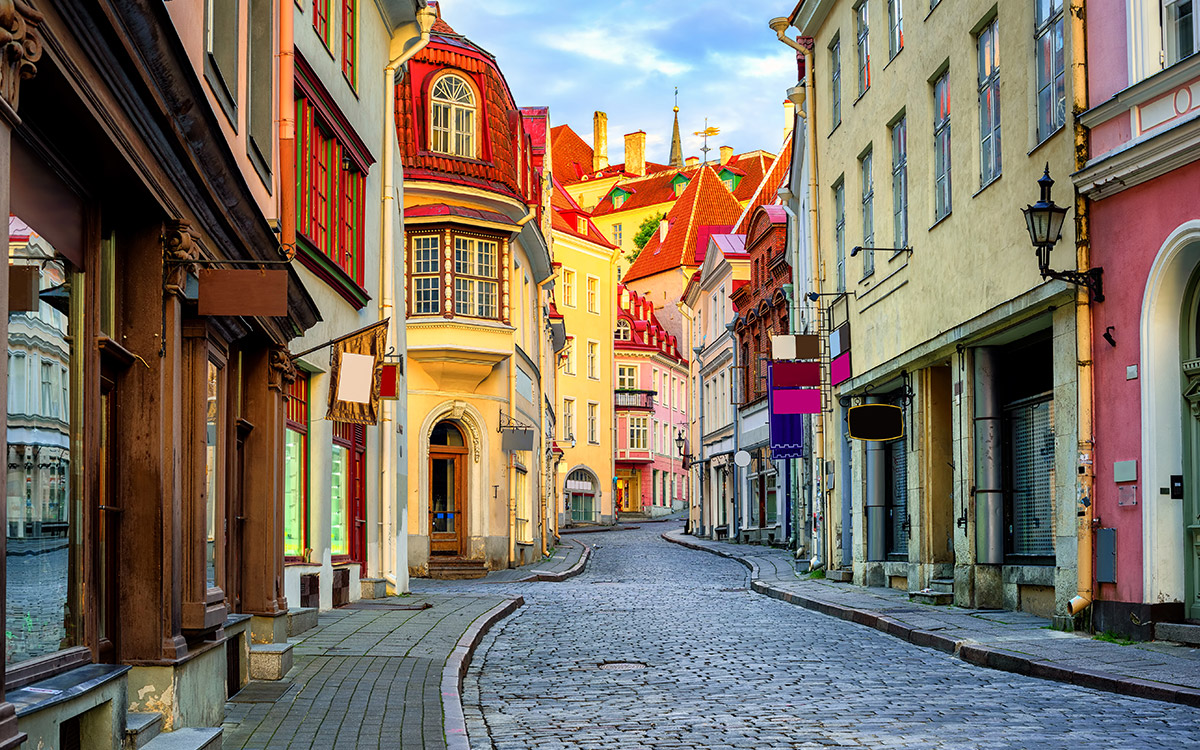
The ancient coastal capital of Tallinn exudes a sense of
romantic history. Recognised as one of the most completely
preserved medieval cities in Europe, it is a gem on the UNESCO
World Heritage List that is slowly being discovered by delighted
visitors of all ages. A spirit of mystery still pervades the
cobbled courtyards of the picturesque Old Town, where visitors can
wander along winding alleys overhung with original 12th- and
13th-century merchant's houses, and view a perfectly preserved
medieval church.
While preserving its past, Tallinn is as progressive as any
other modern European capital. This is probably best reflected in
the interactive exhibits at the AHHAA Science Centre, the city's
showcase for the arts and sciences. Public transport is modern and
efficient; the nightlife is pumping with cigar bars, pool halls and
nightclubs. Dining out promises tasty choices ranging from
take-away pizza and Chinese to formal French and traditional
Estonian cuisine.
Day 9
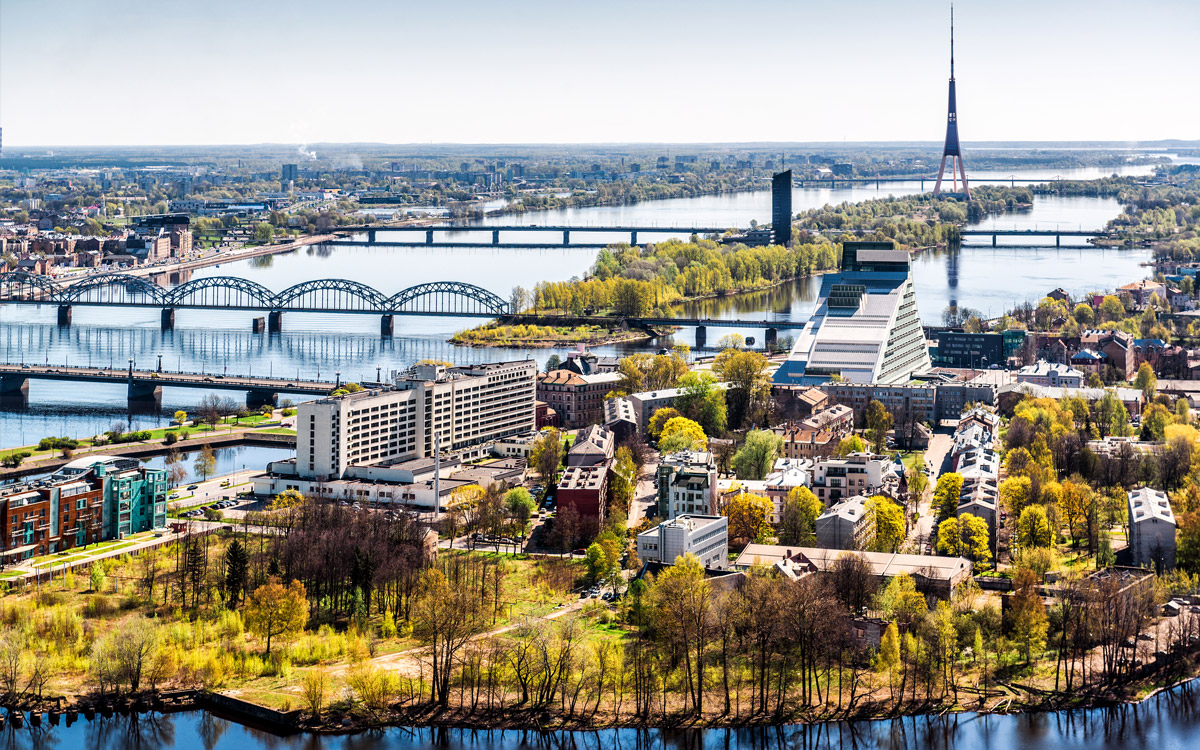
Riga
Situated at the mouth of the Daugava, the city of
Riga is the capital of Latvia and the biggest city in the Baltic
States. It has emerged from behind the Iron Curtain and is slowly
coming into its own as a major European tourist destination.
Situated on the south-western coast of the country,
Riga is split in two by the River Daugava, and served as a major
trading port and a crossroads between western Europe and the East.
The modern founding of the city dates back to the 12th century with
the arrival of German traders, mercenaries, and missionaries, while
its older roots date back to a settlement of the ancient Finnic
tribe, the Livs.
Riga boasts a collection of exquisite Art Nouveau
buildings that rival those in Vienna, Barcelona, and St Petersburg,
and the fairytale historic city centre is a delight to explore. As
the cultural and economic centre of the country, Riga is home to
plenty of top-class museums, galleries, and performing arts
centres. It also has a wide range of sophisticated bars, clubs, and
restaurants. The city is fast gaining a reputation as a party
capital, and its vibrant nightlife draws hundreds of weekenders
from all over Europe.
For a more traditional Latvian experience, it is well
worth braving the winter cold to enjoy a spot of ice fishing,
ice-skating on the frozen Daugava River, or a
a rigorous sauna involving being beaten with dried
birch branches. With over 800 years of history, a UNESCO World
Heritage Site-listed historic city centre, and a modern buzz, Riga
remains a largely undiscovered gem with plenty to delight and
enchant the visitor.
Day 10
Klaipeda
Located on the Baltic Sea coast in Lithuania, Klaipeda is a charming and vibrant city that offers a unique blend of historical charm, stunning natural beauty, and a thriving cultural scene. With its rich history, picturesque architecture, and proximity to beautiful beaches, Klaipeda is a popular destination for both domestic and international travelers.
Klaipeda's history dates back to the 13th century when it was founded by Teutonic Knights. As Lithuania's only port city, Klaipeda has played an important role in trade and commerce throughout the centuries. The city has been under the rule of various powers, including the Teutonic Knights, Poland, Sweden, Germany, and the Soviet Union, resulting in a mix of architectural styles that can be seen throughout the city.
One of the main attractions in Klaipeda is the Old Town, which is a UNESCO World Heritage Site. The Old Town is characterized by its narrow cobblestone streets, colorful buildings, and cozy cafes. The Theatre Square is a focal point of the Old Town, surrounded by some of the city's most important landmarks such as the Clock and Art Museums. The Drama Theater, housed in a beautiful neo-gothic building, is another cultural highlight in the Old Town.
Just a short distance from Klaipeda, you can find some of Lithuania's most beautiful sandy beaches. The Curonian Spit, a UNESCO World Heritage Site, is a narrow strip of land that separates the Curonian Lagoon from the Baltic Sea. The Spit is famous for its unique sand dunes, pine forests, and picturesque seaside resorts. Visitors can enjoy sunbathing, swimming, and various water sports activities along the coastline. The Curonian Lagoon is also a popular spot for sailing, fishing, and birdwatching.
For history enthusiasts, the Maritime Museum and Aquarium is a must-visit attraction in Klaipeda. Housed in a former fortress, the museum showcases the city's maritime heritage through interactive exhibits, models of historical ships, and a fascinating collection of marine life. The Blacksmith's Museum is another interesting museum that offers insight into traditional blacksmithing techniques and showcases a variety of metalwork.
Klaipeda is well-known for its vibrant cultural scene, with numerous festivals, concerts, and exhibitions taking place throughout the year. The Jazz Festival, held in July, attracts renowned jazz musicians from around the world and is a highlight for music lovers. The Sea Festival, held in late July, celebrates the city's maritime heritage with a variety of activities, including boat races, concerts, and fireworks displays.
When it comes to dining, Klaipeda offers a wide range of culinary delights. The city is famous for its fresh seafood, with many restaurants specializing in delicious fish dishes. Visitors can also indulge in traditional Lithuanian cuisine, including hearty soups, potato dishes, and a variety of meat-based dishes. The local beer scene is also worth exploring, with several breweries offering a taste of the city's craft beer culture.
In terms of accommodation, Klaipeda caters to a range of budgets and preferences. The city offers a variety of hotels, guesthouses, and self-catering apartments, with options available in both the city center and near the beach.
Whether you're interested in history, nature, or cultural experiences, Klaipeda has something to offer every traveler. With its charming Old Town, stunning beaches, and vibrant cultural scene, Klaipeda is a destination that should not be missed when visiting Lithuania.
Day 11
Gdansk
Gdansk is an import port situated at the mouth of the Vistula
River on the Baltic Sea, existing throughout history as a major
trading centre. It's the best known of the Tri-City complex that it
forms with the modern seaport of Gdynia and the fashionable beach
resort town of Sopot.
Its turbulent history includes the rule of the Teutonic Knights
in the 14th century, who then lost it to Prussia, and after the
first shots of World War II were fired on the nearby peninsula of
Westerplatte, it was occupied by Nazi Germany in 1939.
Like many Polish towns, Gdansk lay in ruins after the war, but
it was meticulously rebuilt over a 20-year period, returning it to
its former glory. The interesting architecture and beautiful
painted buildings are part of the town's historic charm, and for
those interested in World War II it is a fascinating
destination.
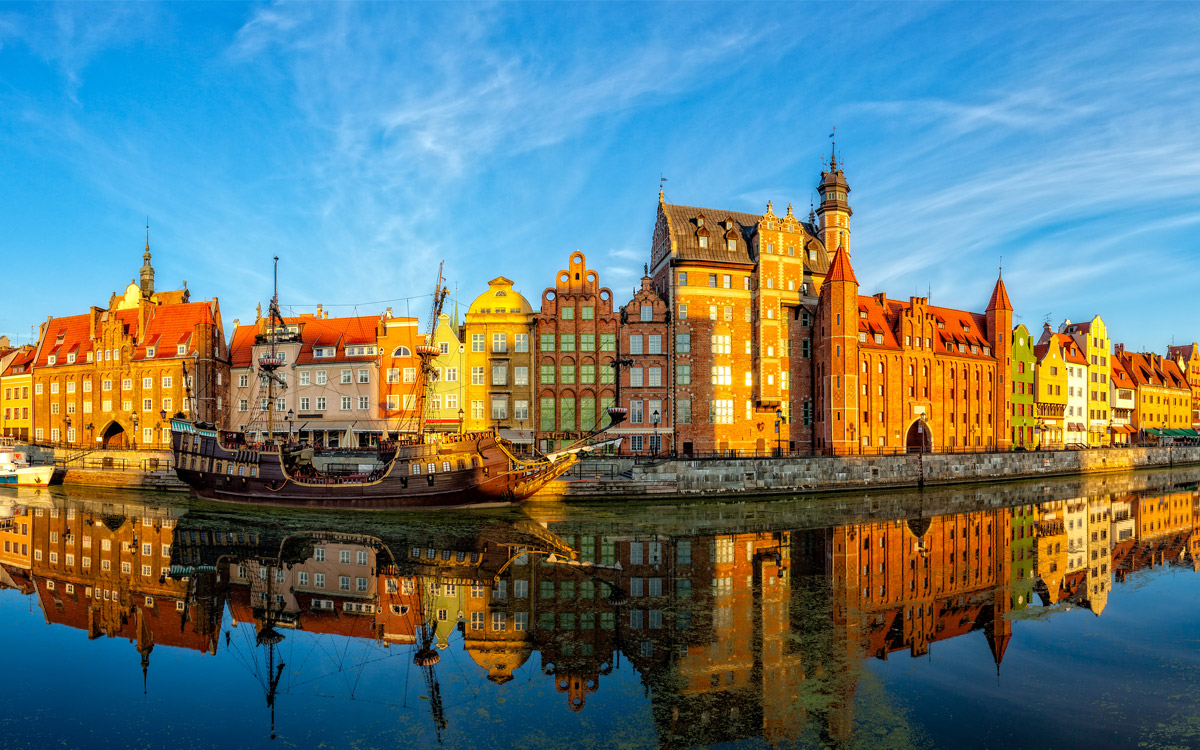
The richest architecture is visible in the historic quarter of
the Main Town. Its primary thoroughfare, known as the Royal Way, is
spectacular. Lined with magnificent buildings featuring beautifully
painted facades and entered through grand stone gateways at either
end, this was the route along which the Polish Kings paraded during
their visits.
The most splendid façade in town belongs to the Golden House,
one of Gdansk's most impressive buildings, along with the Town Hall
and Artus Court. In front of the Court, the gathering place of the
old merchants, stands the Renaissance-style Neptune's Fountain.
Along the waterfront, with its fashionable restaurants and
cafes, the huge Gdansk Crane dominates the promenade, the largest
crane in medieval Europe which today houses the Maritime
Museum.
Parallel to the Royal Way is Gdansk's most picturesque street,
Mariacka Lane, lined with quaint 17th-century
houses with decorative steps and iron railings. The
gigantic St Mary's Church towers over the city and offers splendid
panoramic views.
Day 12
Rønne
Ronne is a picturesque town located on the island of Bornholm in Denmark. It is the largest town on the island and serves as its main coastal port. Known for its charming cobblestone streets, colorful half-timbered houses, and stunning coastal landscapes, Ronne is a popular destination for both domestic and international travelers.
One of the main attractions of Ronne is its rich history, which is evident in its well-preserved architecture. Walking through the town, visitors can admire the beautiful old buildings, including the medieval St. Nicholas Church and the 17th-century Ronne Theater. The town also boasts several museums, such as the Bornholm Museum, where visitors can learn about the island's past, and the Ceramic Museum, which showcases the region's famous pottery tradition.
Ronne offers plenty of outdoor activities for nature lovers. The surrounding coastline is dotted with stunning beaches, where visitors can relax, sunbathe, and enjoy a refreshing swim in the Baltic Sea. The Hammershus fortress, located a short distance from Ronne, is a must-visit attraction. This medieval castle ruins offer panoramic views of the sea and the surrounding countryside, making it a favorite spot for hikers and photographers.
Food enthusiasts will find a variety of options in Ronne. The town is known for its fresh seafood, and there are plenty of charming restaurants and cafes where visitors can sample local dishes. Smoked herring and pickled herring are popular specialties in the area. And no visit to Ronne would be complete without trying the island's famous smoked fish.
Ronne hosts several annual events and festivals that attract visitors from all over. One of the most popular events is the Ronne Harbor Festival, where you can experience live music, food stalls, and various water activities. The Medieval Market is another highlight, offering a trip back in time with reenactments, knights, and traditional crafts.
Getting around Ronne is easy due to its compact size. Most of the town can be explored on foot, and there is also a well-connected bus network that can take you to other parts of the island. If you're feeling adventurous, renting a bicycle is a great way to explore the charming countryside and coastal areas around Ronne.
Accommodation options in Ronne are varied, ranging from hotels to guesthouses and self-catering apartments. There are options to suit every budget and preference. The town also offers a range of shops, where you can find local crafts, ceramics, and souvenirs to take back home.
In conclusion, Ronne is a delightful town on the island of Bornholm, Denmark, with a rich history, natural beauty, and a vibrant cultural scene. Whether you're interested in exploring the town's architecture, enjoying outdoor activities, or indulging in local cuisine, Ronne has something to offer every traveler. So, pack your bags and get ready for a wonderful adventure in this charming Danish town.
Day 13
Wismar
Located in the northern part of Germany, Wismar is a charming and picturesque city that offers visitors a unique blend of historical charm and maritime beauty. With its well-preserved medieval old town and stunning waterfront, Wismar is a hidden gem that is often overlooked by tourists. Whether you are interested in exploring architectural landmarks, enjoying the beauty of the Baltic Sea, or immersing yourself in the local culture, Wismar has something for everyone.
Wismar's old town is a UNESCO World Heritage site and is renowned for its well-preserved medieval architecture. The Market Square, known as the Marktplatz, is the heart of the city and is surrounded by beautifully restored buildings such as the Town Hall and the Wasserkunst, an impressive Renaissance water pump. Strolling through the cobblestone streets, visitors can admire the intricate gables and charming courtyards that make Wismar a true architectural marvel.
One of the highlights of Wismar is the impressive St. Mary's Church, which boasts the tallest brick Gothic spire in northern Germany. Inside, visitors can admire the stunning stained glass windows and intricate woodwork. Another must-visit landmark is the unique Nikolaikirche, a church built in the 14th century that now serves as an exhibition and event space. From its tower, visitors can enjoy panoramic views of the city and the Baltic Sea.
The waterfront is another major attraction of Wismar. The city's harbor, with its bustling fishing boats and yachts, is a charming place to take a leisurely stroll. Visitors can also explore the Alter Hafen, the old harbor area, and enjoy fresh seafood at one of the waterfront restaurants. From the harbor, it is also possible to take boat tours and explore the nearby islands of Poel and Hiddensee.
Wismar is not just a city of historical landmarks and beautiful architecture, but also a vibrant cultural center. The city is home to several museums, including the Wismar City Museum, which showcases the history and culture of the region, and the Phantechnikum, an interactive science and technology museum that is fun for visitors of all ages. Throughout the year, Wismar also hosts various festivals and events, such as the Old Port Festival and the Wismar Theater Summer, featuring performances by local and international artists.
For nature lovers, Wismar offers plenty of opportunities to enjoy the great outdoors. The surrounding area is characterized by beautiful landscapes, including rolling hills, forests, and the nearby Baltic Sea. Visitors can take scenic bike rides along the coast or venture into the nearby nature reserves, such as the Salzhaff and the Wismar Bay, which are home to a diverse range of flora and fauna.
In terms of accommodation, Wismar offers a variety of options to suit every budget and preference. From cozy guesthouses and boutique hotels in the old town to modern beachside resorts, visitors can choose from a range of accommodations that cater to different needs.
With its rich cultural heritage, stunning architecture, and beautiful coastal scenery, Wismar is a destination that will enchant and captivate any traveler. Whether you are interested in history, architecture, nature, or simply enjoying a relaxing holiday by the sea, Wismar is a city that should not be missed when visiting Germany.
Day 14
Kiel
Known for the Kiel Canal and Kiel Week, the city boasts an important maritime history. Kiel is also a great place to sight-see, do some shopping and take part in one of the many festivals taking place there.
Day 16
Portsmouth
Portsmouth is one of the most densely populated cities in Southern England, and is unusual as most of its built-up area occupies Portsea Island, linked to the mainland by road and rail bridges. Although there is a Roman fort at nearby Portchester, occupied later by the Saxons and Normans, there was no settlement on the site of Portsmouth at the time of the 1086 Domesday Book. The town developed in medieval times and received its first charter in 1194 from King Richard I; soon afterwards it became a major naval base. It has the world’s oldest dry dock, and is home to several famous ships, including HMS Victory, HMS Warrior and the Mary Rose, raised from the Solent in 1982. Portsmouth remains an important naval base and is home to a large proportion of the British service fleet. The waterfront area is now dominated by the Spinnaker Tower, 560 feet high, the United Kingdom’s tallest building outside London. Other things to see in the city include the house where Charles Dickens was born, and the City Museum, which contains a permanent exhibition devoted to another famous writer, Sir Arthur Conan Doyle, who lived in the town.
Day 17
Falmouth
Falmouth is a vibrant and historic maritime town located on the south coast of Cornwall, England. Renowned for its deep natural harbor on the Fal Estuary, it has long been an important port for both cargo and defense, and today it boasts one of the deepest natural harbors in the world. With a population of around 22,000, Falmouth is a bustling center for tourism, the arts, and maritime activity. This coastal community is steeped in history and offers a wealth of attractions, activities, and natural beauty that draws visitors from around the globe.
The town's nautical heritage is central to its identity, with a rich seafaring tradition that dates back to the Tudor period. Henry VIII built Pendennis Castle, which, along with its sister castle across the estuary, St. Mawes, was designed to protect England from invasion. Today, Pendennis Castle is a popular tourist attraction, offering panoramic views of the surrounding area and insight into the town's military history.
Falmouth's deep harbor and docks have played a critical role in its development, facilitating trade and enabling the town to thrive as a commercial port. The docks remain active, accommodating everything from large container ships to luxury cruise liners and functioning as a key repair and maintenance hub for vessels. The National Maritime Museum Cornwall, located on the town's waterfront, is another significant draw for visitors interested in the maritime history of the area. The museum's interactive exhibits allow visitors to delve into the world of small boats, the influence of the sea on global culture, and Cornwall's particular maritime history.
In terms of cultural offerings, Falmouth is home to a thriving arts scene. A number of galleries showcase the work of local artists and photographers, and the town regularly hosts festivals and events, such as the Falmouth Week regatta, which features sailing races, live music, and entertainment for families. The town is also home to Falmouth University, a specialized creative institution that enriches the community with a youthful and artistic vibe.
The natural environment around Falmouth is equally appealing, with many stunning gardens and public spaces. The nearby subtropical valley garden at Glendurgan and the historic Trebah Garden are both internationally recognized for their plant collections, lush landscapes, and peaceful environments. Additionally, Falmouth's beaches, such as Gyllyngvase, Swanpool, and Maenporth, are popular spots for swimming, sunbathing, and water sports. Visitors and locals alike enjoy coastal walks along the South West Coast Path that offer breathtaking sea views and encounters with Cornwall's rugged coastline.
The town center is a blend of independent boutiques, quaint shops, and national retailers, interspersed with an array of places to eat and drink. Noted for its fresh seafood, Falmouth has a variety of restaurants and cozy pubs serving up both traditional Cornish fare and international cuisine.
Moreover, the town has an active community, with events and workshops catering to diverse interests, from maritime activities and environmental conservation to the arts and local history. This sense of community is palpable in the town's commitment to sustainability and innovation in maritime industries.
Overall, Falmouth is a town that skillfully combines its historic charm with a forward-thinking attitude, making it a delightful destination for those seeking cultural richness, maritime adventure, and the natural beauty of the Cornish coast.
Day 18
Dublin
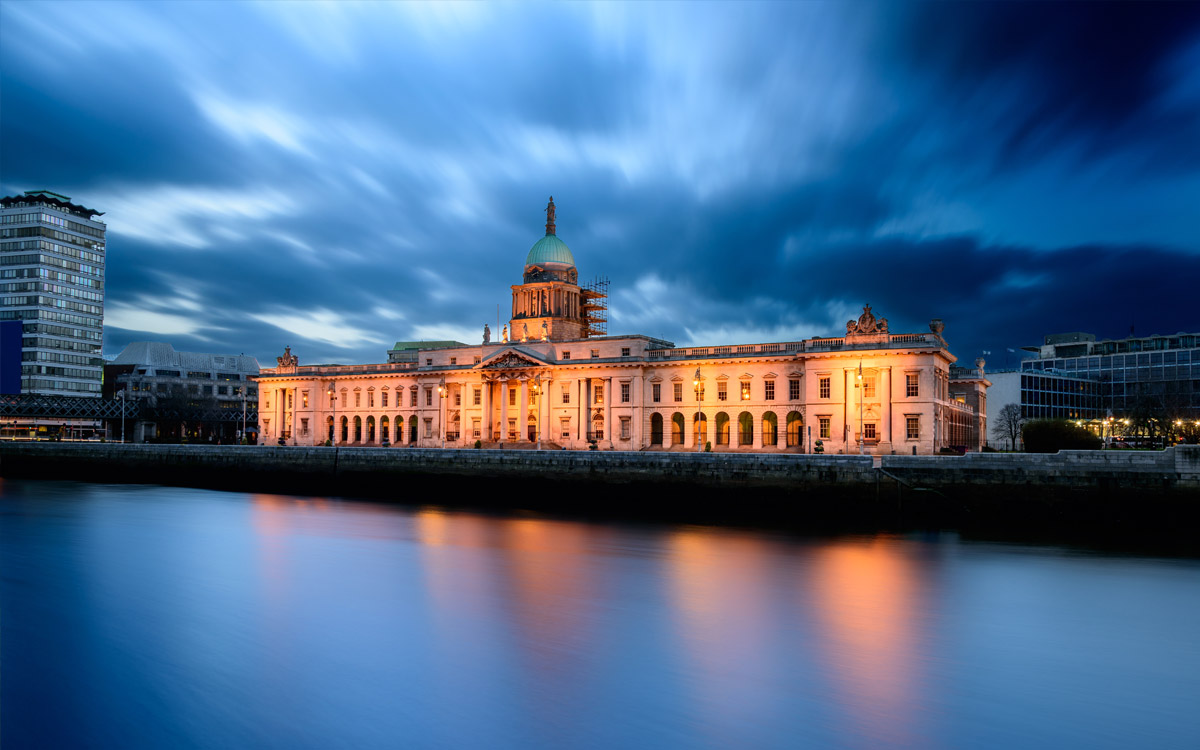
Cosmopolitan, colourful and over a thousand years old, Dublin
presents a fine starting point for visitors to Ireland. This
capital city is split in two by the River Liffey, which gives form
to the city and has no less than nine bridges spanning it. Central
Dublin is easily explored on foot, and presents a wealth of
historic landmarks, from ancient cathedrals to gracious Georgian
buildings that pay testimony to days gone by. There are many
attractions on both sides of the Liffey, ranging from gaols and
castles to museums and the birthplaces of famous poets and writers.
Dublin is also famous for its nightlife and the Temple Bar area is
the highlight for those seeking out a party.
Not far from the city, in County Wicklow, are the Wicklow
Mountains, where hills, glens, forests and waterfalls attract
weekend walkers and nature-lovers. Dublin Bay, which lies between
the mouth of the River Liffey and the Dalkey headland, is the site
of several small coastal towns and the ferry port of Dun Laoghaire.
County Kildare is a region of rich farmland and fine reputation for
the breeding of thoroughbred horses, while the similar counties of
Louth and Meath have evidence of early civilisations and a wealth
of castles and monasteries. With all this on Dublin's doorstep, the
city is a great base for exploration farther afield.
Day 19
Belfast
The fortunes of Belfast have risen and fallen dramatically over
time: it began as a Bronze Age settlement; grew hugely in power as
well as size during the Industrial Revolution; suffered extensive
World War II bombings; and has famously been a hotspot in the
massive civil conflict which has split Ireland. Today, the capital
of Northern Ireland is a thriving city that has regained some of
its old charm and industry, and has begun to lure a stream of
curious travellers. City breaks in Belfast are becoming
increasingly popular, with a variety of low-cost European carriers
offering cheap flights to Northern Ireland's capital.
Belfast is situated near the mouth of the River Lagan, and
blossomed in the 17th century with an influx of English and
Scottish settlers. The port city grew in prominence during the
Industrial Revolution, with booming linen, rope-making, and
shipbuilding industries. The ill-fated Titanic was built here in
the Harland and Wolff shipyards, and today Belfast still boasts the
world's biggest dry dock, as well as a restored Waterfront Complex
that houses chic restaurants, shops, and ubiquitous Irish pubs.
Much of the city's architectural heritage was destroyed during
repeated bombings in World War II, as well as during The Troubles -
a period of civil conflict between Roman Catholic nationalists and
Protestant unionists that raged from 1969 until the late 1990s.
Several exquisite Victorian and Edwardian buildings still remain
and have been filled with trendy bars, boutiques, galleries,
museums, and restaurants in an attempt to regenerate the city's
image. Evidence of The Troubles can still be seen in the many
murals that line Falls Road and Shankill Road, and the Europa Hotel
has become famous as one of the most-bombed buildings in Europe,
having being targeted no less than 33 times.
Belfast is often overlooked as a tourist destination, but its
fascinating history, ongoing struggles, numerous attractions, and,
above all, the warmth and acerbic wit of its inhabitants, make it
an interesting stop on any tour of the United Kingdom. It also
serves as an excellent base from which to explore the many natural
wonders of Northern Ireland.
Day 21
Tórshavn
Located on the picturesque Faroe Islands in the North Atlantic Ocean, Torshavn is the charming and vibrant capital city of this autonomous territory of Denmark. Boasting stunning natural landscapes, rich cultural heritage, and a welcoming atmosphere, Torshavn is a hidden gem that offers a unique and unforgettable travel experience.
Torshavn is a city where tradition meets modernity. With a population of approximately 20,000 people, it is the largest city in the Faroe Islands. The city's name translates to "Thor's harbor," named after the Norse god of thunder. This reflects the deep-rooted Viking history and Norse influence that is still evident in the local culture.
One of the main highlights of Torshavn is its stunning natural beauty. Surrounded by rolling green hills and cliffs that drop dramatically into the ocean, the city offers breathtaking views at every turn. Visitors can explore the picturesque old town known as Tinganes, where the colorful turf-roofed houses and narrow winding streets create a postcard-perfect setting.
For nature enthusiasts, exploring the surrounding landscapes is a must. A short drive from the city will take you to idyllic hiking trails, pristine lakes, and cascading waterfalls. The rugged coastline is dotted with charming villages and hidden coves, making it a paradise for photographers and outdoor enthusiasts alike.
Torshavn also has a vibrant cultural scene, showcasing the resilience and creativity of the Faroese people. The city is home to numerous art galleries, museums, and cultural events that celebrate local heritage. The National Museum of the Faroe Islands offers a fascinating insight into the history, culture, and traditions of the islands, while the Nordic House hosts various exhibitions and performances throughout the year.
Food lovers will also enjoy their time in Torshavn. The Faroe Islands are known for their exceptional seafood, and the city offers an array of restaurants and cafes serving fresh and delicious dishes. The traditional Faroese cuisine is a blend of Scandinavian and British influences, with specialties such as skerpikjøt (dried mutton) and ræst kjøt (fermented mutton) being unique culinary experiences to try.
In terms of accommodation, Torshavn offers a range of options to suit every budget. From cozy guesthouses and boutique hotels in the heart of the city to scenic camping sites and self-catering cottages on the outskirts, there is something for everyone. Visitors can immerse themselves in the local culture by staying in traditional grass-roofed turf houses.
Traveling to Torshavn is relatively straightforward. The Faroe Islands are accessible via flights from several major European cities, with the Vagar Airport located just a short distance from the capital. Once in Torshavn, getting around is easy, either by foot or by local buses that connect the different parts of the city and the neighboring villages.
Whether you are seeking adventure, tranquility, or cultural experiences, Torshavn has it all. With its captivating landscapes, rich heritage, and warm hospitality, this little capital city offers a unique opportunity to discover the beauty of the Faroe Islands and create lasting memories. Visit Torshavn and be enchanted by its beauty and the warmth of its people.
Day 22
Runavík
Day 23
Eskifjørdur
Eskifjörður is a small town located on the eastern coast of Iceland, in the fjord of the same name. Situated within the rugged landscapes of the Eastfjords region, Eskifjörður offers visitors a unique blend of natural beauty, outdoor adventures, and a glimpse into the traditional Icelandic way of life. With a population of only around 1,000 people, this charming fishing village provides a peaceful and authentic Icelandic experience.
One of the main draws of Eskifjörður is its stunning surroundings. The fjord itself is a picturesque sight, flanked by majestic mountains and dotted with small islands. The tranquil waters of the fjord are perfect for fishing and kayaking, allowing visitors to immerse themselves in the peacefulness of the Icelandic nature. Hiking enthusiasts can explore the nearby mountains, with trails ranging from easy walks to more challenging hikes offering breathtaking views of the fjord and the surrounding landscapes.
For those interested in the local history and culture, Eskifjörður has several interesting sites to explore. The Maritime Museum is a must-visit, showcasing the town's deep connection to the sea. Here, visitors can learn about the town's fishing heritage, view historical artifacts, and gain insights into the lives of those who braved the treacherous North Atlantic waters.
The local art scene is also thriving in Eskifjörður. The town is home to the Icelandic Dalur Association, which promotes various cultural activities, including art exhibitions and workshops. Visitors can browse through the unique artworks, many of which are inspired by the town's natural surroundings and maritime heritage.
Food lovers will delight in the fresh seafood offerings in Eskifjörður. The town's fishing industry ensures a steady supply of delicious fish and other maritime delicacies. Visitors can sample Icelandic specialties such as dried fish and smoked salmon, or enjoy a hearty seafood meal at one of the local restaurants.
Accommodation in Eskifjörður mainly consists of guesthouses and small hotels, offering comfortable and cozy stay options. These accommodations are often family-run, providing an opportunity to connect with the locals and learn more about their way of life.
Eskifjörður is also a great base for exploring the wider Eastfjords region. Nearby, travelers can visit other charming towns such as Neskaupstaður and Reyðarfjörður, each with its own unique attractions. The region is also known for its birdwatching opportunities, with various species of seabirds and waterfowl inhabiting the cliffs and coastal areas.
Getting to Eskifjörður is relatively straightforward. The town is connected to the Ring Road (Route 1) via a well-maintained road, making it accessible by car. Public transportation options are limited, but there are regular bus services to and from major towns in the region. For those who prefer flying, the nearest airport is Egilsstaðir Airport, which is approximately an hour's drive away.
Overall, Eskifjörður is a hidden gem in the Eastfjords of Iceland, offering visitors a tranquil escape from the bustling tourist hubs. With its stunning natural landscapes, rich cultural history, and warm hospitality, this charming fishing town is a perfect destination for those seeking an authentic Icelandic experience.
Day 24
Husavik
Húsavík is a small town in northern Iceland. It is located on the east coast of the country, on the shores of the Arctic Ocean. The town has a population of just over 2,000 people.
Húsavík is a popular tourist destination, due to its proximity to the Arctic Circle and its beautiful landscapes. The town is home to many shops and restaurants, as well as a museum and a number of historical landmarks.
The town's primary industry is fishing, and it is known for its delicious seafood. Húsavík is also a popular stop for cruise ships travelling to Iceland.
If you are looking for a place to experience the beauty of the Arctic, and enjoy some delicious seafood, then Húsavík is the perfect destination for you.
Day 25
Akureyri
Akureyri is a small city in northern Iceland. It is the second largest urban area in Iceland, after Reykjavik. The city is located on the east coast of Iceland, at the head of Eyjafjörður, Iceland's longest fjord. Akureyri has a population of 18,000 people. The city is a popular tourist destination, with many visitors coming to experience its glaciers, mountains, and hot springs.
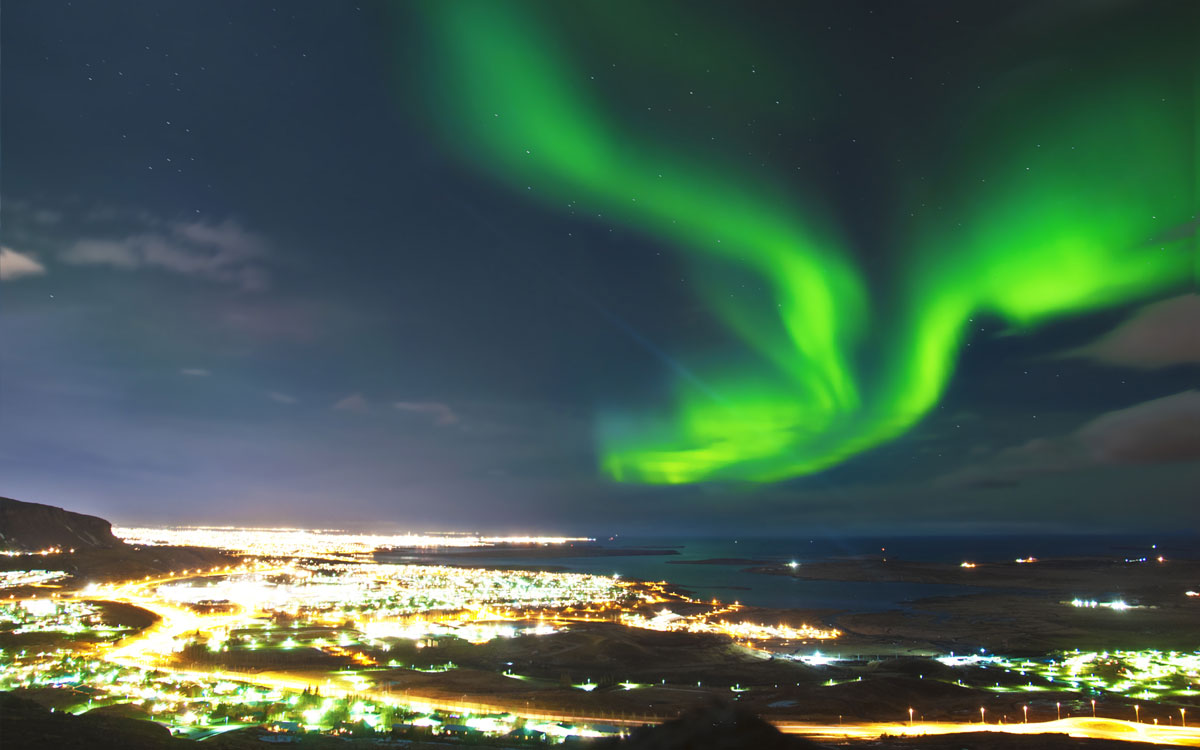
Akureyri is a vibrant city with a strong sense of community. The city has a lively arts scene, and is home to several museums and galleries. There are many outdoor activities to enjoy in Akureyri, such as hiking, skiing, and kayaking. The city is also a great place to enjoy the Northern Lights.
Akureyri is an ideal base for exploring the surrounding area. The city is close to many of Iceland's most popular attractions, such as the Lake Myvatn area, the Godafoss waterfall, and the Dettifoss waterfall.
Day 26
Isafjørdur
Isafjordur is a city located in northwestern Iceland. It is the largest city in the Westfjords region with a population of about 3,000 people. The city is located on a peninsula and is surrounded by mountains and fjords. The name of the city means “Iceland’s fjord”.
Isafjordur has a long history dating back to the 9th century when it was first settled by Vikings. The city was an important trading post for many years and was even the capital of Iceland for a short time during the 13th century.
Today, Isafjordur is a popular tourist destination due to its stunning scenery and outdoor activities. Visitors can go hiking, fishing, whale watching, and much more. There are also many museums and historical sites to explore in the city.
Isafjordur is the perfect place to experience the beauty and culture of Iceland.
Day 27
Reykjanes
Day 28
Reykjavík
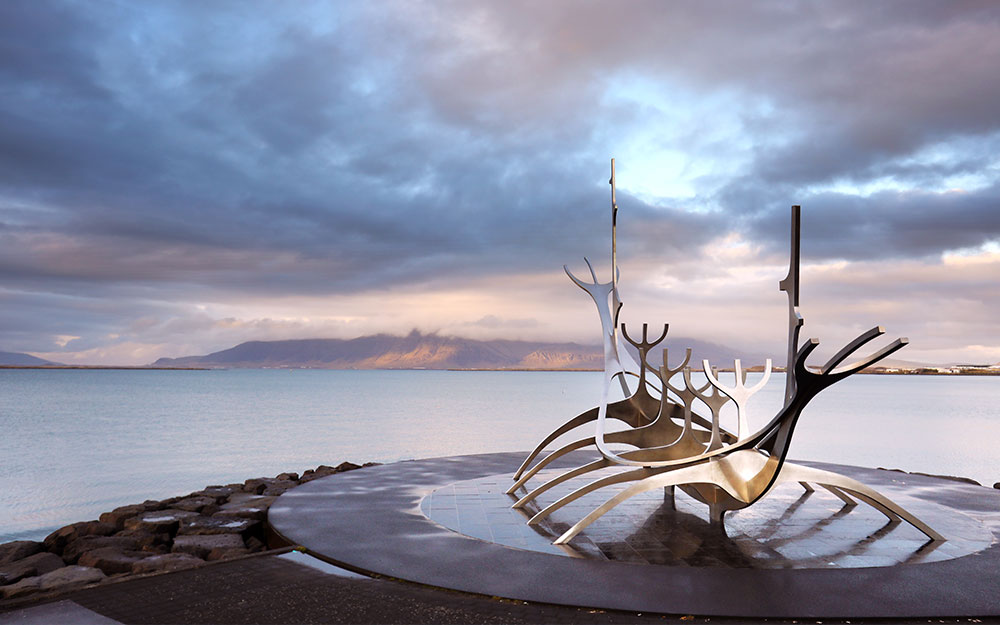
Back in the first century AD, legendary Viking, Ingolfur
Arnarson, named the settlement he founded on a southwestern
peninsula Reykjavik, meaning 'Smokey Bay'. The smoke he found
wafting over the area, however, had nothing to do with pollution,
but rather the bubbling, boiling natural geysers and geothermal
springs that now underlie the modern capital of Iceland. This
source of heat and water has ensured that Reykjavik has no need to
burn fuels to warm its heart, and the crisp, clean air is
delightful.
The sky is not always blue, however: Reykjavik receives more
than its fair share of rainy weather blown in from the sea, and
during the long, bleak winter its northern latitude ensures that
the sun makes no more than a brief appearance every day.
Despite this, the capital of Iceland is definitely a hot spot,
renowned for its lively pubs and clubs, which draw hundreds of
merry-making visitors, particularly during the long, light, bright
summer nights.
Reykjavik's growing reputation as a fun tourist destination is
enhanced by its fiery but friendly inhabitants, relaxed pace of
life, many cultural attractions, and dozens of opportunities for
fascinating day trips, not to mention the novelty of bathing in one
of the steamy public geothermal swimming baths.
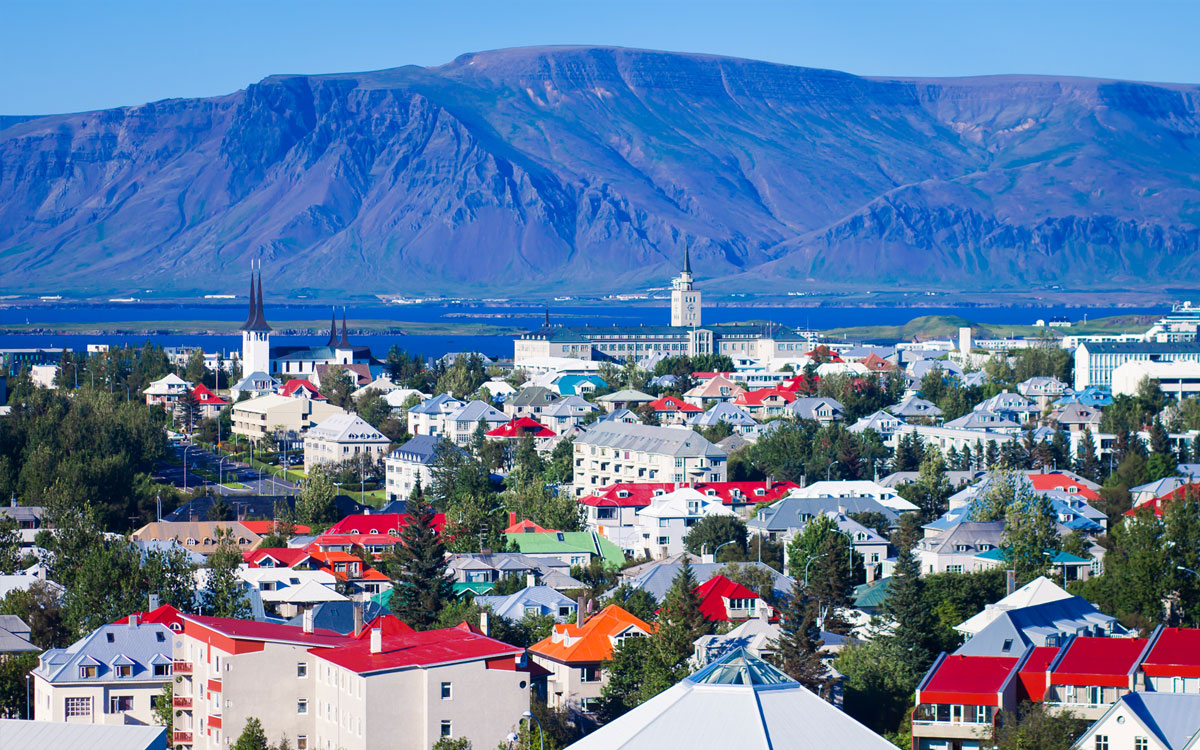
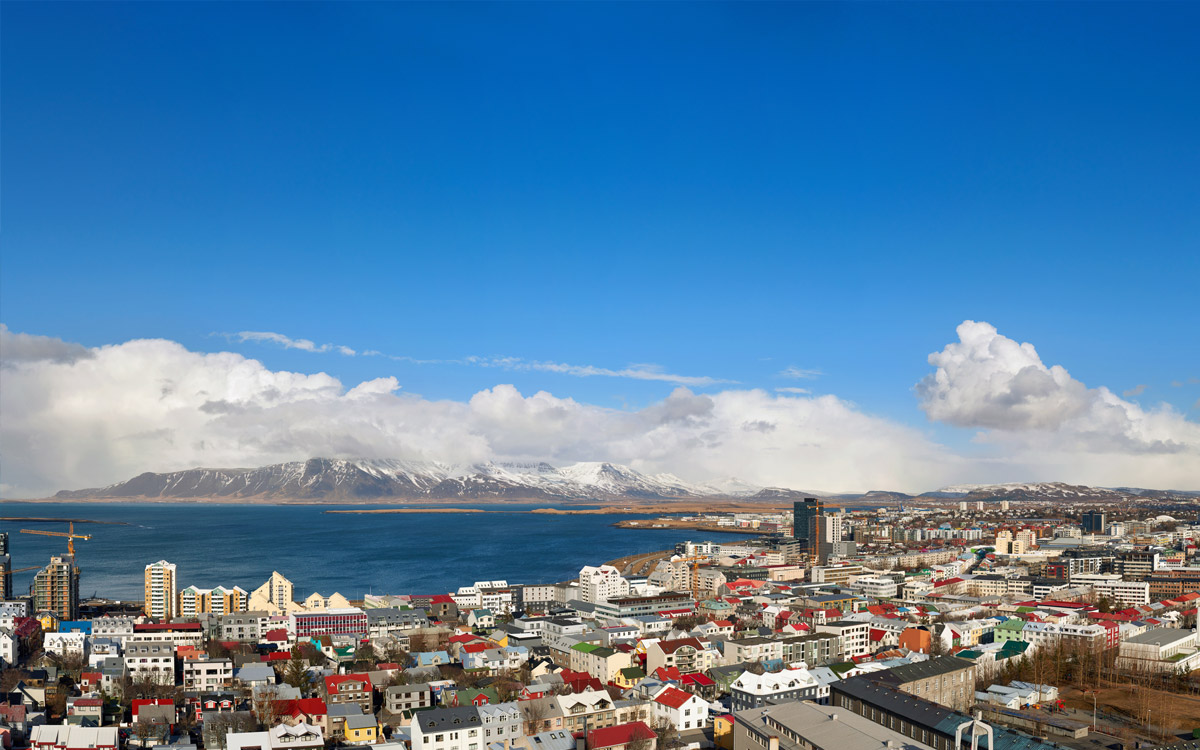
Reykjavik's setting on the southwest corner of Iceland is
another drawcard. Panoramic views surround the majestic Mount Esja
rising behind the bay, while vistas stretch as far as the
crystalline Snaefellsjokull Glacier to the west across the
Atlantic. The city is well positioned to act as a springboard for
southern Iceland, and many of the country's most popular
attractions are within easy reach.
Reykjavik has a small-town atmosphere, its centre easily
explored on foot, the quaint whitewashed wooden buildings and
colourful houses interspersed with plenty of open space. Even those
who come to indulge mainly in the hedonistic nightlife cannot fail
to leave Reykjavik feeling refreshed and rejuvenated.
Day 30
Prince Christian Sound
Prince Christian Sound, also known as Prins Christian Sund, is a breathtaking natural wonder located in Greenland, a vast and remote country in the North Atlantic. This stunning fjord, named after Prince Christian of Denmark, connects the Labrador Sea in the south with the Greenland Sea in the north. Spanning approximately 60 miles, it separates the mainland of Greenland from the southernmost islands in the country.
One of the most striking features of Prince Christian Sound is its dramatic landscapes. Towering granite cliffs rise majestically from the water, creating an awe-inspiring sight for visitors. These cliffs are often covered in vibrant hues of green due to the rich moss and lichens that adorn them, contrasting beautifully with the deep blue waters of the fjord.
The scenic beauty of Prince Christian Sound is further accentuated by the presence of numerous glaciers. These massive ice formations carve their way through the mountains, creating exquisite icebergs that float along the fjord. The sight of these floating ice sculptures, ranging in size from tiny pieces to massive blocks, is nothing short of mesmerizing.
The wildlife in Prince Christian Sound is abundant and diverse. The region is home to various marine mammals, including seals, humpback whales, and even occasional sightings of narwhals. Bird enthusiasts will also be thrilled to spot various species, such as puffins, guillemots, and kittiwakes, perched on the cliffs or soaring over the fjord. Exploring the fjord by boat allows visitors to observe these animals in their natural habitat, a truly unforgettable experience.
Due to its remote location, Prince Christian Sound offers a peaceful and serene environment for those seeking a tranquil escape. The untouched nature and pristine surroundings make it an ideal destination for lovers of outdoor activities. Hiking enthusiasts can enjoy exploring the rugged terrain surrounding the fjord, while kayakers can navigate the calm waters, immersing themselves in the stunning scenery. Fishing is another popular activity, with the fjord teeming with fish such as arctic char and cod.
In terms of weather, Prince Christian Sound experiences a polar climate, characterized by long, cold winters and short, cool summers. Winter temperatures can drop well below freezing, and the fjord may be covered in ice during this time. Summer months, from June to August, offer more favorable weather, with temperatures ranging from 40 to 60 degrees Fahrenheit. It is important to pack warm clothing and be prepared for unpredictable weather conditions when visiting the area.
Access to Prince Christian Sound is limited due to its remote location. However, guided tour operators offer various options for visitors to explore this natural wonder. Small cruise ships and expedition vessels often navigate the fjord, providing an opportunity to marvel at the stunning landscapes while enjoying the comforts of a guided tour. These tours typically depart from larger towns in Greenland, such as Narsarsuaq or Nanortalik.
Visiting Prince Christian Sound allows travelers to immerse themselves in the untouched beauty of Greenland's natural landscapes. From its towering cliffs and pristine fjords to its abundant wildlife and serene atmosphere, this remote destination promises an unforgettable experience for nature lovers and adventurers alike.
Day 31
Nanortalik
Nanortalik lies in a scenic area surrounded by steep mountainsides and is Greenland’s tenth-largest and most southerly town with less than 1500 inhabitants. The town’s name means the “place of polar bears”, which refers to the polar bears that used to be seen floating offshore on summer’s ice floes. Nanortalik has an excellent open-air museum that gives a broad picture of the region from Inuit times to today. Part of the exhibition is a summer hunting camp, where Inuit in traditional clothing describe aspects of their ancestor’s customs and lifestyle.
Day 32
Qaqortoq (Julianehaab)
Qaqortoq, also known as Julianehåb, is a charming town located in southern Greenland. With its breathtaking natural beauty and unique cultural heritage, Qaqortoq offers an unforgettable experience for travelers seeking an adventure off the beaten path. From pristine fjords and towering icebergs to colorful houses and friendly locals, this picturesque town is a hidden gem waiting to be explored.
One of the most striking features of Qaqortoq is its natural surroundings. Situated on the shores of the Labrador Sea, the town is surrounded by awe-inspiring landscapes. The nearby fjords, such as the Hvalsey Fjord and the Sermilik Fjord, boast majestic mountains, cascading waterfalls, and vast expanses of ice. Visitors can embark on boat tours to witness the beauty of these fjords up close and even catch a glimpse of seals, whales, and sea birds.
Qaqortoq is also renowned for its rich cultural heritage. The town is home to the Qaqortoq Museum, where visitors can delve into the history and culture of Greenland. The museum exhibits artifacts, artworks, and traditional costumes that showcase the way of life of the local Inuit population. Additionally, the Qaqortoq Art Museum displays an impressive collection of contemporary art, including sculptures and installations inspired by the Arctic environment.
A unique feature of Qaqortoq is its open-air art exhibition, "Stone and Man." Sculptors from around the world have contributed to this project, transforming large boulders into remarkable works of art. As you explore the town, you will encounter these sculptures scattered throughout the streets, adding a touch of creativity and playfulness to the already picturesque surroundings.
For outdoor enthusiasts, Qaqortoq offers a wide range of activities to enjoy. Hiking is a popular pastime, with trails leading to breathtaking viewpoints overlooking the surrounding fjords and mountains. Kayaking is another fantastic way to experience the town's natural beauty, as you paddle through crystal-clear waters surrounded by icebergs. Fishing is also a beloved activity, with ample opportunities to catch Greenlandic Arctic char and coastal fish species.
Qaqortoq hosts numerous cultural events throughout the year, attracting both locals and visitors. The most significant festival is the Qaqortoq Snow Festival, held in February. During this event, the town's central square is transformed into a winter wonderland, showcasing impressive snow sculptures created by talented artists. Traditional music, dance performances, and dog sledding races add to the festive atmosphere.
As for accommodation, Qaqortoq offers a few options to cater to different budgets and preferences. Small local guesthouses provide cozy and authentic experiences, while a hotel in town offers more amenities and services. It's important to note that accommodations in Qaqortoq may differ from what you are accustomed to, reflecting the unique lifestyle and infrastructure of Greenland.
In terms of cuisine, visitors to Qaqortoq have the opportunity to try local Greenlandic specialties. Traditional dishes often feature locally caught fish, such as salmon, halibut, and cod, served with root vegetables like potatoes and carrots. Reindeer and musk ox are also popular meats, often prepared in hearty stews. For the adventurous, there are opportunities to try more exotic delicacies like seal and whale meat.
With its remarkable natural beauty, intriguing cultural heritage, and a wide array of outdoor activities, Qaqortoq promises an unforgettable adventure in the heart of Greenland. Whether you are exploring the fjords, admiring the open-air art exhibition, or immersing yourself in the local culture, Qaqortoq is a destination that will leave an indelible mark on your travel memories.
Day 33
Nuuk (Godthaab)
Nuuk is the capital and largest city of Greenland and is considered to be the world's smallest national capital. Located on the country's southwestern coast, Nuuk has been inhabited for centuries by the Inuit people and today is home to a vibrant mix of cultures.
The town is spread across several islands, situated in a fjord surrounded by snow-capped mountains. When visiting Nuuk, visitors will be greeted by a picturesque landscape. There is a wide array of activities to do while visiting Nuuk, ranging from sightseeing to thrill-seeking adventures.
The largest attraction in Nuuk is the Greenland National Museum, which exhibits artifacts and cultural objects from the country's history. Art lovers can visit several galleries where they can admire contemporary and traditional art. More adventurous visitors can explore the old town, where they'll find colorful wooden houses with unique architecture, as well as museums, churches, and other historical sites.
Nuuk has many opportunities for outdoor recreation. Hiking around the nearby mountains or taking a boat out on the fjord are popular activities, as are snowmobiling and kayaking. Visitors can also explore the nearby glaciers and take in the spectacular views. Many tour companies operate trips and guided tours to places including the legendary Ilulissat Icefjord and Kangerlussuaq National Park.
During summertime, Nuuk's population swells with visitors taking advantage of the midnight sun, but for those visiting in winter, there is no shortage of fun. Ice fishing, snowboarding, fat biking, dog sledding, and other winter activities are all available options for visitors.
Visitors should also take time to sample some of the local cuisine. Greenlandic dishes include suaasat, which is a soup made of reindeer meat and a variety of vegetables, dried cod or other fish dishes, mutton, and caribou. Whalemeat is also popular in Nuuk. For those who prefer something lighter, there are plenty of other options like pastries, eggs, and smoked salmon.
No matter when you visit Nuuk, you will find plenty of activities to keep you busy and memorable sights to take in. Whether you're looking to experience the country's rich culture or get your adrenaline pumping with some outdoor activities, Nuuk is the perfect destination for your Greenland adventure.
Day 36
Saint-John's, Newfoundland and Labrador
Newfoundland and Labrador is a unique and captivating destination located in Canada. This beautiful province is known for its stunning landscapes, rich cultural heritage, and vibrant communities. With its charming fishing villages, rugged coastline, and breathtaking national parks, Newfoundland and Labrador offers boundless opportunities for adventure and exploration.
One of the highlights of this province is its natural beauty. From the towering cliffs and dramatic fjords of Gros Morne National Park to the icebergs and whales that grace the coastlines, the scenery in Newfoundland and Labrador is truly awe-inspiring. Visitors can hike along scenic trails, take boat tours to see the icebergs up close, or enjoy a leisurely drive along the Viking Trail to witness some of the province’s most stunning landscapes.
In addition to its natural wonders, Newfoundland and Labrador is steeped in history and culture. The province has a thriving arts and music scene, with many talented artists and musicians calling this place home. The lively folk festivals, such as the St. John's Folk Festival and the Newfoundland and Labrador Folk Festival, showcase the rich cultural heritage of the province through music, dance, and storytelling.
One of the most iconic symbols of Newfoundland and Labrador is the colorful row houses that dot the landscape in its capital city, St. John's. Known as Jellybean Row, these vibrant houses are a delight to explore and photograph. St. John's itself is a vibrant and welcoming city, with a bustling downtown filled with local shops, restaurants, and pubs. The Signal Hill National Historic Site, home to Cabot Tower and panoramic views of the city, is a must-visit attraction.
Newfoundland and Labrador is also famous for its friendly and warm-hearted people. Known for their hospitality and sense of humor, locals here are always willing to lend a hand or share a story. Visiting the small coastal communities allows visitors to experience the true essence of Newfoundland and Labrador, where the traditional way of life still thrives.
For nature enthusiasts, a visit to Witless Bay Ecological Reserve is a must. This reserve is home to one of the largest Atlantic puffin colonies in the world, as well as thousands of other seabirds, including razorbills and kittiwakes. Taking a boat tour to see these birds nesting on the cliffs is a once-in-a-lifetime experience.
Beyond the wildlife and natural beauty, Newfoundland and Labrador also offers a taste of its unique cuisine. With its close proximity to the ocean, seafood plays a major role in the local cuisine. From fresh cod and salmon to lobster and mussels, seafood lovers will be in heaven. Traditional dishes like Jiggs dinner, a hearty meal of salt beef, cabbage, and root vegetables, are also a must-try.
In conclusion, Newfoundland and Labrador is an enchanting destination that offers a mix of natural beauty, rich cultural heritage, and warm hospitality. Whether you are exploring its stunning national parks, discovering the vibrant culture of its cities, or experiencing the traditional way of life in its coastal communities, this province has something for everyone. Newfoundland and Labrador is truly a gem that should be on every traveler's bucket list.
Day 39
Halifax, Nova Scotia
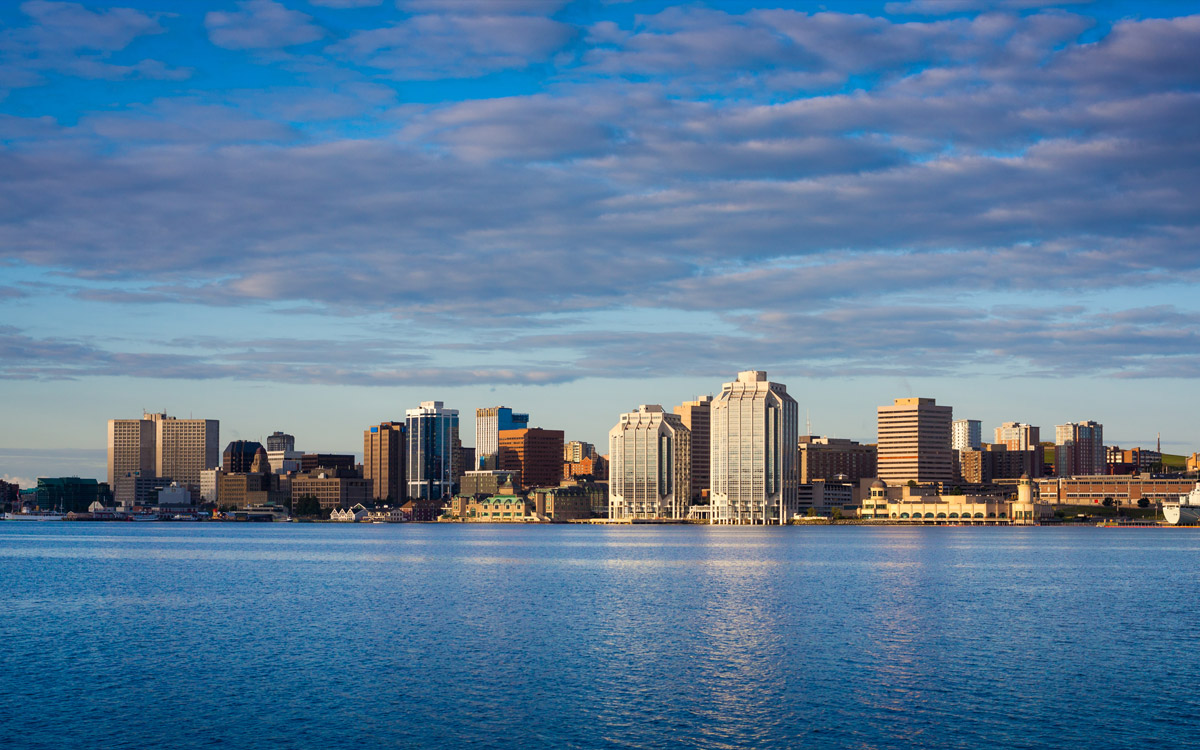
Halifax is the provincial capital of Nova
Scotia, and serves as the centre of commerce for Atlantic Canada.
It sits on one of the largest natural harbours in the world and has
long been an important maritime centre.
Founded in 1749 by the British who sought
to strengthen their presence in the North Atlantic, the city
retains its British military air. Many historic stone and wood
buildings have been preserved, particularly in the restored
waterfront area, which has become a major tourist attraction. The
metro offers shopping, exciting nightlife, eclectic restaurants and
a diversity of entertainment, and it boasts North America's oldest
yacht club, Northwest Arm.
Halifax is also the cultural hub of Nova
Scotia and the Atlantic provinces as a whole. It has a number of
art galleries, museums, theatres and other charming cultural
attractions. It's also home to the Nova Scotia Symphony, and also
hosts many cultural festivals such as the Nova Scotia International
Tattoo, Shakespeare by the Sea, the Halifax International Busker
Festival and the Atlantic Film Festival.
Visitors can find out more about the city's
culture from reading The Coast, its free alternative arts weekly
magazine which can be found online. The city also offers a range of
lovely recreational sites, such as parks, beaches, walking trails
and some living-history experiences such as the firing of the noon
day gun at the Halifax Citadel and the working locks of the
Shubenacadie Canal.
Halifax offers visitors a fascinating
glimpse into life in Canada's Atlantic provinces, and there's so
much to see and do here that tourists will hardly ever experience a
dull moment.
Day 40
Lunenburg, Nova Scotia
Day 41
Portland, Maine
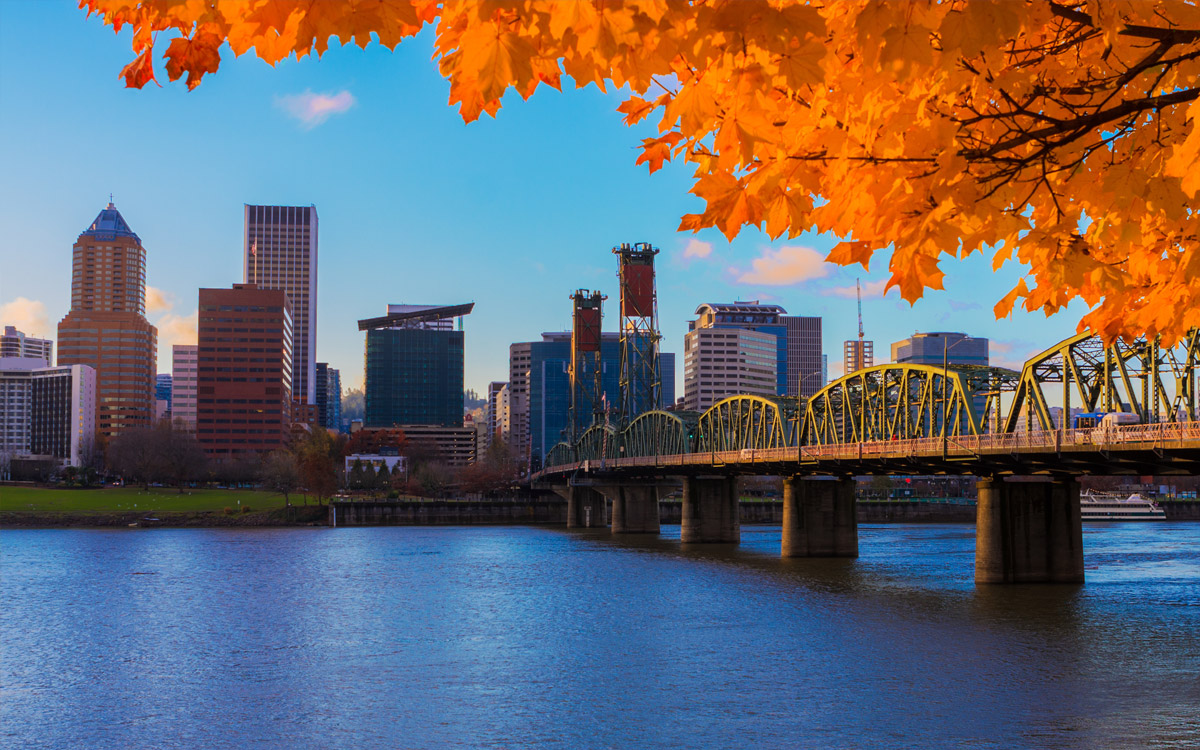
Portland is Maine's biggest city and is the state's cultural and
economic hub, attracting over three and a half million visitors
each year. Originally a fishing and trading settlement, the town
was destroyed three times over a hundred year period, and finally
regained stability as a shipping port.
Unfortunately, overzealous Independence Day celebrators managed
to set fire to most of the city's commercial buildings, hundreds of
houses, and roughly half the city's churches in 1866, with the city
rebuilt once again, this time in a Victorian style.
Mansions along the famous Western Promenade, as well as the
Victoria Mansion on Danforth Street, feature beautiful examples of
this architecture. Companies and proprietors may offer tours of
their well-preserved interiors.
Despite its tough beginning, Portland remains a beautiful city,
ideally situated on a peninsula that juts out into Casco Bay and
flanked by several small islands. Historic houses blend with modern
amenities and the city is a bustle of activity, making it one of
the country's top cities to live in.
Resplendent in natural beauty, Portland is highly popular in
summer and visitors can enjoy boat rides; sightseeing, shopping,
dining and people-watching at the Old Port historic waterfront and
the East End; and a visit to the Downtown Arts District or the
prominent Portland Head Light Lighthouse.
The city is also home to poet Henry Wadsworth-Longfellow, as
well as the Maine Historical Society. For the kids, there is the
Children's Museum & Theatre of Maine. Portland has an abundance
of good restaurants, especially those offering renowned local
seafood specialities like Maine lobster, clam chowder, and
scallops, which are cheaper and more plentiful than in any other
state.
As Portland is the most culturally diverse city in Maine, you'll
find a variety of cuisines, including Vietnamese, Thai, African,
Greek, and Indian. The city boasts no fewer than five
microbreweries, and dozens of bars, pubs, and nightclubs.
Portland has plenty of attractions, activities and sights for
the visitor, and it is also a useful base from which to explore the
rest of this beautiful state. Smaller towns in the area like
Freeport, Cape Elizabeth, Old Orchard Beach, Saco, and
Kennebunkport offer their own amusements that are worth exploring
on a trip to the city.
Day 42
Cape Cod Canal
Day 42
Boston, Massachusetts
As one of the oldest settlements in the USA and the
largest city in New England, Boston has a wealth of history and
culture to offer. Despite the city's serious academic and
historical pedigree, a huge student population ensures a youthful
vibrancy that adds a totally different dimension to Boston's bygone
charm.
Cambridge lies across the Charles River and is the
largest college town in the world, synonymous with Harvard
University and founded in 1638. The neat, ivy-covered brick
buildings of the university grounds, the labyrinth of twisting
streets in the city centre, and the old architecture means Boston
is best explored by foot.
Referring to itself as the 'Walking City', it's
remarkably compact and centres on the country's oldest public park,
Boston Common. The Information Centre in Boston Common is the
starting point for two walking tours, two of the city's main
attractions. The Freedom Trail explores the city's revolutionary
past and the birth of the modern American Republic, while the Black
Heritage Trail highlights Boston's place in black American history
and its role in anti-slavery.
Boston is an easy blend of historic charm and modern
convenience, with a busy street life and beautiful architecture,
green parks and gardens, skyscrapers and modern freeways, museums,
galleries, and colonial churches. The city is home to the first
public library, the first public school, and the first subway
system in the US. It's the site of the Boston Tea Party that
started the Revolutionary War and is the location of the Cheers
bar, made famous by the popular TV sitcom.
Day 43
Newport, Rhode Island
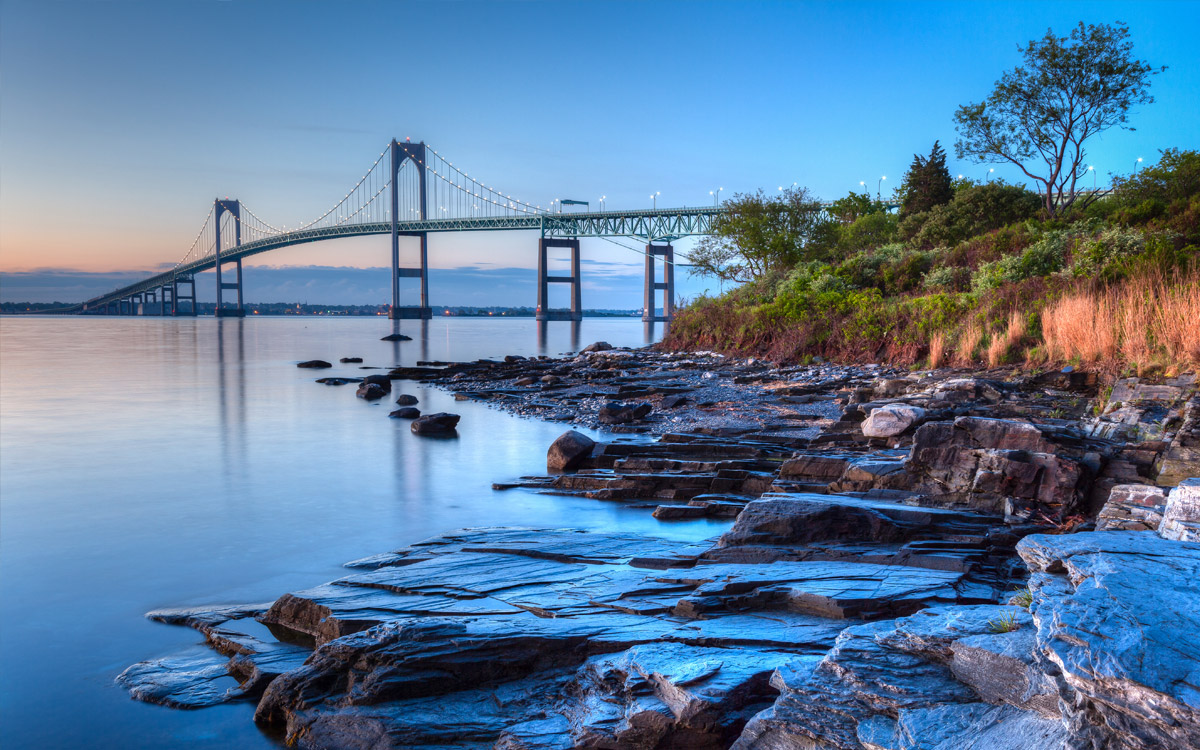
The city of Newport lies just 30 miles (48km) south of
Providence, accessible via two bridges crossing the blue
Narragansett Bay. Typical of its Rhode Island identity, it exists
as a New England summer resort populated with elegant Gilded Age
mansions of the nation's elite.
A dozen of these extravagant summer homes in Newport are now
open to the public. Famed for being the sailing capital of the
world, Newport encourages all visitors to enjoy leisurely trips
along its beautiful beaches and varied attractions.
Newport is no longer just a destination for summer fun. Thanks
to a full programme of events encompassing classical, folk, and
jazz music, the region is hip and happening all year round. These
include the Newport Winter Festival, a renowned Christmas
celebration, and the Rhode Island International Film Festival,
which has screenings in Newport and Providence. The lively
waterfront, shops, and cultural attractions are enough to keep
visitors entertained outside the beaches.
Day 44
New York, New York
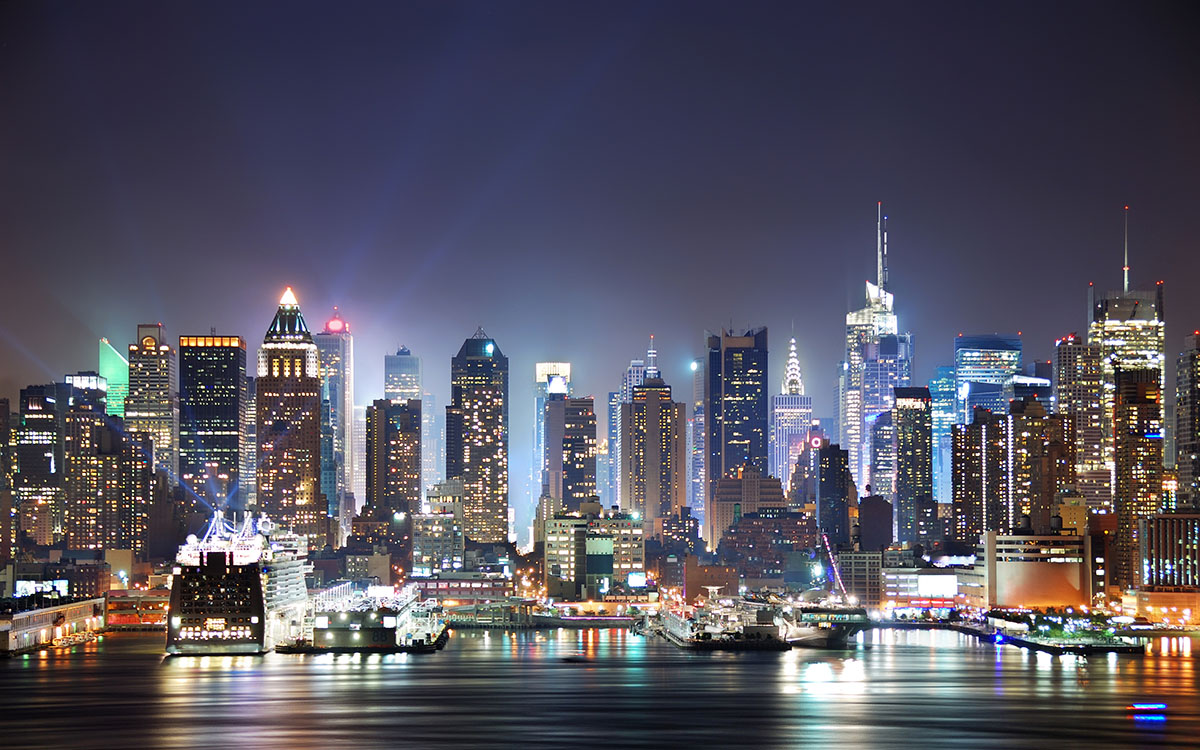
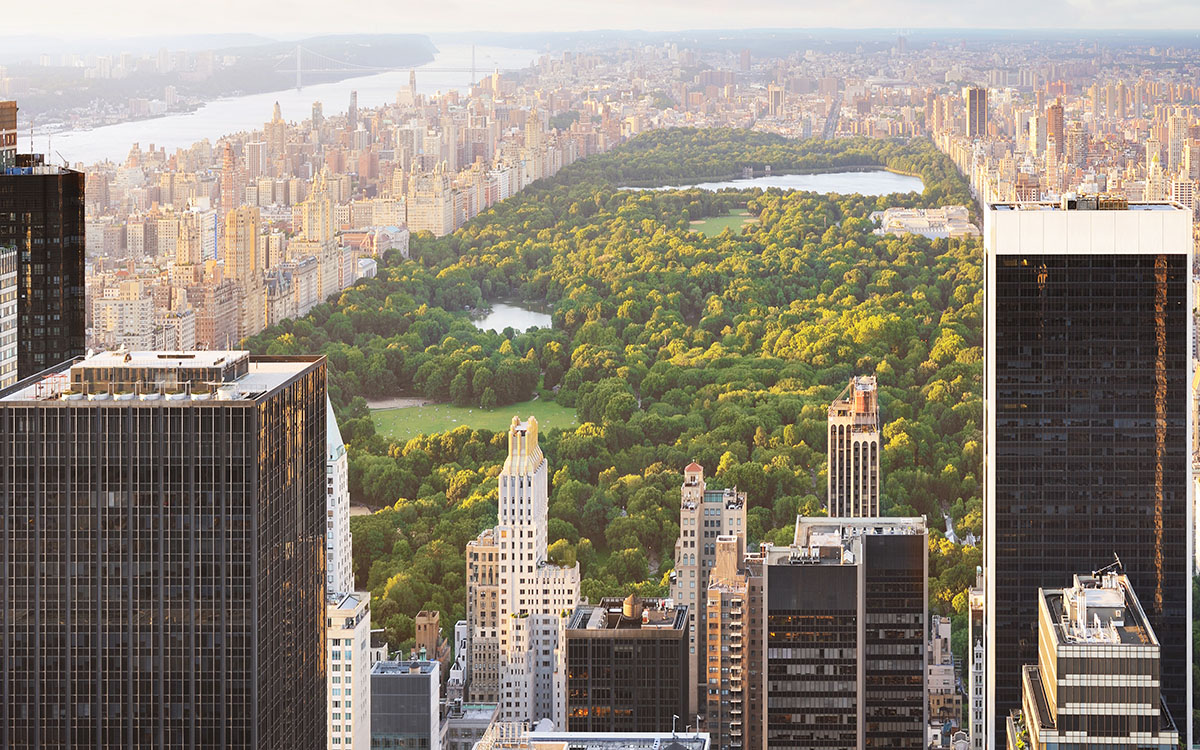
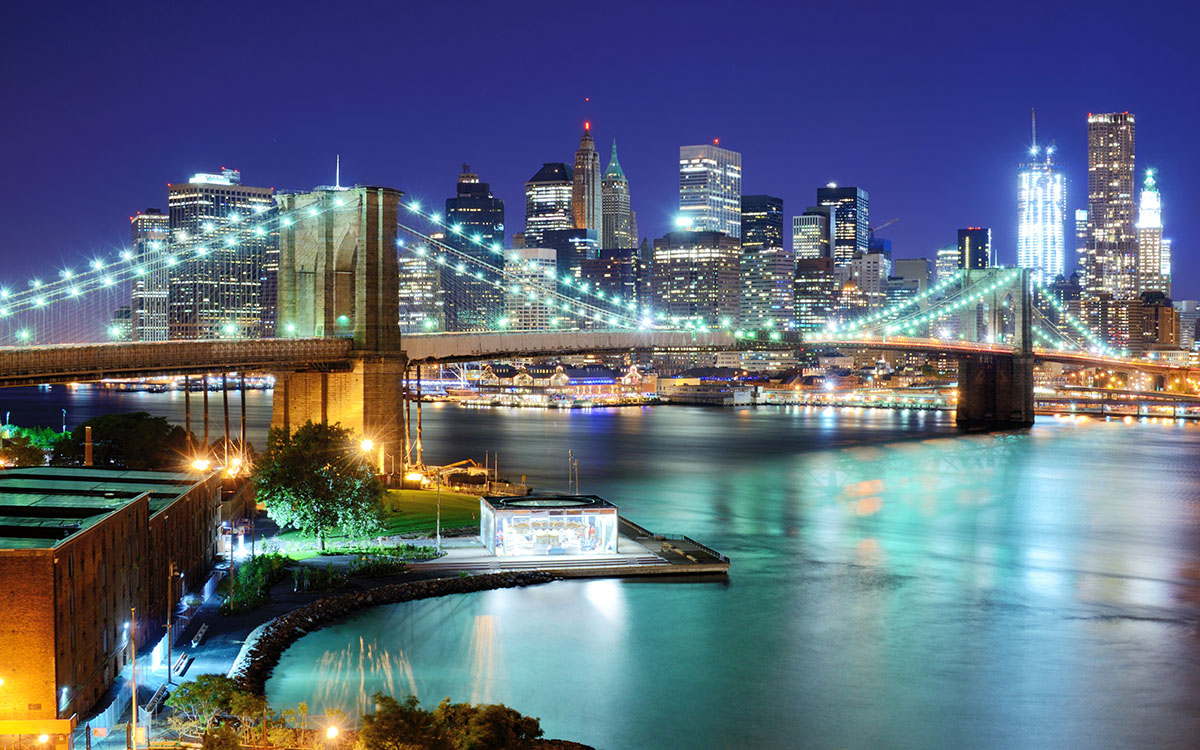
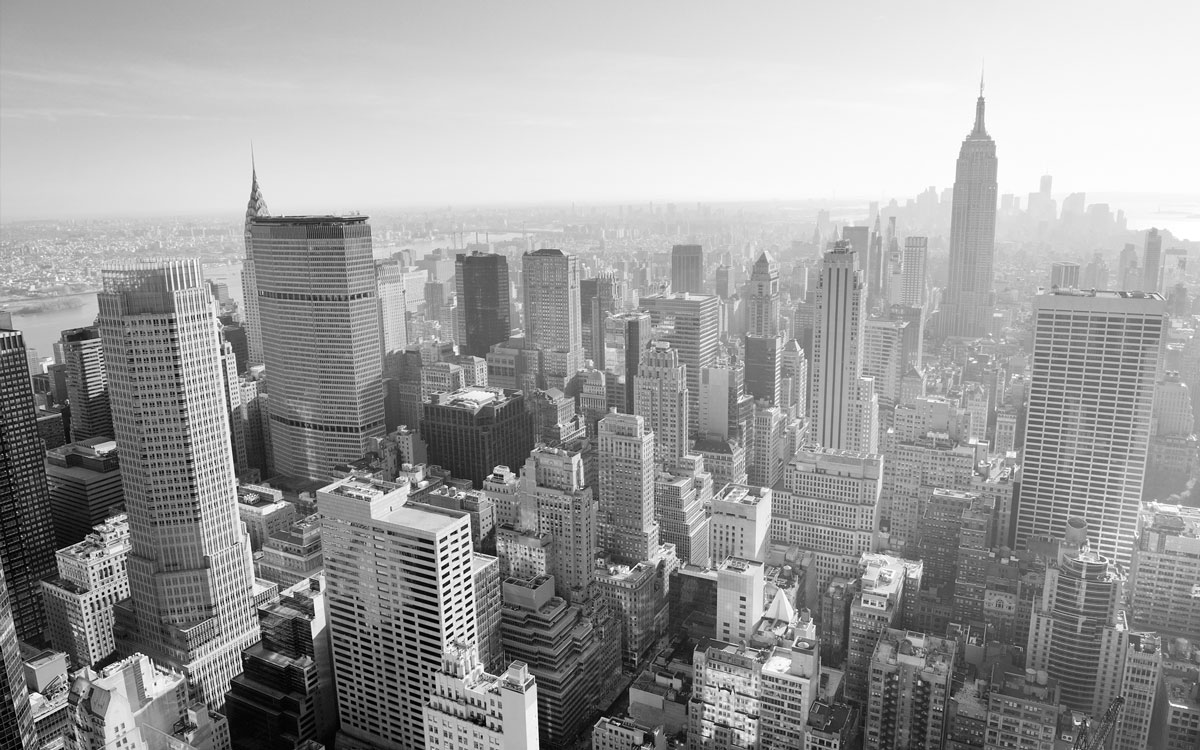
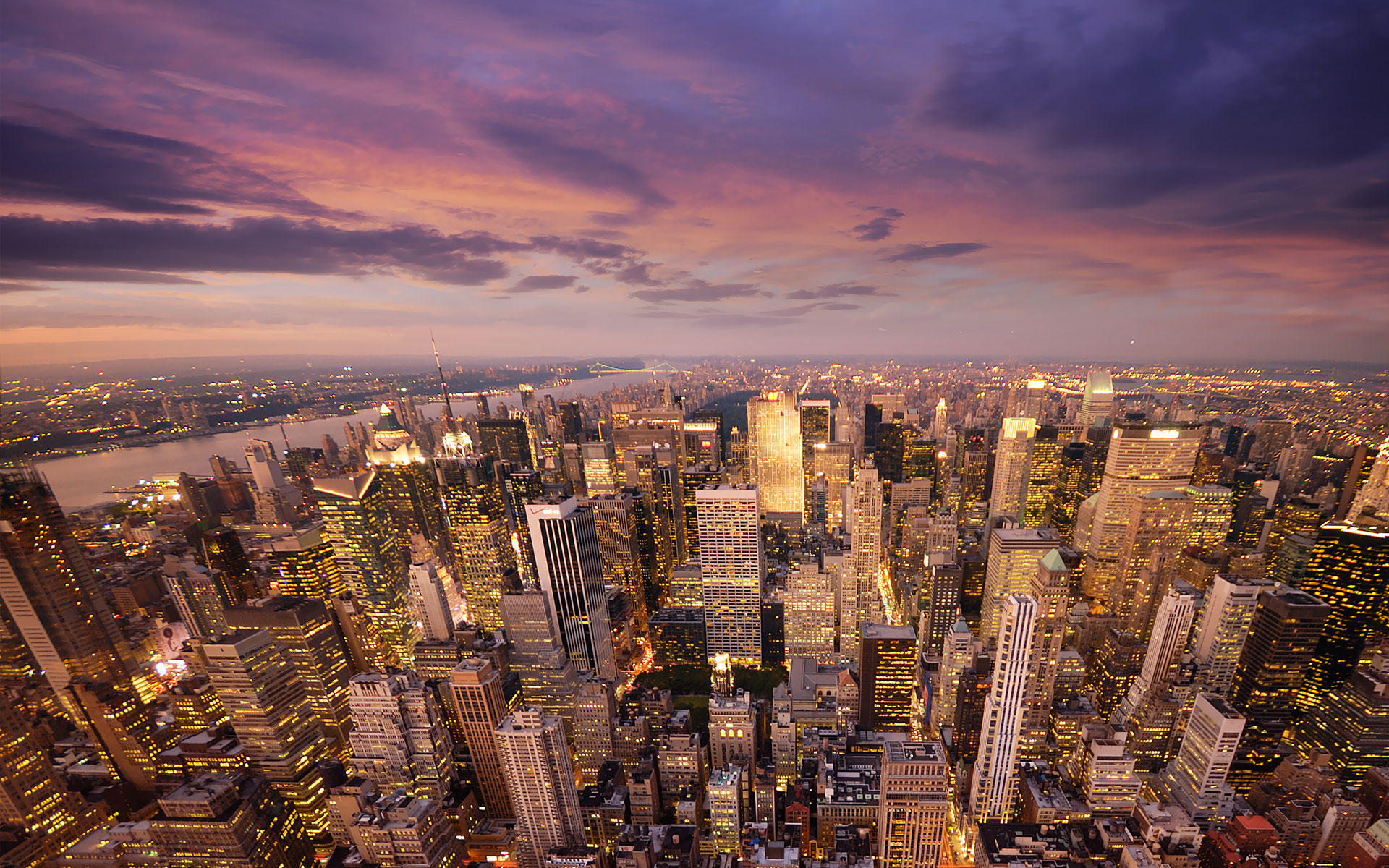
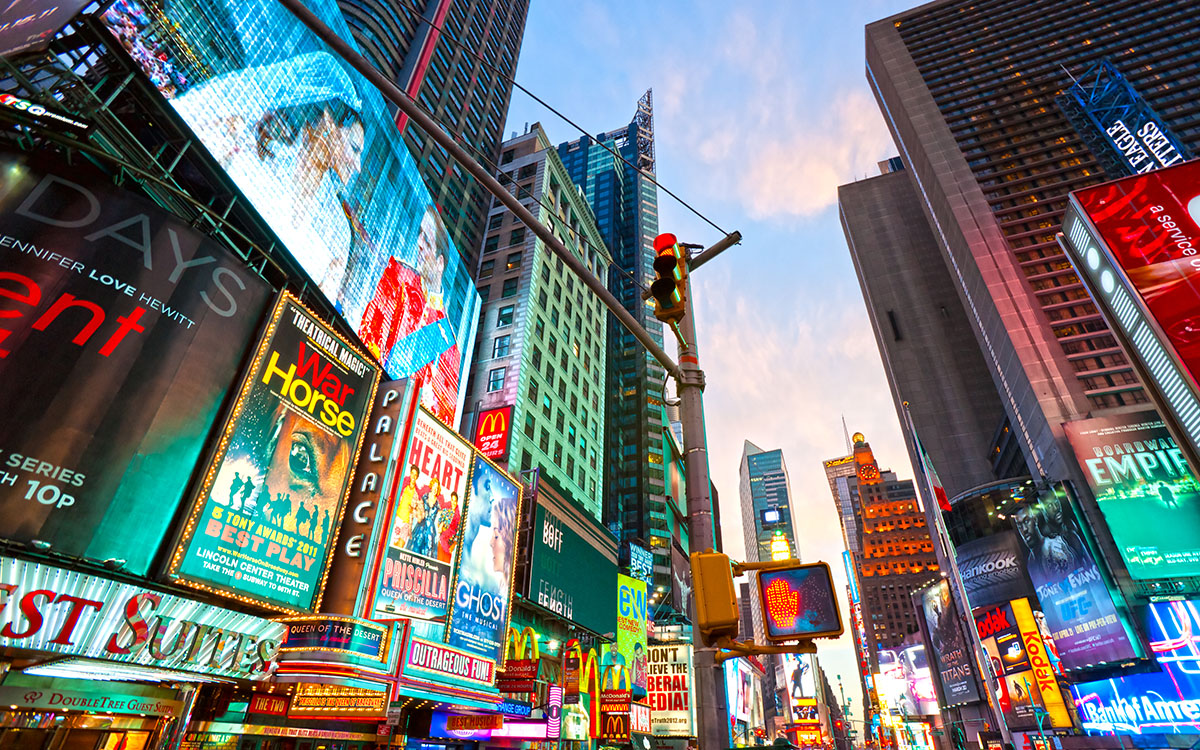
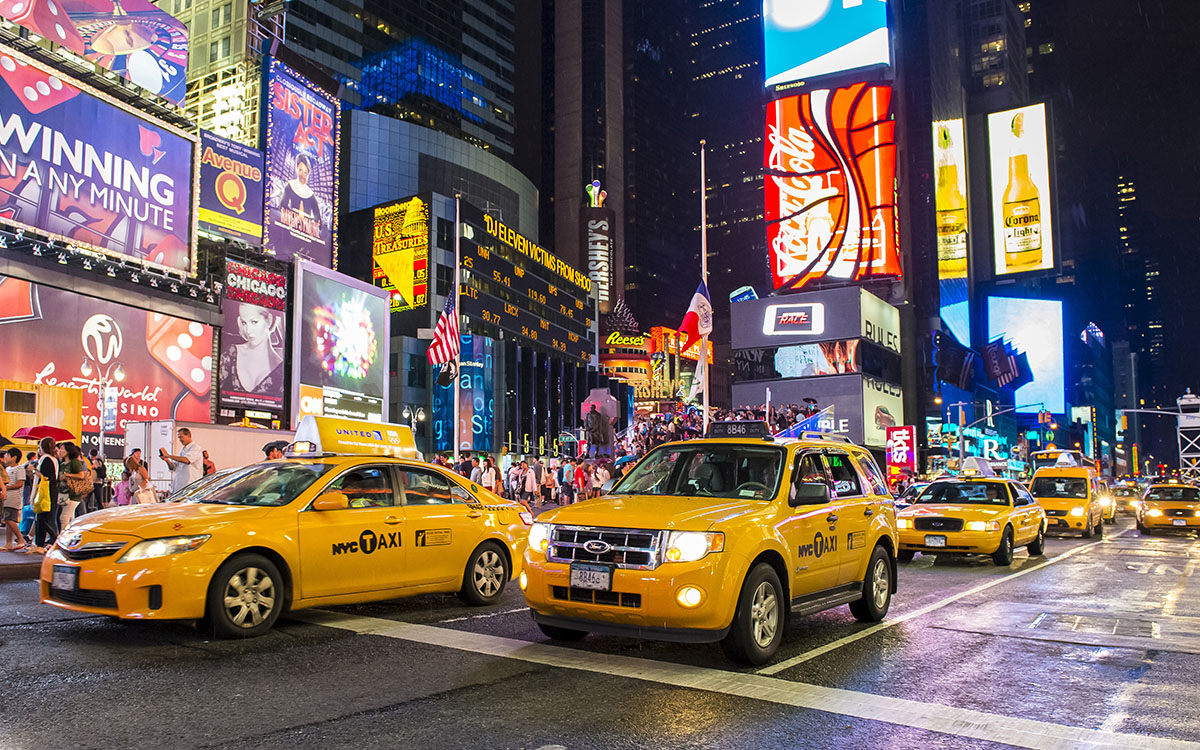
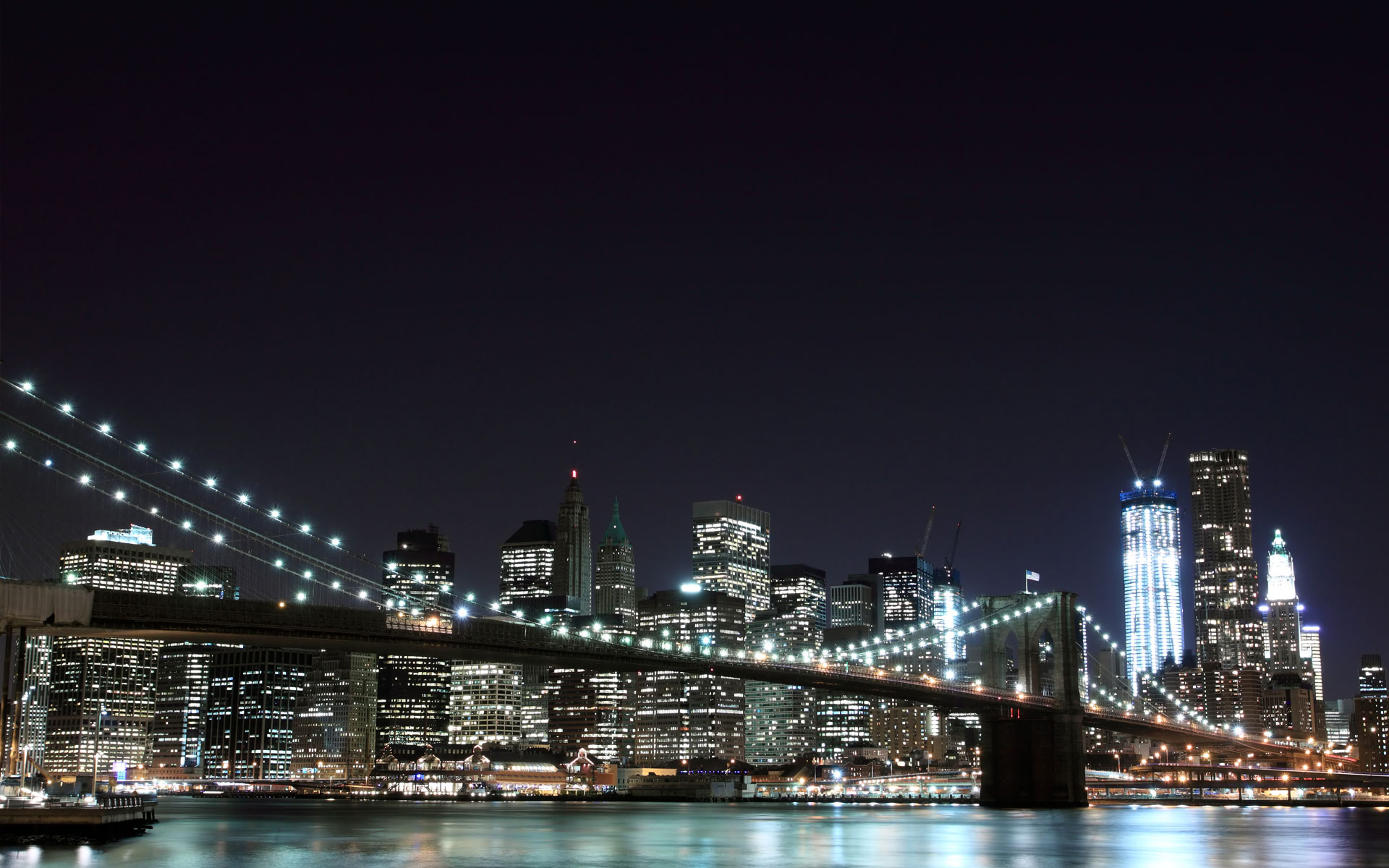
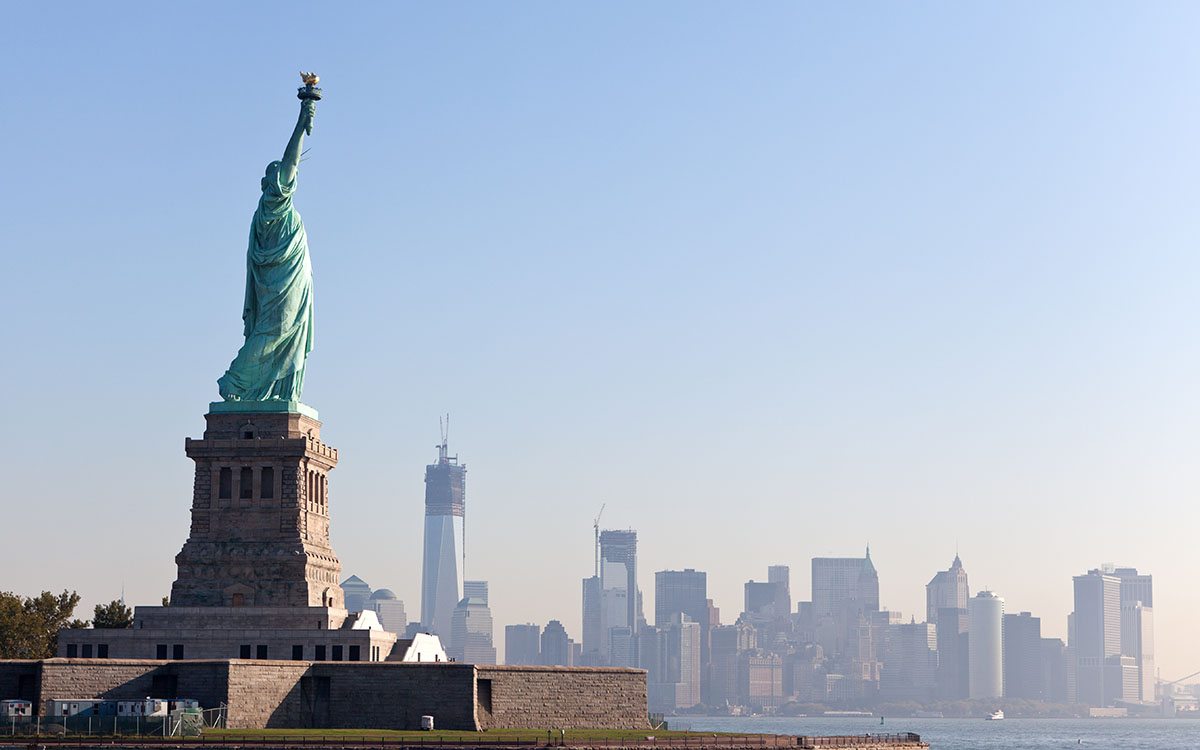
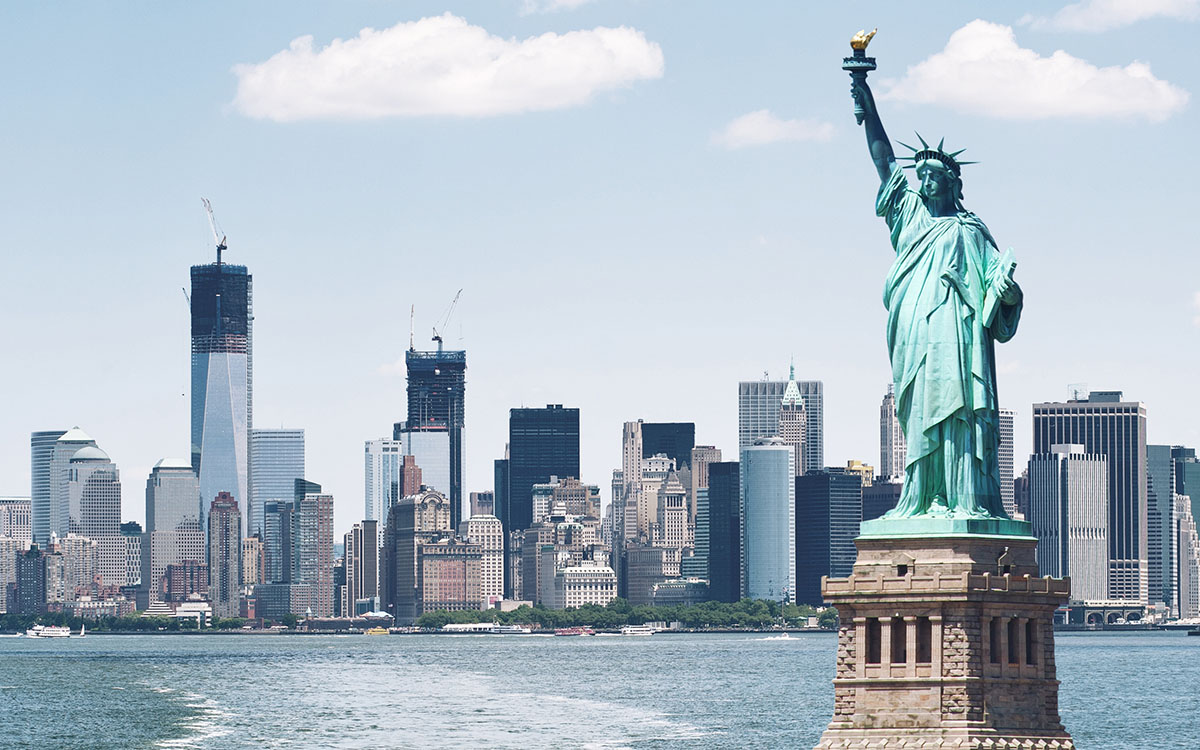
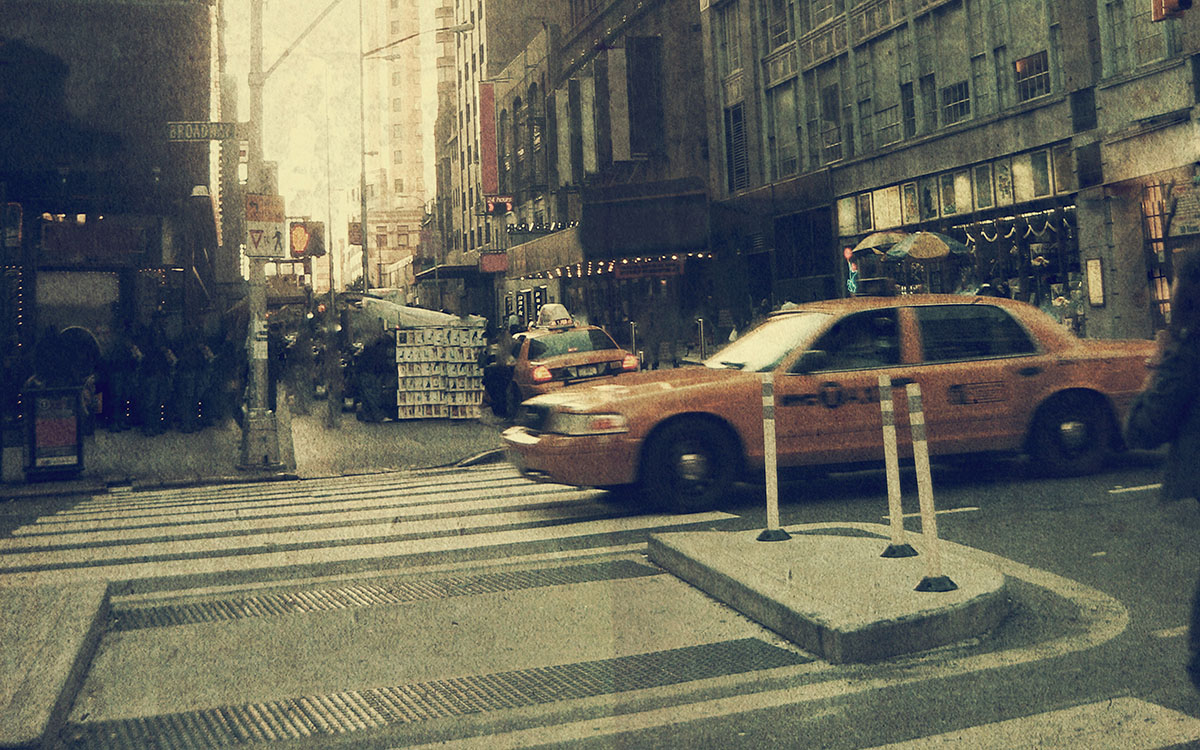
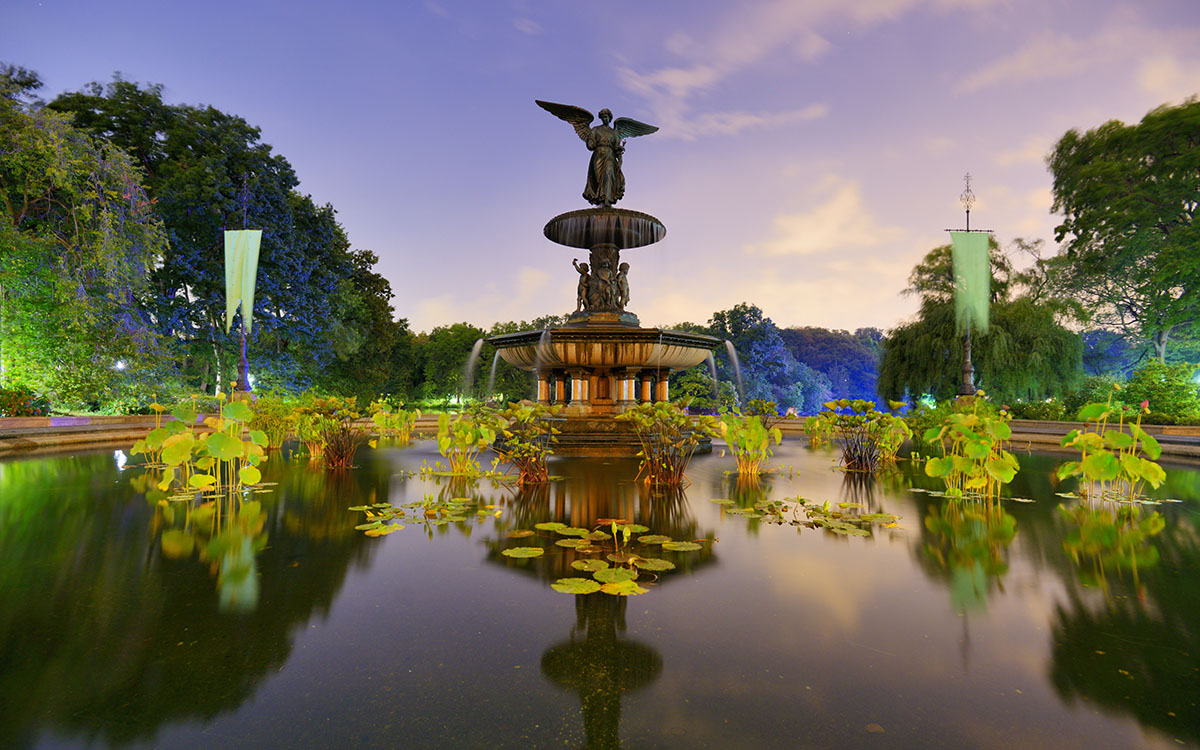
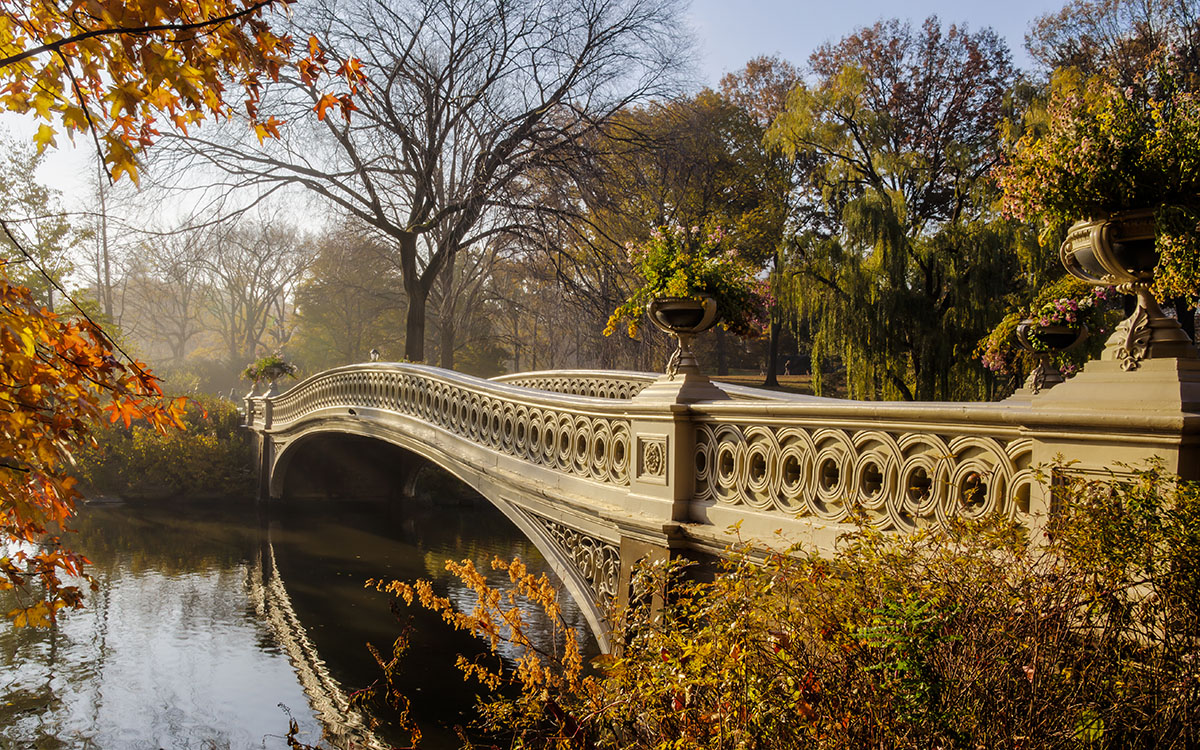
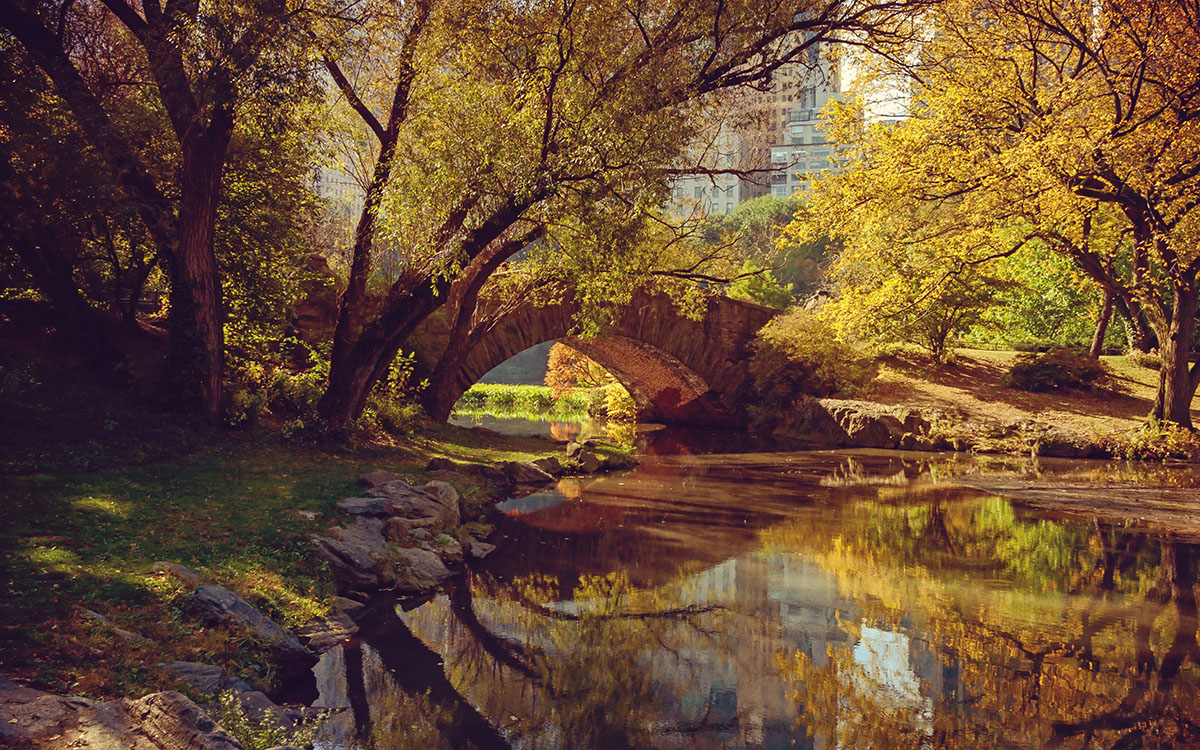
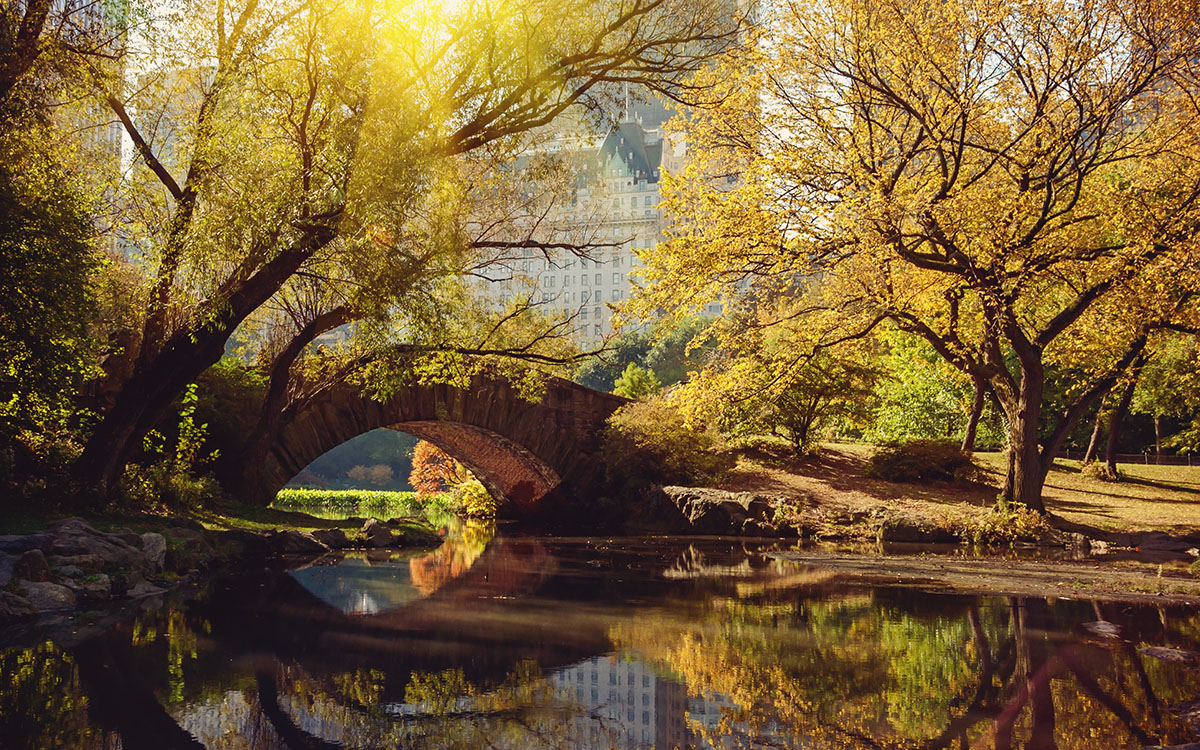
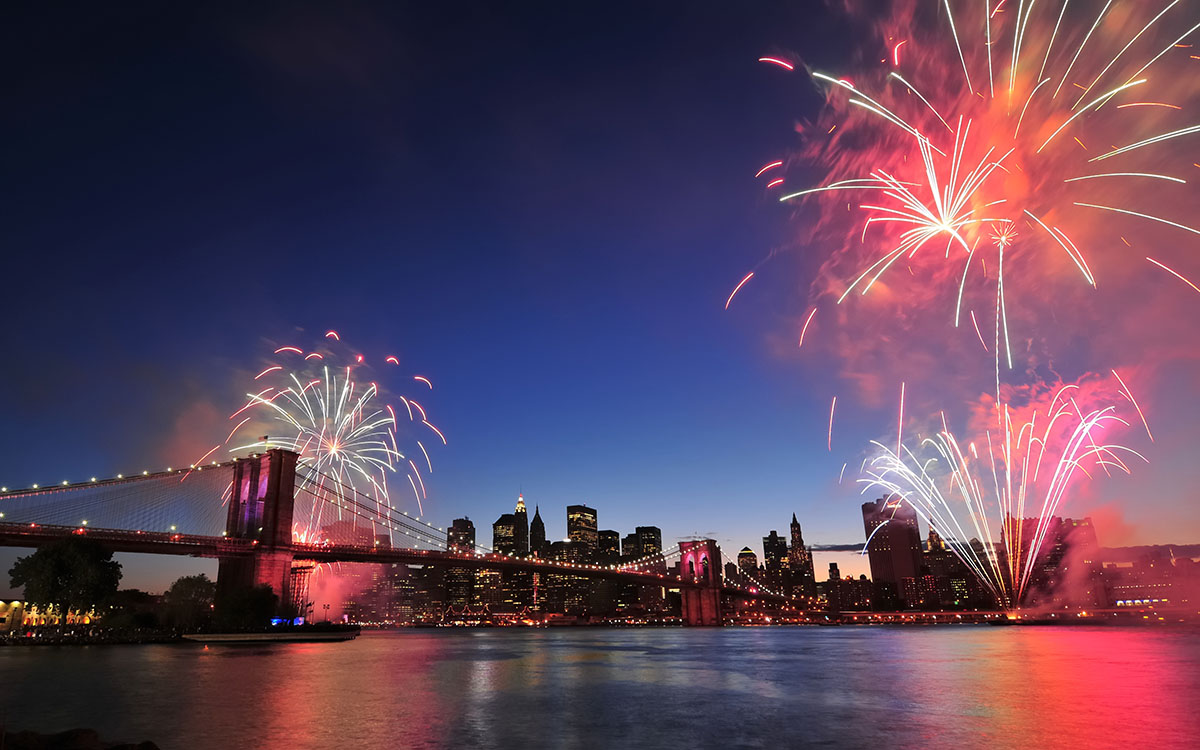
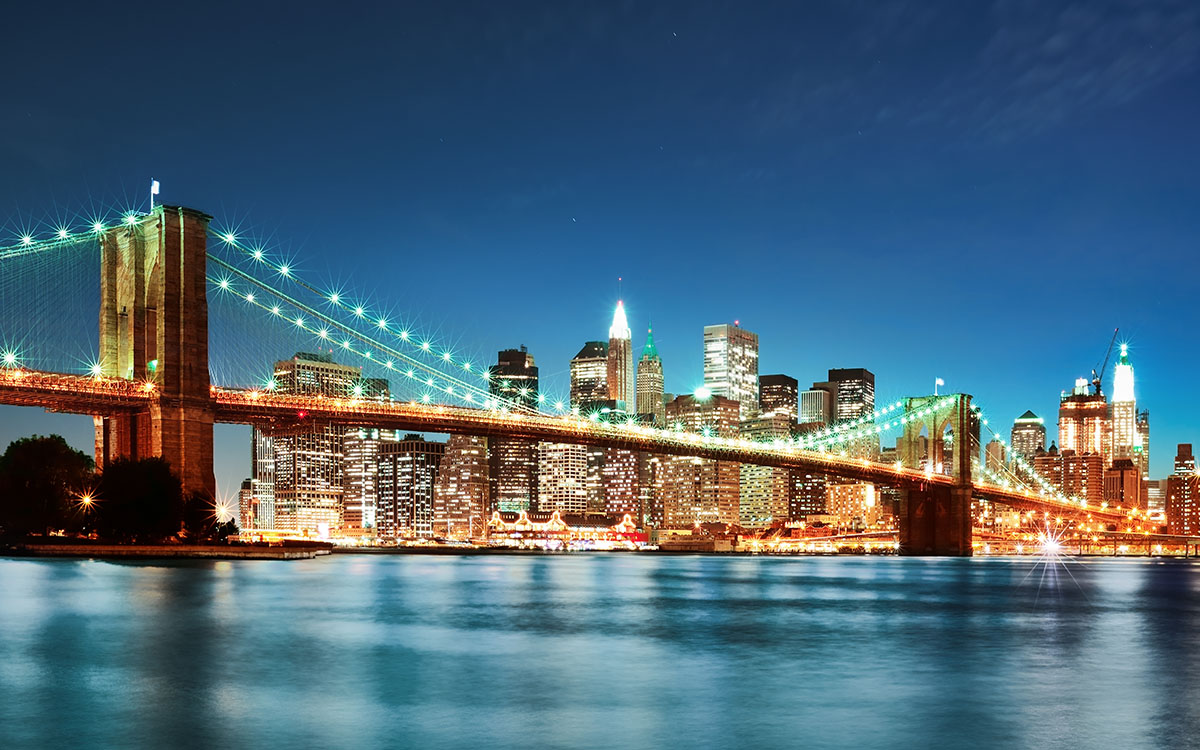
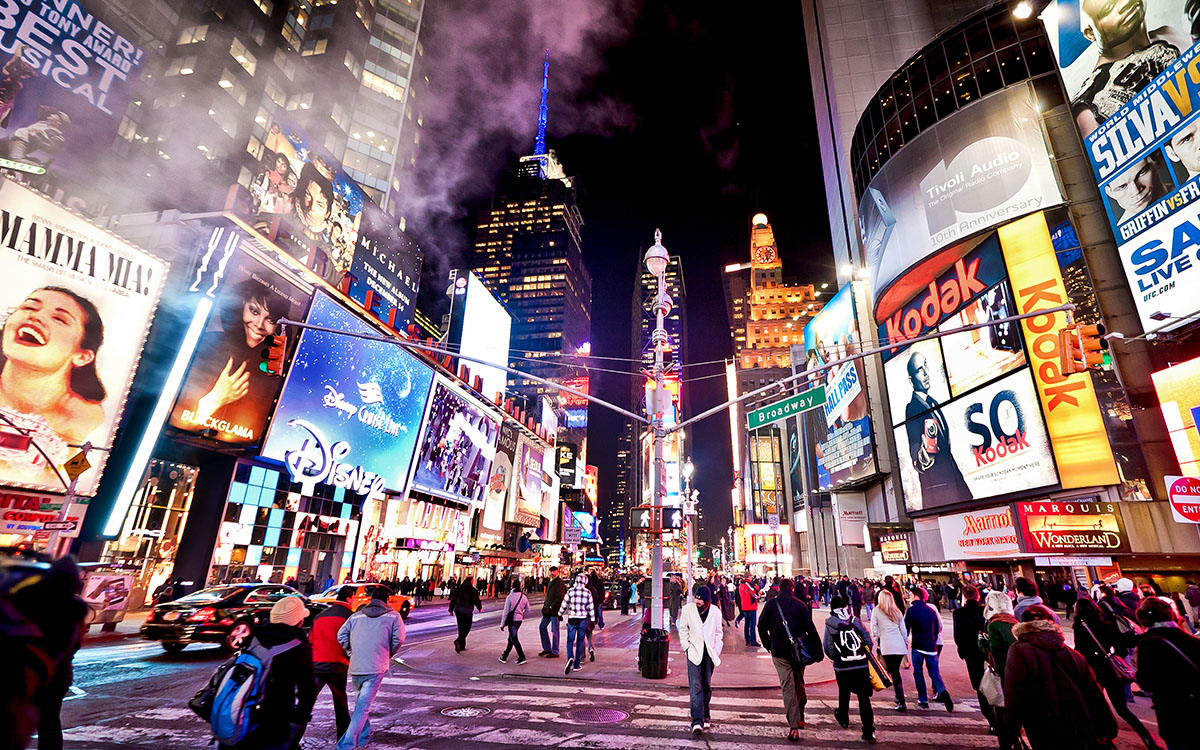
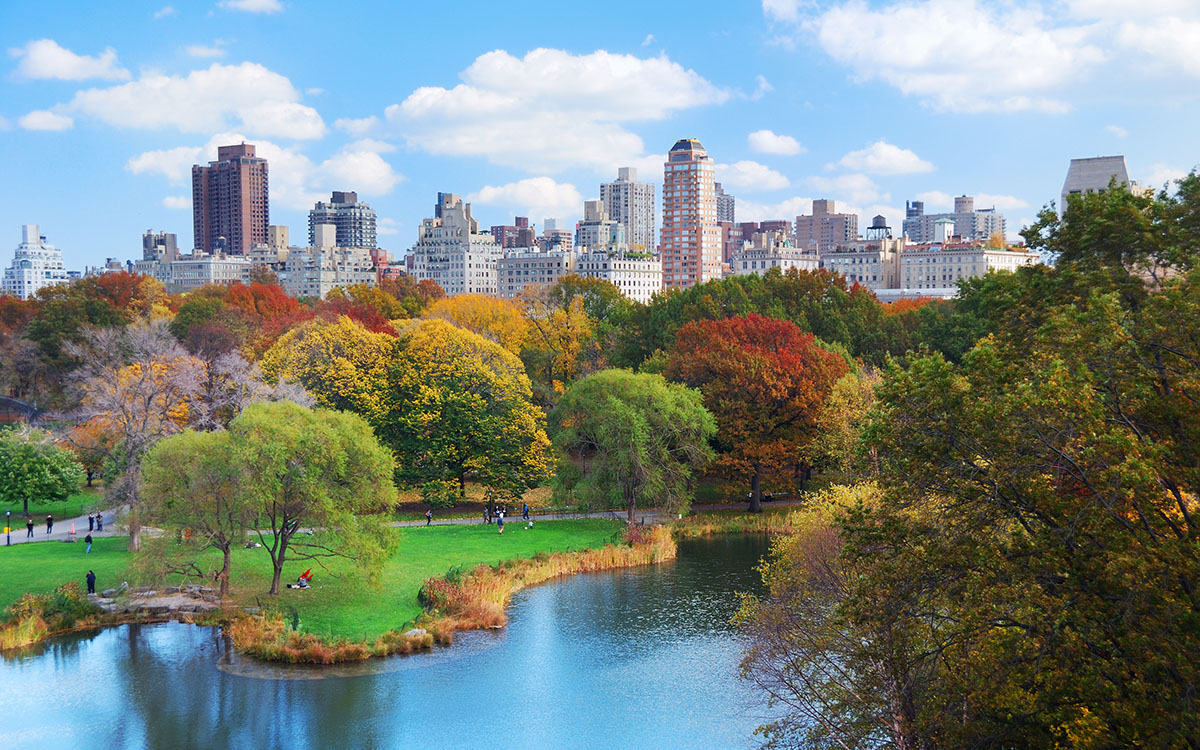
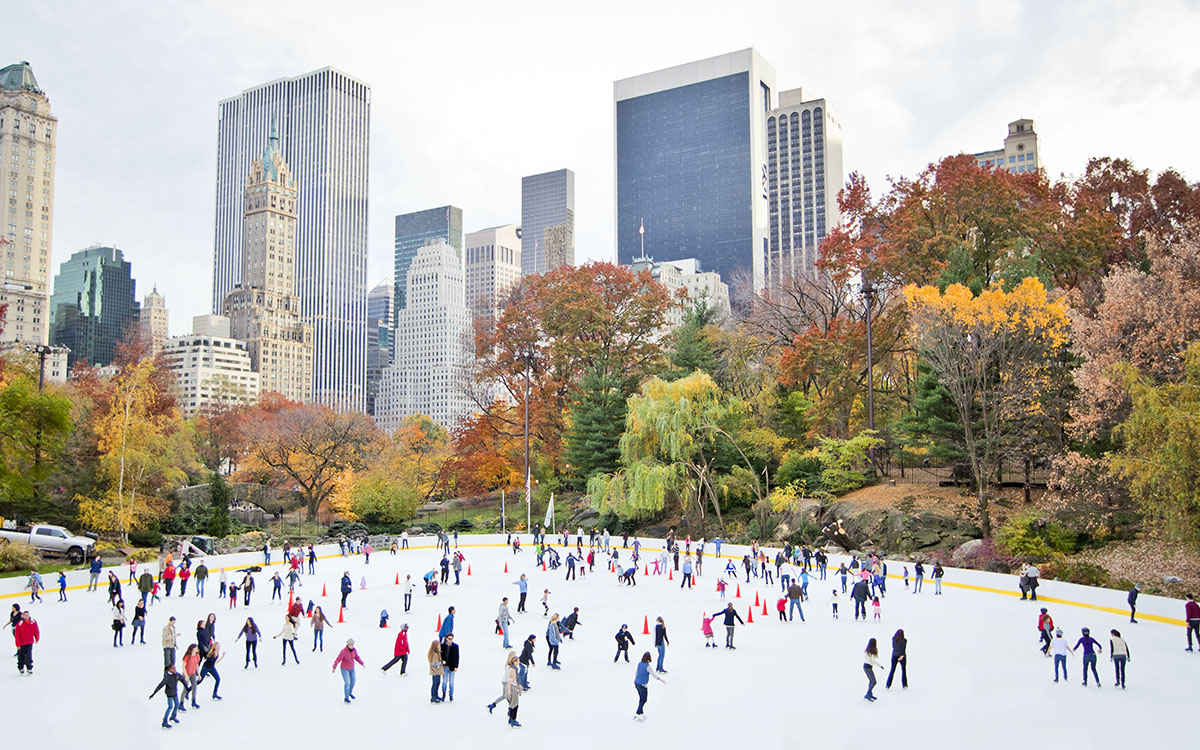
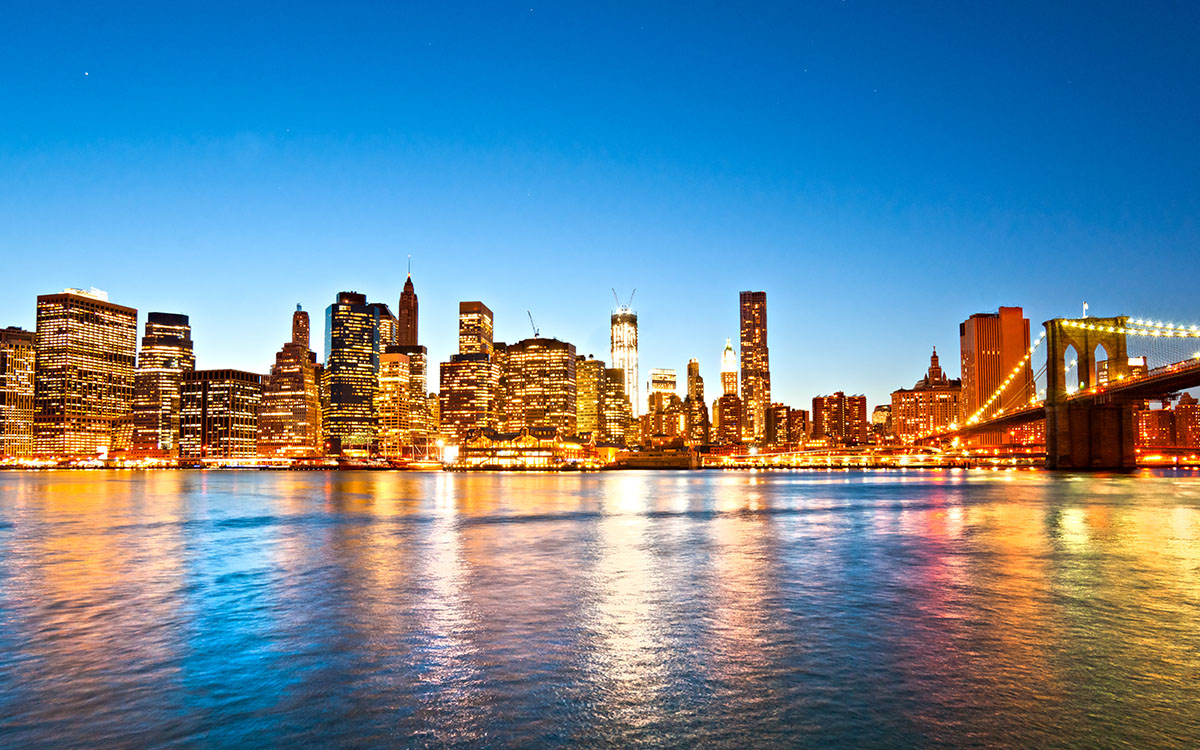
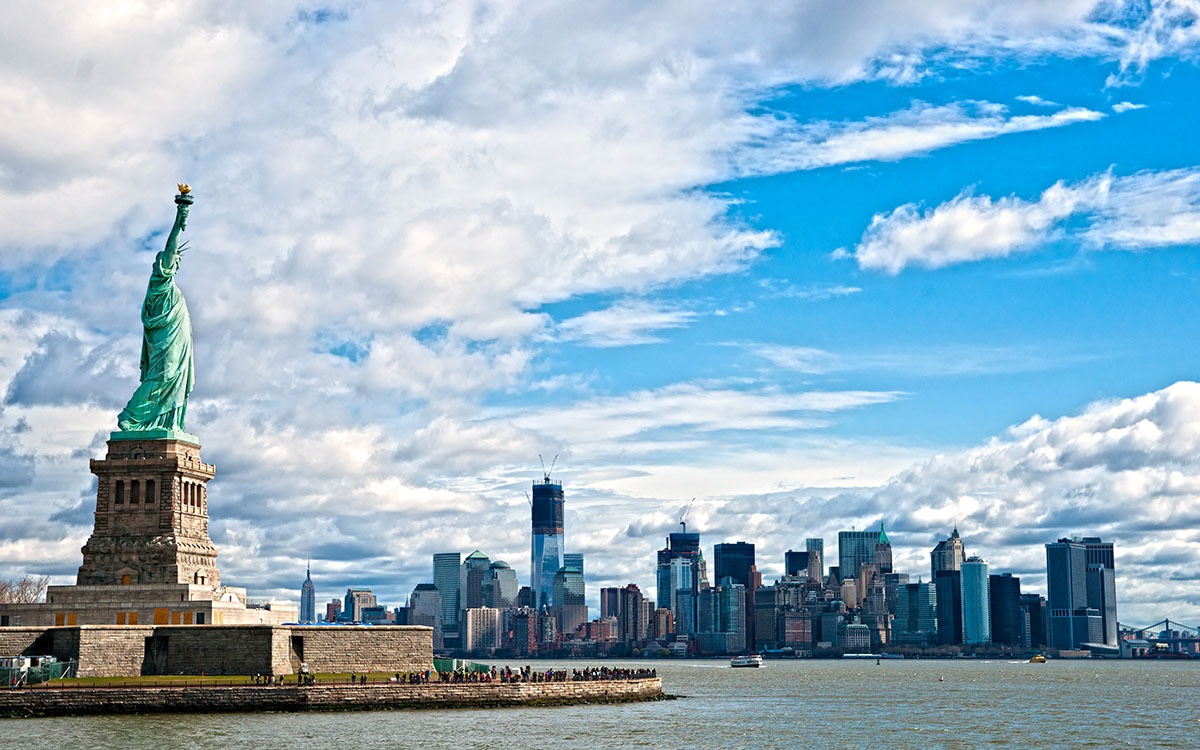
The problem with visiting New York City is knowing where to begin but even if you don't immediately rush off to view the world-famous sights and landmarks of this most dynamic of cities just being there is enough: the wonder of New York is in the energy and the diversity that emanates from its densely packed multi-cultural population. The city vibrates with colliding cultures and languages; here high-life and low-life rub shoulders and whoever you are and whatever your taste there will be something to amuse and stimulate you 24-hours a day.Whether lolling on a bench in leafy Central Park watching the world go by from a French bistro in Soho or gazing up at 'Lady Liberty' from the deck of the Staten Island Ferry most visitors will feel they've done it all before simply because New York is so familiar to anyone who has ever seen a movie or watched television. There is something special however in actually seeing the familiar landmarks and experiencing the pulse of the 'city that never sleeps'.New York City is made up of five boroughs: Staten Island The Bronx Brooklyn Queens and Manhattan but many visitors never leave Manhattan. There is a lot packed into this tiny area: the 24-hour pasta restaurants of Little Italy and the bustling sidewalks of Chinatown the jazz clubs of Greenwich Village and the theatres of Broadway; and of course the iconic sights of the Statue of Liberty the Empire State Building and Times Square.New York has been described as the best three-day city in the world and that's about right. After a frenzy of museums galleries bars and clubs many visitors are ready for a break. Fortunately there's a lot of choice in excursions from the National Parks of upstate New York to the beaches of Long Island or simply the leafy oasis of Central Park. Whatever you're after New York is ready and waiting to bewitch bother and bewilder.
Copenhagen to New York Transatlantic Grand Voyage Ships
Recommended Deals like Copenhagen to New York Transatlantic Grand Voyage
Copenhagen To New York Transatlantic Grand Voyage
 Azamara

Departure:
July
VISITING:
Copenhagen
Visby
Stockholm
Turku
Helsinki
Tallinn
Riga
Klaipeda
Gdynia
Ronne, Bornholm
Wismar
Kiel
Portsmouth
Falmouth,United Kingdom
Dublin
+19 more
FROM
£
12,479 pp
Denmark, Norway & Sweden Combination Cruise: Copenhagen, Trondheim & Stockholm
Azamara
Departure:
July
VISITING:
Copenhagen
Arendal
Skjolden, Norway
Alesund
Trondheim
Stavanger
Mandal
Gothenburg
Copenhagen
Visby
Stockholm
Turku
Helsinki
Tallinn
Riga
+6 more
FROM
£
7,639 pp
Baltic Intensive Cruise: Stockholm, Helsinki & Gdansk
Azamara
Departure:
July
VISITING:
Copenhagen
Visby
Stockholm
Turku
Helsinki
Tallinn
Riga
Klaipeda
Gdynia
Ronne, Bornholm
Wismar
Kiel
Portsmouth
FROM
£
4,969 pp
Join the Crui.se Club
Points That Pay
Earn 25 points (£25) just for joining — and collect more on bookings, reviews, and referrals.
Exclusive Member Deals
Unlock off-market offers reserved only for Crui.se Club members.
Early Access Perks
Be the first to book with pre-launch notifications and special member-only booking windows.
Cruise With Confidence
Our mission at wordpress-1024654-4169282.cloudwaysapps.com is to help you and your loved one’s book and experience the best cruise holiday imaginable. We’re different in that, our customers come first, not our suppliers or profit margins. Get in touch and let us help you set sail.


Over 20 cruise brands to choose from

Low deposits from £500

All Inclusive cruises

Best deals & discounts

Community driven

Brand agnostic

We take care of everything

Custom built cruise holidays


