






 We won’t be beaten on price...


ABTA protected


Cape Town to Athens
Grand Voyage
Scroll to sail

Cape Town to Athens Grand Voyage
Embark on the extraordinary Cape Town to Athens Grand Voyage, a 51-day odyssey aboard Azamara Onward. This unparalleled journey begins in vibrant South Africa, exploring Namibia's unique landscapes before crossing the Atlantic to the historic Canary Islands and captivating North African coasts.
Discover the artistic treasures of Spain and France, then immerse yourself in Italy's ancient history and the breathtaking Amalfi Coast. Sail through the Adriatic to charming Croatian towns and Slovenian gems, before entering the Aegean Sea to unveil the iconic beauty of the Greek Isles.
Experience Santorini's villages, Rhodes' ancient wonders, and Turkey's captivating shores, culminating in Athens. Azamara offers unparalleled destination immersion and intimate luxury, inviting you to connect deeply with diverse cultures and create unforgettable memories on this once-in-a-lifetime voyage.
-
 Cruise Line: Azamara
-
 Ship: Azamara Onward
-
 Duration: 51 Nights
-
 Departure: May
Cape Town to Athens Grand Voyage Prices
Cape Town to Athens Grand Voyage Gallery
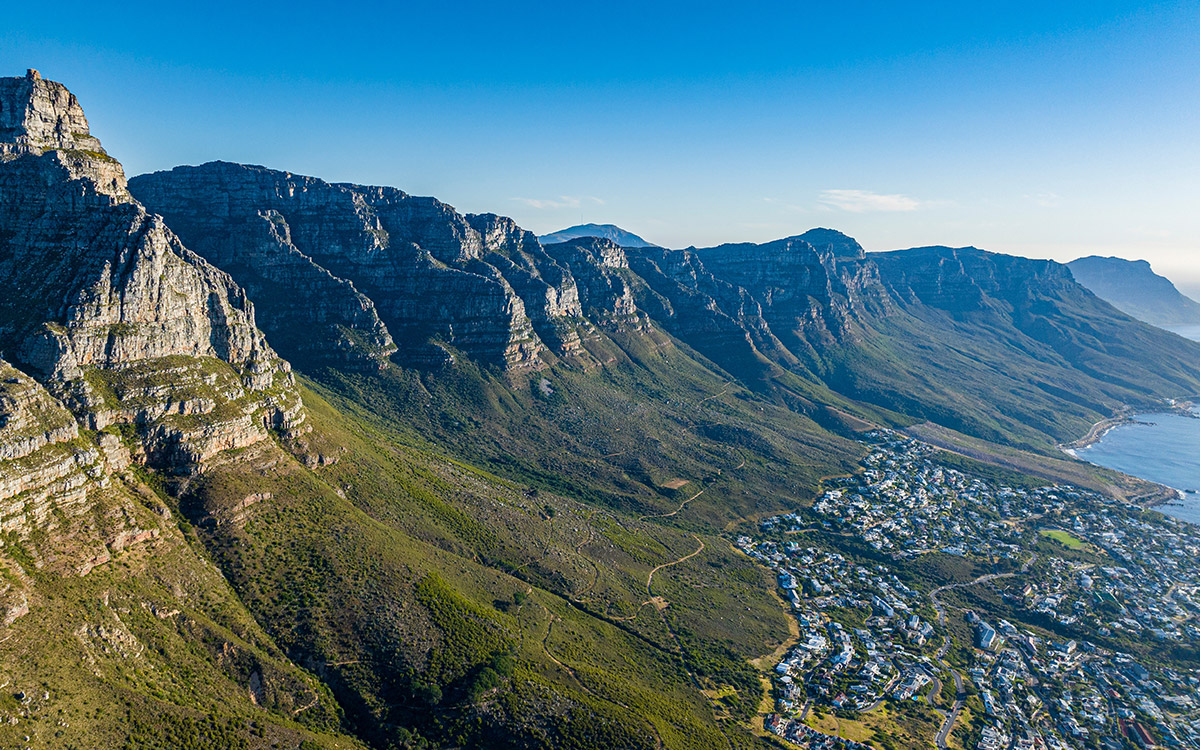

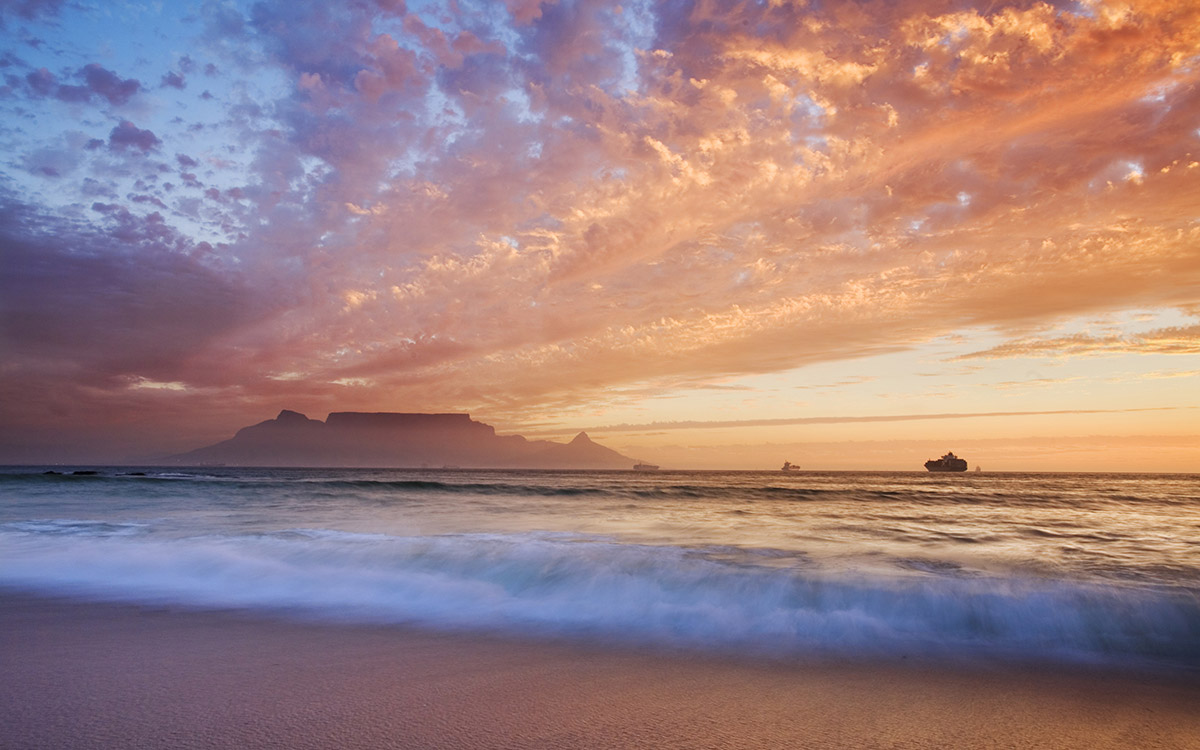
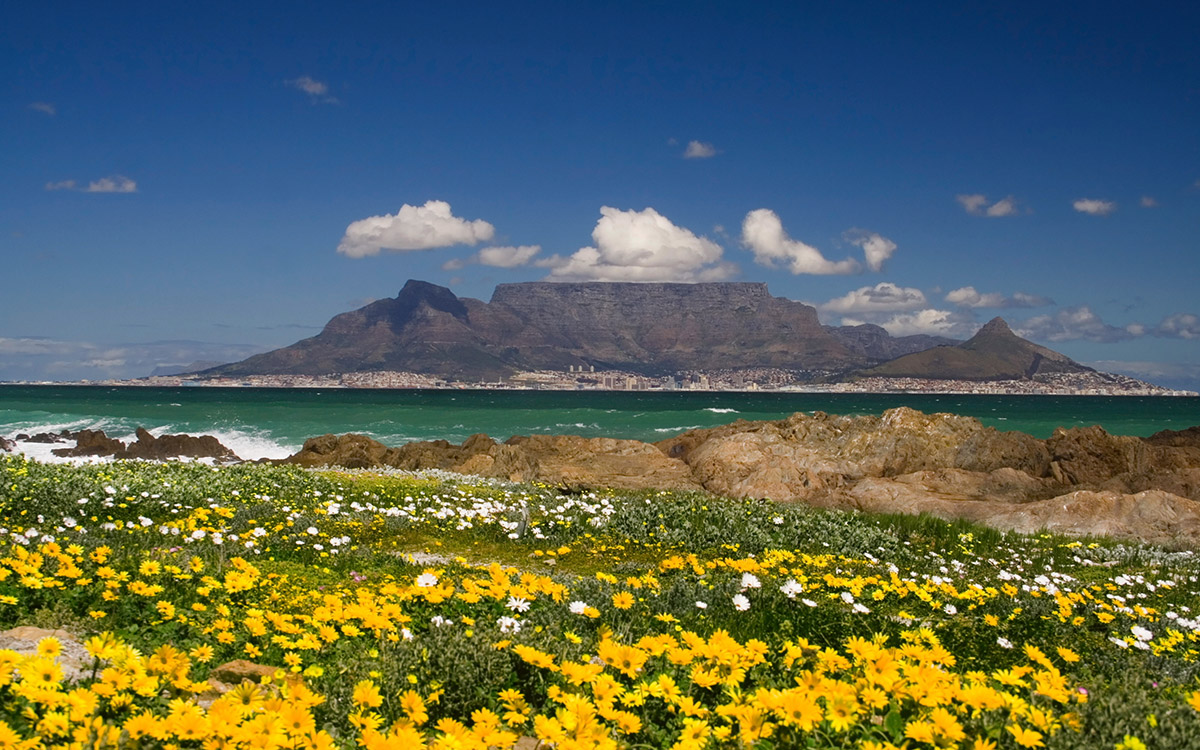
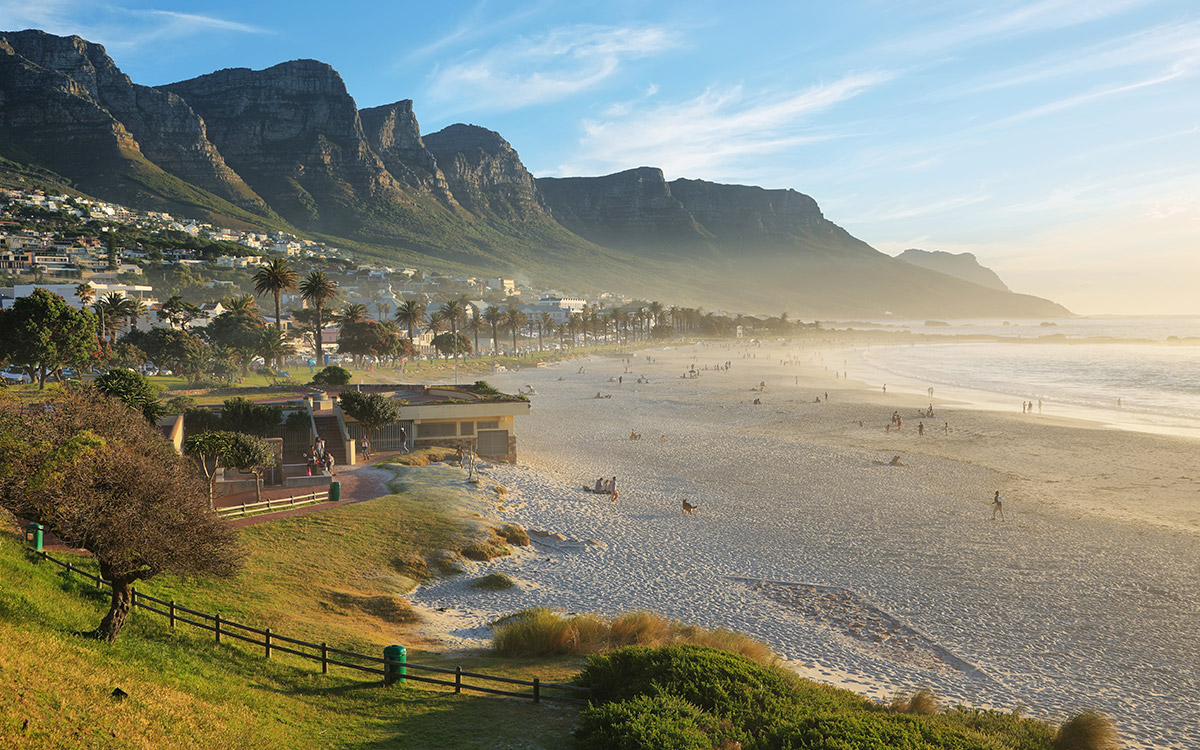







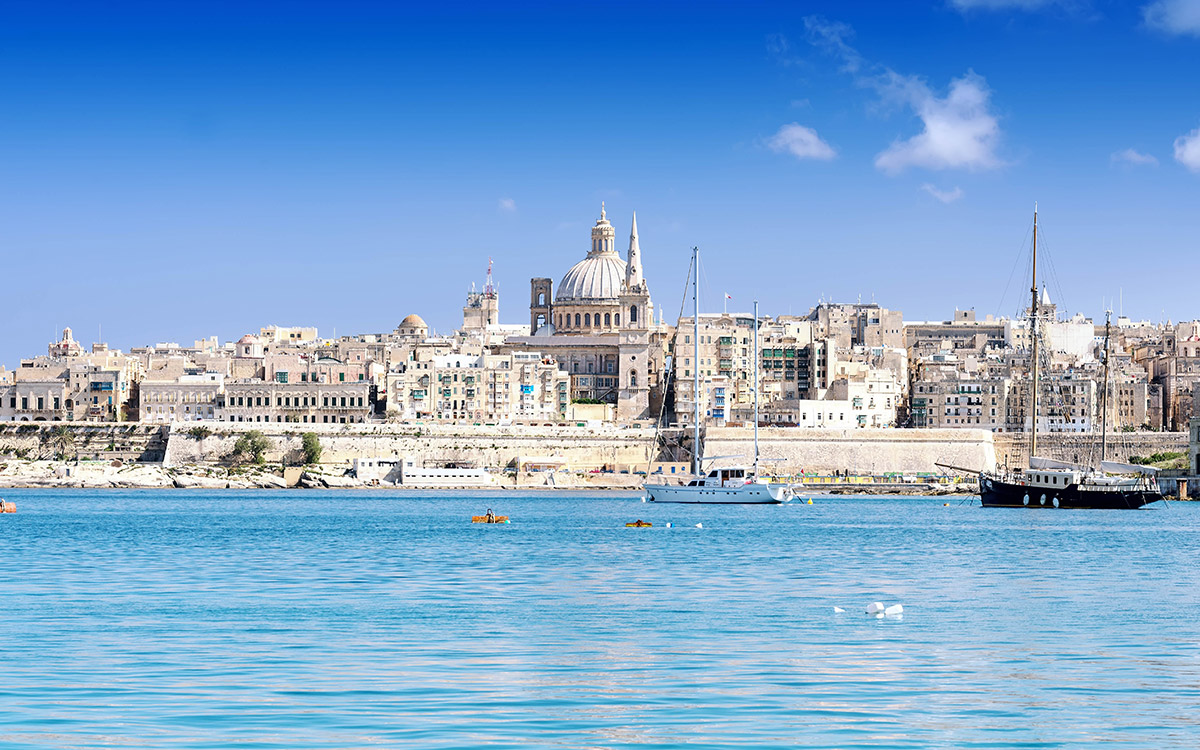
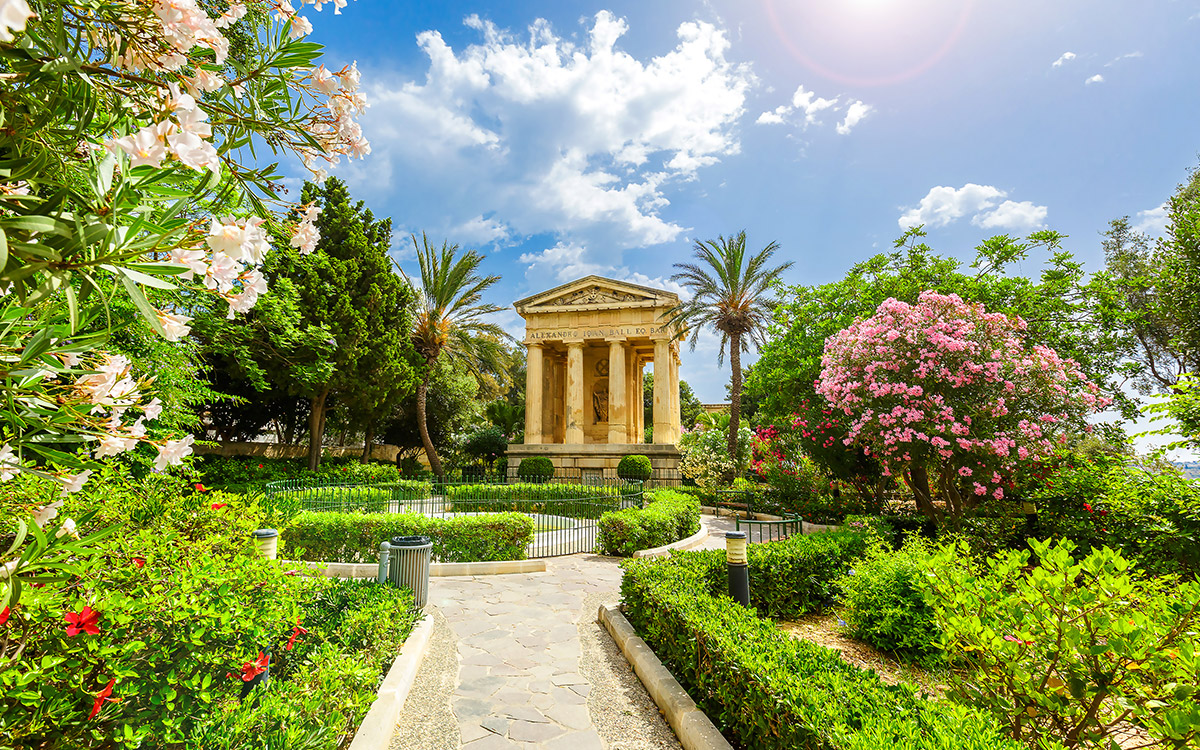
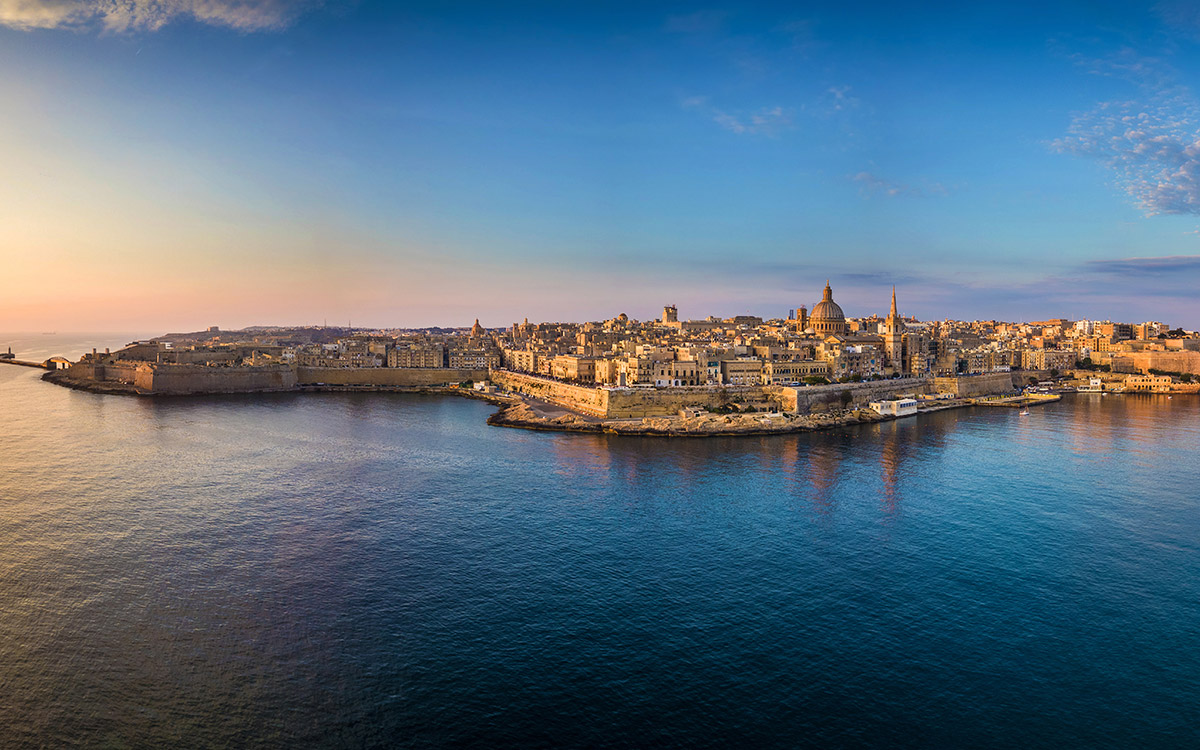

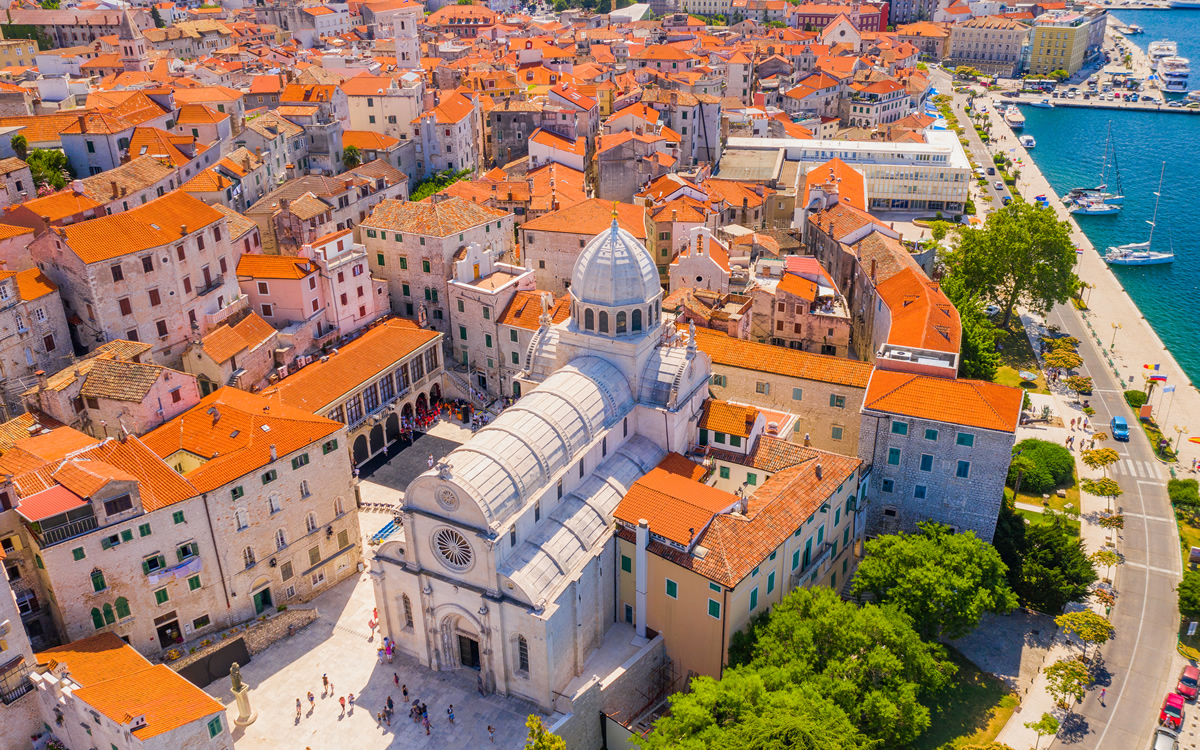





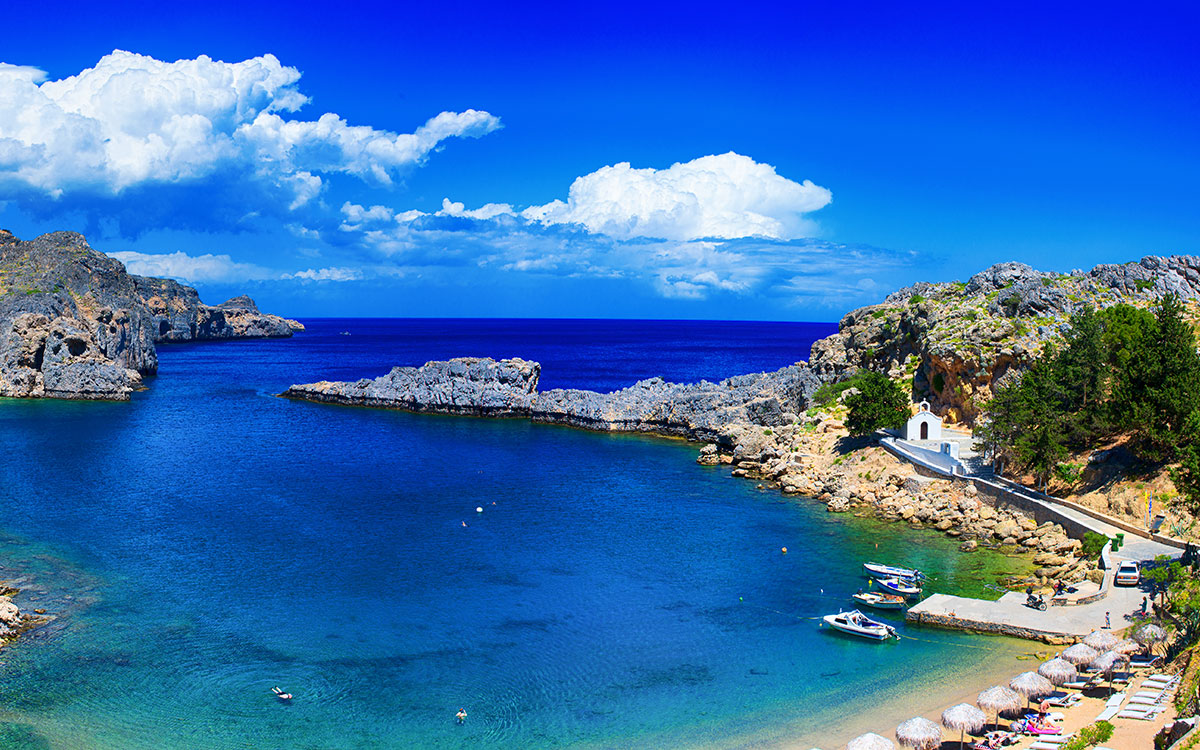
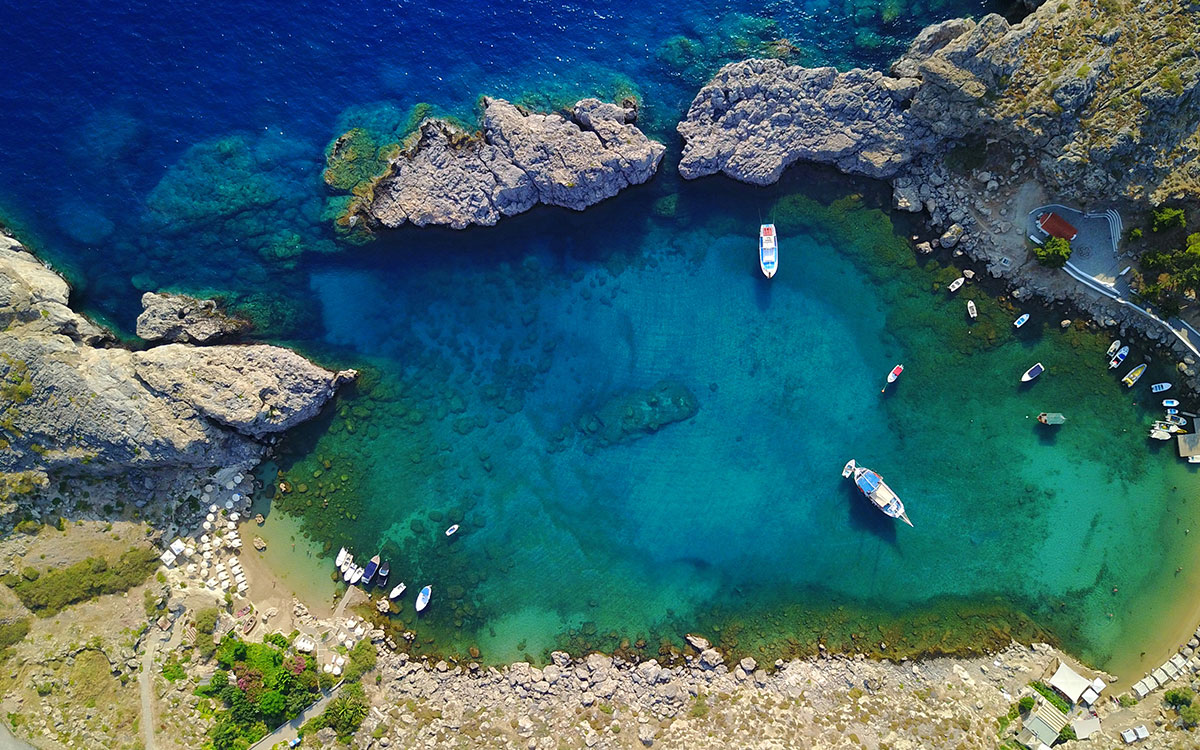
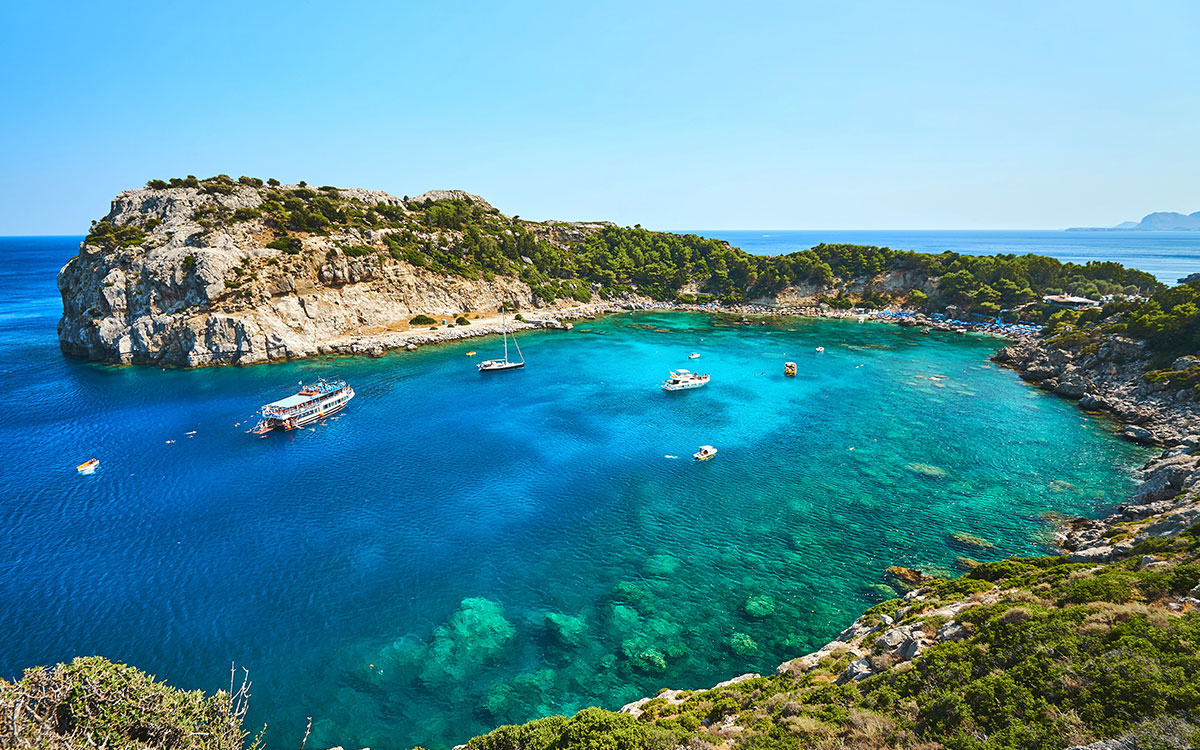
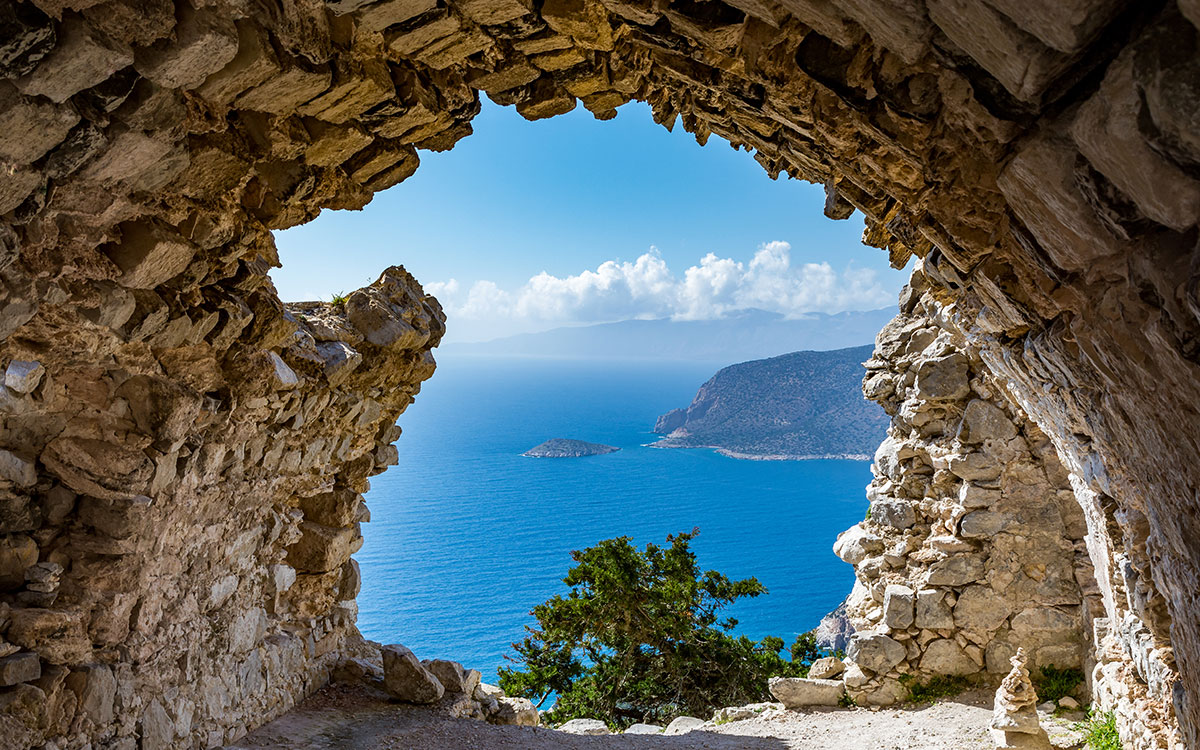

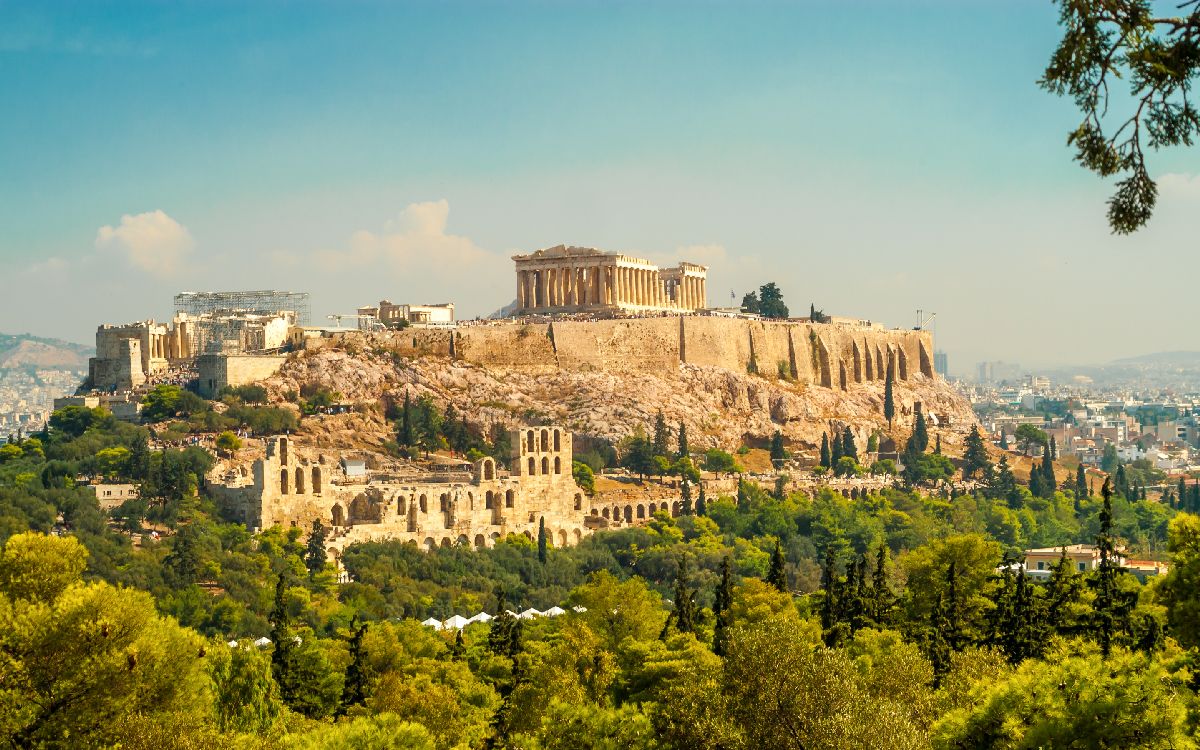
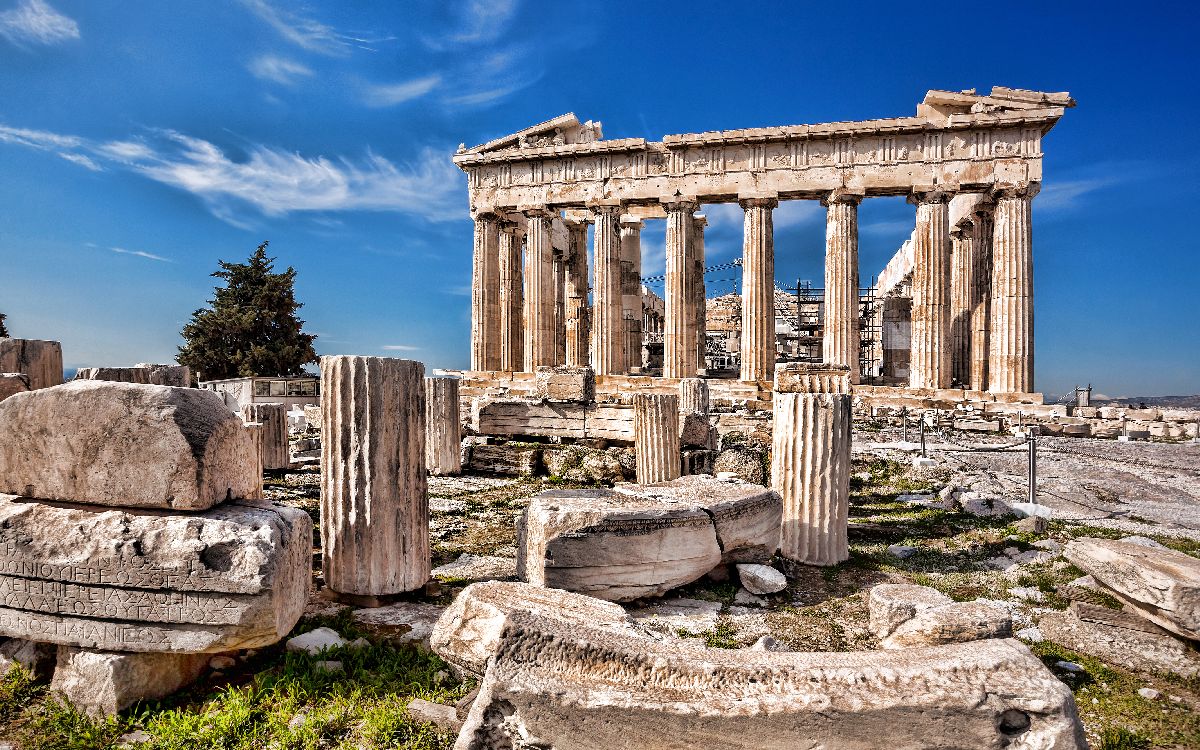

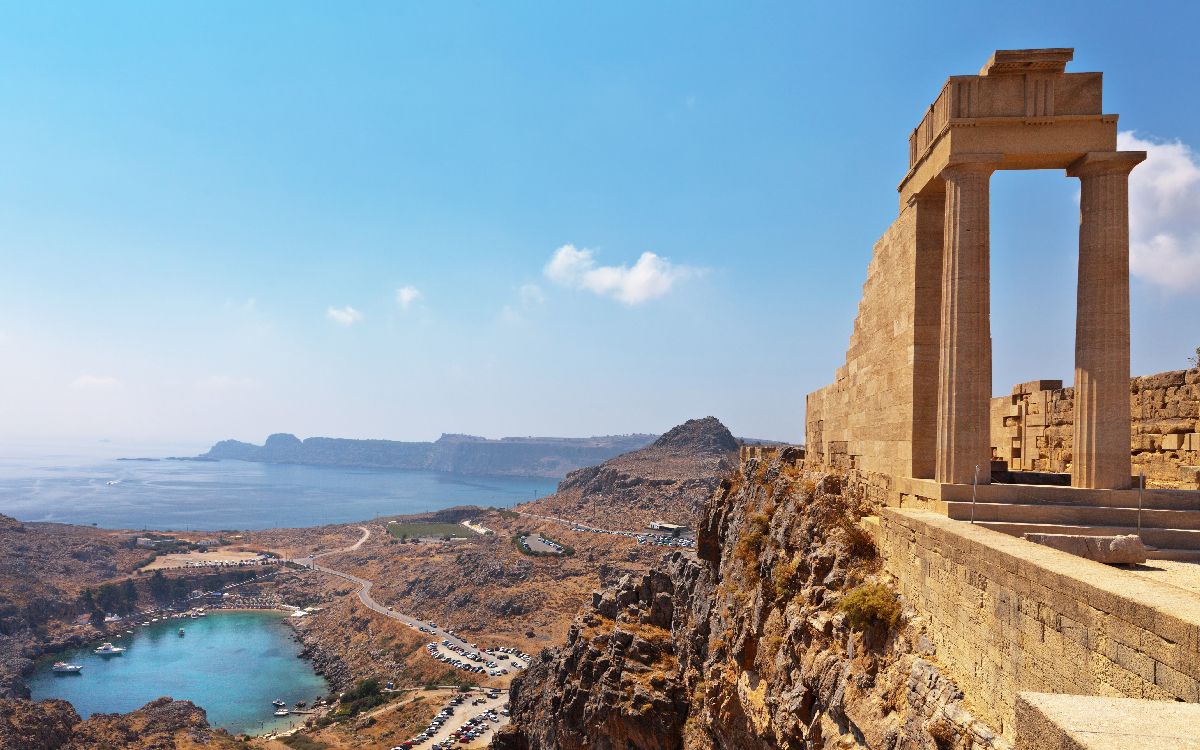
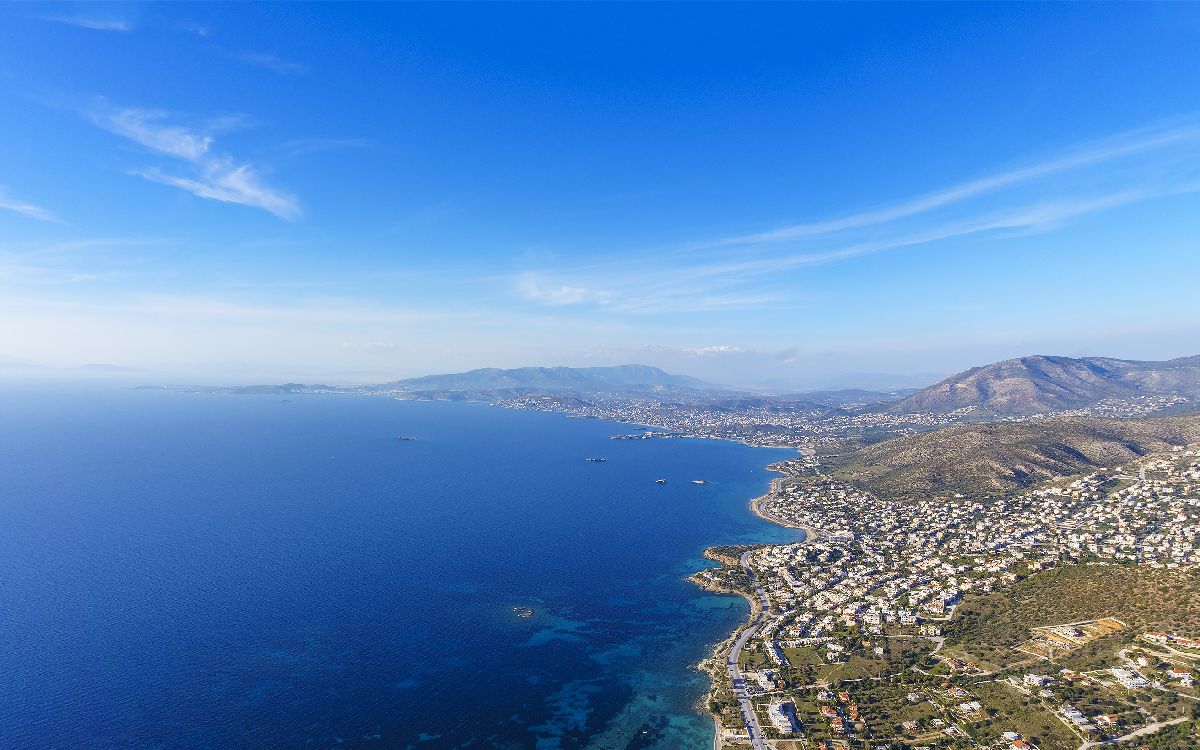
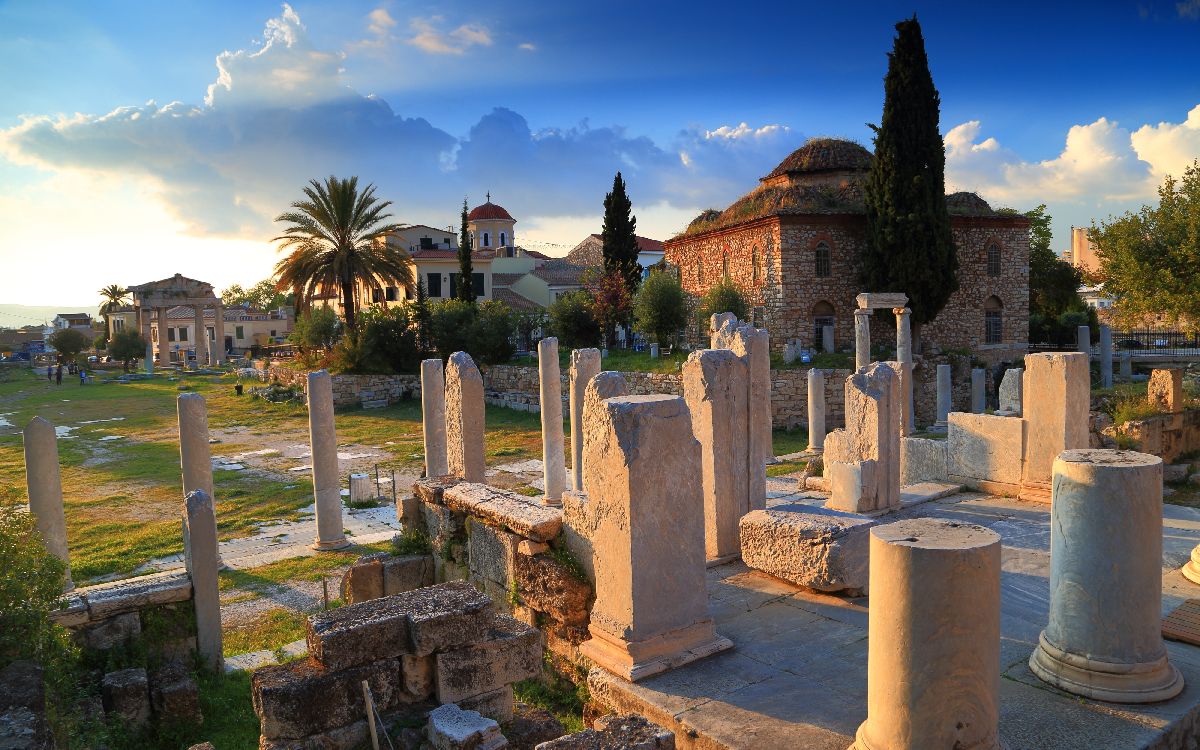
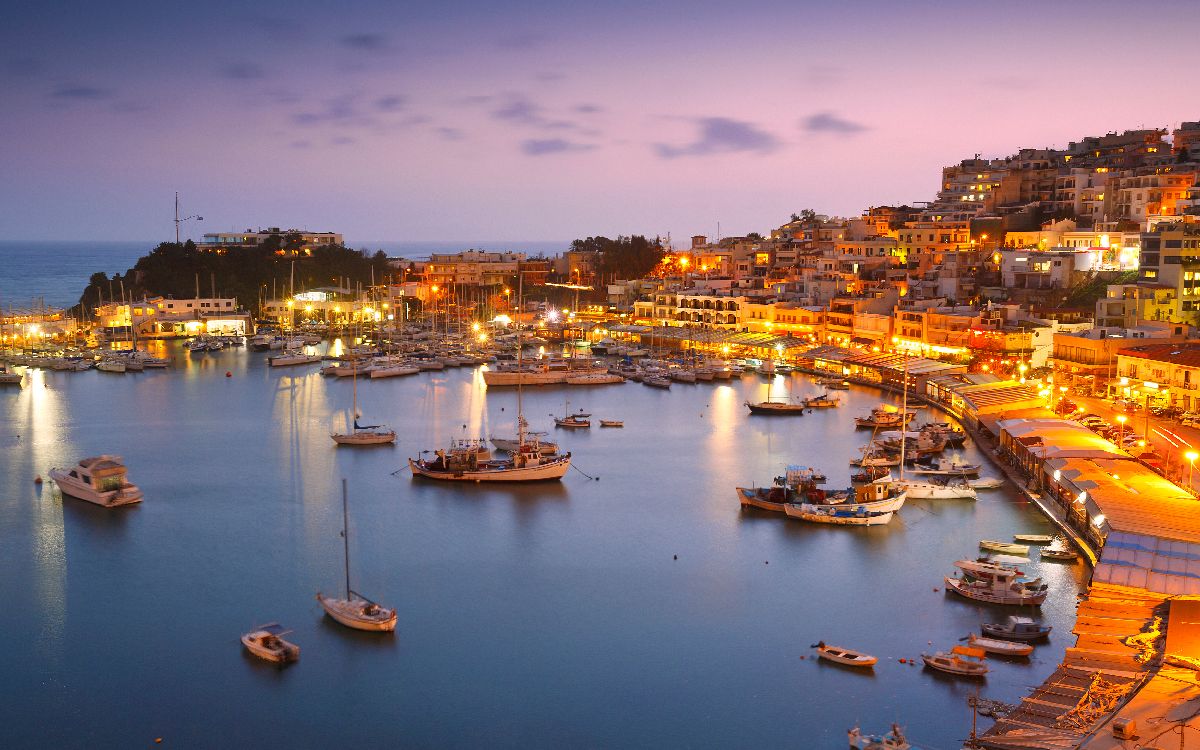
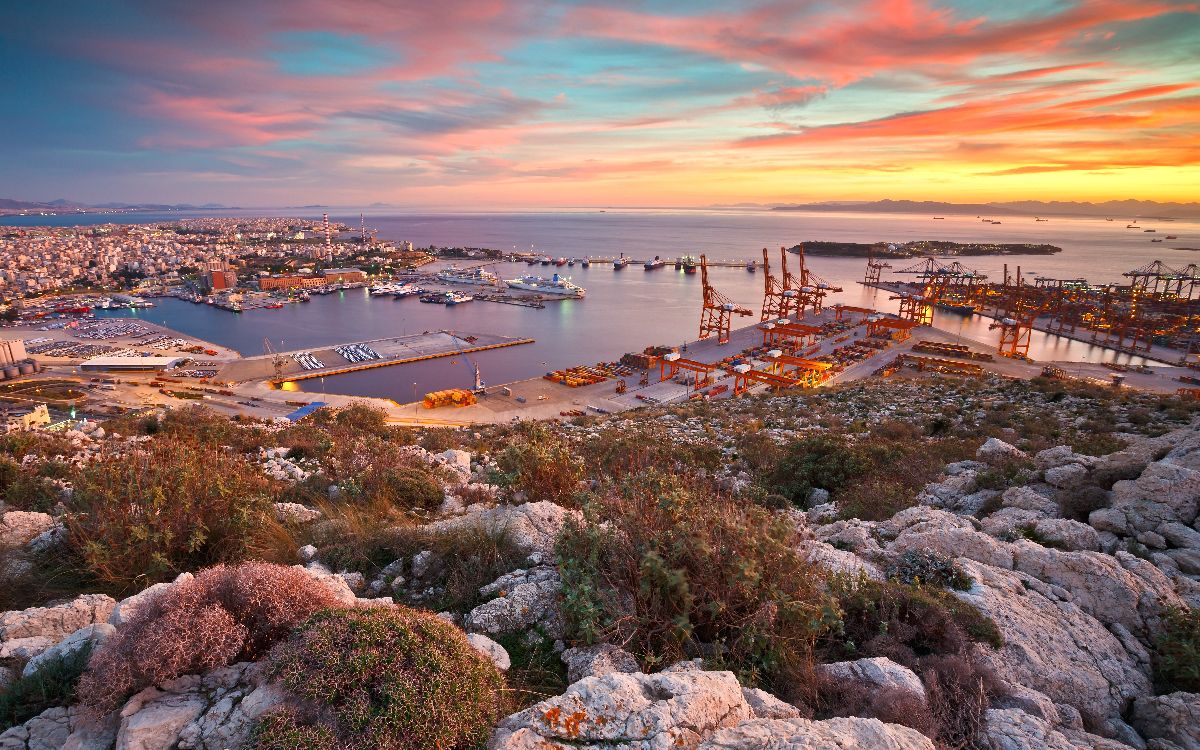
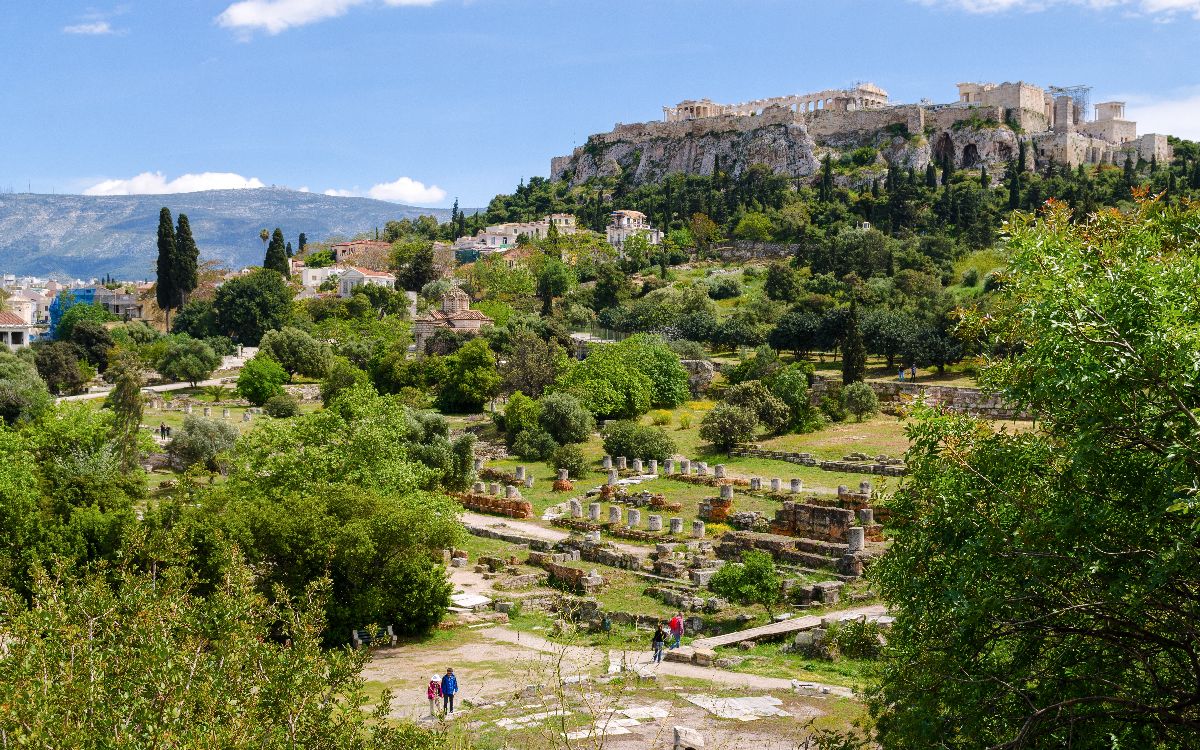

Cape Town to Athens Grand Voyage Itinerary

Day 1
Cape Town
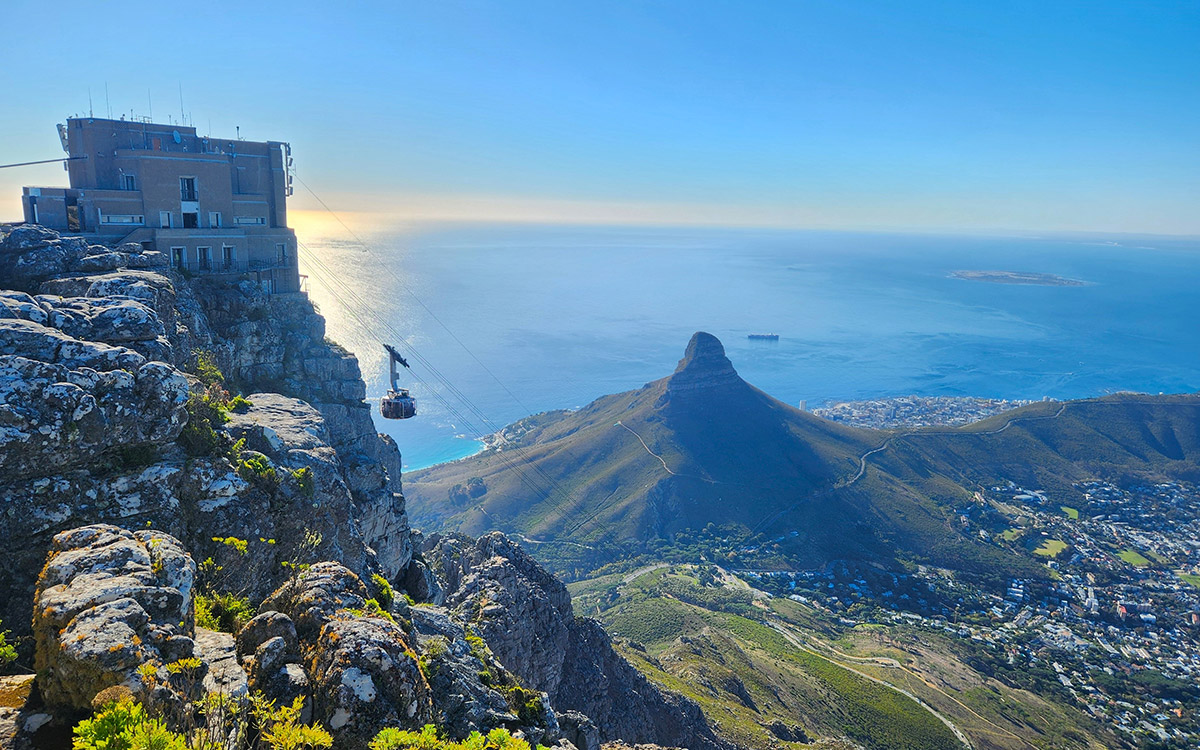
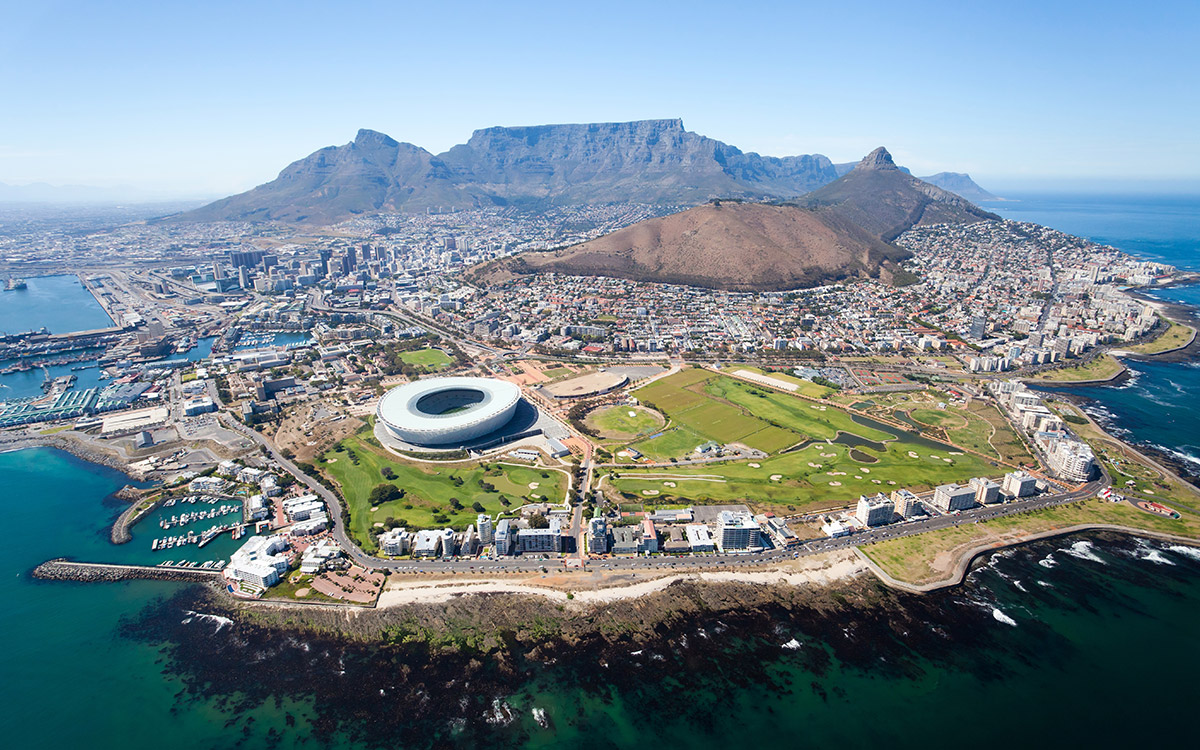
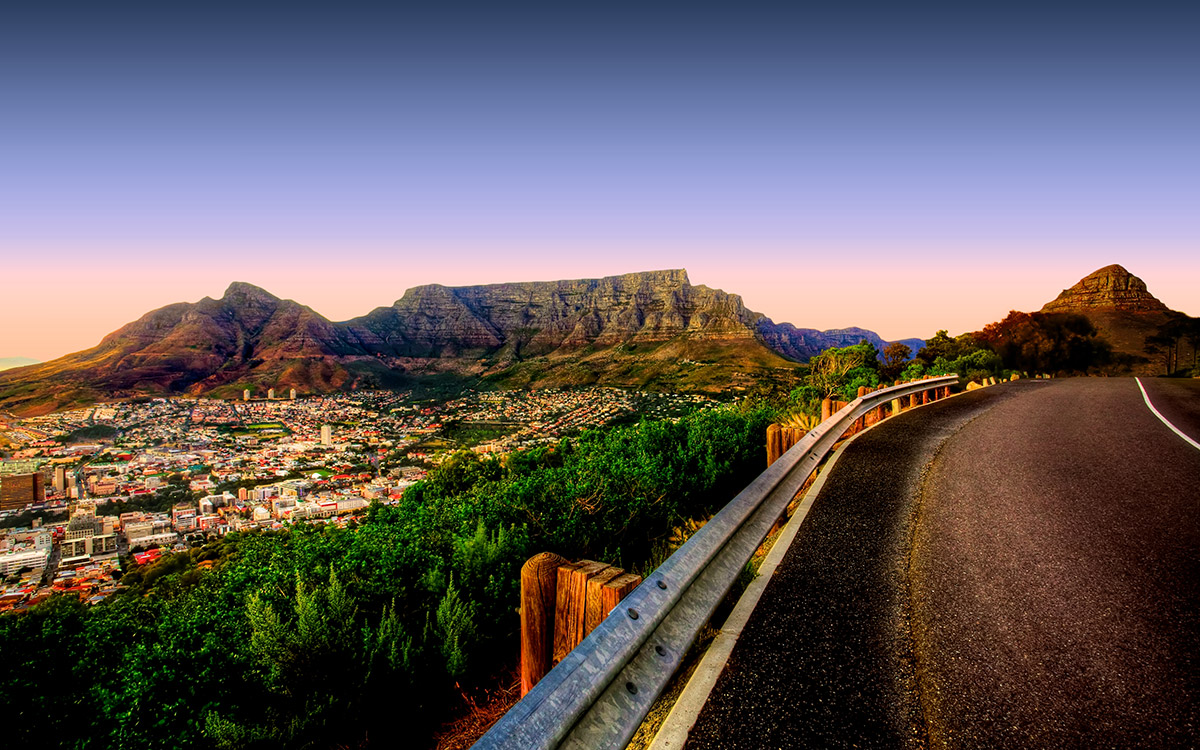
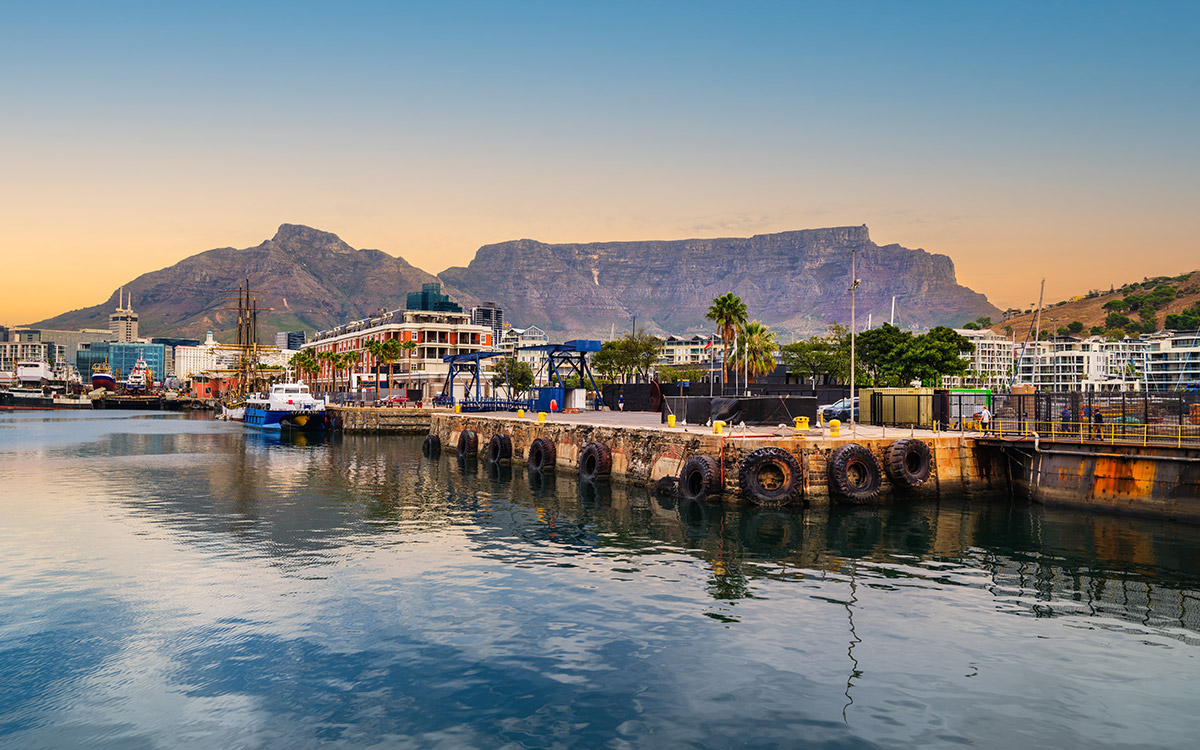
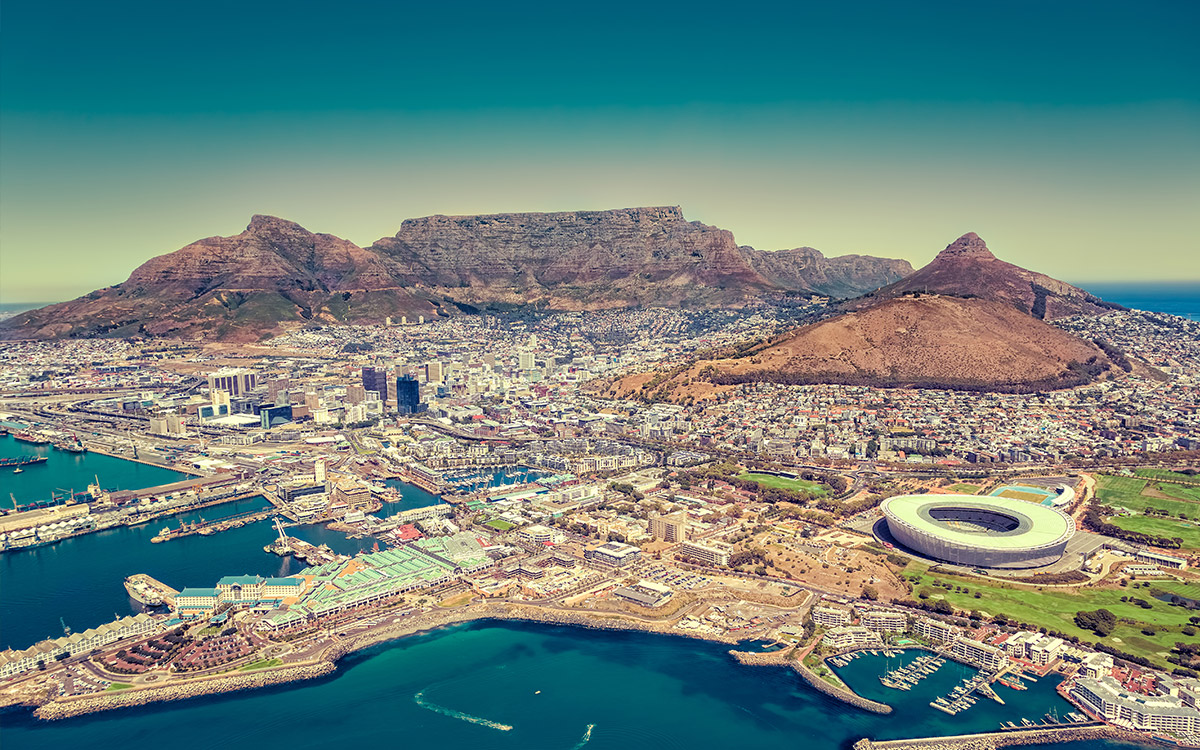
Cape Town's allure lies in its spectacular setting, the beauty
of its natural environment, and the rich cultural diversity of its
people. The city has had a long and turbulent history, and the
effects of colonisation and Apartheid still linger in the minds and
hearts of many. Transformation, however, has led to a feeling of
hope, which can be experienced in the cosmopolitan city centre of
Cape Town.
Flower sellers, business executives, parking attendants, office
workers, and shoppers all rub shoulders in a setting of both
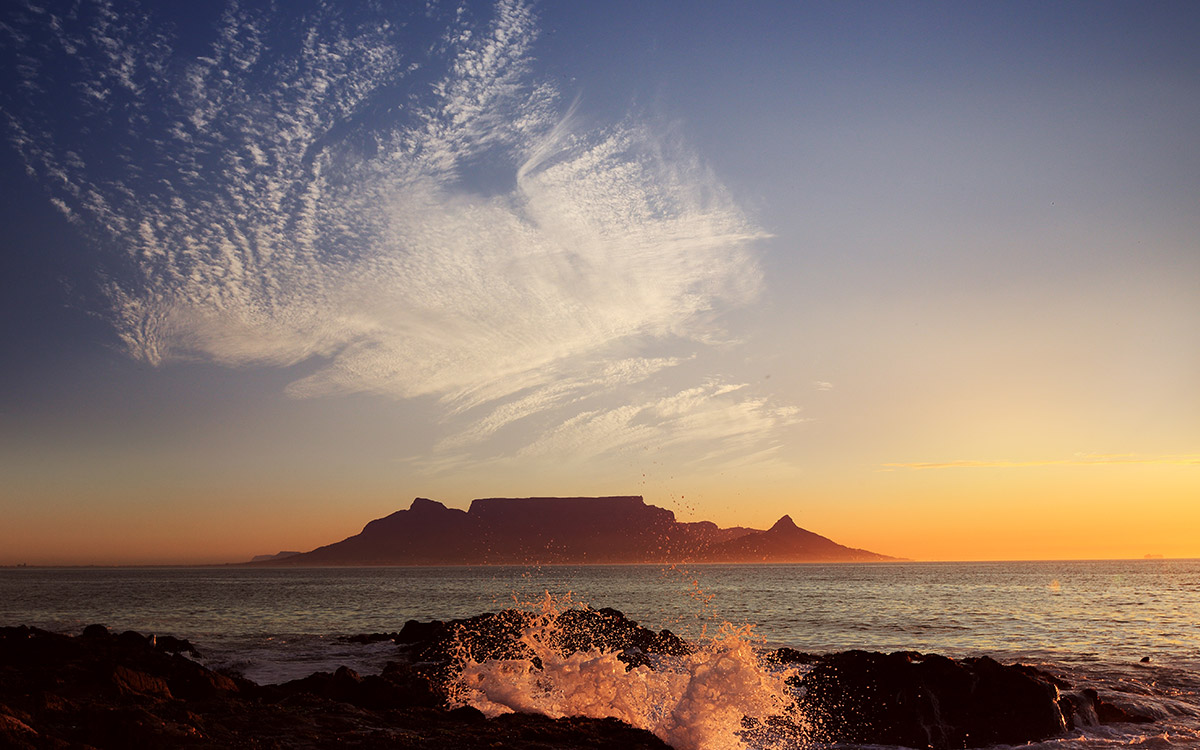
historical and modern buildings, backed by the city's most famous
landmark, Table Mountain. The colourful Malay Quarter, the remains
of District Six, St George's Cathedral, Government Avenue, and the
old Castle are historically interesting, while world-class African
and international restaurants tempt travellers with their culinary
delights. Although an African city, Cape Town has a marked European
influence and visitors can experience the excitement of Africa from
the comforts of upmarket surroundings.
Cape Town's unique setting means that views of the city can be
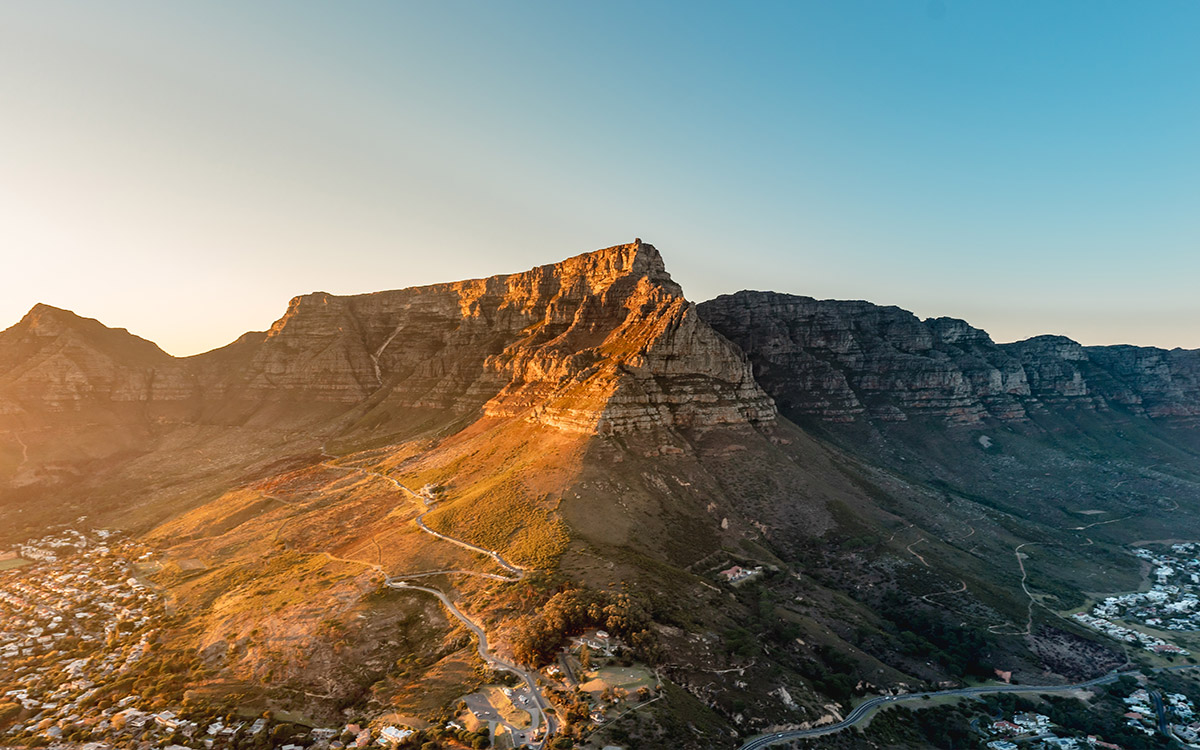
enjoyed from various spectacular vantage points. Table Mountain,
Lion's Head, and Signal Hill provide breathtaking vistas over the
city bowl and the Cape peninsula, with its beautiful beaches. Trips
to Robben Island offer a dramatic sweep of scenery across to Table
Bay, while harbour tours and old buildings await exploration at the
cosmopolitan Waterfront. Many scenic routes meander along
magnificent stretches of coastline leading to special places like
Cape Point and Chapman's Peak, which boasts one of the most
picturesque stretches of road in the world.
Day 3
Lüderitz
Located along the coast of Namibia, Luderitz is a charming and historic town that offers a unique blend of German colonial architecture, natural beauty, and cultural richness. With its scenic coastline, fascinating history, and friendly locals, Luderitz is an ideal destination for travelers seeking a mix of adventure and relaxation.
Luderitz is known for its distinctive German architecture, which dates back to the town's establishment in the late 19th century. The influence of German colonialism can be seen in the brightly colored, well-preserved buildings that line the town's streets. The most iconic of these is the Goerke Haus, a grand mansion that stands as a testament to the town's past. Walking through the streets of Luderitz feels like stepping back in time, with its charming cafes and boutiques nestled between the historic buildings.
One of the main attractions in Luderitz is the Kolmanskop Ghost Town. Once a bustling diamond mining town, it was abandoned in the 1950s and has since become a hauntingly beautiful place to visit. The shifting sands have taken over the buildings, creating a surreal landscape that is both eerie and captivating. Exploring the deserted houses and learning about the diamond mining history is a must-do for any visitor to Luderitz.
Nature enthusiasts will be delighted by the stunning landscapes and wildlife that surround Luderitz. The nearby Namib Desert offers breathtaking views of rolling sand dunes, making it perfect for photography enthusiasts and outdoor adventurers. The coastal area is also home to a variety of bird species, including flamingos and pelicans, making it a haven for birdwatchers.
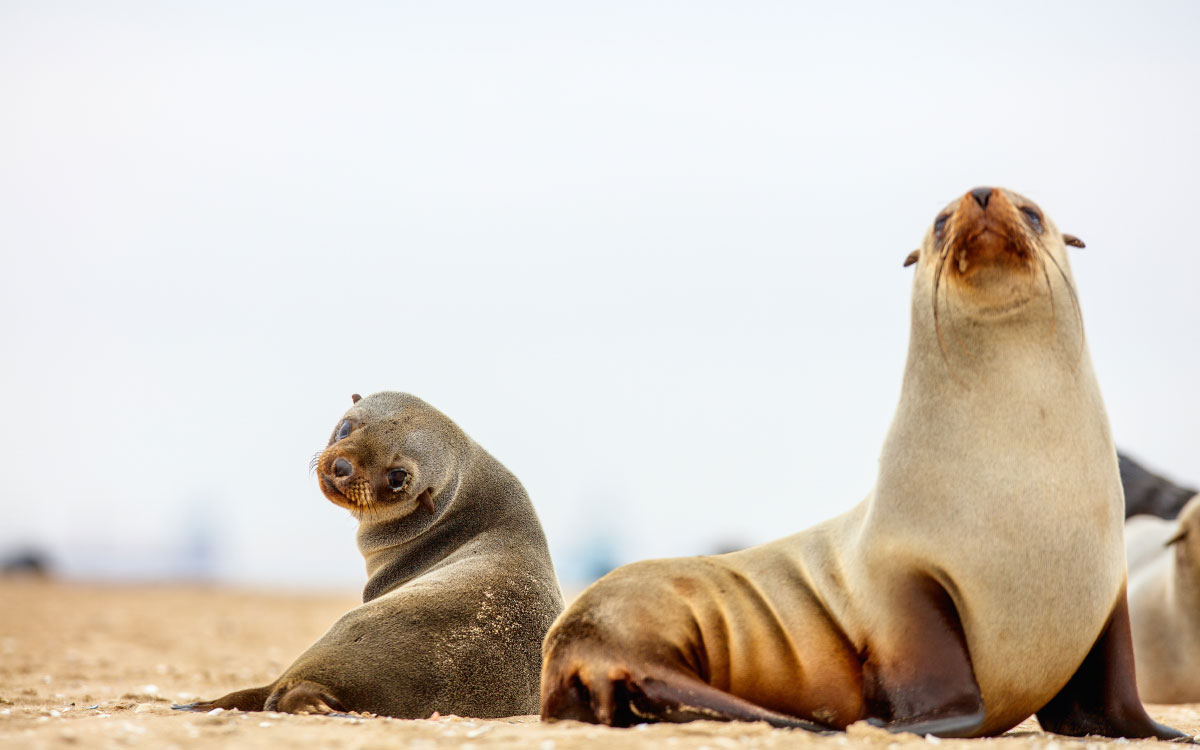
Another popular attraction is Diaz Point, named after the famous Portuguese explorer Bartolomeu Dias. Here, visitors can explore the Diaz Cross and enjoy panoramic views of the rugged coastline. The area is also known for its resident seal colony, which can be observed from a safe distance.
For those looking for a unique culinary experience, Luderitz is famous for its seafood. Freshly caught fish and oysters are a specialty here, and many local restaurants offer mouthwatering seafood dishes. Don't miss the opportunity to try some of the local delicacies, such as rock lobster or grilled angelfish.
Luderitz is also a great starting point for exploring the surrounding area. Just a short drive away is the Fish River Canyon, the second largest canyon in the world. This natural wonder offers stunning views, hiking trails, and the opportunity to witness the beauty of the desert landscape up close.
When it comes to accommodation, Luderitz offers a range of options to suit every budget. From luxury hotels to cozy guesthouses, there is something for everyone. The local hospitality is exceptional, with friendly locals who are always ready to welcome visitors with a warm smile.
In conclusion, Luderitz is a unique destination that combines rich history, stunning natural landscapes, and warm hospitality. Whether you are interested in exploring the historic buildings, discovering the natural wonders of the coast and desert, or indulging in delicious seafood, Luderitz has something to offer for everyone. With its distinctive charm and beauty, it is a place that will leave a lasting impression on any traveler.
Day 4
Walvis Bay
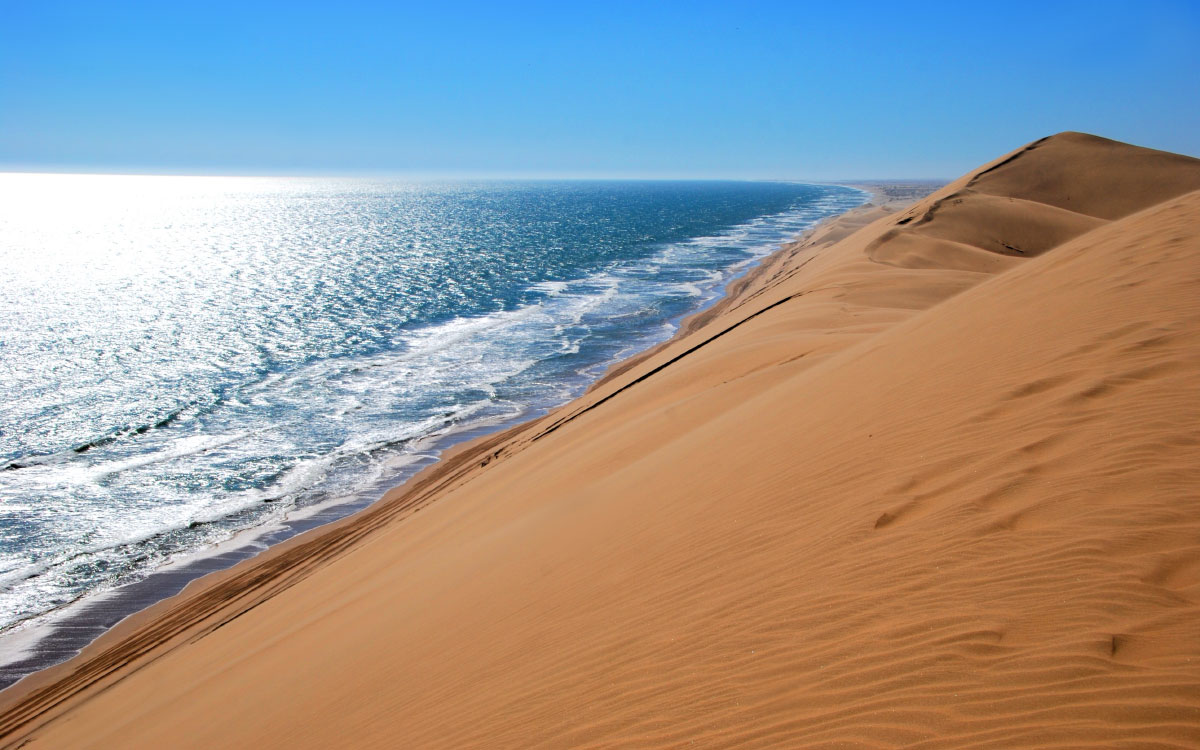
Tourists travelling to Namibia often overlook Walvis
Bay. On closer inspection, the country's second-largest city has a
lot to offer. The town is the gateway to a host of endless dunes,
freshwater lagoons, birdlife, sea creatures, and silence. The
freshwater lagoons found at the base of some of these dunes provide
life to a variety of highly unique desert wildlife.
Aside from the awe-inspiring scenery, Walvis Bay
offers a range of other activities and sightseeing opportunities
for adventurous visitors as well as those who just want to relax
and commune with the wind. Walvis Bay is the perfect base from
which to explore the surrounding desert regions, including the
beautiful Sandwich Bay and Cape fur seal colony at Cape Cross, and
the nearby seaside resort of Swakopmund. Popular activities include
deep-sea fishing excursions, dune-boarding, dolphin watching, and
scuba diving.
Walvis may be a small dusty town along Namibia's
barren and harsh coastline, with hot days, cool nights and mornings
shrouded in sea fog. However, it offers up something magical that
few can resist. Walvis Bay is the perfect place to relax, zone out
and commune with your surroundings as you sip a cold beer, watching
the colours of the fiery sunsets compete with the flamingos in the
lagoon.
Day 9
Jamestown
In the South Atlantic Ocean, St Helena is a tropical island that has a variation of influences from all over the world. Explore the island with its many activities, local delicacies and rich culture.
Day 15
Praia, Santiago Island
Start your Expedition Cruise in Praia, the capital of Cape Verde, located in the south of Santiago Island. You can explore its old centre overlooking the ocean and its historical buildings with transom windows. In the old quarter, you can also learn about the diversity of the archipelago’s cultural origins in the Ethnographic Museum. To finish your day, head to the harbour to visit the Diogo Gomes statue, paying homage to the man who discovered the archipelago in 1460.
Day 18
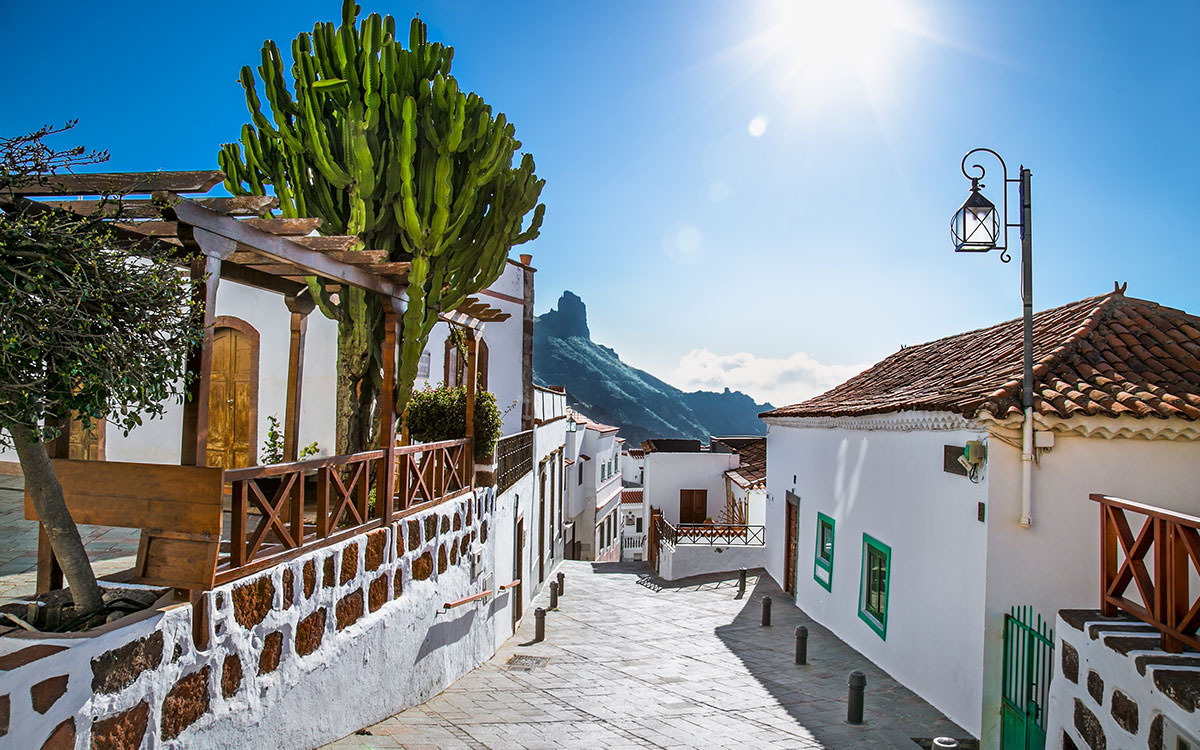
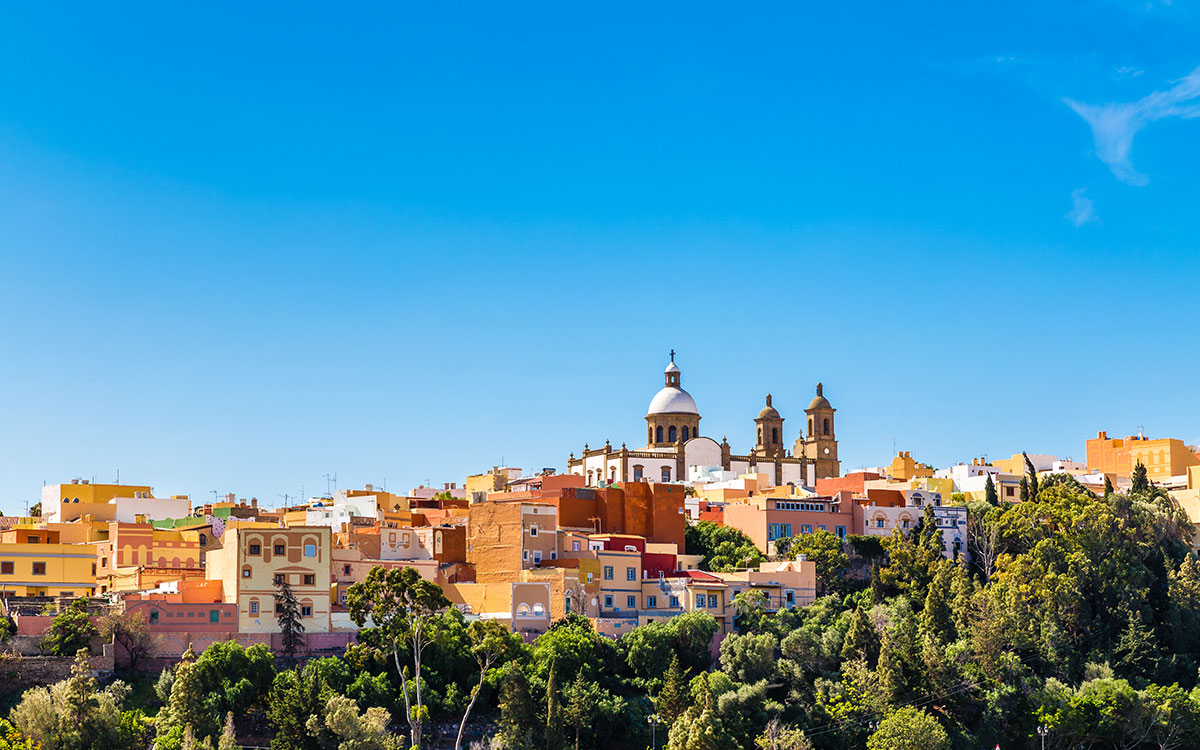
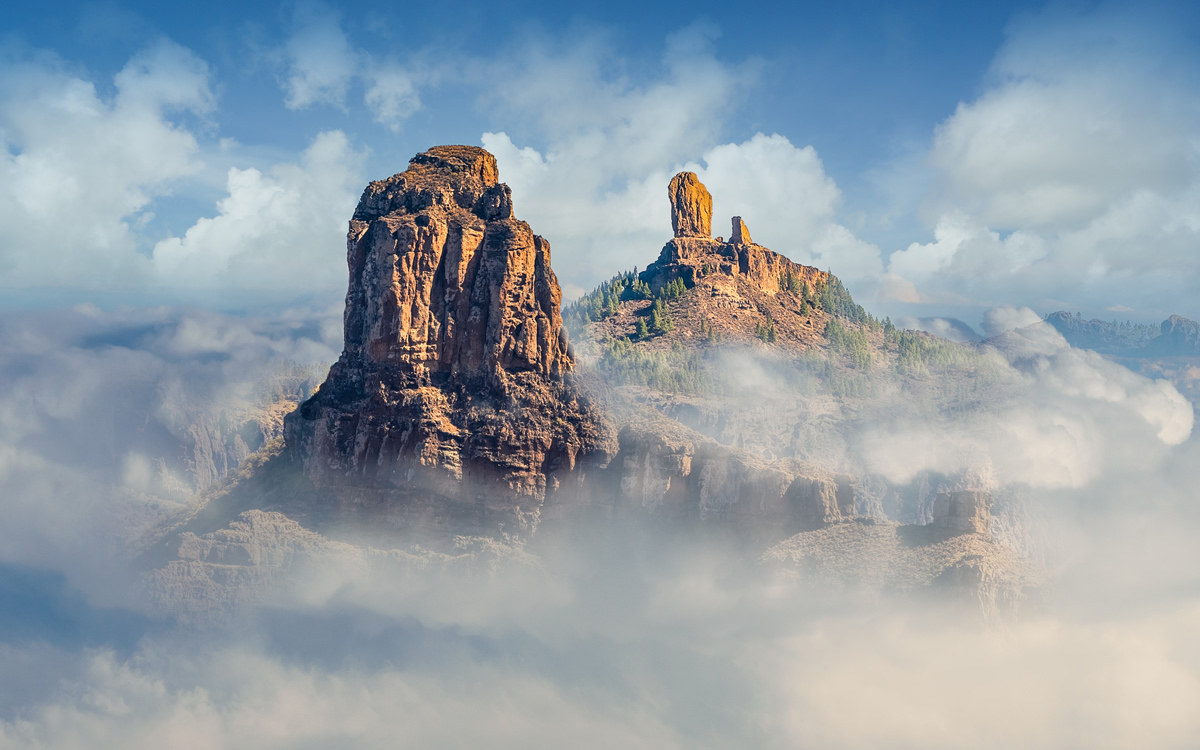
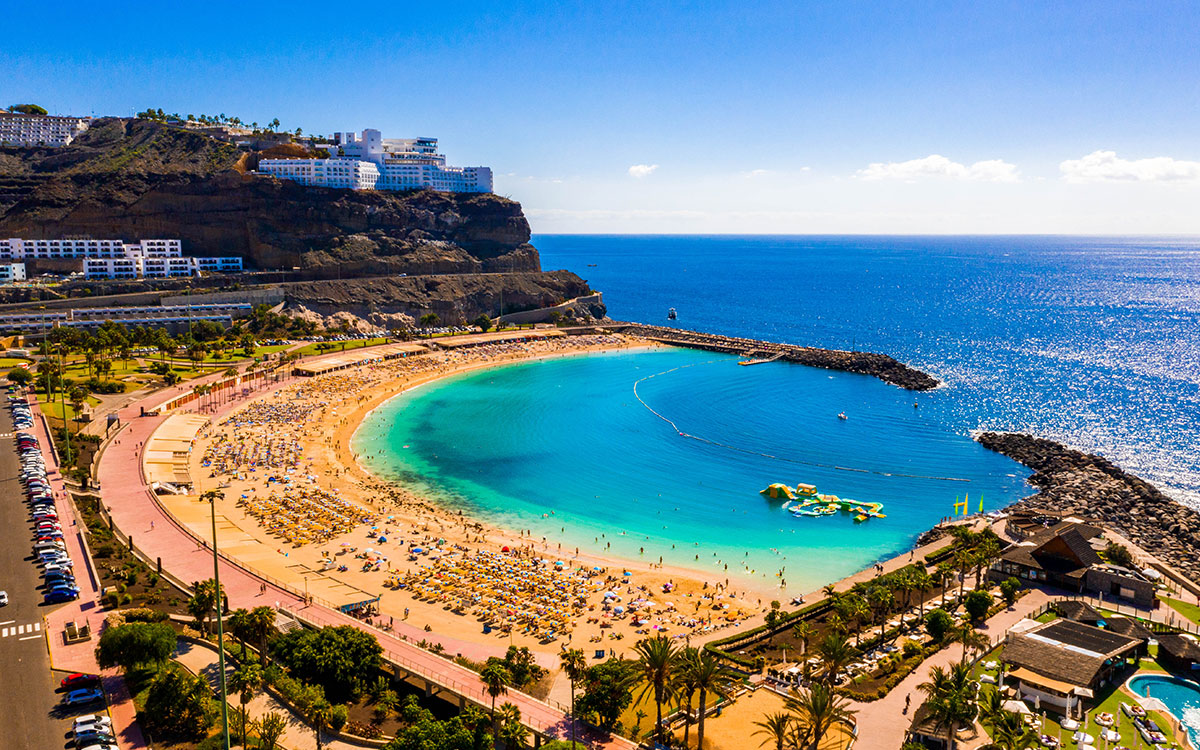
Las Palmas de Gran Canaria
The third largest but most developed of the seven
islands in the Spanish-administered Canary archipelago, Gran
Canaria has been billed as a miniature continent because of the
variety of climates and landscapes that it offers, from the big
city bustle of the capital, Las Palmas, to the serenity of its lush
woodlands.
The Canary Islands lie in the Atlantic Ocean, about
125 miles (200km) from the African coast and almost 800 miles
(1,280km) from the closest European port of Cadiz. Gran Canaria is
almost circular, with a diameter of about 32 miles (50km), and is
characterised by deep ravines that radiate out from the centre down
to the coast.
The north of the island is humid and lush, with green
valleys and volcanic craters, while the south is arid and
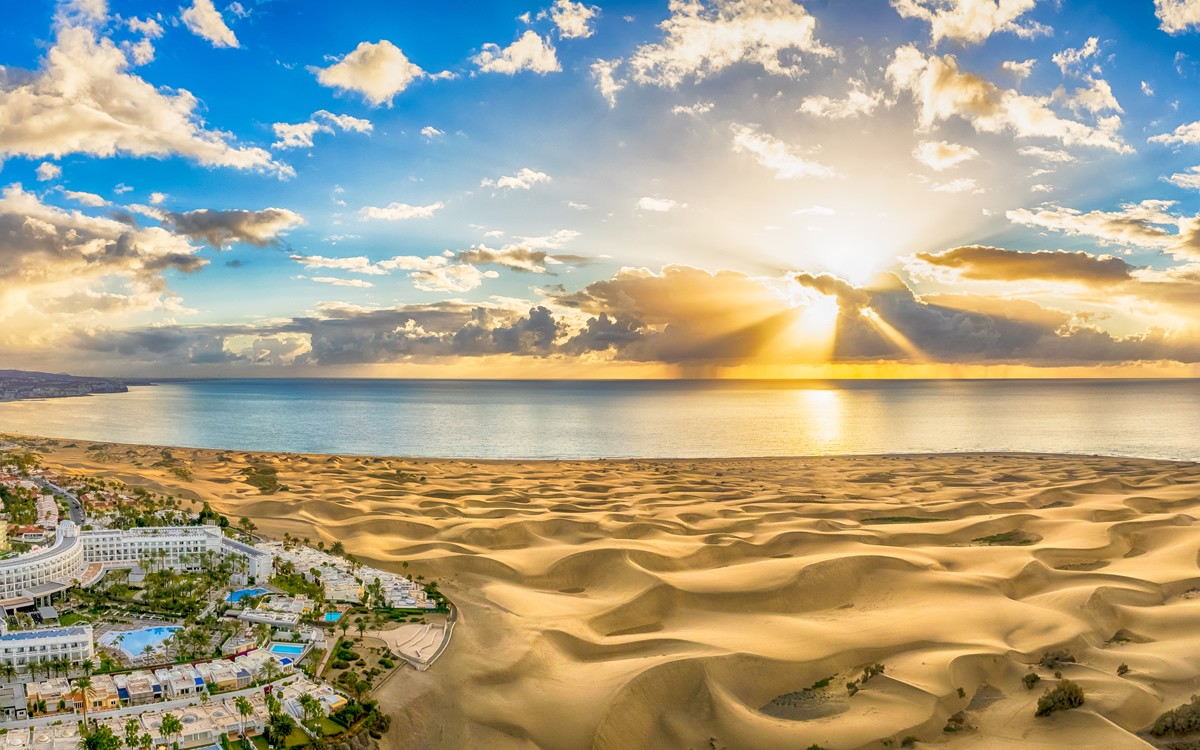
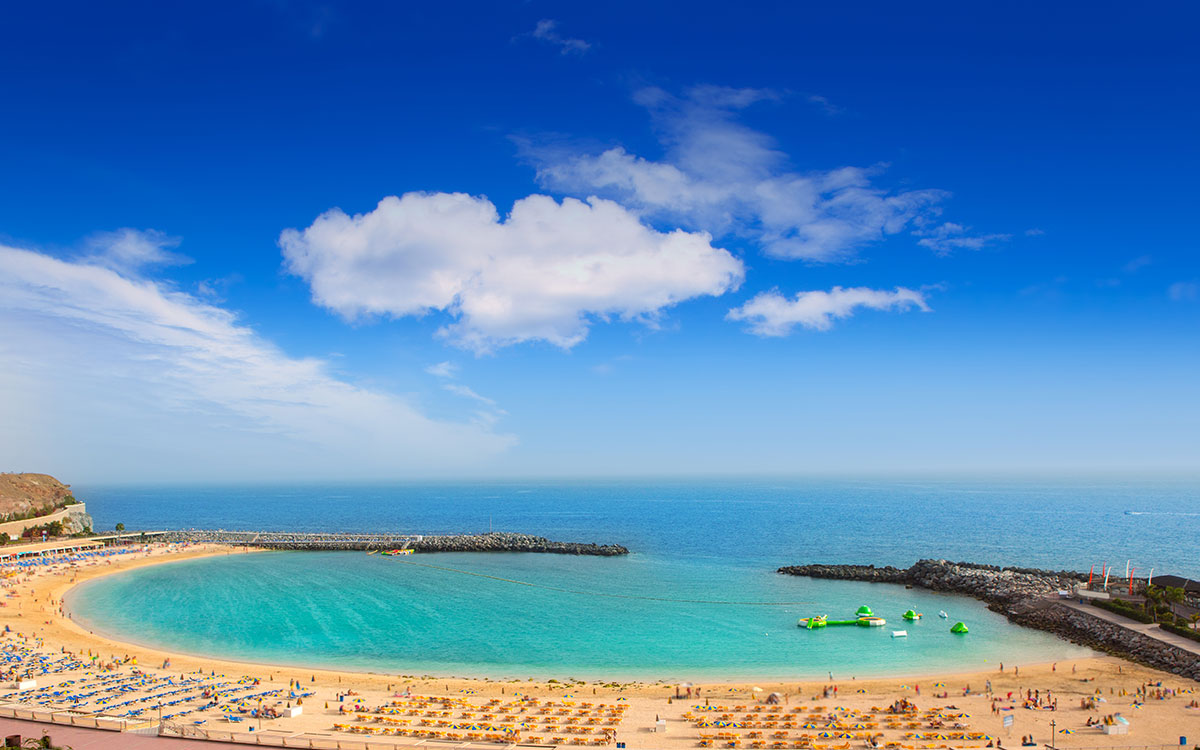
desert-like, with vast stretches of sandy beach. The interior of
Gran Canaria has steep highlands dotted with small villages,
sporting white houses with red roofs, banana plantations, and
orchards bursting with tropical fruits.
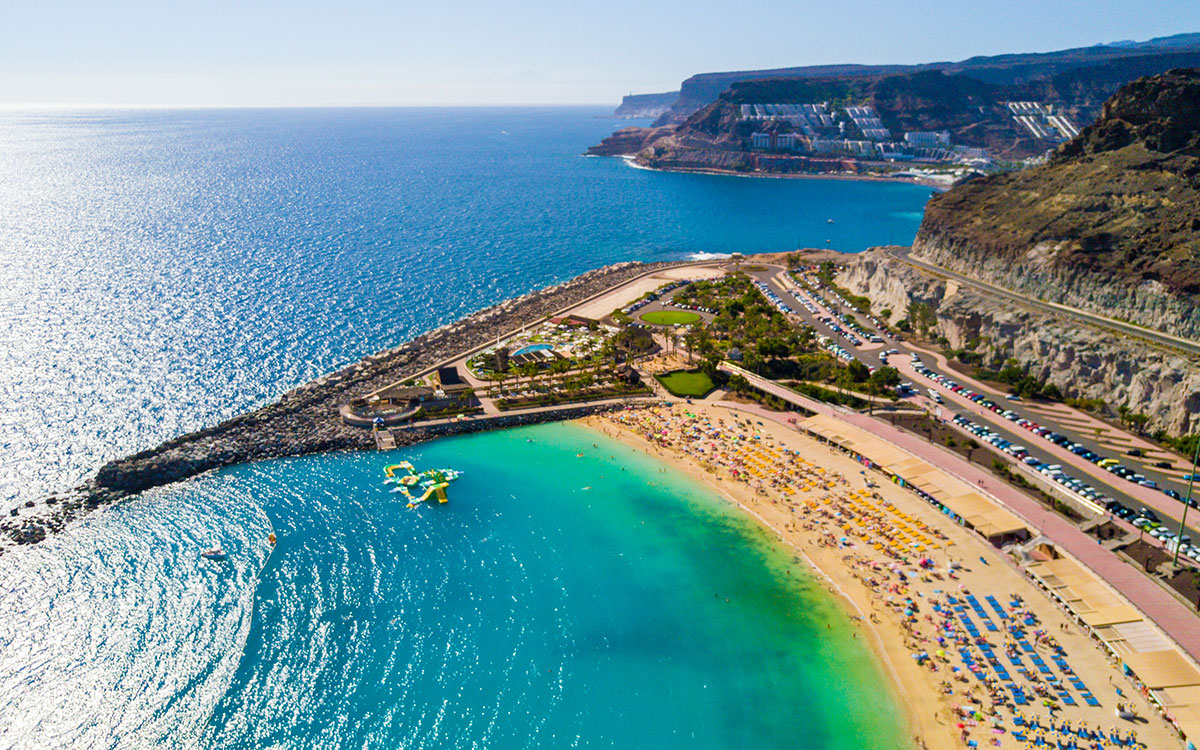
Tourists generally favour the southern coastline,
flocking to the well-known beaches of Playa del Inglés or
Maspalomas, where the sea washes soft sands and empty dunes stretch
for miles. The capital, Las Palmas, lies on the northeast tip of
the island, between two long beaches, Las Caletas, and
Alcaravaneras.
Day 19
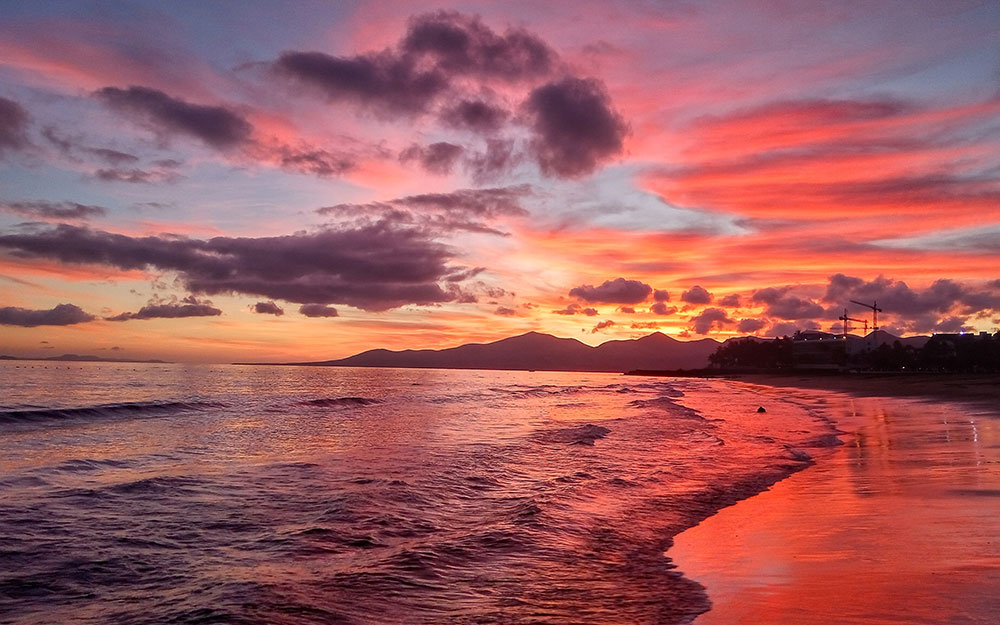
Arrecife, Lanzarote
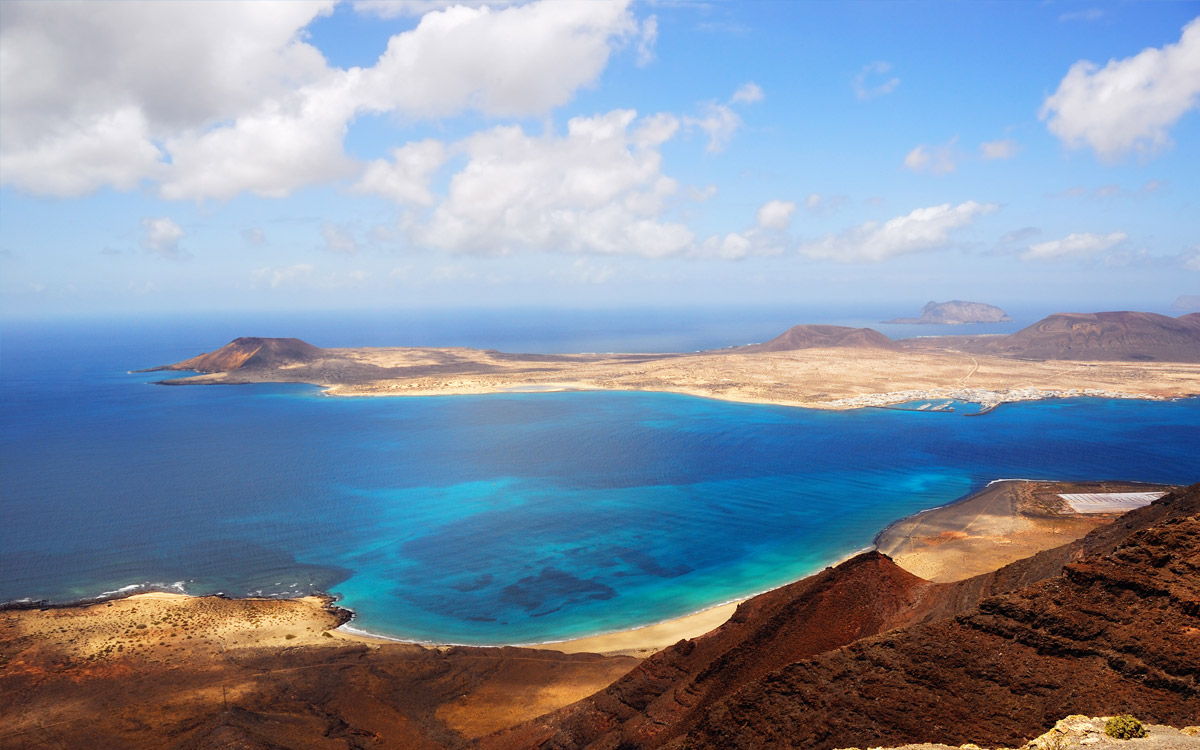
The most northeasterly of the Canary Islands,
Lanzarote has embraced the tourism boom with a more laidback feel
than its popular sister islands of Tenerife and Gran Canaria.
Nature is still the biggest attraction on this small volcanic
island, which measures only 38 miles (60km) in length and 13 miles
(21km) across at its widest point.
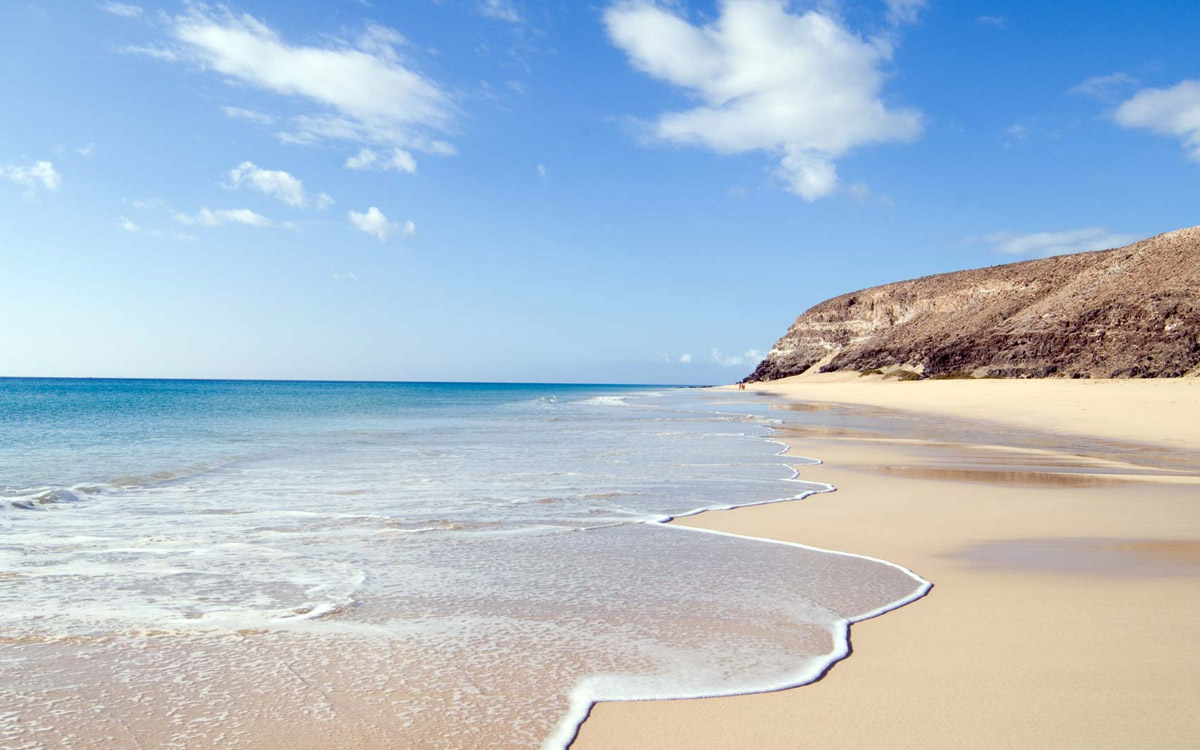
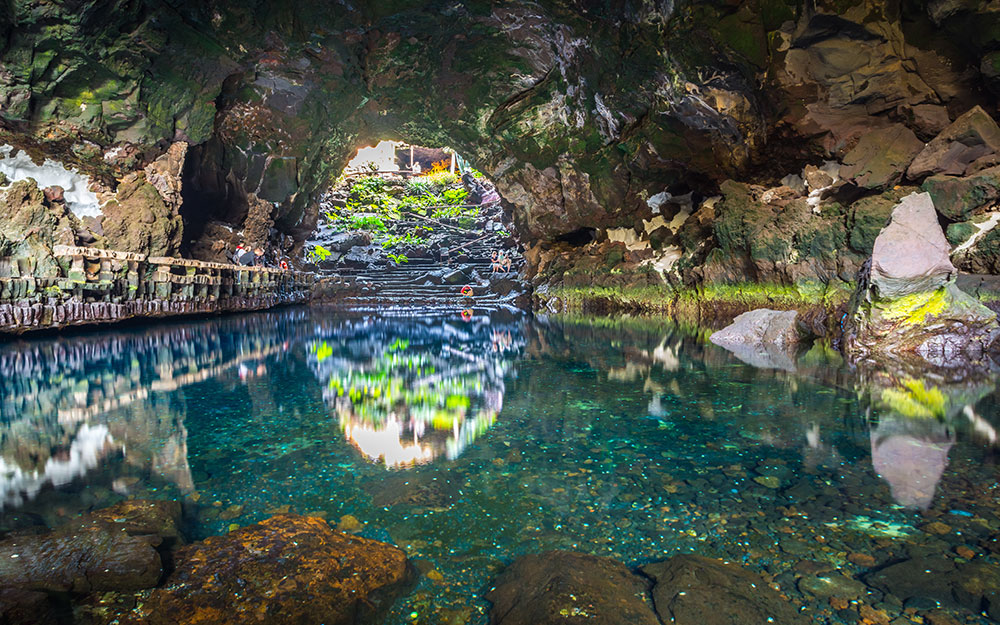
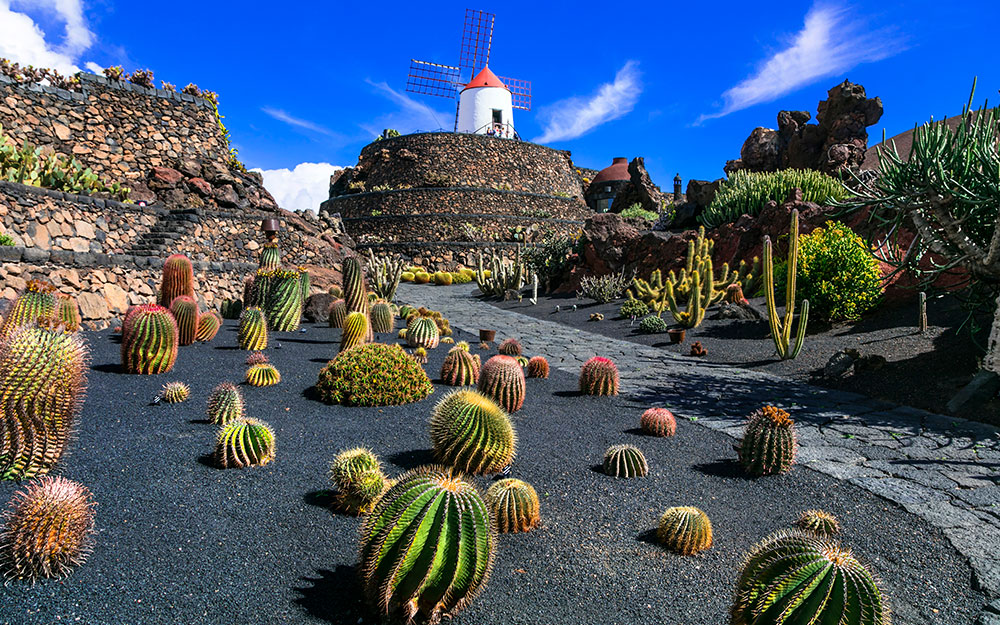
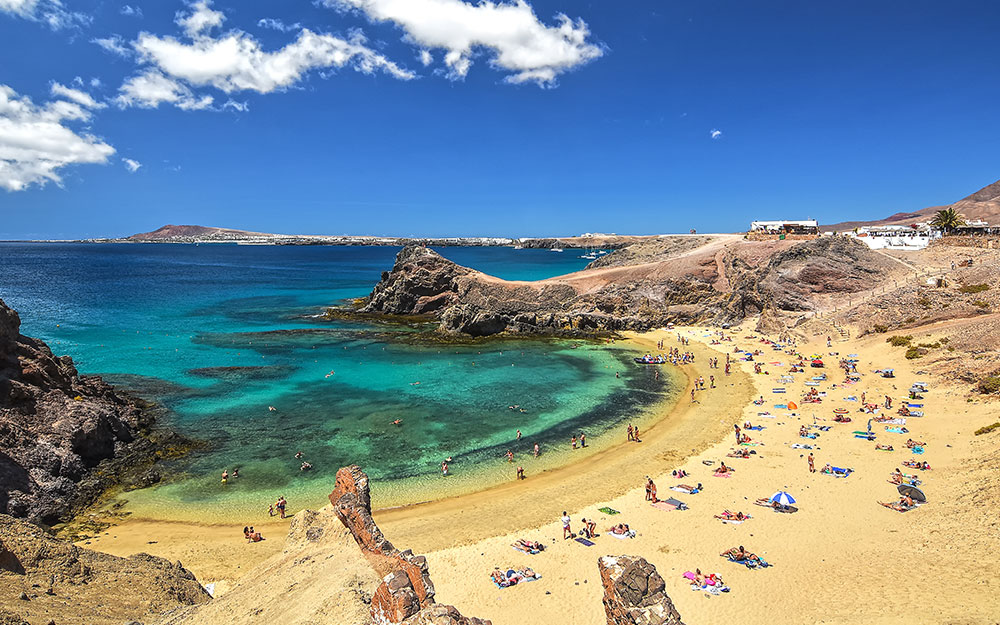
Lanzarote's beaches are varied and dramatic,
including long stretches of golden sand, some good surf spots, and
some rugged, hidden coves. Camels are often used to transport goods
and sometimes tourists on this desert-like island, across the dry
volcanic ash that covers most of the landscape. UNESCO declared the
whole island a Biosphere Reserve in 1993, and visitors exploring
the dozens of enchanting and unique spots on the island will soon
see why.
Lanzarote's capital, Arrecife, is a small town on
the eastern coast, its harbour packed with fishing boats. Although
the town itself has little to offer in the way of sights or
nightlife, it does have a magnificent beach, El Reducto, which has
been granted Blue Flag status by the European Union. A promenade
runs along the beachfront around the San Gines lagoon with its fine
golden sand and placid waters.
Day 20
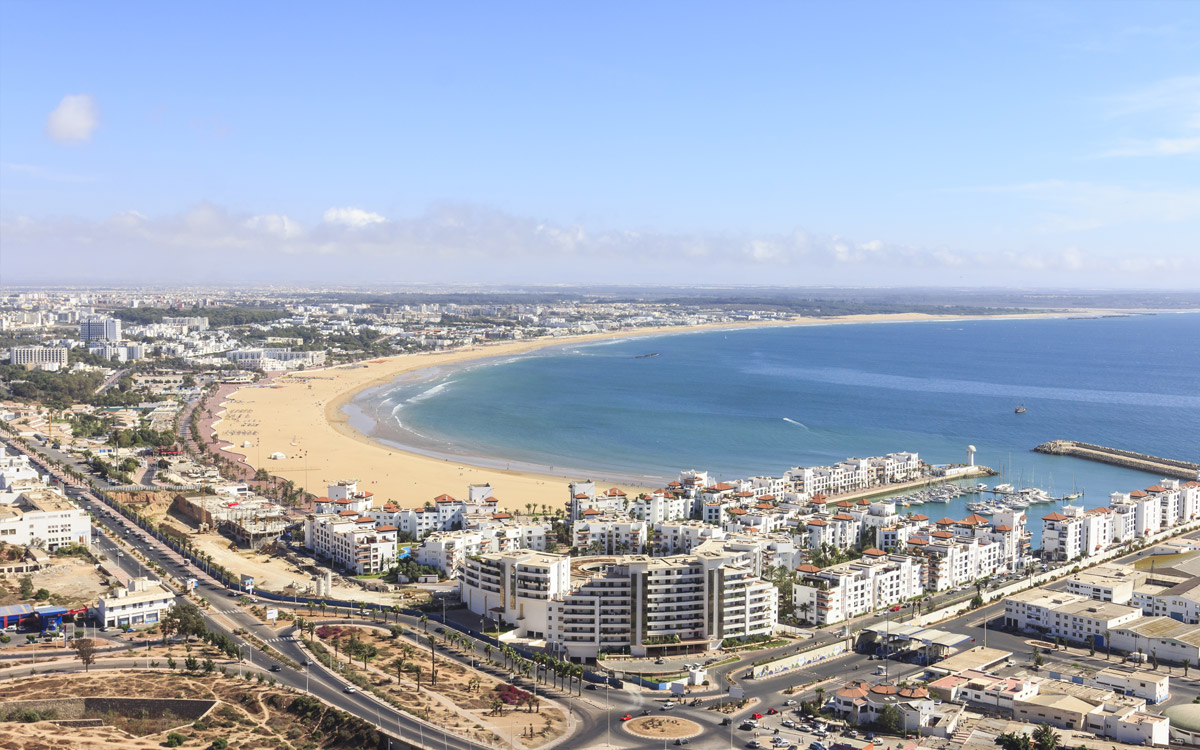
Agadir
The modern city of Agadir is a popular midway point for cruises
heading to the Canary Islands. Completely rebuilt since a
devastating earthquake in 1960, the busy port draws thousands of
tourists with its pretty, sandy beaches and 300 annual days of
sunshine.
Located just south of Marrakech, Agadir is a good starting point
for cultural excursions to more traditional towns such as
Taroudannt. It is also a good base for enjoying the wild landscape
with desert safaris and camel treks. Popular outdoor activities
include bird-watching and hiking in Souss-Massa River National
Park, soaking up the sun on the beach in Taghazout, and jet-skiing
in Agadir Bay. Agadir is also fast becoming Morocco's most popular
coastal resort and is a modern, thriving town with much to see and
do. The primary attractions of Agadir are its lovely beaches, which
are perfect for sunbathing and swimming, as there tends to be
little wind. There are other sights though, including the remains
of a fortress and a small zoo.
There is also a municipal market that has a number of shops
selling popular souvenirs, though travellers won't find quite the
same culture of spirited haggling of other parts of Morocco. There
are also many popular spa and wellness centres offering treatments
and locally made spa products, with those made from the argan tree
particularly popular.
Day 21
Casablanca
Just looking at the city, there's no need to guess where the
port-city of Casablanca, meaning 'white house' in Spanish, got its
name. Made famous by the classic film, starring Humphrey Bogart,
this cosmopolitan, white-walled city is Morocco's largest and most
modern. Casablanca is not oriented towards tourists as much as
Morocco's other large cities, but under the hustle and bustle lies
a unique and charismatic history waiting to be discovered.
Founded by Berber fisherman over two thousand years ago,
Casablanca was used by both the Phoenicians and the Romans as a
port. The Portuguese then took over but after destroying the city
and rebuilding it, they abandoned it in the aftermath of an
earthquake. The city went on to be rebuilt as Daru l-Badya (Arabic
for Casablanca) by a Moroccan sultan, and was then given the name
Casablanca by the Spanish traders who used the port, and it retains
this function today as one of Africa's largest and most important
ports.
As a centre for trade and, consequently, the mixing of cultures,
Casablanca is unlike any other Moroccan city. Many women ditch the
conservative clothing and dress themselves in the latest designer
outfits. The infrastructure is modern and the city sophisticated.
Casablanca is where Morocco's youth move to make something of their
lives and is the centre for international trade and big business.
For a glimpse of its history, downtown is the perfect place to
admire the blend of French colonial architecture and traditional
Moroccan design.
Day 22
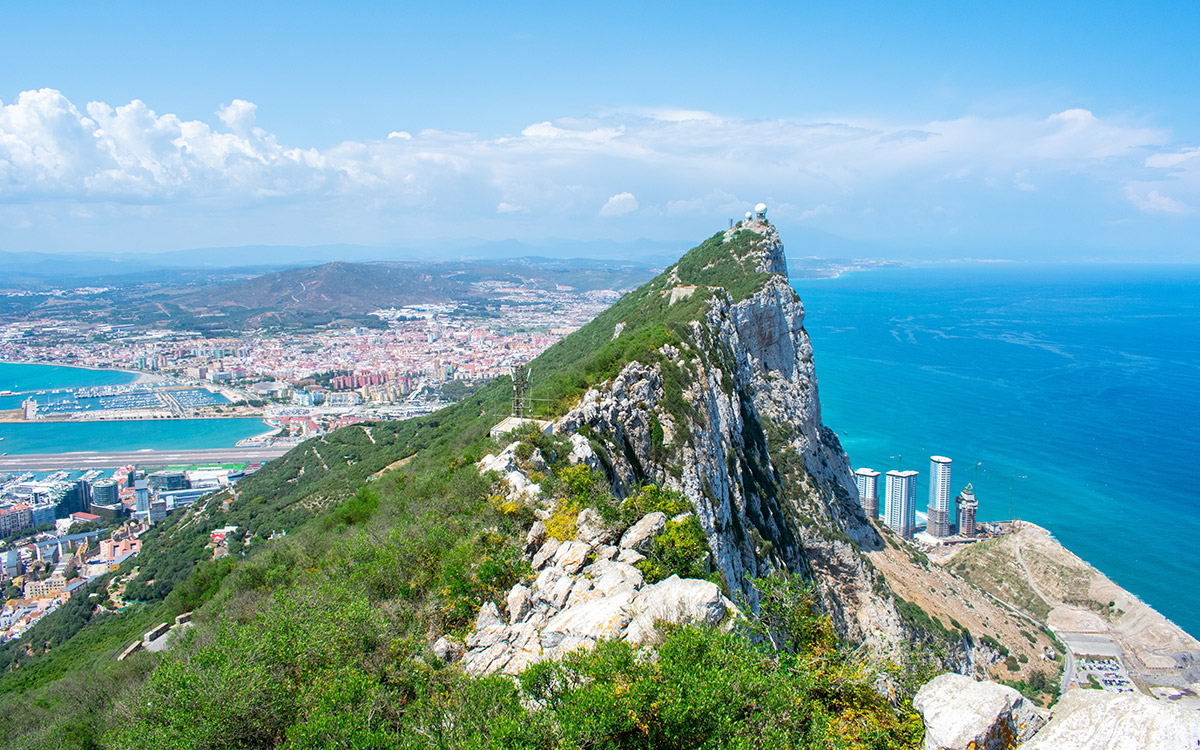
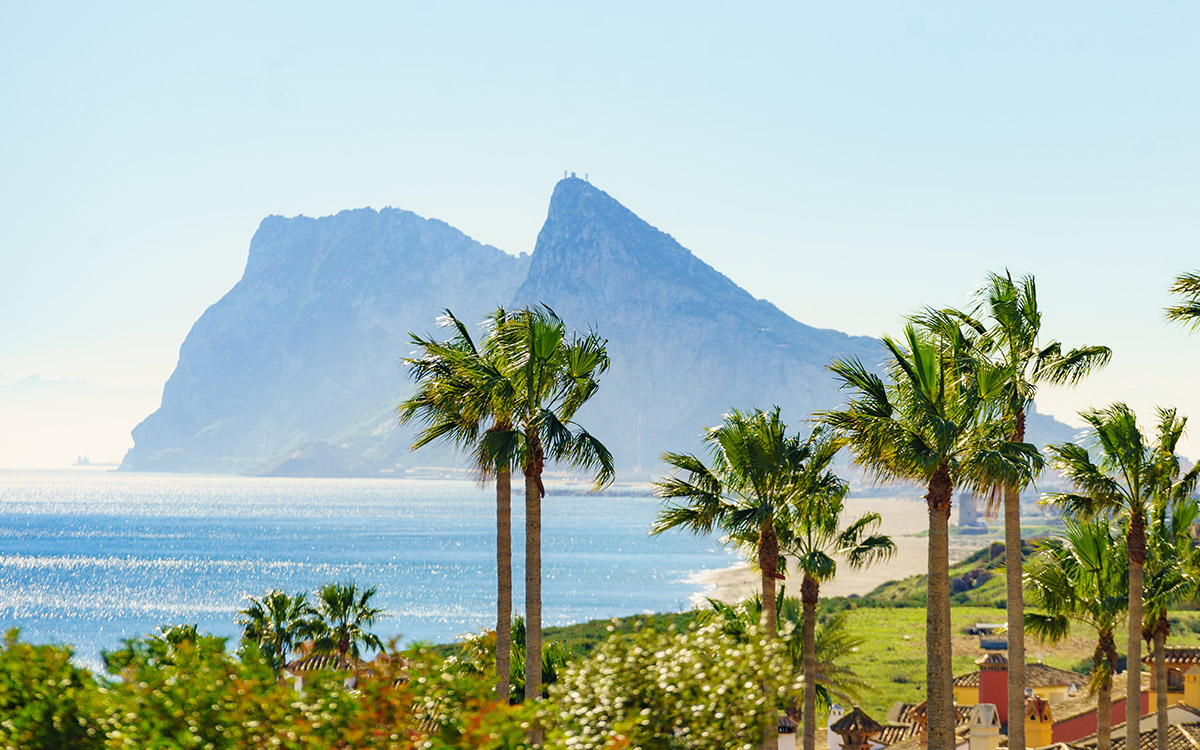
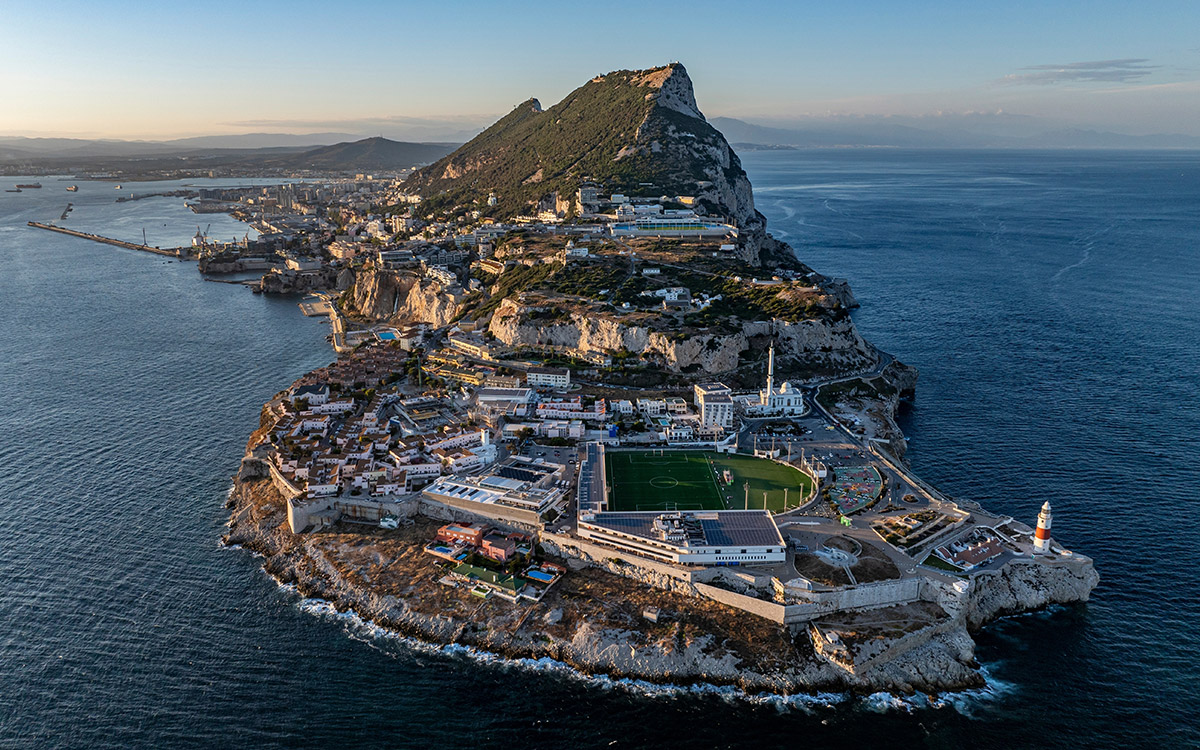
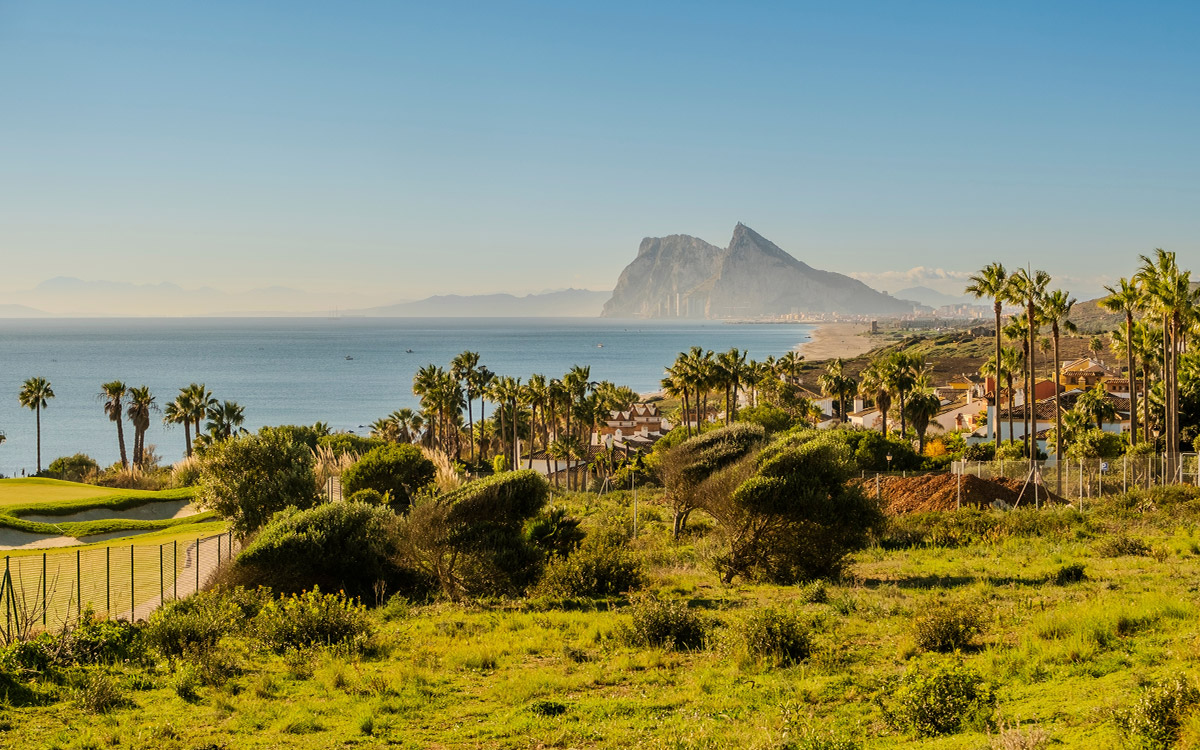
Gibraltar
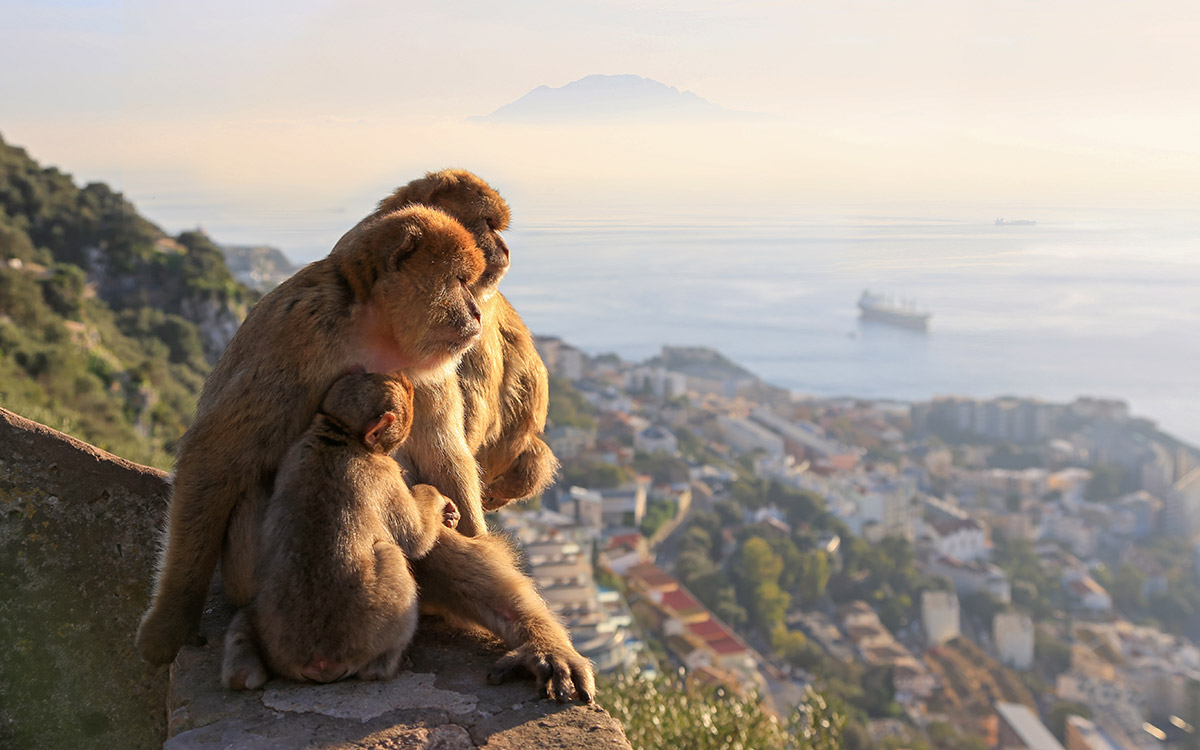
Gibraltar, a British Overseas Territory located at the southern tip of the Iberian Peninsula, is renowned for its strategic position and rich history. This tiny yet culturally diverse area offers stunning vistas and a wealth of attractions. The iconic Rock of Gibraltar dominates the landscape, providing breathtaking views across the Mediterranean and the distant coast of Africa. Visitors can explore the Upper Rock Nature Reserve, home to the famous Barbary macaques, the only wild monkey population in Europe. History enthusiasts will marvel at the Great Siege Tunnels and the Moorish Castle, testifying to Gibraltar’s tumultuous past.
The blend of British and Spanish influences is palpable in Gibraltar's vibrant streets, where English pubs sit alongside tapas bars. Main Street is lined with duty-free shops, making it a shopper’s paradise. The population is equally diverse, reflecting a mix of cultures and traditions.
Gibraltar's appeal is not limited to its land. The surrounding waters offer excellent opportunities for dolphin watching and other marine activities. For those interested in diving, the area's rich underwater heritage includes numerous shipwrecks and unique marine life.
With a pleasant Mediterranean climate, Gibraltar is a year-round destination. Its compact size allows travelers to explore many of its attractions on foot, ensuring a fulfilling experience.
Day 23
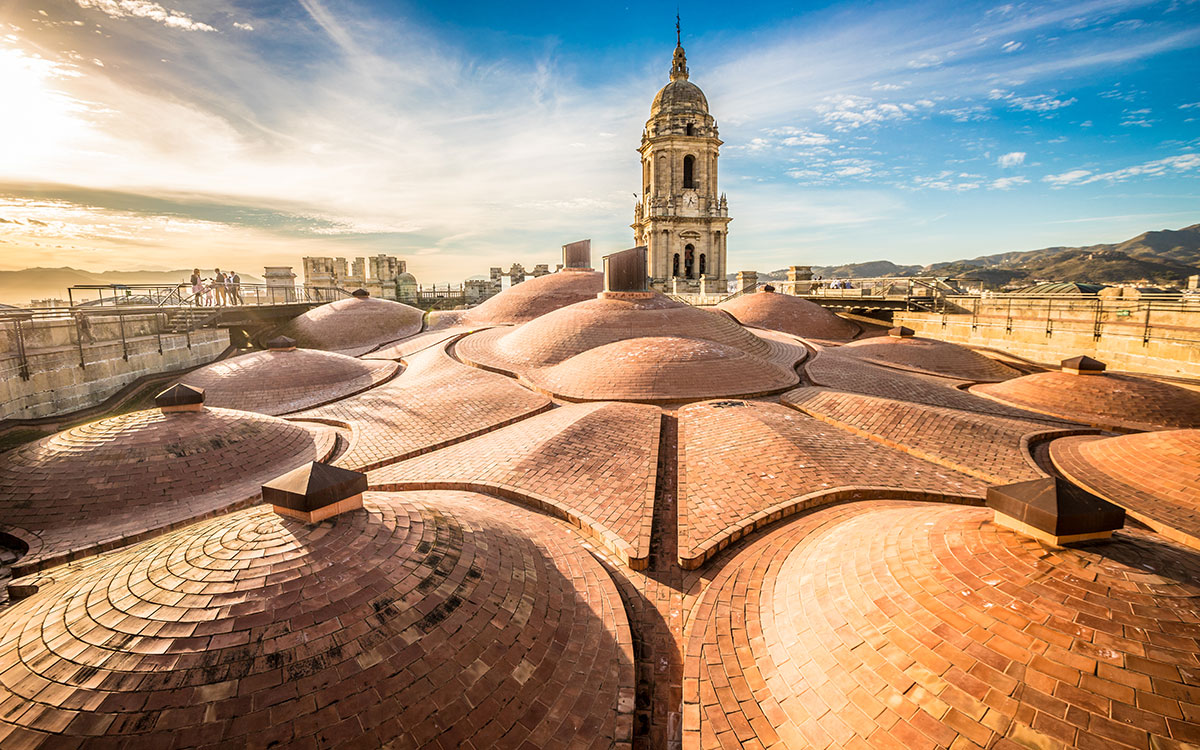
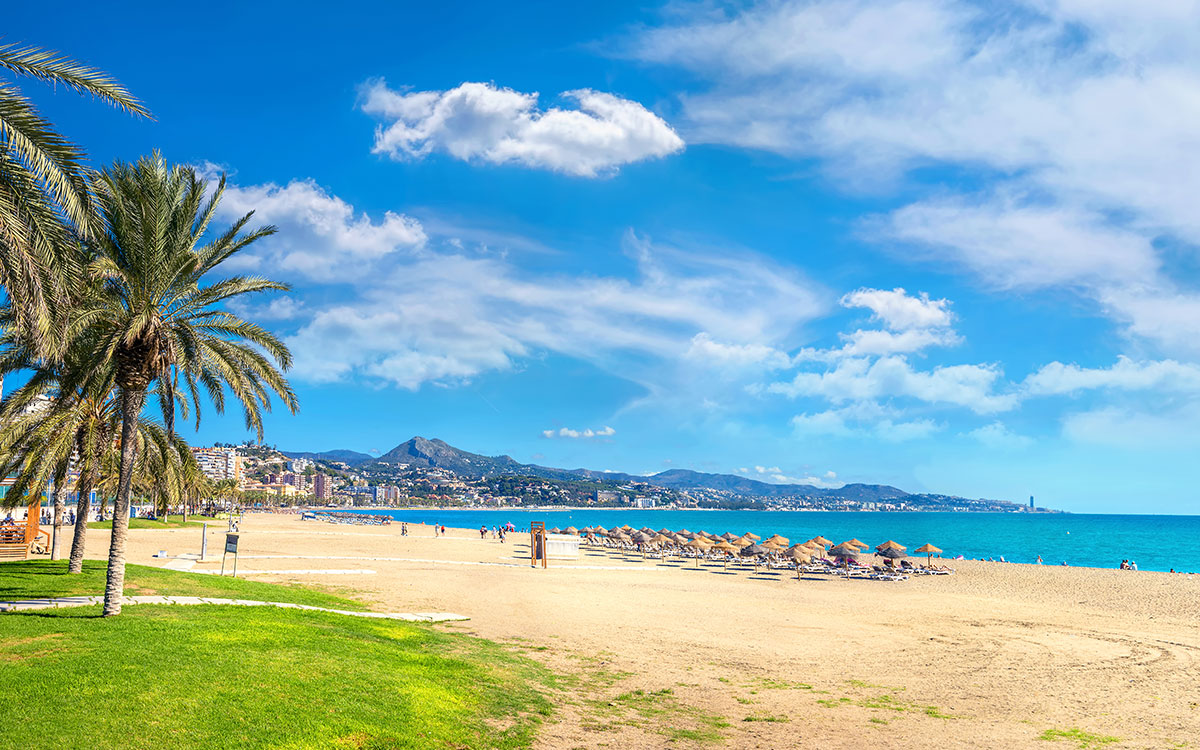
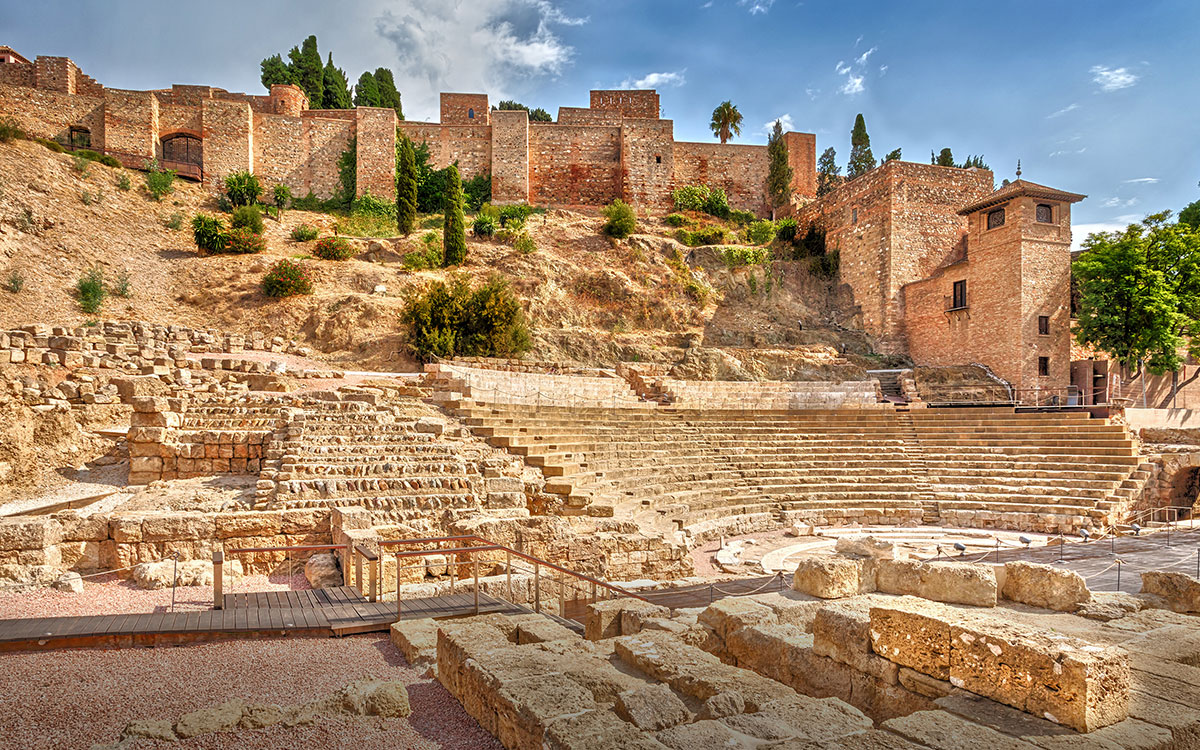
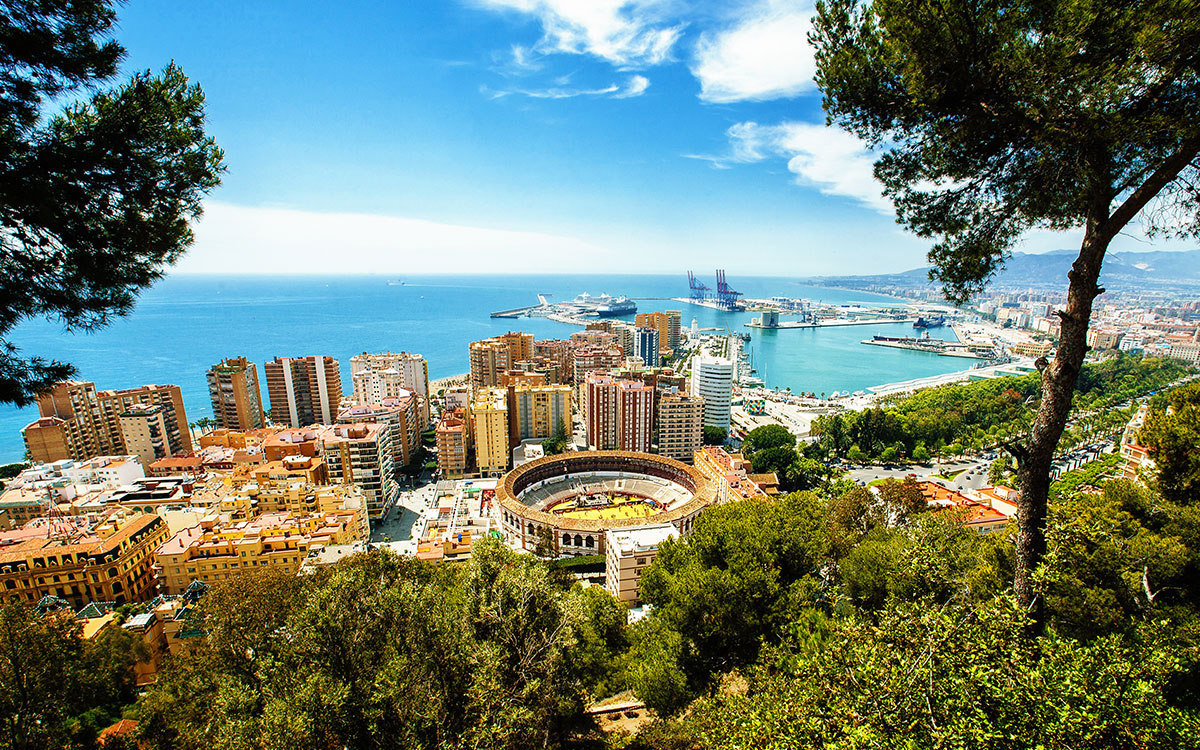
Málaga
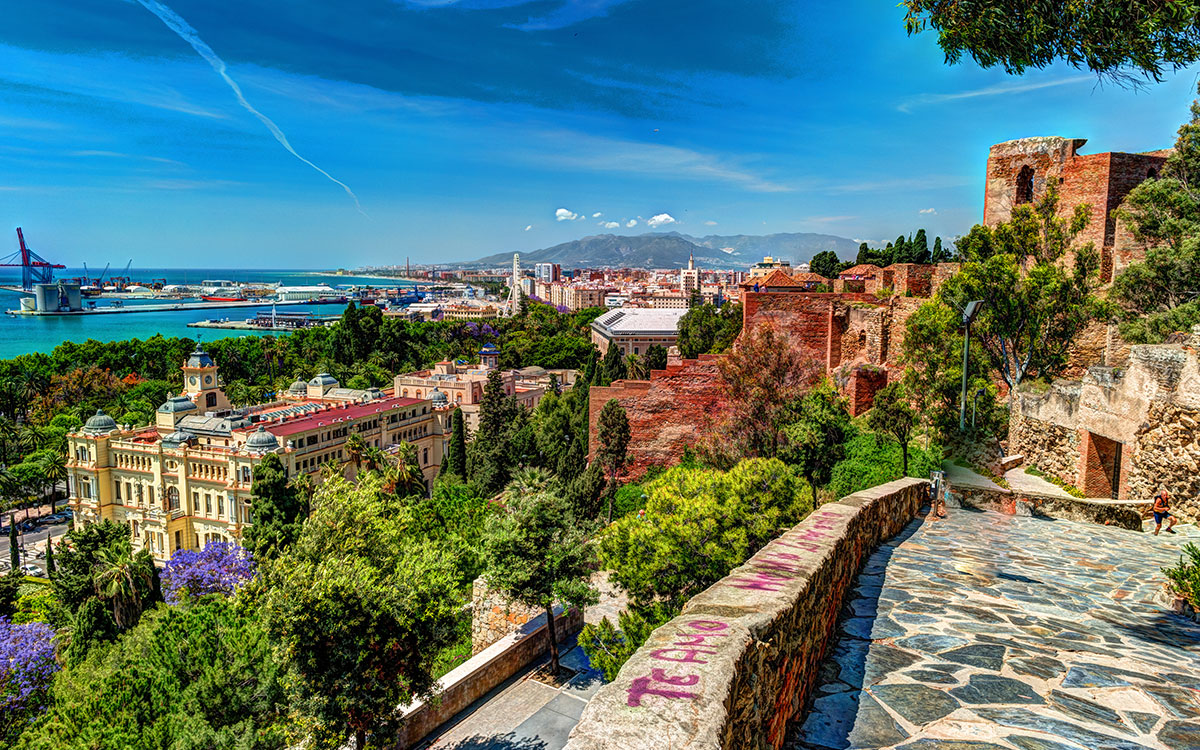
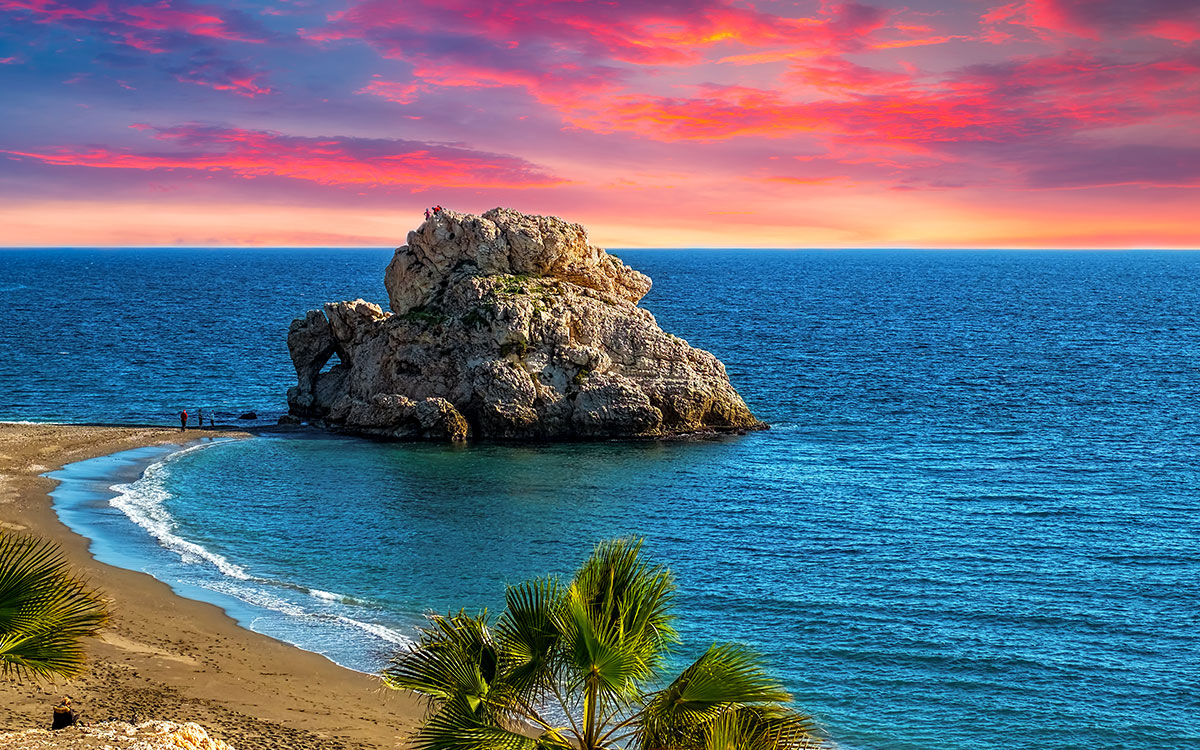
Malaga has long been a popular holiday destination for British tourists. Located on the Costa del Sol, along the southern coast of Spain, Malaga enjoys yearly warm weather and sandy beaches perfect for those looking for some relaxation.
Day 25
Barcelona
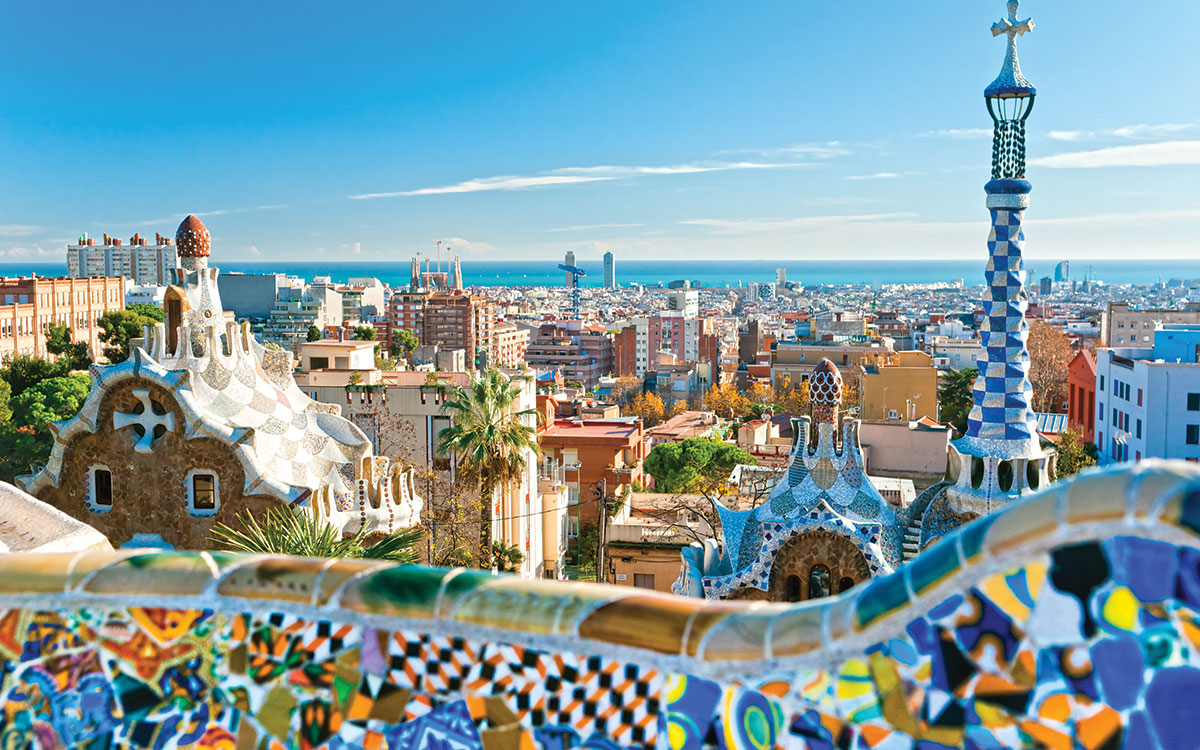
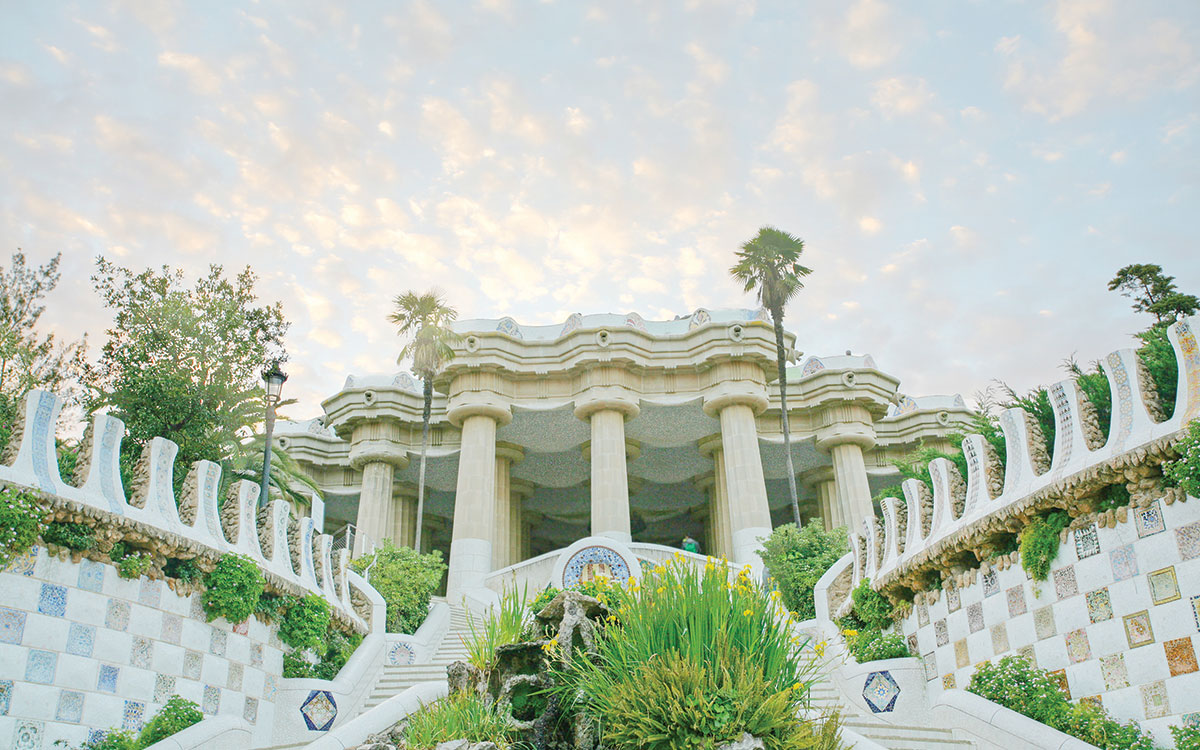
The enchanting city of Barcelona is a visual delight, and has an
atmosphere that combines elegance and sophistication with
provincial charm. In exploring its streets you'll discover medieval
romance in its Gothic quarter and the awe-inspiring delights of the
fantastic and sometimes outrageous Art Nouveau architecture of
Gaudi and his contemporaries.
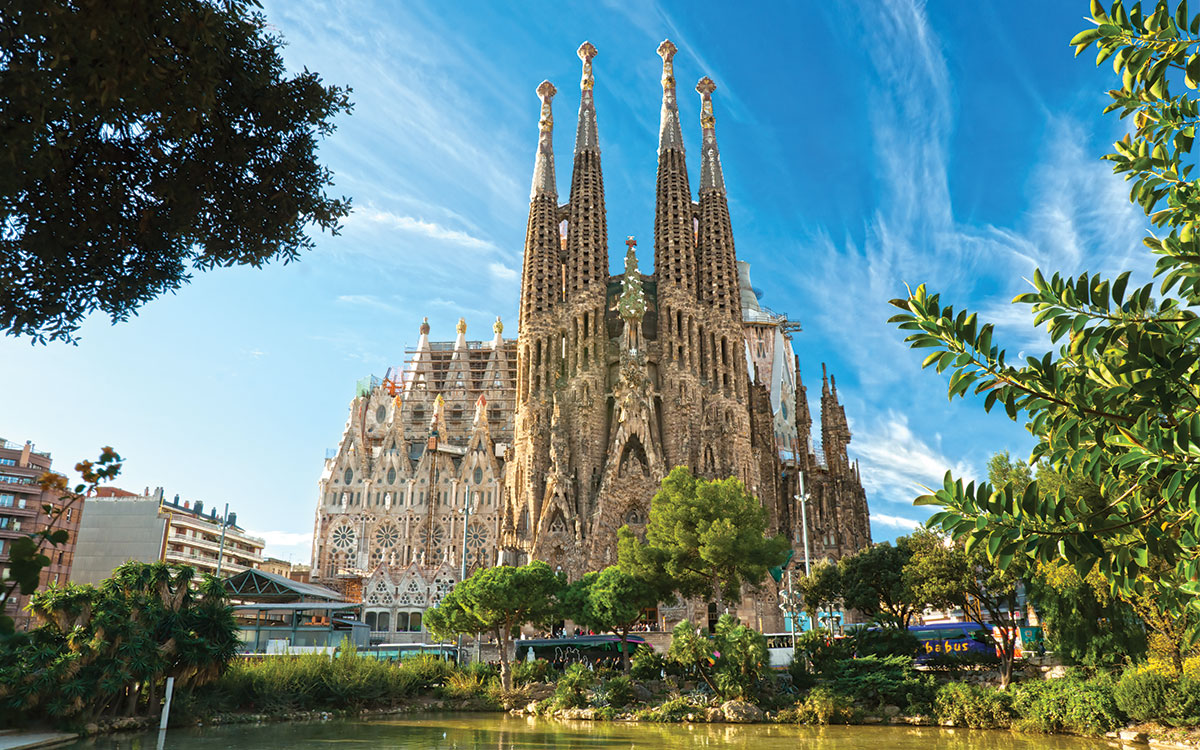
The funicular up to Tibidabo, or the cable car up Montjuic, both
offer breathtaking views over this attractive city. Its skyline is
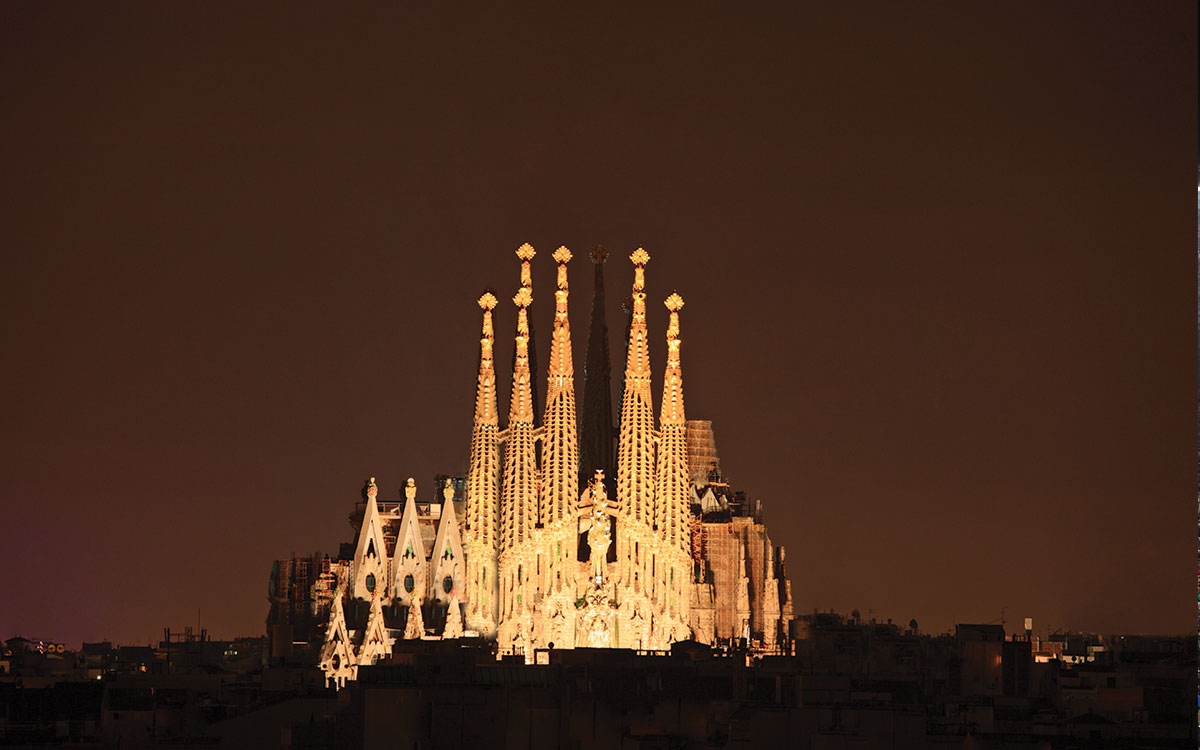
perhaps most famous for Antoni Gaudi's masterwork, the still
incomplete church of the Sagrada Familia, as well as the city's
huge Gothic cathedral. The artistic legacy of Barcelona is one of
the city's most appealing attributes, with museums containing
extensive collections of the works of Miro and Picasso. Barcelona
is also a shopper's paradise, with the city's flair for style
reflected in its numerous boutiques and markets, open late into the
evenings. As the sun sets, and the city's many bars and restaurants
open, the night truly comes alive. Dinner is served at any time
between nine o'clock and midnight, and the festivities around the
bars and nightclubs carry on well into the early hours of the
morning.
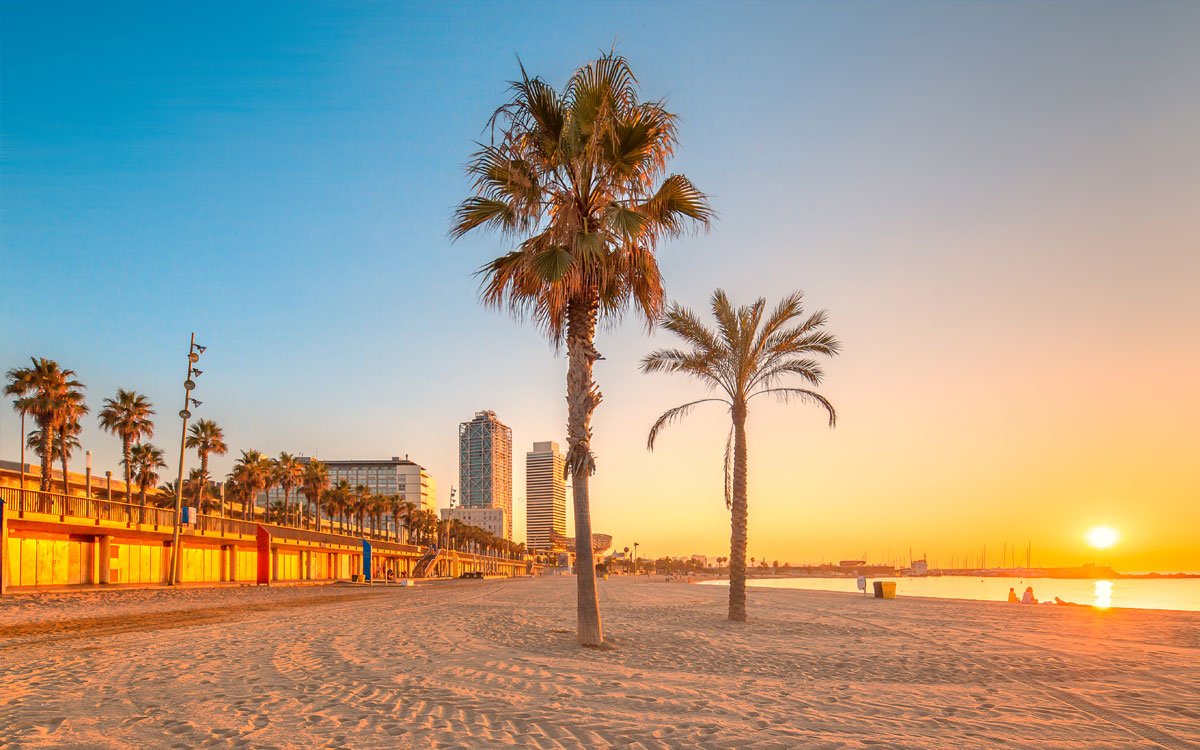
Barcelona is the commercial centre of the popular holiday region
known as the Costa Brava, the northernmost Mediterranean seafront
in Spain, as well as the Costa Dorada to the south. The coast is
dotted with popular resort towns, many retaining their age-old
charm, which can be easily reached from the city.
Day 26
Marseille
Marseille is France's second largest and
most ancient city. It was founded by the Greeks in 600 BC and was
later conquered by the Romans after becoming a thriving port and
centre for trade. Today it is littered with ancient sites and
artefacts, mostly Roman additions to the original Greek
settlement.
Marseille is down to earth and lacks the
pretentiousness of most other French cities. There are plenty of
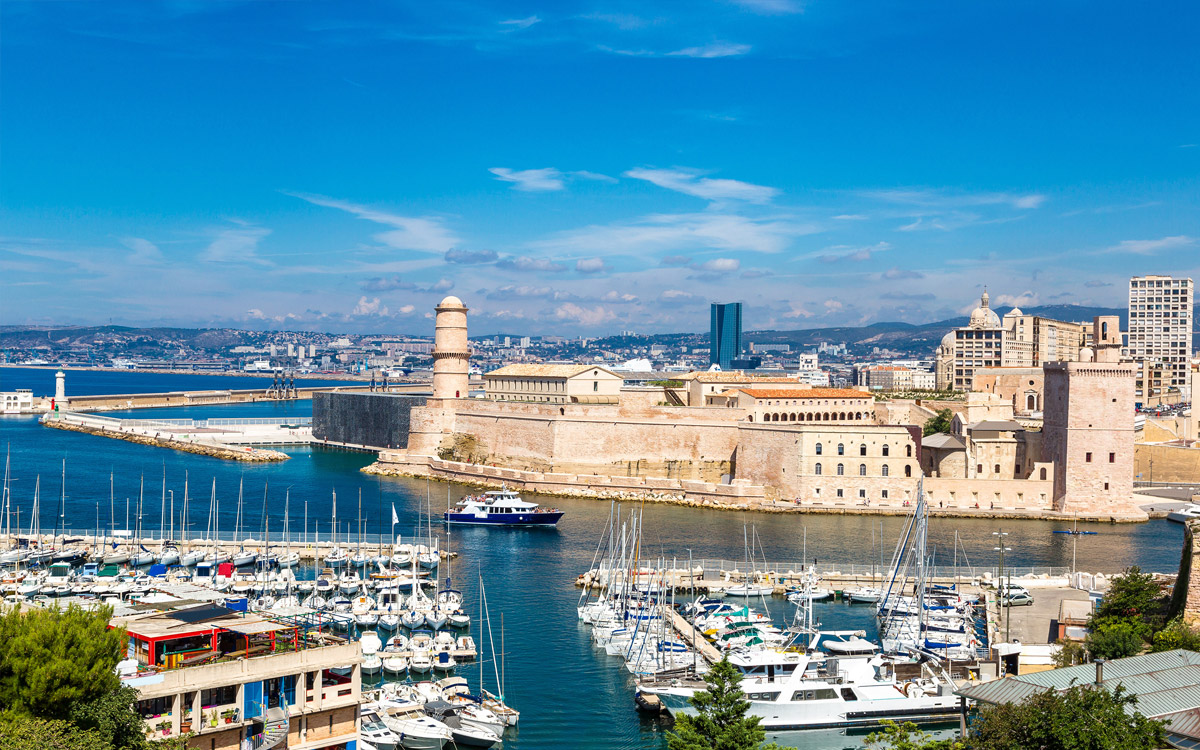
attractions to explore, including the colourful harbour and
pedestrianised squares. The city is also divided into
arrondissements in the style of Paris, which makes it relatively
easy to get around on the metro.
The Old Port area is filled with
restaurants, bars, hotels, office blocks and a daily fish market at
the Belgian Quay, giving it a lively and sophisticated air. There
are also a number of decent museums, galleries, theatres and shops
dotted about the city that are worth visiting. Marseille is also
famed for its Opéra: an Art Deco opera house, situated in the heart
of the city, which still hosts performances even though it was all
but destroyed by fire in 1919. La Plaine is a trendy area filled
with cafes, bookstores and fountains, with a bustling market on
Thursdays and Saturdays, while Noailles' bazaar is a multi-ethnic
area filled with Indo-Chinese and Arabic shops.
The outgoing, friendly inhabitants of
Marseille are a cosmopolitan bunch, with diverse backgrounds
including a number of Italian, Spanish and North African
communities. There is far less of the style and image consciousness
evident in the rest of the Cote d'Azur, creating a more North
African flavour and a vibrant atmosphere. Marseilles also acts as a
good base for exploring the nearby natural beauty of the calanques
(or Mediterranean fjords) and some excellent beaches.
Day 27
Nice
Nice is a magnificent city and a favourite
with tourists. Ideally located on the French Riviera, on the
southeast coast of France, it is no wonder that Nice, the
unofficial capital of the Côte d'Azur, is the fifth biggest city in
France and has visitors flocking to it year round.
The city has been inhabited for close to
400,000 years and got its name from the Greek, Nikaia, meaning
'City of Victory'. Today this culture-rich region is an eclectic
fusion of ancient wonders and hedonistic pleasures, with sun, sea,
shopping and fine dining competing with cultural and historical
sightseeing opportunities. The hot summers and mild winters mean
that visitors can appreciate the picturesque beaches in the region
in all seasons, though the winters will likely be too cold for
swimming.
Nice is a great shopping destination,
boasting some glorious markets offering everything from traditional
French fare to vintage clothing, as well as countless upmarket
boutiques and shops for those looking to indulge in the famed
French fashion culture. The charming old town offers many cultural
delights, with impressive architecture ensuring that just a stroll
through the area feels like an historical experience. Those with a
taste for the celebrated French cuisine will also be spoiled for
choice in Nice, which is known to be a gastronomical hub.
The traffic may be manic in Nice, and the
beaches in the area are mostly pebbly, but the city has an
undeniable romance and a glamourous reputation that has drawn the
rich and famous for decades.
Day 28
Portovenere
Portovenere is a charming coastal town located in the Liguria region of Italy. Situated on the Gulf of Poets, this picturesque destination offers visitors a perfect blend of natural beauty, historical landmarks, and a relaxed atmosphere. Known for its colorful houses, stunning cliffs, and beautiful churches, Portovenere is often referred to as one of the hidden gems of the Italian Riviera.
One of the main attractions in Portovenere is its stunning natural landscape. The town is surrounded by rocky cliffs and crystal-clear waters, making it an ideal destination for outdoor enthusiasts. Visitors can explore the rugged coastline and enjoy activities such as swimming, snorkeling, and diving. The nearby islands of Palmaria, Tino, and Tinetto also offer breathtaking views and can be easily accessed by boat.
One of the most iconic landmarks in Portovenere is the Church of St. Peter. Perched atop a rocky promontory, this ancient church is known for its unique position and stunning views of the sea. Built in the 13th century, it is a UNESCO World Heritage Site and is often considered one of the most beautiful churches in the region. Other notable landmarks in Portovenere include the Doria Castle, a medieval fortress that offers panoramic views of the town, and the Byron's Grotto, a sea cave named after the English poet Lord Byron.
Portovenere is also known for its colorful houses that line the harbor. These vibrant buildings add to the town's charm and create a postcard-worthy scene. The narrow streets are filled with quaint shops, cafes, and restaurants, offering visitors a chance to sample delicious local cuisine. Fresh seafood is a specialty in Portovenere, and visitors can indulge in dishes such as anchovies, squid ink pasta, and local varieties of fish.
For those interested in history and culture, Portovenere has a rich heritage dating back to ancient times. The town was originally a Roman settlement and later became an important trading port in the Middle Ages. Today, visitors can explore the town's history through its ancient city walls, medieval towers, and well-preserved buildings. The Church of San Lorenzo, with its beautiful marble facade and intricate details, is another architectural gem worth visiting.
In addition to its natural and historical attractions, Portovenere hosts several events throughout the year that add to its vibrant atmosphere. The Palio del Golfo, a traditional boat race held in August, is one of the most popular events in the region. During this colorful festival, teams from neighboring towns compete against each other in a thrilling race along the coast. The festivities also include music, dancing, and fireworks, providing visitors with a memorable experience.
Whether you are seeking natural beauty, historical landmarks, or simply a relaxing coastal retreat, Portovenere has something to offer. Its scenic landscape, charming streets, and friendly atmosphere make it a perfect destination for travelers looking to explore the beauty of the Italian Riviera. With its proximity to other popular towns such as Cinque Terre and La Spezia, Portovenere is often considered a hidden gem that should not be missed on any trip to Italy.
Day 29
Livorno
Livorno is a gritty city with a long and interesting history. In the early Middle Ages it alternately belonged to Pisa and Genoa. In 1421 Florence, seeking access to the sea, bought it. Cosimo I (1519–74) started construction of the harbor in 1571, putting Livorno on the map. After Ferdinando I de' Medici (1549–1609) proclaimed Livorno a free city, it became a haven for people suffering from religious persecution; Roman Catholics from England and Jews and Moors from Spain and Portugal, among others, settled here. The Quattro Mori (Four Moors), also known as the Monument to Ferdinando I, commemorates this. (The statue of Ferdinando I dates from 1595, the bronze Moors by Pietro Tacca from the 1620s.)In the following centuries, and particularly in the 18th, Livorno boomed as a port. In the 19th century the town drew a host of famous Britons passing through on their grand tours. Its prominence continued up to World War II, when it was heavily bombed. Much of the town's architecture, therefore, postdates the war, and it's somewhat difficult to imagine what it might have looked like before. Livorno has recovered from the war, however, as it's become a huge point of departure for container ships, as well as the only spot in Tuscany for cruise ships to dock for the day.Most of Livorno's artistic treasures date from the 17th century and aren't all that interesting unless you dote on obscure baroque artists. Livorno's most famous native artist, Amedeo Modigliani (1884–1920), was of much more recent vintage. Sadly, there's no notable work by him in his hometown.There may not be much in the way of art, but it's still worth strolling around the city. The Mercato Nuovo, which has been around since 1894, sells all sorts of fruits, vegetables, grains, meat, and fish. Outdoor markets nearby are also chock-full of local color. The presence of Camp Darby, an American military base just outside town, accounts for the availability of many American products.If you have time, Livorno is worth a stop for lunch or dinner at the very least.
Day 31
Porto Santo Stefano
Porto Santo Stefano is a charming seaside town located on the western coast of Italy, in the beautiful region of Tuscany. This picturesque town is situated on the Monte Argentario peninsula, surrounded by crystal clear waters and breathtaking landscapes. Porto Santo Stefano is a popular destination for both locals and tourists who seek a peaceful and relaxing vacation by the sea.
One of the main attractions of Porto Santo Stefano is its stunning beaches. The town offers a variety of sandy and rocky beaches, each with its own unique features. Some of the most popular beaches include La Cantoniera, La Pozzarello, and Le Viste. These beaches are perfect for sunbathing, swimming, and enjoying water sports such as snorkeling and diving. The clear waters provide excellent visibility, allowing visitors to explore the vibrant marine life that inhabits the area.
Aside from its stunning beaches, Porto Santo Stefano also boasts a vibrant harbor. The harbor serves as a central hub for the town and is lined with colorful fishing boats and luxury yachts. Visitors can stroll along the promenade, soak in the views, and indulge in delicious seafood at the various waterfront restaurants. The harbor also offers ferry services to the nearby islands of Giglio and Giannutri, making it a convenient base for island hopping.
For those interested in history and culture, Porto Santo Stefano has plenty to offer. The town is home to several historical landmarks, including the Spanish Fortress, which stands proudly on top of a hill overlooking the sea. This fortress dates back to the 17th century and is open to visitors, offering panoramic views of the surrounding area. Another notable landmark is the Church of San Stefano Protomartire, a beautiful church known for its elegant architecture and historical significance.
Nature lovers will also find themselves at home in Porto Santo Stefano. The Monte Argentario peninsula is a paradise for hikers and nature enthusiasts, with numerous trails that lead through forests, cliffs, and panoramic viewpoints. The surrounding area is also rich in flora and fauna, making it a great destination for bird watching and wildlife spotting.
In terms of dining and shopping, Porto Santo Stefano has a variety of options to cater to different tastes. Visitors can sample traditional Tuscan cuisine at the local trattorias, where dishes such as pici pasta with wild boar sauce and bistecca alla fiorentina (Florentine steak) are favorites. The town also has a vibrant market selling local produce, seafood, and artisanal products, allowing visitors to immerse themselves in the local culture.
Overall, Porto Santo Stefano is a delightful destination for those seeking a peaceful and relaxing vacation by the sea. With its stunning beaches, vibrant harbor, rich history, and natural beauty, this charming town offers something for everyone. Whether you want to unwind on the beach, explore historical landmarks, or indulge in local cuisine, Porto Santo Stefano is sure to leave you with unforgettable memories of your Italian getaway.
Day 32
Civitavecchia
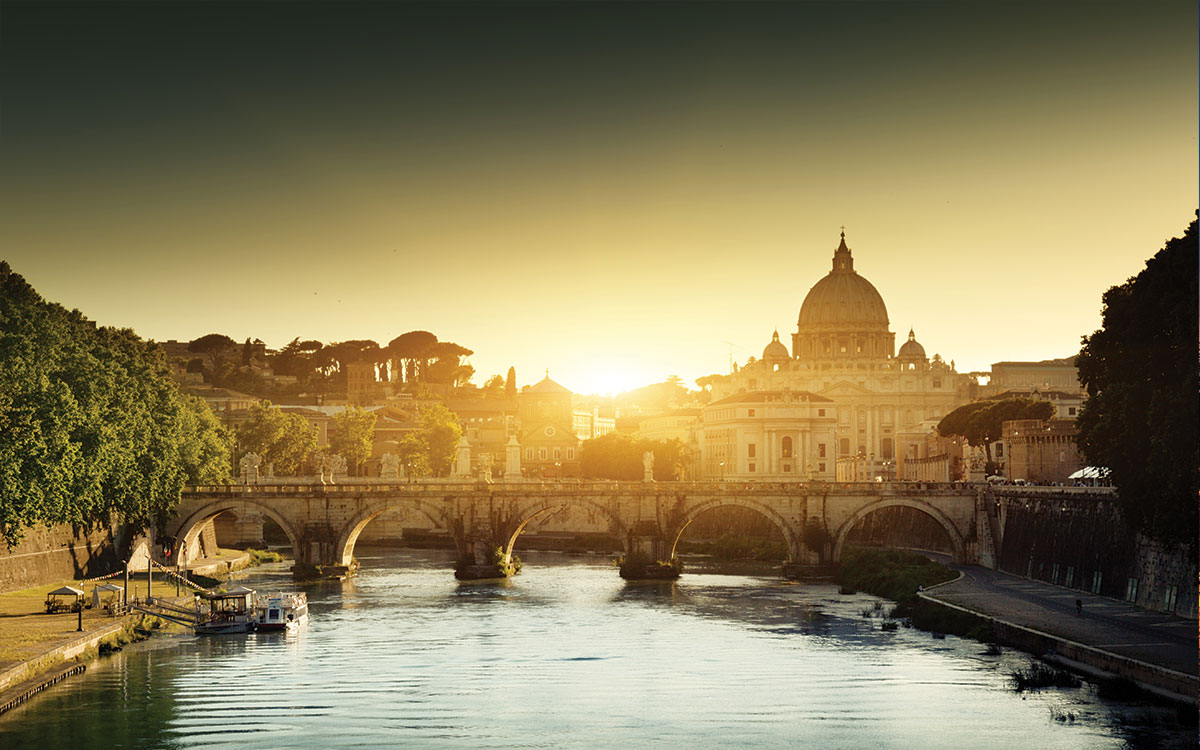
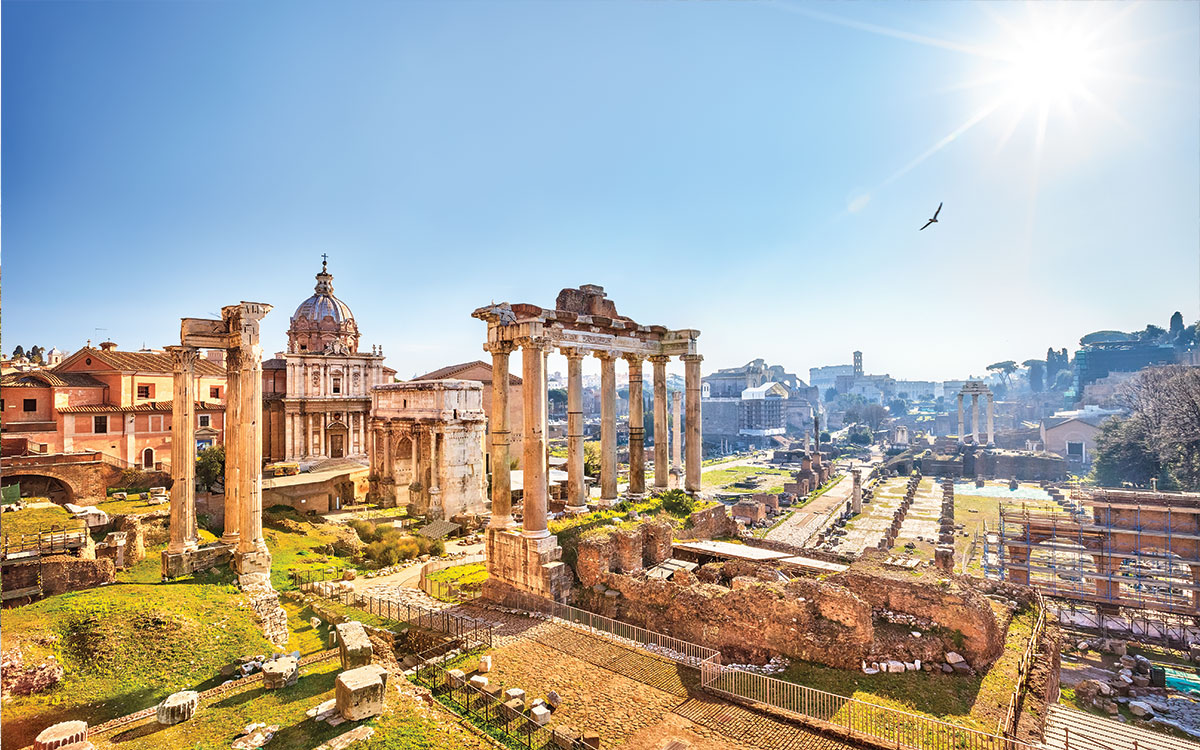
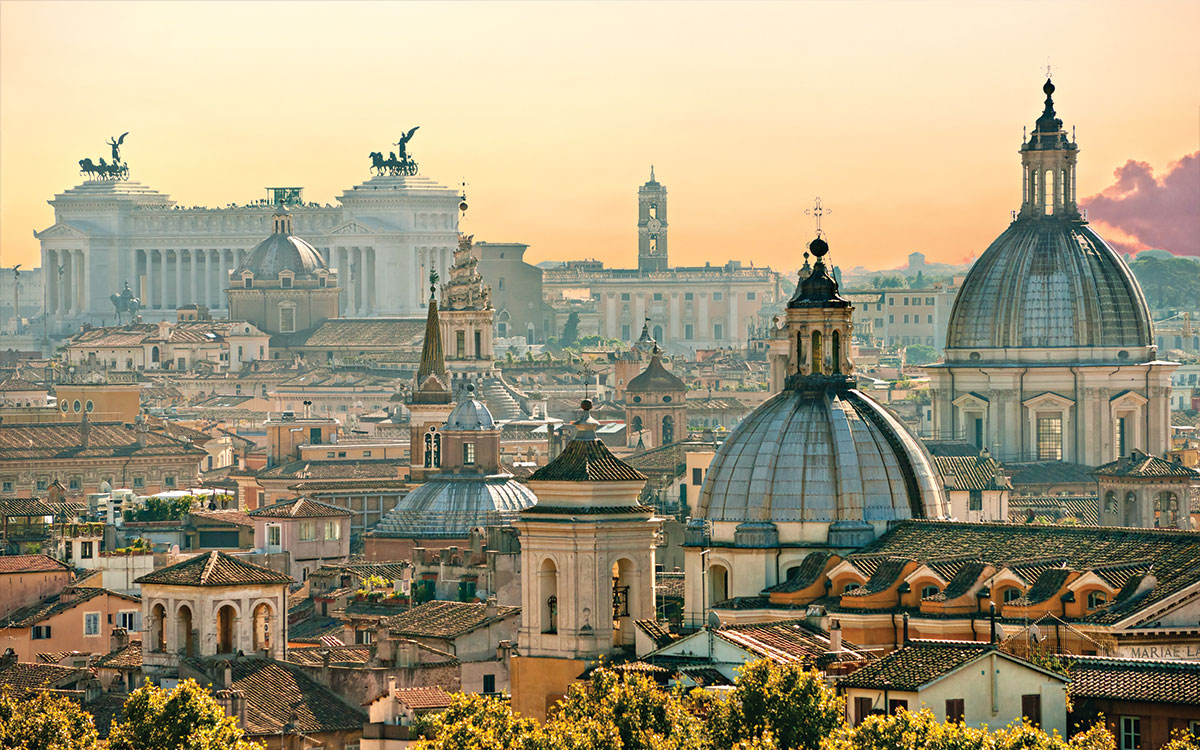
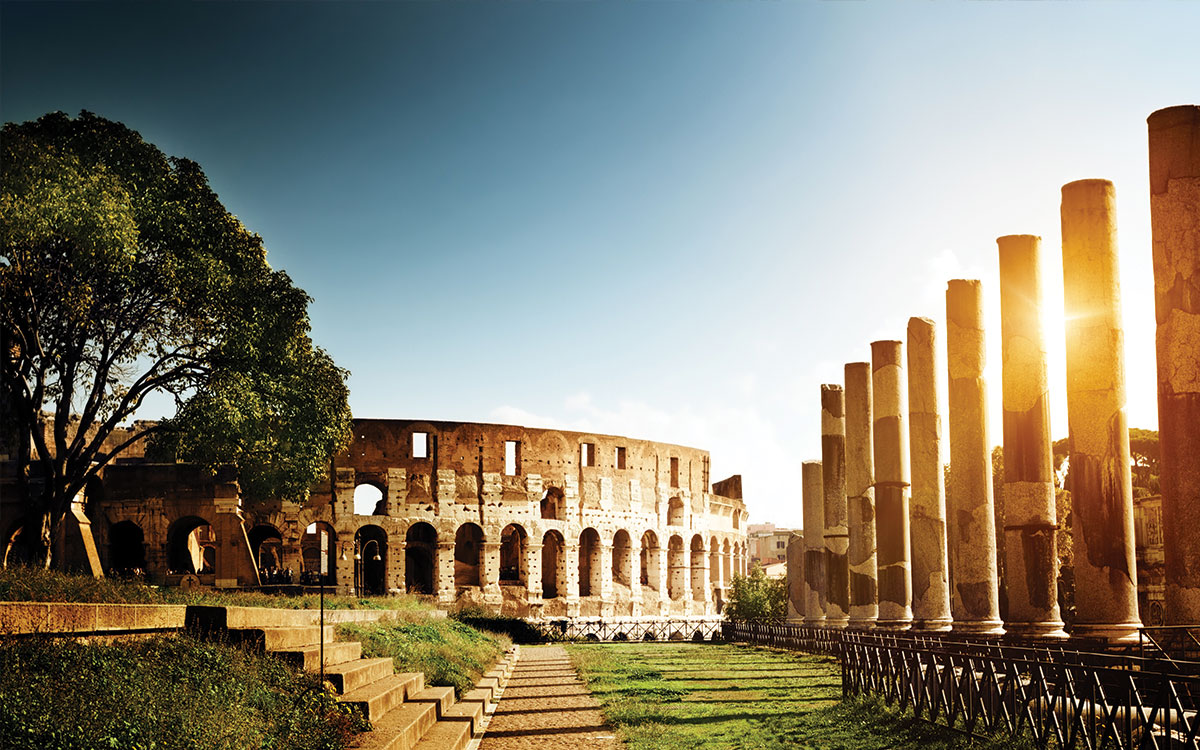
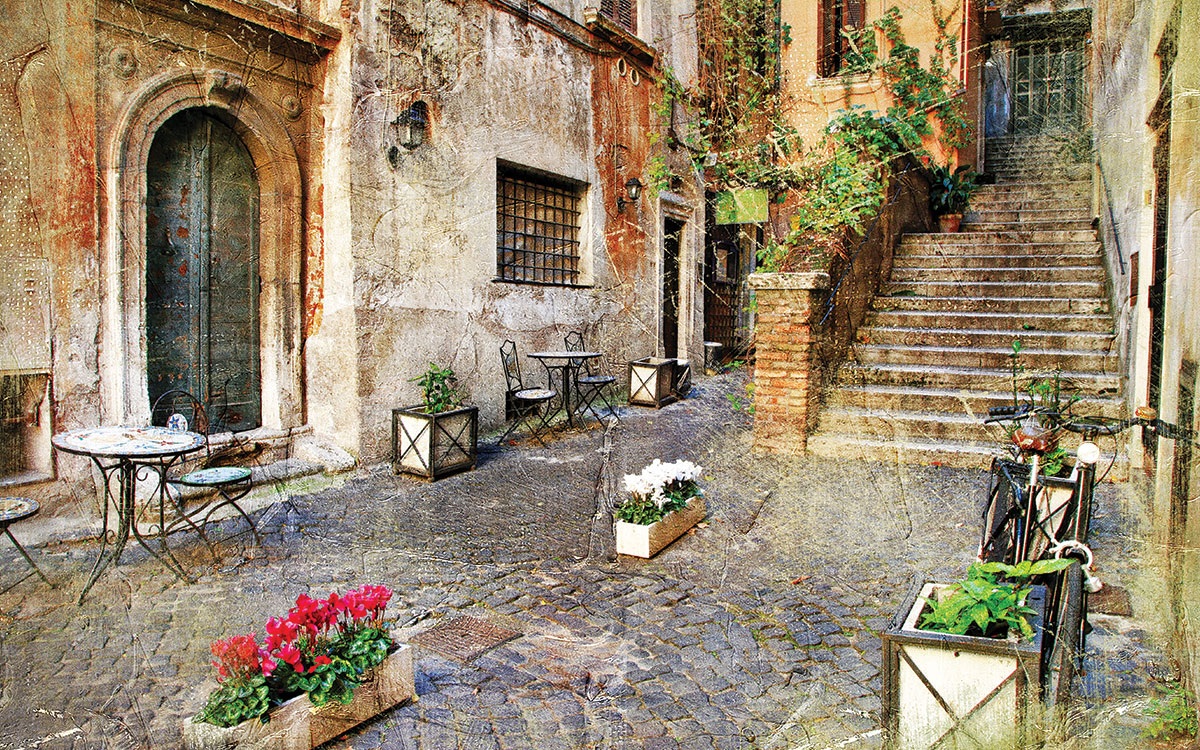
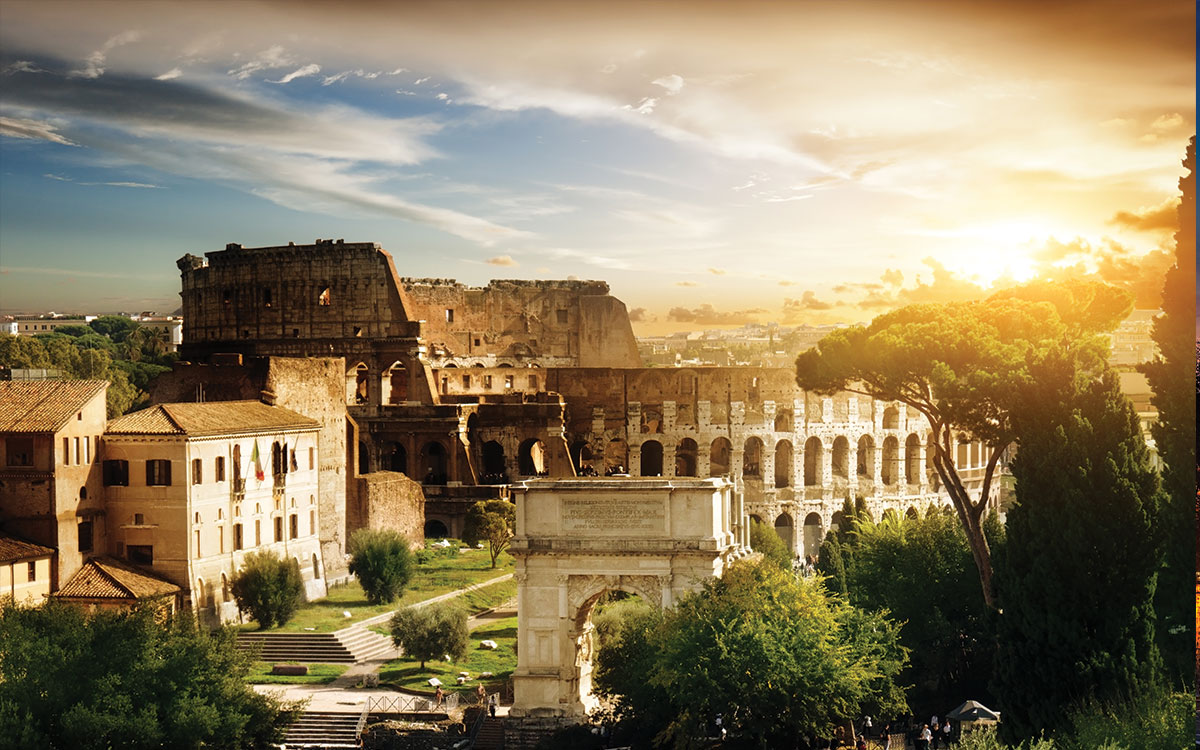
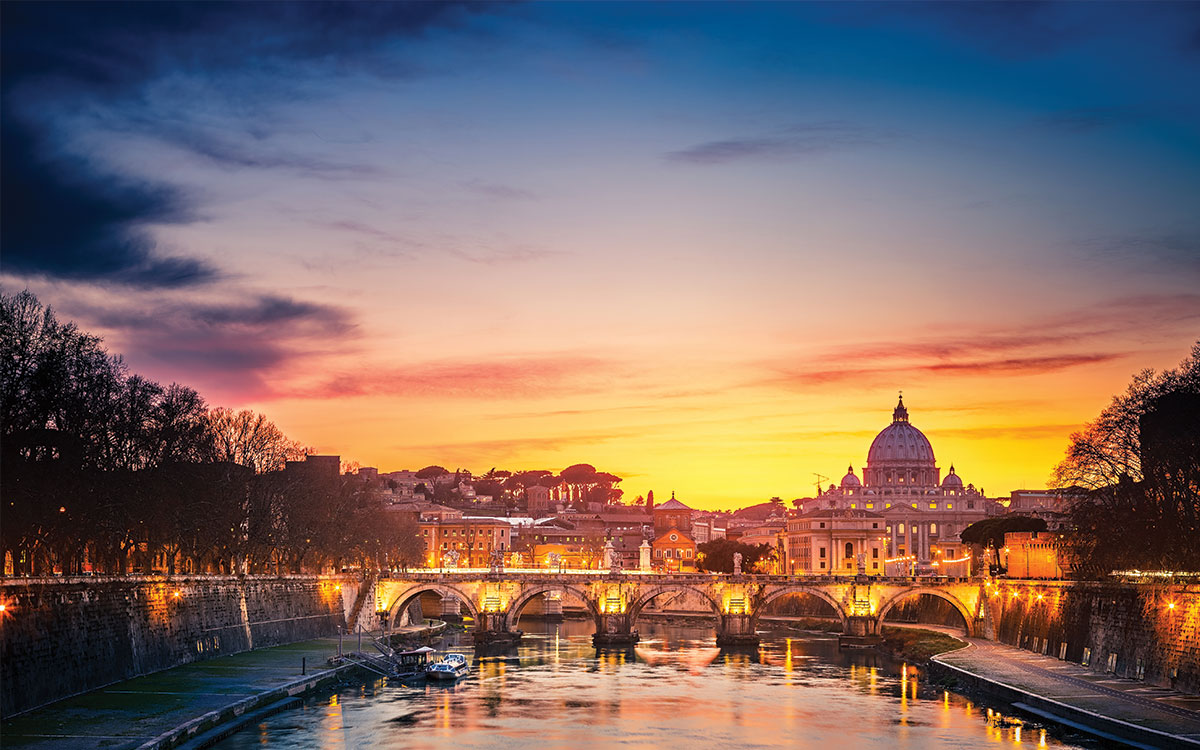
Rome is like a living museum, liberally
dotted with fascinating ruins, ancient relics and archaeological
sites. Centuries are peeled back from the Eternal City with each
new vista in this great metropolis of fearsome gladiators and
gorgeous art. Vespas, sports cars and nippy Fiats speed past trendy
sidewalk cafes, bistros and nightclubs, revealing the Rome of
Fellini's La Dolce Vita, while the stark facades of the Stadio
Olimpico reminds visitors of Mussolini's attempts to reinvent the
architecture of the Caesars.
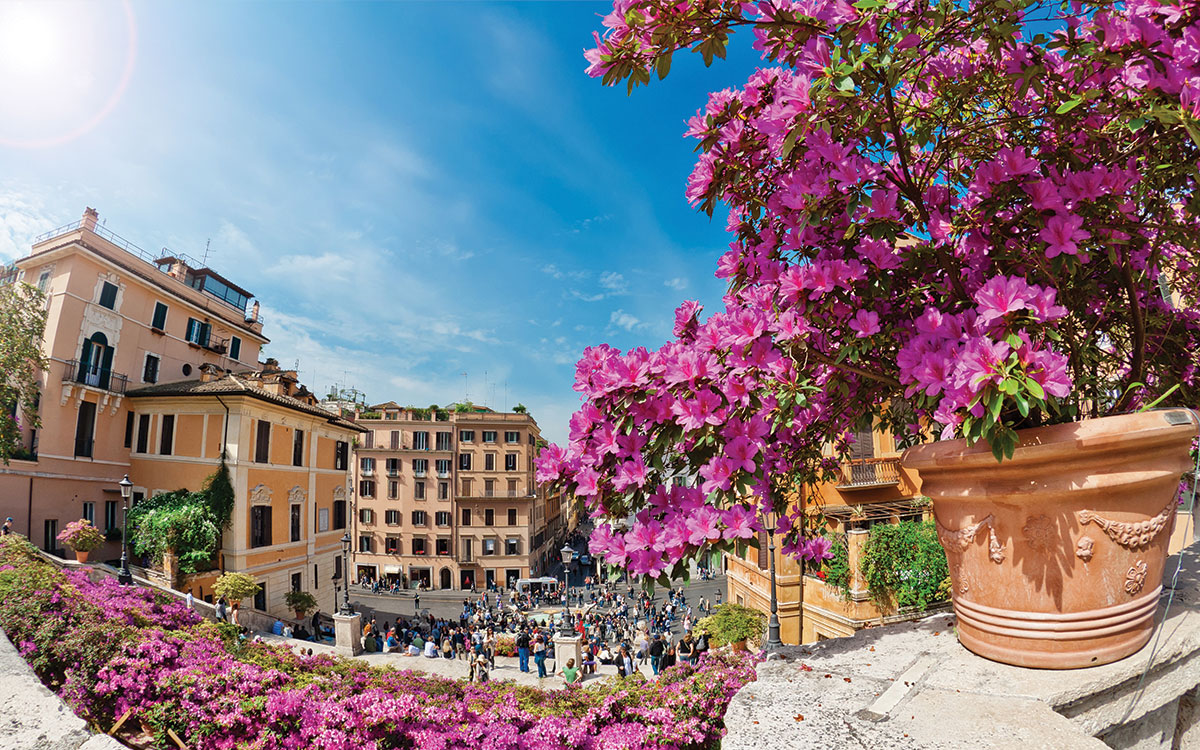
For a taste of the Baroque, visitors need
only climb the famous Spanish Steps, walk through the Piazza Navona
or toss a coin into the beautiful Trevi Fountain. Renaissance
splendour is best revealed in the Vatican Palace, specifically
Michelangelo's efforts on the roof of the Sistine Chapel. From
early Christian Basilicas and the Roman Forum to the Colosseum and
the Pantheon, the sequence of history trails back to the dizzying
heights of the empire.
It may sound like a city of contrasts, but
Rome's timeless magic lies in its ability to blend the old with the
new. Empires have risen and fallen, old gods have been replaced
with the new, but Rome nonetheless remains.
Day 33
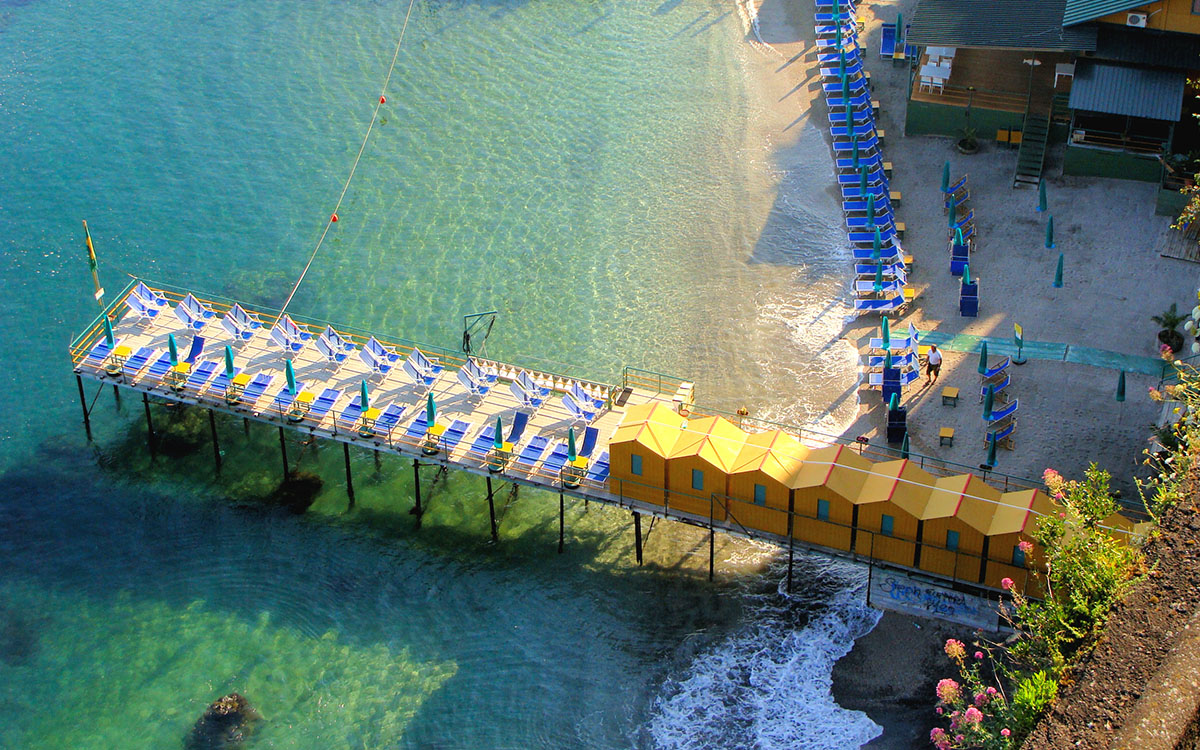
Sorrento
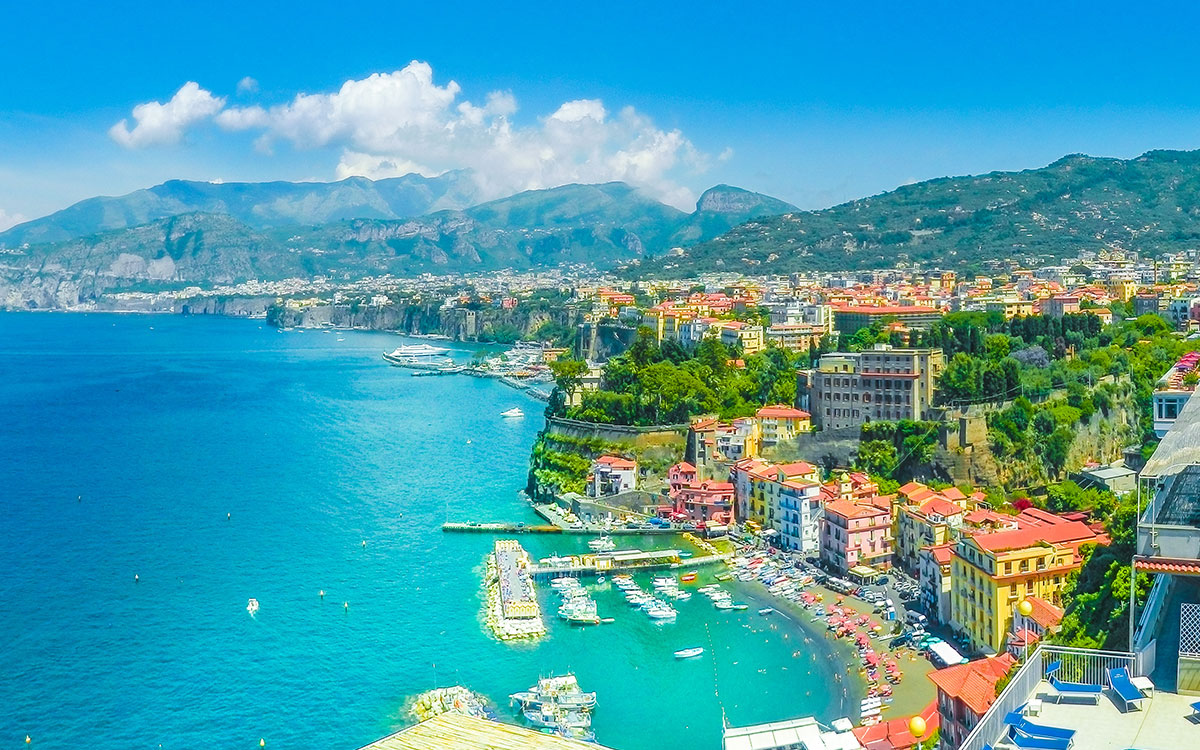
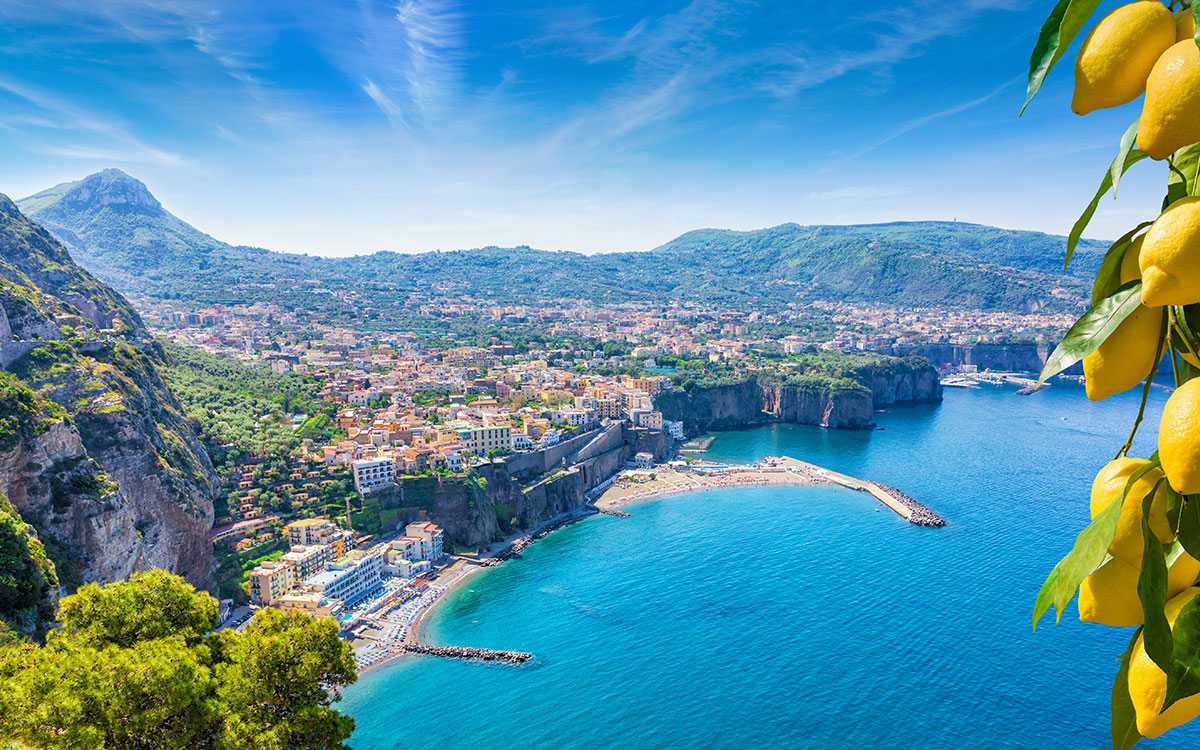
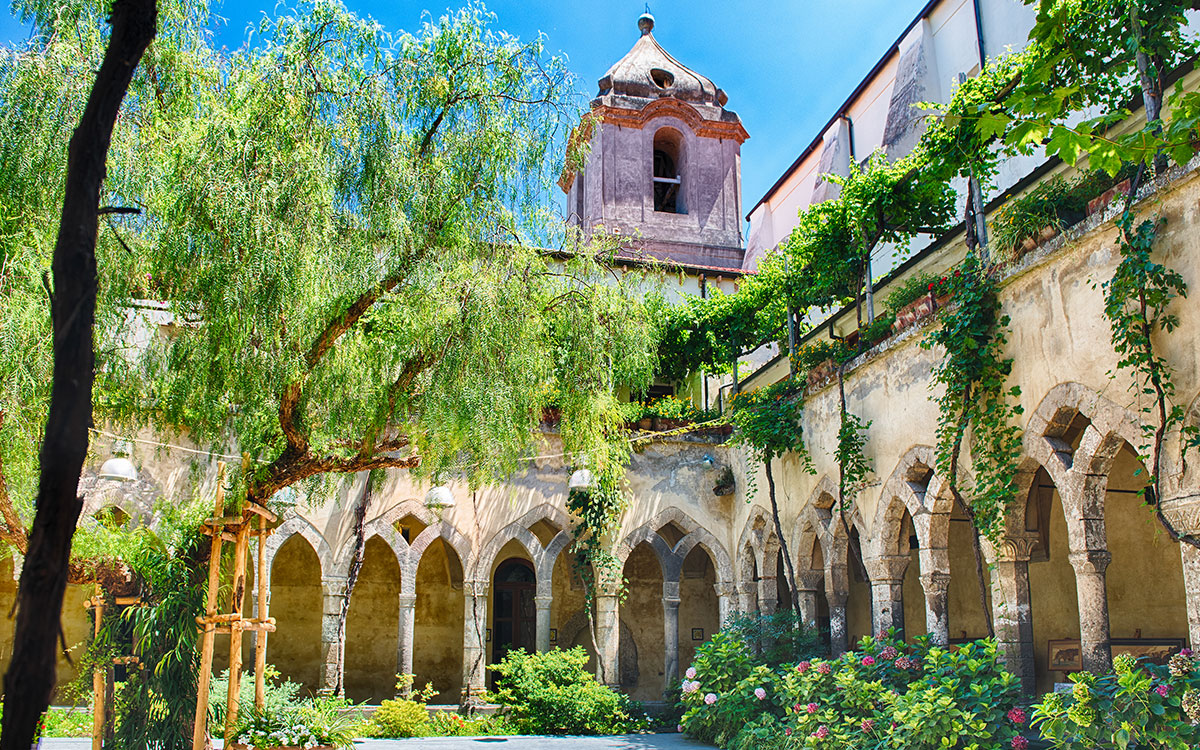
Sorrento is a coastal town in southwestern Italy, facing the Bay of Naples on the Sorrentine Peninsula. Perched atop cliffs that separate the town from its busy marinas, it’s known for sweeping water views and Piazza Tasso, a cafe-lined square. The historic center is a warren of narrow alleys that's home to the Chiesa di San Francesco, a 14th-century church with a tranquil cloiste
Day 34
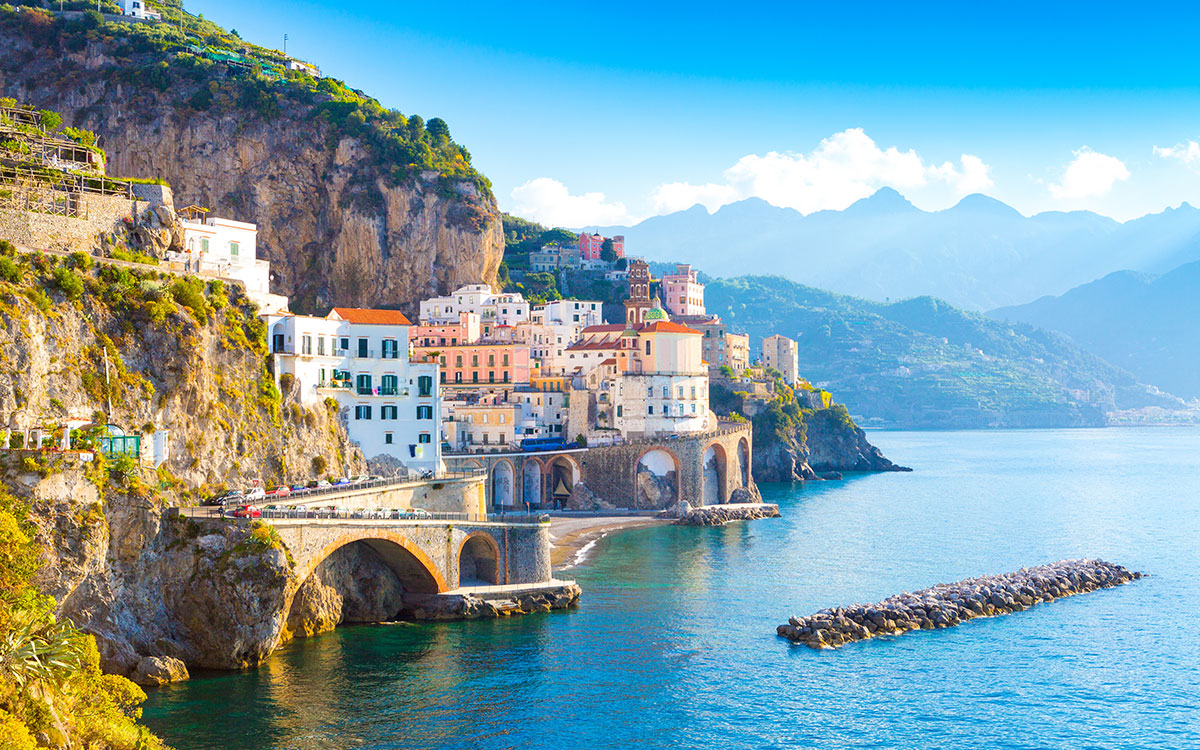
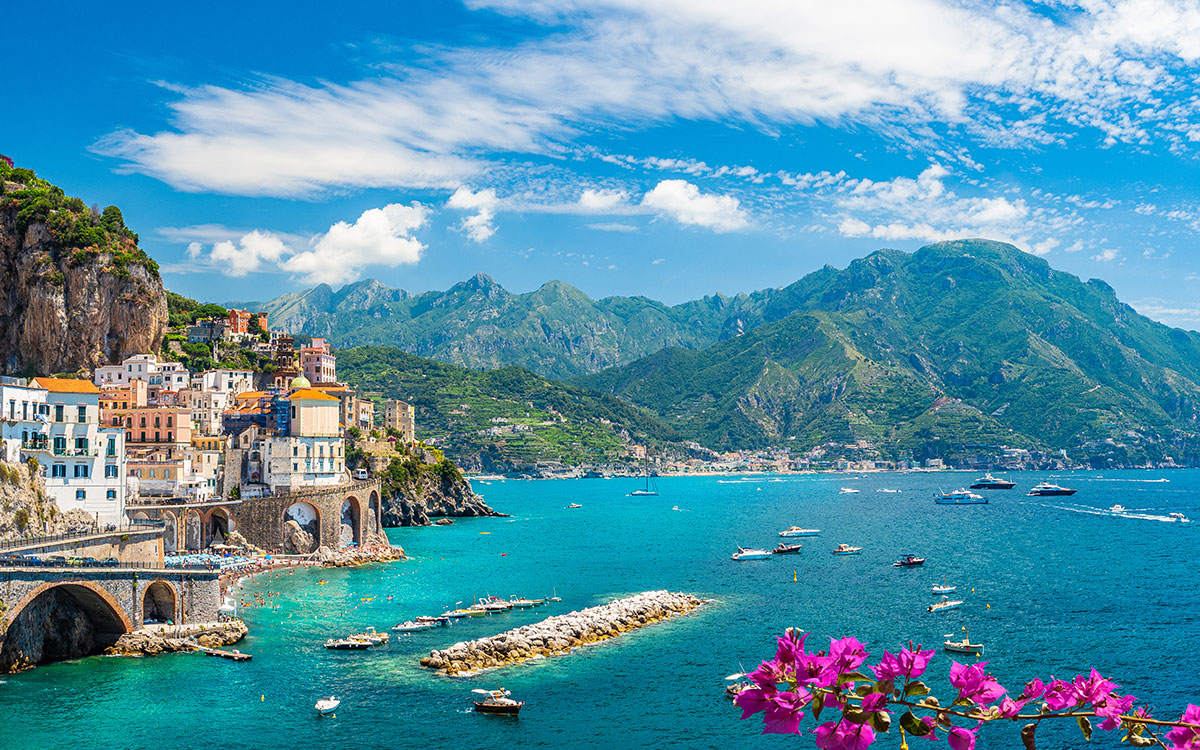
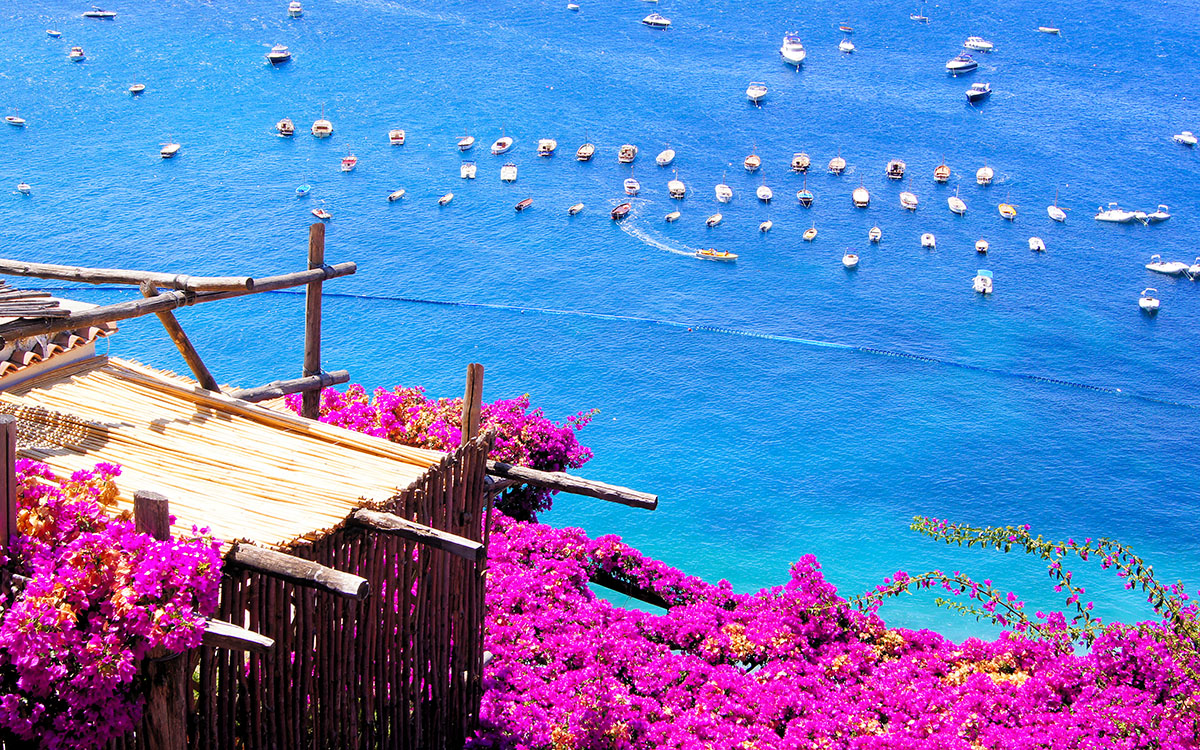
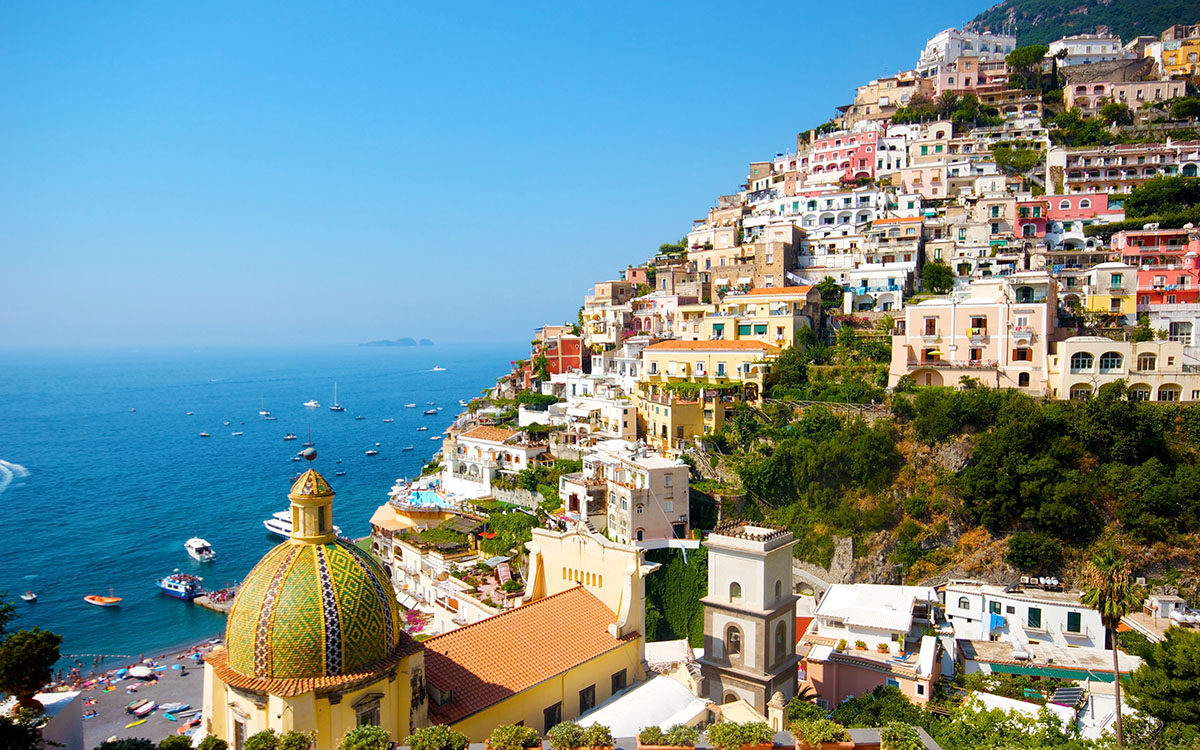
Amalfi
The rugged southern shore dividing the Bay
of Naples from the Gulf of Salerno is a restful and picturesque
area. Miniature towns shelter in precipitous coastal ravines and
tranquil seas calmly lap the shores of quiet pebbled beaches. The
Amalfi Coast is a great relaxation spot from which to enjoy coastal
Italian culture.
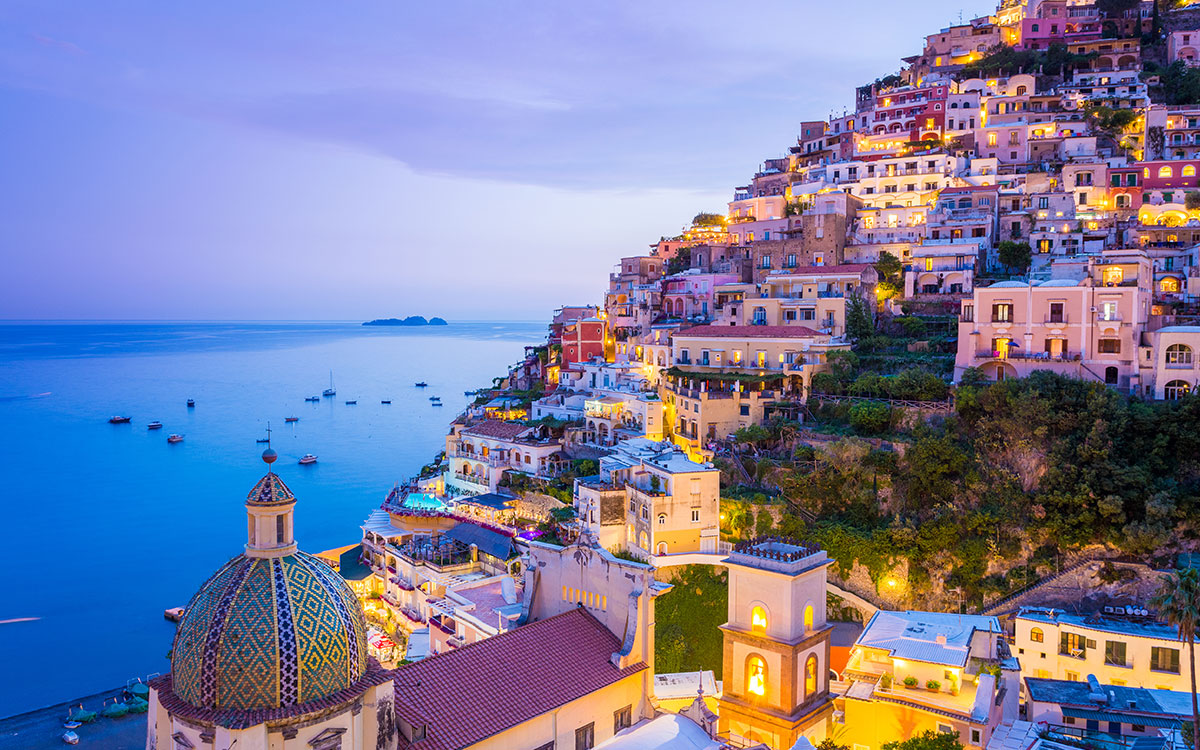
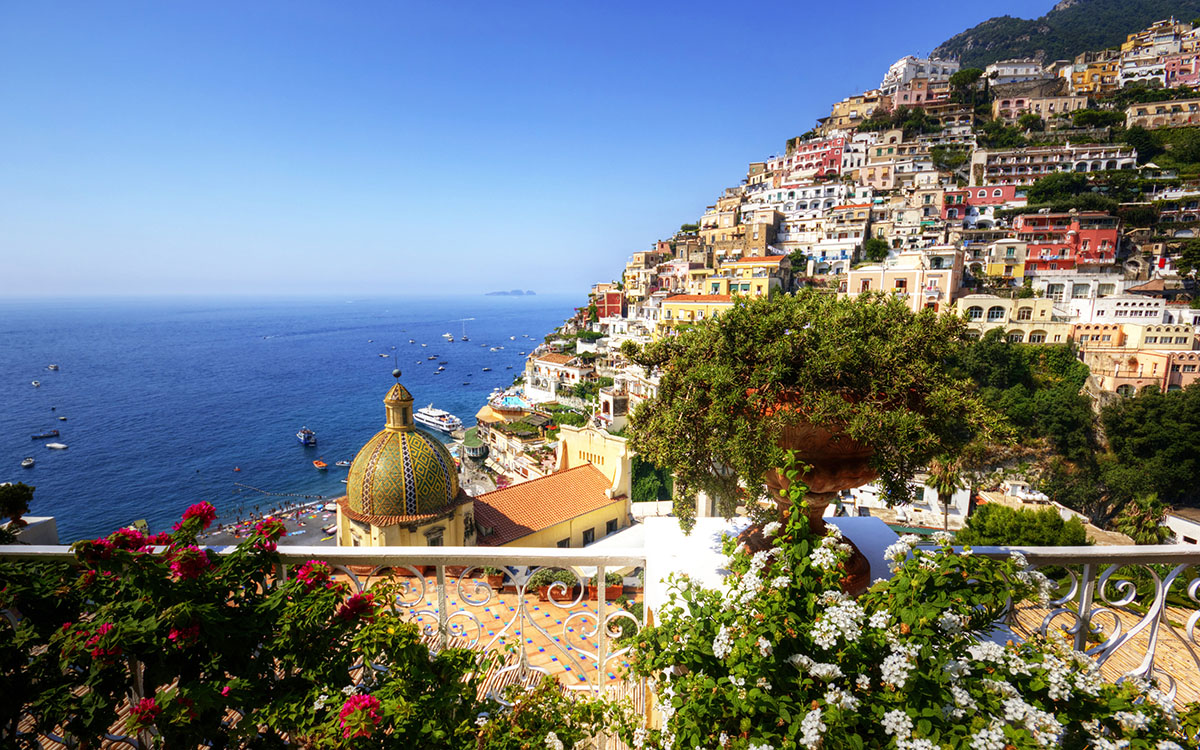
Stretching between the towns of Positano
and Vietri sul Mare, near Salerno, the area is renowned for its
breathtaking scenery and towering mountain cliffs that plunge into
the Mediterranean Sea. Precariously perched and threatening to
tipple into the sea, the small town of Positano is a great
attraction for tourists with its cluster of multi-coloured houses
and remarkable setting. A cliffside stairway provides the perfect
vantage-point from which to admire its glorious sea vistas.
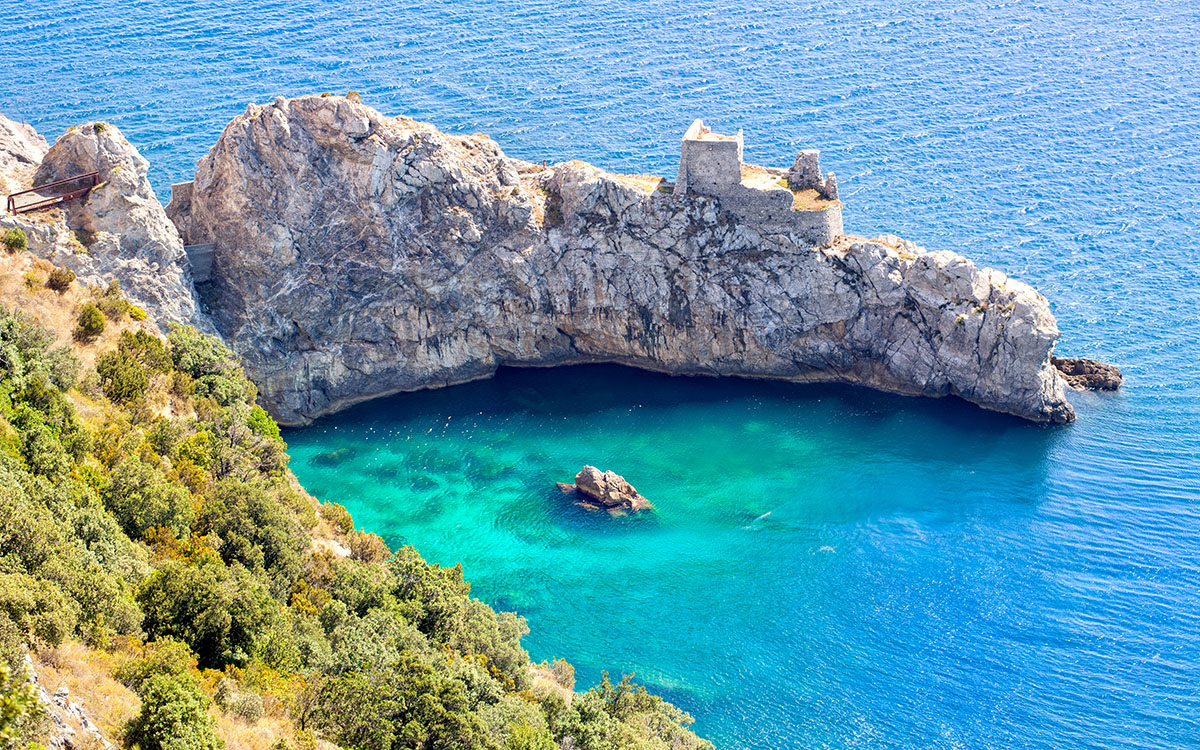
Four miles (6km) down the coast is the
quaint town of Praiano, framed by caves, castles and sharp cliffs.
A stroll from here towards Amalfi will take you to a ramp leading
to Marina di Praia, a 400-year-old fishing village nestled in the
embrace of a tiny ravine. Another notable stop between Praiano and
Amalfi is the Grotta dello Smeraldo.
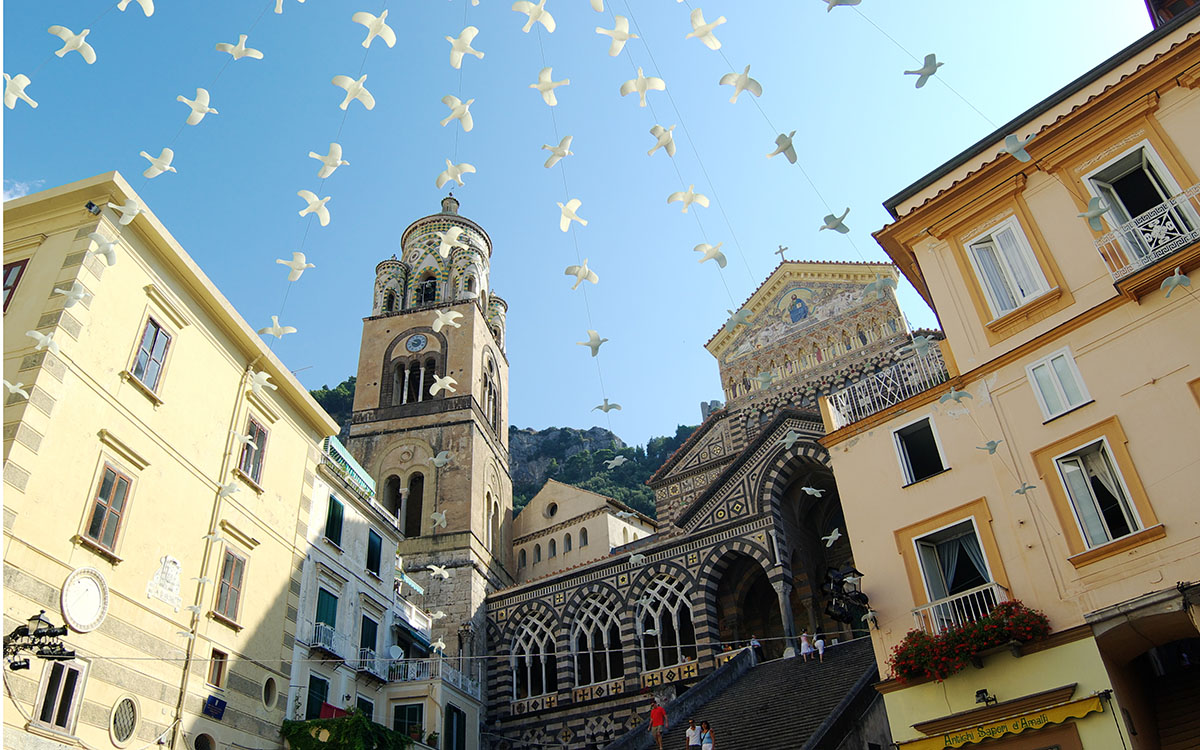
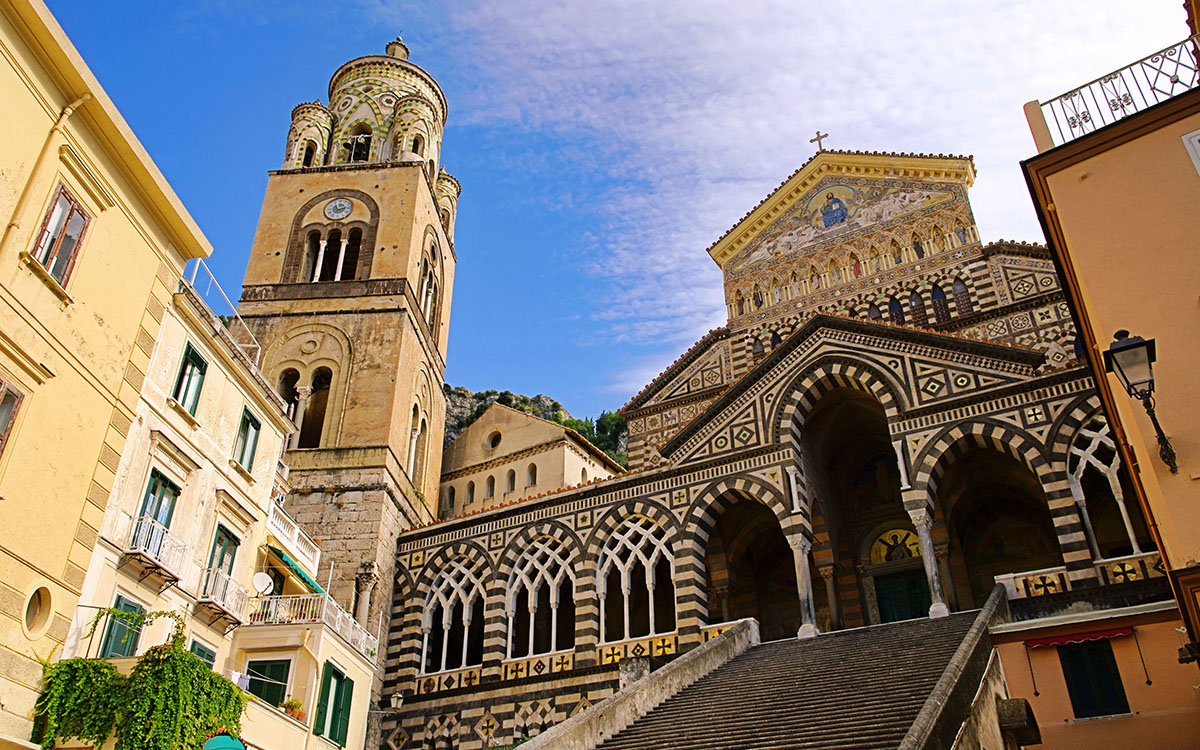
The busy seaside town of Amalfi basks in
the glory of its longevity as the first Sea Republic of Italy, and
as the hometown of Flavio Gioja, the inventor of the compass. It's
referred to as the 'pearl of the coast' and has a bit of everything
for the weary traveller. A pebble's throw away from here is the
quiet village of Atrani, its tranquil beach rests languidly on the
water's edge against a superb backdrop of mountains.
Further down the coast is Minori, notable
for its lemon exports, a gentle place with villas and beaches to
explore. The quiet town of Ravello retains the charm prized by
Bocaccio who dedicated part of his famous work, the Decameron, to
the town. The coastal road that twists its way between the rocks
affords glimpses of small villages, bays and inlets, and a journey
along this southern route will take travellers to towns of
worldwide fame as well as to lesser-known spots of equally
enchanting beauty.
Day 35
Siracuse, Sicily
Syracuse is a captivating city located on the northeastern coast of the beautiful island of Sicily, Italy. With a rich history dating back thousands of years and a stunning blend of architectural styles, Syracuse offers visitors a unique and unforgettable travel experience. From ancient ruins to picturesque landscapes, this city has something to captivate every traveller.
One of the main attractions in Syracuse is the Archaeological Park of Neapolis. This vast park encompasses several notable ancient Greek and Roman ruins, including the impressive Greek Theater, which is still used for performances today. The Roman Amphitheater, the Latomie (ancient stone quarries), and the Ear of Dionysius (a fascinating cave) are also must-see sites within the park. Exploring these ancient remnants provides visitors with a glimpse into the city's illustrious past and its importance during the Greek and Roman periods.
The historical centre of Syracuse, known as Ortigia, is a charming island connected to the mainland by two bridges. Ortigia is a UNESCO World Heritage Site and home to some of the city's most iconic landmarks. The Piazza del Duomo is the heart of Ortigia and is dominated by the magnificent Syracuse Cathedral. Built in the 7th century, the cathedral showcases a mix of Byzantine, Norman, and Baroque architectural styles. In close proximity, you'll find the Fountain of Arethusa, a picturesque freshwater spring surrounded by lush vegetation. Exploring Ortigia's narrow streets, lined with charismatic buildings and local shops, is a delight for both history enthusiasts and casual strollers alike.
Syracuse is also renowned for its stunning coastline. The city boasts several picturesque beaches, such as Fontane Bianche, known for its crystal-clear turquoise waters and fine sandy shores. The nearby nature reserve of Vendicari offers a sanctuary for a variety of bird species and beautiful walking trails that lead to secluded and pristine beaches. Whether you prefer relaxing on the sand, swimming in the clear waters, or exploring the diverse marine life in its numerous marine reserves, Siracuse's coastline is irresistible.
Gourmands will find themselves in culinary heaven in Siracuse. Sicilian cuisine is a tantalizing fusion of flavors influenced by its rich history and cultural heritage. Pasta alla Norma, made with eggplant, tomatoes, and ricotta salata, is a popular and delicious local dish. Syracuse is also reputed for its seafood specialties, with dishes like sarde a beccafico (stuffed sardines) and arancini (fried rice balls) being local favorites. Don't forget to try the mouthwatering almond-based sweets, such as cassata siciliana and cannoli, while indulging in the city's gastronomic delights.
For those seeking cultural events and festivals, Siracuse offers a vibrant calendar throughout the year. The Greek Theater hosts a renowned annual theater festival, where ancient Greek plays are performed in their original setting during the summer months. The Holy Week celebrations leading up to Easter are also a must-see, with grand processions taking place in Ortigia, accompanied by traditional music and religious rituals.
In terms of accommodations, Syracuse offers a wide range of options suitable for every budget and preference. From luxury hotels with sea views to cozy bed and breakfasts tucked away in the historic center, there is something to suit every traveler's taste.
To reach Siracuse, the nearest airport is Catania Fontanarossa Airport, which is well-connected to major Italian and European cities. From the airport, you can easily reach Siracuse by either hiring a car, taking a taxi, or using public transportation.
In conclusion, Syracuse is a captivating city with a rich history, stunning architecture, breathtaking coastlines, delicious cuisine, and a vibrant cultural scene. Whether you are a history enthusiast, a nature lover, a foodie, or simply in search of the perfect beach vacation, Siracuse has something to offer everyone. Prepare to be enchanted by this gem of a city on the beautiful island of Sicily.
Day 36
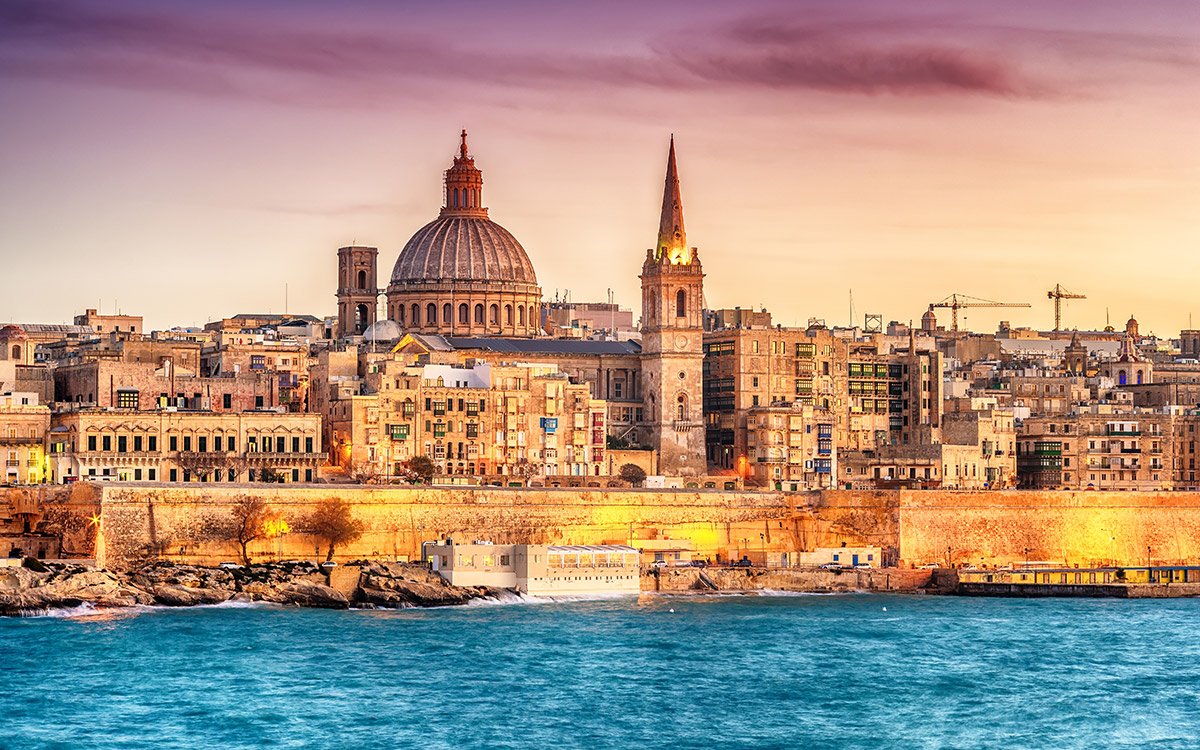
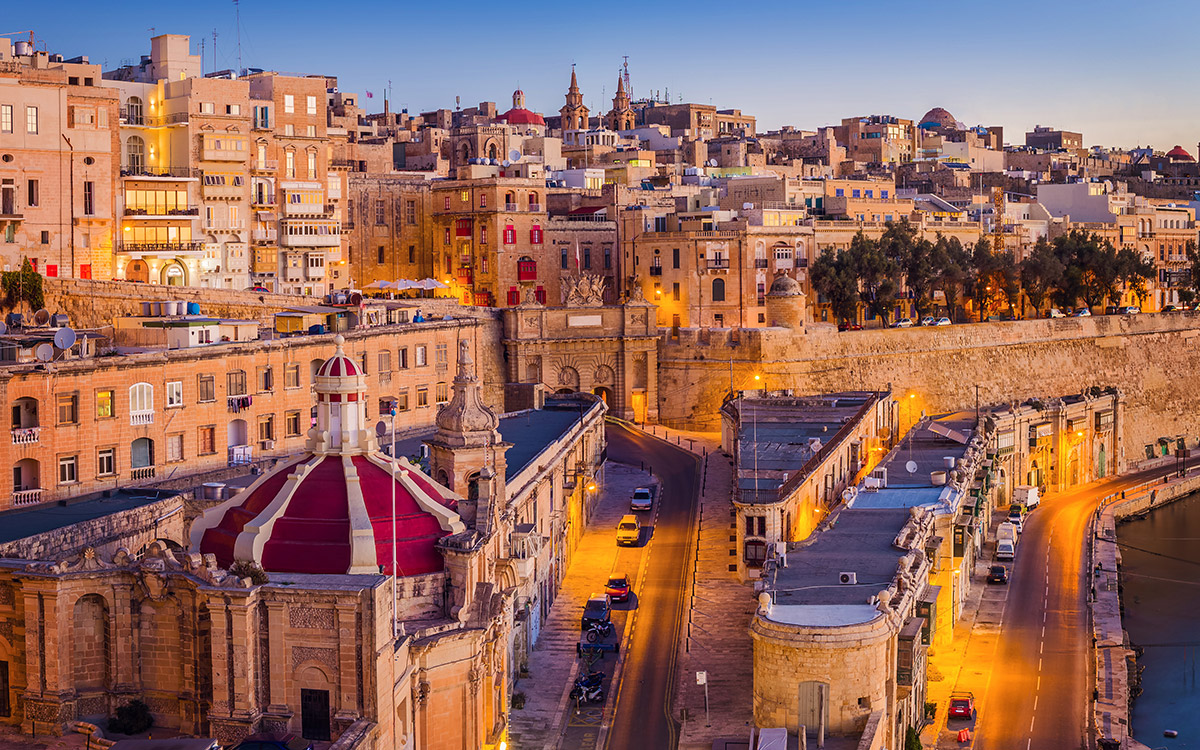
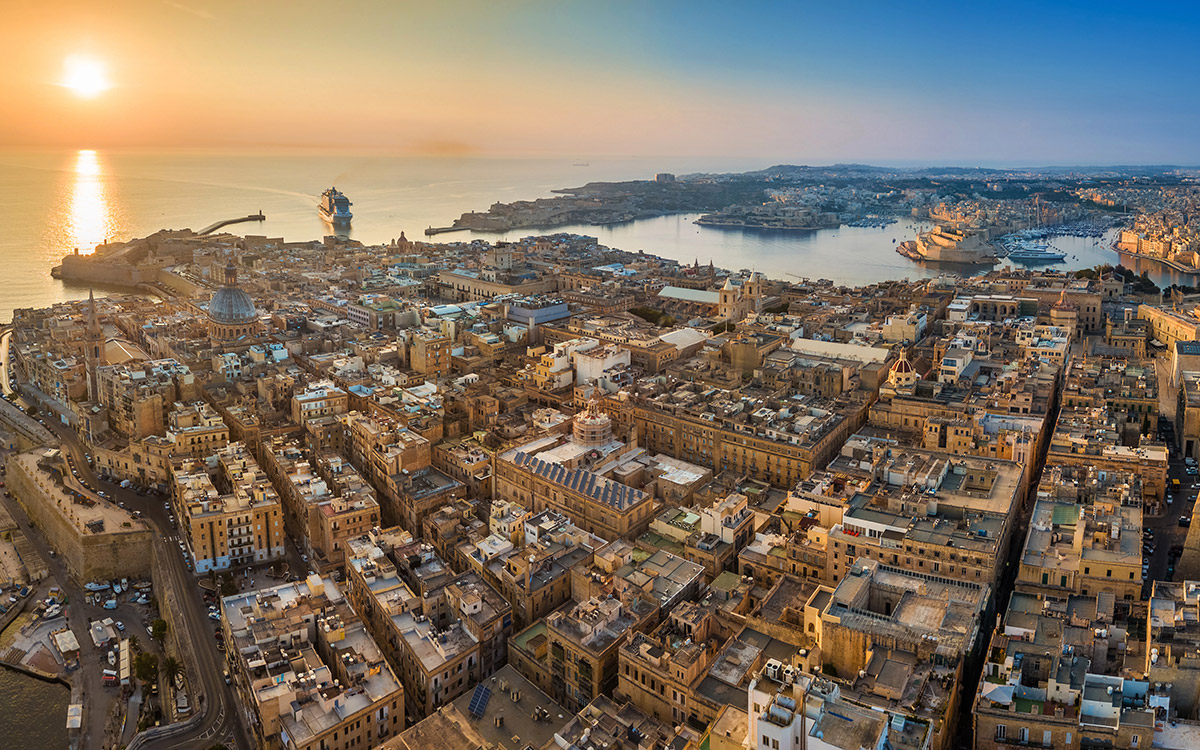
Valletta
Valletta, which is the capital of Malta, embraces the famed
charm of an Italian city, its many Baroque palaces set on narrow
steep streets that form a grid pattern. Grandmaster Fra Jean de la
Valette, together with the Knights of the Order of St John, founded
and carefully planned the city.
As the saying goes, the city was 'built by gentlemen for
gentlemen', with the first stone being ceremonially laid in 1566
after Ottoman forces withdrew their siege of the Maltese Islands
and the Knights of St John took over. The purpose of the city,
built in a short span of 15 years on a plateau between two harbours
on Malta's northeast coast, was primarily to fortify the island.
Secondly, it was to provide palaces, inns for the eight Knight's
groupings, churches for worship, and gardens for recreation. These
grand remnants of the Knight's occupation still adorn Valletta in
the form of some splendid Baroque buildings and fortifications.
But the majestic architecture manages not to overwhelm the
island's carefree personality. Valletta balances its sombre
grandeur and religious tone with colour and jollity. The city has a
fun but not raucous nightlife, along with some great restaurants
and magnificent chances to see the sights. It's a very safe and
friendly city, welcoming of tourists, and well-equipped to host
them.
Day 38
Kotor
Tourists to Montenegro will most likely spend the bulk of their
time exploring the small Balkan country's natural landscape. From
snowy peaks to tall pine forests, from the coastlines to the
fjords, Montenegro is an outdoor lover's dream come true.
However, for those looking to get to grips with the culture of
Montenegro, the medieval city of Kotor is certainly the place to
visit, especially in recent years as Montenegro has swiftly
established itself as one of Europe's top tourist destinations.
It's not hard to see why this is. The surrounding Mediterranean
coastline, with its limestone cliffs and thick vegetation, is
punctuated by the port of Kotor, which in turn is surrounded by
city walls that were built by the Republic of Venice. These
ramparted and bastioned city walls, together with the
Venetian-inspired old city, are a designated UNESCO World Heritage
Site, and lauded for their role in the diffusion of Mediterranean
culture in the Balkan region.
A small city, with a population of just under 14,000 permanent
inhabitants, Kotor is a wonderful place to navigate on foot,
soaking up the scenery and admiring the medieval buildings. In
terms of tourist sights, the Maritime Museum is a must-visit
attraction, as is the Cathedral of Saint Tryphon (built in 1166)
and the Church of Our Lady of Health, which is located on a small
promontory overlooking Kotor and provides unbeatable views of the
bright blue Adriatic Sea beneath.
Day 39
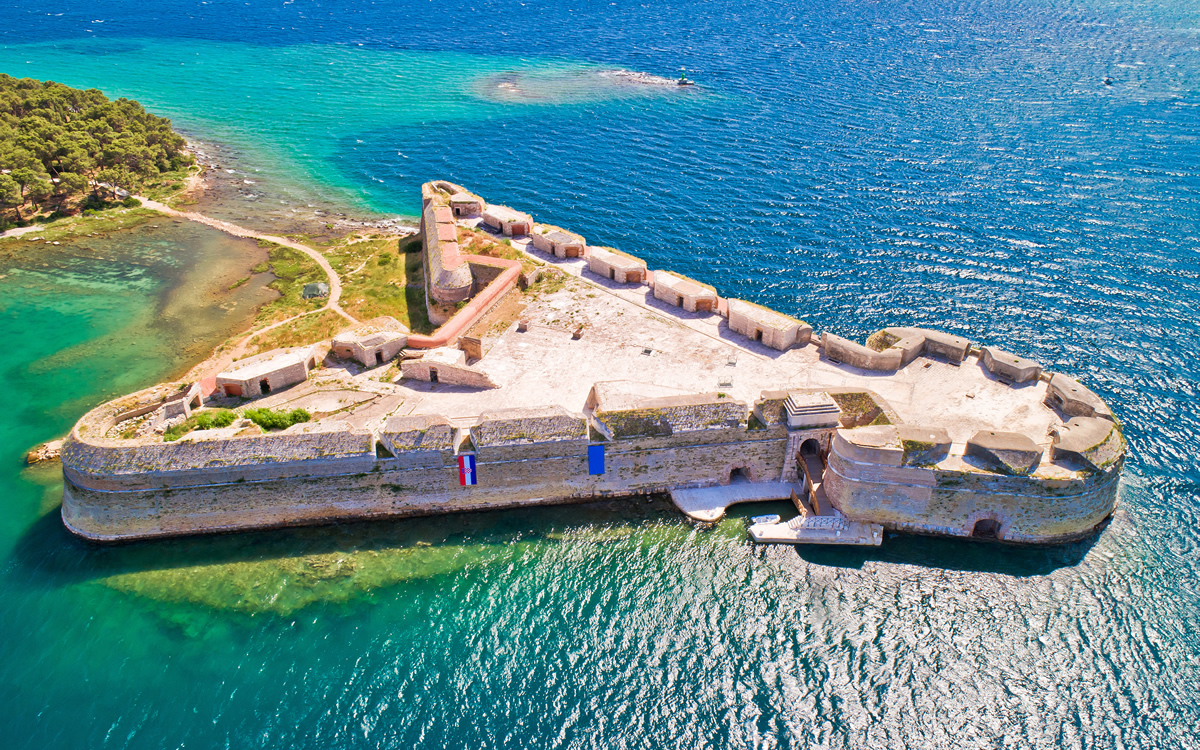
Sibenik
Sibenik is a city located in Croatia. The city is located on the Adriatic Sea and has a population of around 132,000 people. The city is a popular tourist destination due to its beautiful architecture and stunning location. The city is home to the Cathedral of Saint James, which is a UNESCO World Heritage site. The city also has a number of other historic landmarks and museums, making it a great destination for history buffs.
If you're looking for a beach vacation with a bit of culture and history thrown in, Sibenik is the perfect destination. spend your days lounging on the city's many beaches, exploring the historic landmarks, and enjoying the delicious seafood.
Day 40
Piran
Piran is a charming coastal town located on the Adriatic Sea, in the beautiful country of Slovenia. Nestled on a small peninsula, this historic town is known for its rich cultural heritage, stunning architecture, and breathtaking views. Piran offers a unique blend of traditional Mediterranean charm and modern attractions, making it a perfect destination for travelers seeking a mix of relaxation, culture, and natural beauty.
One of the main attractions of Piran is its well-preserved medieval old town. Strolling through its narrow cobblestone streets, visitors can admire the beautiful Venetian-style architecture, colorful buildings, and quaint squares. The Tartini Square, named after the famous violinist and composer Giuseppe Tartini, is the heart of the town and a great place to relax and soak in the atmosphere.
Piran is a paradise for history enthusiasts and art lovers. The town is home to many historical landmarks and museums that offer a glimpse into its past. The Piran Town Walls, built in the 7th century, provide panoramic views of the town and the Adriatic Sea. The Maritime Museum and the Aquarium Piran are also worth a visit, offering insight into the town's maritime history and showcasing the diverse marine life of the region.
For those seeking a bit of sun and relaxation, Piran boasts several beautiful beaches. The main beach, Portoroz, is located just a short distance from the town and offers crystal-clear waters, golden sand, and a range of water sports activities. Fiesa Beach, situated in a nearby bay, is known for its natural beauty and tranquility, making it a perfect spot for a peaceful day by the sea.
Culinary delights await visitors in Piran, as the town is known for its fresh seafood and delicious Mediterranean cuisine. Numerous waterfront restaurants and cozy taverns offer a wide variety of dishes, from freshly caught fish and shellfish to traditional Slovenian specialties. Don't miss the opportunity to try the local specialty, "Piran sea bass," which is grilled to perfection and served with a side of homemade olive oil.
Away from the town center, Piran offers stunning natural landscapes and opportunities for outdoor activities. The Strunjan Nature Reserve, located just south of the town, features breathtaking cliffs and a unique ecosystem that is home to numerous bird species. The Sečovlje Salina Nature Park, on the other hand, allows visitors to explore the ancient traditions of salt production and admire the picturesque salt pans.
Piran is also an excellent base for exploring the surrounding area. The nearby town of Izola, with its charming marina and narrow streets, is worth a visit. Further afield, the picturesque town of Koper and the scenic countryside of the Slovenian Istria region offer additional attractions and activities.
In terms of accessibility, Piran is well-connected to other major cities in Slovenia. The nearest international airport is the Ljubljana Jože Pučnik Airport, which is approximately 140 kilometers away from Piran. From the airport, travelers can easily reach Piran by bus, train, or taxi.
Overall, Piran is a hidden gem on the Adriatic coast, offering a perfect blend of history, culture, natural beauty, and Mediterranean charm. Whether you are interested in exploring the town's rich heritage, relaxing on its beautiful beaches, or indulging in delicious seafood, Piran is sure to leave a lasting impression on every traveler.
Day 41
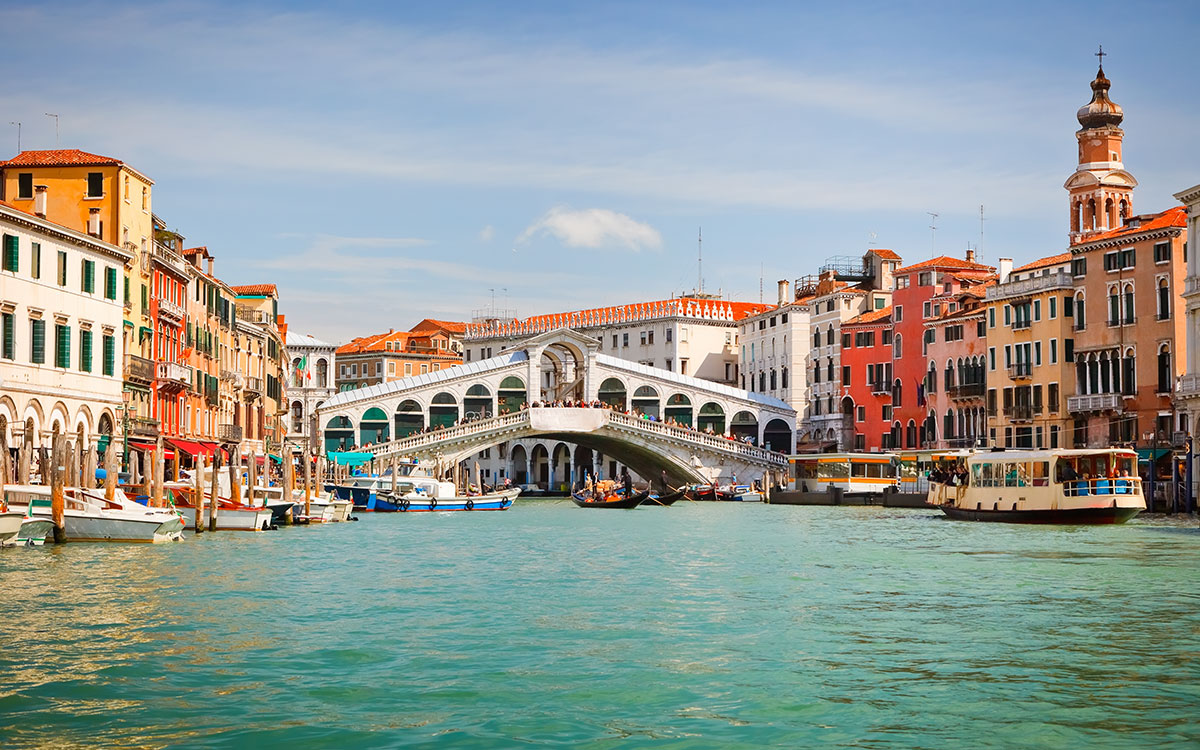
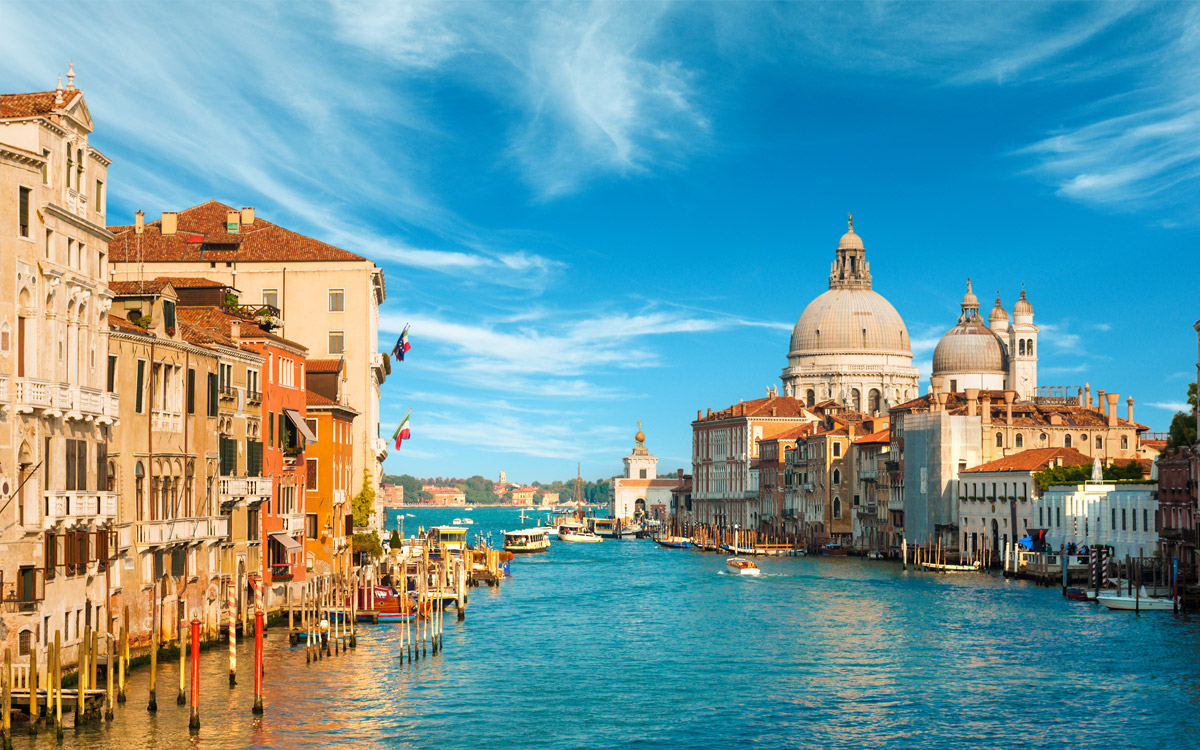
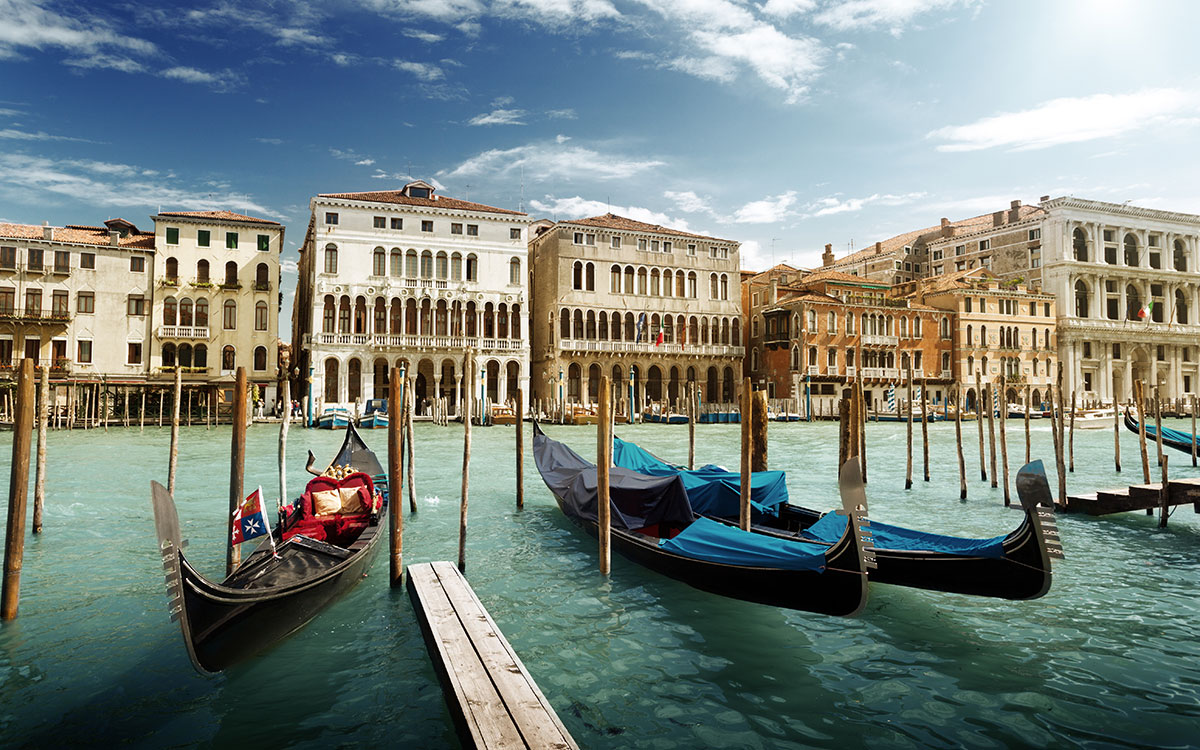
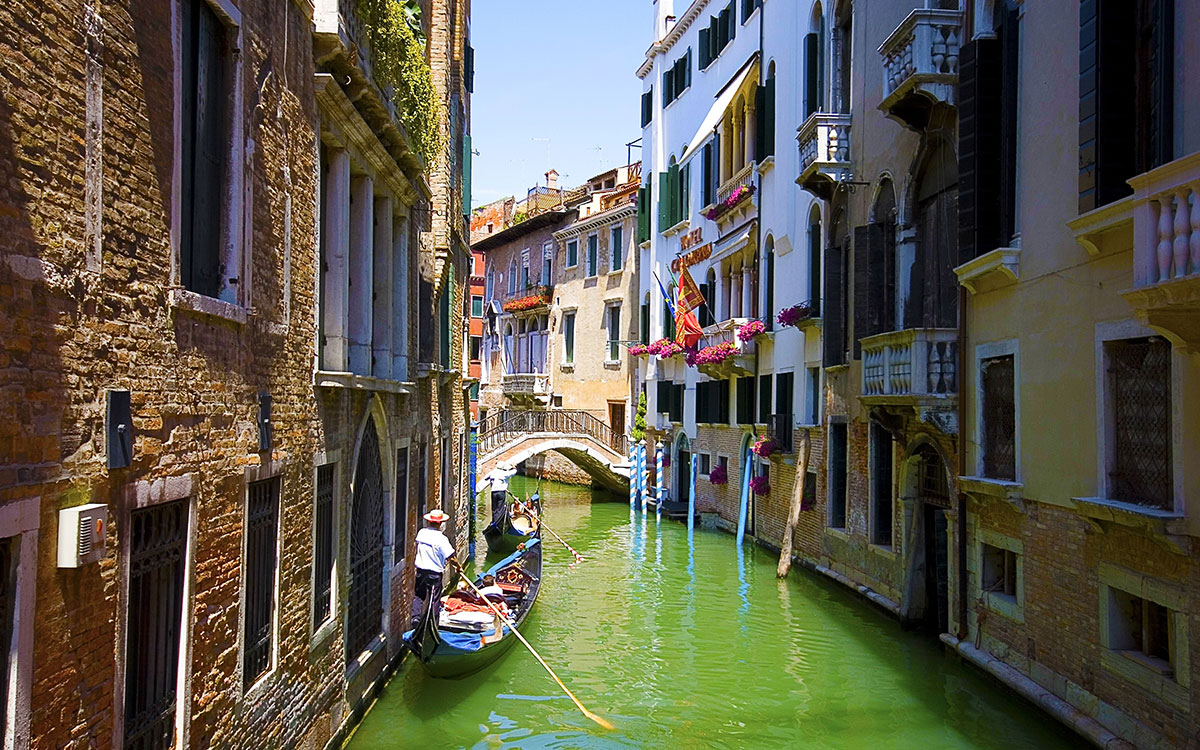
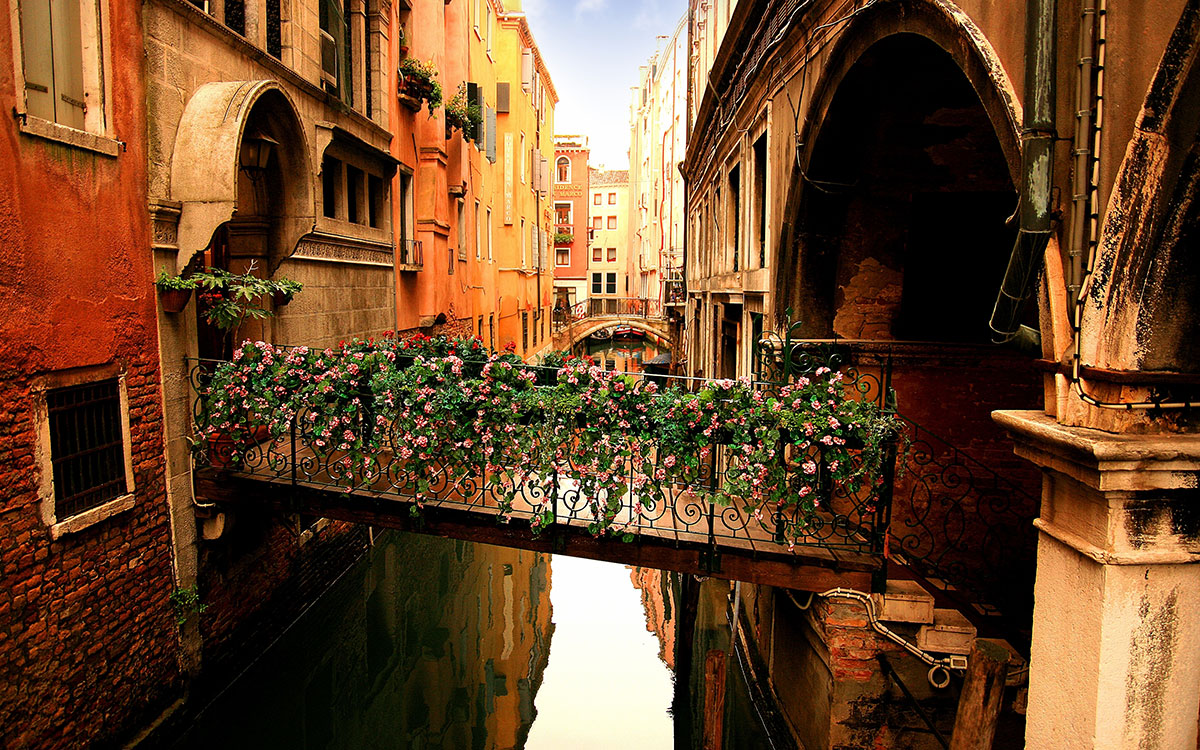
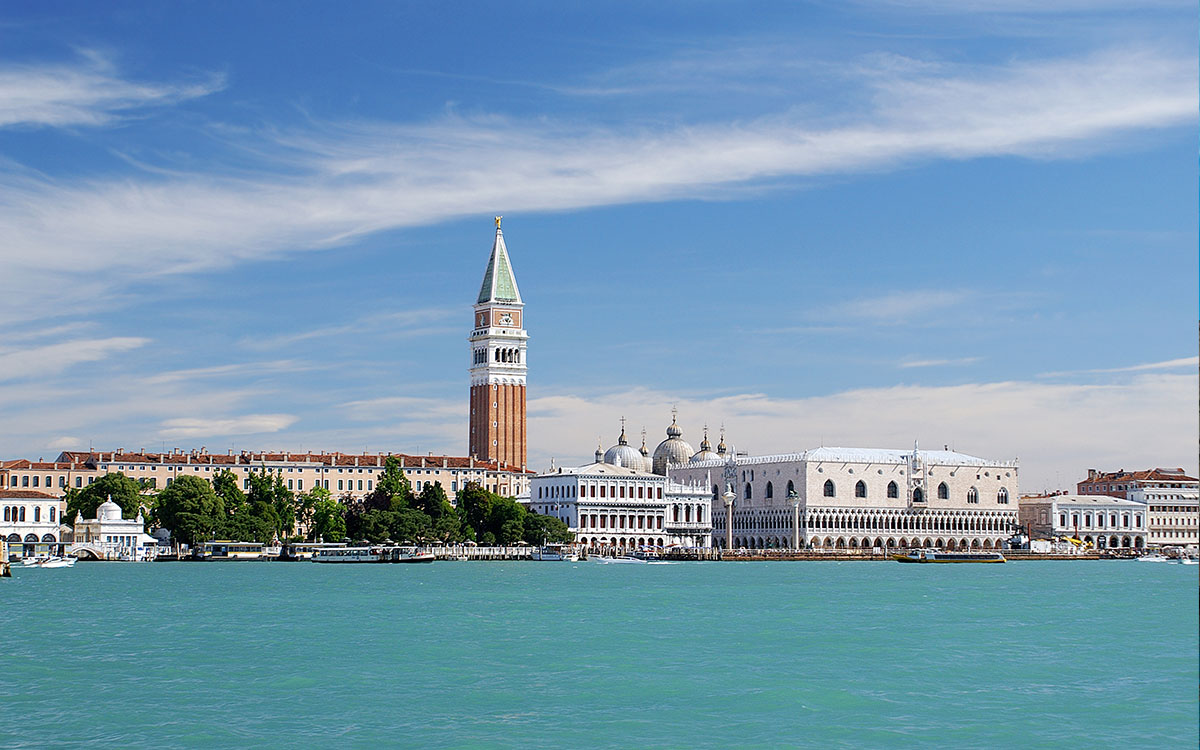
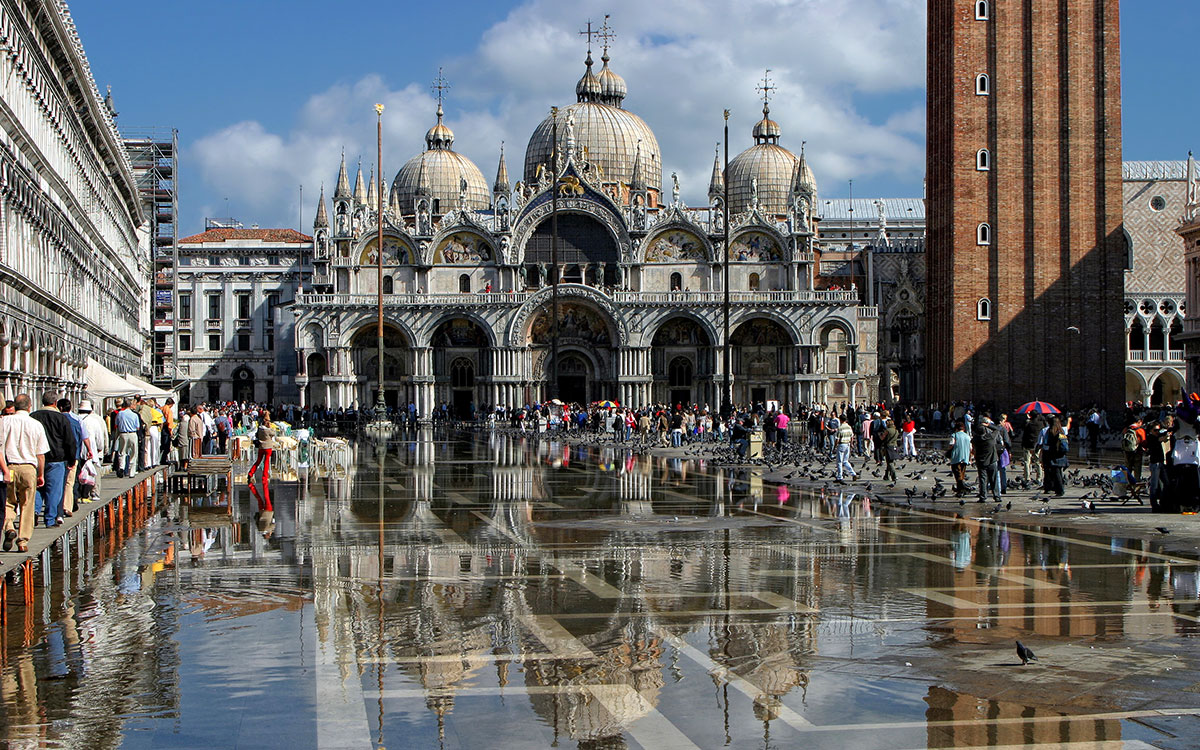
Venice
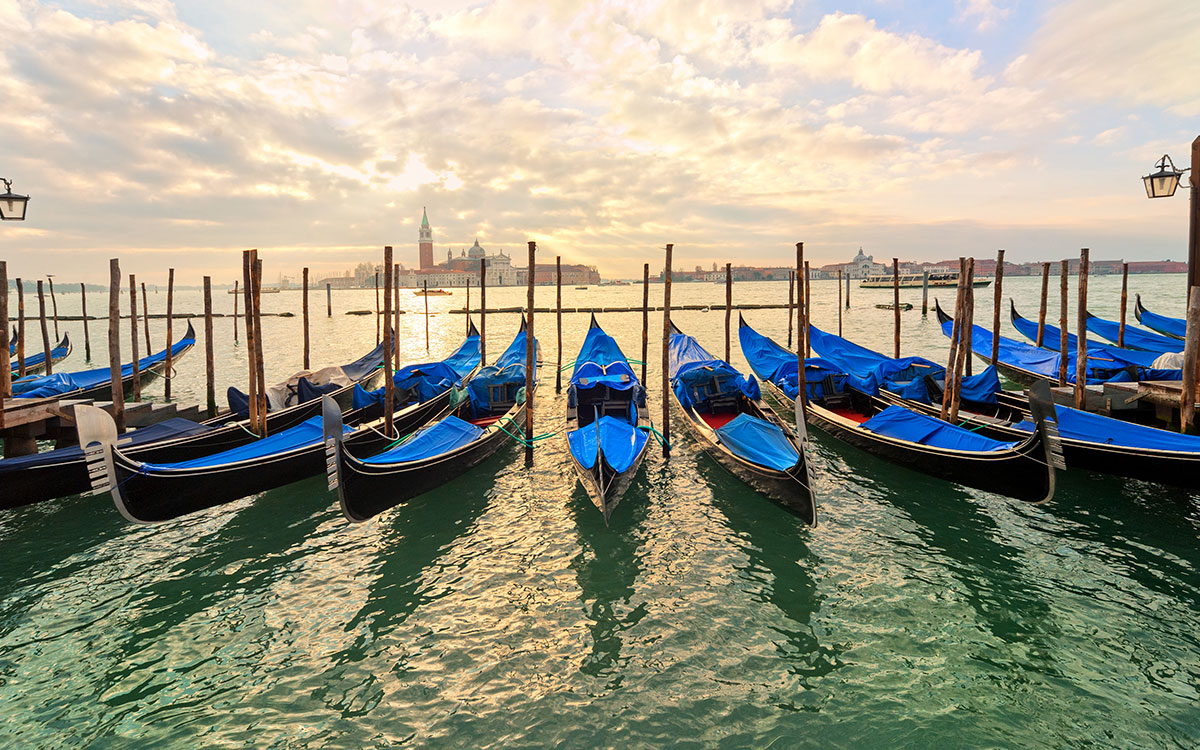
Venice is unique, its elegant buildings and
palaces peering over an ancient maze of narrow streets and
labyrinth of canals. Tourists here wake up to the morning calls of
gondoliers before venturing out to lose themselves among the twists
and turns of this famously romantic haven.
The city rests on one of 117 islands
distributed throughout the Venetian lagoon. The aptly named Grand
Canal splits the city, running from the Santa Lucia railway station
past the famous Rialto Bridge to Piazza San Marco, home to the
cathedral of Basilica di San Marco which is adorned with endless
mosaics that sparkle at sunset.
The historic centre is divided into six
quarters: San Marco, Dorsoduro, San Polo, Santa Croce, Cannaregio
and Castello. Countless waterways wind their way through the city.
While some choose to pick their way over the more than 400 bridges,
by far the most popular way to get around is to cruise the
waterways onboard vaporetto boats or iconic gondola.
Known for its inventive cuisine, lavish
spreads of cicheti (Venetian tapas) can be found in bars around the
city while canalside bistros offer spectacular fine dining
experiences. Venice's penchant for outlandish fashion gave the
world eyeglasses, dresses without corsets and platform shoes, and
the annual carnival is renowned for the elaborate masks on
display.
Venice extends beyond its six sestieri to
the islands of Murano, Burano and Torcello. These are known for
glass and lace-making respectively, and Torcello is noted for the
magnificent Byzantine Basilica of Santa Maria Assunta resting on
its soil. Trips by boat to the islands provide a pleasant escape
from the busier historic quarters.
Day 43
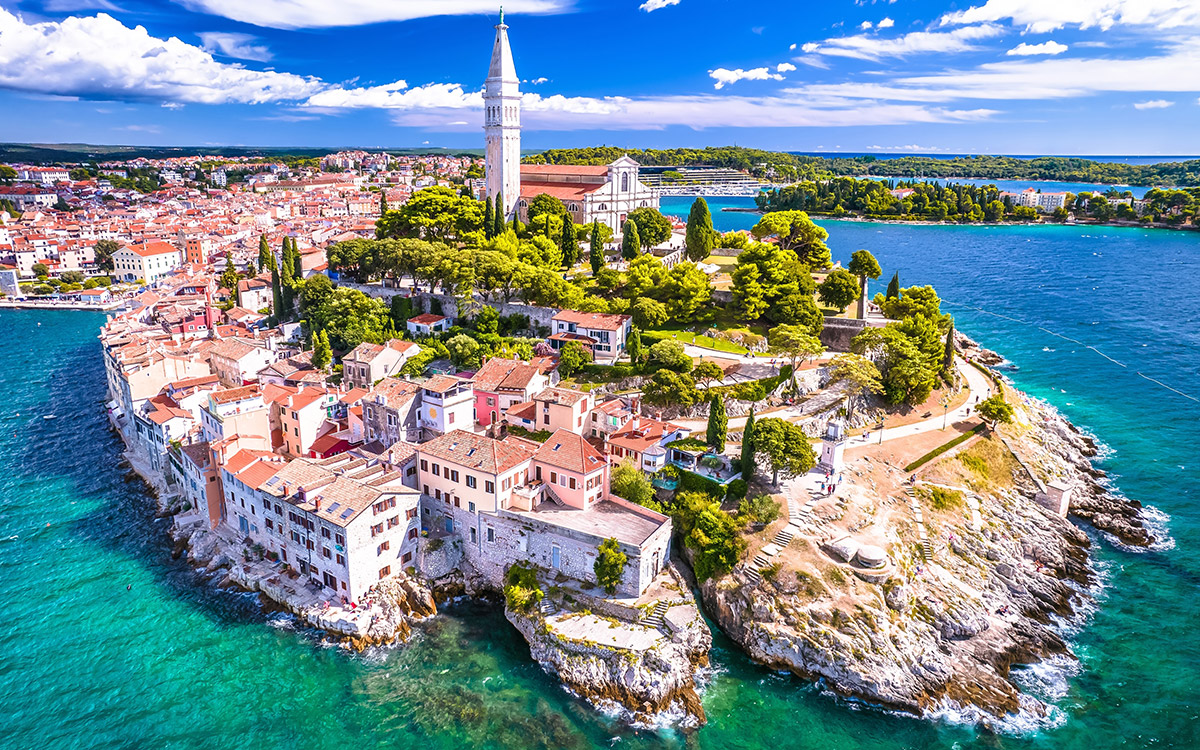
Rovinj
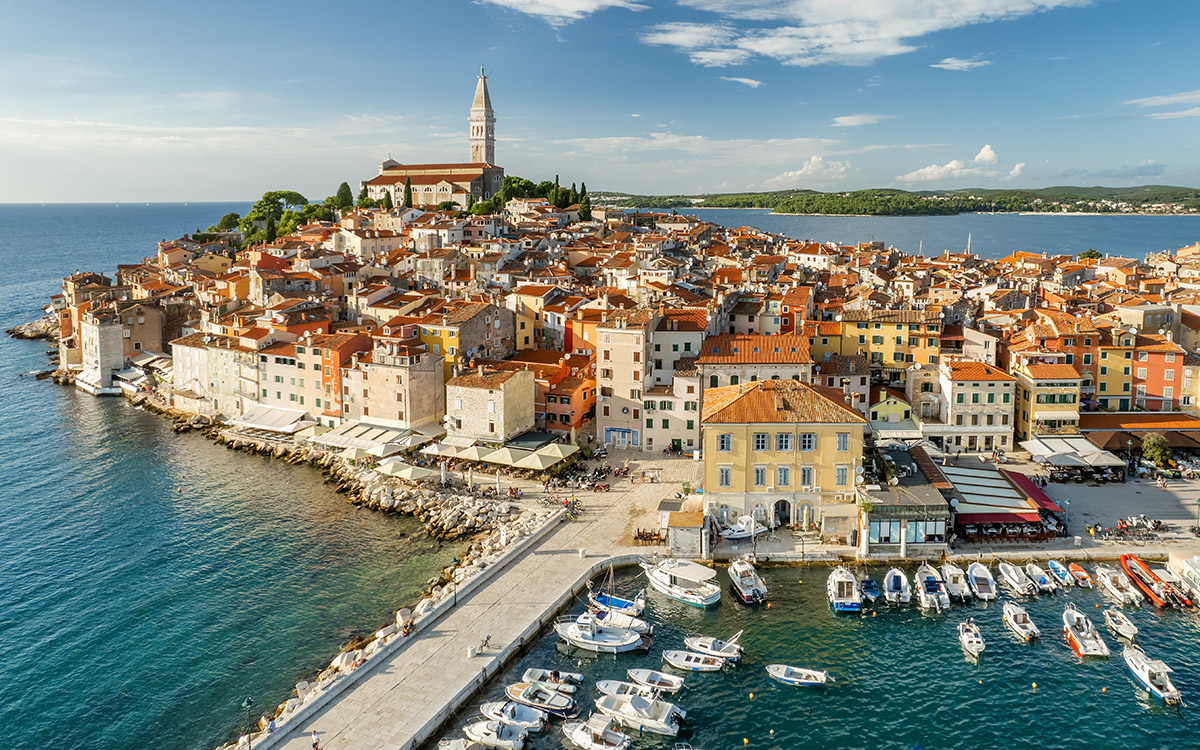
Rovinj is a charming coastal town located on the Adriatic Sea in the Istria region of Croatia. It is often considered one of the most beautiful towns in the country, with its narrow, winding streets, colorful buildings, and stunning views. Rovinj offers a perfect blend of historical charm, natural beauty, and a vibrant atmosphere, making it an ideal destination for travelers looking for a unique and memorable experience.
History and Culture:
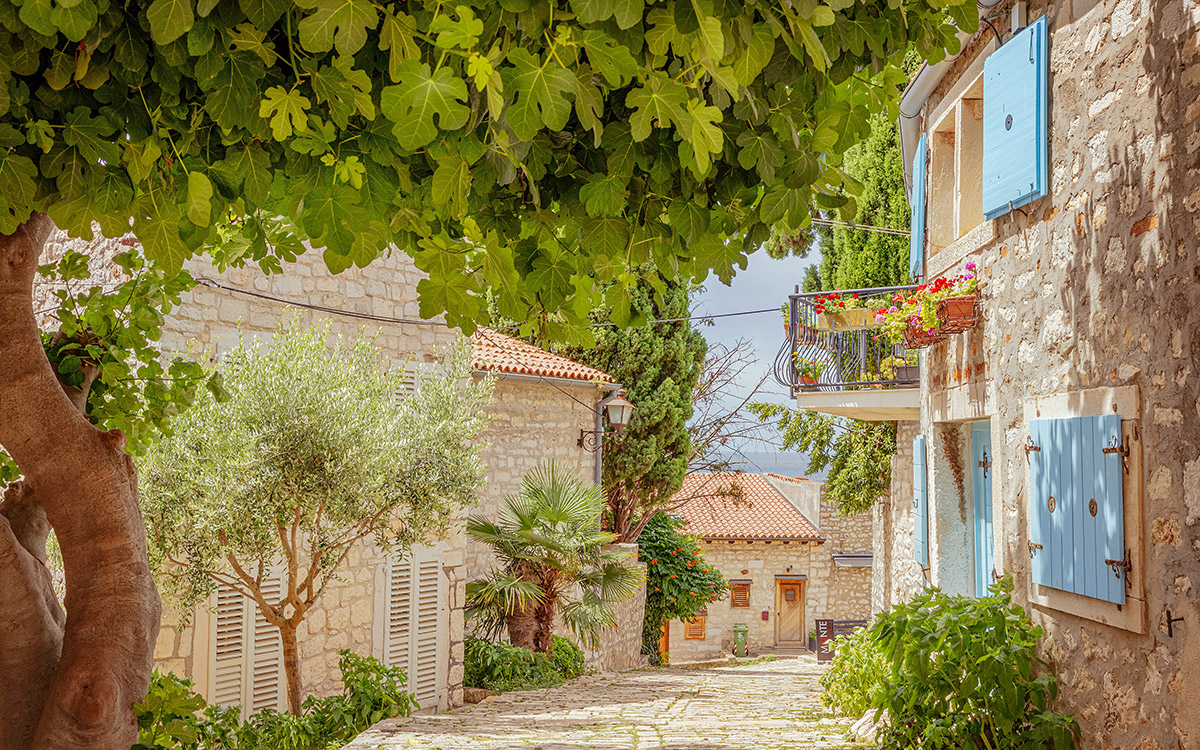
Rovinj has a rich history dating back to ancient times, which is evident in its architecture and landmarks. The town was once a fishing village and a part of the Venetian Republic, and this influence can be seen in the design of its buildings. The imposing St. Euphemia's Church, with its distinctive bell tower, dominates the skyline and is a symbol of Rovinj. The Old Town is a maze of narrow, cobbled streets that lead to picturesque squares, art galleries, and charming cafes. Exploring the town is like stepping back in time and immersing oneself in its historical and cultural heritage.
Natural Beauty:
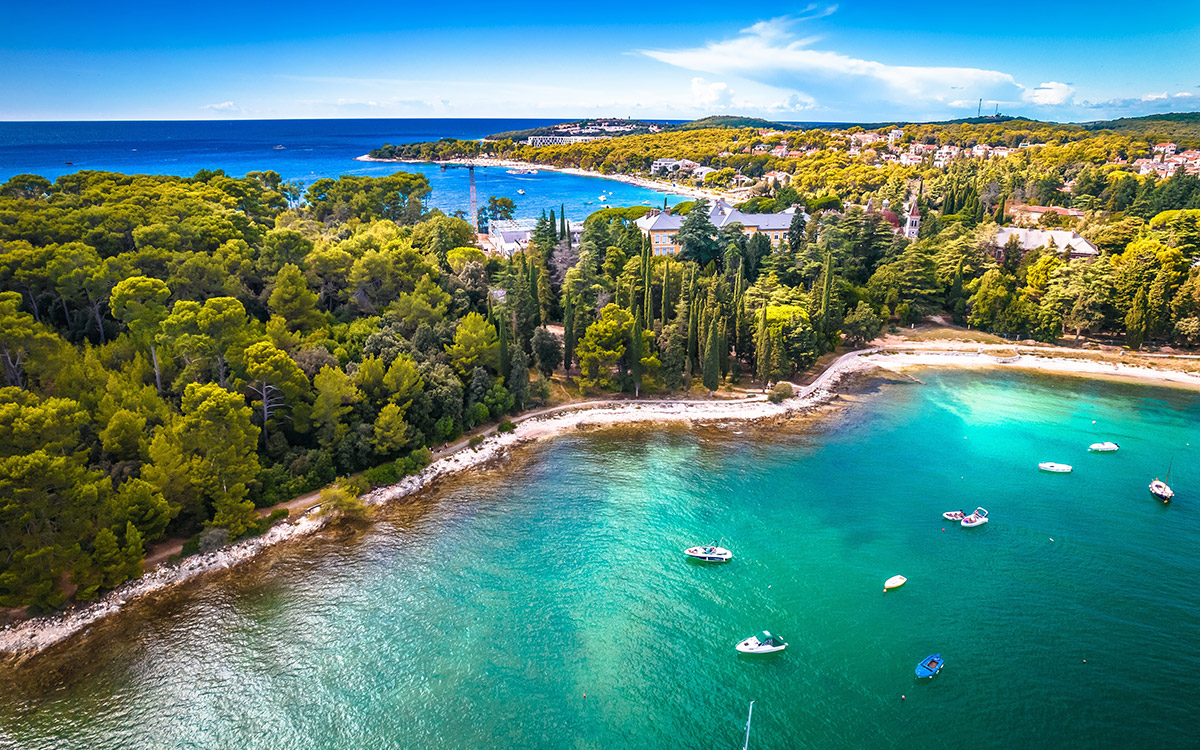
Rovinj is known for its breathtaking natural beauty. The town is situated on a small peninsula, surrounded by crystal-clear turquoise water, making it a paradise for beach lovers and water enthusiasts. The coastline is dotted with rocky beaches and secluded coves, where visitors can relax and soak up the sun. For those seeking adventure, there are plenty of water sports available, including kayaking, sailing, and diving. A visit to the nearby islands of Sveta Katarina and Crveni Otok (Red Island) is also highly recommended, offering beautiful beaches and stunning views of the mainland.
Gastronomy:
Croatian cuisine is a delicious fusion of Mediterranean and Central European influences, and Rovinj is no exception. The town is home to a wide range of restaurants and taverns, offering both traditional Istrian dishes and international cuisine. The local specialty is seafood, with freshly caught fish and shellfish taking center stage. Some must-try dishes include grilled squid, Istrian pasta with truffles, and homemade olive oil. To complement your meal, sample some locally produced wines, such as Malvasia and Teran, which are famous in the region.
Events and Festivals:
Rovinj is also known for its vibrant and lively atmosphere, with numerous events and festivals throughout the year. One of the most popular events is the Rovinj Summer Music Festival, which showcases a variety of musical performances, including classical music, jazz, and pop concerts. Another significant event is the Rovinj Photodays, a photography festival that attracts professionals and enthusiasts from around the world. For those interested in local traditions and customs, the Saint Euphemia Day celebration in September is a must-see, with processions, concerts, and fireworks.
Day trips and nearby attractions:
Rovinj's location makes it an excellent base for exploring other parts of Istria. The hilltop town of Motovun, known for its truffle delicacies, is just a short drive away. The picturesque town of Poreč, with its well-preserved Roman architecture, is also worth a visit. Nature lovers can venture into the Brijuni National Park, a group of islands known for its diverse flora and fauna. Additionally, the nearby Lim Bay offers a scenic boat ride through a stunning fjord-like landscape.
In conclusion, Rovinj is a captivating destination that offers a combination of history, natural beauty, and a vibrant atmosphere. Whether you are interested in exploring its charming Old Town, basking in the sun on pristine beaches, indulging in mouthwatering cuisine, or immersing yourself in local culture, Rovinj has something for everyone. Plan your trip well in advance to make the most of this beautiful Croatian gem.
Day 44
Dubrovnik
This unique Adriatic port has been luring
travellers for centuries, known for its luxury accommodation,
excellent cuisine and beautiful surroundings. From a turbulent
history during which it was occupied and conquered by a succession
of neighbouring European powers, Dubrovnik has emerged as a city at
peace, allowing visitors to make the most of its historic
architecture, white pebble beaches and crystal-clear ocean
waters.
The Old Town is a UNESCO World Heritage
Site, dating from the 7th century. Its 13-century walls enclose
well-preserved buildings representing a cross-section of Baroque,
Gothic and Renaissance architecture, while Onofrio's Fountain is
one of Dubrovnik's most famous landmarks, found just inside the
main entrance to the old city at Pile Gate.
The centre of the Old Town is its main
street called the Stradun, which was originally a channel
separating an island from the mainland. It was filled in to join
two towns into the merged city of Dubrovnik.
There are many churches, monasteries and
museums to explore, while the Old Town boasts plenty of
restaurants, bars and shops. The coastal belt is awash with pretty
marinas, coves and promenades, while most hotels and the best
beaches are located northwest of the Old Town, at Lapad, or in
Ploce to the northeast.
Dubrovnik is a favourite on European cruise
itineraries and many tourists arrive by sea, ferrying in to the
charming old port. Although Dubrovnik will delight cruise
passengers with only a few hours to kill, it's incredibly rich in
history and culture and can easily occupy travellers for days. The
city is also well situated as a travel hub for exploring the
villages and islands dotted along the dramatic Dalmatian Coast of
Croatia.
Day 45
Corfu
The island of Corfu, best known of the seven Ionian islands that
lie off the northwest coast of Greece, differs markedly from the
other popular Greek islands because not only is it green and lush,
but also very developed with tourist resorts and hotels. Summertime
is busy, with charter flights arriving daily from European cities,
ferries disgorging travellers from Italy, and cruise ships
docking.
There is plenty to draw visitors to this magical island, also
known as Kerkyra. Modern Corfu Town is upbeat and cosmopolitan,
offering an exciting conglomeration of Greek, Italian, French and
British influences. The old town was laid out by the Venetians in
the 14th century and features narrow alleys lined with
multi-storied, pastel-coloured buildings with red tiled roofs,
creating a scene reminiscent of Italy. The hub of activity in the
town centre is the Liston, an arcaded row of touristy cafes and
restaurants, copied from the Rue de Rivoli in Paris.
Most tourists stay in one of the popular beach resorts like
Sidari and Roda in the north, or the party capital, Kavos, on the
southern tip of the island. Quieter resorts include Gouvia and San
Stefanos. Those wishing to escape from the melee can head for the
interior to enjoy some spectacular scenery and greenery. Corfu has
43 different kinds of orchids growing wild in the countryside, and
there are countless olive groves. There are dozens unspoilt coves
with beaches washed by the sparkling, warm Ionian Sea. It is still
possible to search out a secluded bay even in the busy season when
the package holiday resorts are awash with tourists.
Day 46
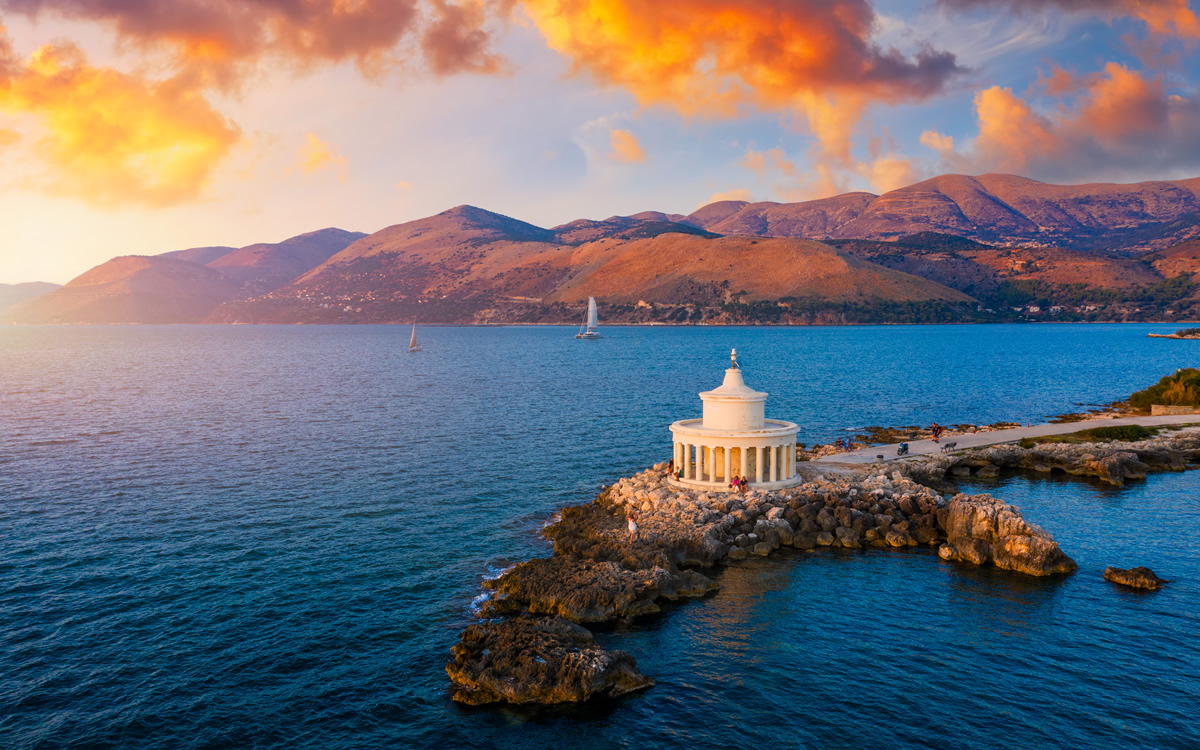
Argostoli
Argostoli is the capital and main port of the island of Cephalonia, in the Ionian Islands. It is also the administrative centre of the Argostolion municipal unit. The town has a population of 11,366 inhabitants (2011 census) and is the largest settlement on the island. The Argostoli area occupies roughly the central third of the island, and contains a number of important archaeological sites from throughout Cephalonia's history. The town's name is derived from the two Greek words argos (αργός) meaning "white", and stolos (στόλος) meaning "pillar", referring to the white limestone cliffs that surround the town.
Argostoli is located on the east coast of Cephalonia, on the site of an ancient settlement called Krani. The town is built around a natural harbour, and is the only port on the island. The main port area is located to the north of the town centre, and includes a number of quays and jetties. The town centre is located to the south of the port, and includes a number of shops, cafes, restaurants and bars. The town's main square, Plateia Valydon, is located in the centre of town.
Argostoli has a Mediterranean climate, with hot, dry summers and mild, wet winters. The town is located in a seismically active area, and has been subject to a number of earthquakes over the years.
Argostoli is an important tourist destination, and the town's main street is lined with a number of hotels, restaurants and cafes. The town's museums and archaeological sites are also popular with tourists. Argostoli is served by Cephalonia International Airport, which is located to the south of the town.
Day 47
Monemvasía
Monemvasía, located in the country of Greece, is a small town that bewitches travelers with its charm and historical significance. Perched on a rocky hillside on the southeastern coast of the Peloponnese peninsula, this coastal fortress town boasts breathtaking views of the Mediterranean Sea. Monemvasía is often referred to as the "Gibraltar of the East" due to its imposing stature and strategic positioning.
The town is divided into two parts: the Lower Town and the Upper Town. The Lower Town, also known as the "Gefyra," is nestled at the base of the rock and is where most of the local population resides. Here, visitors can wander through narrow, cobblestone alleyways, lined with traditional stone houses and charming tavernas that serve delicious local cuisine. One can also find a variety of shops selling handmade crafts, souvenirs, and local products, such as olive oil and honey.
The Upper Town, or the "Kastro," which means castle, is the medieval fortress that gives Monemvasía its distinct identity. Accessible only by a narrow causeway, the Kastro offers a glimpse into the town's rich history. As you pass through the imposing fortified gate, you'll find yourself transported back in time. Explore the labyrinthine streets that wind their way through the age-old buildings, where remnants of the past are evident at every turn. Stroll along the town’s defensive walls, which offer stunning panoramic views of the surrounding countryside and the shimmering waters of the Aegean Sea.
One of the highlights of a visit to Monemvasía is exploring the Byzantine churches scattered throughout the town. The most notable one is the Church of Agia Sofia, an architectural masterpiece dating back to the 13th century. Its awe-inspiring frescoes and intricate mosaics are a testament to the region's Byzantine heritage. Another must-visit is the Church of Elkomenos Christos, located in the Upper Town, which houses a collection of religious artifacts and offers a peaceful respite from the bustling streets.
For beach lovers, Monemvasía doesn't disappoint. A short drive away from the town, you'll find Limanaki Beach, a secluded sandy cove surrounded by cliffs. The crystal-clear turquoise waters make it an ideal spot for swimming and sunbathing. Kaladi Beach, another popular choice, offers a more family-friendly atmosphere with its shallow waters and pebbly shoreline. Both beaches are well-equipped with umbrellas and sunbeds, and there are a few beachside tavernas where you can enjoy a refreshing drink or a delicious meal.
When it comes to gastronomy, Monemvasía showcases the rich culinary traditions of the region. Seafood is a highlight, with octopus and fresh fish being popular choices. Don't miss the opportunity to try the traditional local dish called "Goges," a kind of handmade pasta served with grated cheese and a tomato-based sauce. Pair your meal with a glass of local wine, as the region is known for its excellent vineyards.
Whether you're a history buff, a beach enthusiast, or a food lover, Monemvasía offers something for everyone. Immerse yourself in the town's rich history, relax on its beautiful beaches, and savor the flavors of the local cuisine. Monemvasía is a destination that will leave you with unforgettable memories of a truly unique Greek experience.
Day 48
Santorini
Besides being one of the most beautiful islands in the world,
Santorini is also one of the most geologically and archaeologically
dramatic. Often called Thira, the island is shaped like an enormous
pair of jaws encircling a lake filled with pure blue water. This is
the core of an ancient volcano, which according to legend,
destroyed the lost continent of Atlantis.
Santorini's capital, Fira, perches on a cliff top. Ferries
arrive and depart in the harbour below, while visitors walk or ride
donkeys up the steep winding path to the town. Fira has hotels,
good restaurants, bars and plenty of nightlife to keep tourists
happy.
History buffs should visit Ancient Thira's archaeological
remains. They date back to the 9th century BC, and they're on the
island's east side. Other attractions include the excavations at a
Minoan Bronze Age settlement called Akrotiri, an archaeological
museum, and an 18th-century monastery. Santorini has two swimming
beaches, Perissa and Kamari, both characterised by their volcanic
black sand.
Day 49
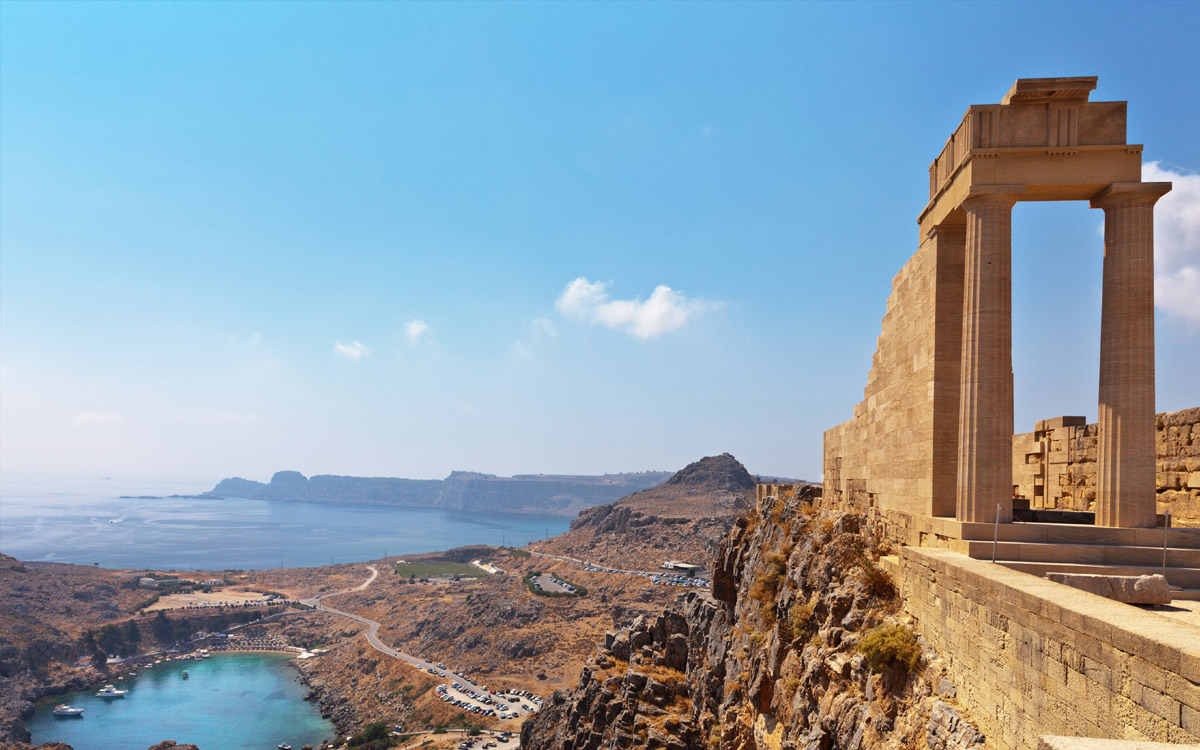
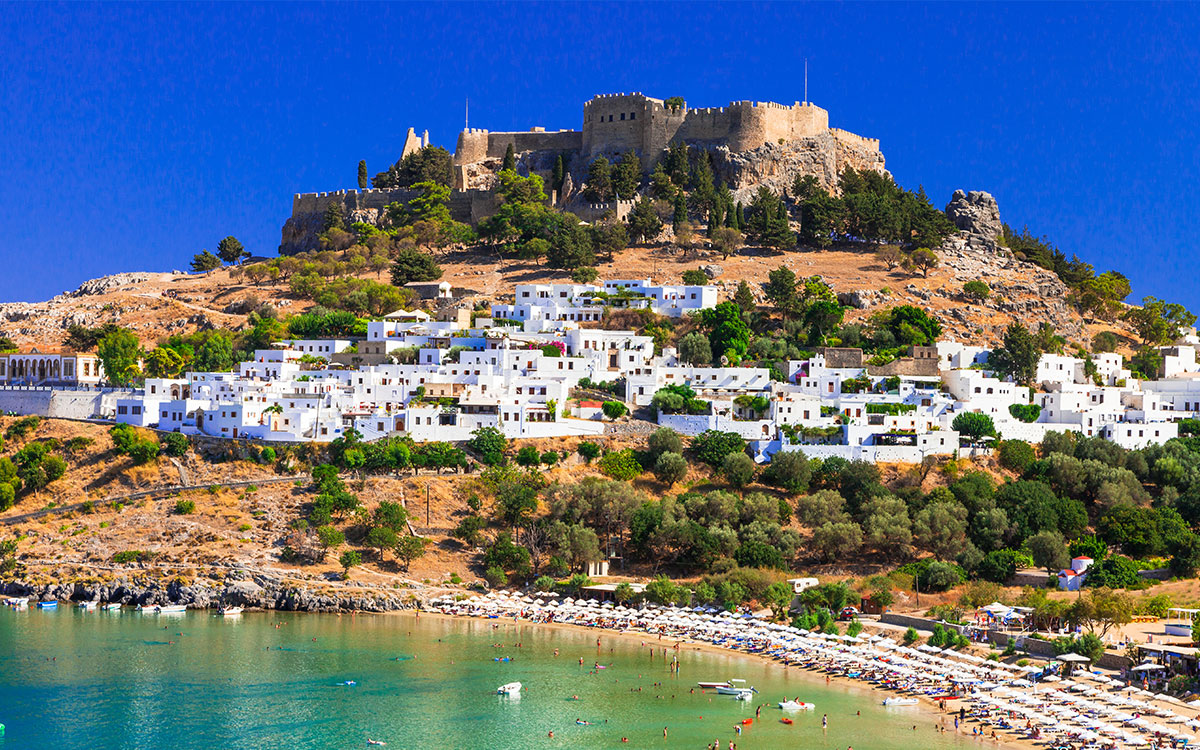
Rhodes
Knights once used Rhodes to protect the Christian west from the
east. Today, the island remains subject to invasion, though from
tourists rather than intruders.
Said to be Greece's sunniest island, Rhodes has a well-preserved
and picturesque old city. The legendary Colossus of Rhodes, one of
the Seven Wonders of the World, guarded its harbour in antiquity.
Present-day visitors will find statues of deer. Nevertheless, the
old city has plenty of wonders to offer.
The rest of the relatively large island offers miles of beaches,
interesting archaeological sites and natural beauty spots. The best
beaches are on the east coast. Lindos is especially attractive.
Faliraki, on the other hand, is a developed resort area, bustling
with young visitors.
Day 50
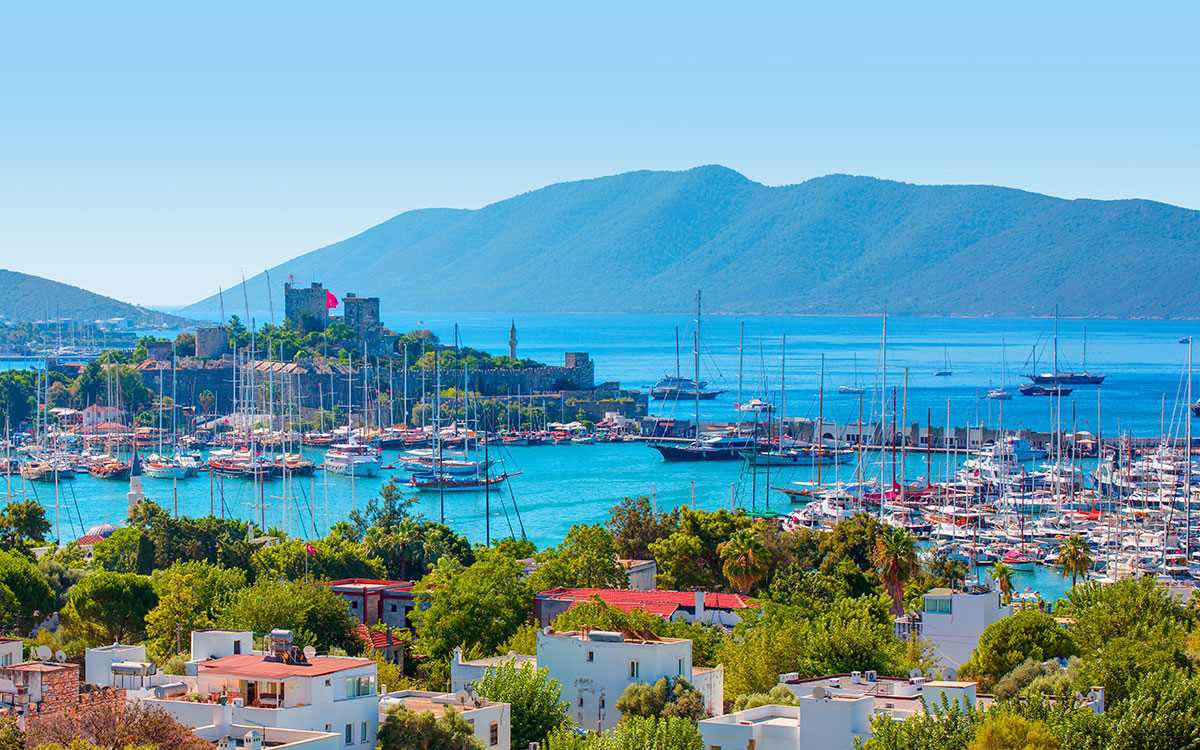
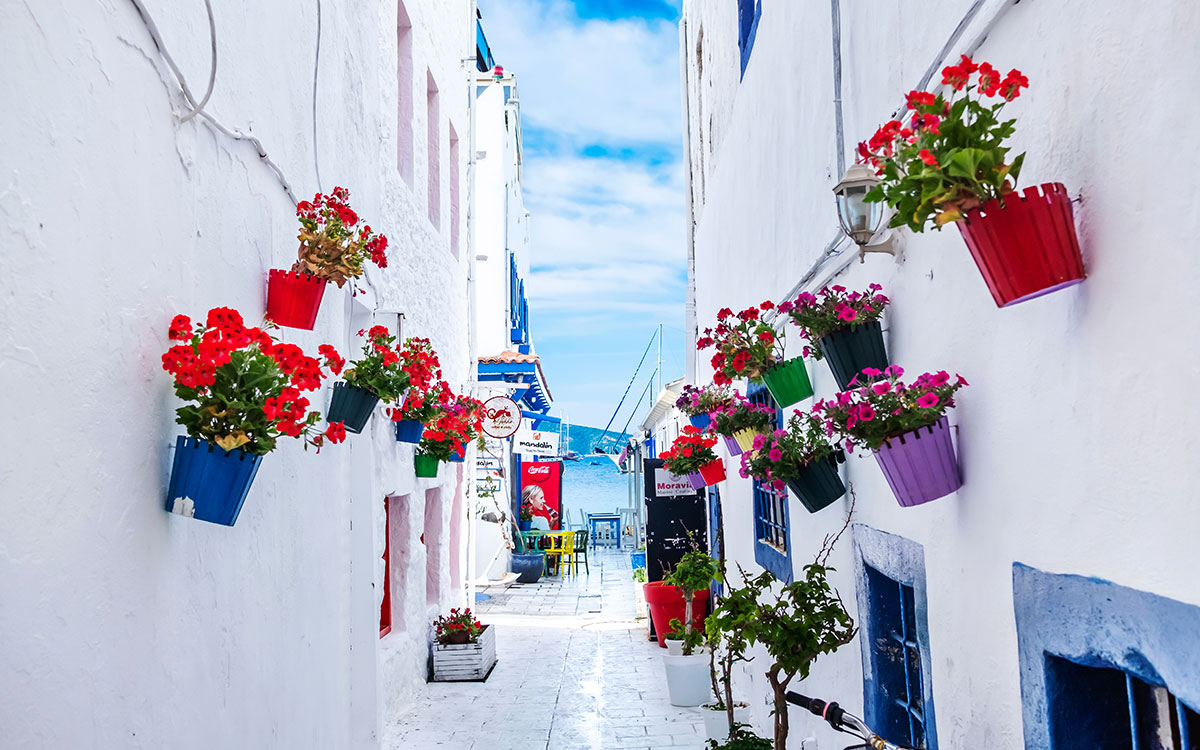
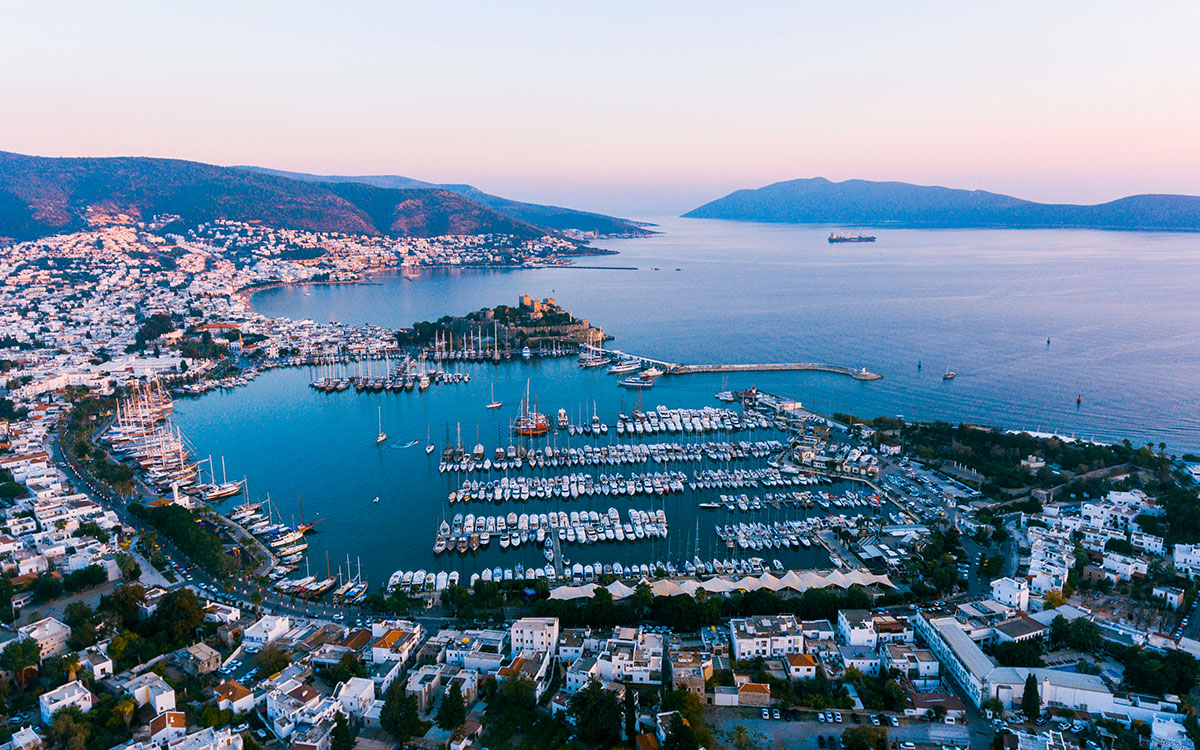
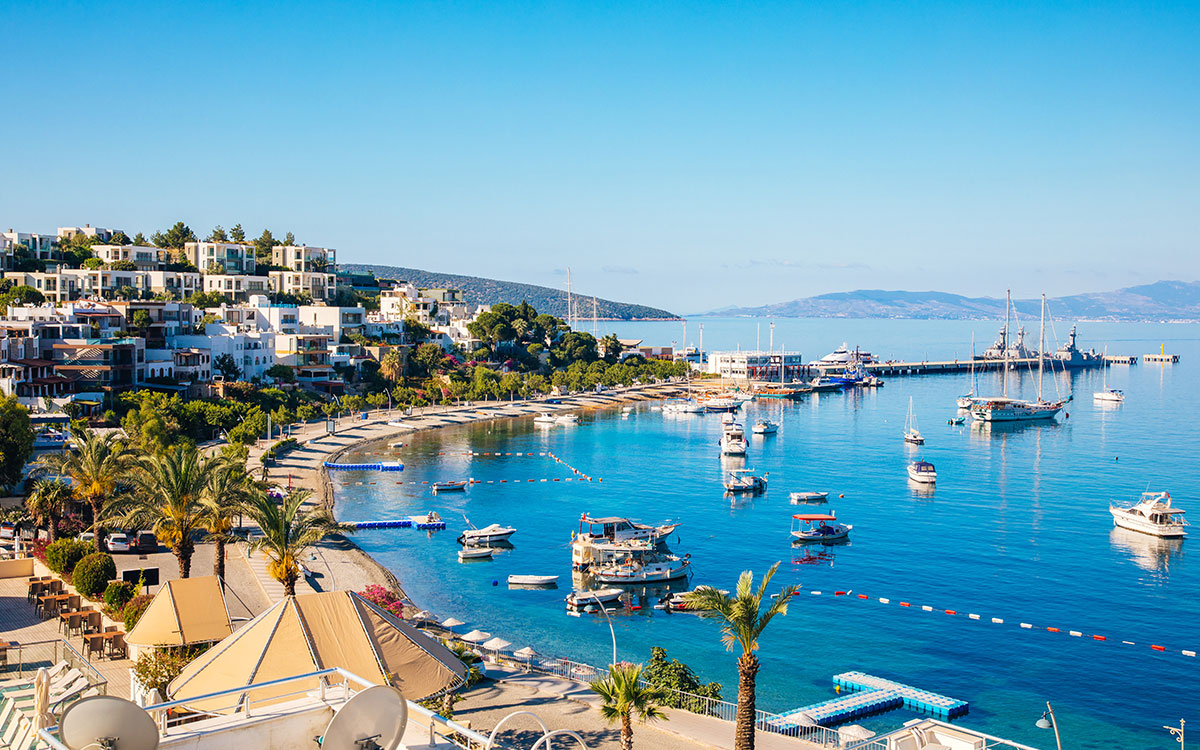
Bodrum
The popular holiday resort of Bodrum, called
Halicarnassus in ancient times, is the South Aegean's most
attractive resort, described by Homer as the 'Land of Eternal
Blue'. The hillside is covered in painted villas adorned with
bougainvillea, narrow streets wind their way down to the sea, and
the peaceful setting of its twin harbours offer shelter for
yachts.
Bodrum is a mustering point for local boats offering
tailor-made daytrips to nearby islands or the pristine beaches and
seaside restaurants along the magnificent coastline. From its
position between the two harbours, the 15th century crusader Castle
of St Peter dominates every part of the town, now home to the
fascinating Museum of Underwater Archaeology. The other Bodrum
holiday attraction is the Mausoleum of Halicarnassus, the crumbling
remains of one of the Seven Wonders of the Ancient World.
As Turkey's leading seaside holiday destination,
Bodrum is packed with foreign visitors in summer. Yet it remains
unspoilt and retains its charming Turkish character, perfecting the
balance between authenticity and tourist comforts. Here, exotic
bazaars, the wailing cry of the muezzin, and ancient history
seamlessly blend with popular water sports, sunbathing, and a
nightlife that is notorious throughout Turkey.
Day 51
Ermoupoli, Syra
Ermoupoli is the capital and largest town of the Greek island of Syros, located in the Cyclades archipelago. Steeped in history, culture, and stunning architecture, Ermoupoli offers visitors a unique travel experience steeped in Greek tradition and charm.
With its picturesque waterfront, cobblestone streets, and neoclassical buildings, Ermoupoli is often referred to as the "Queen of the Aegean." The town was named after Hermes, the messenger of the Greek gods. This charming destination sits on two hills overlooking the beautiful Aegean Sea, creating spectacular panoramic views that will take your breath away.
One of the first things you’ll notice in Ermoupoli is the mesmerizing architecture. The town is known for its well-preserved neoclassical buildings, many of which were constructed during the 19th century when Ermoupoli was a flourishing trade and industrial center. Walk along the narrow streets, lined with colorful houses and elegant mansions adorned with intricate sculptures and exquisite details. The most iconic structure in the town is the Town Hall, a magnificent building that dominates the central square, Miaoulis Square.
Miaoulis Square is the heart of Ermoupoli and a vibrant gathering place for locals and visitors alike. Around the square, you’ll find a number of cafes, taverns, and shops, making it the perfect spot to relax, people-watch, and soak up the vibrant atmosphere. Don’t forget to visit the Apollo Theater, a miniature replica of La Scala in Milan. This impressive theater hosts a variety of cultural events and performances, including concerts, plays, and ballets.
For those interested in history and culture, Ermoupoli has several fascinating museums to explore. The Archaeological Museum houses a rich collection of artifacts from around the island, including pieces from ancient tombs and temples. The Industrial Museum showcases the town's industrial past, highlighting its once-thriving shipbuilding and textile industries. And for art enthusiasts, the Markos Vamvakaris Museum pays tribute to the famous Greek composer and bouzouki player who grew up in Ermoupoli.
When it comes to leisure, Ermoupoli does not disappoint. The town offers several beautiful beaches where visitors can relax and unwind. Close to the center, you'll find the sandy beach of Agios Nikolaos, with crystal clear waters and the iconic church of Agios Nikolaos perched on a hilltop overlooking the bay. Other popular nearby beaches include Galissas and Azolimnos, both easily accessible by bus.
In addition to its cultural and architectural gems, Ermoupoli also boasts a vibrant food scene. From traditional taverns serving delicious Greek cuisine to trendy cafes and bars, the town has something for every taste and budget. Be sure to try local specialties such as loukoumades (honey-soaked dough balls) and the local cheese, San Michali.
Overall, Ermoupoli is a charming destination that combines history, culture, and natural beauty. Whether you're strolling through the picturesque streets, exploring its museums, or simply enjoying the panoramic views, this Greek gem is sure to leave you with unforgettable memories.
Day 52
Athens
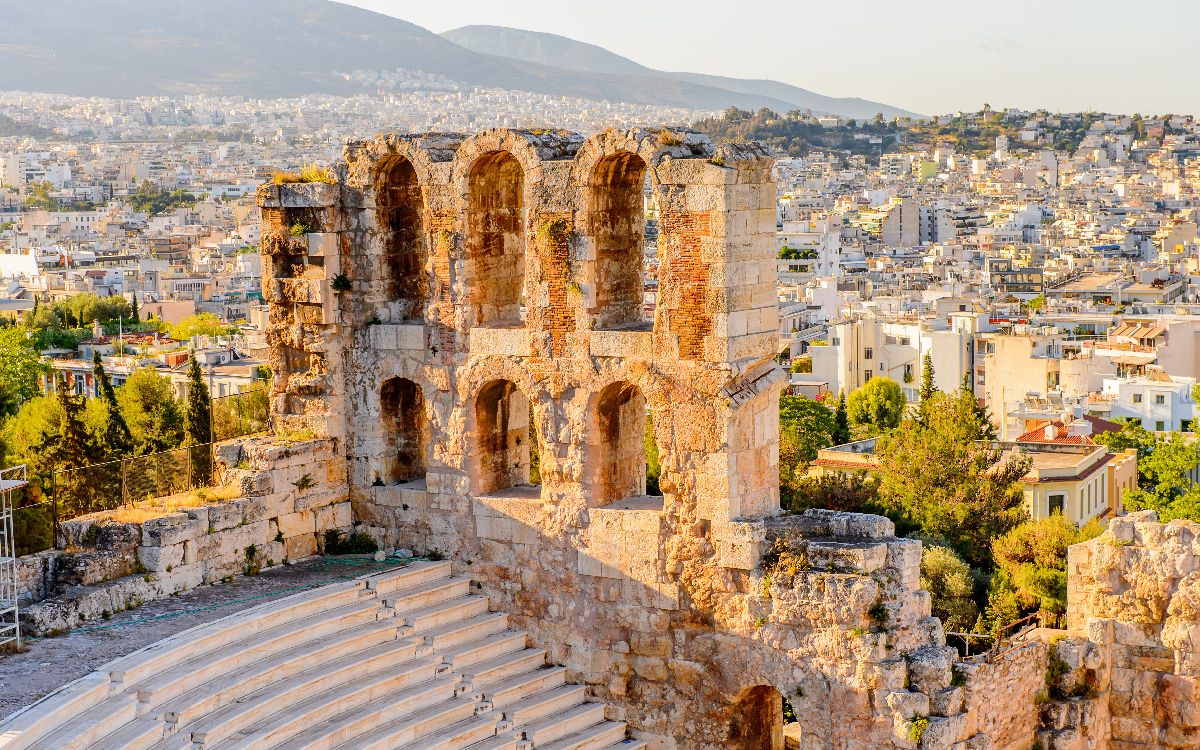
Athens exudes a unique charm through its mix of street markets,
vine-covered tavernas, souvenir stalls, ancient monuments and
high-rise buildings. For tourists, a plus is that most of the
capital's attractions are accessible by foot.
Athens was named after Athena, the Greek goddess of wisdom.
According to mythology, she won the city after duelling against
Poseidon, god of the sea. Indeed, Athens can chart its history back
thousands of years and is regarded as the cradle of Western
civilisation. More specifically, it's democracy's birthplace, and
where philosophy, art and architecture were refined.
The city declined after the Classical Age, dwindling to nothing
but a town in the colourful area now known as the Plaka. It emerged
as independent Greece's capital in 1834.
Today, the city is bustling. And though the pollution, frantic
gridlock and dingy buildings are a striking contrast to the open
beauty of Greece's coast and islands, Athens is truly the country's
beating heart. Ancient wonders like the Acropolis, the Parthenon,
and the Temples of Zeus and Hephaestus ensure that the city will
always lure travellers.
Cape Town to Athens Grand Voyage Ships
Recommended Deals like Cape Town to Athens Grand Voyage
Cape Town to Athens Grand Voyage
 Azamara

Departure:
May
VISITING:
Cape Town
Luderitz
Walvis Bay
Jamestown
Praia
Las Palmas
Arrecife
Agadir
Casablanca
Cádiz
Malaga
Barcelona
Marseille
Nice
Portovenere
+21 more
FROM
£
11,689 pp
South Africa, Namibia & St. Helena Cruise: Cape Town, Walvis Bay & Jamestown
FROM
£
2,329 pp
Namibia, Spain & Morocco Combination Cruise: Walvis Bay, Gran Canaria & Casablanca
Azamara
Departure:
May
VISITING:
Cape Town
Luderitz
Walvis Bay
Jamestown
Praia
Las Palmas
Arrecife
Agadir
Casablanca
Cádiz
Malaga
Barcelona
FROM
£
5,389 pp
Join the Crui.se Club
Points That Pay
Earn 25 points (£25) just for joining — and collect more on bookings, reviews, and referrals.
Exclusive Member Deals
Unlock off-market offers reserved only for Crui.se Club members.
Early Access Perks
Be the first to book with pre-launch notifications and special member-only booking windows.
Cruise With Confidence
Our mission at wordpress-1024654-4169282.cloudwaysapps.com is to help you and your loved one’s book and experience the best cruise holiday imaginable. We’re different in that, our customers come first, not our suppliers or profit margins. Get in touch and let us help you set sail.


Over 20 cruise brands to choose from

Low deposits from £500

All Inclusive cruises

Best deals & discounts

Community driven

Brand agnostic

We take care of everything

Custom built cruise holidays


