






 We won’t be beaten on price...


ABTA protected


Danube Intensive from Passau
Scroll to sail

Danube Intensive from Passau
Embark on an unforgettable 14-day Danube Intensive from Passau journey with A-ROSA. This comprehensive voyage promises an immersive adventure through Central and Eastern Europes heartland, revealing a tapestry of history, culture, and breathtaking landscapes along the majestic Danube River.
Discover iconic capitals like Viennas imperial grandeur and Bratislavas historic charm. Venture further to explore the vibrant spirit of Belgrade, the cultural richness of Novi Sad, and the poignant history of Vukovar. Marvel at the architectural splendors of Esztergom and the scenic beauty of Krems.
A-ROSA FLORA offers comfort and contemporary elegance as you delve deep into diverse cultures and captivating stories. This intensive voyage is your chance to create cherished memories on a truly remarkable European river cruise, experiencing the Danube like never before.
-
 Cruise Line: A-ROSA
-
 Ship: A-ROSA FLORA
-
 Duration: 14 Nights
-
 Departure: Apr - Jun
Danube Intensive from Passau Prices
Danube Intensive from Passau Gallery
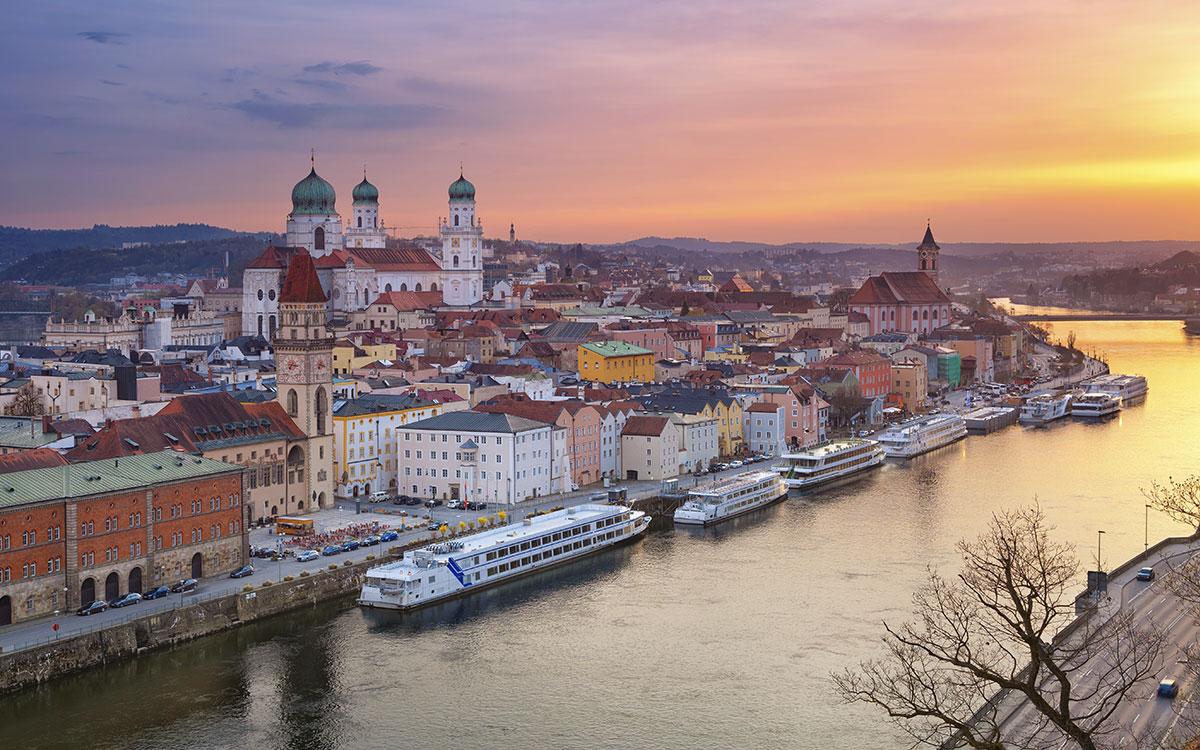
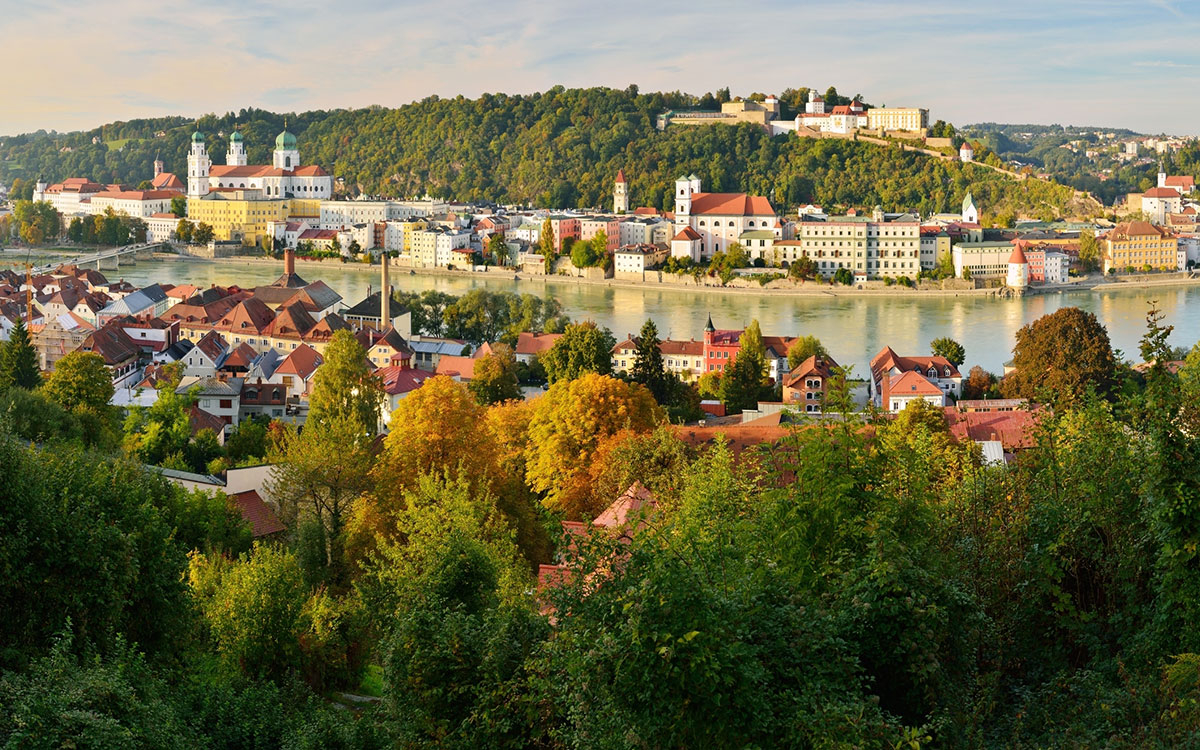
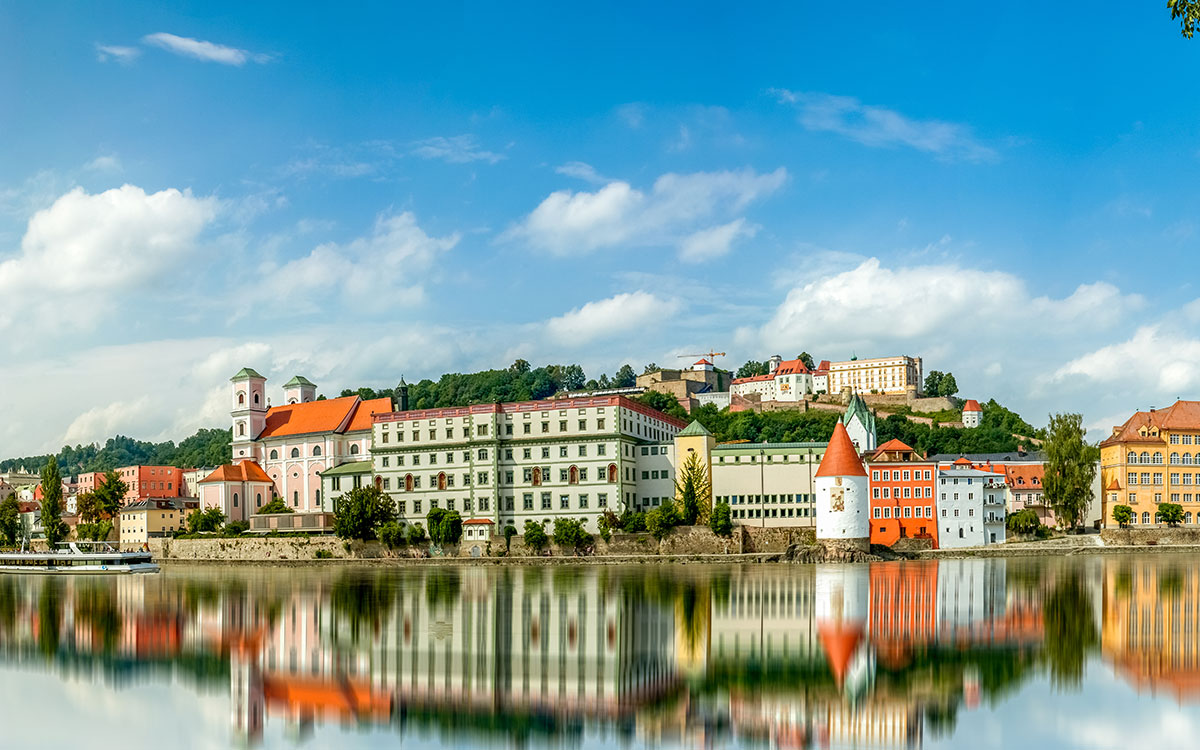
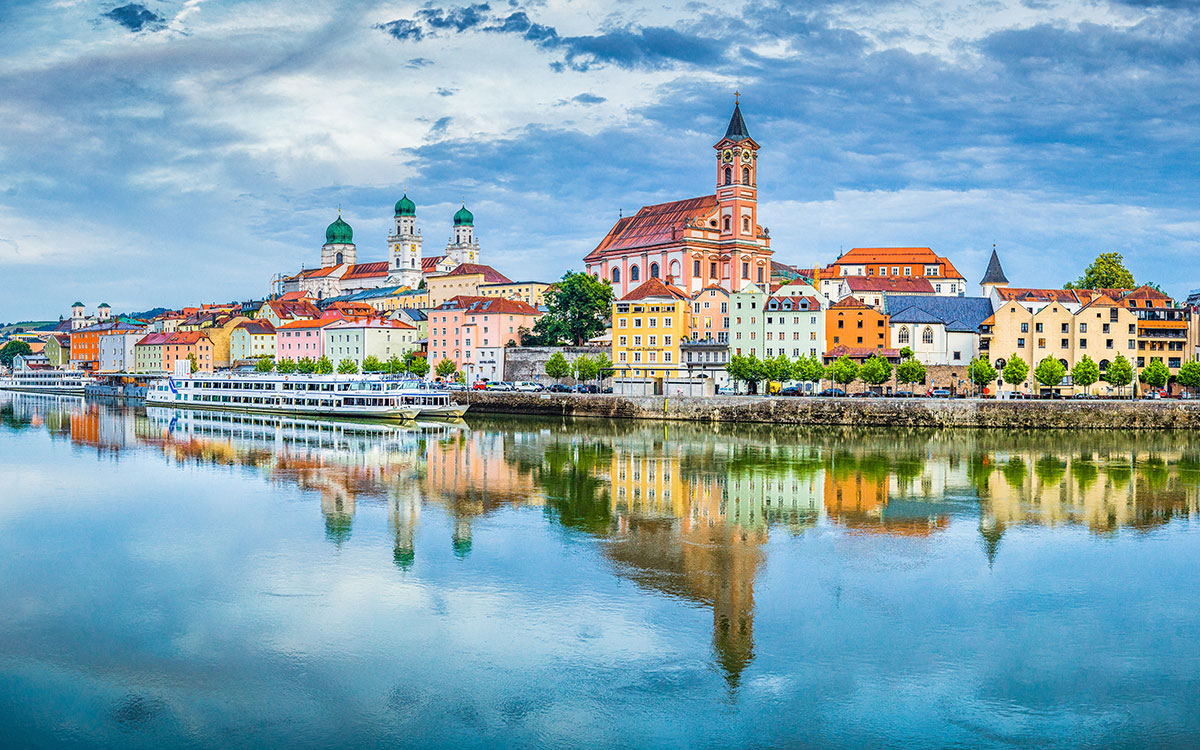


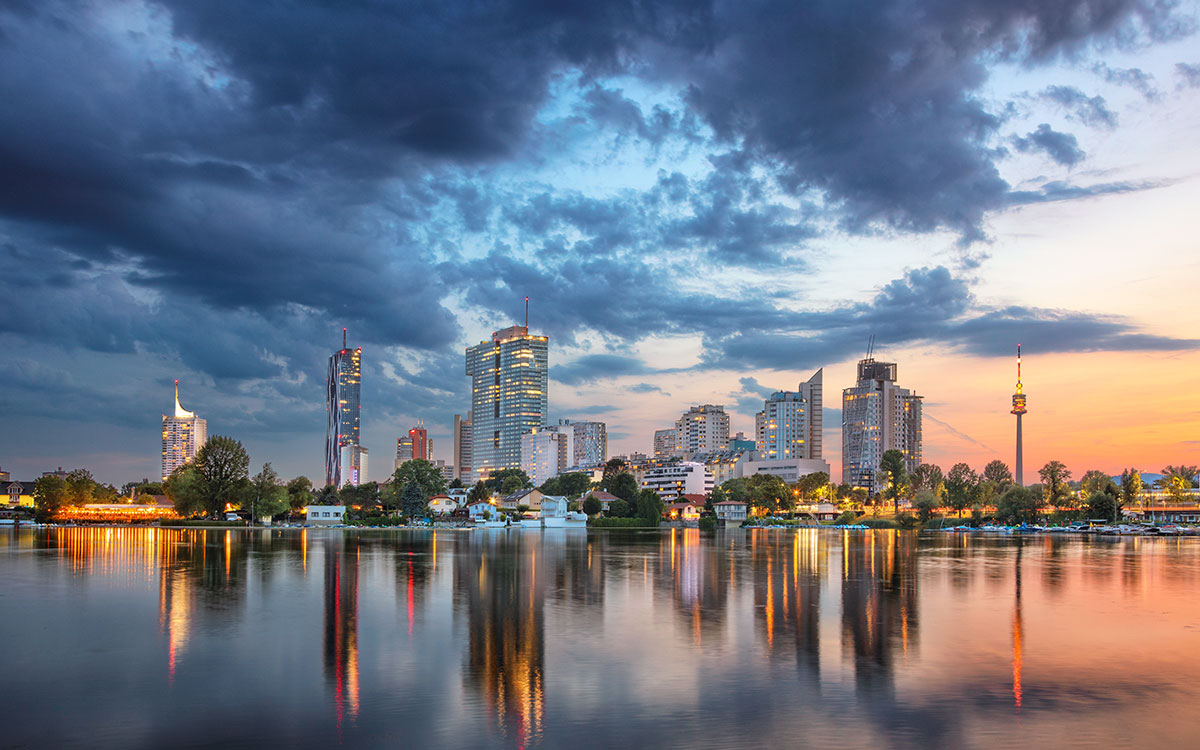
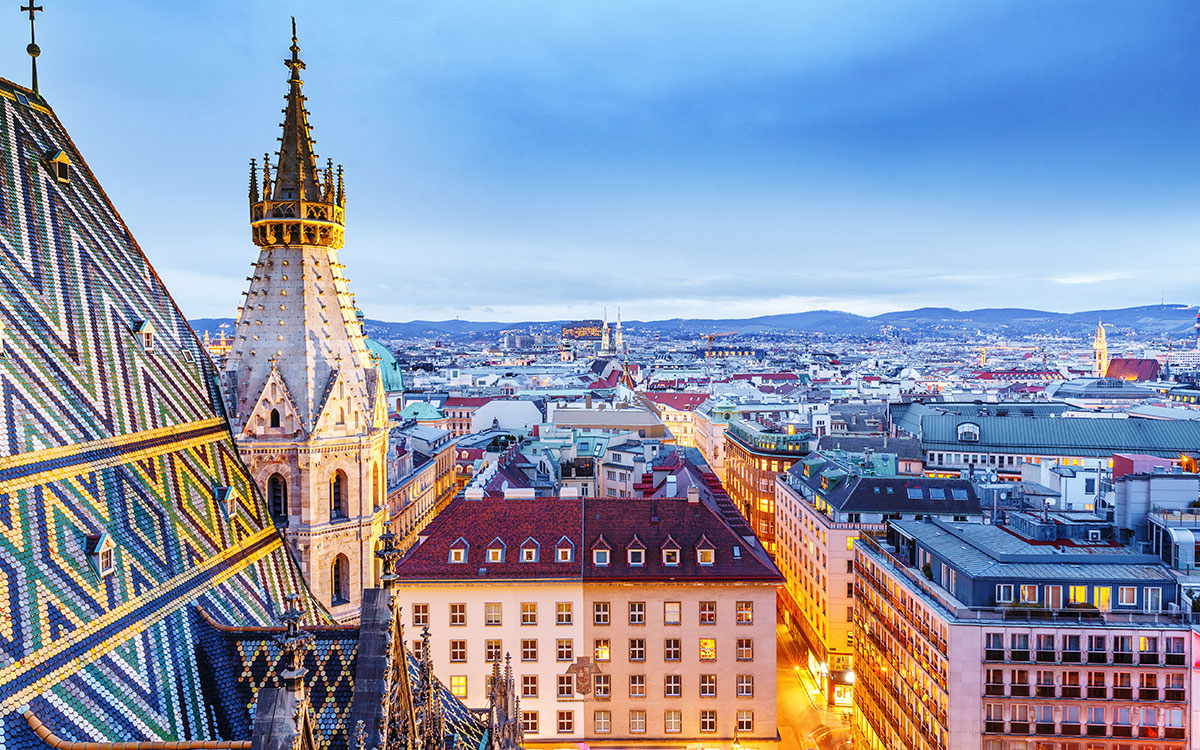
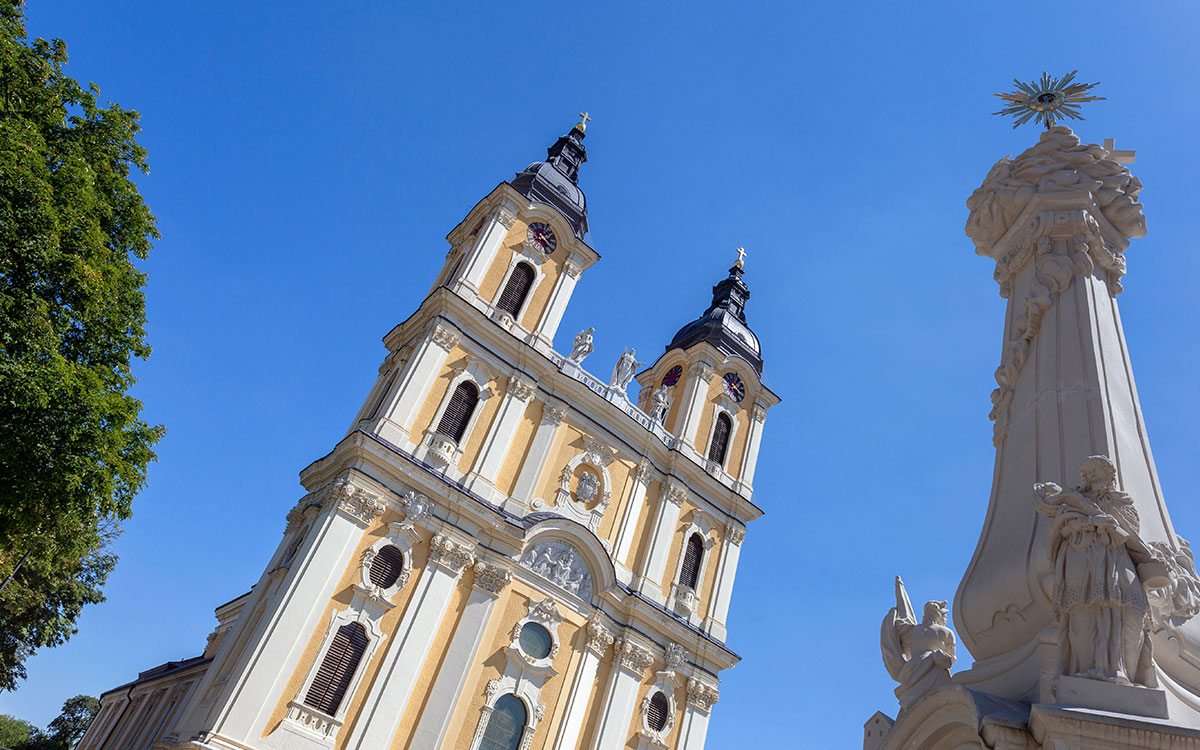
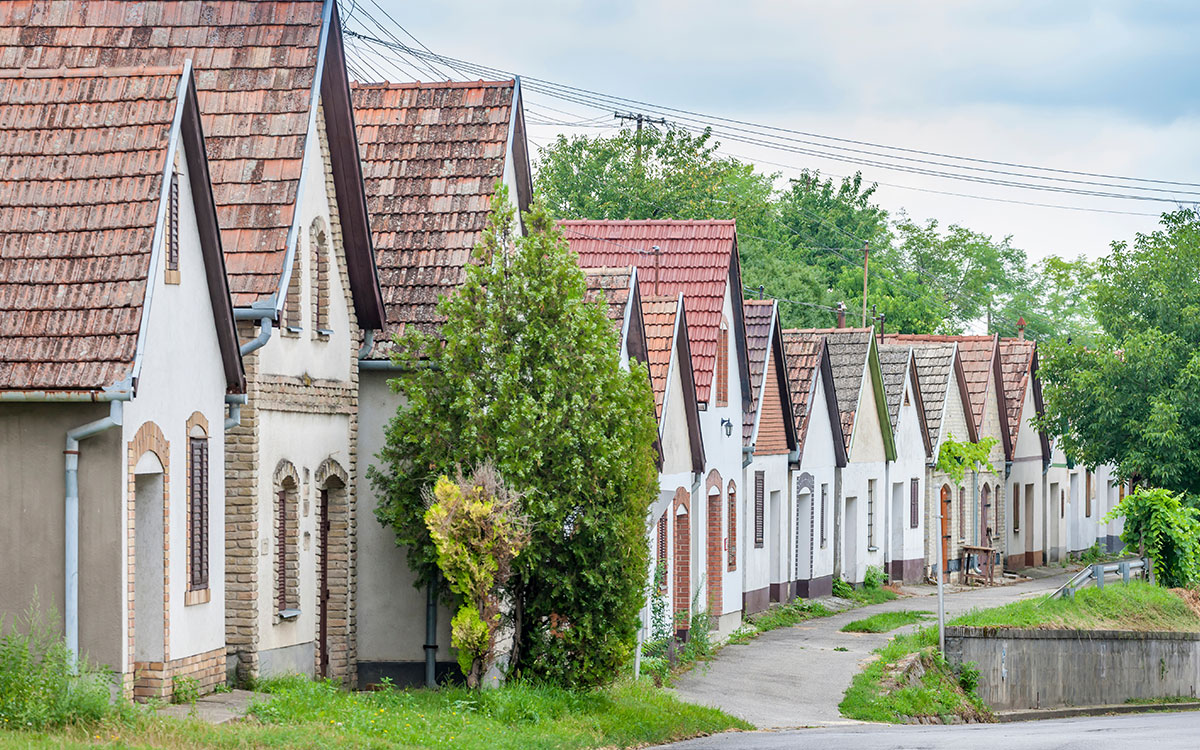
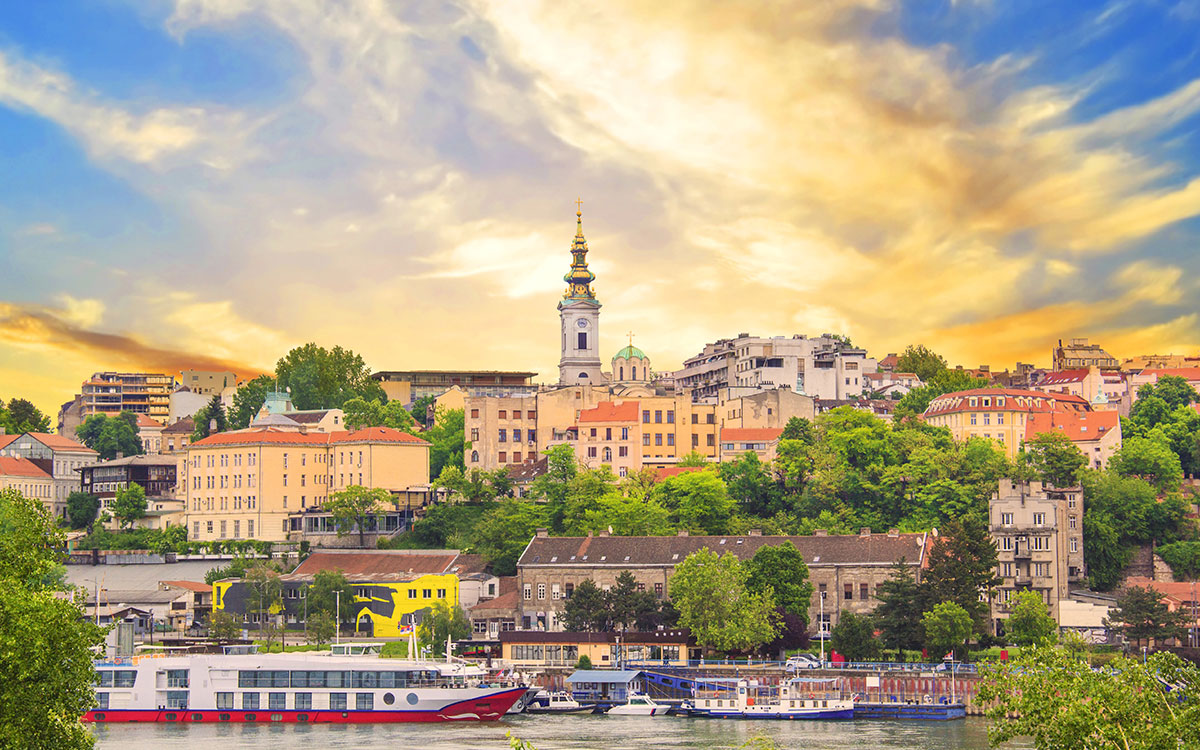
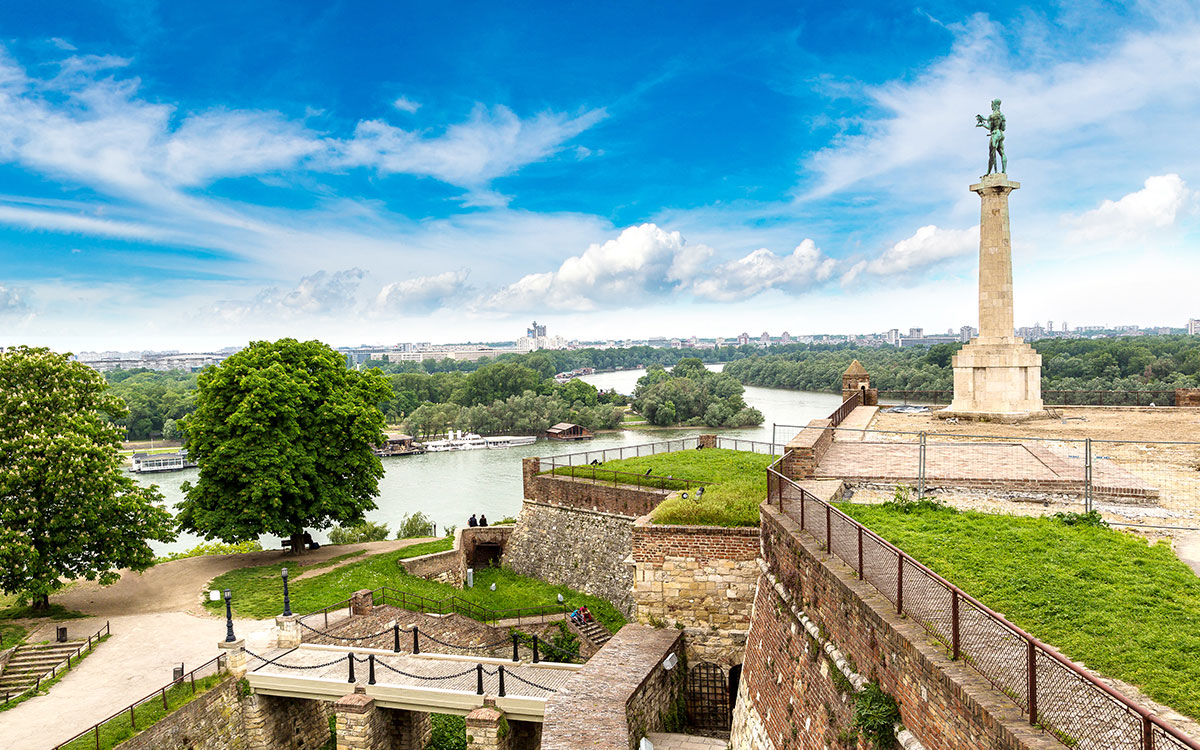
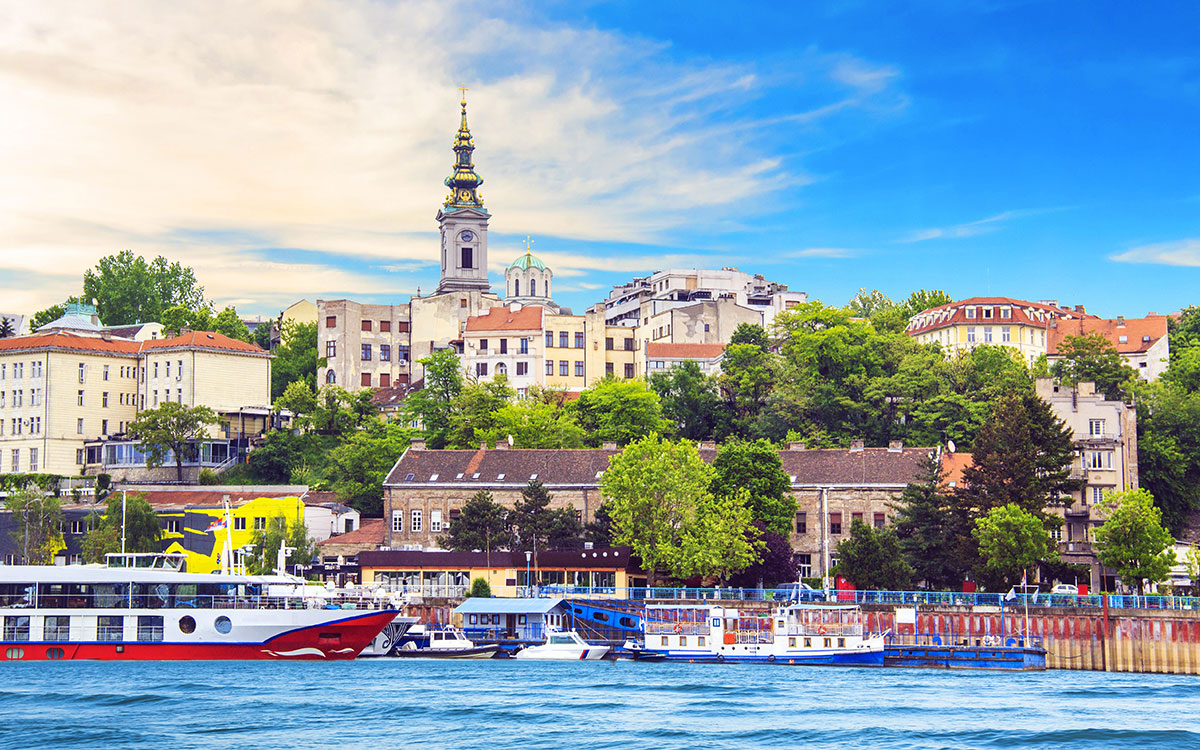
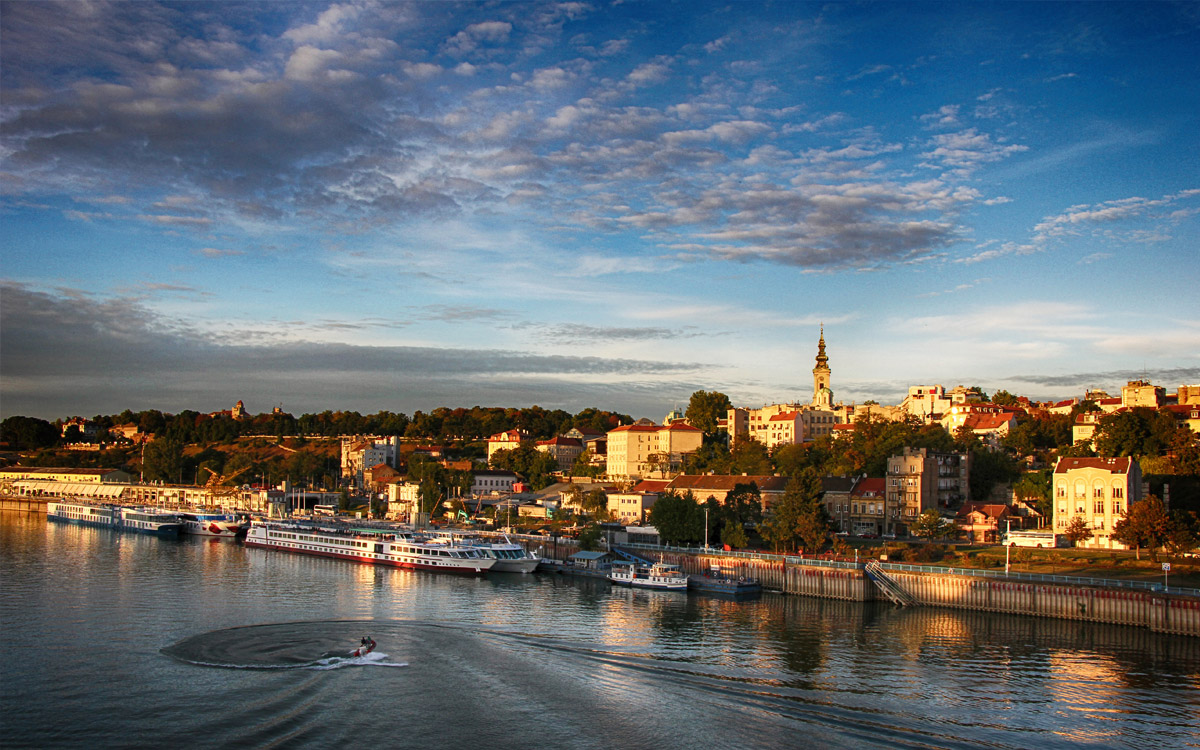
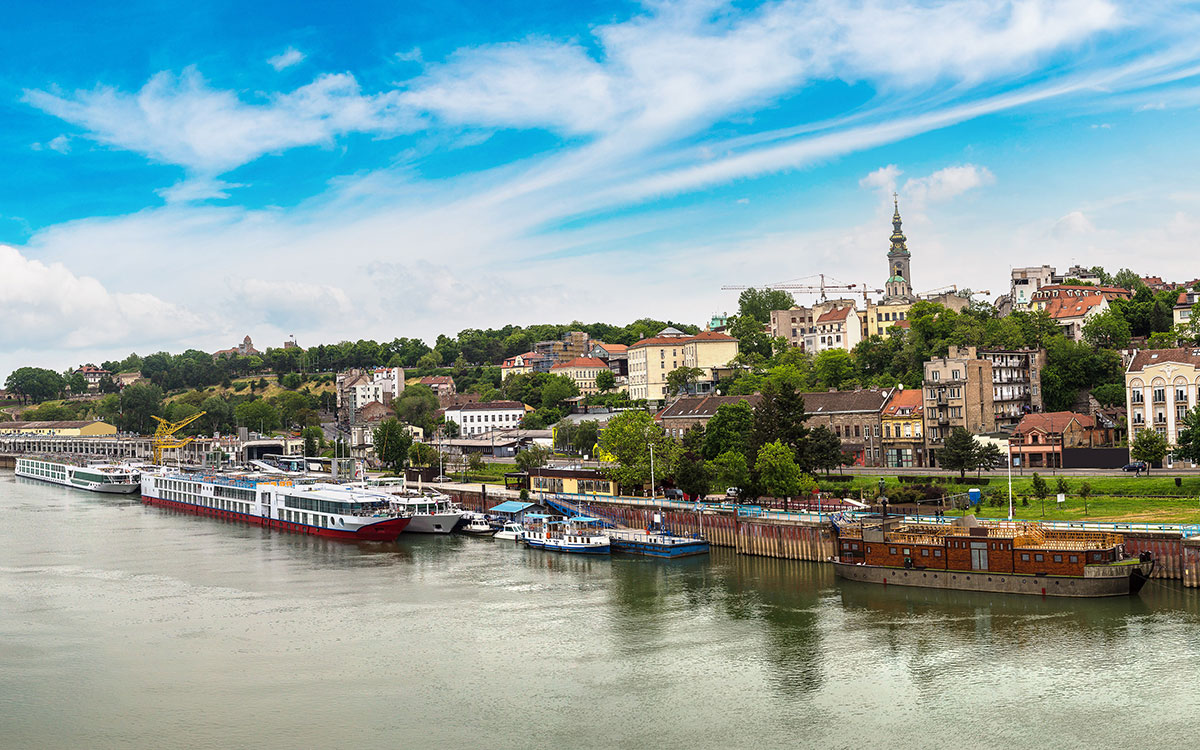
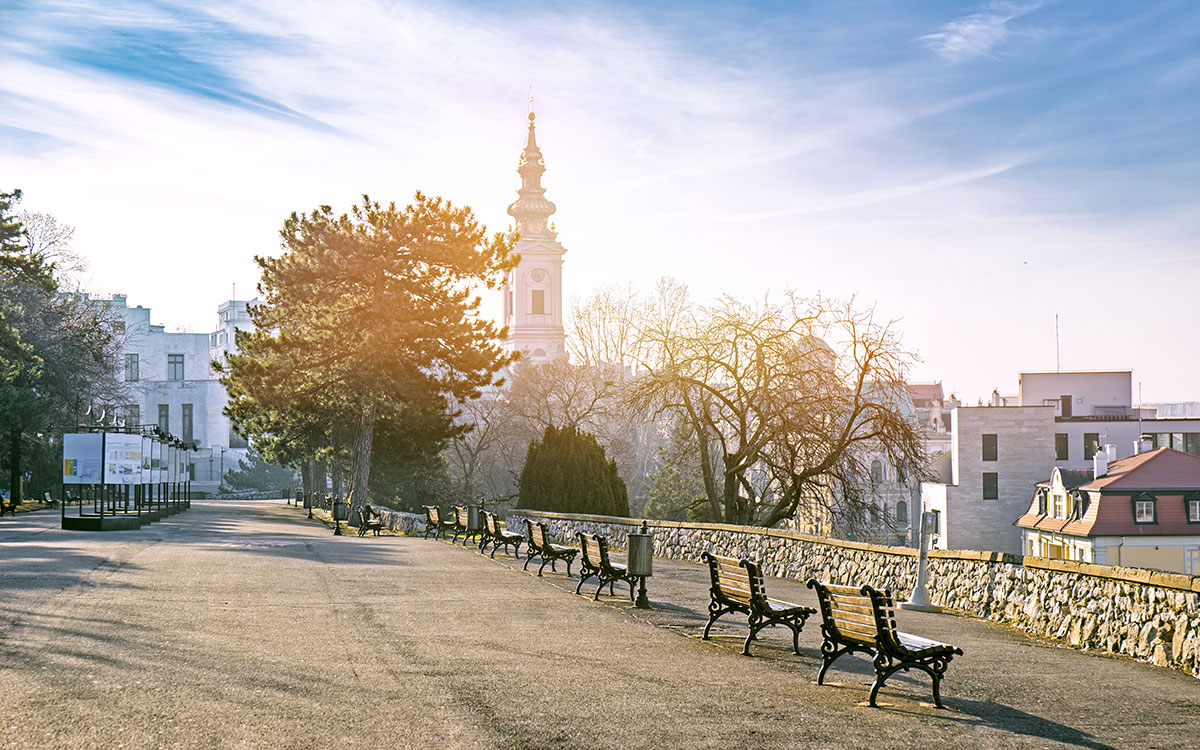
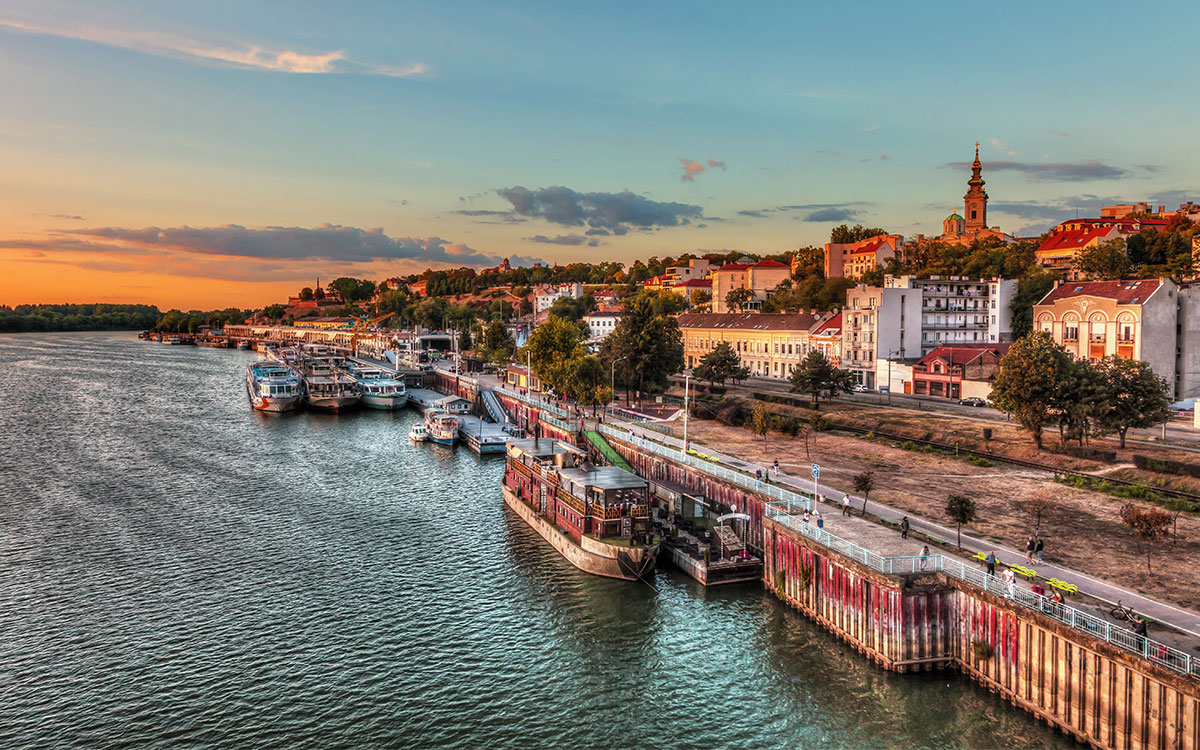
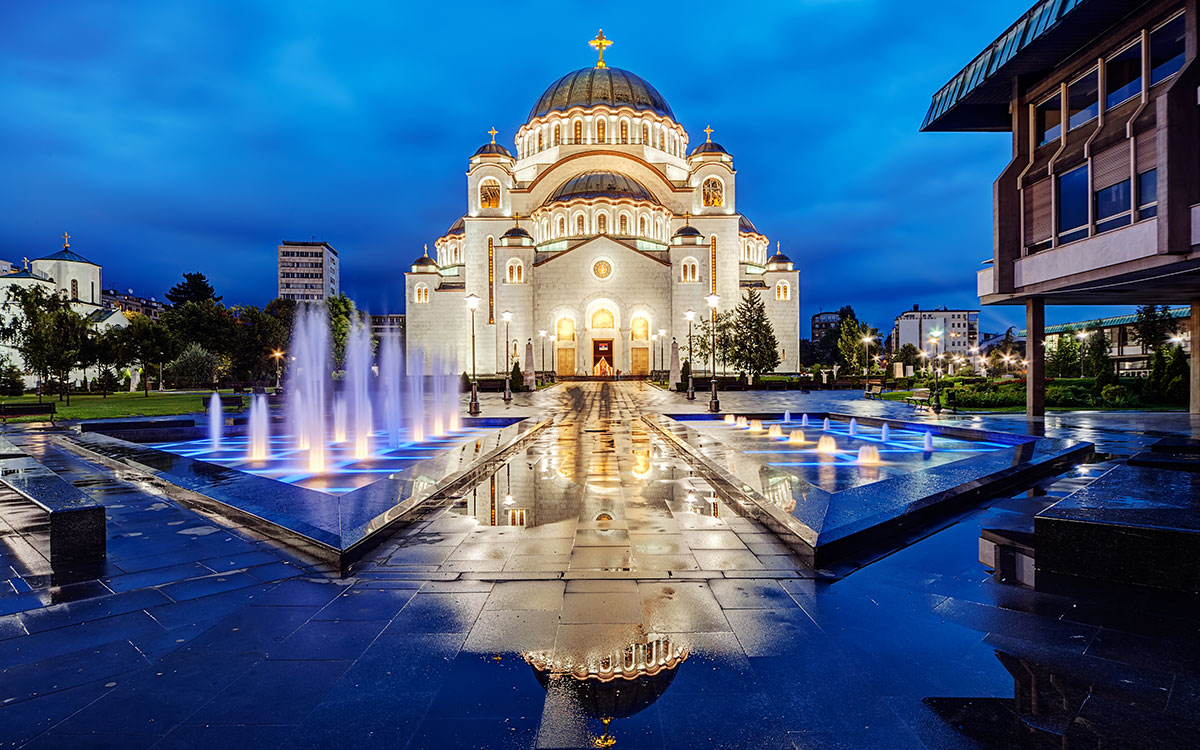

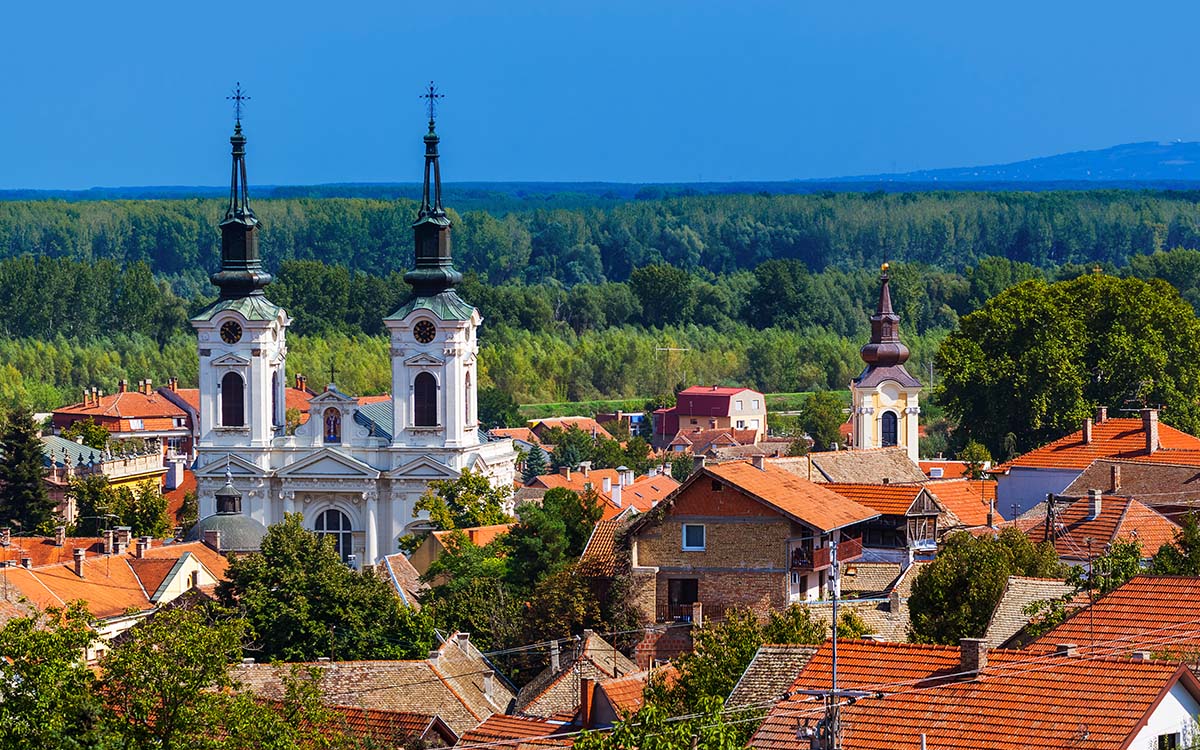

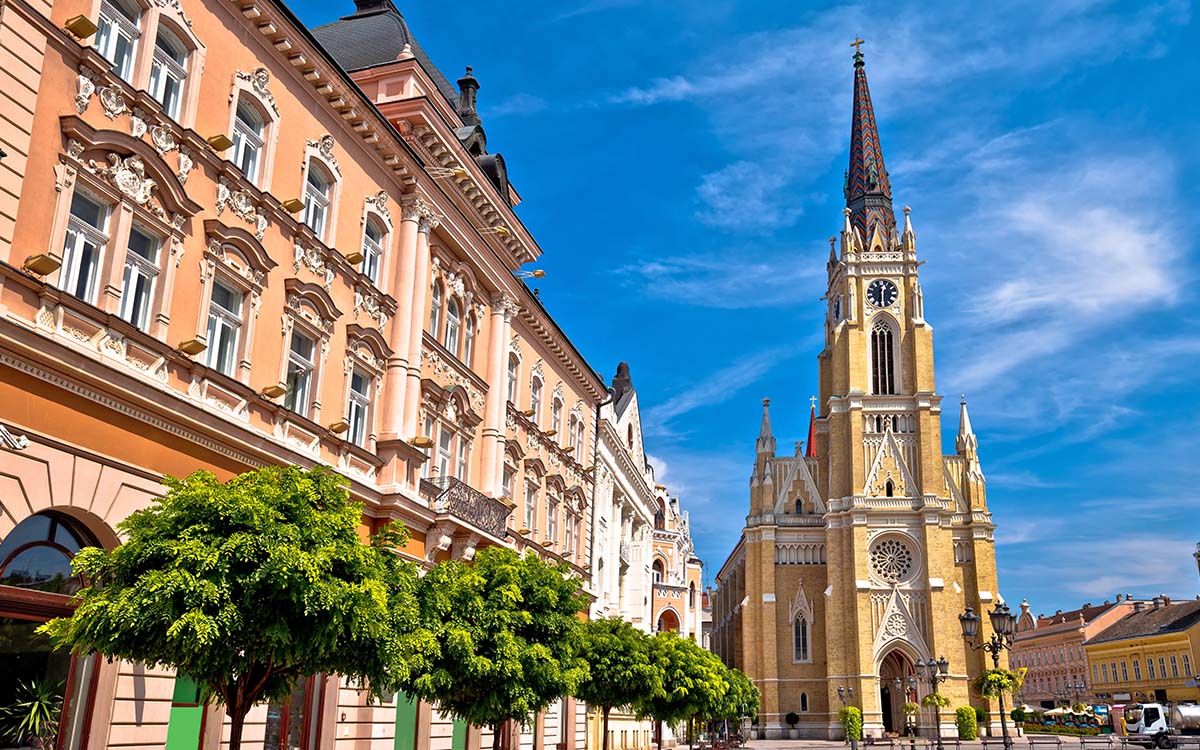
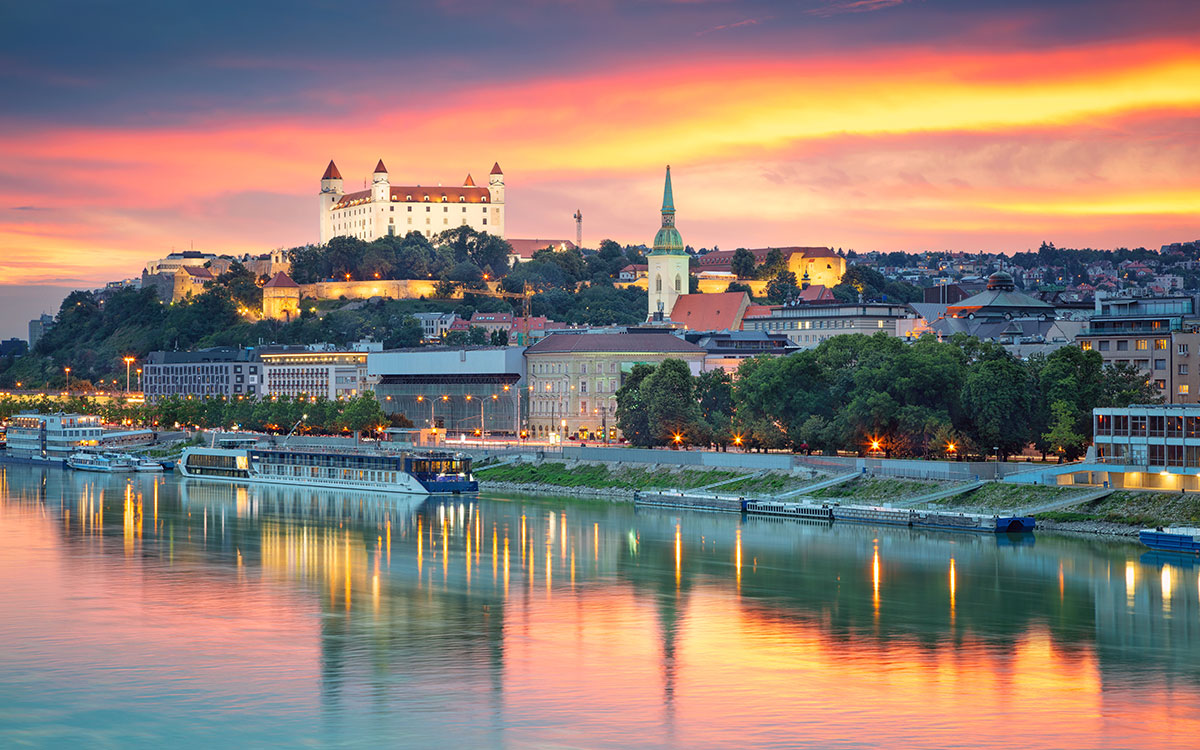
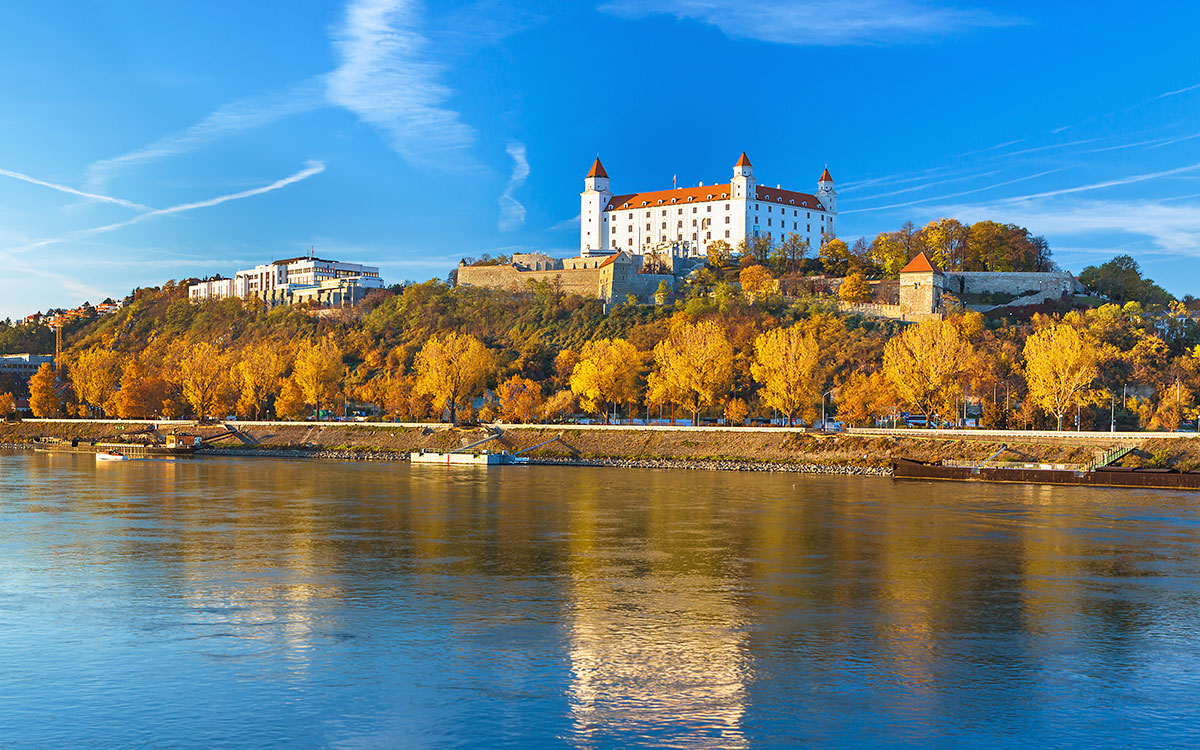
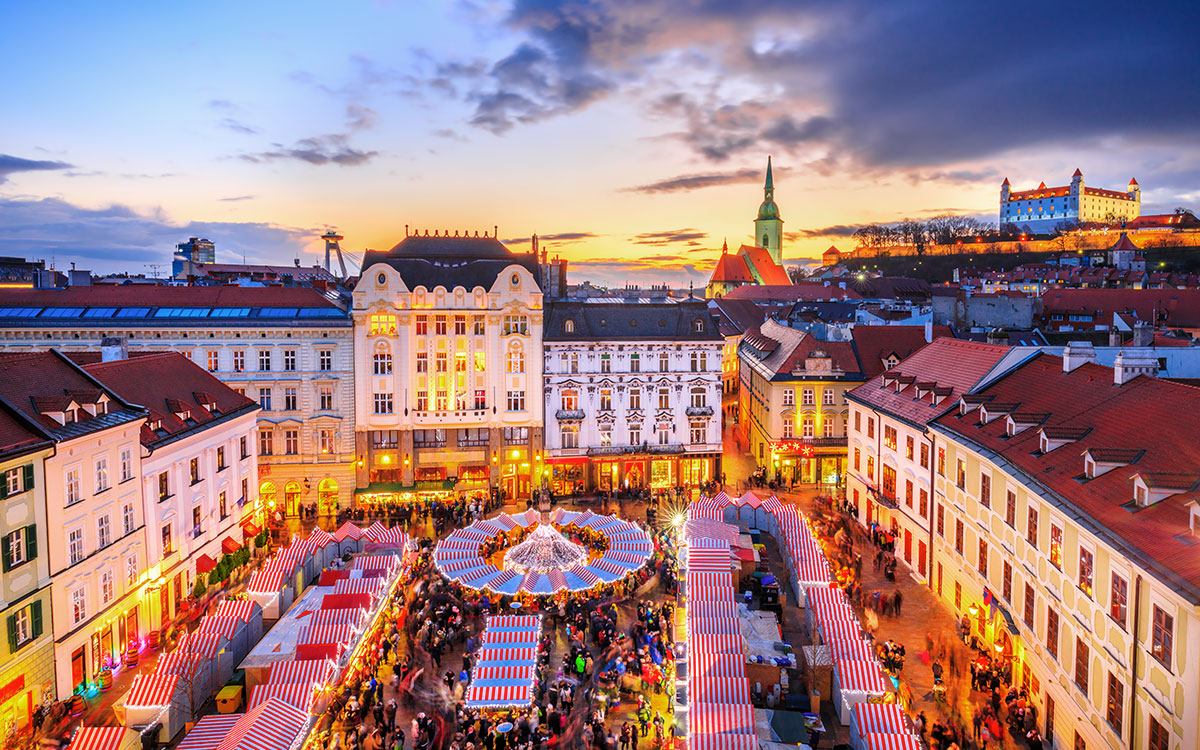
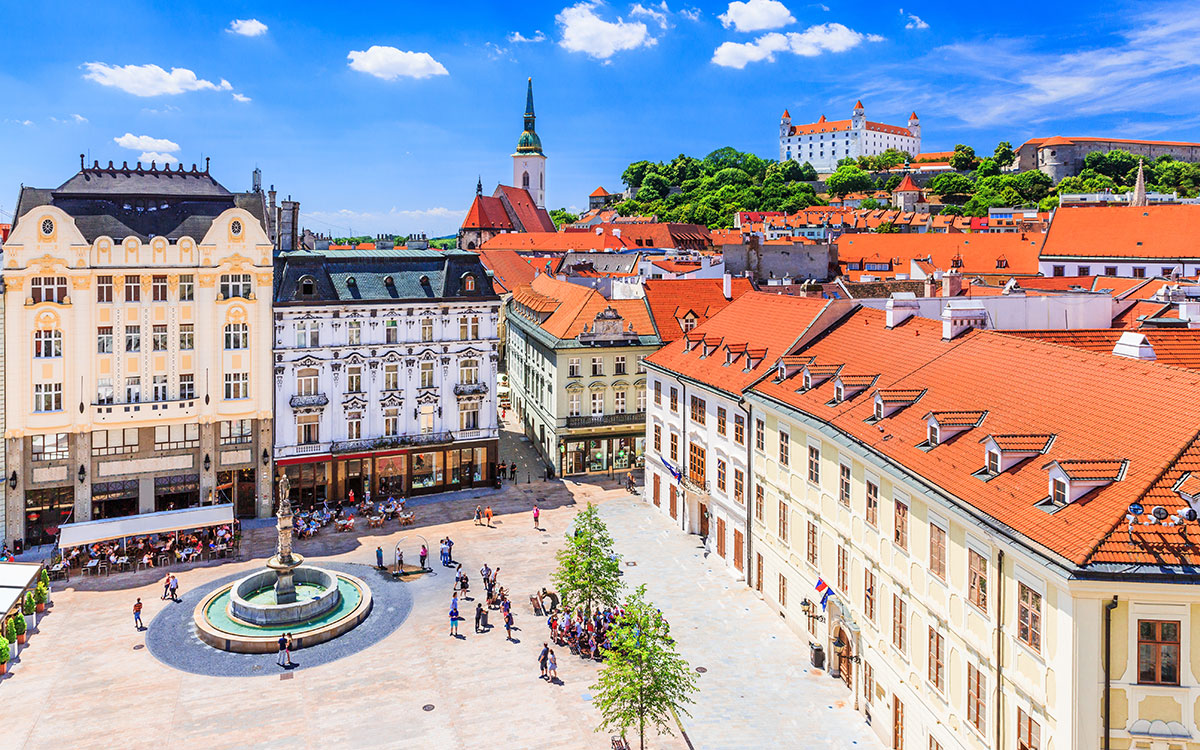

Danube Intensive from Passau Itinerary

Day 1
Passau
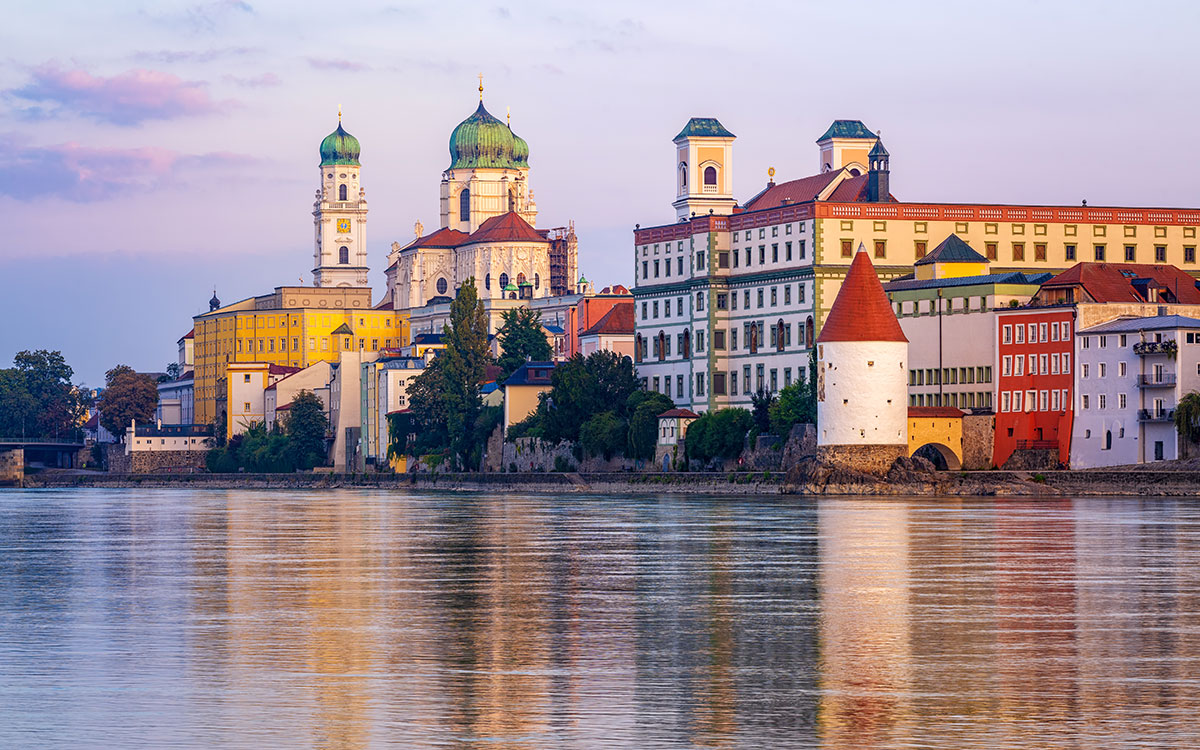
Passau is a German city located in the Southeast of Germany on the Austrian border. It is situated at the confluence of the rivers Danube, Inn and Ilz. The Three Rivers City, as it’s also known, is unique for its three contrasting currents of blue, green and black. Old Town of Passau is home to towering buildings of striking architecture: the majestic fortress Veste Oberhaus, the Pilgrimage Church Mariahilf and St Stephen's Cathedral. Many of Passau’s attractions can be found in this area, including the New Bishop’s Residence, the Gothic Town Hall, as well as many churches and museums. Visitors can stroll along the riverfront promenades and romantic lanes whilst enjoying the picturesque landscape. For modern art, The Museum of Modern Art and Glass Museum Passau are recommended as they offer something a bit different. Theatre and cabaret are a popular evening pastime, with performances at the former Prince Bishopric Theatre or some lively cabaret and Jazz at the Scharfrichterhaus. Visitors will also find many traditional local Bavarian and Austrian cafes and restaurants offering a cosy atmosphere with home cooked food from local produce.
Day 2
Vienna
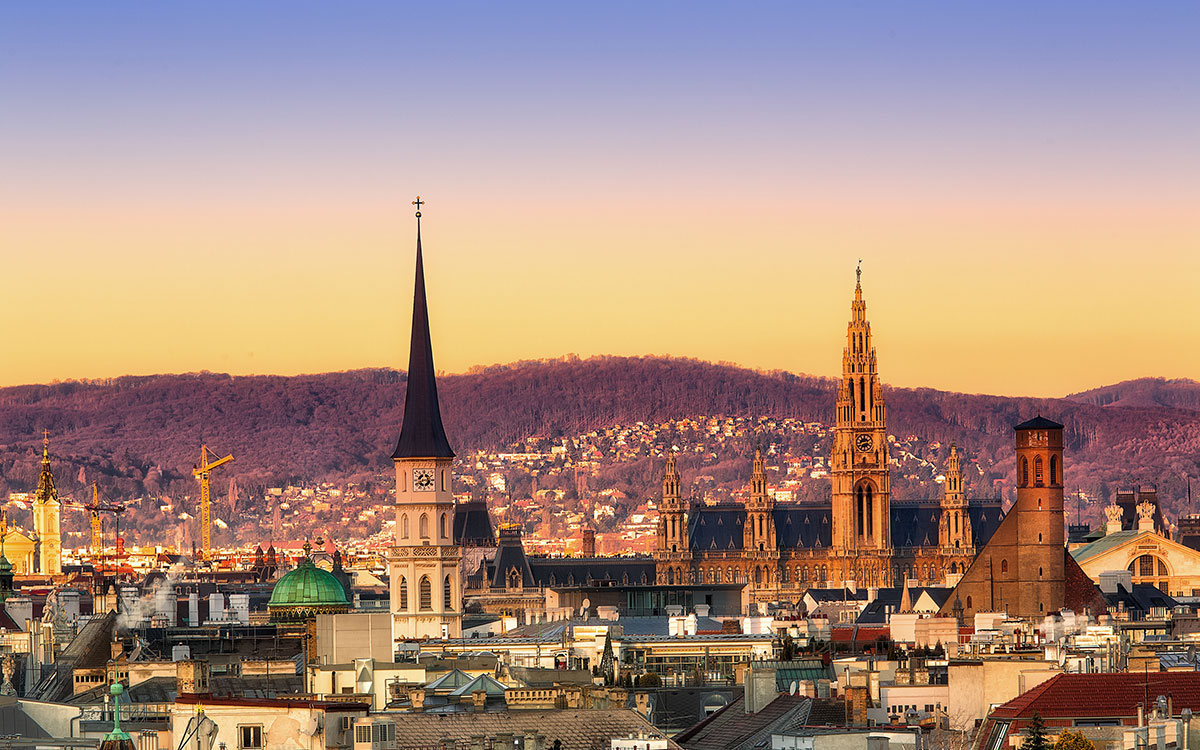
It's difficult to explore the sights and
sounds of Vienna without thinking of an elegant Strauss waltz or a
memorable Brahms lullaby. This beautiful Baroque capital of Austria
was for centuries the centre of the Habsburg Empire, retaining its
grand spirit in the form of magnificent palaces and grand mansions
peppering the Innere Stadt.
The city's cultural heritage is mainly
musical, with great composers such as Strauss, Brahms, Beethoven,
Schubert, Haydn and Mozart all having lived and performed here.
Today, the Vienna Philharmonic Orchestra and the State Opera House
help to keep alive the city's traditions by offering more classical
music performances a year than any other city in the world.
While Vienna is a city of music, it's also
synonymous with gourmet fare, cream cakes, superb coffee, the
angelic strains of the Vienna Boys' Choir, and the proud prancing
of the Lipizzaner stallions at the world-famous Spanish Riding
School.
Starting out as a Celtic settlement on the
banks of the Danube, Vienna became one of Rome's most important
central European bases. Its favourable location on the strategic
river contributed to the city becoming the stronghold of a mighty
empire, reaching its peak during the tumultuous reign of the
dazzling Habsburg dynasty.
At the end of the 19th century, the golden
age of the Austrian Empire began to decline as Vienna's coffee
houses filled with radical intellectuals such as Freud, Klimt and
Mahler. The World War II Nazi occupation left scars, but Vienna
survived to remain a captivating capital that blends Italian
romanticism with Germanic orderliness.
Most of the city's tourist attractions are
within the largely pedestrianised inner city area, which was once
enclosed by the city walls. The walls have been replaced with the
Ringstrasse, a wide ring road. Further out in the suburbs is the
thrilling Prater amusement park with its massive Ferris wheel, and
the opulent Schonbrunn summer palace. Visitors also should not miss
a trip to the Vienna Woods, peppered with wine taverns called
heurigen.
Vienna is truly a paradise for classical
music aficionados, with unrivalled history, influence and majesty.
But it's also a city of sophistication and class, a romantic
outpost of old world grandeur shining through the heritage of
imperial power.
Day 3
Esztergom
Esztergom is a historic city located in Hungary, on the banks of the Danube River. It is known for its rich cultural heritage, stunning architecture, and its status as the birthplace of the Hungarian nation. With a population of around 30,000 people, Esztergom is one of the oldest towns in Hungary and holds an important place in the country's history.
One of the most iconic landmarks in Esztergom is the Esztergom Basilica, also known as the Primatial Basilica of the Blessed Virgin Mary Assumed Into Heaven and St Adalbert. This magnificent structure dominates the city's skyline and is the largest church building in Hungary. Its massive dome stretches up to 100 meters, making it one of the tallest buildings in the country. Visitors can explore the basilica's interior, which features beautiful frescoes, intricate sculptures, and a stunning view of the surrounding area from its panoramic terrace.
Another must-visit attraction in Esztergom is the Castle Museum, situated on Castle Hill. The museum showcases the town's eventful history through various exhibitions and artifacts. Visitors can learn about the Roman and medieval periods, as well as the more recent history of the city. The panoramic view from the castle's terrace is breathtaking, offering visitors a spectacular vista of the Danube River and the neighboring Slovakia.
For those interested in historical sites, the Christian Museum is also worth a visit. Housed in the Archbishop's Palace, this museum showcases an extensive collection of religious art and artifacts dating back centuries. From medieval sculptures and paintings to religious vestments and liturgical objects, the Christian Museum gives visitors a glimpse into the region's religious past.
Nature lovers will find enjoyment in the Danube Bend, just a short distance from Esztergom. This stunning stretch of the Danube River offers breathtaking views, tranquil hiking trails, and opportunities for water sports. The Pilis Mountains overlook the river, providing a picturesque backdrop for outdoor activities such as hiking, biking, and camping.
Esztergom is also known for its lively cultural scene. The city hosts several festivals throughout the year, celebrating art, music, and Hungarian traditions. The International Palace Festival, held annually in August, attracts visitors from near and far with its array of concerts, theatrical performances, and cultural events. The streets of Esztergom come alive with vibrant energy during this festival, offering visitors an immersive experience in Hungarian culture.
Food enthusiasts will not be disappointed in Esztergom. The city offers a wide variety of traditional Hungarian cuisine, ranging from hearty goulash to mouth-watering pastries. Visitors can indulge in local delicacies at the city's numerous restaurants and cafes, or explore the bustling farmer's market for fresh local produce and ingredients.
In terms of transportation, Esztergom is easily accessible from Budapest, Hungary's capital city. A short drive or train ride will take you to this historic town, allowing you to explore its wonders in a day trip or opt for a longer stay to fully immerse yourself in its rich heritage.
In conclusion, Esztergom is an enchanting destination that offers a blend of history, culture, and natural beauty. With its magnificent basilica, historic sites, stunning views, and vibrant cultural scene, this charming town in Hungary is a must-visit for any traveler seeking an authentic and enriching experience.
Day 4
Kalocsa
Kalocsa is a city in Hungary that is known for its paprika production. The city has a long history, dating back to the Roman era. Kalocsa is situated on the banks of the Danube River and is a popular tourist destination. The city is home to a number of historical landmarks, including the Kalocsa Cathedral and the Kalocsa Palace. Kalocsa is also known for its traditional folk art, which includes paprika-painted ceramics and embroidery.
Day 5
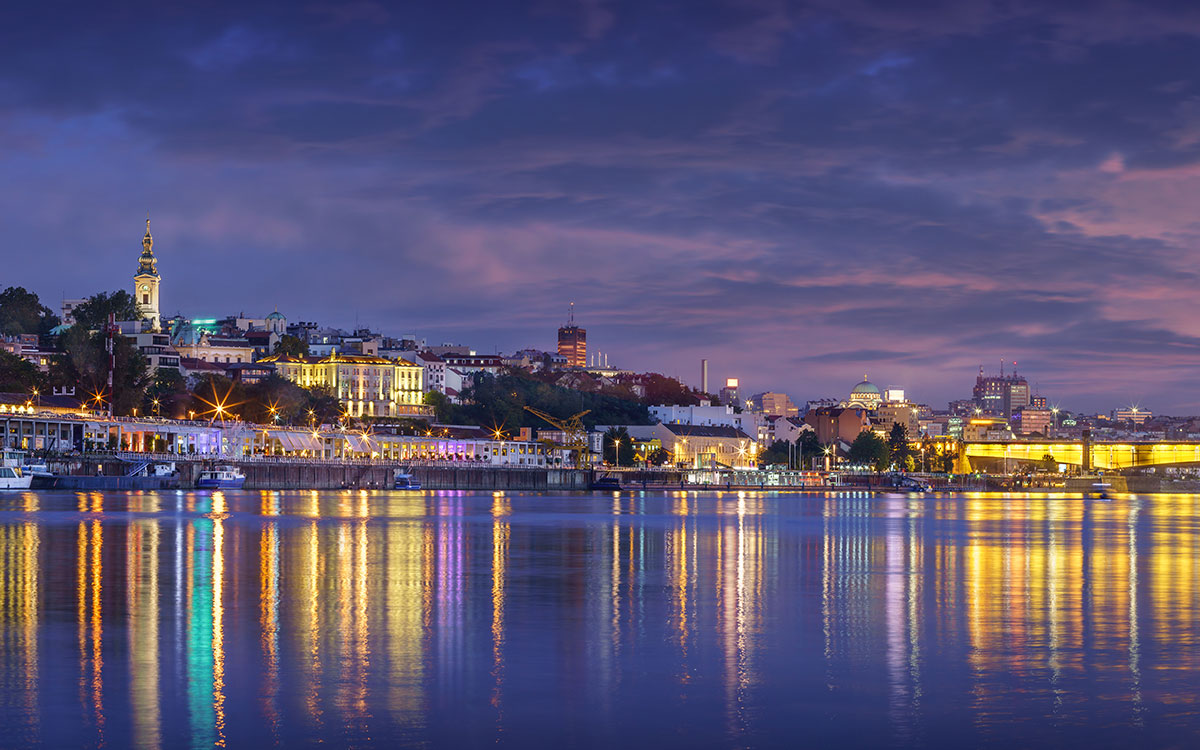
Belgrade
Belgrade has developed into a prominent
European capital, its promising growth and optimism seeking to
overshadow its turbulent past. The history of Belgrade goes back
some 6,000 years, and is filled with tales of conflict and tragedy.
But no matter the cost or devastation, the city has always bounced
back and is in the midst of a cultural and creative revival.
Situated where the Sava and Danube rivers
meet on the Balkan Peninsula, the beauty and charm of the city is
not found in gorgeous buildings or sweeping parks. Instead, it
beats with an identity layered with relics of many generations and
the remaining customs of countless invaders. Decidedly Old World
with a hint of the Orient, varying cultural influences and
architectural styles jostle for attention in Belgrade, combining to
imbue the modern city with its own unique aura.
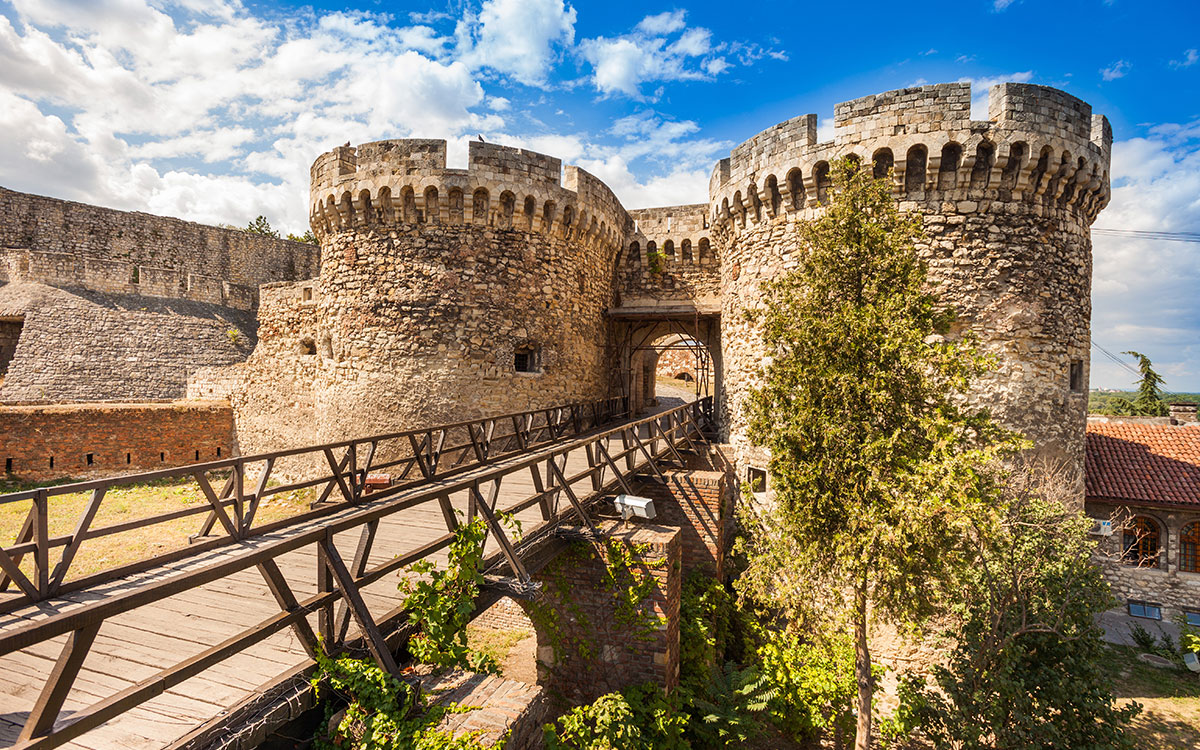
The best place to begin understanding the
city is at the site of its original ancient settlement, the hill
called Kalemegdan, now a fascinating park-like complex of historic
structures overlooking the Old Town (Stari Grad). Here, the
Military Museum traces the history of the city's bloody past, from
its first conflict with the Roman legions in the 1st century BC to
its most recent conflagration, when NATO forces bombed the city for
78 straight days in 1999.
Those less fascinated by history and who
would rather enjoy modern Belgrade will find myriad leisure and
pleasure opportunities in the city. From the techno scene of its
famed nightclubs to the restaurants and street performances of
bohemian Skadarlija Street, visitors to Belgrade will feel welcomed
by the warm and proud residents of this indomitable city.
Day 7
Novi Sad
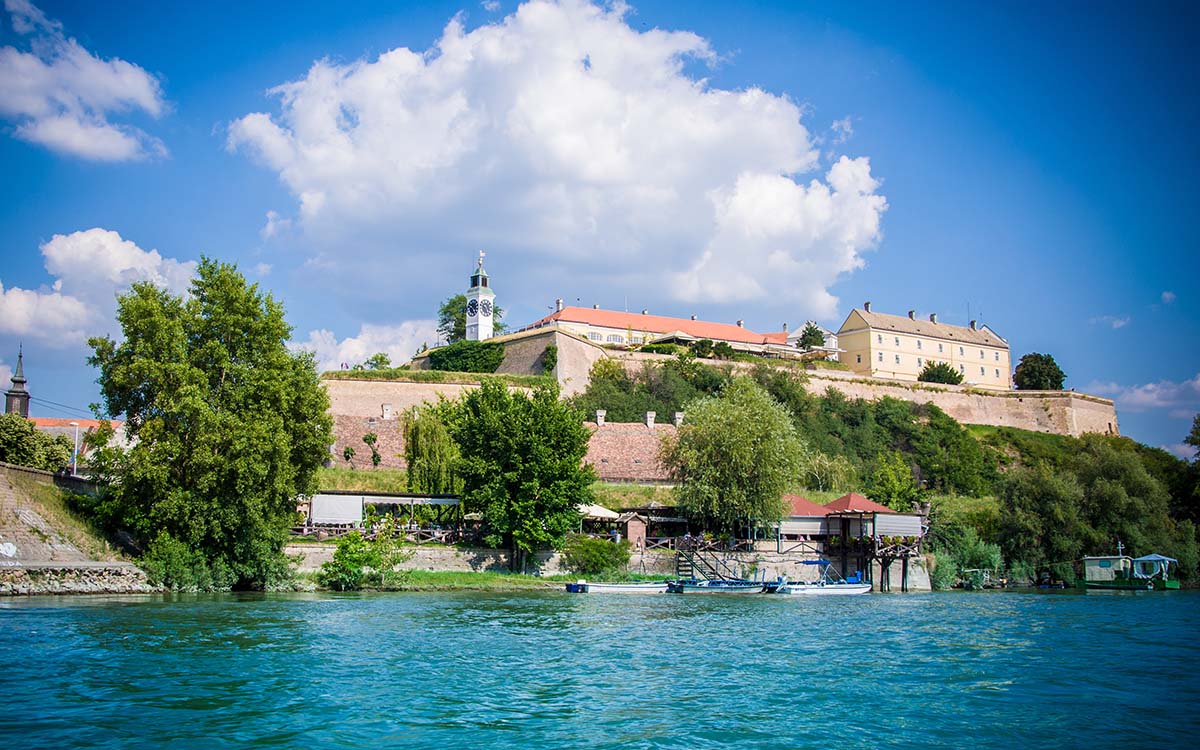
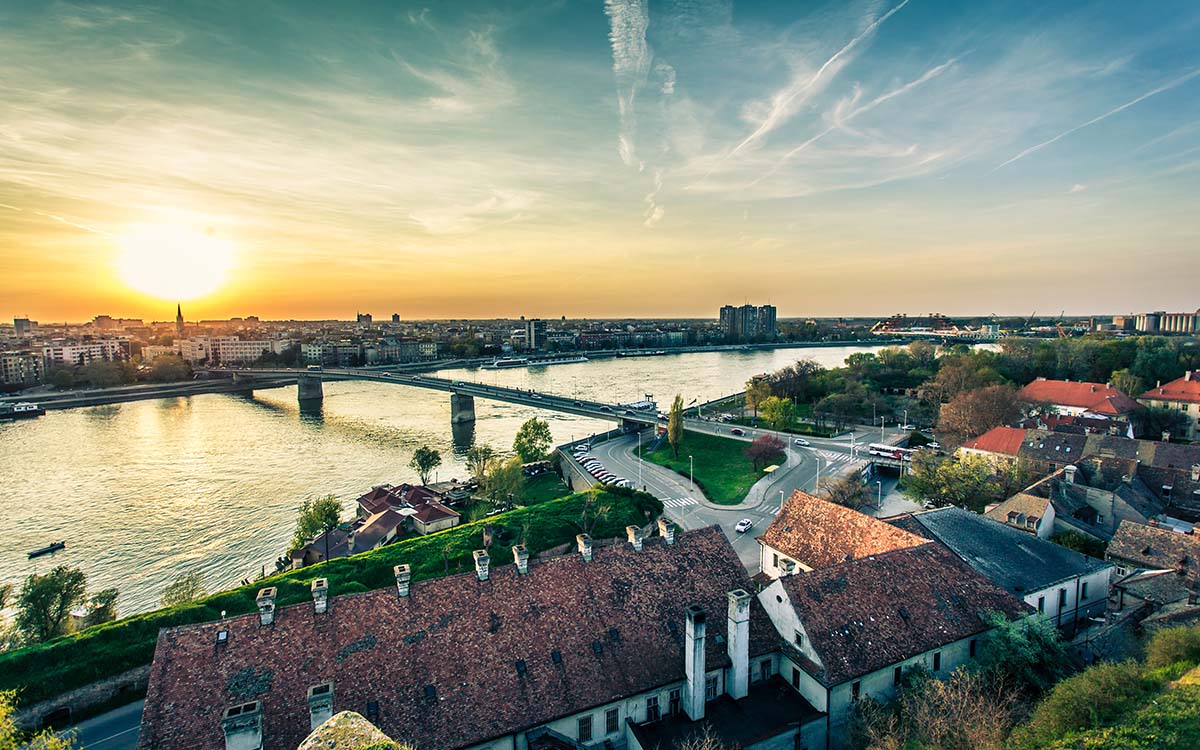
Novi Sad is a city in the southern Serbian province of Vojvodina. It is the administrative center of the Central Serbian region and the second-largest city in Serbia after Belgrade. The city has a population of 250,851, while the urban area of Novi Sad has a population of 403,795. The city is located on the Danube River, in the north-central part of Vojvodina. Novi Sad was founded in 1694 by the Habsburgs, after the expulsion of the Ottomans from Hungary. The city was the capital of the Serbian Empire from 1718 to 1739, when it was conquered by the Ottomans. The city was liberated from Ottoman rule in 1716 by the Habsburgs, and it remained under Habsburg rule until 1918, when it became part of the Kingdom of Serbs, Croats, and Slovenes. After World War II, Novi Sad became part of the Socialist Federal Republic of Yugoslavia. The city has many cultural institutions, including the Serbian National Theater, the Serbian Academy of Sciences and Arts, and the University of Novi Sad. Novi Sad is also the home of the Exit music festival, which is held annually in July.
Day 8
Vukovar
Vukova is a charming, picturesque village nestled in the rolling hills of Eastern Europe. Known for its serene landscapes and rich cultural heritage, this quaint settlement offers a unique blend of traditional and modern elements. The village is characterized by its cobblestone streets, rustic wooden houses, and vibrant gardens that showcase a plethora of colorful flowers, making it a photographer's paradise.
The heart of Vukova is the village square, where locals gather for various festivities and markets. Here, one can find an array of artisanal goods, ranging from handcrafted pottery to exquisite embroidery, each piece telling a story of the village’s craftsmanship. The square also houses a small but historically significant church, an architectural gem that stands as a testament to Vukova's long-standing religious traditions.
Surrounding the village are vast expanses of meadows and forests, perfect for those who enjoy outdoor activities such as hiking, biking, or simply immersing themselves in nature. The local flora and fauna are diverse, offering a captivating experience for nature enthusiasts. Vukova's commitment to preserving its natural beauty is evident in the well-maintained trails and conservation efforts that promote sustainability.
Culinary delights are a significant part of Vukova’s allure. The village is home to several family-run restaurants and cafes that serve traditional Eastern European cuisine. Visitors can indulge in hearty dishes made from locally sourced ingredients, accompanied by the finest wines from nearby vineyards. Meals in Vukova are not just about food; they are a celebration of the village’s agricultural bounty and culinary traditions.
Whether visiting for a peaceful retreat or to explore its cultural treasures, Vukova offers an unforgettable experience. Its harmonious blend of natural beauty, rich traditions, and welcoming community make it a hidden gem in Eastern Europe, inviting travelers to discover its charming simplicity and authentic spirit.
Day 9
Vukovar
Vukova is a charming, picturesque village nestled in the rolling hills of Eastern Europe. Known for its serene landscapes and rich cultural heritage, this quaint settlement offers a unique blend of traditional and modern elements. The village is characterized by its cobblestone streets, rustic wooden houses, and vibrant gardens that showcase a plethora of colorful flowers, making it a photographer's paradise.
The heart of Vukova is the village square, where locals gather for various festivities and markets. Here, one can find an array of artisanal goods, ranging from handcrafted pottery to exquisite embroidery, each piece telling a story of the village’s craftsmanship. The square also houses a small but historically significant church, an architectural gem that stands as a testament to Vukova's long-standing religious traditions.
Surrounding the village are vast expanses of meadows and forests, perfect for those who enjoy outdoor activities such as hiking, biking, or simply immersing themselves in nature. The local flora and fauna are diverse, offering a captivating experience for nature enthusiasts. Vukova's commitment to preserving its natural beauty is evident in the well-maintained trails and conservation efforts that promote sustainability.
Culinary delights are a significant part of Vukova’s allure. The village is home to several family-run restaurants and cafes that serve traditional Eastern European cuisine. Visitors can indulge in hearty dishes made from locally sourced ingredients, accompanied by the finest wines from nearby vineyards. Meals in Vukova are not just about food; they are a celebration of the village’s agricultural bounty and culinary traditions.
Whether visiting for a peaceful retreat or to explore its cultural treasures, Vukova offers an unforgettable experience. Its harmonious blend of natural beauty, rich traditions, and welcoming community make it a hidden gem in Eastern Europe, inviting travelers to discover its charming simplicity and authentic spirit.
Day 11
Bratislava
Bratislava is Slovakia's compact capital
and a must for art lovers. Straddling the Danube River and within
easy reach of Austria, Hungary, and the Czech Republic, the city is
ideally located. Its multitude of museums, art galleries, palaces
and ornamental churches (all found in and around its historic Old
Town) make it the centre for arts and culture in the country, and a
worthy destination for culture vultures.
Bratislava rightly takes pride in this
cultural heritage, with a musical history that stretches back to
Mozart, Beethoven and Hummel. Music concerts and ballet
performances take place almost daily in the city, and rival those
in neighbouring Vienna, Prague and Budapest.
The Old Town district is crammed with
historical structures representing the different cultures and
nations of its past, centring on the famous town square called
Hlavné Námestie. The historic Old Town can easily be explored on
foot.
The 11th-century Gothic Cathedral of St
Martin is found within the Old Town, together with numerous Baroque
palaces. The Old Town also contains the town hall, which houses the
oldest museum in the country, as well as a gate preserved from the
medieval city fortifications. One of the most conspicuous
structures in the city is Bratislava Castle, a former frontier post
for the Roman Empire situated on a plateau overlooking the
Danube.
While still lagging behind Budapest and
Prague in terms of popularity, word of Bratislava's picturesque
charm and affordable elegance is spreading and the city is rapidly
being thrust into the limelight as a popular European destination.
An increase in low-cost flights from around Europe is also partly
responsible for its rising recognition.
Day 12
Bratislava
Bratislava is Slovakia's compact capital
and a must for art lovers. Straddling the Danube River and within
easy reach of Austria, Hungary, and the Czech Republic, the city is
ideally located. Its multitude of museums, art galleries, palaces
and ornamental churches (all found in and around its historic Old
Town) make it the centre for arts and culture in the country, and a
worthy destination for culture vultures.
Bratislava rightly takes pride in this
cultural heritage, with a musical history that stretches back to
Mozart, Beethoven and Hummel. Music concerts and ballet
performances take place almost daily in the city, and rival those
in neighbouring Vienna, Prague and Budapest.
The Old Town district is crammed with
historical structures representing the different cultures and
nations of its past, centring on the famous town square called
Hlavné Námestie. The historic Old Town can easily be explored on
foot.
The 11th-century Gothic Cathedral of St
Martin is found within the Old Town, together with numerous Baroque
palaces. The Old Town also contains the town hall, which houses the
oldest museum in the country, as well as a gate preserved from the
medieval city fortifications. One of the most conspicuous
structures in the city is Bratislava Castle, a former frontier post
for the Roman Empire situated on a plateau overlooking the
Danube.
While still lagging behind Budapest and
Prague in terms of popularity, word of Bratislava's picturesque
charm and affordable elegance is spreading and the city is rapidly
being thrust into the limelight as a popular European destination.
An increase in low-cost flights from around Europe is also partly
responsible for its rising recognition.
Day 13
Vienna
It's difficult to explore the sights and
sounds of Vienna without thinking of an elegant Strauss waltz or a
memorable Brahms lullaby. This beautiful Baroque capital of Austria
was for centuries the centre of the Habsburg Empire, retaining its
grand spirit in the form of magnificent palaces and grand mansions
peppering the Innere Stadt.
The city's cultural heritage is mainly
musical, with great composers such as Strauss, Brahms, Beethoven,
Schubert, Haydn and Mozart all having lived and performed here.
Today, the Vienna Philharmonic Orchestra and the State Opera House
help to keep alive the city's traditions by offering more classical
music performances a year than any other city in the world.
While Vienna is a city of music, it's also
synonymous with gourmet fare, cream cakes, superb coffee, the
angelic strains of the Vienna Boys' Choir, and the proud prancing
of the Lipizzaner stallions at the world-famous Spanish Riding
School.
Starting out as a Celtic settlement on the
banks of the Danube, Vienna became one of Rome's most important
central European bases. Its favourable location on the strategic
river contributed to the city becoming the stronghold of a mighty
empire, reaching its peak during the tumultuous reign of the
dazzling Habsburg dynasty.
At the end of the 19th century, the golden
age of the Austrian Empire began to decline as Vienna's coffee
houses filled with radical intellectuals such as Freud, Klimt and
Mahler. The World War II Nazi occupation left scars, but Vienna
survived to remain a captivating capital that blends Italian
romanticism with Germanic orderliness.
Most of the city's tourist attractions are
within the largely pedestrianised inner city area, which was once
enclosed by the city walls. The walls have been replaced with the
Ringstrasse, a wide ring road. Further out in the suburbs is the
thrilling Prater amusement park with its massive Ferris wheel, and
the opulent Schonbrunn summer palace. Visitors also should not miss
a trip to the Vienna Woods, peppered with wine taverns called
heurigen.
Vienna is truly a paradise for classical
music aficionados, with unrivalled history, influence and majesty.
But it's also a city of sophistication and class, a romantic
outpost of old world grandeur shining through the heritage of
imperial power.
Day 14
Krems
Krems, located in Lower Austria in the heart of the Wachau Valley, is a charming town known for its rich history, stunning architecture, and picturesque landscapes. With its tranquil atmosphere and diverse cultural attractions, Krems attracts both nature lovers and history buffs alike. Whether you are interested in exploring ancient castles, visiting world-class museums, or simply enjoying the beauty of the surrounding countryside, Krems has something to offer everyone.
One of the highlights of Krems is its well-preserved medieval old town, which is a UNESCO World Heritage Site. Strolling through the narrow streets, you will be transported back in time with the area's historic buildings, charming courtyards, and inviting cafes. The Steiner Tor, an impressive gatehouse dating back to the 15th century, marks the entrance to the old town and is a popular spot for visitors to take pictures.
Art and culture enthusiasts will find plenty to explore in Krems. The town is home to several notable museums, including the Kunsthalle Krems, which showcases contemporary art exhibitions, and the Karikaturmuseum Krems, dedicated to the art of caricature and satire. Additionally, the historic Göttweig Abbey, located just outside of Krems, is a stunning architectural masterpiece and offers guided tours that provide insights into the life of the Benedictine monks.
Nature lovers can indulge in the breathtaking views of the Wachau Valley, a UNESCO World Heritage Cultural Landscape. The valley is renowned for its terraced vineyards, which produce some of Austria's finest wines, and is a popular destination for wine enthusiasts. Visitors can explore the numerous wineries and vineyards in the area, participate in wine tastings, or take a leisurely bike ride along the Danube river, soaking in the beauty of the surrounding landscapes.
For those seeking outdoor activities, Krems and its surroundings offer plenty of options. The nearby Danube river provides opportunities for boat cruises or even kayaking and canoeing adventures. Hiking trails can be found in the surrounding vineyards and forests, offering stunning views of the valley.
Food lovers will delight in the local culinary scene in Krems. The town boasts numerous traditional Austrian restaurants, charming cafes, and wine taverns, known as Heuriger, where you can sample regional specialties and delicious wines. The Wachau apricot, a local fruit, is celebrated in various forms such as jams, liqueurs, and desserts, and shouldn't be missed during your visit.
Throughout the year, Krems hosts a variety of events and festivals that add to its vibrant atmosphere. The annual Wachau Marillenblütenfest (apricot blossom festival), held in early spring, celebrates the blooming apricot trees with music, food, and entertainment. The Wachau Gourmet Festival in summer showcases the culinary delights of the region, while the Advent market in December is perfect for immersing oneself in the Christmas spirit.
Krems, with its unique blend of history, culture, and natural beauty, offers a captivating experience for travelers. Whether you are interested in exploring its medieval old town, indulging in local cuisine and wines, or simply enjoying the tranquility of the surrounding landscapes, Krems is a destination that should not be missed when traveling to Austria.
Day 15
Passau
Passau is a German city located in the Southeast of Germany on the Austrian border. It is situated at the confluence of the rivers Danube, Inn and Ilz. The Three Rivers City, as it’s also known, is unique for its three contrasting currents of blue, green and black. Old Town of Passau is home to towering buildings of striking architecture: the majestic fortress Veste Oberhaus, the Pilgrimage Church Mariahilf and St Stephen's Cathedral. Many of Passau’s attractions can be found in this area, including the New Bishop’s Residence, the Gothic Town Hall, as well as many churches and museums. Visitors can stroll along the riverfront promenades and romantic lanes whilst enjoying the picturesque landscape. For modern art, The Museum of Modern Art and Glass Museum Passau are recommended as they offer something a bit different. Theatre and cabaret are a popular evening pastime, with performances at the former Prince Bishopric Theatre or some lively cabaret and Jazz at the Scharfrichterhaus. Visitors will also find many traditional local Bavarian and Austrian cafes and restaurants offering a cosy atmosphere with home cooked food from local produce.
Danube Intensive from Passau Ships
Recommended Deals like Danube Intensive from Passau
Danube Intensive from Passau
 A-ROSA

Departure:
Apr to
Jun
VISITING:
Passau
Vienna
Esztergom
Kalocsa
Belgrade
Novi Sad
Vukovar
Bratislava
Vienna
Krems
Passau
FROM
£
2,284 pp
Save 24%
7 Nights
Danube Classics
FROM
£
1,105 pp
Jubiläumsreise auf der A-ROSA BELLA
FROM
£
1,915 pp
Join the Crui.se Club
Points That Pay
Earn 25 points (£25) just for joining — and collect more on bookings, reviews, and referrals.
Exclusive Member Deals
Unlock off-market offers reserved only for Crui.se Club members.
Early Access Perks
Be the first to book with pre-launch notifications and special member-only booking windows.
Cruise With Confidence
Our mission at wordpress-1024654-4169282.cloudwaysapps.com is to help you and your loved one’s book and experience the best cruise holiday imaginable. We’re different in that, our customers come first, not our suppliers or profit margins. Get in touch and let us help you set sail.


Over 20 cruise brands to choose from

Low deposits from £500

All Inclusive cruises

Best deals & discounts

Community driven

Brand agnostic

We take care of everything

Custom built cruise holidays


